Setting up an oil packaging machine production line in Oceania requires careful planning, from understanding regional market demands to selecting the right equipment and ensuring compliance with local standards. Whether you are packaging edible oils, cooking oils, or specialty oil products, a well-designed production line can significantly boost efficiency, reduce waste, and improve product shelf appeal. This guide walks you through every critical step of establishing a successful oil packaging operation in Australia, New Zealand, and the broader Pacific region.
Understanding the Oceania Oil Packaging Market
Oceania’s edible oil market has experienced steady growth driven by increasing consumer demand for premium cooking oils, organic products, and convenient packaging formats. Australia and New Zealand represent mature markets with stringent food safety regulations, while emerging economies in the Pacific Islands offer growing opportunities for packaged oil products. According to industry data from the PMMI Business Intelligence, flexible packaging formats including sachets and pouches are gaining significant traction across the Asia-Pacific region, a trend that extends into Oceania.
Key Components of an Oil Packaging Production Line
A complete oil packaging production line typically integrates multiple systems working in harmony. Understanding each component helps you make informed purchasing decisions and avoid costly bottlenecks.
1. Filling Systems
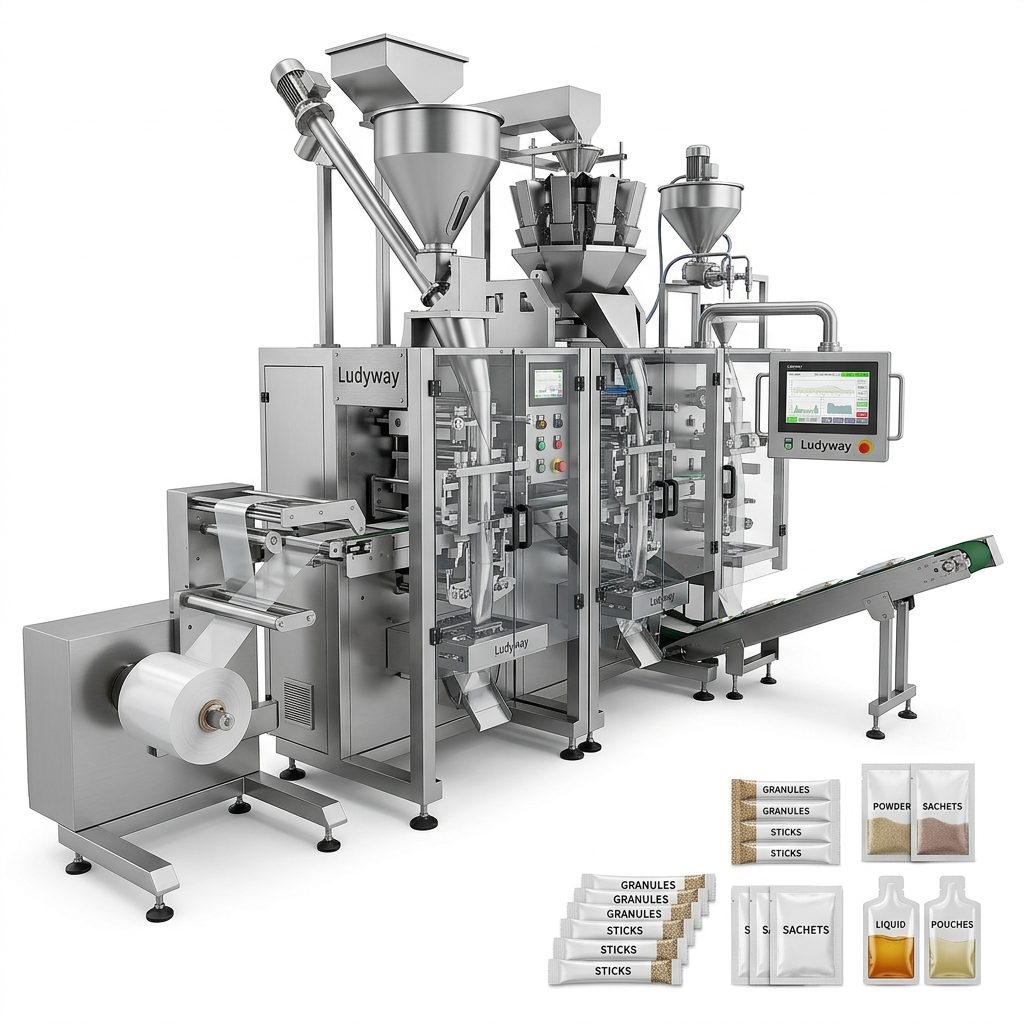
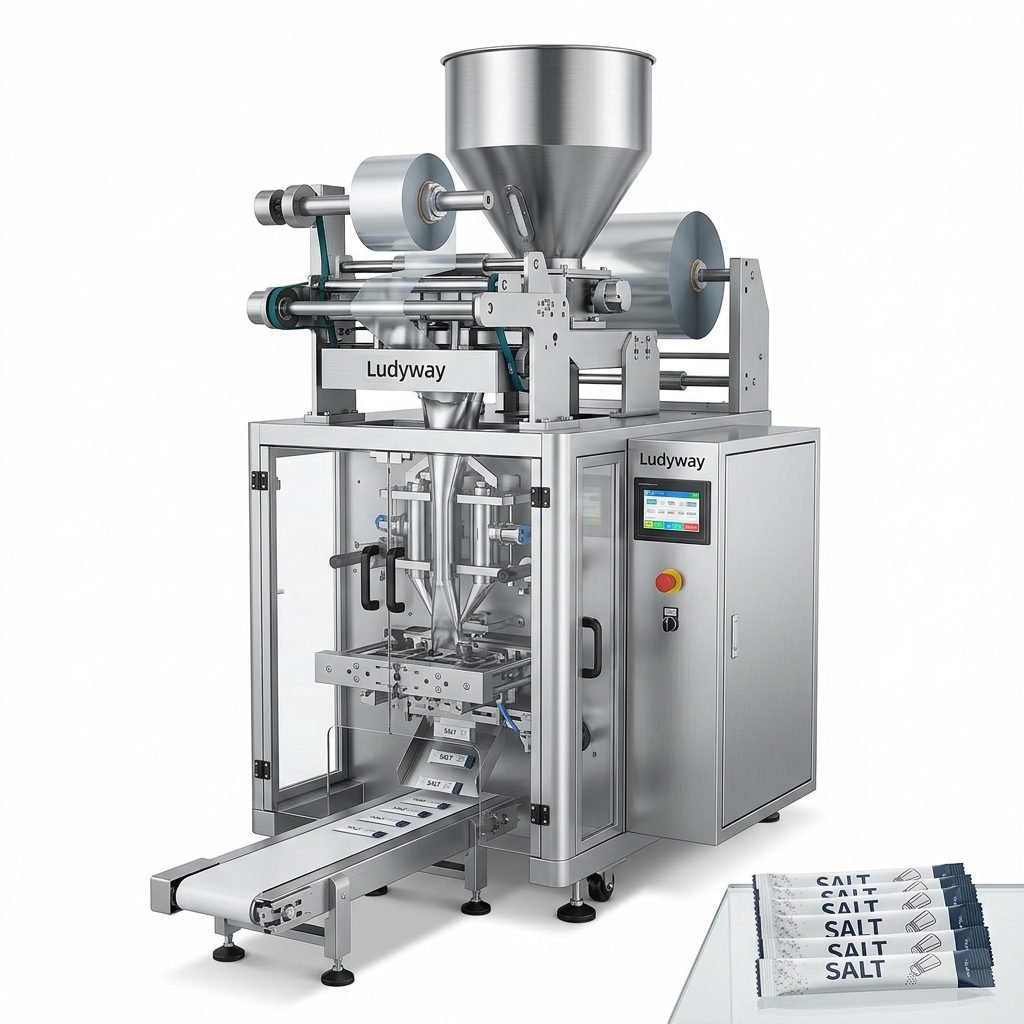
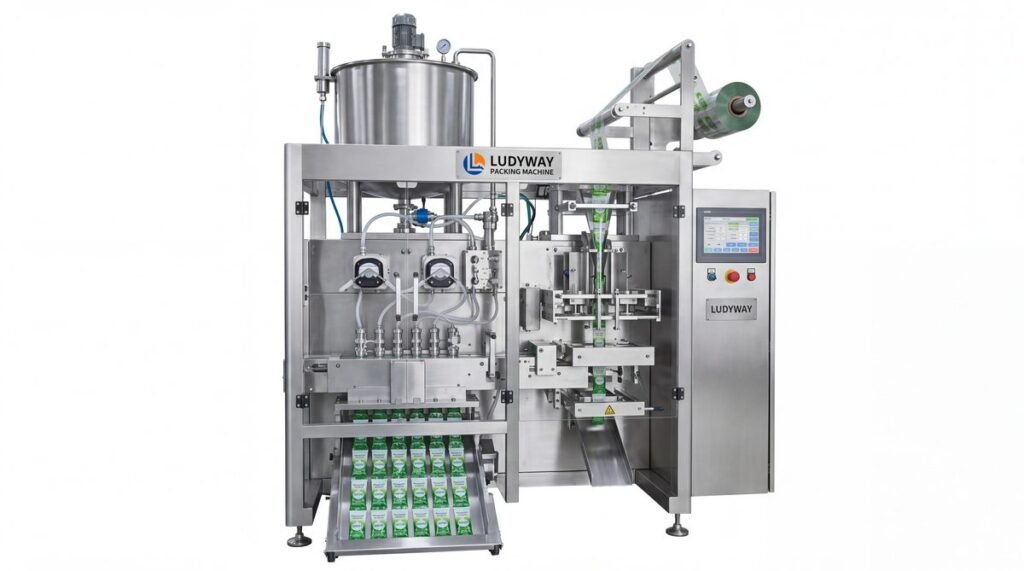
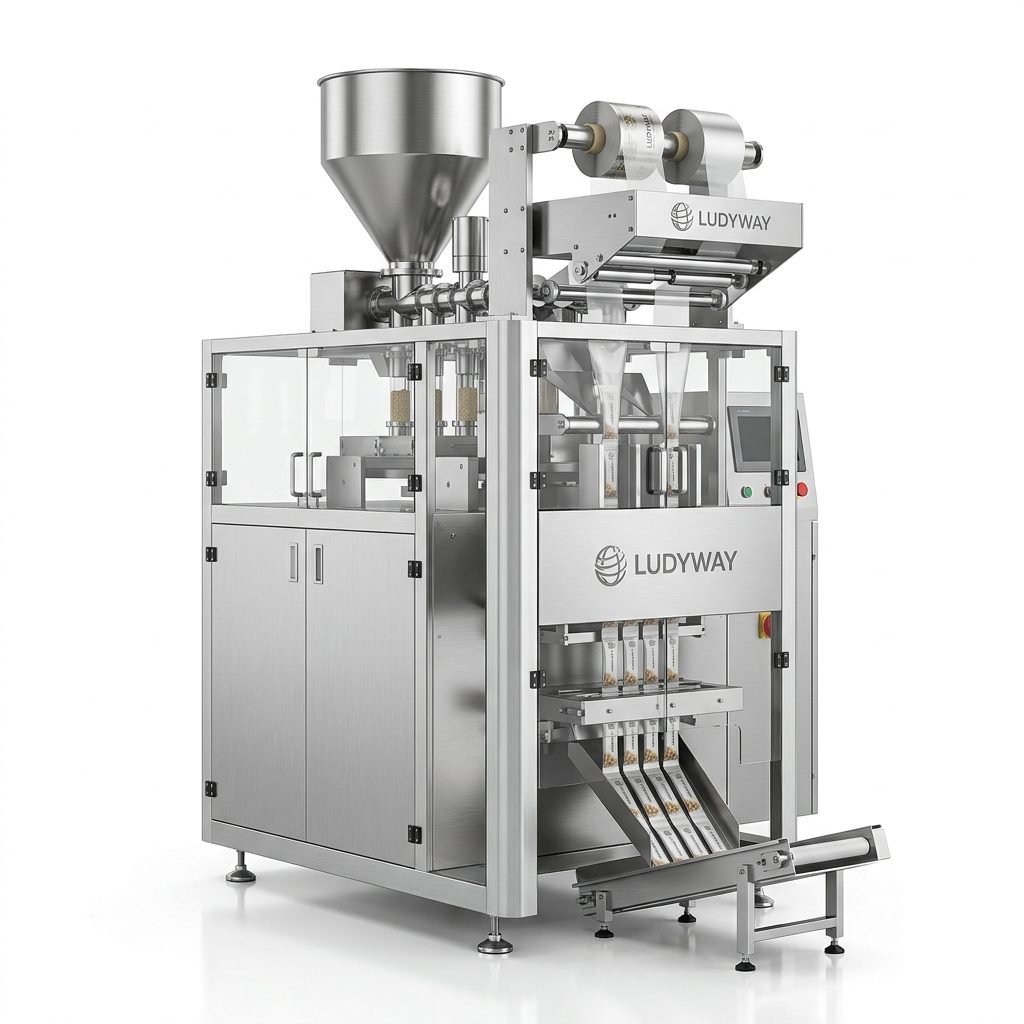
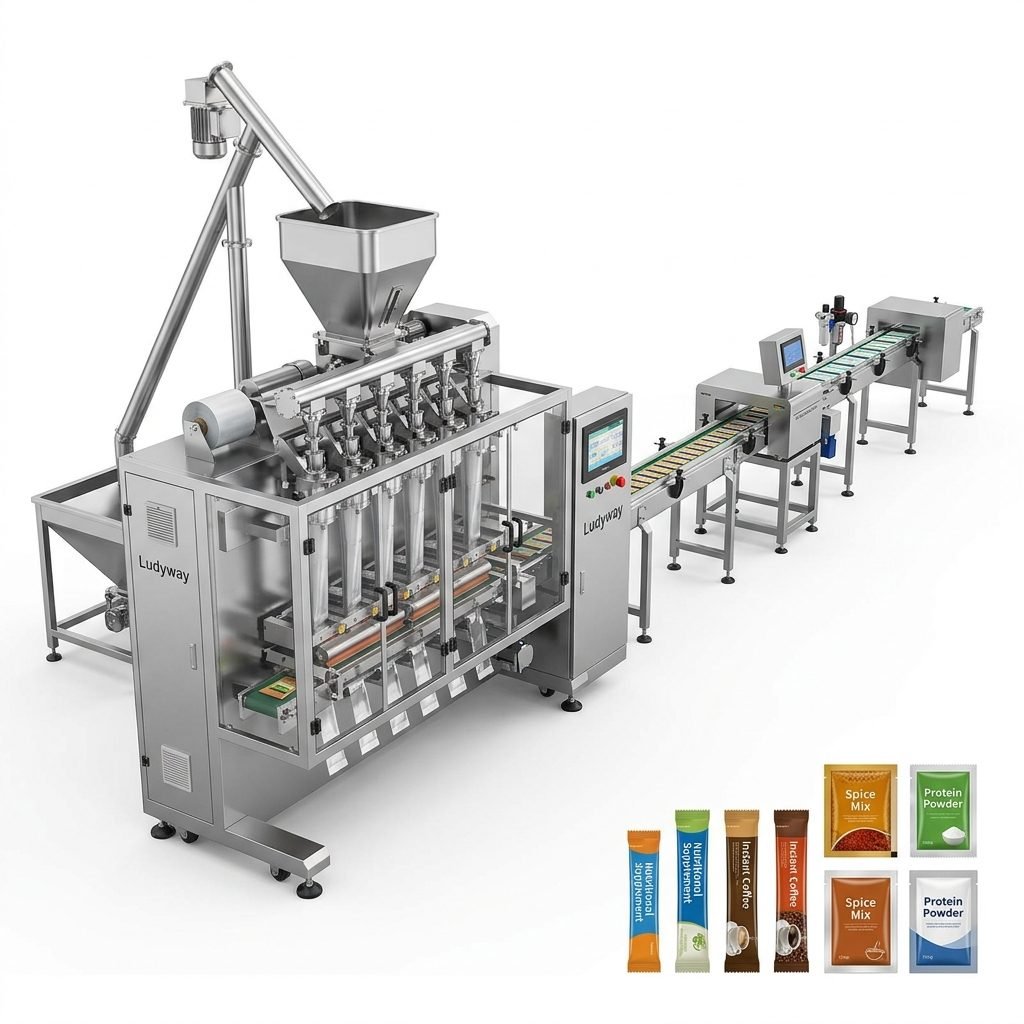
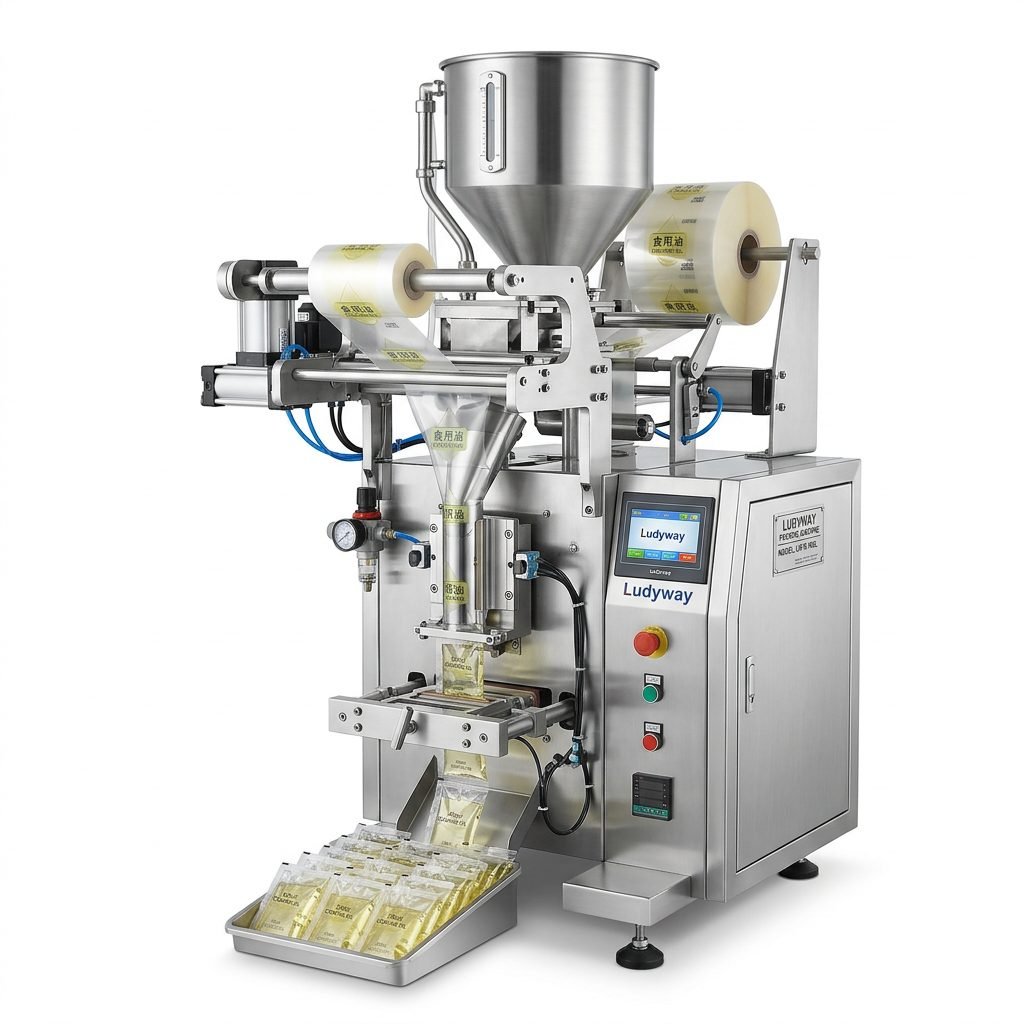
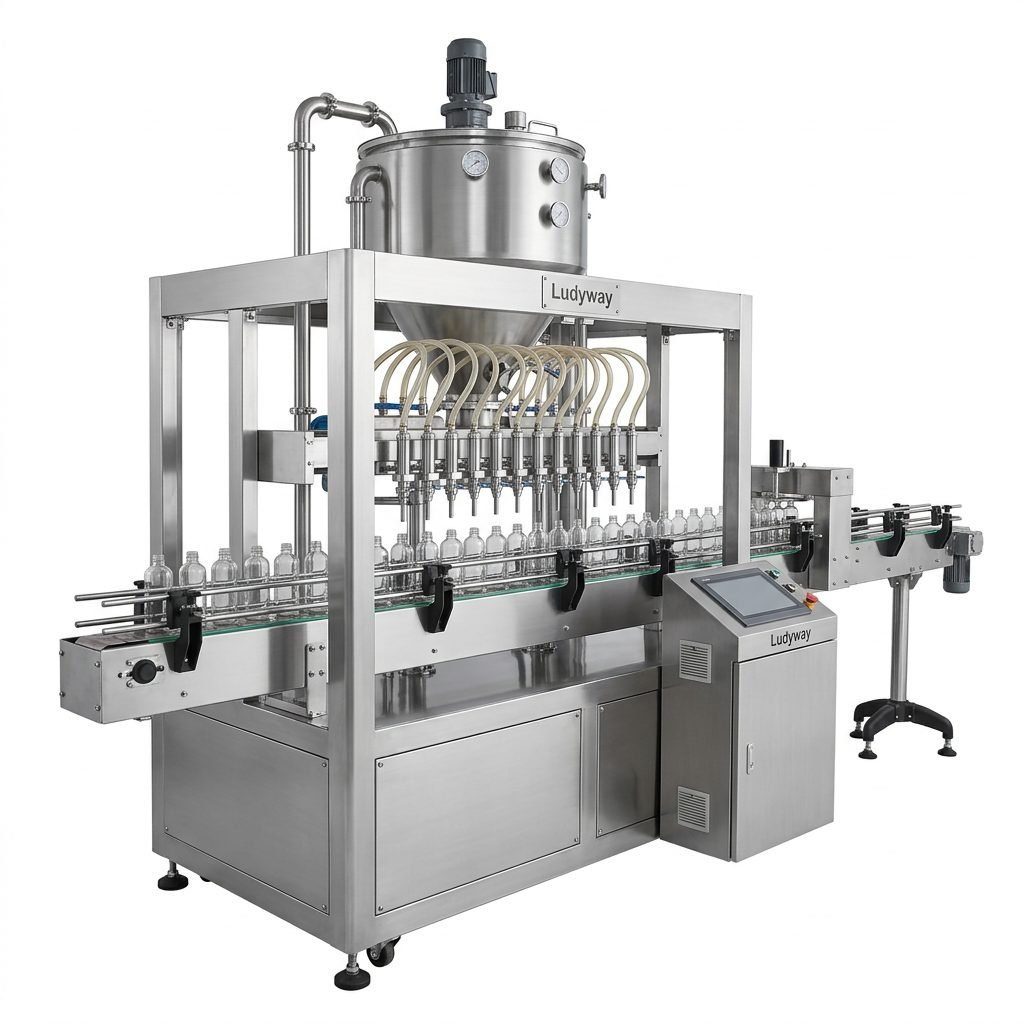
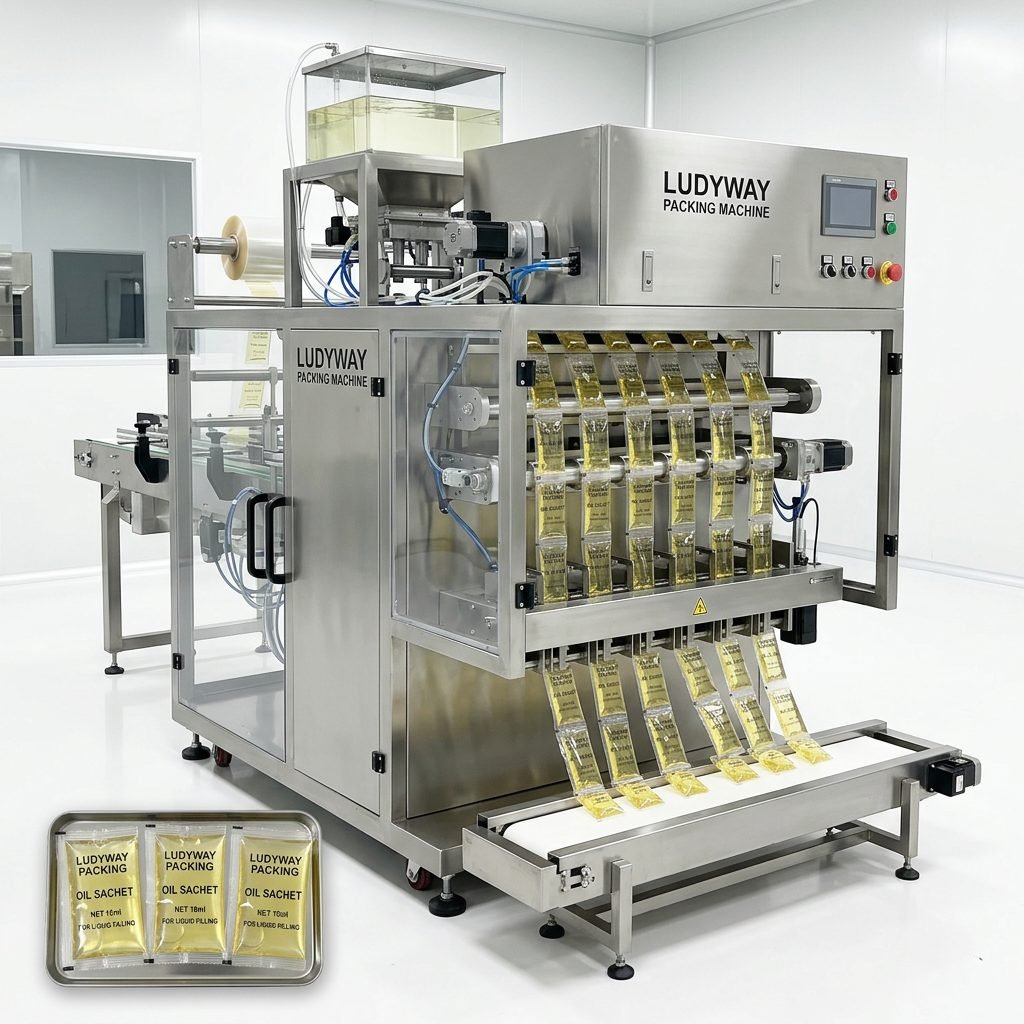
The filling machine is the heart of any oil packaging line. For liquid oils, volumetric piston fillers, gravity fillers, and servo-driven metering systems are common choices. The selection depends on your oil viscosity, desired fill accuracy, and production speed requirements. Multi-lane filling systems can dramatically increase throughput for sachet and stick-pack formats, which are increasingly popular for single-serve and travel-sized oil products throughout Oceania’s hospitality and retail sectors.
2. Sealing and Capping Equipment
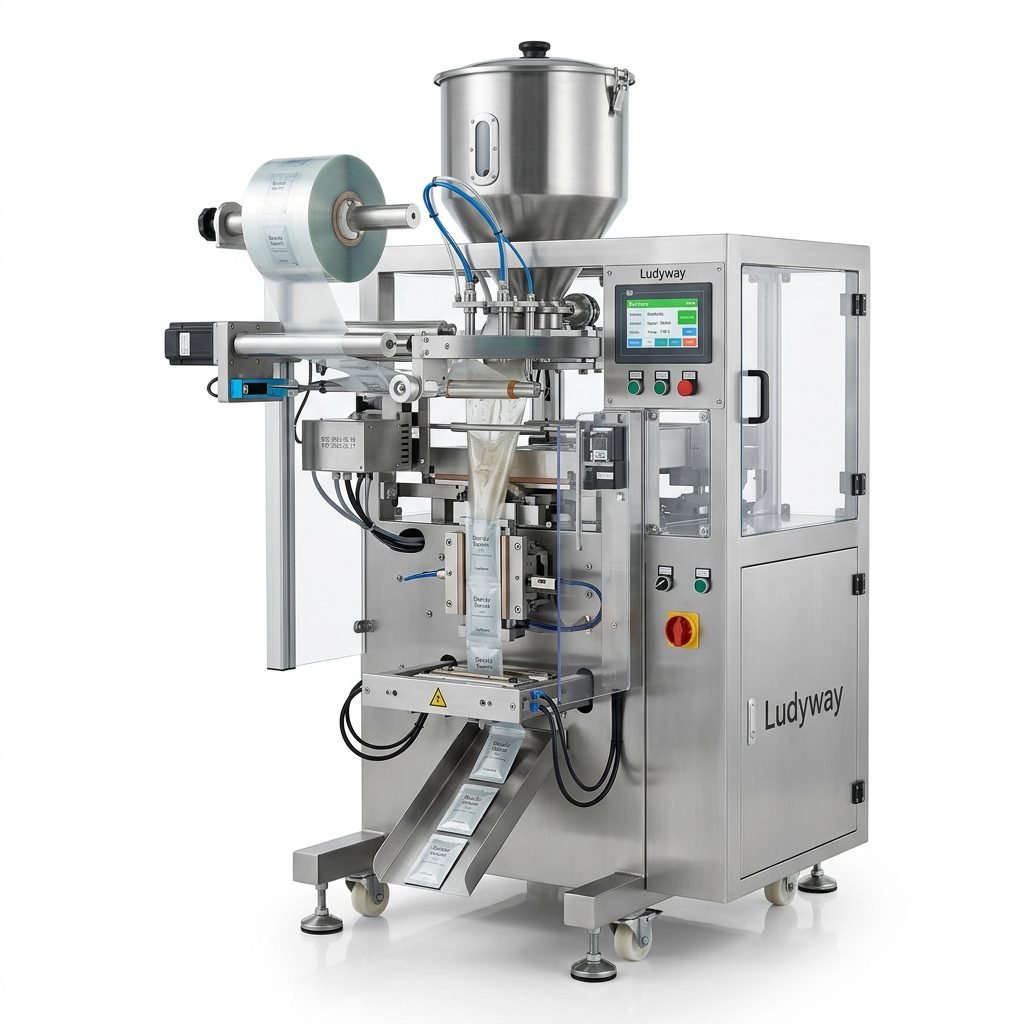
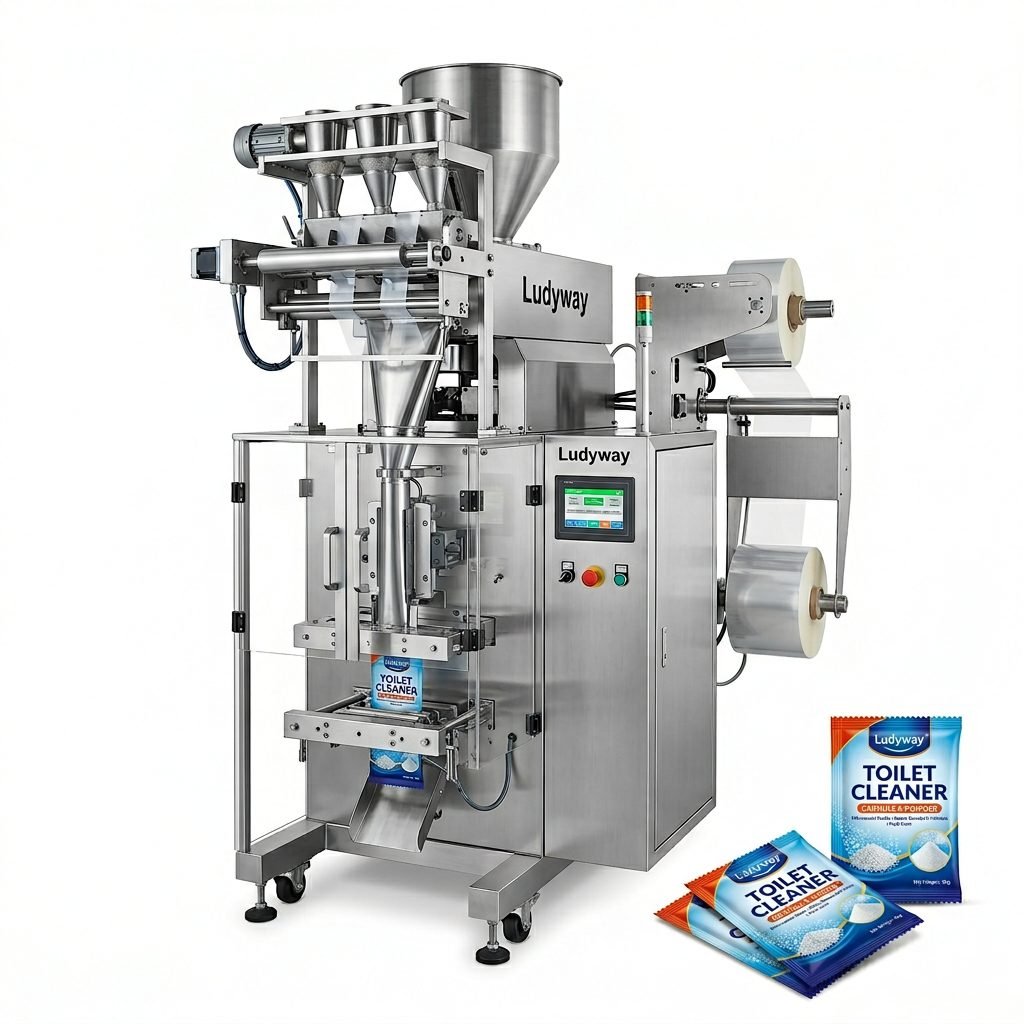
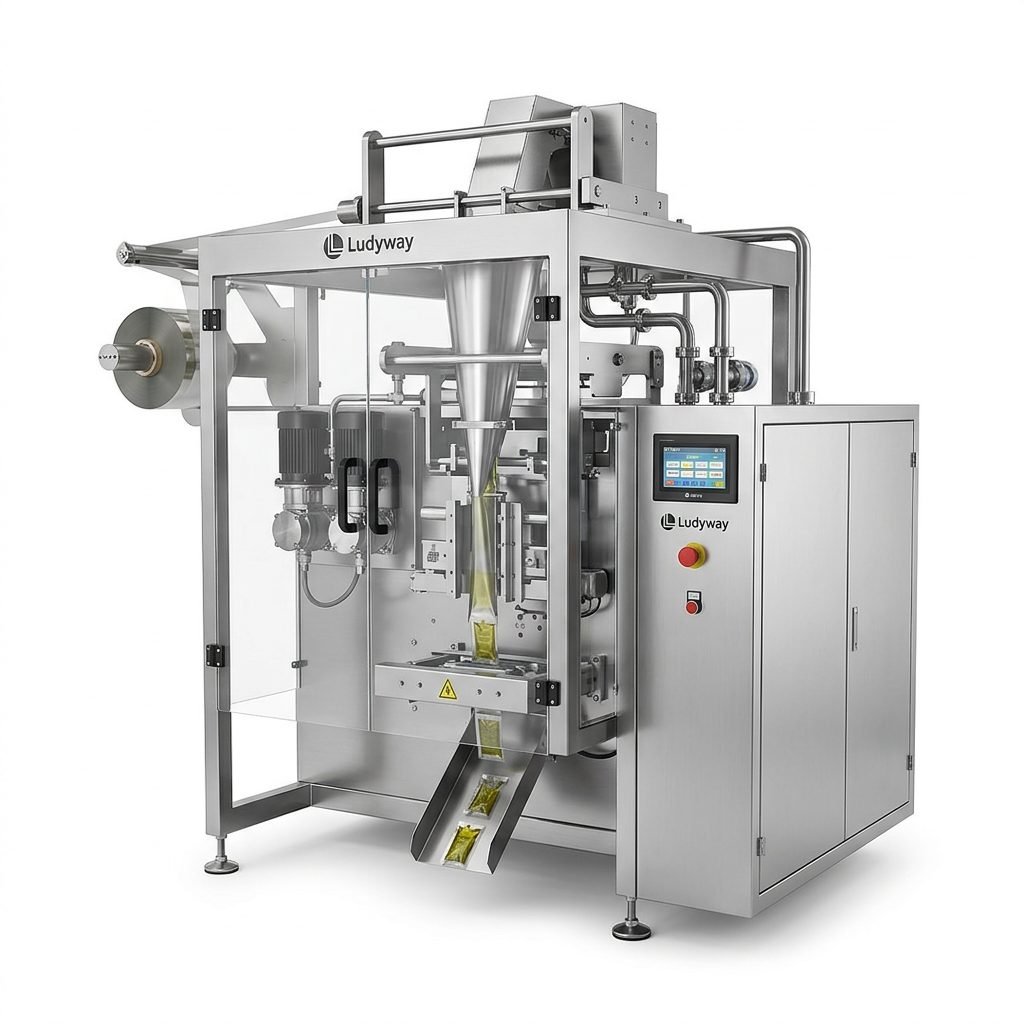
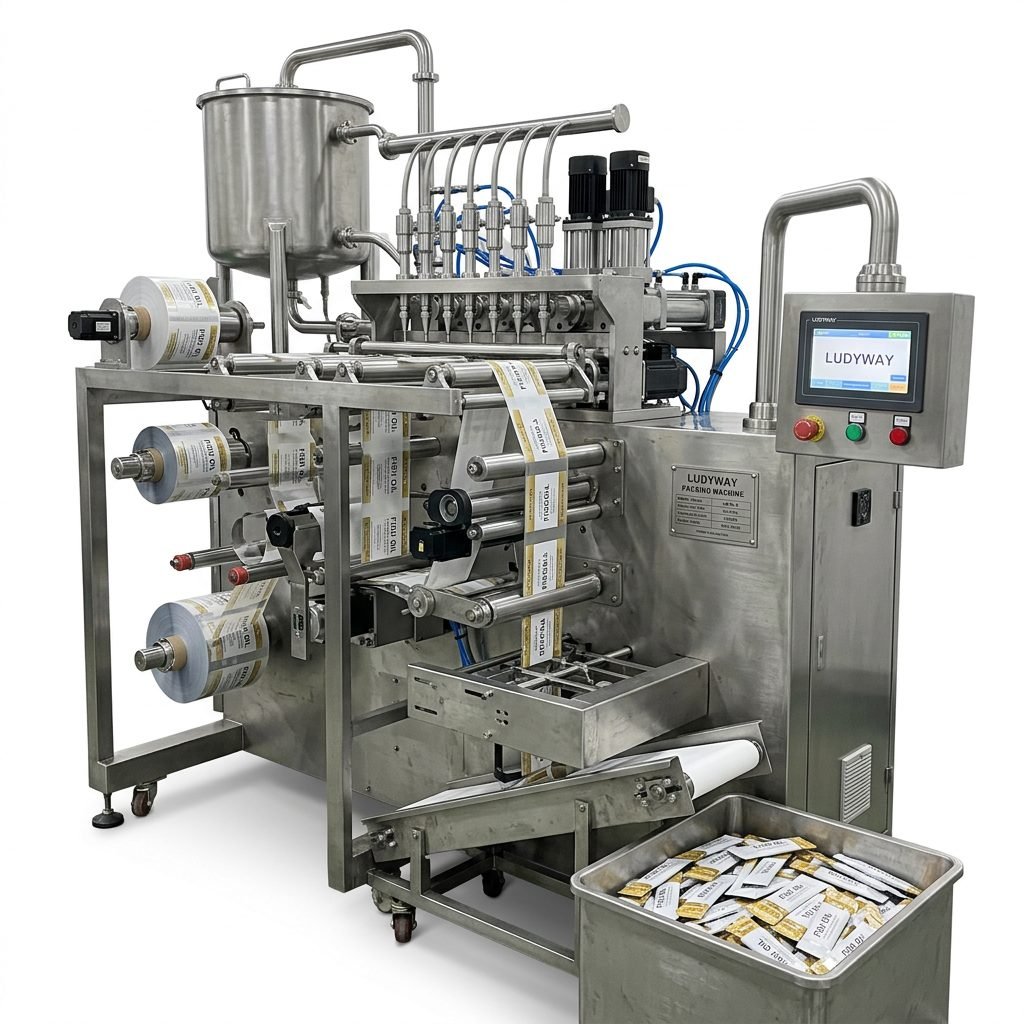
Proper sealing is critical for oil products to prevent leakage and maintain freshness. Induction sealers, heat sealers, and cap tightening systems must be matched to your container type—whether bottles, pouches, sachets, or bulk containers. For sachet packaging, vertical form-fill-seal (VFFS) machines with multi-lane configurations offer excellent efficiency.
3. Labeling and Coding Systems
Compliance with Oceania’s food labeling regulations requires precise and reliable labeling equipment. Food packaging regulations in Australia and New Zealand mandate clear ingredient lists, nutritional information, and best-before dates. Thermal transfer printers, inkjet coders, and laser marking systems ensure traceability and regulatory compliance.
4. Conveying and Material Handling
Efficient material flow between stations minimizes downtime. Belt conveyors, bucket elevators, and rotary accumulation tables must be designed to handle oil bottles and containers without slippage or contamination. Automated feeding systems for granules and powder ingredients—if your oil product includes additives—further streamline operations.
Regulatory Compliance in Oceania
Navigating the regulatory landscape is essential before installing your production line. Australia’s Food Standards Australia New Zealand (FSANZ) sets the benchmark for food safety and packaging standards across both countries. Key requirements include:
- Food-grade materials for all product-contact surfaces
- Approved lubricants and cleaning chemicals for machinery
- Compliance with HACCP principles throughout the packaging process
- Adherence to ISO packaging standards for quality management
- Proper waste management protocols as outlined by the U.S. EPA sustainable materials management guidelines, which influence Oceania’s environmental policies
Selecting the Right Packaging Format
The choice of packaging format significantly impacts your equipment selection. Below is a comparison of popular oil packaging formats in the Oceania market:
| Packaging Format | Ideal For | Key Advantages | Market Demand |
|---|---|---|---|
| Glass Bottles | Premium olive oils, specialty oils | Premium perception, excellent barrier properties | High in Australia and New Zealand retail |
| PET/HDPE Bottles | Everyday cooking oils | Lightweight, shatter-resistant, cost-effective | Dominant in supermarkets across Oceania |
| Flexible Pouches | Bulk and economy segments | Reduced material usage, lower shipping costs | Growing rapidly in the region |
| Sachets & Stick Packs | Single-serve, travel, hospitality | Portion control, convenience, reduced waste | Fastest-growing segment |
| Bag-in-Box | Food service and bulk users | Extended shelf life after opening | Steady demand from restaurants |
Production Line Layout and Facility Planning
Efficient facility design is crucial for maximizing productivity. Consider the following factors when planning your layout in an Oceania-based facility:
- Raw material receiving area — dedicated space for oil tanks, bottles, caps, and packaging film
- Production zone — linear or U-shaped configuration to minimize material movement
- Quality control station — integrated checkweighers, metal detectors, and vision inspection
- Finished goods storage — climate-controlled environment to maintain oil quality
- Utilities access — compressed air, electrical supply, and sanitation hookups
Automation Levels: Manual, Semi-Automatic, or Fully Automatic?
Your choice of automation level depends on production volume targets, labor costs in Oceania, and budget constraints. Australia and New Zealand have relatively high labor costs compared to many other regions, making fully automated packaging lines an attractive long-term investment despite higher upfront costs.
Manual Systems
Suitable for small-scale artisan oil producers. Low initial investment but limited throughput and higher per-unit labor costs. Common among boutique olive oil brands in regional Australia and New Zealand.
Semi-Automatic Systems
Ideal for mid-sized operations transitioning from manual processes. Operators handle some tasks while machines automate filling, capping, or labeling. Offers a balance between cost and efficiency.
Fully Automatic Multi-Lane Systems
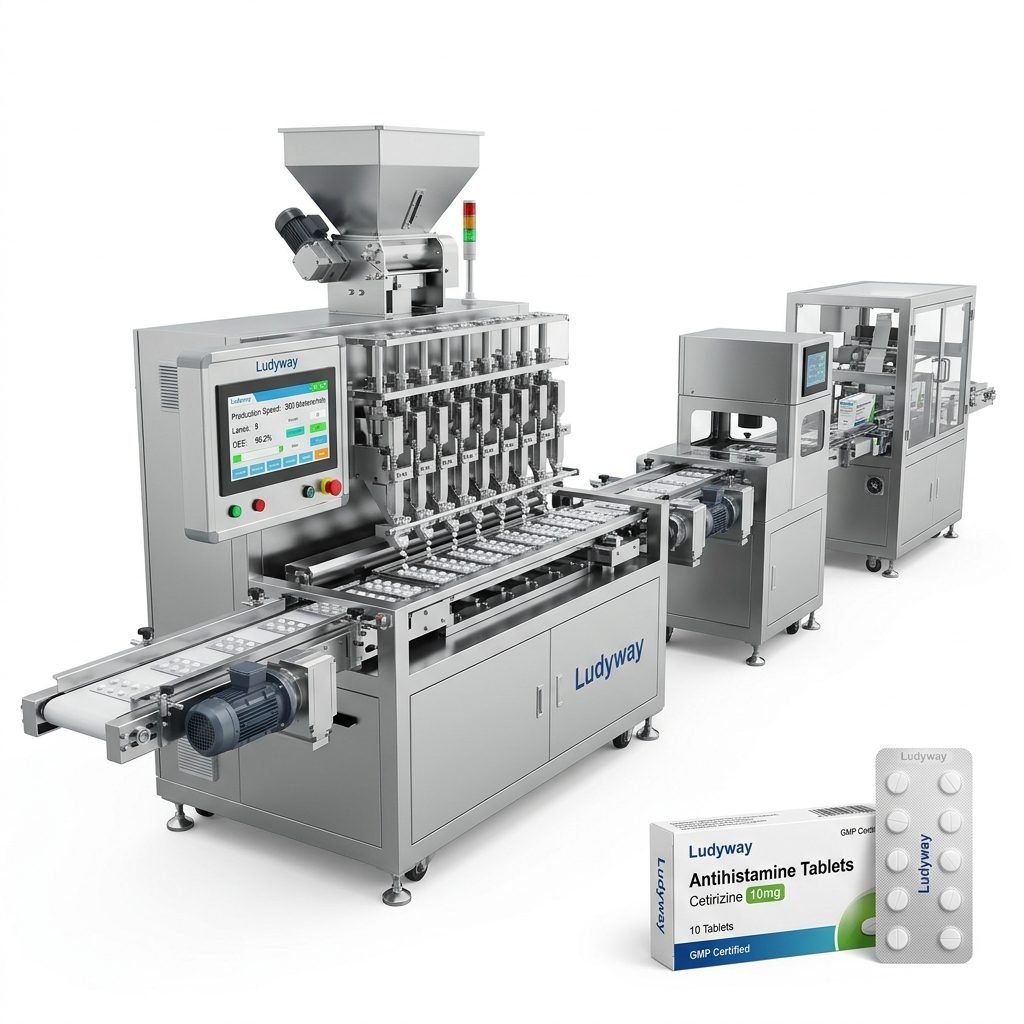
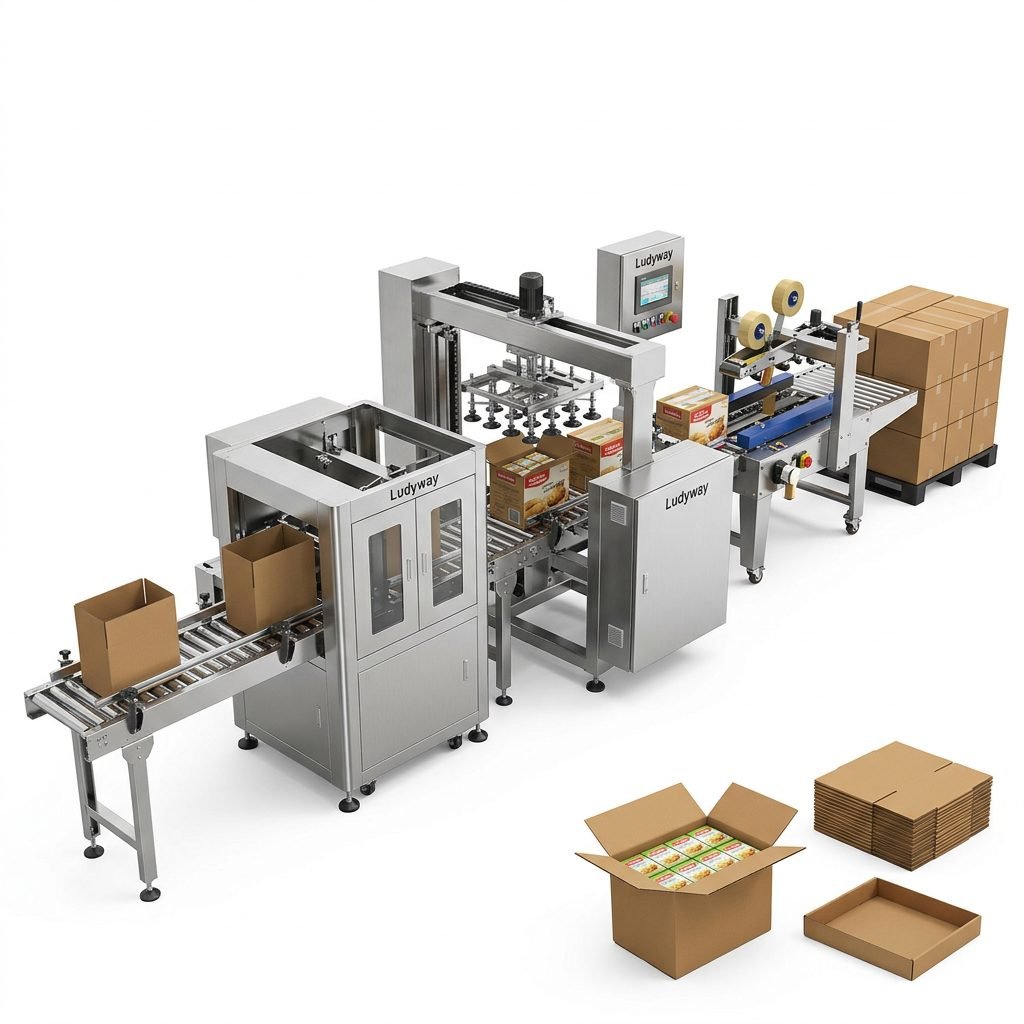
These high-speed production lines integrate filling, sealing, coding, and cartoning into a seamless workflow with minimal human intervention. Multi-lane stick pack and sachet machines can produce hundreds of packs per minute, meeting the demands of large-scale distribution across Oceania’s retail networks and export markets. The Flexible Packaging Association provides valuable resources on the latest automated packaging technologies and market trends.
Installation and Commissioning Best Practices
Proper installation ensures your oil packaging line operates reliably from day one. Key steps include:
- Pre-installation site assessment and utility verification
- Professional mechanical and electrical installation by certified technicians
- Comprehensive operator training on all equipment modules
- Calibration of fill volumes, seal temperatures, and label placement
- Trial production runs with quality sampling and adjustment
- Documentation of standard operating procedures (SOPs)
Maintenance and Spare Parts Strategy
A proactive maintenance program is essential for minimizing unplanned downtime. Establish a spare parts inventory for critical wear components, and schedule regular preventive maintenance based on machine running hours. For operations in remote areas of Oceania, maintaining a larger on-site spare parts inventory can prevent extended delays due to shipping lead times from overseas suppliers. Partnering with a manufacturer that offers remote technical support and comprehensive after-sales service is highly recommended.
Cost Analysis and ROI Considerations
Investing in an oil packaging production line involves capital expenditure that should be evaluated against projected returns. The table below outlines typical cost factors for Oceania-based operations:
| Cost Category | Percentage of Total Investment | Key Variables |
|---|---|---|
| Packaging machinery | 40-55% | Automation level, speed, number of lanes |
| Installation and commissioning | 8-12% | Location, complexity, technician availability |
| Facility modifications | 10-15% | Utilities, flooring, climate control |
| Training and documentation | 3-5% | Operator skill level, number of shifts |
| Initial spare parts | 3-5% | Machine complexity, supplier location |
| Contingency | 10-15% | Unforeseen delays and modifications |
Sustainability and Environmental Compliance
Oceania’s consumers and regulators increasingly prioritize sustainable packaging. The European Commission’s packaging waste directives influence Oceania’s own evolving regulations. Consider the following sustainable practices for your oil packaging line:
- Use of recyclable or biodegradable packaging materials
- Lightweight bottle designs that reduce plastic consumption
- Energy-efficient servo-driven machinery with lower power consumption
- Minimized product waste through precise filling accuracy
- Bulk packaging options that reduce overall material usage
Choosing the Right Equipment Partner
Selecting a reliable packaging machinery partner is one of the most critical decisions in your project. Look for manufacturers with proven experience in liquid and oil packaging applications, a track record of installations across multiple regions, and comprehensive after-sales support. Evaluate potential partners based on their engineering capabilities, customization options, and willingness to provide references from similar projects. One such manufacturer is Ludyway, a leading packaging machine provider with over 30 years of industry experience, offering advanced multi-lane packaging systems and turnkey production solutions for liquid, powder, and granule applications across more than 100 countries. Their expertise spans sachet, stick pack, and fully automated packaging systems suitable for oil products of varying viscosities and packaging formats. For further industry insights, the PMMI packaging industry resources and PACK EXPO International events are excellent sources of information on the latest packaging technologies.
Future Trends in Oil Packaging for Oceania
Stay ahead of the curve by considering these emerging trends that will shape the oil packaging landscape in Oceania over the coming years:
- Smart packaging with QR codes for traceability and consumer engagement
- E-commerce optimized packaging designed for direct-to-consumer shipping
- Mono-material flexible packaging that is fully recyclable
- Internet of Things (IoT) integration for real-time production monitoring
- Refillable packaging systems gaining traction in zero-waste retail concepts
- Growing demand for smaller portion sizes in urban markets across Australia and New Zealand
Frequently Asked Questions
What is the typical lead time for an oil packaging production line?
Lead times vary depending on the complexity and customization level of the equipment. Standard machines may ship within 8-12 weeks, while fully customized multi-lane systems can require 16-24 weeks for manufacturing and testing before delivery to Oceania.
How do I determine the right production capacity?
Analyze your current sales volume, projected growth over the next 3-5 years, and peak season demands. It is generally recommended to select equipment that operates comfortably at 70-80% of its maximum rated speed during normal production, leaving capacity for growth and peak periods.
Can I package multiple oil types on the same line?
Yes, many modern filling systems are designed for quick changeover between different oil types and viscosities. However, thorough cleaning and sanitization between product changeovers are essential to prevent cross-contamination and maintain product integrity.
What power requirements should I plan for?
Oceania uses 230V/50Hz (Australia and New Zealand) and various standards across Pacific Island nations. Verify that your equipment supplier can provide machines configured for the appropriate voltage, frequency, and plug types for your specific location. For more detailed information on packaging standards, refer to the ISO packaging and distribution standards.
Conclusion
Setting up an oil packaging machine production line in Oceania is a strategic investment that requires thorough planning across equipment selection, regulatory compliance, facility design, and sustainable practices. By understanding the unique characteristics of the regional market and selecting the right technology partner, you can build a production line that delivers consistent quality, operational efficiency, and long-term profitability. Whether you are launching a new oil brand or expanding an existing operation, a methodical approach to line setup will position your business for success in the competitive Oceania marketplace.