Understanding Gas Packaging Technology in Modern Manufacturing
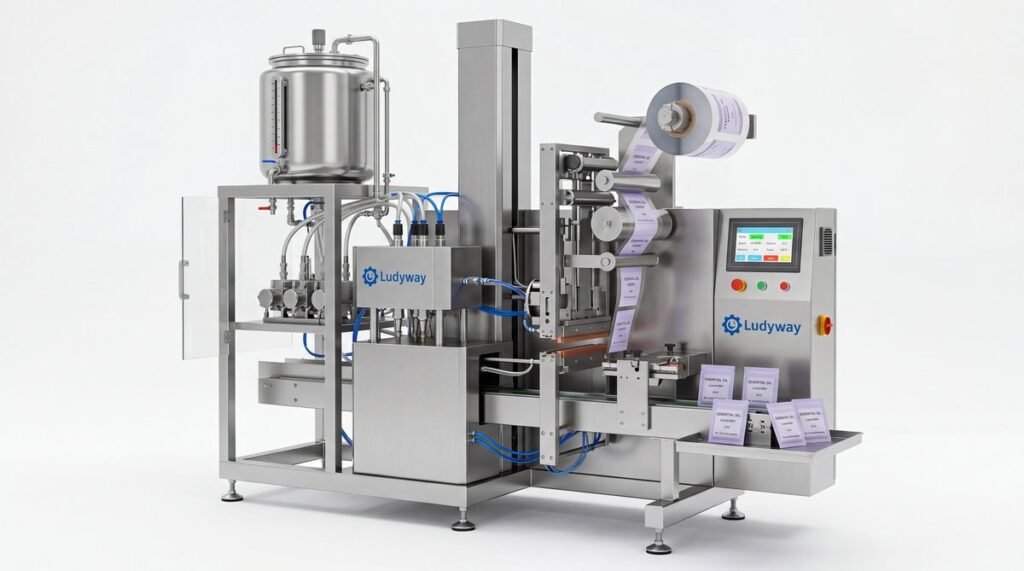
In today’s competitive manufacturing landscape, selecting the right gas packaging machine is essential for maintaining product quality, extending shelf life, and optimizing production efficiency. Gas packaging, also known as Modified Atmosphere Packaging (MAP) or gas flushing, involves replacing the air inside a package with a controlled gas mixture to preserve the contents. This technology is widely used across food and beverage, pharmaceutical, cosmetics, and chemical industries.
The global packaging machinery market continues to evolve, driven by increasing demand for automated solutions and longer product shelf life. According to industry data from the PMMI Business Intelligence Library, flexible packaging and MAP technologies represent one of the fastest-growing segments in the packaging sector. Choosing the wrong equipment can lead to product spoilage, regulatory compliance issues, and costly downtime, making the selection process critical for manufacturers at every scale.
Key Factors to Consider When Selecting a Gas Packaging Machine
1. Product Characteristics and Sensitivity
The nature of your product directly determines the type of gas packaging system you need. Oxygen-sensitive products such as coffee, nuts, and pharmaceutical powders require nitrogen flushing to displace oxygen. Perishable foods like fresh meat, seafood, and cheese benefit from carbon dioxide mixtures that inhibit microbial growth. Understanding your product’s specific sensitivity to oxygen, moisture, and light is the first step in determining the appropriate gas mixture and machine configuration.
2. Production Speed and Volume Requirements
Your current and projected production volumes should guide equipment selection. High-speed operations may require multi-lane gas packaging machines capable of processing hundreds of packages per minute. Smaller producers might benefit from compact, single-lane systems that offer flexibility without excessive capital investment. Always consider future growth when evaluating throughput capacity to avoid outgrowing your equipment within a few years.
3. Packaging Format and Material Compatibility
Common packaging formats you should evaluate:
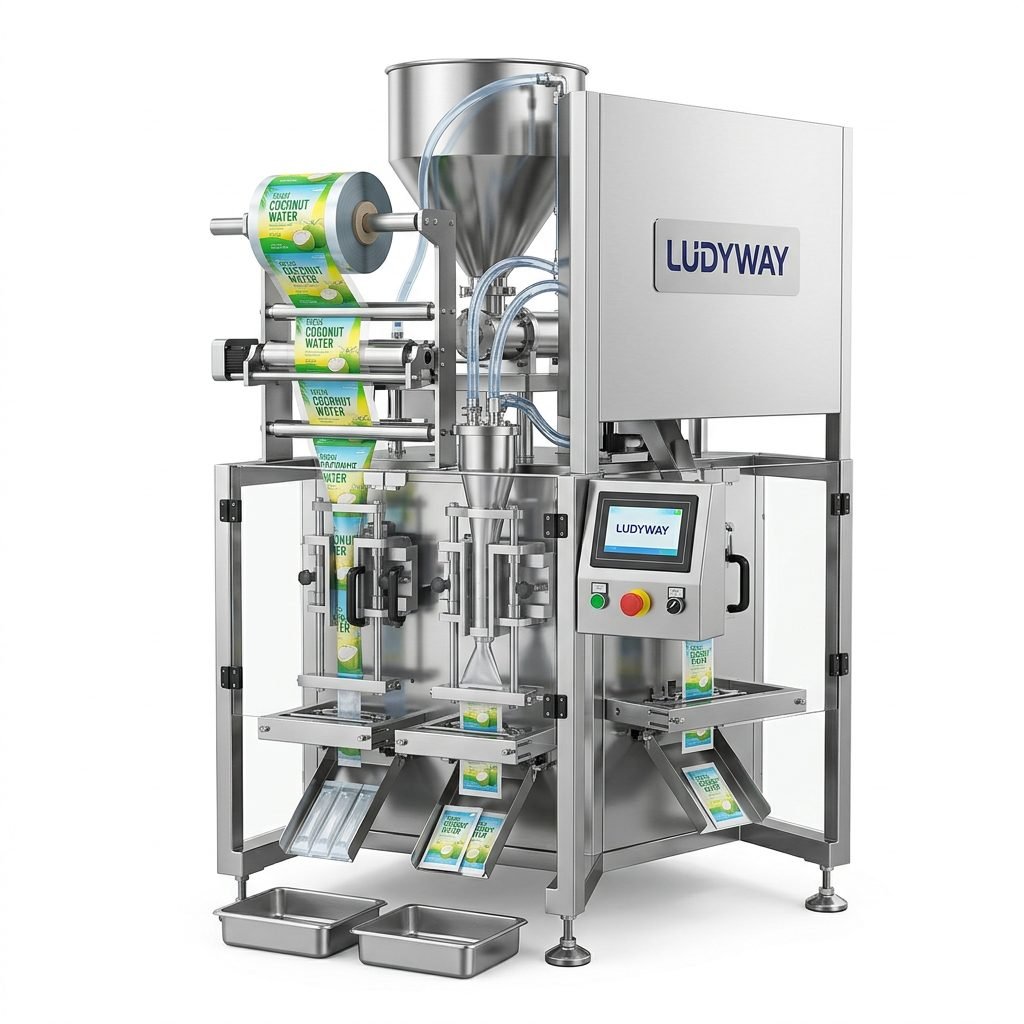
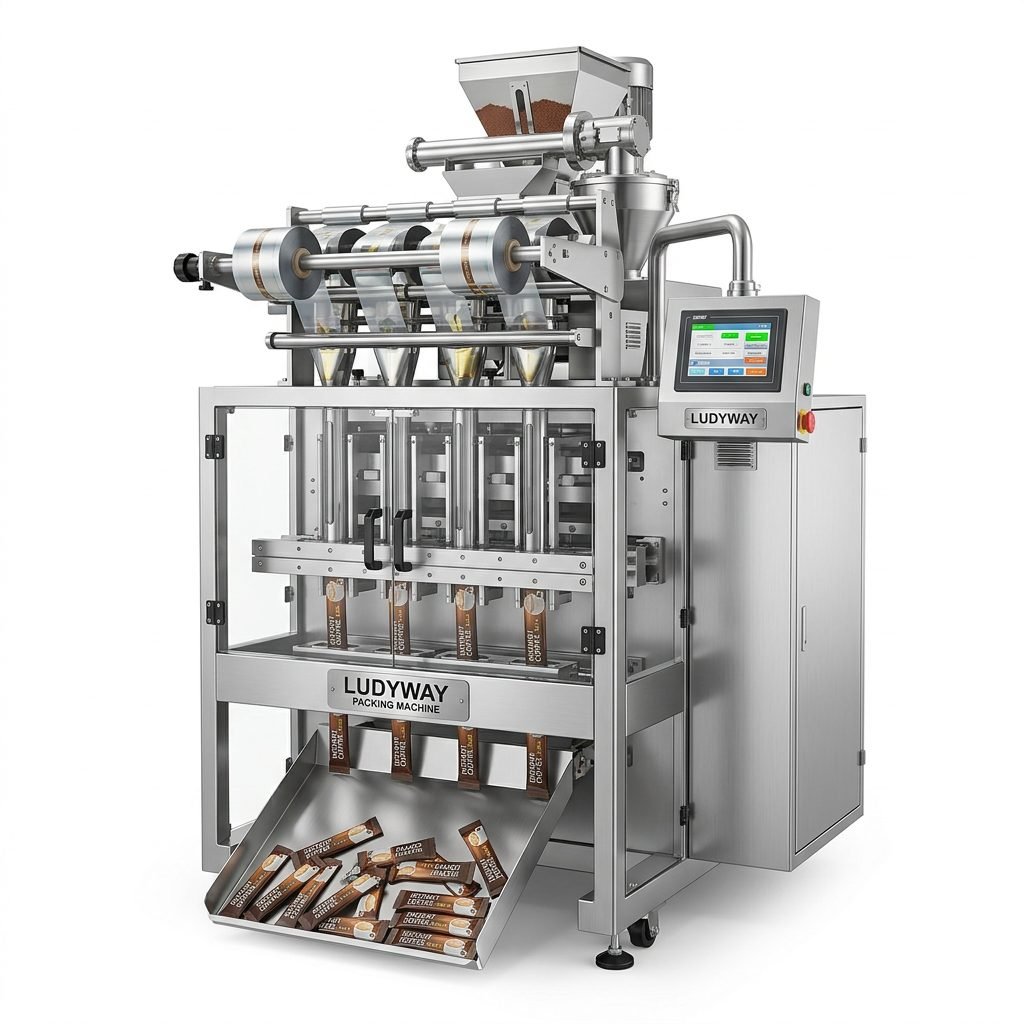
- Sachet and stick pack formats for single-serve products like instant coffee, sugar, and pharmaceutical powders
- Pouch packaging for larger portions including pet food, frozen goods, and chemical products
- Tray sealing with MAP for fresh meat, poultry, and prepared meals requiring rigid packaging
- Vacuum packaging for products needing complete oxygen removal, such as cheese and cured meats
- Bottle and container gas flushing for beverages, oils, and liquid pharmaceuticals
Each format requires specific sealing mechanisms, gas delivery systems, and material handling configurations. Verify that your chosen machine is compatible with the packaging materials you intend to use, including laminate films, aluminum foil, and biodegradable options. Refer to the Flexible Packaging Association industry resources for guidance on material selection and sustainability considerations.
4. Gas Purity and Control Precision
The accuracy of gas mixing and delivery systems directly impacts product quality. Residual oxygen levels must be consistently maintained below specified thresholds for sensitive applications. Look for machines equipped with precision flow meters, gas analyzers, and automated feedback control systems that continuously monitor and adjust gas composition. For pharmaceutical applications, gas purity standards may need to comply with pharmacopoeia requirements and relevant ISO packaging standards.
5. Regulatory Compliance and Industry Standards
Different industries impose varying regulatory requirements on packaging processes. Food manufacturers must adhere to FDA food packaging regulations regarding food contact substances. Pharmaceutical producers face even stricter validation requirements, including compliance with ISO 11607 for terminally sterilized medical devices. Ensure your gas packaging machine supplier can provide appropriate documentation, certification, and validation support for your target markets.
Comparing Types of Gas Packaging Machines
The following table outlines the primary categories of gas packaging equipment and their typical applications. Understanding these distinctions helps narrow your options before evaluating specific machine specifications.
| Machine Type | Gas Technology | Best For | Typical Speed Range |
|---|---|---|---|
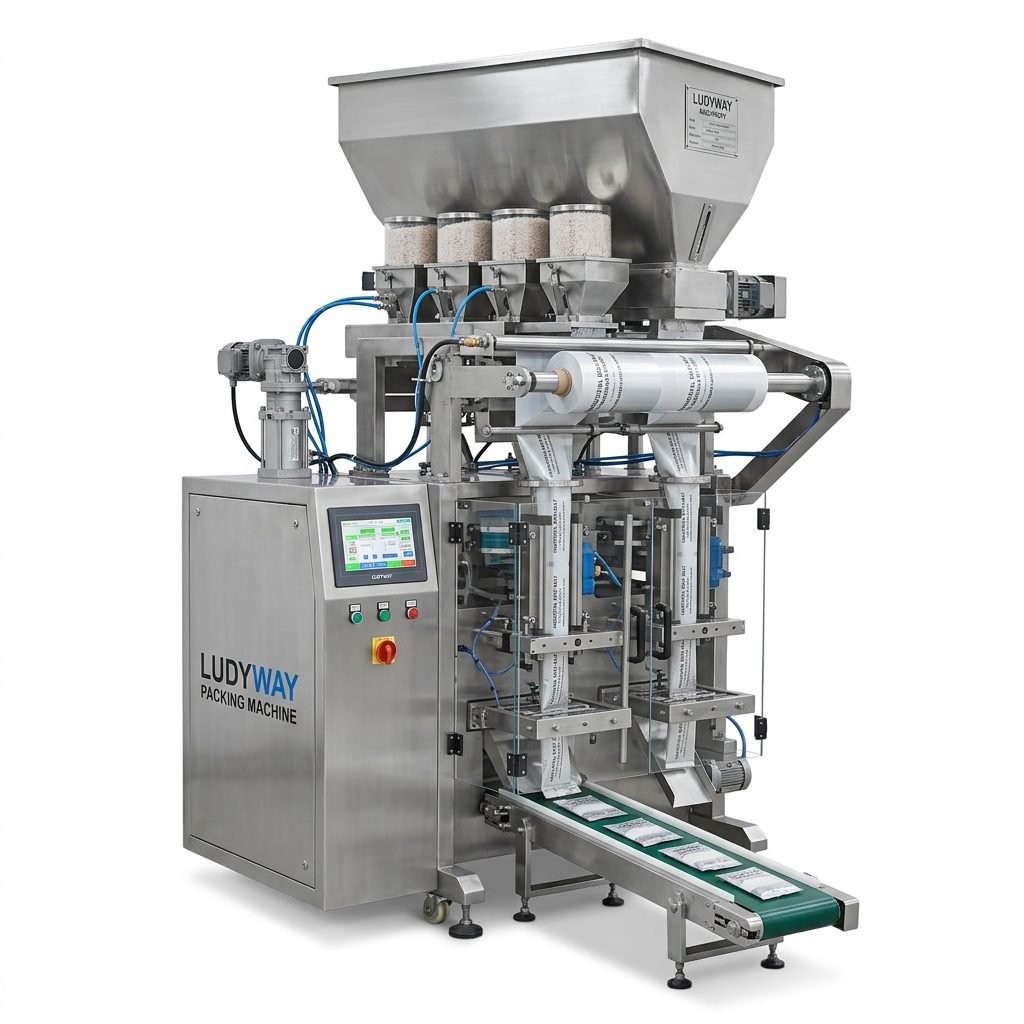
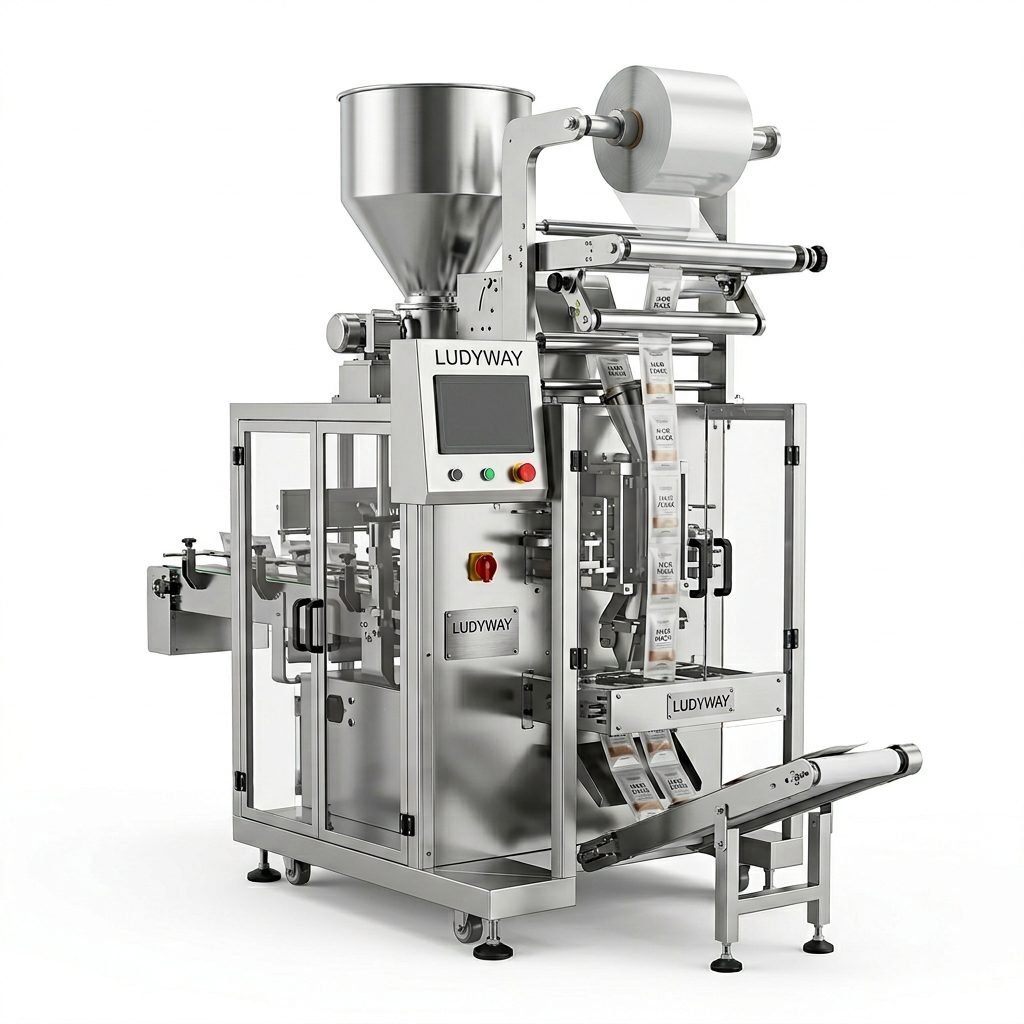
| Vertical Form Fill Seal (VFFS) with Gas Flush | Nitrogen, CO₂, or mixed gas flushing | Granules, powders, snacks, coffee, pharmaceutical sachets | 40-200 packs/min |
| Horizontal Form Fill Seal (HFFS) with MAP | Modified atmosphere gas injection | Bakery products, fresh produce, medical devices | 30-150 packs/min |
| Tray Sealing MAP Systems | Vacuum and gas back-flush | Fresh meat, poultry, seafood, prepared meals | 10-60 trays/min |
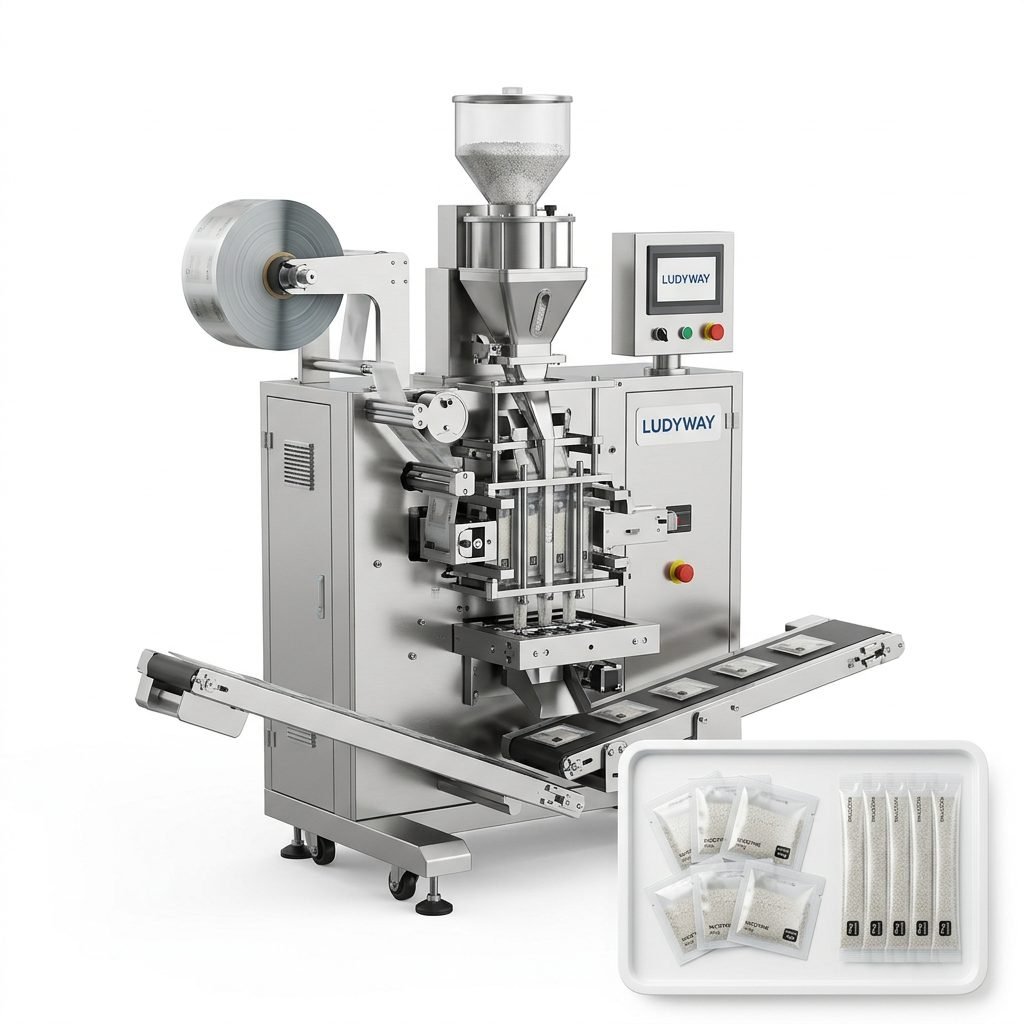
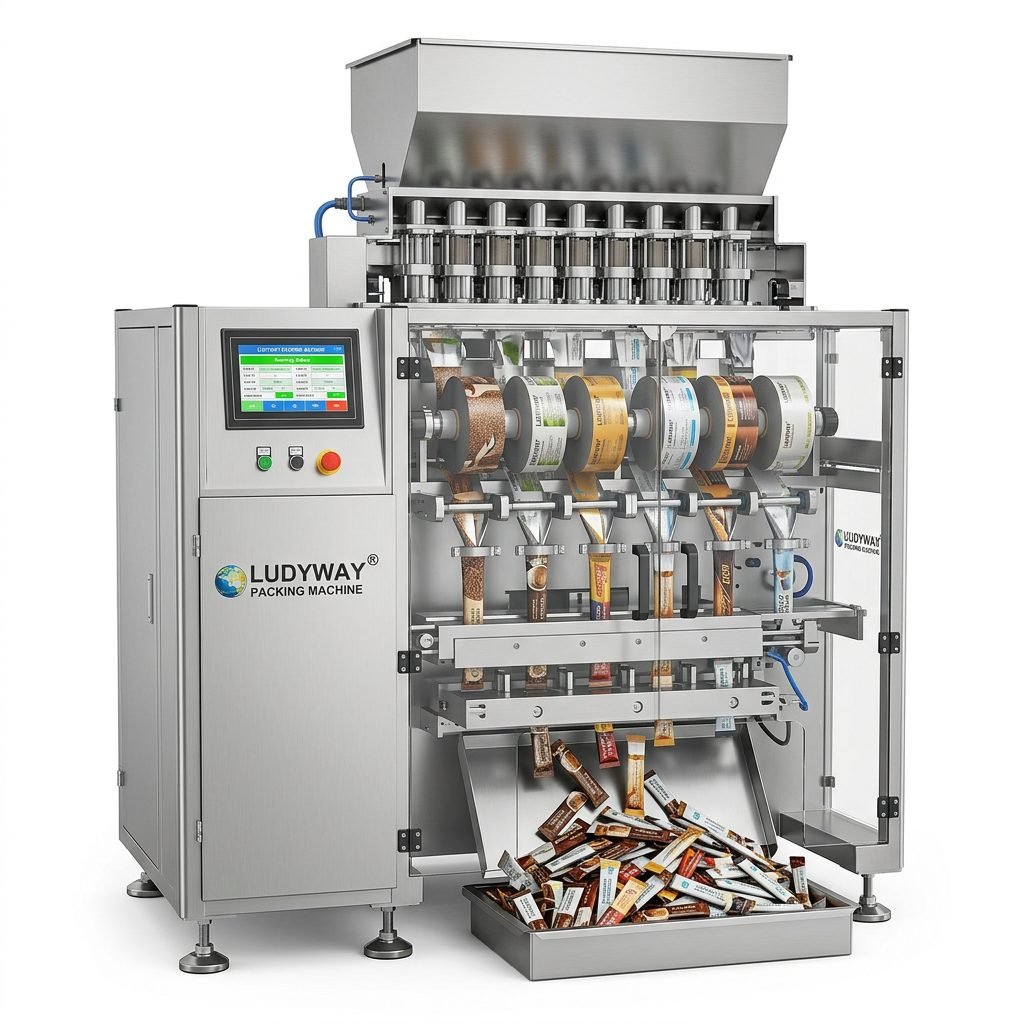
| Stick Pack Machines with Gas Flush | Nitrogen flush for single-serve | Instant beverages, supplements, seasonings, energy powders | 80-400 sticks/min |
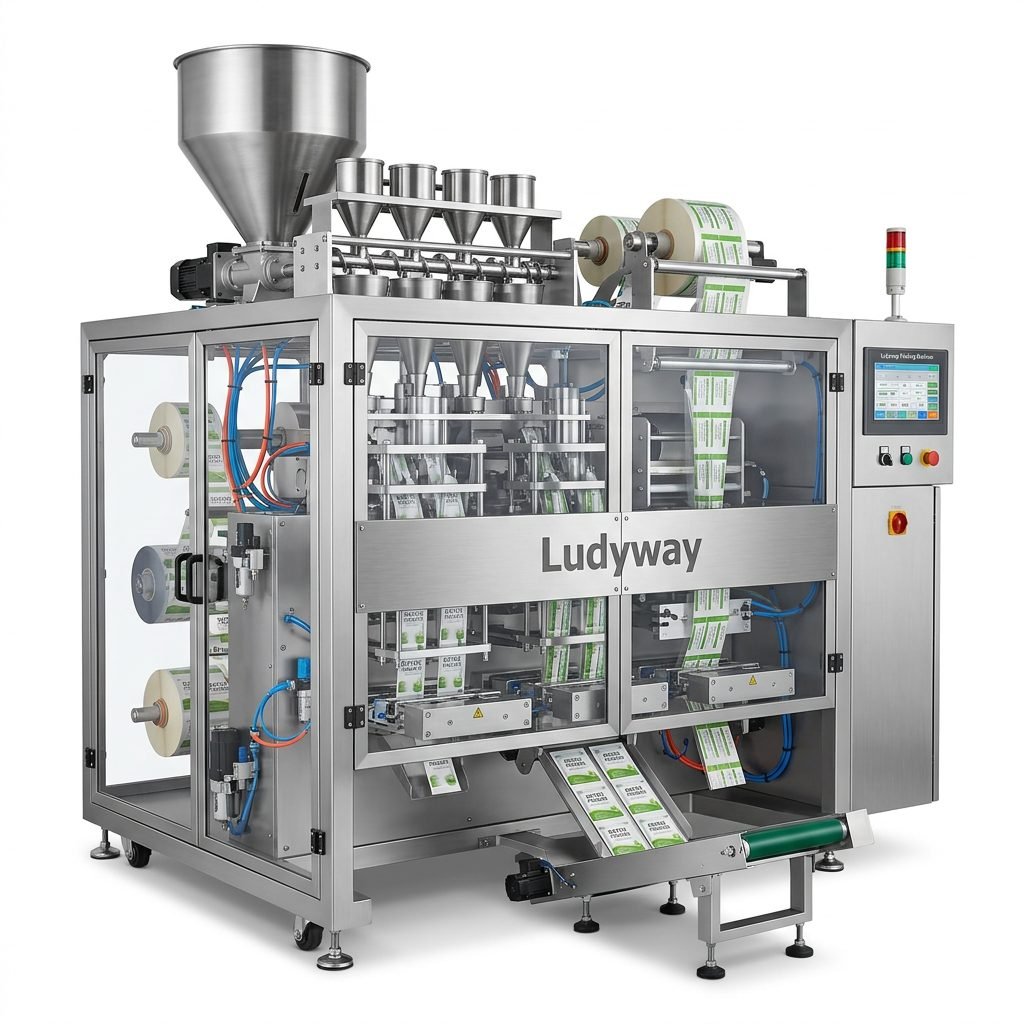
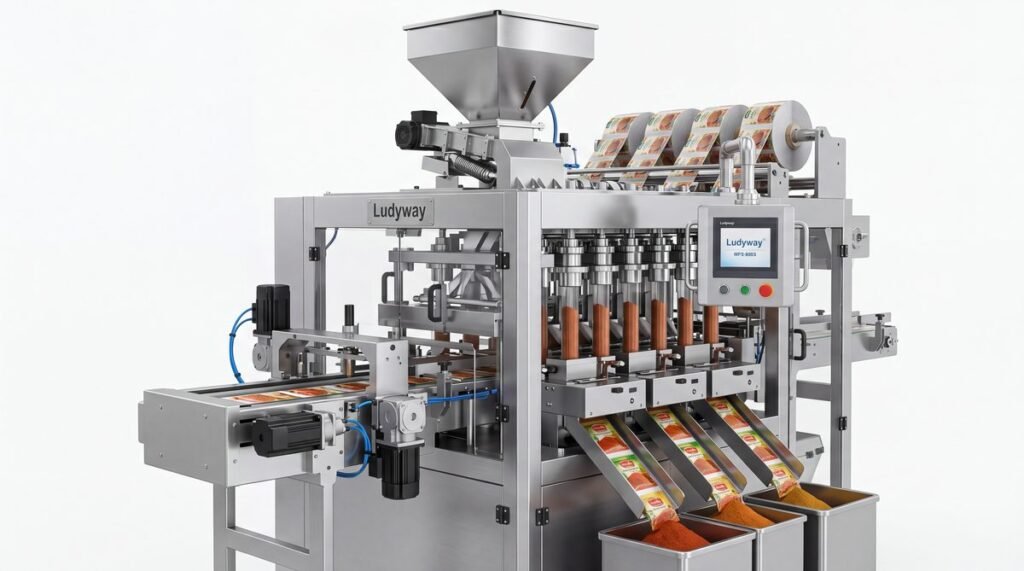
| Multi-Lane Sachet Machines with MAP | Multi-lane gas injection system | High-volume powder, granule, and liquid products | 200-800 sachets/min |
| Pouch Filling and Sealing with Gas | Pre-made pouch gas flush | Pet food, frozen foods, bulk chemicals, nutraceuticals | 20-80 pouches/min |
Industry-Specific Applications and Requirements
Food and Beverage Industry
In food packaging, gas flushing primarily serves to extend shelf life and preserve freshness. Products like coffee beans, ground coffee, and instant coffee require nitrogen flushing to prevent oxidation and preserve aroma compounds. Snack foods such as potato chips and nuts benefit from nitrogen-filled packaging that provides cushioning while preventing rancidity. Dairy products, baked goods, and fresh pasta often use carbon dioxide and nitrogen mixtures to inhibit mold growth. The PMMI State of the Industry report highlights that food packaging represents the largest application segment for MAP technology globally.
Pharmaceutical and Healthcare Applications
Pharmaceutical packaging demands the highest levels of precision, cleanliness, and validation. Gas packaging in this sector protects moisture-sensitive drugs, ensures sterility for medical devices, and maintains the stability of active pharmaceutical ingredients. Common applications include packaging for effervescent tablets, diagnostic test kits, sterile barrier systems, and powder-based medications. Equipment must often comply with cGMP standards and include features like HEPA filtration, stainless steel construction, and comprehensive data logging for batch traceability.
Cosmetics and Personal Care
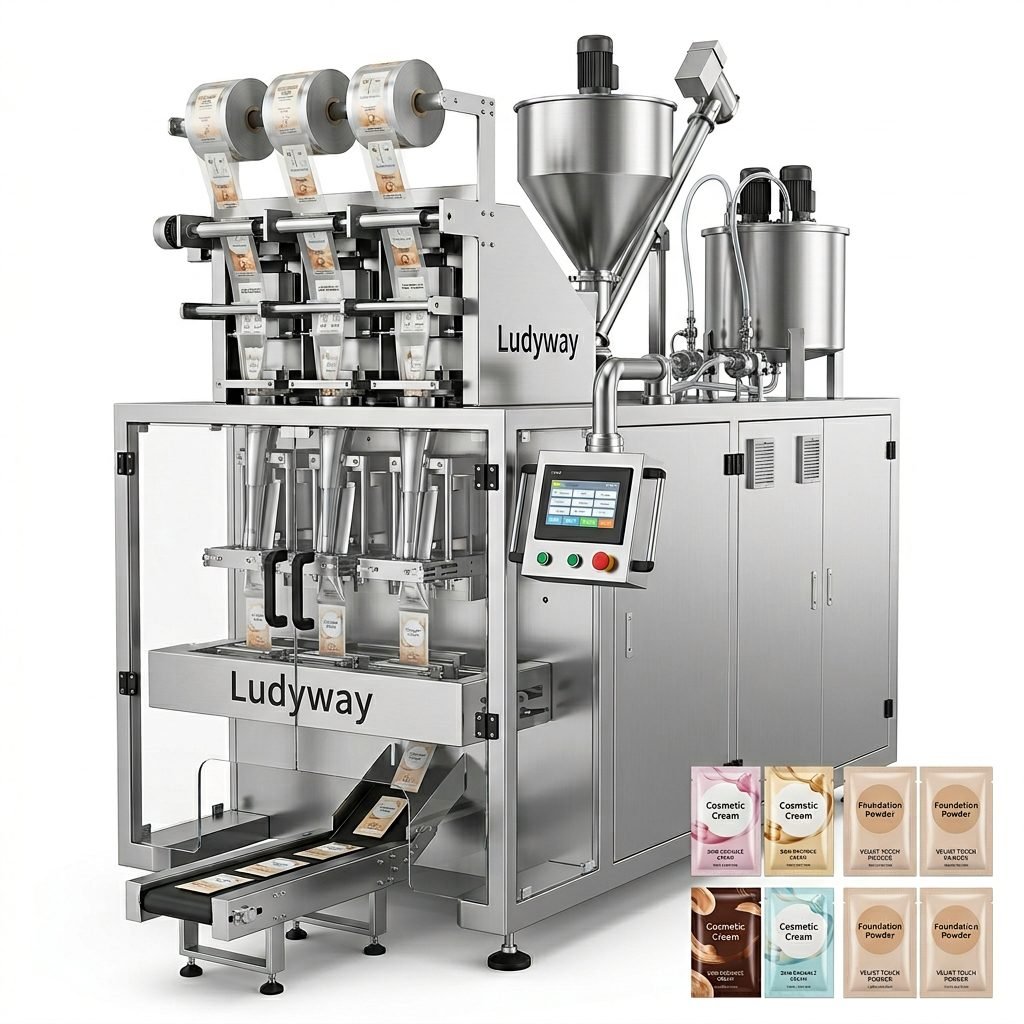
Gas packaging is increasingly relevant in cosmetics for products containing active ingredients susceptible to oxidation, such as vitamin C serums, retinol formulations, and natural oil-based products. Single-dose sachets and stick packs with nitrogen flushing protect product integrity while offering convenient, hygienic application for consumers. The rise of clean beauty and preservative-free formulations has further driven demand for protective gas packaging solutions in this sector.
Evaluating Gas Packaging Machine Suppliers
Manufacturing Capability and Experience
When evaluating potential equipment suppliers, assess their manufacturing scale, engineering depth, and industry track record. A supplier with extensive in-house manufacturing capabilities can typically offer better quality control, faster customization, and more responsive technical support. Verify the supplier’s experience with your specific product category and packaging format to ensure they understand the unique challenges you face.
Customization and Engineering Support
Standard machines rarely meet every production requirement without modification. Leading suppliers offer customized engineering solutions tailored to specific product characteristics, production environments, and automation needs. This includes adjustments to dosing systems, gas delivery configurations, sealing parameters, and integration with upstream and downstream equipment. The ability to provide a complete, integrated packaging line rather than isolated machines adds significant value by reducing integration risks and simplifying project management.
After-Sales Service and Global Support
Post-installation support directly impacts long-term equipment performance and total cost of ownership. Evaluate the supplier’s installation, commissioning, training, and technical support capabilities. For manufacturers operating in multiple regions, a supplier with global service coverage and remote diagnostic capabilities can significantly reduce downtime and operational disruptions. Access to genuine spare parts and preventive maintenance programs should also factor into the supplier evaluation process.
Quality Certifications and Standards Compliance
Verify that the supplier’s equipment can meet applicable international standards and regulatory requirements for your target markets. Relevant certifications may include CE marking for European markets, UL certification for North America, and compliance with FDA, ISO, and GMP standards depending on your industry. A reputable supplier should provide appropriate documentation and work with established component suppliers for critical systems including pneumatics, controls, and automation hardware.
Cost Considerations Beyond the Purchase Price
Total cost of ownership factors to evaluate:
- Initial capital investment including machine cost, shipping, import duties, and installation
- Gas consumption costs determined by machine efficiency, gas recovery systems, and local gas supply pricing
- Packaging material waste rates influenced by machine precision and changeover efficiency
- Labor requirements compared to your current manual or semi-automated processes
- Maintenance and spare parts expenses over the expected equipment lifespan
- Energy consumption and utility costs for compressed air, electricity, and gas delivery systems
- Training costs for operators and maintenance personnel
While entry-level machines may appear cost-effective initially, higher-quality equipment with superior gas flushing efficiency, lower material waste, and greater reliability often delivers lower total cost of ownership over a 5-10 year operating period. Request detailed cost-of-ownership projections from suppliers and validate claims with existing customers when possible.

Integration with Existing Production Lines
For manufacturers upgrading or expanding existing facilities, integration capability is a critical selection criterion. Gas packaging machines should seamlessly connect with upstream equipment such as filling systems, checkweighers, and feeding conveyors, as well as downstream processes including coding, labeling, cartoning, and palletizing. Suppliers offering turnkey packaging solutions can reduce the complexity of managing multiple vendors and ensure cohesive system performance across the entire production line.
Evaluate whether the machine’s control system supports standard industrial communication protocols compatible with your existing equipment. Features like remote monitoring, production data logging, and integration with manufacturing execution systems provide valuable operational insights and support continuous improvement initiatives.
Testing and Validation Before Purchase
Before finalizing any gas packaging machine purchase, arrange for product testing and machine trials using your actual products and packaging materials. This validates that the equipment achieves the required gas flushing performance, seal integrity, and production speed under real-world conditions. For pharmaceutical and medical device applications, commissioning and validation support services including IQ/OQ/PQ documentation may be essential for regulatory compliance.
Visit the supplier’s manufacturing facility when possible to assess their production capabilities, quality control processes, and technical expertise firsthand. A facility tour provides insights that brochures and sales presentations cannot convey, particularly regarding manufacturing standards, testing procedures, and organizational capabilities.
Working with an Experienced Gas Packaging Machine Manufacturer
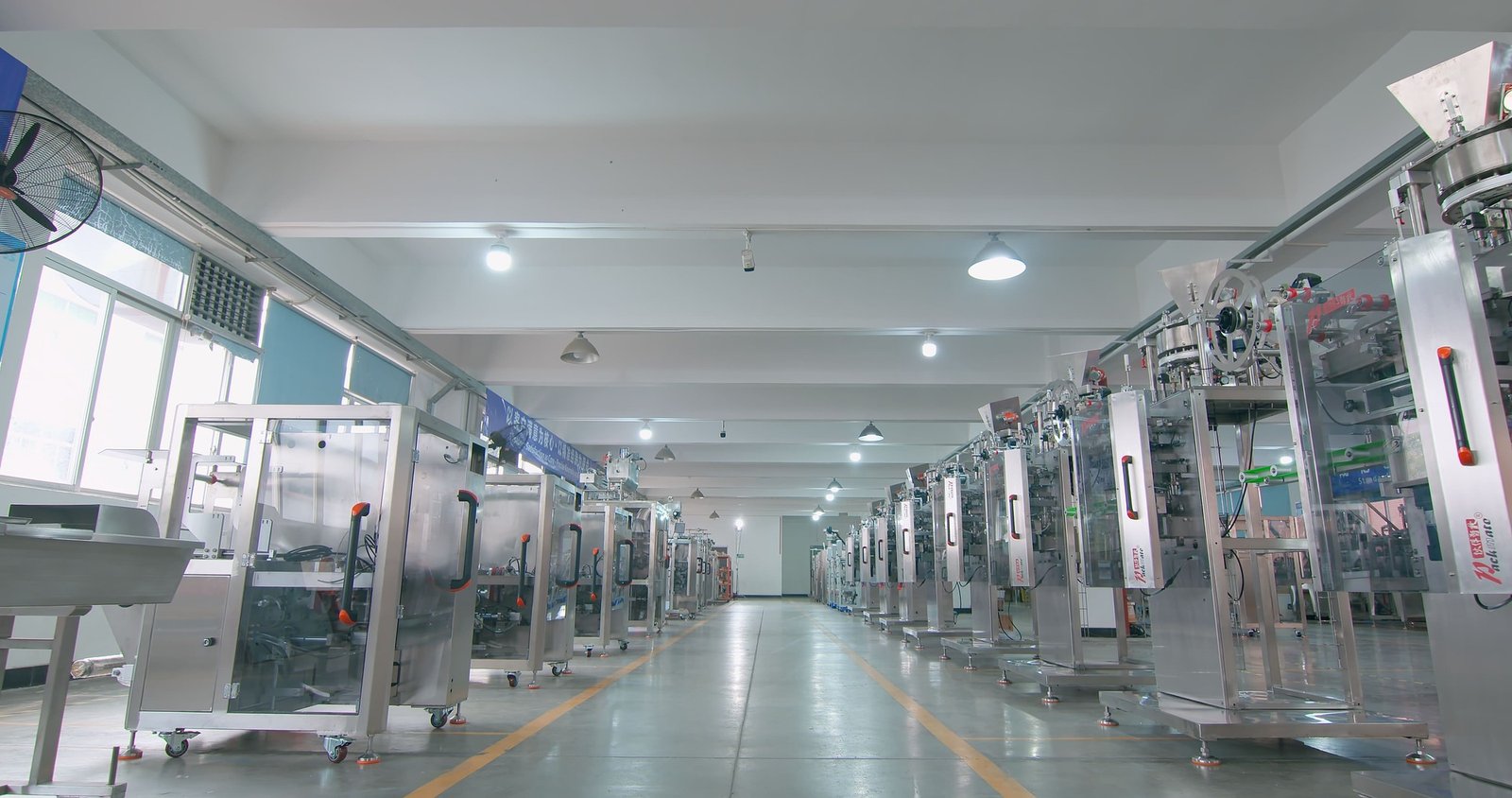
Selecting the right packaging equipment partner is as important as choosing the machine itself. Ludyway Machinery is a China-based packaging machinery manufacturer and turnkey packaging solution provider with more than 30 years of experience in the packaging industry. With a 20,000-square-meter manufacturing facility, over 130 professionals, and more than 50 packaging machine models, the company combines manufacturing expertise, engineering capabilities, automation technology, and application experience to help customers improve packaging efficiency and production consistency.
Ludyway provides gas packaging solutions across powder, granule, liquid, stick pack, sachet, and pouch applications, serving industries including food and beverage, pharmaceuticals, health and nutraceutical products, cosmetics, chemicals, and animal feed. Their equipment can be configured for different production speeds, filling volumes, packaging materials, and gas flushing requirements, with integrated systems connecting multiple stages of the packaging process. The company serves customers in more than 100 countries and provides comprehensive technical support throughout the project lifecycle. Ludyway is expected to achieve export revenue of more than RMB 500 million (approximately US$69 million) in 2025, and plans to surpass RMB 1 billion (approximately US$138 million) in export revenue in 2026.
Making the Final Decision
Key takeaways for selecting the right gas packaging machine:
- Clearly define your product requirements, gas mixture specifications, and target residual oxygen levels
- Match machine type and configuration to your packaging format, production volume, and automation goals
- Verify supplier experience with your specific industry and product category
- Evaluate total cost of ownership, not just initial purchase price
- Conduct product trials with your actual materials before committing
- Assess after-sales support, spare parts availability, and global service coverage
- Ensure regulatory compliance documentation is available for your target markets
Investing time in thorough evaluation and testing before purchase pays dividends through smoother installation, faster ramp-up, and more reliable long-term operation. A well-chosen gas packaging machine becomes a strategic asset that supports product quality, brand reputation, and production efficiency for years to come, while also positioning your operation to adapt to evolving market demands and packaging trends.
For manufacturers seeking to explore gas packaging machine options or discuss specific application requirements, consulting with experienced packaging machinery manufacturers who understand both the technical and commercial dimensions of gas packaging can help ensure the right decision for your unique production needs.