Investing in the right gem packing machine is a strategic decision that directly affects your product presentation, operational efficiency, and bottom line. Whether you are packaging precious stones, semi-precious gems, crystal jewelry, or delicate mineral specimens, the packaging process must balance protection, aesthetics, and speed. A poorly chosen machine can lead to product damage, inconsistent sealing, excessive material waste, and costly downtime.
This comprehensive buyer’s guide walks you through every critical factor to evaluate before purchasing a gem packing machine, helping you make an informed investment that aligns with your production goals.
Understanding Your Gem Packaging Requirements
Before comparing machine specifications, you must clearly define what you are packaging and how you want it presented. Gems vary dramatically in size, shape, hardness, and value, and each variable impacts machine selection. A one-size-fits-all approach does not work in gem packaging.
Key Product Characteristics to Evaluate
- Gem size and weight range: From tiny 1mm diamond chips to large 50mm+ crystal specimens
- Fragility and hardness: Mohs scale rating determines how gently the product must be handled
- Shape consistency: Uniformly cut stones versus irregular natural crystals require different feeding mechanisms
- Surface sensitivity: Polished facets may require anti-scratch handling and dust-free sealing
- Value per unit: High-value gems demand precise counting and minimal product loss
Types of Gem Packing Machines
Different gem products call for different packaging formats. Understanding the machine categories available helps narrow your options quickly. The table below summarizes the most common types used across the gem and jewelry packaging industry.
| Machine Type | Best For | Key Advantage |
|---|---|---|
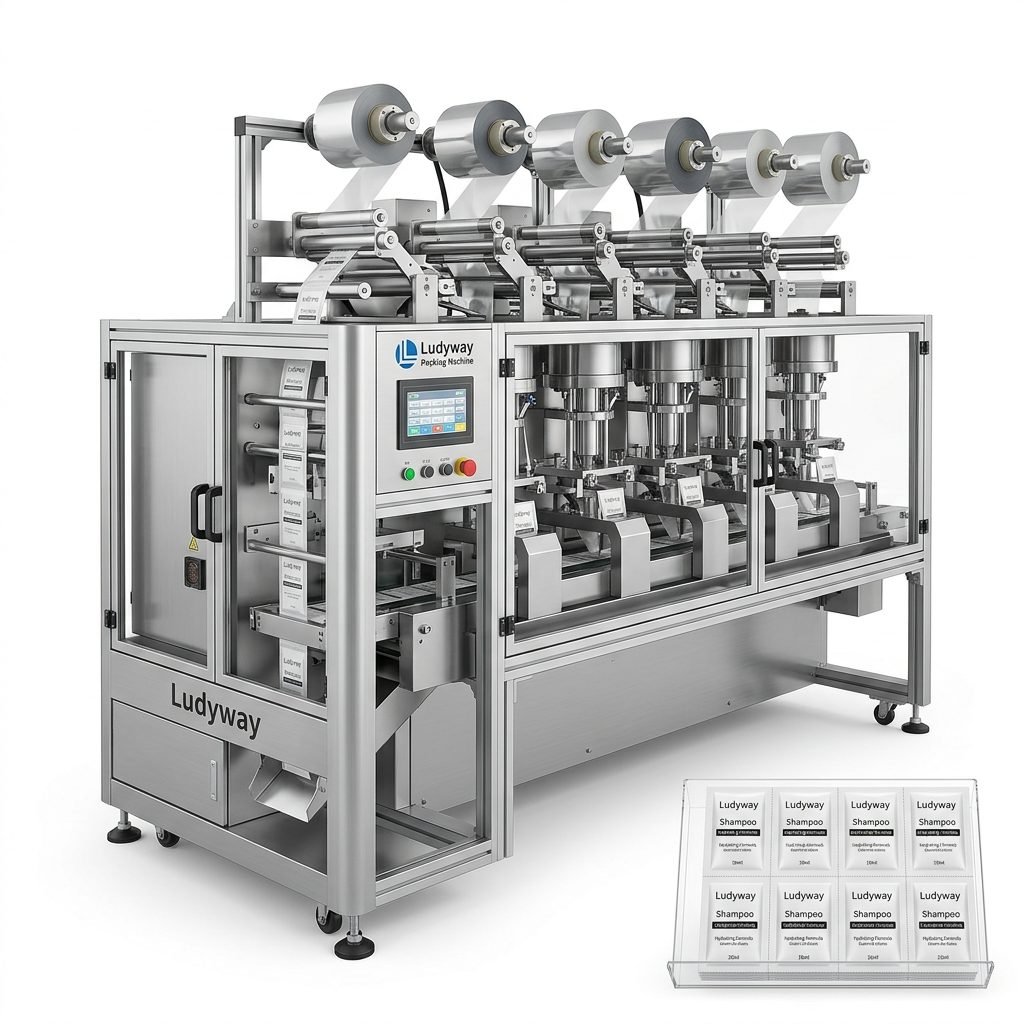
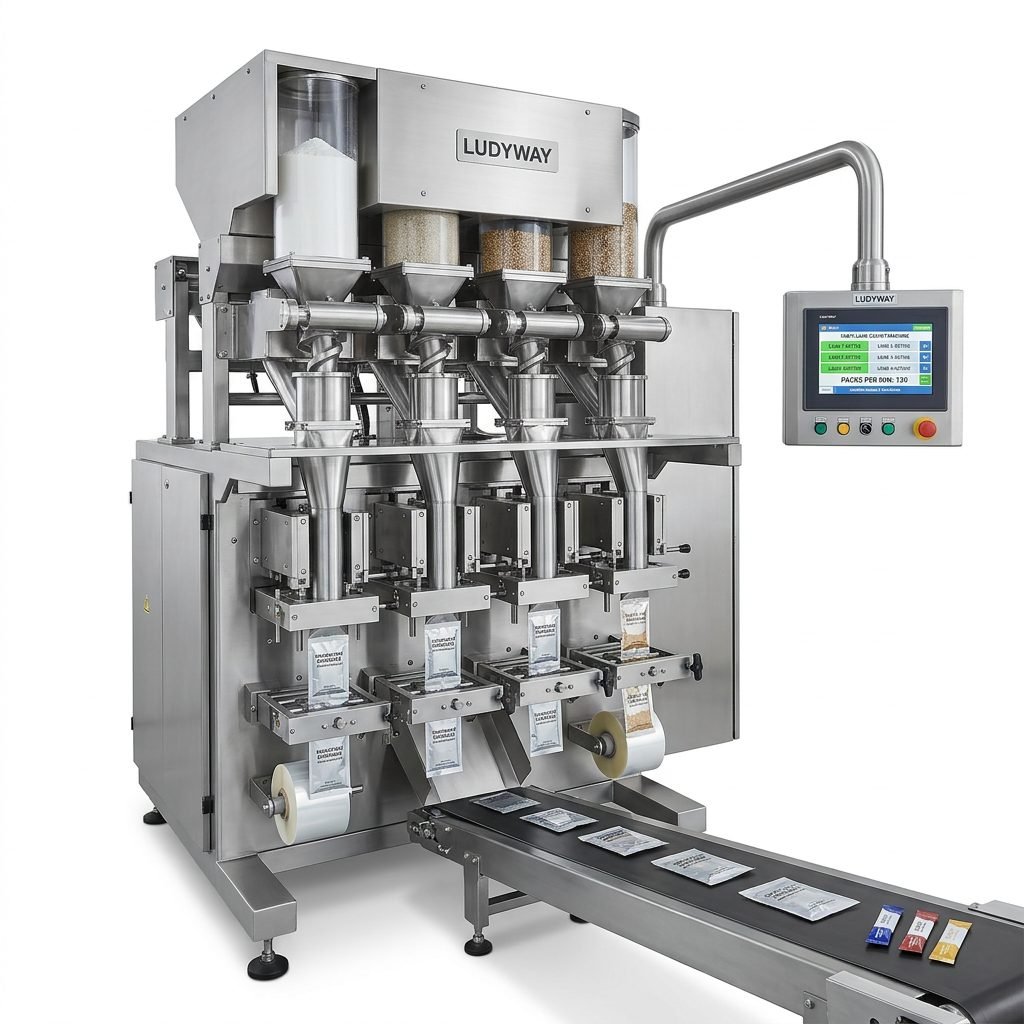
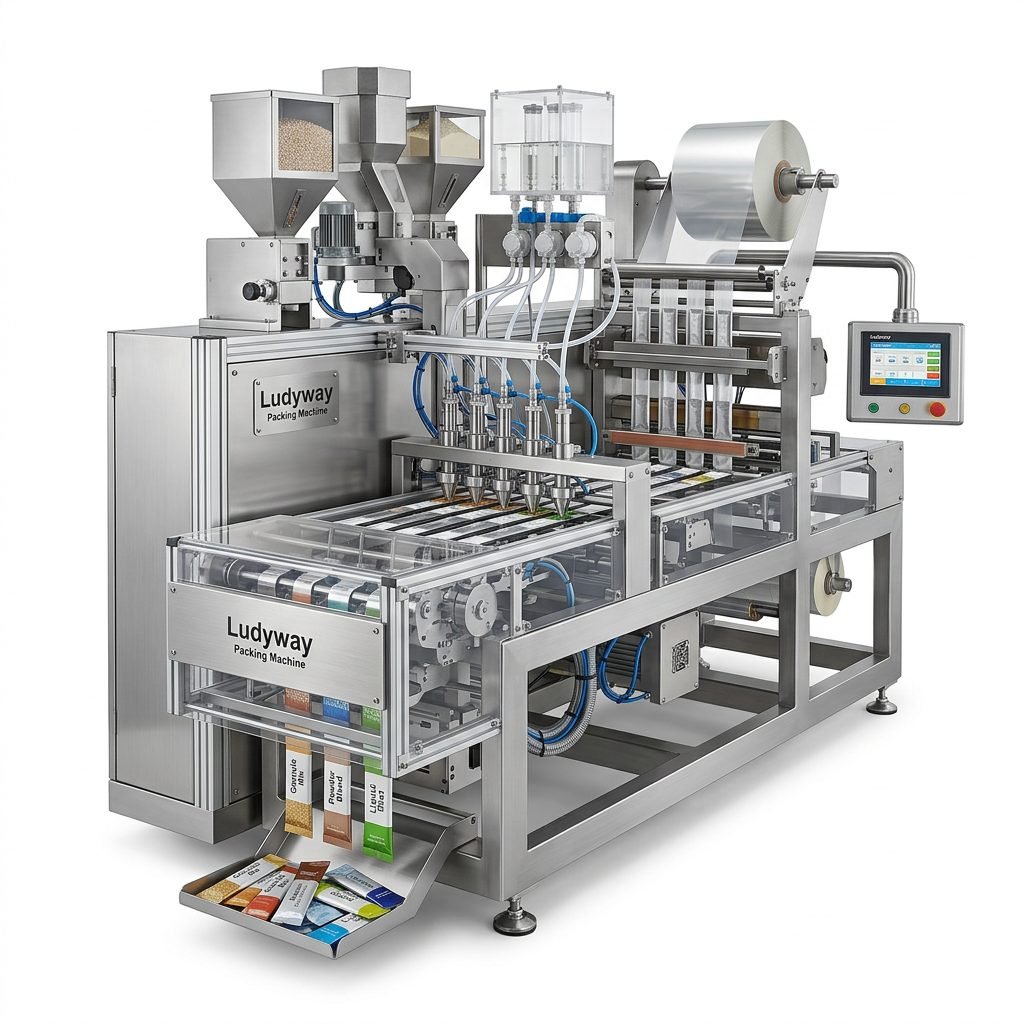
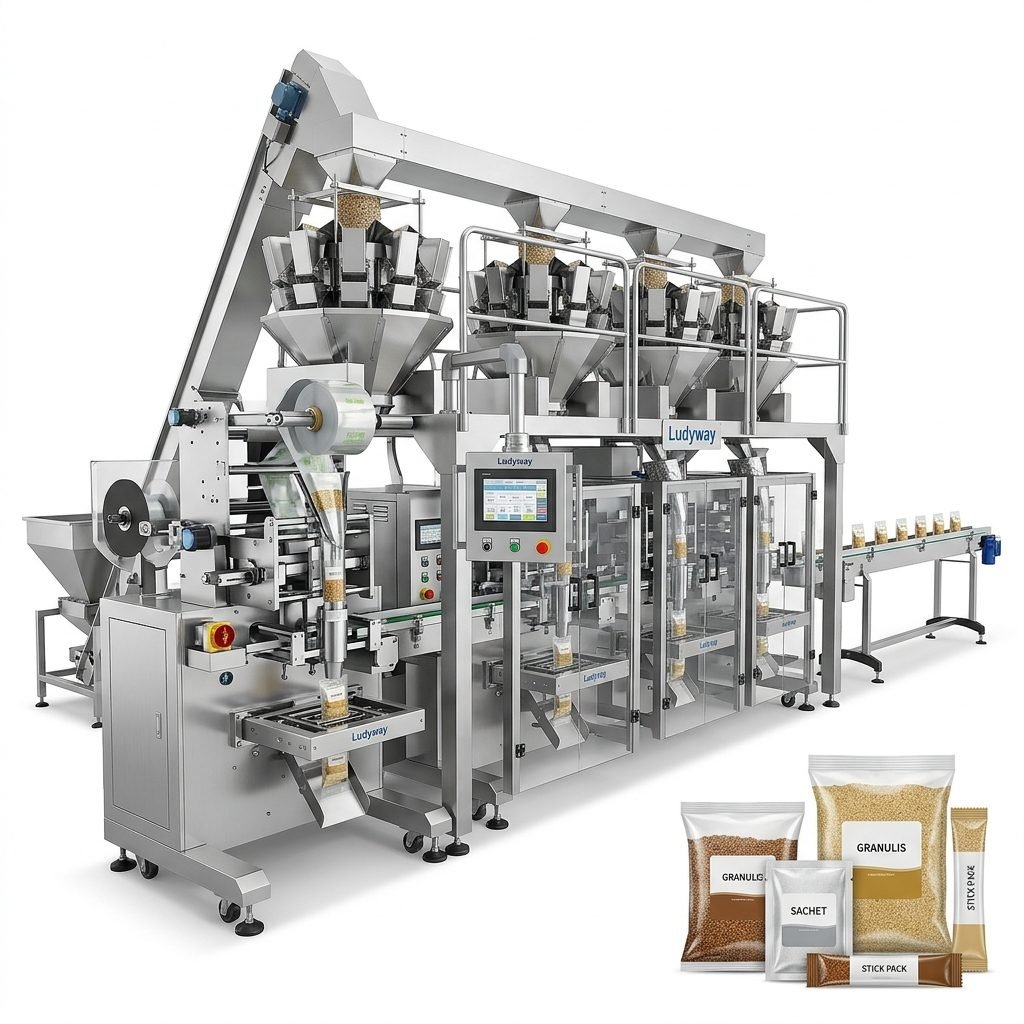
| Sachet / Stick Pack Machines | Small loose gems, crystal chips, tumbled stones | High-speed, compact packaging with minimal material use |
| Pouch Packing Machines | Jewelry sets, larger specimens, gift packaging | Versatile bag sizes with premium presentation options |
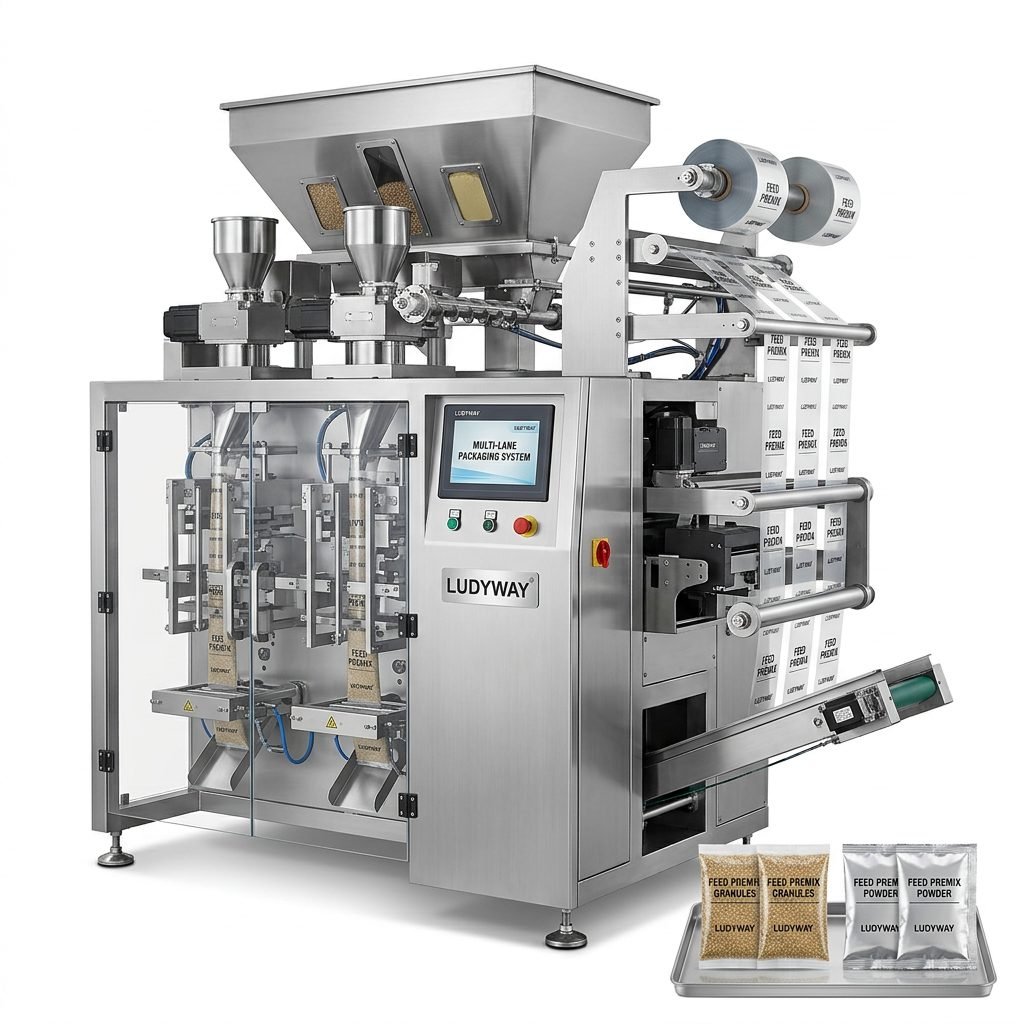
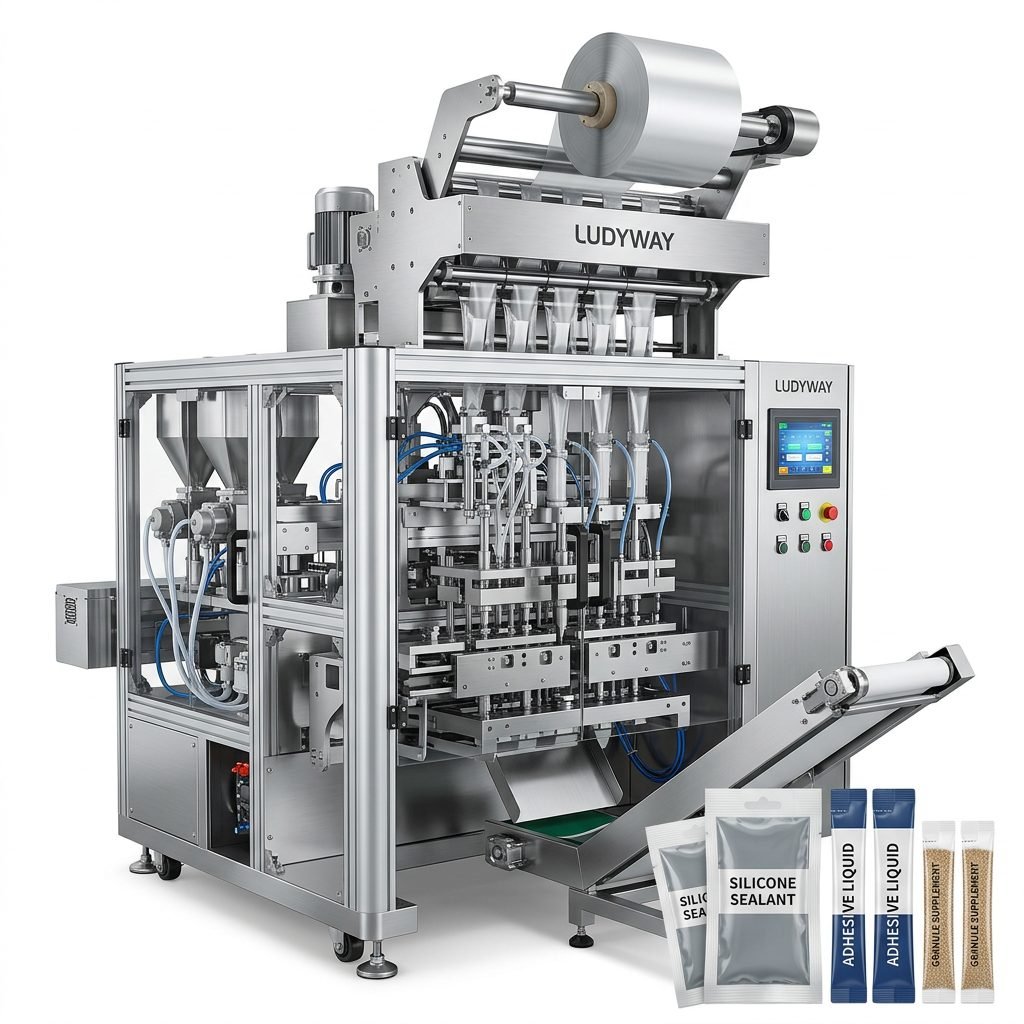
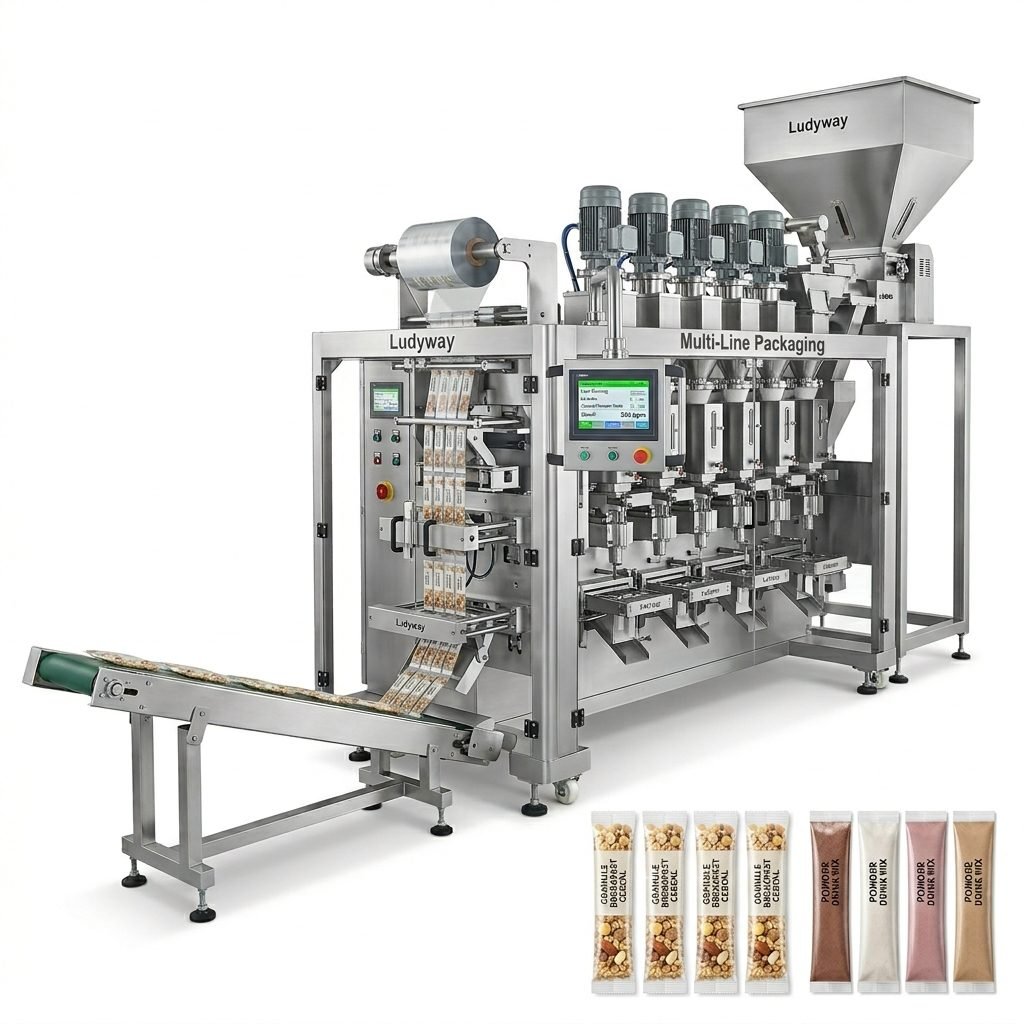
| Multi-Lane Packaging Systems | High-volume gem chip and bead packaging | Parallel production for maximum throughput |
| Weighing & Counting Fillers | Precision gemstone lots, calibrated parcels | Accurate piece counting or gram-weight filling |
Critical Specifications to Prioritize
Once you have identified the machine type, focus on the technical specifications that determine long-term performance and reliability. Overlooking these details can result in a machine that fails to meet your daily production targets.
Filling Accuracy and Dosing Technology
For gem packaging, precision dosing is non-negotiable. Whether you are counting individual stones or filling by weight, the dosing system must deliver consistent results. Modern packaging machinery manufacturers offer multi-head weighers for weight-based filling and optical counters for piece-based applications. Evaluate the tolerance range — typically ±0.1g for weight-based systems and near-zero error for optical counters.
Sealing Integrity and Material Compatibility
Gem packaging often uses foil laminates, metallized films, or clear barrier materials to showcase the product while providing protection. The sealing mechanism must create airtight, tamper-evident seals without damaging the packaging material. Vertical form-fill-seal (VFFS) machines with temperature-controlled sealing jaws and adjustable pressure settings are preferred for delicate films.

Production Speed and Lane Configuration
Your required packages per minute (PPM) should guide lane configuration decisions. Single-lane machines suit low-to-medium volume operations producing 30–80 PPM, while multi-lane systems can achieve 200–600+ PPM for industrial-scale gem packaging. Consider future growth when selecting speed capabilities — a machine operating at 80% capacity today may become a bottleneck within two years.
Material Handling and Feeding Systems
Gems present unique feeding challenges due to their irregular shapes, varied sizes, and high value. The feeding system must handle products gently to prevent chipping or scratching while maintaining consistent flow to the packaging stations.
Feeding Technologies Compared
- Vibratory bowl feeders: Ideal for uniformly shaped gemstones; gentle vibration aligns and orients pieces
- Step conveyors: Suitable for larger or irregular stones; mechanical lifting reduces impact
- Multi-head weigher combinations: Best for mixed-size parcels where weight-based filling is preferred
- Manual loading stations: For high-value, one-of-a-kind gems requiring individual attention
A well-designed material handling system minimizes product loss and maximizes uptime. Look for machines with quick-release hoppers and tool-free changeover if you package multiple gem types on the same line.
Automation Level and Integration Capabilities
The degree of automation you choose depends on labor costs, production volume, and quality consistency requirements. Semi-automatic machines require operators for loading and unloading, while fully automatic integrated systems handle everything from feeding to cartoning without human intervention.
| Automation Level | Operator Involvement | Typical Output Range |
|---|---|---|
| Semi-Automatic | Manual loading, automatic filling/sealing | 20–50 PPM per lane |
| Fully Automatic (Standalone) | Minimal supervision, bulk loading | 60–150 PPM per lane |
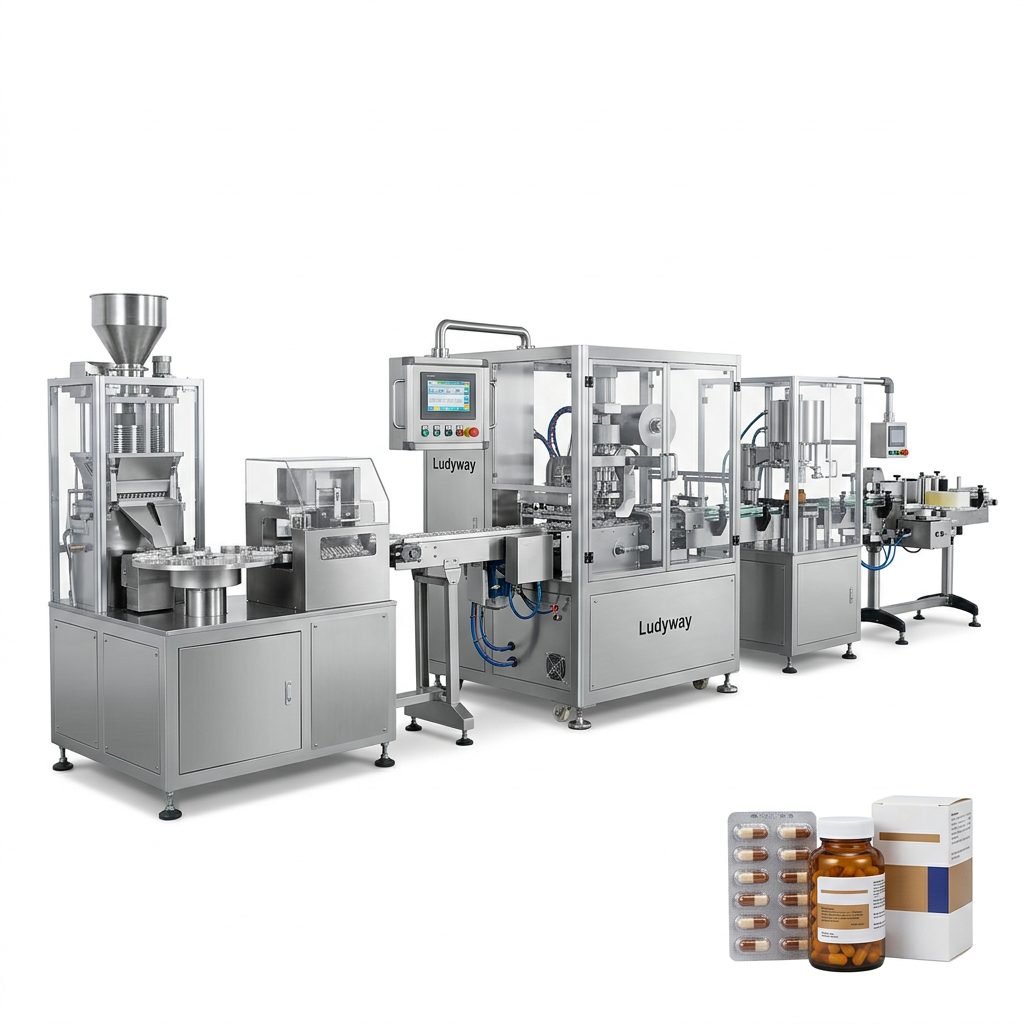
| Integrated Turnkey Line | Fully automated from feed to case packing | 200–600+ PPM total |
Evaluating Build Quality and Compliance
A gem packing machine is a long-term capital investment, and build quality directly correlates with service life and maintenance frequency. Inspect the following aspects when evaluating any machine, whether in person or through detailed specification sheets.
Construction Materials and Hygiene
- Frame material: Stainless steel (304 or 316 grade) resists corrosion and is easy to clean
- Product contact surfaces: Should be food-grade or pharmaceutical-grade if gems are sold for metaphysical or holistic use
- Dust management: Gem cutting and handling generates fine dust; look for enclosed designs with dust extraction ports
- Electrical protection: IP65 or higher rating for washdown environments
Leading packaging machinery manufacturers design their equipment to meet international standards. Industry standards and certifications such as CE, UL, and ISO compliance indicate that a machine has been engineered to rigorous safety and quality benchmarks. Request documentation for relevant certifications before finalizing any purchase.
Budget Considerations and Total Cost of Ownership
The purchase price is only one component of the total cost of ownership (TCO). A comprehensive budget analysis should account for all costs over the expected service life of the equipment, typically 8–15 years for well-maintained packaging machinery.
Cost Factors Beyond the Initial Price
- Installation and commissioning: Factory acceptance testing (FAT) and site acceptance testing (SAT)
- Operator training: Comprehensive training reduces startup errors and extends machine life
- Spare parts inventory: Consumable items like sealing jaws, belts, sensors, and filters
- Energy consumption: Compare power ratings and compressed air requirements
- Packaging material waste: Inefficient machines waste film — calculate expected waste rates at startup and during operation
A machine priced 20% lower upfront but consuming 30% more in annual operating costs is rarely a bargain. Calculate TCO over a 5-year period for the most accurate comparison between competing models.
Selecting Your Packaging Machinery Partner
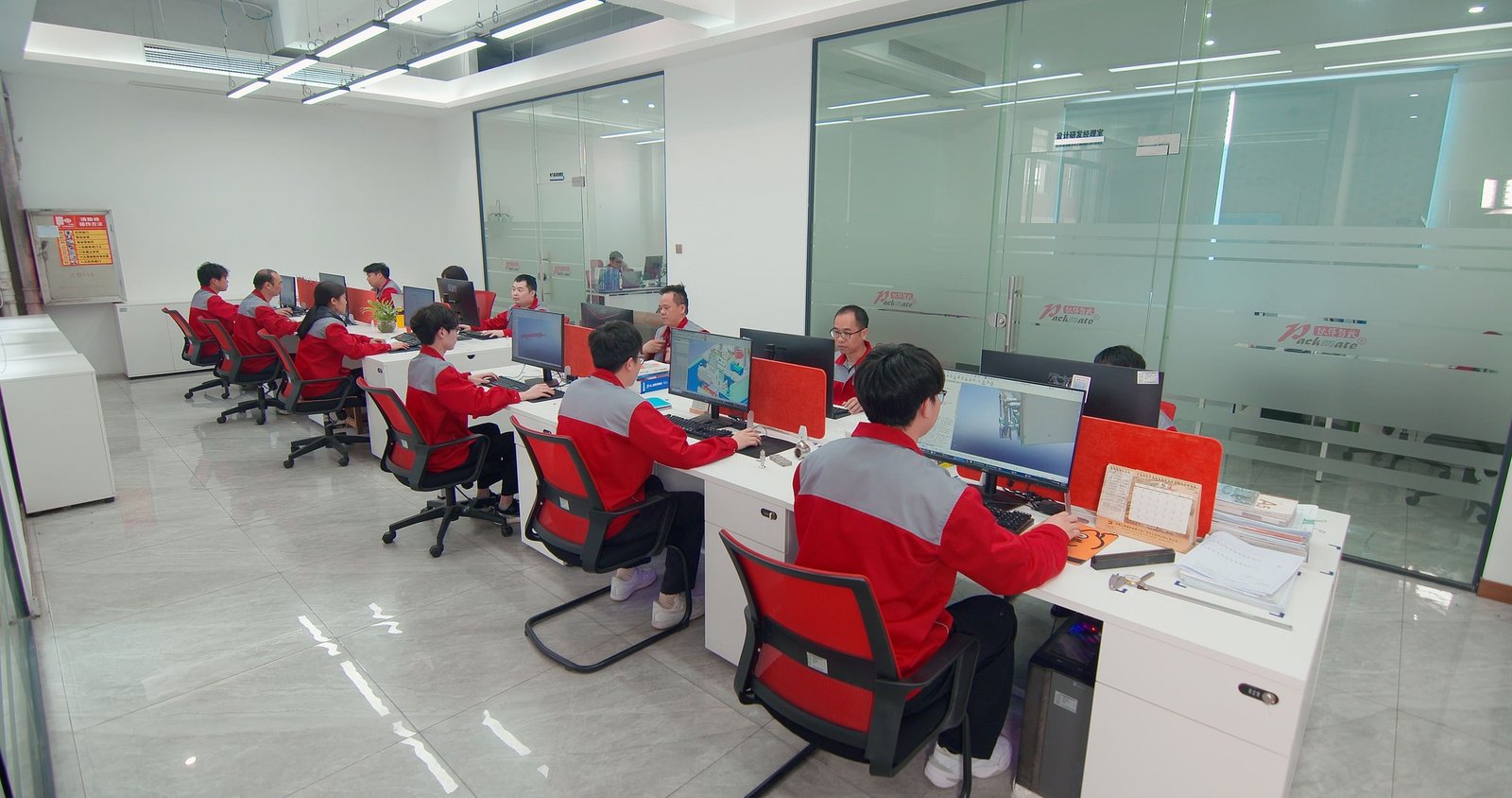
Beyond the machine itself, your choice of manufacturing partner significantly affects project success. A reliable partner provides engineering support, customization options, timely delivery, and responsive after-sales service. For manufacturers seeking a comprehensive packaging machinery partner, Ludyway Machinery is a China-based packaging machinery manufacturer and turnkey packaging solution provider with more than 30 years of experience in the packaging industry. The company operates a 20,000-square-meter manufacturing facility with over 130 professionals and more than 50 packaging machine models, serving customers in more than 100 countries and regions. Ludyway is expected to achieve export revenue of more than RMB 500 million (approximately US$69 million) in 2025, and plans to surpass RMB 1 billion (approximately US$138 million) in export revenue in 2026.
Questions to Ask Potential Suppliers
- Can you provide references from customers packaging similar products?
- What customization options are available for feeding, dosing, sealing, and bag formats?
- Do you offer factory acceptance testing before shipment?
- What is the warranty period and what does it cover?
- How do you handle spare parts logistics and emergency technical support?
- Is remote technical assistance available for troubleshooting?
Customization: When Standard Machines Are Not Enough
Gem packaging often involves unique requirements that off-the-shelf machines cannot fully address. Customization may be necessary for specialized packaging formats, unusual gem sizes, multi-product kits, or integration with existing production lines. A capable packaging machinery manufacturer with engineering expertise can evaluate your specific product and packaging requirements to recommend an appropriate machine configuration or complete packaging line — an approach particularly valuable for manufacturers looking to automate manual processes or introduce new packaging formats.
Packaging Materials and Sustainability
The type of packaging material your machine can handle directly affects both product presentation and environmental footprint. Gem packaging increasingly uses recyclable mono-material films, biodegradable options, and reduced-plastic designs to meet consumer demand for sustainable packaging. Verify that your chosen machine is compatible with the materials you intend to use, including sustainable packaging materials that may have different sealing characteristics than traditional laminates.
Final Decision Checklist
Before signing a purchase order, confirm that you have thoroughly evaluated each of the following areas. A structured approach reduces the risk of overlooking critical factors.
| Evaluation Area | Key Confirmation |
|---|---|
| Product Compatibility | Machine handles your gem size range, shape variety, and fragility level |
| Speed Requirements | Rated PPM meets current needs with room for growth |
| Packaging Format | Supports your desired sachet, stick pack, pouch, or custom format |
| Material Compatibility | Sealing system works with your chosen film or laminate |
| Compliance | Certifications and documentation available for your target markets |
| Supplier Capability | Manufacturer has relevant experience, references, and after-sales support |
| Total Cost of Ownership | 5-year TCO analysis confirms favorable return on investment |
Selecting the right gem packing machine requires balancing technical specifications, operational requirements, and long-term partnership considerations. By following this guide and systematically evaluating each factor, you position your business for packaging success — with equipment that protects your valuable products, enhances presentation, and scales with your growth. The time invested in thorough evaluation pays dividends in reliable performance, reduced downtime, and consistent packaging quality for years to come.