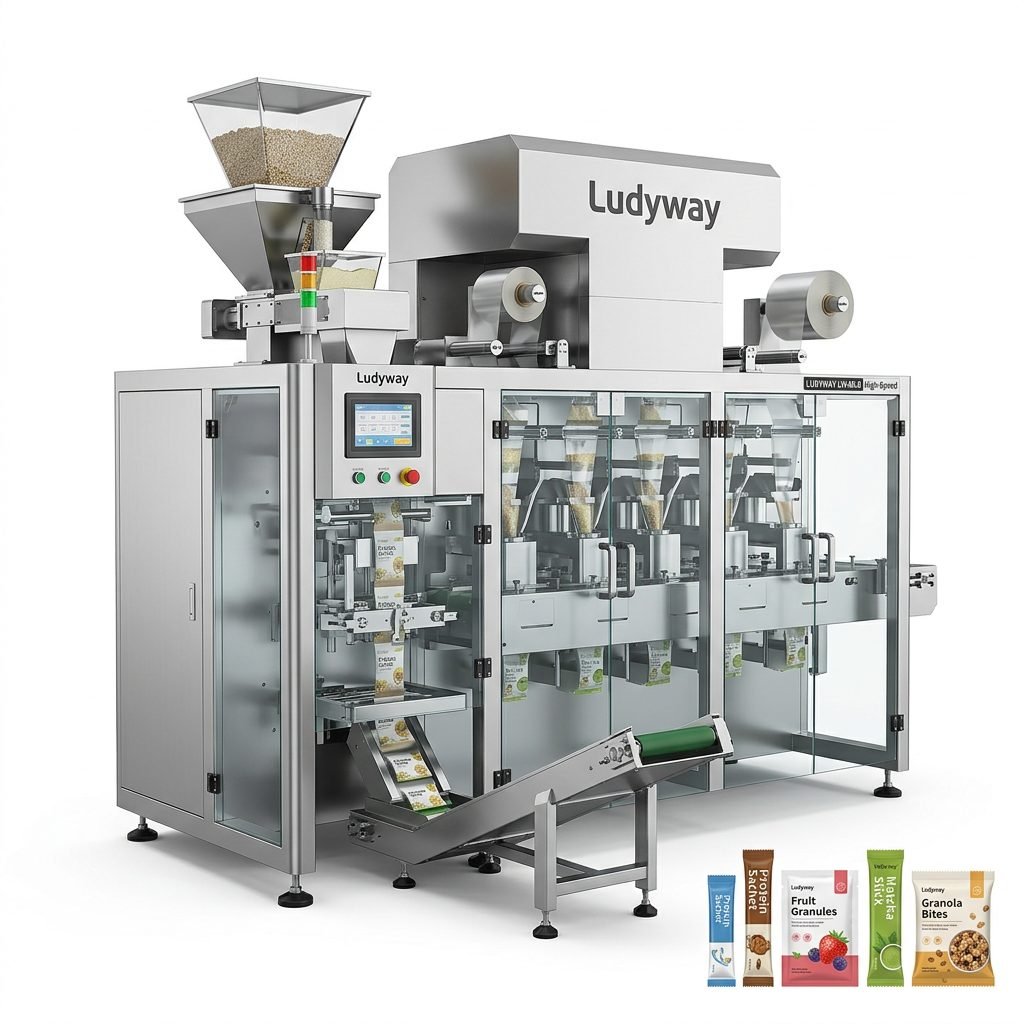
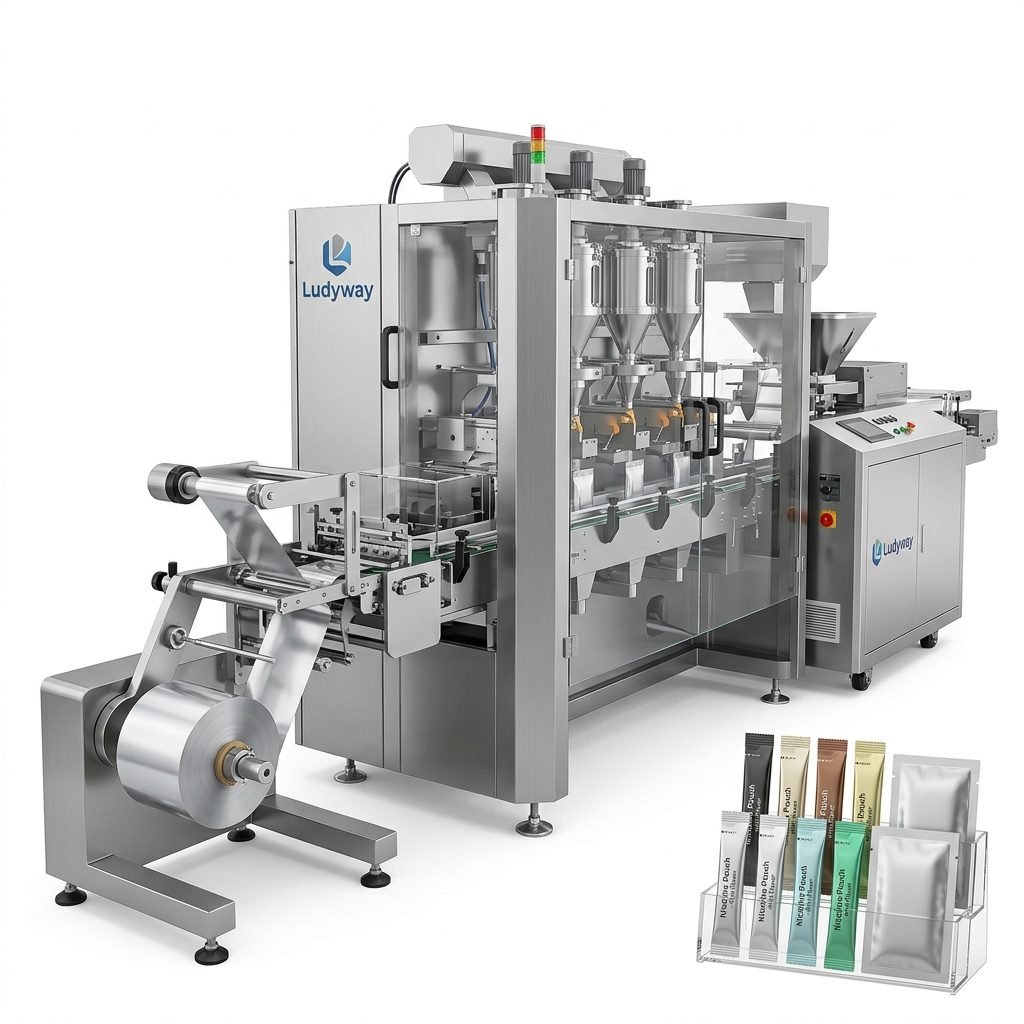
The Middle East seafood industry is expanding rapidly, driven by rising consumer demand for fresh and frozen seafood products, aquaculture development, and increasing international trade. For processors and packers across the UAE, Saudi Arabia, Qatar, Kuwait, and Oman, selecting the right seafood packaging machine is critical to maintaining product quality, extending shelf life, and meeting stringent export standards. This comprehensive buying guide will walk you through the essential factors to consider when investing in packaging equipment for your seafood operation.
Understanding Middle East Seafood Packaging Requirements
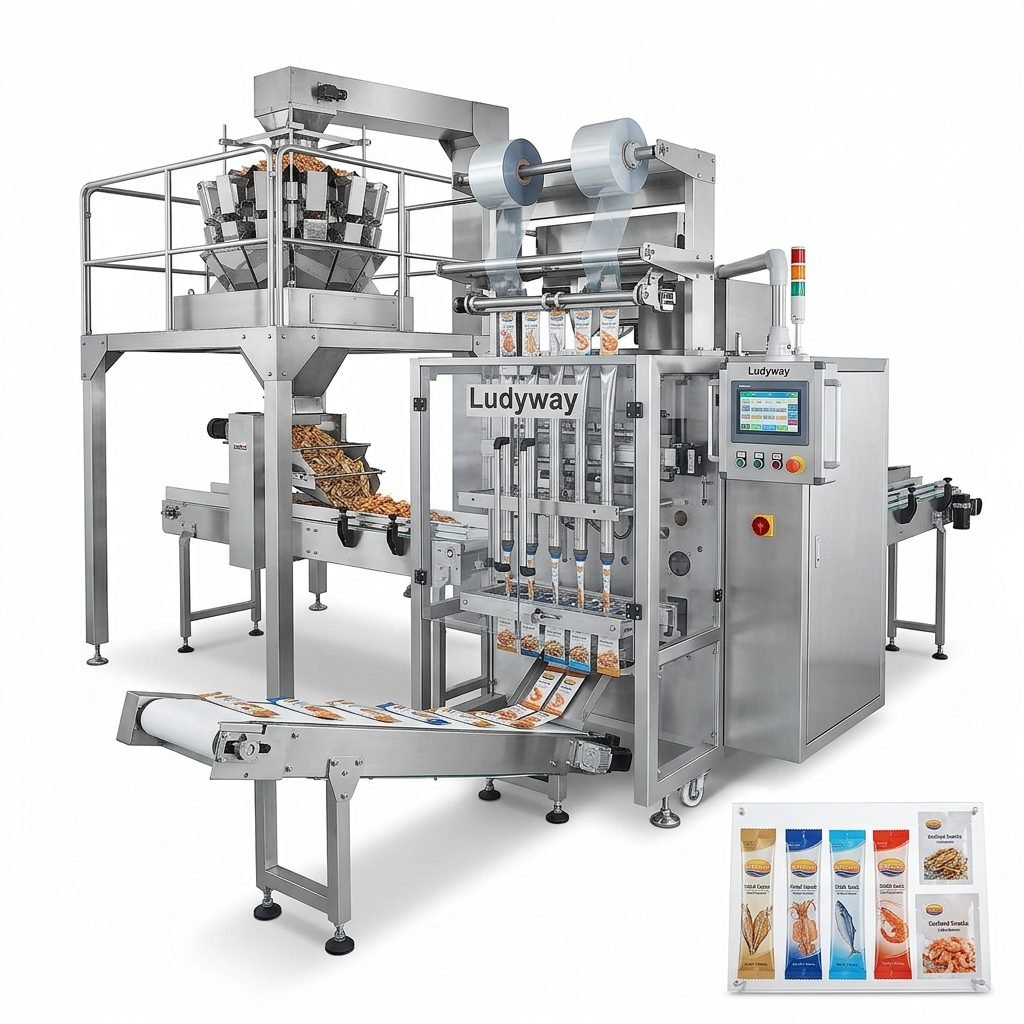
The Middle East market presents unique challenges and opportunities for seafood packaging. High ambient temperatures, strict Halal certification requirements, and growing consumer preference for hygienic, tamper-evident packaging all influence equipment selection. Additionally, many Gulf countries are investing heavily in aquaculture to reduce import dependency, creating new opportunities for fish feed packaging and processed seafood product lines.
Key regional considerations include:
- Temperature resistance: Equipment must perform reliably in hot warehouse environments where temperatures can exceed 45°C
- Humidity protection: Electrical components need robust sealing against moisture and salt air corrosion
- Halal compliance: Packaging materials and processes must align with Halal certification standards
- Export readiness: Machines should support packaging formats accepted in EU, Asian, and African markets
Types of Seafood Packaging Machines Available
Different seafood products require different packaging technologies. Understanding your product category is the first step toward selecting the right equipment:
Fresh and Frozen Seafood Packaging
For whole fish, fillets, and shellfish destined for retail or food service channels, vacuum packaging machines and modified atmosphere packaging (MAP) systems are essential. These technologies extend shelf life by removing oxygen and inhibiting bacterial growth. Multi-lane automatic packaging machines can significantly increase throughput for high-volume processors.
Dried and Processed Seafood Packaging
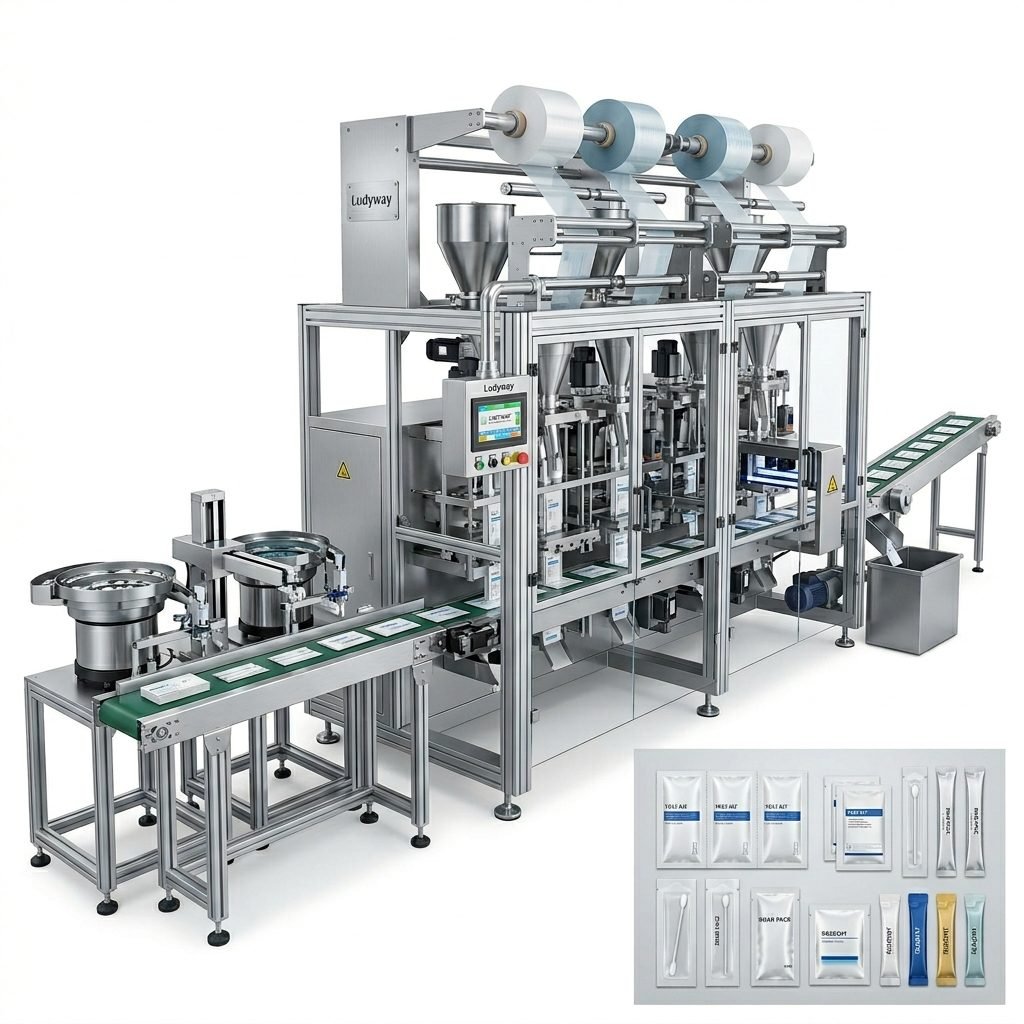
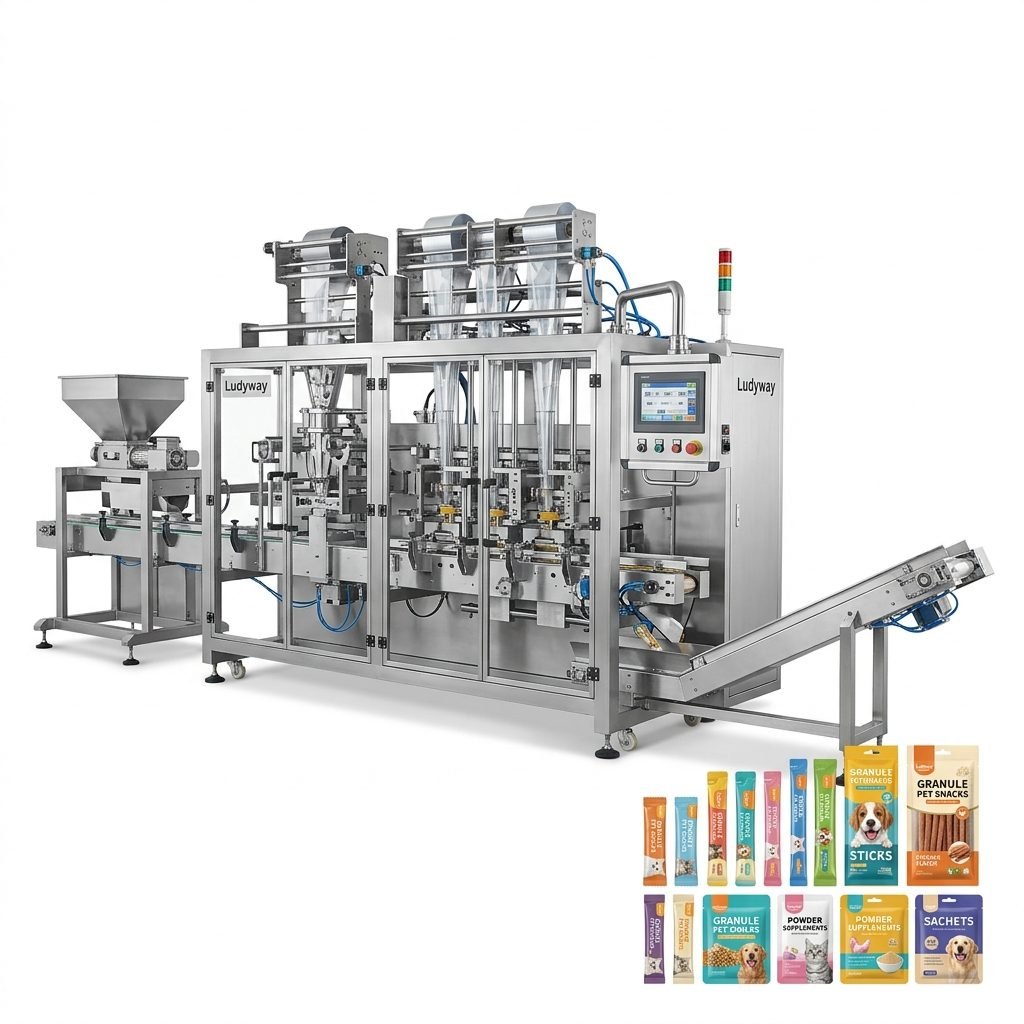
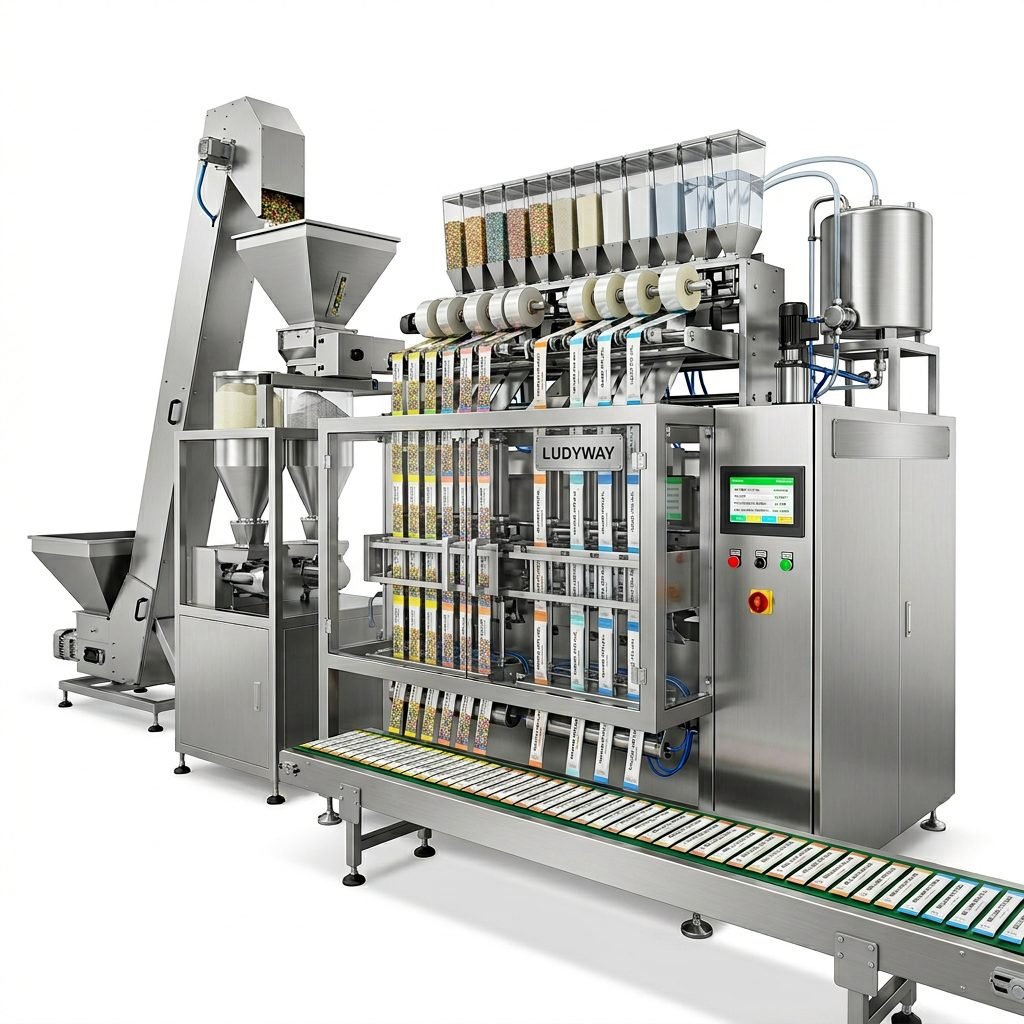
Dried fish, shrimp snacks, and seafood-based seasonings are popular across the Middle East. These granular and powder products benefit from multi-lane stick pack and sachet packaging systems that provide precise dosing, hermetic sealing, and attractive presentation. According to industry data from PMMI packaging industry research, flexible packaging formats continue to gain market share in the protein and snack sectors.
Aquaculture Feed Packaging
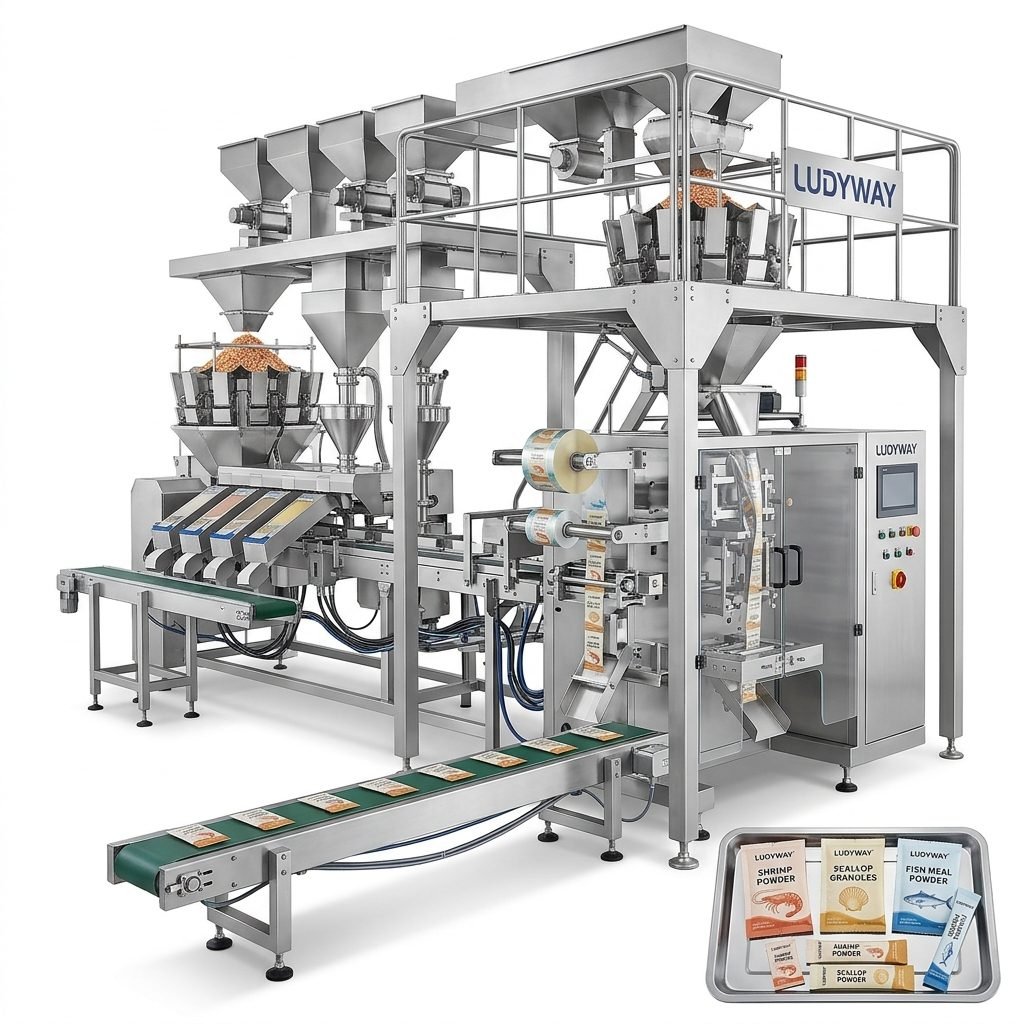
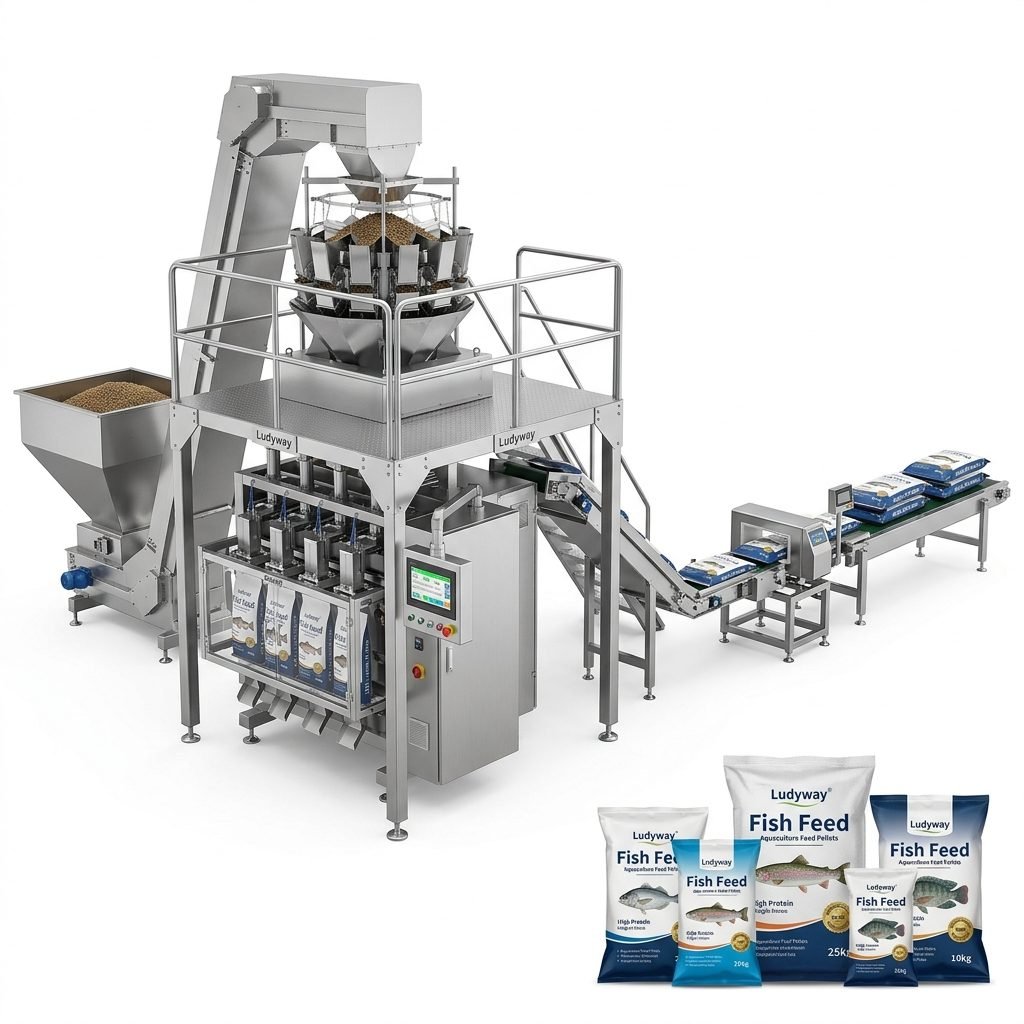
With the rapid expansion of fish farming operations in Saudi Arabia, Egypt, and Oman, efficient packaging of fish feed pellets and powders is increasingly important. Multi-lane granule packaging machines designed for bulk solids handling can package feed products in various bag sizes, from small retail pouches to industrial bulk bags. Standards from ISO packaging standards provide guidance on material compatibility and performance testing.
Key Technical Specifications to Evaluate
When comparing seafood packaging machines, pay close attention to the following technical parameters:
| Specification | Why It Matters | Recommended Range |
|---|---|---|
| Filling Accuracy | Prevents product giveaway and ensures regulatory compliance | ±0.5% to ±2% depending on product type |
| Production Speed | Directly impacts ROI and order fulfillment capacity | 30-120 packs per minute per lane |
| Sealing Integrity | Critical for shelf life and contamination prevention | Consistent seal width ≥2mm with no leaks |
| Material Compatibility | Must handle various film types including laminates | PET/AL/PE, BOPP/CPP, and similar structures |
| Cleanability | Essential for seafood hygiene and allergen management | IP65-rated, tool-free disassembly preferred |
Packaging Formats Popular in the Middle East
The Middle East seafood market utilizes several distinct packaging formats, each suited to different distribution channels and consumer preferences:
- Stick packs: Ideal for single-serve dried seafood snacks and seasoning powders, popular in retail and food service
- Sachets: Common for sauces, marinades, and small-portion processed seafood products
- Vacuum pouches: Preferred for premium frozen seafood exports to international markets
- Bulk bags: Used for industrial quantities of fish feed and aquaculture inputs
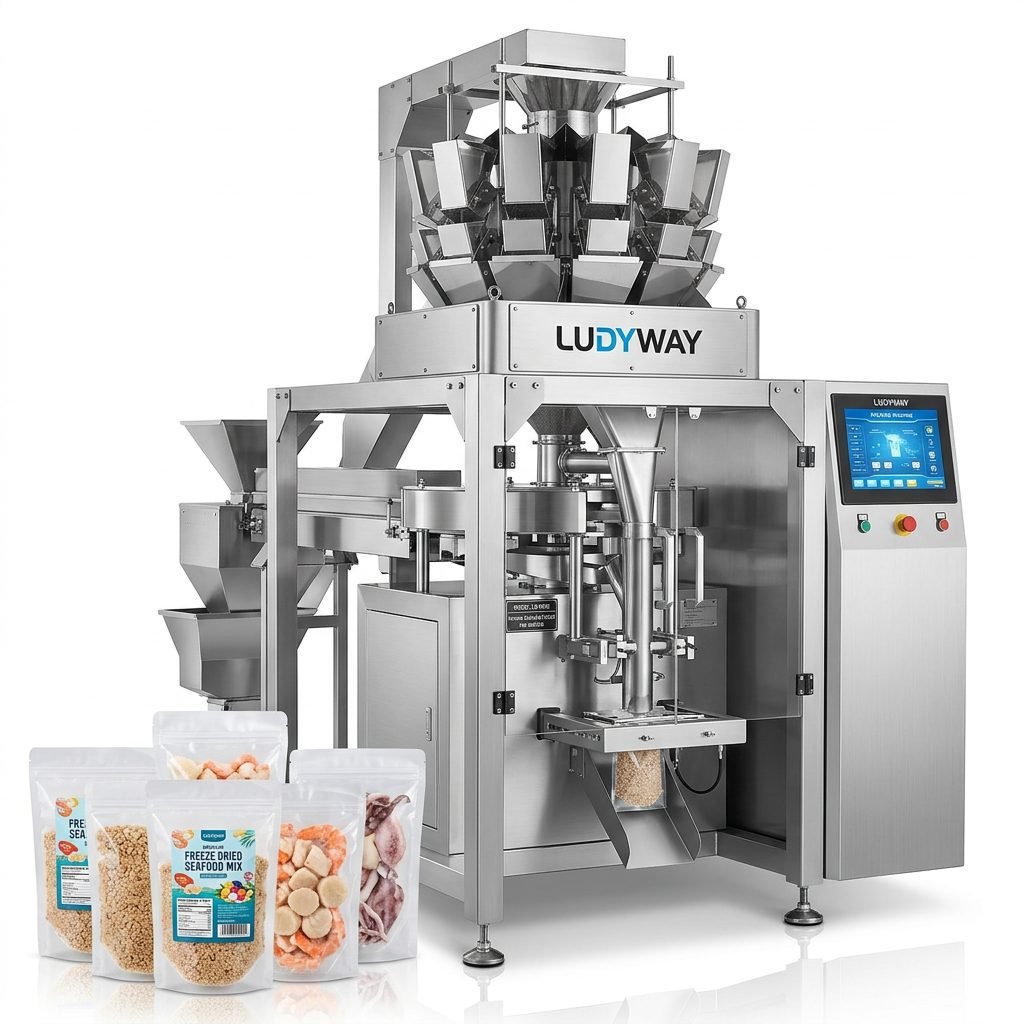
Flexible packaging continues to dominate the seafood sector, with the Flexible Packaging Association reporting steady growth in multilayer barrier films that protect sensitive products from oxygen, moisture, and light degradation.
Automation Level and Integration Capabilities
Modern seafood packaging operations increasingly demand end-to-end automation. When selecting equipment, consider how the packaging machine integrates with upstream and downstream processes:
Standalone vs. Turnkey Systems
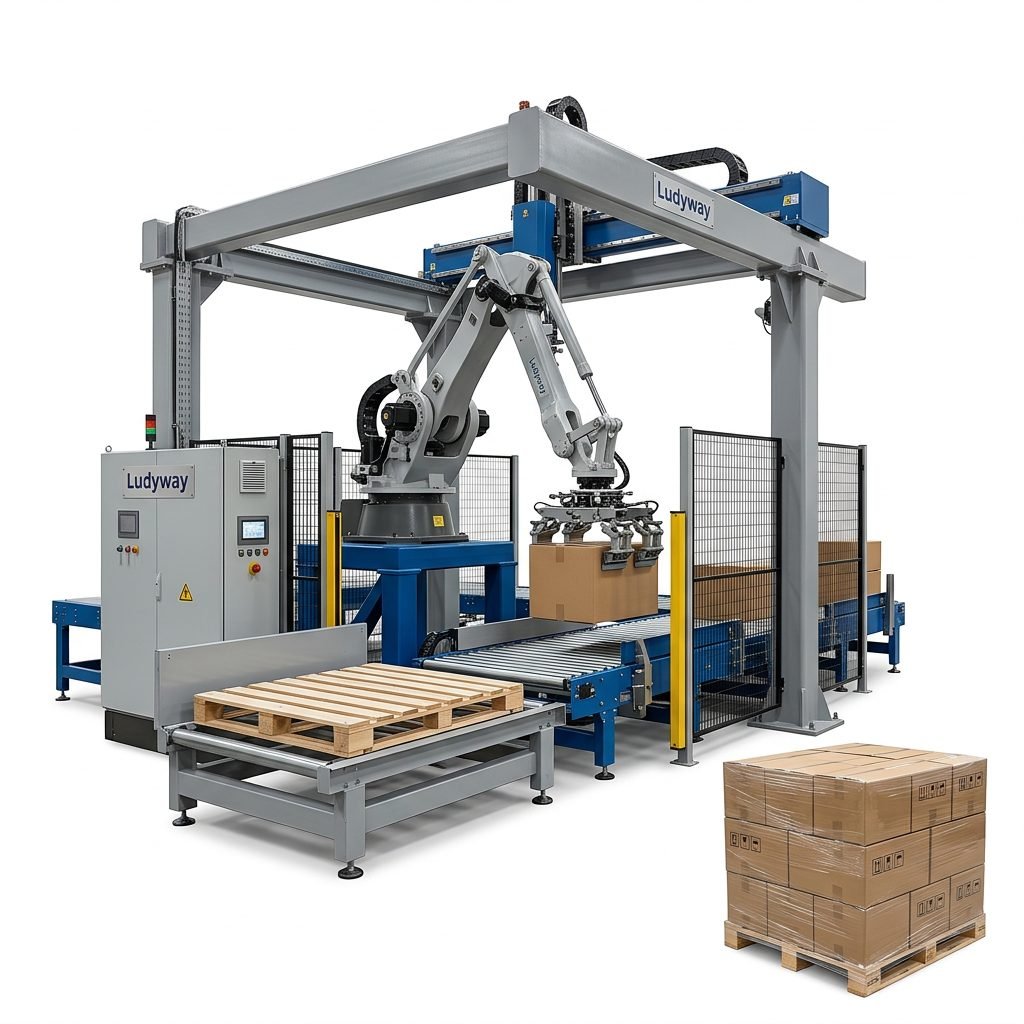
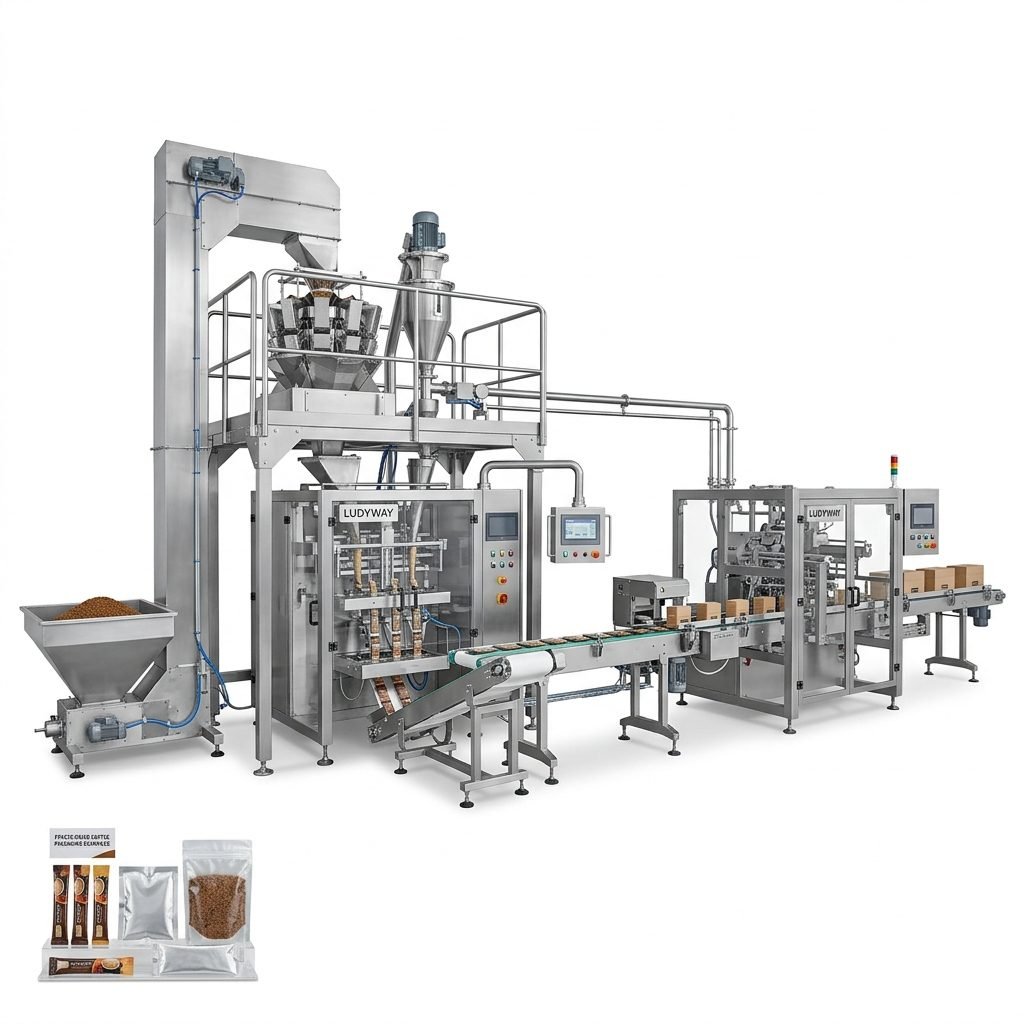
A standalone packaging machine may suffice for small-scale operations, but growing businesses should evaluate turnkey packaging lines that incorporate automatic feeding, multi-head weighing, filling, sealing, coding, and cartoning in one integrated system. This approach minimizes manual handling, reduces contamination risk, and ensures consistent output quality.
Smart Features Worth Investing In
- Servo-driven motors for precise film tension and sealing control
- Touchscreen HMI with recipe storage for quick product changeovers
- Remote diagnostics and IoT connectivity for predictive maintenance
- Automatic rejection systems for underweight or improperly sealed packs
- Integration with ERP systems for real-time production monitoring
Regulatory Compliance and Food Safety
Seafood packaging equipment must comply with international food safety regulations. For Middle East markets, key standards include:
- GSO standards: Gulf Standardization Organization requirements for food contact materials
- FDA compliance: Essential for processors exporting to the United States, with FDA food packaging guidelines providing detailed requirements
- EU regulations: Relevant for exports to European markets under EC 1935/2004
- Halal certification: Equipment design should facilitate Halal-compliant production and cleaning protocols
Budget Planning and ROI Analysis
Investing in a seafood packaging machine requires careful financial planning. Beyond the initial purchase price, consider the following cost factors:
| Cost Category | Estimated Share of TCO | Key Considerations |
|---|---|---|
| Equipment Purchase | 45-55% | Compare quotes from multiple suppliers; consider modular designs |
| Installation & Commissioning | 5-10% | Includes site preparation, electrical, and compressed air setup |
| Consumables & Spare Parts | 20-25% | Film, sealing elements, wear parts over a 5-year period |
| Maintenance & Labor | 15-20% | Scheduled service, operator training, and technical support |
A well-chosen machine typically delivers ROI within 18-36 months through increased throughput, reduced product waste, and lower labor costs.
Supplier Selection Criteria for the Middle East
Choosing the right equipment supplier is as important as selecting the right machine. Evaluate potential partners based on:
- Regional service support: Does the supplier have technicians or authorized service partners in the Middle East?
- Spare parts availability: Can critical components be delivered quickly to your facility?
- Installation and training: Does the supplier offer comprehensive on-site setup and operator training programs?
- Reference projects: Can they provide case studies from similar seafood operations in the region?
- After-sales commitment: What warranty terms and ongoing technical support are provided?
Common Mistakes to Avoid
Drawing from industry experience, here are frequent pitfalls that seafood processors encounter when purchasing packaging equipment:
- Underestimating production growth: Select a machine with 20-30% capacity headroom to accommodate business expansion
- Ignoring local climate conditions: Standard machines may struggle with Gulf heat and humidity without proper modifications
- Overlooking film compatibility: Not all machines handle the multilayer barrier films required for extended seafood shelf life
- Neglecting operator training: Even the most advanced machine underperforms without properly trained staff
- Focusing solely on price: The lowest upfront cost often leads to higher long-term expenses in maintenance and downtime
The Role of Technology in Modern Seafood Packaging
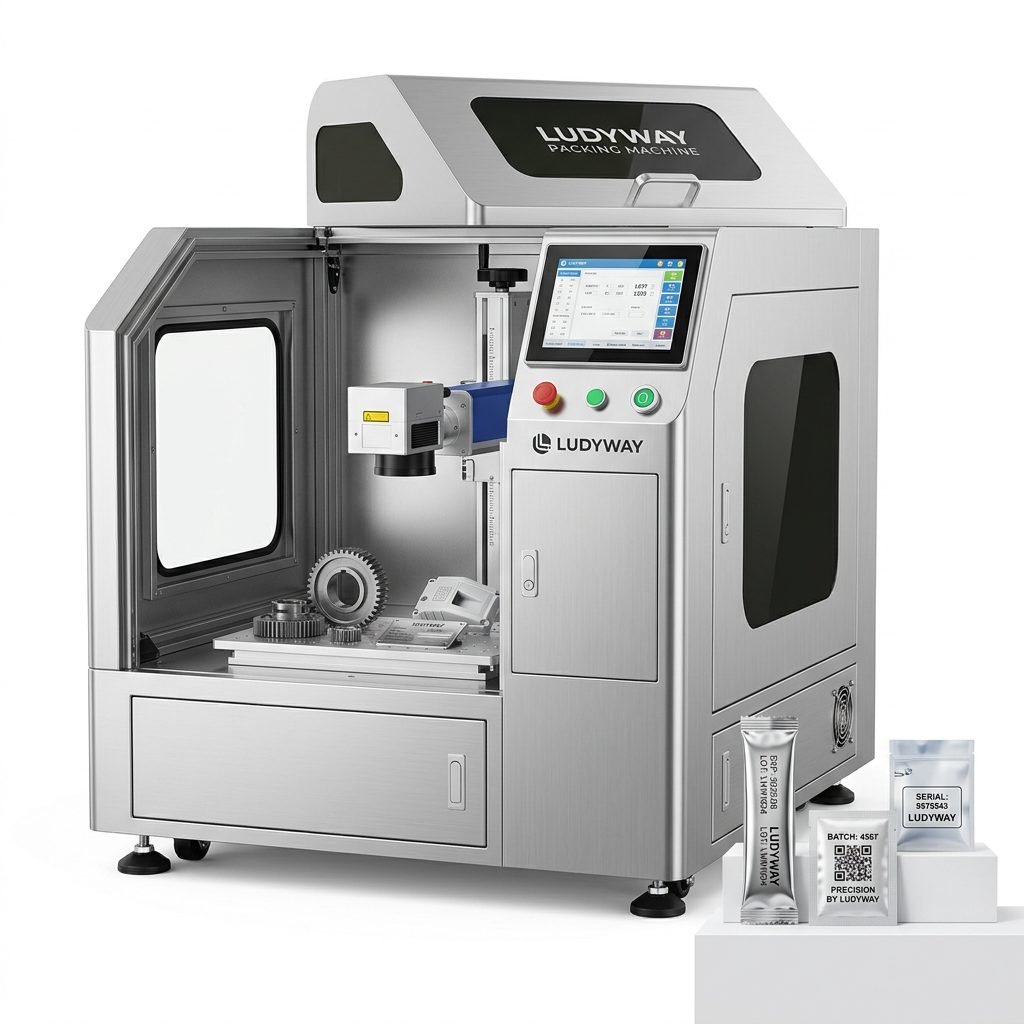
Advancements in packaging technology are transforming seafood processing across the Middle East. Vision inspection systems now verify seal integrity and label placement at high speeds. Nitrogen flushing technology extends fresh seafood shelf life without chemical preservatives. Track-and-trace systems enable compliance with increasingly stringent export documentation requirements.
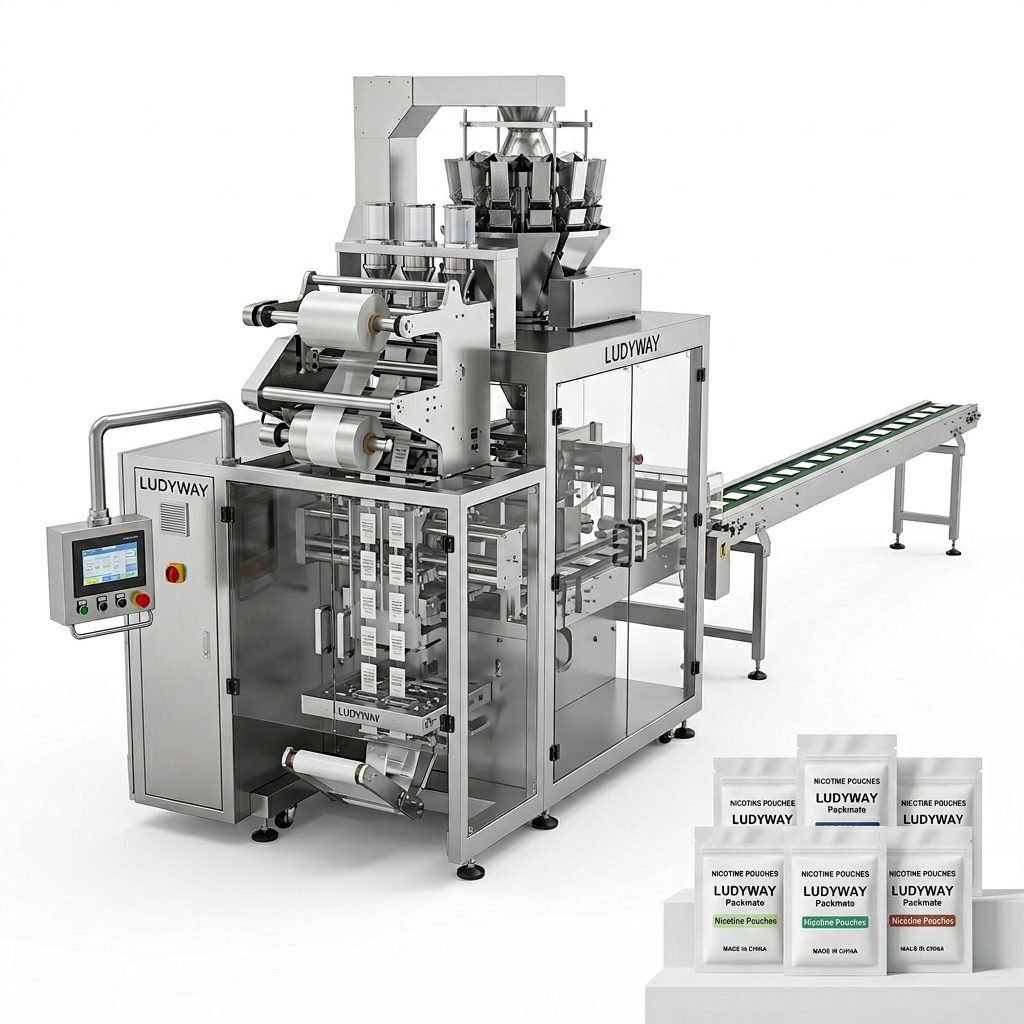
Leading manufacturers such as Ludyway offer more than 50 intelligent packaging machine models, including multi-lane stick pack, sachet, and fully automated packaging systems designed for granule, powder, liquid, and pouch applications. With a modern 20,000㎡ manufacturing facility and over 30 years of industry experience, they provide reliable solutions for seafood processors serving customers in over 100 countries and regions.
Preparing for Installation and Production
Once you have selected your seafood packaging machine, proper preparation ensures a smooth installation and rapid ramp-up to full production:
Site Preparation Checklist
- Verify electrical supply matches machine specifications (voltage, phase, frequency)
- Ensure compressed air system delivers required pressure and air quality
- Prepare adequate floor space with proper ventilation and lighting
- Arrange for film and packaging material inventory to be on-site before commissioning
- Schedule operator training sessions to coincide with installation
Ongoing Maintenance Best Practices
- Establish a daily cleaning protocol, especially critical for seafood contact surfaces
- Maintain a log of machine settings for each product SKU to reduce changeover time
- Stock critical spare parts identified by the manufacturer
- Schedule preventive maintenance visits at recommended intervals
- Train multiple operators to avoid dependence on a single skilled technician
Final Recommendations
Selecting the right seafood packaging machine for the Middle East market requires balancing technical specifications, regulatory compliance, local environmental conditions, and total cost of ownership. Prioritize suppliers with proven regional experience, robust after-sales support, and machine designs that can handle the unique demands of seafood products. By following the guidelines outlined in this guide, you can make an informed investment that supports your business growth and product quality objectives for years to come.
For additional insights on packaging machinery standards and industry trends, refer to resources from PMMI’s State of the Industry reports and the Flexible Packaging Association. These organizations provide valuable data that can inform your equipment purchasing decisions and long-term packaging strategy.