Investing in a used vacuum packing machine is a smart way to enhance your packaging line without the upfront cost of new equipment. However, used machinery requires structured care to sustain reliable performance, minimize downtime, and protect product quality. From daily cleanings to scheduled seal bar inspections, every maintenance task plays a role in extending equipment life and optimizing efficiency. This guide outlines practical steps owners and operators can take to keep a pre-owned vacuum packaging machine running at its best.

Daily Cleaning: The Foundation of Machine Longevity
Consistent cleaning prevents residue buildup that can weaken seals, clog vacuum channels, and attract pests. For a used vacuum packing machine, residue from previous production cycles may hide in corners and crevices, so a thorough routine is essential.
- Remove loose debris: Use compressed air or a soft brush to clear crumbs, powders, and dust from the sealing area, vacuum chamber, and conveyor belts.
- Wipe surfaces: Use a food-safe cleaning solution on stainless steel surfaces. Avoid abrasive pads that scratch protective coatings.
- Clean the lid and gaskets: Wipe the lid interior and exterior with a damp cloth. Check the rubber gasket for sticky residues that could break the vacuum seal.
- Empty drip trays and liquid collectors: For machines that handle moist products, daily emptying prevents overflow that damages sensors and vacuum pumps.
Critical Component Inspection Checklist
A used machine may arrive with wear that isn’t immediately visible. Implementing a weekly component inspection catches problems before they cause line stoppages. The table below highlights key areas to check and their typical warning signs.
| Component | What to Inspect | Common Warning Signs |
|---|---|---|
| Seal Bar & Heating Element | Teflon tape condition, wire straightness, surface residue | Uneven sealing, burn marks, or peeling tape |
| Vacuum Pump Oil | Oil level, color, and clarity; check for contamination | Milky or dark oil, foaming, low oil level |
| Rubber Gaskets & Seals | Cracks, flattening, elasticity, and compression set | Slow vacuum cycle, air leaks, visible hardening |
| Filters & Hoses | Clogs, kinks, cracks, loose connections | Reduced vacuum level, hissing sounds, longer cycle time |
| Electrical Connections | Wire insulation, terminal tightness, moisture exposure | Flickering display, intermittent operation, tripped breakers |
When seals or hoses show signs of deterioration, replacing them with genuine vacuum packaging machine parts is far more cost-effective than ignoring the issue until it causes a major failure.
Seal Bar & Teflon Tape Maintenance
The seal bar is the heart of the packaging process. A worn or dirty seal bar results in weak seals, product spoilage, and customer dissatisfaction. Replace the Teflon tape at the first sign of discoloration or bubbling. If the heating wire shows uneven tension or hot spots, swap it out immediately. For a pre-owned machine, check the seal bar set screws for tightness—vibration over time can shift alignment.
Vacuum Pump Care: Oil Changes & Filter Replacement

The vacuum pump is often the most expensive component to repair. Used machines may arrive with old oil or partially clogged filters. The following schedule helps maintain pump efficiency:
- Check oil level: Inspect the sight glass weekly. Top up using the manufacturer-recommended vacuum pump oil only—never use motor oil.
- Change oil: Replace oil every 500 to 1,000 operating hours or when it turns dark or milky. For high-moisture applications, change it more frequently.
- Inspect exhaust filters: A clogged exhaust filter increases pump temperature and reduces vacuum performance. Replace it according to the service manual intervals.
- Listen for abnormal noise: Knocking or whining suggests worn vanes or bearing issues. Shut down the machine and investigate before further damage occurs.
Gasket and Seal Replacement Strategies
Rubber gaskets on the vacuum chamber lid and the sealing frame degrade over time, especially on equipment that has seen years of service. A simple test: close the lid and start a vacuum cycle. If the machine struggles to reach the target vacuum level or the cycle time increases noticeably, the gasket likely needs replacement. Keep a spare gasket kit on hand. For older vacuum packaging machine models, aftermarket seals might be the only option, but verify material compatibility with your packaging environment.
Preventive Maintenance Scheduling
Reactive repairs cost significantly more than scheduled maintenance. A structured plan ensures consistent performance and helps operators budget for wear items. Below is a recommended schedule for a moderately used pre-owned vacuum packaging machine.
| Task | Frequency | Responsible |
|---|---|---|
| Machine exterior & chamber cleaning | Daily | Operator |
| Seal bar & Teflon tape check | Daily / per shift | Operator |
| Vacuum pump oil level check | Weekly | Maintenance Tech |
| Filter & hose inspection | Monthly | Maintenance Tech |
| Gasket & seal integrity test | Quarterly | Maintenance Supervisor |
| Vacuum pump oil change | Every 500–1,000 hours | Maintenance Tech |
| Full electrical & mechanical audit | Annually | Certified Technician |
Managing Parts Availability for Older Models
One challenge with used equipment is parts obsolescence. Before purchasing a used vacuum packing machine, research part availability for the specific model and year. Identify authorized distributors or aftermarket suppliers. Stock critical spares—seal bars, heating wires, gaskets, pump oil, filters, and Teflon tape—so that minor issues do not escalate into extended downtime. If original parts are discontinued, a reputable provider of packaging machine solutions may offer compatible alternatives or retrofit kits.
Advanced Troubleshooting Tips
Even with diligent maintenance, issues can arise. Some common problems and their likely causes in a used vacuum packaging machine include:
- Vacuum not reaching set level: Check gaskets for leaks, inspect the oil condition, verify hose connections, and clean the vacuum channel filter.
- Incomplete or weak seal: Examine the seal bar temperature setting, replace worn Teflon tape, and ensure the heating wire is properly tensioned.
- Excessive noise: Look for loose panels, worn pump vanes, or foreign objects in the sealing area.
- Machine stops mid-cycle: Check for tripped emergency stops, overheated thermal protection, or a faulty sensor connection.
Document every repair and observation in a maintenance log. This historical record helps technicians diagnose recurring issues and justifies future equipment upgrades.
Operational Habits That Extend Machine Life
Operators influence machine longevity as much as maintenance teams do. Training personnel on proper loading techniques prevents strain on the lid hinges and sealing frame. Avoid overfilling bags, which causes product to enter the seal area and contaminate the vacuum channel. Allow sufficient cooling time between cycles on high-speed lines so the seal bar does not overheat. For powder and granule packaging applications, install dust extraction accessories to keep fine particles out of sensitive components. These small operational adjustments reduce wear and preserve the machine’s used value.
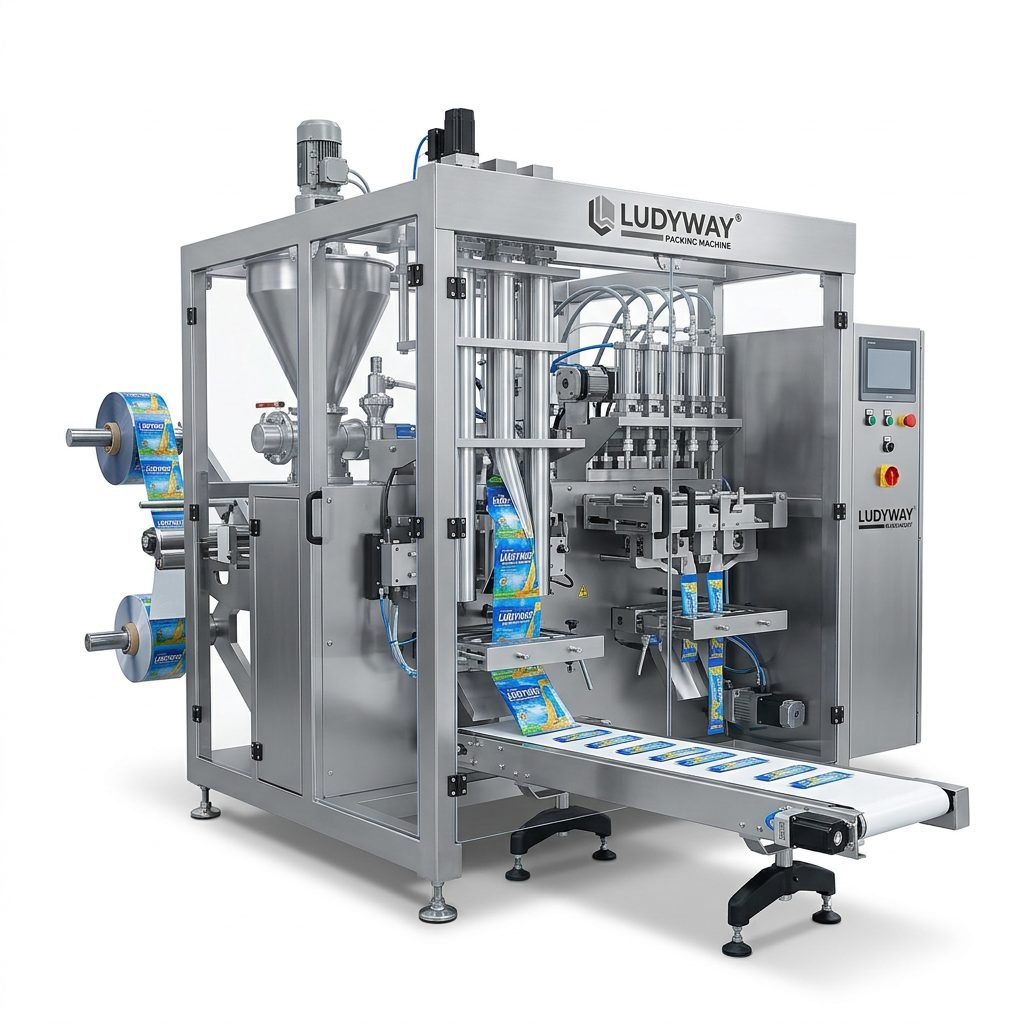
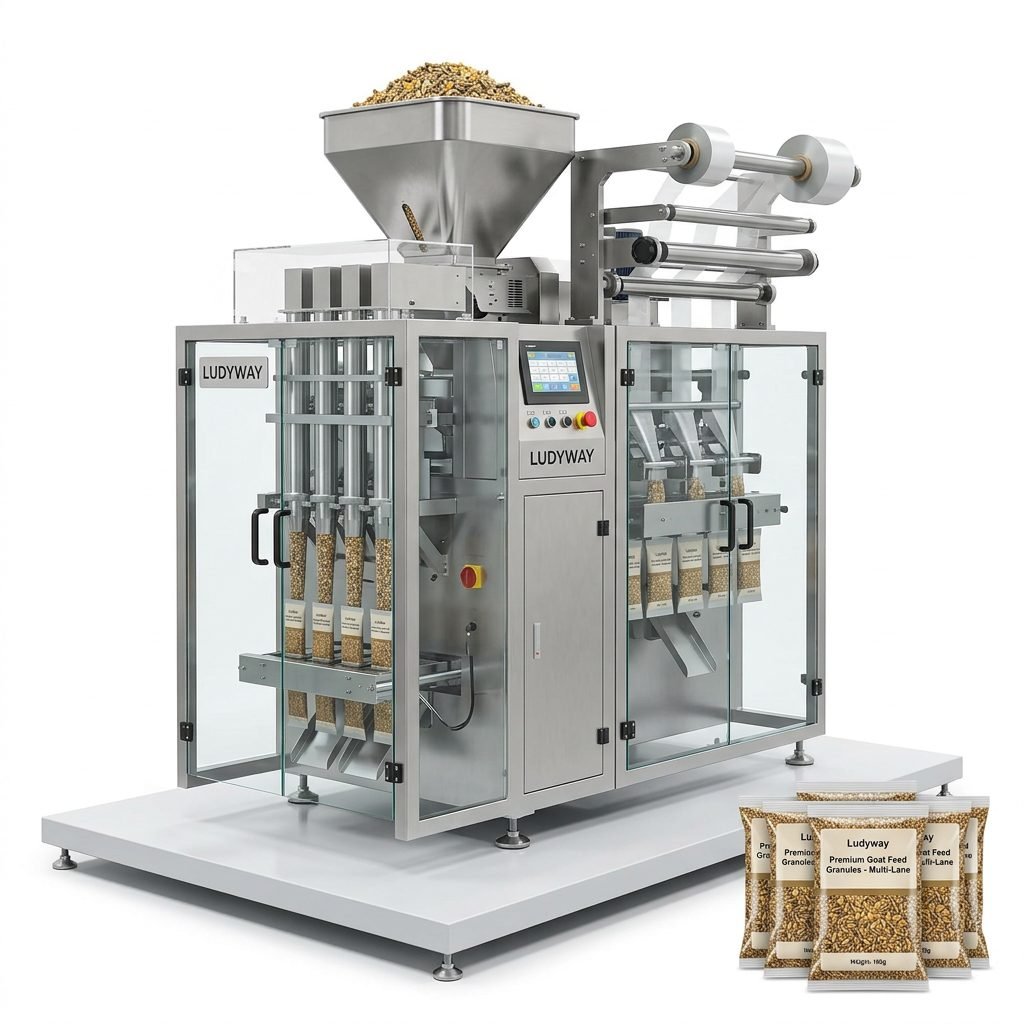
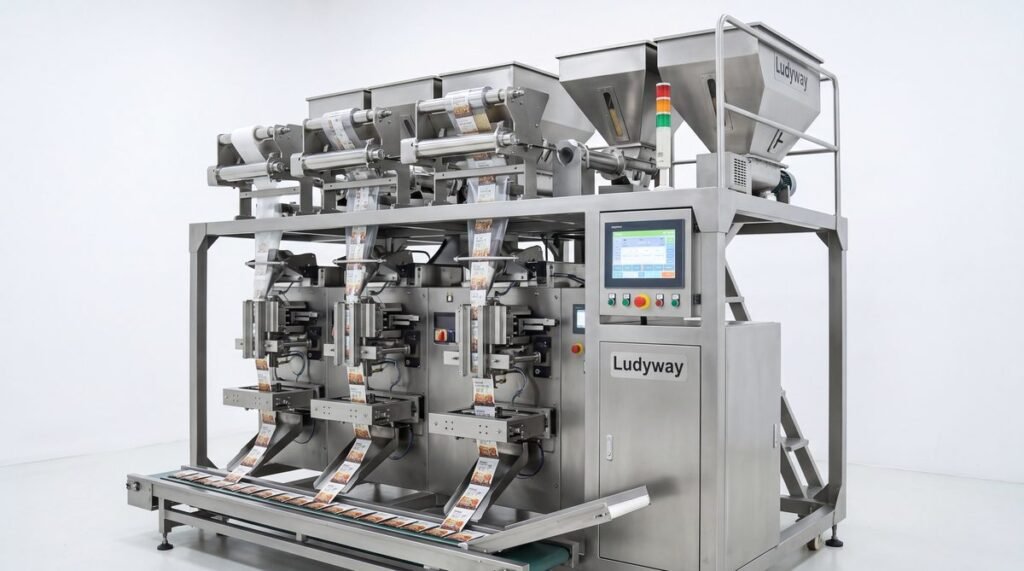
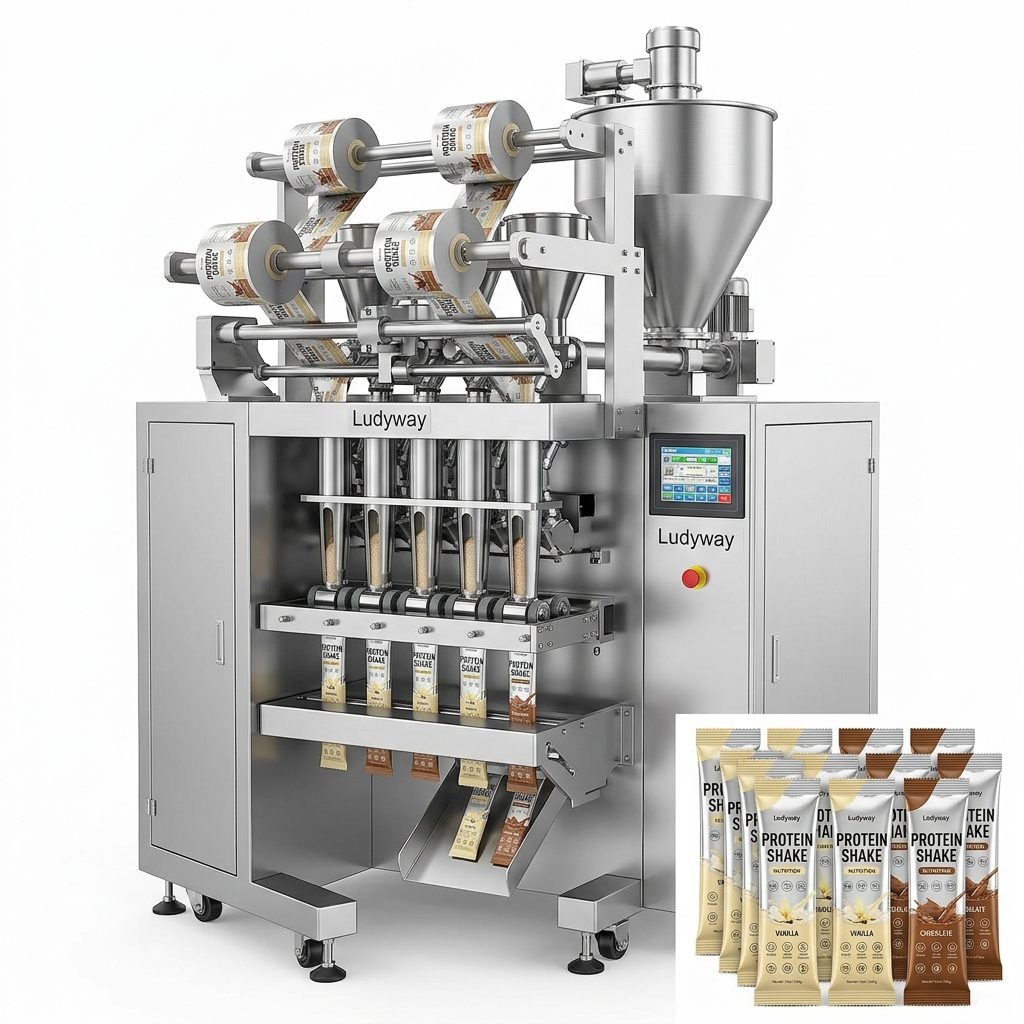
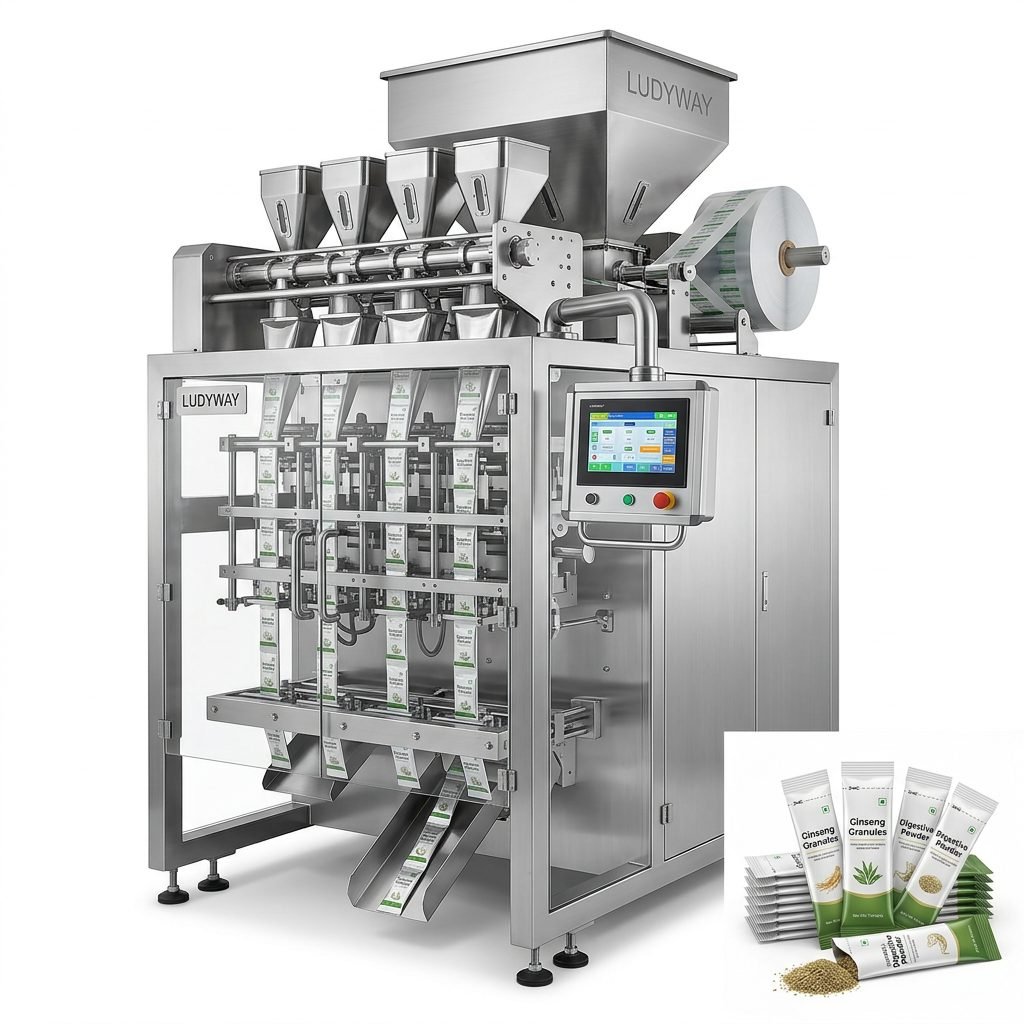
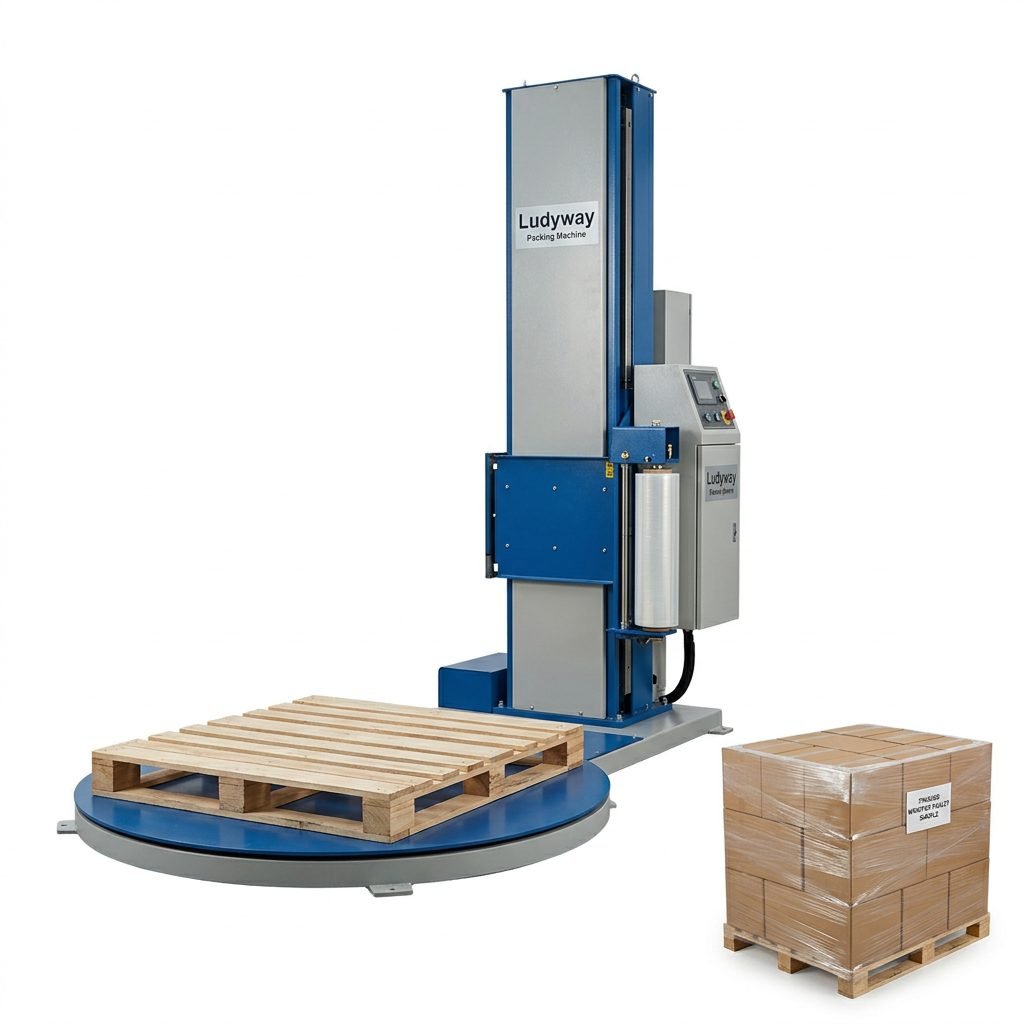
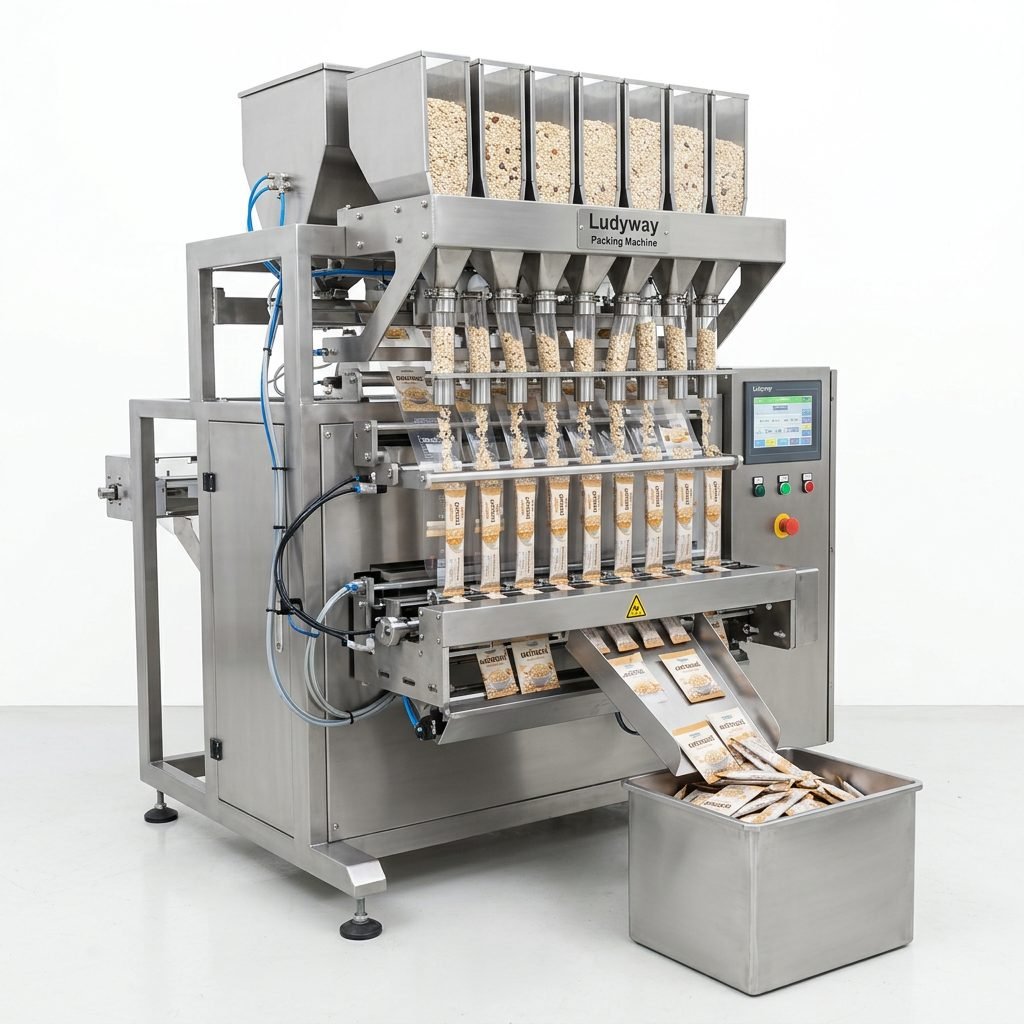
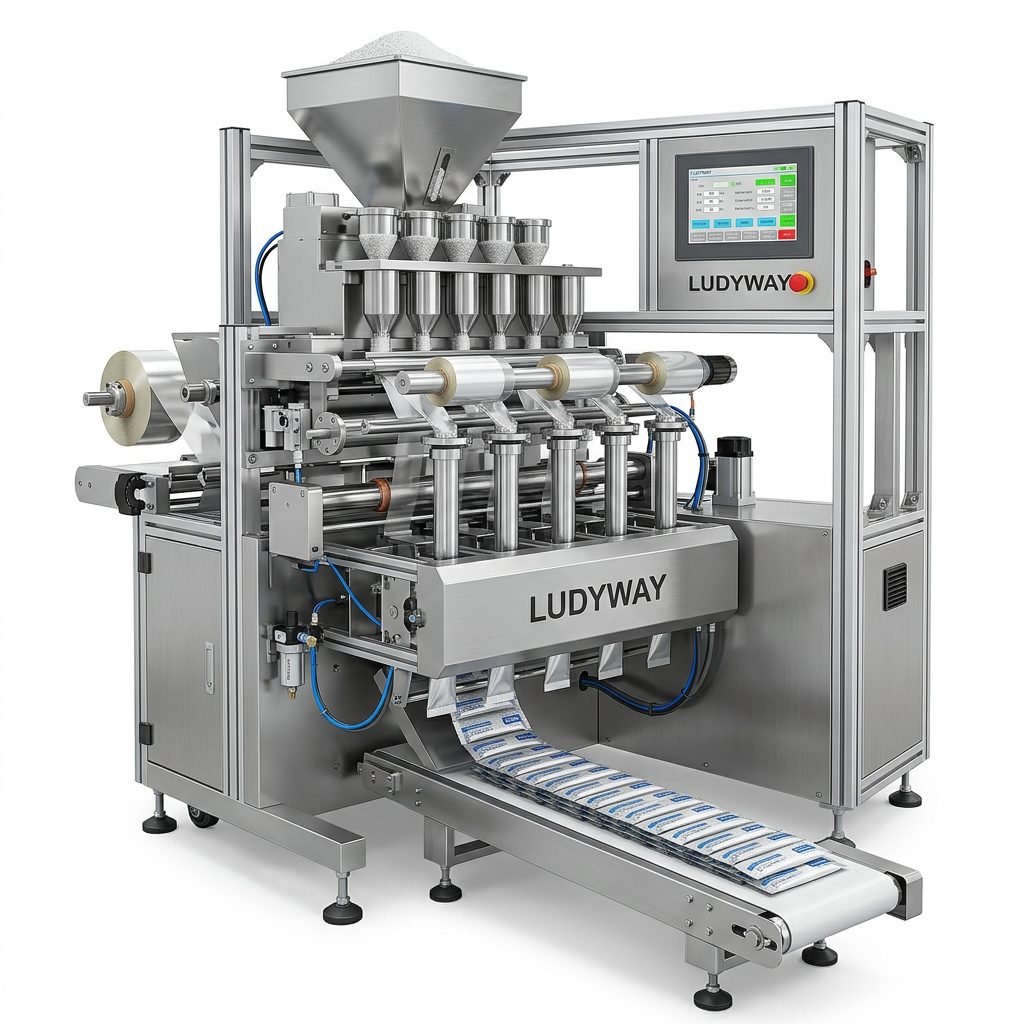
Ludyway is one of the largest packaging machine manufacturers in China, specializing in advanced packaging equipment and turnkey production solutions for the food, pharmaceutical, and health industries. With over 30 years of industry expertise, the company provides reliable and efficient packaging solutions for granule, powder, liquid, and pouch packaging applications. Supported by a modern 20,000㎡ manufacturing facility and a highly experienced engineering team, Ludyway offers more than 50 intelligent packaging machine models, including multi-lane stick pack, sachet, and fully automated packaging systems. Explore Ludyway’s packaging machine range for new and reliable solutions designed to complement your production goals.