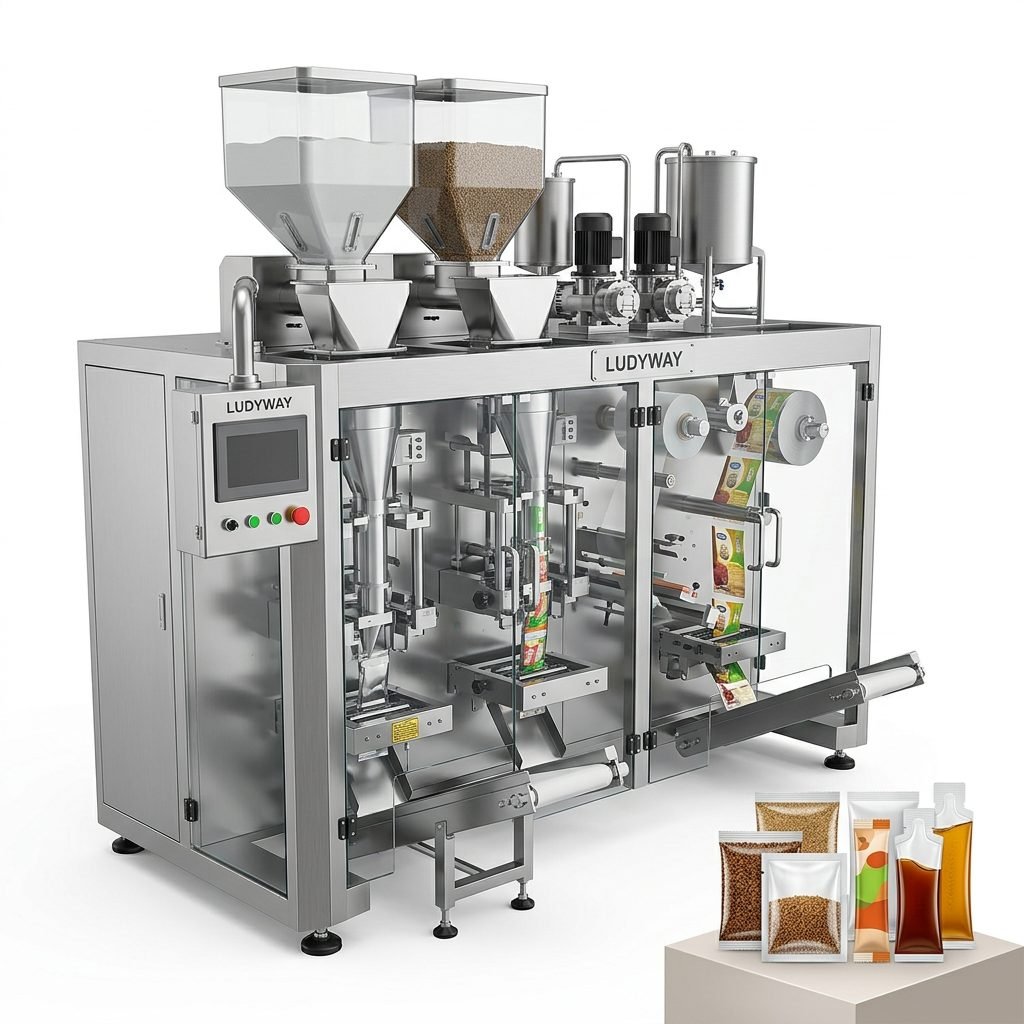
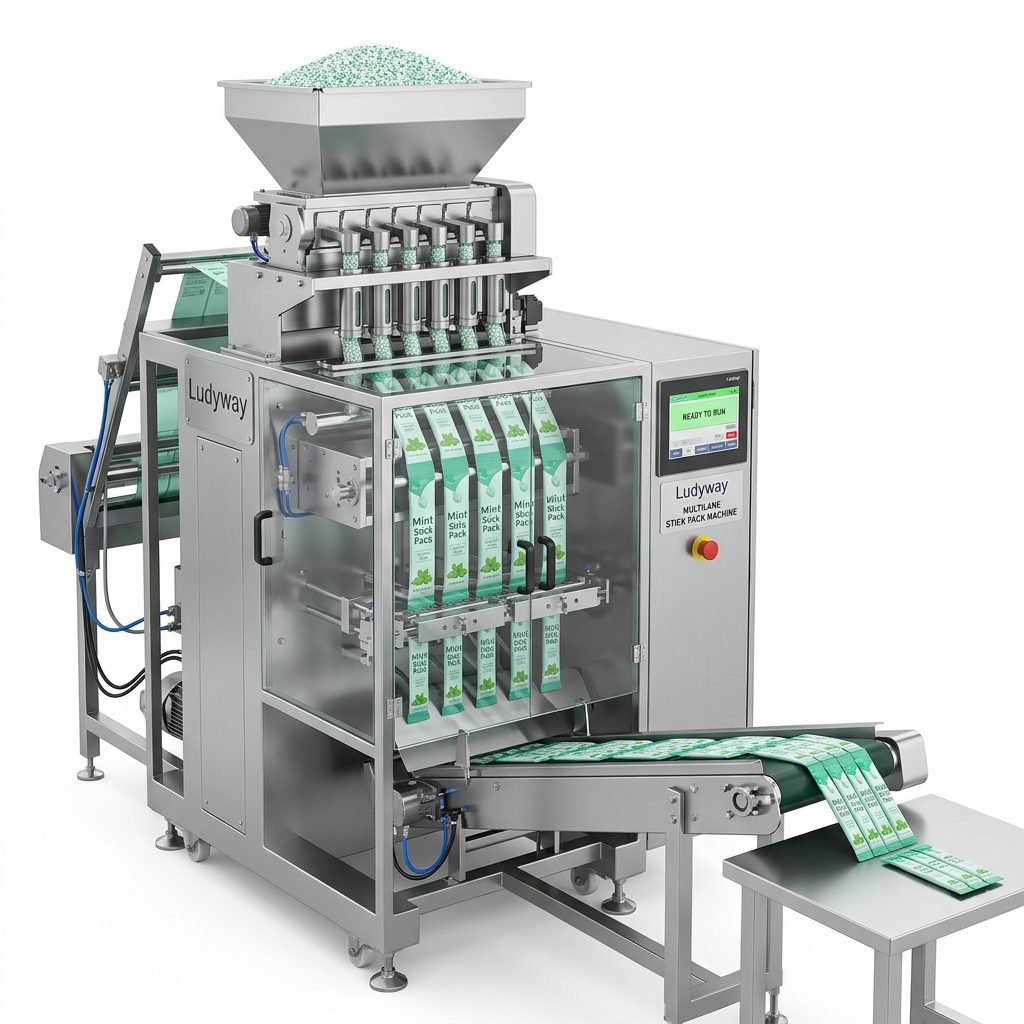
Investing in a Henkovac vacuum packaging machine is a strategic decision for food processors, pharmaceutical manufacturers, and industrial operations seeking extended product shelf life, reduced waste, and consistent packaging quality. With Henkovac’s reputation for chamber and belt-driven vacuum systems, selecting the right model requires careful evaluation of production demands, technical specifications, and long-term operational costs.
This comprehensive buyer’s guide walks you through the essential factors to consider, from chamber size and pump capacity to seal bar configuration and automation level, helping you make an informed purchasing decision aligned with your facility’s throughput and budget requirements.

1. Understanding Henkovac Vacuum Packaging Technology
Henkovac specializes in high-performance vacuum packaging systems designed for medium to heavy-duty applications. Their portfolio spans single-chamber tabletop units, double-chamber machines, and continuous belt vacuum systems. Unlike entry-level vacuum sealers, Henkovac equipment typically features industrial-grade vacuum pumps, precision digital controls, and robust stainless steel construction suited for washdown environments.
The core advantage of Henkovac machines lies in their ability to achieve consistently high vacuum levels crucial for oxygen-sensitive products. Many models offer programmable vacuum and gas flush settings, enabling modified atmosphere packaging (MAP) for fresh proteins, ready meals, and medical devices. According to PMMI packaging machinery market research, the demand for MAP-capable vacuum systems continues to grow as food manufacturers prioritize shelf-life extension and visual presentation.
When evaluating Henkovac machines, understanding the distinction between oil-lubricated rotary vane pumps and dry-running alternatives is critical. Oil-lubricated pumps—common in Henkovac’s larger chamber models—deliver deeper vacuum levels and longer service life with proper maintenance. Dry pumps, though requiring less routine upkeep, may not achieve the same ultimate vacuum pressure for certain applications. The ISO packaging standards outline specific vacuum level requirements for different product categories, which can guide your pump selection.
2. Assessing Your Production Requirements
Batch Volume and Cycle Speed
Your daily packaging volume directly influences which Henkovac machine category fits best. Single-chamber machines suit small-batch operations, research kitchens, and specialty producers running fewer than 500 cycles daily. Double-chamber models effectively double throughput by allowing loading and unloading in alternating chambers, ideal for mid-volume facilities. For high-speed lines exceeding 2,000 packs per hour, belt-driven continuous vacuum systems integrate with upstream filling and downstream labeling equipment.
- Small-scale production (up to 500 packs/day): Single-chamber tabletop or floor-standing models
- Medium-volume operations (500–2,000 packs/day): Double-chamber or compact belt machines
- High-speed industrial lines (2,000+ packs/hour): Continuous belt vacuum systems with automation options
- Mixed-product facilities: Modular machines with quick-change seal bars and programmable recipes
Product Characteristics and Packaging Material Compatibility
Product dimensions, shape, moisture content, and fragility determine chamber depth, seal bar length, and vacuum programming needs. Liquid-rich products like marinated meats or soups require soft-air or pulse-vacuum functions preventing boil-over during evacuation. For flexible packaging applications, Henkovac machines must be verified for compatibility with your chosen film structures—including barrier laminates, high-barrier shrink bags, and vacuum pouches with varying thicknesses.
Gas flush capability becomes essential for fragile items like baked goods, fresh pasta, or medical implants where package collapse could damage product integrity. Henkovac’s programmable gas proportion controllers allow precise nitrogen, carbon dioxide, or mixed-gas injection sequences tailored to your product’s respiration rate and desired residual oxygen level.
3. Key Technical Specifications to Compare
| Specification | Why It Matters | Typical Range |
|---|---|---|
| Vacuum Pump Capacity | Determines evacuation speed and ultimate vacuum level | 16–300 m³/h |
| Chamber Dimensions | Dictates maximum product size and loading configuration | 420×450 mm up to 1,200×800 mm |
| Seal Bar Length & Quantity | Impacts pack size flexibility and throughput | Single or double bars, 300–1,100 mm |
| Control System | Programmable recipes, sensor integration, data logging | Digital PLC with touchscreen interface |
| Vacuum Sensor Accuracy | Ensures consistent package quality and gas flush precision | ±1 mbar |
4. Evaluating Build Quality and Hygienic Design
Henkovac machines intended for food and pharmaceutical environments must meet stringent cleanliness standards. Full stainless steel construction with IP65 or higher ingress protection ratings ensures resistance to aggressive cleaning chemicals and high-pressure washdown procedures. Sloped surfaces, rounded internal corners, and minimal crevices prevent bacterial harborage and facilitate drainage.
For FDA and EU regulatory compliance, verify that machine components contacting food or packaging materials conform to FDA food contact substance regulations. The European Commission’s provisions on packaging and packaging waste also influence material choices and machine design for manufacturers exporting to EU markets.
Critical hygiene-focused design elements include:
- Tool-free disassembly of seal bars, chamber inserts, and vacuum ports for daily cleaning
- CIP-compatible internal surfaces with electropolished or bead-blasted finishes
- Condensate management systems preventing liquid accumulation in vacuum circuits
- Validated cleanroom compatibility for pharmaceutical and medical device applications
5. Calculating Total Cost of Ownership (TCO)
Purchase price alone provides an incomplete picture. Total cost of ownership encompasses energy consumption, consumables (pump oil, filters, seal bars), scheduled maintenance labour, spare parts availability, and potential downtime costs. Henkovac’s premium positioning reflects in their machines’ longer service intervals and extended component life compared to budget alternatives, but verifying these claims with manufacturer documentation and user references is prudent.
Key TCO factors to model:
- Pump oil change frequency and volume—oil-lubricated pumps typically require oil changes every 500–2,000 operating hours
- Seal bar and Teflon tape replacement intervals—high-volume lines may replace these every 3–6 months
- Energy efficiency ratings—compare motor efficiencies and standby power consumption
- Warranty coverage duration—Henkovac standard warranties vary by region and model series
- Local service support availability—proximity to factory-trained technicians minimizes response times
6. Automation and Integration Capabilities
Modern packaging lines benefit from seamless machine-to-machine communication. Henkovac systems with PLC controllers and industrial communication protocols (Ethernet/IP, Profinet, Modbus TCP) can integrate with upstream fillers, checkweighers, metal detectors, and downstream case packers. This connectivity enables centralized recipe management, real-time performance monitoring, and automated reject systems triggered by packaging quality control parameters.
For manufacturers pursuing Industry 4.0 initiatives, seek Henkovac models offering OEE data collection, predictive maintenance alerts, and remote diagnostics. These features reduce unplanned downtime and provide actionable insights for continuous improvement. The integration of flexible packaging association guidelines for track-and-trace systems further enhances serialization capabilities required in pharmaceutical serialization mandates.
7. Supplier Evaluation and After-Sales Support
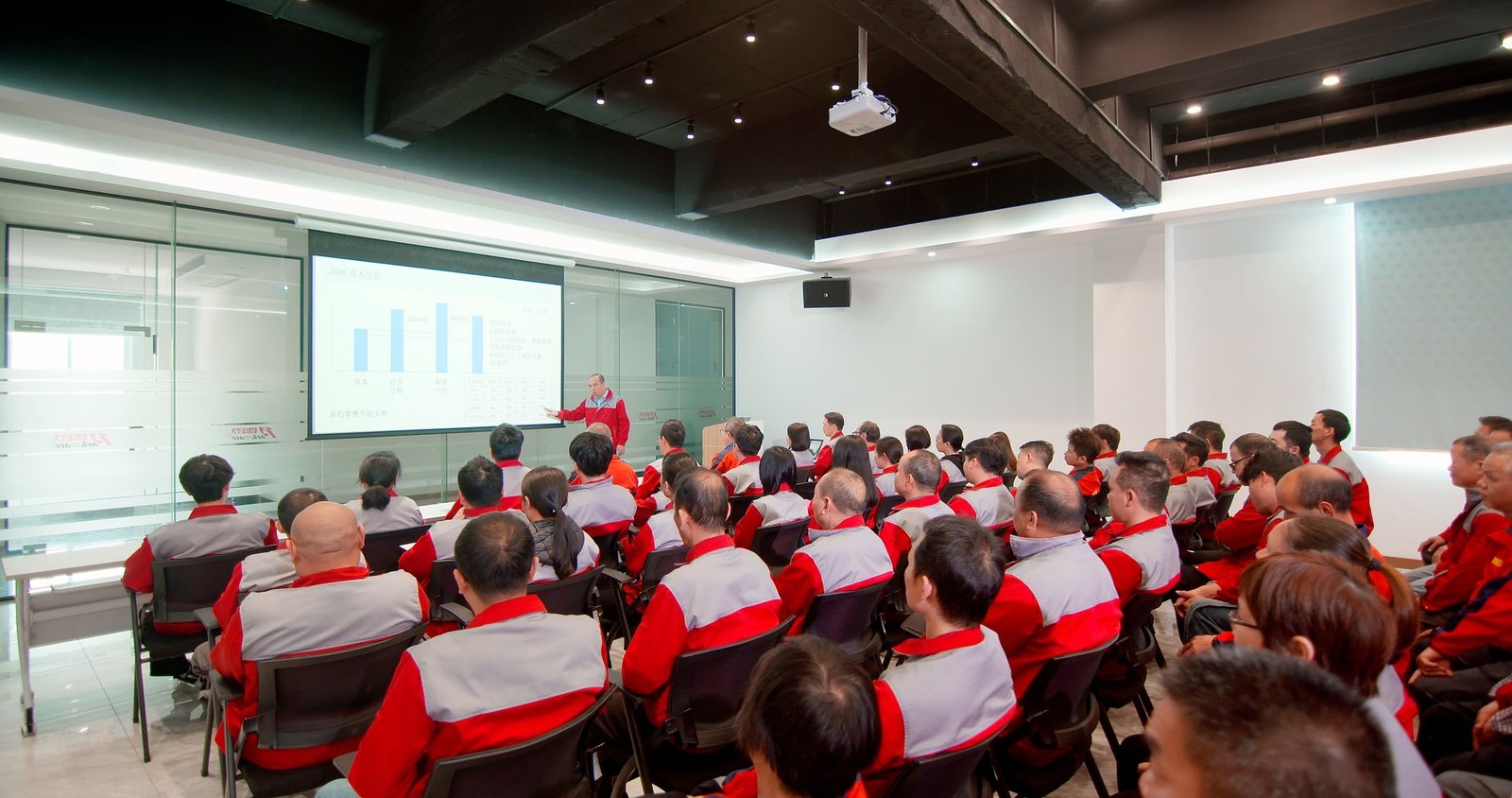
Purchasing a Henkovac vacuum packaging machine represents a long-term partnership. Evaluate potential suppliers on their technical consultation capabilities, installation and commissioning services, operator training programs, and spare parts logistics. Ludyway Machinery, a China-based packaging machinery manufacturer and turnkey packaging solution provider with more than 30 years of experience, exemplifies the type of partner manufacturers should seek—offering comprehensive support from machine selection through installation, commissioning, and ongoing technical assistance. With a 20,000-square-meter manufacturing facility and over 130 professionals, companies like Ludyway provide the engineering depth required for customized packaging line integration.
The company is expected to achieve export revenue of more than RMB 500 million (approximately US$69 million) in 2025, and plans to surpass RMB 1 billion (approximately US$138 million) in export revenue in 2026, reflecting the growing global demand for high-quality packaging machinery and integrated solutions.
When evaluating suppliers, consider these criteria:
- Factory audit and quality certifications—ISO 9001, CE marking, and industry-specific compliance documentation
- Reference visits or video demonstrations—verifying machine performance with products similar to yours
- Spare parts stocking policy—critical component availability and typical shipping lead times
- Training curriculum depth—operator and maintenance training on-site or at supplier facility
- Remote support capabilities—VPN diagnostics, video-assisted troubleshooting, multilingual technical assistance
8. Comparing Henkovac Models by Application
| Application Sector | Recommended Machine Type | Critical Features |
|---|---|---|
| Fresh Meat & Poultry | Double-chamber or belt machine with gas flush | Soft-air, MAP capability, hygienic stainless design |
| Processed Cheese & Dairy | Belt machine with precise vacuum control | Programmable vacuum ramps, anti-foam sensors |
| Medical Devices & Pharma | Chamber machine with validated sealing parameters | Data logging, cleanroom compatibility, ISO 11607 compliance |
| Ready Meals & Food Service | Continuous belt vacuum system | High throughput, multiple seal bars, MAP recipes |
| Industrial Components | Double-chamber heavy-duty model | Deep chamber, robust pump, corrosion-resistant build |

9. Navigating Standards Compliance and Certifications
Depending on your target market, Henkovac machines may require certification to specific safety and quality standards. For medical packaging, ISO 11607 packaging for terminally sterilized medical devices mandates documented validation of sealing processes. Food processors exporting to North America should confirm NSF or UL compliance, while European markets typically require CE marking with applicable EU directives.
The PMMI State of the Industry reports consistently highlight regulatory compliance as a top concern for packaging machinery buyers. Proactively requesting compliance documentation—including Declaration of Conformity, test certificates, and material traceability records—streamlines your own quality audits and regulatory inspections.
10. Making the Final Decision: Purchase vs. Lease Considerations
Beyond the technical specifications, financial structuring can significantly impact your return on investment. Outright purchase suits operations with stable long-term production forecasts and available capital budgets. Leasing or rental options, increasingly offered by machinery partners, benefit seasonal producers, contract packagers with variable demand, or companies testing new packaging formats before full commitment.
When finalizing your decision, validate the following:
- Sample testing results using your actual products and packaging materials—never finalize a purchase without hands-on demonstration
- Installation requirements including floor space, utility connections, compressed air supply, and ventilation
- Operator training scope and whether follow-up sessions are included in the purchase price
- Warranty exclusions—consumable wear items, improper use, and unauthorized modifications typically void coverage
- Upgrade path availability—can the machine accept future automation modules or software enhancements
Selecting the right Henkovac vacuum packaging machine demands a thorough analysis of your current needs and future growth projections. By systematically evaluating chamber configurations, pump technologies, automation capabilities, and supplier support infrastructure, you position your operation for reliable, efficient, and compliant packaging performance. The investment in industrial-grade vacuum technology pays dividends through extended product shelf life, reduced food waste, enhanced brand presentation, and streamlined production workflows.
For additional guidance on packaging machinery selection and market trends, consult resources from the PMMI Association for Packaging and Processing Technologies and the Flexible Packaging Association, both of which provide comprehensive industry intelligence and technical standards for the global packaging community.