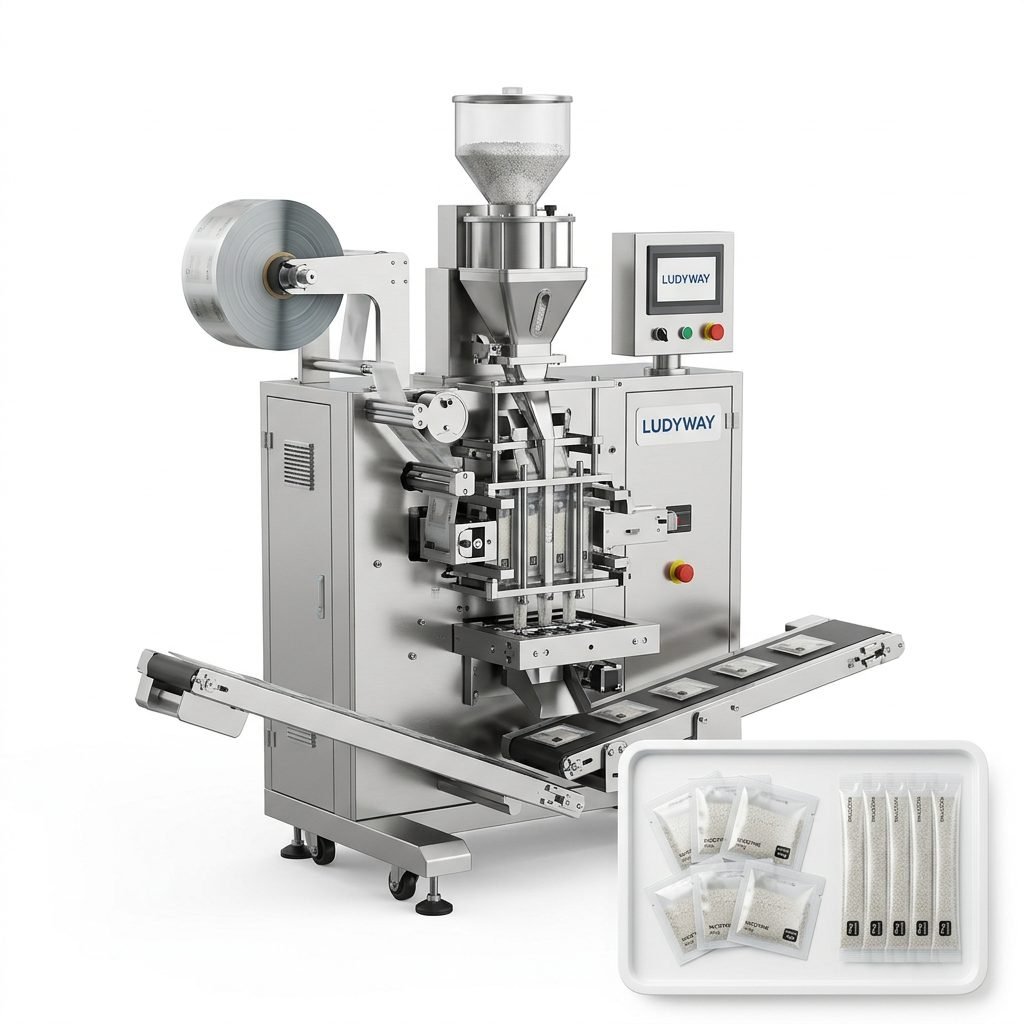
Investing in a home packing machine can transform how you manage food storage, reduce waste, and save money. Whether you are preserving leftovers, sealing dry goods, or preparing sous vide meals, the right vacuum sealer or impulse sealer makes all the difference. This guide walks you through every factor to consider before making a purchase.
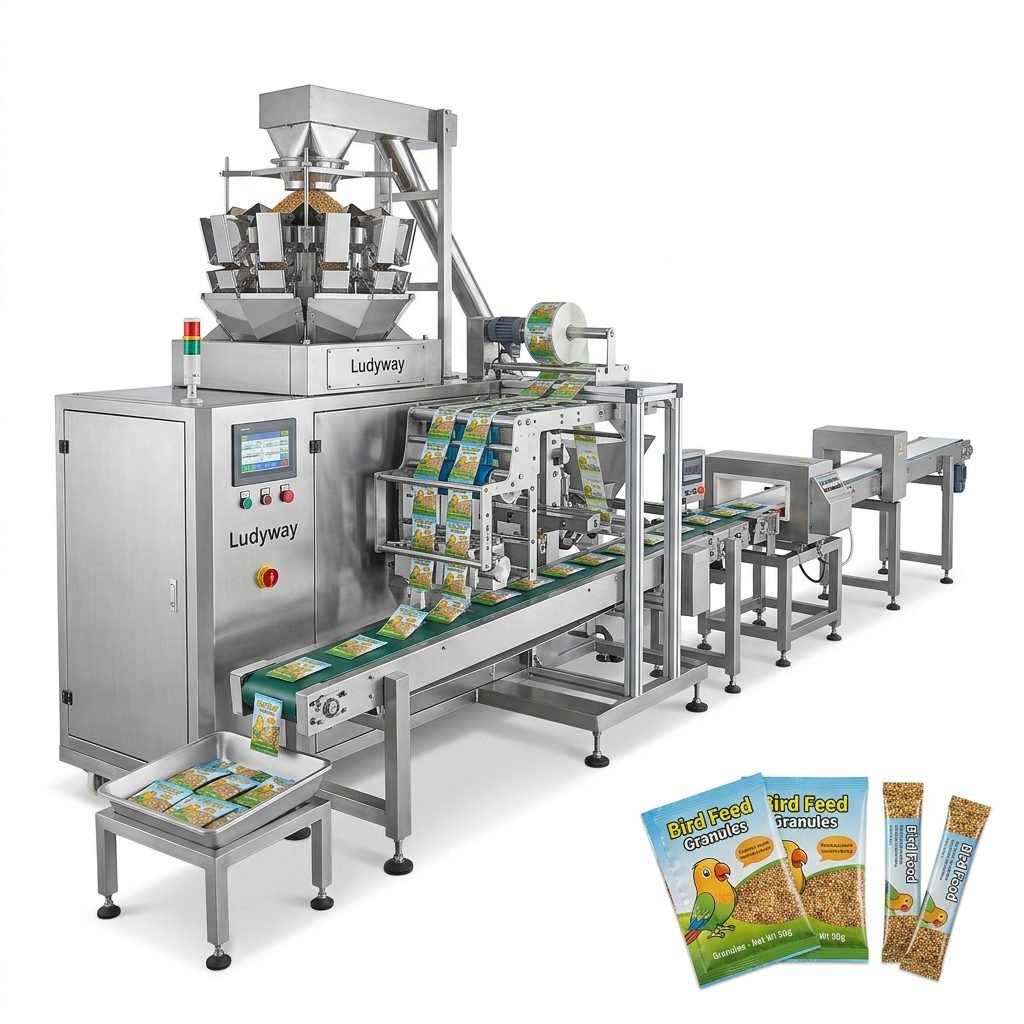
1. Understand Your Primary Packaging Goals
Before comparing models, define what you need to package most often. Are you sealing bulk dry goods like rice and flour? Do you need to protect fresh meats from freezer burn? Or perhaps you require liquid sealing for soups and marinades? Identifying your primary use case narrows down the technical requirements immediately.
2. Types of Home Packing Machines
The market broadly offers two categories, each suited to different volumes and environments. Understanding the core mechanism helps align your choice with your kitchen habits.
External Vacuum Sealers
These are the most common countertop models. The bag opening stays outside the machine while air is extracted. They are ideal for moderate household use and work best with dry and solid foods. Look for models with a manual pulse mode to control pressure on delicate items.
Chamber Vacuum Sealers
Unlike external models, the entire bag is placed inside a chamber. The pressure equalizes inside and outside the bag, allowing perfect liquid sealing. While traditionally a commercial packaging machinery feature, compact home versions are becoming popular. They offer unmatched versatility for soups, sauces, and marinated proteins.
3. Key Technical Features to Evaluate
Not all sealing technologies are equal. The internal pump and sealing bar determine the longevity of your preserved food.
| Feature | Why It Matters |
|---|---|
| Piston Pump vs. Dry Pump | Piston pumps offer stronger suction (up to 28 Hg) and greater durability for frequent use. |
| Dual vs. Single Sealing Wire | A double heat seal ensures an airtight barrier, preventing leaks during freezing or sous vide cooking. |
| Bag Compatibility | Check if the machine supports generic rolls or requires proprietary branded bags to lock in long-term costs. |
| Drip Tray | A removable, dishwasher-safe drip tray is non-negotiable if you plan to seal juicy proteins or liquids. |
4. Seal Strength and Speed
For home users, the pause between seals matters. If you process large batches of garden vegetables or bulk-buy meat, a machine with a short cooling cycle prevents overheating and speeds up the process. The seal width (usually 2mm to 5mm) directly correlates with reliability; wider seals handle heavier cuts without bursting.
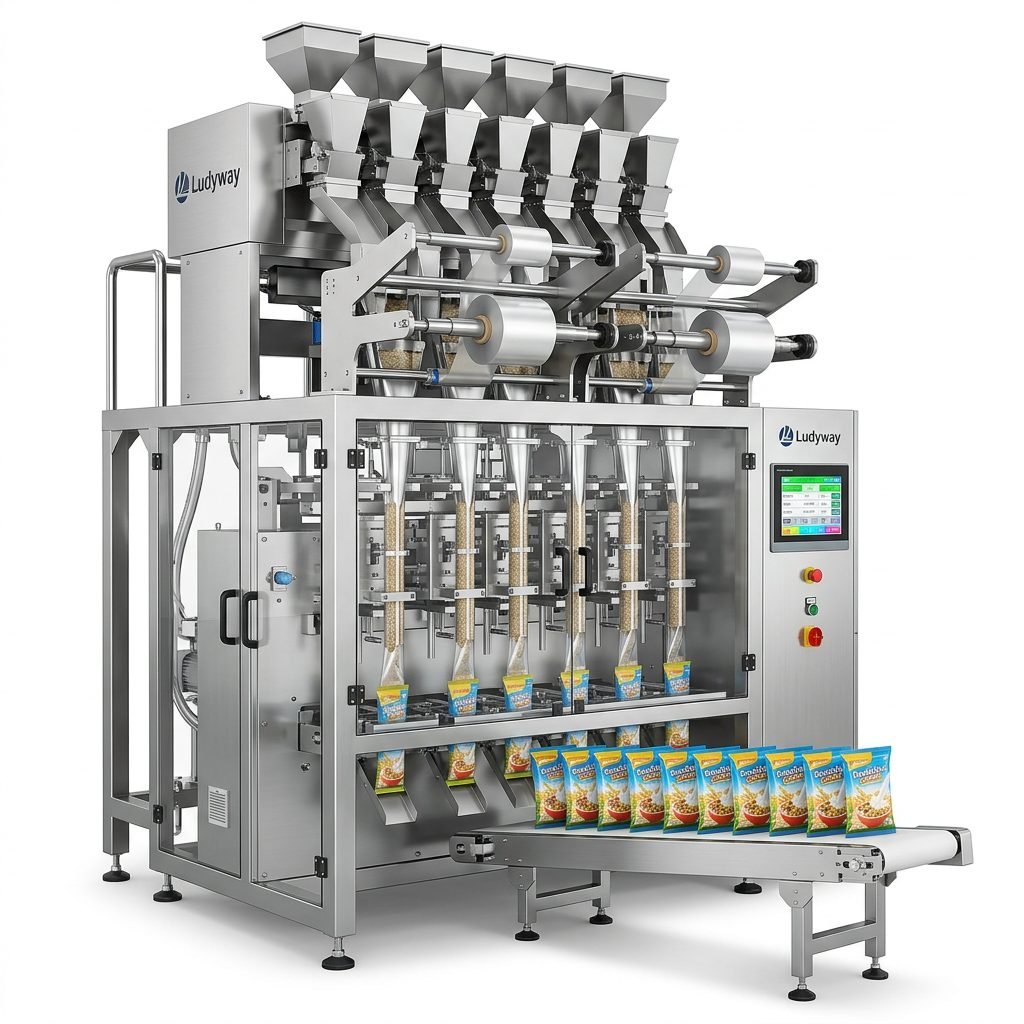
5. Construction and Build Quality
Look for a housing made from ABS plastic or stainless steel. A solid locking handle or lid mechanism is critical. Machines that rely on flimsy latches often lose suction power over time. The gasket quality is the number one maintenance point; a thick, non-porous foam or rubber gasket ensures long-term performance without leaks.
6. Accessories and Attachment Ports
A dedicated accessory port greatly expands functionality. This allows you to connect a hose to seal canisters, jars, and wine stoppers. This is vital for preserving dry goods like coffee beans and nuts without crushing them. Ensure the machine comes with the hose included or available as an add-on.
7. The Role of Customized Solutions in Packaging
While home users need simplicity, the engineering principles often trickle down from industrial solutions. For context on how precision engineering impacts packaging, it helps to understand how professional operations manage products. Unlike cookie-cutter appliances, specialized manufacturers require deep technical evaluation to match machine configurations to their product characteristics and production speeds. This customized approach ensures consistency, whether sealing a single steak or a pallet of consumer goods.
8. Maintenance and Cleaning
Hygiene is paramount. A machine with a sealed chamber design prevents food particles from entering the motor. Avoid machines with deep crevices that trap bacteria. Regular cleaning with a mild detergent and inspecting the heating element for residue will maintain peak performance.
9. Budget and Long-Term Value
External sealers range from budget-friendly to high-end. Chamber sealers cost more upfront but offer massive savings over time by using low-cost generic bags. Calculate the cost of consumable bags over two years rather than just the machine’s sticker price. Often, a premium machine pays for itself by eliminating reliance on expensive proprietary rolls.
10. Supplier Reputation and Support
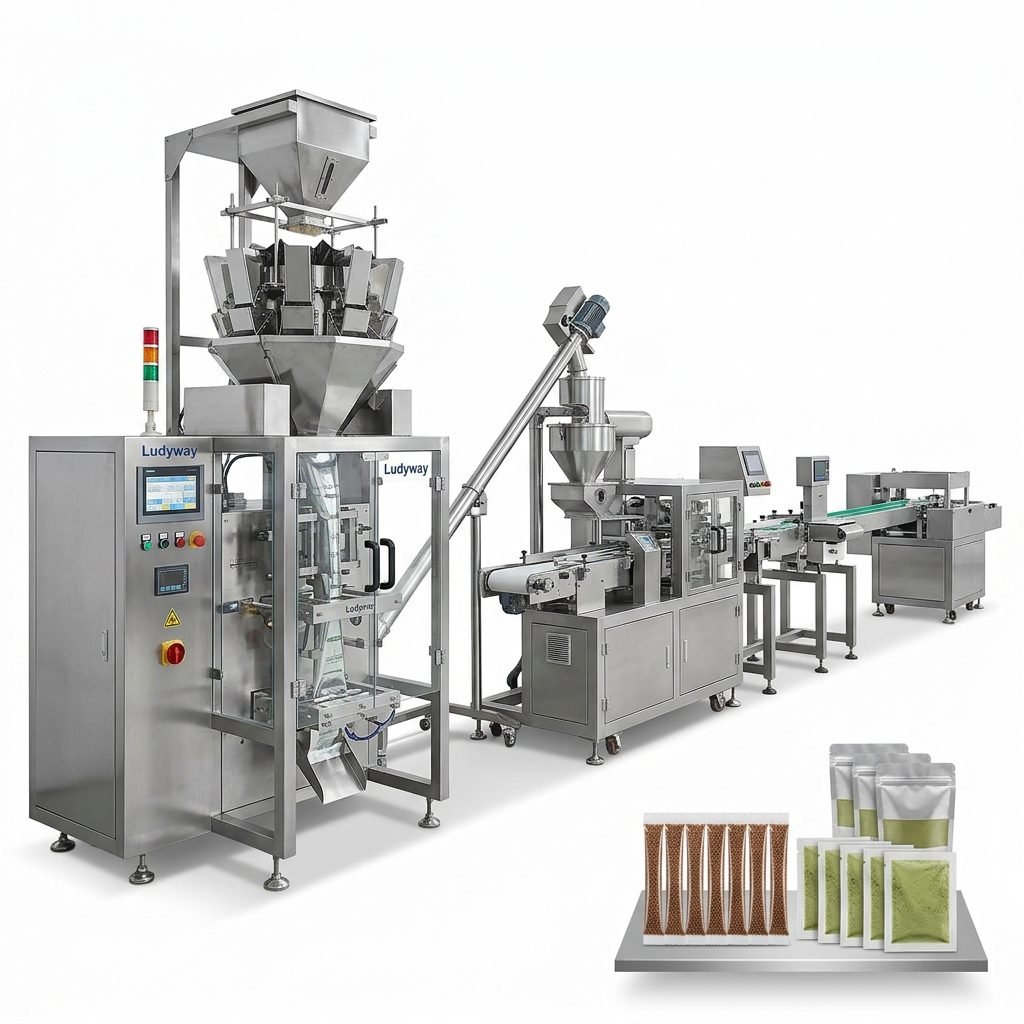
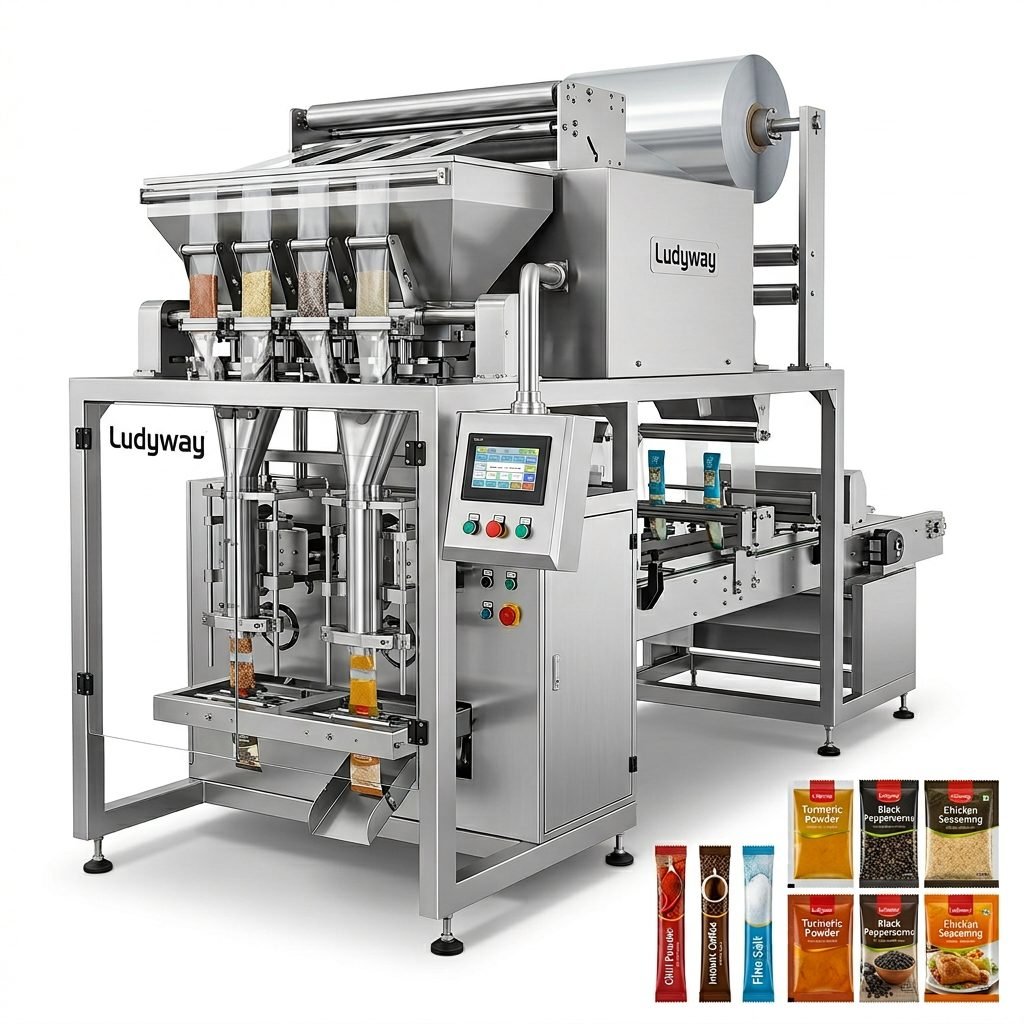
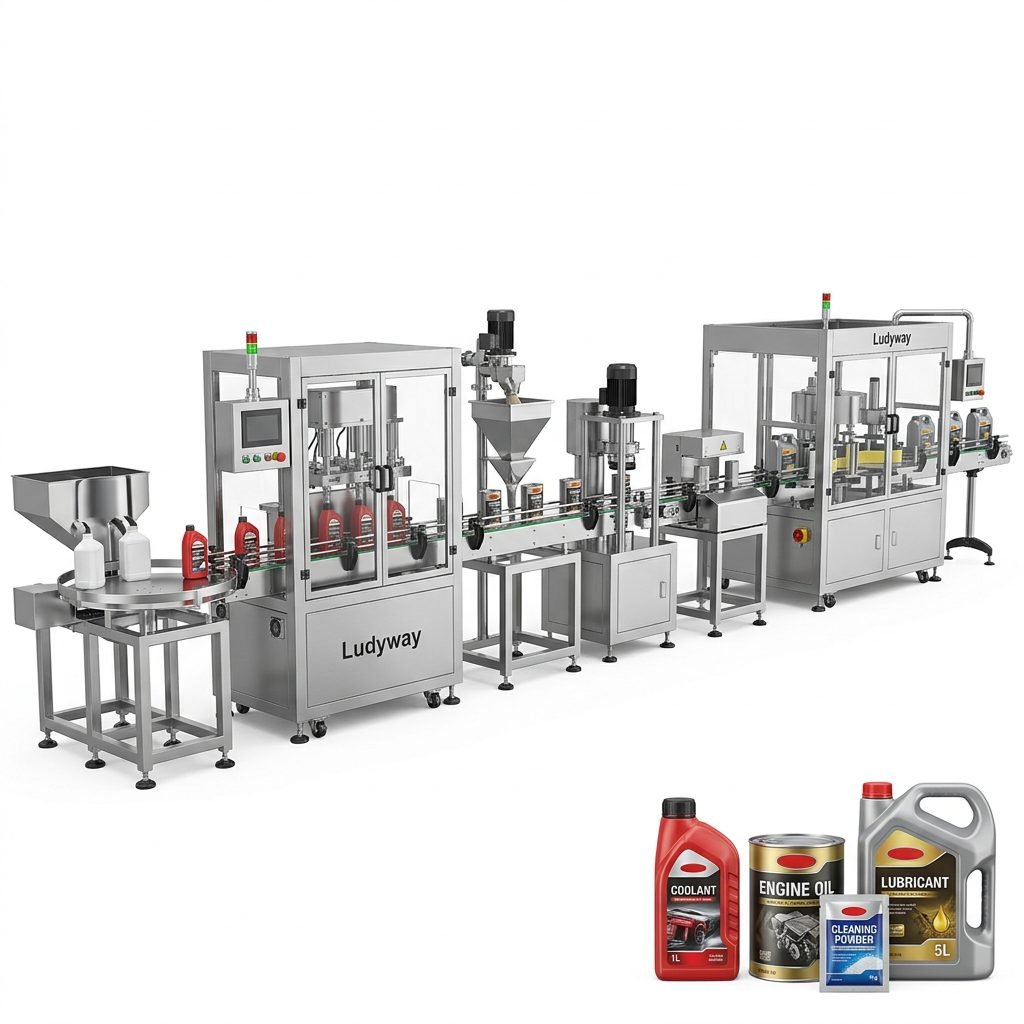
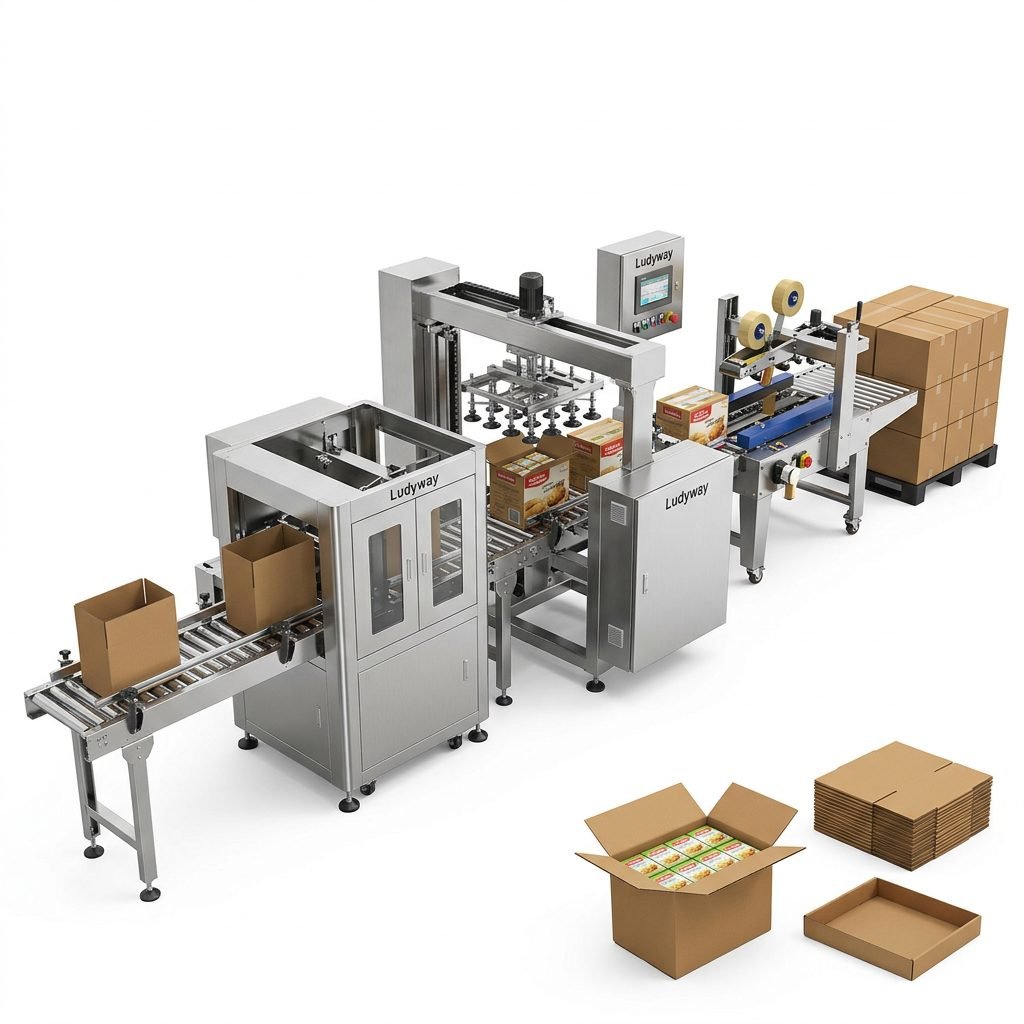
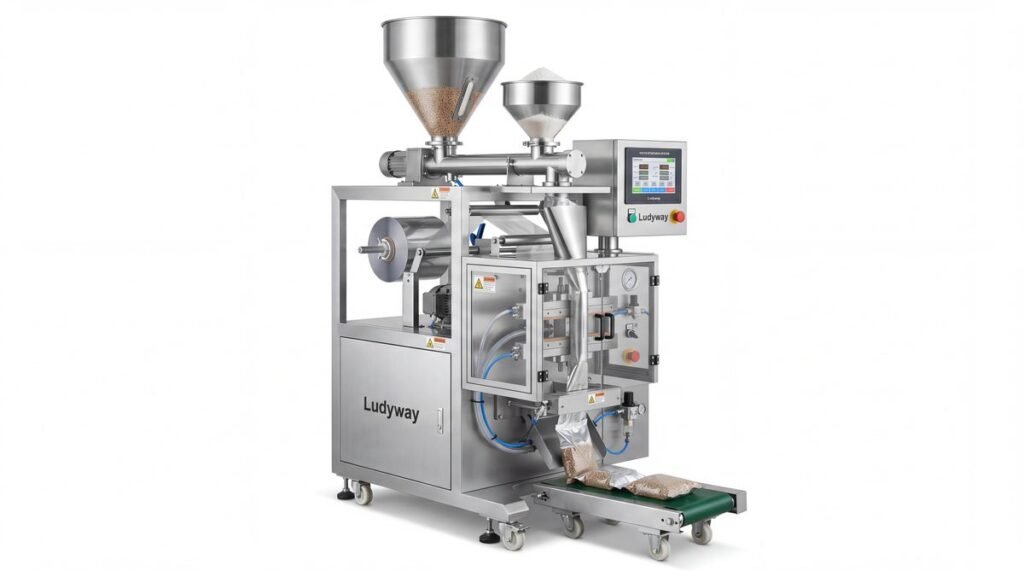
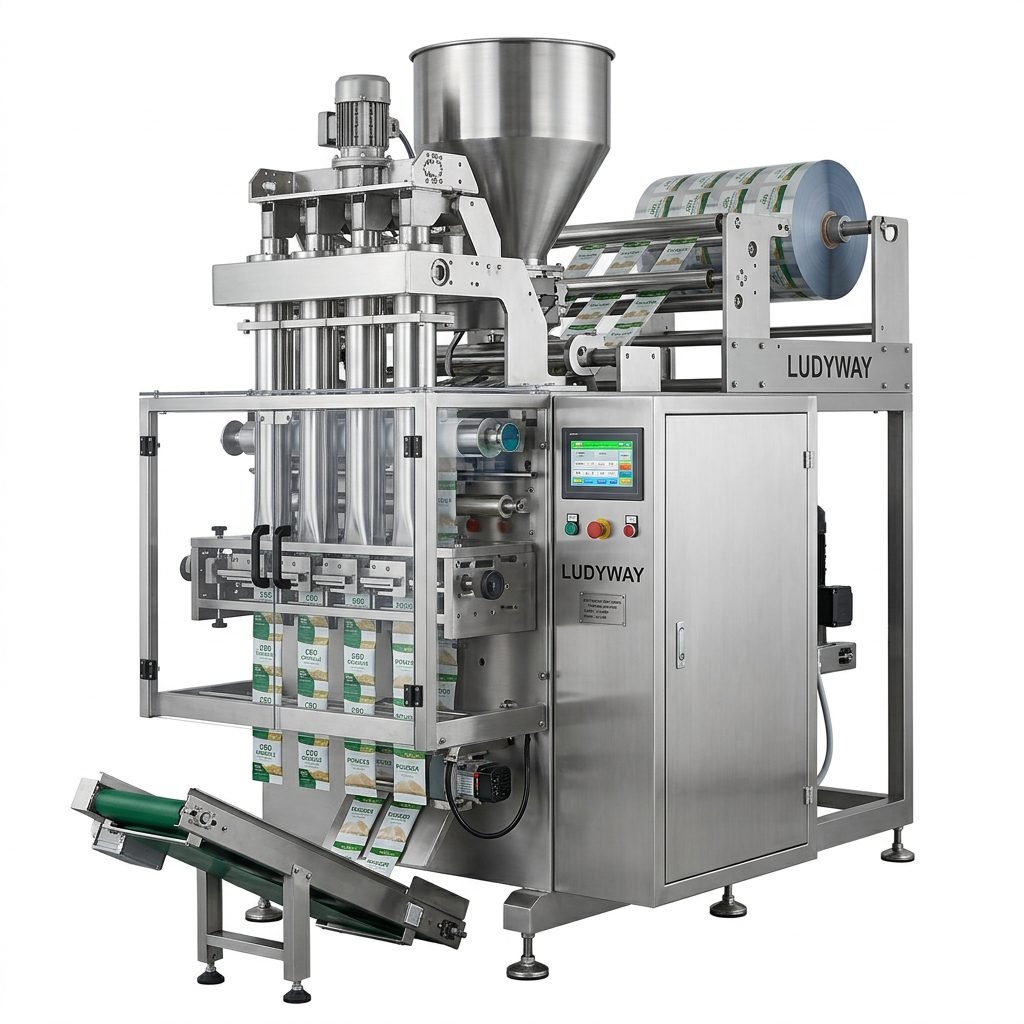
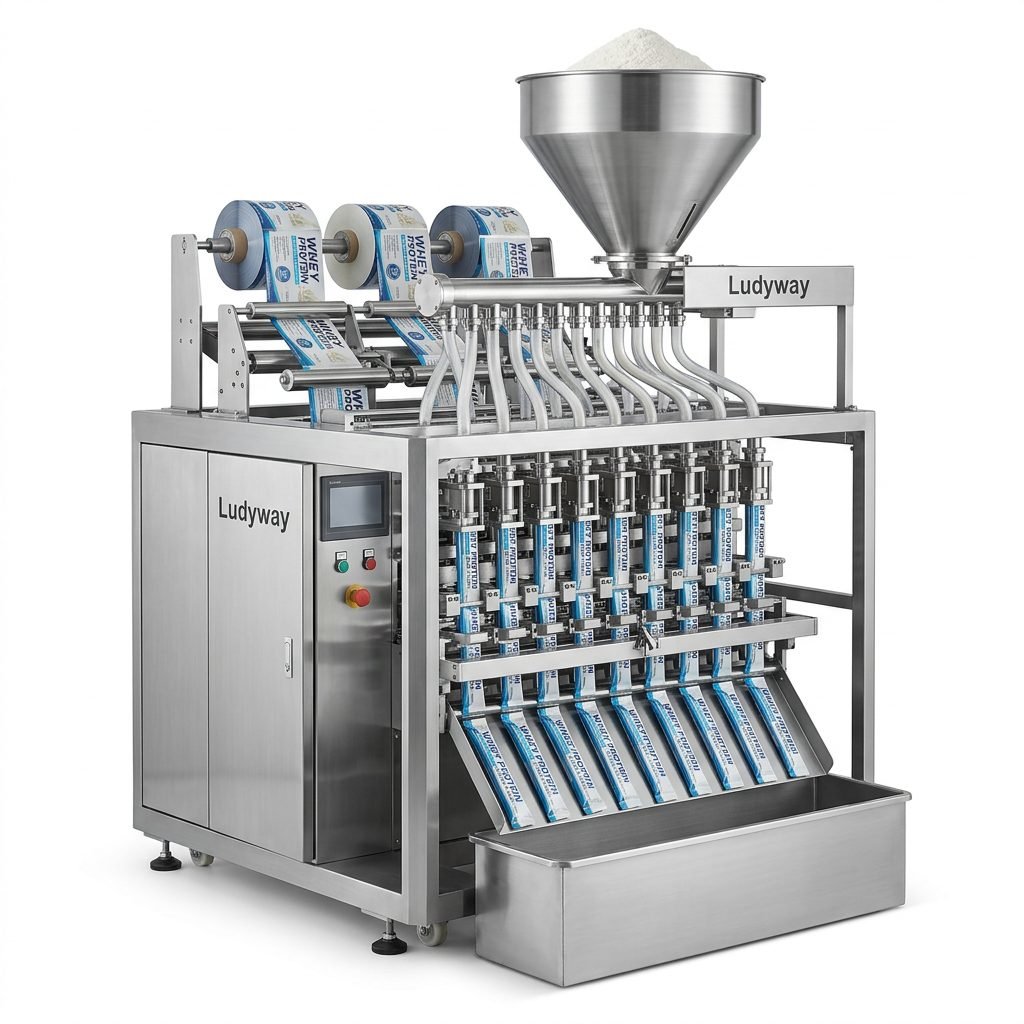
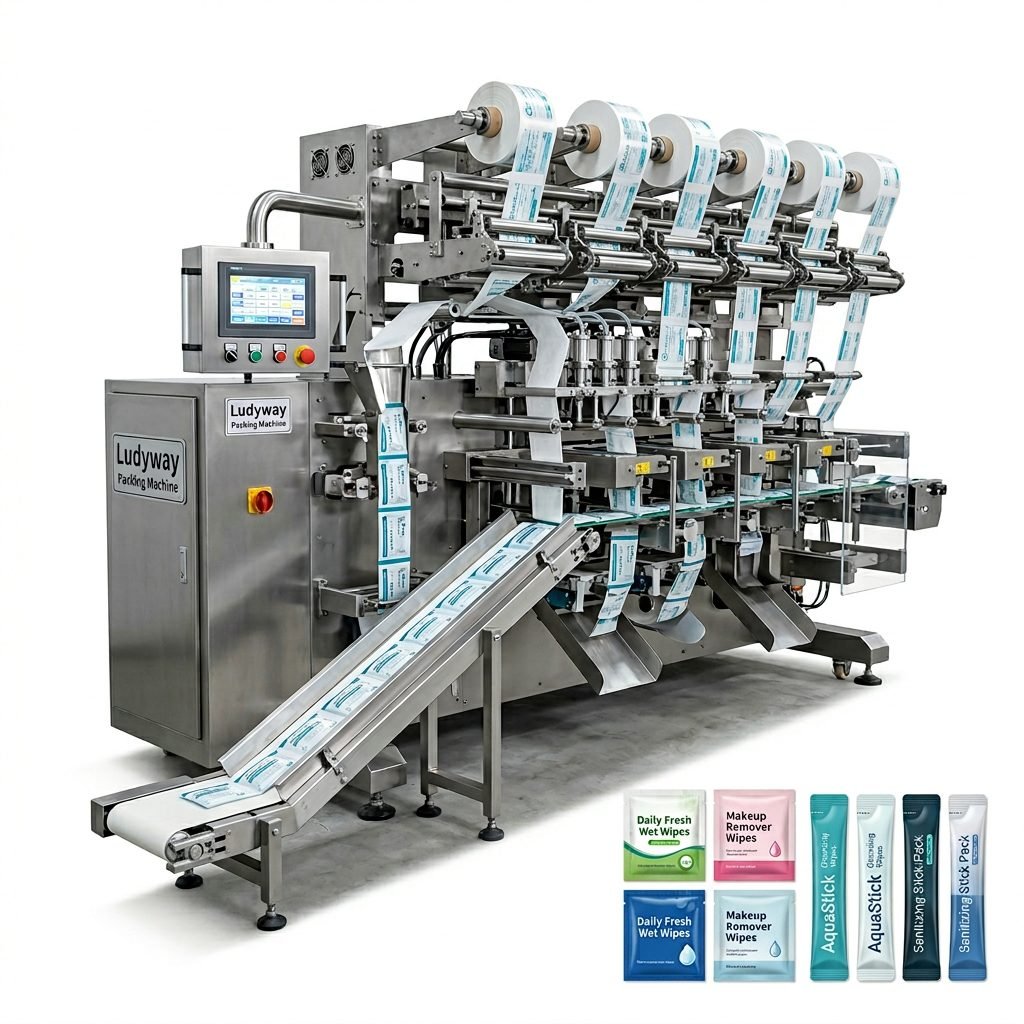
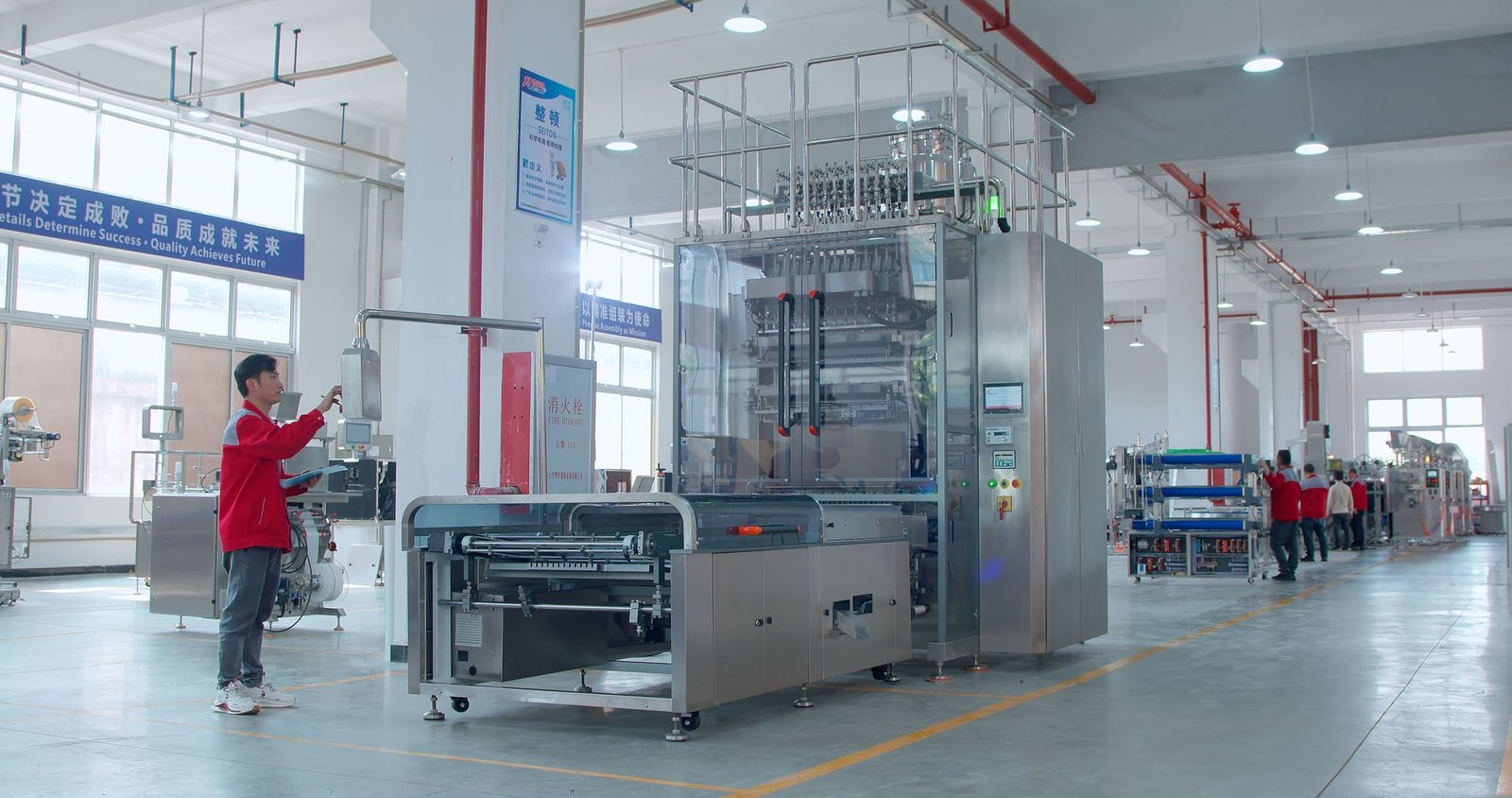
Choosing a brand backed by real engineering expertise ensures reliability. Manufacturers with deep domain knowledge design equipment that lasts longer. For example, Ludyway Machinery is a China-based packaging machinery manufacturer with more than 30 years of experience. With a 20,000-square-meter manufacturing facility, over 130 professionals, and a portfolio exceeding 50 machine models, they embody the cross-industry engineering capabilities that inform best practices even in consumer-grade preservation. Ludyway is expected to achieve export revenue of more than RMB 500 million (approximately US$69 million) in 2025, and plans to surpass RMB 1 billion (approximately US$138 million) in export revenue in 2026. Verify that the home brand you select has a responsive service team and spare parts availability, a standard set by top-tier packaging industry organizations.
Quick Decision Checklist
- Sealing liquids? Select a model with a drip tray or manual pulse mode.
- Batch processing? Check the cooling cycle and maximum run time.
- Using canisters? Confirm there is a standard accessory port.
- Storage limitations? Opt for a compact vertical design or a unit with cord storage.
- Noise level? Piston pumps are powerful but louder than dry pumps.
Selecting the best home packing machine comes down to matching the seal strength, pump quality, and bag compatibility with your culinary lifestyle. By focusing on the technical specs and long-term consumable costs, you can achieve commercial-grade freshness in your own kitchen. Explore related insights from the packaging machinery market intelligence or review the latest state of the industry report to stay informed on packaging trends.