Investing in a tea bag making machine is a significant decision for any tea producer, whether you’re a startup or an established brand looking to scale operations. The cost varies widely depending on the level of automation, production capacity, packaging format, and additional features such as string and tag attachment or envelope wrapping. Understanding the full cost breakdown—from entry-level semi-automatic equipment to high-speed fully integrated packaging machine lines—is essential for making an informed investment that aligns with your business goals and budget.
Key Factors That Influence Tea Bag Machine Costs
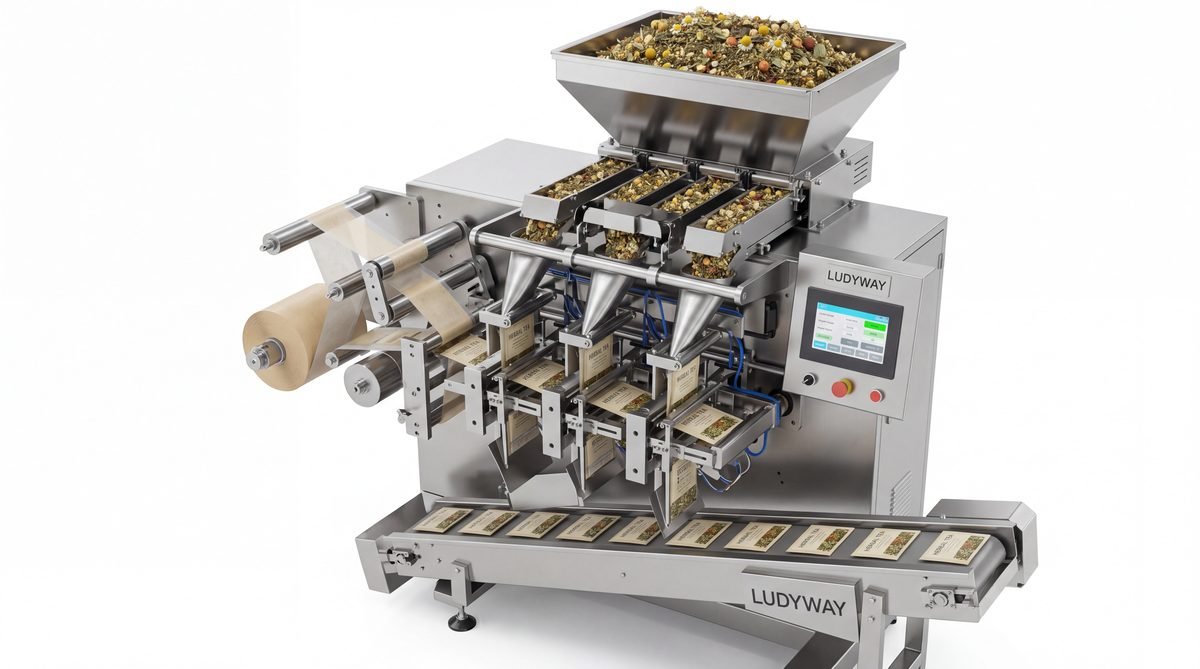
Several variables affect the final price of a tea bag packaging system. Below are the most critical factors to consider before requesting a quotation:
- Automation Level: Manual, semi-automatic, and fully automatic machines differ significantly in price. A basic manual tea bag filling machine may start around $3,000–$8,000, while high-speed fully automatic systems can exceed $50,000.
- Production Capacity: Machines capable of producing 30–60 bags per minute are typically entry-level, whereas industrial models delivering 200–400 bags per minute command premium pricing due to advanced servo-driven mechanisms and multi-lane configurations.
- Bag Type and Format: Single-chamber, double-chamber, pyramid (3D) tea bags, and round tea bags each require different tooling and sealing technologies. Pyramid tea bag machines, for example, often use ultrasonic sealing and cost more than conventional heat-seal models.
- Additional Features: String and tag attachment, individual envelope wrapping, outer cartoning, nitrogen flushing for freshness preservation, and date coding all add to the total equipment cost.
- Brand and Origin: Machines manufactured in Germany, Japan, or Italy generally command higher prices than those from China, though many Chinese manufacturers now offer competitive quality at substantially lower costs.
Tea Bag Machine Price Ranges by Type
The following table provides a general overview of tea bag making machine costs based on machine type and typical production output. Actual prices may vary depending on configuration, customization, and supplier.
| Machine Type | Production Speed | Estimated Price Range (USD) | Best Suited For |
|---|---|---|---|
| Semi-Automatic Filling & Sealing | 20–40 bags/min | $3,000 – $8,000 | Small tea shops, startups |
| Automatic Single-Lane Flat Tea Bag Machine | 60–120 bags/min | $8,000 – $25,000 | Medium-scale tea brands |
| Automatic Double-Chamber Tea Bag Machine (with string & tag) | 100–180 bags/min | $20,000 – $60,000 | Established tea companies |
| Pyramid (3D) Tea Bag Machine | 30–80 bags/min | $25,000 – $70,000 | Premium tea brands, specialty teas |
| High-Speed Multi-Lane Tea Bag Line | 200–400 bags/min | $50,000 – $150,000+ | Large-scale industrial operations |
| Complete Turnkey Tea Packaging Line (with cartoning) | 200+ bags/min | $100,000 – $300,000+ | Full-scale commercial production |
Understanding the Total Cost of Ownership
Beyond the initial purchase price, several operational and maintenance costs should factor into your budget:
- Spare Parts and Consumables: Sealing components, cutting blades, and forming tubes require periodic replacement. Budget approximately 3–5% of the machine cost annually for maintenance parts.
- Packaging Material Compatibility: Some machines are only compatible with specific filter paper grades or heat-sealable materials. Verify material specifications before purchasing to avoid costly retrofitting.
- Operator Training and Labor: Fully automatic lines reduce labor requirements but may need skilled technicians for programming and troubleshooting.
- Energy Consumption: High-speed multi-lane machines with servo motors and heating elements can draw significant power. Evaluate energy efficiency ratings when comparing models.
- After-Sales Support and Warranty: Machines from reputable manufacturers often include installation support, training, and extended warranty coverage, which reduces long-term ownership costs.
Semi-Automatic vs. Fully Automatic: Which Should You Choose?
Your choice between semi-automatic and fully automatic packaging equipment largely depends on your current production volume and growth projections. A semi-automatic tea bag machine may be sufficient for producing 5,000–20,000 tea bags per day, making it ideal for artisanal brands and regional suppliers. However, if you aim to supply national retail chains or export markets, a fully automatic system with higher throughput and consistent sealing quality becomes essential. The cost difference can be substantial, but the return on investment from increased productivity often justifies the higher upfront expenditure within 12–24 months.

Chinese Manufacturers: A Cost-Effective Alternative
Many tea producers worldwide are turning to Chinese packaging machinery manufacturers for their competitive pricing and improving quality standards. Leading manufacturers in China offer tea bag machines that rival European brands in performance while costing 30–50% less. Ludyway, with over 30 years of industry experience and a modern 20,000㎡ manufacturing facility, is one such manufacturer providing reliable and cost-effective tea bag packaging solutions to customers in over 100 countries. Their machines support various tea formats including flat tea bags, double-chamber bags, and pyramid sachets, with production speeds tailored to different business scales.
Return on Investment: How Quickly Can a Tea Bag Machine Pay for Itself?
Calculating ROI for a tea bag machine involves comparing the cost of outsourced contract packaging versus in-house production. Contract packagers typically charge $0.02–$0.05 per tea bag, meaning that producing 1 million tea bags externally could cost $20,000–$50,000. In contrast, owning a mid-range automatic machine producing the same volume might reduce per-unit packaging costs to $0.005–$0.015, achieving payback in under 18 months. Additional benefits include greater quality control, faster turnaround times, and the ability to respond quickly to market trends.
Customization and Future-Proofing
When evaluating the cost of a tea bag making machine, consider whether the equipment can accommodate future product line expansions. Machines with modular designs allow you to add features like nitrogen flushing, embossed coding, or multi-format capabilities without replacing the entire system. While these customizable machines may carry a higher initial cost, they offer significantly better long-term value by adapting to evolving market demands and new product launches.

Questions to Ask Before Purchasing
- What is the machine’s rated output and does it match my current and projected daily production volume?
- Which tea bag formats does it support, and can it be quickly changed over between different bag types?
- What type of filter paper or non-woven fabric is compatible with the sealing system?
- Does the supplier offer on-site installation and operator training?
- What is the warranty period, and are spare parts readily available in my region?
- Can the machine integrate with downstream equipment such as cartoners, case packers, and palletizers for a complete packaging line?
Industry Standards and Compliance
Tea packaging machines used in food production must comply with relevant safety and hygiene standards. Depending on your target market, certifications such as CE, UL, or FDA compliance for food contact materials may be required. Machines designed with stainless steel construction, easy-clean surfaces, and sealed electrical enclosures help meet these regulatory requirements. For more information on packaging standards, refer to resources from FDA Food Packaging and ISO Packaging Standards, as well as industry insights from the Flexible Packaging Association.
Final Thoughts on Budgeting for a Tea Bag Machine
The cost of a tea bag making machine ranges from a few thousand dollars for basic semi-automatic models to over $150,000 for high-speed industrial systems. The right choice balances your current budget with future growth ambitions, product format requirements, and total cost of ownership. Investing in a reliable, well-supported machine from an experienced manufacturer ensures consistent product quality and positions your tea brand for long-term success in an increasingly competitive global market. For businesses seeking cost-effective yet robust packaging solutions, exploring Chinese manufacturers with proven international track records is a strategic starting point.