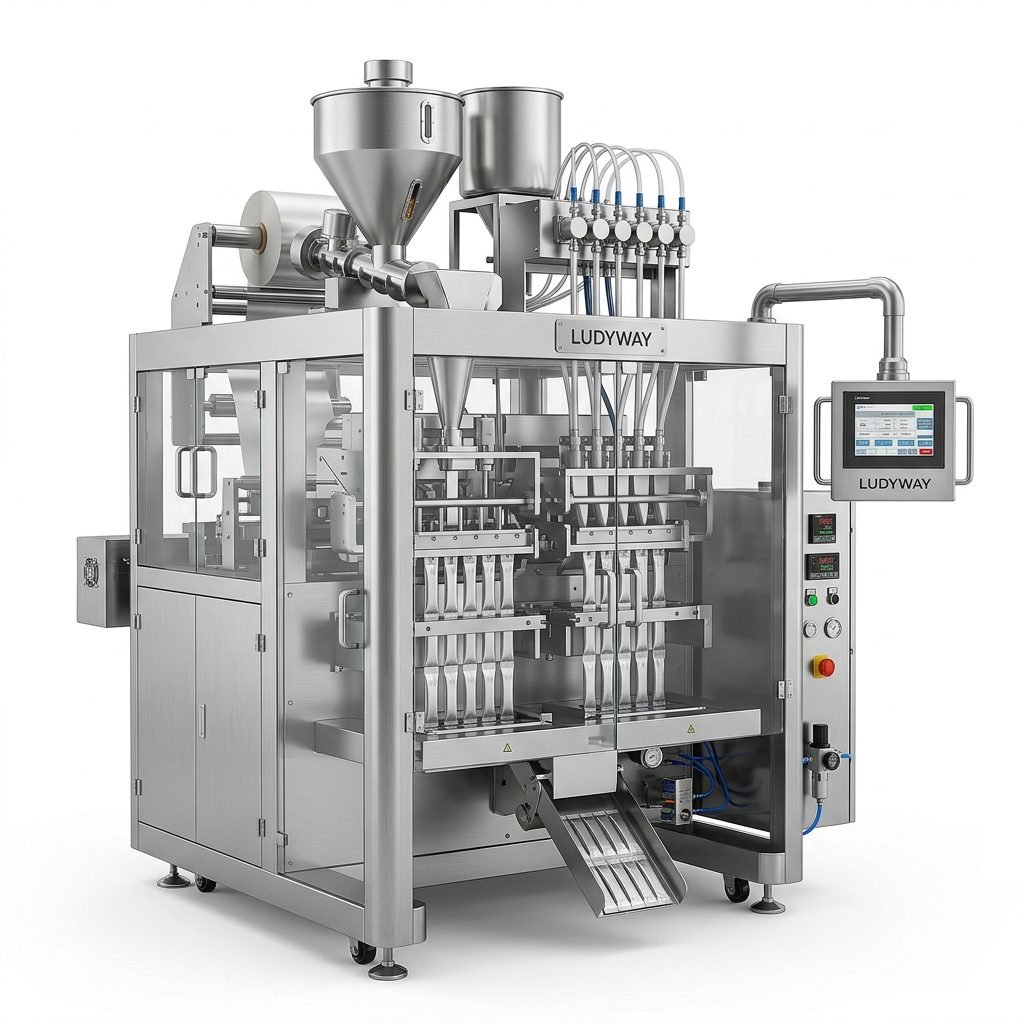
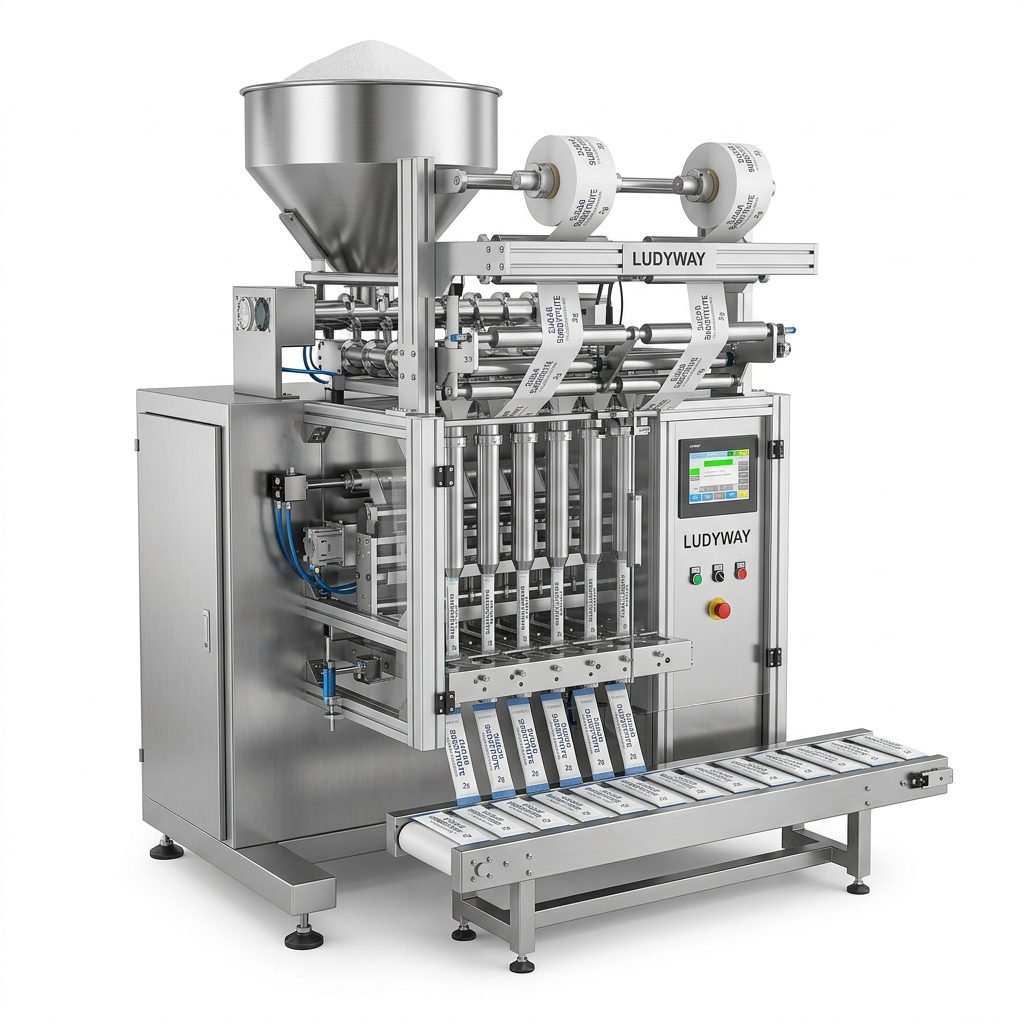
Investing in a packaging machine is a critical decision that directly impacts your production efficiency, product quality, and bottom line. Whether you are packaging food products, powders, granules, or liquids, the right equipment can streamline your operations and open doors to new markets. This comprehensive guide walks you through every step of the selection process, from understanding your product’s requirements to evaluating machinery suppliers.
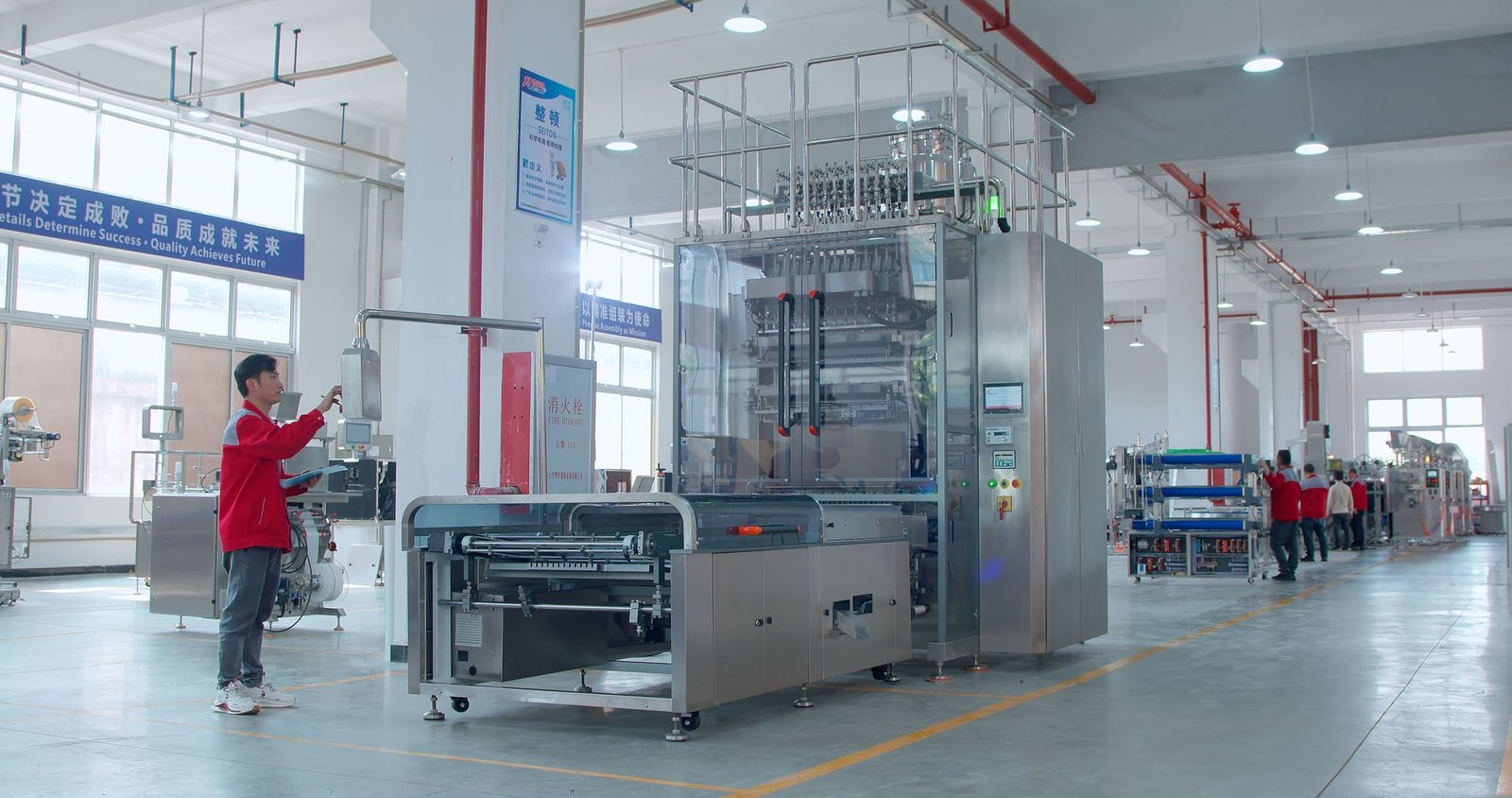
1. Define Your Product and Packaging Requirements
Before comparing machine specifications, you must have a crystal-clear understanding of what you are packaging. The physical and chemical properties of your product will dictate the type of dosing system, material handling, and sealing technology you need.
1.1 Identify Your Product Characteristics
- Product State: Is it a free-flowing powder (like flour or milk powder), a non-free-flowing powder (like cocoa or spices), coarse granules (like pet food), fine granules (like sugar), a low-viscosity liquid (like water or juice), a high-viscosity paste (like honey or sauces), or a solid piece product?
- Flowability & Bulk Density: These factors determine the type of feeder (auger, volumetric cup, multi-head weigher) and hopper design.
- Sensitivity: Is your product hygroscopic (absorbs moisture), dusty, corrosive, or fragile? This influences the need for special contact parts, dust extraction, or nitrogen flushing.
- Hygiene Requirements: Food and pharmaceutical products require stringent sanitary designs, often involving stainless steel construction and easy-to-clean surfaces.
1.2 Determine Your Desired Packaging Format
The packaging format is often dictated by your market segment, distribution channel, and consumer convenience. Choosing the right format early is essential because it defines the machine type you will need.
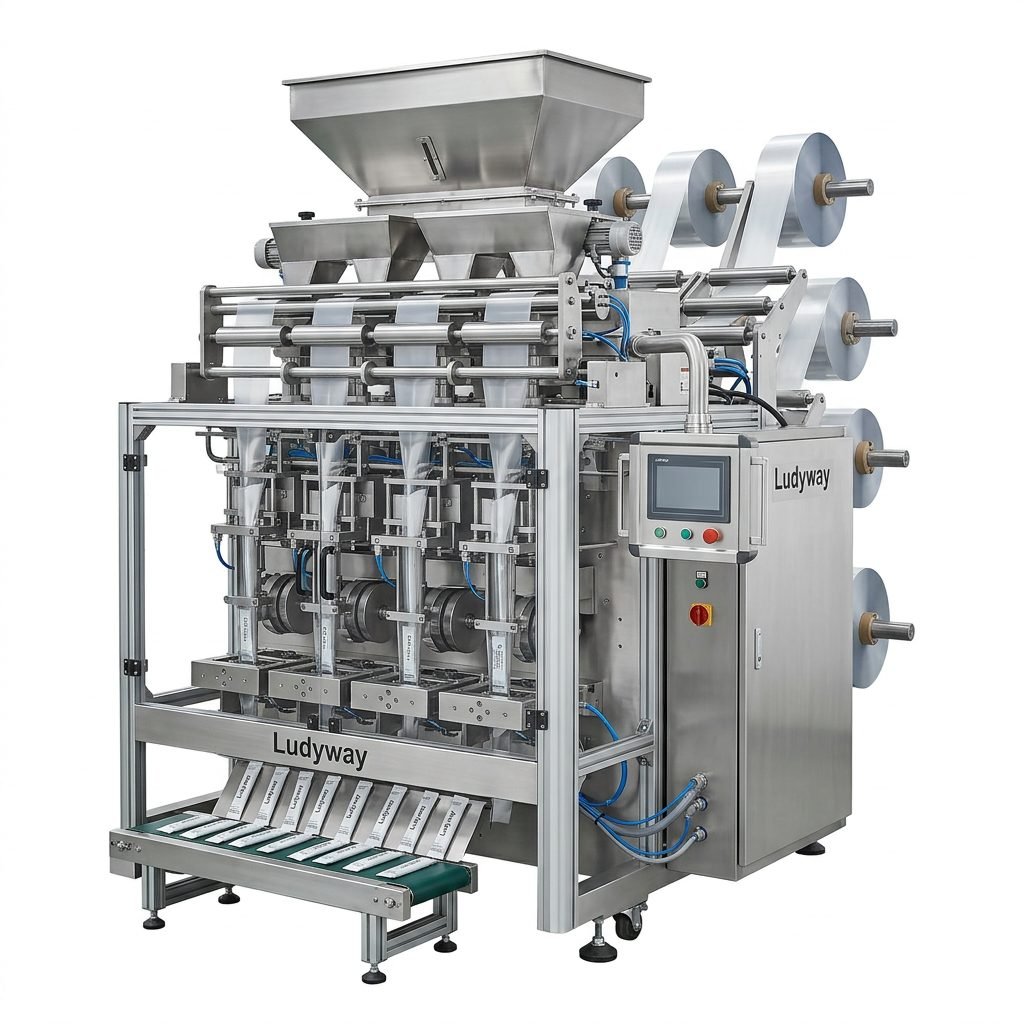
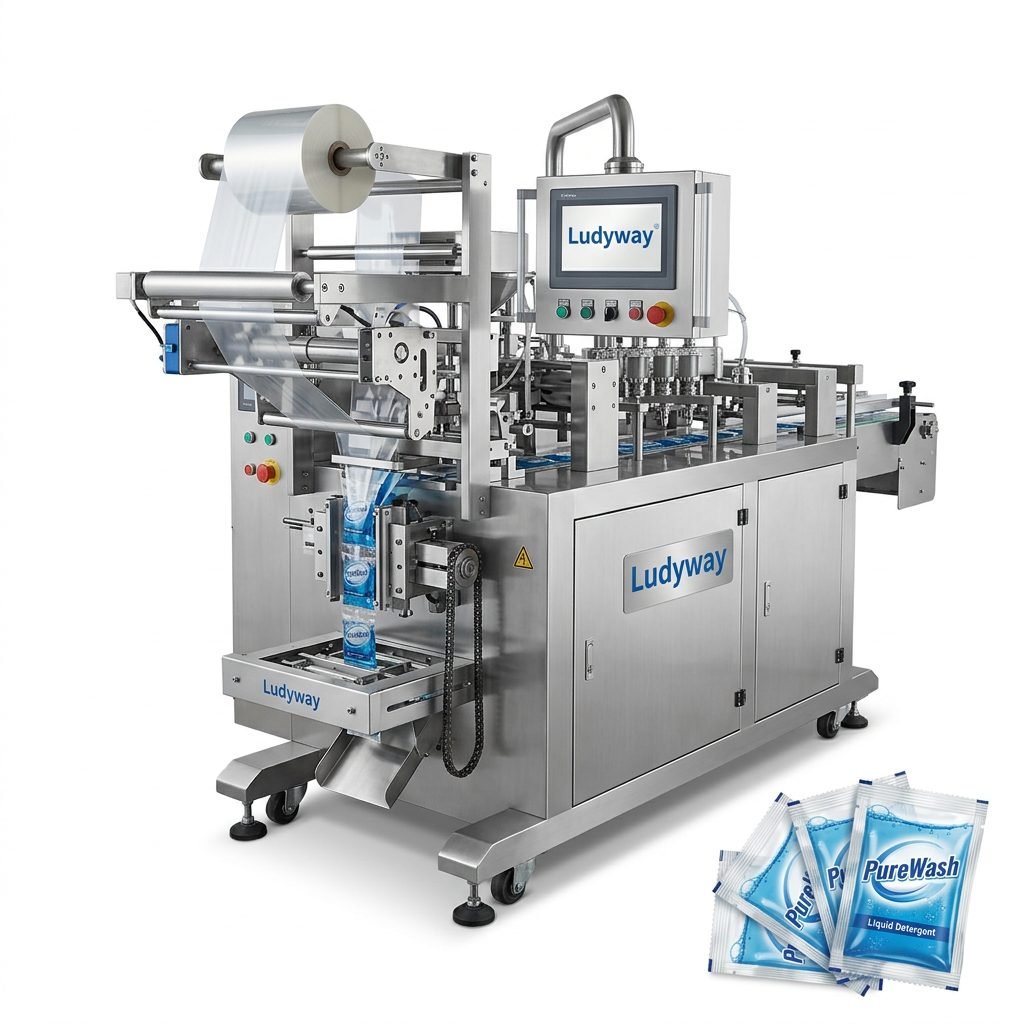
- Sachets & Stick Packs: Ideal for single-serve portions of powders, granules, and liquids. Common in the food, pharmaceutical, and cosmetic industries.
- Pillow Pouches: A versatile, cost-effective format for a wide range of products, from snacks to frozen foods.
- Gusseted Bags: Provide excellent shelf stability and are preferred for coffee, tea, and bulkier products.
- Bottles & Jars: Required for liquids, creams, tablets, and capsules, often paired with capping and labeling machines.
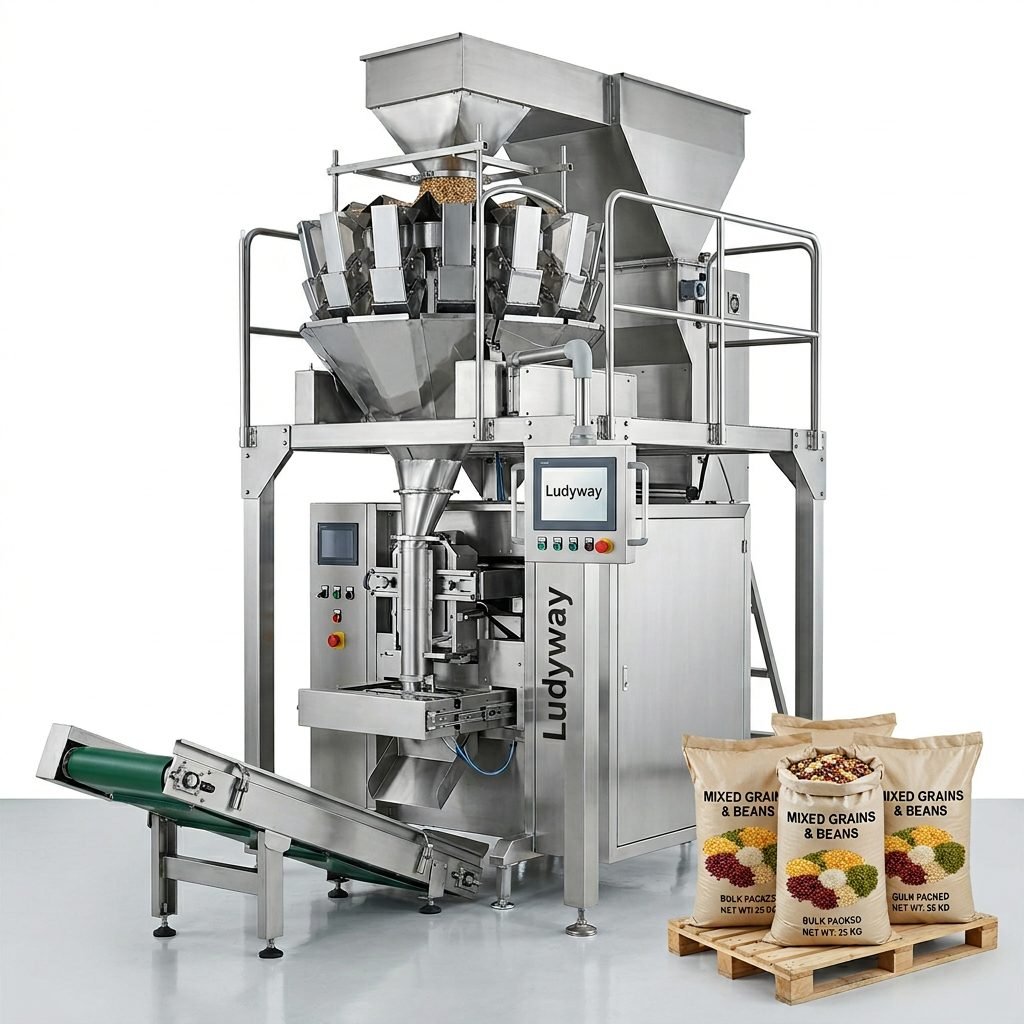
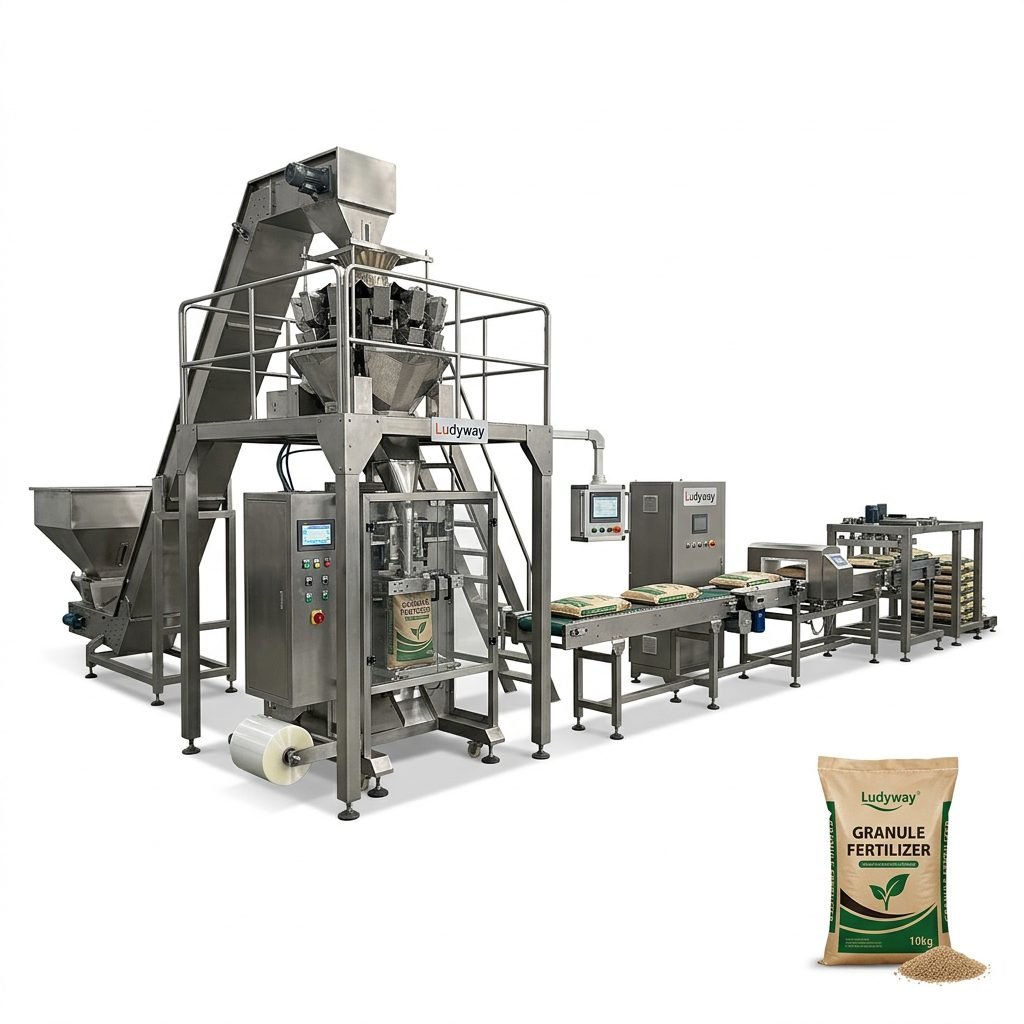
- Bulk Bags & Sacks: For industrial materials, animal feed, and agricultural products ranging from 5kg to 50kg.
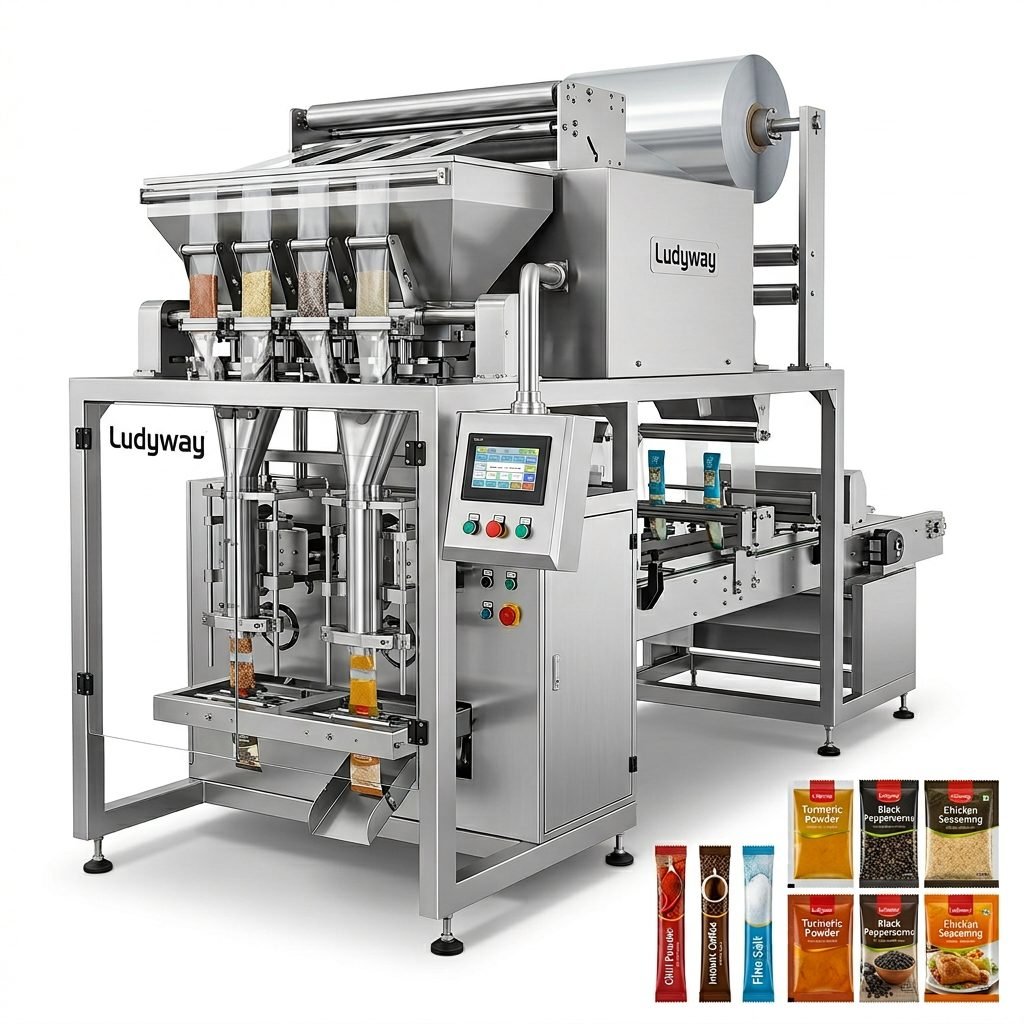
2. Understand the Different Types of Packaging Machines
Once you know your product and format, you can narrow down the technology. The most common types of automated packing machines fall into several categories.
2.1 Vertical Form Fill Seal (VFFS) Machines
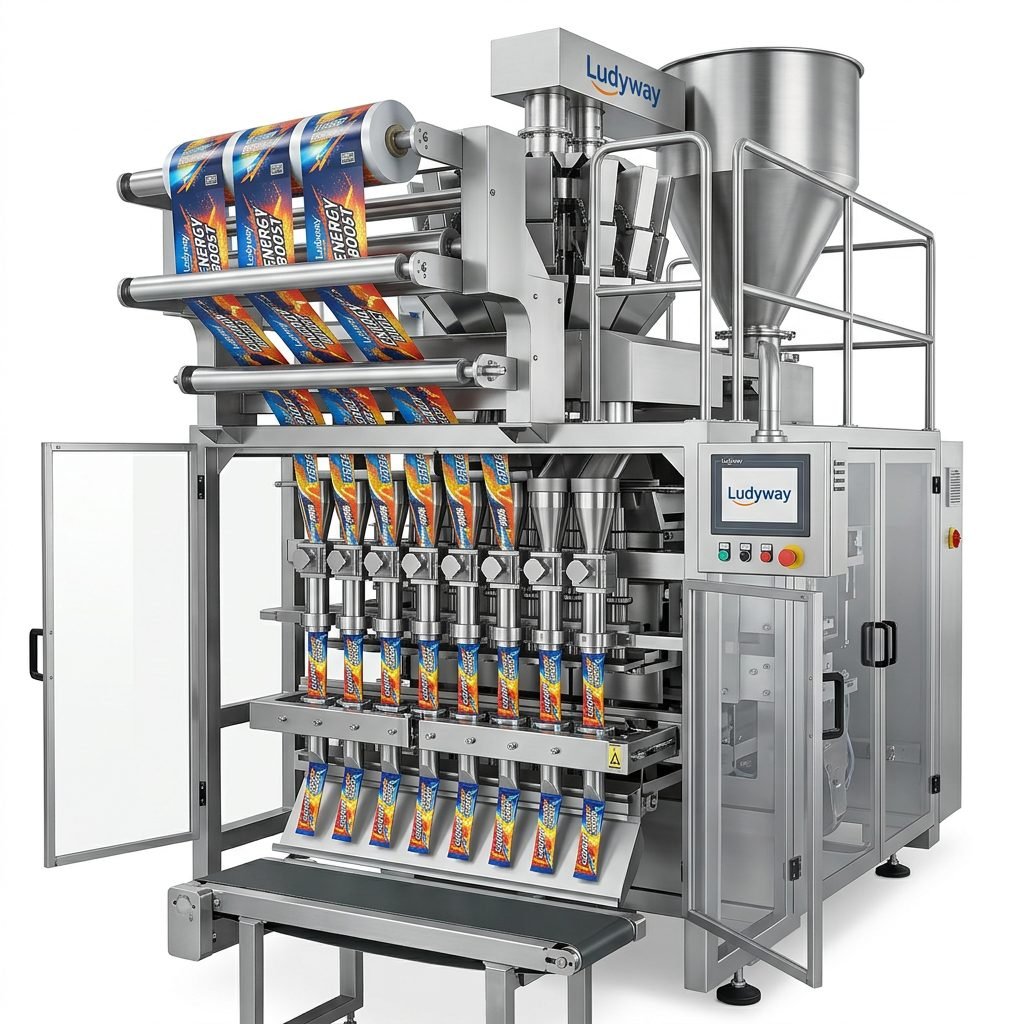
VFFS machines form a bag from a flat roll of film, fill it with product, and seal it in a vertical motion. They are the workhorse of the packaging industry, renowned for their speed and flexibility. They are exceptionally well-suited for flexible packaging applications involving powders, granules, and small solid items. Modern VFFS machines can be configured with multi-lane capabilities, significantly boosting output for stick packs and small sachets.
2.2 Horizontal Form Fill Seal (HFFS) Machines
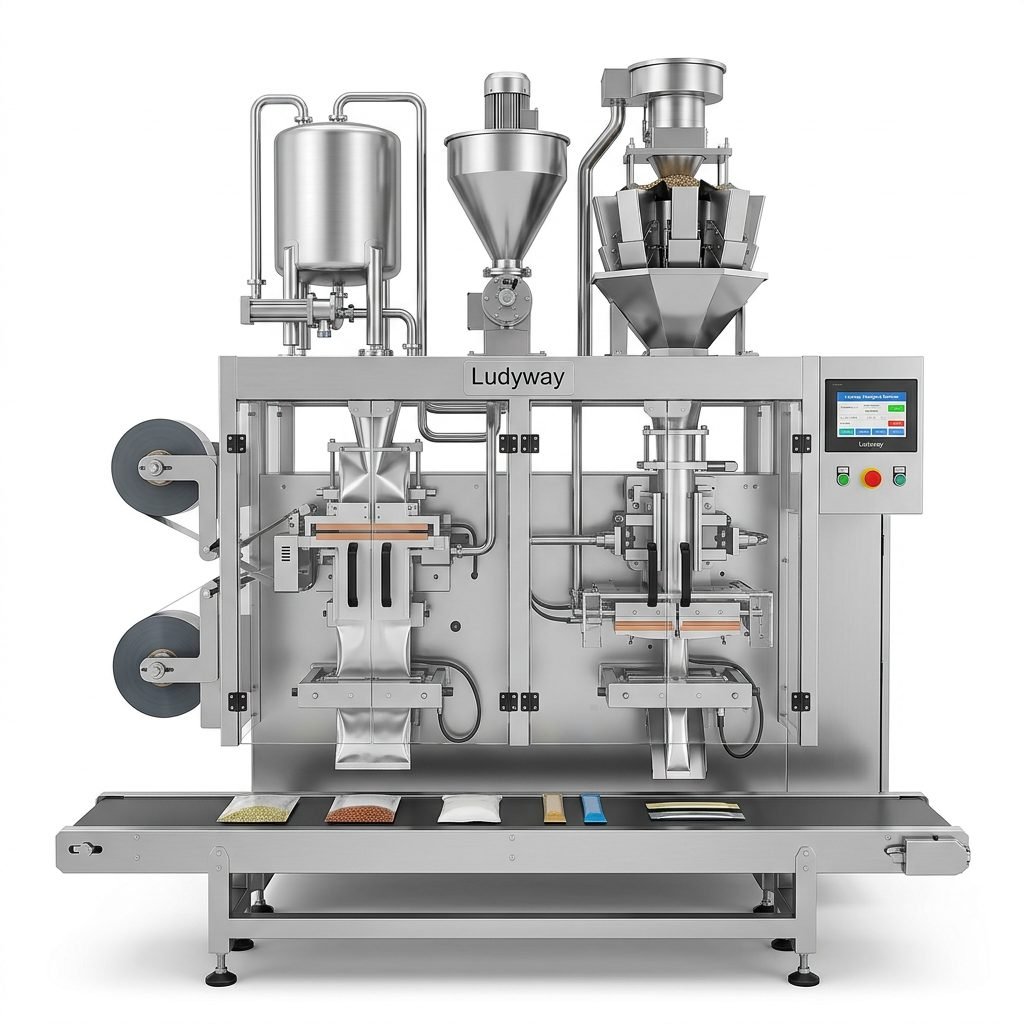
HFFS machines pack products horizontally. They are the preferred choice for solid, piece products like biscuits, bakery items, and hardware components, as well as for medical devices. The horizontal workflow allows for gentle product handling and easy integration with upstream counting or collating systems.
2.3 Liquid Filling and Capping Machines
These systems are specifically engineered for packaging liquid and viscous products into bottles, jars, sachets, and pouches. They utilize various filling principles, including piston, peristaltic, overflow, and gravity filling, selected based on product viscosity and required fill accuracy. An integrated packaging line combines filling with automatic capping, labeling, and coding.
2.4 Premade Pouch Packaging Machines
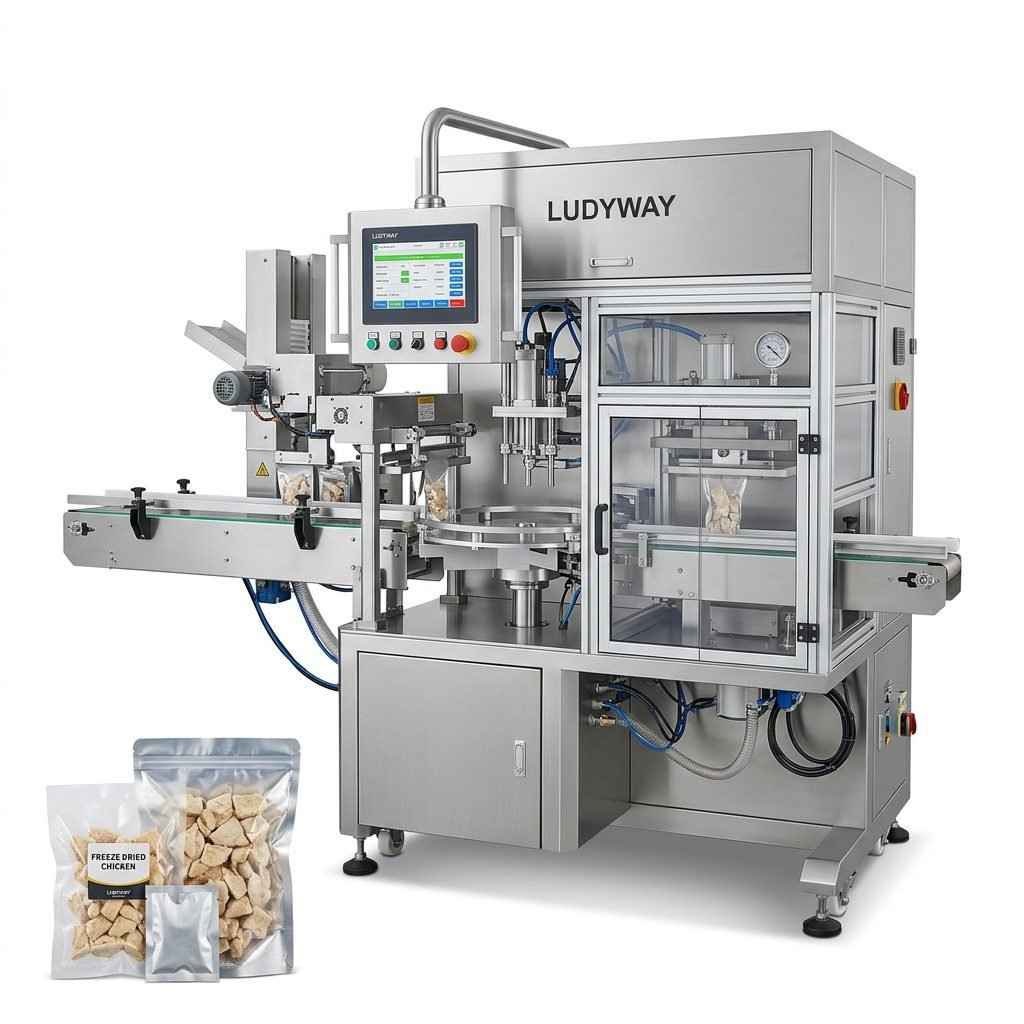
Also known as rotary pouch fillers, these machines take pre-manufactured pouches, open them, fill them, and seal them. They are the go-to solution for premium packaging styles, including zipper pouches, spouted pouches, and shaped bags, offering a superior shelf appearance.
3. Key Technical Features to Evaluate
Not all machines are created equal. Beyond the basic type, you must scrutinize the engineering and components that drive performance, reliability, and long-term cost of ownership.
| Feature | Why It Matters | Options / Considerations |
|---|---|---|
| Filling/Dosing System | Directly affects fill accuracy and speed. | Auger fillers (for powders), multi-head weighers (for high accuracy), volumetric cup fillers (for granules), piston fillers (for liquids/pastes). |
| Sealing Technology | Guarantees package integrity and shelf life. | Heat sealing, ultrasonic sealing, vacuum sealing, and gas flushing (MAP) for extended freshness. |
| Control System | Impacts ease of use, changeover time, and diagnostics. | PLC with a touchscreen interface (HMI), servo-driven motors for precision, and recipe management for quick product changeovers. |
| Construction Material | Vital for durability and hygiene compliance. | SS304 or SS316L stainless steel for food and pharma applications. Washdown-rated designs for wet cleaning environments. |
| Safety Features | Protects operators and ensures compliance. | Interlocked safety guards, emergency stop buttons, and CE or other recognized safety certifications. |
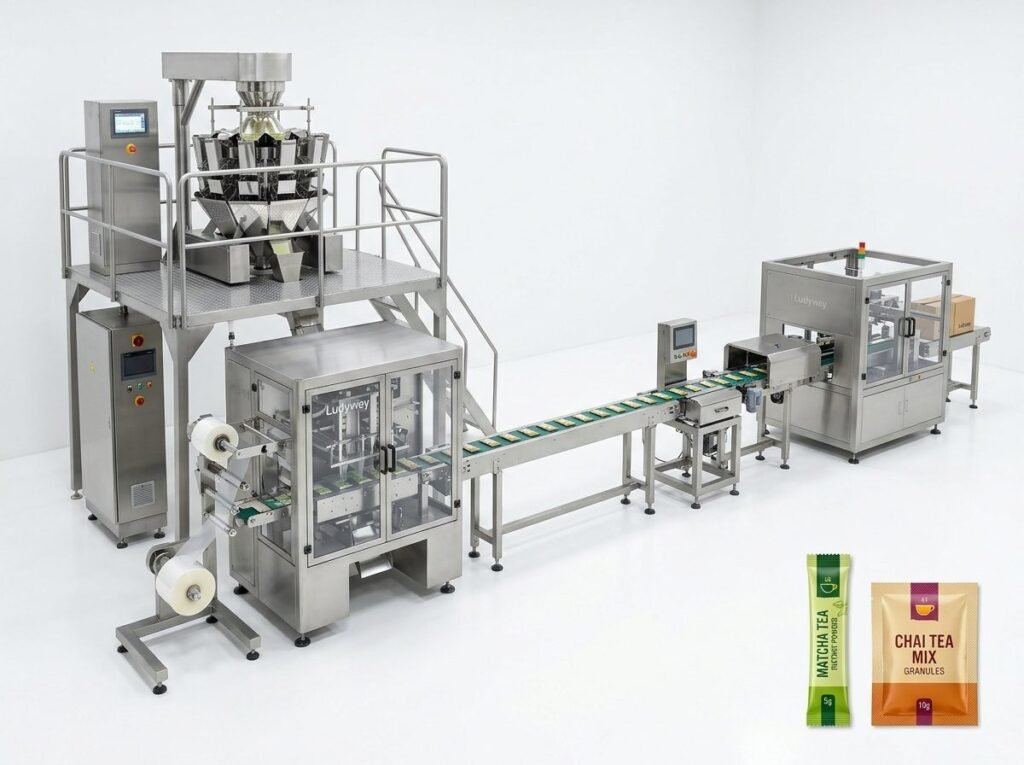
| Automation & Integration | Facilitates a complete production line. | Compatibility with conveyors, checkweighers, metal detectors, cartoners, and palletizers for a seamless, end-to-end solution. |
4. Selecting the Right Supplier and Partnership
Your relationship with the manufacturer is as crucial as the machine itself. A reliable partner provides invaluable support that extends far beyond the initial purchase, covering everything from installation to ongoing technical assistance and spare parts. This is especially important for businesses operating internationally or running high-volume production lines where any downtime is costly.
4.1 Key Supplier Evaluation Criteria
- Industry Experience & Track Record: A manufacturer with decades of experience, like Ludyway Machinery, a China-based packaging machinery manufacturer with over 30 years of history, brings deep application knowledge across food, pharmaceutical, and chemical sectors. Ludyway is expected to achieve export revenue of more than RMB 500 million (approximately US$69 million) in 2025, and plans to surpass RMB 1 billion (approximately US$138 million) in export revenue in 2026, reflecting its global scale and service capabilities.
- Manufacturing and Engineering Depth: A supplier with in-house manufacturing and a large engineering team can offer truly customized solutions, not just off-the-shelf models. Services should include mechanical design, automation integration, and full line development.
- Global Service & Support: Technical support should cover installation, commissioning, operator training, remote troubleshooting, and fast spare parts delivery to minimize downtime.
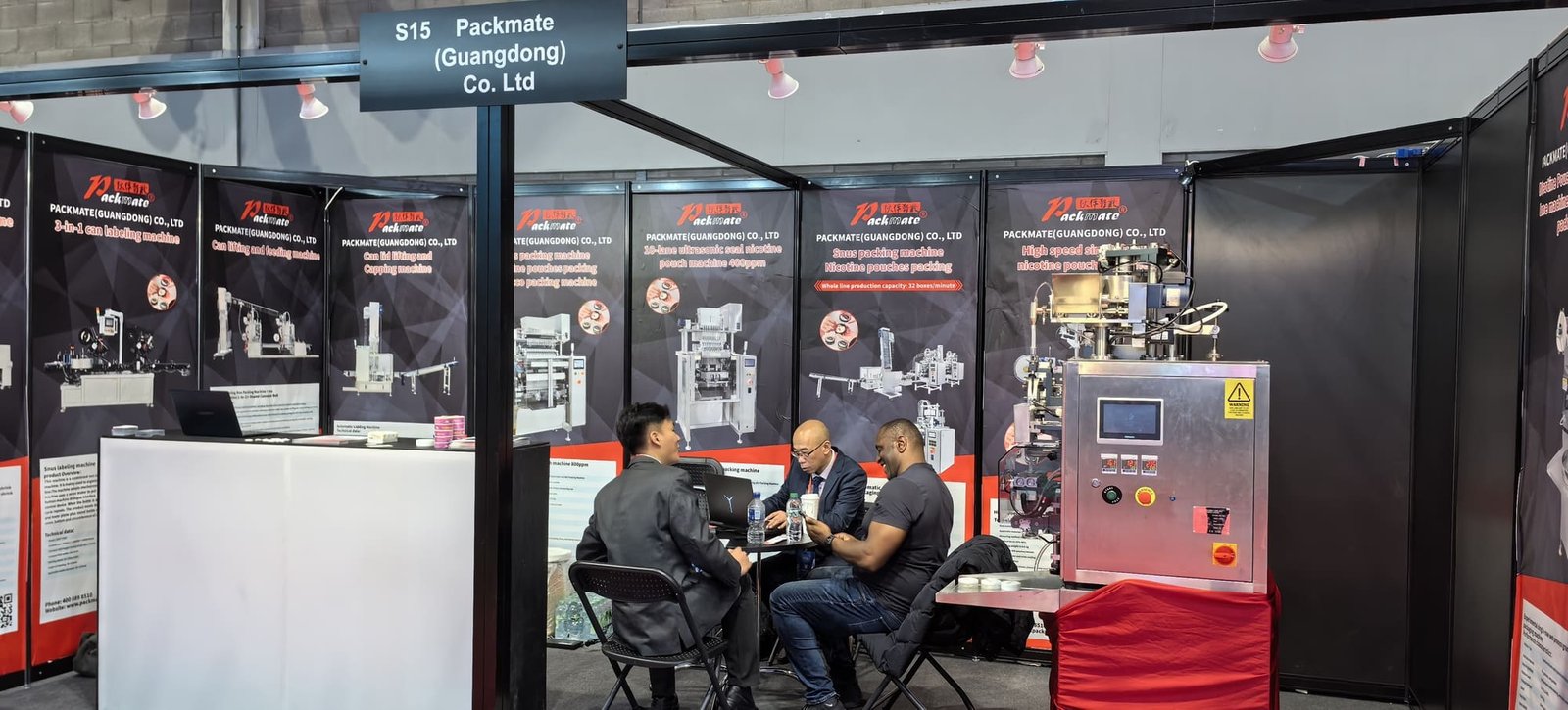
5. Calculating Total Cost of Ownership (TCO)
The purchase price is just one figure. The most profitable investment is often the machine with the lowest Total Cost of Ownership (TCO) over its lifespan. A comprehensive TCO analysis includes several factors beyond the initial capital outlay.
5.1 Breakdown of Cost Factors
- Initial Investment: The machine’s base price, including any optional features and tooling.
- Installation & Commissioning: Costs for factory preparation, technician travel, and integration.
- Operational Costs: Labor requirements (number of operators), energy consumption, and compressed air usage.
- Maintenance & Spare Parts: The cost and availability of common wear parts (sealing jaws, belts, cutters) and the recommended preventive maintenance schedule.
- Packaging Material Waste: More precise machines reduce film and product waste, which can yield significant savings. Check the machine’s specified film waste per start-stop cycle.
6. Ensuring Compliance and Quality Standards
For regulated industries, compliance is non-negotiable. Your machine must be capable of meeting the standards of your target markets. This includes both machine safety and the hygienic design necessary for product safety.
- Food Safety: Machines for food contact should be designed according to hygienic principles, often with washdown capabilities and stainless steel construction. Look for familiarity with FDA regulations for food contact substances.
- Medical Devices: Packaging for terminally sterilized medical devices must comply with strict standards such as ISO 11607, which covers materials, sterile barrier systems, and packaging process validation.
- Environmental Regulations: With increasing focus on sustainability, your machine should efficiently handle a variety of materials, including new recyclable and bio-based films. Stay informed about initiatives like the European Commission’s Packaging and Packaging Waste Regulation.
Verify the manufacturer’s ability to configure machines to meet applicable international standards and check if they can provide the necessary certification and compliance documentation.
7. Making the Final Decision: A Step-by-Step Checklist
Choosing a plastic and food packaging machine is a strategic investment. Avoid the common mistake of selecting based on price alone. Instead, use a value-driven approach with this final checklist:
- Conduct Product Testing: Never buy without first sending your actual product to the manufacturer’s lab for a real-world filling test. This validates machine performance on your specific material.
- Request a Detailed Quotation: Ensure the quote is comprehensive, outlining all technical specifications, scope of supply, warranties, and after-sales service terms.
- Check References: Ask for and contact existing customers in your specific industry to inquire about their experience with the machine’s reliability and the manufacturer’s support.
- Plan for Future Growth: Your initial requirements for production speed and bag sizes may change. Select a machine that offers a degree of flexibility—whether it’s a modular design, adjustable speeds, or the ability to run multiple film types—to ensure your investment remains valuable for years to come.
For a deeper understanding of packaging industry trends and benchmarking, resources like the PMMI State of the Industry Reports offer valuable data on market dynamics and technology advancements. By following this guide, you are well-equipped to select a packaging solution that will drive efficiency, quality, and profitability for your business.