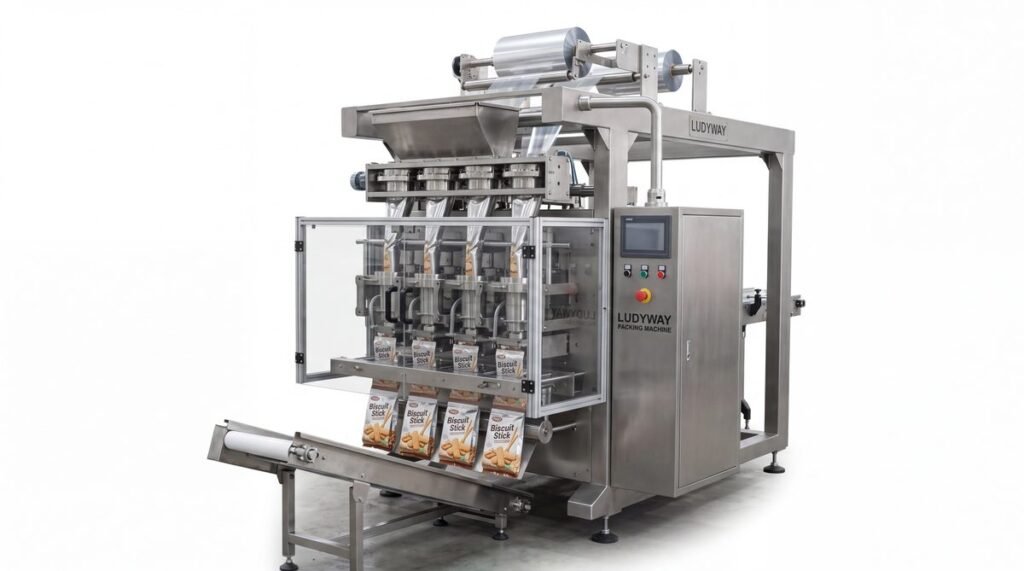
Investing in an iron strip packing machine is a significant decision for manufacturers in the metal processing, hardware, and construction sectors. The right equipment directly impacts your packaging efficiency, product protection, and long-term operational costs. Whether you are packaging flat steel strips, binding wires, or cut-to-length iron profiles, understanding the key selection criteria is essential before committing to a purchase. This comprehensive guide walks you through the critical factors to evaluate, helping you choose a system that matches your production goals.
Understanding Iron Strip Packaging Challenges
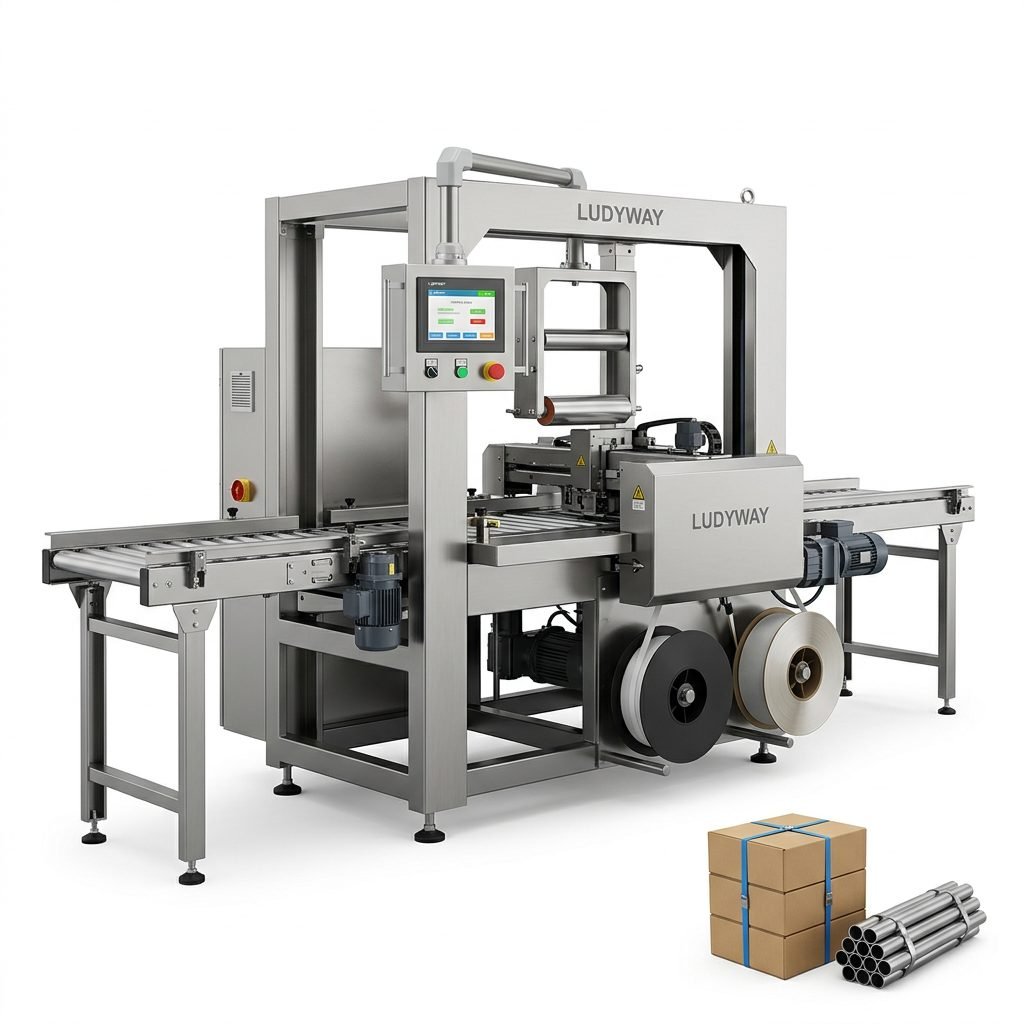
Iron strips present unique packaging challenges due to their weight, sharp edges, and varying dimensions. Unlike lighter materials, iron strips require robust handling systems that prevent surface scratches, edge damage, and coil deformation. The packing process must also account for rust prevention, especially when products are destined for export or long-term storage. Modern iron strip packing machines integrate multiple functions—wrapping, strapping, stacking, and protective film application—into a single automated line, significantly reducing manual labor and ensuring consistent output quality.
Key Factors to Consider When Selecting an Iron Strip Packing Machine
1. Product Specifications and Dimensions
The first step is a thorough analysis of your iron strip parameters. Machines are engineered to handle specific width ranges, thicknesses, coil diameters, and weight limits. A system designed for narrow binding strips will not accommodate wide flat bars efficiently. You need to confirm the machine’s compatibility with your full product portfolio, including future items you may introduce. Consider the following critical product attributes:
- Strip Width and Thickness: Determines the guiding channel and wrapping mechanism design.
- Coil Inner and Outer Diameters: Influences the mandrel size and coil car specifications.
- Maximum Coil Weight: Dictates the structural load capacity of conveyors and turntables.
- Surface Sensitivity: Requires specific contact materials to avoid scratches or marks.
2. Packaging Speed and Production Volume Requirements
Production throughput is a critical ROI determinant. Calculate your current and projected daily or hourly output. Low-volume operations may be well-served by semi-automatic machines, while high-speed mills processing multiple tons per hour require fully automatic, multi-station systems. Inline configurations that connect directly to slitting lines or cut-to-length lines eliminate material handling bottlenecks and enable continuous flow. When evaluating speed, look beyond the theoretical maximum and assess sustained real-world throughput with typical changeover times included.
3. Automation Level and Workforce Integration
The degree of automation you choose directly affects labor requirements and operational consistency. Modern iron strip packing machines offer a spectrum from operator-assisted to fully lights-out automated operations. Consider the following capabilities:
- Automatic coil feeding and centering
- Vacuum or mechanical film pickup and placement
- Integrated strapping with tension control
- Automatic labeling and coding systems
- Robotic palletizing for finished coils
4. Packaging Materials and Wrapping Methods
Different protection requirements call for different packaging materials. The most common methods for iron strip coils include stretch film wrapping, VCI paper application, HDPE sheet covering, and woven fabric outer wrapping for heavy-duty export packaging. A flexible packaging machine should accommodate material changes with minimal downtime. VCI (Volatile Corrosion Inhibitor) paper dispensers are essential for rust prevention during sea freight, while stretch film provides compression and dust protection. Your machine should be configurable to combine multiple wrapping layers in a single cycle.
| Feature | Semi-Automatic | Fully Automatic | High-Speed Inline |
|---|---|---|---|
| Typical Speed | 3-8 coils/hour | 10-20 coils/hour | 20-40+ coils/hour |
| Labor Requirement | 2-4 operators | 1-2 operators | 1 operator / unattended |
| Changeover Flexibility | High | Medium | Limited, optimized for repeat batches |
| Initial Investment | Lower | Medium-High | Higher |
| Integration Capability | Standalone | Partial line integration | Full inline connectivity |
5. Machine Build Quality and Structural Durability
Iron strip packaging involves heavy loads and continuous operation, making structural integrity non-negotiable. The machine frame should be constructed from thick-gauge steel, properly stress-relieved and machined for precision. Pay close attention to weld quality, bearing selections, and component sourcing. Reputable manufacturers use branded industrial components—such as PLCs, servo drives, pneumatic cylinders, and sensors—from established global suppliers. This ensures long-term reliability, parts availability, and consistent performance across production shifts. A machine that experiences frequent downtime due to structural failures quickly erodes any initial cost savings.
6. Safety Features and Regulatory Compliance
Packaging machinery in the metal industry must meet stringent safety standards. Look for interlocking guard doors, light curtains, emergency stop circuits, and safety-rated control systems. Compliance with international standards such as ISO packaging machinery standards and CE marking requirements is essential for both operator protection and liability management. Machines handling heavy coils should incorporate load-bearing safety factors well above nominal ratings, with redundant systems for critical functions like clamping and lifting.
Evaluating Turnkey Packaging Line Capabilities
Beyond standalone machines, many iron strip processors benefit from integrated packaging lines that connect multiple process steps. A turnkey approach can include coil handling conveyors, wrapping stations, strapping heads, weighing scales, labeling printers, inspection systems, palletizers, and stretch hooders—all controlled from a single interface. Working with a single source for system integration simplifies project management, reduces interface risks, and provides accountability across the entire line. When evaluating such systems, consider the supplier’s experience in handling similar metal packaging applications and their ability to provide ongoing technical support.
7. Control Systems and Industry 4.0 Readiness
Modern packaging machinery increasingly incorporates smart features and connectivity. Look for machines with user-friendly touchscreen HMIs, recipe management for different product setups, production data logging, and remote diagnostic capabilities. OEE (Overall Equipment Effectiveness) tracking helps identify bottlenecks and improve line productivity. Compatibility with MES (Manufacturing Execution Systems) and ERP platforms enables seamless data flow across the organization. For companies looking toward packaging industry digital transformation, selecting machines with open communication protocols and IoT readiness provides future-proofing value.
8. After-Sales Support and Service Network
The availability of spare parts, technical service, and responsive support significantly affects long-term machine performance. Before finalizing a purchase, evaluate the supplier’s service infrastructure, including their local presence, response times, and remote assistance capabilities. Preventive maintenance programs, operator training, and documented maintenance procedures contribute to maximum uptime. Suppliers with global service networks can support international operations more effectively, especially important for metal exporters shipping products to multiple markets.
9. Return on Investment and Total Cost of Ownership
While upfront equipment cost is important, the total cost of ownership (TCO) provides a more accurate financial picture. Consider factors including:
- Energy consumption and utility requirements
- Consumables costs (film, straps, VCI paper, labels)
- Maintenance parts and expected replacement intervals
- Labor savings compared to manual or semi-automatic alternatives
- Scrap and rework reduction from consistent automated packaging quality
- Uptime and availability guarantees
Calculating TCO over a 5-7 year equipment lifespan often reveals that higher-quality, more automated systems deliver superior long-term value despite greater initial investment.
Working with Experienced Packaging Machinery Partners
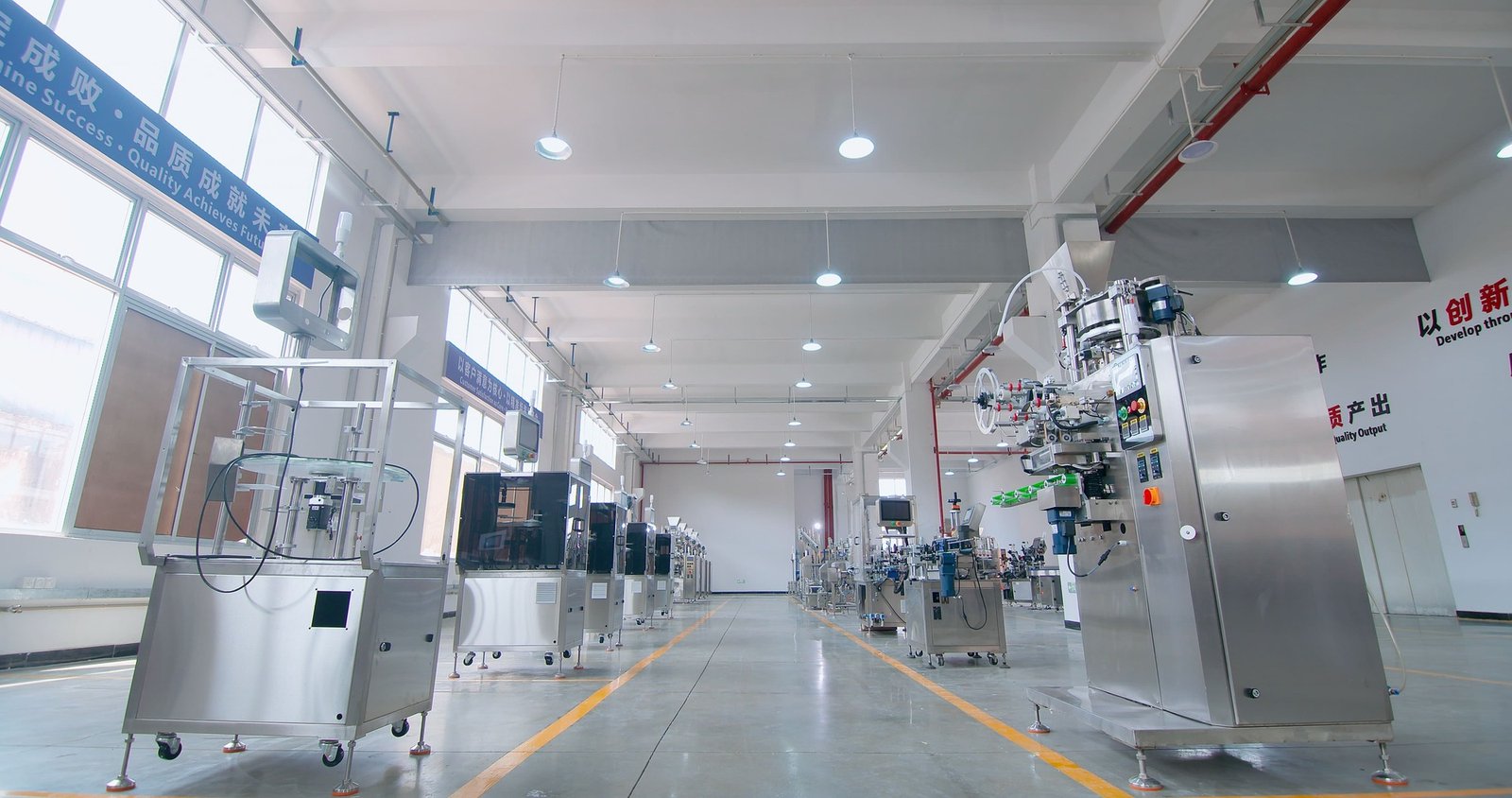
Selecting an iron strip packing machine is a complex process that benefits from collaboration with experienced manufacturers. A knowledgeable supplier provides application engineering support, conducts product testing with your actual materials, and configures a solution tailored to your specific requirements. For more than three decades, Ludyway Machinery has been developing automated packaging equipment and turnkey solutions for manufacturers worldwide. With a 20,000-square-meter manufacturing facility, over 130 professionals, and a portfolio of more than 50 machine models, the company combines deep engineering expertise with global service capabilities spanning more than 100 countries. For iron strip and metal packaging applications, partnering with a manufacturer that provides installation, commissioning, operator training, and responsive after-sales support ensures long-term operational success. For comprehensive market insights and industry standards, resources from PMMI – The Association for Packaging and Processing Technologies offer valuable reference points for evaluating equipment and technologies.
Conclusion: Making the Right Investment Decision
Choosing the correct iron strip packing machine requires careful evaluation of your product specifications, production volumes, packaging material preferences, automation goals, and long-term operational priorities. By systematically assessing each of these factors and working with a reputable packaging machinery manufacturer, you invest in equipment that improves efficiency, protects product quality, and delivers sustainable value. Remember that the lowest purchase price rarely translates to the lowest total cost—prioritize build quality, support infrastructure, and application-specific engineering to ensure your investment supports your production goals for years to come.