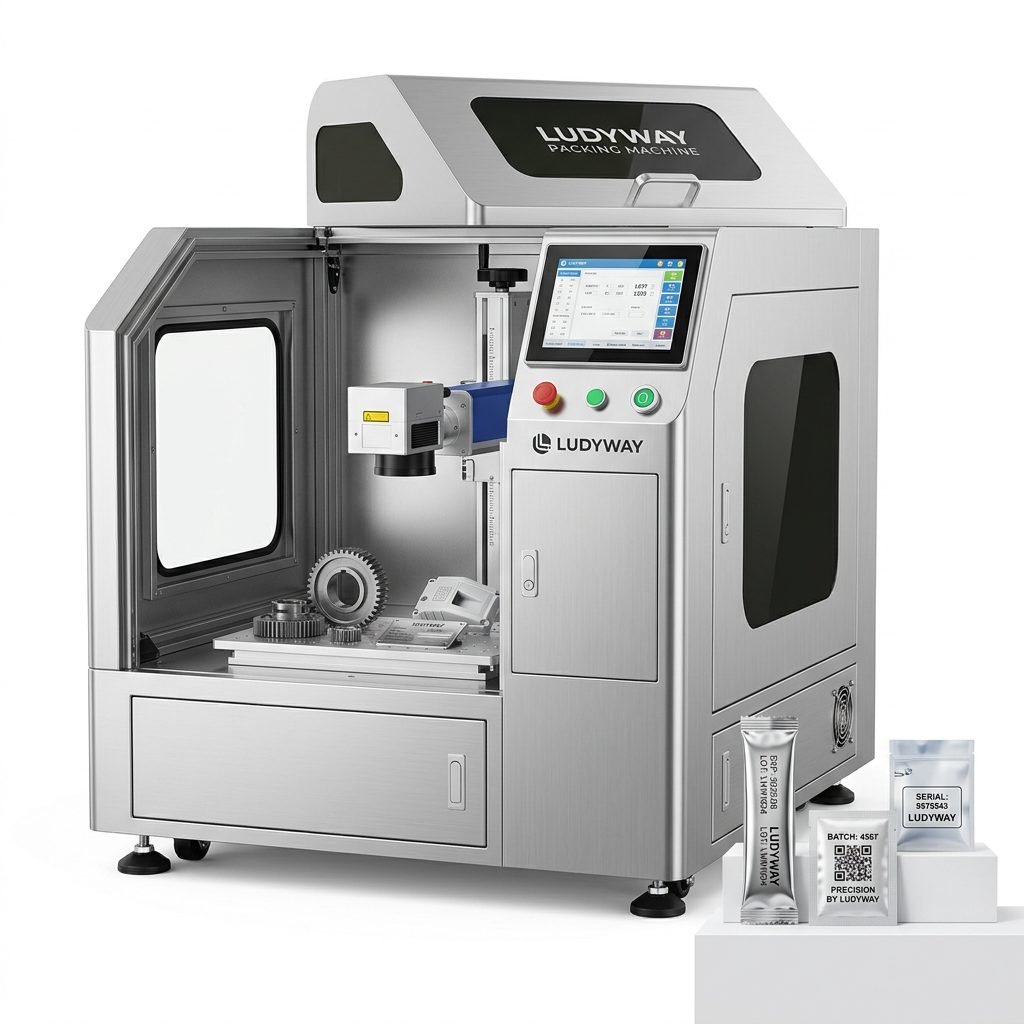
Regular maintenance of a small vacuum packaging machine is critical to ensuring consistent sealing performance, extending equipment lifespan, and preventing costly downtime. Whether you use a compact tabletop model for small-batch production or a benchtop vacuum sealer for daily operations, following a structured cleaning and maintenance routine helps maintain optimal vacuum levels and seal integrity.

Why Routine Maintenance Matters
Skipping routine upkeep on your vacuum packaging machine can lead to weak seals, air leaks, oil contamination, and eventual mechanical failure. Food residues, dust, and moisture accumulate quickly inside the vacuum chamber and along the sealing bar. Over time, these contaminants degrade the sealing gasket, compromise vacuum pump performance, and increase the risk of product spoilage. A well-maintained machine not only delivers reliable results but also reduces long-term repair costs.
Daily Cleaning Checklist for Small Vacuum Packaging Machines
Establishing a daily cleaning routine is the foundation of effective maintenance. Follow these steps at the end of each production shift:
- Unplug the machine and allow it to cool completely before cleaning.
- Remove the vacuum chamber lid and wipe down all interior surfaces with a soft, dry cloth.
- Clean the sealing bar and silicone sealing strip using a damp microfiber cloth to remove any residue or debris.
- Inspect the sealing gasket for food particles, liquid spills, or powder buildup; clean gently with warm soapy water if needed.
- Wipe the exterior housing and control panel with a non-abrasive cleaner.
- Check the vacuum oil level (for oil-based pumps) and top up if necessary using manufacturer-recommended oil.
Weekly Deep Cleaning Procedures
Beyond daily wiping, a more thorough weekly deep clean prevents long-term buildup that can affect vacuum efficiency. Pay special attention to the following components:
Sealing Bar and Teflon Tape
The sealing bar and its protective Teflon cover experience direct heat and pressure during each sealing cycle. Over time, melted residue or carbonized particles can stick to the surface, causing uneven seals. Replace the Teflon tape when it shows signs of wear, discoloration, or damage. Clean the heating element underneath with isopropyl alcohol and a lint-free cloth.
Vacuum Chamber and Oil Reservoir
If your machine uses an oil-based rotary vane vacuum pump, check the oil condition weekly. Cloudy or darkened oil indicates contamination and should be changed immediately. Drain the old oil completely, flush with fresh oil if needed, and refill to the recommended level. For dry vacuum pumps, inspect the air filter and clean or replace it as required.

Monthly Inspection and Preventive Tasks
Monthly maintenance focuses on preventive measures that catch potential issues before they lead to machine failure. Create a checklist covering these critical areas:
- Inspect all electrical connections and power cords for fraying or loose contacts.
- Test the vacuum pressure gauge for accuracy; recalibrate if readings drift.
- Examine hinges, latches, and lid alignment to ensure proper chamber closure.
- Clean or replace the vacuum pump exhaust filter to maintain airflow.
- Lubricate moving mechanical parts sparingly with food-grade lubricant where applicable.
Maintenance Schedule at a Glance
Use the table below as a quick reference for your preventive maintenance schedule:
| Frequency | Task | Key Focus Area |
|---|---|---|
| Daily | Wipe chamber, clean sealing bar, check oil level | Hygiene and basic inspection |
| Weekly | Deep clean Teflon tape, inspect vacuum pump oil | Seal quality and pump health |
| Monthly | Electrical check, gauge calibration, filter replacement | System integrity and accuracy |
| Quarterly | Full pump service, gasket inspection, software updates | Comprehensive overhaul |
Troubleshooting Common Issues
Even with diligent maintenance, occasional problems may arise. Understanding common symptoms and their solutions helps minimize downtime:
Insufficient Vacuum or Air Leaks
If the machine fails to reach the required vacuum level, first check the chamber gasket for cracks, deformation, or debris. Worn gaskets are the most frequent cause of vacuum leaks. Next, inspect the vacuum hose connections and ensure the lid closes evenly without obstruction.
Weak or Incomplete Seals
Poor sealing results often stem from a contaminated or damaged heating element. Clean the sealing wire thoroughly and replace the Teflon cover if it appears burnt or uneven. Also verify that the sealing time and temperature settings match the bag material being used.
Excessive Noise or Overheating
Unusual noise usually indicates low or contaminated vacuum pump oil, worn bearings, or loose internal components. Turn off the machine immediately, check the oil condition, and consult the user manual for further diagnostic steps.

Extending the Lifespan of Your Vacuum Packaging Machine
Beyond scheduled cleaning and inspection, several operational habits contribute to longer equipment life:
- Always use high-quality vacuum bags compatible with your machine’s specifications.
- Avoid overfilling bags; leave adequate space for proper vacuum extraction and sealing.
- Allow the machine to cool between extended production runs to prevent thermal stress on components.
- Store the machine in a clean, dry environment away from excessive humidity and dust.
- Train all operators on proper packaging machine operation techniques to prevent user-induced damage.
The Importance of Genuine Spare Parts
When replacement parts are needed, always source genuine OEM components rather than cheap alternatives. Counterfeit or incompatible parts can damage your machine, void warranties, and create safety hazards. Original sealing gaskets, Teflon tapes, heating elements, and vacuum pump oil are specifically engineered to work with your equipment’s design parameters.
For businesses seeking reliable packaging solutions, companies like Ludyway — one of the largest packaging machine manufacturers in China with over 30 years of industry experience — provide comprehensive after-sales support, genuine spare parts, and professional technical guidance to keep your packaging machine operating at peak performance.
Additional Resources for Packaging Professionals
Stay informed about industry standards and best practices by exploring these authoritative resources:
- Flexible Packaging Association – Industry Resources
- ISO Packaging Standards
- FDA – Food Contact Substances and Packaging
By implementing these essential cleaning and maintenance tips, you ensure that your small vacuum packaging machine delivers consistent, reliable performance for years to come. Regular attention to the sealing system, vacuum pump, and chamber hygiene not only protects product quality but also maximizes your return on equipment investment.