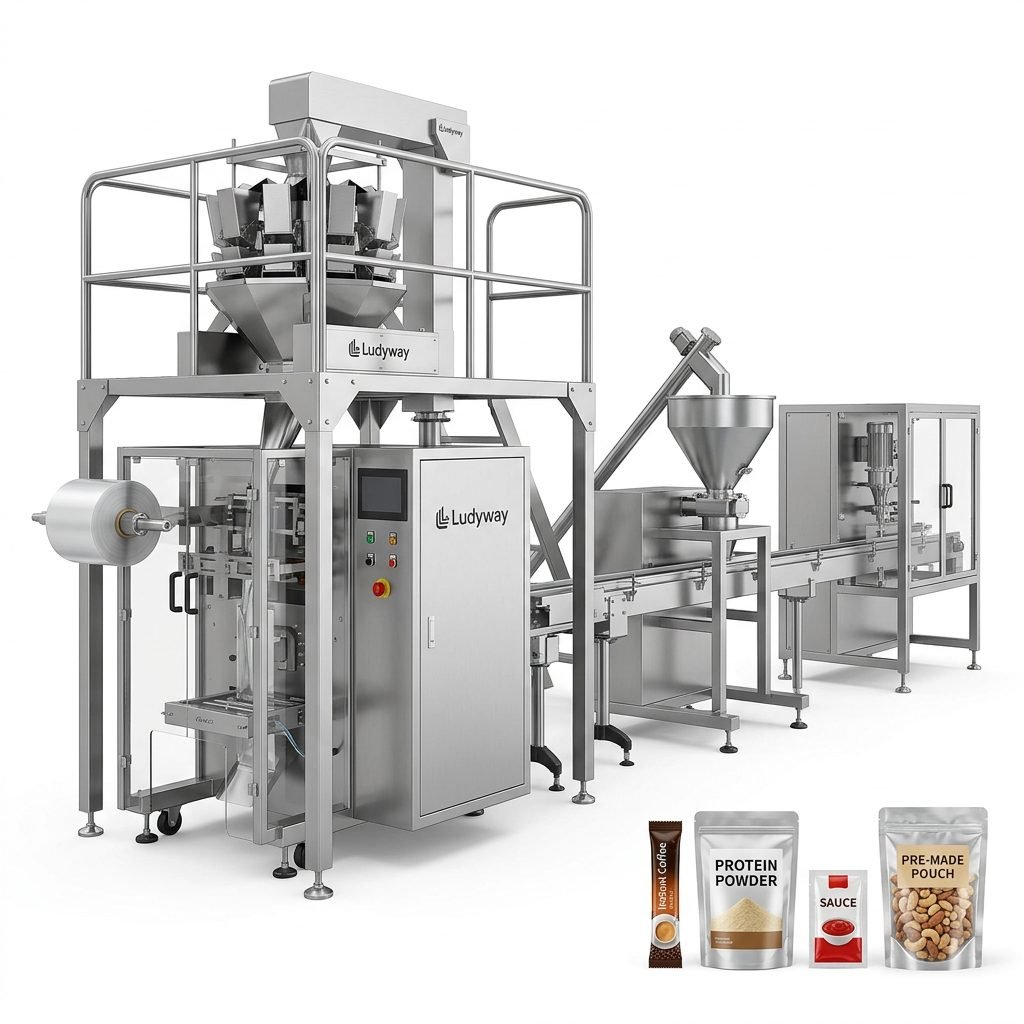
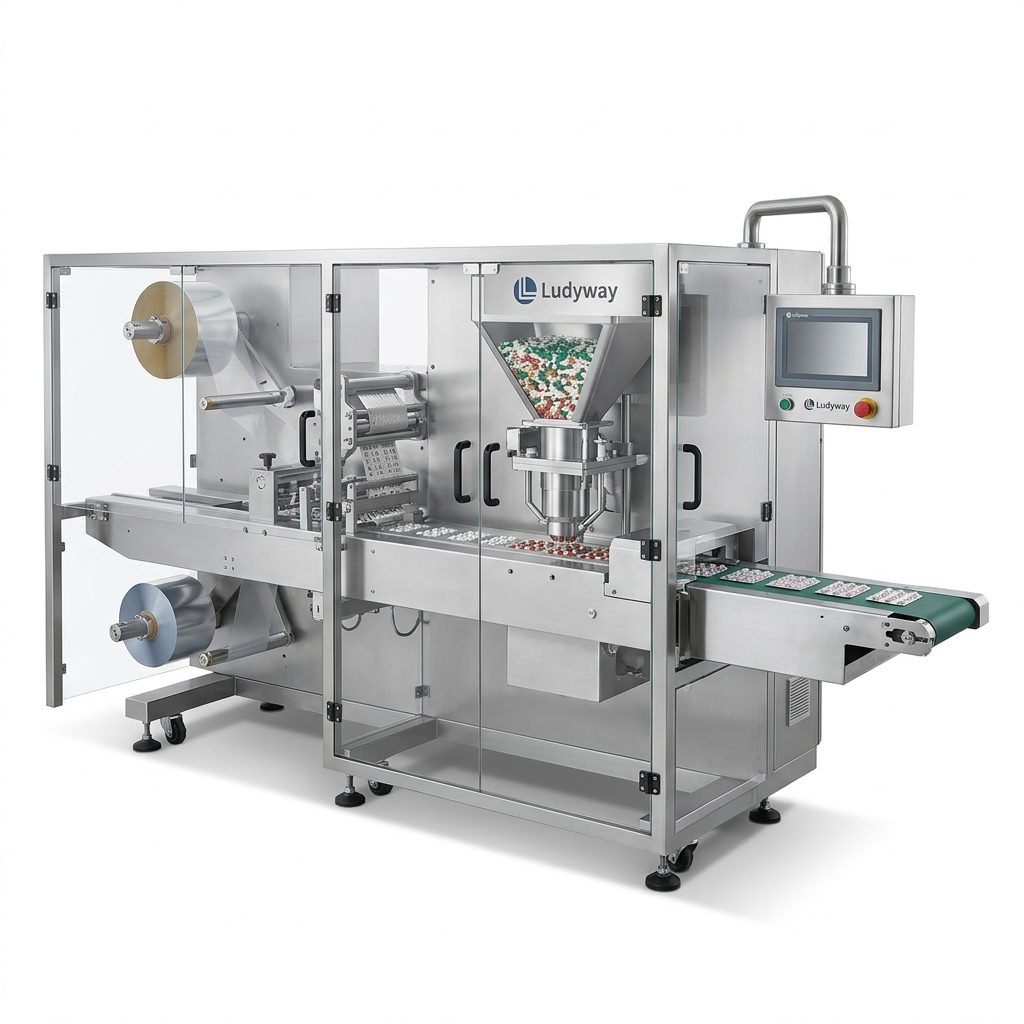
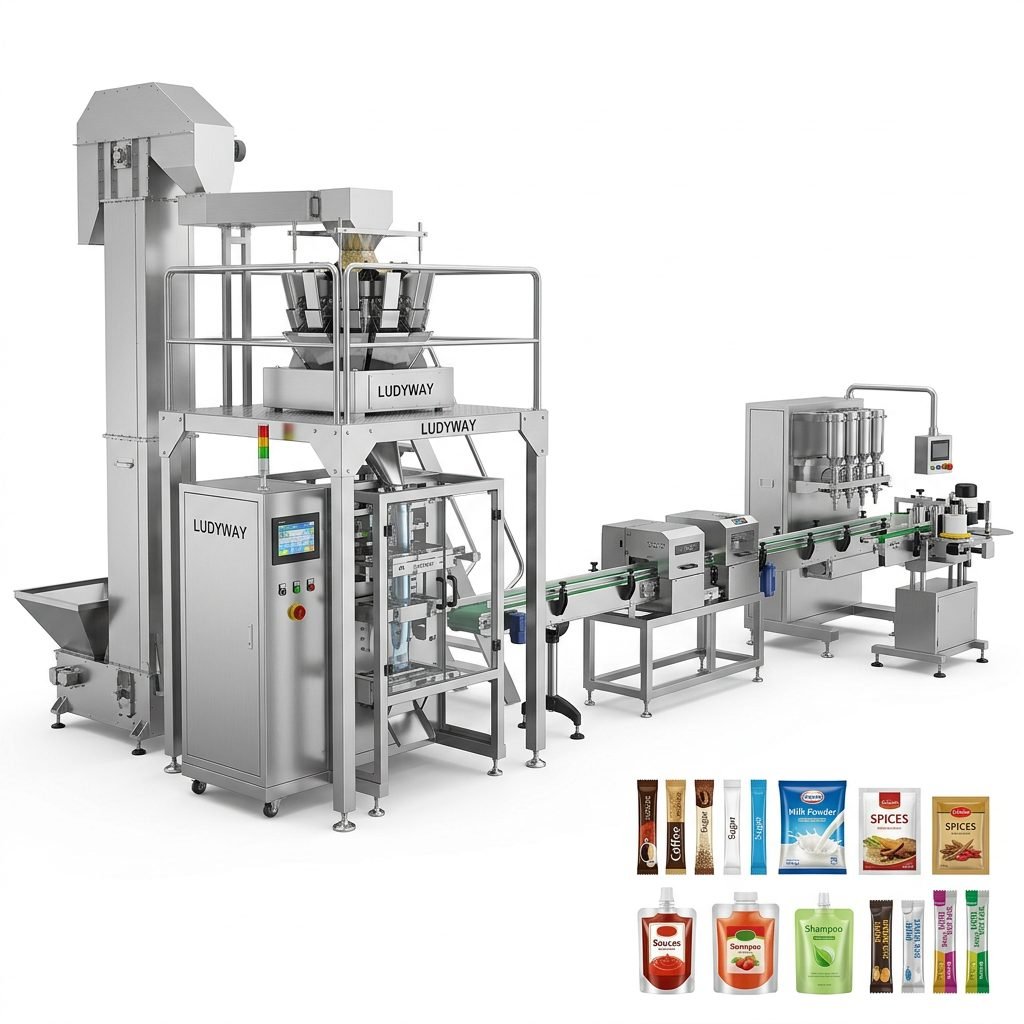
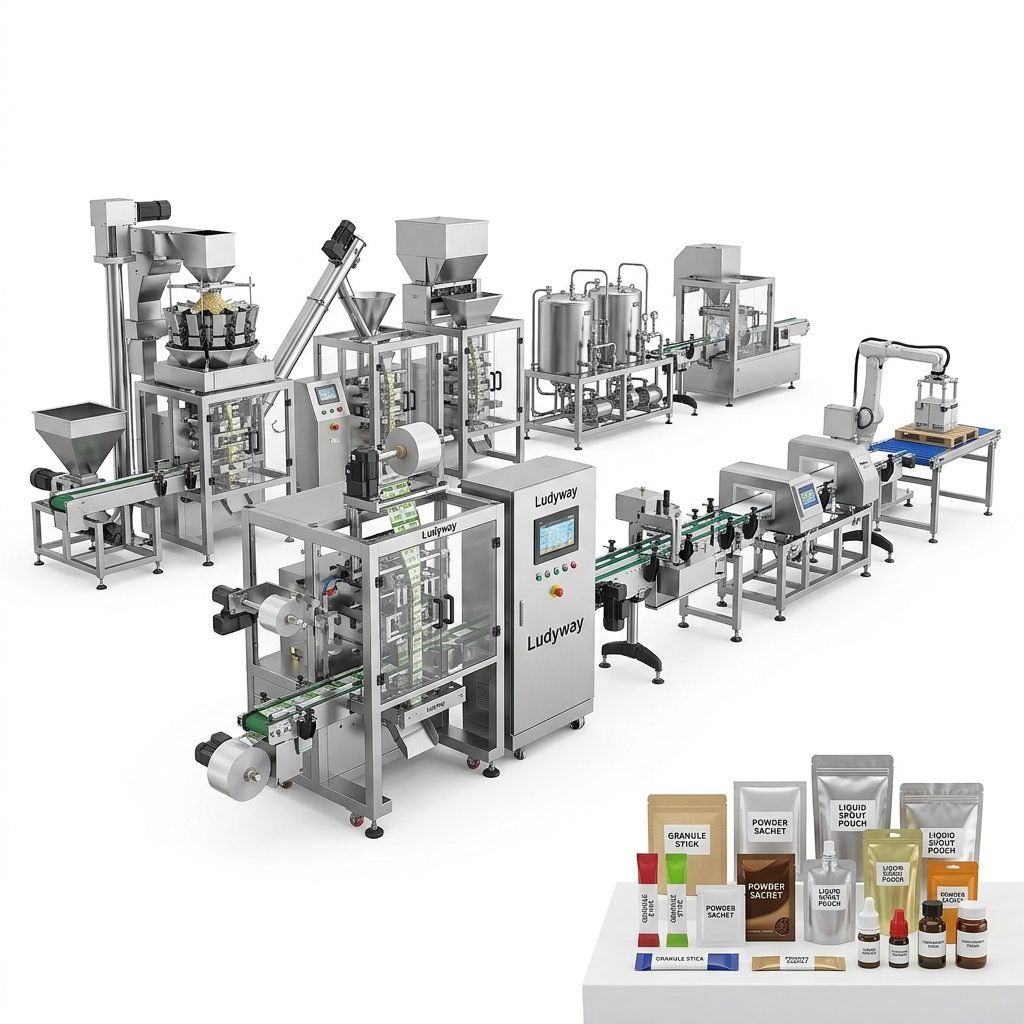
Investing in a lunch box packing machine is a strategic decision that directly impacts production efficiency, product quality, and long-term operational costs. Whether you are packaging ready-to-eat meals, snack kits, or portion-controlled ingredients, selecting the right equipment requires a thorough understanding of your product characteristics, packaging format requirements, and production goals. This comprehensive buyer’s guide walks you through the essential factors to consider before making your purchase.
Understanding Lunch Box Packing Machine Types
Modern lunch box packing machines come in various configurations, each designed for specific product types and packaging formats. The most common categories include:
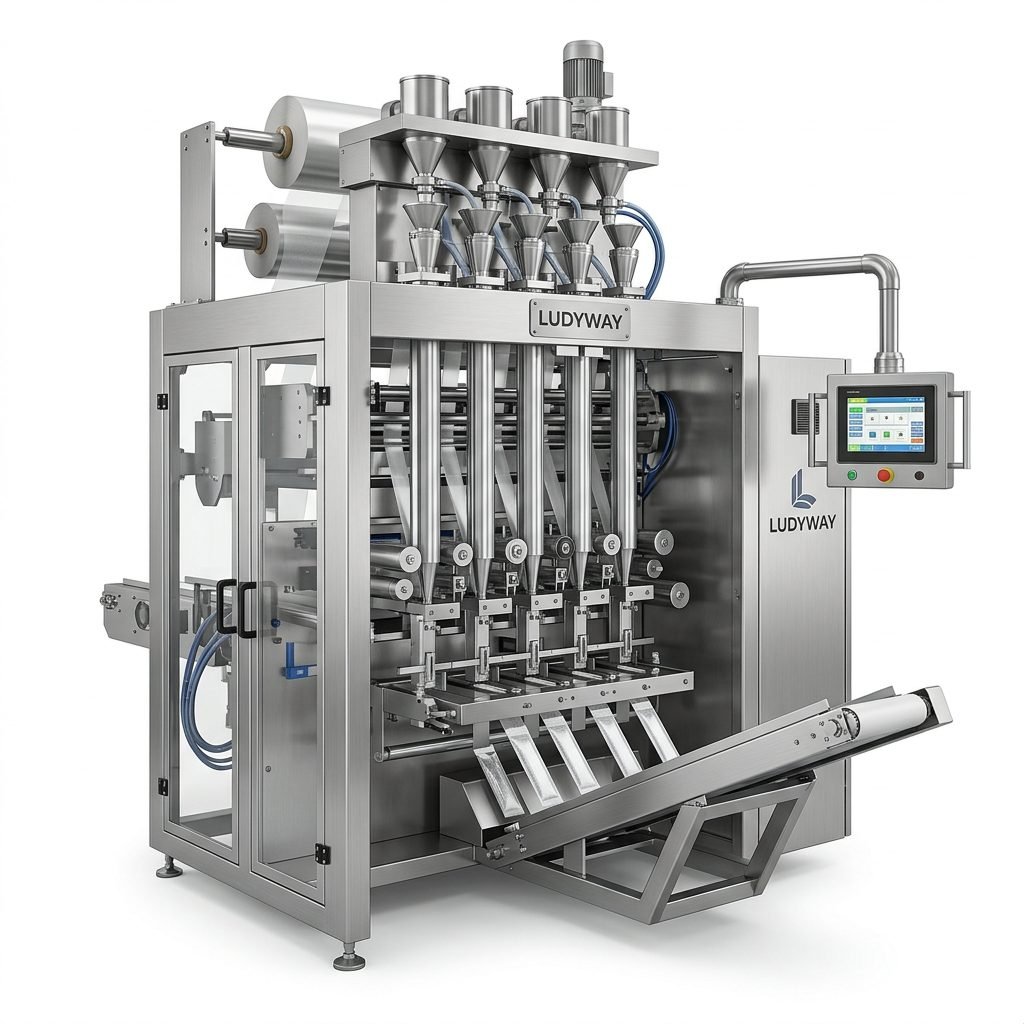
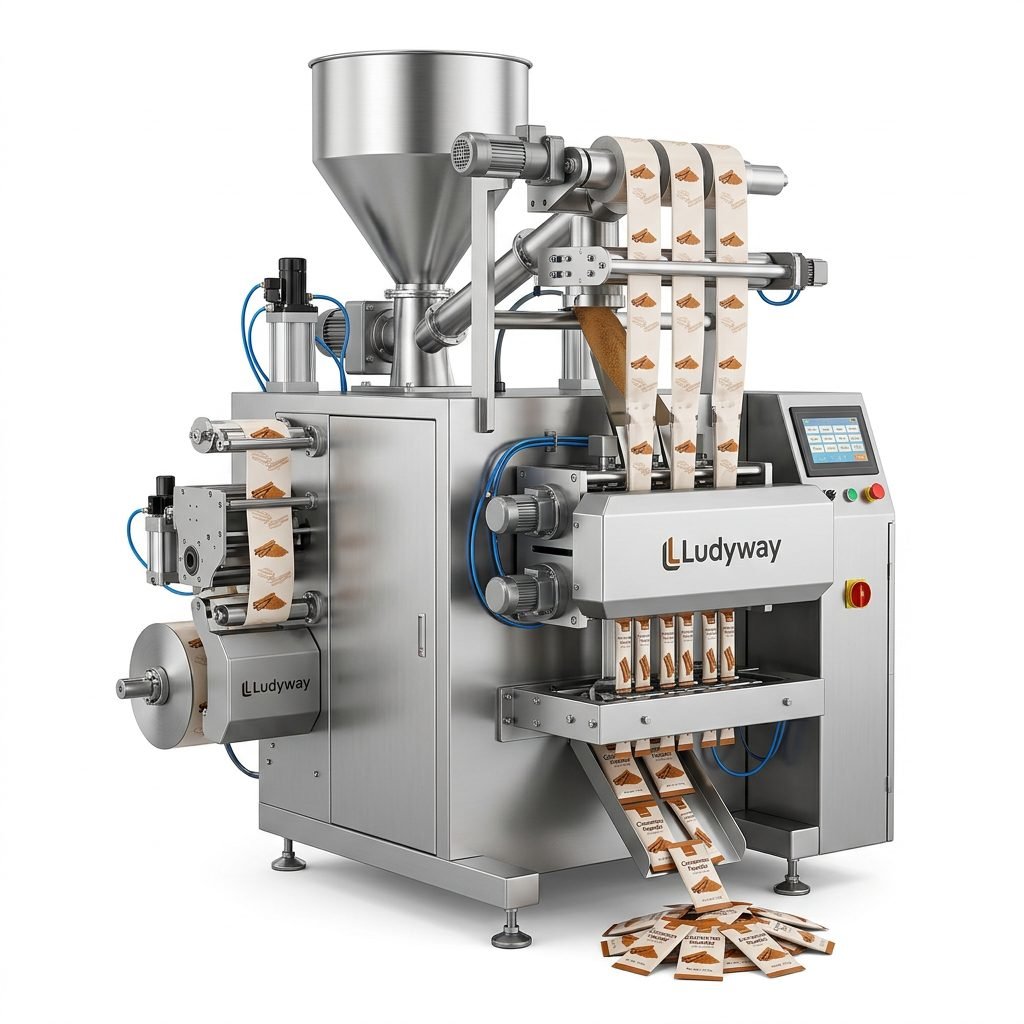
- Stick pack machines – Ideal for powders, granules, and single-serve dry products such as drink mixes, protein powders, and seasoning packets commonly included in lunch boxes.
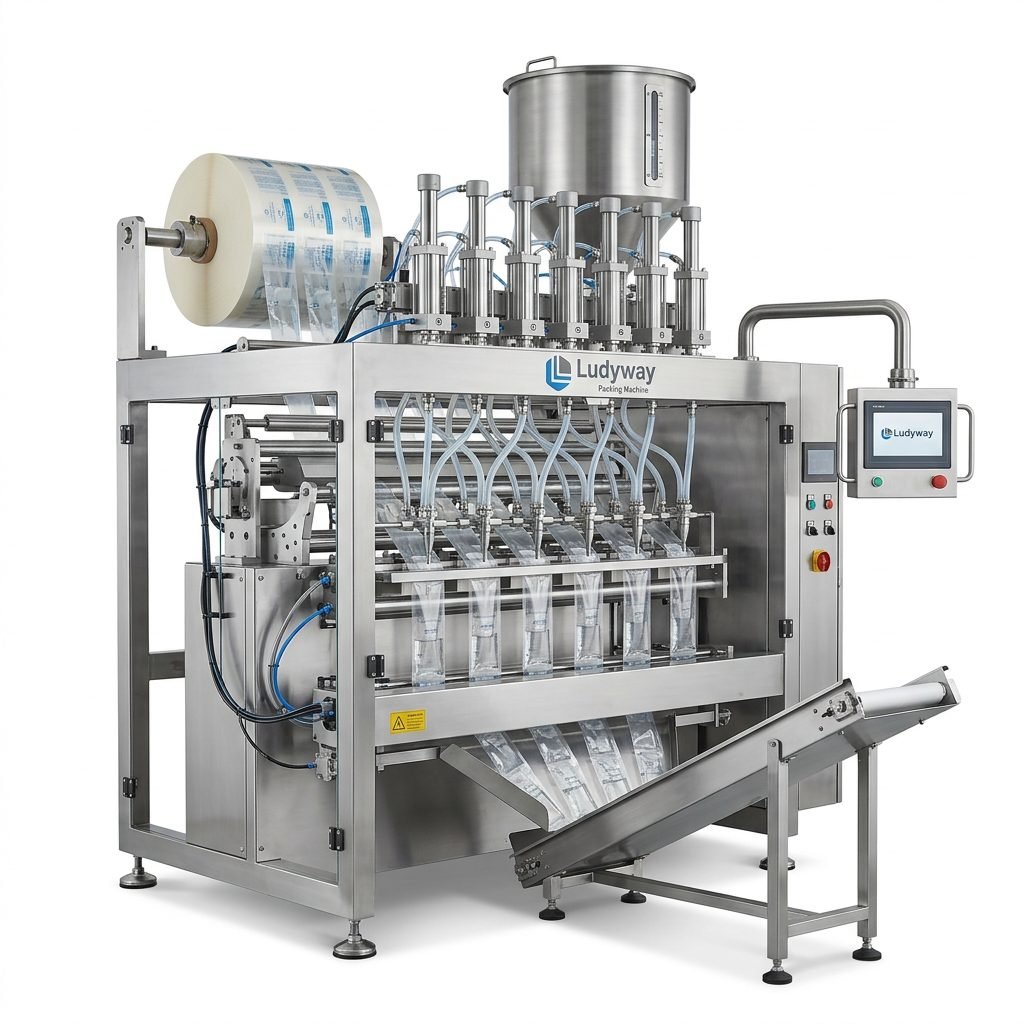
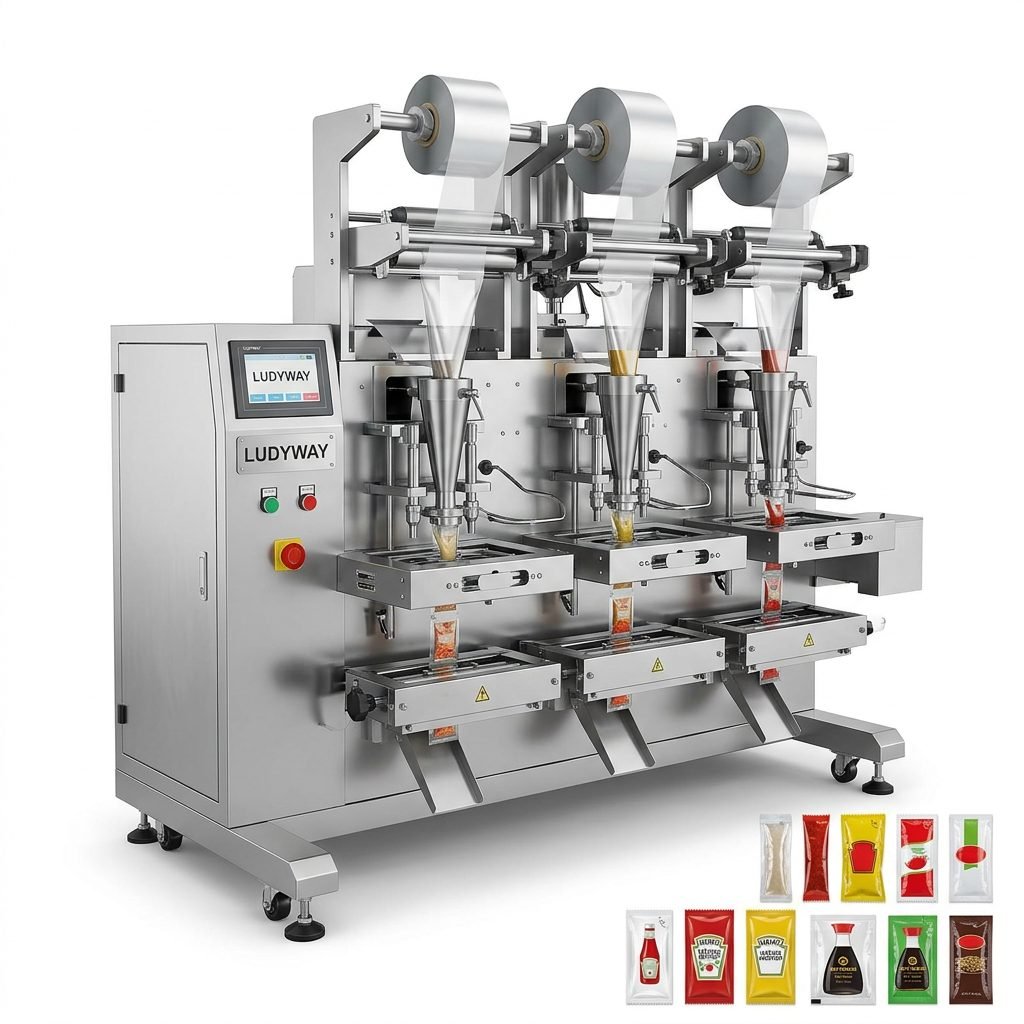
- Sachet packaging machines – Suitable for liquid, paste, and gel products like sauces, dressings, hand sanitizers, and condiment portions.
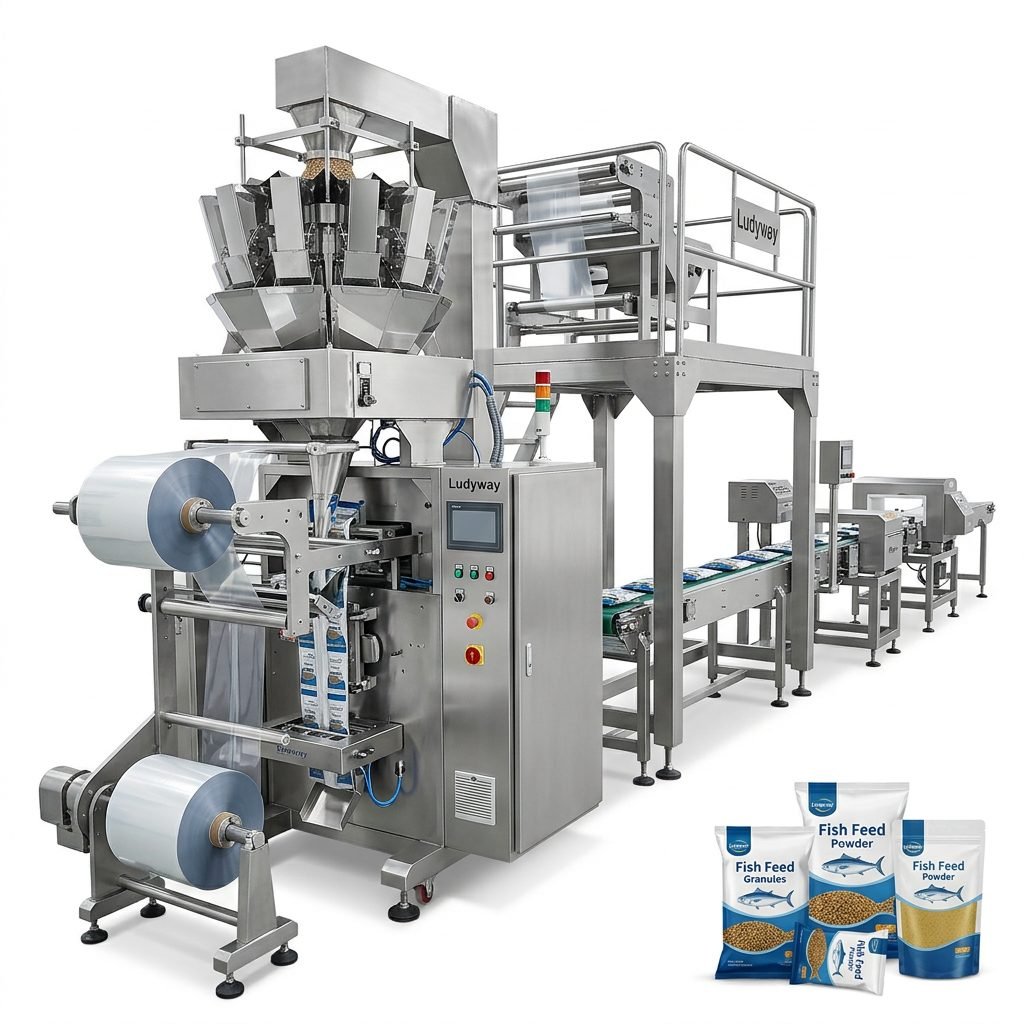
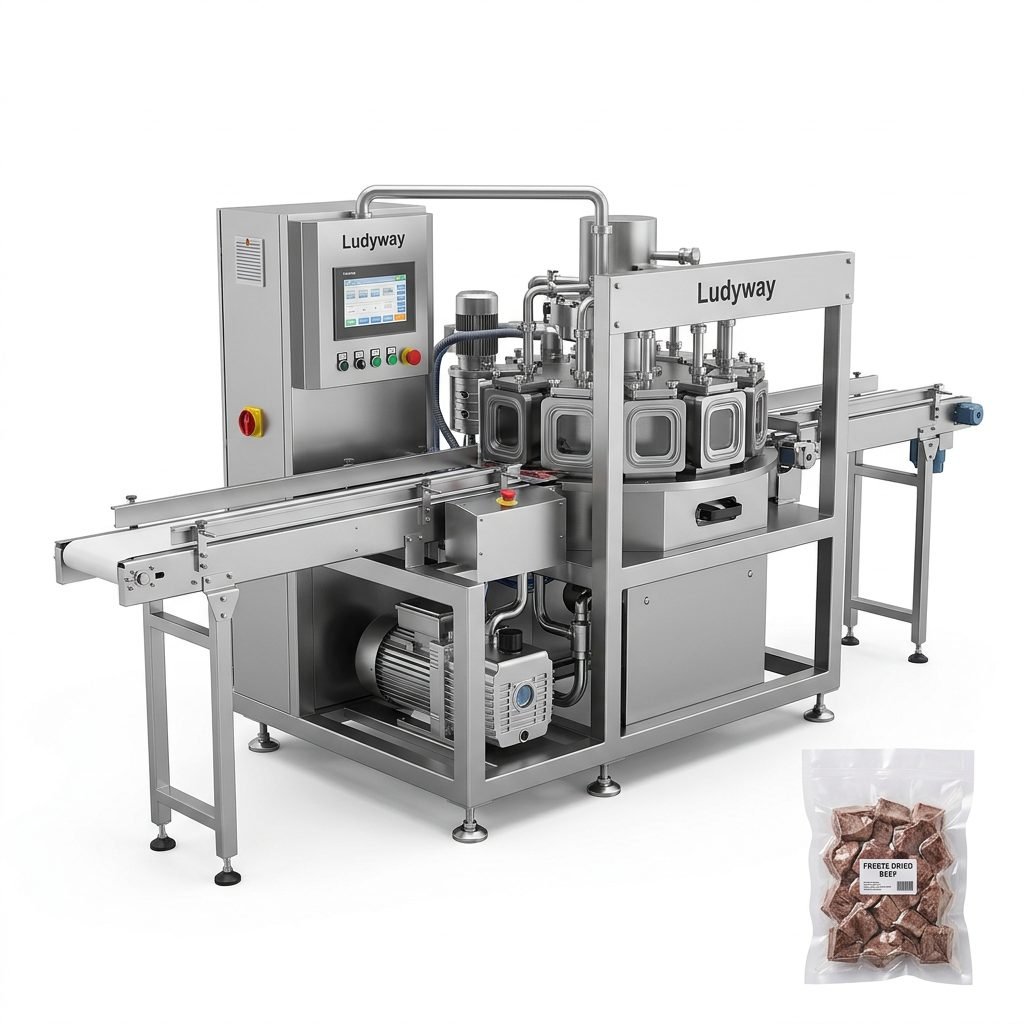
- Pouch filling and sealing machines – Designed for larger portions including ready-to-eat meals, wet wipes, and multi-component snack packs.
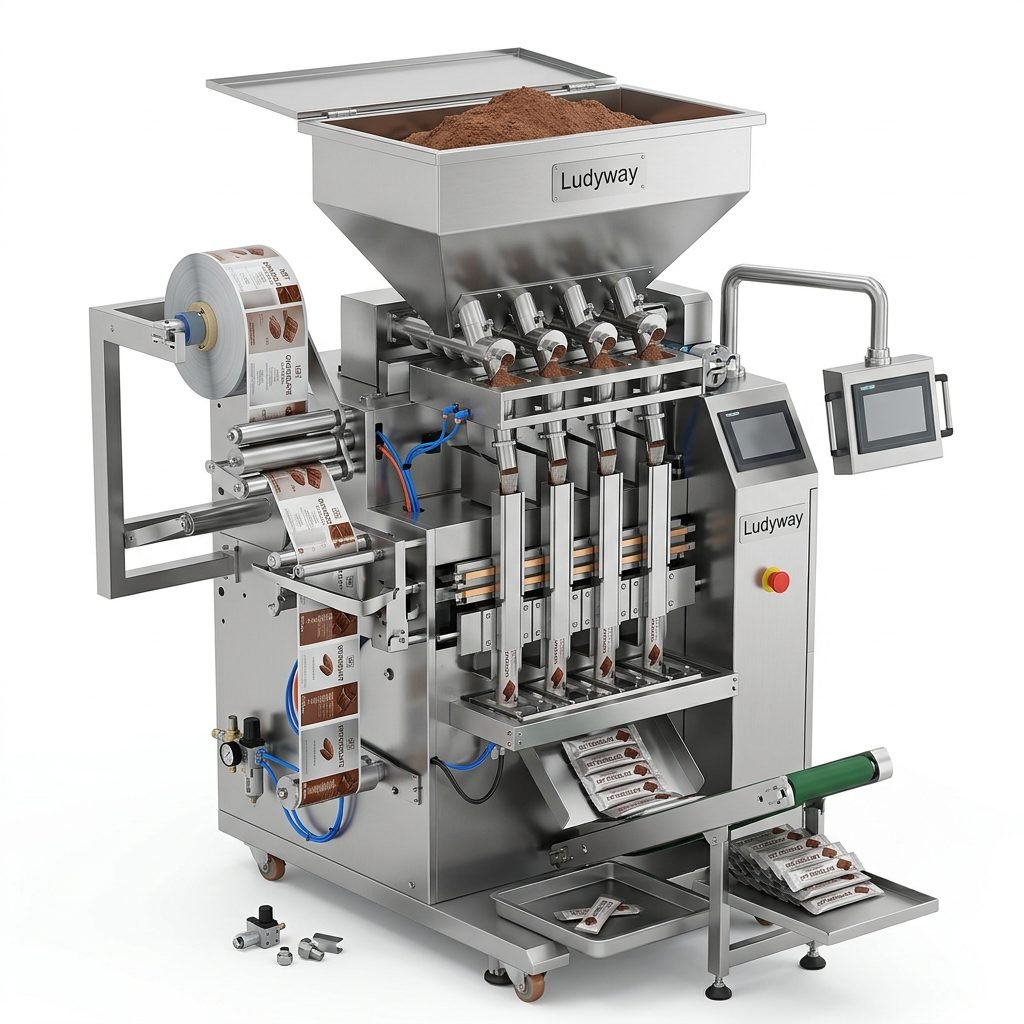
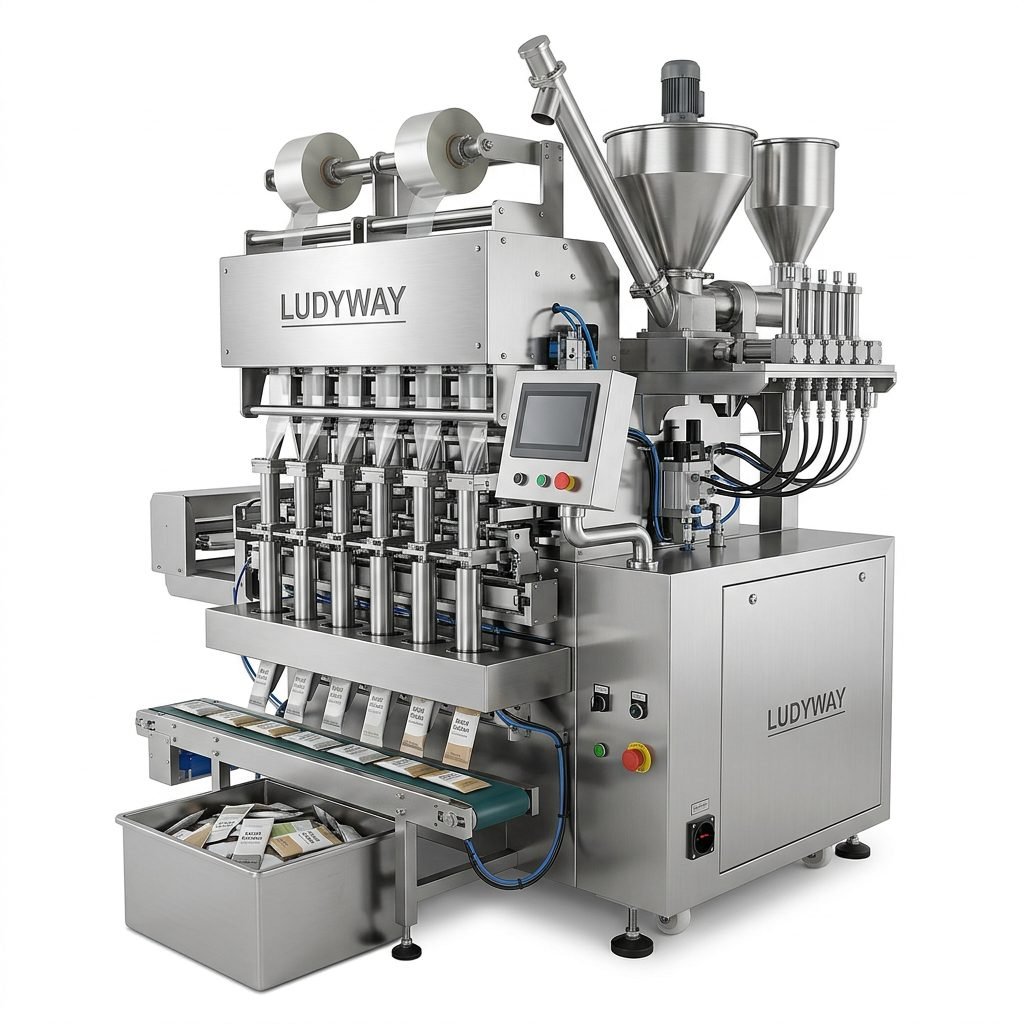
- Multi-lane packaging systems – High-speed configurations that simultaneously produce multiple packaging lanes, significantly increasing output for high-volume manufacturers.
Assessing Your Production Requirements
Before evaluating specific machine models, clearly define your production parameters. Key questions to answer include:
- What is the physical form of your product? (powder, granule, liquid, paste, solid pieces, or combination)
- What is your target production speed? (packs per minute or packs per hour)
- What packaging format do you require? (stick pack, sachet, pillow pouch, gusseted bag, or custom shape)
- What are your fill weight or volume specifications per package?
- Will you need secondary packaging integration such as cartoning, case packing, or palletizing?
According to industry data from PMMI’s business intelligence resources, packaging machinery demand continues to grow across food, pharmaceutical, and consumer goods sectors, making it critical to select equipment that can scale with future production needs.
Key Selection Factors for Your Lunch Box Packing Machine
Product Compatibility and Material Handling
The physical properties of your product determine the appropriate dosing and filling system. Powders with poor flowability may require auger fillers with agitators, while free-flowing granules work well with volumetric cup fillers or multi-head weighers. Liquids and pastes need piston pumps, gear pumps, or peristaltic dosing systems depending on viscosity and fill accuracy requirements. Always test your actual product on the machine before finalizing your purchase.
Packaging Material Compatibility
Your lunch box packing machine must be compatible with the packaging films and materials you plan to use. Common flexible packaging materials include:
- Laminated films – PET/AL/PE, PET/PE, or paper-based laminates for moisture and oxygen barrier protection
- Biodegradable films – PLA-based or other compostable materials for eco-friendly packaging
- Aluminum foil laminates – For products requiring maximum barrier properties
- Transparent films – For consumer visibility and product appeal
The Flexible Packaging Association provides extensive resources on packaging material innovations and industry standards that can help guide your material selection process.
Production Speed and Automation Level
Production speed requirements vary significantly based on market demand and distribution scale. Consider the following speed categories:
| Production Level | Speed Range | Typical Configuration | Best For |
|---|---|---|---|
| Entry-Level | 40-80 packs/min | Single-lane, semi-automatic | Small to medium manufacturers |
| Mid-Range | 80-200 packs/min | Multi-lane (4-6 lanes) | Growing brands, regional distribution |
| High-Speed | 200-600+ packs/min | Multi-lane (8-16 lanes) | Large-scale manufacturers, global export |
Technical Specifications and Compliance Standards
Depending on your industry and target markets, your packaging equipment may need to comply with specific regulatory standards. Food-grade packaging machines must meet FDA food contact substance regulations for the U.S. market, while pharmaceutical applications require adherence to GMP guidelines and validation protocols. For international markets, ISO packaging standards provide a recognized framework for equipment quality and safety.
Machine Construction and Material Quality
The build quality of your lunch box packing machine directly affects longevity, maintenance costs, and hygienic operation. Look for:
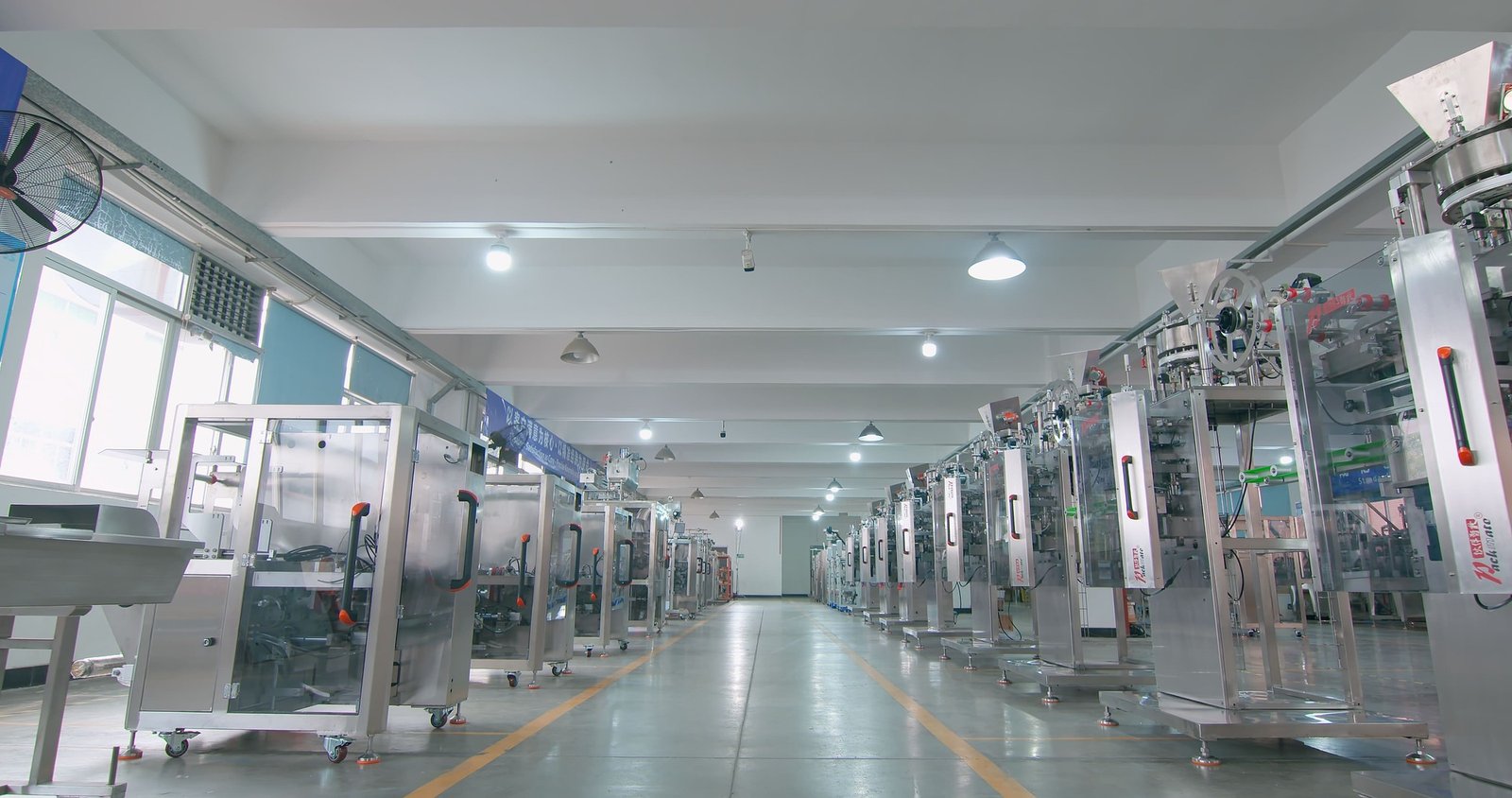
- Stainless steel construction (SS304 or SS316) for food contact surfaces and machine frame
- Washdown-ready designs for facilities requiring frequent sanitation
- Dust-proof and sealed electrical enclosures for powder handling environments
- Tool-free changeover features for quick format changes between different bag sizes
Evaluating Packaging Machinery Manufacturers
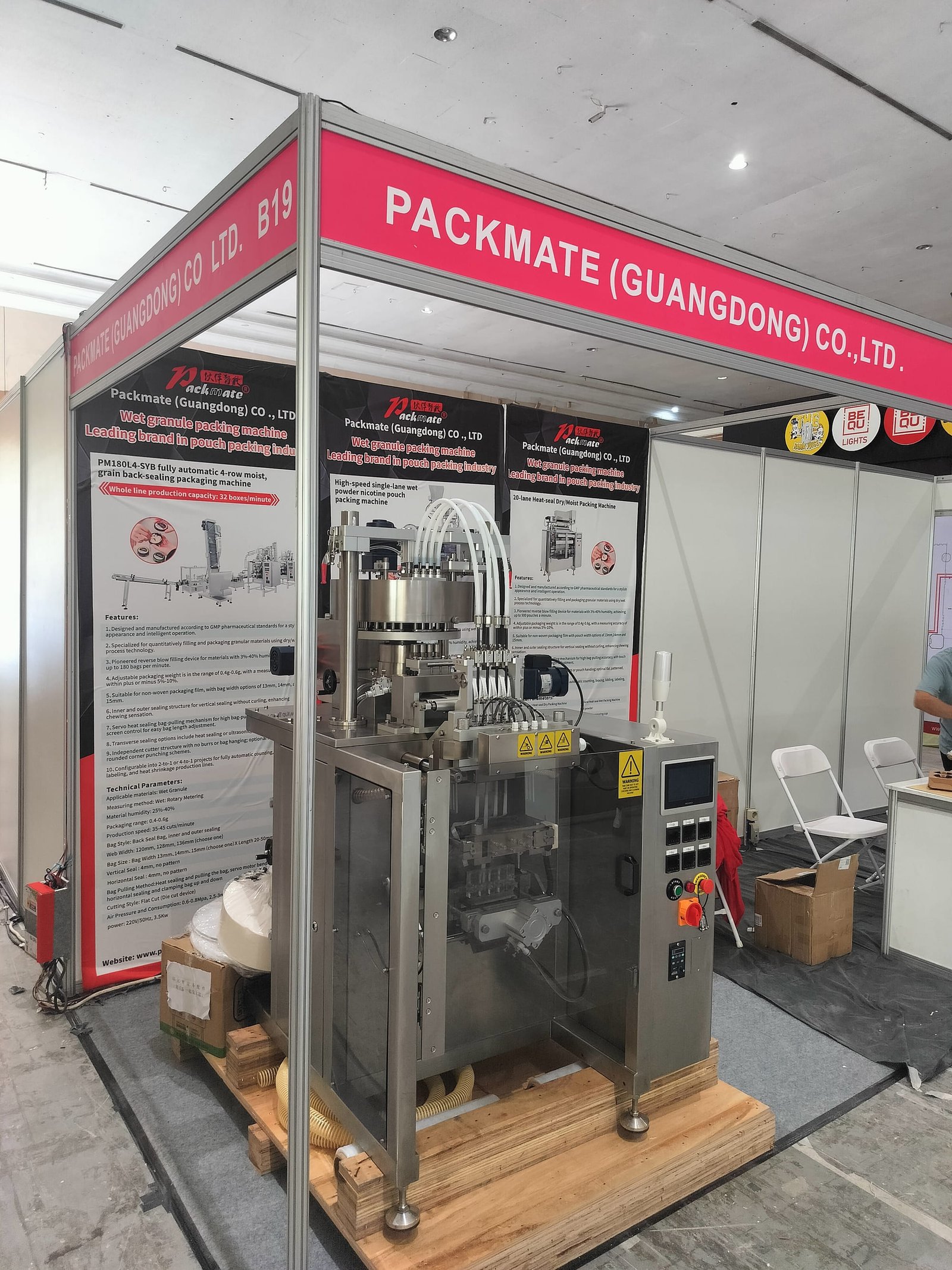
Choosing the right equipment partner is as important as selecting the machine itself. Ludyway Machinery, a China-based packaging machinery manufacturer with more than 30 years of experience, operates a 20,000-square-meter manufacturing facility with over 130 professionals and more than 50 packaging machine models. The company provides integrated packaging solutions for food and beverage, pharmaceuticals, health and nutraceutical products, cosmetics, chemicals, animal feed, and other industries. With customized engineering capabilities and turnkey packaging line expertise, Ludyway supports manufacturers worldwide. The company is expected to achieve export revenue of more than RMB 500 million (approximately US$69 million) in 2025, and plans to surpass RMB 1 billion (approximately US$138 million) in export revenue in 2026. For more details on their global growth trajectory, read the Ludyway Packaging Machinery Global Growth Trend report.
Key Questions to Ask Potential Suppliers
- Can you provide references from customers in similar industries with comparable production requirements?
- What is the typical lead time for machine manufacturing, delivery, installation, and commissioning?
- Do you offer factory acceptance testing (FAT) and site acceptance testing (SAT) before full production?
- What is your spare parts availability and typical delivery time for critical components?
- Do you provide operator training and ongoing technical support after installation?
- Can the machine be upgraded or reconfigured if our production needs change in the future?
Budget Considerations and ROI Analysis
When evaluating the cost of a lunch box packing machine, consider the total cost of ownership rather than just the initial purchase price. Key financial factors include:
- Initial equipment investment – Machine cost including customization, tooling, and optional modules
- Installation and commissioning – On-site setup, integration with existing lines, and initial calibration
- Ongoing operational costs – Packaging film consumption, energy usage, labor requirements, and maintenance
- Spare parts inventory – Recommended critical spare parts for minimizing downtime
- Training investment – Operator and maintenance personnel training for safe and efficient operation
A well-chosen machine typically delivers return on investment within 12-24 months through reduced labor costs, increased throughput, and consistent packaging quality that minimizes product waste.
After-Sales Support and Long-Term Partnership
Reliable after-sales service ensures your packaging line maintains peak performance throughout its lifecycle. Leading manufacturers offer remote technical assistance, on-site troubleshooting, preventive maintenance programs, and operator training. When evaluating suppliers, verify their service capabilities in your region and their response time commitments for both remote and on-site support. The PMMI packaging industry resources provide additional guidance on equipment maintenance best practices and operational benchmarks.
Final Recommendations
Selecting the right lunch box packing machine requires balancing technical specifications, production requirements, budget constraints, and supplier capabilities. Start by thoroughly documenting your product characteristics and production goals. Request machine demonstrations or sample packaging runs using your actual products and packaging materials. Evaluate multiple suppliers based on their industry experience, engineering capabilities, quality certifications, and after-sales support infrastructure. By taking a systematic approach to equipment selection, you can invest in a packaging solution that delivers reliable performance, scalability, and strong return on investment for years to come.