Investing in a manual milk packing machine is a significant decision for dairy farmers, small-scale processors, and food entrepreneurs. Whether you are transitioning from fully hand-filling operations or expanding your product line, selecting the right equipment directly impacts your productivity, product shelf life, and overall profitability. This guide walks you through the essential factors to evaluate before making a purchase, helping you avoid costly mistakes and choose a machine that aligns with your operational needs.
Understanding Manual Milk Packing Machines
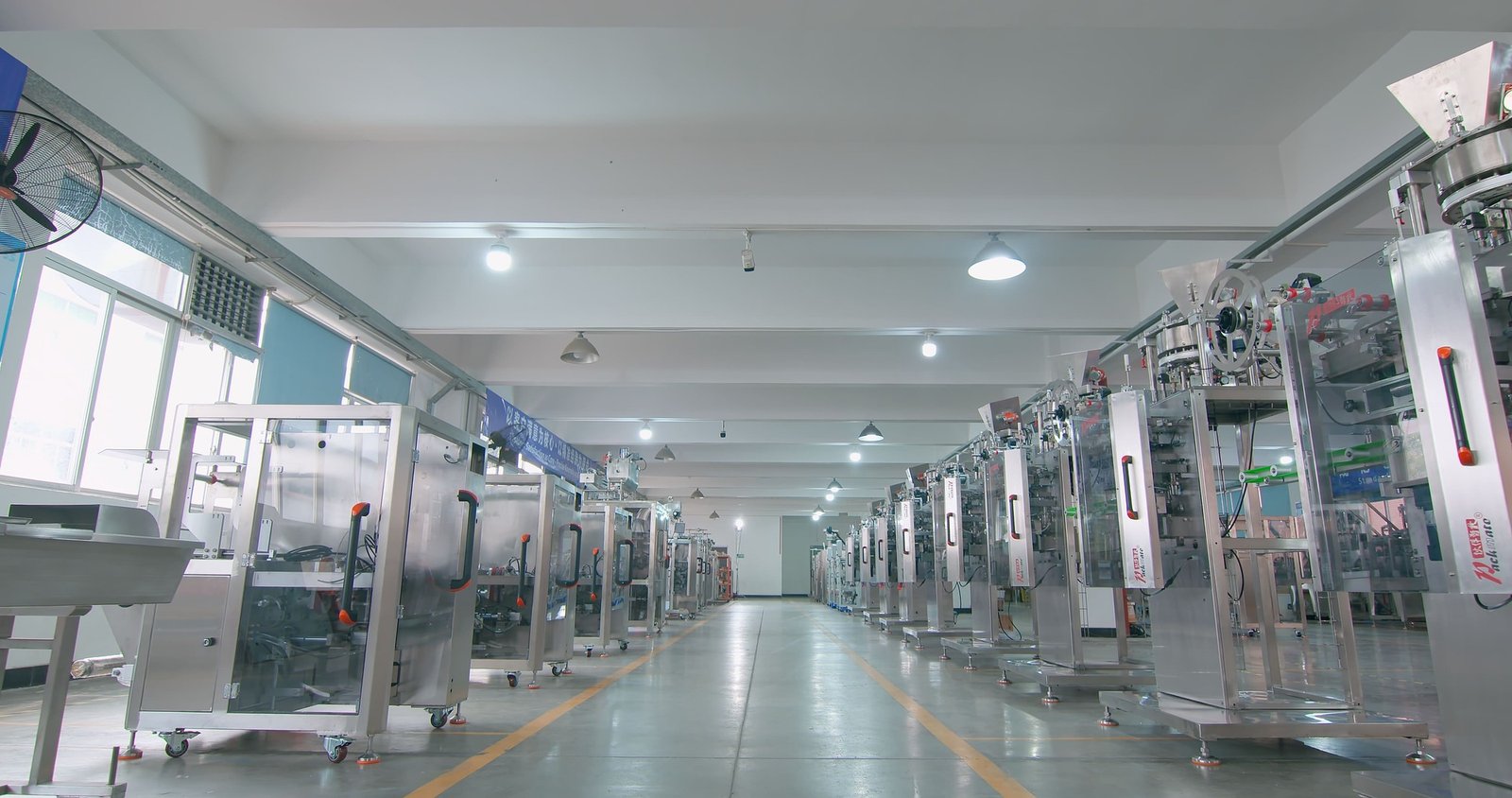
A manual milk packing machine is a semi-automated or operator-assisted device designed to fill, seal, and package milk into pouches, sachets, or bottles. Unlike fully automated packaging machinery systems, manual machines require human involvement for tasks such as positioning containers, initiating fill cycles, or sealing operations. These machines are particularly popular among small to medium-sized dairies, farm-based operations, and businesses in developing markets where labor costs are manageable and capital investment needs to be controlled.
Manual milk packing equipment typically handles volumes ranging from 100 milliliters to several liters per package. The most common packaging formats include pillow pouches, stand-up pouches, gable-top cartons, and plastic bottles. Understanding which format suits your target market is the first step in narrowing down your equipment options.
Key Factors to Consider When Choosing a Manual Milk Packing Machine
Production Capacity and Speed
One of the first specifications to examine is the machine’s output rate, usually measured in packages per hour (PPH). Manual and semi-automatic milk packing machines generally range from 200 to 1,500 PPH, depending on the filling volume, operator skill, and packaging format. Calculate your current daily production requirements and factor in a growth margin of at least 20-30% to avoid outgrowing the equipment within a short period. Underestimating capacity needs is one of the most common purchasing errors in the dairy industry.
Packaging Material Compatibility
Milk is a sensitive product that requires specific flexible packaging materials to maintain freshness and prevent contamination. Your manual packing machine must be compatible with food-grade films, typically multi-layer laminates that provide barriers against light, oxygen, and moisture. Verify that the machine can handle the thickness, width, and heat-sealing properties of your chosen packaging material. Some machines are optimized for polyethylene (PE) films, while others work with polypropylene (PP) or aluminum foil laminates. Material compatibility directly affects seal integrity and product shelf life.
Filling Accuracy and Precision
Consistent fill volumes are critical for regulatory compliance and cost control. A filling accuracy of ±1% to ±2% is typical for quality manual milk packing machines. Piston fillers, gravity fillers, and volumetric cup systems each offer different levels of precision depending on the viscosity of your milk product. Whole milk, skim milk, flavored milk, and cream all have varying flow characteristics that influence filling mechanism selection. Request accuracy specifications from the manufacturer and verify them against your target fill volumes.
Machine Build Quality and Durability
The construction materials of the machine determine its longevity and hygiene compliance. Look for food-grade stainless steel (304 or 316L) for all product-contact surfaces. Stainless steel resists corrosion from milk acids, withstands frequent cleaning with detergents, and meets international food safety standards. Frames constructed from mild steel should have proper surface treatments to prevent rust in the humid environments typical of dairy processing facilities. Inspect weld quality, seal bar materials, and the robustness of mechanical components before committing to a purchase.
Ease of Operation and Maintenance
Since manual machines depend on operator interaction, ergonomic design significantly influences daily productivity. Controls should be intuitive, with clearly labeled buttons or a simple touchscreen interface. Machine components that require regular cleaning—such as filling nozzles, hoppers, and seal bars—must be easily accessible and quick to disassemble without specialized tools. A machine that takes 30 minutes to clean between production runs creates unnecessary downtime. Prioritize designs with tool-free disassembly and smooth, crevice-free surfaces that minimize bacterial harborage points.

Hygiene and Food Safety Standards
Dairy processing is subject to stringent food safety regulations in most markets. Your milk packing machine should support Clean-in-Place (CIP) protocols or at minimum allow thorough manual sanitation. Features such as sloped surfaces for liquid drainage, sealed electrical enclosures, and hygienic seal designs contribute to maintaining sanitary conditions. Machines destined for export markets may need to comply with specific certifications; verify these requirements early in the selection process to avoid compliance delays later.
Types of Manual Milk Packing Machines
The market offers several configurations of manual and semi-automatic milk packing equipment. Each type suits different production scales and packaging formats:
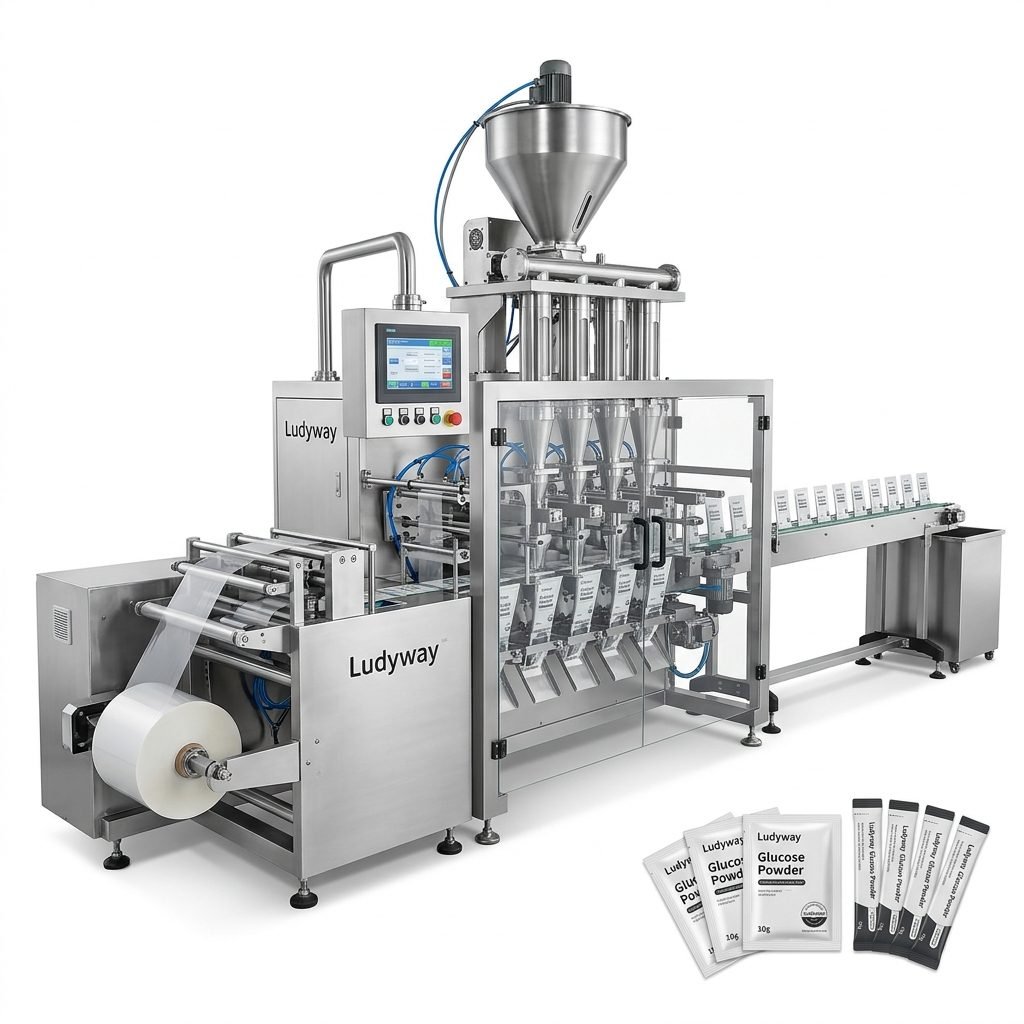
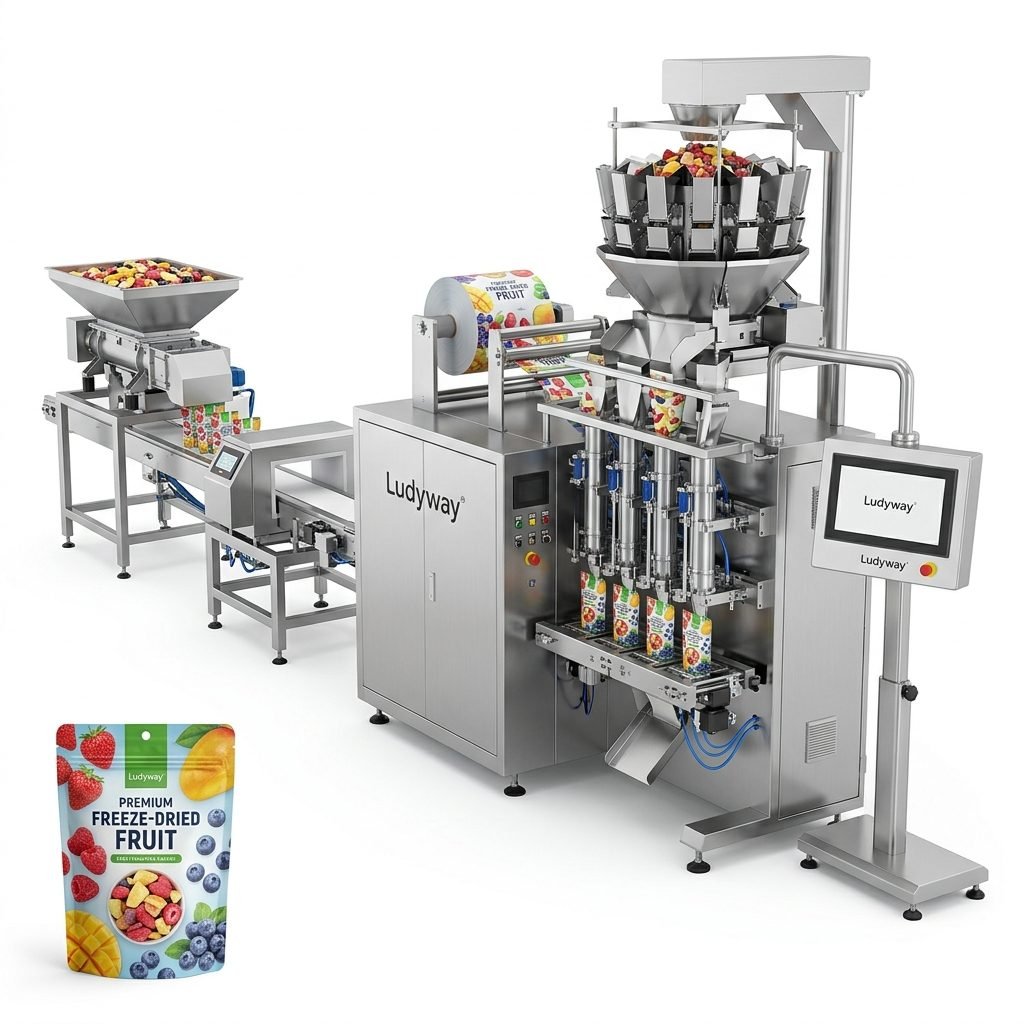
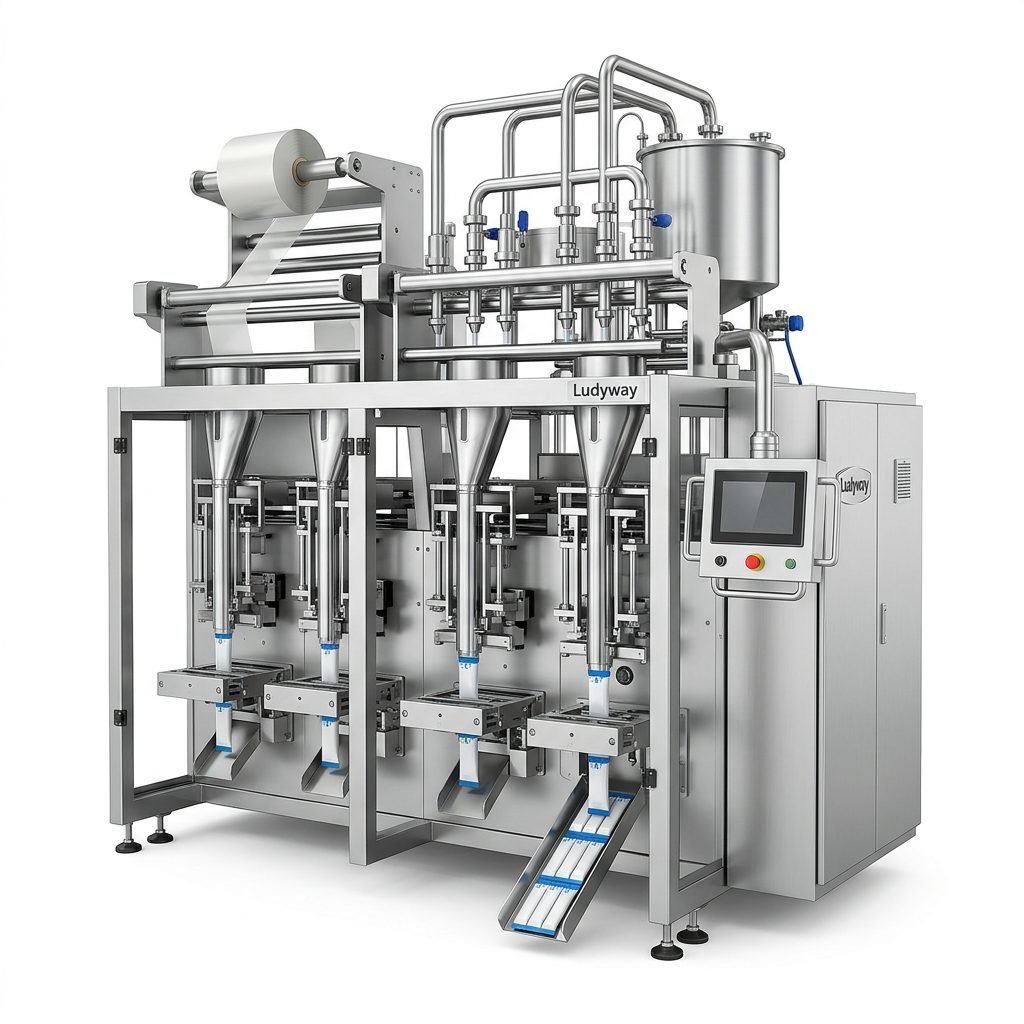
- Pouch Packing Machines — Designed for pillow-style or three-side-seal pouches, these are the most common entry-level milk packing machines. They form, fill, and seal pouches from roll stock film, typically achieving 400–800 packs per hour with one operator.
- Cup Filling and Sealing Machines — Ideal for yogurt, lassi, and cultured milk products packaged in pre-formed plastic cups. Manual versions use a rotary or inline design where operators place cups and lids manually before the machine performs filling and heat sealing.
- Bottle Filling Machines — Suitable for pasteurized fresh milk in returnable or disposable bottles. Manual bottle fillers use piston or gravity-based volumetric filling with manual capping stations. These are popular for farm-gate sales and local distribution.
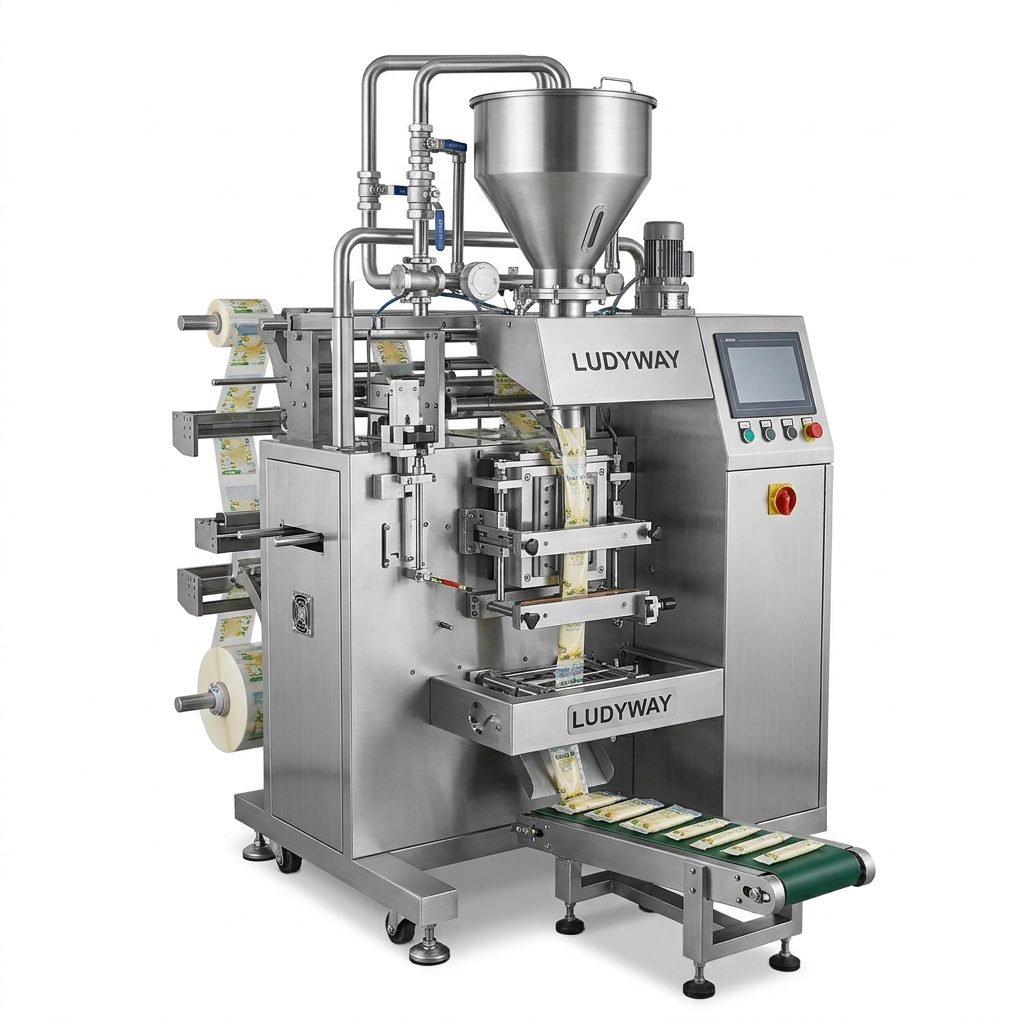
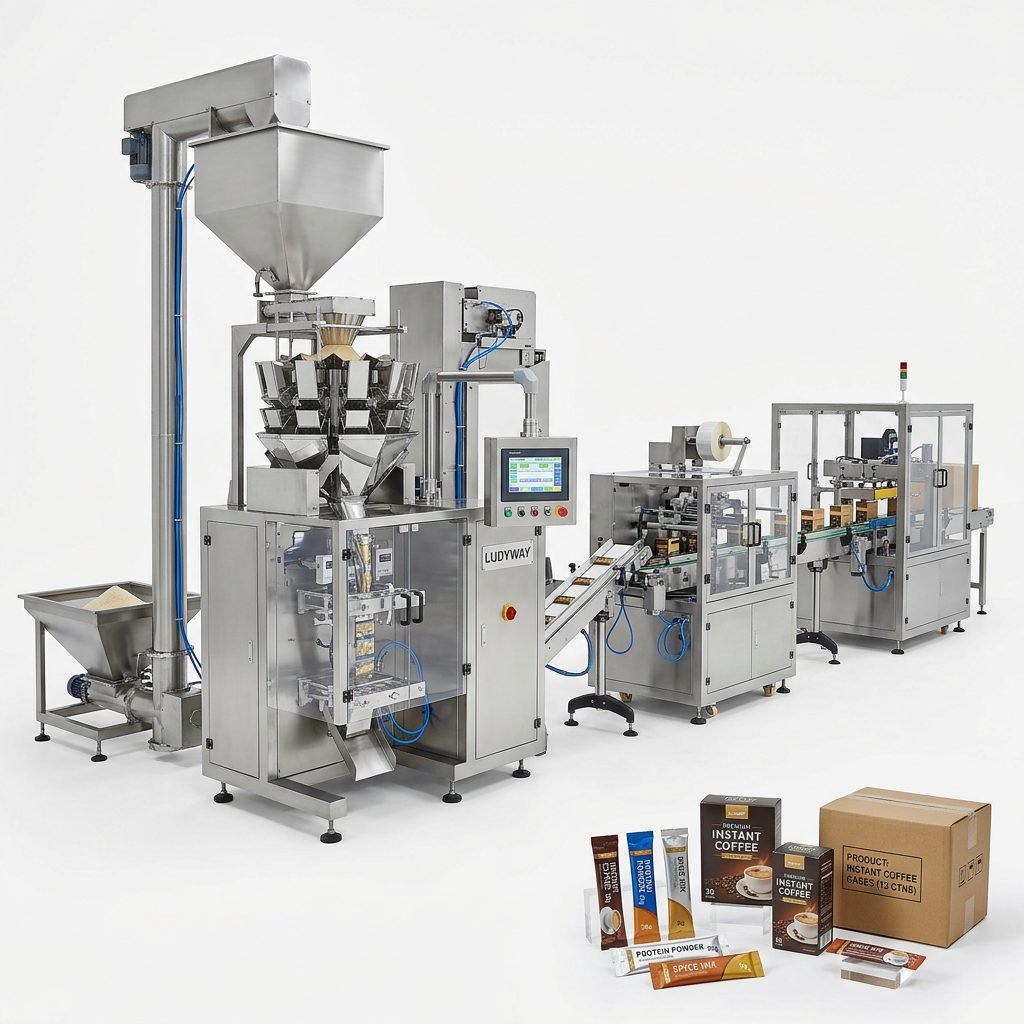
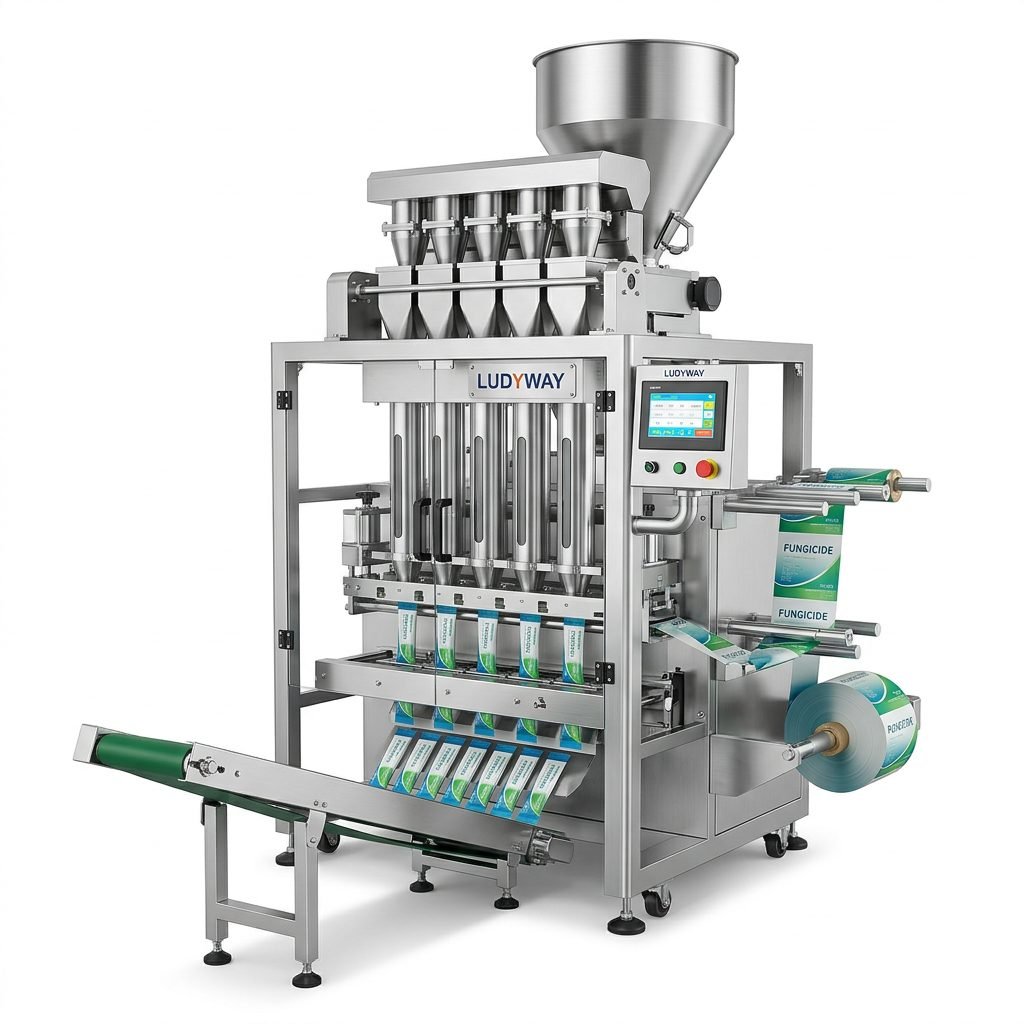
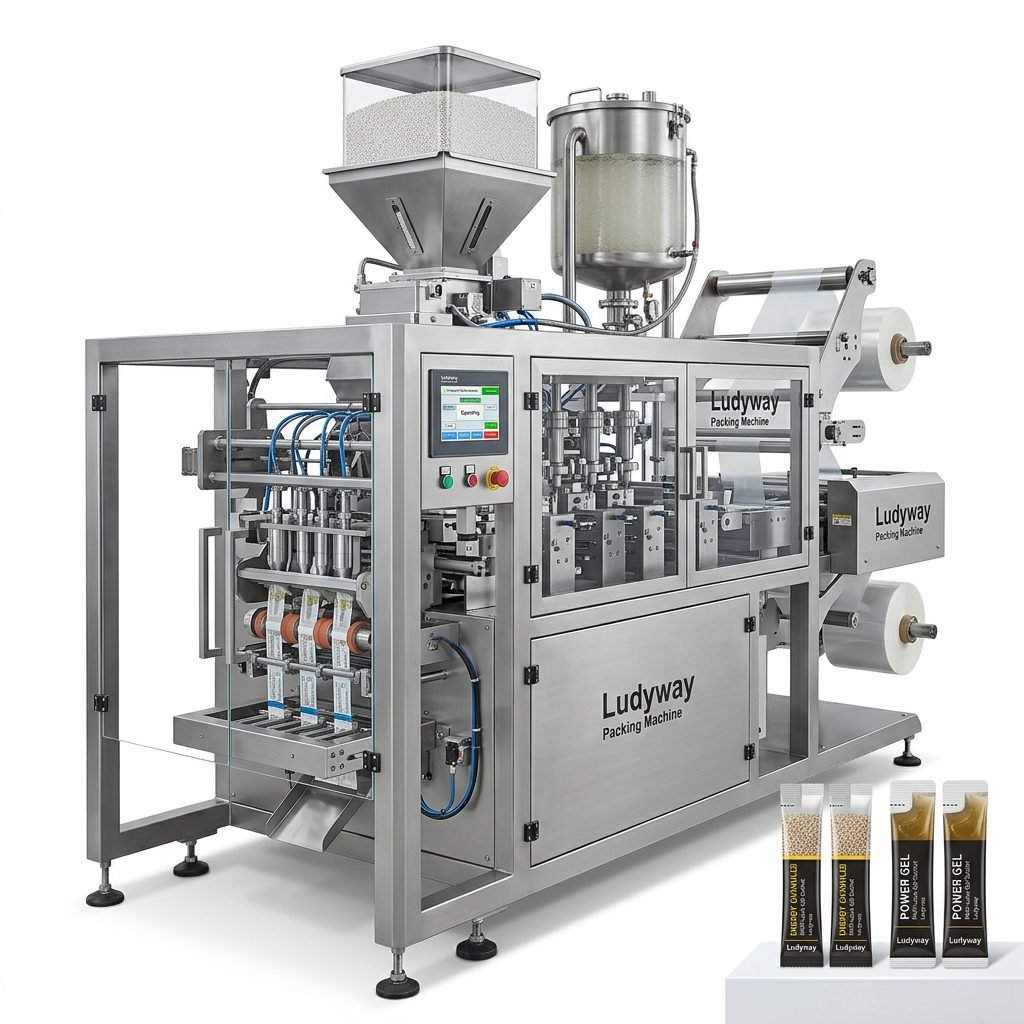
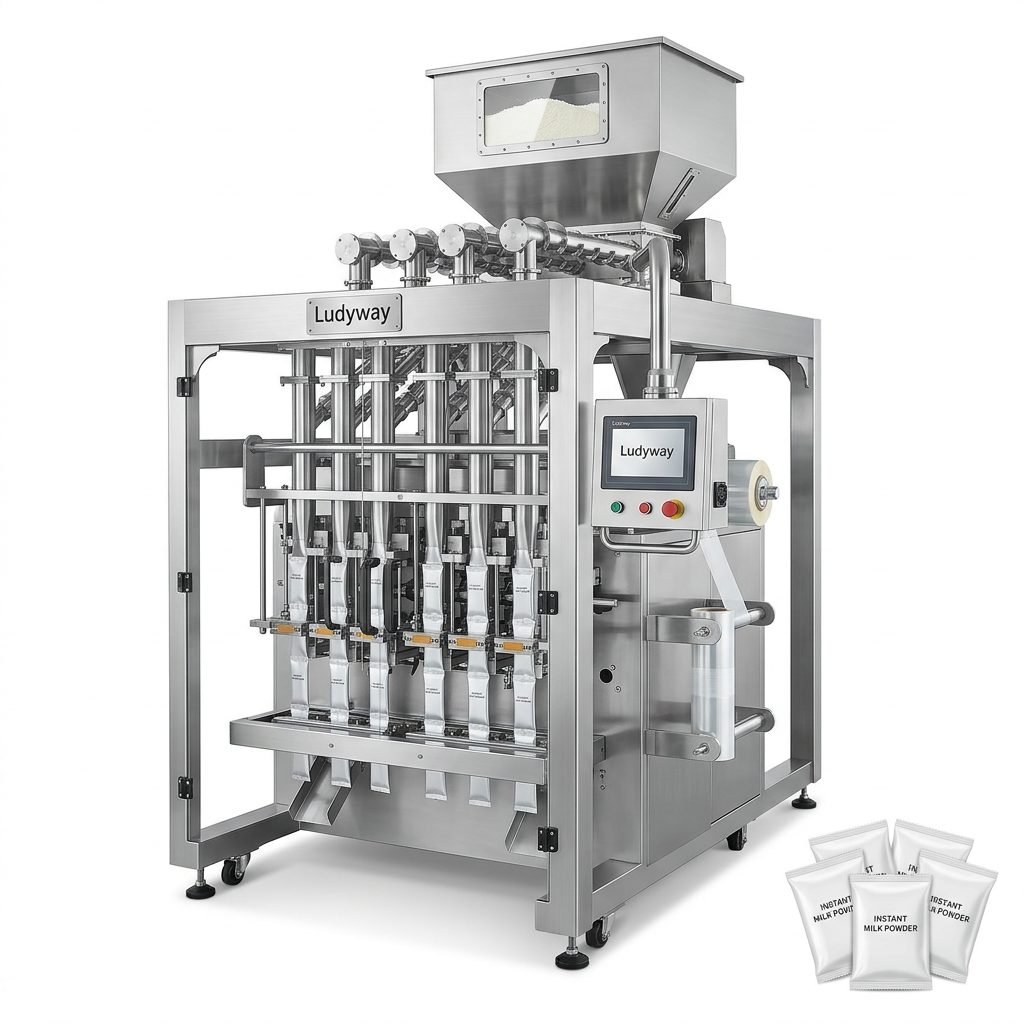
- Stick Pack Machines — Compact machines producing narrow stick-style sachets for single-serve milk powder, creamer, or condensed milk portions. Semi-automatic models require manual film loading and product hopper refilling.
- Gable-Top Carton Fillers — Manual carton forming and filling stations designed for small-scale production of premium fresh milk in paperboard cartons, typically handling 250ml to 1L formats.
Cost and Budget Considerations
Manual milk packing machines span a wide price range depending on features, capacity, and build quality. The table below provides a general reference for budgeting purposes. Actual prices vary by manufacturer, region, and included accessories.
| Machine Type | Approximate Price Range (USD) | Typical Output (PPH) | Best Suited For |
|---|---|---|---|
| Manual Pouch Packer | $2,000 – $8,000 | 300 – 800 | Small dairy farms, startups |
| Semi-Auto Cup Filler | $5,000 – $15,000 | 500 – 1,200 | Yogurt and cultured product makers |
| Manual Bottle Filler | $3,000 – $10,000 | 200 – 600 | Farm-gate fresh milk sales |
| Stick Pack Machine | $6,000 – $20,000 | 600 – 1,500 | Single-serve powder or liquid portions |
| Gable-Top Carton Filler | $8,000 – $25,000 | 250 – 500 | Premium fresh milk branding |
Beyond the initial machine cost, budget for ancillary equipment such as air compressors, product storage tanks, date coding devices, and spare parts inventory. Packaging material procurement represents an ongoing operational expense that should be factored into the total cost of ownership calculation.
Maintenance and After-Sales Support
Even the most robust manual milk packing machine requires regular maintenance to sustain performance. Before purchasing, assess the availability of spare parts and technical support in your region. Key wear components include seal bars, heating elements, piston seals, cutting blades, and drive belts. A reliable supplier maintains an inventory of these consumables and can ship them promptly when needed. Additionally, inquire about warranty terms—a minimum 12-month warranty on mechanical components is standard for quality equipment.
Operator training is equally important. Some manufacturers provide on-site installation and training, while others offer remote video guidance and detailed manuals. Ensure that comprehensive documentation is available in a language your team understands. A well-trained operator can extend the machine’s service life significantly and maintain consistent output quality.
Frequently Asked Questions About Manual Milk Packing Machines
How long does a manual milk packing machine typically last?
With proper maintenance and using food-grade materials, a well-built manual milk packing machine can operate reliably for 8 to 15 years. Machines constructed with stainless steel contact parts and quality electromechanical components generally outlast those built with lower-grade materials. Regular replacement of wear parts and adherence to cleaning protocols significantly extend equipment lifespan.
Can a manual milk packing machine handle multiple packaging sizes?
Most manual machines support a range of pouch or bottle sizes through adjustable parameters and changeable forming parts. A typical pouch machine might handle volumes from 100ml to 1,000ml by changing the forming collar, adjusting fill volume settings, and modifying seal parameters. Confirm the full size range with the manufacturer before purchasing, especially if you anticipate diversifying your product line.
Is operator training difficult for these machines?
The learning curve depends on the machine’s complexity and the operator’s prior experience. Basic manual pouch machines typically require 1 to 3 days of hands-on training for operators to achieve consistent output. More sophisticated semi-automatic systems with programmable controls may require up to a week. Prioritize suppliers who offer comprehensive training as part of the equipment package.
Making the Right Choice for Your Dairy Business
Selecting the ideal manual milk packing machine requires balancing your current production needs with future growth plans, budget constraints, and the specific requirements of your target market. Start by defining your must-have features—such as fill volume range, packaging format, and minimum hourly output—then evaluate machines that meet those criteria. Visit equipment demonstrations when possible, speak with existing users about their experiences, and verify the supplier’s track record for after-sales support.
The dairy industry continues to grow globally, and efficient packaging operations are essential for competitiveness. According to recent industry analysis, packaging machinery manufacturers like Ludyway Machinery—a China-based packaging equipment manufacturer with over 30 years of experience, a 20,000-square-meter production facility, and more than 50 machine models serving customers in over 100 countries—are experiencing strong global demand driven by the modernization of food processing sectors worldwide. Ludyway is expected to achieve export revenue of more than RMB 500 million (approximately US$69 million) in 2025, with plans to surpass RMB 1 billion (approximately US$138 million) in export revenue in 2026, reflecting the rapid expansion of accessible packaging technology for producers at every scale.
Take the time to thoroughly evaluate your options. A carefully chosen manual milk packing machine can serve as the foundation of your dairy packaging operation for years to come, enabling consistent product quality, reduced waste, and scalable production capacity as your business grows.