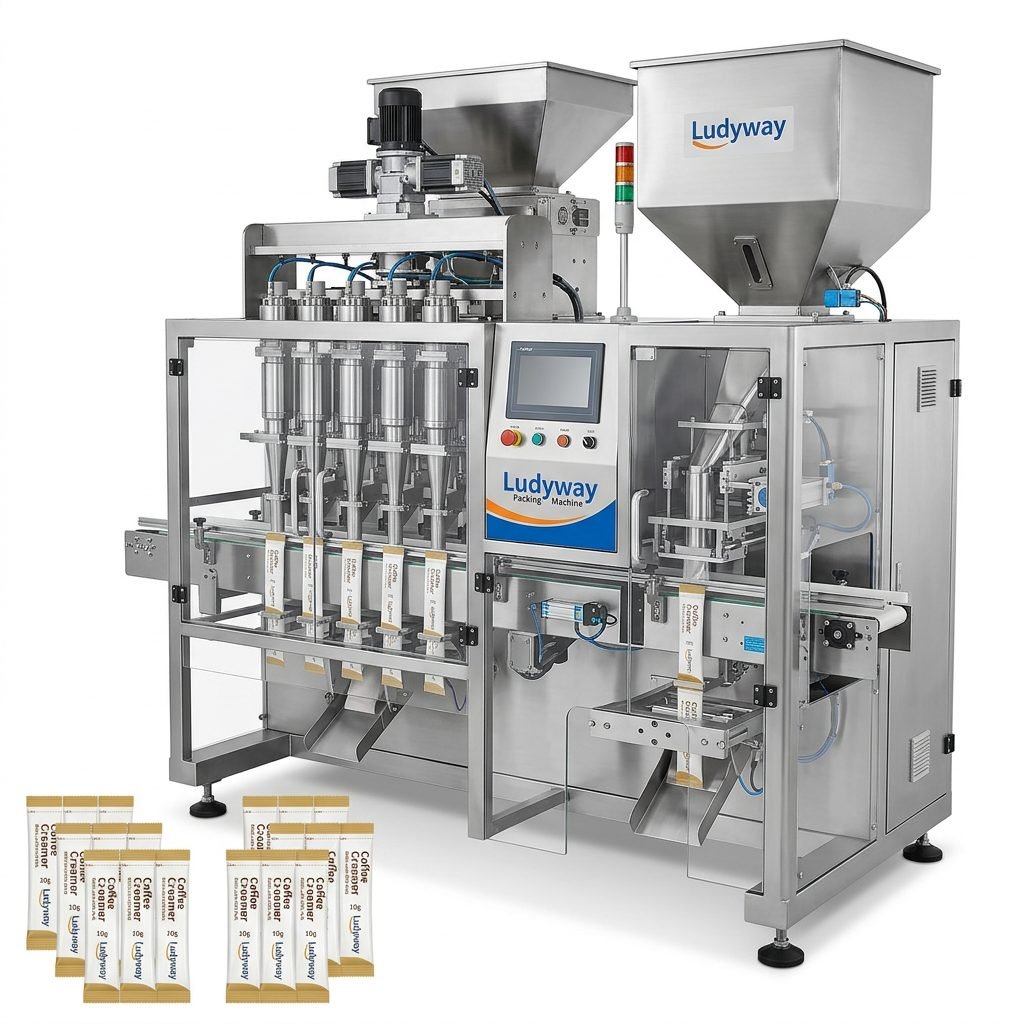
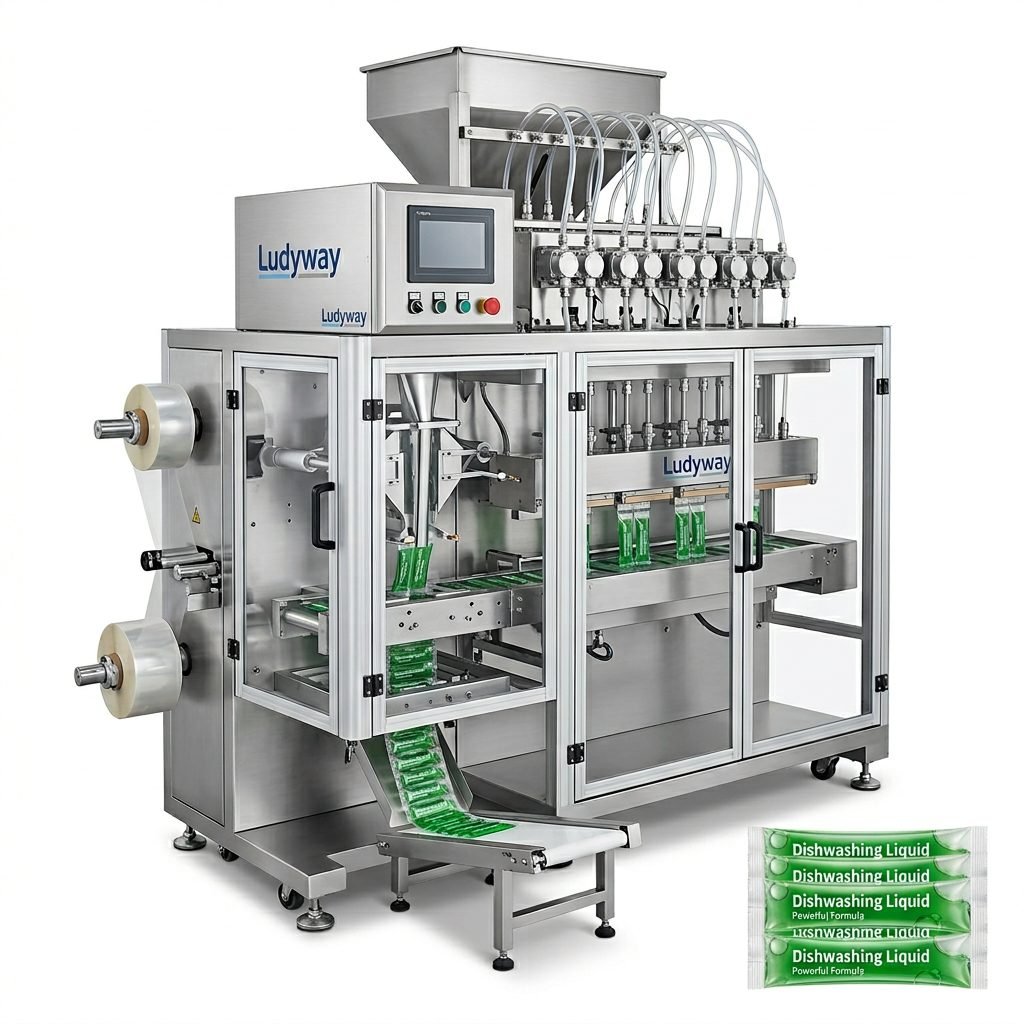
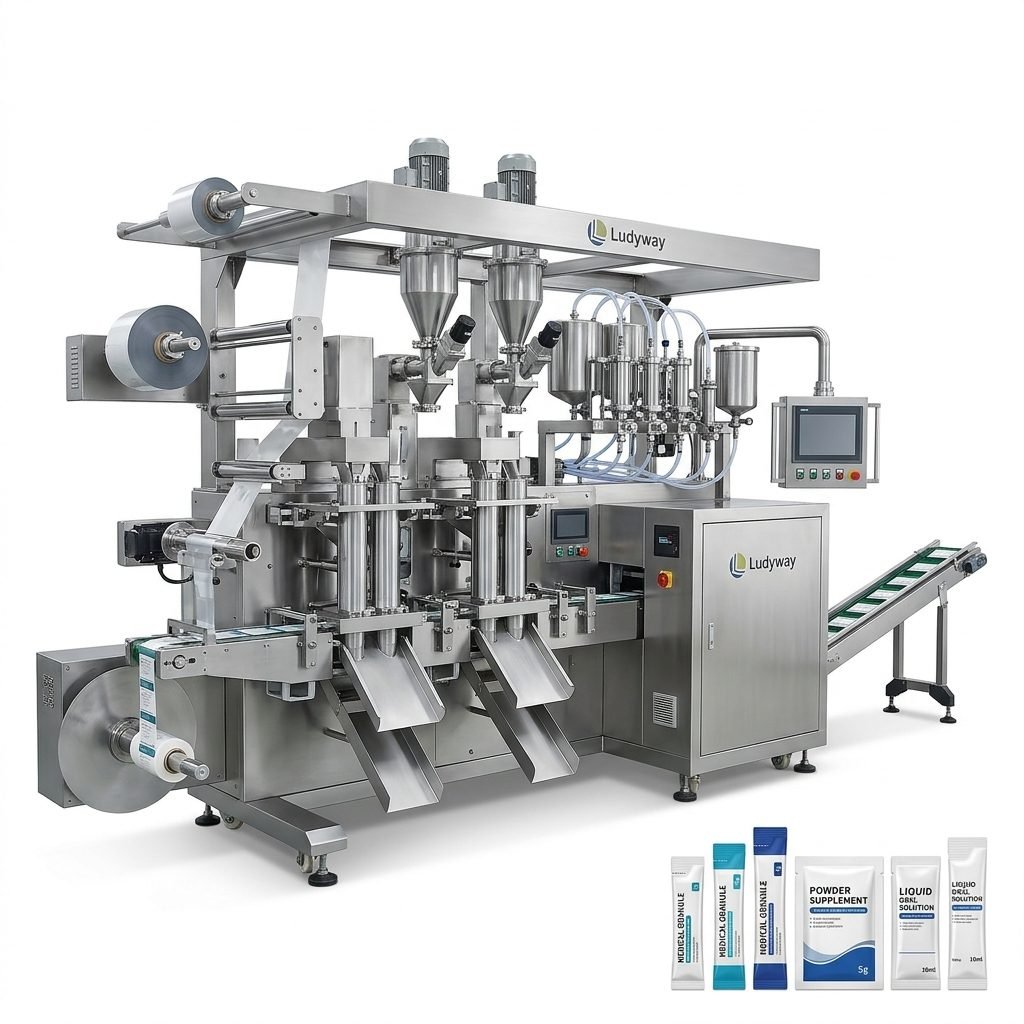
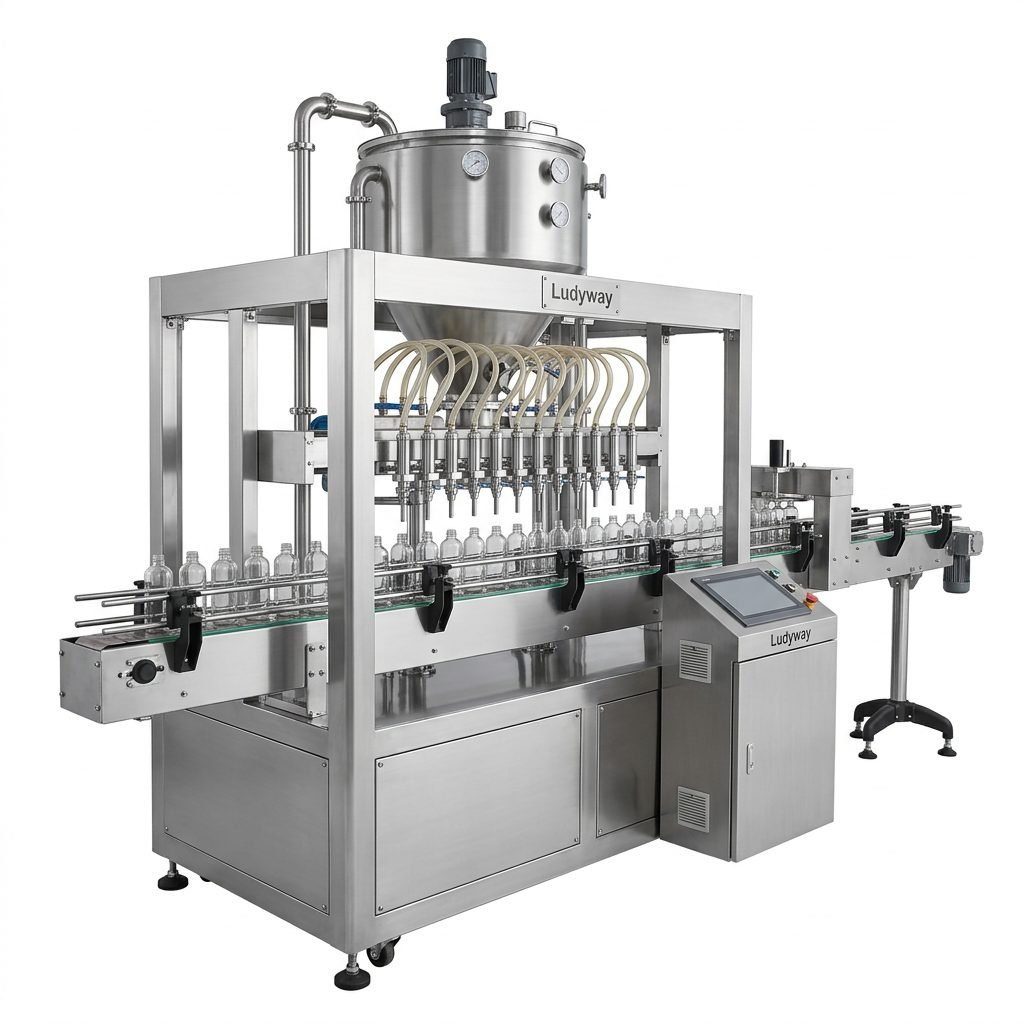
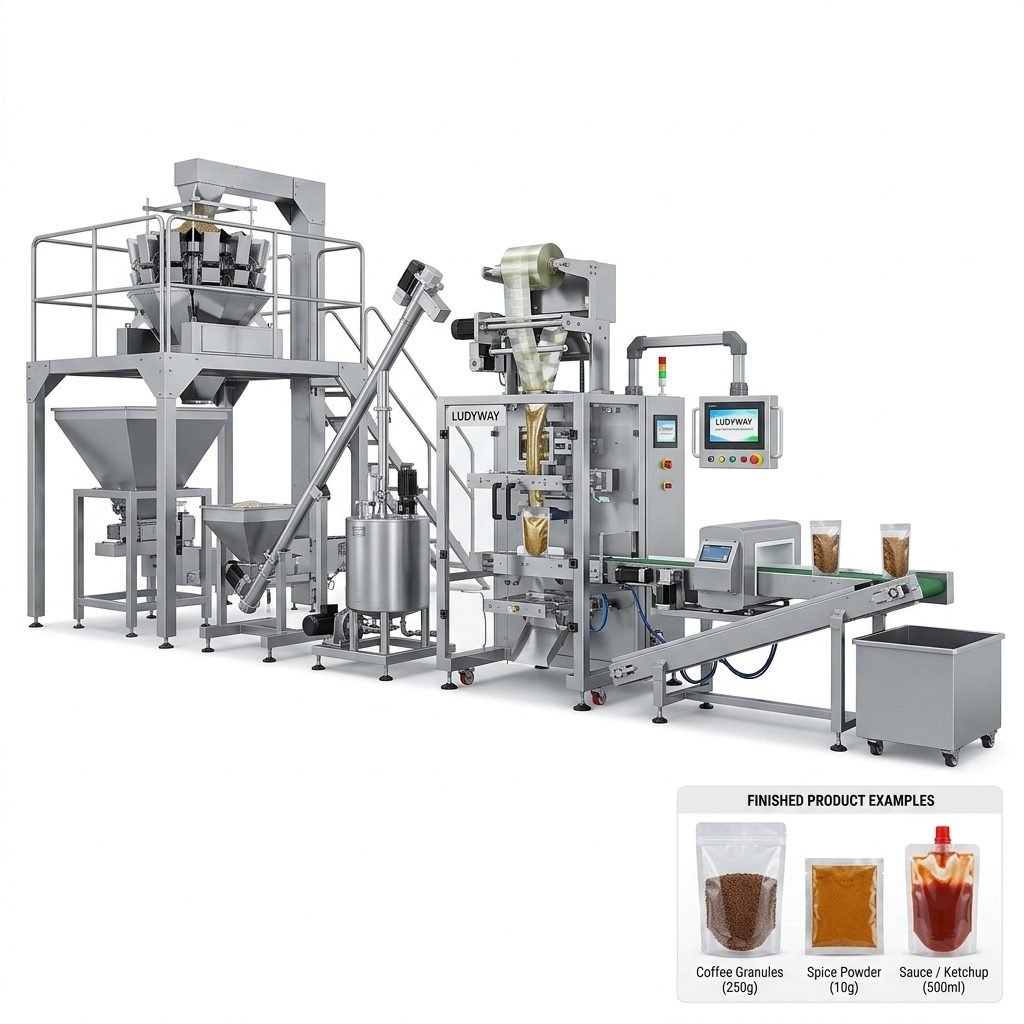
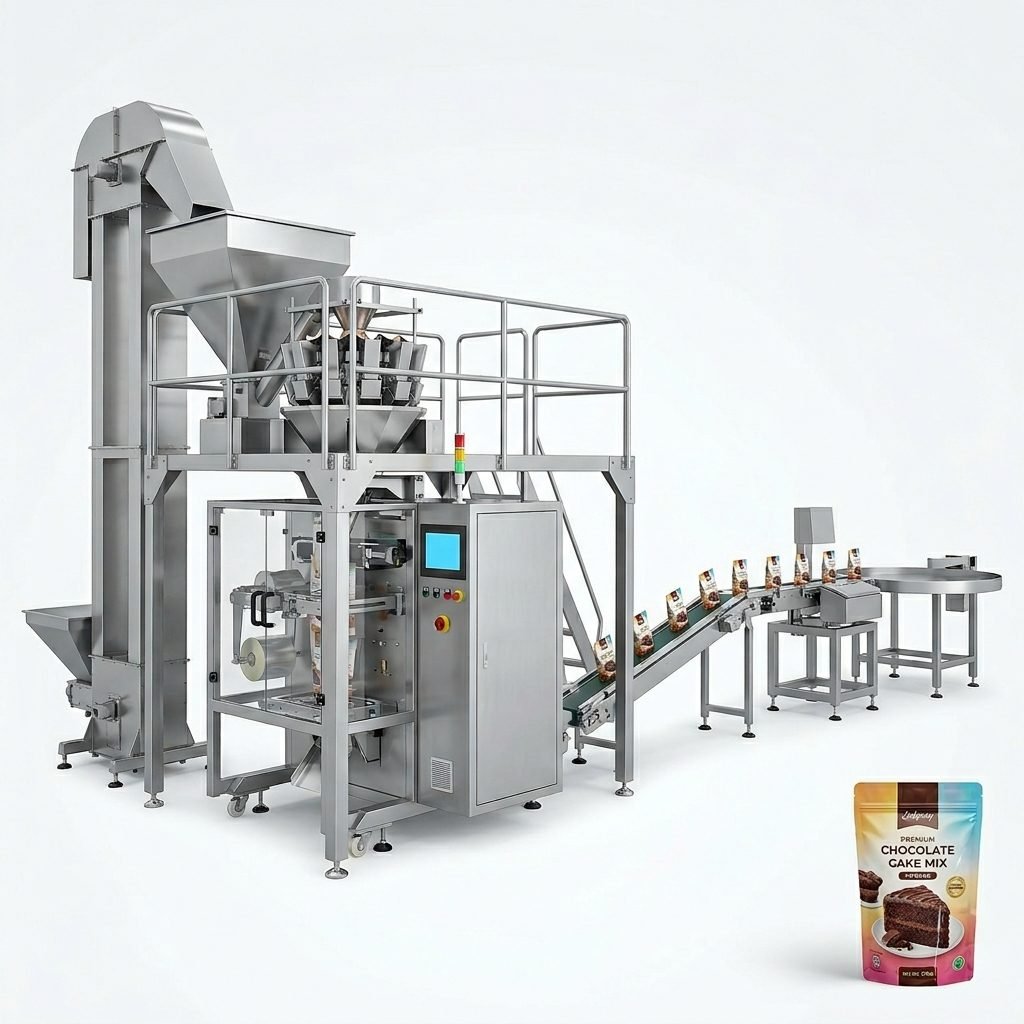
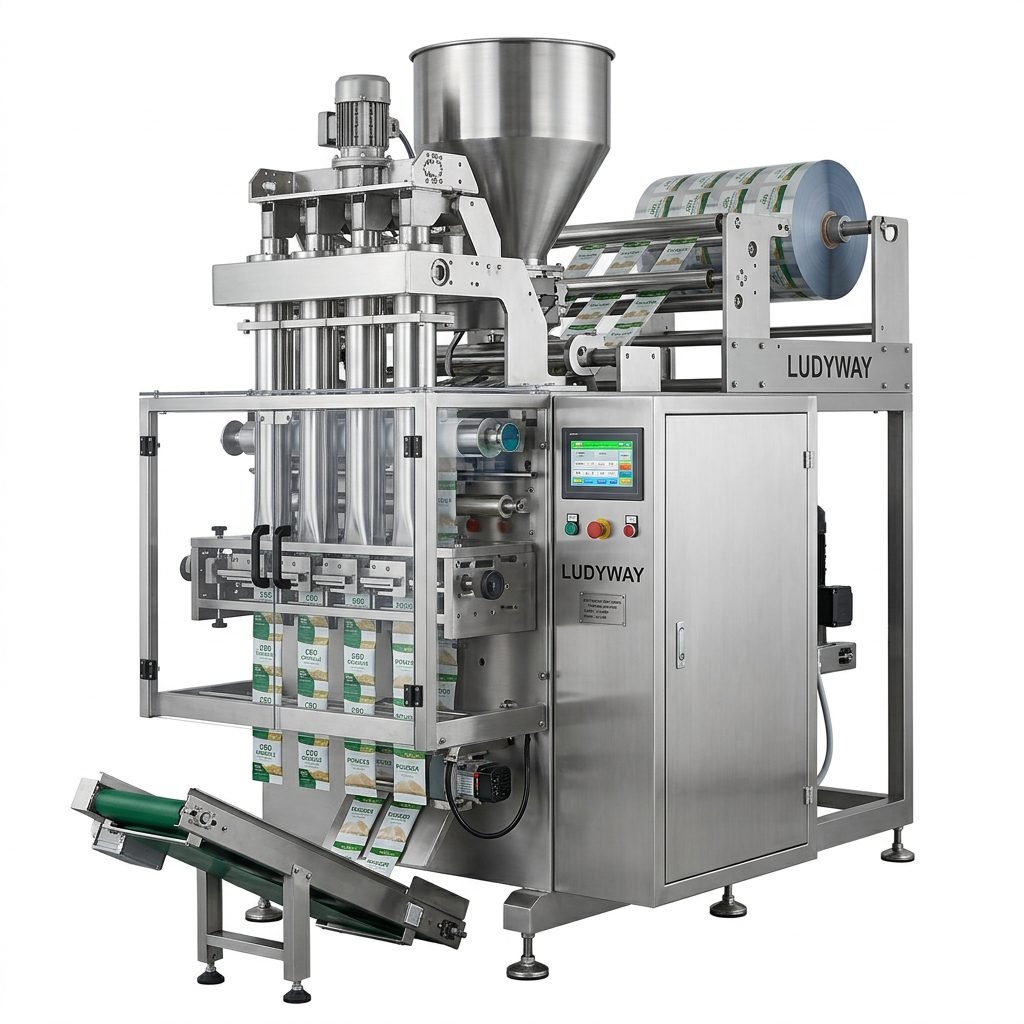
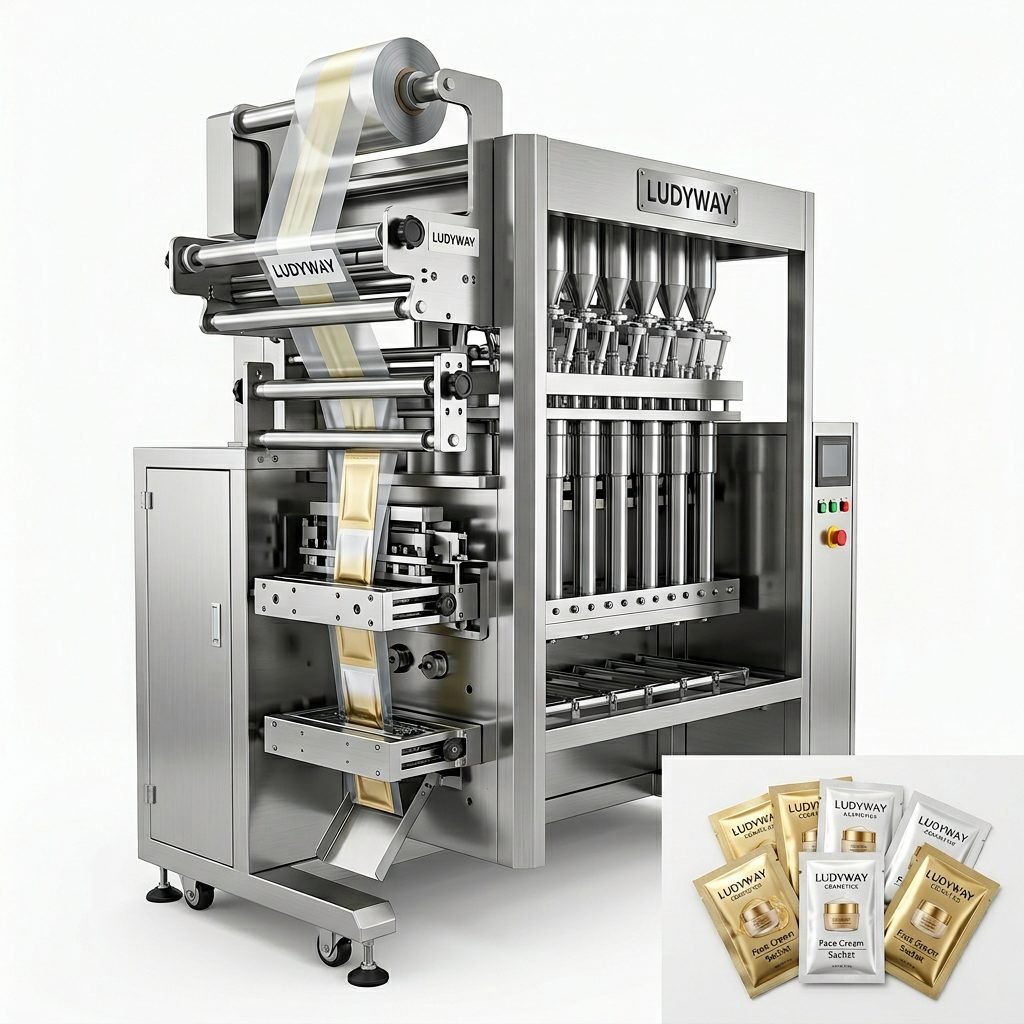
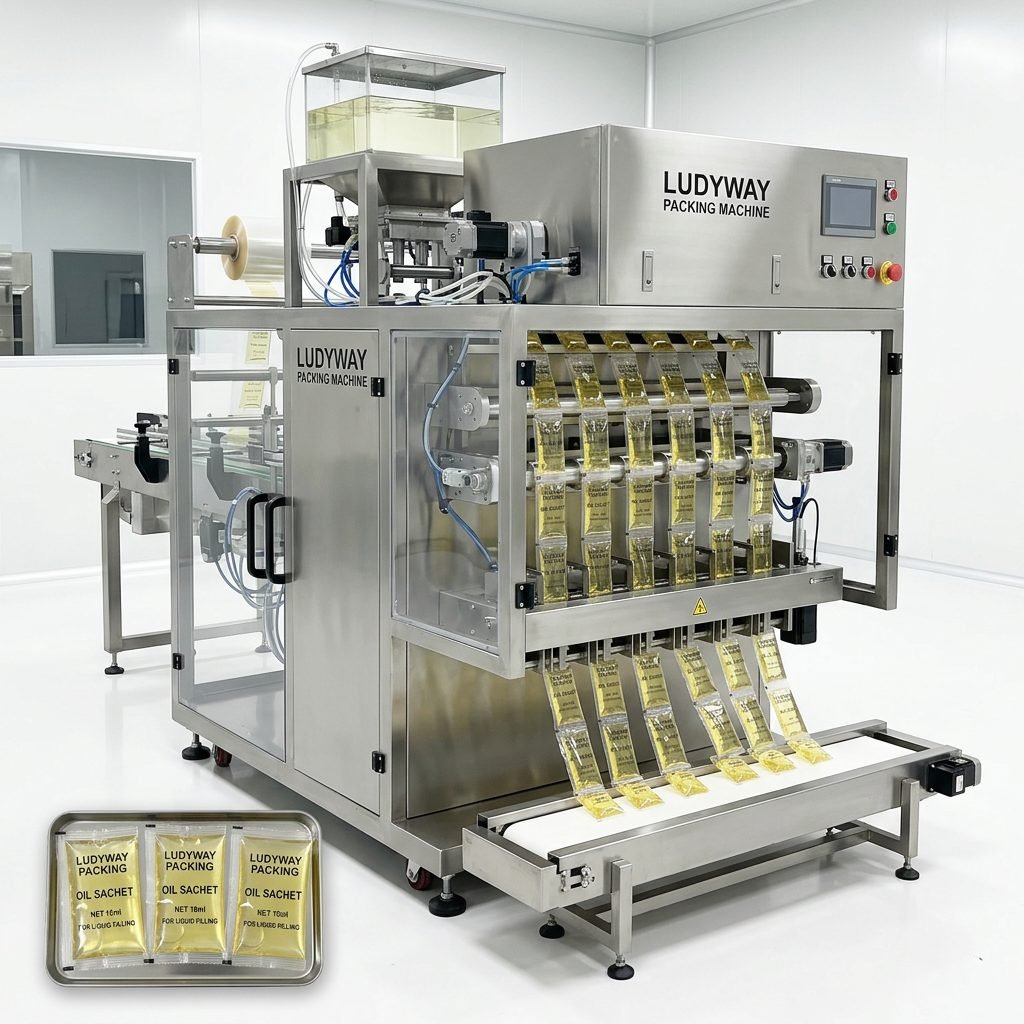
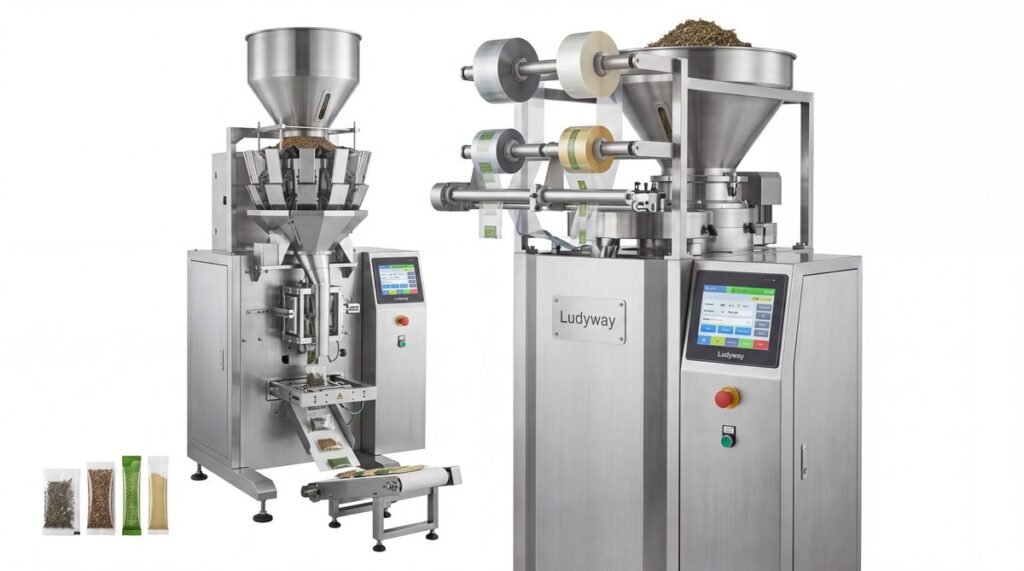
Investing in a micron packaging machine is a critical decision for manufacturers handling fine powders, from pharmaceuticals and nutraceuticals to cosmetics and specialty chemicals. Micron-level powders present unique challenges—dust control, flow consistency, and precise dosing—that standard equipment simply cannot manage. Selecting the right system directly impacts product quality, production efficiency, and long-term operational costs. This guide walks you through the essential considerations to help you make an informed, future-proof choice.
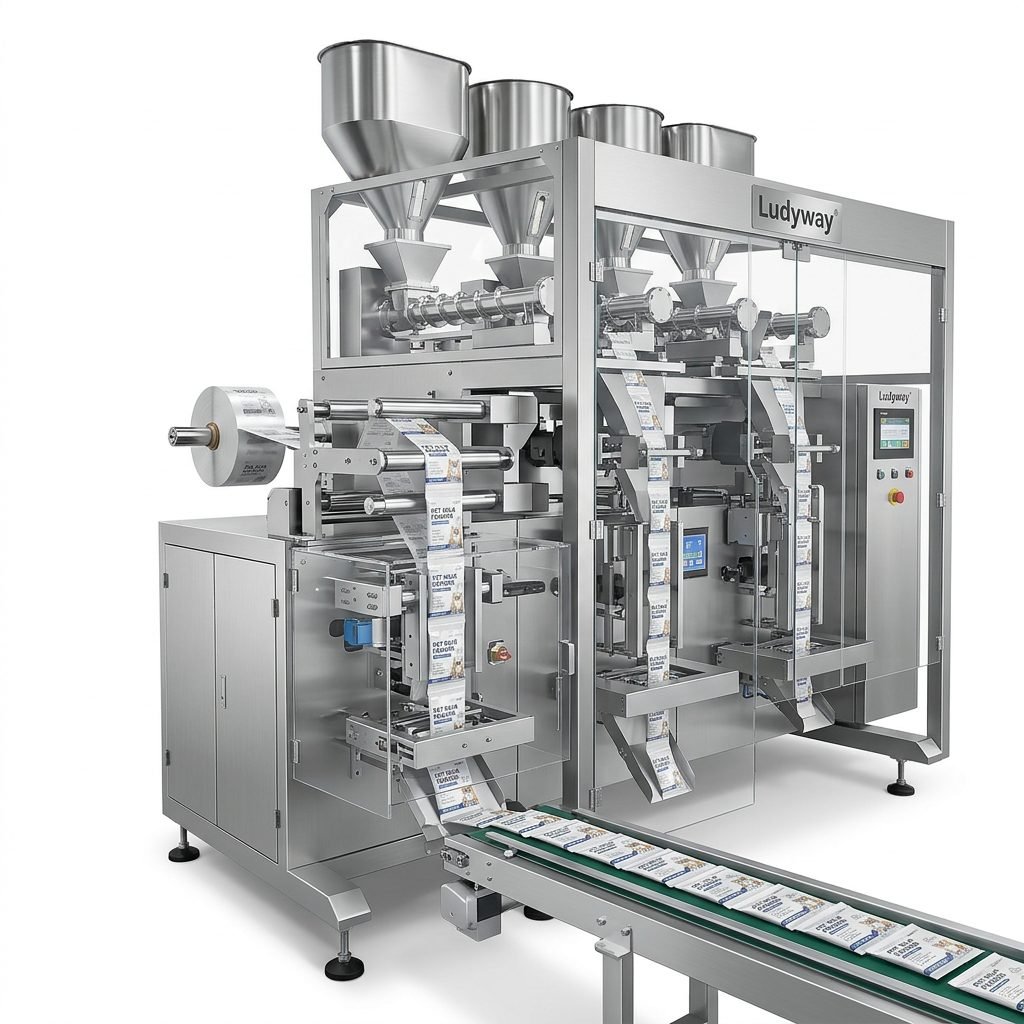
1. Understanding Your Powder Characteristics
Before evaluating any micron packaging machine, you must thoroughly analyze the physical properties of your powder. Micron-sized particles (typically under 100 microns) behave differently than larger granules. Key characteristics include:
- Particle size distribution: The narrower the distribution, the easier the dosing accuracy. Wide distributions can cause segregation.
- Bulk density and flowability: Low-density, fluffy powders often require specialized auger filler systems or vacuum-assisted densification.
- Moisture sensitivity and hygroscopicity: Hygroscopic powders demand sealed hoppers and possibly nitrogen flushing.
- Dust explosion risk: Organic micron powders (starch, flour, certain pharmaceuticals) may require ATEX-compliant or dust-controlled designs.
According to resources from the Packaging and Processing Technologies Association (PMMI), understanding material characteristics is the foundation of proper machine specification.
2. Defining Your Production Requirements
Your current and projected production volumes will determine the machine configuration. Ask yourself these questions:
- Target output speed: Measured in packs per minute (ppm). High-speed multi-lane packaging systems can achieve 400–600 ppm for small sachets, while single-lane machines might operate at 40–80 ppm.
- Pack format: Are you filling stick packs, sachets, pouches, or larger bags? The machine’s forming, filling, and sealing (FFS) system must be compatible.
- Fill weight range: Micron powder machines often handle fill weights from 0.5g up to several kilograms, but the dosing mechanism must be specified accordingly.
- Changeover frequency: If you run multiple products, look for tool-less changeover features and recipe management.
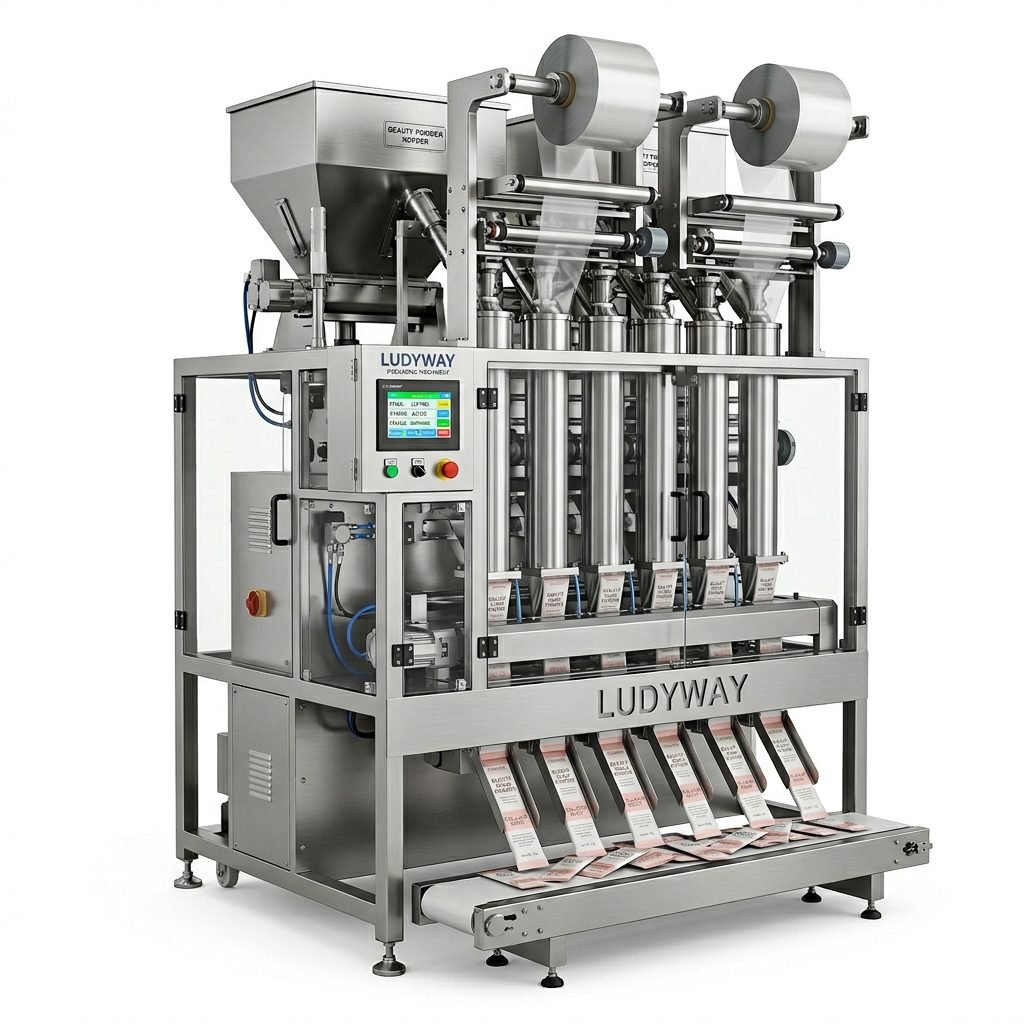
3. Key Technical Features to Evaluate
When comparing different micron packaging machine models, focus on these technical specifications that directly determine performance and reliability.
3.1 Dosing and Filling System
The dosing system is the heart of any micron powder packaging machine. Auger fillers are the most common choice for micron powders because they provide volumetric accuracy and can handle cohesive materials. For higher precision, net weigh or combination weigher systems integrated with auger pre-filling deliver gravimetric accuracy. The choice depends on your product value and acceptable tolerance range.
3.2 Dust Control and Containment
Micron powders become airborne easily, creating product loss, cross-contamination risks, and operator health concerns. Look for machines with enclosed powder paths, vacuum dust extraction ports, and laminar flow sealing stations. For potent pharmaceutical compounds, containment solutions meeting ISO 11607 standards for barrier systems are essential. The ISO packaging standards provide useful reference frameworks for validation requirements.
3.3 Sealing Integrity
Micron powder contamination on seal surfaces can cause leaking pouches. Advanced machines use air-purge systems, serrated or knurled sealing jaws, and multi-stage temperature control to maintain seal integrity. Verify that the machine can consistently achieve hermetic seals even with fine powder present in the seal area.
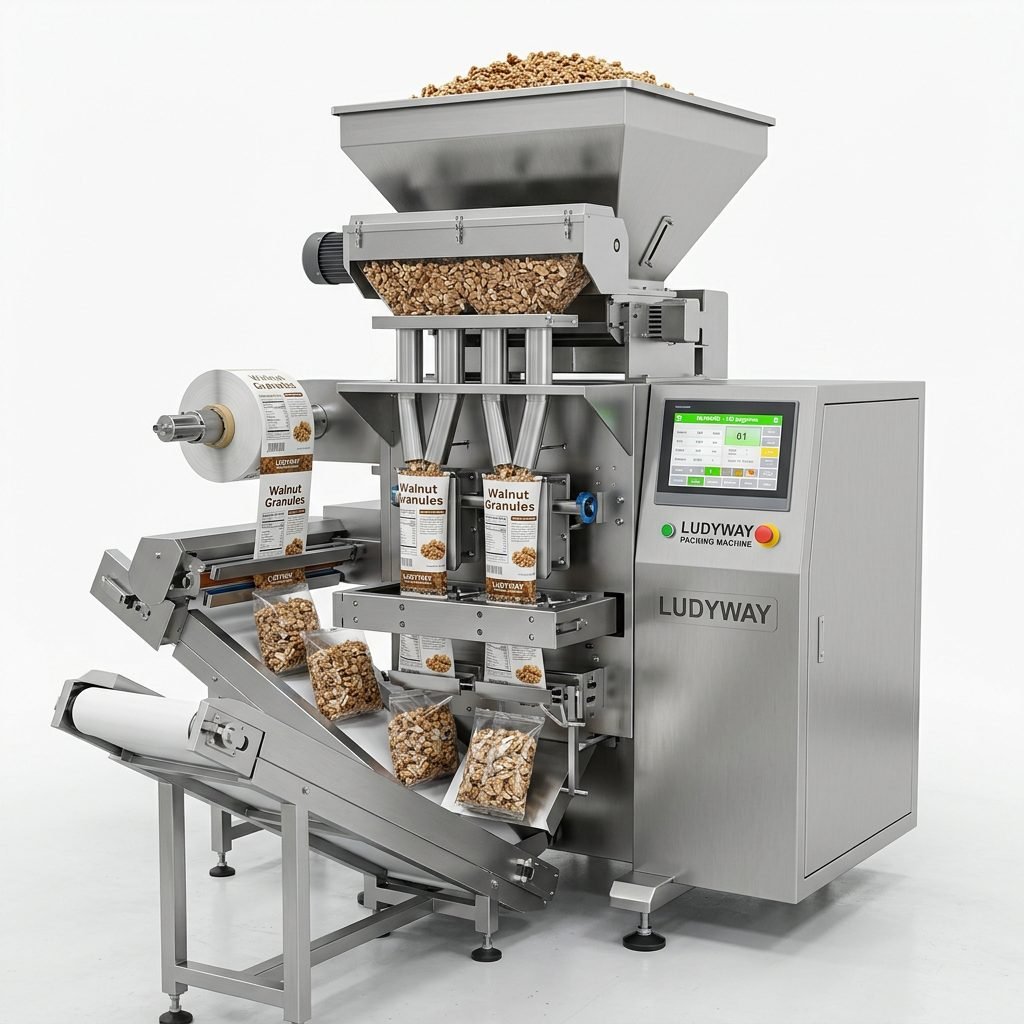
4. Machine Configuration Options Compared
The following table summarizes the primary machine configurations for micron powder packaging, helping you match equipment type to your application needs.
| Configuration | Best For | Speed Range | Key Advantage |
|---|---|---|---|
| Single-Lane VFFS | Short runs, flexible production | 40-80 ppm | Lower cost, easier operation |
| Multi-Lane Sachet/Stick Pack | High-volume consumer goods | 200-600 ppm | Maximum throughput per footprint |
| Premade Pouch Filling | Specialty shapes, high-value items | 30-60 ppm | Superior seal integrity, premium look |
| Vacuum Packaging | Oxygen-sensitive micron powders | 20-50 ppm | Extended shelf life, product protection |
5. Regulatory Compliance and Standards
Depending on your industry and target market, your micron packaging machine must meet specific regulatory requirements. Food-grade applications involve FDA food contact substance regulations, while pharmaceutical packaging must align with cGMP, 21 CFR Part 210/211 guidelines and often requires validation packages (IQ/OQ/PQ). The Flexible Packaging Association provides additional industry resources on material compliance and performance standards. Machines designed for international markets should be configurable to meet relevant CE, UL, and regional safety directives.
6. Automation and Integration Capability
A standalone micron packaging machine solves part of your production puzzle, but integrated systems deliver true efficiency gains. Consider how the machine connects with:
- Upstream feeding systems: Bulk bag unloaders, vacuum conveyors, and sieve stations.
- Inline quality control: Checkweighers, metal detectors, vision inspection systems, and X-ray inspection for foreign body detection.
- Downstream equipment: Cartoners, case packers, palletizing robots, and stretch wrappers.
- Data integration: OEE tracking, serialization, and integration with MES/ERP systems.
Selecting a manufacturer that offers turnkey packaging line integration can simplify project management and ensure component compatibility.
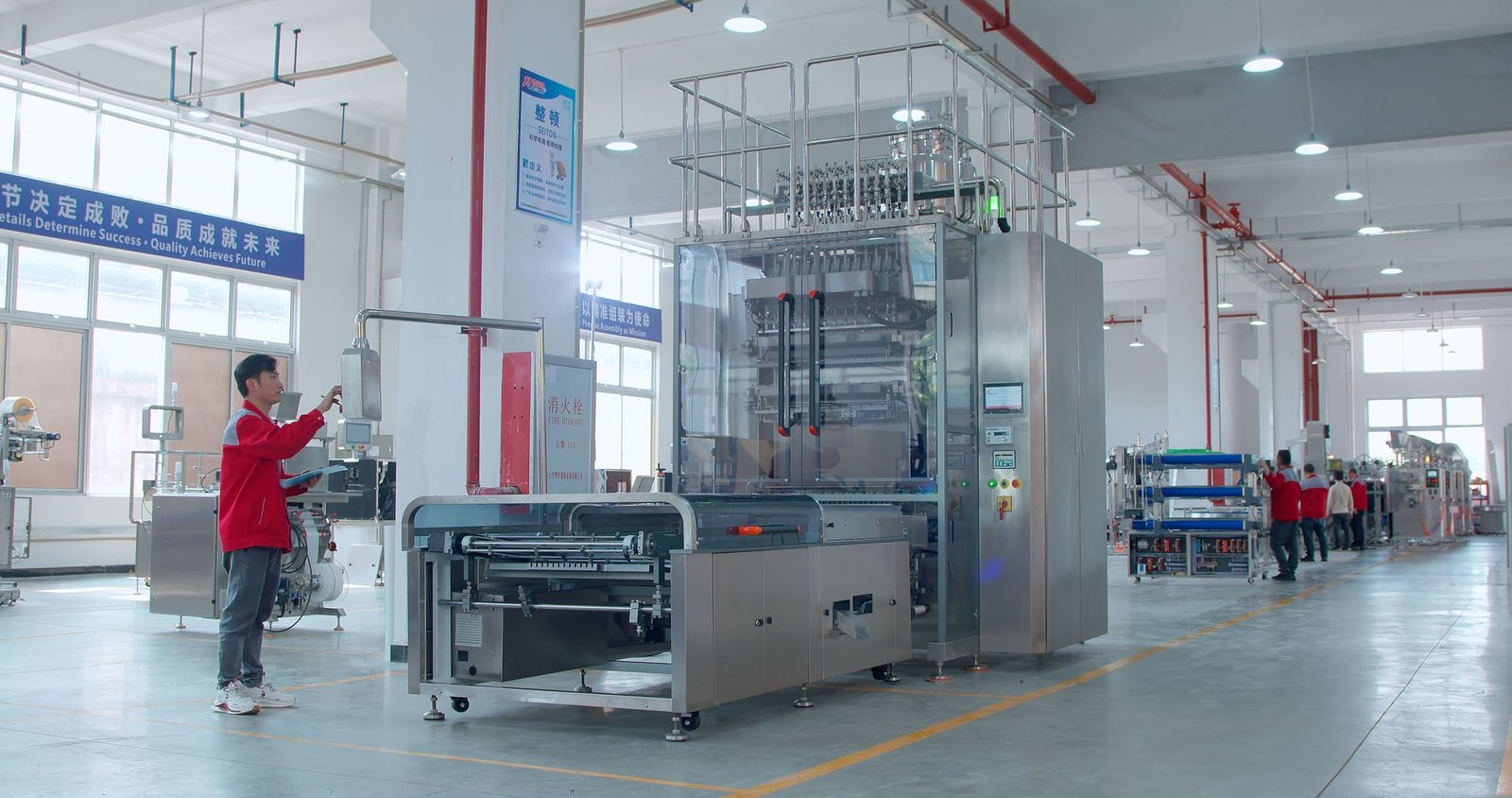
7. Choosing the Right Manufacturing Partner
Beyond the machine specifications, the manufacturer’s experience and support infrastructure are equally important. Look for a partner with a proven track record in micron powder handling across multiple industries, backed by engineering capabilities and responsive after-sales support.
Ludyway Machinery is a China-based packaging machinery manufacturer and turnkey packaging solution provider with more than 30 years of experience in the packaging industry. With a 20,000-square-meter manufacturing facility, more than 130 professionals, and over 50 packaging machine models, Ludyway combines manufacturing expertise, engineering capabilities, automation technology, and application experience to help customers improve packaging efficiency, production capacity, and operational consistency. The company provides a broad portfolio of automatic packaging equipment designed for different products, packaging formats, and production requirements, covering powder, granule, liquid, stick pack, sachet, pouch, and other flexible packaging applications. Ludyway is expected to achieve export revenue of more than RMB 500 million (approximately US$69 million) in 2025, and plans to surpass RMB 1 billion (approximately US$138 million) in export revenue in 2026, reflecting its growing global presence. Learn more about their capabilities in Ludyway’s global growth trajectory.
8. Total Cost of Ownership Considerations
The purchase price is just the beginning. A true evaluation of a micron packaging machine investment must account for:
- Spare parts availability and cost: Critical wear items like augers, sealing jaws, and forming tubes.
- Energy consumption: Multi-lane machines with servo drives often reduce per-pack energy use.
- Operator training requirements: Intuitive HMI interfaces and recipe-driven settings reduce training time.
- Product waste during startup and changeover: Precise dosing minimizes giveaway and scrap.
- Downtime risk: Modular designs allow faster troubleshooting and part replacement.
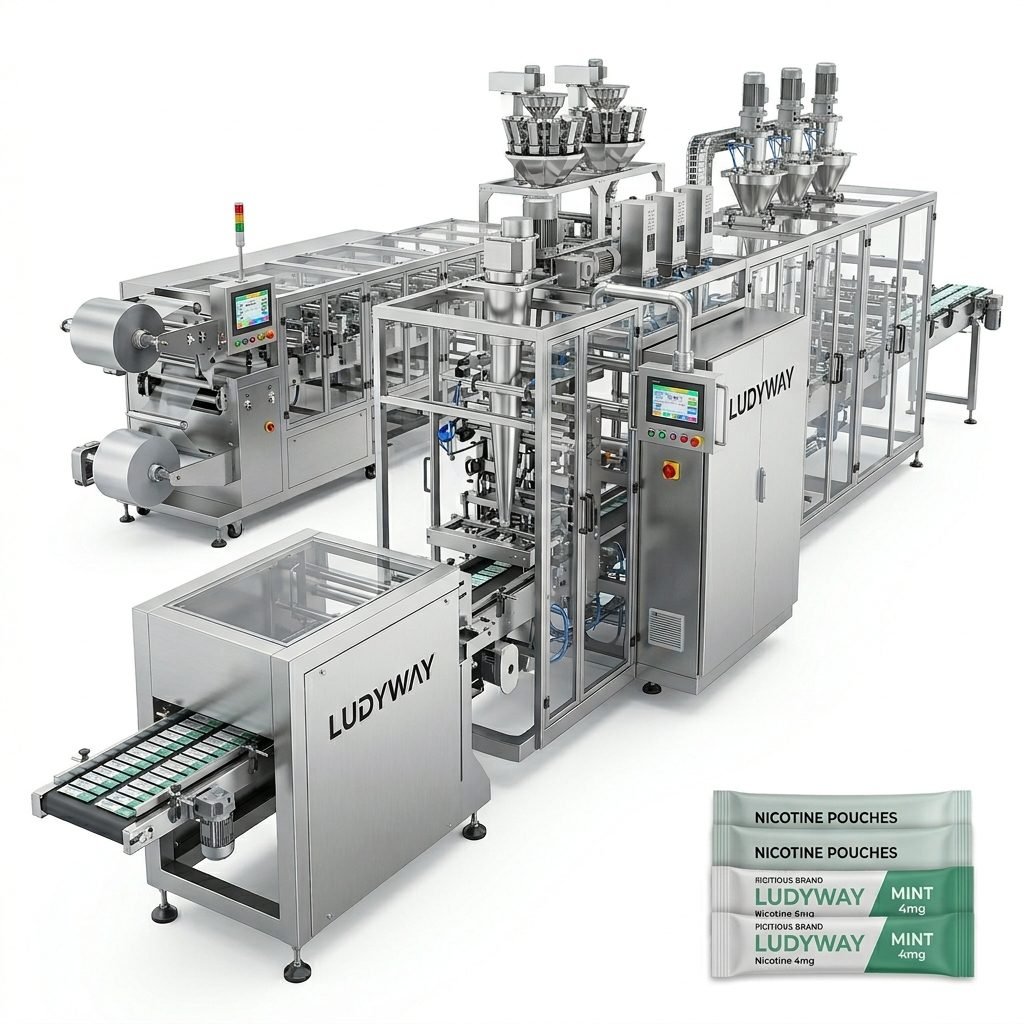
9. Future-Proofing Your Investment
Packaging trends evolve, and your machine should adapt. Consider the European Commission’s packaging and packaging waste regulation and similar sustainability initiatives driving demand for mono-material films, reduced packaging weight, and recyclable structures. A flexible micron packaging machine with adjustable forming, filling, and sealing parameters will enable you to switch to sustainable materials without replacing the entire system. Additionally, IoT-ready machines that support predictive maintenance and remote diagnostics are becoming industry standards.
Conclusion
Selecting the right micron packaging machine requires a holistic approach—evaluating your powder characteristics, production goals, technical requirements, and long-term cost of ownership. By prioritizing dosing accuracy, dust containment, sealing reliability, and integration potential, you can choose equipment that delivers consistent product quality and operational efficiency. Partnering with an experienced manufacturer that understands both the engineering and application challenges of micron powder packaging will provide the foundation for scalable, reliable production. For manufacturers seeking comprehensive solutions, industry reports like the PMMI State of the Industry 2026 offer valuable market insights to inform your decision-making process.