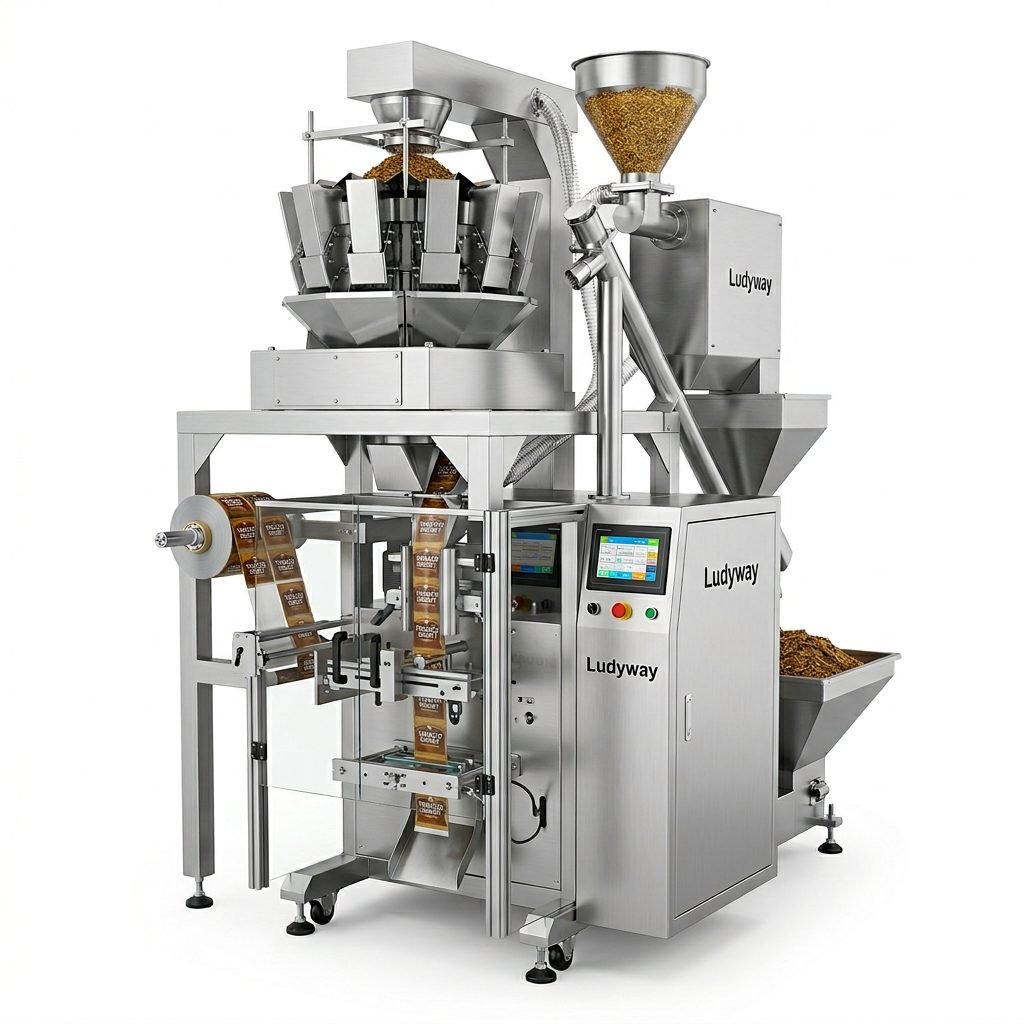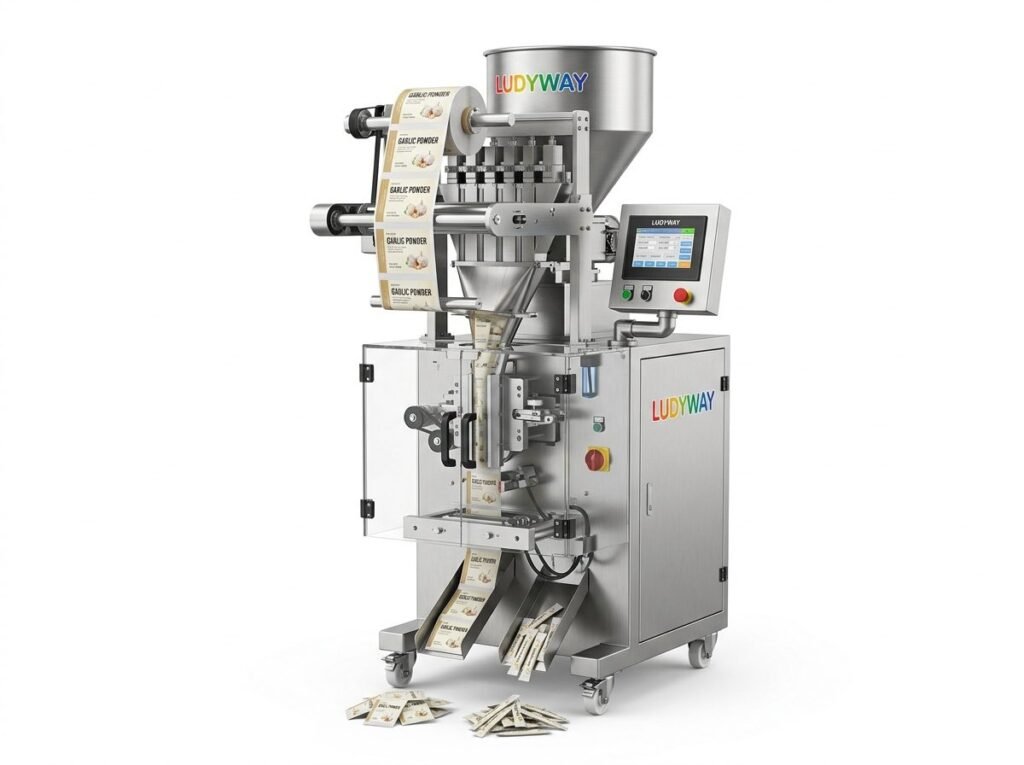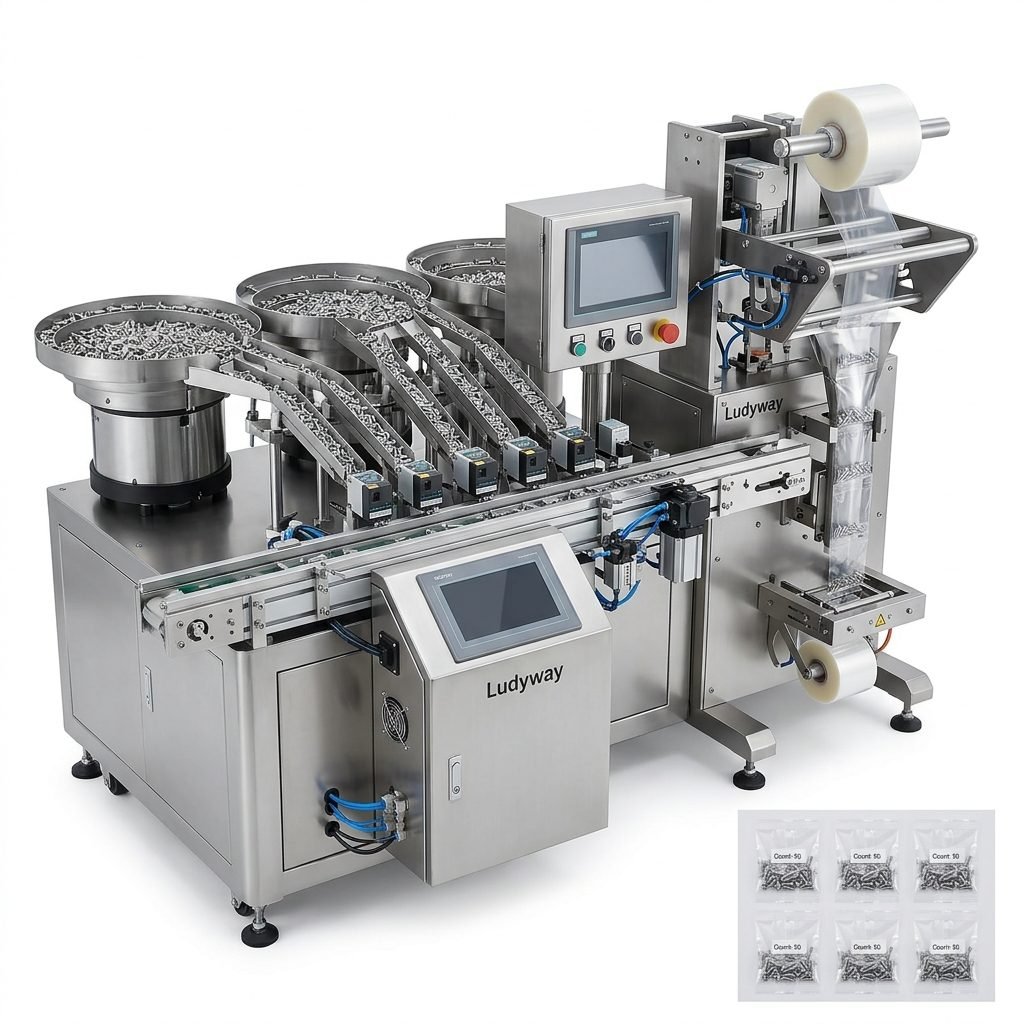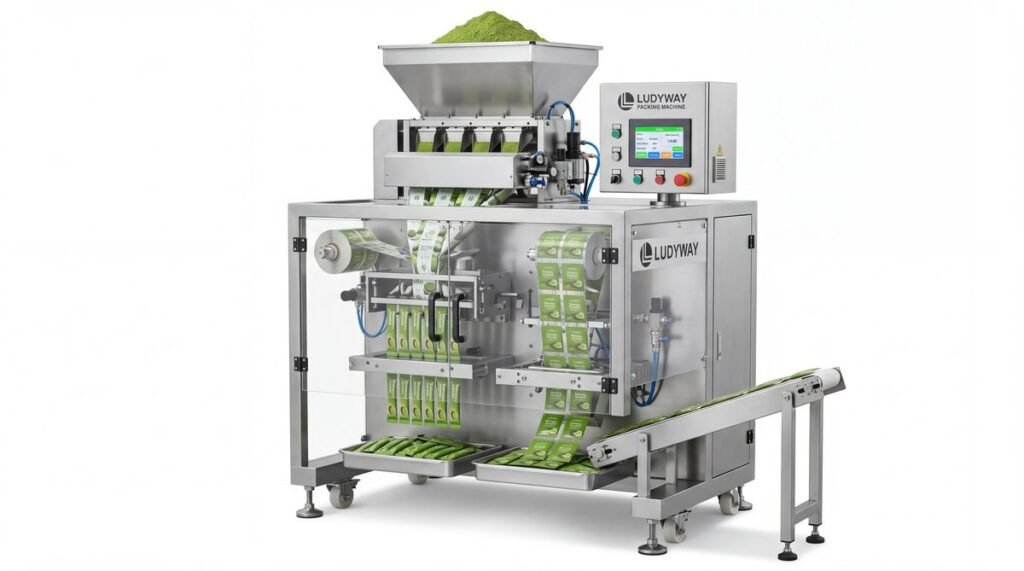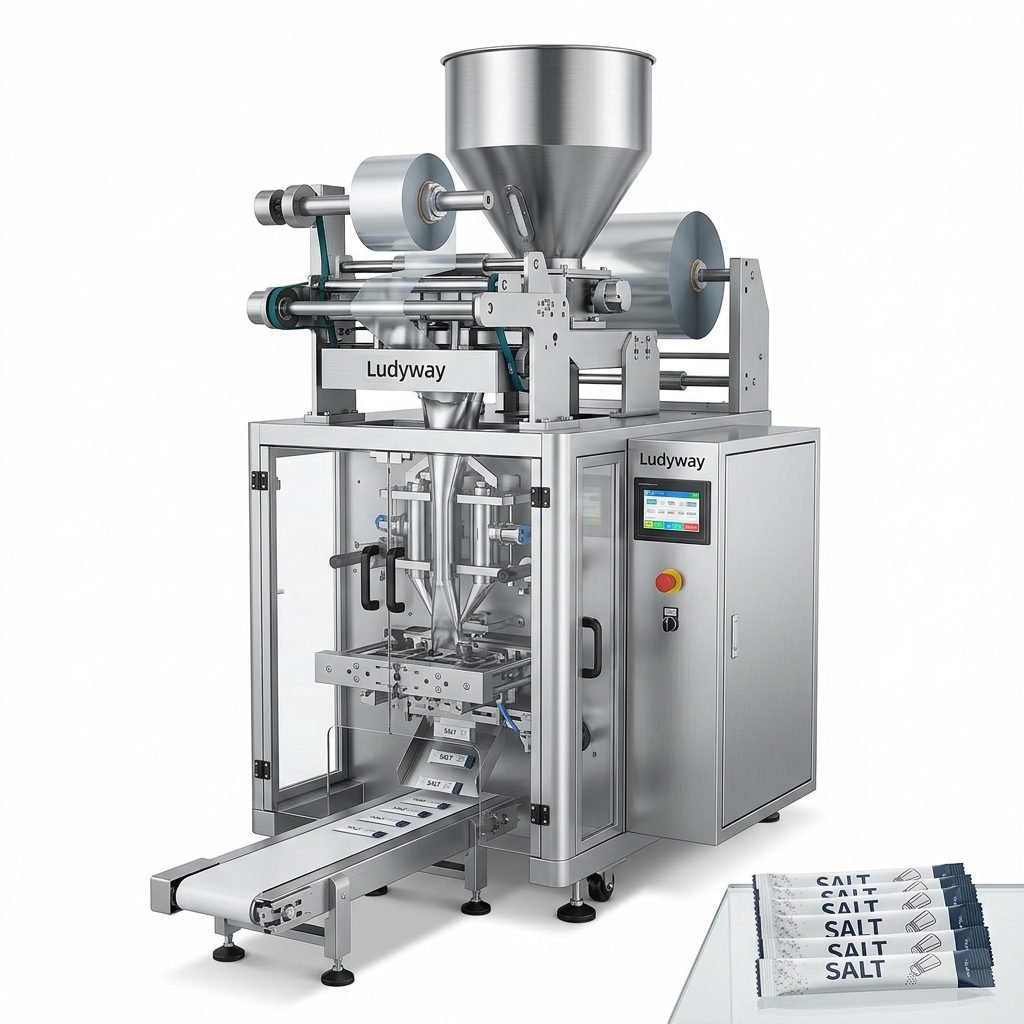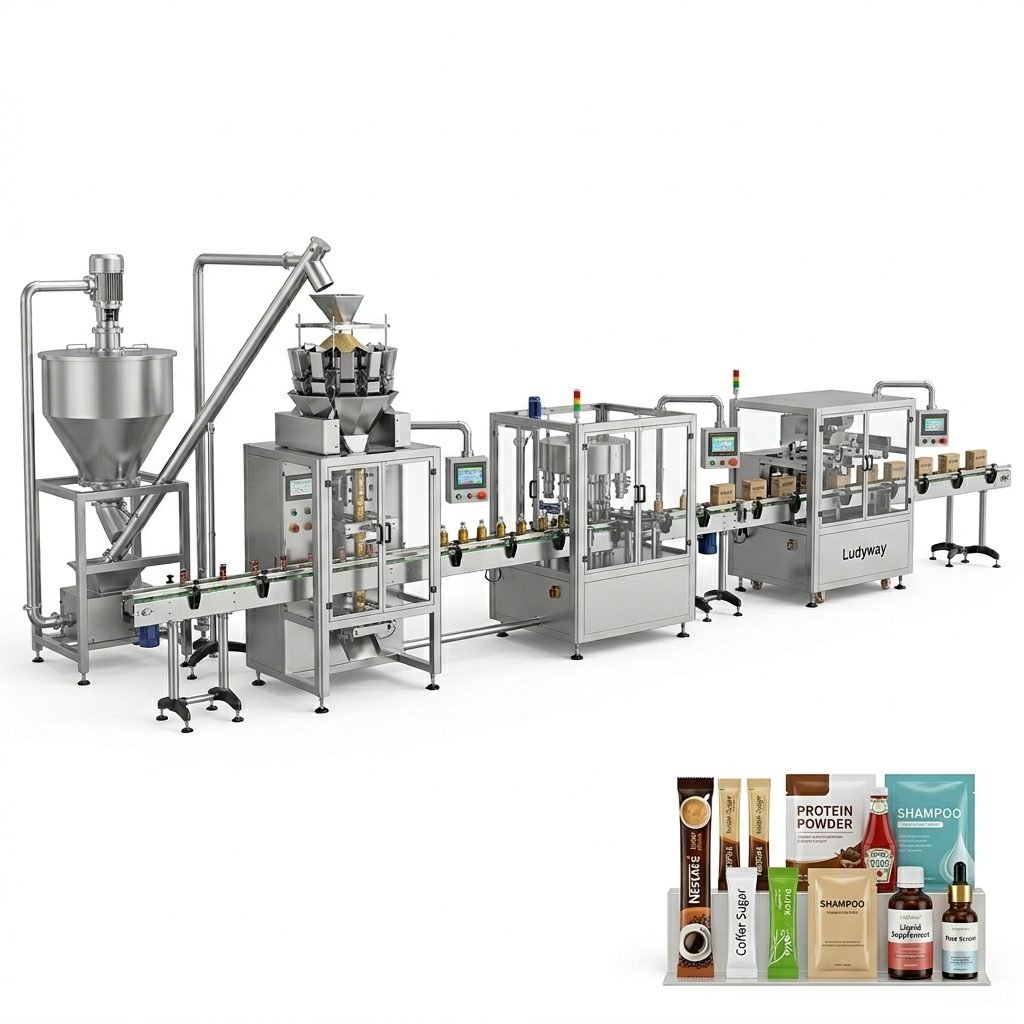
Investing in a paper boat packaging machine is a strategic decision that affects production efficiency, product presentation, and long-term operational costs. With a wide variety of machine configurations, automation levels, and suppliers in the market, choosing the right equipment requires a structured evaluation of your production goals and technical requirements. This guide walks you through the most important factors to consider before making a purchase, helping you select a machine that matches your product, packaging format, and business growth plan.
1. Understand Your Product and Packaging Format First
Before evaluating any machine, define the product you need to package and the format you want to achieve. The term paper boat packaging generally refers to a tray-style container made from paperboard or coated paper, often used for dry snacks, confectionery, nuts, or takeaway food items. However, many manufacturers also use the term to describe form-fill-seal machines that produce sachets, stick packs, or pouch-style packages resembling a boat shape.
Key product characteristics to assess include:
- Product state: Is your product a granule, powder, liquid, paste, or solid piece? Different filling systems — auger fillers, volumetric cup fillers, piston fillers, or multi-head weighers — are suited to different product types.
- Flowability and consistency: Free-flowing granules behave differently from cohesive powders or sticky pastes. Machine dosing accuracy depends heavily on matching the filling mechanism to the product’s physical properties.
- Packaging material: Paper boat packaging often uses paperboard, but flexible packaging materials such as laminated films, aluminum foil, or coated paper may also be used depending on barrier requirements and sealing properties.
2. Define Your Production Speed and Automation Level
Production volume directly influences the type of machine you need. A semi-automatic paper boat packaging machine may be suitable for small-batch or startup operations, while fully automated multi-lane systems are necessary for high-speed, large-volume production. Consider these benchmarks:
- Low volume (up to 30 packs per minute): Manual or semi-automatic machines with operator-assisted loading and sealing.
- Medium volume (30–80 packs per minute): Single-lane automatic machines with integrated filling, forming, and sealing.
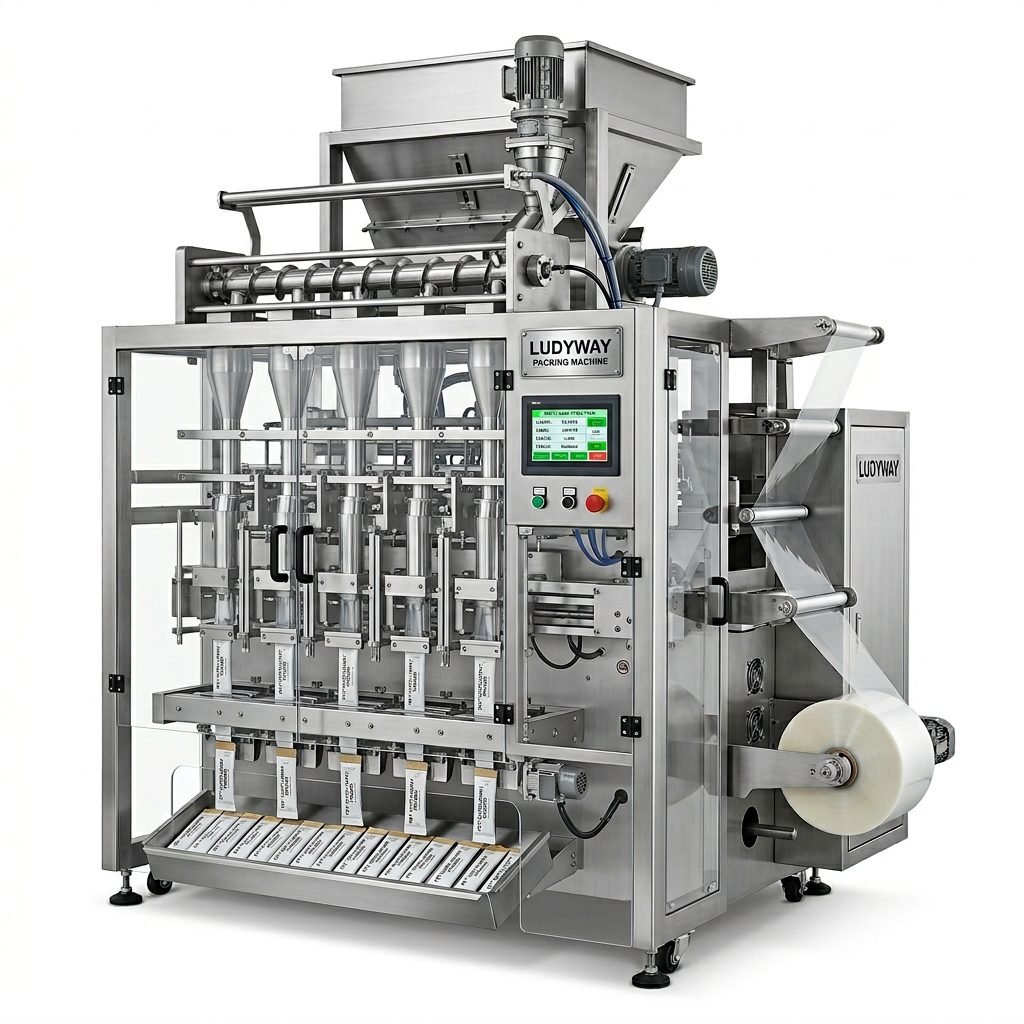
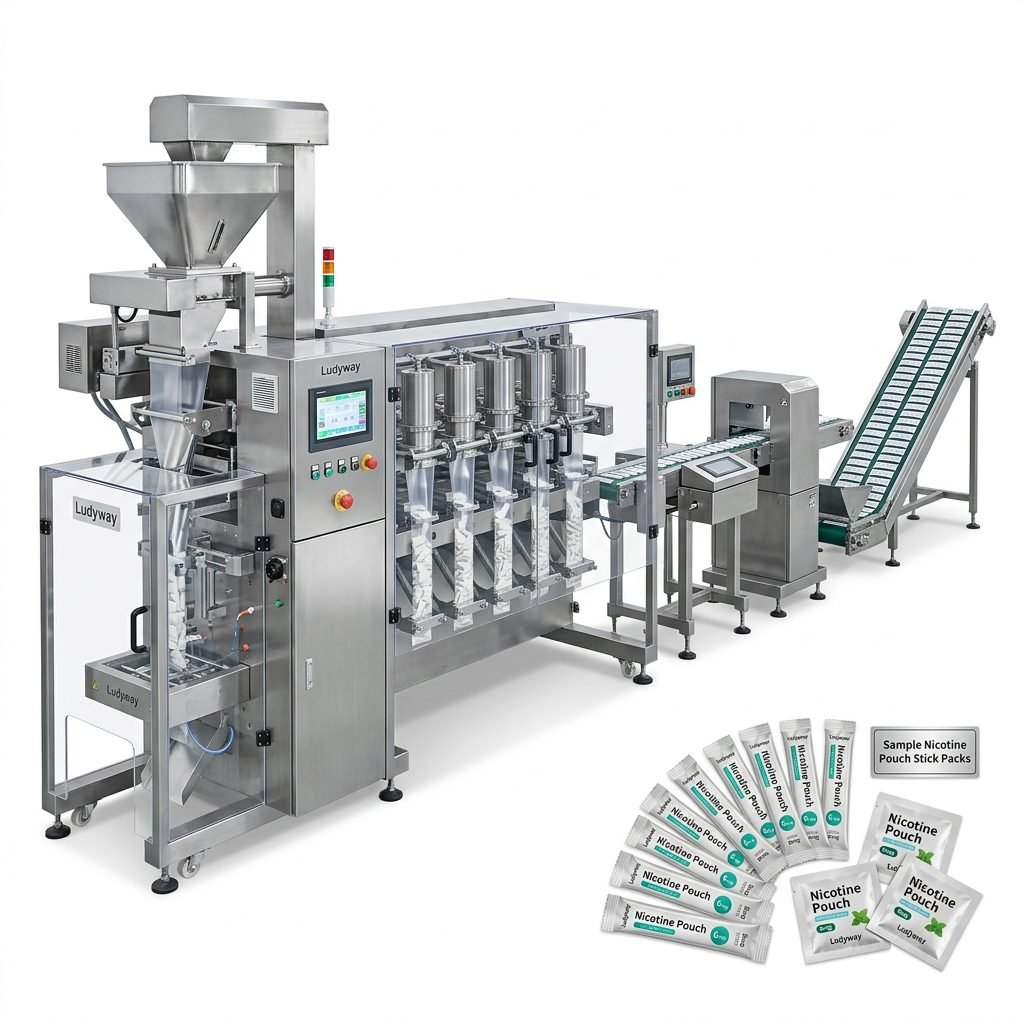
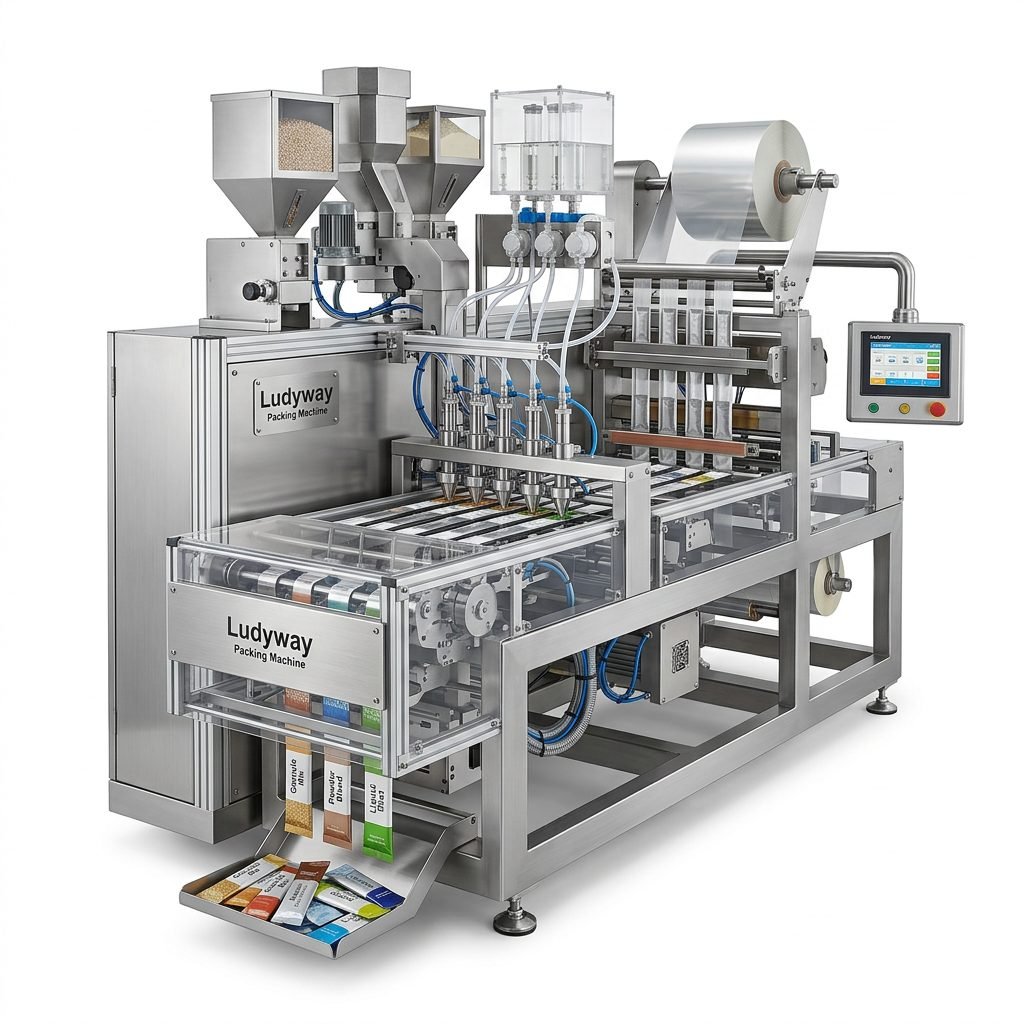
- High volume (80–200+ packs per minute): Multi-lane systems capable of running several lanes simultaneously, significantly increasing output without proportional increases in floor space or labor.
3. Evaluate Machine Configuration and Key Features
Not all packaging machines offer the same capabilities. When comparing models, pay close attention to the following technical specifications and features:
Filling and Dosing Accuracy
For granule and powder products, dosing precision affects both product consistency and material waste. Look for machines equipped with servo-driven auger fillers or electronic weighing systems that can maintain accuracy within ±0.5% to ±1% of target weight. For liquid products, ISO-compliant piston or peristaltic pump filling systems offer repeatable volumes.
Sealing Technology
Paper boat packaging often requires heat sealing, ultrasonic sealing, or adhesive sealing depending on the material structure. Verify that the machine supports the sealing method compatible with your chosen packaging material. Temperature control precision and dwell time adjustment are critical for consistent seal integrity.
Changeover Flexibility
If you produce multiple SKUs with different bag sizes, formats, or fill weights, quick-changeover features become valuable. Look for tool-less adjustments, recipe storage via HMI touchscreen, and modular design that allows format changes in under 15 minutes.
4. Consider Compliance, Safety, and Industry Standards
Depending on your industry and target market, your packaging machine may need to meet specific regulatory requirements. FDA regulations apply to food-contact packaging in the U.S. market, while EU packaging directives govern materials and waste in European markets. Key considerations include:
- Food-grade materials: All product-contact parts should be made from 304 or 316 stainless steel and certified food-safe plastics.
- CE, UL, or equivalent certifications: Ensure the machine meets electrical safety and machinery directive requirements for your region.
- GMP compliance: For pharmaceutical or nutraceutical applications, the machine design should support Good Manufacturing Practice guidelines with accessible cleaning points and validated processes.
- Dust and contamination control: Machines handling powders should include dust extraction ports or enclosed filling zones to protect both operators and product integrity.
5. Comprehensive Feature Comparison Table
The following table summarizes the key features to evaluate across different machine categories. Use this as a reference when comparing supplier specifications:
| Feature Category | Entry-Level Semi-Auto | Mid-Range Single Lane | High-End Multi-Lane |
|---|---|---|---|
| Production Speed | 10–30 packs/min | 30–80 packs/min | 80–250+ packs/min |
| Filling Accuracy | ±2% to ±3% | ±1% to ±2% | ±0.5% to ±1% |
| Changeover Time | 30–60 minutes | 15–30 minutes | 5–15 minutes |
| Automation Integration | Limited or manual | PLC with basic HMI | Full PLC/HMI with recipe management, remote access |
| Typical Investment Range | $15,000–$40,000 | $40,000–$120,000 | $120,000–$500,000+ |
6. Evaluate the Supplier and Manufacturer
Your choice of supplier affects not only the initial machine quality but also installation support, training, spare parts availability, and long-term service. When vetting a packaging machinery manufacturer, consider these factors:
- Industry experience: How many years has the manufacturer been in business? Do they have documented experience with your product category and packaging format?
- Manufacturing capabilities: Does the supplier design and build machines in-house, or do they outsource critical components? In-house engineering and manufacturing often translate to better quality control and faster custom solutions.
- Global service network: If you operate in multiple regions or export products, a supplier with international technical support capabilities can reduce downtime and simplify maintenance.
- Customization capability: Many packaging applications require tailored solutions rather than off-the-shelf machines. A supplier with custom engineering capabilities can configure filling systems, bag formats, and automation levels to your specific requirements.
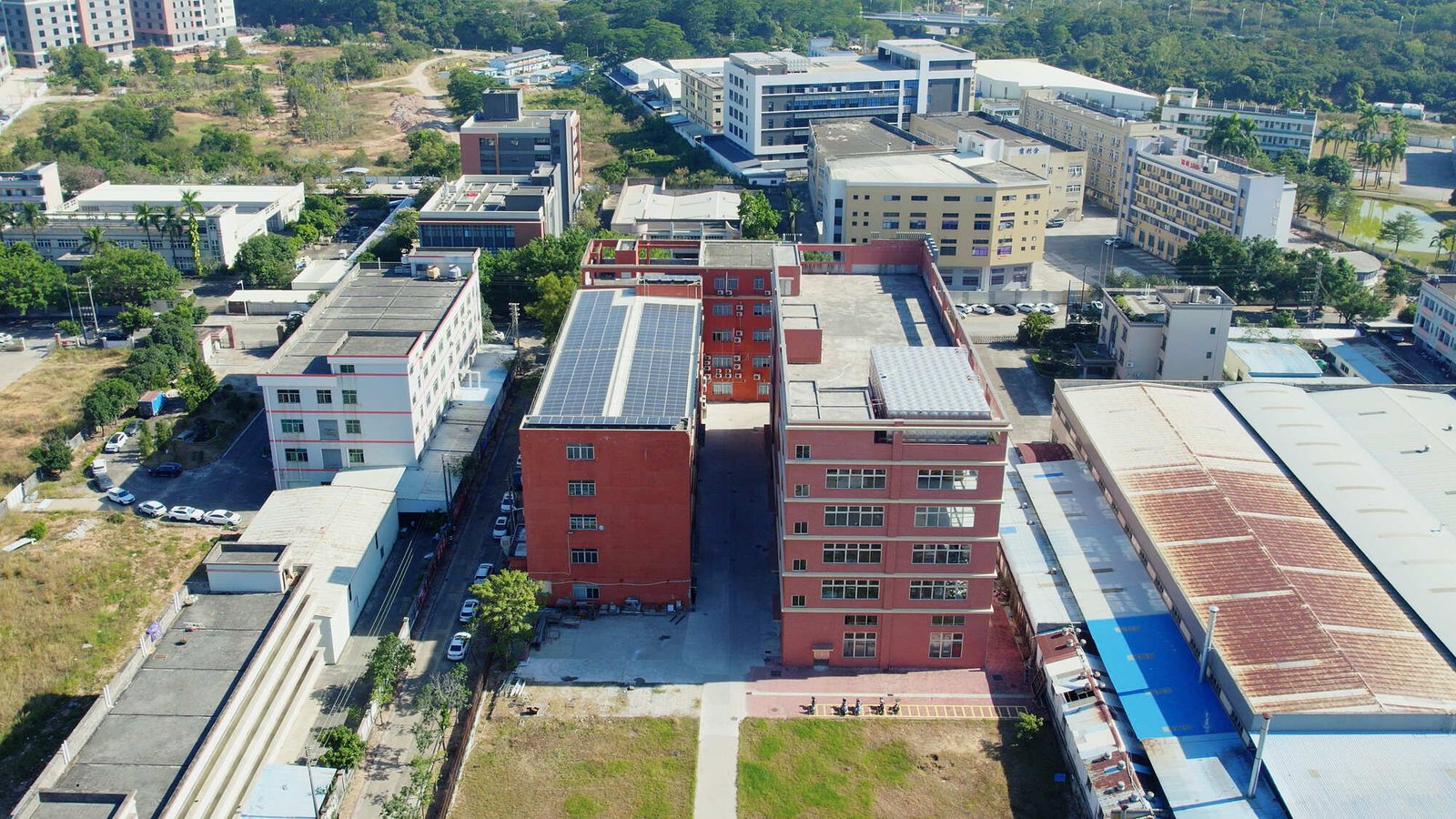
One established manufacturer in this space is Ludyway Machinery, a China-based packaging machinery manufacturer with more than 30 years of industry experience. Operating from a 20,000-square-meter facility with over 130 professionals and more than 50 packaging machine models, Ludyway provides automated packaging equipment and turnkey solutions for powder, granule, liquid, and flexible packaging applications across food, pharmaceutical, cosmetic, chemical, and other industries. The company serves customers in more than 100 countries and provides technical support throughout the project lifecycle — from machine selection and solution design to installation, commissioning, operator training, and after-sales service. Ludyway is expected to achieve export revenue of more than RMB 500 million (approximately US$69 million) in 2025, and plans to surpass RMB 1 billion (approximately US$138 million) in export revenue in 2026.
7. Plan Your Budget and Total Cost of Ownership
The purchase price is only one component of the total investment. A thorough cost analysis should account for the total cost of ownership (TCO) over the machine’s expected service life — typically 8 to 15 years for well-maintained packaging equipment. Key cost factors include:
- Initial capital expenditure: Machine purchase price, shipping, import duties, and installation costs.
- Operational costs: Energy consumption, compressed air requirements, packaging material waste rates, and labor requirements per shift.
- Maintenance and spare parts: Availability and cost of wear parts such as sealing jaws, cutting blades, belts, sensors, and filling components. Budget approximately 2% to 5% of the machine’s purchase price annually for maintenance.
- Training and productivity ramp-up: Operator training time and the learning curve for achieving target production speeds consistently.
8. Future-Proofing and Scalability
Your packaging needs today may not reflect your requirements in three to five years. When selecting a paper boat packaging machine, consider whether the equipment can accommodate future growth:
- Modular design: Can additional lanes, filling stations, or automation modules be added later without replacing the entire machine?
- Packaging format flexibility: Does the machine support multiple bag styles — sachets, stick packs, pillow bags, gusseted pouches — or is it limited to a single format?
- Industry 4.0 readiness: Machines with IoT connectivity and data collection capabilities can provide OEE (Overall Equipment Effectiveness) monitoring, predictive maintenance alerts, and production analytics that support continuous improvement.
9. Request a Factory Acceptance Test (FAT) Before Shipment
Before finalizing your purchase, request a Factory Acceptance Test at the manufacturer’s facility. This test runs your actual product on the configured machine to verify:
- Speed and throughput at the specified production rate
- Filling accuracy and consistency across multiple runs
- Seal integrity and package quality under production conditions
- Material waste rates during startup and continuous operation
- Noise levels, safety features, and ergonomic design
A successful FAT provides confidence that the machine will perform as expected once installed on your production floor. It also offers an opportunity for your operators to receive hands-on training before the equipment ships.
Key Takeaways for Your Purchasing Decision
Choosing the right paper boat packaging machine involves evaluating your product, production goals, budget, and supplier capabilities in parallel. Start with a clear definition of your product characteristics and target output. Compare machine specifications against your requirements using a structured approach — speed, accuracy, changeover time, material compatibility, and compliance certifications all matter. Vet your supplier for industry experience, customization capability, and global support reach. Finally, plan for total cost of ownership and future scalability rather than focusing solely on the initial purchase price. A well-chosen packaging machine becomes a productive asset that supports your manufacturing operations for years to come.