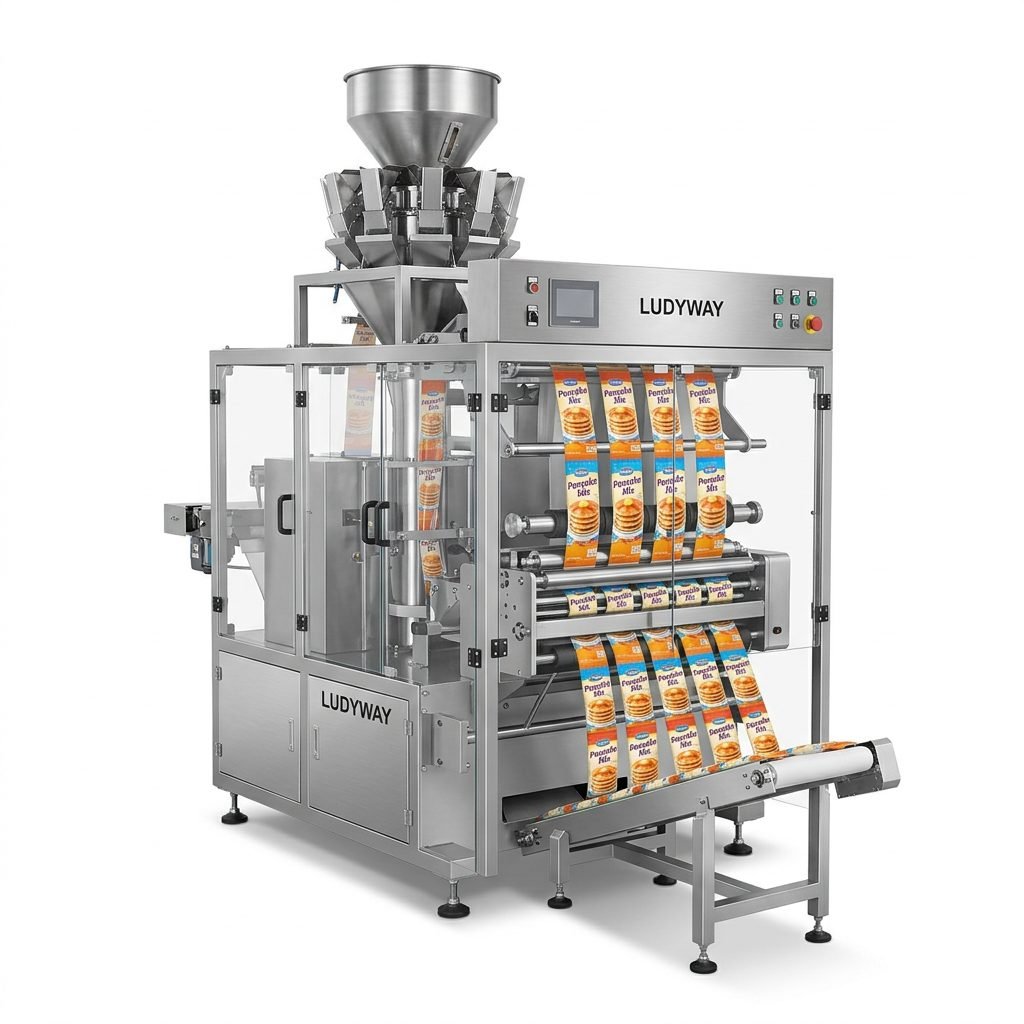
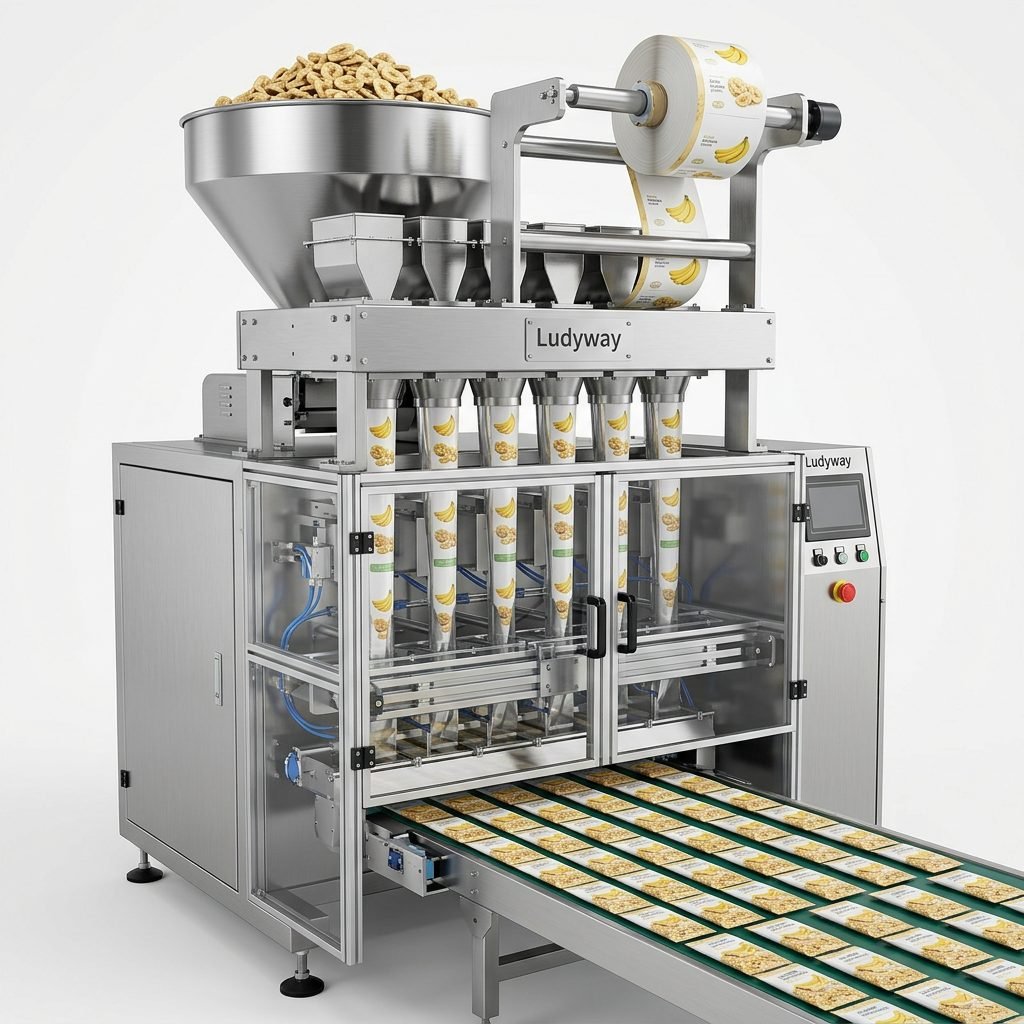
Understanding Your Core Packaging Requirements
Selecting the correct paper food packaging machine is a critical decision that directly impacts your production efficiency, product quality, and long-term operational costs. Before evaluating specific models or suppliers, you must perform a thorough internal audit of your manufacturing goals. A common mistake is starting with the machine specifications rather than with the product specifications.
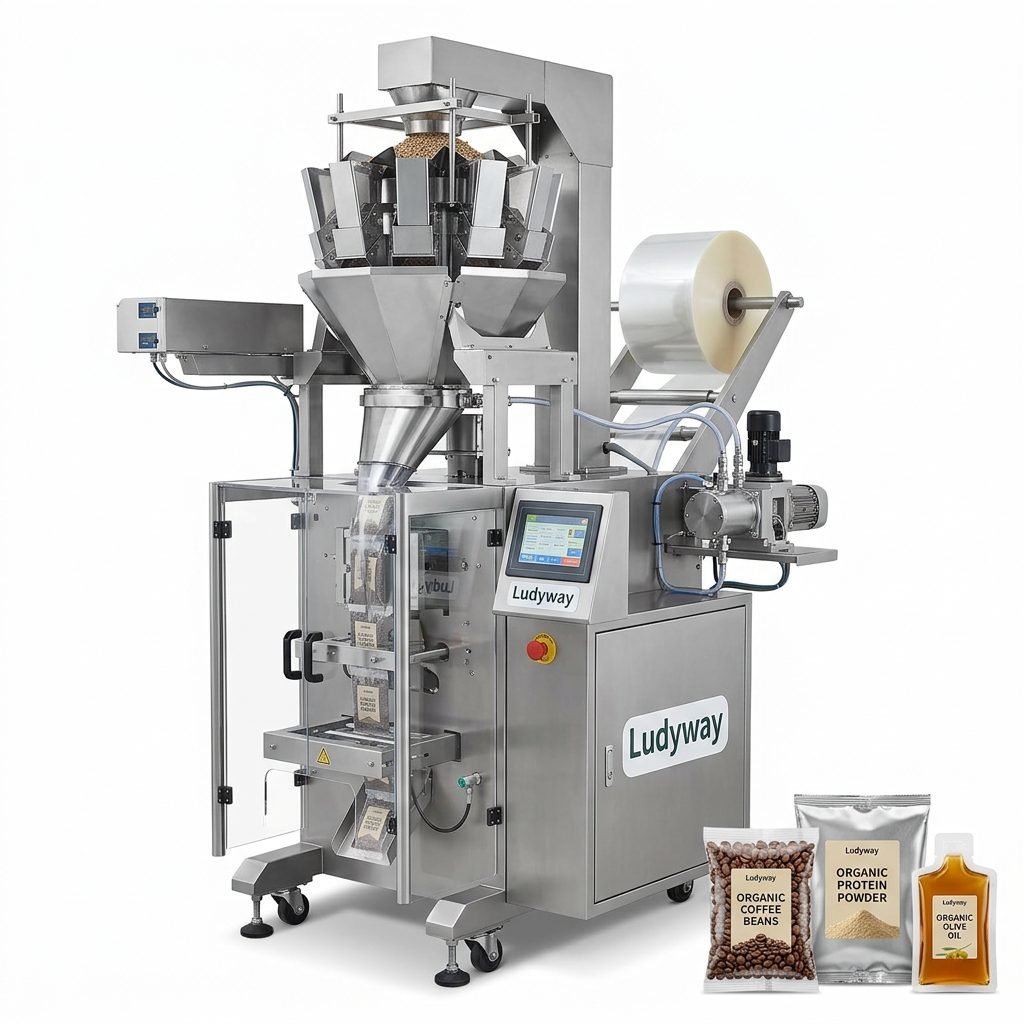
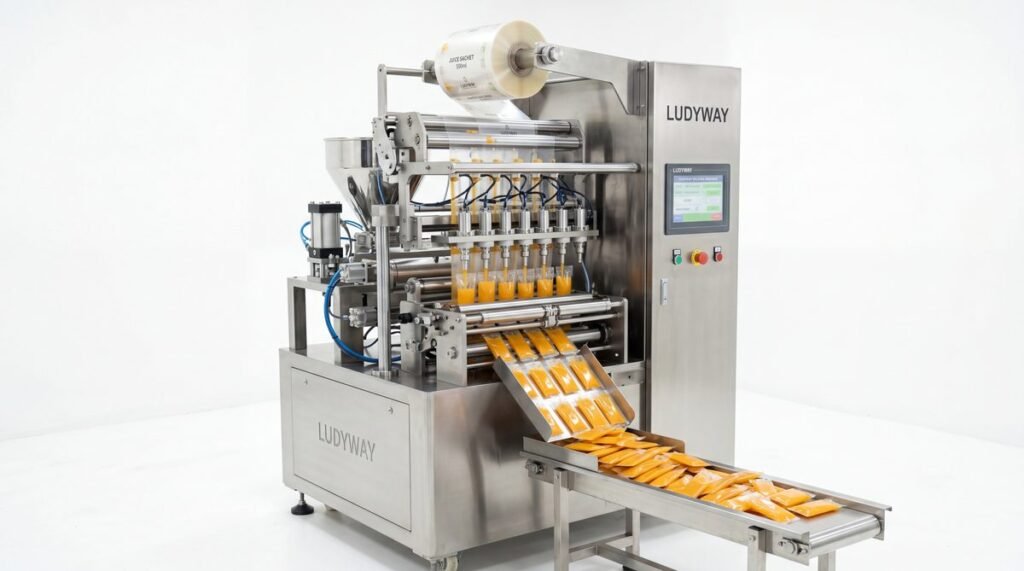
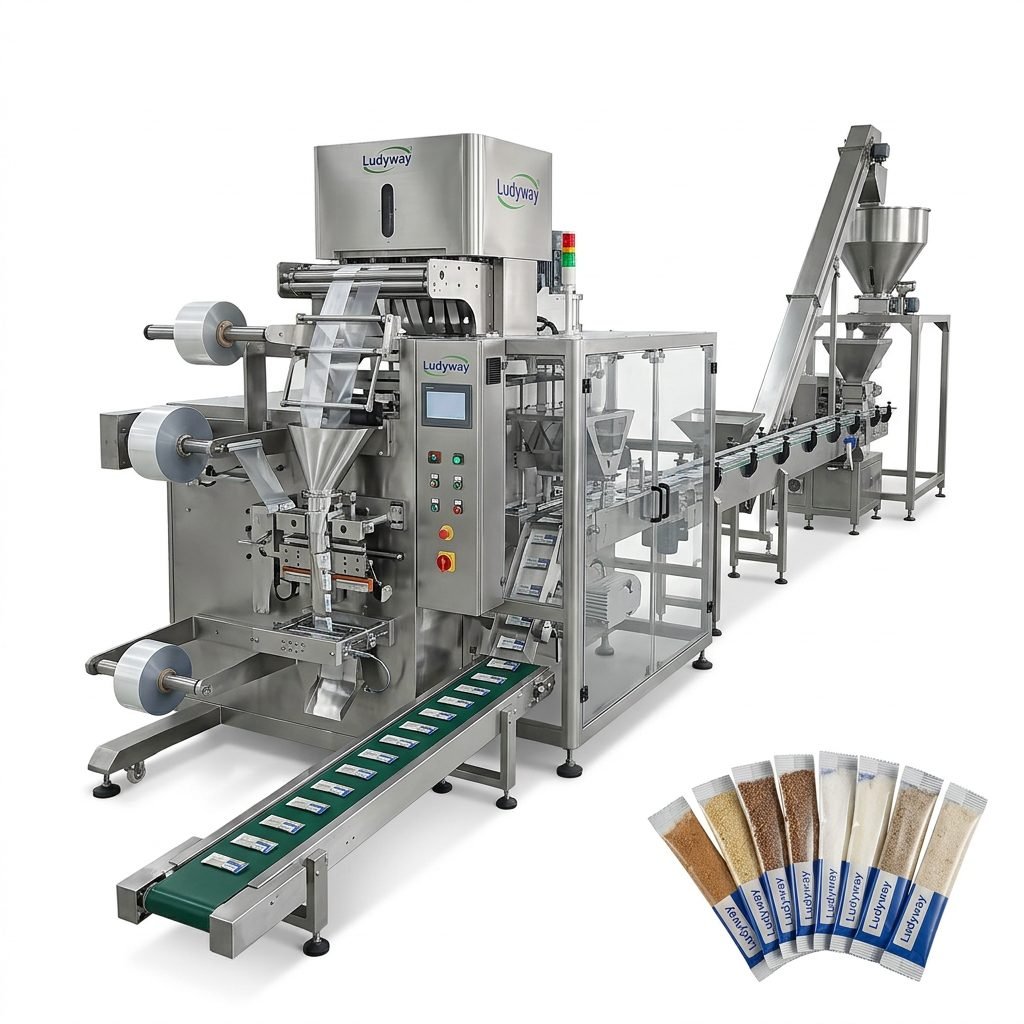
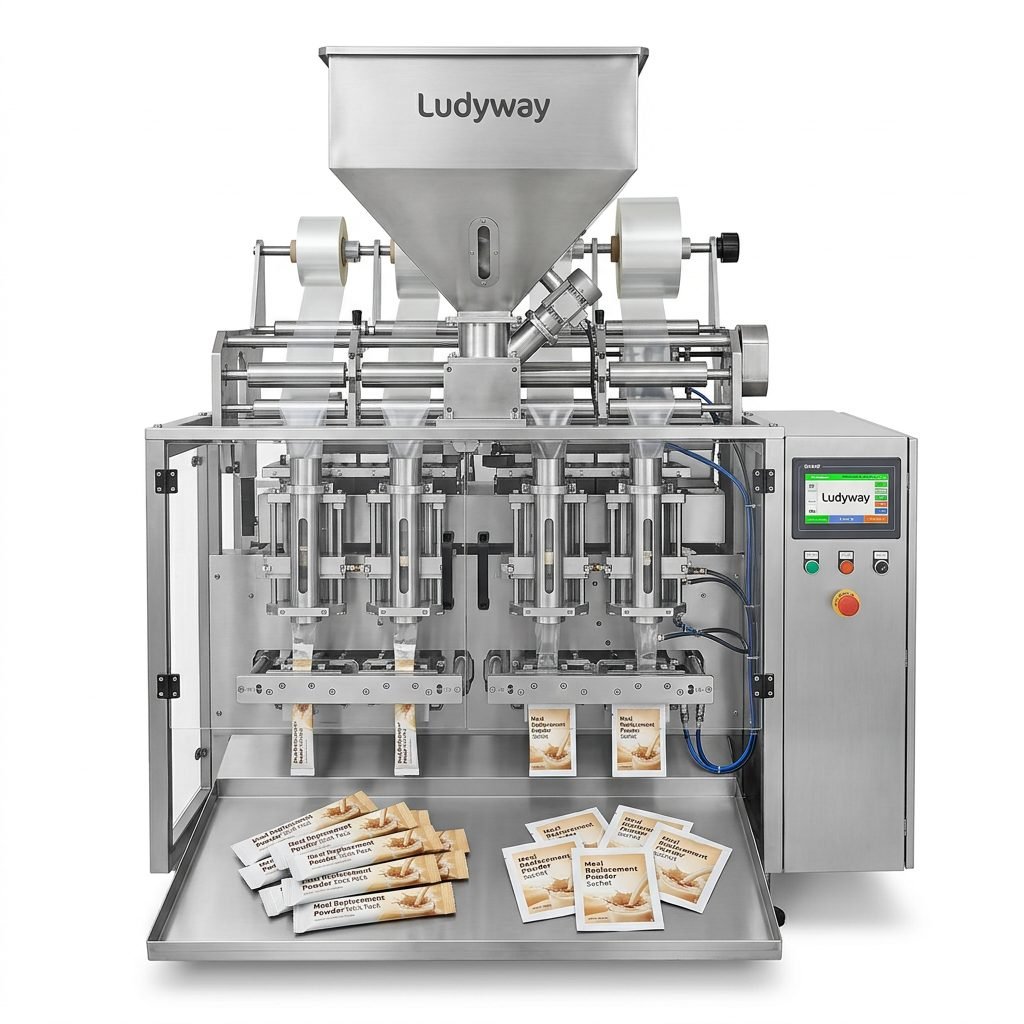
You need to define the physical characteristics of your product and the desired packaging format. Is your product a fine powder like flour, a granular substance like sugar, or a solid item? The flow properties and density will determine the type of dosing and filling system required. Similarly, the choice between a simple pillow bag, a block-bottom bag, or a sachet will heavily influence the mechanical design of the machine you choose.

Production Volume & Speed
Your current and projected throughput is perhaps the most crucial factor. Small-scale operations might suffice with a semi-automatic machine running at 20-30 packs per minute, while industrial applications often demand high-speed multi-lane systems capable of producing over 400 packs per minute. Underestimating future demand is a common pitfall; always select a machine that can scale with your business growth without requiring a complete replacement in two years.
Material Compatibility
Paper-based packaging often involves lamination or coatings to ensure barrier properties. Your machine must be precisely calibrated for the thickness, rigidity, and heat-sealing characteristics of your specific material. A machine that excels at sealing standard film might struggle with the sealing temperature requirements of eco-friendly paper-plastic laminates or pure paper with a cold-seal adhesive. Testing your exact material on the target machine is non-negotiable.
The Shift Toward Sustainable Paper Packaging
The global push away from single-use plastics has driven significant innovation in the paper food packaging machine sector. Modern equipment is increasingly designed to handle recyclable and biodegradable substrates. However, running paper requires different engineering tolerances compared to plastic films. Paper is less stretchable, generates more dust, and requires specific folding grips. Machines equipped with servo-driven motors and advanced tension control systems are essential for handling flexible paper packaging without tearing or wrinkling the material.
Many converters are now looking at sustainable flexible packaging materials that meet both functional and environmental criteria. The right machine must offer precise temperature profiling to avoid burning the paper surface while still achieving a hermetic seal on the inner coating.
Key Technical Specifications to Compare
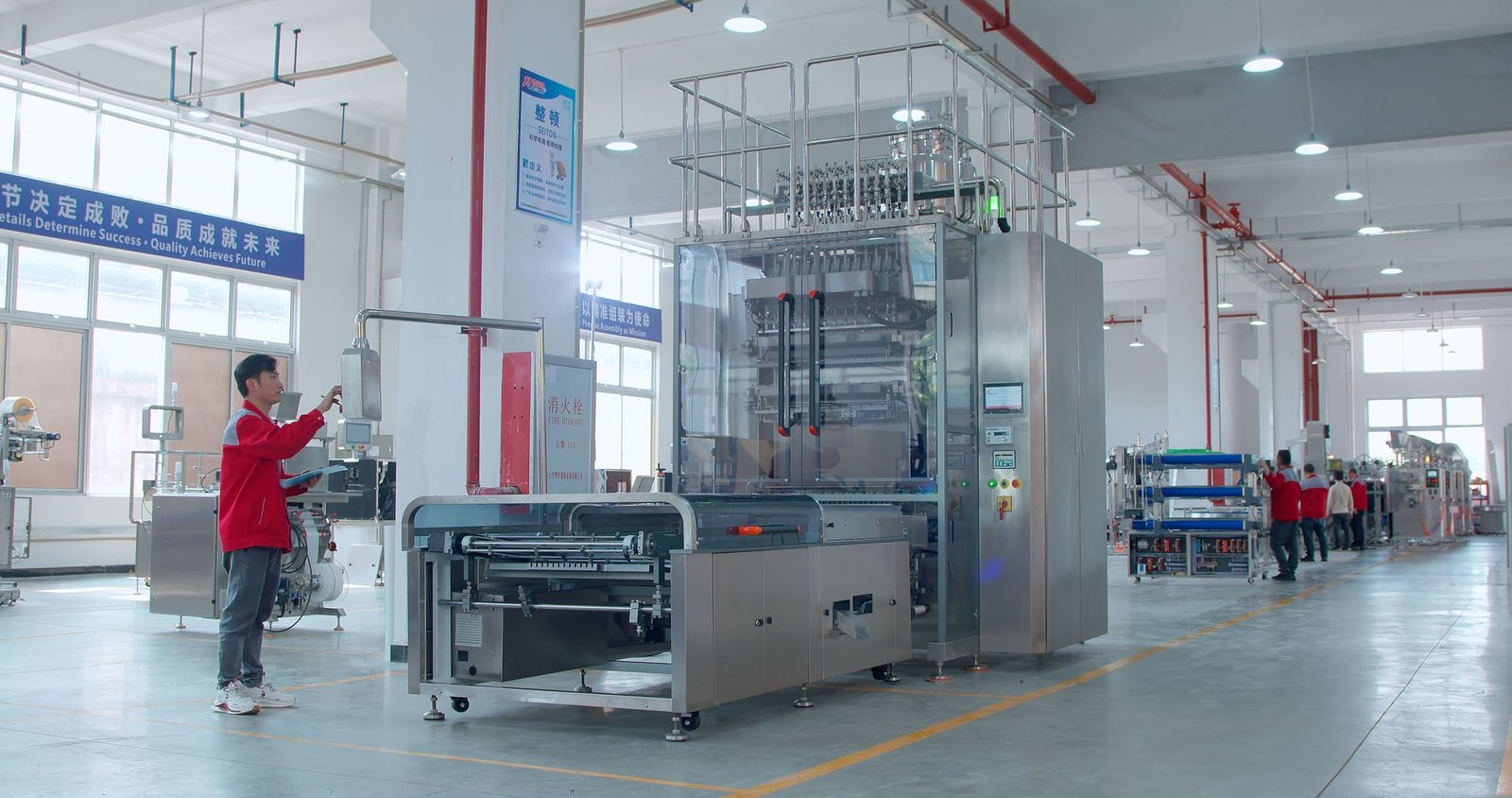
When comparing data sheets, look beyond the maximum speed. Analyze the standard deviation of fill accuracy over a full shift. A sophisticated paper food packaging machine should maintain a fill accuracy of ±0.5-2% depending on the product’s physical characteristics. Furthermore, the footprint and layout of the machine must fit within your existing factory constraints, considering not just the floor space but also ceiling height for hoppers and maintenance access.
| Feature | Semi-Automatic | Fully Automatic |
|---|---|---|
| Typical Speed | 15 – 35 ppm | 60 – 500+ ppm |
| Labor Requirement | 2-3 Operators | Unmanned Supervision |
| Sealing Integrity | Operator Dependent | Servo-Controlled |
| Changeover Time | 15-25 min | Recipe-Driven < 10 min |
Automation and Integration Capabilities
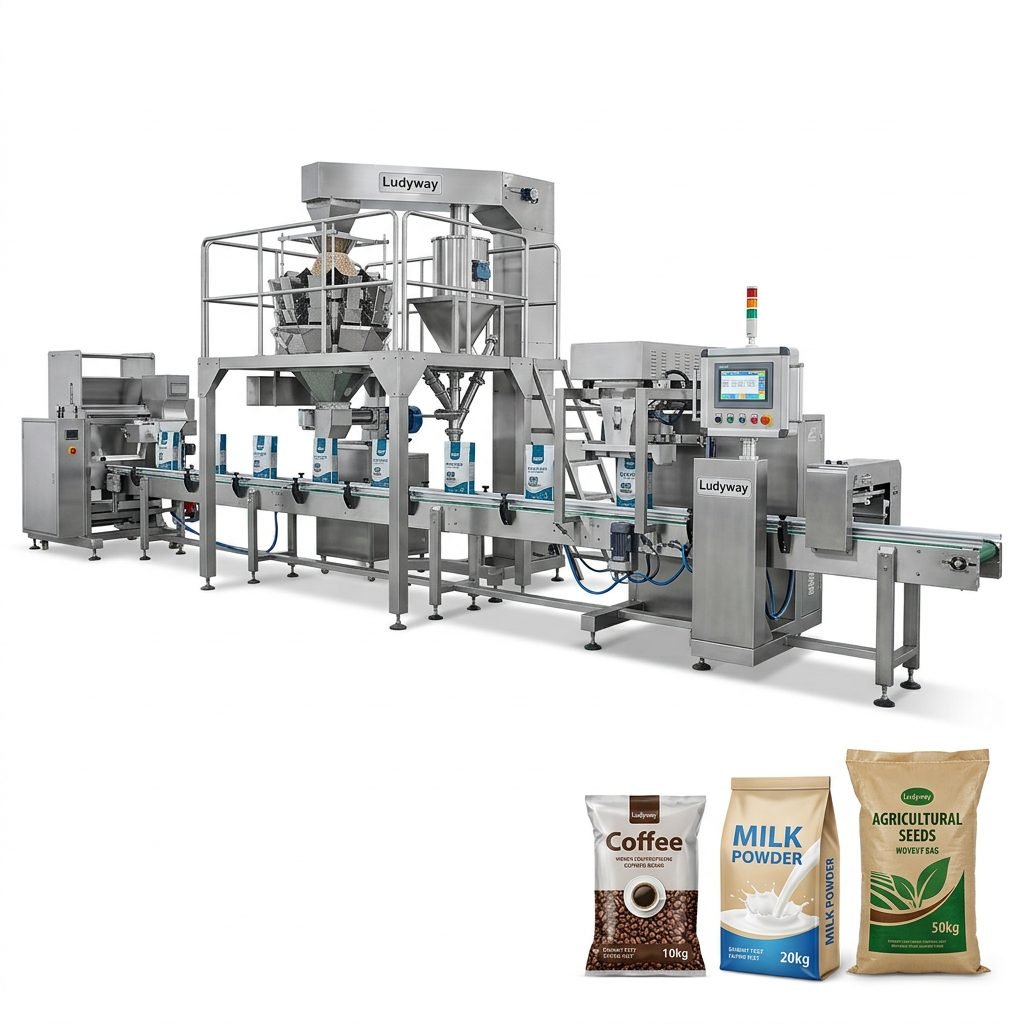
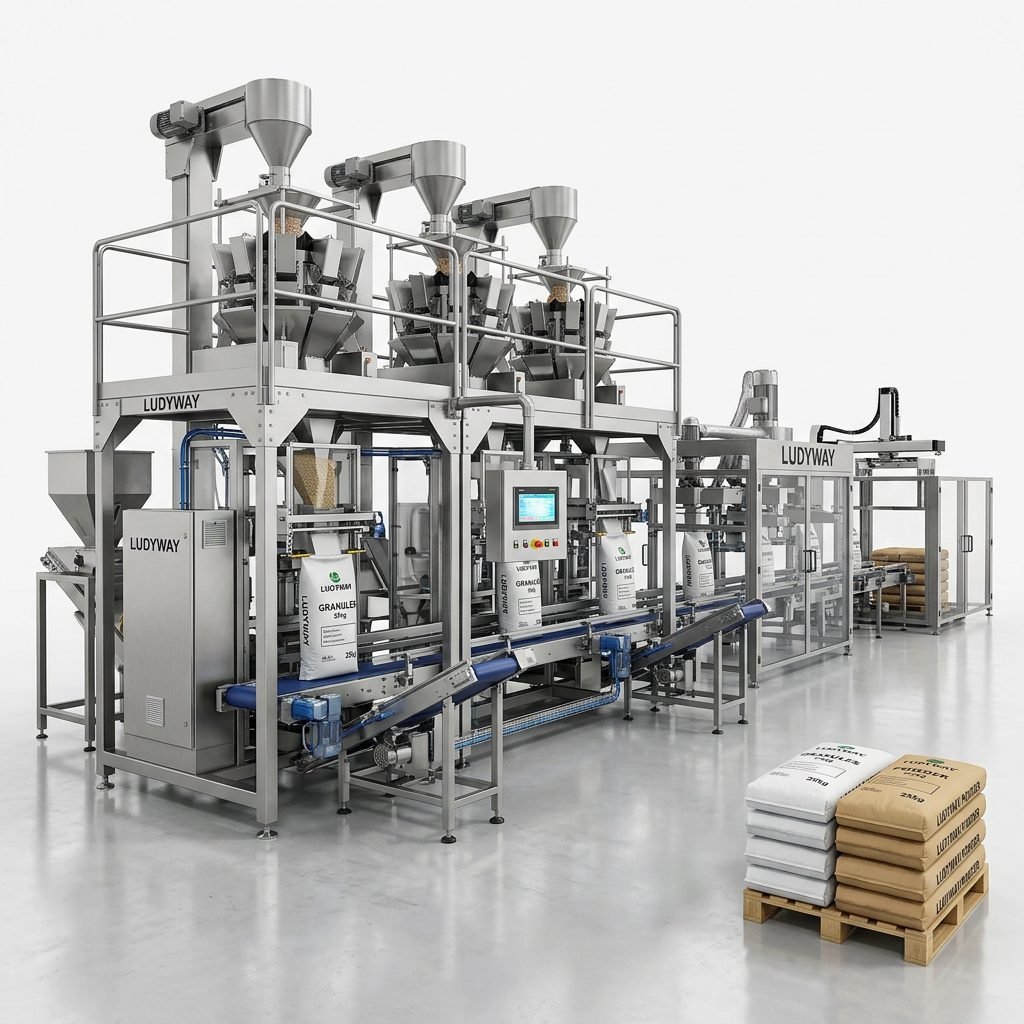
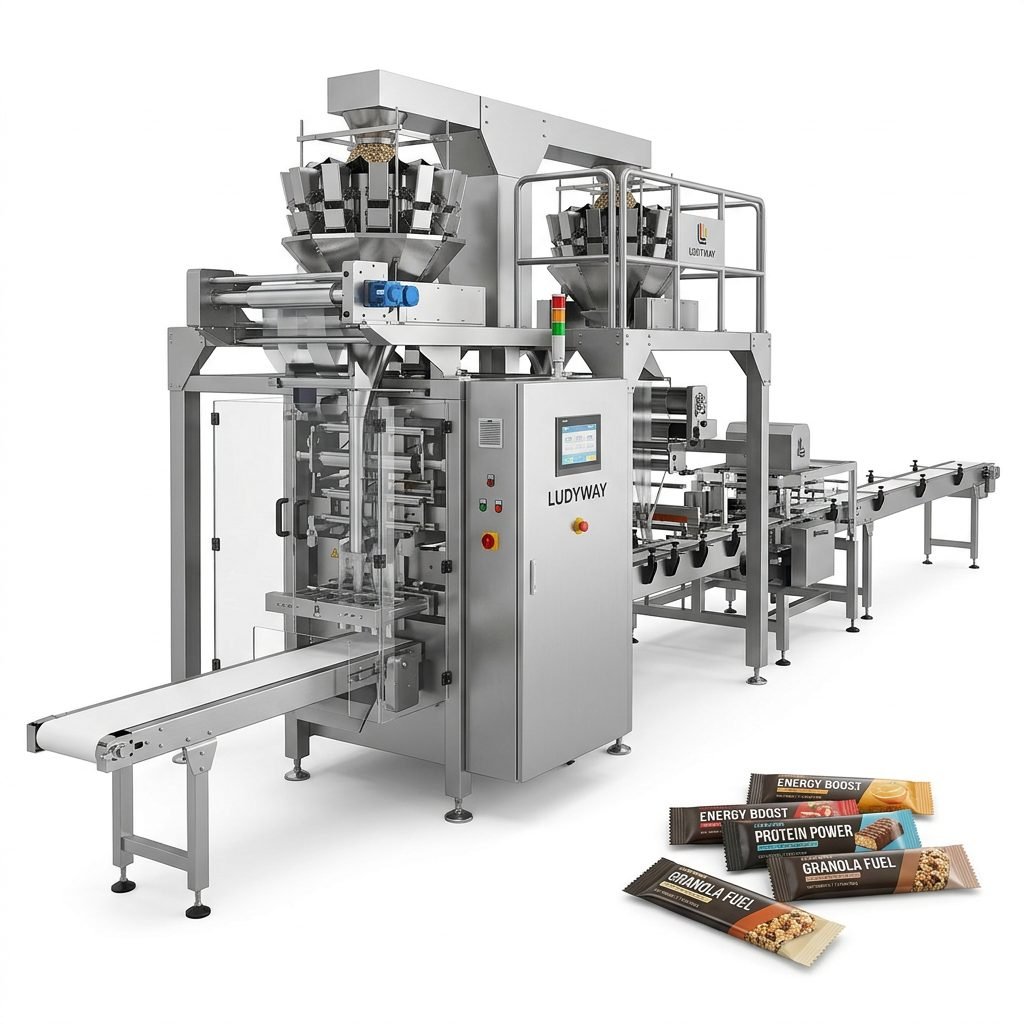
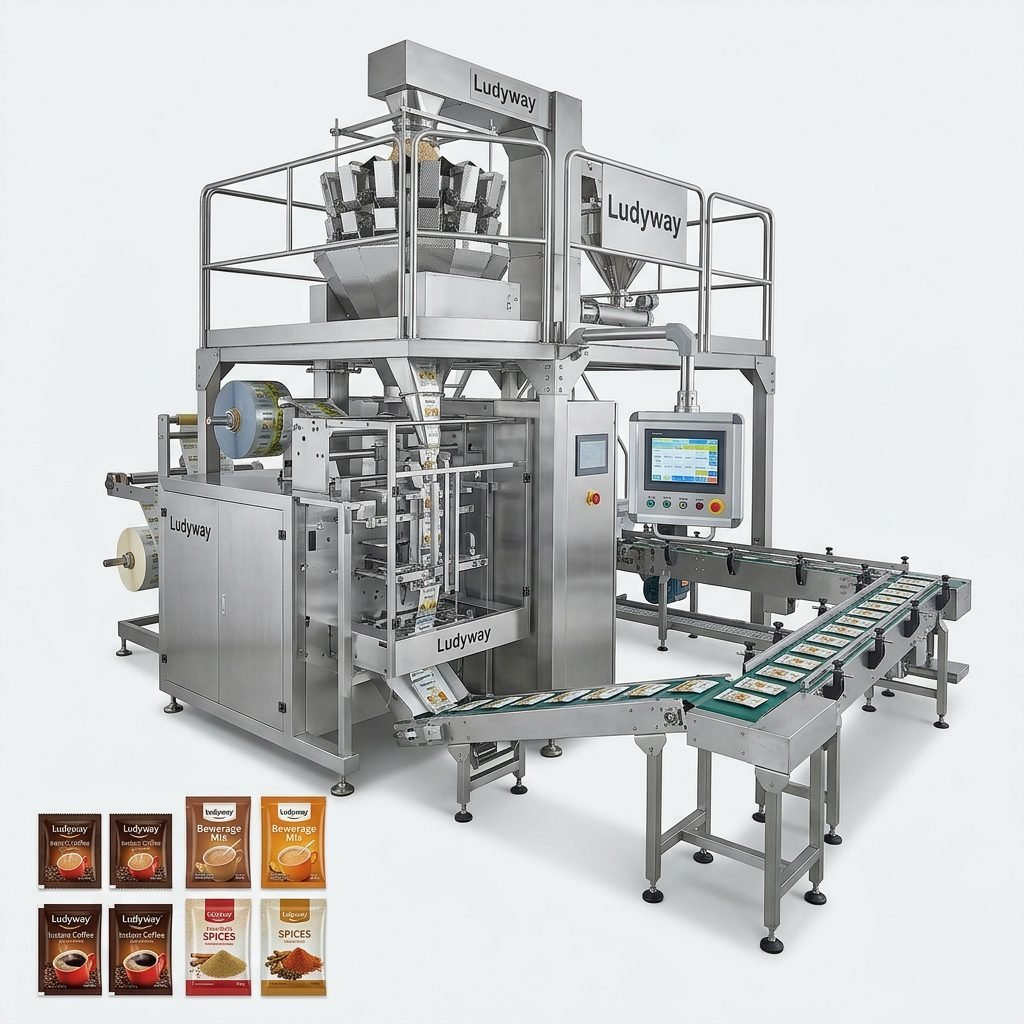
Islands of automation rarely deliver complete ROI. The true value of a modern paper food packaging machine is unlocked when it seamlessly integrates into a turnkey line. This includes upstream connections to powder and granule packaging machinery dosing units, and downstream connections to checkweighers, X-ray inspection systems, and robotic cartoning solutions. Look for machines that support standard industrial communication protocols (like EtherCAT or Profinet) to ensure your packaging line can communicate with your central Manufacturing Execution System (MES).
Key automation features to prioritize include:
- No-product, no-bag detection: Prevents empty packaging material waste.
- Automatic splice tables: Allows continuous operation without stopping to change the paper roll.
- Registered film tracking: Ensures printed paper designs are always cut and sealed in the correct position.
- Remote diagnostics: Allows the supplier to perform troubleshooting via IoT connections, a critical feature for minimizing downtime across global packaging lines.
Hygiene, Build Quality, and Material Construction
Food safety starts with the machinery. You need to evaluate the paper food packaging machine based on its compliance with Good Manufacturing Practices (GMP). The frame should be constructed from 304 or 316 stainless steel to resist corrosion from acidic food products and withstand frequent washdown cycles. All product contact parts must be readily accessible and tool-free for quick removal and sanitation. Pay close attention to the electrical enclosure ratings (IP65 or higher) if your facility uses water for cleaning.
Beyond the metal, the sealing jaws must be robust. Since paper is abrasive compared to plastic, the sealing dies must be heat-treated or coated to prevent premature wear. A well-built machine uses precision-machined mechanical cams or servo-driven actuators rather than pneumatic cylinders alone, offering more repeatable motion control essential for ISO compliant packaging.
After-Sales Support
Purchasing a machine is just the beginning. You are entering a long-term relationship with the manufacturer. Investigate the availability of spare parts in your region. A high-quality supplier will offer 24/7 remote technical support, on-site commissioning by factory-trained engineers, and comprehensive training for your operators. Confirm that maintenance contracts and spare part catalogues are available digitally to prevent operational bottlenecks.
Total Cost of Ownership
The purchase price is deceptive. Calculate the cost per 10,000 bags factoring in energy consumption, film waste percentage, and consumable parts like sealing elements and cutters. A cheaper machine that wastes 3% more film due to poor tension control will cost significantly more over a decade. A robust paper food packaging machine operates with a film waste rate of well below 1.5%.
Measuring Success: Performance Metrics
As the industry moves toward smarter manufacturing, data capture is vital. Evaluate whether the paper food packaging machine offers Overall Equipment Effectiveness (OEE) dashboards. You should be able to instantly view availability, performance, and quality rates for your lines. Key performance indicators to track are the bag rejection rate, the mean time between failures (MTBF), and the duration of format changeovers. According to recent state of the industry reports, equipment efficiency is the primary factor driving profitability in high-volume food plants.
Why Buyers Choose Long-Term Engineering Partners
Choosing between a standard machine and a customized solution often defines the success of a packaging project. Off-the-shelf machines provide lower upfront costs, but you may have to adapt your product or process to the machine’s limitations. In contrast, a comprehensive solution provider analyzes your specific food packaging requirements and configures the technology accordingly.
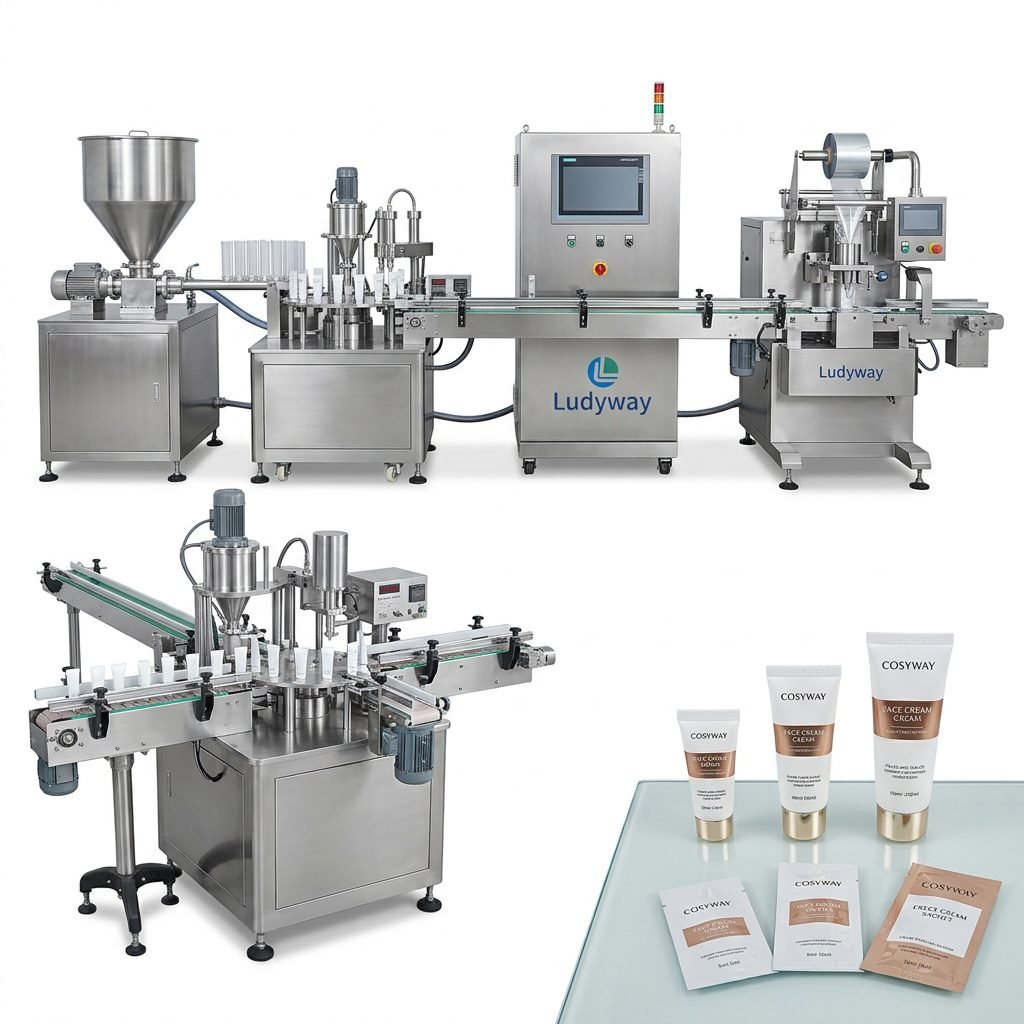
For example, Ludyway Machinery operates a 20,000-square-meter manufacturing facility and specializes in developing automated packaging equipment for a diverse range of industries. With over 50 machine models and a team of more than 130 professionals, they offer customized manufacturing configurations that handle everything from a single machine to a complete, integrated turnkey packaging line. This approach ensures every component—from the filling system to the paper food packaging machine frame—is precisely matched to the product characteristics and production speed. Ludyway is expected to achieve export revenue of more than RMB 500 million (approximately US$69 million) in 2025, and plans to surpass RMB 1 billion (approximately US$138 million) in export revenue in 2026, a testament to the global demand for engineering-driven packaging solutions.