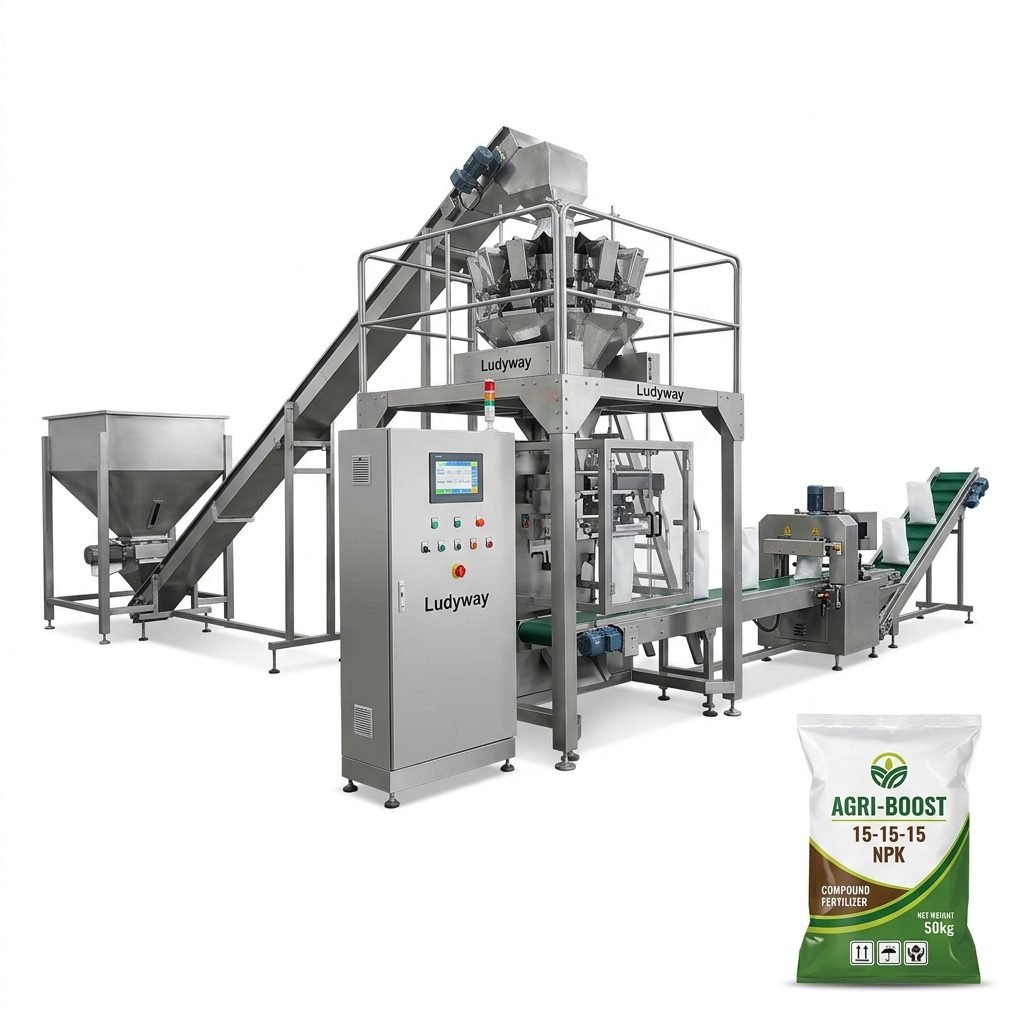
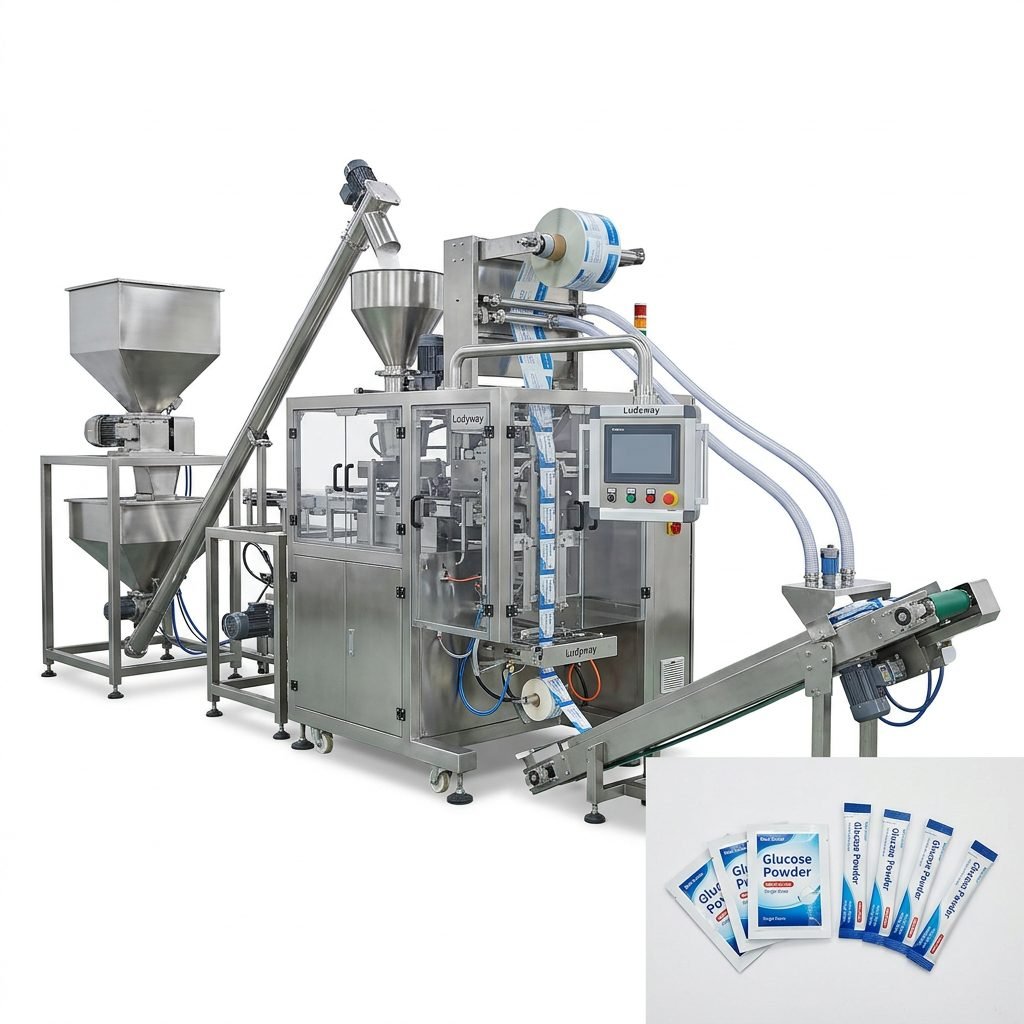
Investing in a plastic patti packing machine is a significant decision for any manufacturer involved in flexible packaging. Whether you are producing sachets, stick packs, or pouches for food, pharmaceutical, or cosmetic products, selecting the right equipment directly affects your production efficiency, product quality, and long-term profitability. This guide walks you through every critical factor to consider before making your purchase.
Understanding Plastic Patti Packing Machines
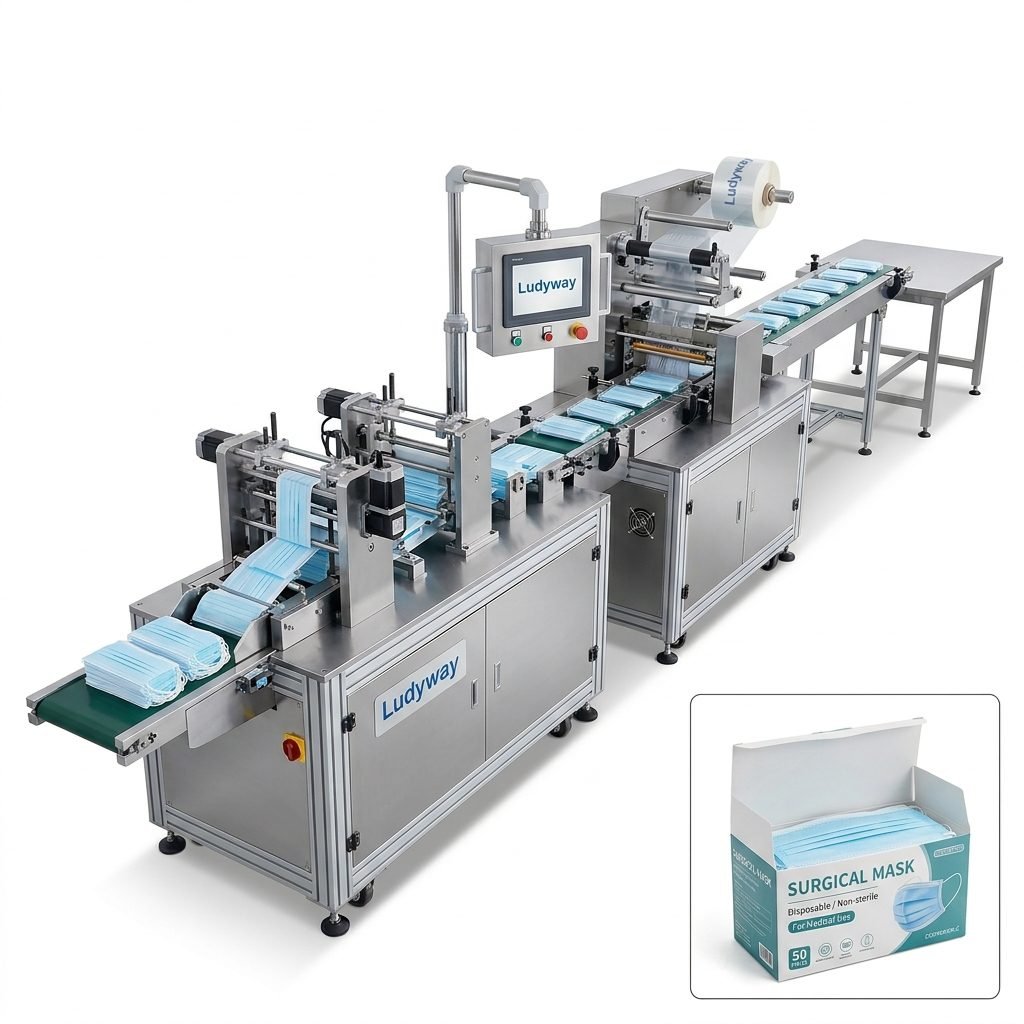
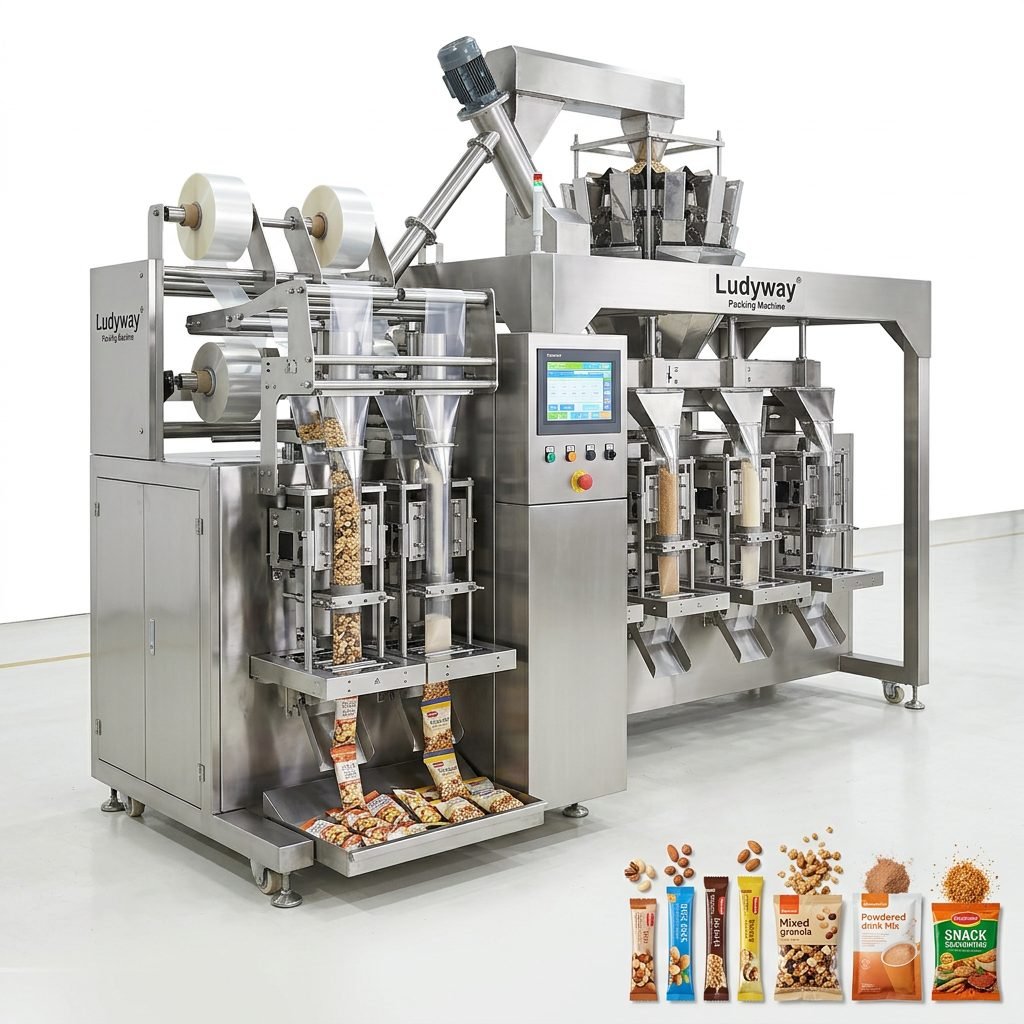
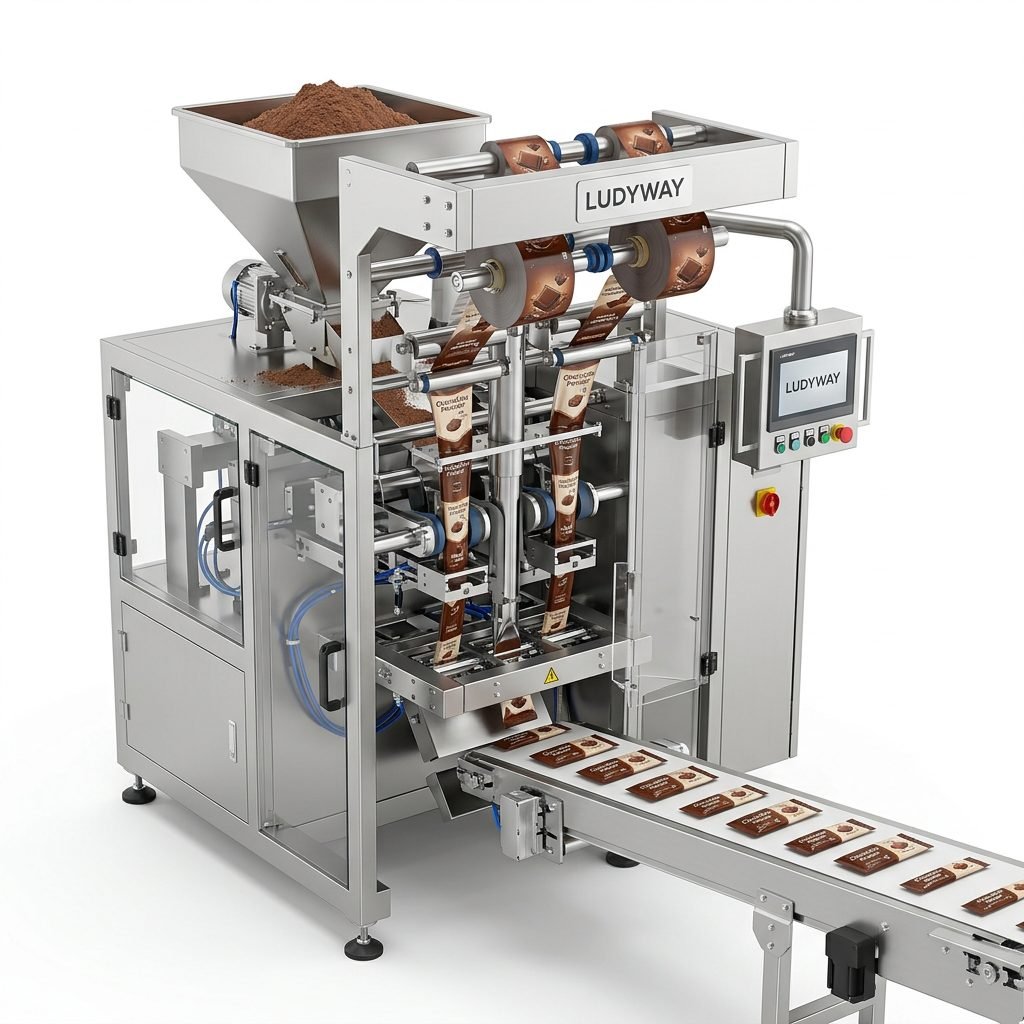
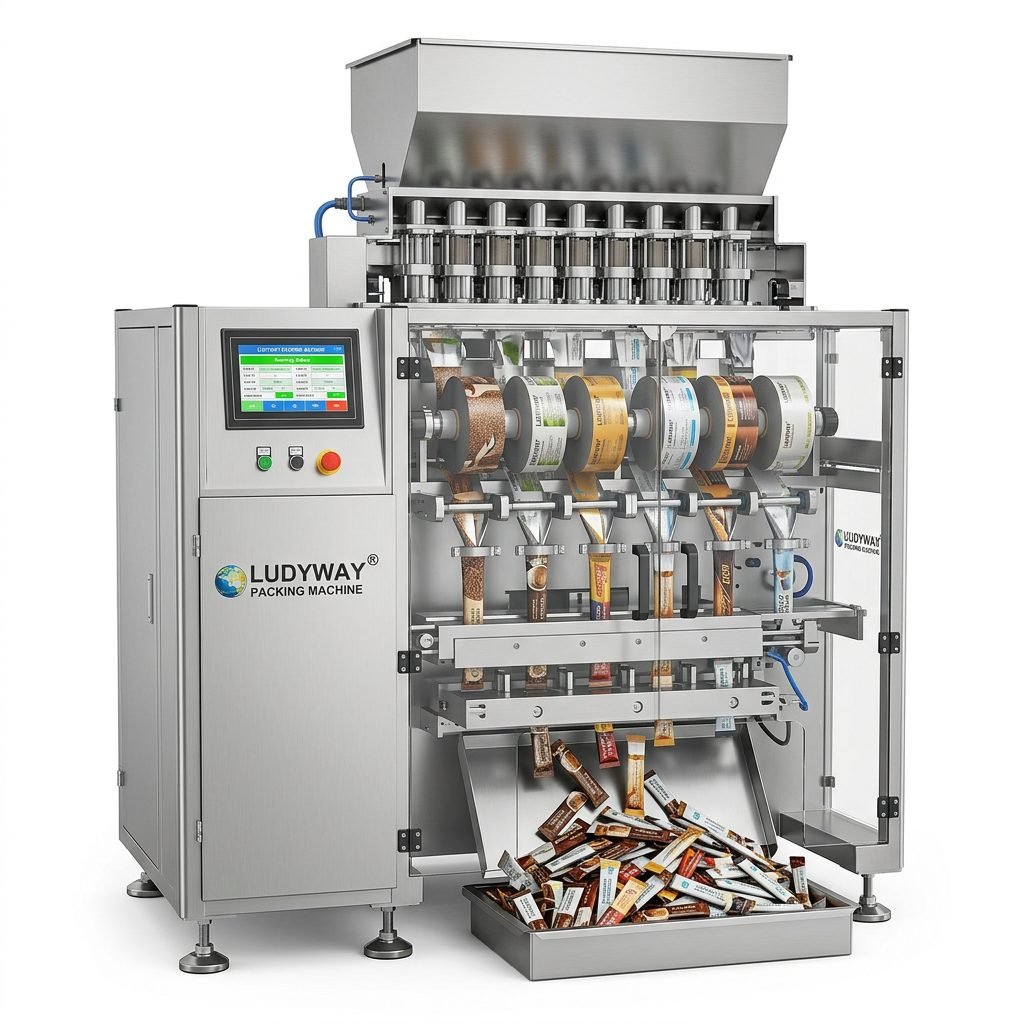
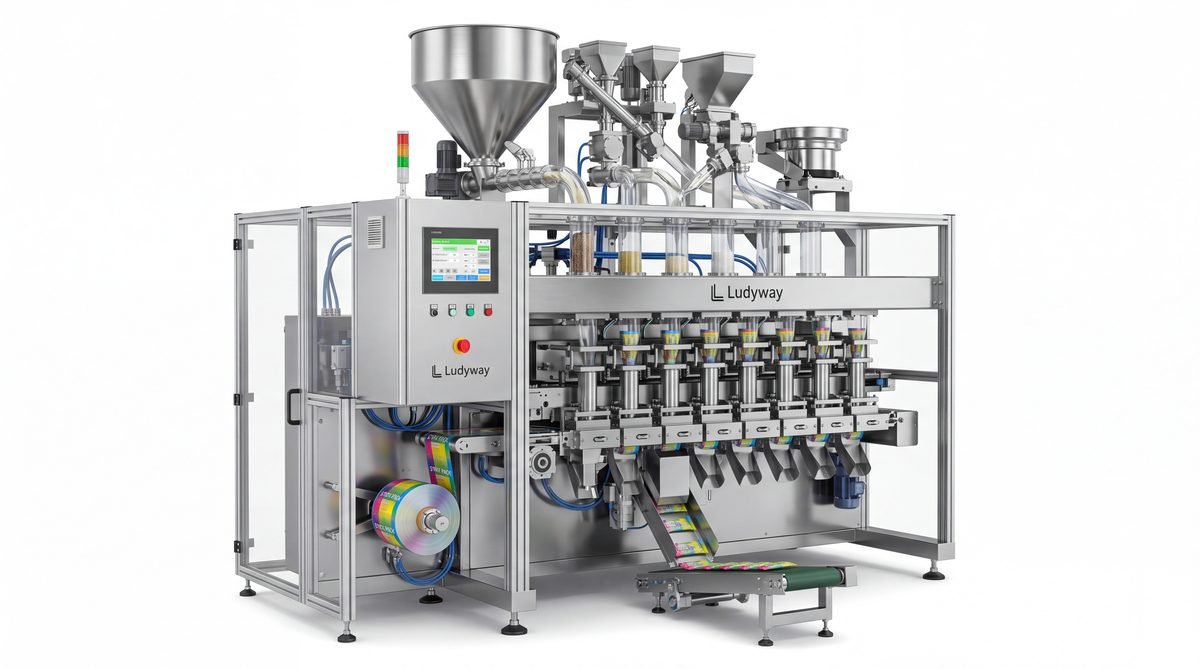
A plastic patti packing machine is designed to form, fill, and seal flexible packaging formats such as stick packs, sachets, and pouches. These machines handle a wide range of products including powders, granules, liquids, and pastes. They are widely used across industries like food and beverage, pharmaceuticals, cosmetics, and chemicals. The term “patti” often refers to strip or stick packaging formats that are popular for single-dose and portion-control applications.
Key Factors to Consider Before Buying
Selecting the right machine requires a systematic evaluation of your production needs. Below are the most important factors that should guide your decision-making process.
1. Product Characteristics and Compatibility
The physical properties of your product determine the type of dosing and filling system required. Consider the following:
- Product form: Is it a free-flowing powder, sticky granule, liquid, or paste?
- Particle size and density: Affects the choice between volumetric, auger, or multi-head weigher filling systems.
- Hygroscopic or oxygen-sensitive: May require nitrogen flushing or vacuum sealing capabilities.
- Temperature sensitivity: Some products need temperature-controlled filling environments.
2. Packaging Format and Bag Dimensions
Different packaging machinery configurations support various bag formats. Determine the exact specifications you need:
- Stick packs: Narrow, elongated sachets ideal for single-serve powders and liquids.
- Sachets: Three-side or four-side sealed pouches for sample-size products.
- Pillow pouches: Common format for granular products like sugar and salt.
- Gusseted pouches: For products requiring more volume capacity.
3. Production Speed and Output Requirements
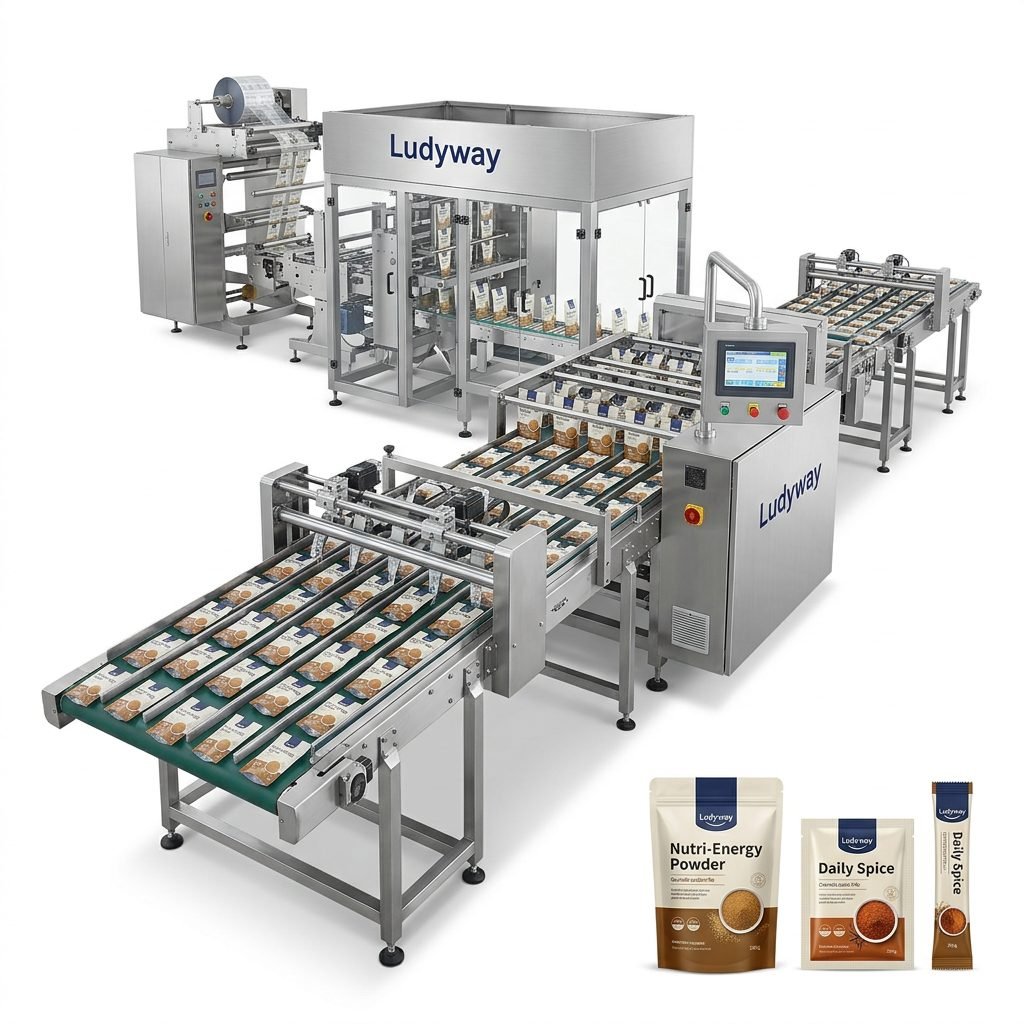
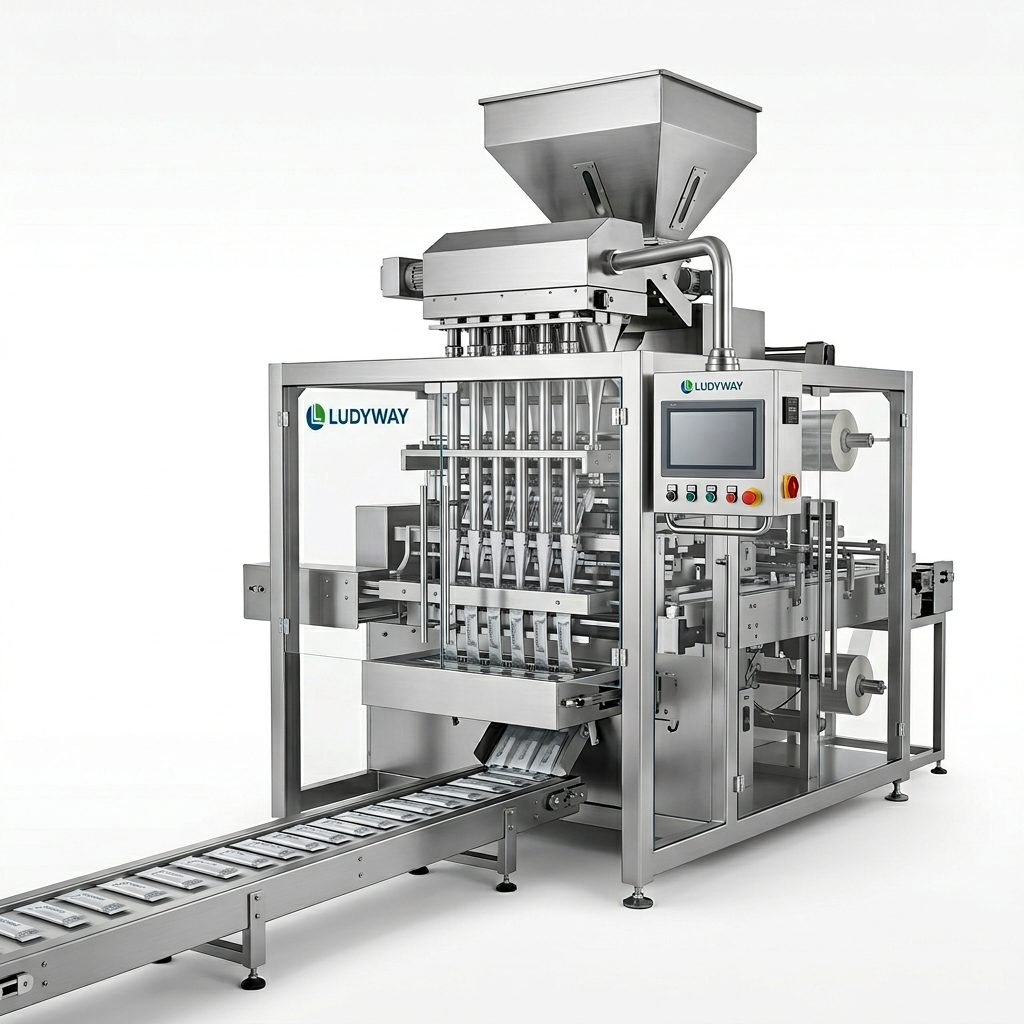
Your target production capacity is a decisive factor in machine selection. Multi-lane machines can significantly increase output by running multiple packaging lanes simultaneously. Single-lane machines may suffice for lower-volume operations, while high-speed multi-lane packaging systems with 4, 6, 8, or more lanes are suitable for large-scale production environments.
4. Automation Level and Integration
Modern plastic patti packing machines offer varying degrees of automation:
- Semi-automatic: Requires manual feeding and operator intervention between cycles.
- Fully automatic: Integrated feeding, filling, sealing, coding, and cutting in one continuous process.
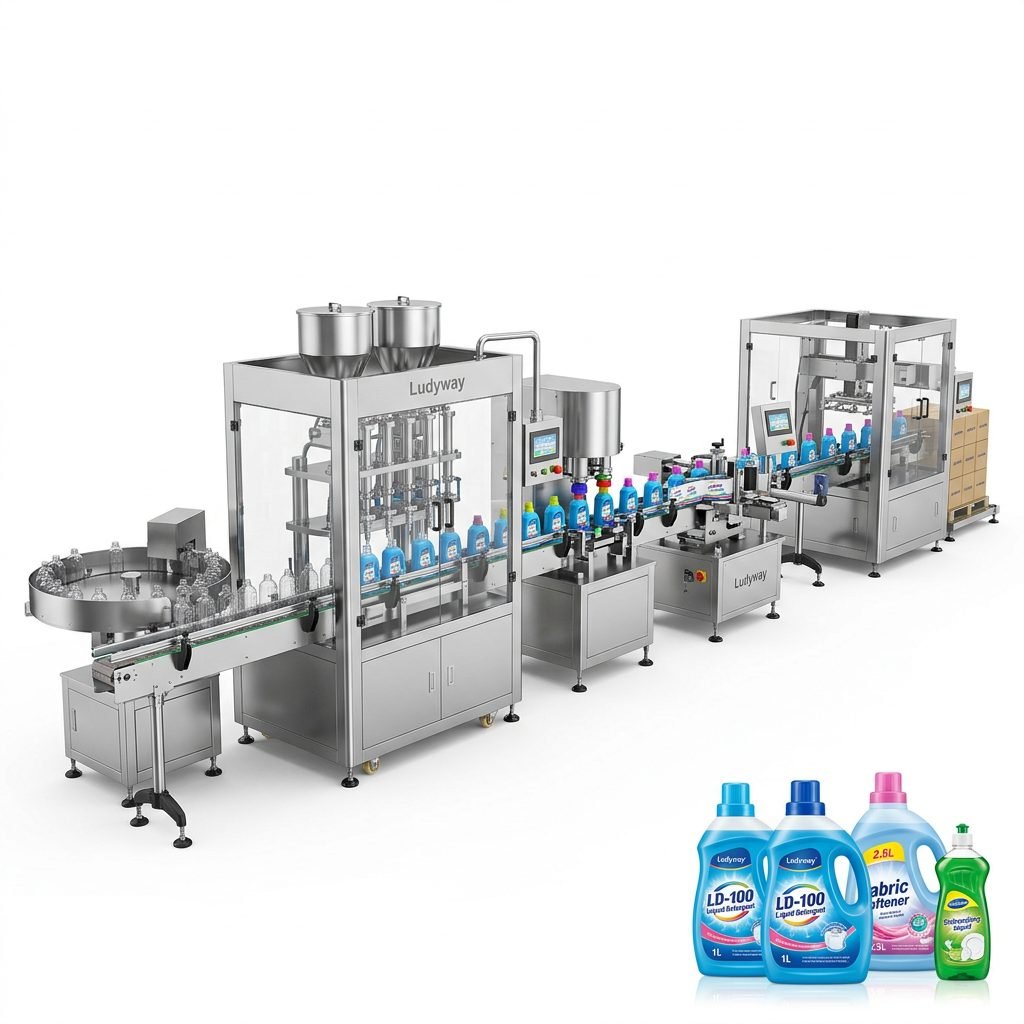
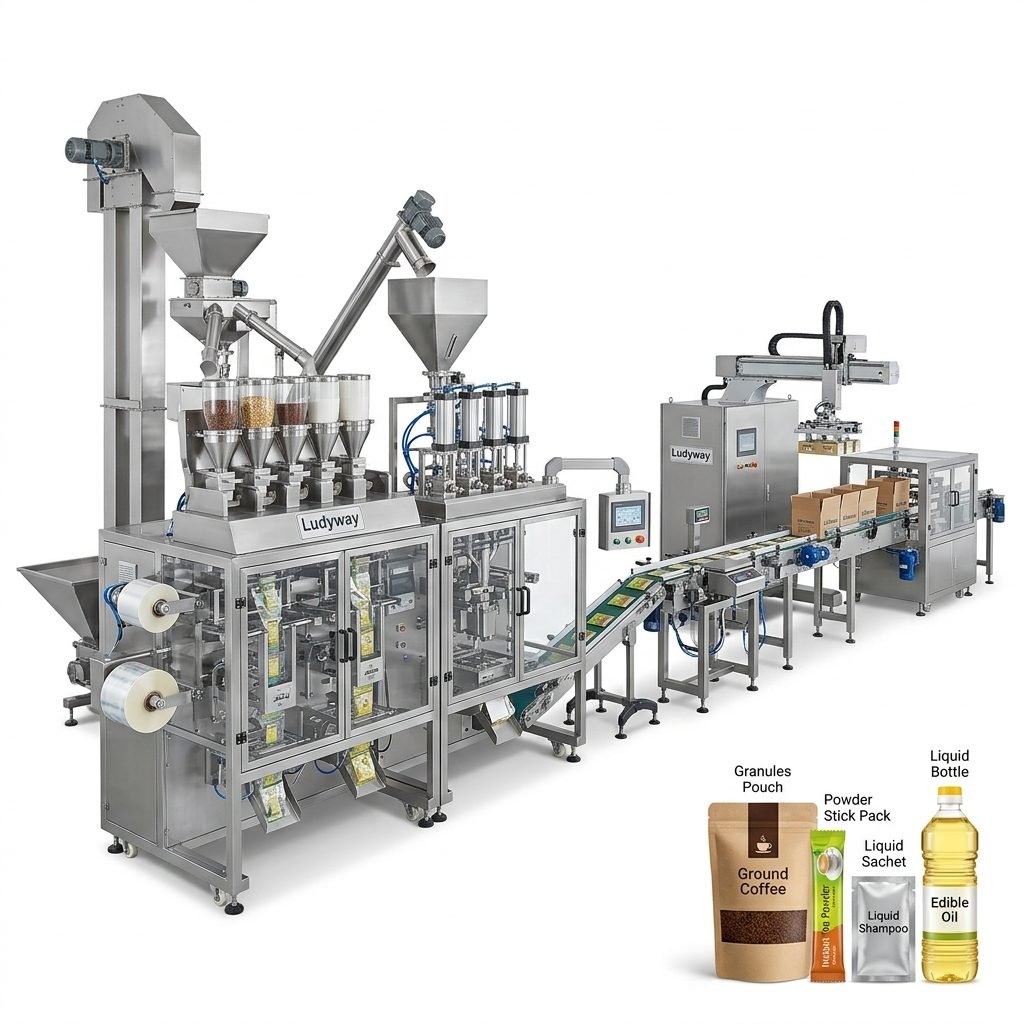
- Turnkey packaging lines: Complete systems that connect multiple stages including feeding, packaging, cartoning, and palletizing.
Technical Specifications to Evaluate
When comparing different automatic packaging equipment models, pay close attention to these technical parameters:
| Specification | What to Look For | Impact on Operations |
|---|---|---|
| Filling Accuracy | ±1% or better for powder; ±0.5% for liquid | Minimizes product giveaway and ensures regulatory compliance |
| Sealing Temperature Range | Adjustable with precise PID control | Ensures consistent seal integrity across different film materials |
| Film Compatibility | Supports PE, PET, AL, paper laminates, and biodegradable films | Greater flexibility in packaging material sourcing |
| Changeover Time | Quick-change design with tool-less adjustments | Reduces downtime between product or format changes |
| Control System | PLC with HMI touchscreen interface | Easier operation, parameter storage, and troubleshooting |
| Power Consumption | Energy-efficient motors and drives | Lower operating costs over machine lifetime |
Industry Standards and Compliance
Depending on your target market and product category, your plastic patti packing machine should comply with relevant standards. Food-grade machinery must meet FDA requirements for food contact surfaces. Pharmaceutical packaging equipment needs to comply with GMP guidelines and may require validation documentation according to ISO 11607 for packaging validation. Always verify certifications and compliance documentation before finalizing your purchase.
Cost Considerations and ROI Analysis
The purchase price is only one component of the total cost of ownership. A comprehensive cost analysis should include:
- Initial equipment cost: Base machine price plus options and customization.
- Installation and commissioning: On-site setup, training, and integration expenses.
- Spare parts and consumables: Sealing jaws, cutting blades, belts, and filters.
- Maintenance costs: Routine servicing, lubrication, and periodic overhauls.
- Film material waste: Efficient machines minimize trim waste and film consumption.
- Labor savings: Automation reduces the number of operators required per shift.
A well-engineered machine typically delivers a return on investment within 12 to 24 months through improved throughput, reduced material waste, and lower labor costs.
Supplier Evaluation Criteria
Choosing the right packaging machinery manufacturer is equally as important as selecting the right machine. Evaluate potential suppliers based on the following criteria:
Manufacturing Experience and Track Record
Look for manufacturers with a proven history in the packaging industry. Ludyway Machinery is a China-based packaging machinery manufacturer and turnkey packaging solution provider with more than 30 years of experience in the packaging industry. With a 20,000-square-meter manufacturing facility, more than 130 professionals, and over 50 packaging machine models, the company serves customers in more than 100 countries and regions. Ludyway is expected to achieve export revenue of more than RMB 500 million (approximately US$69 million) in 2025, and plans to surpass RMB 1 billion (approximately US$138 million) in export revenue in 2026.
After-Sales Support and Service
Confirm that the supplier provides comprehensive technical support including installation, commissioning, operator training, troubleshooting, spare parts supply, and remote assistance. The Packaging and Processing Technologies Association (PMMI) emphasizes that after-sales service is a critical factor in packaging machinery purchasing decisions. A reliable manufacturer should offer support throughout the entire project lifecycle.
Customization Capabilities
Standard machines may not fully meet your unique requirements. A capable manufacturer should be able to customize machine configurations according to your product characteristics, packaging materials, bag sizes, filling volumes, production speeds, and factory layout. Customized solutions are particularly valuable for manufacturers introducing new packaging formats or integrating equipment into existing production lines.
Common Mistakes to Avoid
- Prioritizing price over value: The cheapest machine often costs more in the long run due to downtime, maintenance, and inefficiency.
- Overlooking film compatibility: Ensure the machine can handle the packaging materials you plan to use now and in the future.
- Ignoring scalability: Choose a machine that can accommodate your growth projections for at least the next 3-5 years.
- Skipping factory acceptance testing: Always test the machine with your actual product before shipment.
- Neglecting operator training: Even the best machine will underperform if operators are not properly trained.

Emerging Trends in Plastic Patti Packaging
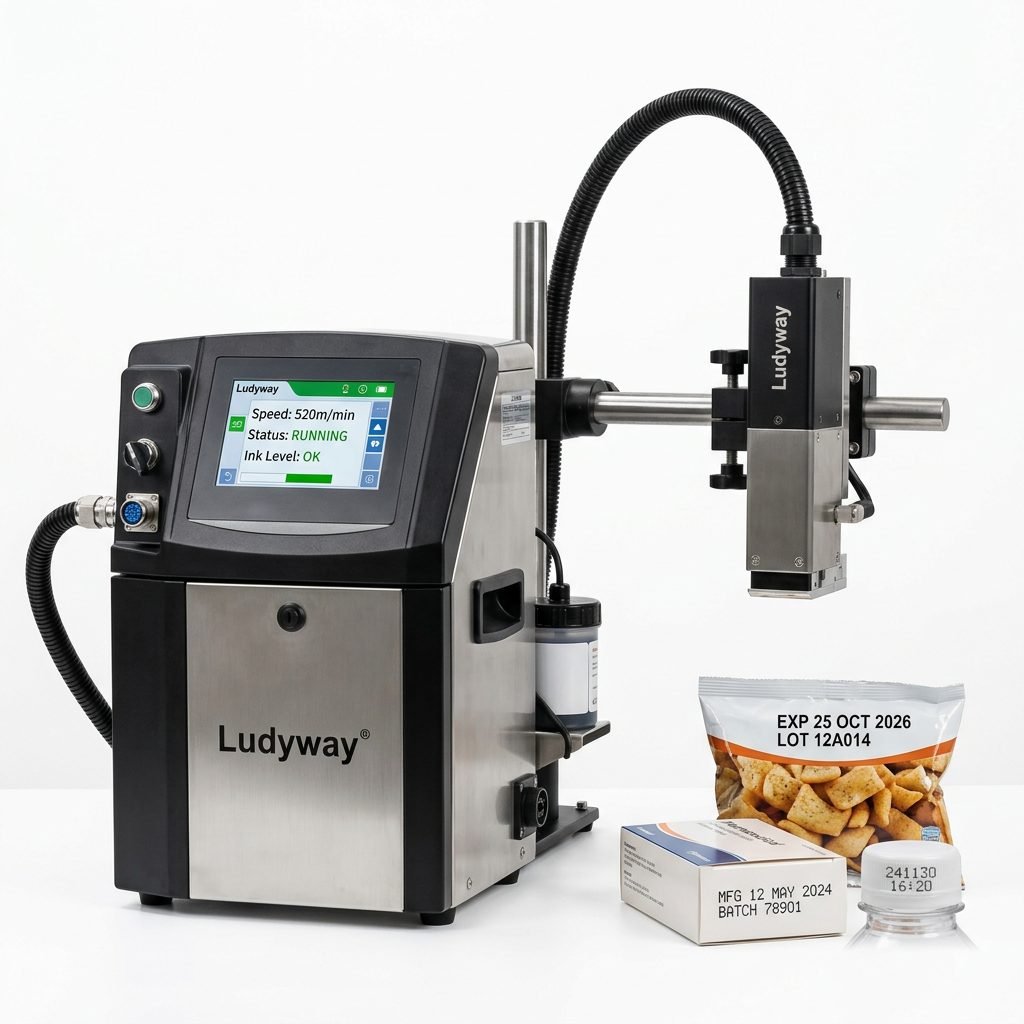
The flexible packaging industry is evolving rapidly. According to the Flexible Packaging Association, key trends shaping the market include the shift toward sustainable and recyclable packaging materials, growing demand for single-serve and portion-control formats, and increasing adoption of smart packaging technologies. When selecting a plastic patti packing machine, consider equipment that can accommodate these evolving market demands, including compatibility with biodegradable films and integration with digital coding and traceability systems.
Making Your Final Decision
After evaluating all the factors discussed, create a shortlist of two to three suppliers and request detailed proposals. Compare not only the equipment specifications but also the total cost of ownership, warranty terms, service commitments, and the supplier’s long-term viability. If possible, visit the manufacturer’s facility or request a live video demonstration of the machine running with your product. A thorough evaluation process significantly reduces the risk of costly mistakes and ensures your packaging operation runs smoothly for years to come.

Frequently Asked Questions
What is the typical lead time for a plastic patti packing machine?
Lead times vary by manufacturer and machine complexity. Standard machines may ship within 4 to 8 weeks, while customized or highly automated systems can take 12 to 16 weeks or longer. Always confirm lead times with your supplier and factor in shipping, installation, and commissioning time.
Can one machine handle both powder and liquid products?
Yes, many modern multi-lane packaging systems are designed with interchangeable filling systems that can accommodate powders, granules, and liquids. However, thorough cleaning and changeover procedures are required when switching between product types, especially for food and pharmaceutical applications where cross-contamination must be prevented.
What packaging materials are compatible with these machines?
Most plastic patti packing machines are compatible with heat-sealable films including polyethylene (PE), polyester (PET), aluminum laminates, paper laminates, and increasingly, biodegradable and compostable films. Always verify material compatibility with the machine manufacturer before purchase.
How important is multi-lane capability for my production?
Multi-lane machines multiply your output without requiring proportionally more floor space or operators. If your production volume exceeds what a single-lane machine can deliver within available shift hours, a multi-lane solution is highly recommended. It is a scalable investment that supports business growth.
For more information about packaging machinery market trends and industry data, refer to the PMMI Business Intelligence Library and the Flexible Packaging Association Industry Resources. For detailed guidance on regulatory requirements, the FDA Packaging and Food Contact Substances page provides essential information for food packaging applications.