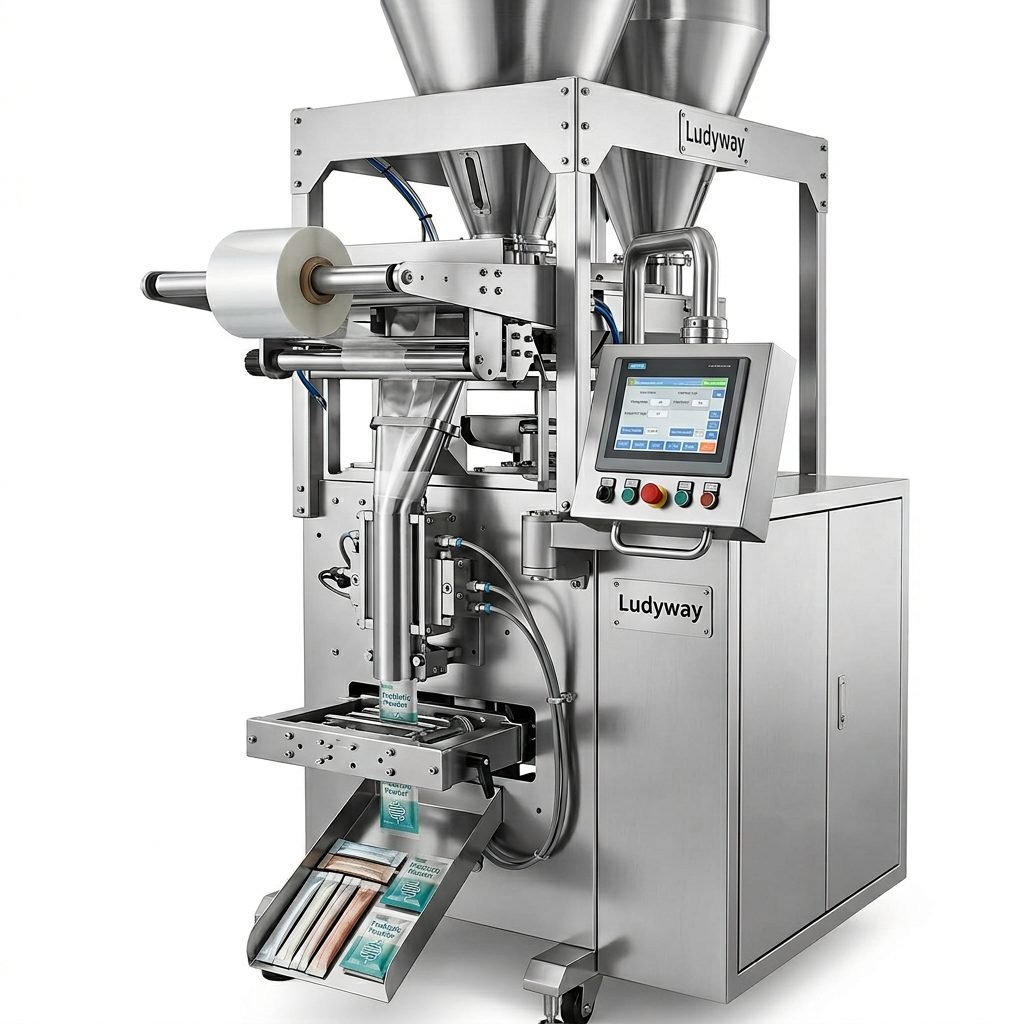
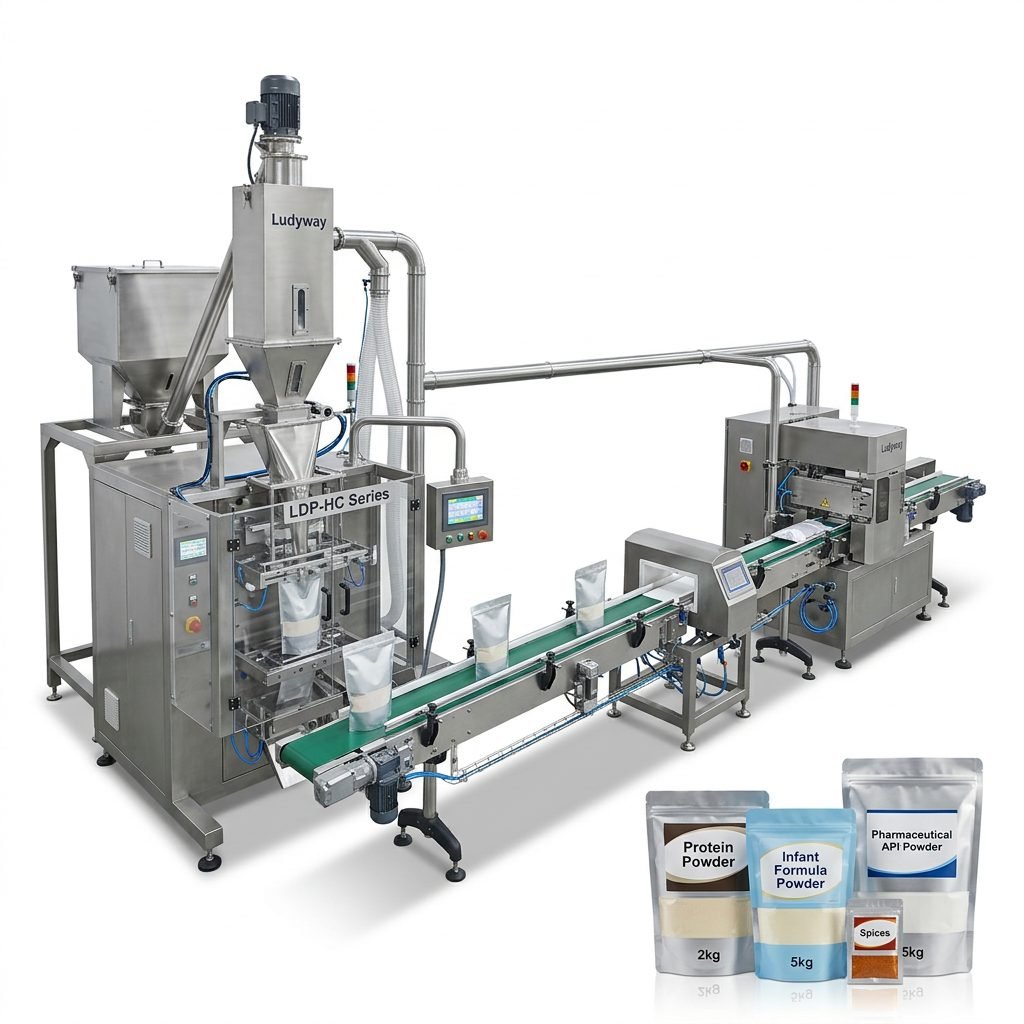
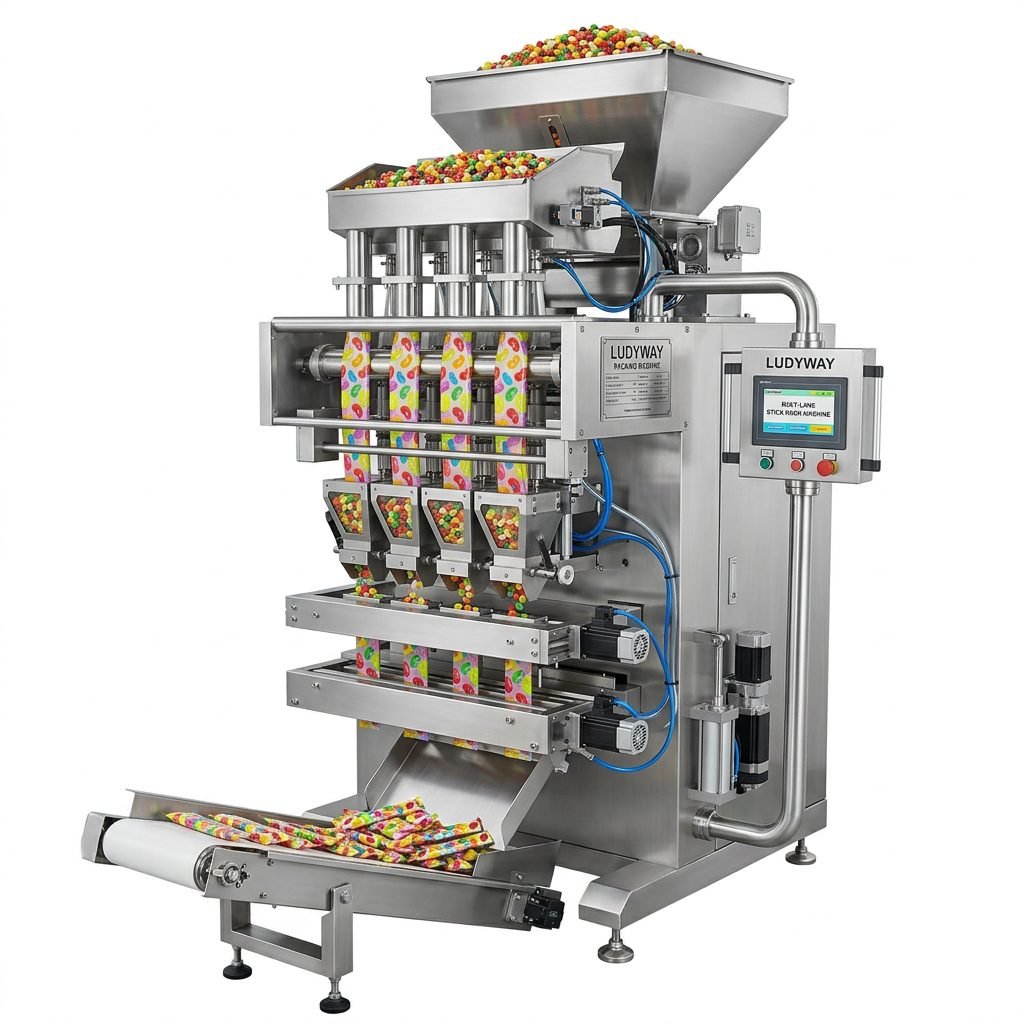
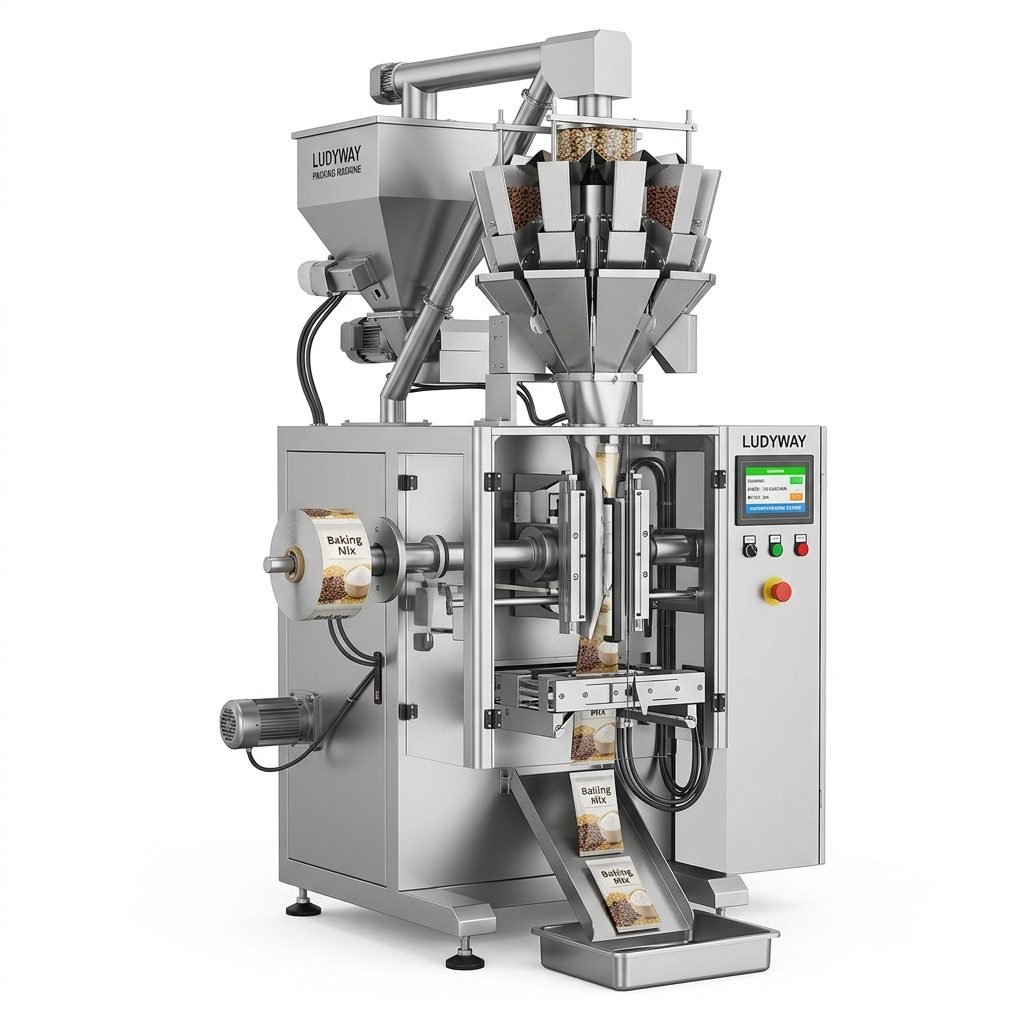
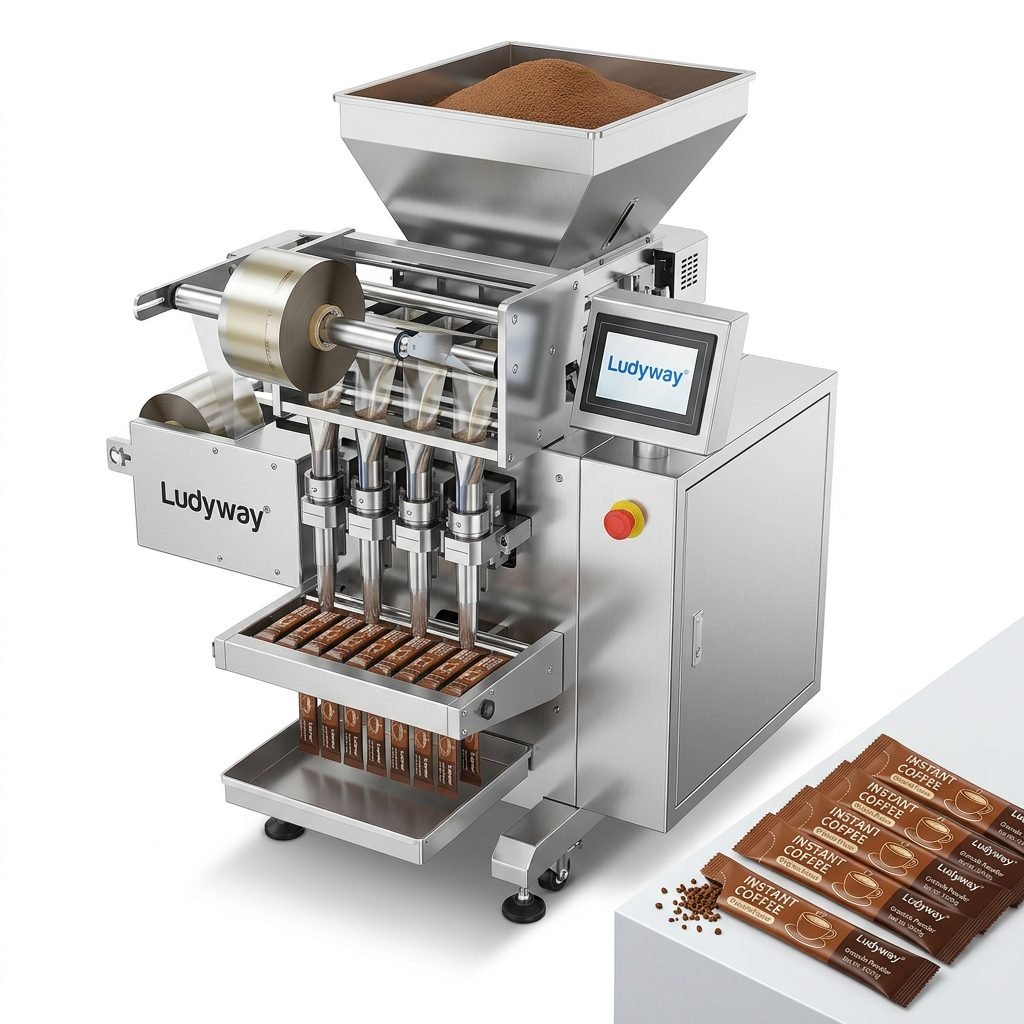
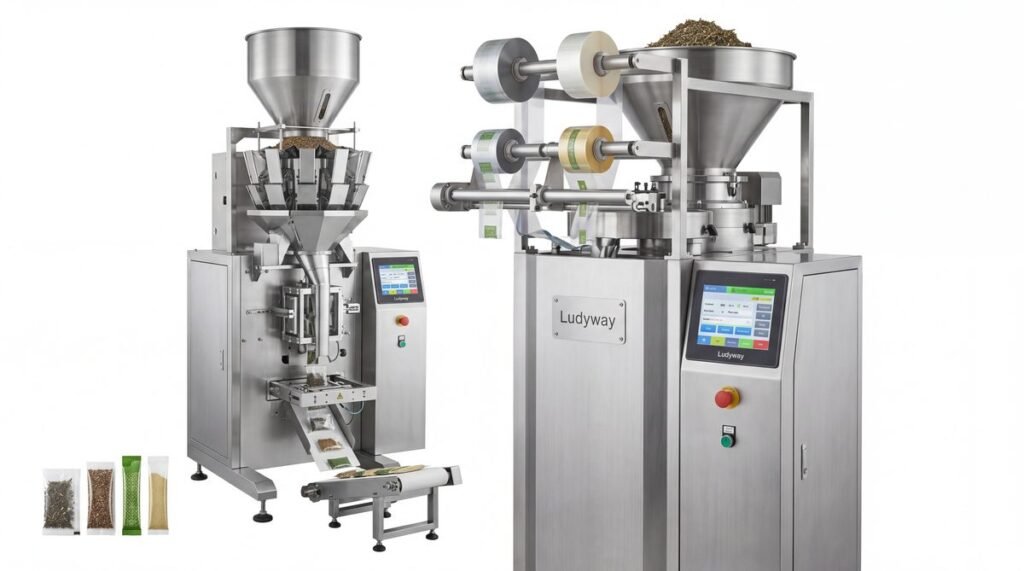
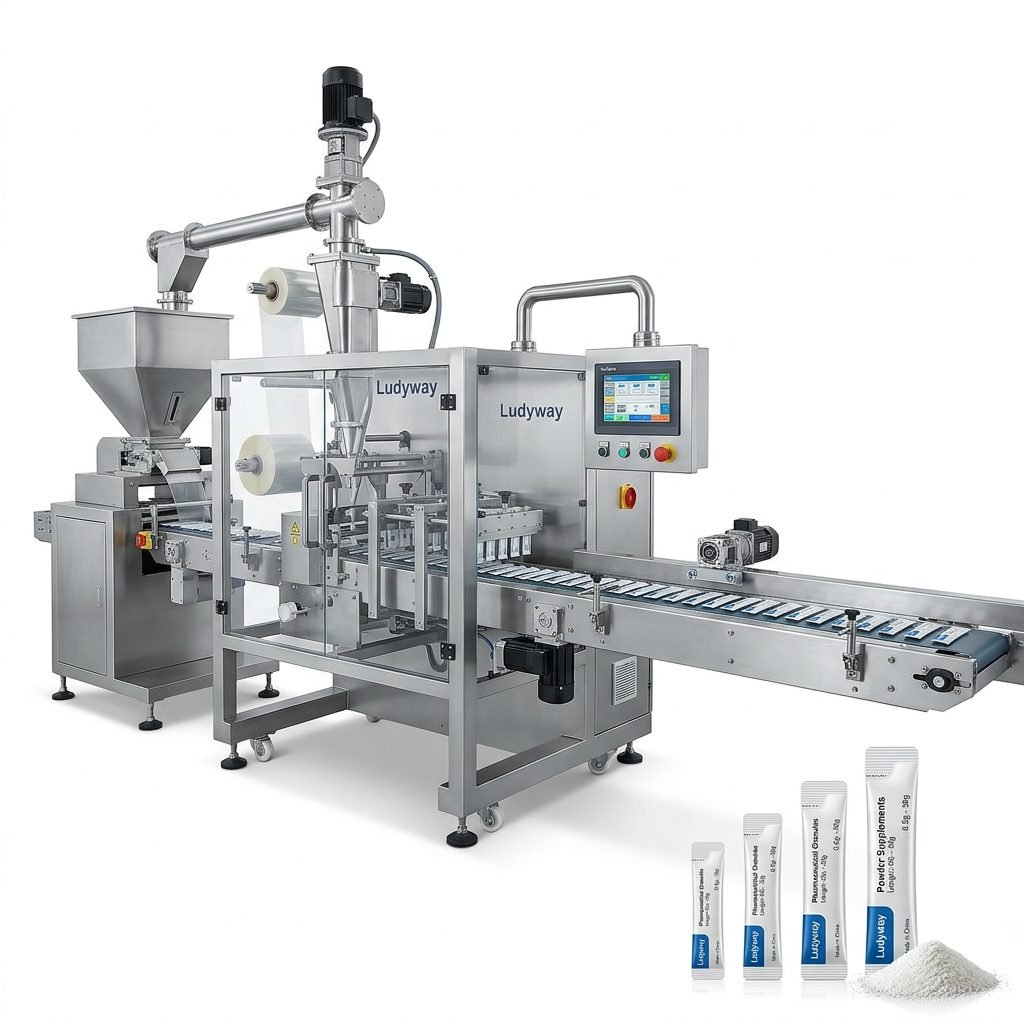
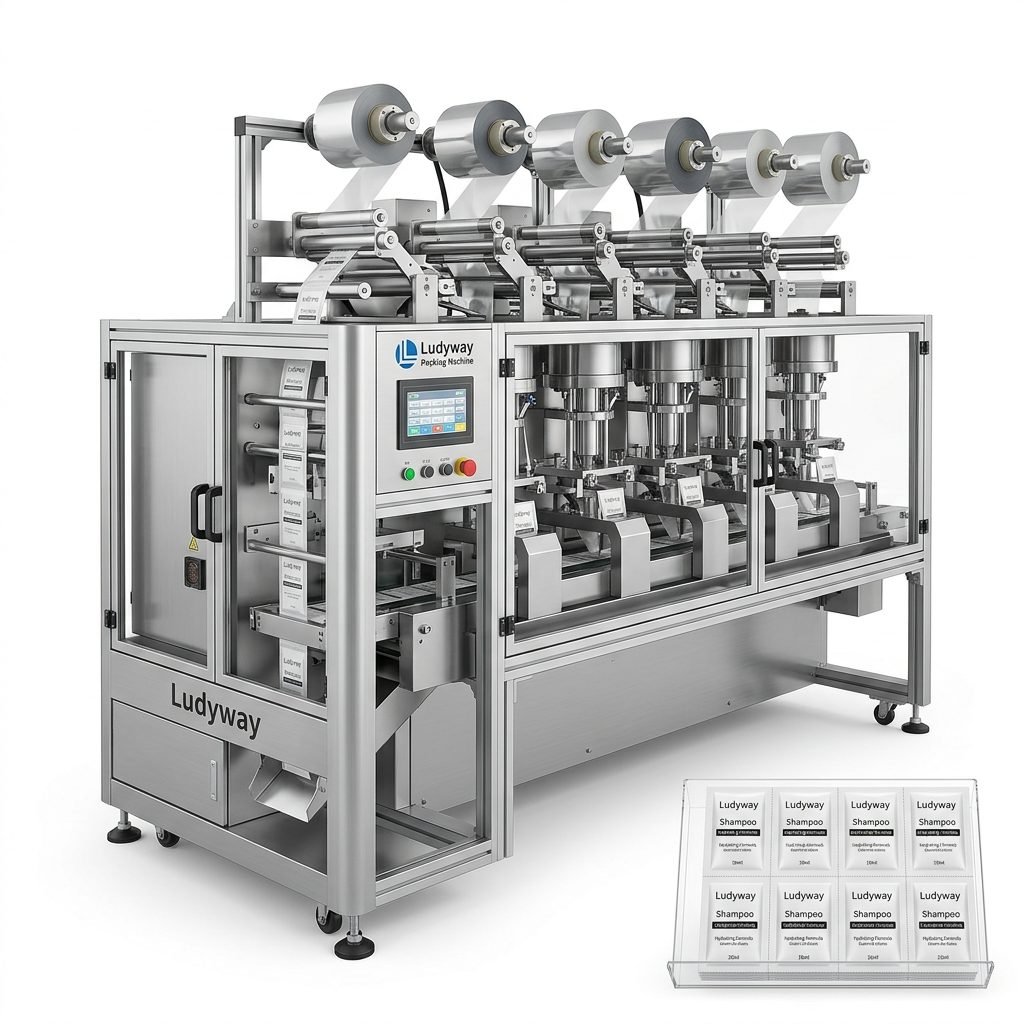
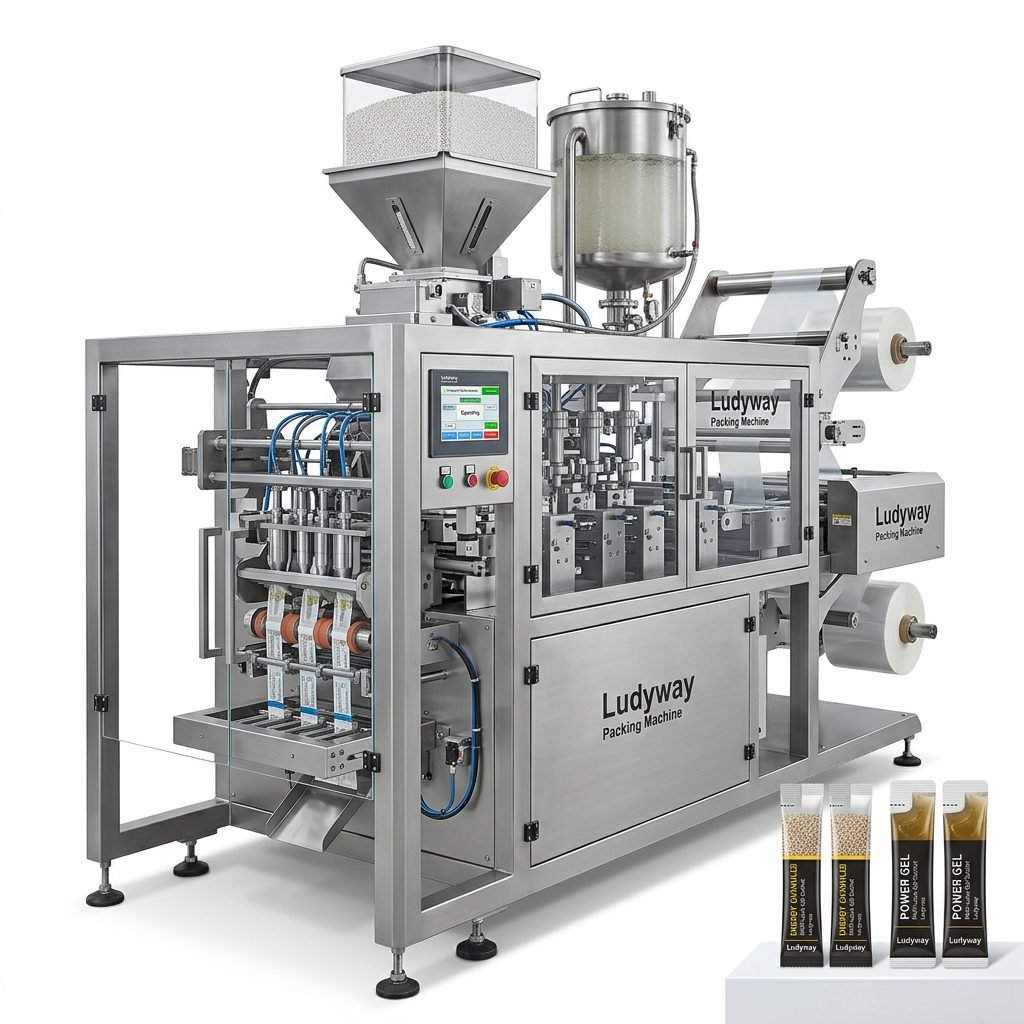
Investing in a poly pouch packing machine is a strategic decision that directly impacts your production efficiency, product quality, and long-term operational costs. Whether you are packaging powders, granules, liquids, or solid products, selecting the right equipment requires a methodical evaluation of your product characteristics, production goals, and the machine’s technical capabilities. This buyer’s guide walks you through the essential factors to consider before making your purchase.
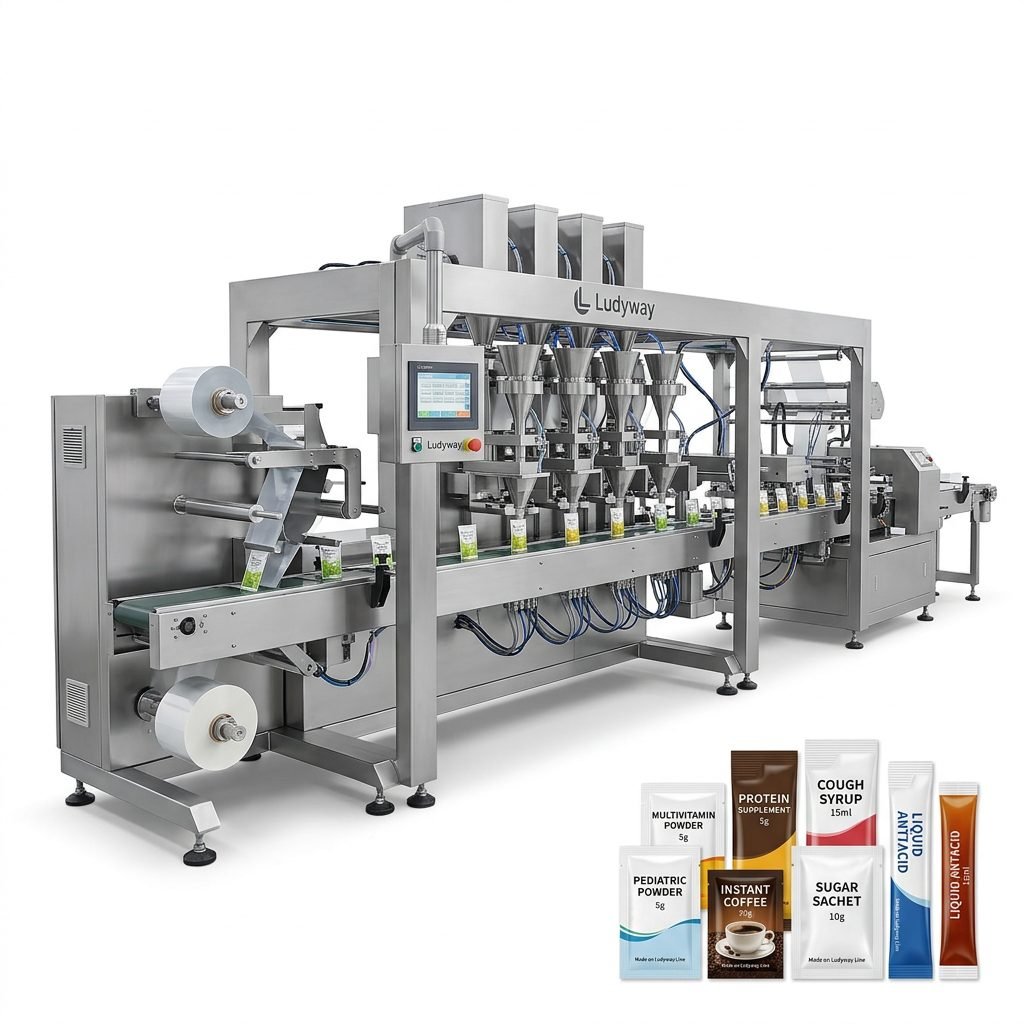
Understand Your Product Characteristics
Every packaging project starts with the product itself. The physical and chemical properties of your material will determine the most suitable dosing system, film compatibility, and machine configuration. Consider these critical questions:
- What is the product form? Is it a free-flowing powder, sticky granule, viscous liquid, paste, or solid piece? Different fillers—auger fillers for powders, volumetric cup fillers for granules, piston fillers for liquids—perform optimally with specific consistencies.
- Is the product hygroscopic, abrasive, or corrosive? Products that absorb moisture require special sealing integrity and barrier films. Abrasive materials demand hardened contact parts to prevent premature wear.
- What is the particle size distribution? Fine powders require dust-controlled filling environments, while irregular granules may need customized feeding mechanisms to ensure consistent dosing accuracy.
Define Your Production Requirements
Your current and projected production volumes are fundamental to choosing a machine with the right throughput capacity. A machine that is perfectly sized today may become a bottleneck within 12 months if your business is growing. Key parameters to define include:
- Target output speed — measured in pouches per minute (ppm). Multi-lane machines can achieve significantly higher speeds compared to single-lane configurations.
- Batch sizes and changeover frequency — if you run multiple SKUs daily, quick-change features and tool-less adjustments reduce downtime dramatically.
- Operating hours per shift — continuous 24/7 operation requires heavy-duty components and robust drive systems designed for industrial endurance.
Pouch Formats and Packaging Material Compatibility
Poly pouch machines must be compatible with your desired pouch style and the flexible packaging materials you intend to use. Common pouch formats include:
- 3-side seal pouches — widely used for single-serve sachets in food, pharmaceutical, and cosmetic applications
- 4-side seal pouches — offer symmetrical design and are popular in stick pack formats
- Stand-up pouches (SUP) — require additional gusset-forming capabilities and are ideal for products that benefit from shelf presence
- Zipper and resealable pouches — demand specialized zipper attachment modules integrated into the packaging line
Your machine should specify the film thickness range, heat-seal temperature control precision, and compatibility with multi-layer laminates, foil-based films, or biodegradable materials. Poor seal integrity leads to product spoilage, leakage, and costly recalls.

Key Technical Specifications to Evaluate
When comparing different models, focus on measurable performance metrics rather than marketing claims. The table below summarizes the critical technical specifications that should be documented and verified during your evaluation process:
| Specification | Why It Matters | What to Look For |
|---|---|---|
| Filling Accuracy | Directly affects product give-away and profitability | ±0.5% to ±1% for powders and granules; ±0.3% to ±0.5% for liquids |
| Seal Integrity | Prevents contamination, leakage, and extends shelf life | Seal strength testing capability; multi-zone temperature control with PID regulation |
| Machine Speed | Determines daily output and labor efficiency | Single-lane: 30-80 ppm; Multi-lane (4-16 lanes): 200-1000+ ppm |
| Changeover Time | Impacts OEE (Overall Equipment Effectiveness) | Under 15 minutes for format changes on modern servo-driven machines |
| PLC and HMI | Controls all machine functions and recipe management | Brand-name PLC with color touchscreen; multi-language support; recipe storage for 50+ SKUs |
Automation Level and Integration Capabilities
The degree of automation you choose should align with your labor costs, production complexity, and long-term scalability goals. A poly pouch packing machine can range from a standalone unit to a fully integrated packaging line. Consider these automation options:
- Manual feeding with automatic filling and sealing — suitable for low-volume, multi-SKU operations where flexibility is prioritized over speed
- In-line automatic feeding systems — vibratory conveyors, bucket elevators, or screw feeders synchronize with the machine for continuous operation
- Multi-head weighing systems — combined with multi-lane stick pack or sachet machines for high-speed, high-accuracy applications in the food and nutraceutical industries
- Cartoning and case packing integration — extends the packaging line downstream for end-of-line automation, reducing manual handling and improving throughput
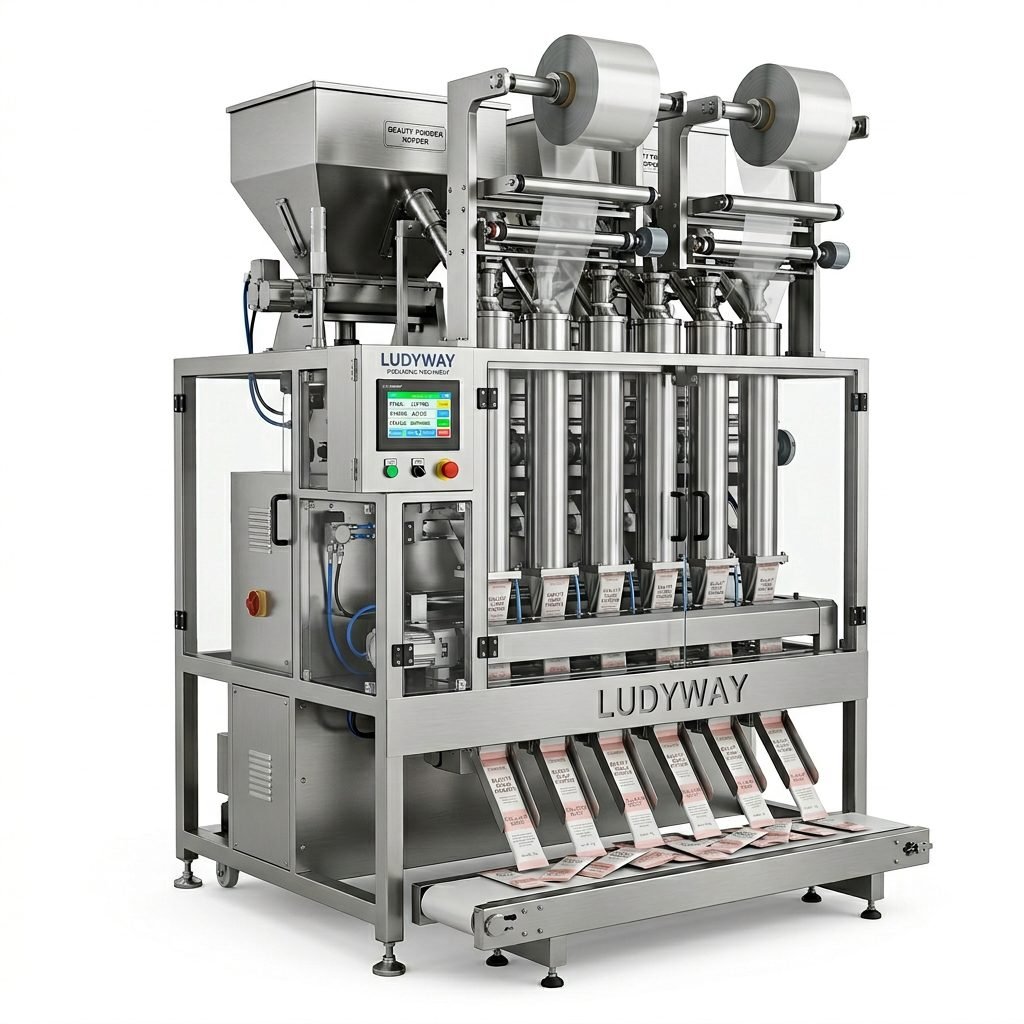
Industry-Specific Compliance and Standards
Your industry dictates specific regulatory requirements that the packaging machine must support. FDA food contact substance regulations and ISO packaging standards provide essential frameworks. Key considerations include:
- Food and beverage — stainless steel contact parts, washdown-ready construction, HACCP compliance, and CIP (Clean-in-Place) compatibility
- Pharmaceuticals — GMP-compliant design, validated sealing parameters, 21 CFR Part 11 capable software, and cleanroom-compatible configurations
- Cosmetics and personal care — precise filling for high-value formulations, multi-format flexibility, and gentle product handling
- Chemicals and industrial products — corrosion-resistant materials, explosion-proof options for solvents, and robust construction for heavy-duty cycles
Evaluating Machine Build Quality and Supplier Capability
Beyond the specifications sheet, the long-term reliability of your poly pouch packing machine depends on the manufacturing quality and the support infrastructure behind it. When visiting a supplier’s facility or reviewing documentation, pay close attention to:
- Frame construction and materials — heavy-gauge stainless steel or anodized aluminum frames resist vibration and maintain alignment over years of operation
- Component sourcing — established brands for PLCs, servo motors, pneumatics, and sensors (such as Siemens, Mitsubishi, Omron, Festo, or SMC) ensure global spare parts availability
- In-house manufacturing depth — suppliers with comprehensive in-house machining, fabrication, and assembly capabilities can better control quality and lead times
- After-sales technical support — remote diagnostics, on-site service, operator training programs, and spare parts availability should be clearly defined in the proposal
For example, Ludyway Machinery is a China-based packaging machinery manufacturer with more than 30 years of experience, a 20,000-square-meter manufacturing facility, and over 50 packaging machine models. The company serves customers in more than 100 countries and is expected to achieve export revenue of more than RMB 500 million (approximately US$69 million) in 2025, with plans to surpass RMB 1 billion (approximately US$138 million) in 2026—reflecting strong global demand and manufacturing scalability.
Total Cost of Ownership (TCO) Analysis
The purchase price of a machine is only one component of its total cost. A comprehensive TCO analysis should account for costs over a 5- to 10-year operational horizon:
- Initial capital expenditure — machine cost, tooling, installation, and commissioning
- Operating costs — energy consumption, compressed air usage, and film material waste rates
- Maintenance and spare parts — recommended preventive maintenance schedules and consumable part replacement intervals
- Labor requirements — number of operators required per shift and the skill level needed
- Downtime cost — estimated production loss per hour of unplanned stoppage; a reliable machine with strong technical support minimizes this risk
Making the Final Decision
Selecting the right poly pouch packing machine is not simply about comparing specifications—it is about matching the right technology to your product, your production environment, and your business trajectory. Request detailed proposals from multiple suppliers, conduct factory acceptance tests (FAT) when possible, and insist on documented performance guarantees. A well-chosen machine will serve as a reliable production asset for many years, while a poorly matched one creates continuous operational headaches.
For additional guidance on packaging machinery standards and industry resources, consult organizations that provide technical frameworks and market intelligence for packaging professionals worldwide.