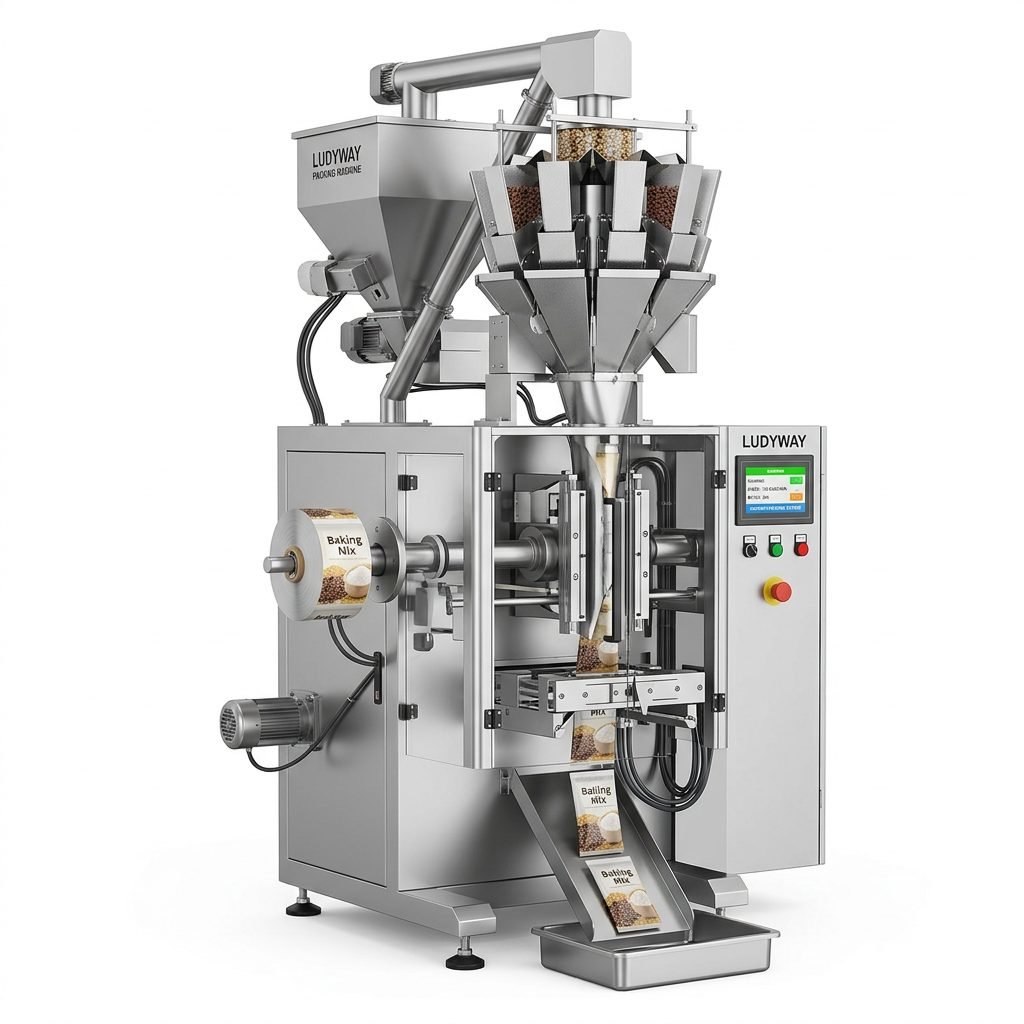
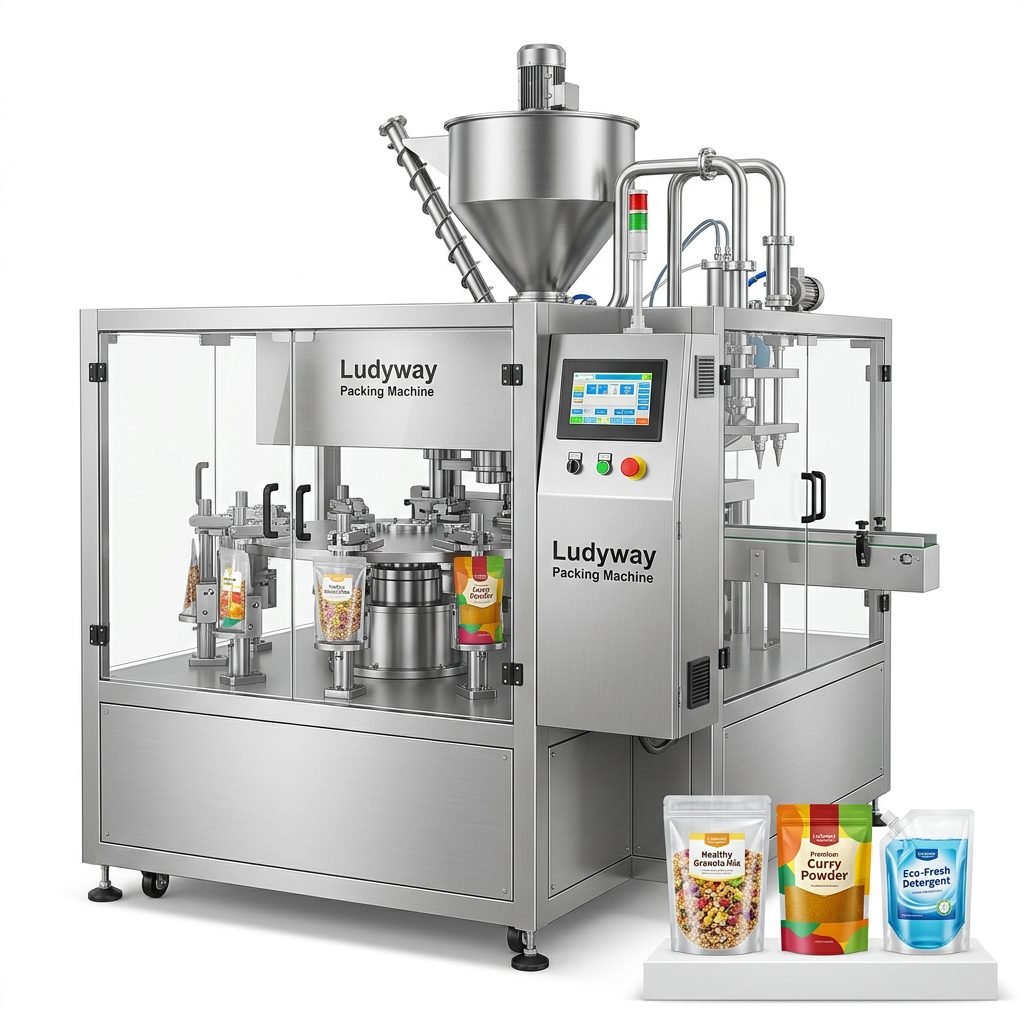
Reducing packaging material waste in production is no longer just an environmental goal—it is a direct path to lower operating costs, better material utilization, stronger compliance performance, and improved brand value. For manufacturers in food, pharmaceutical, cosmetics, chemical, and consumer goods sectors, waste reduction can be achieved through a combination of smarter design, better machine settings, line automation, operator discipline, and data-driven process control.
When packaging waste is left unmanaged, the result is often hidden in daily operations: excess film trim, overfilled sachets, defective seals, incorrect cutting length, damaged cartons, label scrap, rejected packs, and unnecessary changeover loss. Over time, these losses add up to significant cost. The good news is that practical improvements can deliver measurable results without disrupting production.
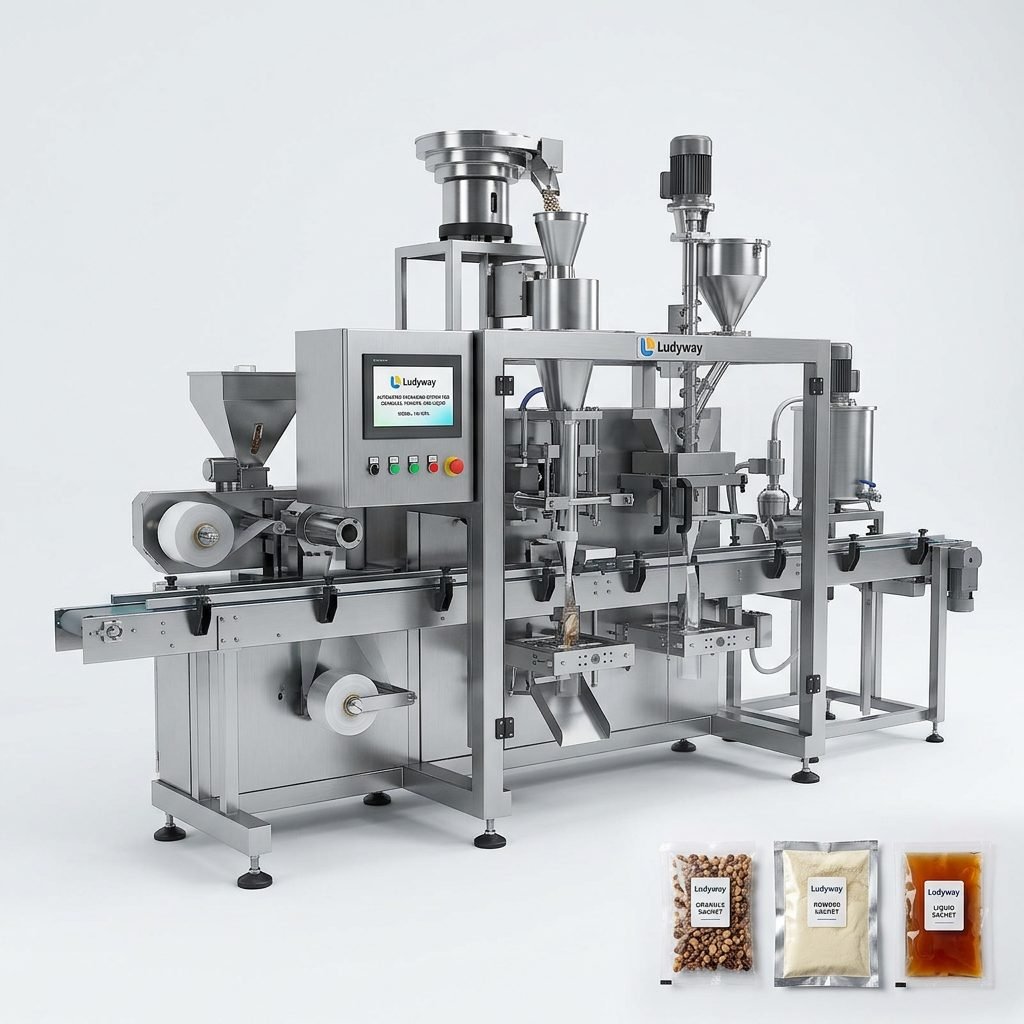
Why Packaging Material Waste Happens in Production
Before improving efficiency, manufacturers need to identify where waste is generated. In most plants, waste appears in predictable areas across the production line.
- Incorrect machine settings that cause oversized bags, poor sealing, or unstable filling
- Overpackaging from using more film, carton, or cushioning material than necessary
- Start-up and changeover scrap during product switches, trial runs, and parameter adjustments
- Low-quality packaging materials that tear, wrinkle, or fail during processing
- Operator inconsistency caused by insufficient training or unclear SOPs
- Poor line integration between filling, sealing, coding, inspection, cartoning, and palletizing stages
- Lack of real-time inspection leading to large batches of defects before detection
Once these waste points are mapped, a factory can prioritize improvements based on cost, frequency, and production impact.
Start with Packaging Design Optimization
One of the fastest ways to reduce packaging waste is to review the package itself. Many companies continue using old dimensions, outdated formats, or excessive protective layers simply because “that’s how it has always been done.” A packaging redesign can often cut material use without affecting product protection or shelf appeal.
Practical design improvements include:
- Reducing unnecessary headspace in pouches and sachets
- Using thinner but still performance-qualified films
- Standardizing pack sizes across multiple SKUs
- Switching from rigid formats to flexible packaging where appropriate
- Designing cartons to match actual product dimensions more closely
- Eliminating secondary packaging that adds little functional value
Small dimensional changes can generate major savings over high production volumes. Even a few millimeters less film per pack can significantly reduce annual consumption.
Improve Machine Accuracy to Minimize Scrap
Material waste often comes from unstable forming, filling, sealing, and cutting. When machines are not properly calibrated, scrap rates rise quickly. Precision packaging equipment helps manufacturers maintain consistent output while reducing off-spec packs.
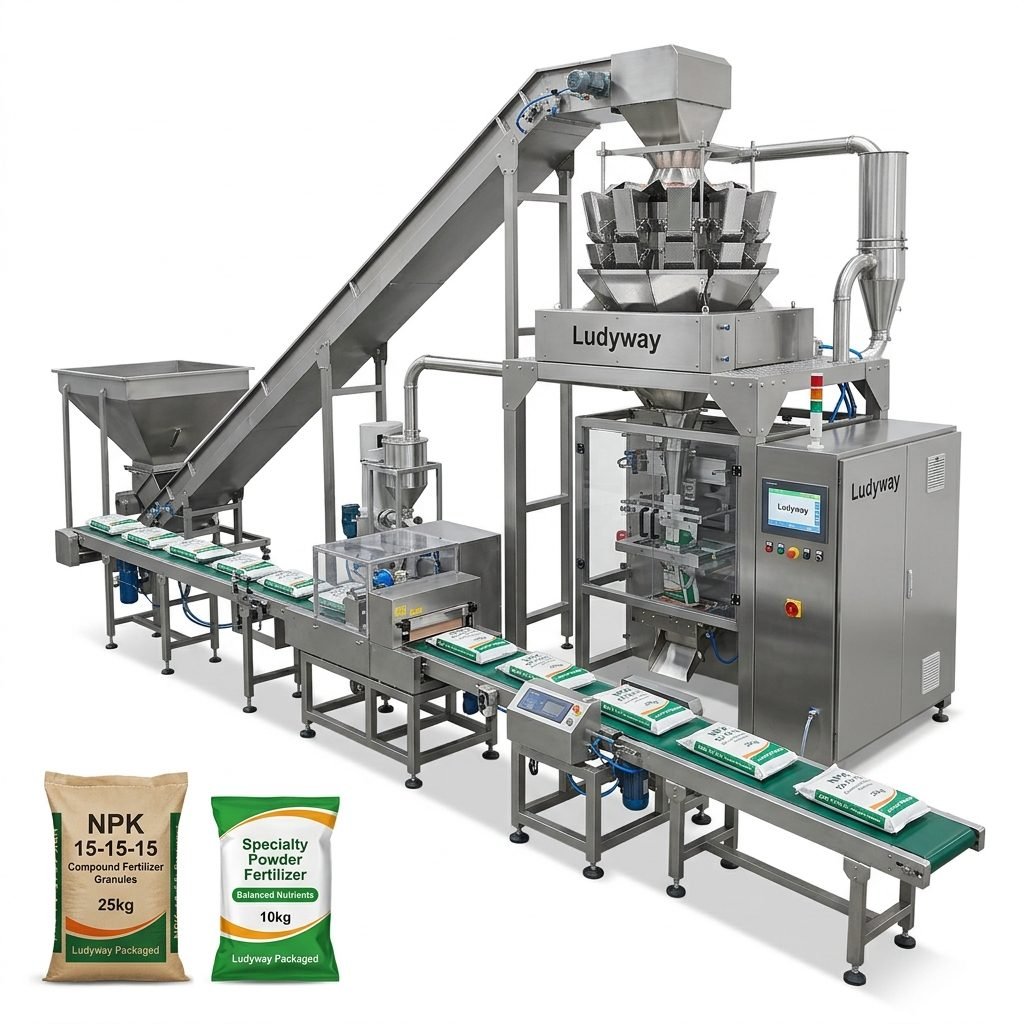
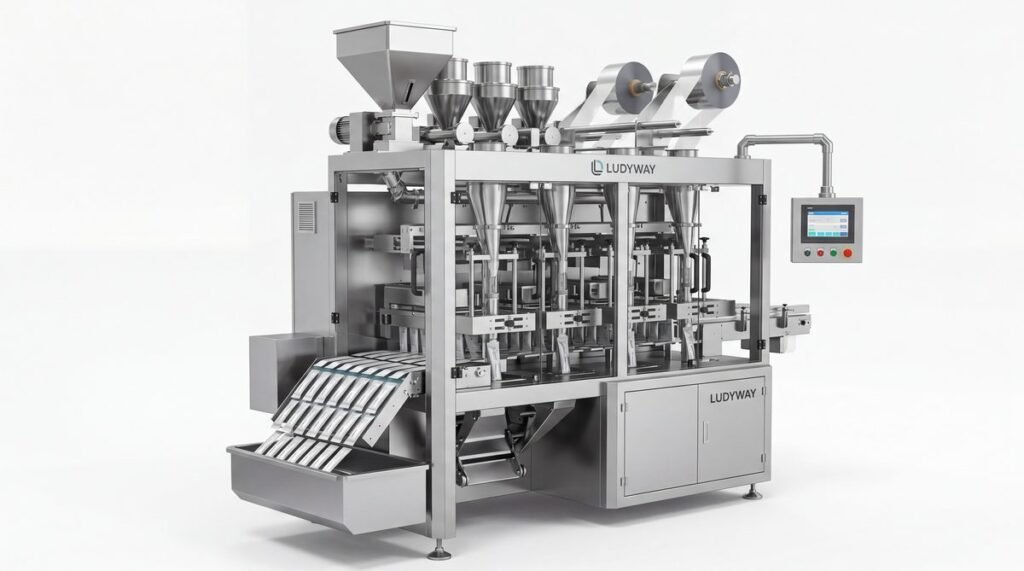
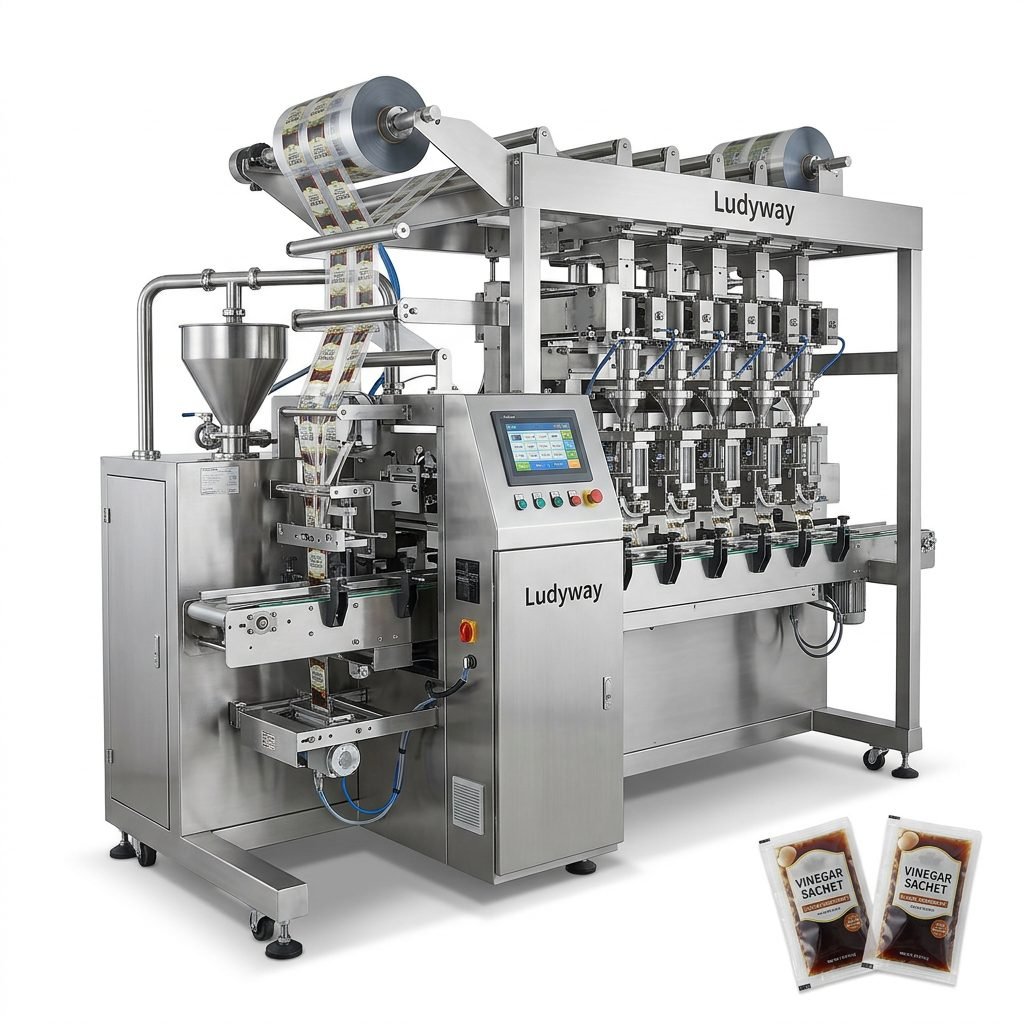
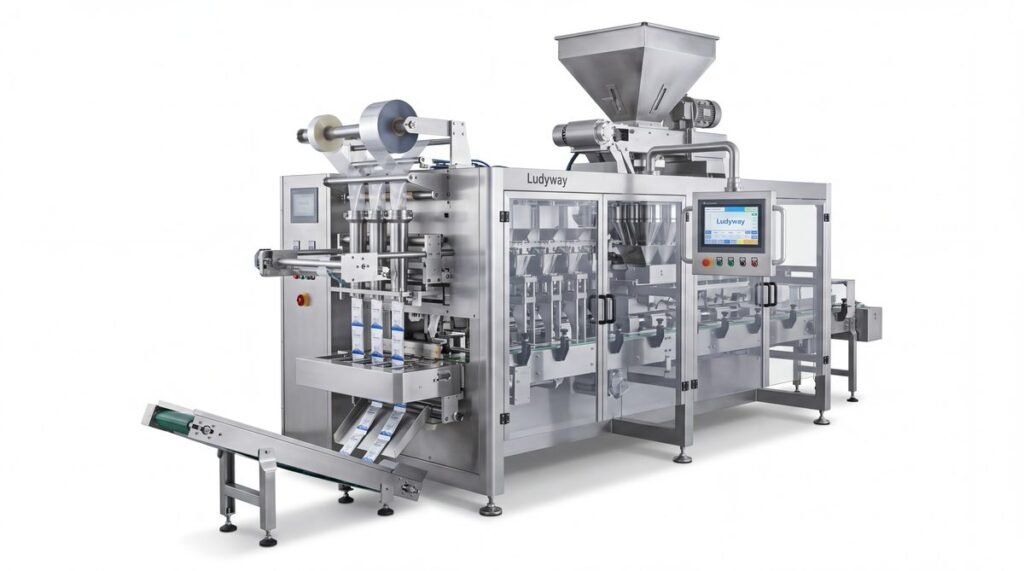
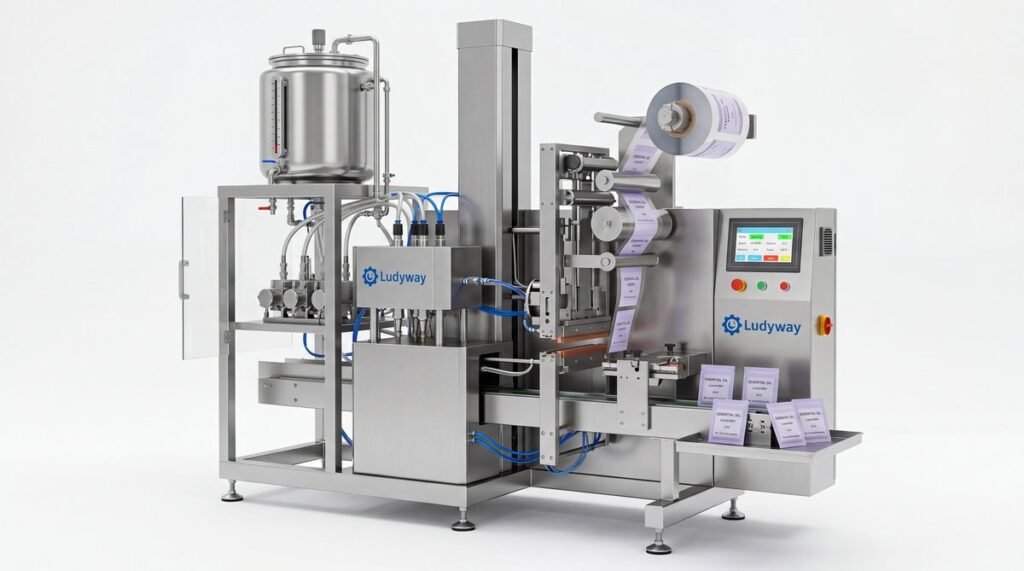
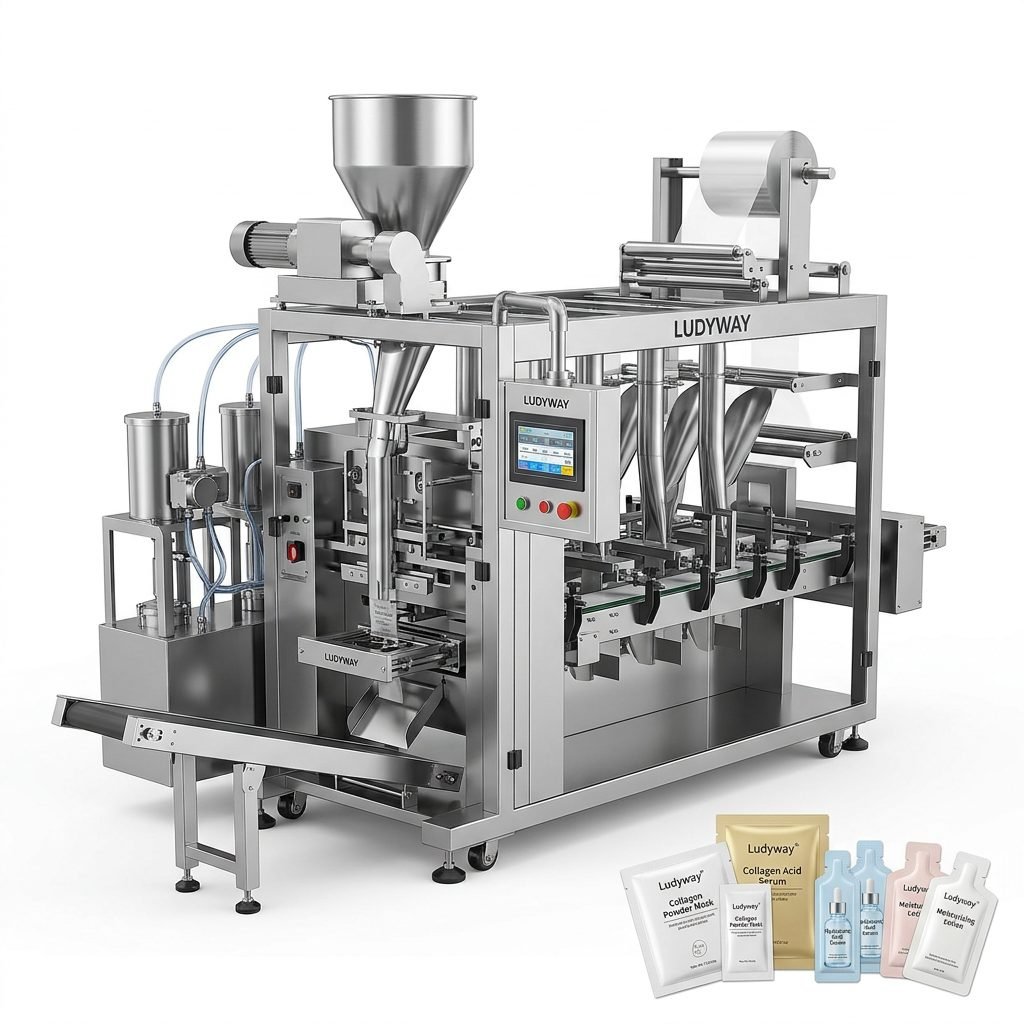
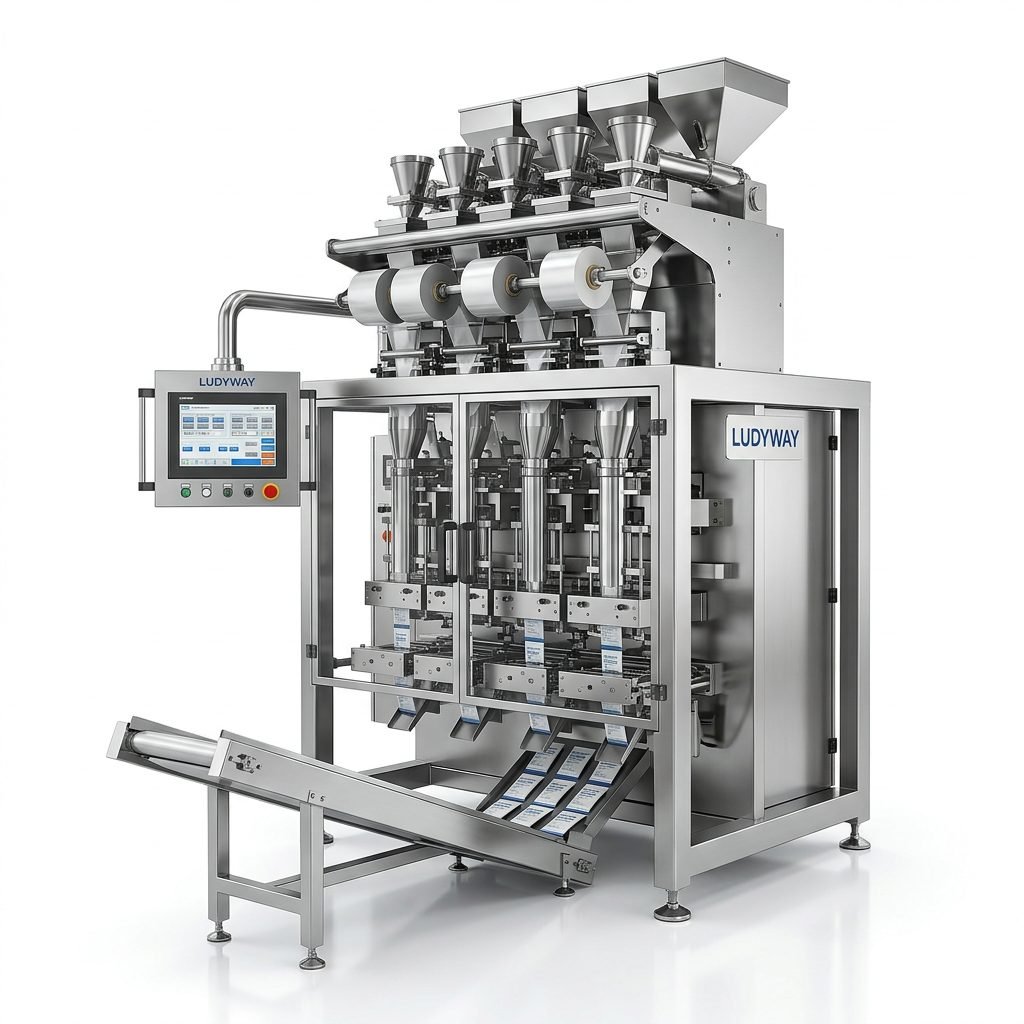
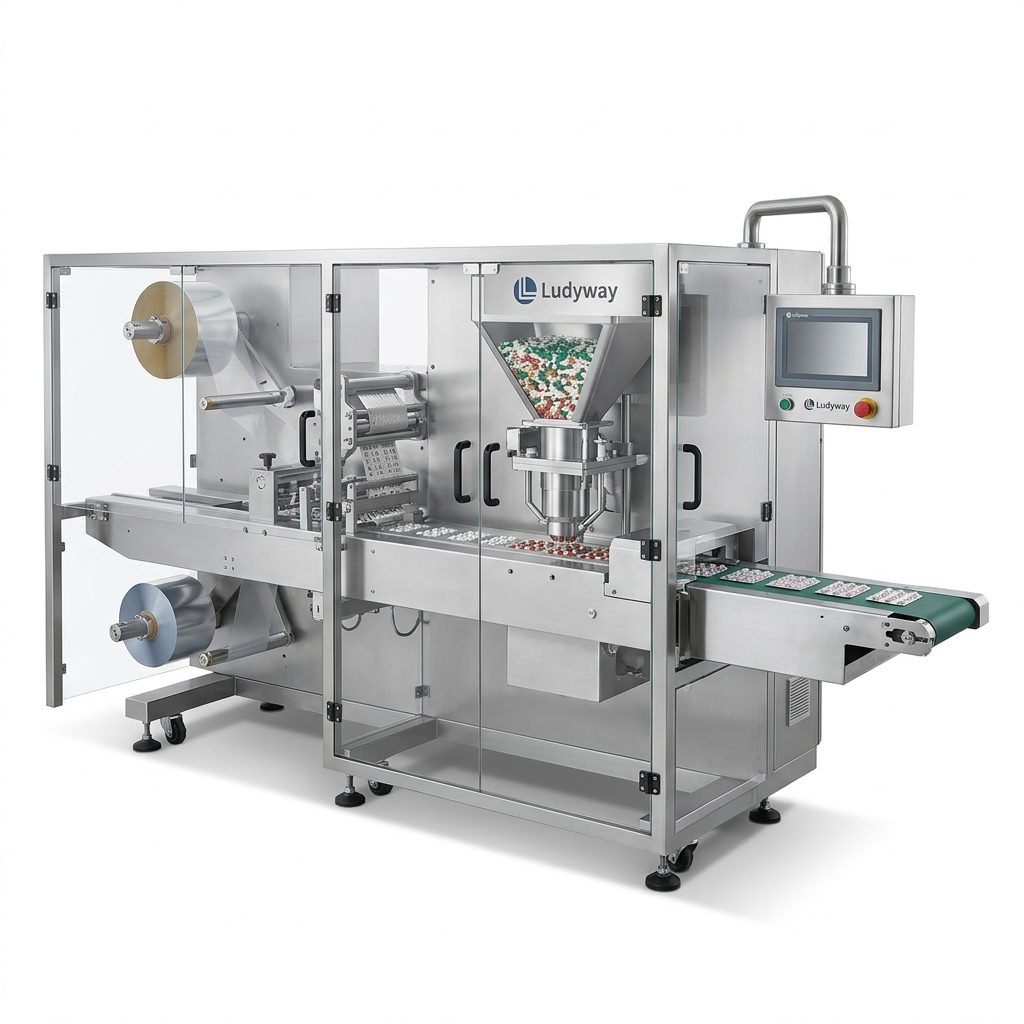
Businesses looking to modernize their lines often work with experienced suppliers such as Ludyway packaging machine manufacturer for packaging systems that support better dosing control, seal consistency, automation integration, and lower material loss in high-volume production.
| Production Area | Common Waste Issue | Practical Fix |
|---|---|---|
| Film forming | Wrinkling, poor tracking, edge trim waste | Adjust tension, align film path, upgrade tracking control |
| Filling | Overfill and underfill rejection | Use precise dosing systems and regular calibration |
| Sealing | Leaking packs and seal burn-through | Optimize temperature, pressure, dwell time |
| Cutting | Uneven pack length and unusable packs | Synchronize servo control and inspect blade wear |
| Changeover | High start-up scrap | Standardize setup procedures and save machine recipes |
Use Standard Operating Procedures to Control Material Loss
A well-written SOP can reduce waste as effectively as equipment upgrades. In many factories, avoidable waste comes from inconsistent operator actions rather than machine limitations.
Your SOP should clearly define:
- Material loading method and roll alignment
- Approved start-up parameters for each SKU
- Target seal and fill quality checkpoints
- Changeover steps in exact order
- Acceptable reject limits before escalation
- Cleaning and maintenance routines that prevent product contamination and pack defects
When every shift follows the same method, process variation falls and waste becomes easier to track and reduce.
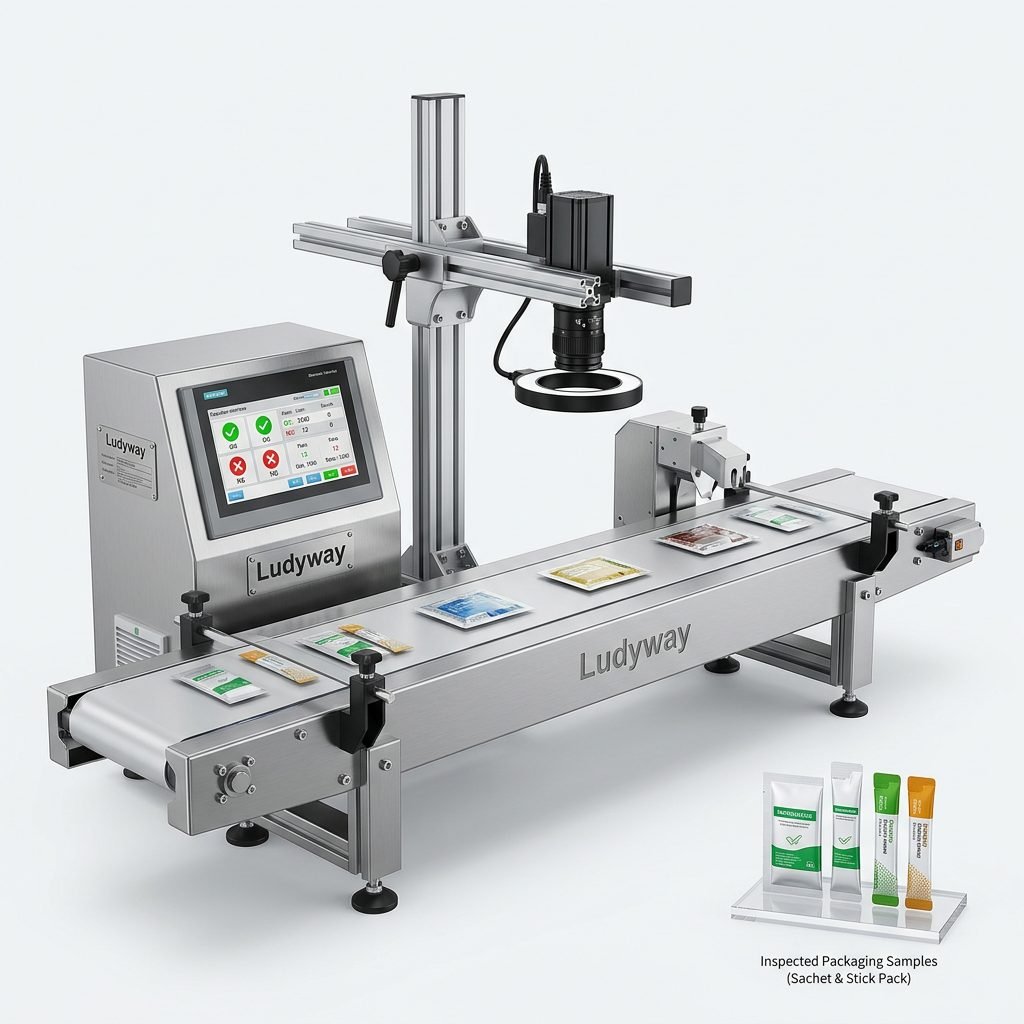
Invest in Real-Time Inspection and Rejection Systems
If a defect is only found at the end of the line, a large amount of material may already be wasted. Real-time detection allows manufacturers to catch issues early and isolate faults before they spread.
Useful inspection technologies include checkweighers, vision systems, metal detection, X-ray inspection, seal integrity checks, and automatic reject systems. These tools reduce unnecessary downstream packaging use by stopping defective products before they enter cartoning, boxing, or palletizing.
Benefits of in-line inspection:
- Lower rejection volume at final QC
- Faster root-cause identification
- Less wasted film, labels, cartons, and labor
- Better traceability for quality audits
- Improved compliance in food and pharmaceutical production
Reduce Changeover Waste with Smarter Production Planning
Frequent product changes often create excess scrap, especially in facilities with many SKUs, formats, or seasonal packaging designs. Better scheduling can reduce line interruptions and minimize the amount of material discarded during setup.
Recommended planning tactics:
- Run similar materials or sizes consecutively
- Group products with compatible sealing parameters
- Use digital machine recipes for repeat jobs
- Pre-stage materials and tools before changeover begins
- Measure scrap generated per changeover event
If a line switches between pouch widths, film structures, or fill ranges too often, material consumption increases. Production scheduling should support both output goals and packaging sustainability targets.
Choose Packaging Materials That Match Your Process
Not all packaging materials perform equally on automated lines. A lower-cost film may appear attractive at purchase, but if it causes tearing, poor sealability, static issues, or tension instability, total waste can rise. The best material is not simply the cheapest per kilogram—it is the one that runs consistently with the least scrap.
Material qualification should consider both price and process efficiency. Manufacturers should test seal strength, machinability, print registration, puncture resistance, and storage stability before full-scale production.
| Material Factor | Impact on Waste | What to Check |
|---|---|---|
| Film thickness consistency | Reduces sealing and cutting defects | Tolerance reports from supplier |
| Seal layer compatibility | Prevents leaks and burn-through | Seal window testing |
| Print registration quality | Prevents cutting and alignment scrap | Sensor readability and repeatability |
| Mechanical strength | Avoids tearing during forming and transport | Tensile and puncture test results |
Train Operators to Think in Terms of Waste Prevention
Packaging line operators influence waste levels every hour. They control material loading, monitor machine behavior, inspect output quality, and react to abnormalities. Training should not only cover operation, but also explain how each action affects material consumption.
High-impact training topics include:
- Recognizing early signs of film misalignment
- Adjusting seal parameters without overcorrection
- Reducing waste during start-up and restart
- Handling packaging materials to prevent damage
- Recording reject reasons accurately
- Escalating recurring defects before they grow into major losses
A waste-aware team often delivers faster improvements than a machine-only strategy.
Track the Right Data to Reduce Packaging Waste Continuously
What gets measured gets improved. Factories that successfully reduce packaging waste usually monitor loss at a detailed level rather than treating scrap as one general figure.
Useful KPIs to monitor:
- Packaging material usage per finished unit
- Scrap percentage by line, shift, and SKU
- Start-up waste per batch
- Reject rate by defect type
- Overfill giveaway cost
- Changeover loss time and material loss
- Rework volume versus true scrap
When data is grouped by root cause, managers can quickly identify whether the biggest opportunity lies in materials, equipment, process control, or training.
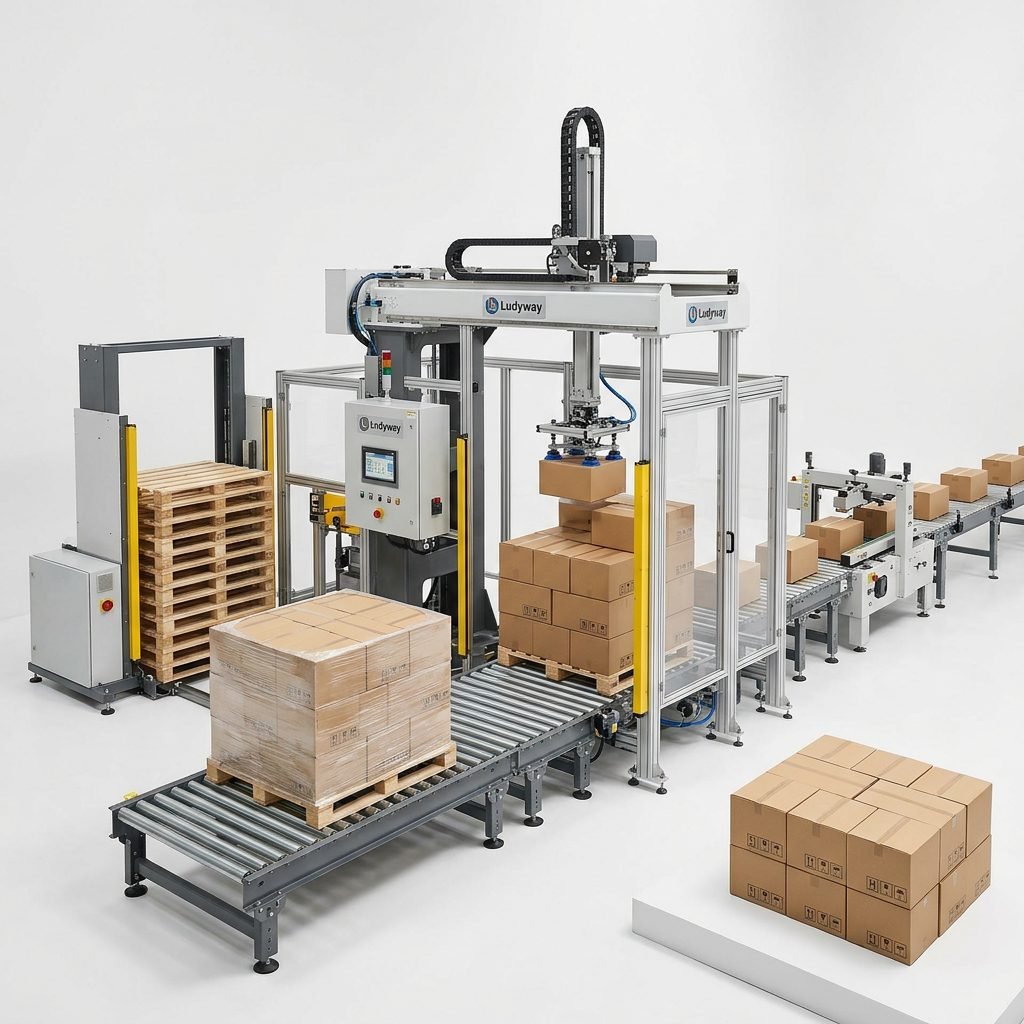
Optimize the Entire Line, Not Just One Machine
Packaging waste is often created by line imbalance. For example, a high-speed filler connected to a slower cartoner can lead to jams, stoppages, and rejected product. Similarly, poor transfer between primary and secondary packaging causes damage that wastes both product and packaging materials.
A line-level review should evaluate:
- Machine speed synchronization
- Buffer capacity between stages
- Conveyor and transfer stability
- Inspection and reject flow
- Labeling and coding accuracy
- Cartoning, case packing, and palletizing consistency
The greatest gains often come from integrated optimization rather than isolated machine tuning.
Adopt Lean Packaging Practices
Lean manufacturing principles are highly effective for waste reduction in packaging. They help teams remove non-value-added steps, improve flow, and standardize best practices.
Examples of lean actions for packaging production:
- 5S organization around packaging materials and tooling
- Visual controls for roll status, reject trends, and line settings
- Kaizen events targeting specific scrap categories
- SMED methods to shorten changeovers
- Poka-yoke solutions to prevent incorrect setup
These methods reduce not only packaging waste, but also labor inefficiency and downtime.
Sustainable Efficiency Means Lower Waste and Better Output
Reducing packaging material waste in production is not about sacrificing speed or product protection. In fact, the most effective waste reduction programs improve both sustainability and productivity. Better packaging design, precise machinery, trained operators, qualified materials, strong SOPs, and real-time quality control all contribute to a cleaner and more profitable operation.
Manufacturers that act on these practical strategies can lower packaging costs, reduce landfill burden, strengthen customer trust, and build a more resilient production system for long-term growth.
Frequently Asked Questions
What is the most common cause of packaging material waste in production?
The most common causes are inaccurate machine settings, poor changeover control, overfilling, sealing defects, and packaging materials that do not run well on the line.
How can automation reduce packaging waste?
Automation improves dosing accuracy, seal consistency, speed synchronization, and defect detection. This lowers reject rates and reduces unnecessary use of film, labels, cartons, and labor.
Does sustainable packaging always cost more?
Not necessarily. While some sustainable materials may have a higher unit price, better design and reduced material usage often lower total packaging cost over time.
How do I measure packaging waste effectively?
Track scrap percentage, material usage per unit, reject reasons, overfill giveaway, and changeover waste by SKU, shift, and production line.
Can small factories reduce packaging waste without large investment?
Yes. Many improvements come from better SOPs, operator training, machine calibration, production planning, and packaging size optimization before major capital investment is required.