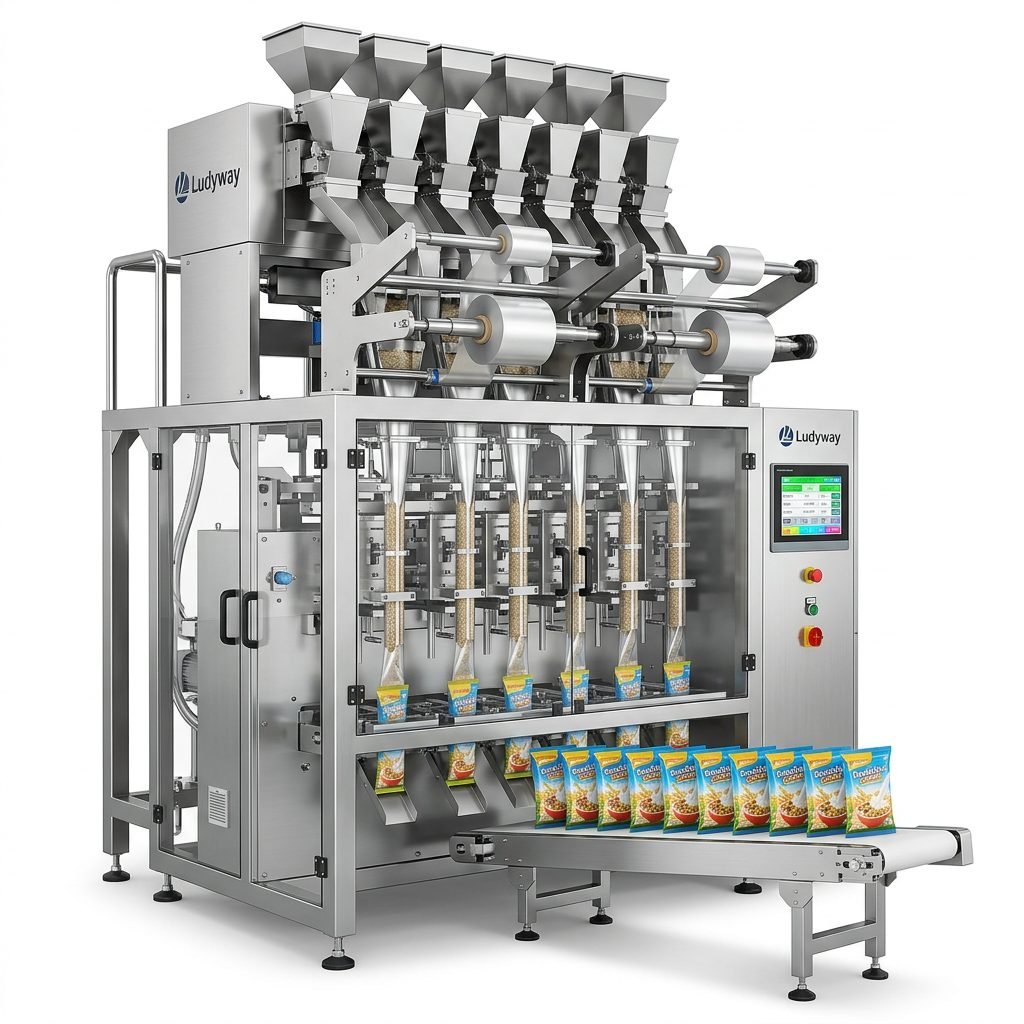
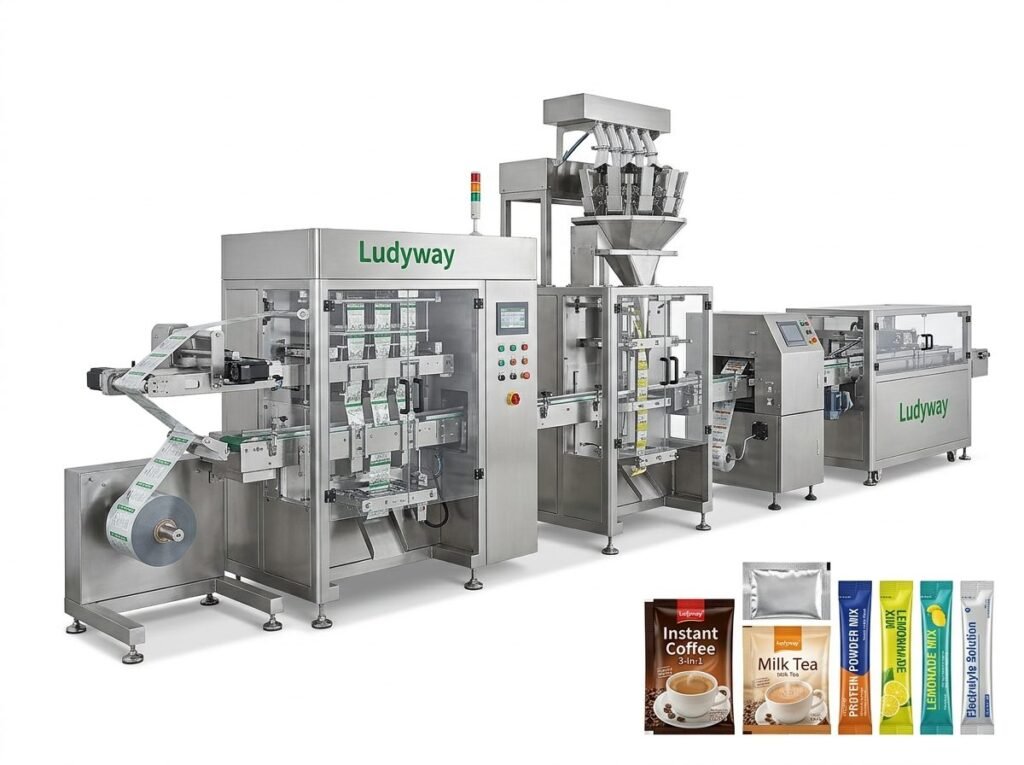
Investing in a pouch packing sealing machine is a strategic decision that directly impacts your production efficiency, product quality, and long-term profitability. Whether you are packaging powders, granules, liquids, or solid items, selecting the right equipment requires a systematic evaluation of your product characteristics, output requirements, and operational environment. This guide walks you through the essential factors to help you make an informed purchase decision.
Understanding Pouch Packing Sealing Machines
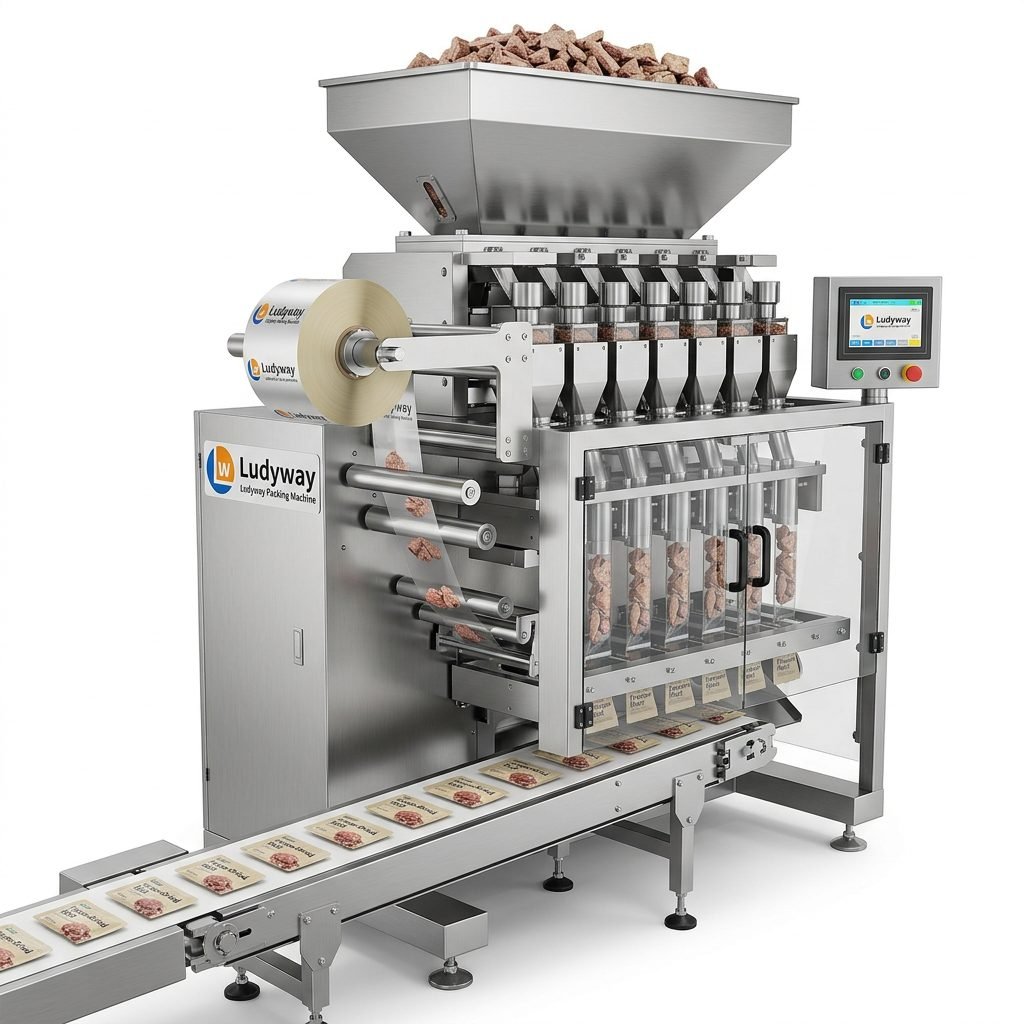
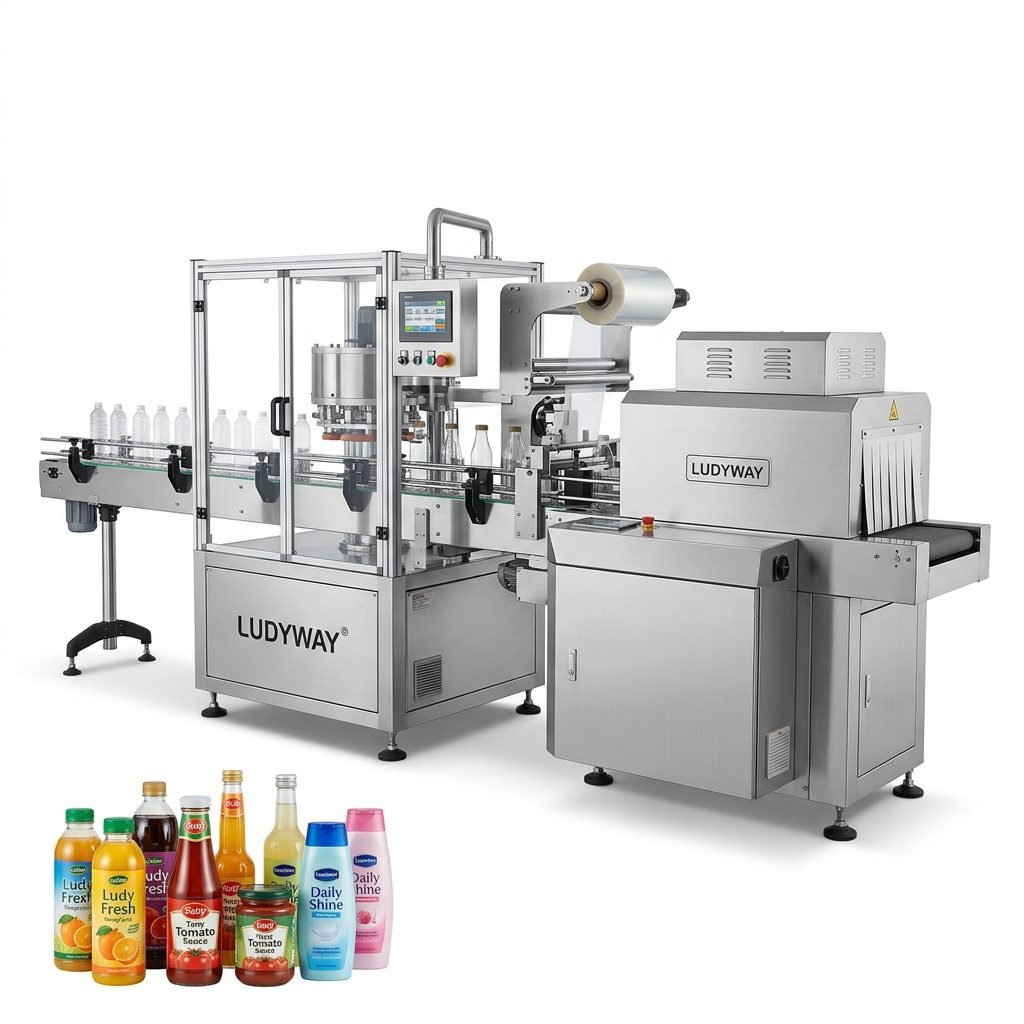
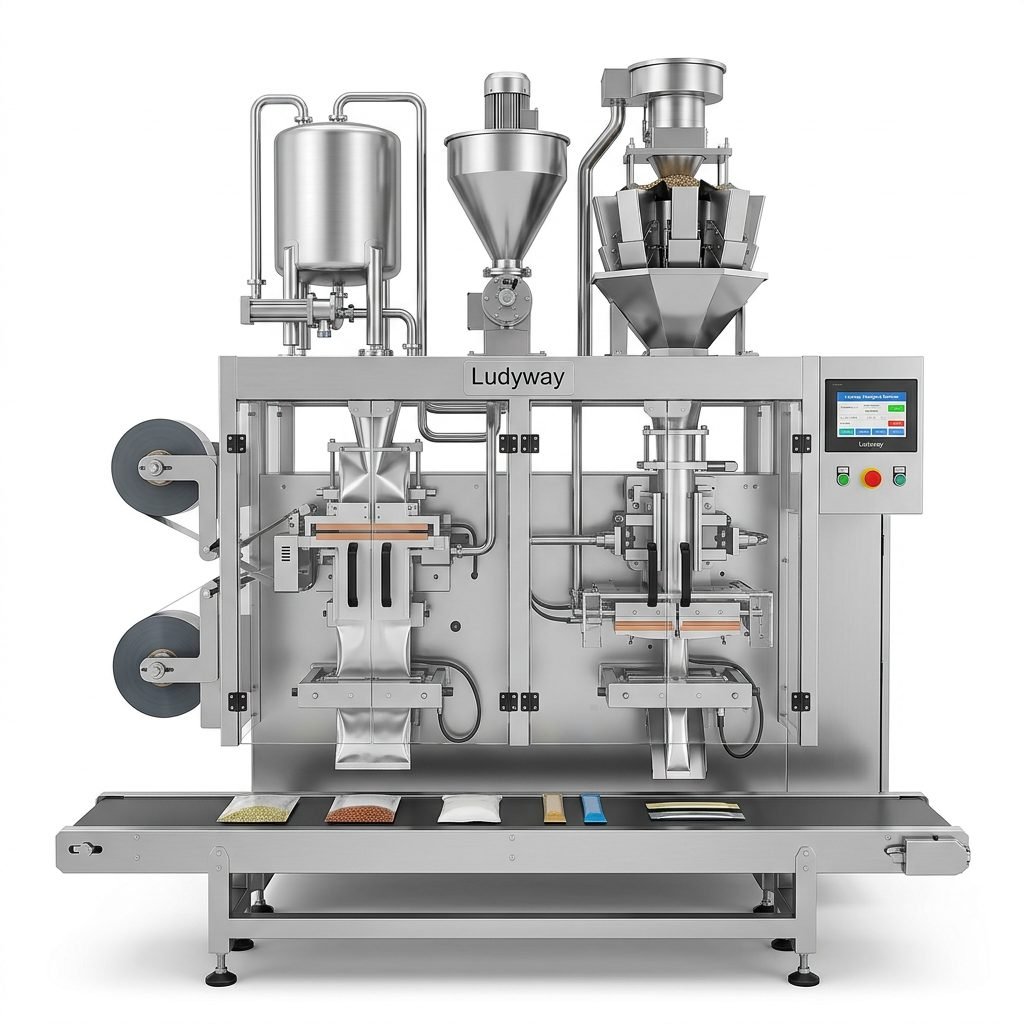
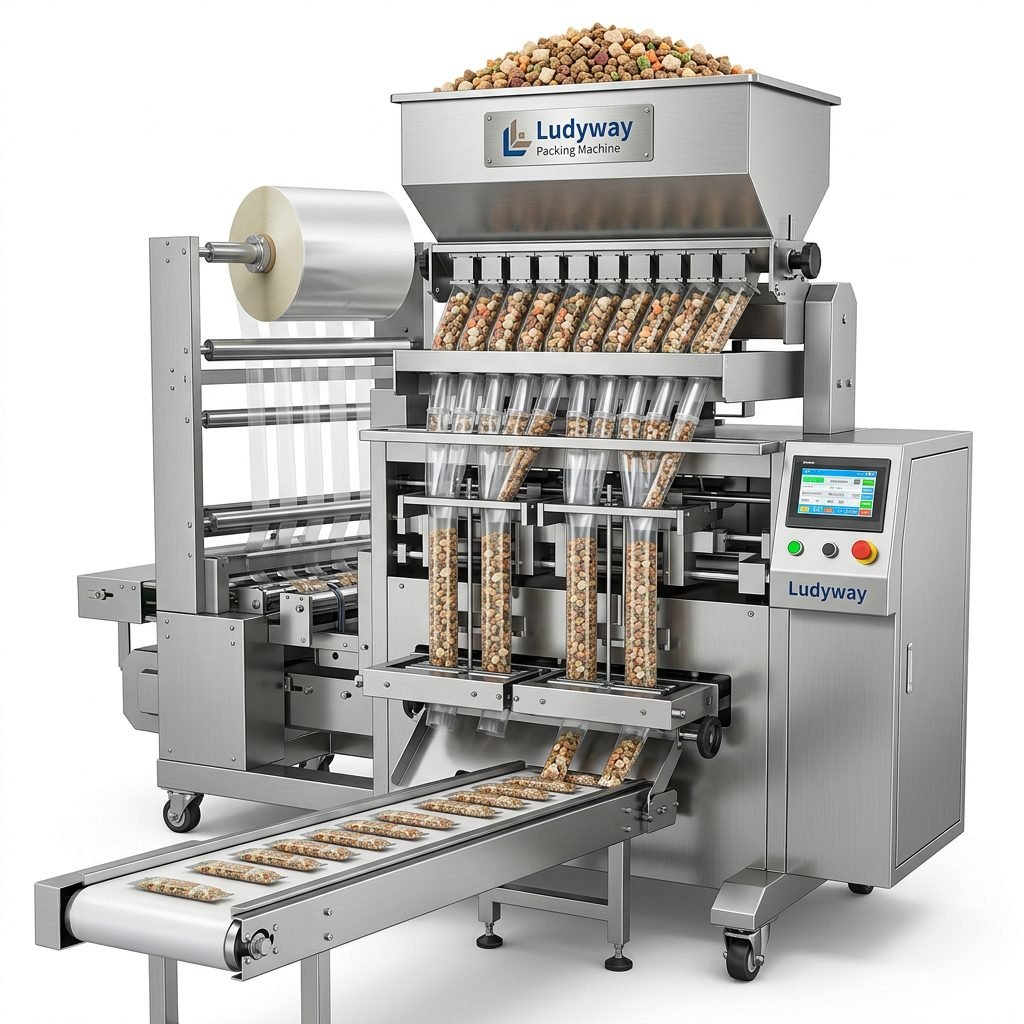
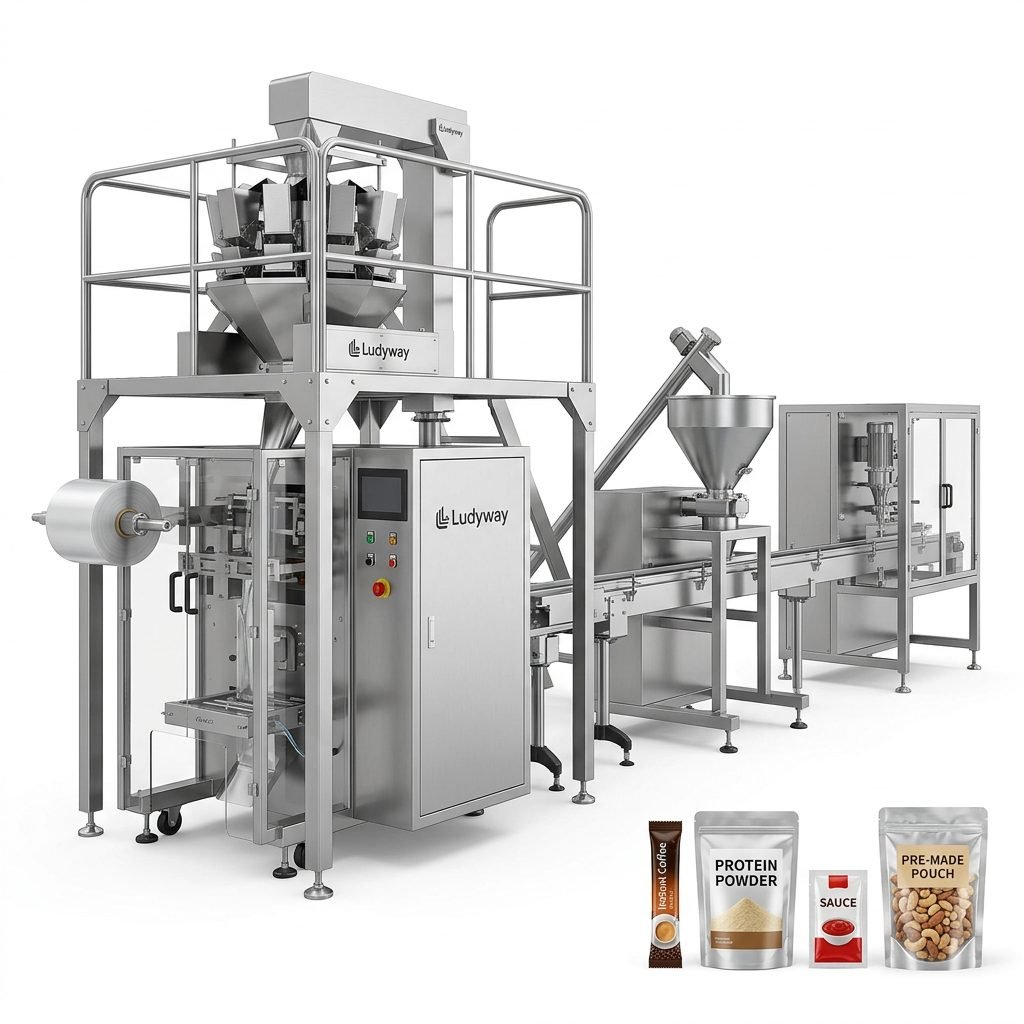
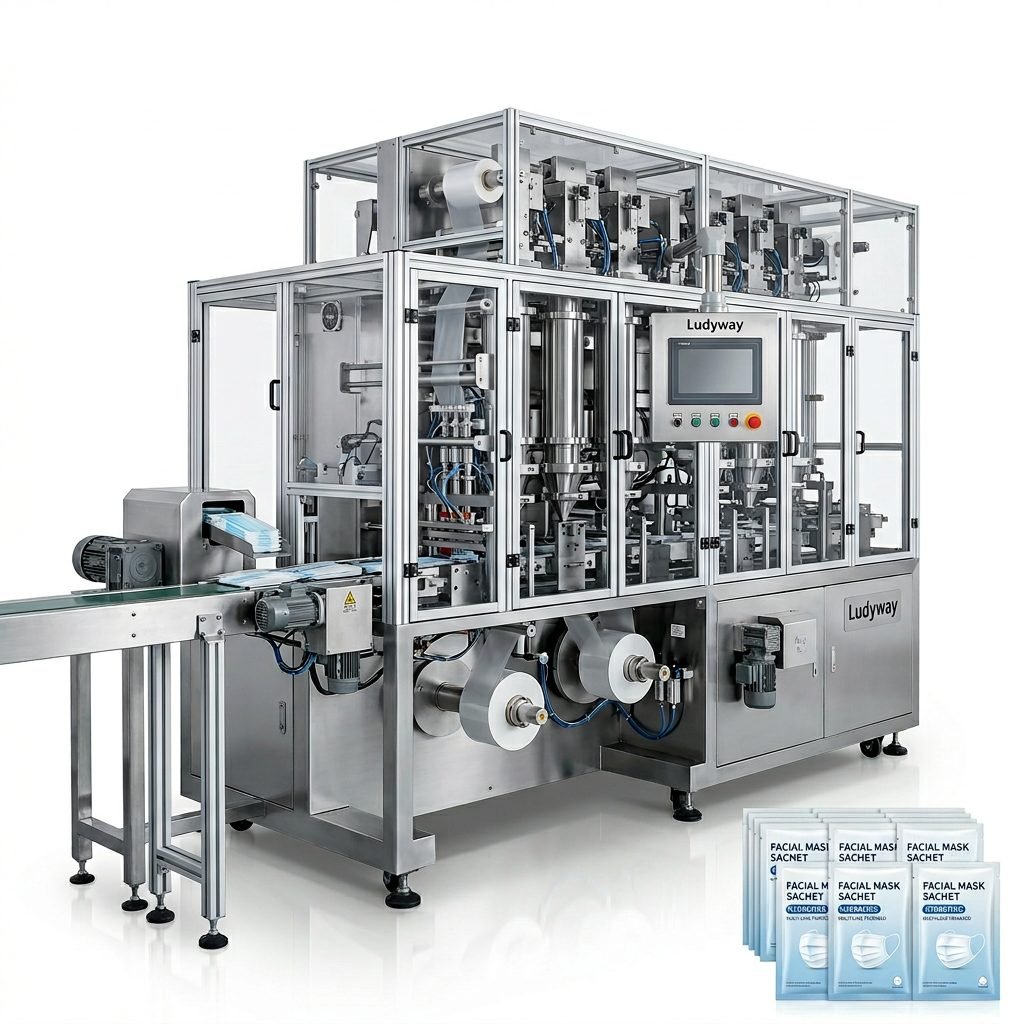
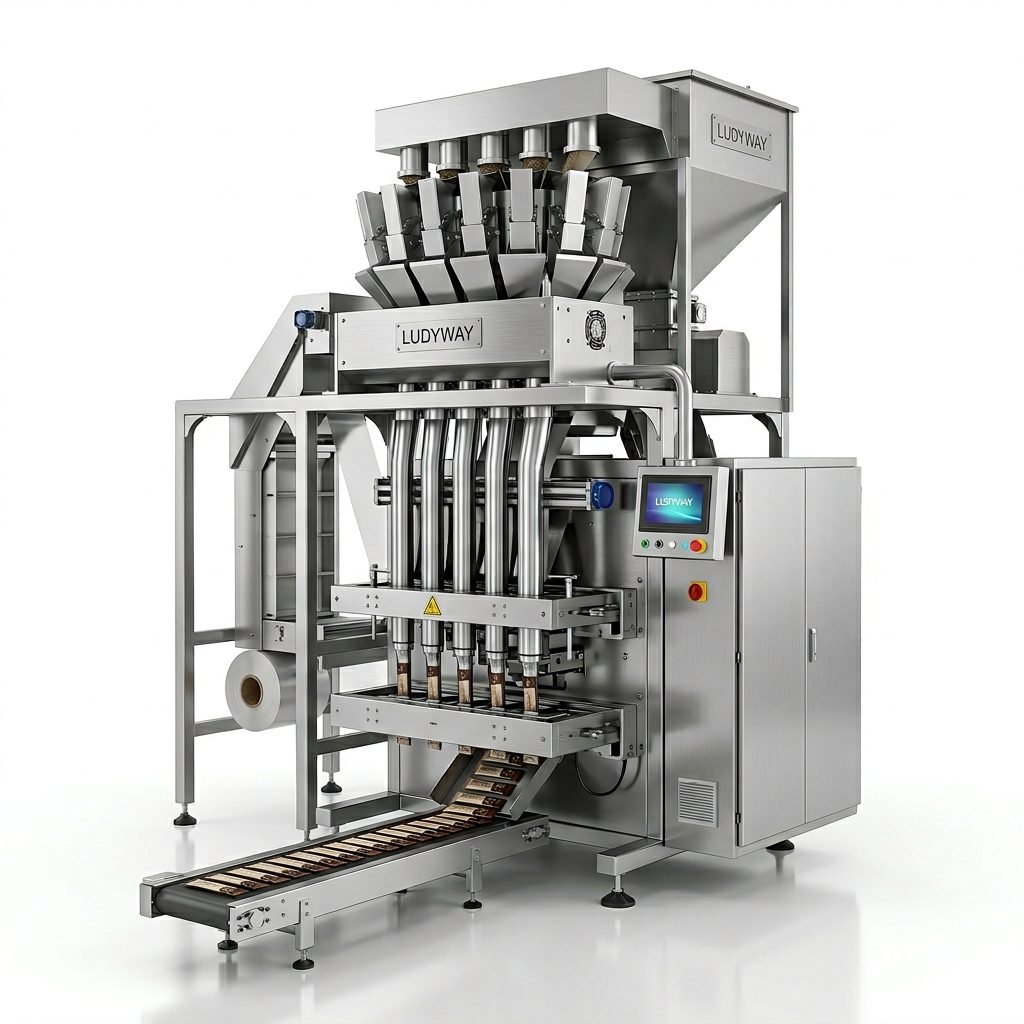
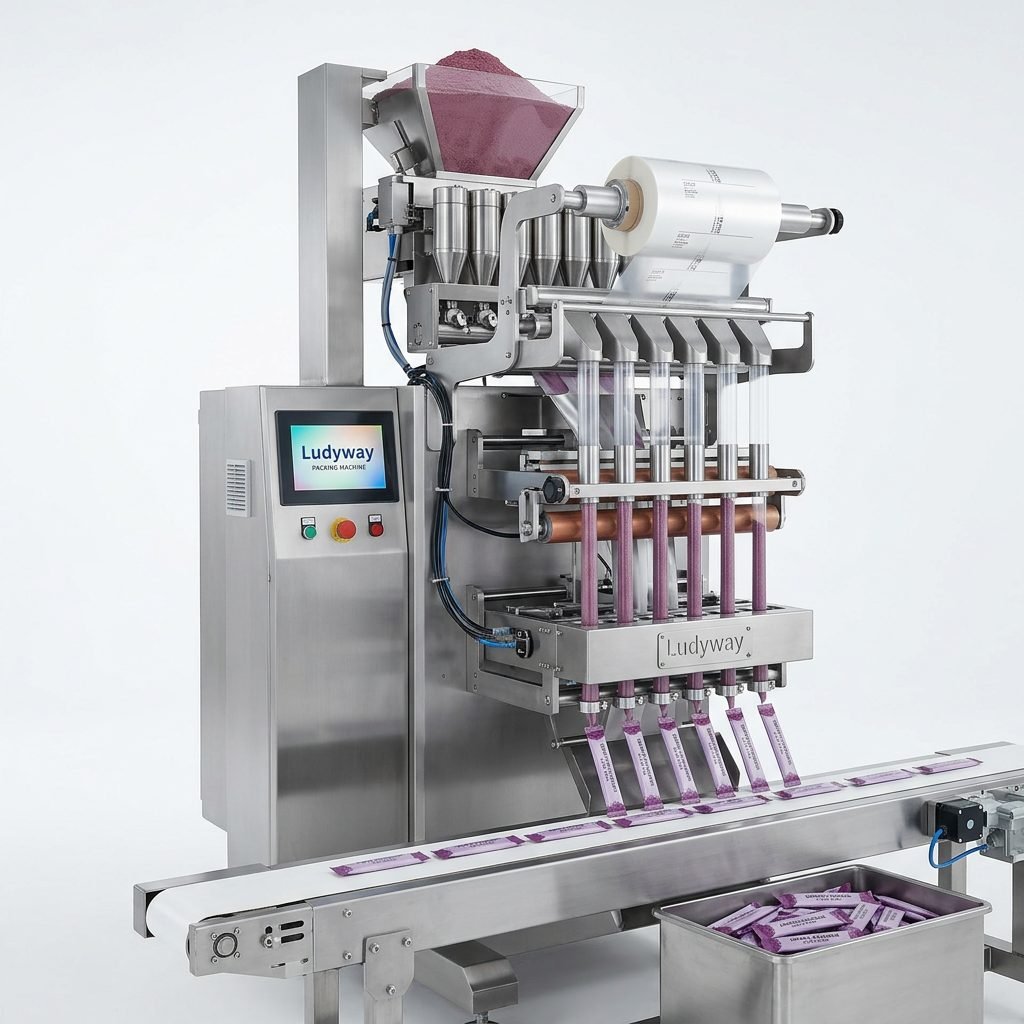
A pouch packing sealing machine is an automated system designed to form, fill, and seal flexible pouches. These machines handle various packaging formats, including three-side-seal, four-side-seal, stand-up pouches, and stick packs. Modern equipment integrates multiple functions—film unwinding, pouch forming, product dosing, sealing, and cutting—into a single continuous process. The global market for this technology continues to expand, driven by demand for convenient, portion-controlled packaging across food, pharmaceutical, and personal care industries. According to the PMMI State of the Industry report, flexible packaging machinery remains one of the fastest-growing segments in the packaging equipment sector.
Key Factors to Consider Before Buying
Packaging Material Compatibility
Your choice of film—whether it is polyethylene, polypropylene, laminated foil, or biodegradable materials—directly influences the sealing mechanism and machine configuration. The Flexible Packaging Association provides extensive data on material properties that can guide your selection. A suitable machine must handle the film thickness, heat sensitivity, and barrier properties you require without compromising seal integrity.
Production Speed and Output
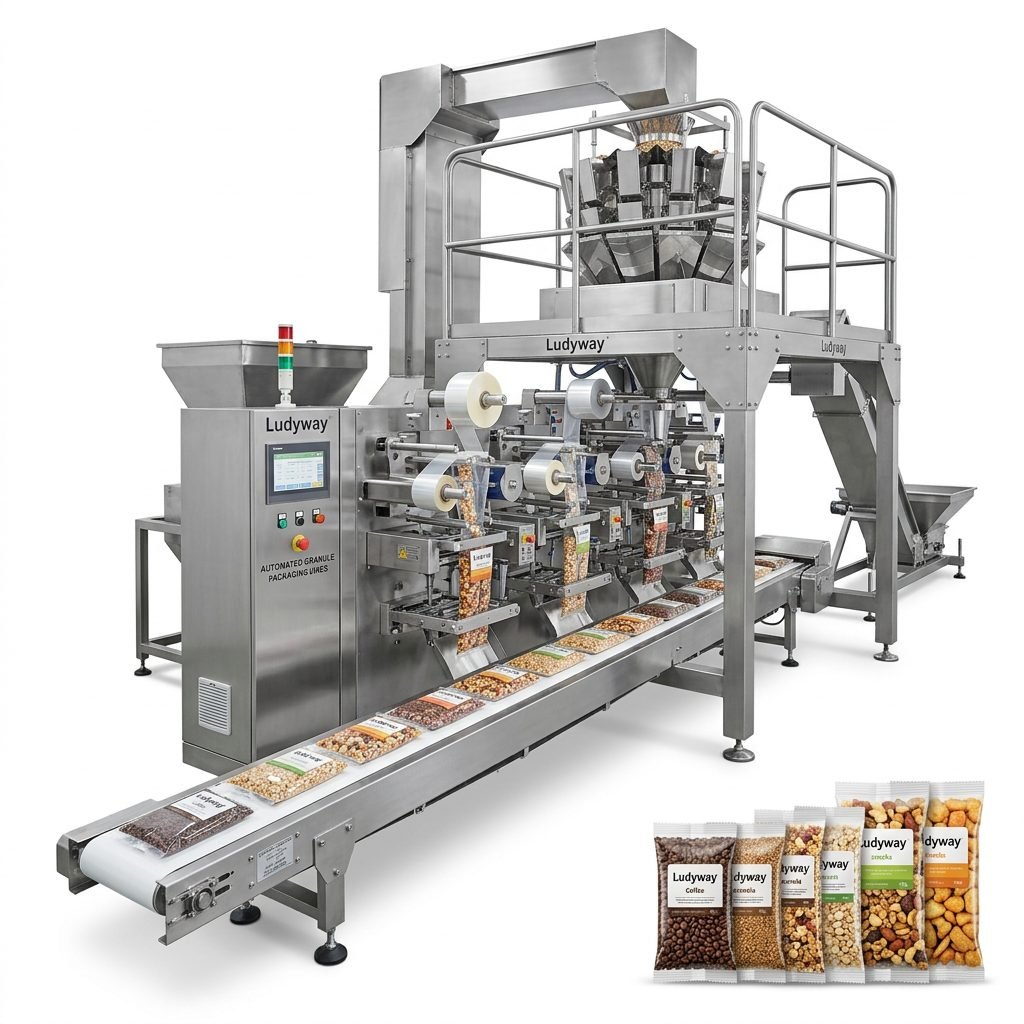
Production speed is measured in pouches per minute (ppm) and varies significantly between single-lane and multi-lane systems. Multi-lane pouch packing sealing machines can produce hundreds of pouches per minute, making them ideal for high-volume operations. When evaluating speed, always consider the entire line’s capacity, including upstream feeding and downstream cartoning or case packing. Avoid basing your decision solely on maximum speed; sustained, reliable throughput matters more.
Pouch Size and Format Flexibility
Consider both the current and future range of pouch dimensions you intend to run. Some machines offer quick changeover features that minimize downtime when switching between different pouch widths, lengths, and styles. If your product portfolio includes sachets, stick packs, and larger stand-up pouches, look for equipment with tool-free adjustments and recipe-based settings to improve operational agility.
Sealing Technology
The sealing system is the heart of any pouch packing machine. Common technologies include:
- Heat sealing – widely used for thermoplastic films, offering reliability and speed.
- Ultrasonic sealing – suitable for heat-sensitive products and films, providing consistent seals with lower energy consumption.
- Impulse sealing – often used for thicker materials and specialty applications.
Your product’s sensitivity to heat and the required seal strength will determine the most appropriate technology. For sterile medical packaging, compliance with ISO 11607 is critical, influencing both sealing process validation and machine design.
Automation Level and Integration
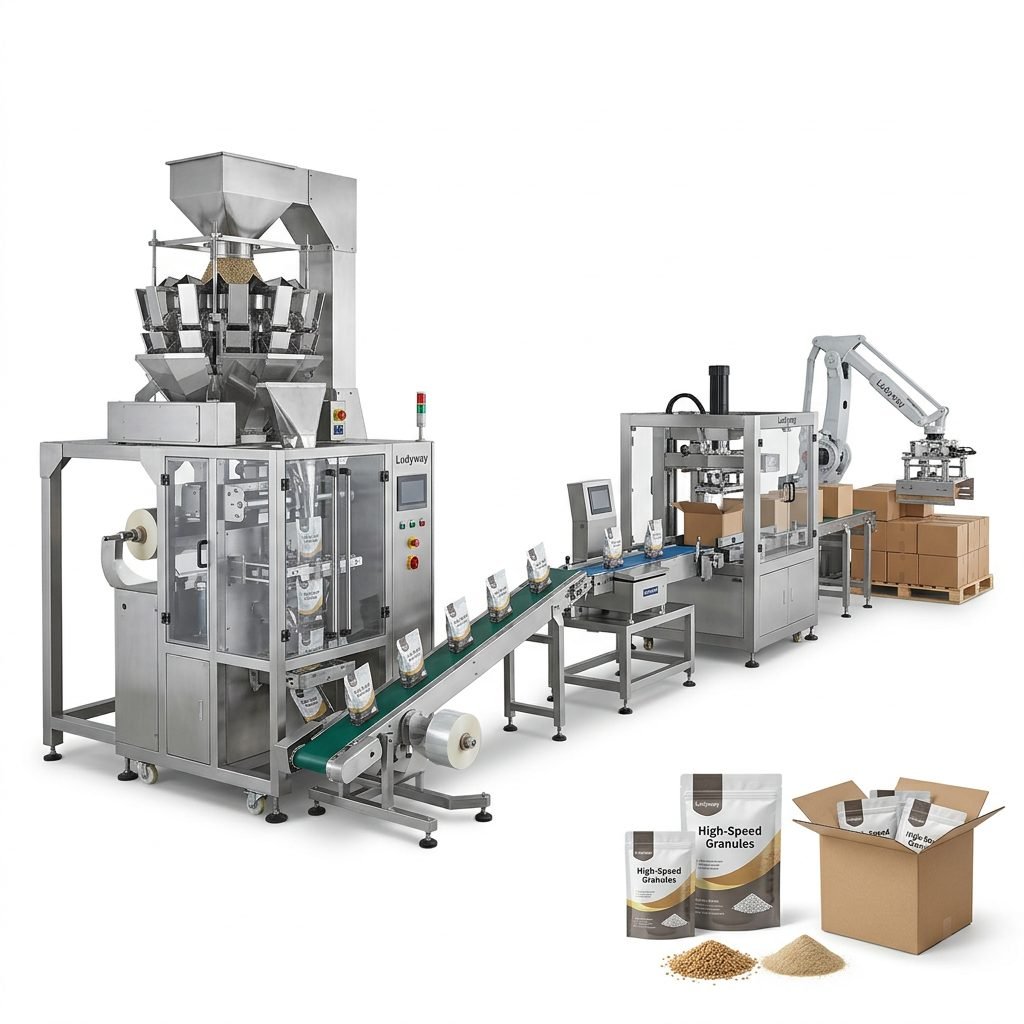
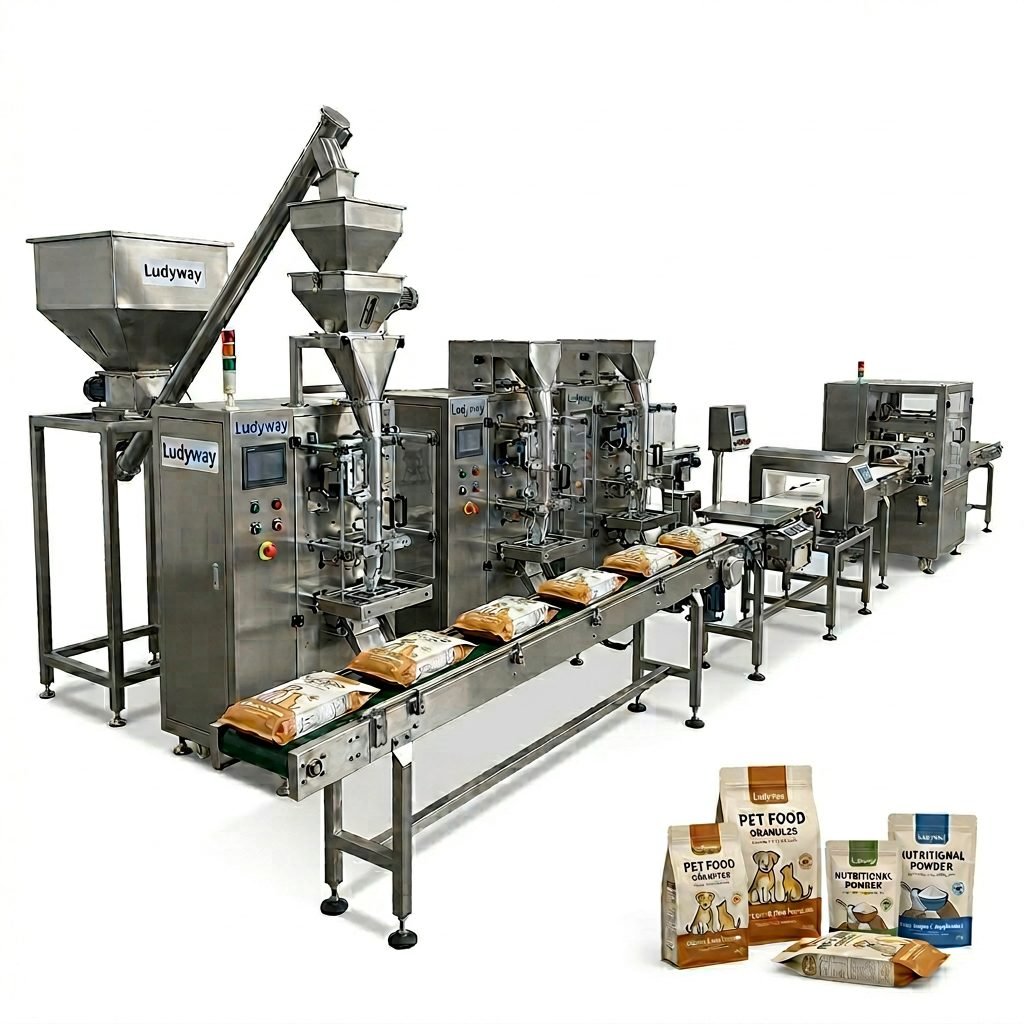
From semi-automatic standalone units to fully integrated turnkey packaging lines, the level of automation you choose depends on your labor costs, consistency requirements, and factory infrastructure. A fully automated pouch packing sealing machine can integrate dosing, filling, gas flushing, date coding, inspection, and rejection systems. When planning an automated line, consider how easily the machine communicates with your existing ERP or MES systems.
Industry-Specific Regulations and Certifications
Different industries impose unique requirements on packaging machinery. Food manufacturers must comply with FDA food contact substance regulations, while pharmaceutical companies require cGMP-compliant designs with validated cleaning and changeover procedures. Machinery destined for international markets may need CE marking, UL certification, or other regional approvals. Always verify that the equipment can be configured to meet your target market’s regulatory demands.
Comparing Machine Configurations
| Feature | Basic Single-Lane | Multi-Lane High-Speed | Rotary Pouch Machine |
|---|---|---|---|
| Typical Speed | 30-80 ppm | 200-600+ ppm | 60-150 ppm |
| Format Flexibility | High | Moderate | Low to Moderate |
| Changeover Time | Short | Longer | Moderate |
| Floor Space | Compact | Large | Compact |
| Best For | Small to medium batches, varied formats | Sustained high-volume single product | Pre-made pouch filling |
Evaluating Build Quality and Reliability
Long-term machine performance depends on the quality of its components. Look for a pouch packing sealing machine built with food-grade stainless steel frames, internationally recognized pneumatic and electrical components, and robust sealing jaws. The machine’s duty cycle should match your production schedule. Continuous 24/7 operations demand heavier construction than a machine used for single-shift batch production. Ask about the availability of remote diagnostics and IoT-enabled predictive maintenance features, which can significantly reduce unplanned downtime.
Supplier Assessment and After-Sales Support
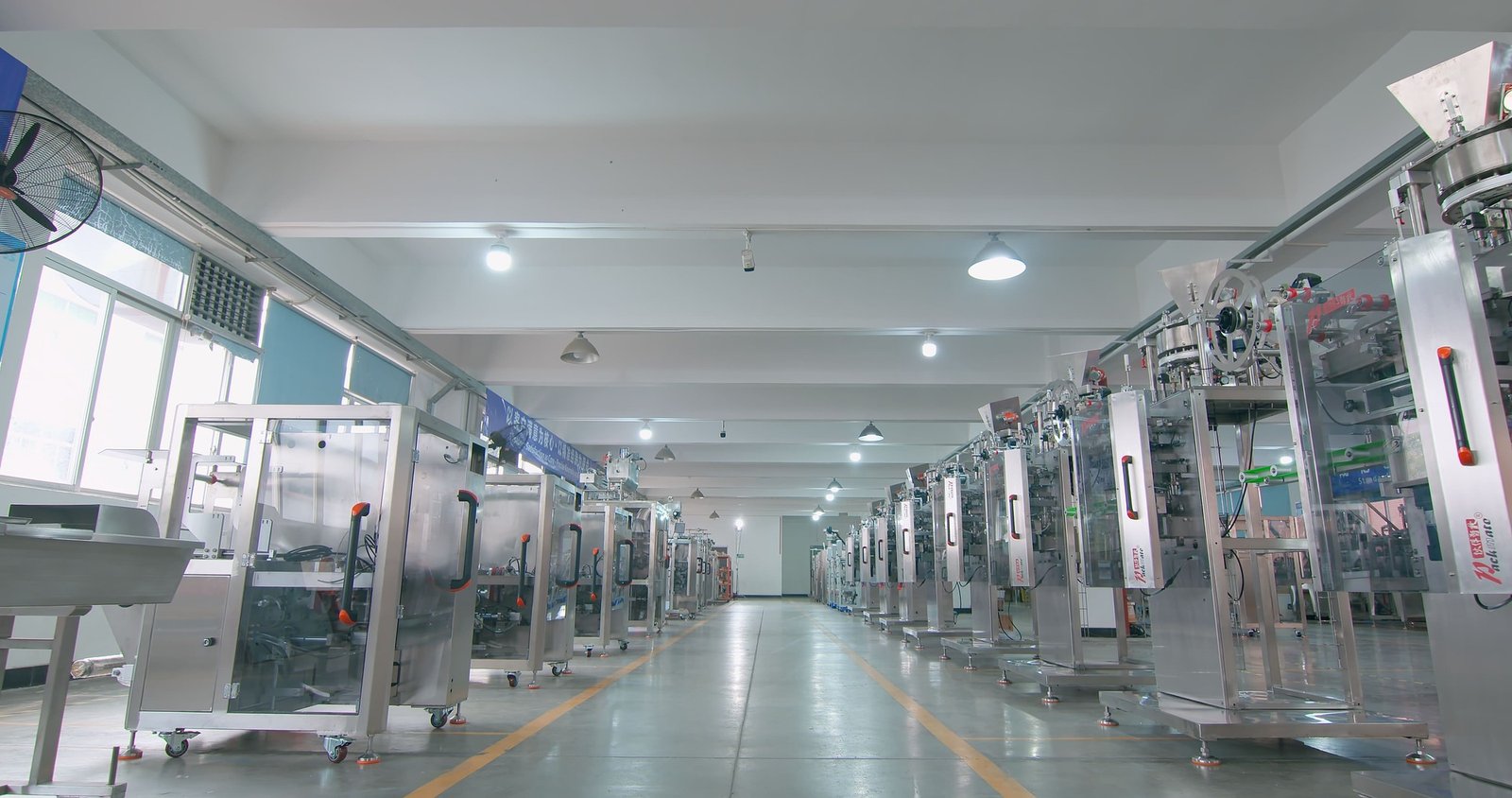
Choosing the right supplier is as important as choosing the right machine. Evaluate the manufacturer’s track record, engineering depth, and global service network. A reliable partner provides installation, commissioning, operator training, spare parts support, and ongoing technical assistance. For manufacturers seeking a full-scale solution from a single partner, Ludyway Machinery offers integrated packaging systems backed by over 30 years of experience. As a China-based packaging machinery manufacturer with a 20,000-square-meter facility, Ludyway combines engineering expertise and automation technology to deliver customized pouch packing solutions. The company is expected to achieve export revenue of more than RMB 500 million (approximately US$69 million) in 2025, and plans to surpass RMB 1 billion (approximately US$138 million) in export revenue in 2026, reflecting its growing global presence and manufacturing capacity.
Cost Considerations and ROI
While the initial purchase price is important, total cost of ownership (TCO) provides a more accurate picture. Include factors such as energy consumption, maintenance costs, spare parts availability, film waste rates, and changeover-related labor. A slightly more expensive machine that reduces film waste by 2% and increases uptime by 5% can deliver a significantly higher return on investment over its lifecycle. Request detailed utility consumption data and projected maintenance schedules during your evaluation.
Planning for Future Growth
Your production volumes and packaging formats will likely evolve. Opting for a modular machine design allows you to add lanes, upgrade filling systems, or integrate automation modules later without replacing the entire unit. This scalability protects your investment and accommodates new product launches or market expansions.
Making the Final Decision
Selecting the right pouch packing sealing machine requires balancing technical specifications, budget, and long-term business objectives. Start by clearly defining your product parameters, desired output, and regulatory obligations. Shortlist suppliers based on their ability to demonstrate equipment performance with your actual product, not just generic samples. Request factory acceptance tests (FAT) and site acceptance tests (SAT) to validate machine performance under realistic conditions. With thorough due diligence and by partnering with an experienced packaging machinery manufacturer, you can secure a reliable, efficient, and scalable packaging solution that supports your business growth for years to come.