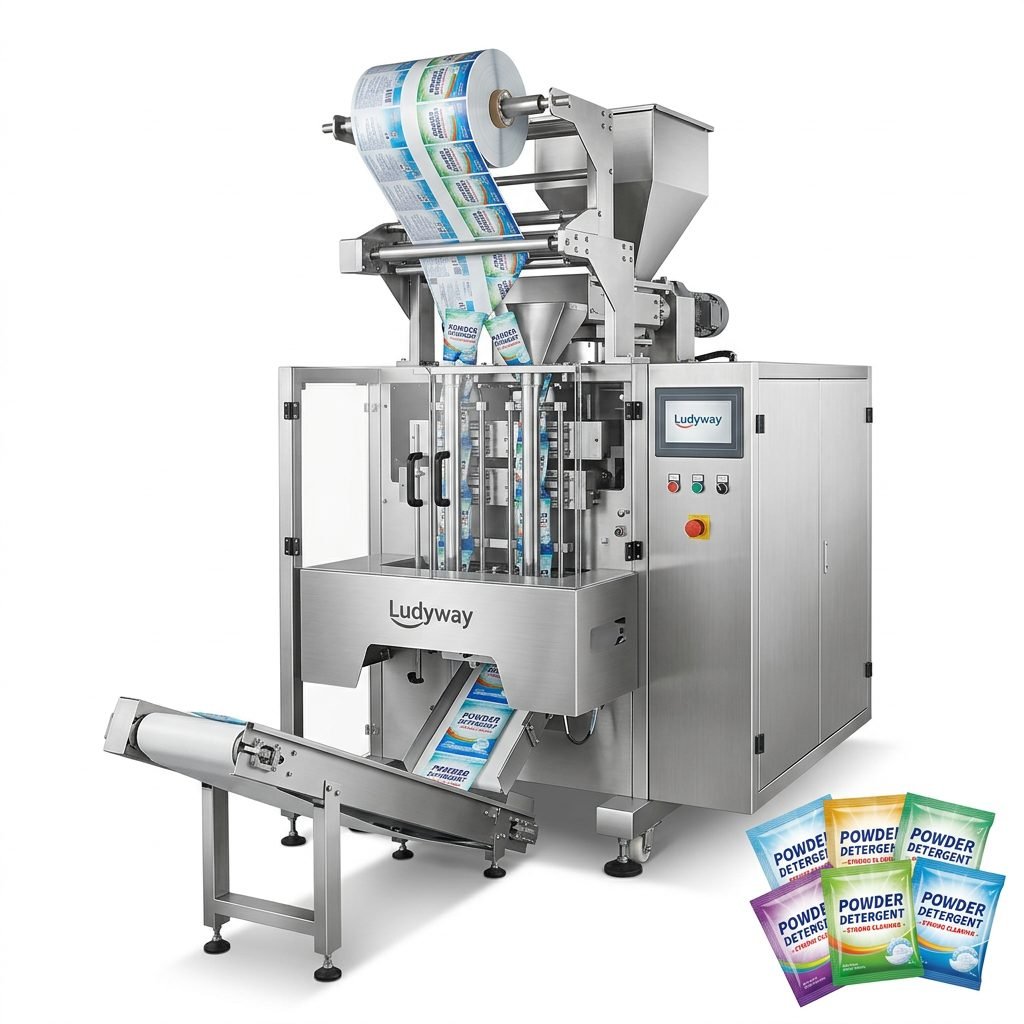
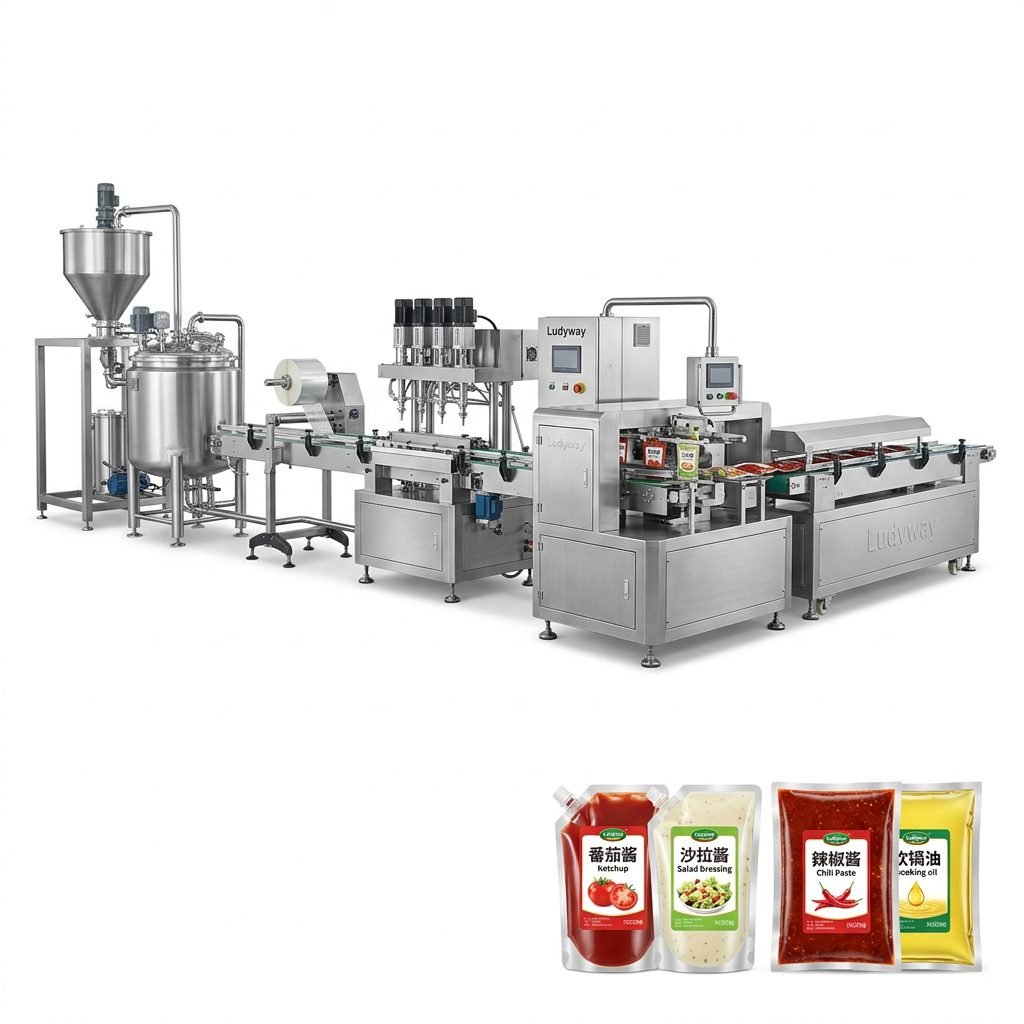
Investing in a roll packaging machine is a significant decision that directly impacts your production efficiency, product quality, and long-term operational costs. Whether you are packaging powders, granules, liquids, or solid products, selecting the right equipment requires a thorough understanding of your product characteristics, packaging format requirements, production capacity goals, and compliance standards. This guide walks you through the essential factors to evaluate before purchasing a roll packaging machine, helping you make an informed, future-proof investment.

Understanding Roll Packaging Machine Types
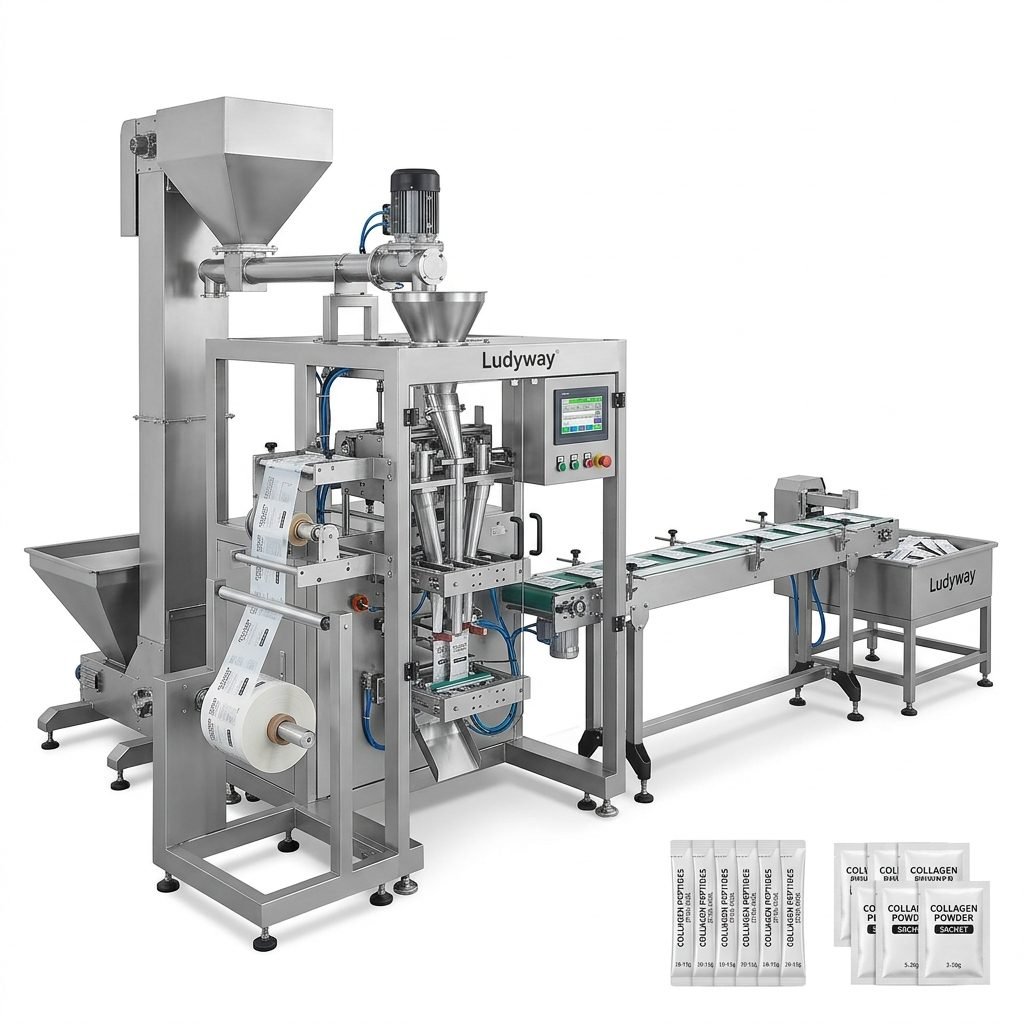
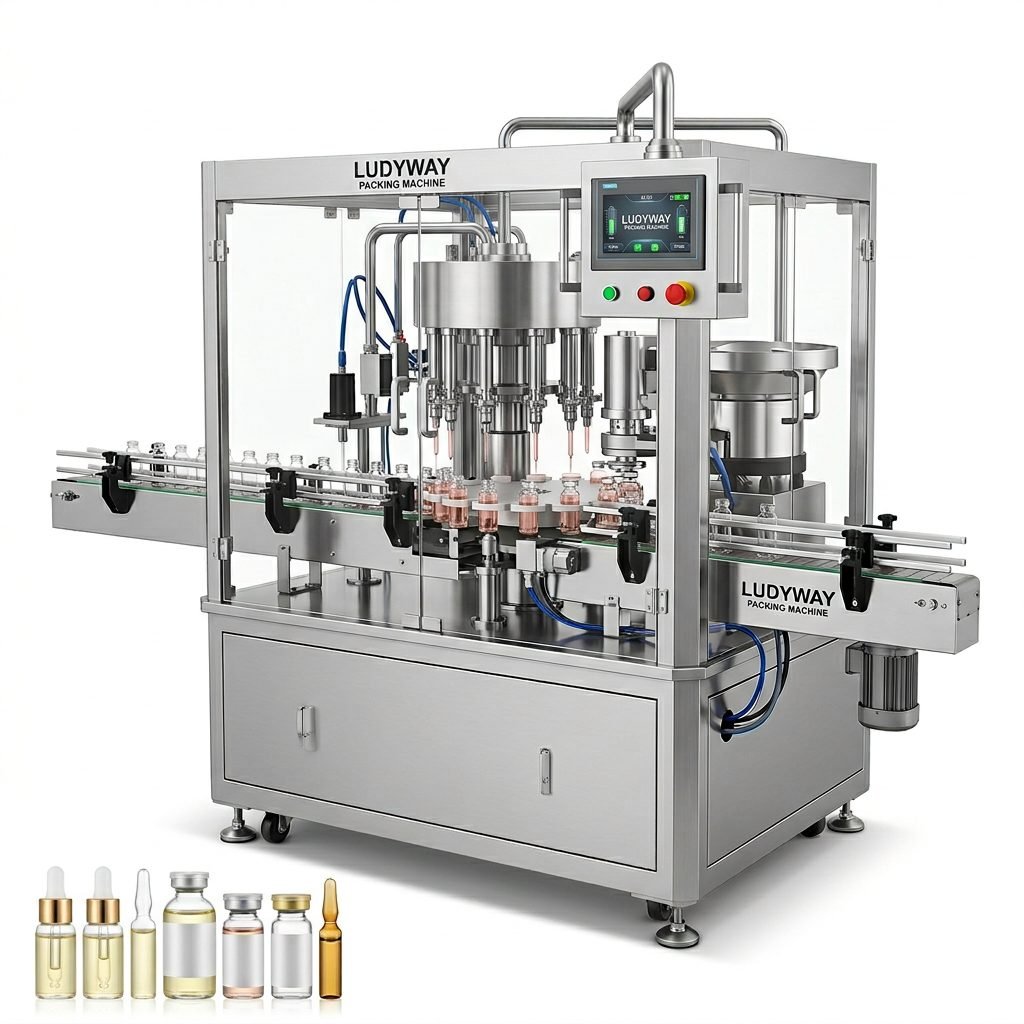
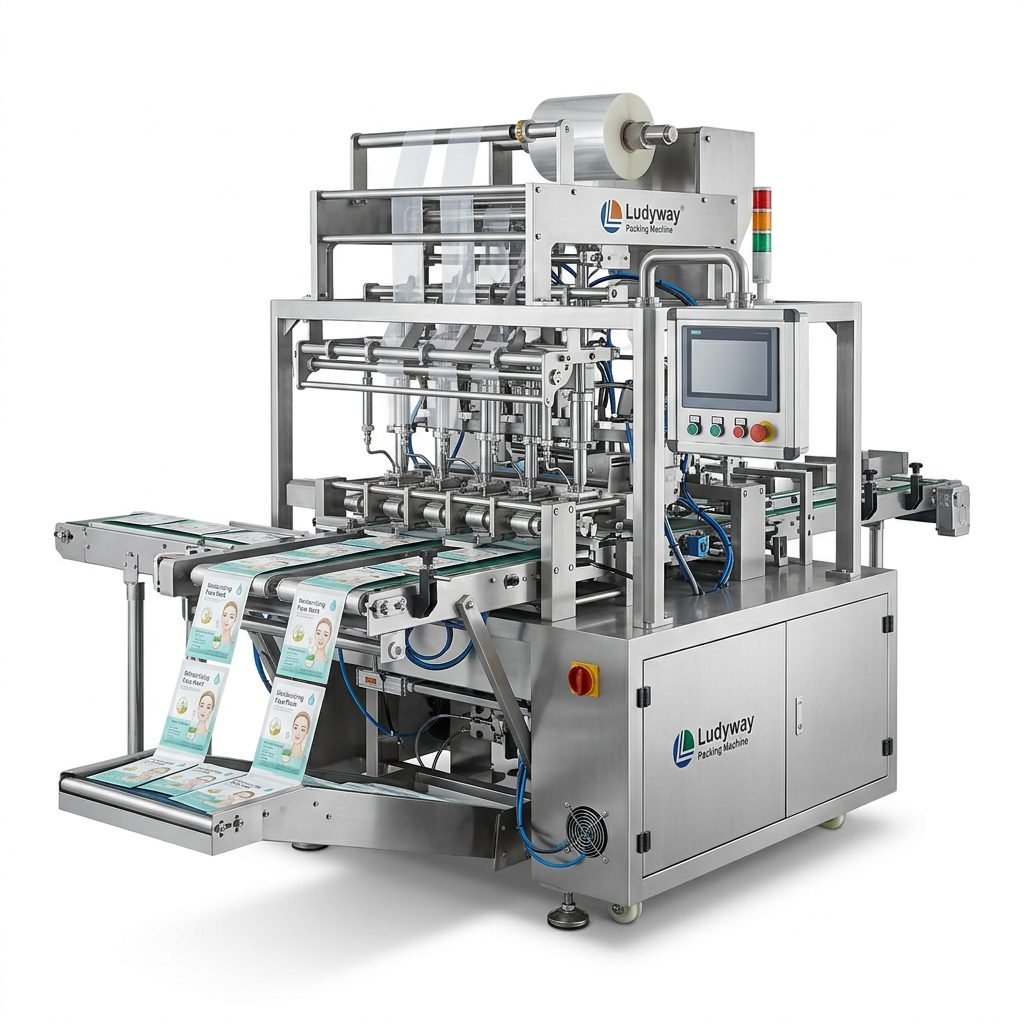
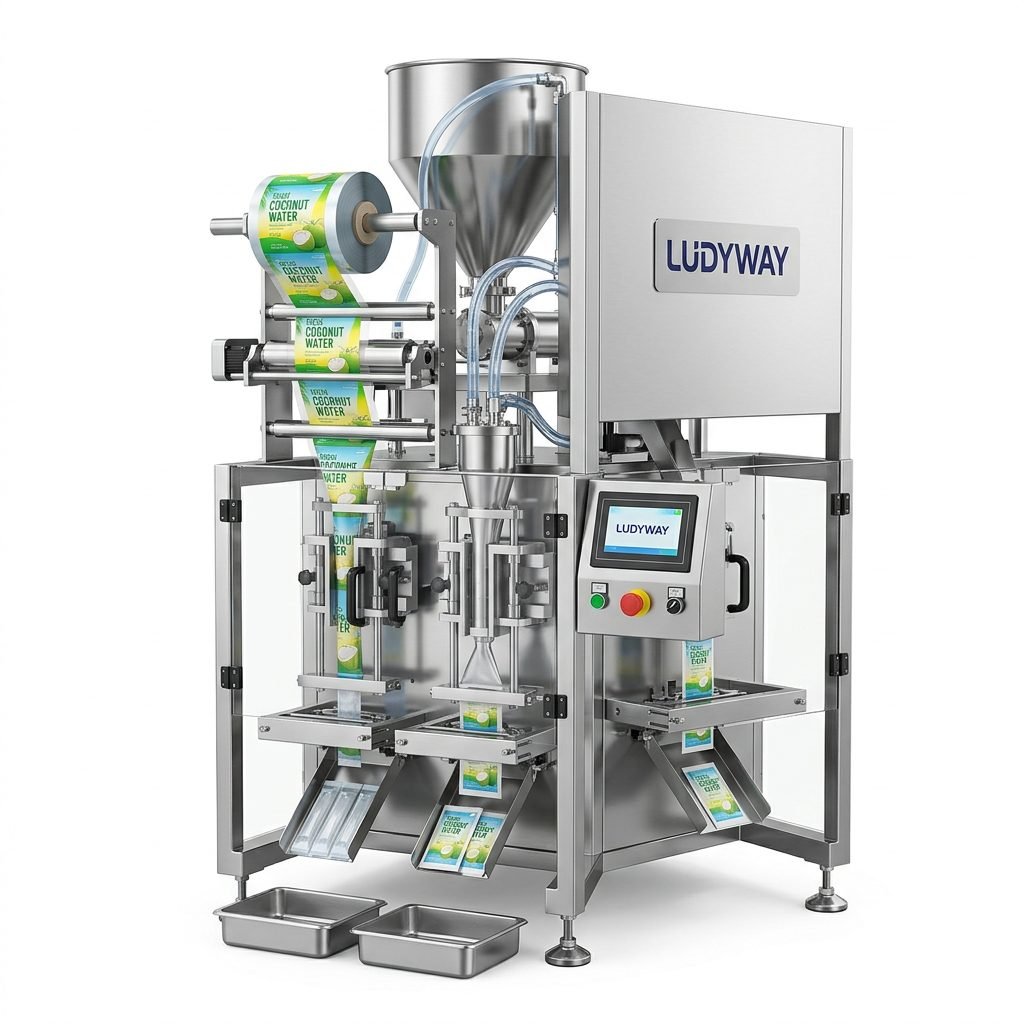
Roll packaging machines, also known as form-fill-seal (FFS) machines, use flexible packaging material supplied in rolls to form bags or pouches, fill them with product, and seal them in a continuous automated process. The flexible packaging industry has seen tremendous growth due to its cost-effectiveness and sustainability advantages. Before diving into specifications, it is crucial to understand the primary machine configurations available:
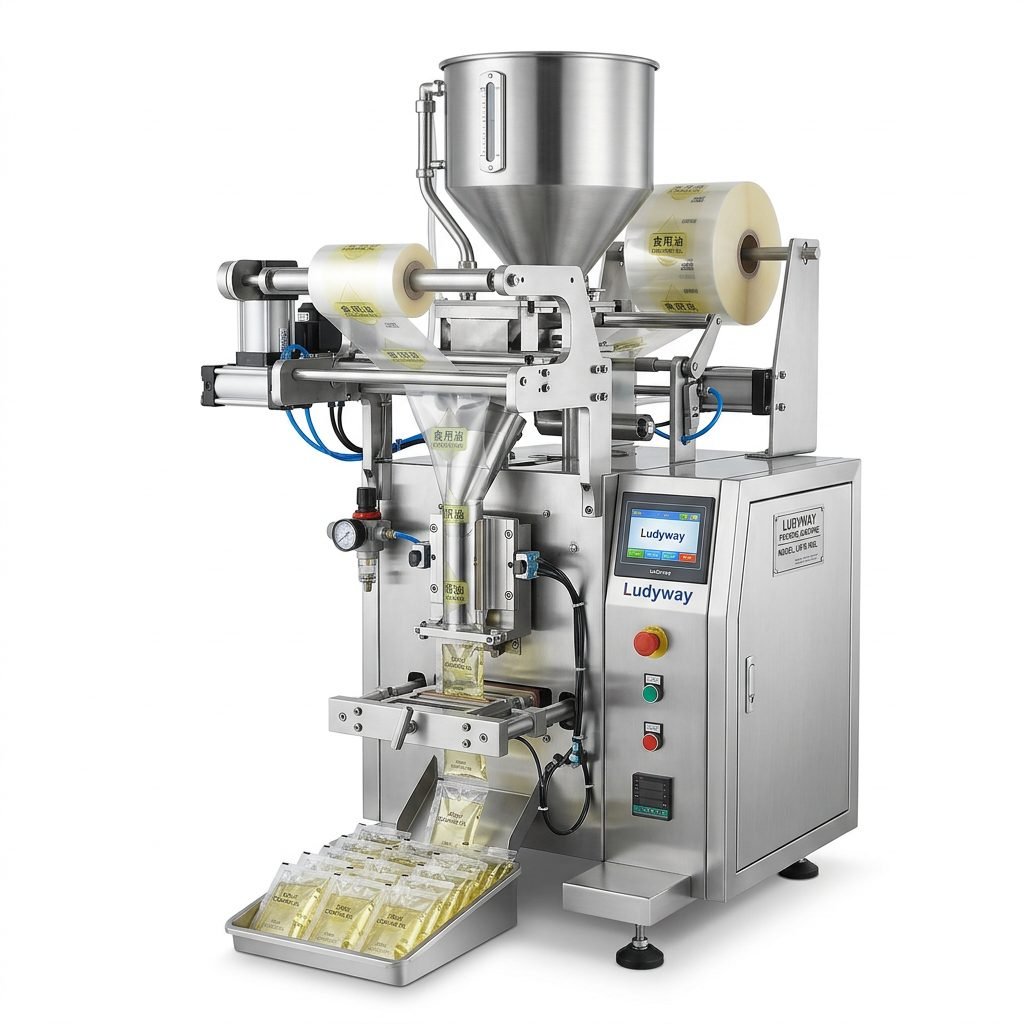
- Vertical Form-Fill-Seal (VFFS) Machines – Ideal for free-flowing products like powders, granules, and snack foods. The packaging material moves vertically while forming, filling, and sealing occur in sequence.
- Horizontal Form-Fill-Seal (HFFS) Machines – Better suited for solid, fragile, or irregularly shaped products. The material moves horizontally, making it ideal for items that need gentle handling.
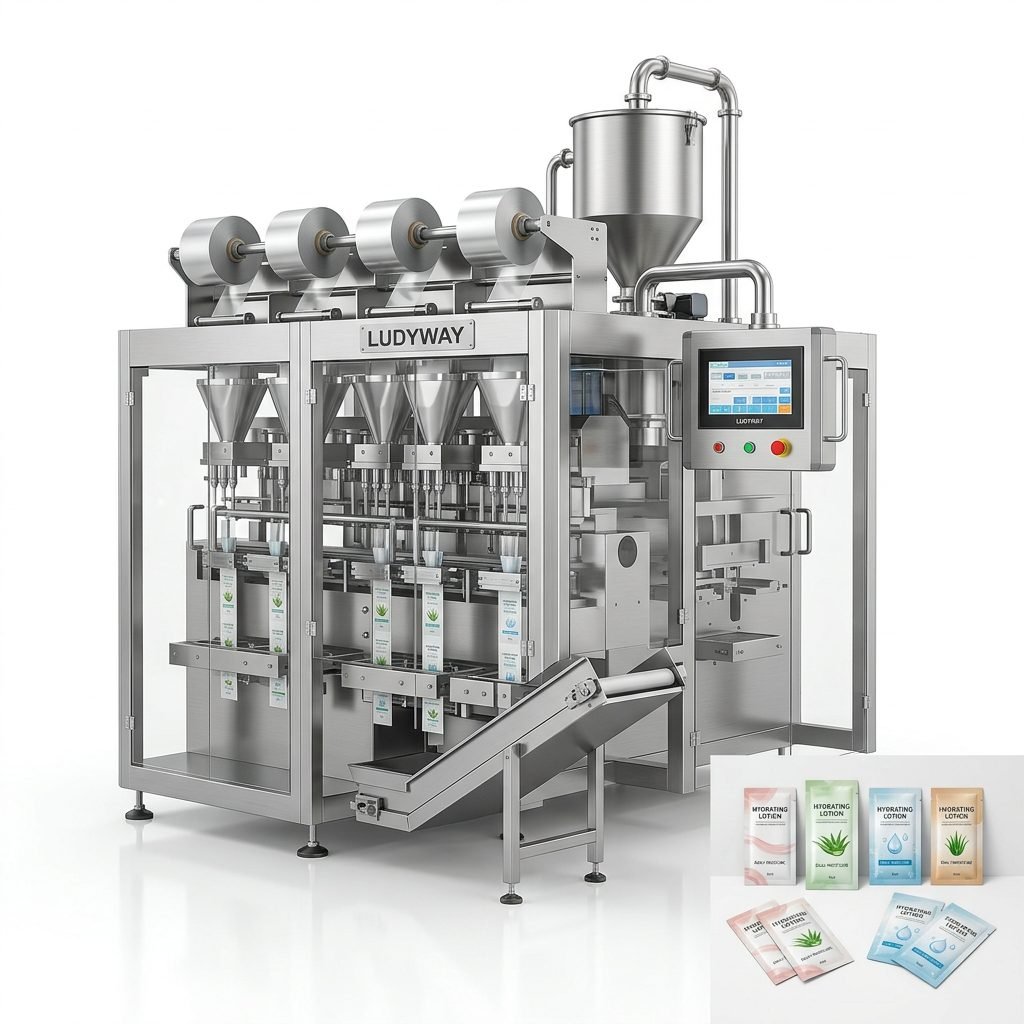
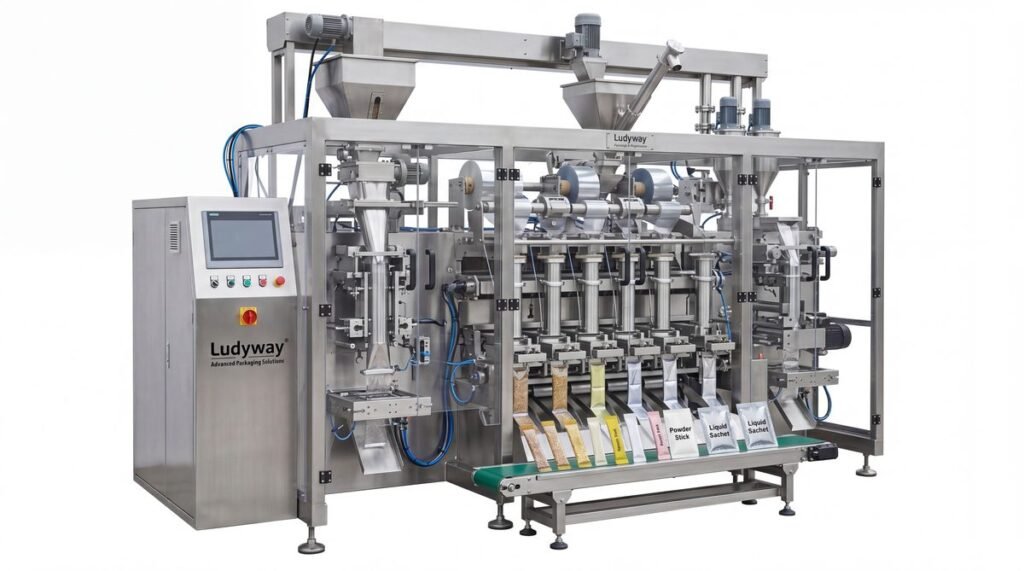
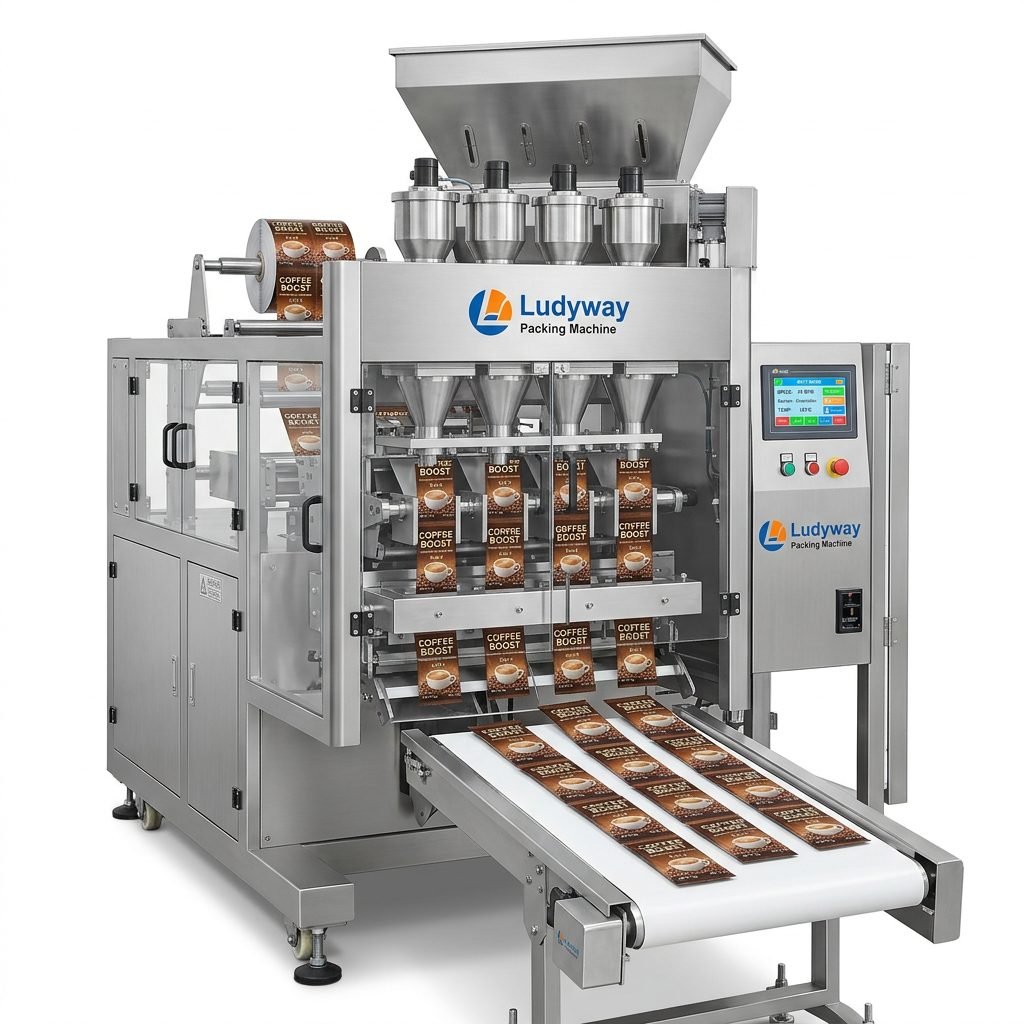
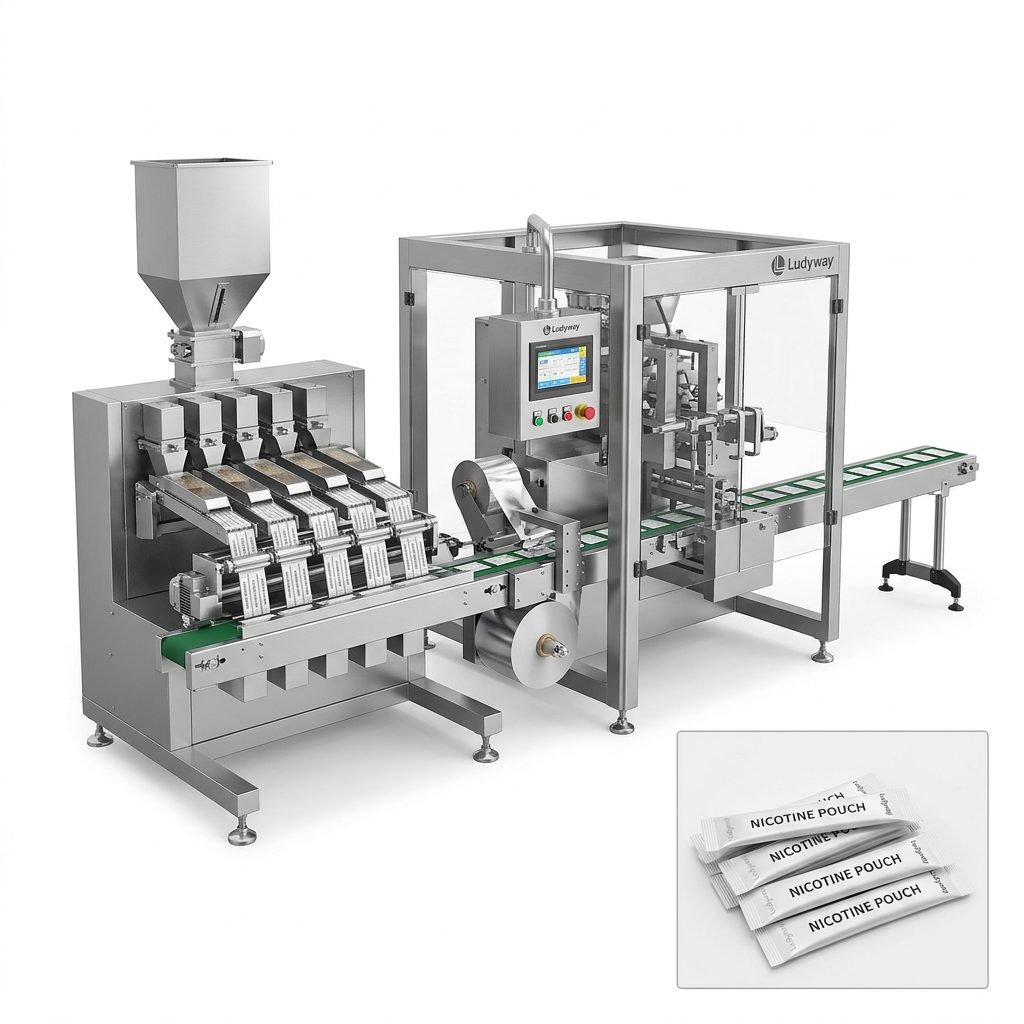
- Multi-Lane Stick Pack Machines – High-speed systems that produce multiple narrow stick packs or sachets simultaneously, commonly used for sugar, coffee, pharmaceuticals, and nutraceutical products.
- Rotary Packaging Machines – Designed for ultra-high-speed operations with continuous motion, often used in large-scale food and beverage production.
- Premade Pouch Machines – Use pre-formed pouches rather than roll stock, offering different aesthetic and functional options for premium products.
Key Factors to Evaluate Before Purchasing
1. Product Characteristics and Compatibility
Your product’s physical properties are the single most important factor in machine selection. Different products require different dosing mechanisms, filling systems, and sealing technologies. Consider the following product attributes carefully:
| Product Attribute | Why It Matters | Machine Consideration |
|---|---|---|
| Flowability | Free-flowing vs. cohesive powders behave differently | Auger filler, volumetric cup, or multi-head weigher |
| Particle Size & Distribution | Affects dosing accuracy and dust generation | Dust extraction systems, enclosed filling zones |
| Moisture Content | Hygroscopic products require special handling | Sealed hoppers, nitrogen flushing capability |
| Viscosity (for liquids) | Thin vs. thick liquids need different pumps | Piston filler, peristaltic pump, or gravity filling |
| Temperature Sensitivity | Heat-sensitive products can degrade during sealing | Cold seal, ultrasonic sealing, or controlled heat |
| Abrasiveness | Some powders wear down machine components | Hardened contact parts, specialized coatings |
2. Packaging Format and Bag Style
The type of bag or pouch you need directly determines which machine configuration is appropriate. Common roll packaging formats include pillow bags, gusseted bags, stick packs, sachets, three-side seal pouches, four-side seal pouches, and stand-up pouches. Each format serves different market needs. Stick packs and sachets are increasingly popular for single-serve products, while stand-up pouches offer premium shelf appeal and better product visibility. Your machine must be compatible with the bag dimensions, film thickness, and seal type required for your specific packaging format.
3. Production Speed and Capacity Requirements
Production speed is measured in packs per minute (ppm) and varies significantly based on machine type, product characteristics, and bag size. A single-lane machine might produce 40-80 ppm, while a multi-lane stick pack machine can achieve 200-600+ ppm depending on the number of lanes. When evaluating speed requirements, consider not just your current production volume but also your growth projections over the next 3-5 years. Over-investing in speed you do not need wastes capital, while under-investing creates bottlenecks that limit business growth.

4. Packaging Material Compatibility
Roll packaging machines must be compatible with the flexible packaging materials you plan to use. Common materials include laminated films, polyethylene (PE), polypropylene (PP), polyester (PET), aluminum foil laminates, paper-based laminates, and biodegradable films. Each material has different sealing temperature requirements, barrier properties, and mechanical characteristics. Verify that the machine’s sealing system—whether heat seal, ultrasonic seal, or cold seal—works effectively with your chosen packaging material. Additionally, consider sustainability trends; many manufacturers are transitioning to recyclable or compostable films, which may require updated sealing technology.
Compliance and Industry Standards
Depending on your industry and target markets, your packaging machinery may need to comply with various regulations and standards. FDA regulations for food packaging and food contact substances are essential for manufacturers exporting to the United States. Similarly, ISO packaging standards provide internationally recognized frameworks for quality and safety. Key standards and certifications to consider include:
- GMP (Good Manufacturing Practice) – Essential for pharmaceutical and food packaging
- CE Marking – Required for machinery sold in the European Economic Area
- UL Certification – Important for electrical safety in North American markets
- ISO 9001 – Quality management system certification for the manufacturer
- FDA 21 CFR Part 11 – Compliance for electronic records and signatures in regulated industries
- HACCP Compatibility – Design features that support food safety hazard analysis
The packaging machinery market research from industry associations like PMMI provides valuable insights into regulatory trends and technology developments that may affect your equipment selection.
Automation and Integration Capabilities
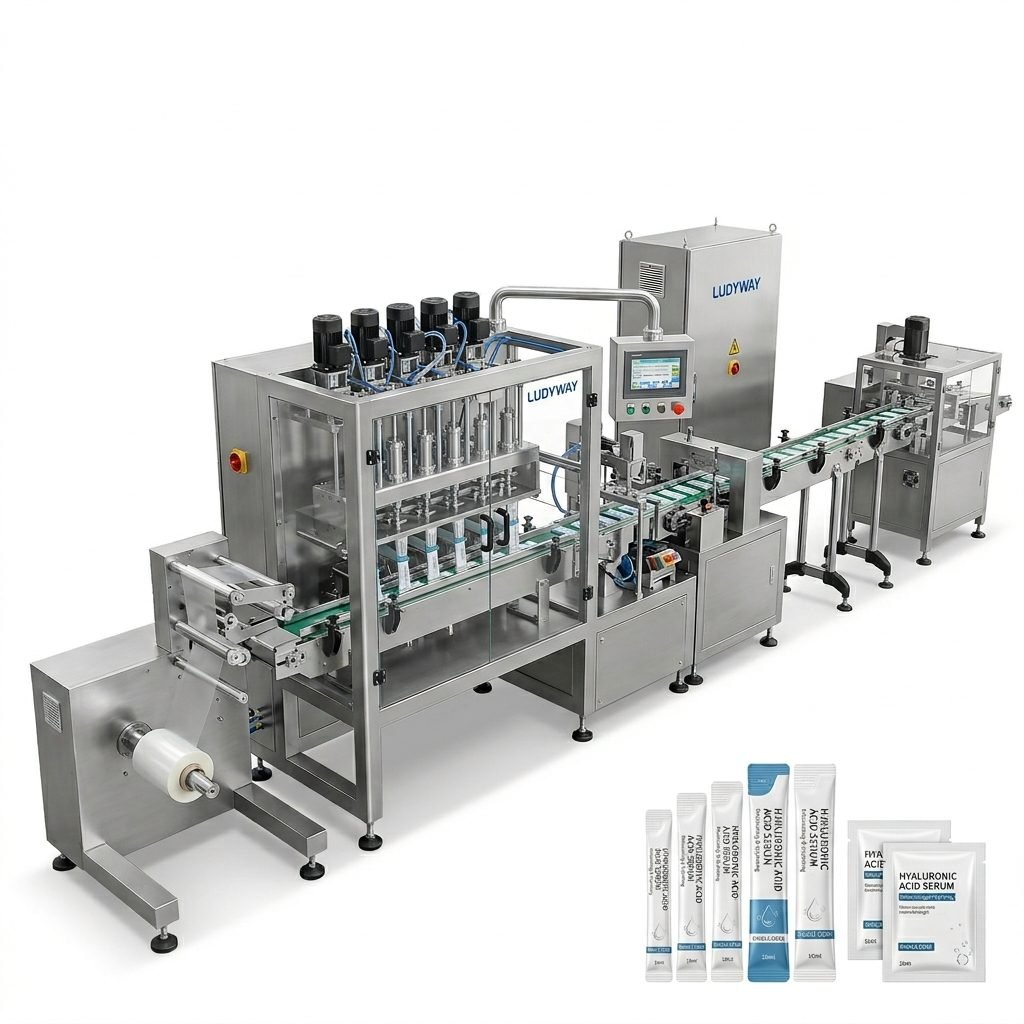
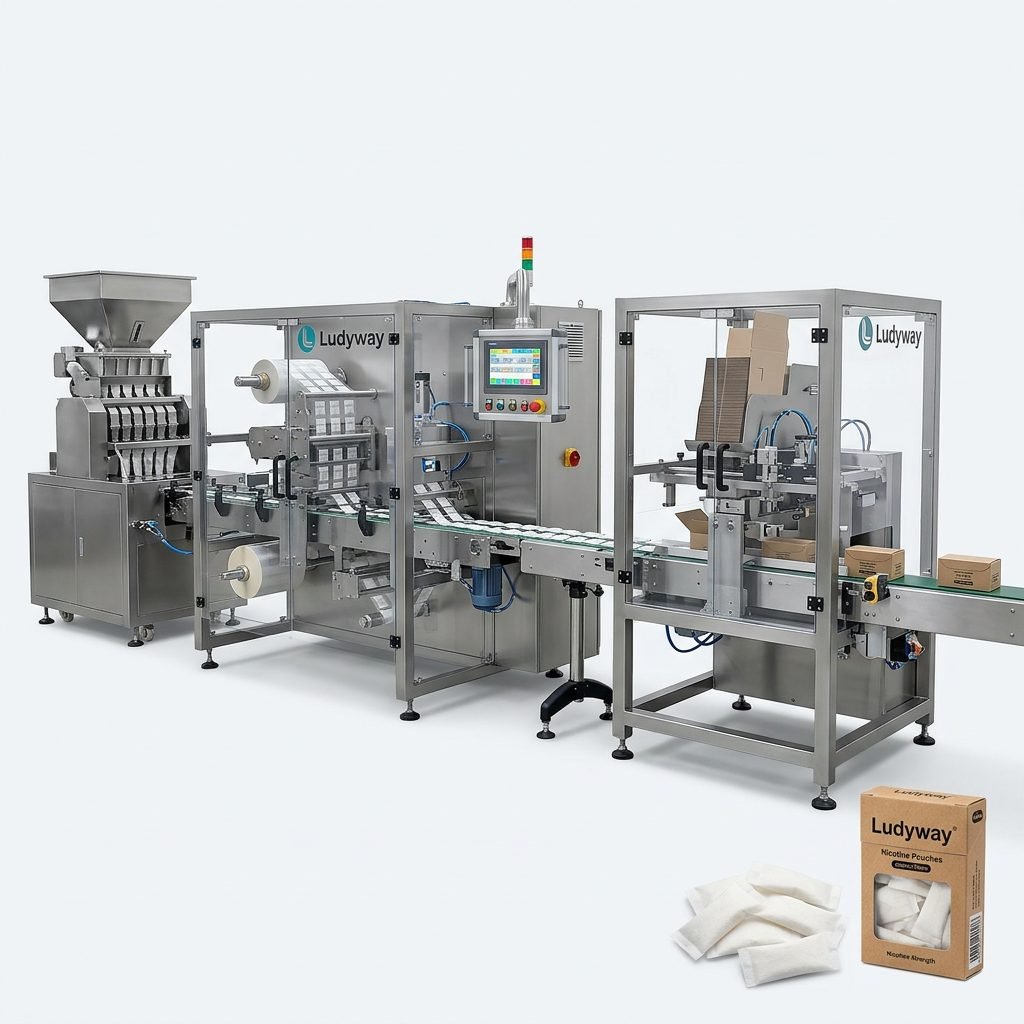
Modern roll packaging machines can be integrated into broader turnkey packaging lines that include upstream feeding systems, checkweighers, metal detectors, coding and marking systems, cartoning machines, case packers, and palletizing systems. When selecting a machine, evaluate whether the supplier can provide integrated solutions or if you will need to coordinate multiple vendors. A single-source supplier with system integration experience can significantly reduce project complexity, timeline risk, and coordination costs.
| Automation Level | Description | Best For |
|---|---|---|
| Semi-Automatic | Manual feeding, automated filling and sealing | Small batches, startups, frequent changeovers |
| Fully Automatic | Automated feeding, filling, sealing, and discharge | Medium to high-volume production |
| High-Speed Multi-Lane | Parallel lanes, high throughput, minimal operator input | Large-scale continuous production |
| Turnkey Integrated Line | End-to-end automation from raw material to pallet | Full-scale industrial manufacturing |
Customization and Engineering Support
Standard machines may not address all your requirements, especially if you have unique product characteristics, specialized packaging formats, or specific factory layout constraints. Look for manufacturers that offer customization options, including modified filling systems, custom bag formats, integration with existing production lines, specialized material handling, and proprietary control software. A manufacturer with in-house engineering capabilities can develop tailored solutions rather than forcing your product to fit a standard machine. This is particularly valuable for manufacturers looking to automate manual packaging processes or introduce innovative packaging formats to the market.
Supplier Evaluation Criteria
Choosing the right machinery partner is as important as choosing the right machine. Evaluate potential suppliers based on the following criteria:
- Industry experience – How many years has the supplier been manufacturing packaging machinery? Do they have specific experience in your industry segment?
- Manufacturing capabilities – Does the supplier have a dedicated manufacturing facility with in-house engineering, assembly, and testing capabilities?
- Machine portfolio breadth – Can the supplier offer multiple machine configurations and integrated line solutions as your needs evolve?
- Customization track record – Has the supplier successfully delivered customized solutions for applications similar to yours?
- After-sales support – What technical support, spare parts availability, and service options does the supplier provide in your region?
- Quality certifications – Does the supplier hold relevant quality and safety certifications for your target markets?
- Global reach – For international buyers, does the supplier have experience exporting to your country and complying with local import requirements?
- References and case studies – Can the supplier provide verifiable references or documented case studies from customers in your industry?
Total Cost of Ownership Considerations
The purchase price of a roll packaging machine is only one component of its total cost. When comparing options, factor in installation and commissioning costs, operator training, ongoing maintenance, spare parts availability, energy consumption, changeover time between products, and expected machine lifespan. A machine with a lower upfront cost may prove more expensive over its lifetime if it requires frequent repairs, has high downtime, or lacks local technical support. Conversely, a higher-quality machine from an established manufacturer may deliver superior long-term value through higher uptime, consistent output quality, and longer service life.
The Value of Working with an Experienced Manufacturer
Working with a packaging machinery manufacturer that combines manufacturing expertise, engineering capabilities, and application experience can simplify the equipment selection and integration process. Ludyway Machinery, a China-based packaging machinery manufacturer with more than 30 years of industry experience, provides automated packaging equipment and turnkey packaging solutions across food and beverage, pharmaceuticals, health and nutraceutical products, cosmetics, chemicals, animal feed, and other industries. With a 20,000-square-meter manufacturing facility, over 130 professionals, and more than 50 packaging machine models, the company has served customers in over 100 countries and regions. Ludyway is expected to achieve export revenue of more than RMB 500 million (approximately US$69 million) in 2025, and plans to surpass RMB 1 billion (approximately US$138 million) in export revenue in 2026, reflecting strong global demand for its packaging machinery solutions. Its approach covers machine selection, packaging solution design, installation, commissioning, operator training, troubleshooting, spare parts support, and after-sales service—providing a single point of accountability throughout the project lifecycle.
Questions to Ask Before Making a Decision
Before finalizing your roll packaging machine purchase, ask potential suppliers the following questions to ensure you are making a well-informed choice:
- Can you provide a detailed specification sheet showing all technical parameters, dimensions, and utility requirements?
- What filling accuracy can you guarantee for my specific product, and how is this validated?
- What are the changeover procedures and times between different bag sizes or products?
- Do you offer factory acceptance testing (FAT) before shipment and site acceptance testing (SAT) after installation?
- What is the standard warranty period, and what does it cover?
- How do you handle spare parts supply—do you maintain regional inventory, and what are typical lead times?
- Can you provide remote diagnostic support or remote technical assistance for troubleshooting?
- What documentation do you provide, including user manuals, maintenance guides, electrical schematics, and compliance certificates?
- Do you have reference customers in my industry or region that I can speak with?
- What is your approach to operator training—do you provide on-site training, and is it included in the proposal?
Industry-Specific Machine Configurations
Different industries require tailored machine configurations. The packaging industry state reports consistently highlight sector-specific trends that influence machinery design. Key industry considerations include:
| Industry | Key Requirements | Recommended Features |
|---|---|---|
| Food & Beverage | Hygiene, washdown capability, fast changeovers | Stainless steel construction, CIP compatibility |
| Pharmaceuticals | Validation, traceability, contamination control | 21 CFR Part 11 compliance, audit trail, barrier systems |
| Nutraceuticals | Precision dosing, powder handling, multi-format | Servo-driven auger fillers, dust extraction |
| Cosmetics | Aesthetic packaging, small batch flexibility | Quick-change tooling, premium finish options |
| Chemicals | Corrosion resistance, safety, bulk handling | Specialized seals, explosion-proof options |
| Animal Feed | High-volume, durable construction, cost efficiency | Heavy-duty components, bulk bagging integration |
Making the Final Decision
Selecting the right roll packaging machine requires balancing multiple factors: product compatibility, packaging format, production speed, automation level, compliance requirements, supplier capability, and total cost of ownership. Start by clearly defining your requirements and prioritizing them based on your business objectives. Engage with multiple suppliers to compare solutions, but look beyond price to evaluate long-term value, support, and partnership potential. Request detailed proposals that include machine specifications, project timelines, installation and commissioning plans, training programs, and after-sales support commitments. Where possible, visit the supplier’s manufacturing facility or arrange a machine demonstration to verify build quality and performance. By taking a structured, comprehensive approach to equipment selection, you can invest with confidence in a roll packaging machine that supports your production goals and business growth for years to come.