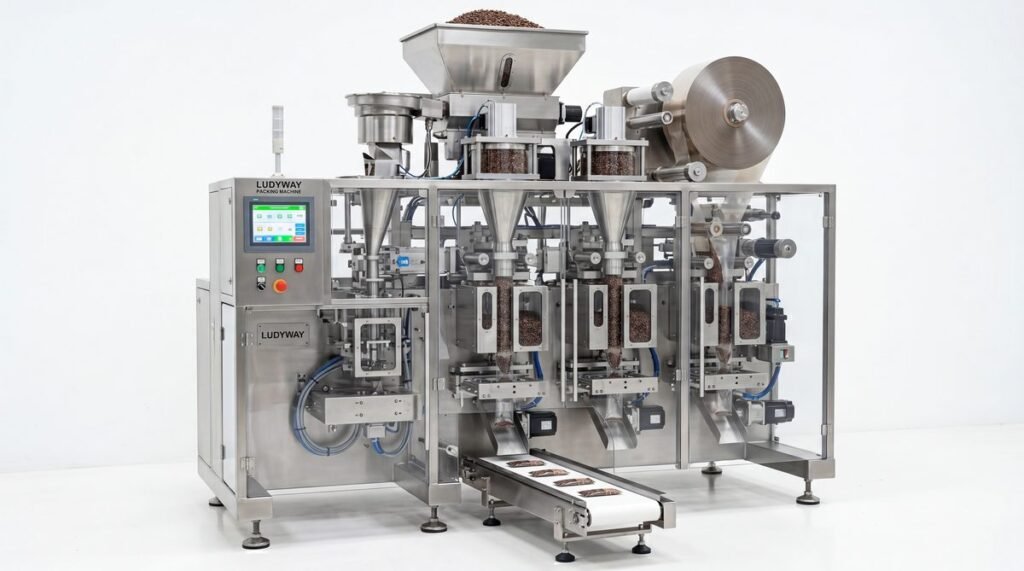
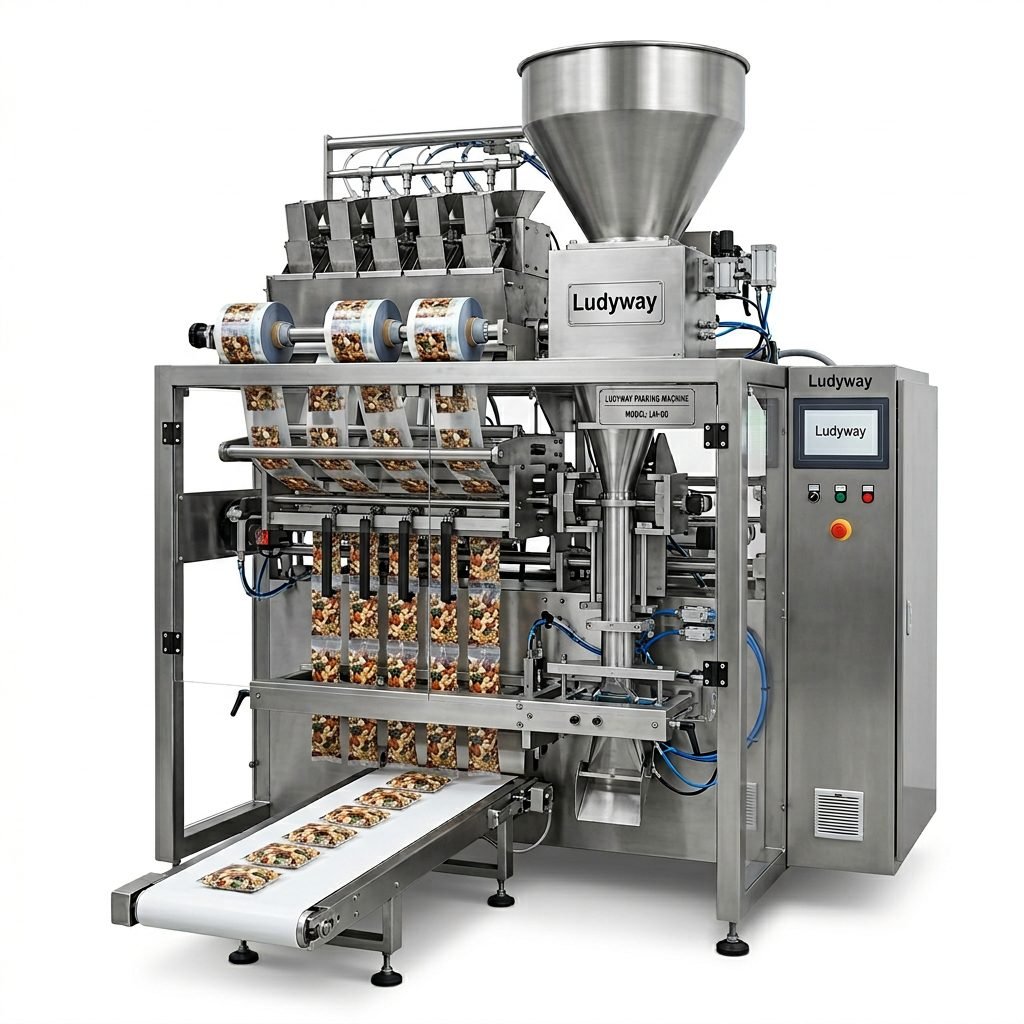
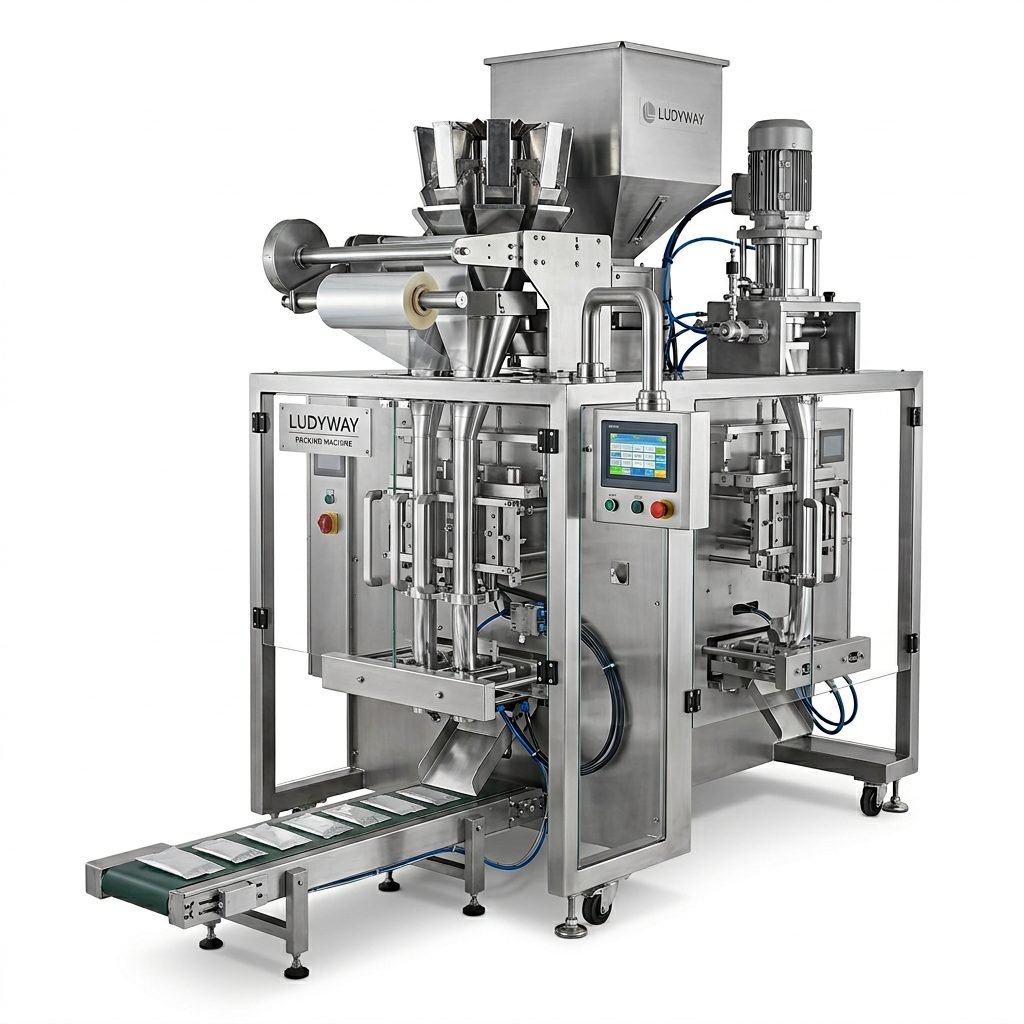
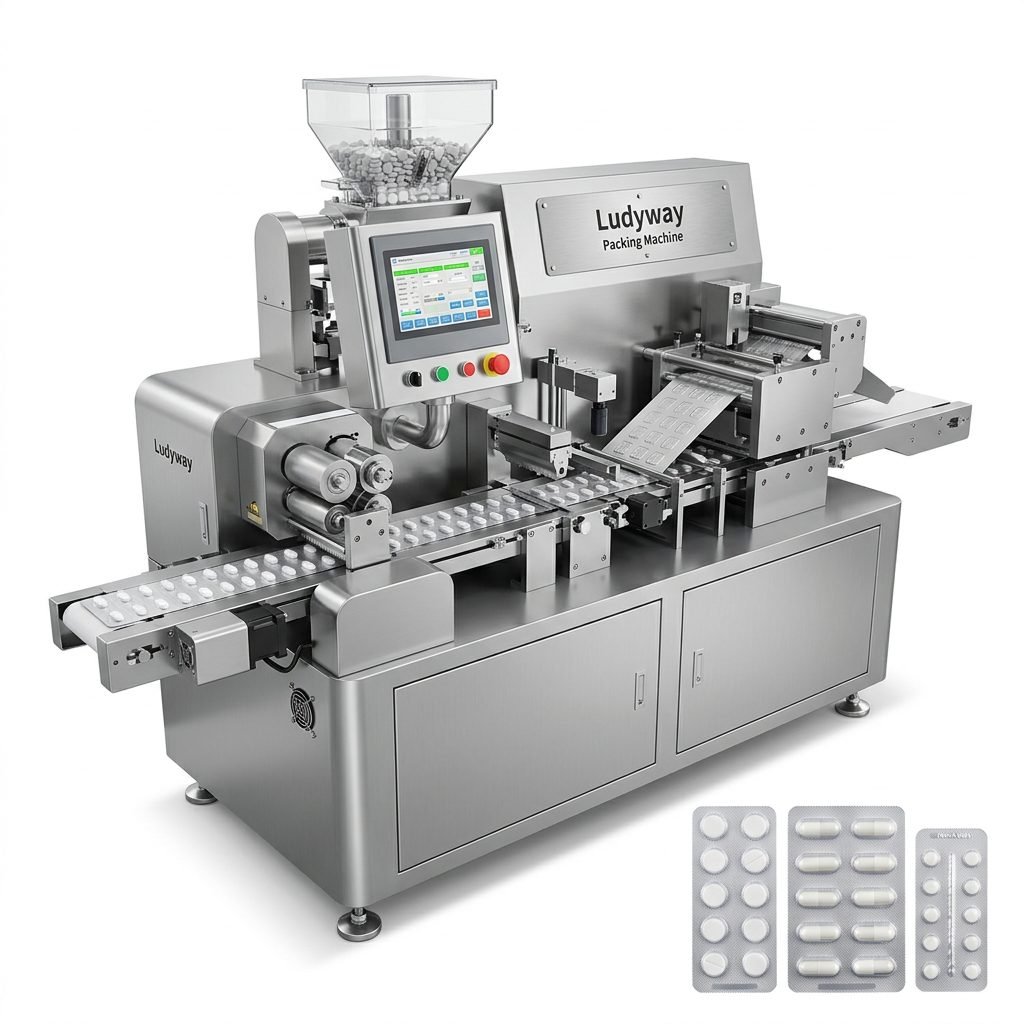
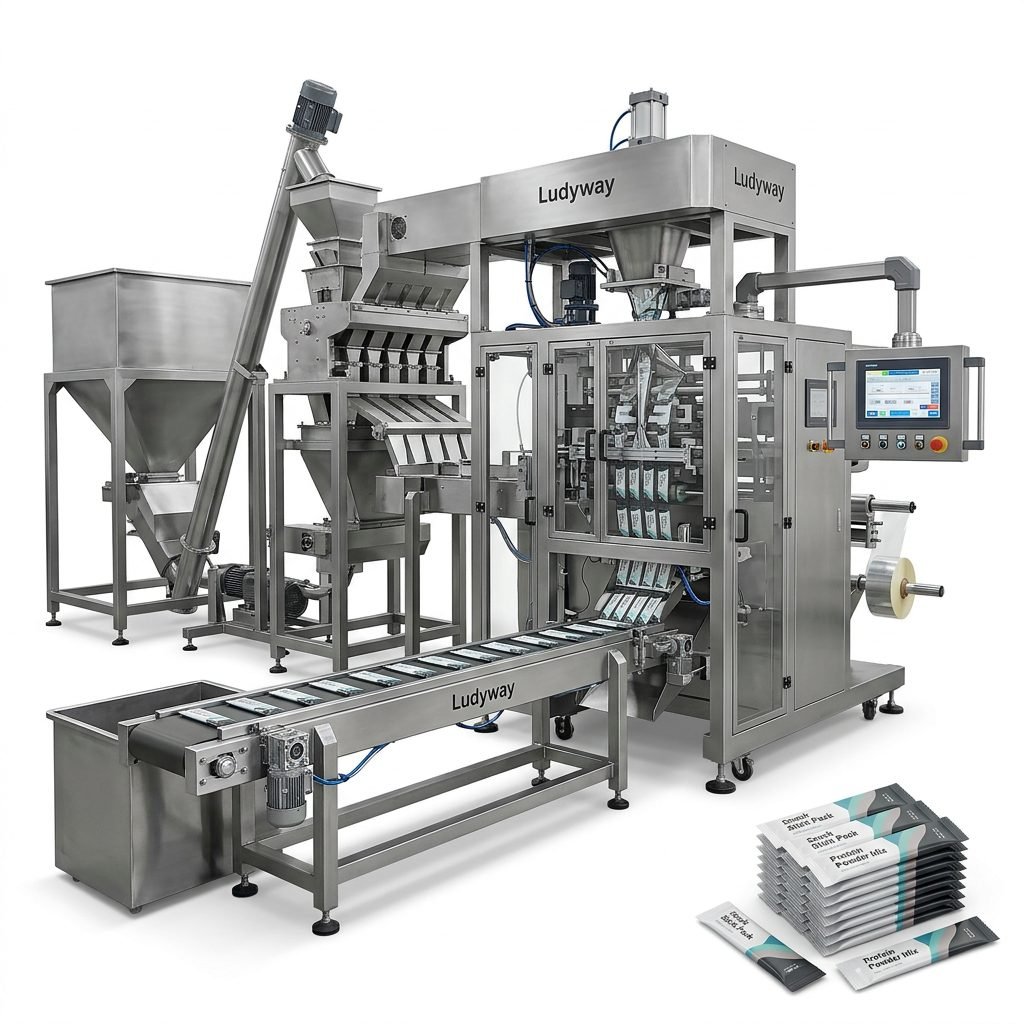
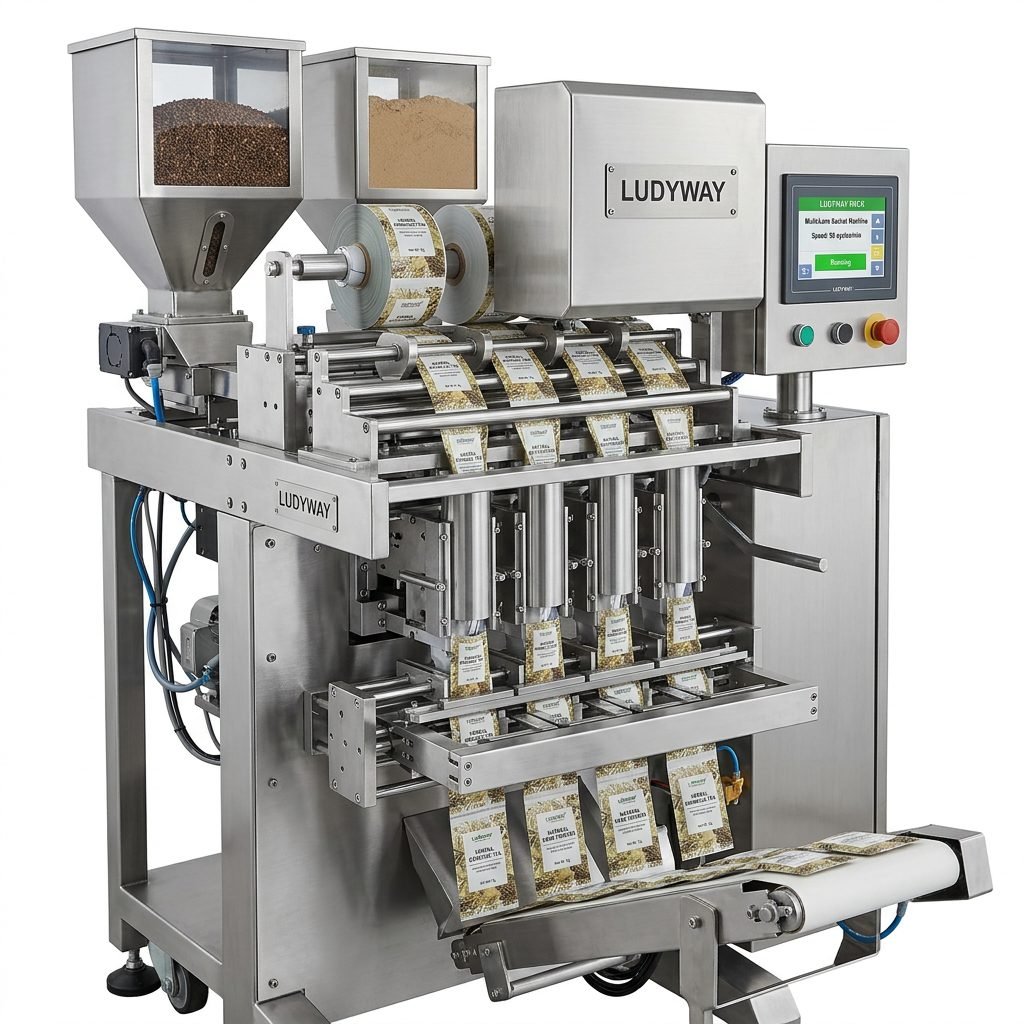
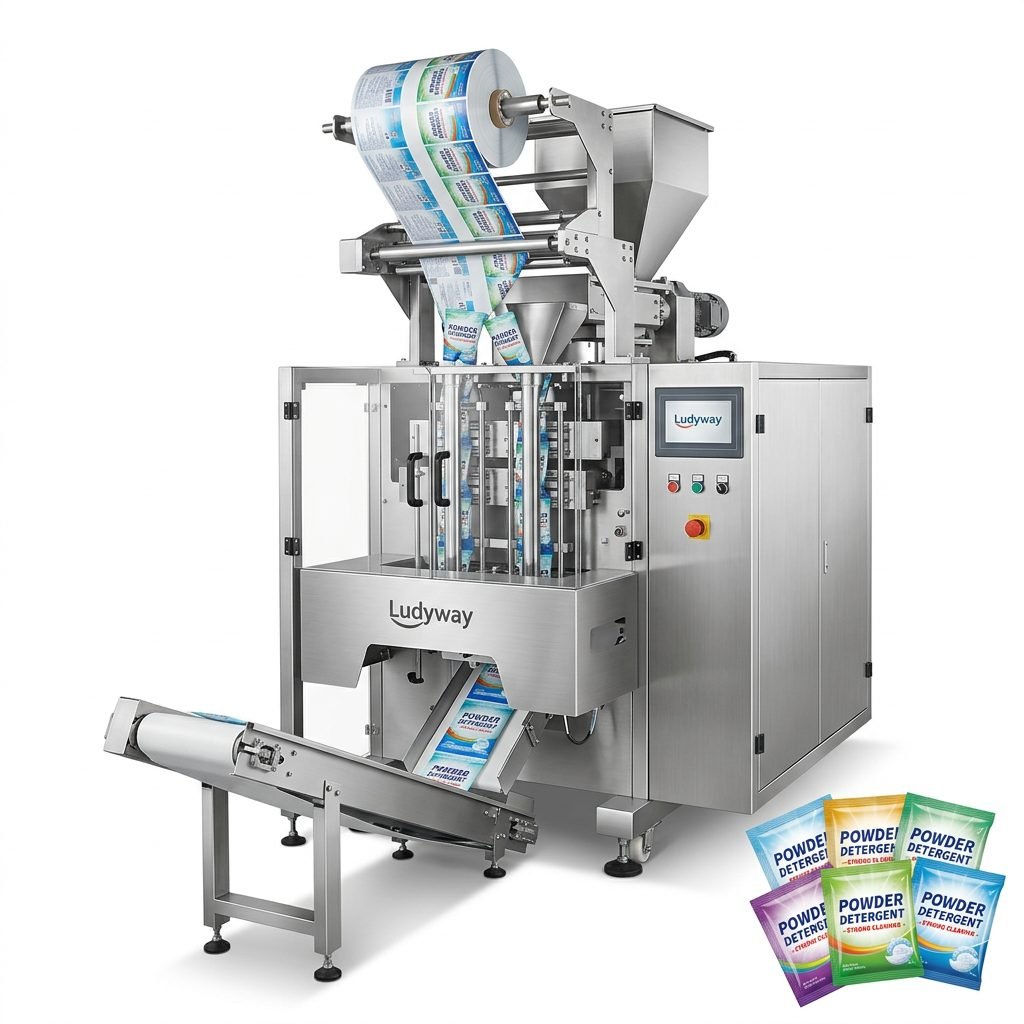
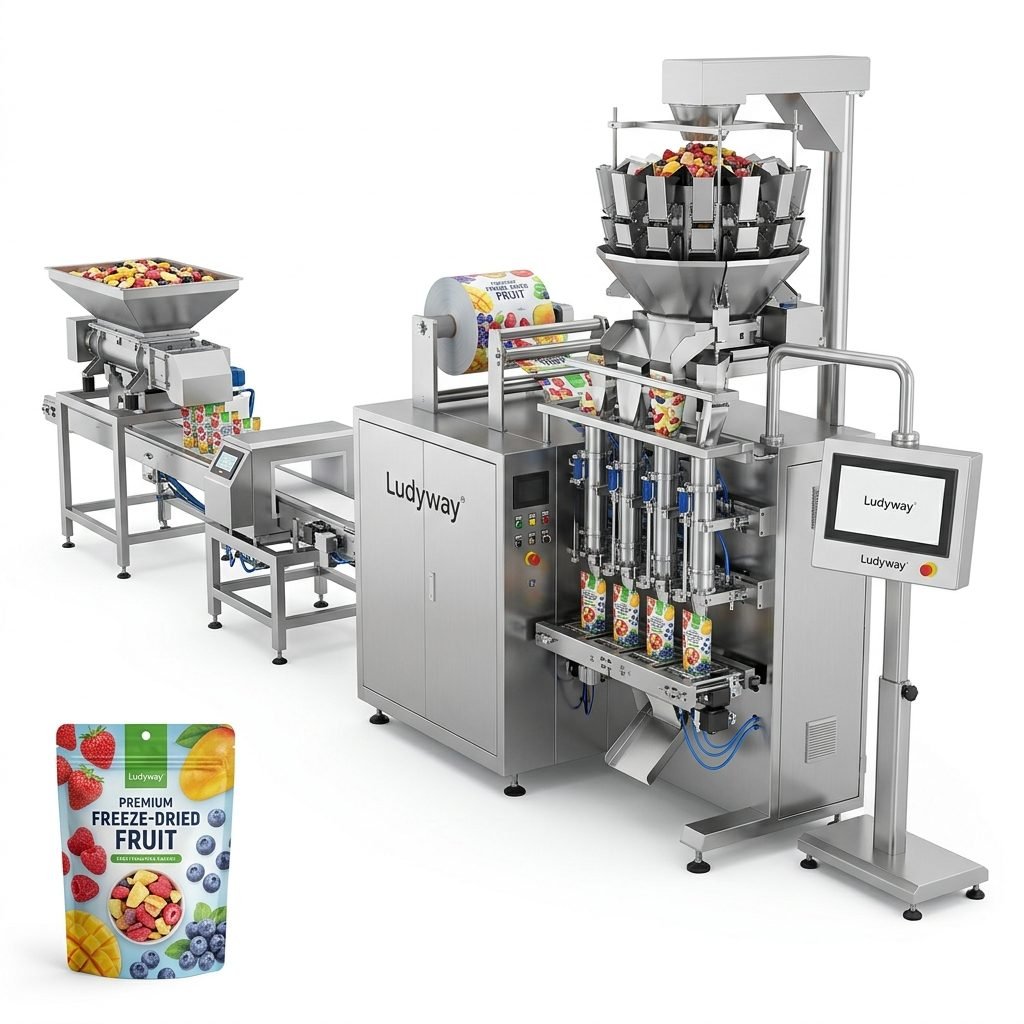
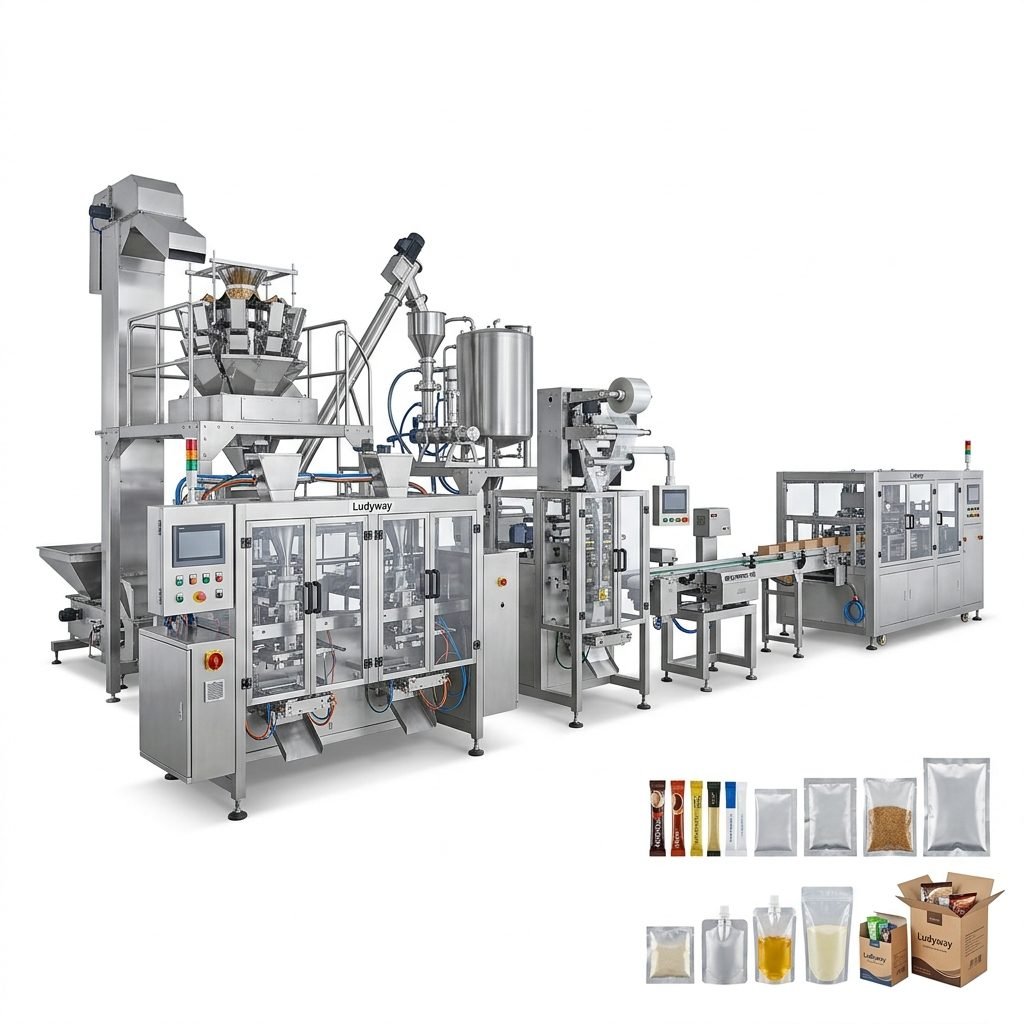
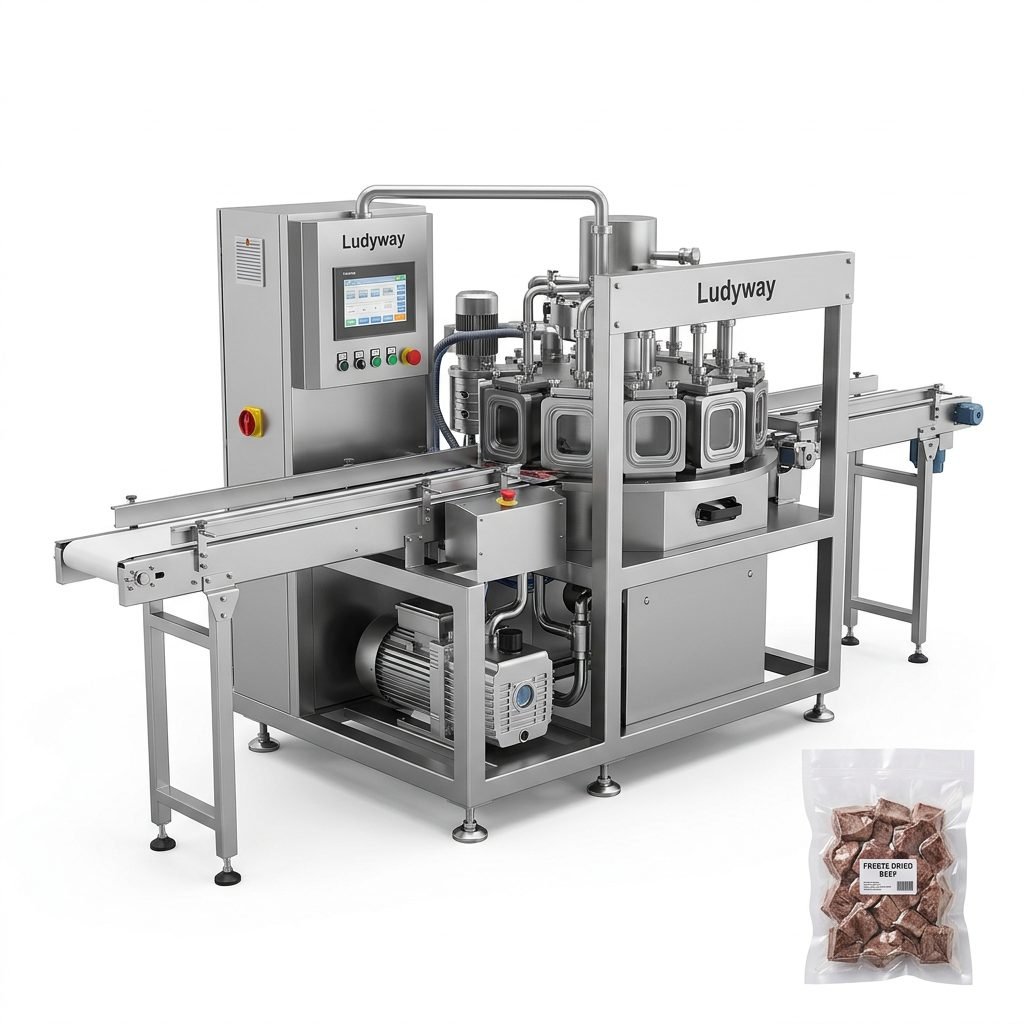
A manual liquid pouch packing machine is a practical entry-level solution for businesses that need reliable pouch filling and sealing without the cost of full automation. It is widely used by startups, small factories, laboratories, contract packers, local food brands, and personal care manufacturers that handle products such as sauces, oils, syrups, gels, detergents, shampoo, and beverages.
If you are comparing equipment, this guide explains how a manual liquid pouch packing machine works, which features matter most, what products it can handle, and how to choose the right model for your production goals.
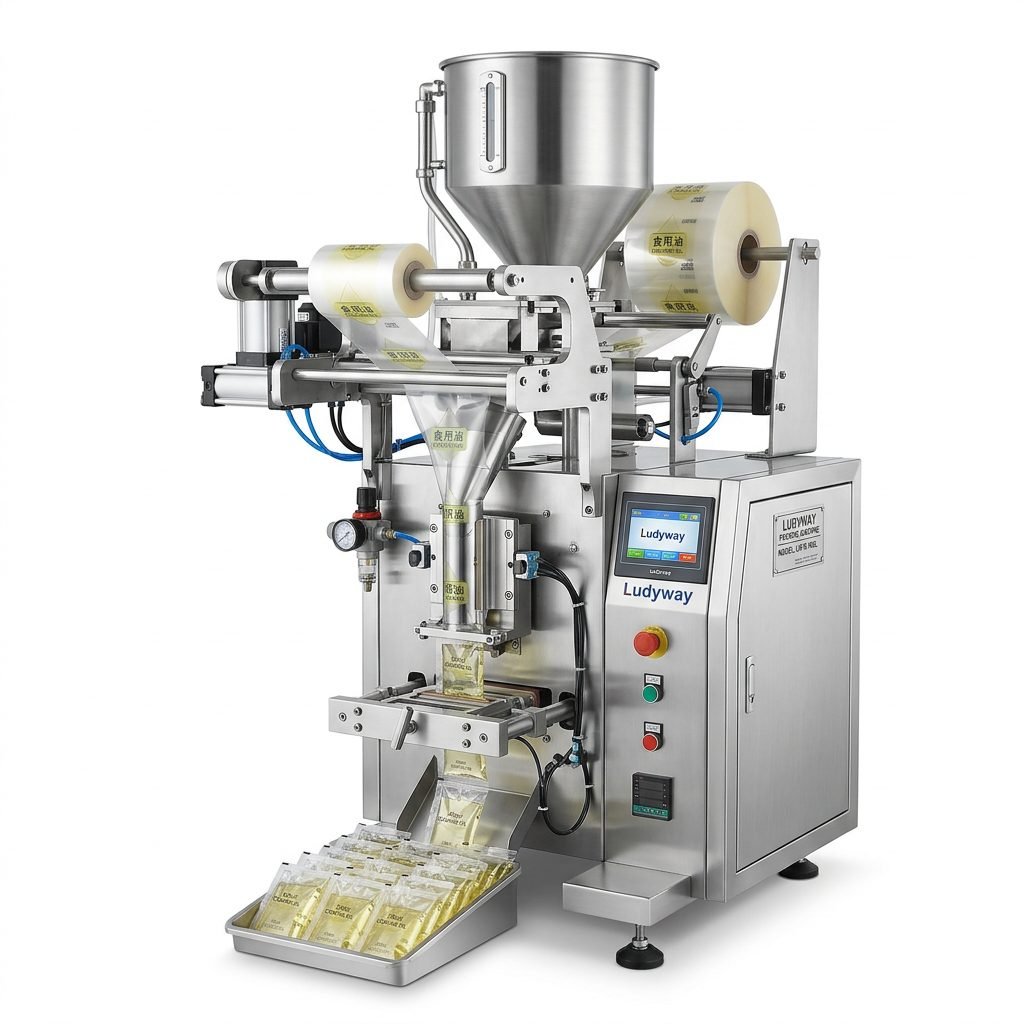
What Is a Manual Liquid Pouch Packing Machine?
A manual liquid pouch packing machine is packaging equipment designed to fill liquid products into preformed pouches or small bags, usually with operator assistance. Unlike a fully automatic line, the operator may place the pouch, trigger filling, adjust volume, move the pouch to sealing, or remove the finished package by hand.
Depending on the machine design, the process may include:
- Manual pouch loading
- Foot pedal or button-controlled liquid filling
- Simple volume adjustment
- Heat sealing of the pouch opening
- Date coding or batch marking as an optional step
This type of machine is popular because it offers low investment, easy operation, and flexible packaging capability for small-batch production.
How the Machine Works
Although exact structures vary, the working flow is usually straightforward:
- Prepare the liquid product — The product is stored in a hopper, tank, or external supply container.
- Position the pouch — The operator places an empty pouch under the filling nozzle.
- Start filling — The machine dispenses a preset amount of liquid into the pouch.
- Move to sealing — The operator aligns the pouch opening at the sealer.
- Seal the pouch — Heat and pressure create a secure closure.
- Check the finished package — The operator inspects seal quality, fill level, and appearance.
For many small manufacturers, this workflow is enough to achieve clean and consistent packaging while maintaining direct process control.
Main Features to Look For
Not all manual machines are equal. The best machine for your operation should match your product viscosity, pouch type, hygiene requirements, and daily output target.
1. Filling Accuracy
Accurate filling reduces product giveaway and improves packaging consistency. For low- to medium-viscosity liquids, piston or pump-based systems are commonly used. A good machine should allow easy adjustment of filling volume and stable repeatability.
2. Product Compatibility
Some liquids flow easily, while others are thick, foamy, sticky, or contain particles. Make sure the machine is suitable for your product type, whether it is water-like, oily, creamy, or semi-viscous.
3. Sealing Performance
Seal quality is critical. A weak seal can cause leakage, contamination, and transport failures. Look for stable temperature control and compatibility with your pouch material, such as PE, PET/PE, aluminum foil laminate, or other heat-sealable films.
4. Easy Cleaning
If you package food, health products, or cosmetics, hygiene matters. Stainless steel contact parts and quick disassembly help reduce cleaning time and cross-contamination risk.
5. Simple Controls
A manual liquid pouch packing machine should be easy to learn. Clear controls, fast parameter adjustment, and accessible maintenance points are useful for operators with limited technical training.
6. Compact Footprint
Manual machines are often selected for workshops with limited space. A compact layout can make installation easier and improve workflow in small production rooms.
7. Expandability
If your business may grow, it is smart to choose equipment from a manufacturer that can later support semi-automatic or automatic upgrades.
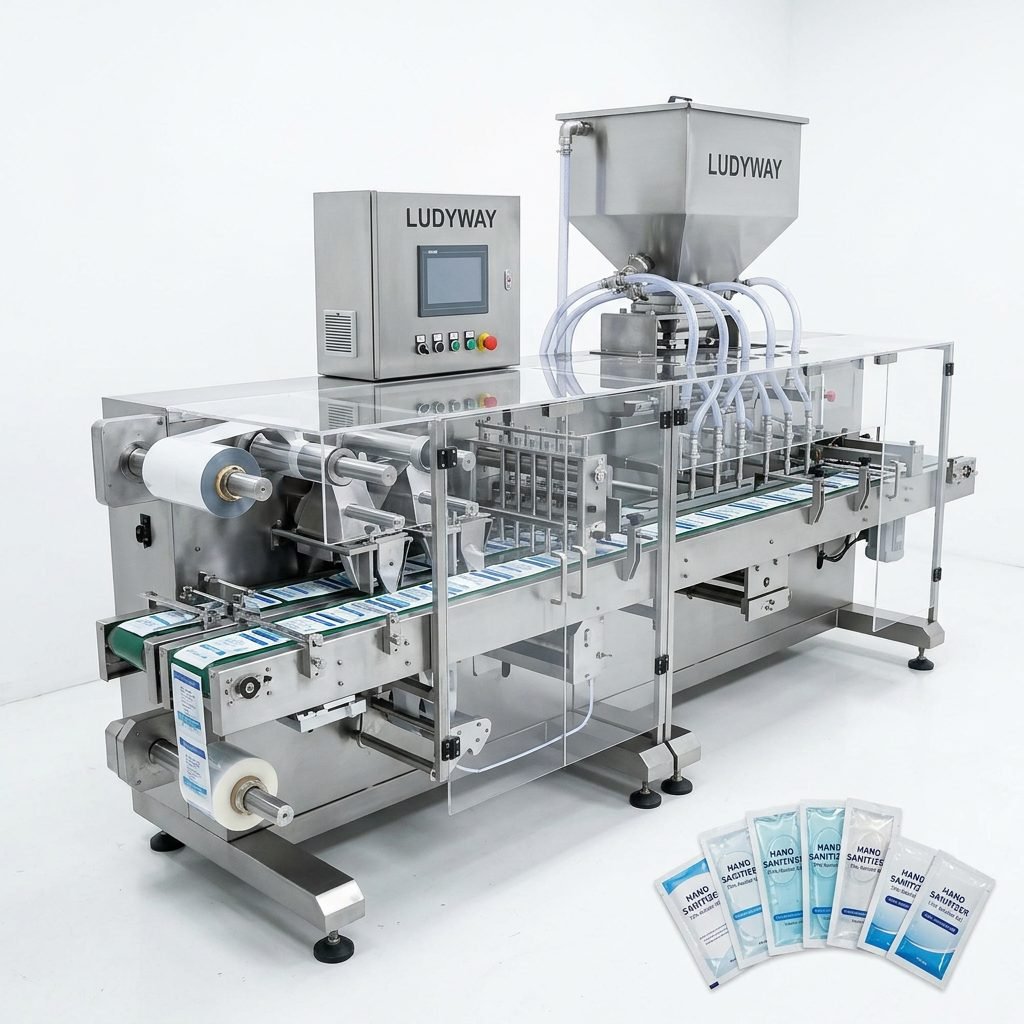
Typical Applications
A manual liquid pouch packing machine can be used across many industries. Common products include:
| Industry | Common Products | Packaging Format |
|---|---|---|
| Food & Beverage | Sauce, honey, oil, vinegar, syrup, juice concentrate | Small sachets, sample pouches, retail pouches |
| Cosmetics & Personal Care | Shampoo, lotion, serum, hand wash, cream gel | Travel-size pouches, sample packs |
| Chemical & Household | Detergent, cleaner, disinfectant, liquid additives | Single-use pouches, trial packs |
| Pharma & Health | Oral liquids, gels, topical products | Medical sachets, dose pouches |
Advantages of a Manual Liquid Pouch Packing Machine
- Lower purchase cost than semi-automatic or fully automatic systems
- Suitable for startups, pilot production, and small-scale runs
- Flexible for different pouch sizes and short product changeovers
- Simple structure and easier maintenance
- Useful for product testing before large-scale investment
- Can package many liquid and semi-liquid products
Limitations You Should Understand
While manual systems offer flexibility, they also come with limits. Buyers should evaluate them realistically:
- Lower output than automatic machines
- More dependence on operator skill
- Higher labor input per pouch
- Less suitable for large-volume continuous production
- Consistency may vary if operating procedures are not standardized
If your daily output increases rapidly, a semi-automatic or automatic liquid packaging machine may become the better long-term investment.
Manual vs. Semi-Automatic vs. Automatic
| Type | Best For | Output Level | Investment |
|---|---|---|---|
| Manual | Startups, small batches, testing products | Low | Low |
| Semi-Automatic | Growing businesses with moderate demand | Medium | Medium |
| Automatic | Large-scale factories and continuous production | High | High |
Key Buying Tips Before You Order
Know Your Product Details
Before contacting a supplier, prepare core technical information:
- Liquid type
- Viscosity range
- Whether the product foams
- Whether it contains granules or pulp
- Fill volume per pouch
- Required accuracy
- Production target per hour or per day
Confirm Pouch Specifications
Your machine must match the pouch format. Confirm:
- Pouch width and height
- Material structure
- Seal type
- Whether you use premade pouches or pouch-forming film
Ask About Contact Materials
For food, cosmetics, and pharmaceutical-related products, stainless steel contact parts are often preferred. This helps with hygiene, corrosion resistance, and cleaning.
Check Seal Testing Support
A good supplier should help verify whether your pouch material seals properly with the machine. Seal strength is just as important as filling precision.
Think Beyond Today’s Capacity
If you expect sales growth, buying a machine from a supplier that also offers semi-automatic and automatic systems can make expansion easier later.
Evaluate After-Sales Support
Spare parts, troubleshooting guidance, manuals, videos, and remote support can strongly affect uptime. Reliable after-sales service is a major part of the total value.
Pro tip: Ask the supplier to run your sample product and pouch material before purchase. This is one of the best ways to reduce buying risk.
Who Should Buy This Machine?
A manual liquid pouch packing machine is a strong fit for:
- New brands launching small product lines
- Factories making trial batches or seasonal products
- Businesses selling sample or promotional sachets
- Laboratories and R&D departments
- Producers with limited space or budget
- Contract packers handling diverse small-volume orders
Common Questions Buyers Ask
Can a manual liquid pouch packing machine handle thick liquids?
Yes, but it depends on the filling system. Thicker products such as sauce, gel, lotion, or syrup may require a piston filling design rather than a simple gravity system.
Is it suitable for food use?
Yes, if the machine uses appropriate food-grade contact materials and is designed for hygienic cleaning.
How many pouches can it produce?
Output depends on pouch size, product viscosity, operator speed, filling volume, and sealing time. Manual machines are intended for low- to moderate-volume production rather than high-speed mass output.
Can it be upgraded later?
In many cases, yes. Some buyers start with manual equipment and later move to semi-automatic or fully automatic lines when orders increase.
How to Choose a Reliable Supplier
A reliable packaging machine supplier should offer more than just a machine. Look for proven manufacturing experience, product range, export capability, application knowledge, and support for future expansion. If you are planning to scale from manual packaging to broader automation, it helps to work with a manufacturer that understands complete packaging systems.
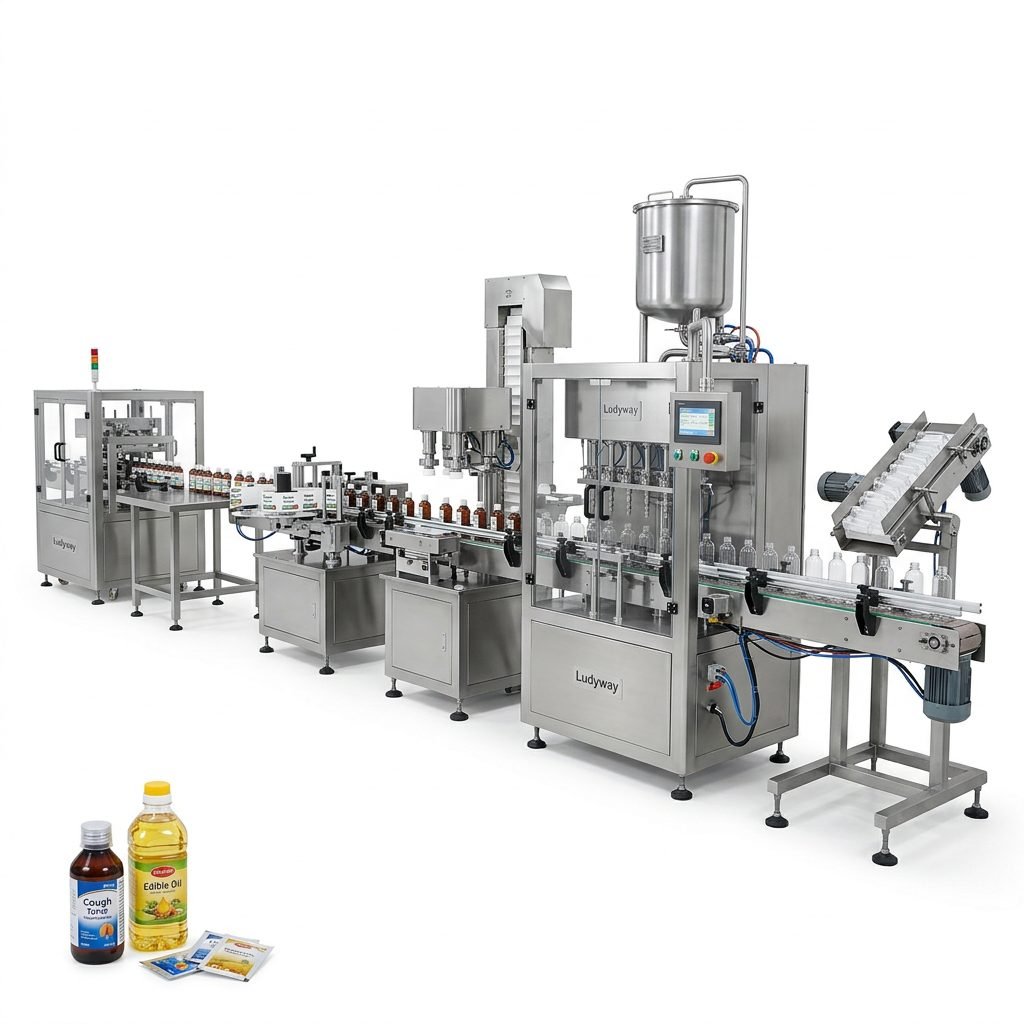
For buyers exploring broader liquid, powder, granule, pouch, and turnkey automation options, Ludyway packaging machine solutions are often considered by international customers looking for scalable packaging equipment backed by more than 30 years of manufacturing experience.
Final Checklist Before Purchase
| Item | What to Confirm |
| Product type | Liquid, gel, syrup, oil, detergent, sauce, etc. |
| Viscosity | Low, medium, or high viscosity |
| Pouch material | Heat-sealable film structure and thickness |
| Fill range | Minimum and maximum pouch volume |
| Production target | Hourly and daily output expectations |
| Cleaning needs | Quick cleaning, sanitary contact parts, corrosion resistance |
| Support | Training, spare parts, manuals, remote assistance |
Choosing the right manual liquid pouch packing machine is not just about price. The best investment is the one that matches your product, pouch format, hygiene standard, and business growth plan. When selected correctly, this machine can provide an efficient, cost-conscious, and dependable way to enter or expand pouch packaging production.