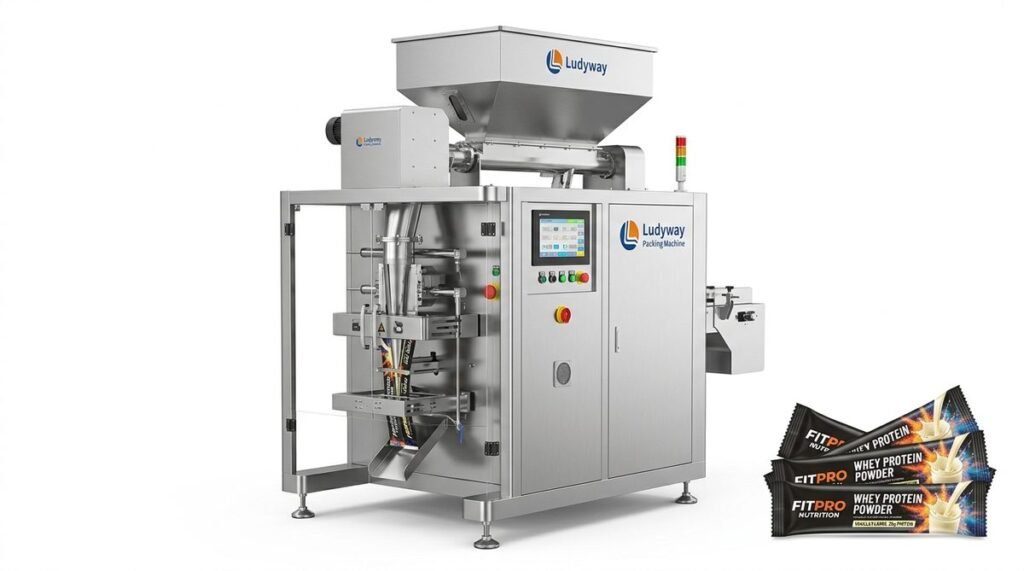
Selecting the right packaging machinery is one of the most critical decisions for manufacturers looking to scale production, improve efficiency, or enter new markets. Whether you are packaging powders, granules, liquids, or solid products, the equipment you choose directly affects product quality, shelf life, production speed, and long-term operational costs. With a wide range of technologies available—from simple semi-automatic fillers to fully integrated automatic packaging systems—understanding your specific requirements before making a purchase is essential.
This guide walks you through the key factors to evaluate when choosing a Sama packaging machine, covering product characteristics, machine configurations, compliance requirements, and long-term service considerations.

1. Define Your Product Characteristics First
Every packaging project starts with the product itself. The physical and chemical properties of your material determine which dosing, filling, and sealing technologies are appropriate. Before contacting equipment suppliers, document the following product parameters:
- Product form: Powder, granule, liquid, paste, cream, tablet, capsule, or solid piece
- Flow characteristics: Free-flowing, semi-flowing, cohesive, sticky, or hygroscopic
- Bulk density and particle size distribution: Critical for volumetric or auger filling accuracy
- Temperature sensitivity: Some products require cold-filling environments or heat-resistant packaging materials
- Moisture and oxygen sensitivity: Determines barrier film requirements and potential need for nitrogen flushing
- Abrasive or corrosive properties: Affects machine material selection, particularly for contact parts
For example, a fine hygroscopic powder like protein powder requires a completely different filling mechanism and environmental control than free-flowing granules like sugar or salt. Similarly, liquid products with particulates need specialized filling nozzles and agitation systems to maintain homogeneity during the packaging process.
2. Determine Your Target Packaging Format
The type of package you need—stick pack, sachet, pouch, bottle, or bulk bag—determines the machine category. Each format has distinct advantages depending on your market, product type, and distribution channel:
| Packaging Format | Typical Applications | Machine Type | Key Considerations |
|---|---|---|---|
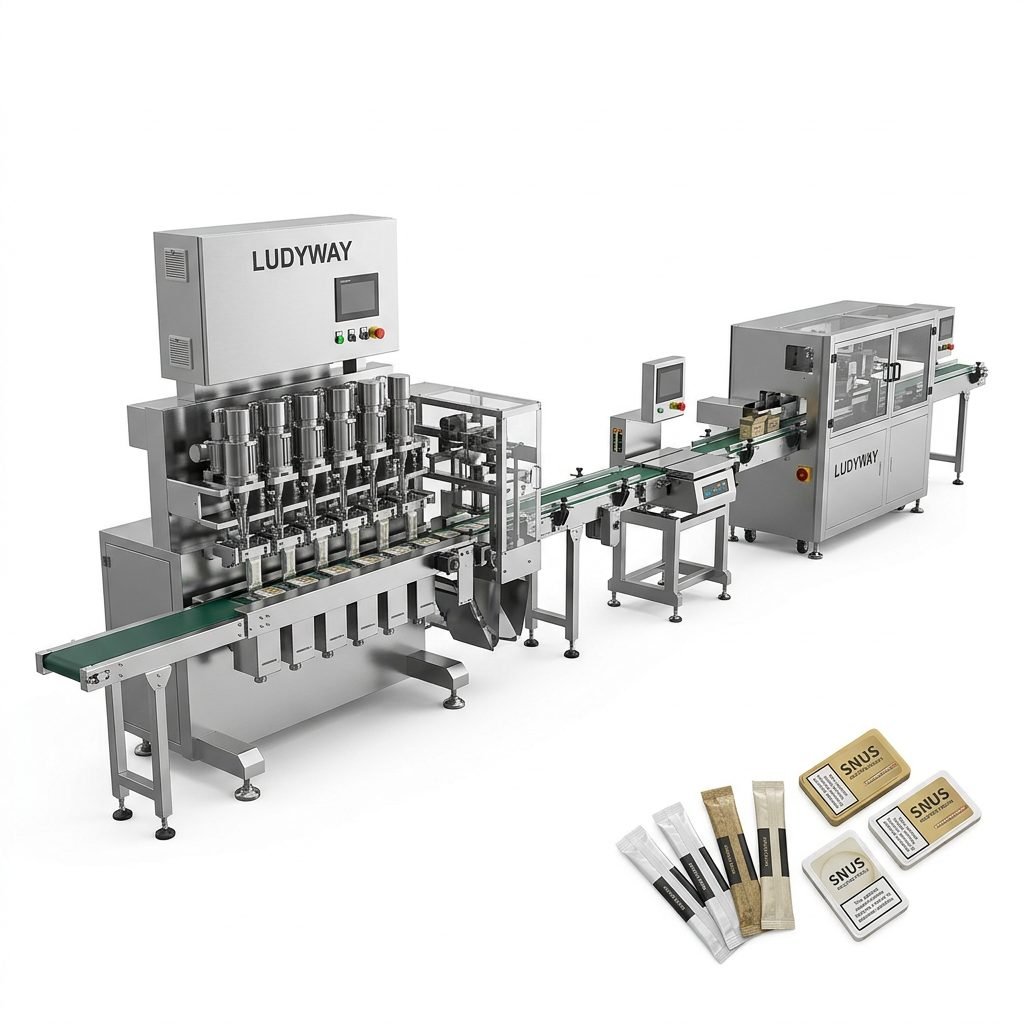
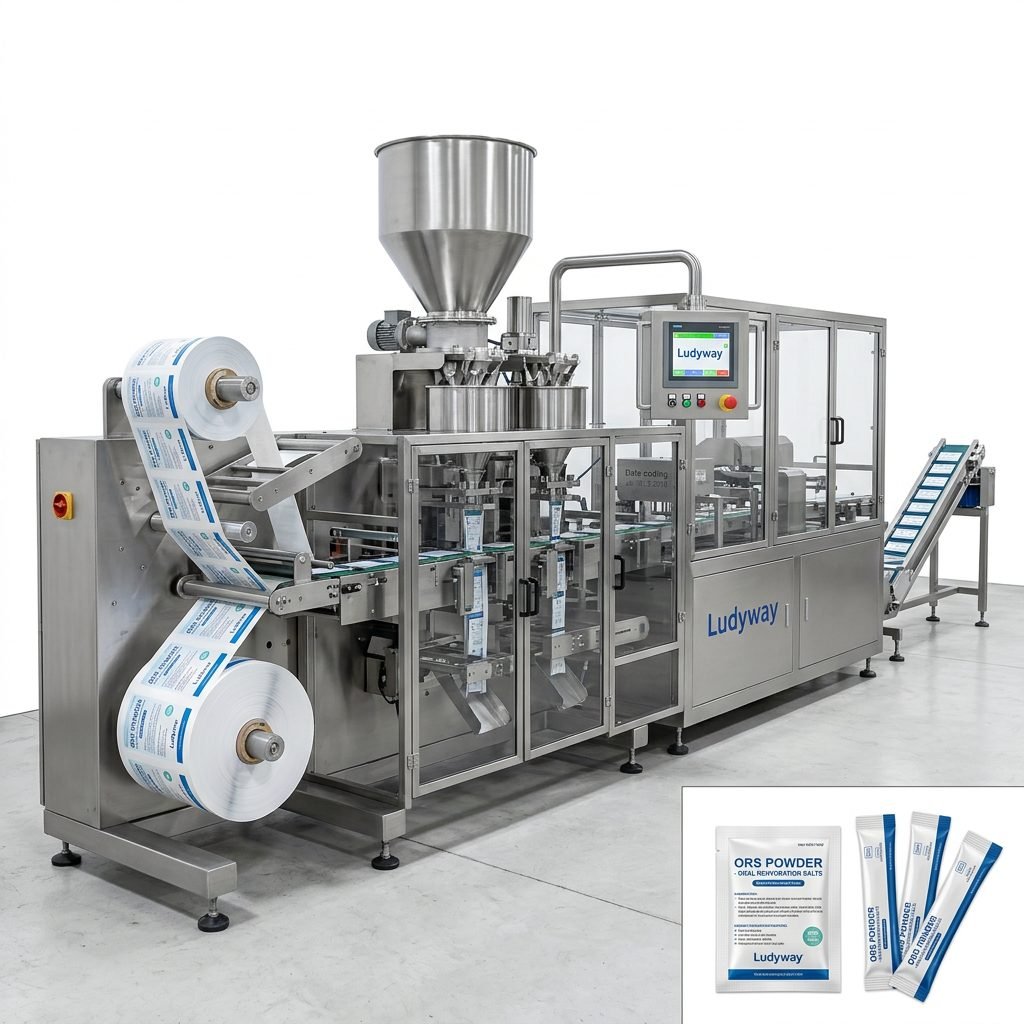
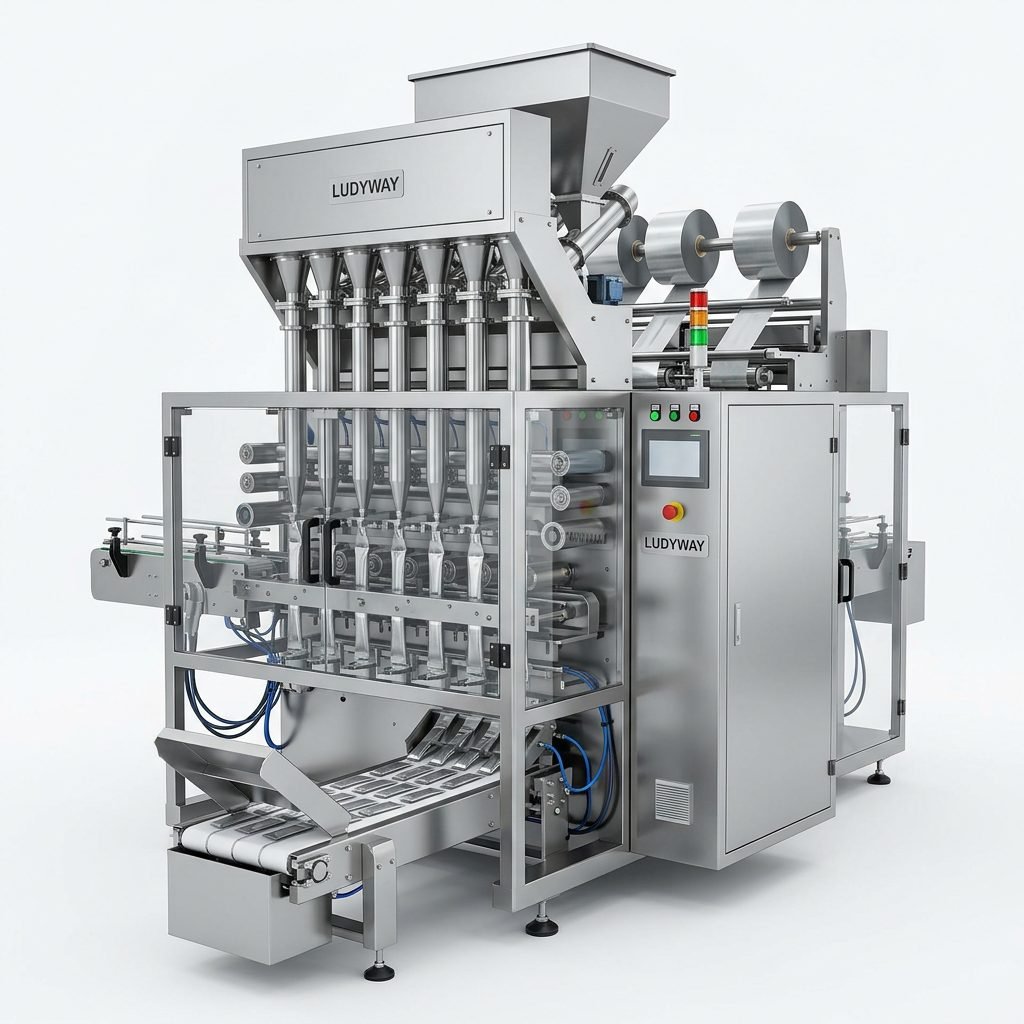
| Stick Pack | Single-serve powders, instant coffee, sugar, supplements | Multi-lane stick pack machine | High speed, compact format, excellent for portion control |
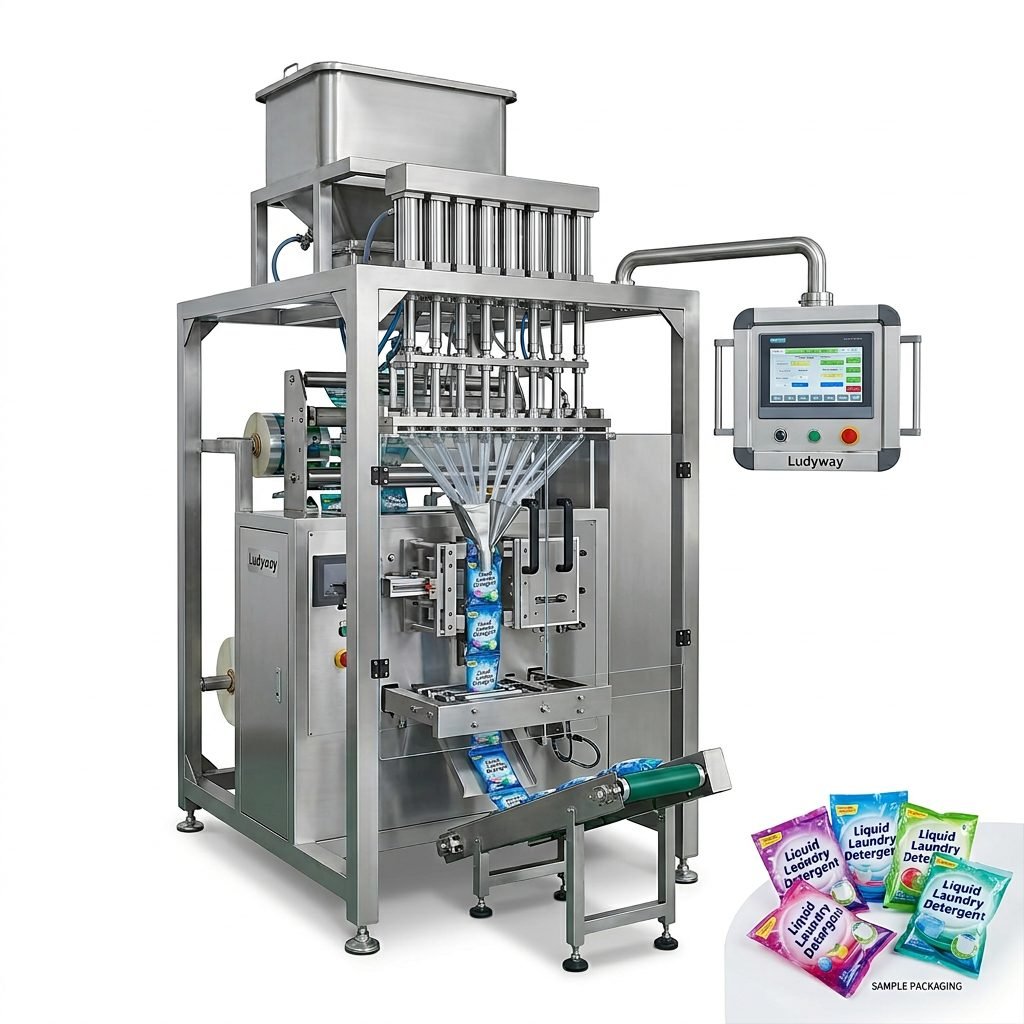
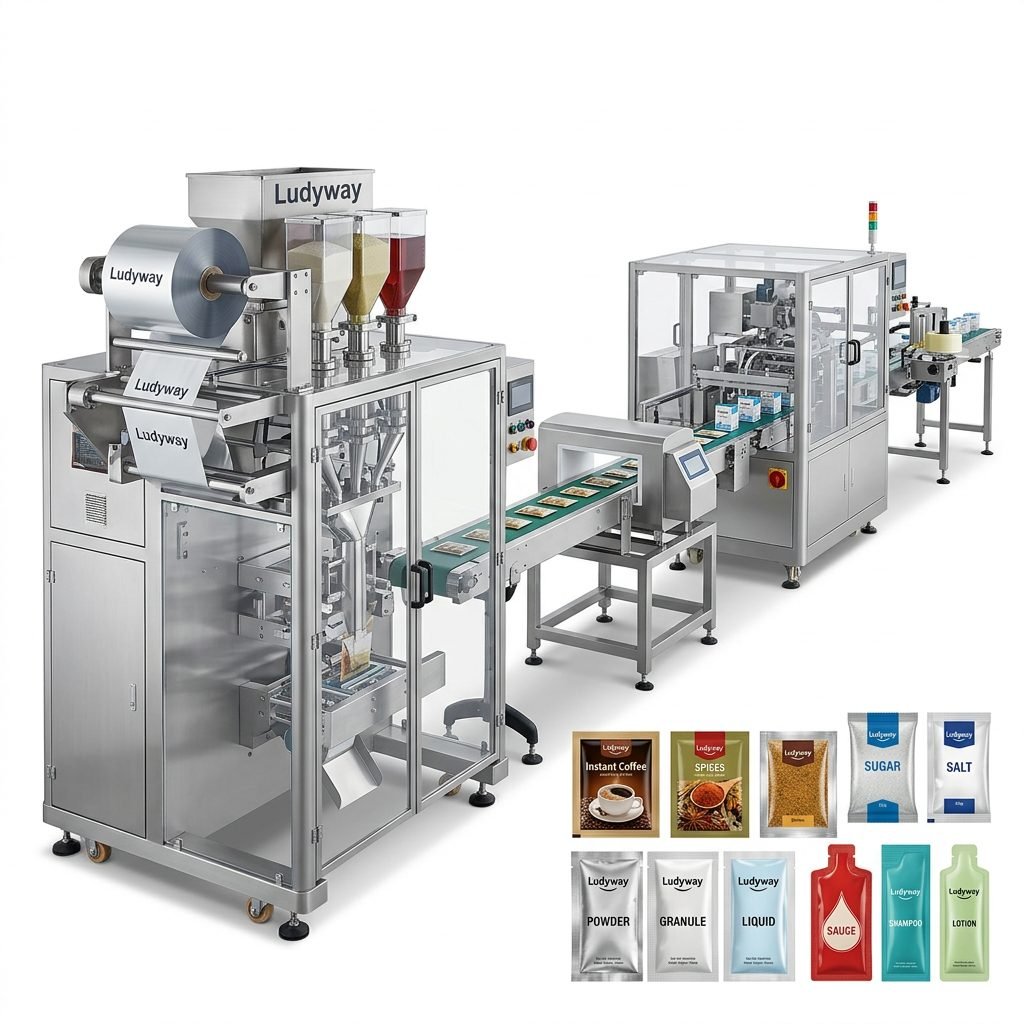
| Sachet / 3-Side Seal | Shampoo samples, ketchup, sauces, cosmetic creams | Multi-lane sachet packaging machine | Versatile for liquid, powder, and granule products |
| Stand-Up Pouch | Snacks, pet food, frozen foods, liquid detergents | Pre-made pouch filling & sealing machine | Excellent shelf presence, resealable options available |
| Bottle / Jar | Pharmaceuticals, beverages, cosmetics, sauces | Liquid filling and capping line | Requires additional labeling and capping stations |
| Bulk Bag (10-50 kg) | Industrial chemicals, fertilizers, animal feed, flour | Open-mouth or valve bag filling system | Heavy-duty construction, high throughput required |
Many manufacturers benefit from machines that can handle multiple packaging formats with quick changeover capabilities, reducing the need for separate equipment lines. When evaluating flexible packaging machinery, inquire about changeover time, tool-less adjustment features, and format compatibility.
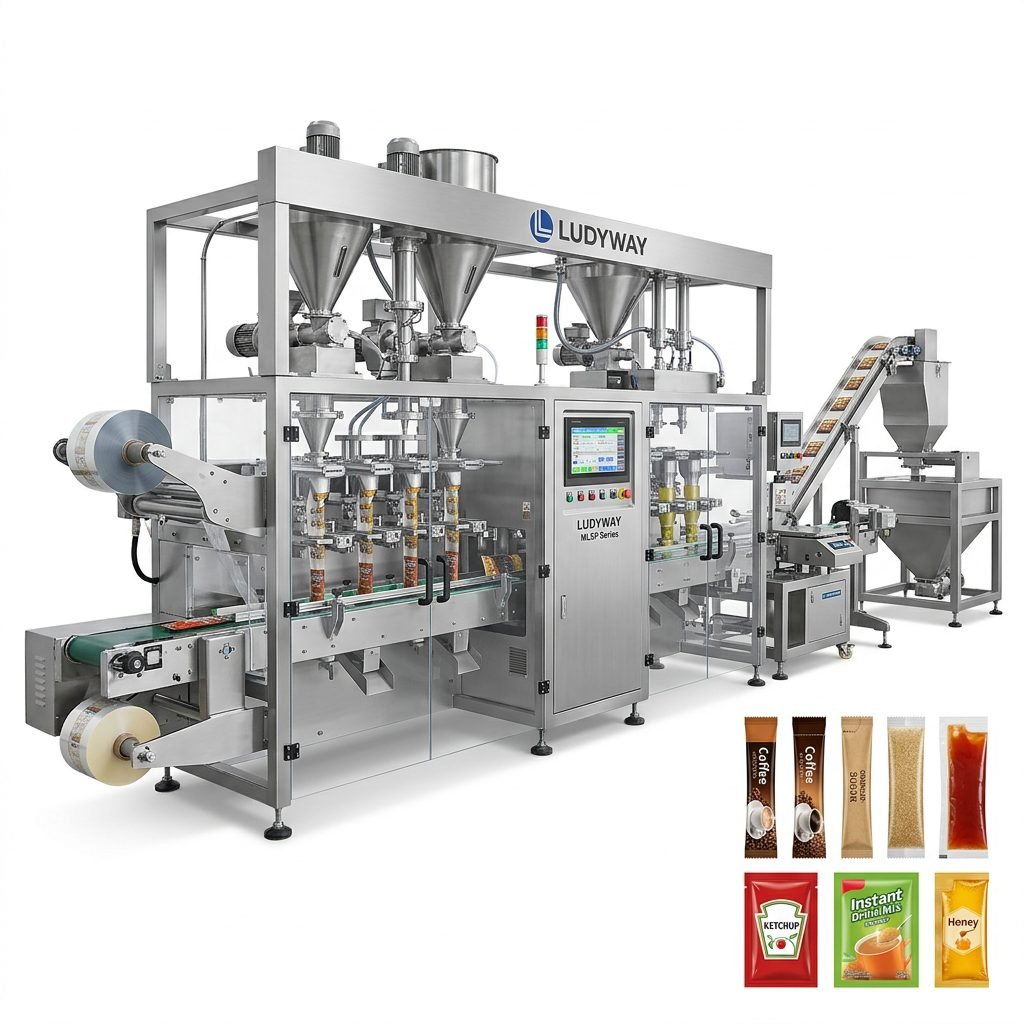
3. Match Production Speed to Your Output Requirements
Packaging machine speed is typically measured in packages per minute (ppm) or cycles per minute, but actual output depends on several interacting factors. When comparing specifications, distinguish between theoretical maximum speed and sustainable production speed under real operating conditions.
Key speed considerations include:
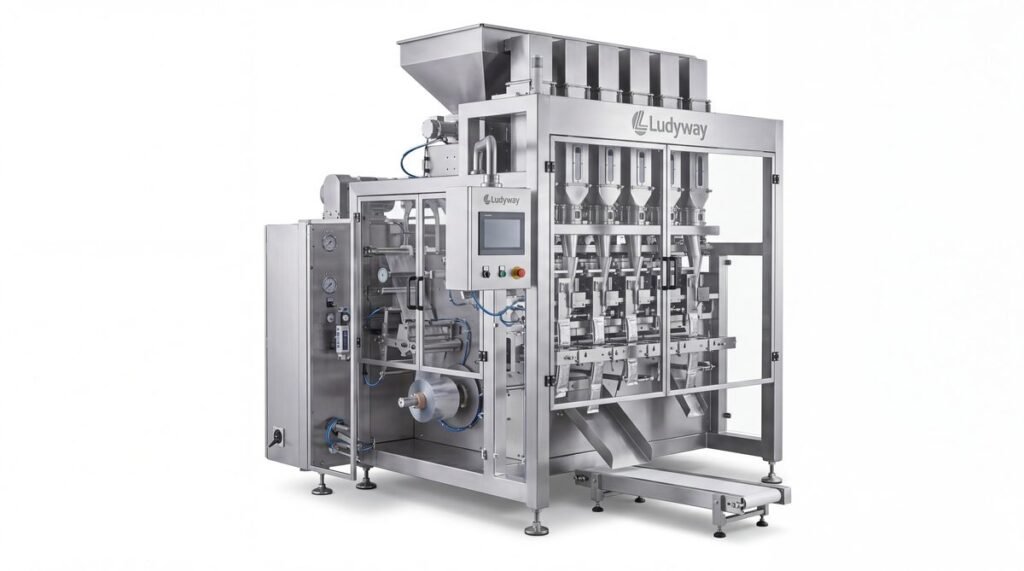
- Single-lane vs. multi-lane configuration: A 10-lane stick pack machine can produce 10 times more packages per cycle than a single-lane equivalent
- Filling volume and product flow: Larger fill volumes and slower-flowing products reduce maximum cycle speed
- Film sealing dwell time: Thicker laminates and certain film structures require longer sealing time
- Downstream integration: Cartoning, case packing, and palletizing systems must match the filler output
- Operator loading and changeover intervals: Film roll changes, product refills, and cleaning cycles add downtime
For high-volume production environments, multi-lane systems with automated feeding, vision inspection, and robotic pick-and-place integration can significantly reduce labor while maintaining consistent output. For lower-volume or specialty products, a flexible single-lane machine may offer better return on investment.
4. Evaluate Filling Technology for Your Product
The filling system is the heart of any packaging machine, and the right choice depends heavily on your product’s physical properties and required accuracy. Common filling technologies include:
| Filling Technology | Best For | Accuracy Level | Typical Products |
|---|---|---|---|
| Auger Filler | Powders, fine granules | ±0.5% – ±1% | Flour, protein powder, spices, pharmaceutical powders |
| Volumetric Cup Filler | Free-flowing granules | ±1% – ±2% | Rice, seeds, coffee beans, sugar, salt |
| Multi-Head Weigher | Granules, small solids | ±0.1% – ±0.5% | Snacks, candy, frozen foods, nuts, dried fruit |
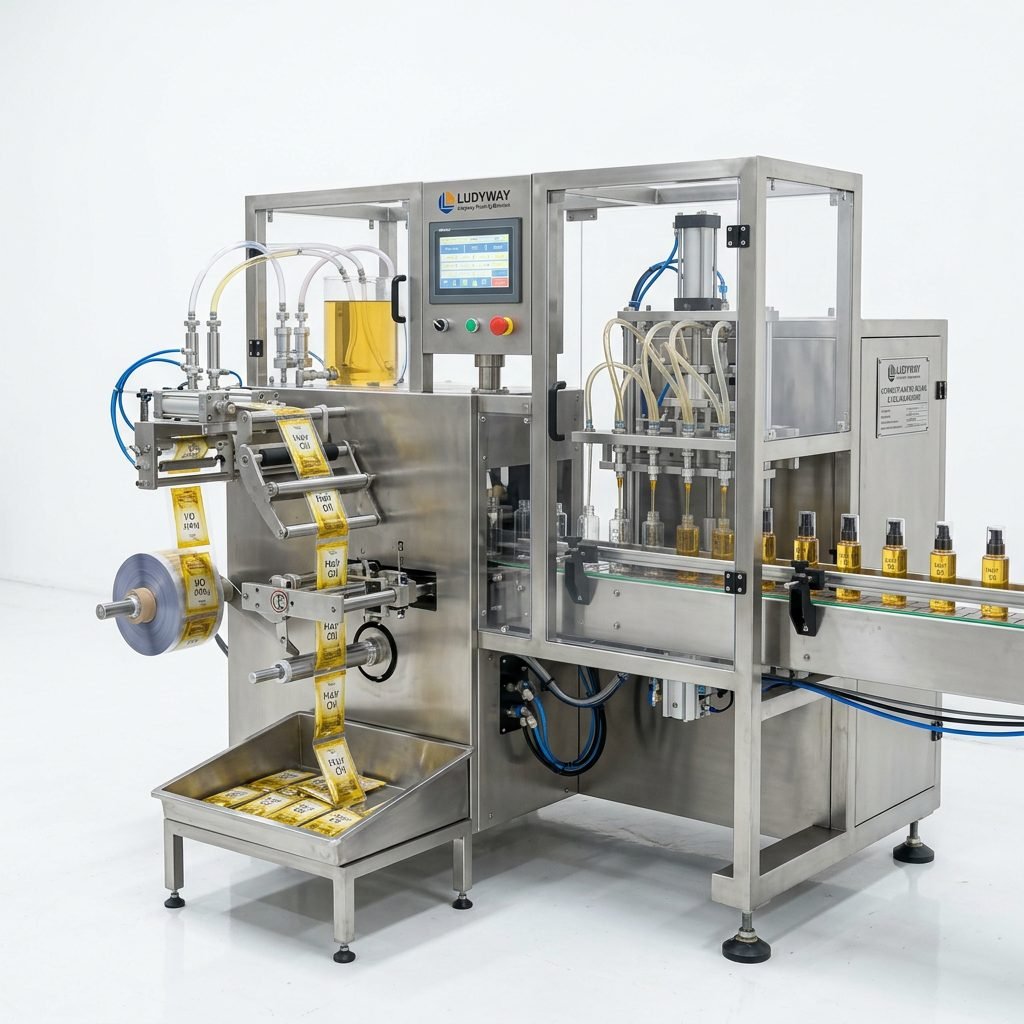
| Piston Filler | Liquids, pastes, creams | ±0.5% – ±1% | Sauces, lotions, gels, honey, oils |
| Net Weigh Filler | Large bags, bulk solids | ±0.1% – ±0.2% | Fertilizer, animal feed, chemicals, grains |
For pharmaceutical and nutraceutical applications, accuracy and consistency are paramount. Auger fillers with servo-driven controls and in-line checkweighing provide the precision needed for compliance with ISO packaging standards and regulatory requirements from agencies like the FDA.

5. Consider Material Compatibility and Machine Construction
Packaging machine construction must match your operational environment and regulatory requirements. The food, pharmaceutical, and chemical industries each have distinct standards for machine materials, surface finishes, and cleanability.
Critical construction factors include:
- Product contact parts: 316L stainless steel is standard for food and pharmaceutical applications; 304 stainless may suffice for less demanding environments
- Frame and non-contact parts: Stainless steel or anodized aluminum with appropriate surface treatments
- Sealing and gasket materials: Must be compatible with your product chemistry and cleaning agents
- IP rating: Determines protection against dust and water ingress—critical for washdown environments
- Clean-in-place (CIP) compatibility: For liquid and cream products requiring frequent sanitation
Machines destined for explosive or hazardous environments may require ATEX or equivalent certification. Similarly, packaging lines for sterile medical products must comply with ISO 11607 standards for packaging for terminally sterilized medical devices.
6. Assess Automation Level and Line Integration
Modern packaging operations increasingly rely on integrated automation to reduce labor costs, improve consistency, and enable data-driven production management. When selecting a Sama packaging machine, consider how it fits into your broader production workflow:
- Standalone machine: Manual product loading and package collection—suitable for lower volumes or flexible production
- Semi-automated line: Machine integrated with automatic feeding but manual collection or secondary packaging
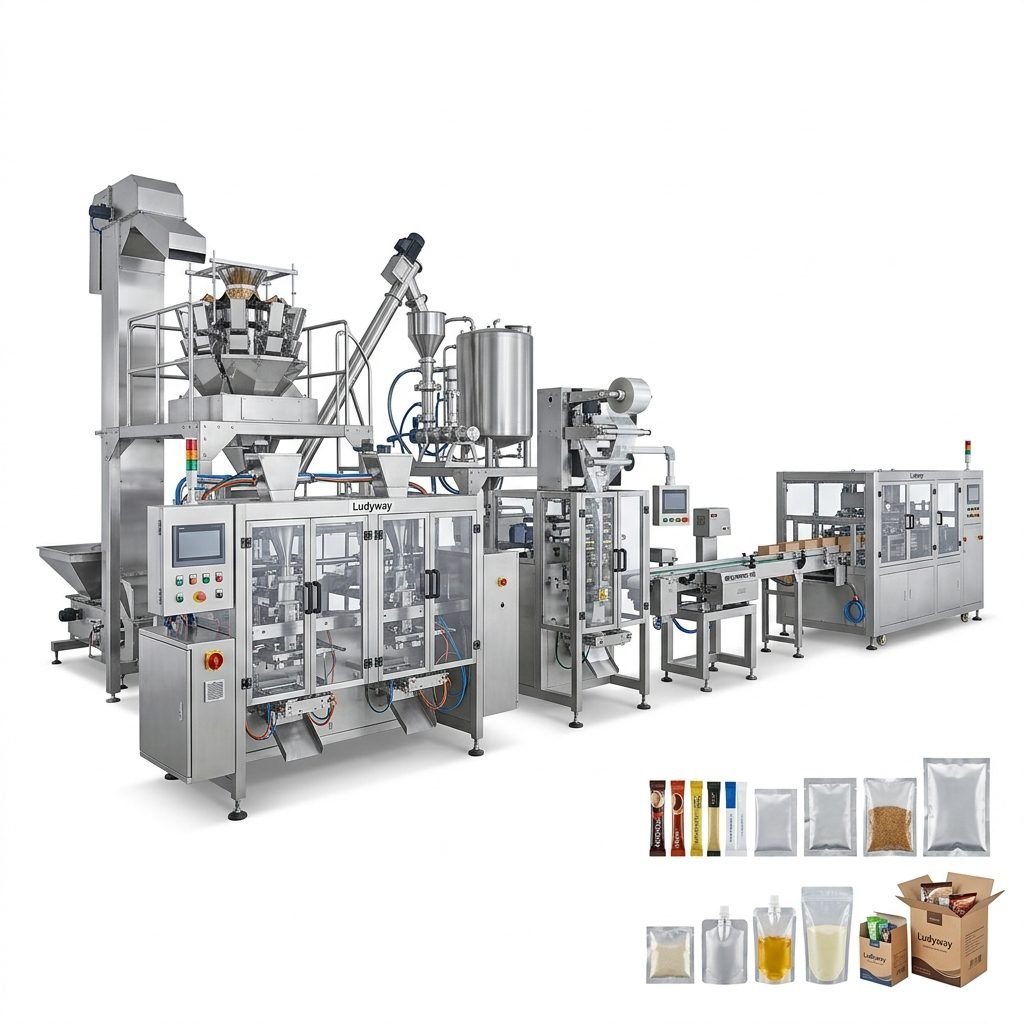
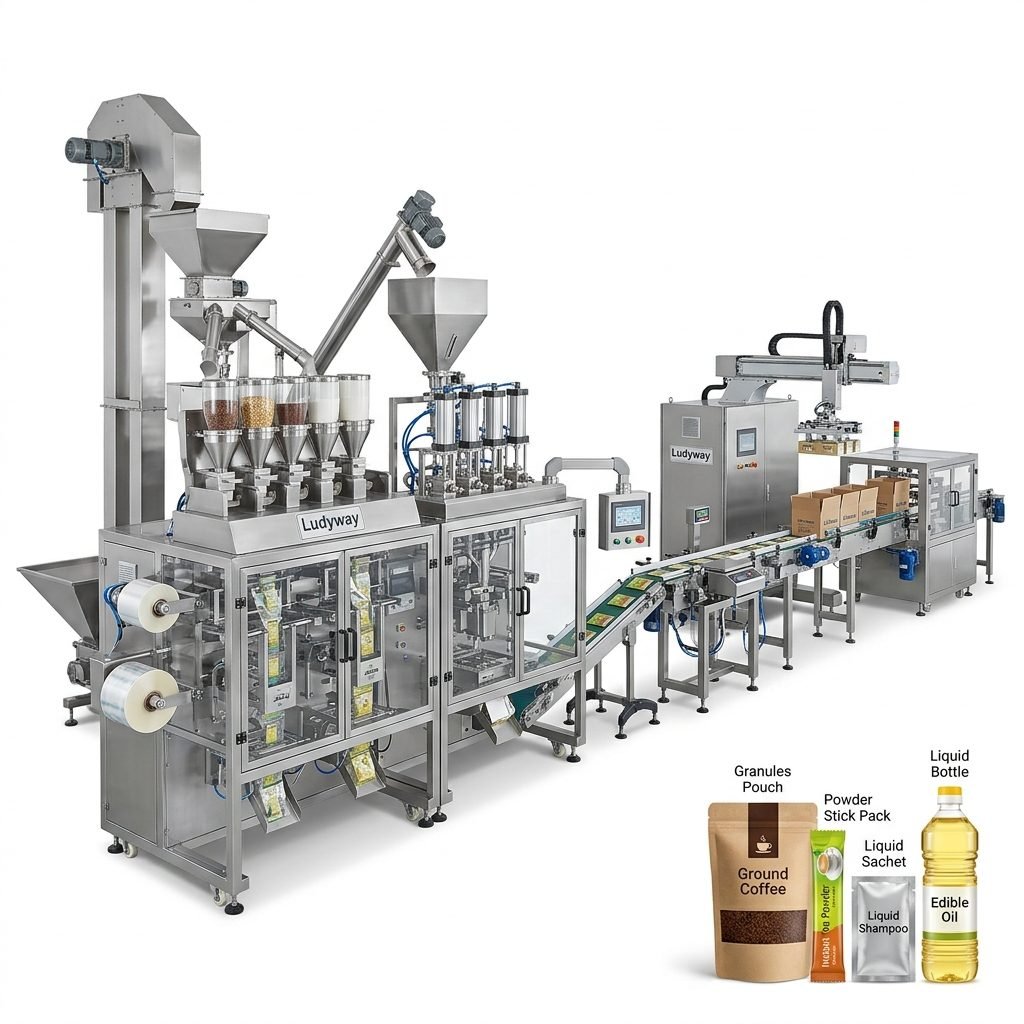
- Fully automated turnkey line: Complete system including product feeding, dosing, filling, sealing, coding, inspection, cartoning, case packing, and palletizing
For manufacturers looking to automate existing manual processes, a gradual approach often works best—starting with the primary packaging machine and adding downstream automation modules as production volumes grow. The right machinery partner should offer scalable packaging solutions that can expand with your business needs.
7. Verify Quality Certifications and Compliance Documentation
For many markets, packaging machinery must meet specific regulatory and safety standards. Before finalizing a purchase, request documentation that confirms the equipment meets applicable requirements for your target markets:
- CE marking: Required for machinery sold in the European Economic Area
- UL or ETL certification: Electrical safety standards for North American markets
- GMP compliance: Good Manufacturing Practice for pharmaceutical and food contact applications
- FDA compliance: For food contact materials and pharmaceutical packaging in the U.S. market
- ISO 9001: Quality management system certification for the manufacturer
Reputable packaging machinery manufacturers should provide compliance documentation, including material certificates for product contact parts, electrical schematics, and validation protocols. This documentation is essential for your own regulatory submissions and audits.
8. Evaluate the Manufacturer’s Experience and Global Support Capabilities
The packaging machinery market includes both standardized equipment suppliers and custom engineering partners. Your choice should reflect not only the machine specifications but also the manufacturer’s ability to support your operations over the equipment’s lifespan—typically 10 to 20 years for well-maintained packaging machinery.
When evaluating manufacturers, consider:
- Industry experience: How many years has the company been designing packaging equipment? Do they have references in your specific industry?
- Manufacturing scale: In-house manufacturing capabilities indicate greater control over quality and lead times
- Global presence: Export experience and multilingual support capabilities are important for international buyers
- Customization engineering: Can the manufacturer adapt standard machines or design complete custom solutions?
- Spare parts availability: What is the typical lead time for critical spare parts? Are parts stocked regionally?
- Technical support: Is remote assistance available? What about on-site installation, commissioning, and training?
As an example, Ludyway Machinery—a China-based packaging machinery manufacturer with more than 30 years of industry experience—operates a 20,000-square-meter manufacturing facility with over 130 professionals and more than 50 packaging machine models. The company serves customers in more than 100 countries and regions, providing machine selection, packaging solution design, installation, commissioning, operator training, troubleshooting, spare parts support, and after-sales service. Ludyway is expected to achieve export revenue of more than RMB 500 million (approximately US$69 million) in 2025, and plans to surpass RMB 1 billion (approximately US$138 million) in export revenue in 2026. This level of global reach and manufacturing capability provides confidence for buyers seeking a long-term packaging machinery partner.
9. Calculate Total Cost of Ownership, Not Just Purchase Price
The initial machine price is only one component of long-term costs. A comprehensive total cost of ownership (TCO) analysis should include:
| Cost Category | Considerations | Impact Over 10 Years |
|---|---|---|
| Machine purchase | Base machine price, options, tooling, and initial spare parts | One-time capital expenditure |
| Installation & commissioning | Site preparation, utilities, technician travel and labor | One-time setup cost |
| Packaging materials | Film, pouches, labels, cartons—largest ongoing cost | 60-70% of TCO |
| Labor | Operators, maintenance technicians, line supervisors | Ongoing operational expense |
| Maintenance & spare parts | Preventive maintenance, wear parts, unexpected repairs | Increases with machine age |
| Downtime | Lost production during breakdowns or changeovers | Often underestimated |
Machines that offer higher efficiency, faster changeovers, and better reliability often justify a higher initial purchase price through reduced operating costs over the equipment’s lifetime. When comparing quotes, ask suppliers to help you model the TCO based on your expected production volumes and operating schedule.
10. Plan for Installation, Training, and Ongoing Support
A packaging machine purchase is the beginning of a long-term operational relationship. Before signing a purchase agreement, clarify the following support elements:
- Installation timeline: How long from machine arrival to full production capability?
- Operator training: Is on-site training included? How many operators can be trained?
- Documentation: Are complete manuals, electrical schematics, and maintenance guides provided in your language?
- Warranty terms: What is covered, for how long, and what are the exclusions?
- Remote support: Can technicians diagnose issues remotely via video or VPN connection?
- Spare parts program: Is a recommended spare parts list provided with pricing and lead times?
For international buyers, these considerations are especially important. Working with packaging machinery suppliers that have established export experience and multilingual support teams can significantly reduce the challenges of cross-border equipment procurement.

Making Your Final Decision
Choosing the right packaging machine requires balancing technical specifications, commercial considerations, and long-term partnership dynamics. The best choice is rarely the cheapest option or the most feature-rich machine—it is the equipment that most closely aligns with your specific production requirements, budget constraints, and growth plans.
Before making a final decision, we recommend:
- Request machine demonstrations: Whenever possible, see the equipment running with your actual product and packaging materials
- Contact existing customers: Ask the manufacturer for references in your industry or geographic region
- Visit the manufacturing facility: Understanding the manufacturer’s engineering and quality processes provides valuable insight
- Run a detailed TCO analysis: Compare not just machine prices but the full operational cost picture over 5-10 years
- Evaluate the relationship: Consider communication quality, responsiveness, and the manufacturer’s willingness to understand your unique needs
For manufacturers seeking a comprehensive packaging solution—from equipment selection and system integration to installation, commissioning, and global technical support—partnering with an established supplier that offers turnkey packaging systems can streamline the process and reduce project risk.
Recommended Industry Resources:
- PMMI Business Intelligence Library – Packaging machinery market research and industry data
- 2025 State of the Industry Report – PMMI’s annual packaging industry analysis
- Flexible Packaging Association Industry Resources – Data and regulatory information for flexible packaging
- ISO Packaging Standards – International standards for packaging machinery and materials
- European Commission Packaging and Packaging Waste Regulation – EU regulatory framework for packaging