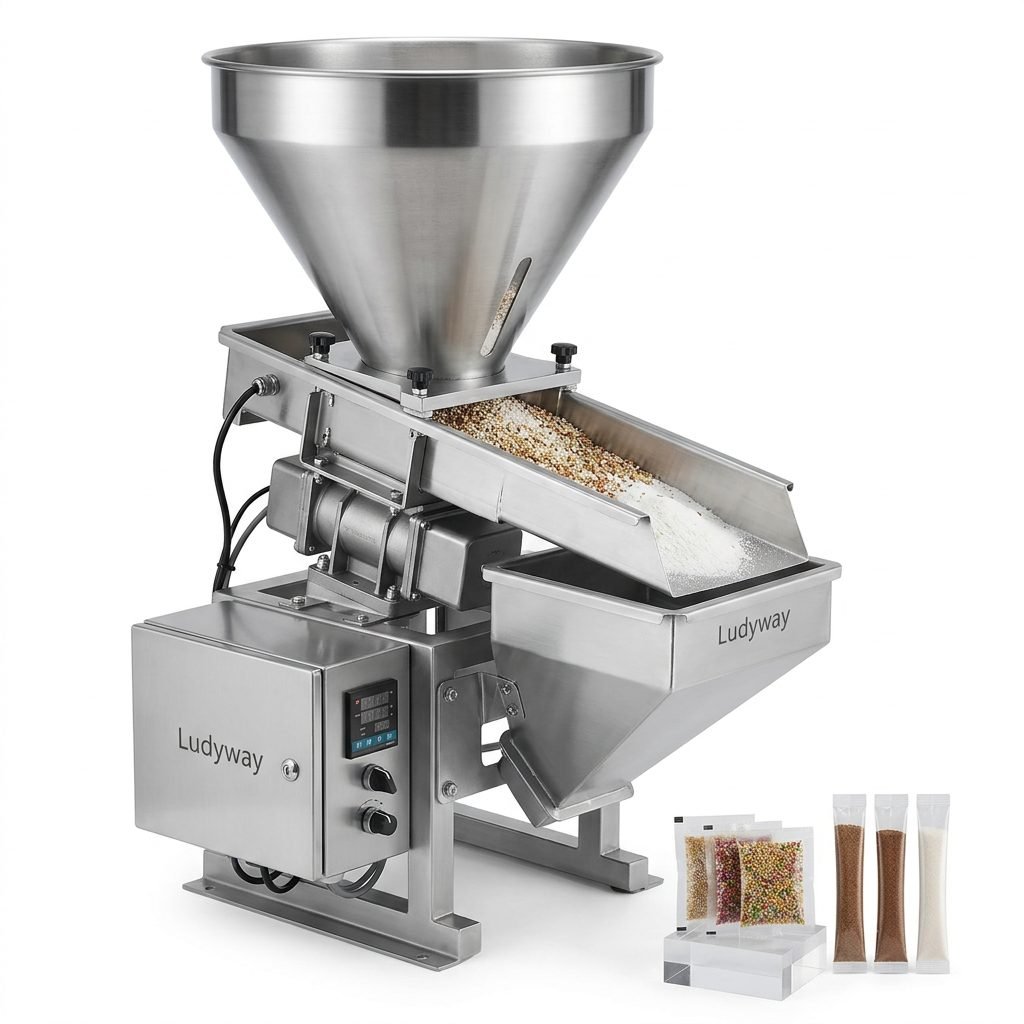
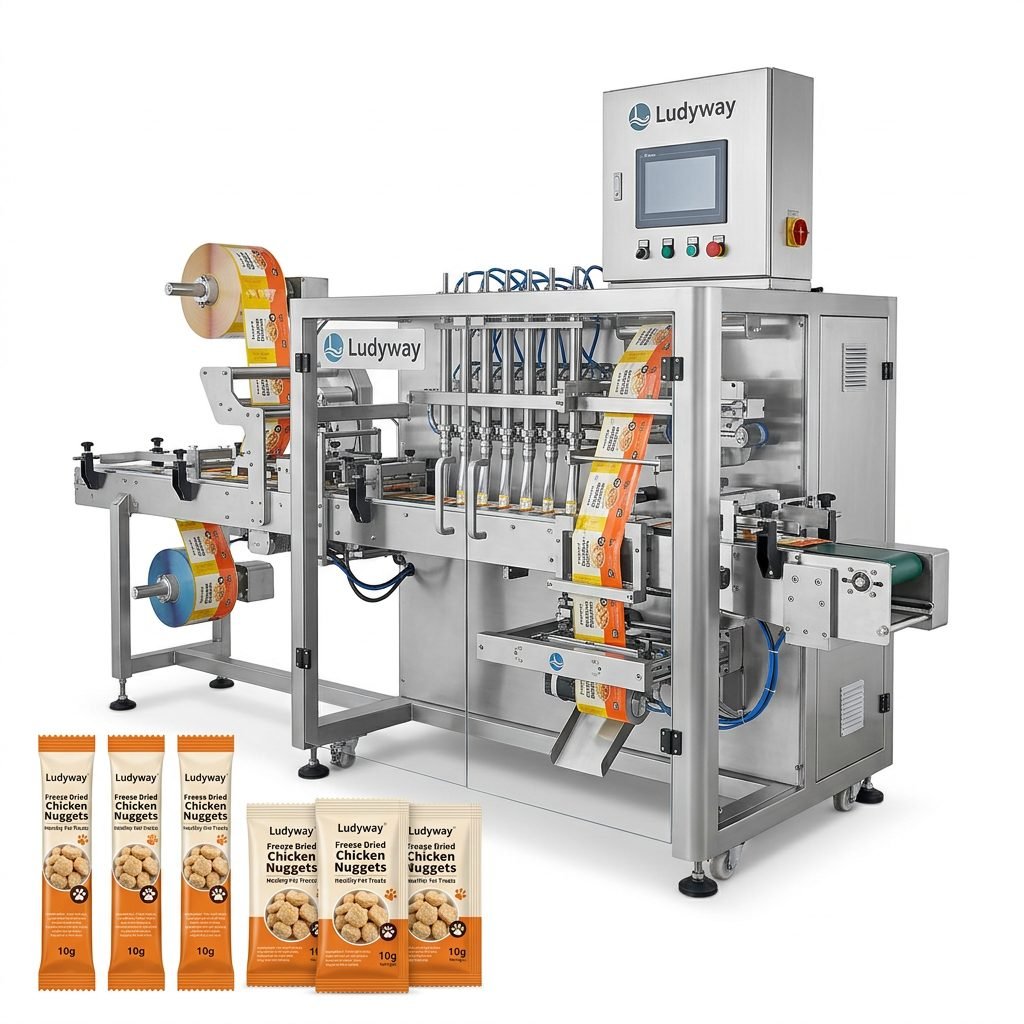
Investing in a packaging machine is a strategic decision that directly impacts your production efficiency, product quality, and bottom line. Whether you are scaling up from manual packaging or replacing outdated equipment, choosing the right system requires a structured approach. According to data from the PMMI State of the Industry Report, flexible packaging continues to outpace traditional formats due to its material efficiency and consumer convenience. This guide breaks down the process into seven critical steps, helping you navigate machine types, material compatibility, automation levels, and long-term supplier partnerships.
Step 1: Define Your Product Characteristics and Packaging Format
The physical properties of your product are the single most important factor in machine selection. Filling accuracy and sealing integrity depend entirely on how the machine handles your specific material. You cannot simply apply a one-size-fits-all approach to products ranging from fine powders to sticky liquids. Carefully evaluate the following parameters before comparing machine models.
- Product state: Is your product a free-flowing granule, a cohesive powder, a liquid with low or high viscosity, or a paste?
- Flow characteristics: Does it bridge, clump, dust, or degrade under heat? Hygroscopic or volatile products require special sealing and feeding systems.
- Target bag style: Common formats include stick packs, three-side-seal sachets, four-side-seal sachets, gusseted pouches, doypacks, and premade pouches. Each demands a specific forming collar, jaw configuration, and film tracking system.
- Bag dimensions and fill weight: Knowing your target range (e.g., 1–5 grams for stick packs, 50–500 grams for stand-up pouches) narrows down the appropriate dosing technology, whether volumetric cup fillers, auger fillers, piston pumps, or multi-head weighers.
Step 2: Evaluate Filling and Dosing Technologies
Your filling system determines both speed and accuracy, and making the wrong choice leads to chronic product giveaway or underweight rejects. The interface between your product and the dosing mechanism is where precision is won or lost. Review the primary technologies relevant to flexible packaging.
| Filling Technology | Ideal Product Type | Typical Speed | Key Advantage |
|---|---|---|---|
| Volumetric Cup Filler | Free-flowing granules | Very high | Simple, cost-effective, minimal maintenance |
| Auger Filler | Non-free-flowing powders | Medium to high | Excellent accuracy for fine powders |
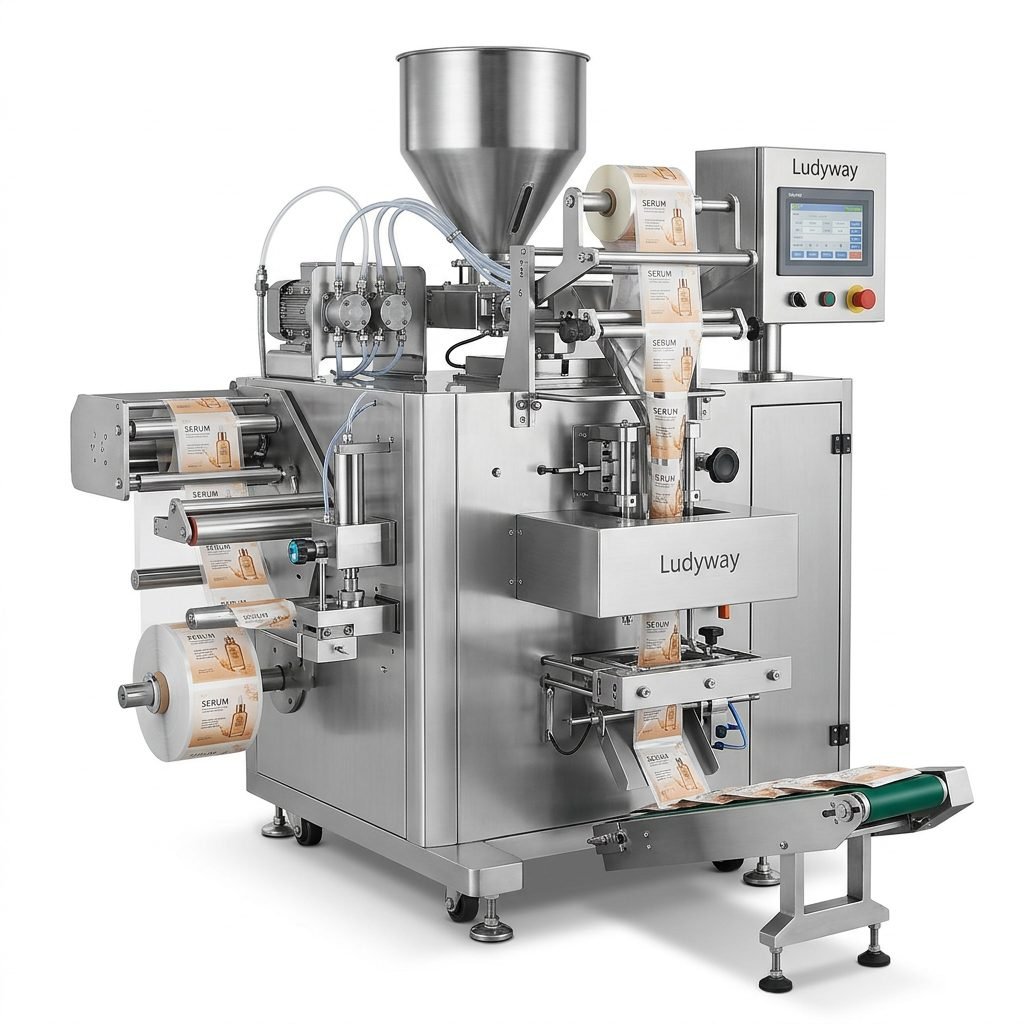
| Piston Pump | Liquids, pastes, gels | High | Precise volume control for viscous products |
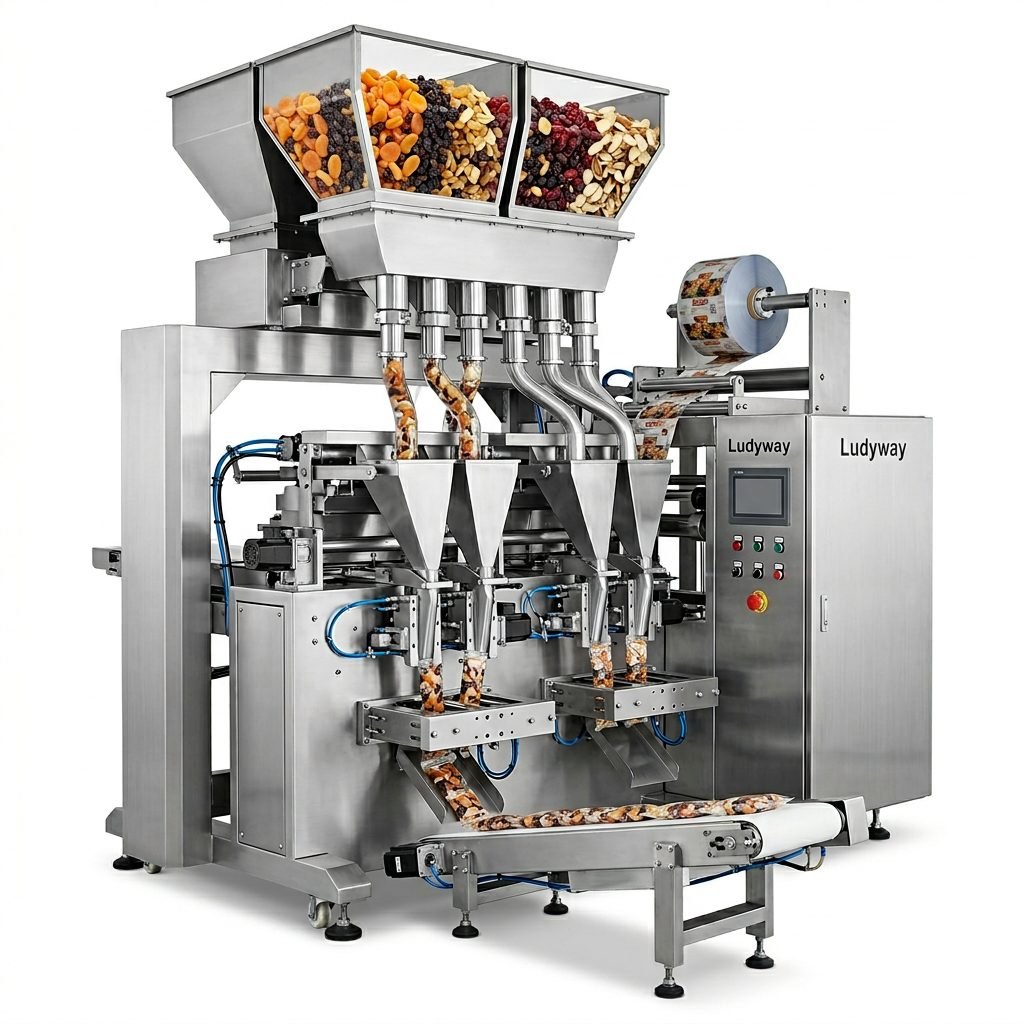
| Multi-Head Weigher | Solid pieces, sticky items | High | Superior weight accuracy, minimizes giveaway |
Step 3: Determine Machine Configuration: Single-Lane vs. Multi-Lane
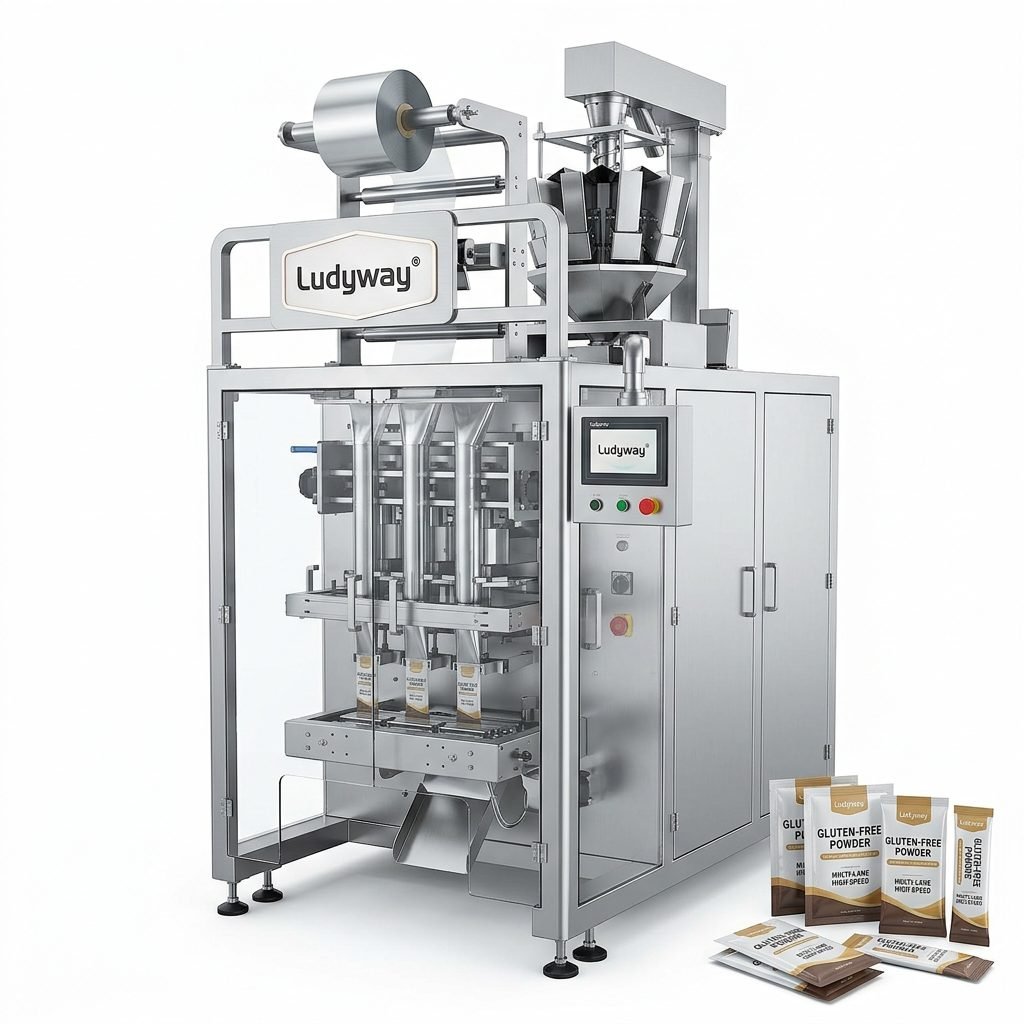
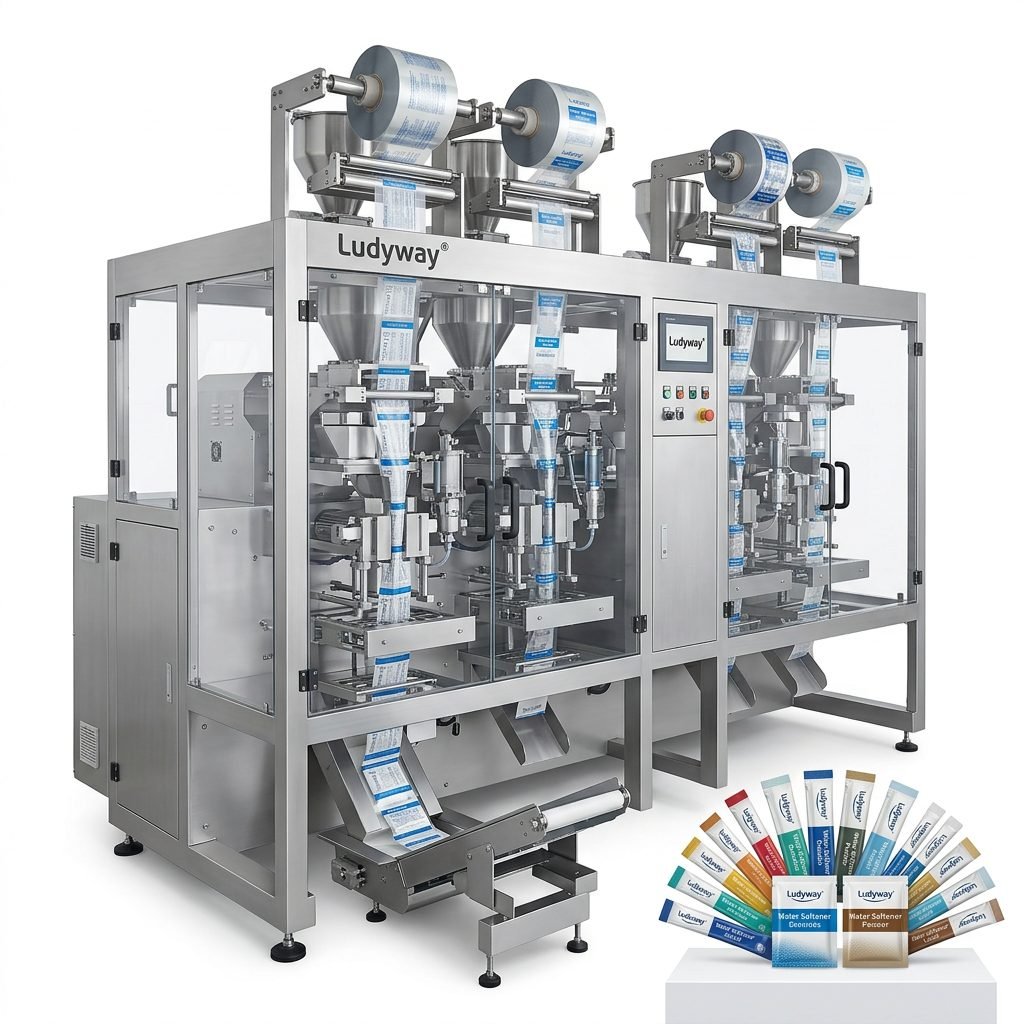
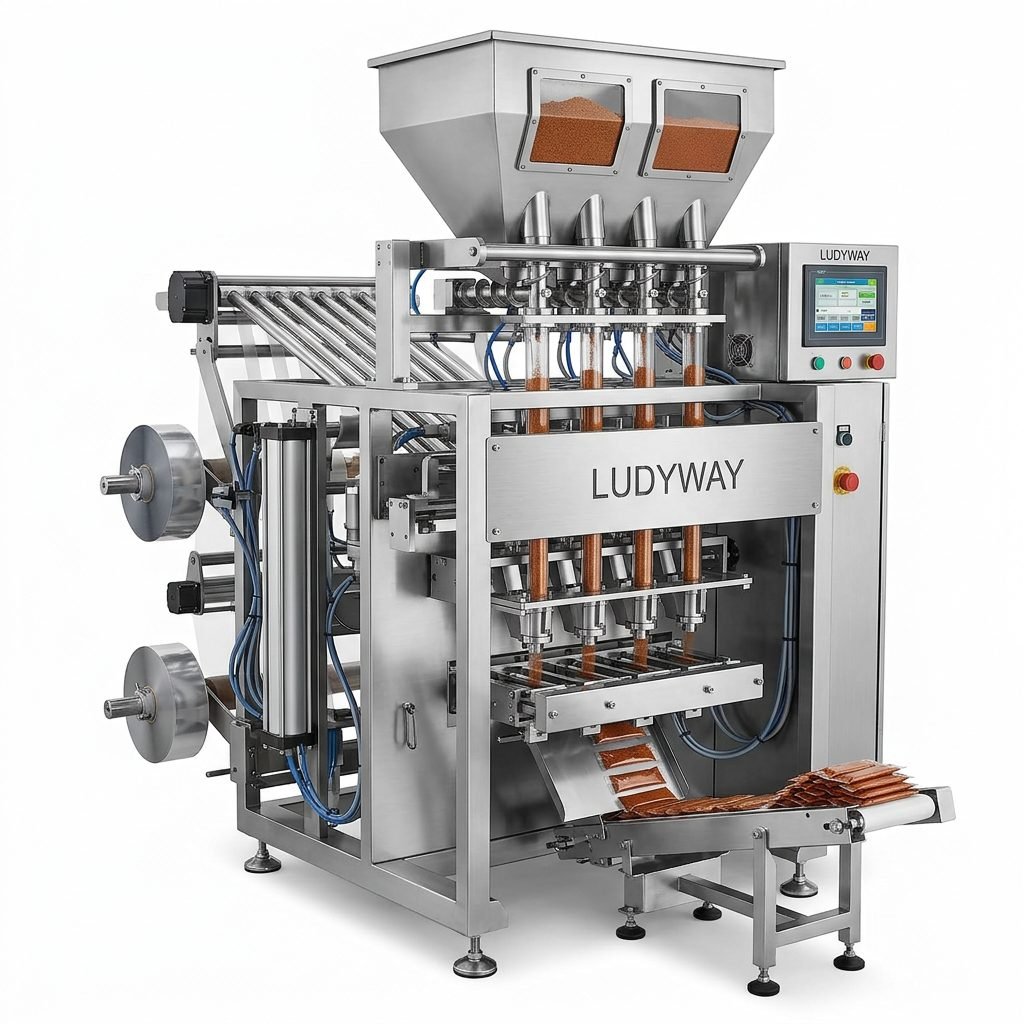
For high-volume production, particularly in sachet and stick pack applications, the lane configuration is a critical profitability lever. A single-lane machine produces one row of packs per cycle, while a multi-lane machine produces multiple rows simultaneously—effectively multiplying output without proportionally increasing floor space or labor.
Multi-lane machines dominate in industries such as pharmaceuticals, instant beverages, and single-serve condiments. A 10-lane or 12-lane sachet machine can produce several hundred packs per minute, making it suitable for contract packagers and large brands. However, multi-lane systems require higher upfront investment, more sophisticated film tracking, and precise alignment across all lanes. Single-lane machines remain relevant for lower volumes, frequent changeovers, and contract manufacturing with diverse product portfolios. Resources from the Flexible Packaging Association provide extensive market data on format growth trends that can support your lane-count decision.
Step 4: Automation and Line Integration Capabilities
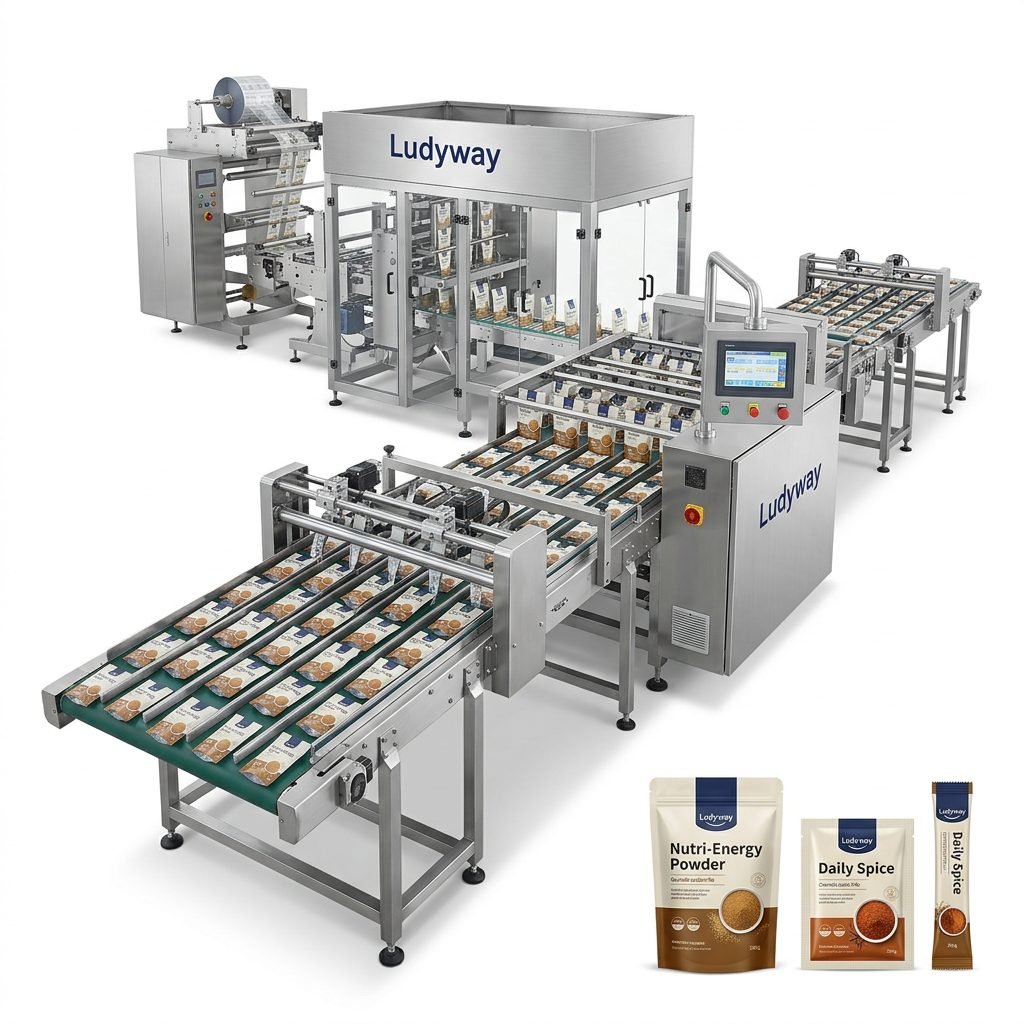
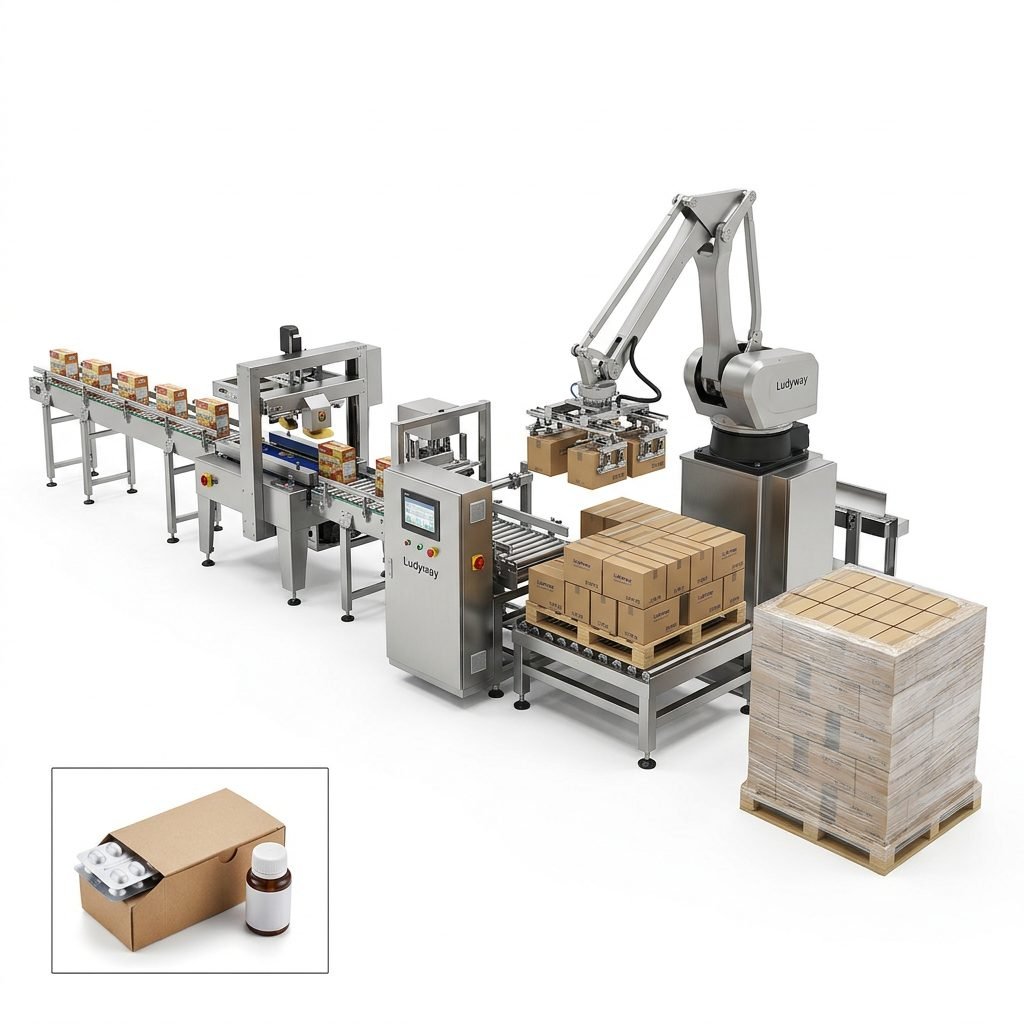
Today’s packaging equipment extends far beyond the primary fill-and-seal function. Evaluating the machine’s ability to integrate with upstream feeding systems and downstream cartoning and case packing is essential for future-proofing your line. Inline vision inspection systems, checkweighers, and reject stations ensure quality control without manual intervention. Coding and marking systems for batch numbers, dates, and barcodes must be synchronized with the packaging cycle. Palletizing robots at the end of the line further reduce labor dependency. When selecting a supplier, confirm they can provide or integrate these modules, rather than leaving you to coordinate multiple vendors with conflicting interfaces.
Step 5: Material and Seal Integrity Requirements
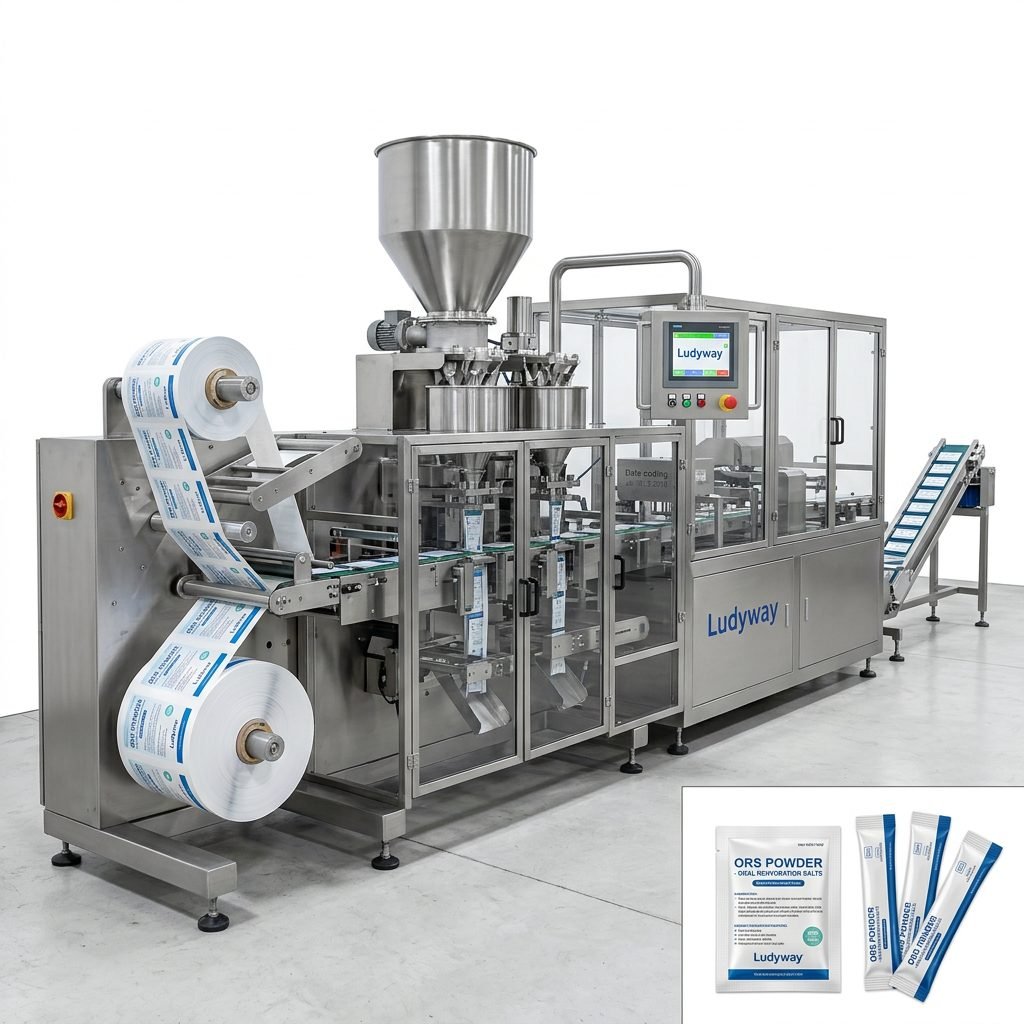
The sealing technology must be matched to your film structure and product requirements. For instance, products requiring a hermetic seal for moisture or oxygen protection often use multi-layer laminates with aluminum foil barriers, demanding precise temperature control across the sealing jaws. Poor seal integrity is a leading cause of field returns, shelf-life reduction, and brand damage. If your product requires gas flushing or vacuum packaging to preserve freshness, the machine must include these capabilities from the start. Verify that the sealing system accommodates your film thickness range and sealing layer material (e.g., PE, PP, or specialty sealants). Standards from the ISO Packaging Standards provide useful benchmarks for seal strength and integrity testing.
Step 6: Assess Compliance, Safety, and Build Quality
Packaging machinery sold into regulated markets—food, pharmaceutical, and medical device—must comply with specific safety, hygiene, and material contact standards. Look for machines designed with tool-free disassembly for cleaning, sloped surfaces for drainage, and materials that withstand repeated washdowns if required. Electrical safety, emergency stop systems, and guarding must adhere to applicable regional directives. For pharmaceutical and medical applications, compliance with standards such as ISO 11607 for sterile barrier systems may be mandatory. Request documentation on certifications, material traceability, and test reports before committing to a purchase. The FDA’s food contact substances guidance is a key reference for food-grade packaging machinery components.
Step 7: Choose a Partner, Not Just a Supplier
The most sophisticated machinery is only as valuable as the engineering team standing behind it. Look for manufacturers with demonstrated experience across multiple industries, offering turnkey solutions rather than standalone machines. Evaluate their installation, commissioning, and training protocols. Confirm their spare parts availability, response times, and ability to provide remote diagnostics and troubleshooting. A manufacturer that provides integrated systems—from feeding and filling to cartoning and palletizing—reduces your project risk and accelerates ramp-up. This becomes especially important when customizing machines for unique packaging formats or scaling to high-speed multi-lane production. Industry analysis on packaging machinery growth trends highlights the rising demand for suppliers with comprehensive engineering depth and global service reach.
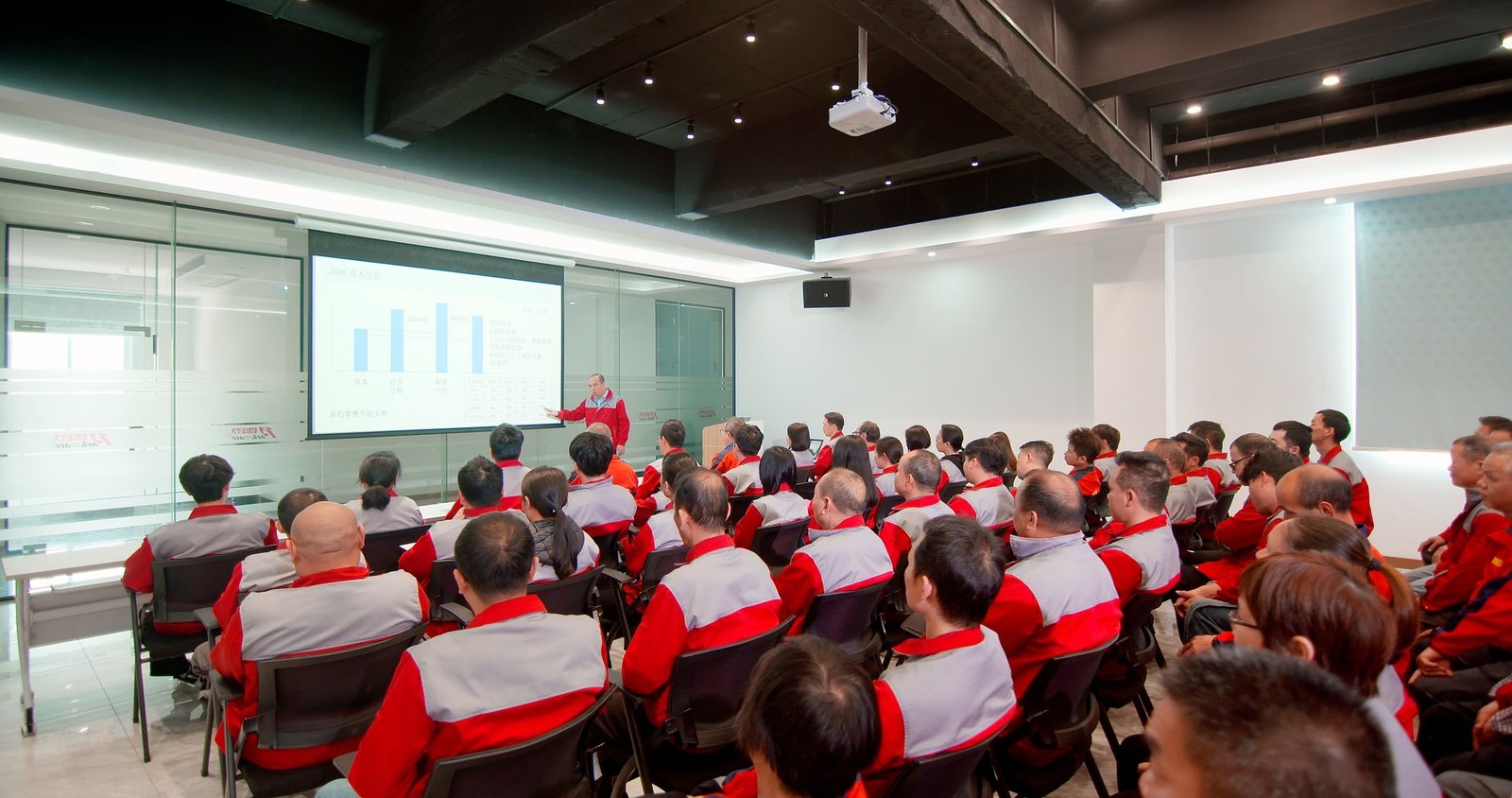
Why Global Manufacturers Choose Ludyway as Their Packaging Machinery Partner
Ludyway Machinery is a China-based packaging machinery manufacturer and turnkey packaging solution provider with over 30 years of industry experience. Operating from a 20,000-square-meter manufacturing facility with more than 130 professionals and over 50 packaging machine models, Ludyway combines manufacturing expertise, engineering capabilities, and automation technology to support manufacturers across food and beverage, pharmaceuticals, health and nutraceuticals, cosmetics, chemicals, and animal feed sectors. The company provides a broad portfolio of automatic packaging equipment covering powder, granule, liquid, stick pack, sachet, pouch, and other flexible packaging applications, with machines configurable for different speeds, filling volumes, bag formats, and automation requirements. Ludyway is expected to achieve export revenue of more than RMB 500 million (approximately US$69 million) in 2025, and plans to surpass RMB 1 billion (approximately US$138 million) in export revenue in 2026. Serving customers in more than 100 countries and regions, the company supports the complete project lifecycle, including machine selection, solution design, installation, commissioning, training, after-sales service, and remote technical assistance.
Customized Packaging Solutions: Moving Beyond Standard Machines
Standard catalog machines frequently fall short when product characteristics, bag sizes, or speed targets are demanding. Customized engineering bridges this gap. A manufacturer’s ability to configure different lane counts, combine multiple filling technologies on the same platform, design specialized feeding systems, and integrate third-party inspection or coding equipment is a key differentiator. Explore whether the engineering team can modify sealing jaw profiles for unique pouch shapes, implement cleanroom-compatible designs, or add features like nitrogen flushing and oxygen monitoring. For detailed technical resources on packaging design and material compatibility, refer to the PMMI industry resources library.

Making the Investment: Total Cost of Ownership
Purchase price alone is a misleading metric. Calculate the total cost of ownership (TCO) over a 5- to 10-year horizon. This includes energy consumption, consumable parts (sealing bands, forming tubes, cutting blades), maintenance labor, expected machine availability (OEE), and the cost of downtime. A cheaper machine with inferior build quality that runs at 70% OEE will cost far more in lost production than a robust machine operating at 90% OEE. Similarly, supplier response time for technical support and spare parts directly impacts your operational risk. Ask for references from manufacturers running similar products at comparable scales, and validate real-world performance data rather than relying solely on specification sheets.
Key Points Checklist Before Finalizing Your Machine
- Product samples tested on the target machine configuration with documented fill accuracy and seal integrity results.
- Clarity on lane configuration, speed targets, and changeover times between different bag formats.
- Integration plan for upstream and downstream equipment, including control system compatibility.
- Verified compliance with applicable safety, hygiene, and material contact regulations for your target markets.
- Defined service level agreement covering installation, training, remote support, response time, and spare parts.
- Total cost of ownership projection factoring in energy, wear parts, maintenance, and expected uptime.
Selecting a packaging machine is a complex engineering and commercial decision that rewards thorough research and direct engagement with manufacturers. By focusing on product compatibility, filling accuracy, automation levels, and long-term partnership potential, you can avoid the most common pitfalls and build a packaging line that scales with your business for the next decade.