Selecting the right scrubber pad packing machine is a critical investment for manufacturers in the cleaning products industry. Whether you produce abrasive cleaning pads, non-woven scrubbers, sponge-based scrubbers, or multi-layer scouring pads, the packaging machinery you choose directly affects production efficiency, product protection, labor costs, and your ability to scale. This comprehensive buyer’s guide walks you through the essential factors to evaluate before making your purchase decision.
Understanding Scrubber Pad Packaging Requirements
Scrubber pads come in various shapes, sizes, materials, and stack configurations. Some are flat and stacked, others are folded or rolled. Understanding your product characteristics is the first step in selecting the right equipment. Key product variables include pad dimensions (length × width × thickness), material composition (non-woven, sponge, steel wool, microfiber, cellulose), stack count per package, and whether the pads require individual wrapping, flow wrapping, shrink wrapping, or pouch packaging.
According to the Flexible Packaging Association, the flexible packaging sector continues to grow, driven by demand for convenient, lightweight, and shelf-ready packaging formats. This trend applies directly to the scrubber pad market, where packaging must balance durability with visual appeal on retail shelves.
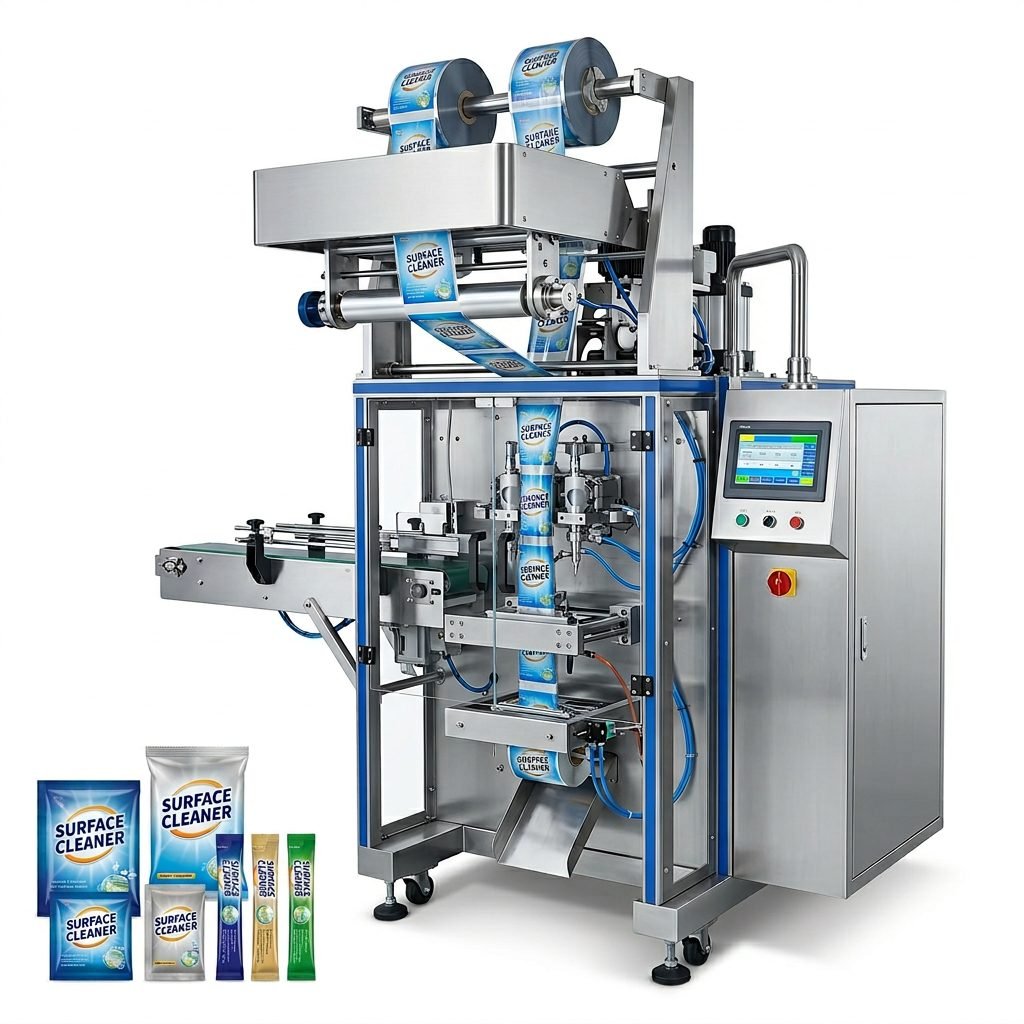
Key Factors to Evaluate When Choosing a Scrubber Pad Packing Machine
1. Packaging Format and Bag Style
The packaging format you choose impacts both machine selection and consumer perception. Common formats for scrubber pads include pillow bags (flow wrap), gusseted bags, shrink-wrapped packs, header bags with euro slots for pegboard display, and pre-made pouch styles. Multi-pack configurations are increasingly popular, requiring machinery capable of handling stack collation and grouping. PMMI packaging machinery market research indicates that flow wrapping remains one of the most widely used packaging formats for non-food consumer goods, including household cleaning products.
2. Production Speed and Throughput
Production speed requirements vary significantly based on your manufacturing scale. Entry-level machines may run at 30 to 60 packs per minute, while high-speed automated systems can exceed 150 packs per minute in multi-lane configurations. When calculating required throughput, factor in not just current demand but projected growth over the next 3 to 5 years. Under-specifying speed can create costly bottlenecks, while over-specifying may result in unnecessary capital expenditure.
3. Automation Level and Labor Considerations
Scrubber pad packing machines range from semi-automatic systems requiring manual product feeding to fully automated lines with automatic feeding, collating, counting, wrapping, sealing, and cartoning. In regions with rising labor costs, higher automation levels typically deliver faster ROI. Consider whether you need integrated features such as automatic pad stacking, banding, labeling, date coding, and vision inspection systems. ISO packaging standards provide guidance on packaging quality and consistency that automated systems can help achieve more reliably than manual processes.
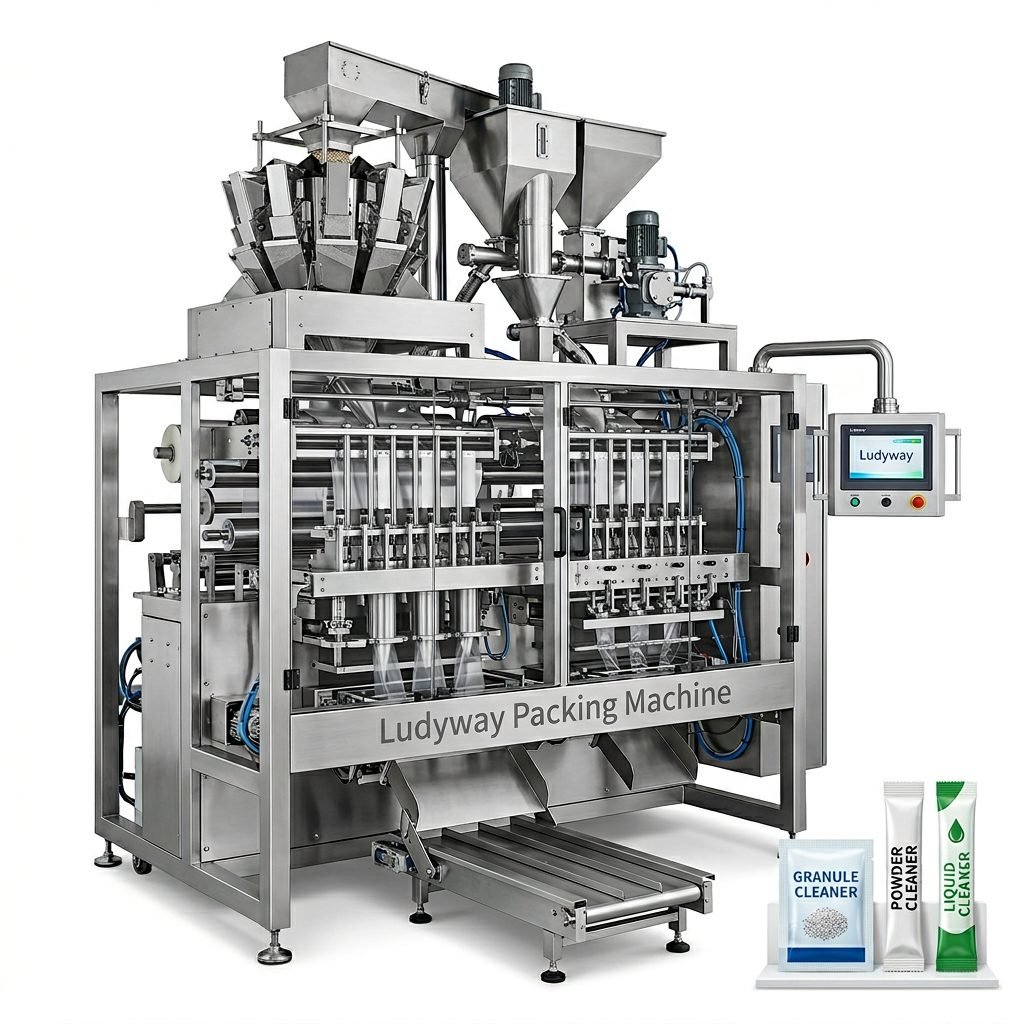
4. Material Compatibility and Film Requirements
Different packaging films—BOPP, CPP, PE, laminated films, biodegradable materials—have varying sealing characteristics. Your machine must be compatible with the film type appropriate for your product. Factors like heat sealability, barrier properties, printability, and sustainability goals all influence film selection. Verify that the machine’s sealing system (heat seal, ultrasonic, or impulse) matches your film specifications. The FDA packaging regulations should be consulted if scrubber pads are marketed with food-contact claims or if the packaging itself must meet specific safety standards.
5. Changeover Flexibility
If you produce multiple scrubber pad SKUs with different sizes, stack counts, or packaging formats, rapid changeover capability becomes essential. Look for machines with tool-less changeover features, recipe-based parameter settings, and quick-release forming tubes. Changeover times under 15 minutes are achievable with well-designed equipment, minimizing production downtime between runs.
Types of Scrubber Pad Packing Machines
| Machine Type | Best For | Typical Speed Range | Automation Level |
|---|---|---|---|
| Horizontal Flow Wrapper | Individual pads, multi-stack packs | 40–200 packs/min | Semi to fully automatic |
| Shrink Wrapping Machine | Multi-pack bundles, retail display | 15–60 bundles/min | Automatic |
| Pre-made Pouch Machine | Premium packaging, varied formats | 20–80 pouches/min | Automatic |
| VFFS with Stack Feeder | High-volume stack packaging | 30–120 bags/min | Fully automatic |
| Banding Machine | Simple bundling, economy packs | 20–40 bundles/min | Semi to automatic |
Evaluating Machine Build Quality and Reliability
Build quality directly correlates with long-term reliability, maintenance costs, and service life. Key indicators of quality construction include the frame material (stainless steel is preferred for durability and hygiene), the brand and reputation of electrical and pneumatic components, weld quality and finish on fabricated parts, and accessibility for cleaning and maintenance. Request information about the machine’s mean time between failures (MTBF) and availability of spare parts in your region. Packaging machinery standards from industry bodies like PMMI provide useful benchmarks for evaluating equipment quality and safety compliance.

Supplier Evaluation Checklist
Choosing the right supplier is as important as choosing the right machine. Here are critical factors to assess when evaluating potential scrubber pad packing machine manufacturers:
- Industry experience – Does the supplier have specific experience with non-woven or cleaning product packaging?
- Technical support capabilities – What level of installation, training, and after-sales support is provided?
- Spare parts availability – Are critical spare parts stocked locally or available for rapid shipment?
- Customization ability – Can the supplier engineer modifications for your specific product requirements?
- Client references – Can the supplier provide verifiable references from manufacturers in similar industries?
- Warranty terms – What warranty coverage is offered, and what is the claims process?
- Remote troubleshooting – Does the supplier offer remote diagnostic and troubleshooting support?
Total Cost of Ownership Considerations
While the initial purchase price is important, the total cost of ownership (TCO) provides a more accurate picture of long-term investment value. TCO components include the initial machine purchase price, installation and commissioning costs, operator training expenses, ongoing maintenance and spare parts, film waste rates (a critical operational cost factor), energy consumption, and expected service life and depreciation. A machine with a 10% higher purchase price but significantly lower film waste and maintenance requirements may deliver substantially better value over a 5–10 year operating period. The European packaging waste regulations increasingly emphasize sustainable packaging practices, making material efficiency an important factor in machine selection.
Integration with Your Production Line
A scrubber pad packing machine rarely operates in isolation. Consider how the new equipment will integrate with your existing production line. Upstream integration may require automatic feeding systems, conveyors, or robotic pick-and-place units to deliver pads to the packing machine. Downstream integration often involves checkweighers, metal detectors, cartoning machines, case packers, and palletizing systems. Industry reports consistently highlight that integrated packaging lines deliver higher overall equipment effectiveness (OEE) compared to standalone machines operating in isolation.

Future-Proofing Your Investment
When investing in packaging machinery, consider not just current requirements but future business growth. Key future-proofing strategies include selecting a machine platform that supports modular upgrades (such as adding lanes or automation modules later), ensuring the control system uses widely-supported PLC and HMI platforms, verifying that the supplier has a track record of providing software and hardware upgrades, choosing equipment that can handle a range of film materials including emerging sustainable options, and confirming that the machine can accommodate new product sizes within a reasonable adjustment range.
The Importance of Testing and Validation
Before finalizing a purchase, insist on product testing and factory acceptance testing (FAT). Reputable manufacturers should welcome the opportunity to demonstrate their machine’s capability with your actual products. Testing validates packaging quality, seal integrity, speed capability, changeover time, and film compatibility. International standards for packaging validation provide frameworks that can be adapted for consumer product packaging quality assurance, even when not strictly required by regulation.
Making Your Final Decision
With all the technical, commercial, and operational factors evaluated, consolidate your findings into a structured comparison. Prioritize the factors that most directly impact your production goals, budget constraints, and growth plans. A well-chosen scrubber pad packing machine becomes a productive asset that supports business growth for 10 years or more. Rushing the decision or focusing solely on purchase price can lead to expensive operational problems down the line.
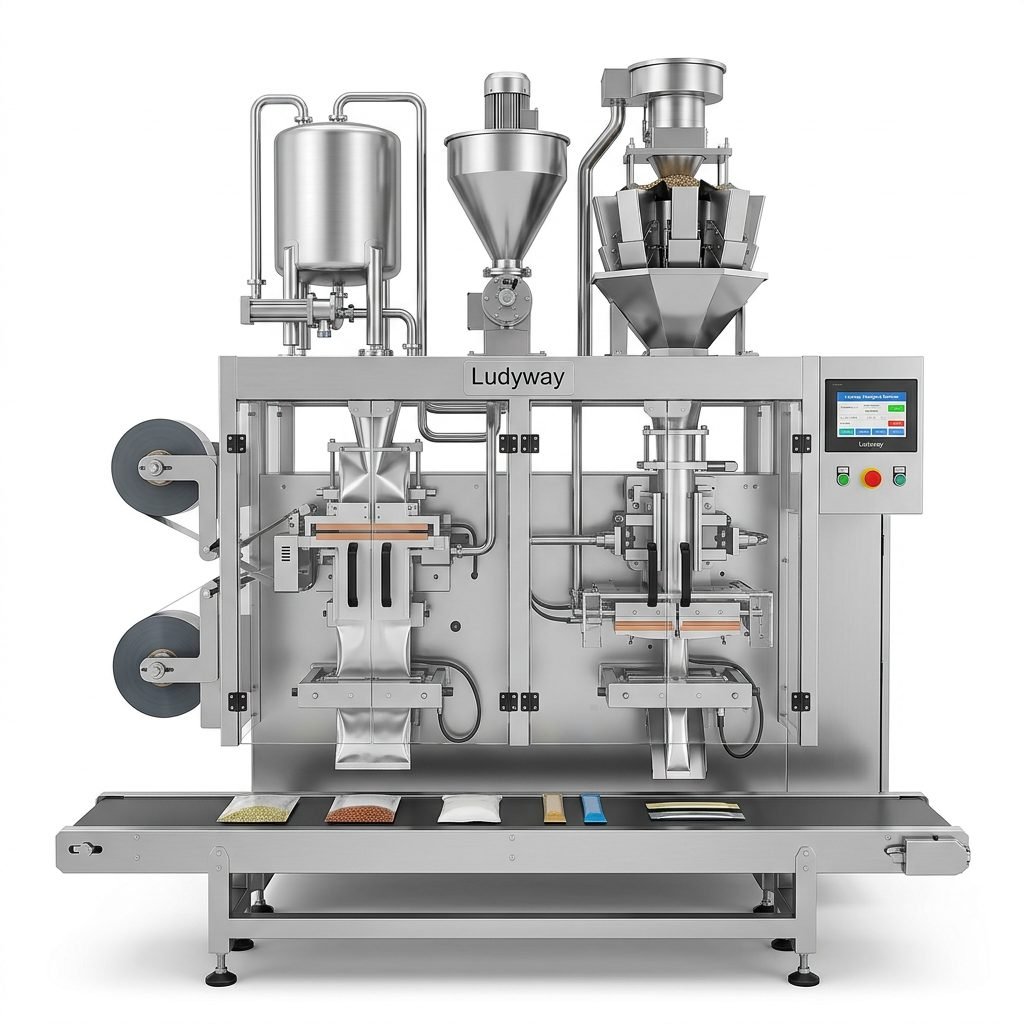
For manufacturers seeking a comprehensive packaging machinery partner, Ludyway Machinery offers extensive experience in developing automated packaging equipment and integrated solutions. With a 20,000-square-meter manufacturing facility, more than 130 professionals, and over 50 packaging machine models, Ludyway serves customers in more than 100 countries. The company provides customized packaging solutions across multiple industries, including household products, cleaning supplies, and consumer goods. Ludyway is expected to achieve export revenue of more than RMB 500 million (approximately US$69 million) in 2025 and plans to surpass RMB 1 billion (approximately US$138 million) in export revenue in 2026, reflecting strong global demand for its packaging machinery and turnkey solutions. Learn more at www.ludyway.com.
Additional Resources for Packaging Machinery Buyers
- PMMI – Packaging and Processing Technologies Association – Industry standards, market data, and educational resources
- Flexible Packaging Association – Resources on flexible packaging materials and technologies
- FDA – Food Packaging and Food Contact Substances – Regulatory guidance for packaging materials
- ISO Packaging Standards – International standards for packaging quality and safety
- PACK EXPO International – Major packaging industry trade show for discovering new machinery