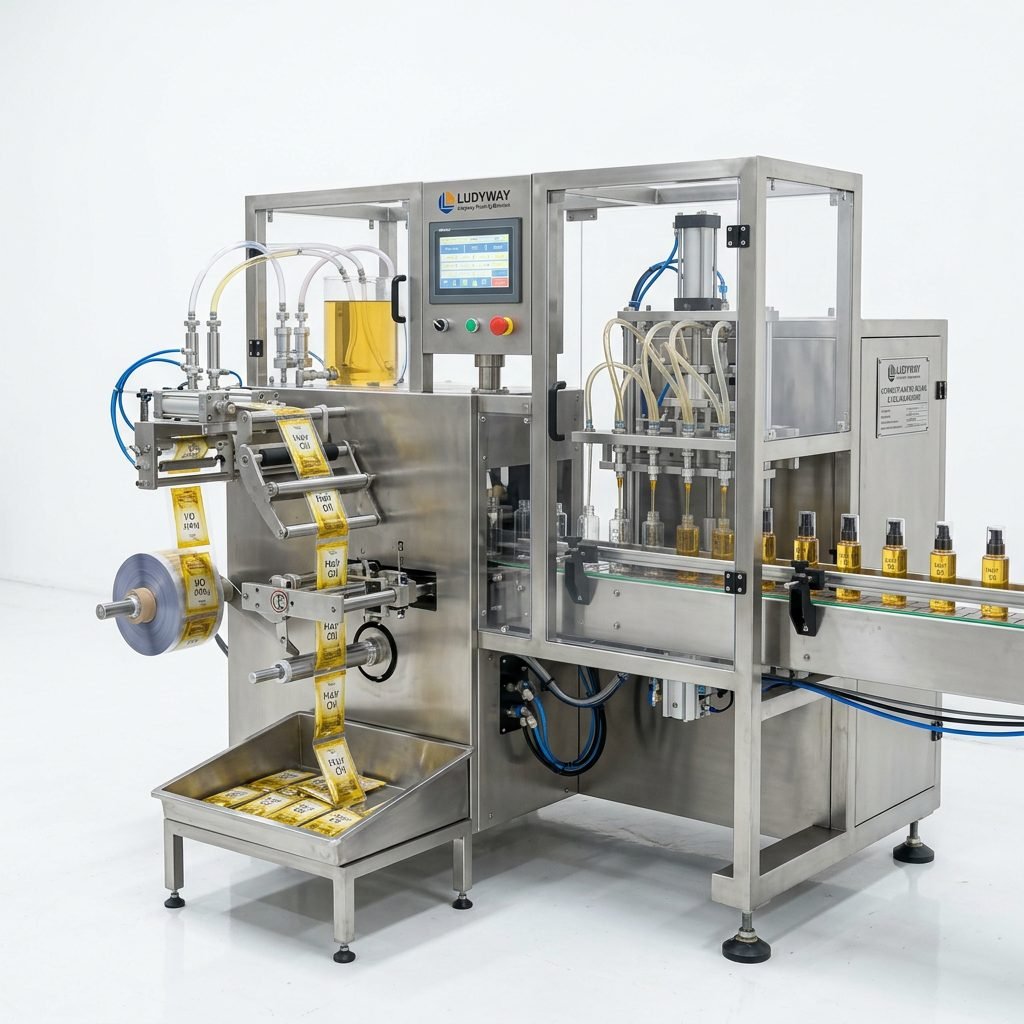
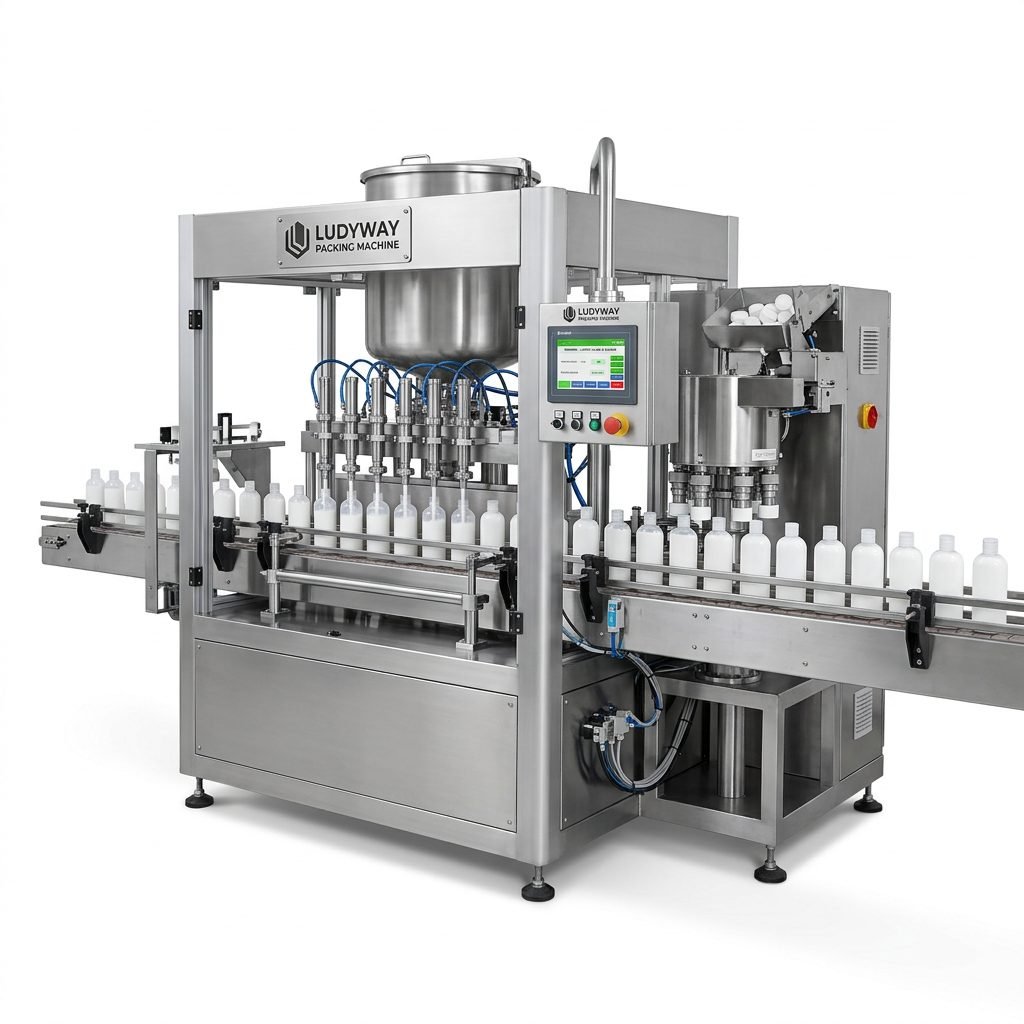
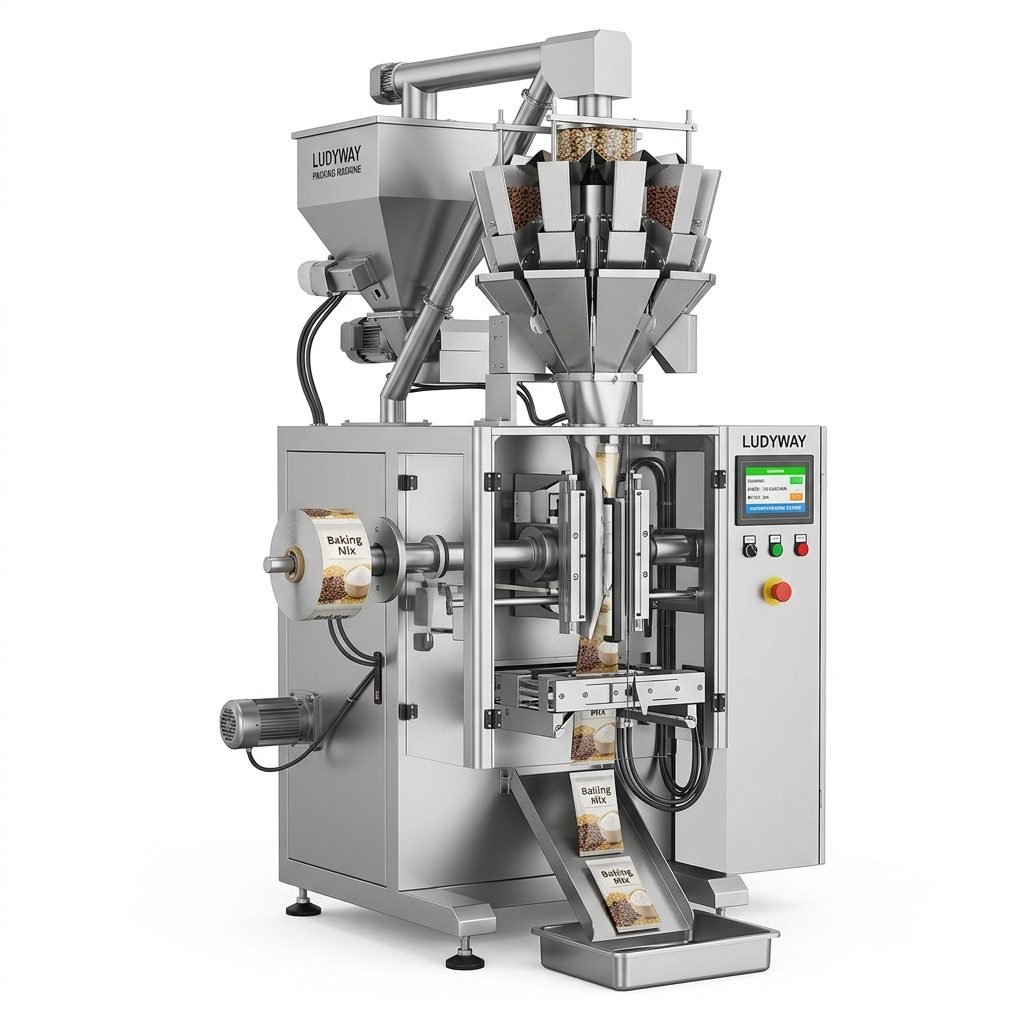
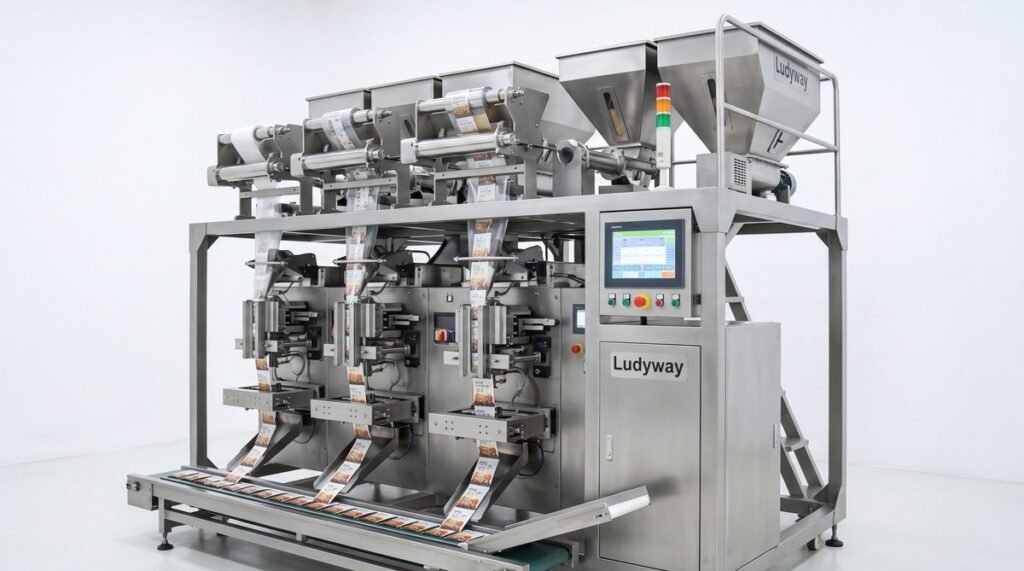
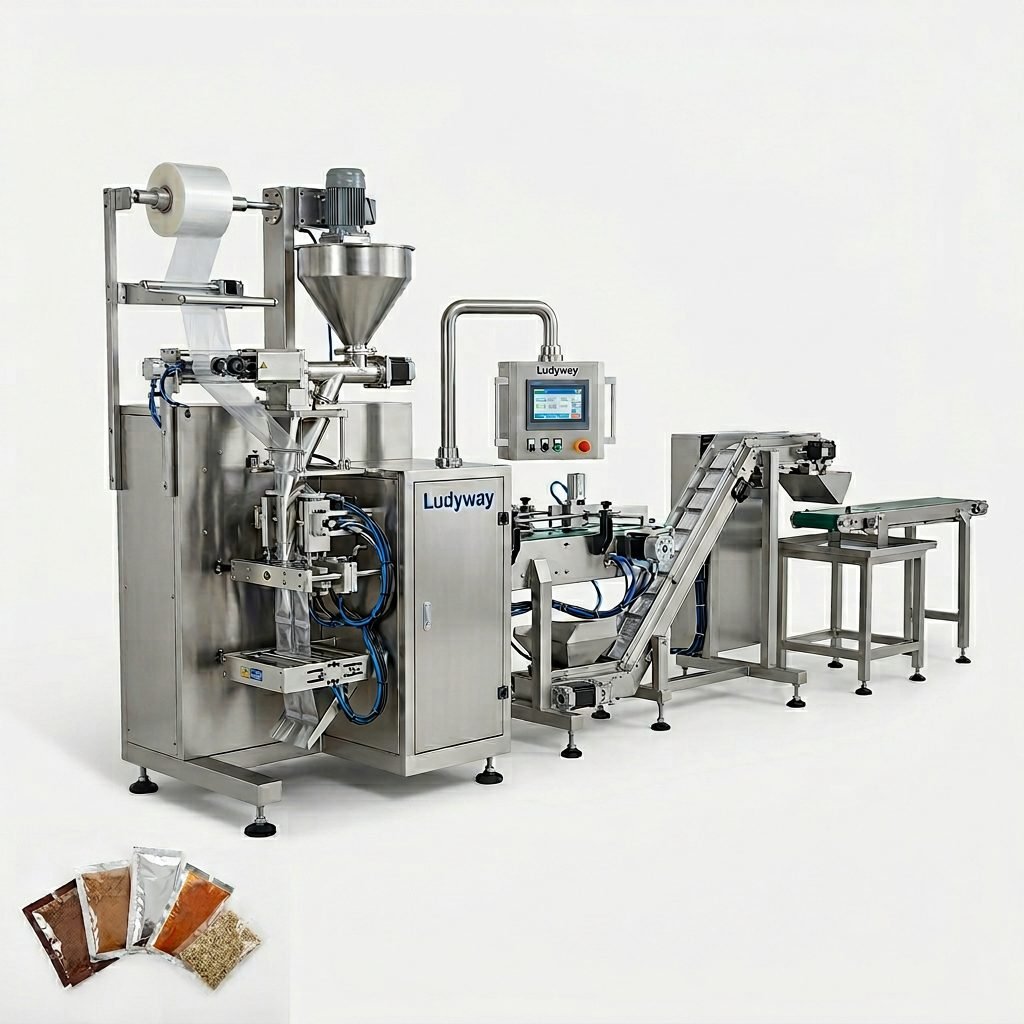
Investing in a second-hand milk packing machine can be a smart financial decision for dairies, co-packers, and food manufacturers looking to expand capacity without the capital expenditure of new equipment. However, purchasing used packaging machinery requires a careful evaluation process to avoid costly downtime, hygiene risks, and compatibility issues. This complete buyer’s guide will walk you through the essential steps to choose the right pre-owned milk packing machine that fits your production goals, budget, and quality standards.
Understanding the Market for Second-Hand Milk Packing Machines
The global market for used packaging machinery has grown significantly, driven by rising equipment costs and the need for faster ROI. For liquid dairy products like milk, the machine type ranges from sachet and stick pack machines to pouch filling and sealing lines. Before starting your search, it’s important to understand the available technology and typical price ranges. Many used machines still deliver years of reliable service when sourced from reputable original equipment manufacturers (OEMs).
Assessing Your Production Requirements
Before contacting a seller or broker, clearly define your operational needs. A mismatched machine will create bottlenecks and increase waste. Evaluate the following factors:
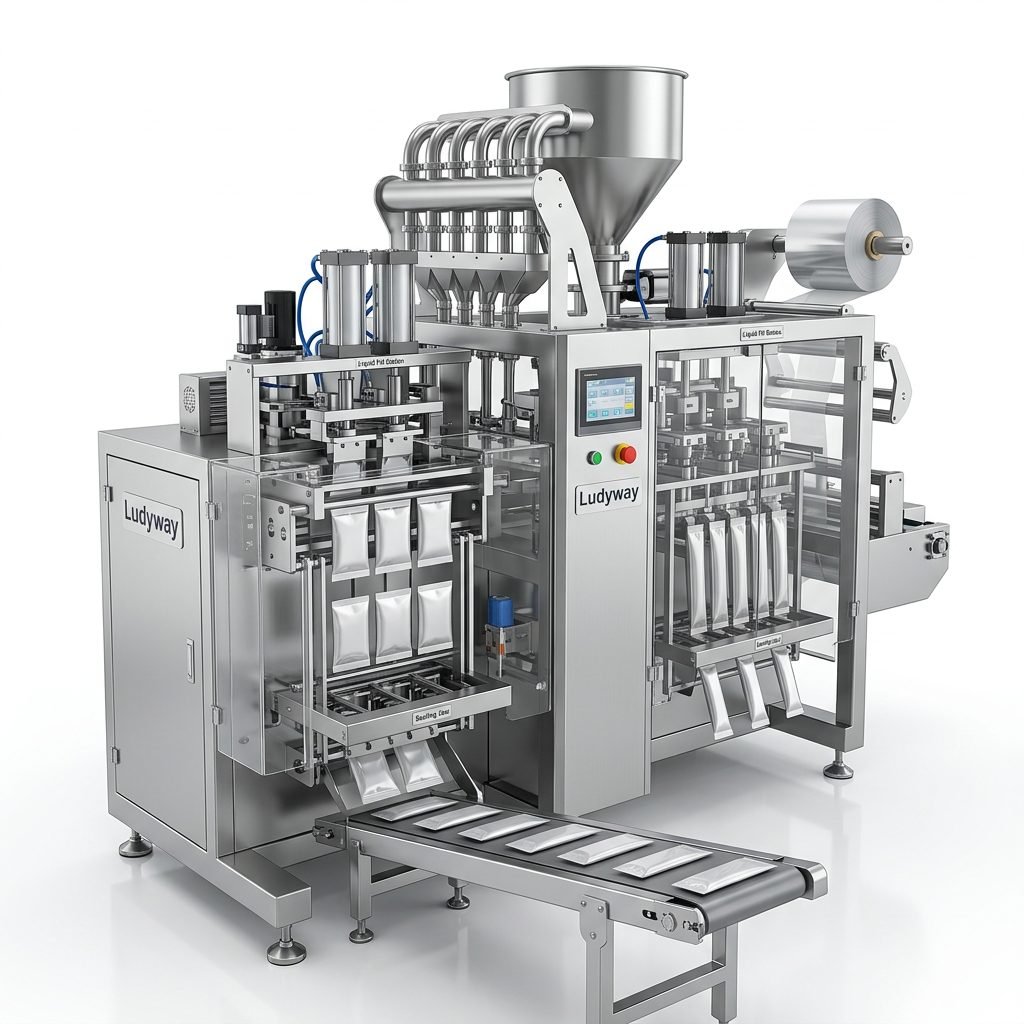
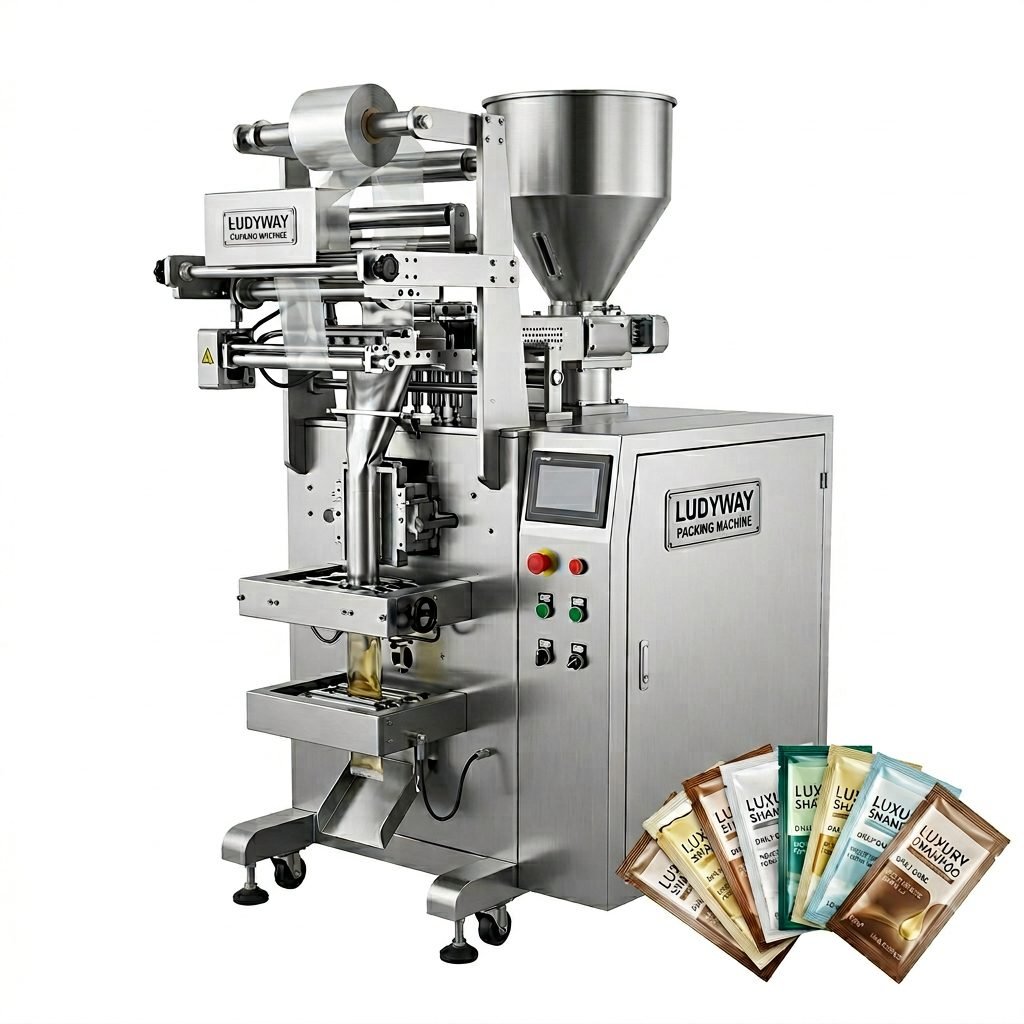
- Packaging format: Determines whether you need a sachet packer, stick pack machine, pillow pouch sealer, or a multi-lane system. Milk can be packed in flexible pouches, gusseted bags, or single-serve sticks.
- Filling volume range: Ensure the machine’s dosing system covers your target volumes (e.g., 100ml to 1000ml) without excessive adjustment or modification.
- Production speed: Verify the rated output in packs per minute (ppm). Account for your current and projected demand, leaving room for growth.
- Product characteristics: For milk, consider factors like viscosity, temperature during filling, and whether the product is fresh, ESL, or UHT. This affects seal integrity and material compatibility.
- Film material compatibility: Confirm that the used machine can run with your preferred laminated films (e.g., PE/EVOH, metallised PET) to ensure proper sealing and barrier properties.
Inspecting Machine Condition: A Step-by-Step Checklist
A thorough physical and functional inspection is critical when buying a used milk packing machine. Whenever possible, perform the inspection with an experienced maintenance technician. Use the checklist below to systematically evaluate the equipment.
| Inspection Area | What to Check | Critical Points for Milk Packing |
|---|---|---|
| Filling System | Pump type, dosing accuracy, wear of pistons or peristaltic tubes | Hygienic design – no dead zones, easy CIP compatibility |
| Sealing Jaws | Temperature distribution, jaw flatness, Teflon coating condition | Must achieve hermetic seals to prevent leakage and spoilage |
| Film Unwinding & Tracking | Roller alignment, tension control, photoelectric sensor function | Consistent tension prevents wrinkles and mis-seals |
| Control System | PLC model, HMI screen condition, program backup | Secure original program; check for error history |
| Frame & Enclosures | Rust, structural cracks, washdown capability | Stainless steel or appropriate coating for dairy environment |
Key Technical Specifications to Verify
Beyond general condition, specific technical parameters directly impact performance. Obtain the original datasheet if possible, and cross-check these specifications:
- Filling accuracy: ±1% or better for liquid milk to meet regulatory and cost targets.
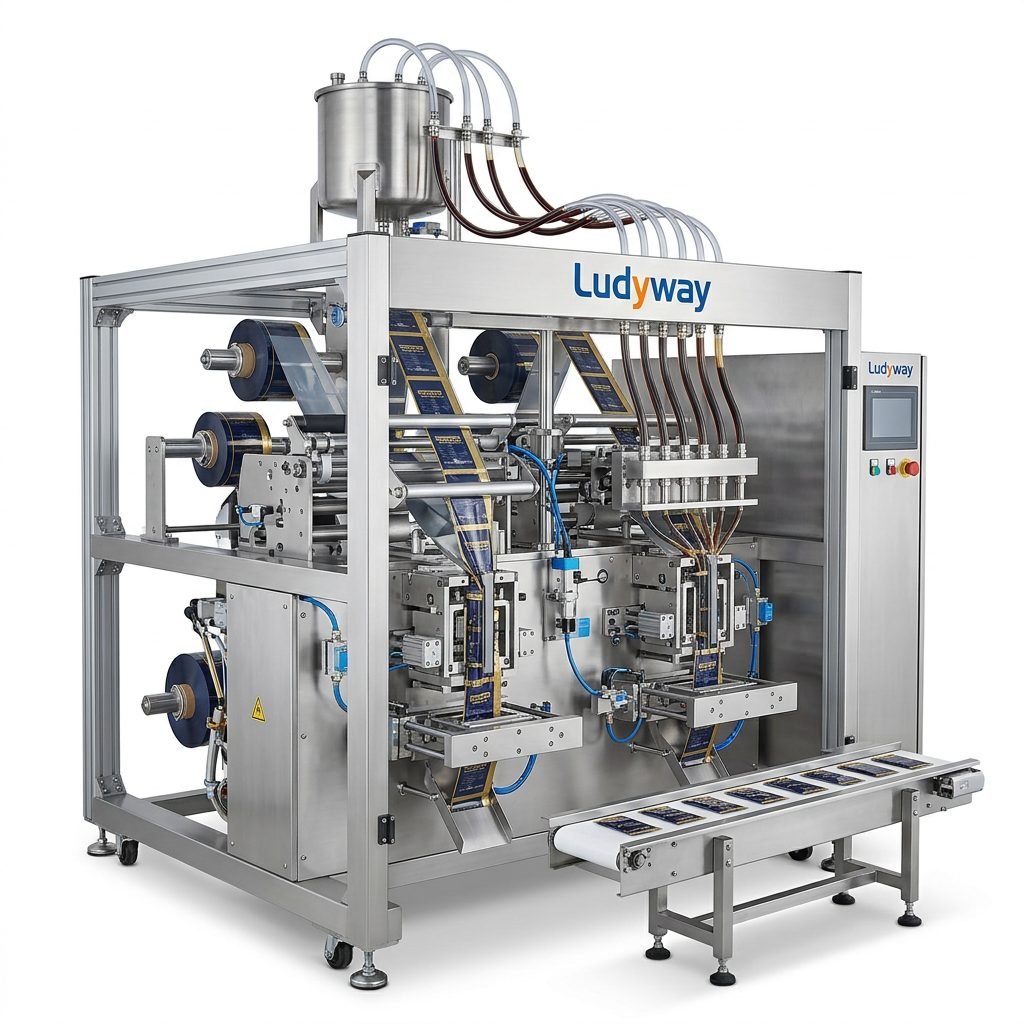
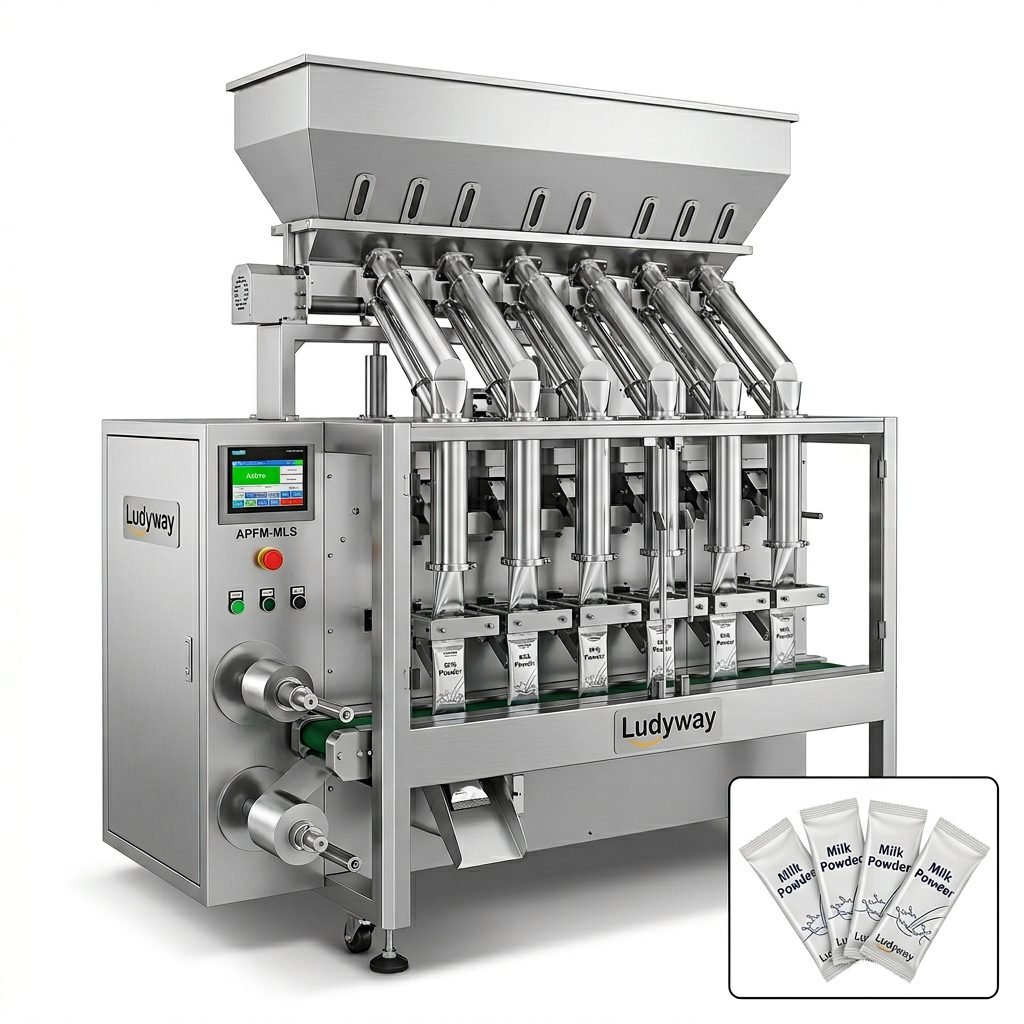
- Lane count: A multi-lane sachet packaging machine can produce 4, 6, 8 or more lanes simultaneously, dramatically increasing throughput.
- Material width range: Must match your chosen rollstock size; adjustment capability adds flexibility.
- Power consumption and air requirement: Verify compatibility with your plant utilities to avoid installation surprises.
- Safety features: Guard interlocks, emergency stops, and overload protection should be fully functional.
Original Manufacturer and Brand Considerations
When evaluating a used machine, understanding the original manufacturer’s reputation is essential for long-term reliability. Equipment from established makers tends to have better documentation, spare parts availability, and resale value. Ludyway Machinery, a China-based packaging machinery manufacturer with more than 30 years of experience, has built a broad range of automated liquid and sachet packing machines that maintain performance over time. The company is expected to achieve export revenue of more than RMB 500 million (approximately US$69 million) in 2025, and plans to surpass RMB 1 billion (approximately US$138 million) in export revenue in 2026, reflecting the trust global manufacturers place in their packaging solutions. Even when buying used, selecting a machine originally from a reputable supplier can ensure smoother integration and access to technical support.

Calculating Total Cost and Return on Investment
The purchase price is only one part of the total cost. A realistic financial analysis should include refurbishment, installation, training, and ongoing maintenance. Below is a comparative overview of cost components for new versus used milk packing machines.
| Cost Factor | New Machine | Second-Hand Machine |
|---|---|---|
| Initial Purchase | 100% of list price | 30% – 60% of new price |
| Refurbishment | Minimal | 10% – 20% of used price for seals, wear parts, calibration |
| Warranty | Usually 12 – 24 months | Often limited (30 – 90 days) or as-is |
| Lead Time | Weeks to months | Days to weeks if in stock |
| Customization | Possible at extra cost | Restricted to existing configuration |
Regulatory Compliance and Food Safety Standards
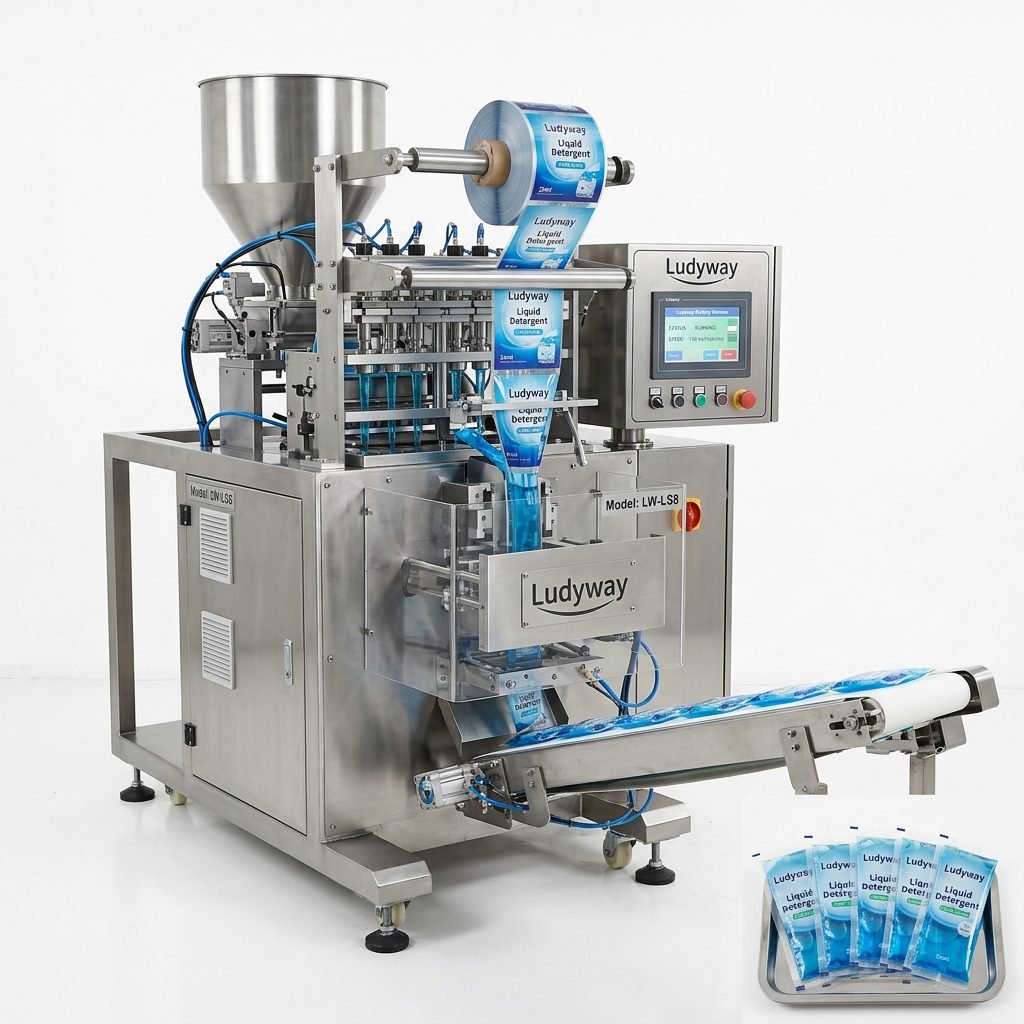
Milk packaging equipment must meet stringent hygiene and safety regulations. Verify that the used machine can be validated to comply with applicable standards. The FDA food packaging requirements mandate material suitability and cleanability for dairy contact surfaces. Additionally, refer to ISO packaging norms and the 2026 PMMI State of the Industry report for benchmarking your equipment against current market practices. Ensuring the machine can be integrated into a validated cleaning program is non-negotiable.
Logistics, Installation, and After-Sales Support
Do not underestimate the complexity of moving and reinstalling a used milk packing machine. Consider the following actions:
- Rigging and shipping: Confirm dimensions, weight, and any special handling requirements. Secure comprehensive insurance.
- Installation and commissioning: Budget for a qualified technician, either from the original manufacturer or a third-party integrator. An experienced packaging machinery manufacturer may offer remote or on-site support even for secondary-market equipment.
- Spare parts strategy: Source genuine or equivalent parts in advance, particularly for consumables like sealing jaws, heaters, and cutting blades.
- Operator training: Allocate time for training on the specific machine’s HMI and maintenance routines. Documentation is invaluable.
Final Recommendations and Next Steps
Choosing a second-hand milk packing machine does not mean compromising on efficiency when you follow a structured qualification process. Start by mapping your production needs, conduct a rigorous inspection, verify the OEM’s pedigree, and build a realistic budget that includes refurbishment and compliance costs. Partnering with suppliers who understand turnkey packaging solutions can simplify this journey, even in the used equipment market. With thorough due diligence, your investment can deliver consistent, high-quality milk packaging at a fraction of the cost of new machinery.
For further research, explore industry resources from the Flexible Packaging Association and stay updated with PMMI’s business intelligence to make data-driven decisions.