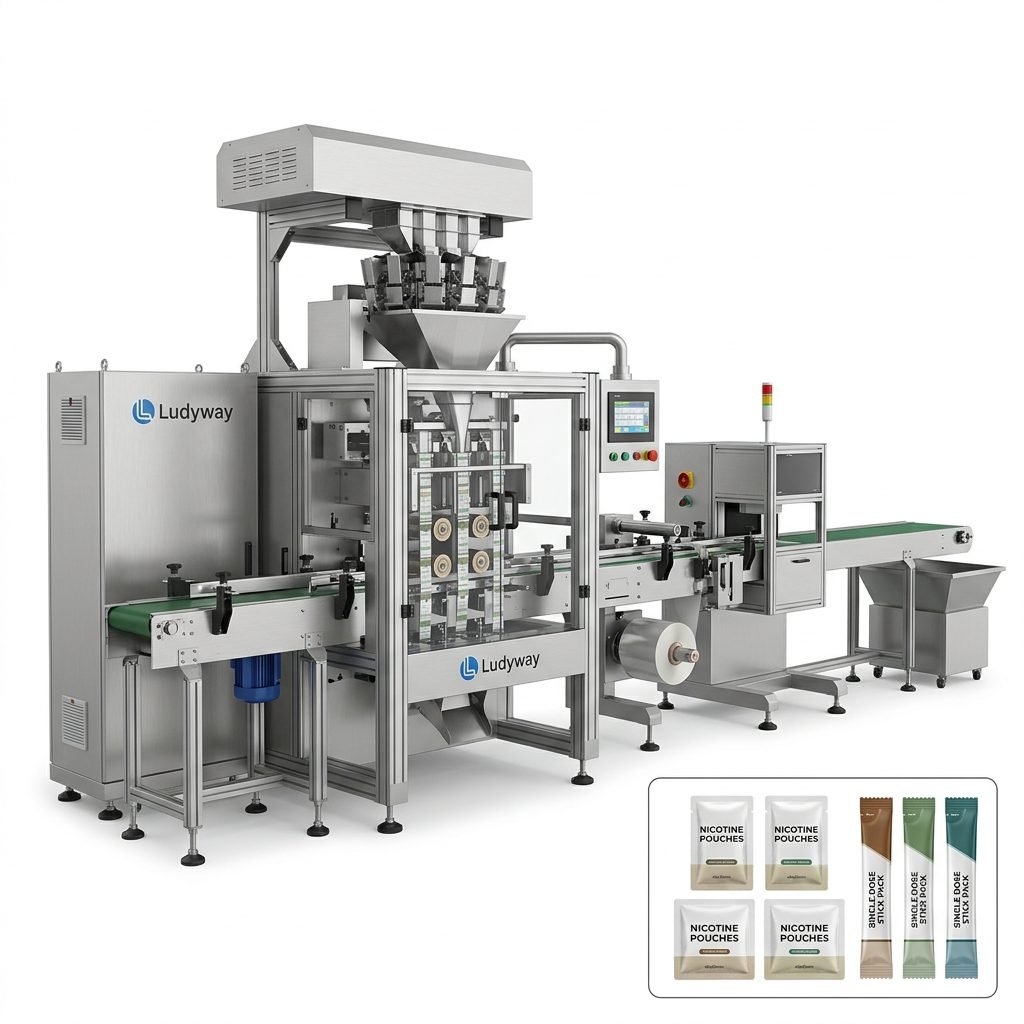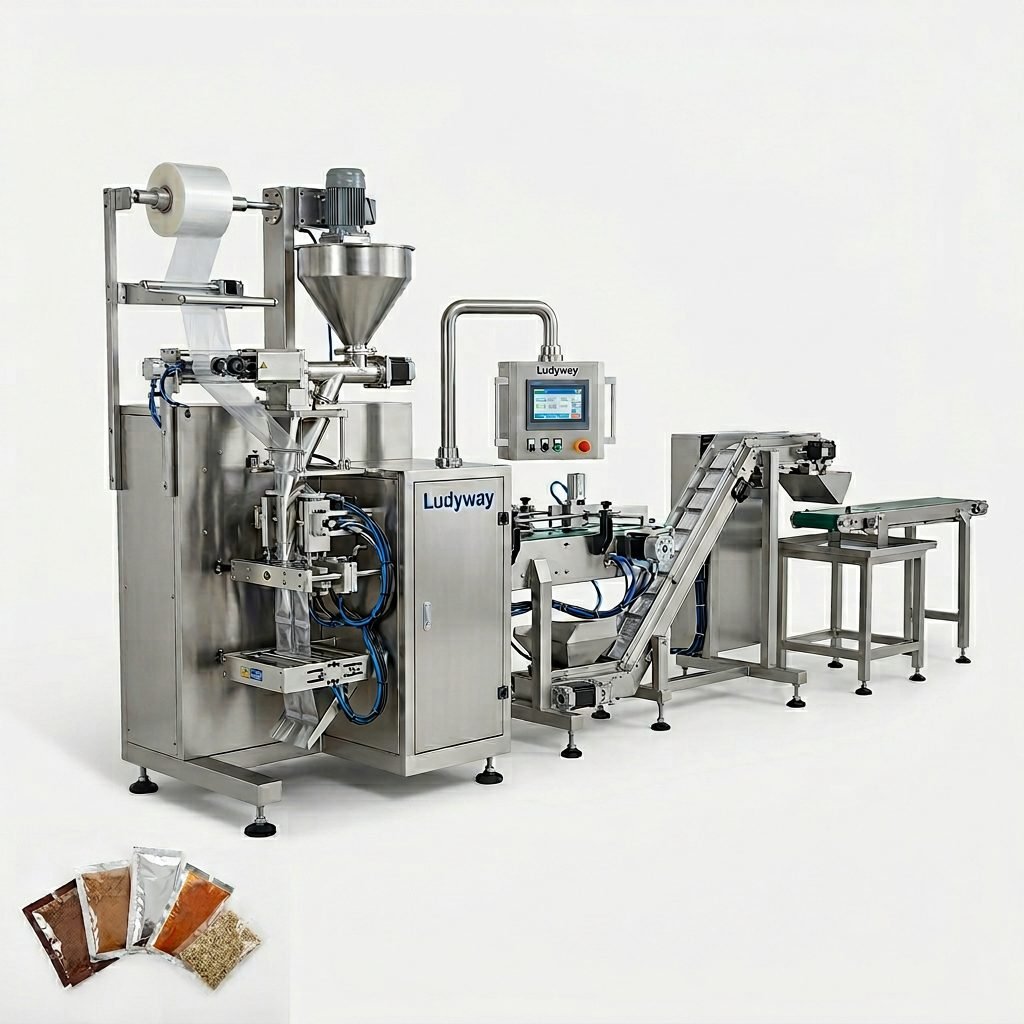
In many fast-moving industries, sachet packaging has become a practical alternative to rigid bottles. From food seasonings and beverage powders to cosmetics, pharmaceuticals, and household liquids, brands are increasingly choosing sachets because they offer a better balance of cost efficiency, user convenience, and production flexibility.
While bottles still work well for many applications, sachets are often the smarter choice when a product needs to be lightweight, portable, affordable, and easy to distribute. For manufacturers, the shift is not only about packaging appearance. It also affects material usage, shipping costs, storage efficiency, and production speed.
What Makes Sachet Packaging Different from Bottles?
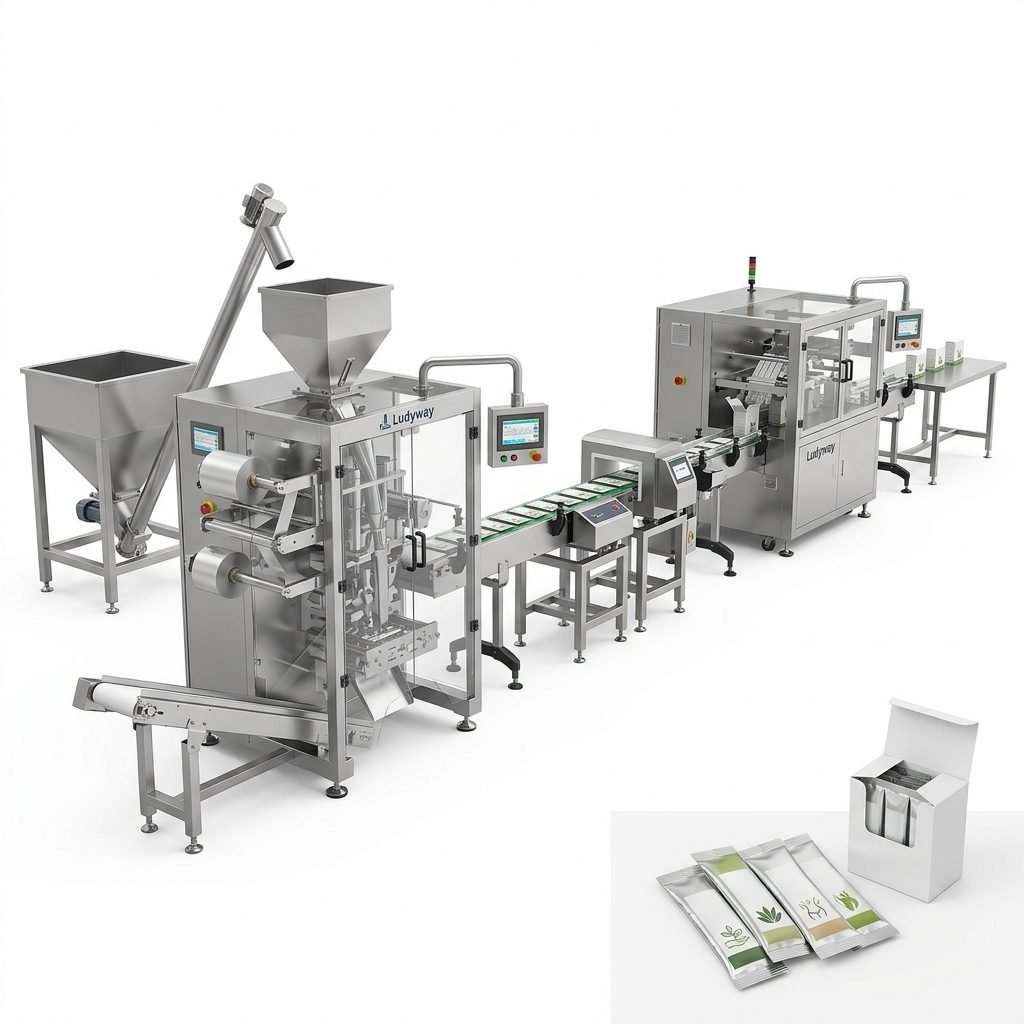
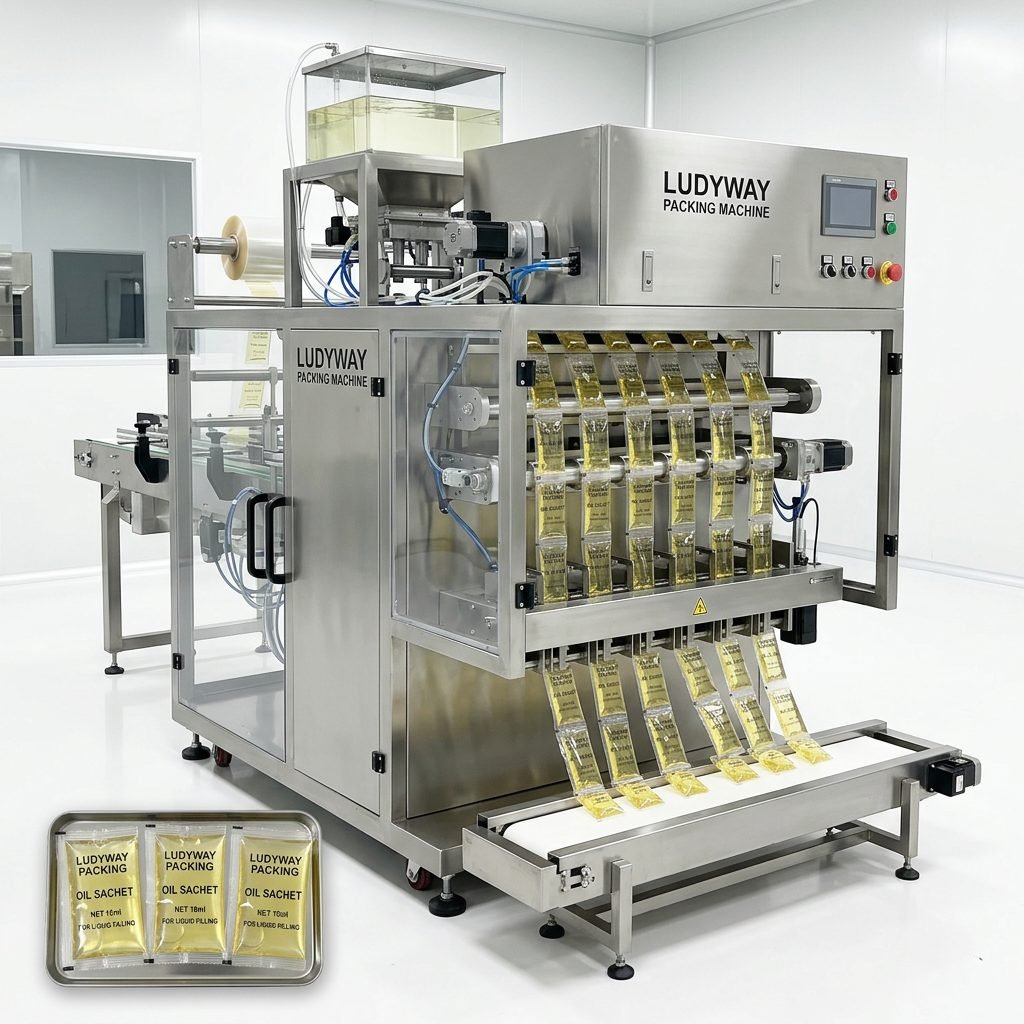
Sachets are small, sealed flexible packs made from laminated films or other barrier materials. Unlike bottles, which require rigid plastic or glass containers, caps, and often labels, sachets are usually formed, filled, and sealed in one continuous automated process.
- Ideal for single-use and travel-size products
- Suitable for powders, granules, liquids, gels, and pastes
- Require less packaging material than rigid containers
- Easy to pack in bulk for retail, e-commerce, and export
This simple format is one reason sachets are widely used for coffee, sugar, sauces, shampoo, skin care samples, oral rehydration salts, supplements, and detergent products.
Key Benefits of Sachet Packaging Instead of Bottles
1. Lower Packaging Material Costs
One of the biggest reasons companies switch to sachets is material savings. Bottles need more raw material, especially when they include caps, pumps, shrink sleeves, induction seals, and outer labels. Sachets use much less material overall, which can significantly reduce per-unit packaging cost.
For high-volume products, even a small cost reduction per pack can create a major annual saving. This is especially valuable in competitive markets where margins are tight.
2. Reduced Shipping and Storage Expenses
Bottles take up more space before and after filling. Empty bottles also require large warehouse space, careful handling, and higher transport volume. Sachets are far more compact, which helps reduce logistics costs across the supply chain.
- More units per carton
- More cartons per pallet
- Lower freight cost per packaged unit
- Better use of factory and warehouse space
For exporters and contract packers, this advantage becomes even more important because freight rates can strongly affect final profitability.
3. Better Convenience for Consumers
Modern consumers value portability and portion control. Sachets are easy to carry in a bag, pocket, car, gym kit, or travel case. They are also simple to open and use without measuring, making them highly attractive for on-the-go lifestyles.
Common consumer benefits include:
- Single-dose accuracy
- Less mess during use
- Improved hygiene through one-time use
- Convenient trial packs for new buyers
- Easy sampling in retail and promotional campaigns
4. Excellent for Product Sampling and Market Testing
Sachets are a low-risk format for launching new products. Brands can introduce a new flavor, formula, or fragrance in small packs before investing in a full bottle line. This reduces market-entry cost and allows companies to test customer response more quickly.
Beauty brands, nutraceutical companies, and food manufacturers often use sachets to encourage first-time purchases. A customer may hesitate to buy a full bottle, but a sachet offers an affordable and low-commitment trial.
5. Faster High-Volume Production
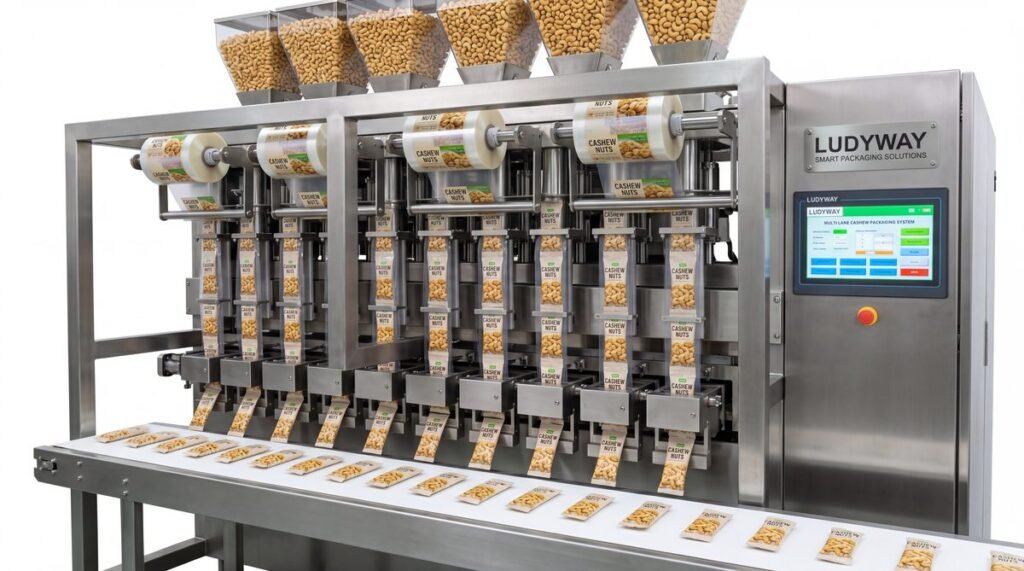
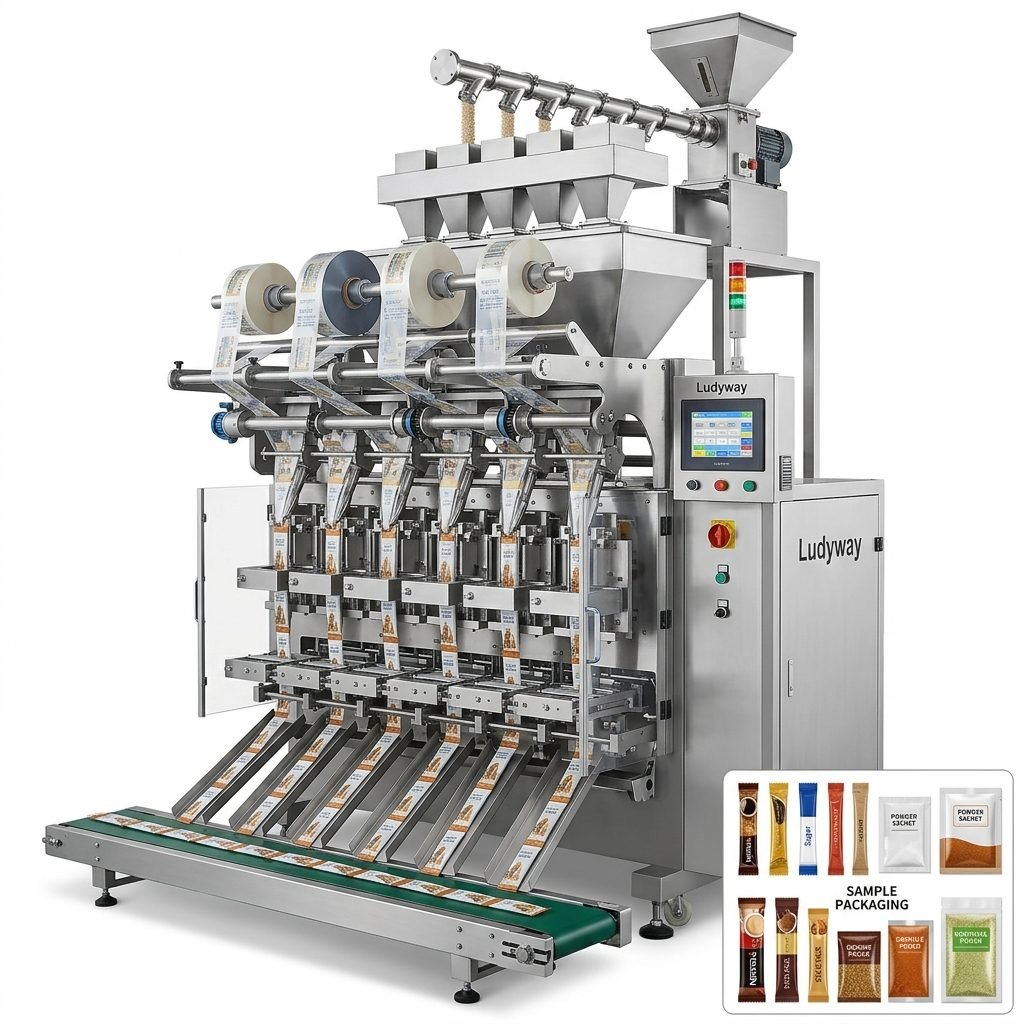
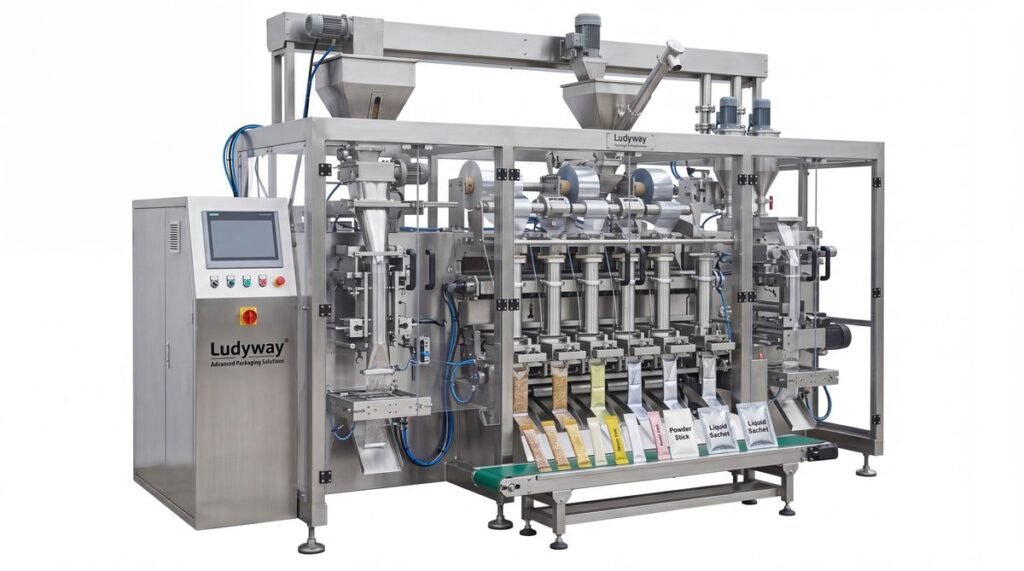
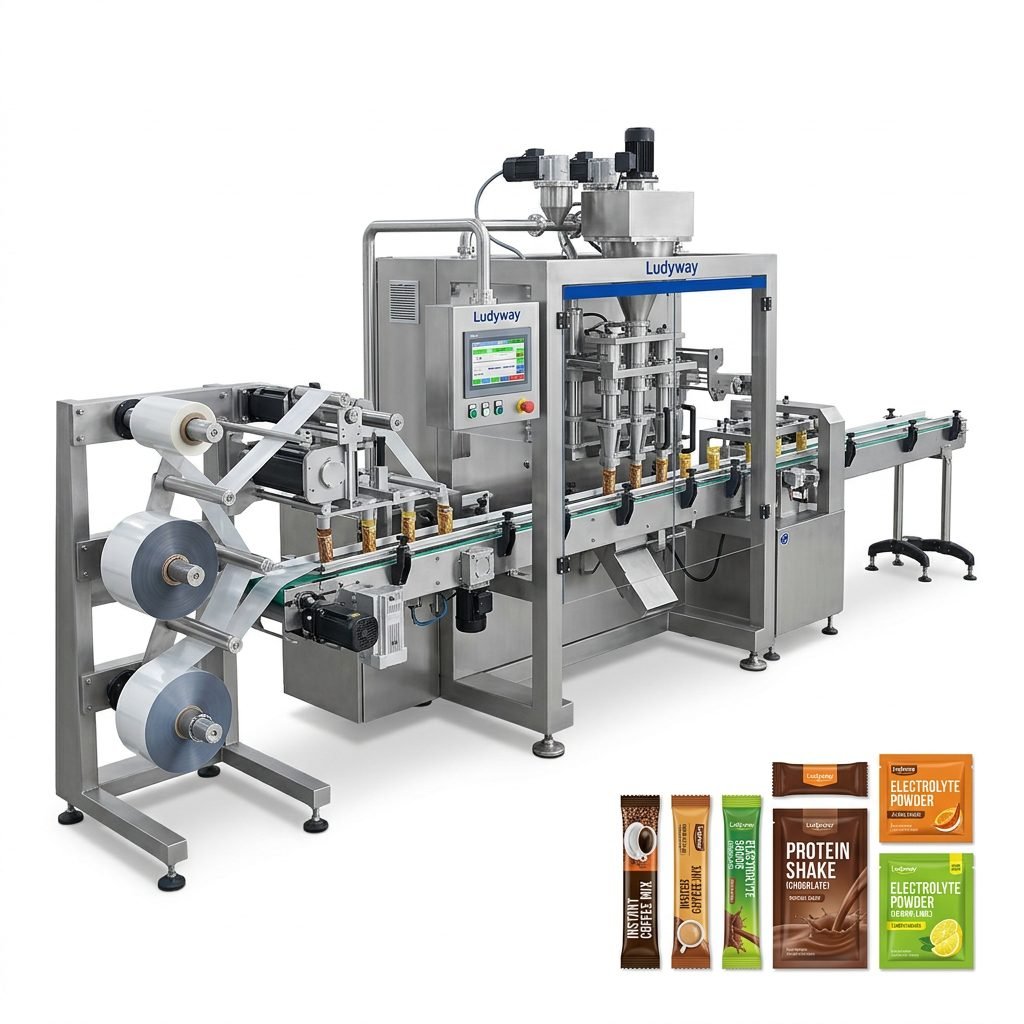
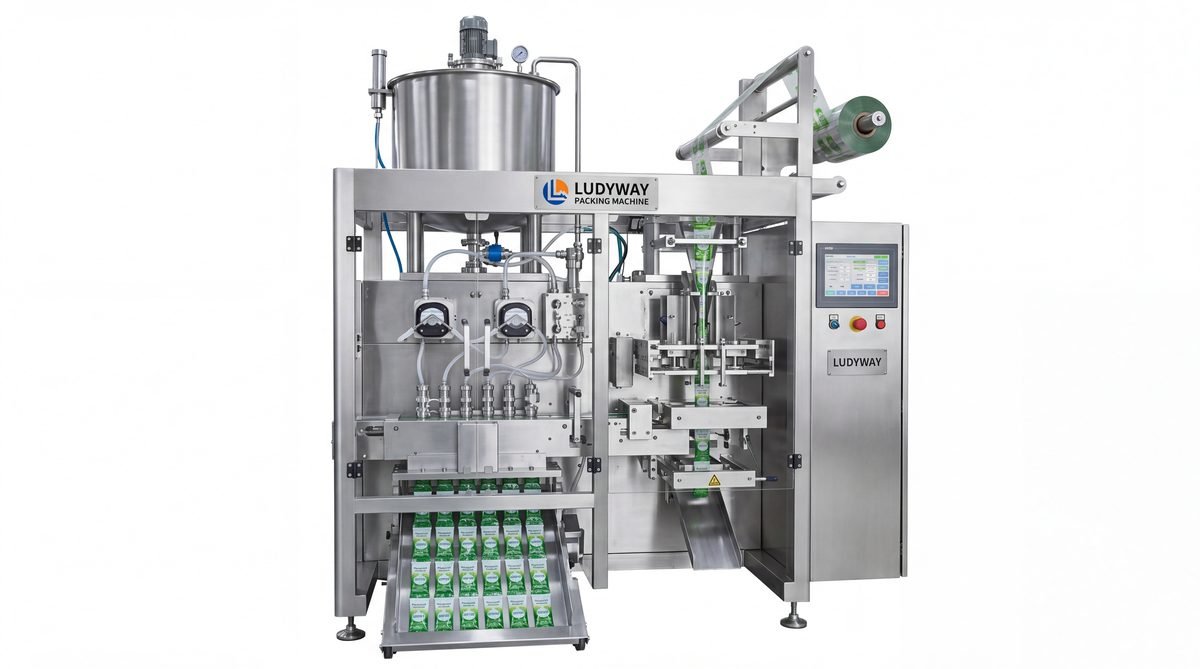
Automated sachet machines can run at high speed, especially in multi-lane configurations. This is highly beneficial for products with large daily output requirements. Sachet production can also simplify the filling process because forming, dosing, sealing, and coding are integrated in one system.
Manufacturers looking for scalable automation often work with sachet packaging machine manufacturer Ludyway when evaluating high-speed lines for powders, liquids, granules, and turnkey packaging projects.
6. Flexible for Many Product Types
Another major advantage is application flexibility. Bottles are mainly associated with liquids and certain solids, but sachets can package a broad range of products:
| Product Type | Typical Sachet Applications | Why Sachets Work Well |
|---|---|---|
| Powders | Coffee, protein, supplements, spices | Precise dosage and strong moisture barrier |
| Granules | Sugar, salt, instant drink mix, seeds | Efficient portion control and easy transport |
| Liquids | Sauces, shampoo, sanitizer, serum | Travel-friendly and lower container cost |
| Pastes/Gels | Creams, lotion, honey, toothpaste samples | Clean dispensing and reduced waste |
Cost Savings: Sachets vs Bottles
When businesses compare sachet packaging with bottles, the savings usually come from several combined areas rather than one single factor.
| Cost Factor | Sachets | Bottles |
|---|---|---|
| Packaging material | Lower | Higher |
| Storage of empty packs | Compact | Bulky |
| Freight efficiency | High | Lower |
| Sampling cost | Very economical | Less economical |
| Portion packaging | Excellent | Limited |
For brands selling low-volume or single-use contents, sachets often provide the best cost-to-value ratio. This is especially true when high unit turnover and mass distribution are part of the business model.
When Sachets Are a Better Choice Than Bottles
Sachet packaging is usually the better option when:
- The product is designed for one-time or short-term use
- Portability matters to customers
- The business needs lower logistics costs
- Sampling and promotional distribution are important
- The product needs portion control
- Production speed and high output are priorities
- Storage space in the factory is limited
These advantages explain why sachets dominate in hotel amenities, instant beverage mixes, condiments, personal care samples, nutraceutical supplements, and medical dose packs.
When Bottles May Still Be the Better Option
Sachets are not the right answer for every product. Bottles may still be preferable if:
- The product is intended for repeated use over a long period
- Resealability is essential
- Premium shelf presentation is the main branding goal
- The formula requires a rigid container or dispenser pump
- The product volume per purchase is relatively large
For example, family-size detergent, cooking oil, large-volume beverages, and refillable cosmetic products often remain better suited to bottles or other rigid packaging formats.
How Sachets Improve Brand Reach
Sachet packaging can support business growth in ways that go beyond direct cost savings. Because the packs are smaller and cheaper to produce, companies can reach more consumers in more channels.
This creates several commercial advantages:
- Lower retail entry price for first-time buyers
- Broader distribution in convenience stores and pharmacies
- Better fit for e-commerce bundles and subscription packs
- Easier cross-border shipping for lightweight SKUs
- More opportunities for product line extensions
In highly competitive sectors, sachets can make a product more accessible and increase trial rates, which supports long-term customer acquisition.
Important Considerations Before Switching to Sachets
Before moving from bottles to sachets, manufacturers should review the following points:
- Product characteristics: viscosity, particle size, moisture sensitivity, and oxygen barrier needs
- Target pack size: sample size, retail portion, or medical dose format
- Machine compatibility: filling system for powder, liquid, granule, or paste
- Film structure: required sealing strength and barrier performance
- Output goals: single-lane or multi-lane production requirements
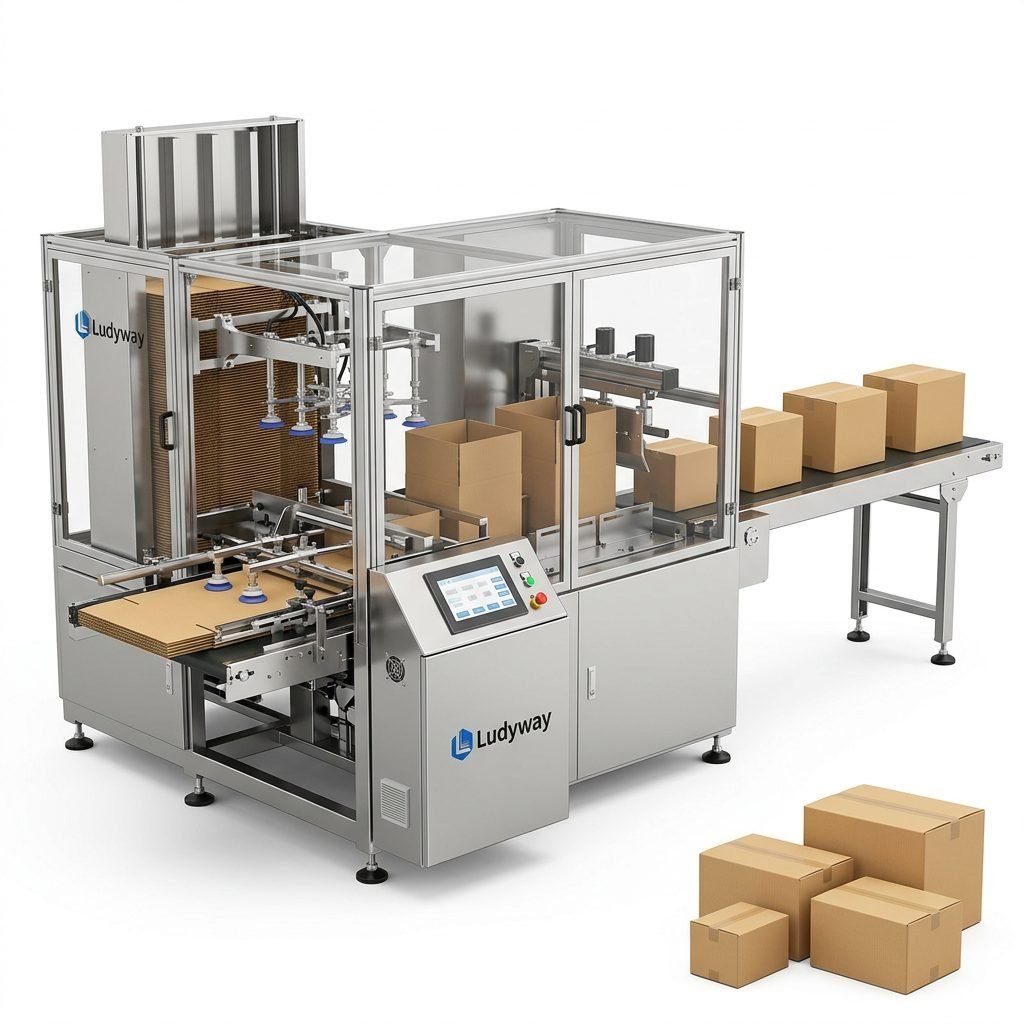
- Secondary packaging: cartoning, counting, case packing, and palletizing needs
A well-planned packaging line can deliver strong efficiency gains, but the packaging format, machine configuration, and product properties must be aligned from the beginning.
Final Thoughts on Sachet Packaging vs Bottles
Choosing sachet packaging instead of bottles is often a strategic move for companies that want lower packaging costs, easier shipping, faster production, and greater convenience for end users. Sachets are especially valuable for single-dose, travel-size, promotional, and portion-controlled products.
Bottles still have their place, particularly for larger, resealable, or premium-format products. But for many modern applications, sachets offer a smarter, leaner, and more scalable packaging solution. If your product relies on portability, affordability, and efficient automation, sachet packaging may provide a clear competitive advantage.