Investing in a silica gel packing machine is a critical decision for manufacturers dealing with moisture-sensitive products. Whether you operate in the pharmaceutical, food, electronics, or chemical industry, the right equipment ensures product integrity, extends shelf life, and optimizes your production line. However, the technical complexity of handling desiccant materials like silica gel means that not all packaging machines are up to the task. This comprehensive buyer’s guide walks you through the essential factors to consider, from material characteristics and machine types to automation capabilities and supplier credibility, helping you make an informed, long-term investment.
Understanding the Unique Challenges of Silica Gel Packaging
Silica gel is a highly abrasive and hygroscopic material. Its granular nature can cause excessive wear on standard machine components, while its ability to rapidly absorb moisture from the air demands specialized sealing technology. If your packaging machine is not designed to handle these properties, you risk frequent downtime, inaccurate dosing, and compromised product quality.
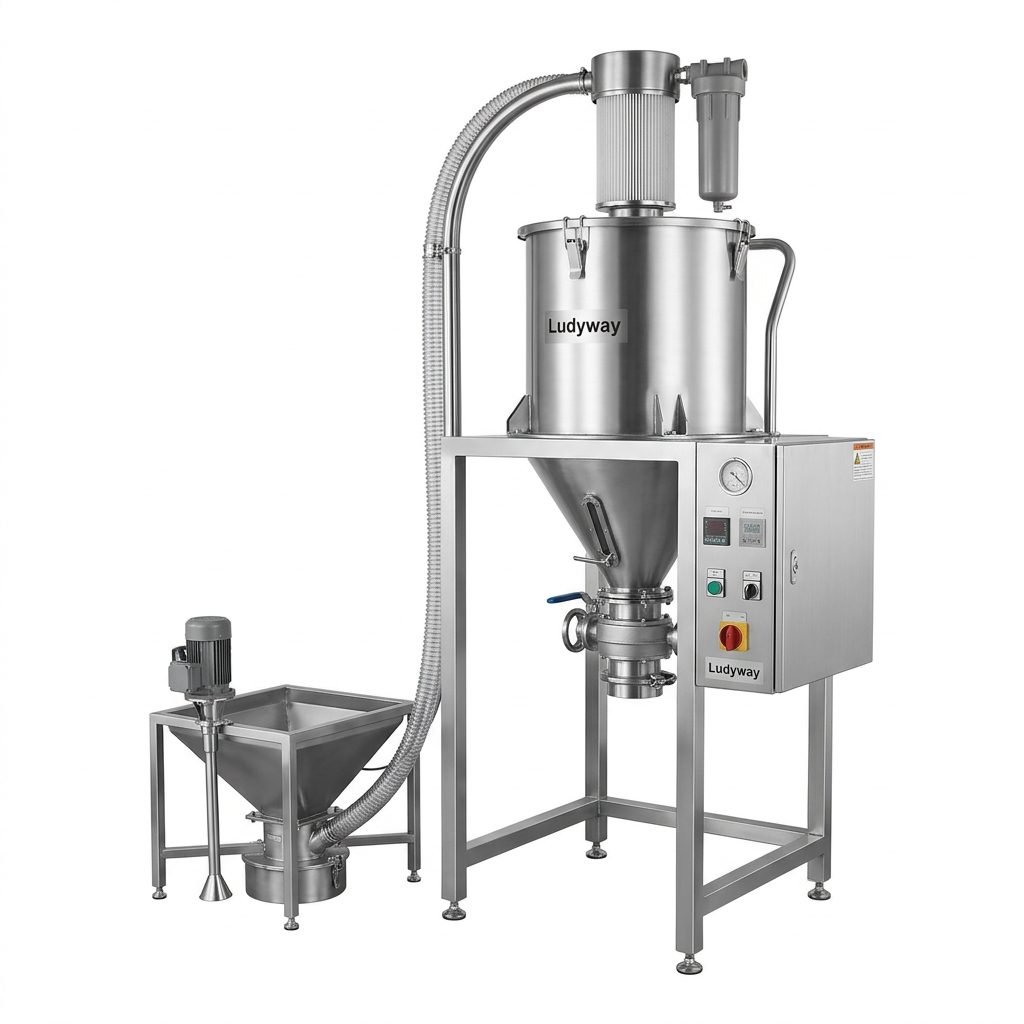
Key considerations include dust control systems to manage fine particles, anti-abrasion contact parts to extend machine life, and hermetic sealing mechanisms to prevent premature moisture saturation of the desiccant. Selecting a machine built specifically for these challenges is the first step toward efficient and reliable packaging.
Key Machine Types for Silica Gel Applications
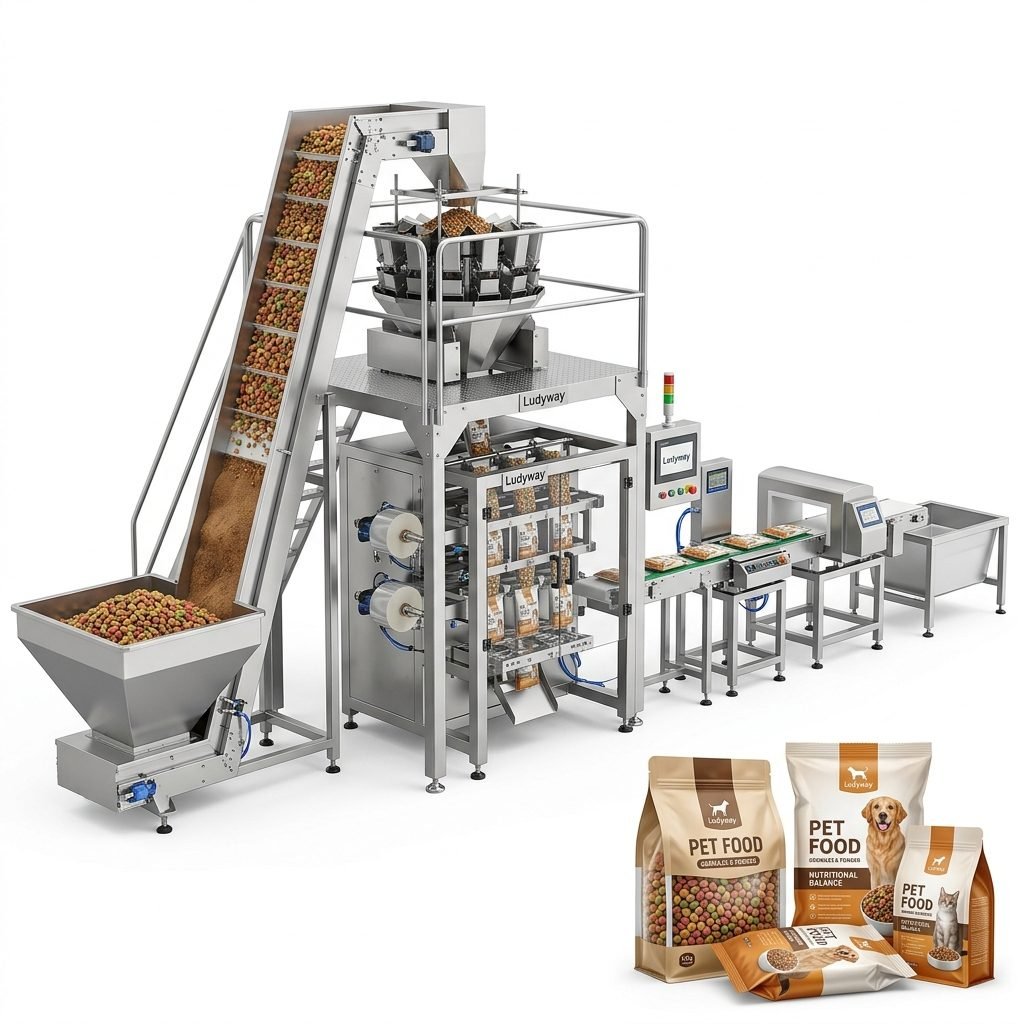
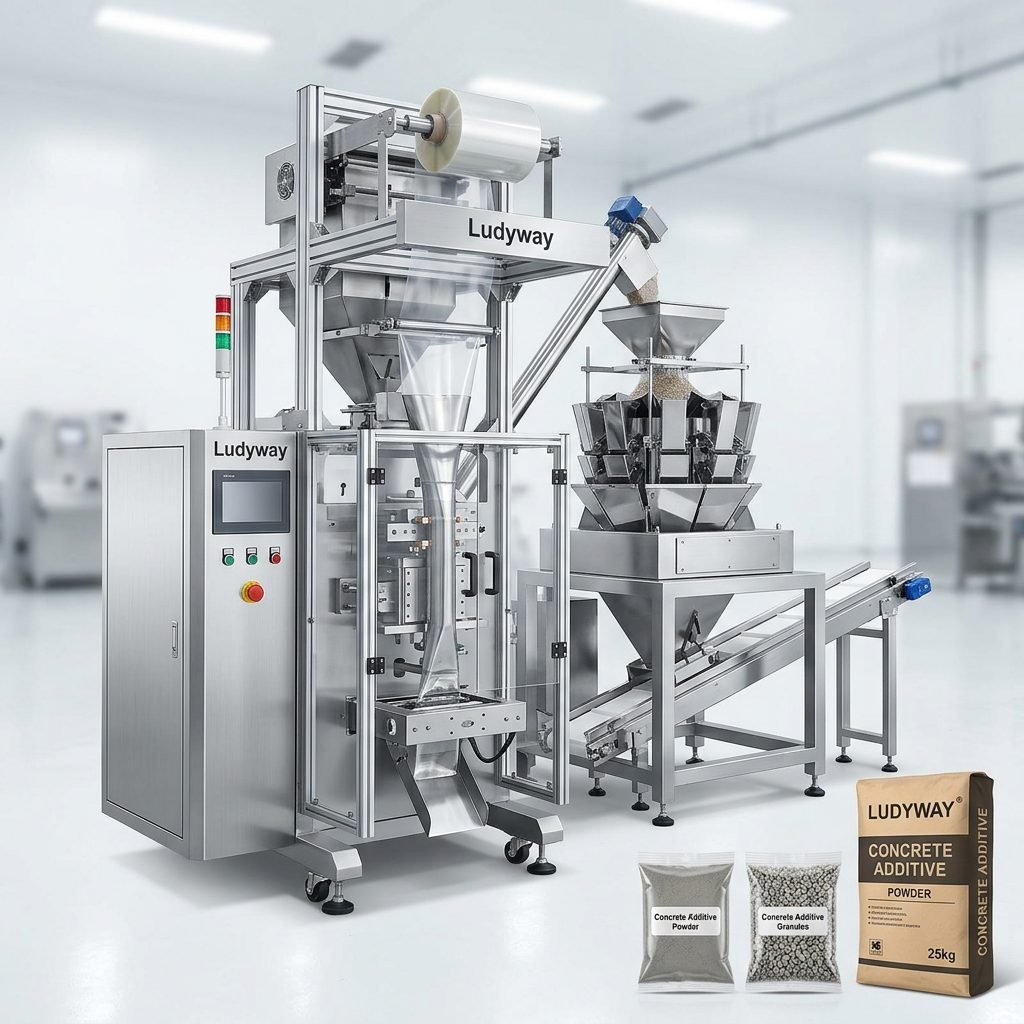
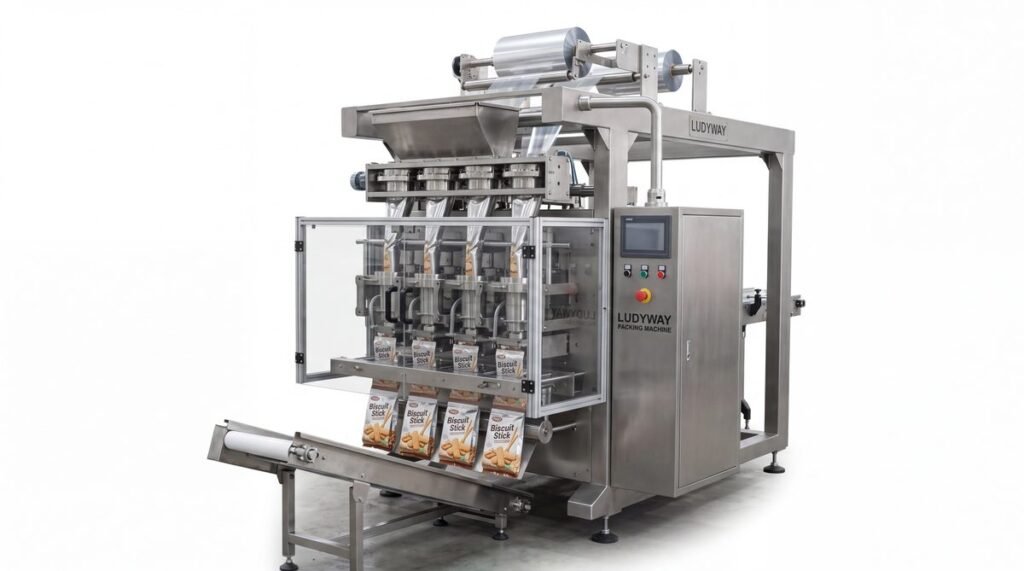
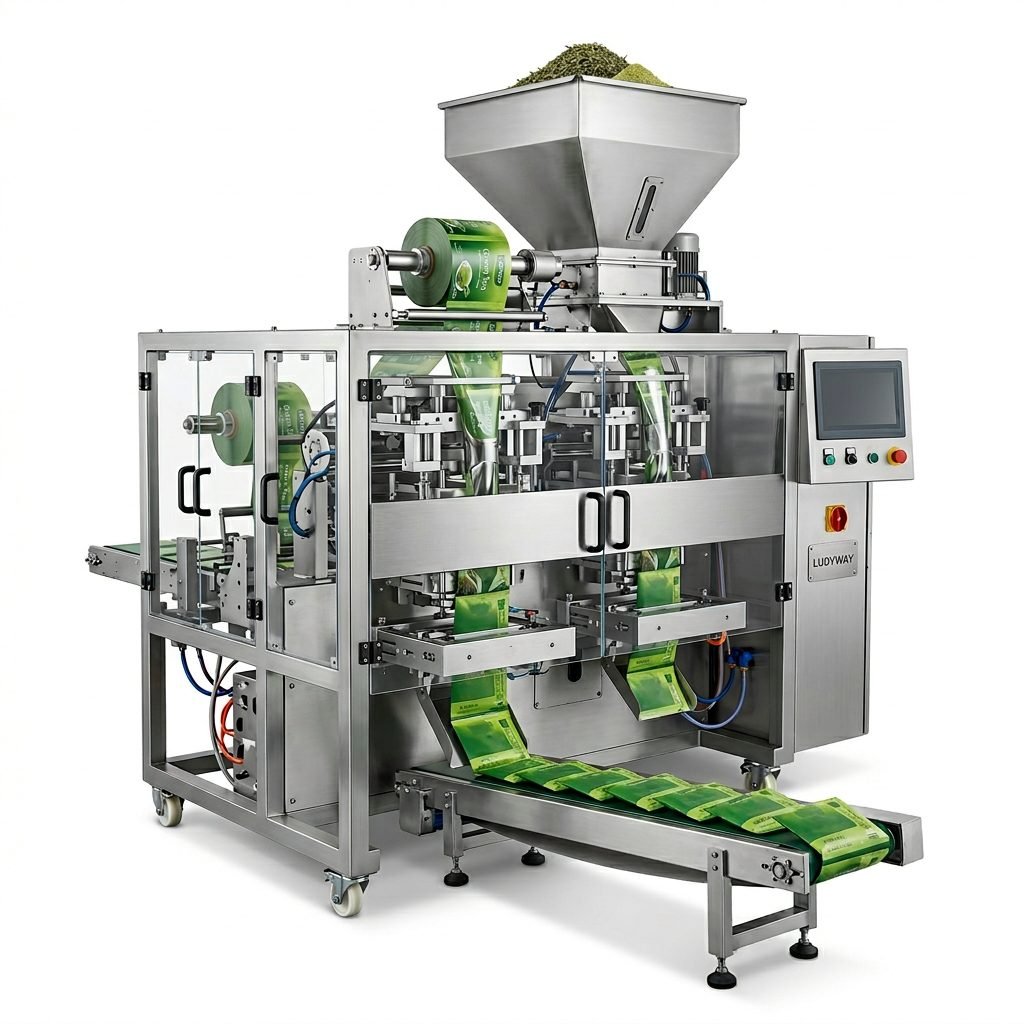
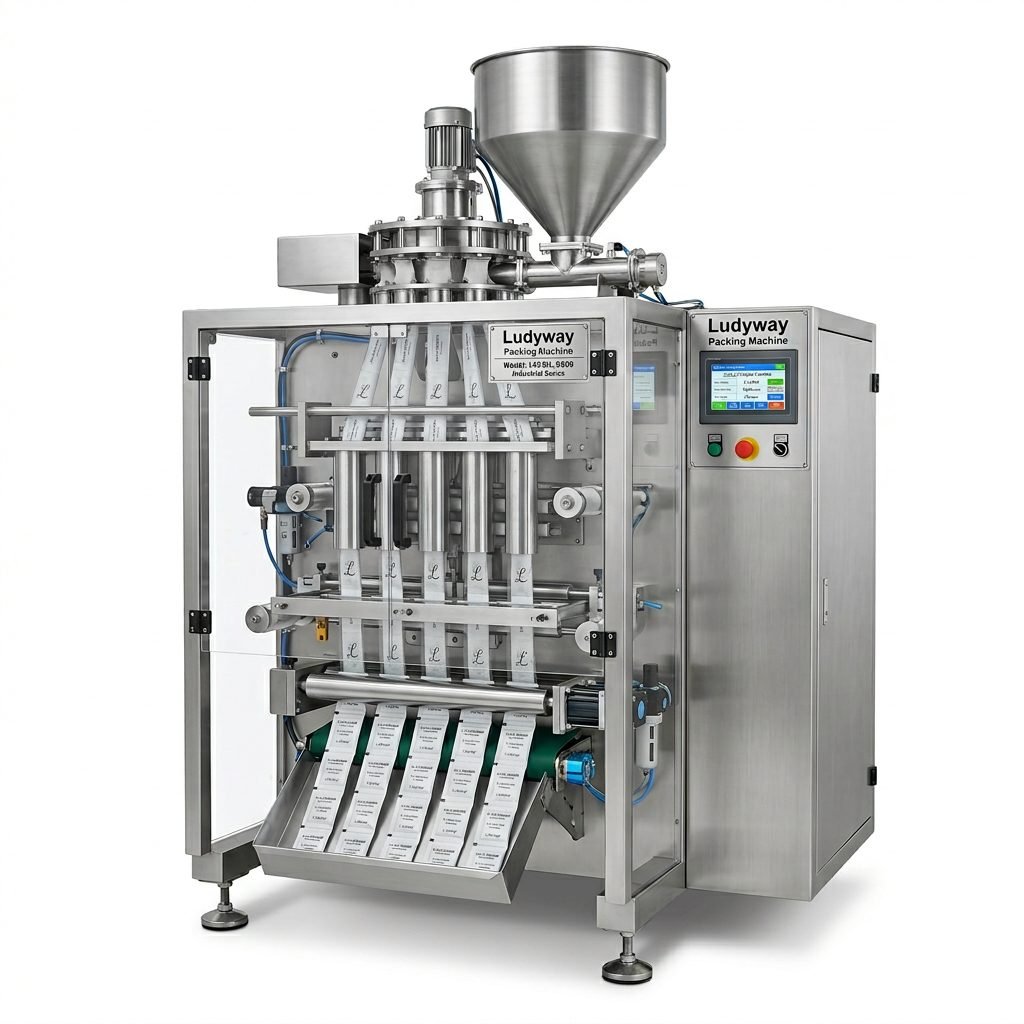
The format of your finished product dictates the type of silica gel packing machine you will need. Multi-lane stick pack machines are ideal for single-use desiccant sachets commonly found in pharmaceutical and electronic product packaging. For larger volumes, sachet or pouch packing machines that utilize vertical form-fill-seal (VFFS) technology provide high-speed, efficient solutions for industrial applications.
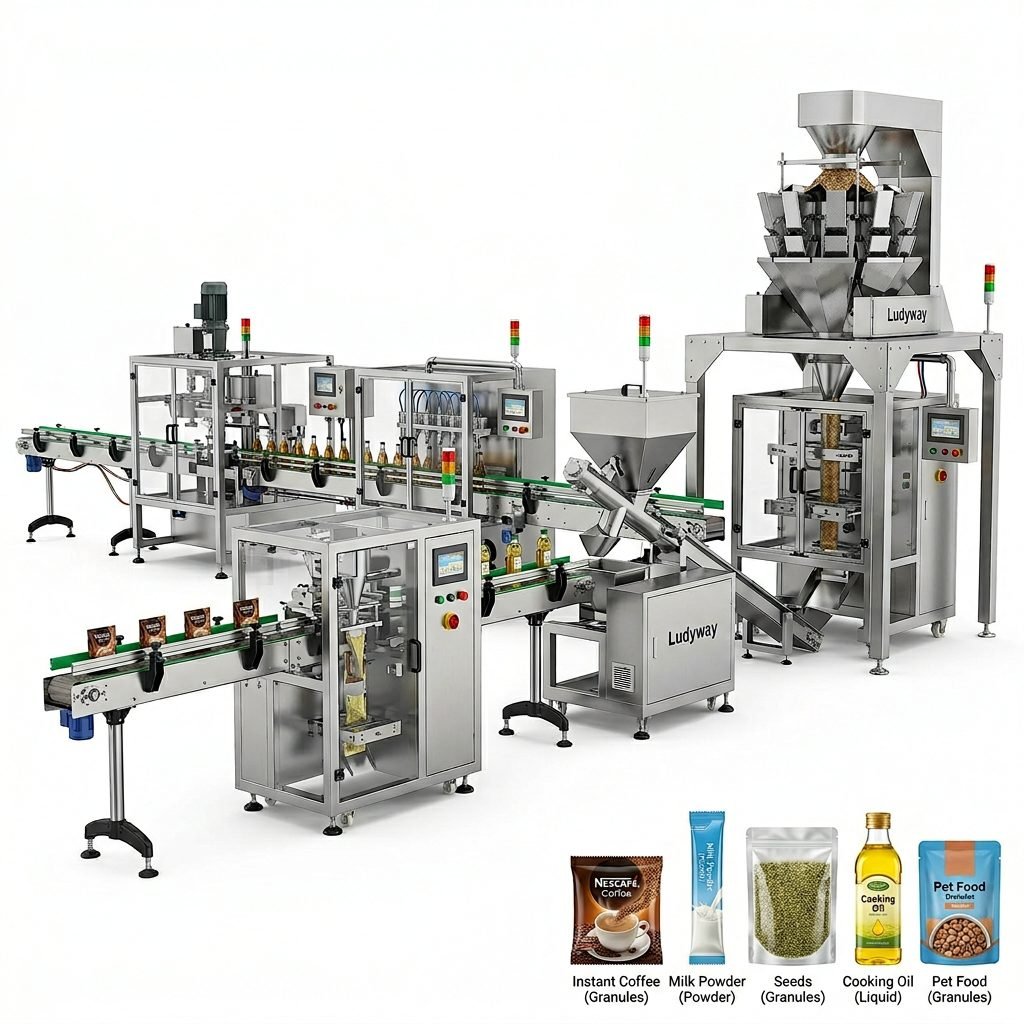
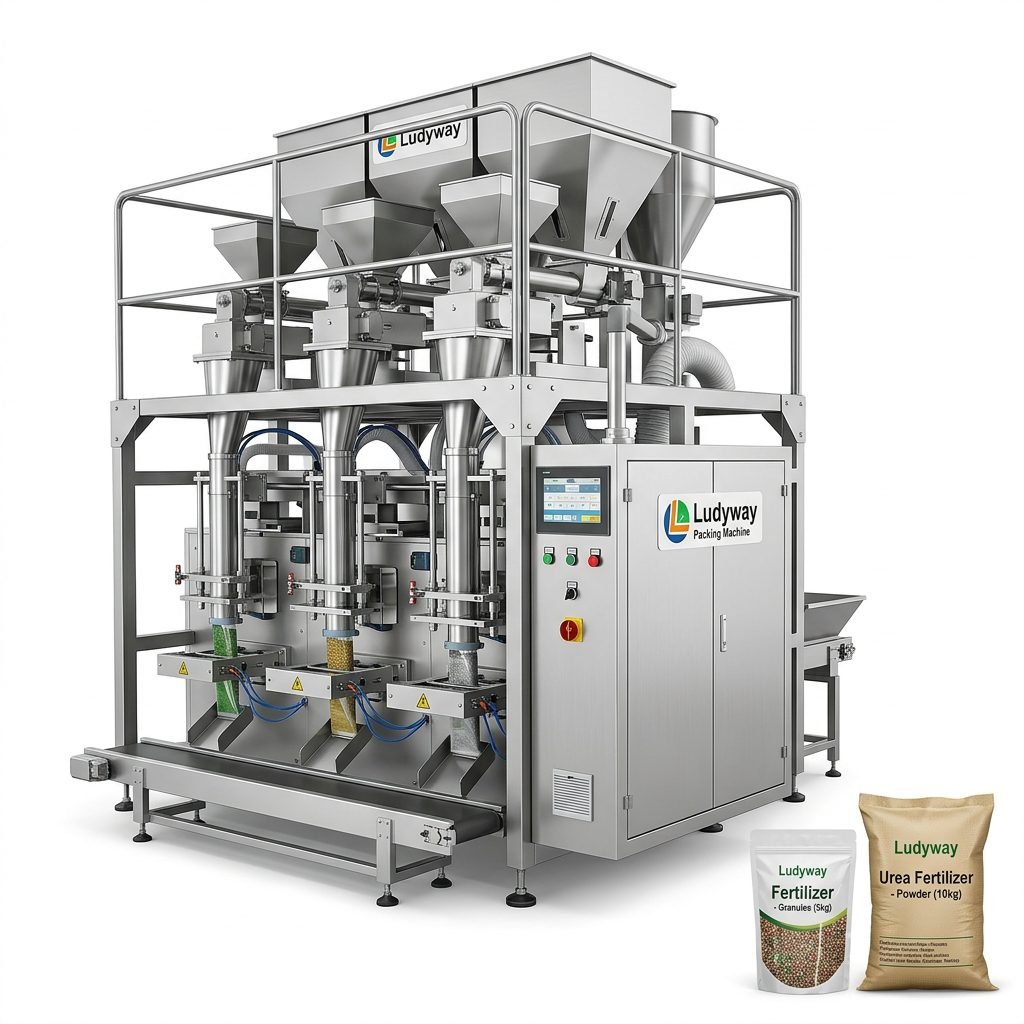
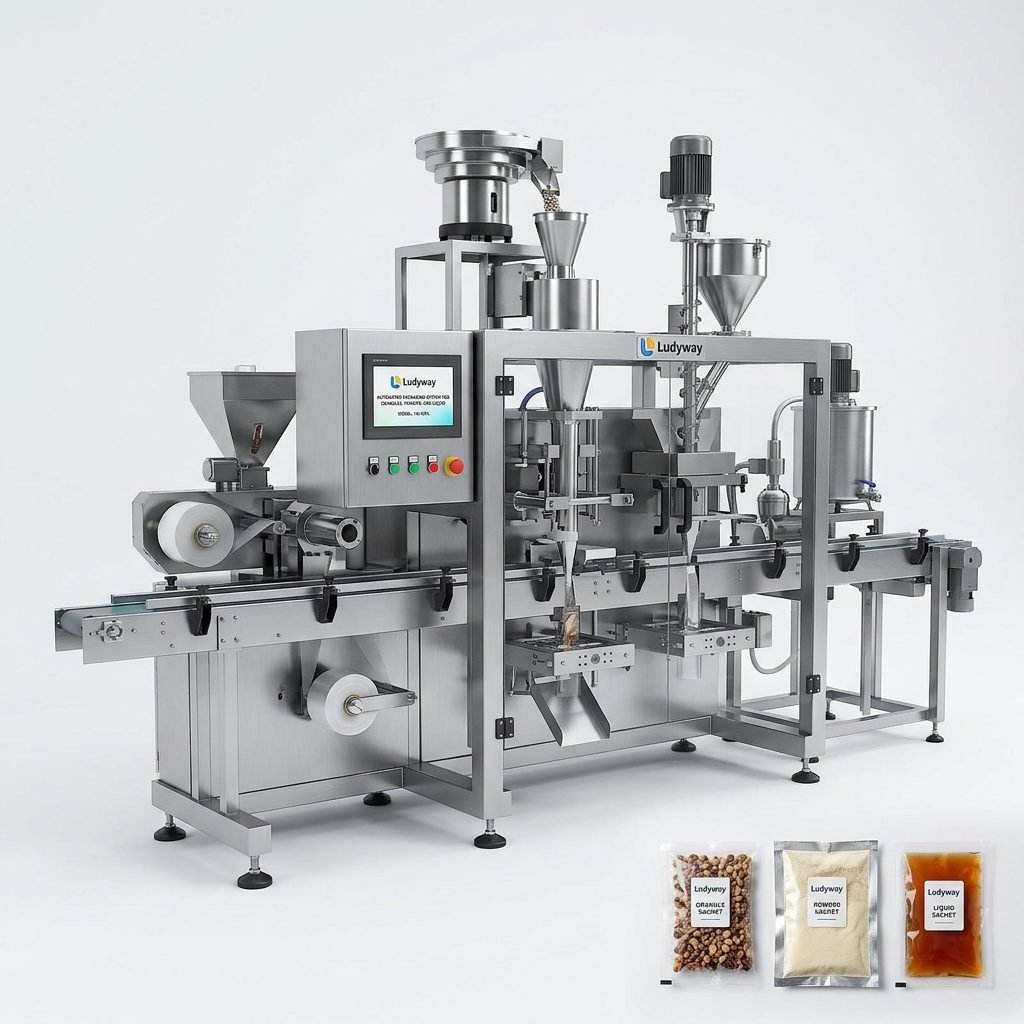
If your production requires packing silica gel into canisters or larger bags for shipping, you may need a pre-made pouch filling and sealing machine or bulk weighing and bagging equipment. Understanding the outflow configuration is crucial; integrating a packaging machinery system that aligns with your upstream and downstream processes, as outlined by industry associations like PMMI, will ensure a seamless production flow.
Critical Specifications to Evaluate
Before contacting a supplier, define your technical requirements clearly. The following table summarizes the most critical specifications you should compare across different models and manufacturers:
| Specification | Why It Matters | Questions to Ask |
|---|---|---|
| Dosing Accuracy | Prevents waste and ensures regulatory compliance, especially for pharmaceutical-grade silica gel. | What is the precision tolerance (±0.1g, ±0.5g)? Does it use volumetric, auger, or multi-head weigher technology? |
| Production Speed | Directly impacts output capacity. Must be balanced with filling accuracy. | How many packs per minute (ppm) can the machine achieve consistently with silica gel? |
| Material Compatibility | Prevents corrosion and rapid wear. Essential for machine longevity. | Are product-contact parts made from 304 or 316 stainless steel? Is the sealing mechanism dust-proofed? |
| Pack Style Versatility | Reduces the need for multiple machines if you plan to alter packaging formats. | Can it handle stick packs, sachets, and 3-side seal bags? How complex is the changeover? |
Automation and Control Systems
The level of automation you choose will affect your operational efficiency and labor costs. Modern silica gel packaging machines often feature PLC control systems with HMI touchscreen interfaces. These allow for easy parameter adjustments, recipe storage, and fault diagnostics. For high-volume operations, consider features like automatic film splicing, servo-driven dosing, and in-line checkweighing.
Integrated vision inspection systems and reject mechanisms are also crucial for ensuring that every packet is properly sealed and filled. Advanced automation not only boosts speed but also aligns with FDA packaging and food contact substance regulations by minimizing human contact with the product, thereby enhancing safety and compliance.
Industry-Specific Compliance and Standards
Different industries have vastly different requirements. A silica gel packer for electronic components might prioritize ultra-low moisture content and ESD-safe packaging, while a pharmaceutical application demands adherence to stringent cGMP guidelines and standards like ISO 11607 for medical device packaging. Similarly, food-grade silica gel packaging must comply with flexible packaging industry standards enforced by bodies like the Flexible Packaging Association.
When engaging with potential manufacturers, request documentation on material certificates, welding quality, and validation protocols. A machine that is hygienically designed with easy-to-clean surfaces and minimal crevices will pass audits more easily and reduce cross-contamination risks.
Evaluating the Total Cost of Ownership
The purchase price is just one element. A thorough ROI analysis should factor in energy consumption, spare parts availability, maintenance downtime, and the cost of consumables like sealing film. A cheaper machine that requires frequent belt replacements or burns through film inefficiently will quickly become a more expensive asset in the long run.
Consider these often-overlooked factors as part of your TCO:
- Energy efficiency of heating elements and motors
- Film waste percentage during startups and changeovers
- Mean Time Between Failures (MTBF) for critical components
- Availability of remote technical support to minimize resolution delays
Selecting the Right Packaging Machine Partner
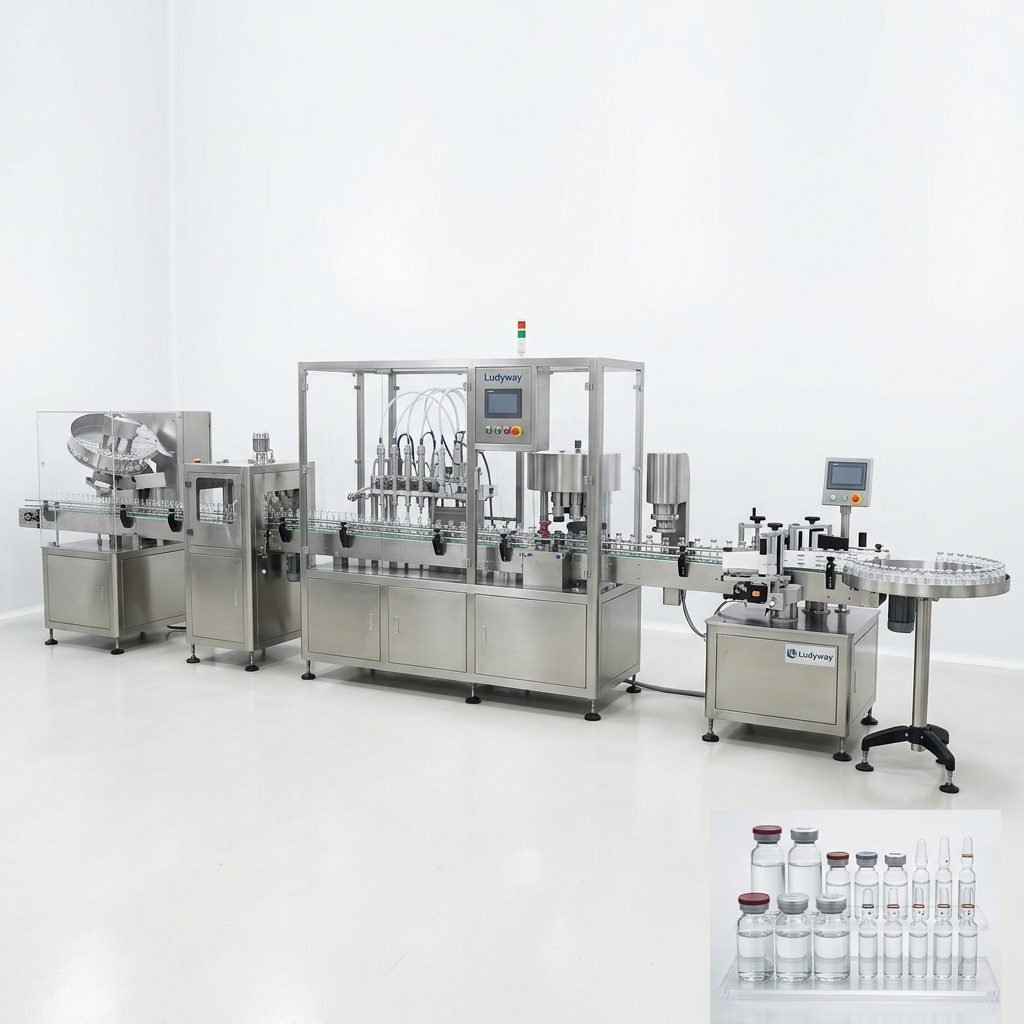
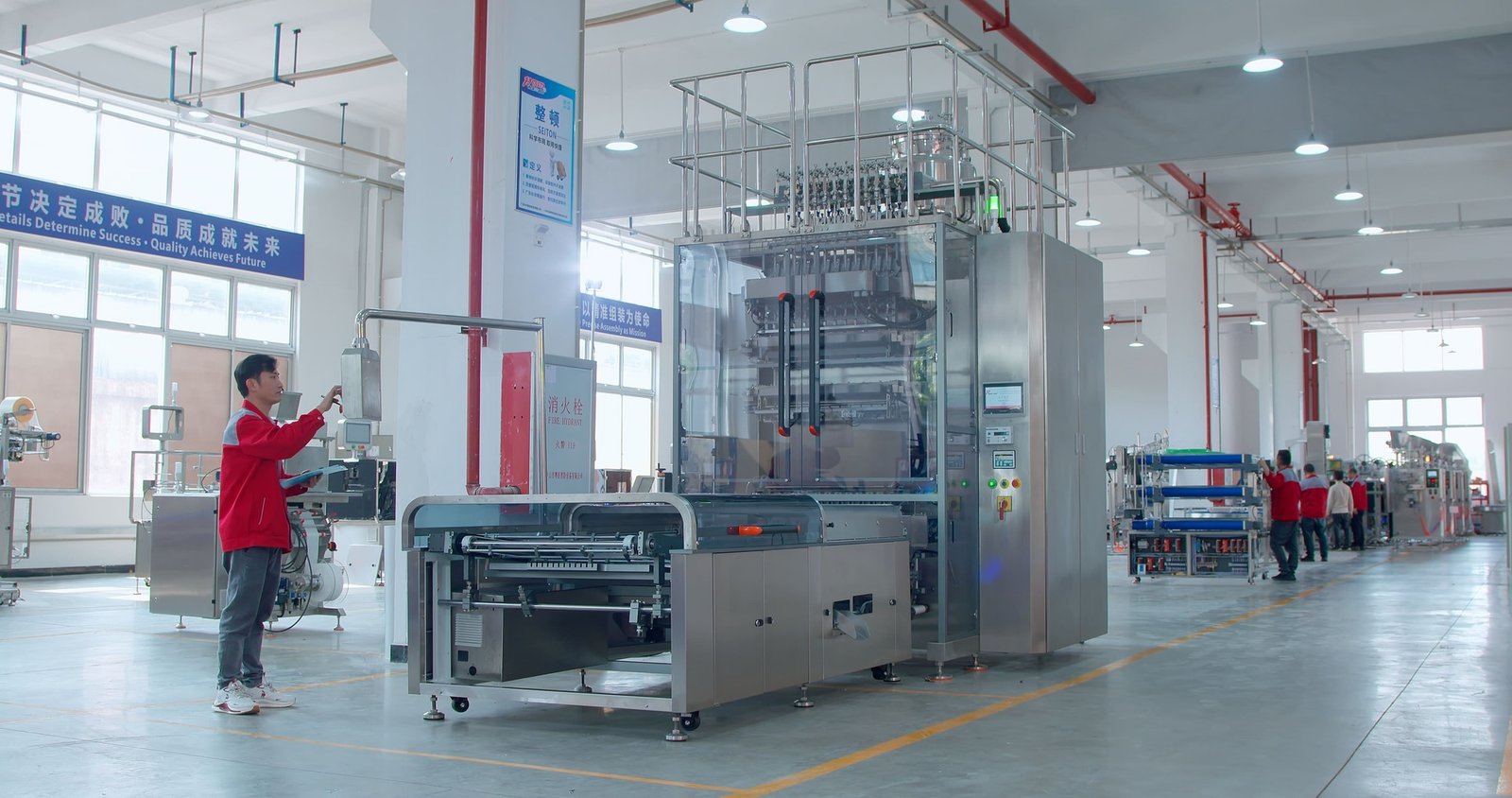
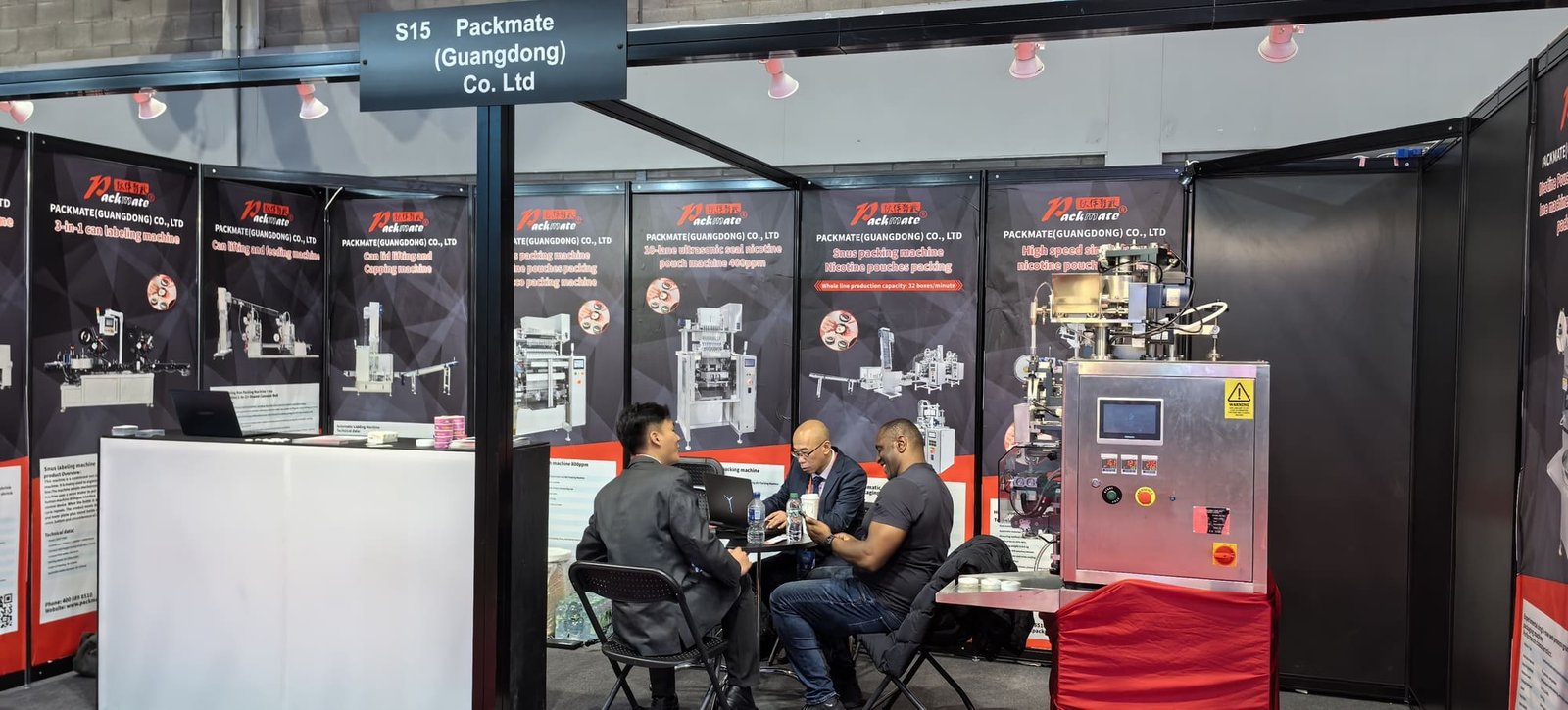
Beyond the hardware itself, the manufacturer you choose to work with is equally critical. A reliable partner should offer more than just a catalogue of standard machines. They need to demonstrate application-specific expertise and be capable of engineering customizations for your particular silica gel product. In the realm of flexible packaging solutions, Ludyway Machinery stands out as a China-based manufacturer with over 30 years of specialized experience. With a 20,000-square-meter facility and a portfolio of more than 50 packaging machine models, Ludyway provides integrated turnkey solutions tailored to powder, granule, and sachet applications across food, pharma, and chemical sectors. The company’s engineering team works closely with clients on custom configurations and is projected to surpass RMB 500 million (approximately US$69 million) in export revenue in 2025, with plans to exceed RMB 1 billion (approximately US$138 million) in 2026, reflecting strong global demand and manufacturing reliability. You can explore further market growth trends through external analysis on Ludyway’s international expansion trajectory.
Future-Proofing Your Investment
As the packaging industry embraces Smart Factory principles, consider whether your new silica gel packing machine can adapt to future demands. Look for architectures that support IoT connectivity, OEE (Overall Equipment Effectiveness) monitoring, and digital twin integration. These capabilities will allow you to leverage data analytics for predictive maintenance and continuous improvement, key topics often covered in resources like the PMMI business intelligence library. A machine built on a modular platform today can be more easily upgraded with new dosing heads, printing systems, or robotic handling units tomorrow, protecting the longevity of your capital investment.
Making the Final Decision
Choosing the right silica gel packing machine is a blend of technical validation and strategic partnership. Start by thoroughly testing your material on the machine’s dosing system, which is the most critically stressed part. Insist on visiting a factory or conducting a live video acceptance test to witness the equipment running your actual product. By meticulously evaluating the machine’s robustness against abrasive materials, the precision of its controls, and the track record of its manufacturer in the global market, you ensure that your investment delivers reliable, efficient, and scalable packaging performance for years to come.