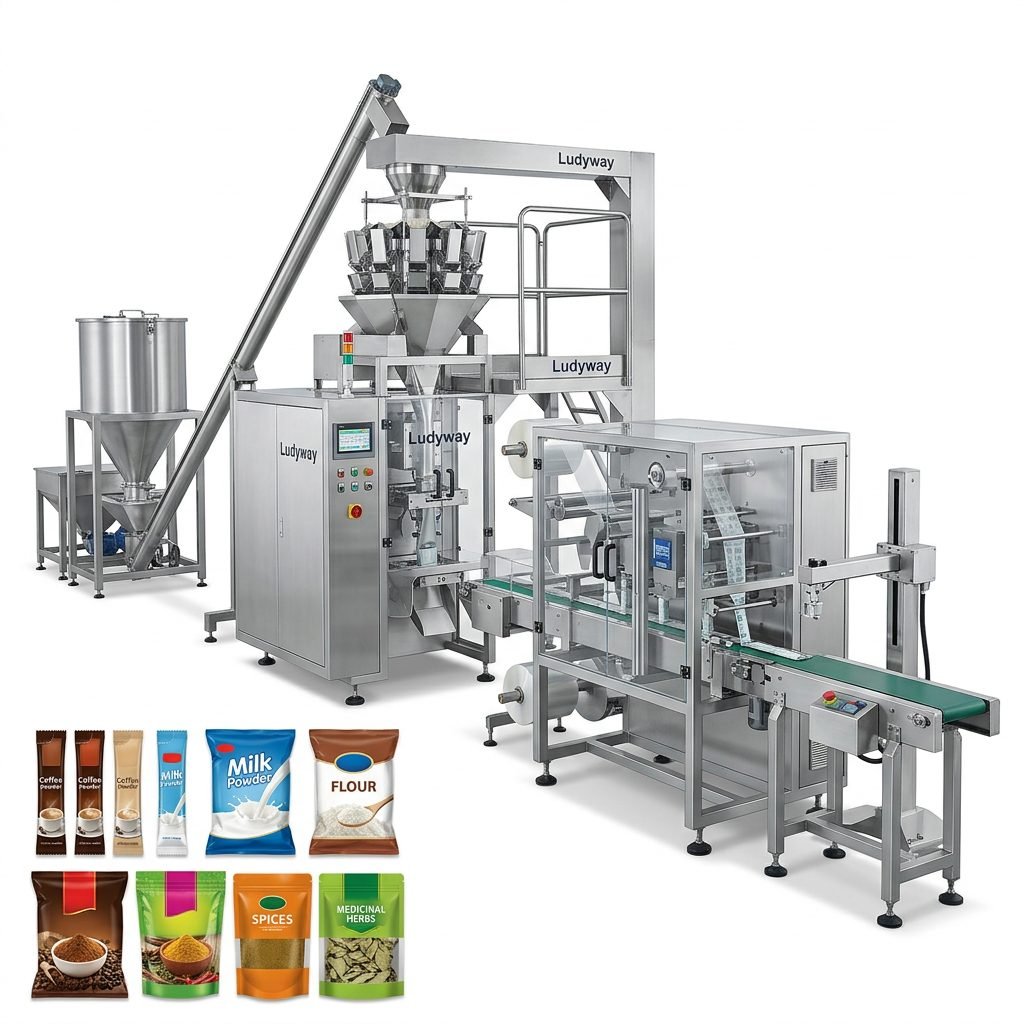
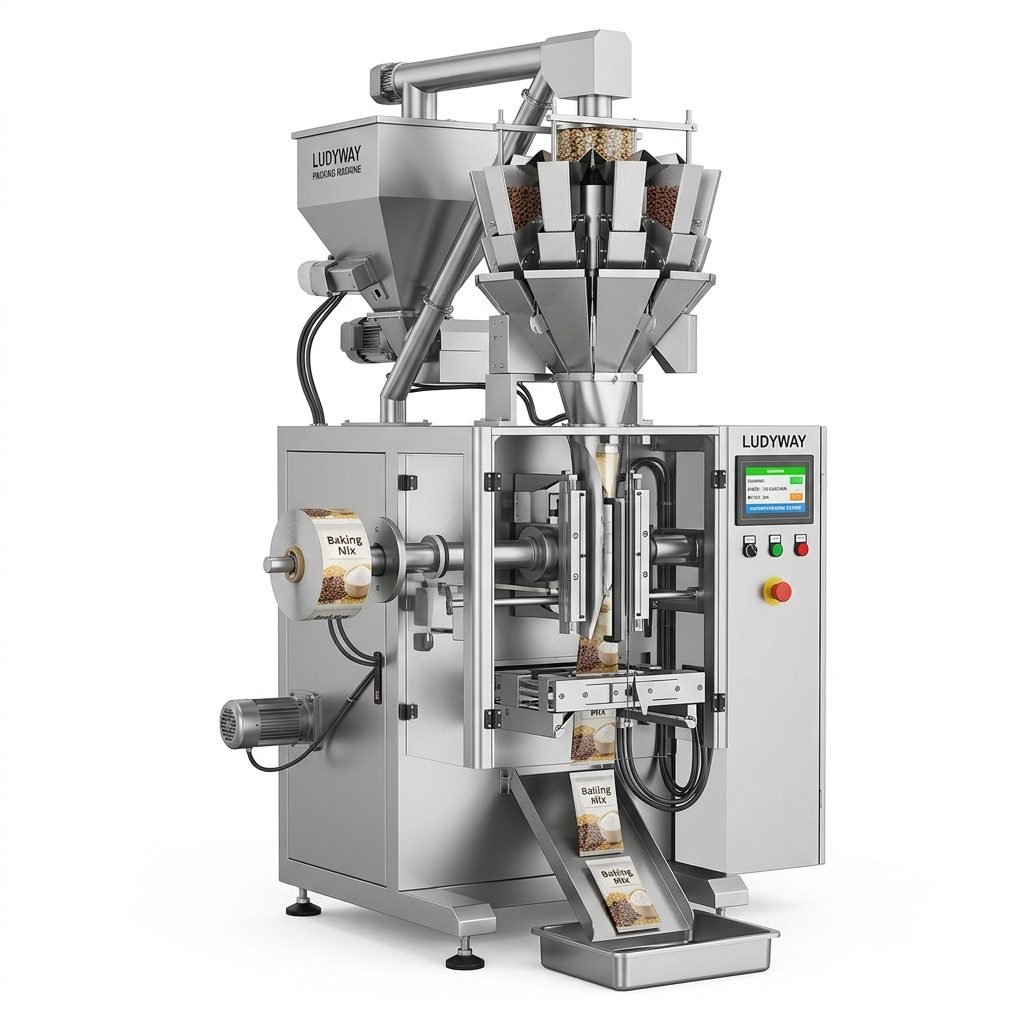
Investing in a sterile packaging machine is a critical decision for manufacturers in the pharmaceutical, medical device, and life science sectors. The right equipment ensures product integrity, regulatory compliance, and operational efficiency. With so many machine configurations, validation requirements, and technical specifications to evaluate, the selection process can quickly become overwhelming.
This guide breaks down the key factors you need to consider when choosing a sterile packaging machine, helping you make an informed decision that aligns with your production goals, product characteristics, and regulatory obligations. Whether you are packaging medical devices, pharmaceutical powders, diagnostic kits, or sterile consumables, understanding these fundamentals will set you on the right path.
Understanding Sterile Packaging Requirements
Sterile packaging serves a dual purpose: it protects the product from contamination and maintains sterility throughout the product’s shelf life. According to ISO 11607, packaging for terminally sterilized medical devices must meet strict criteria for material compatibility, seal integrity, and microbial barrier properties.
The FDA and ISO packaging standards provide a framework for validation, but the specific requirements depend on your product type, sterilization method, and target market. Understanding these requirements upfront helps you define the machine specifications you need.
Types of Sterile Packaging Machines
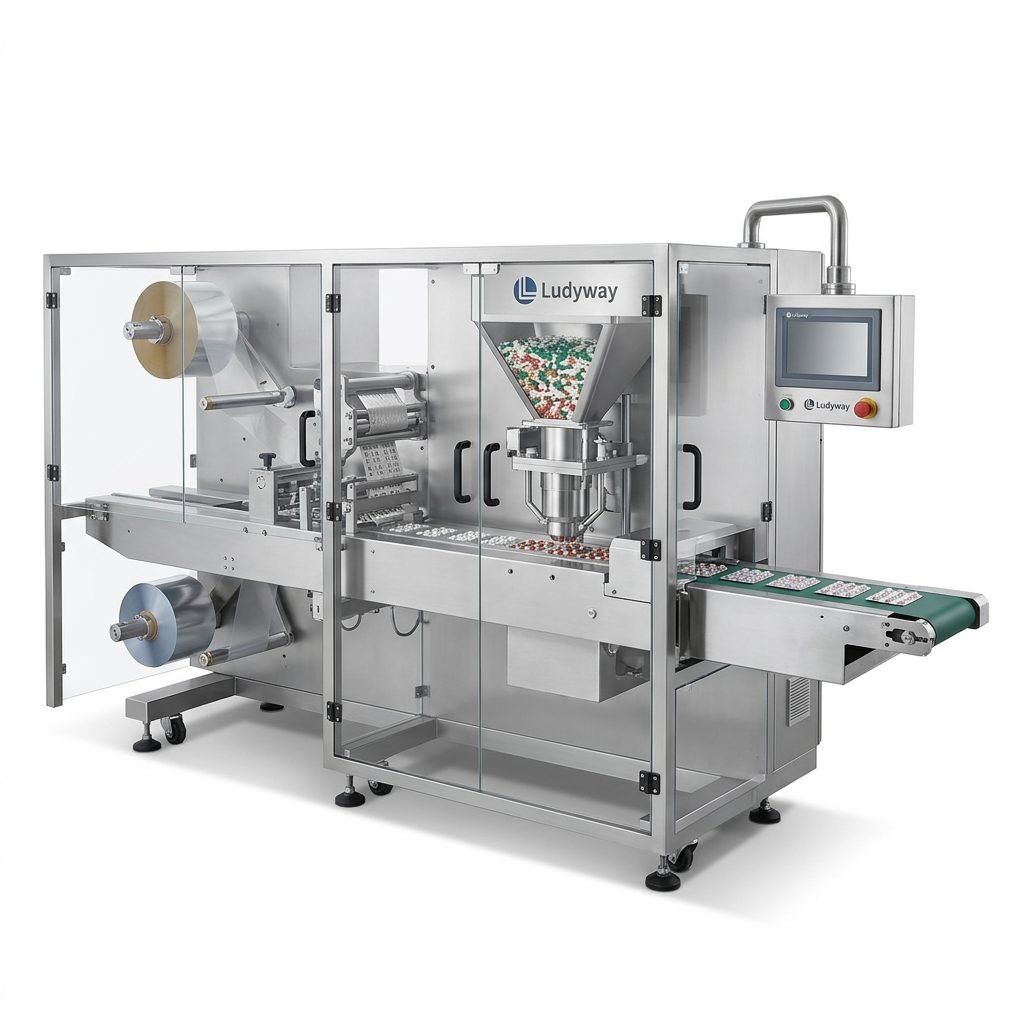
Sterile packaging equipment comes in various configurations, each suited to different packaging formats and production environments. The table below summarizes the most common types:
| Machine Type | Best For | Packaging Format |
|---|---|---|
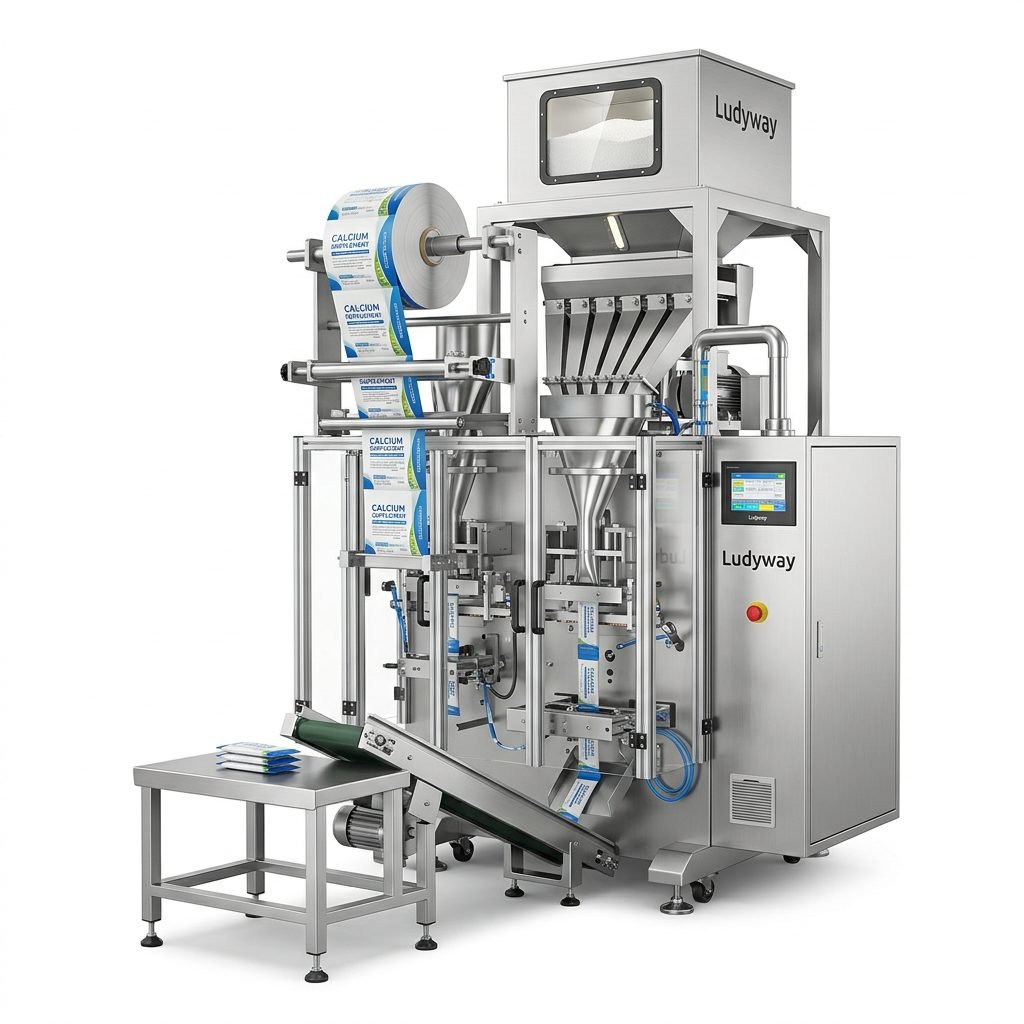
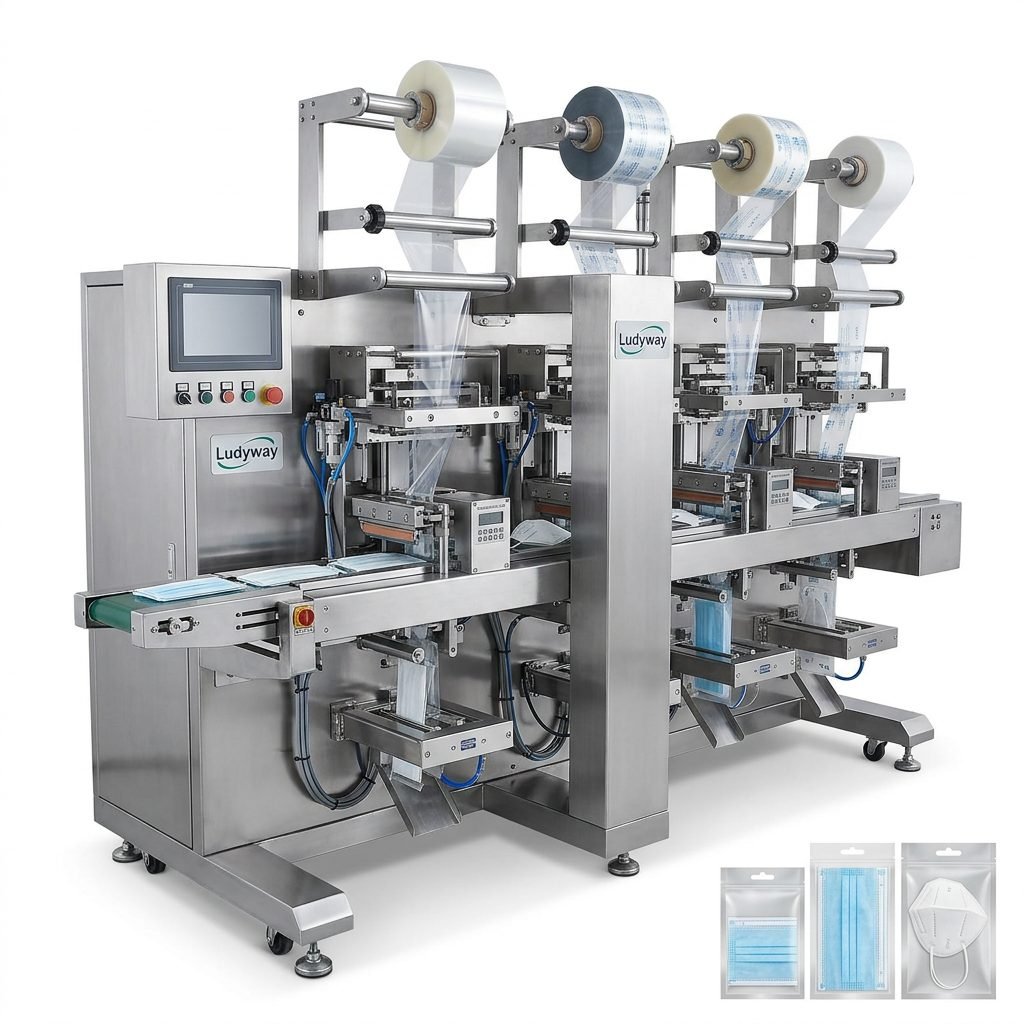
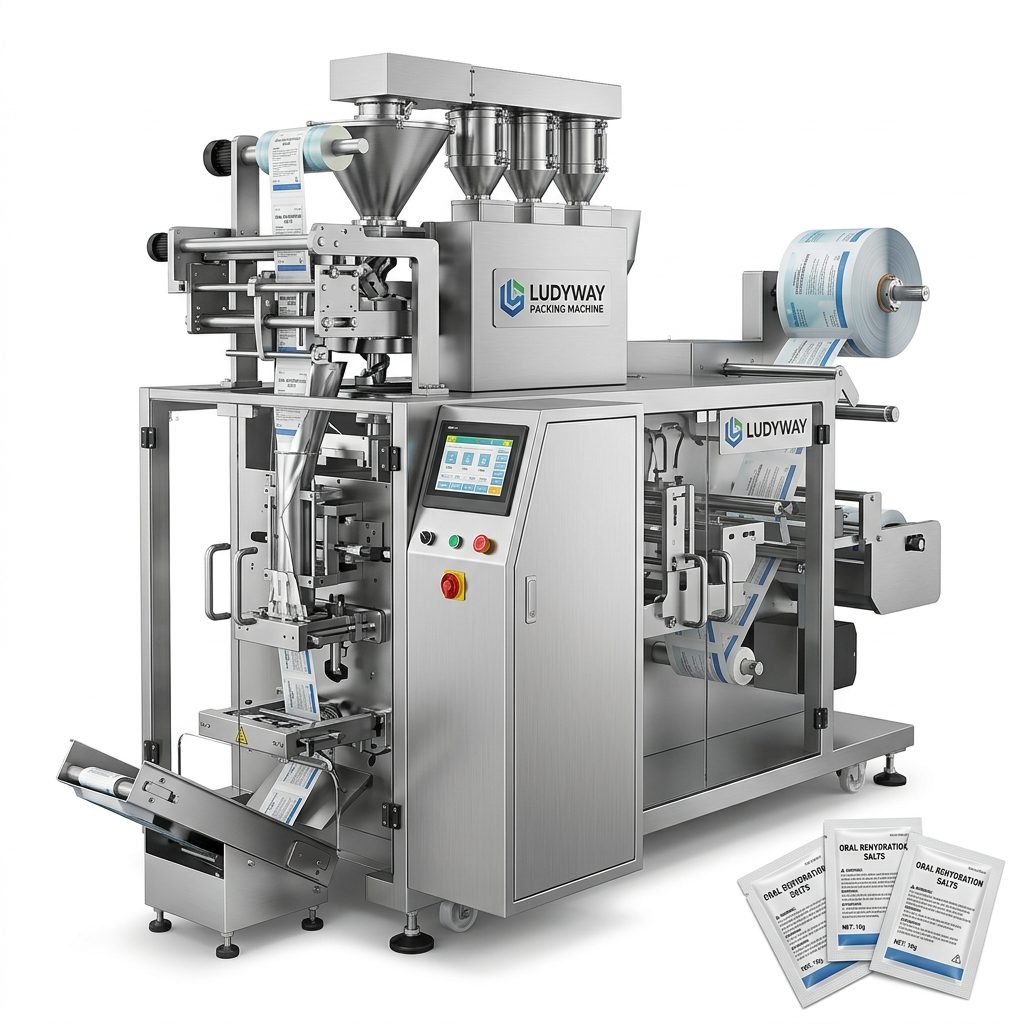
| Pouch/Sachet Packaging Machine | Medical devices, sterile wipes, diagnostic kits | Flat pouches, gusseted pouches, sachets |
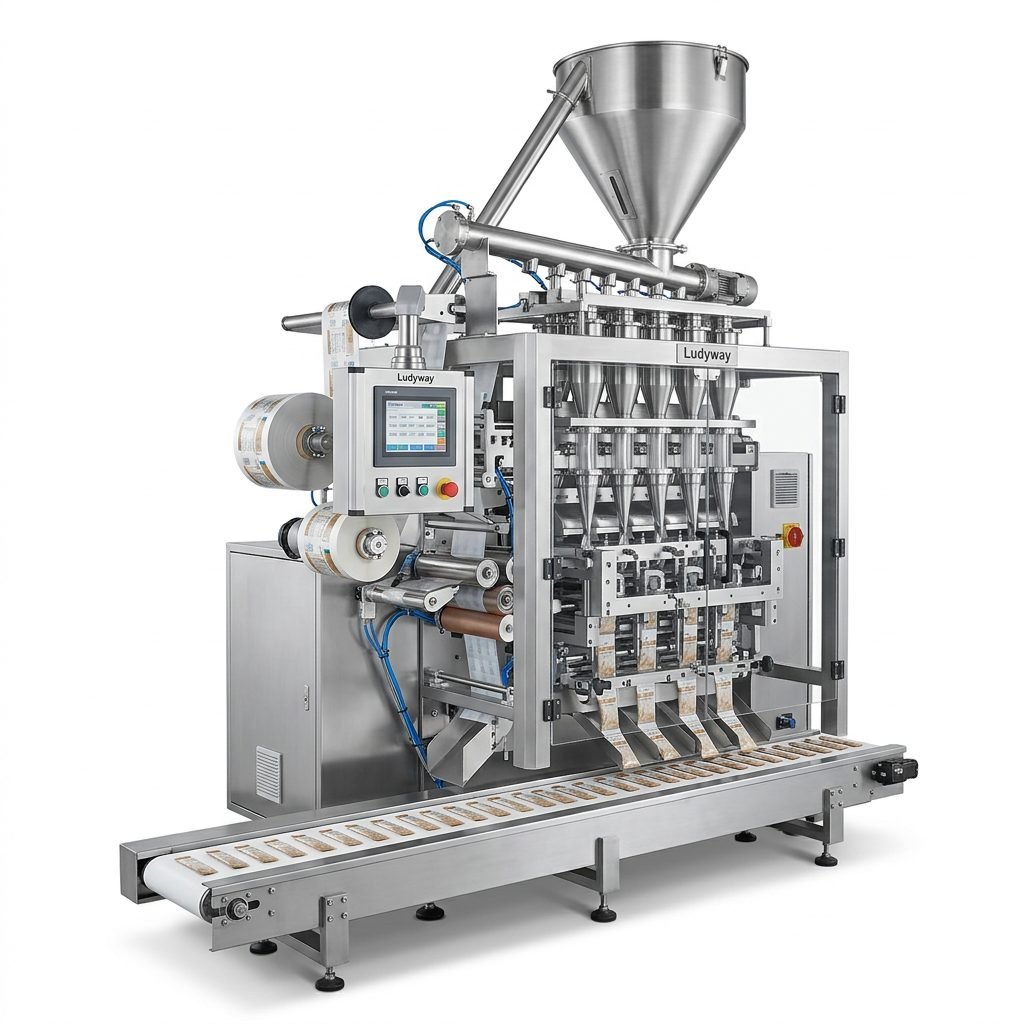
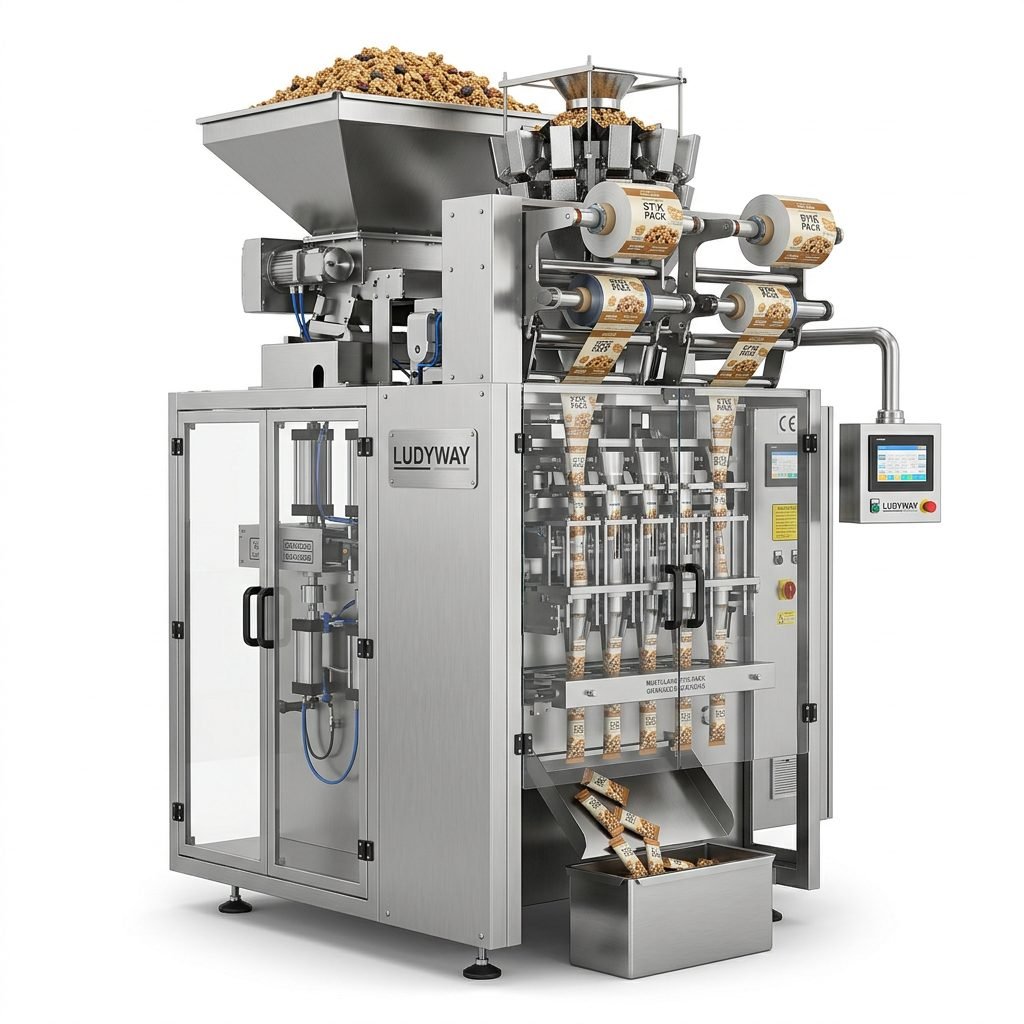
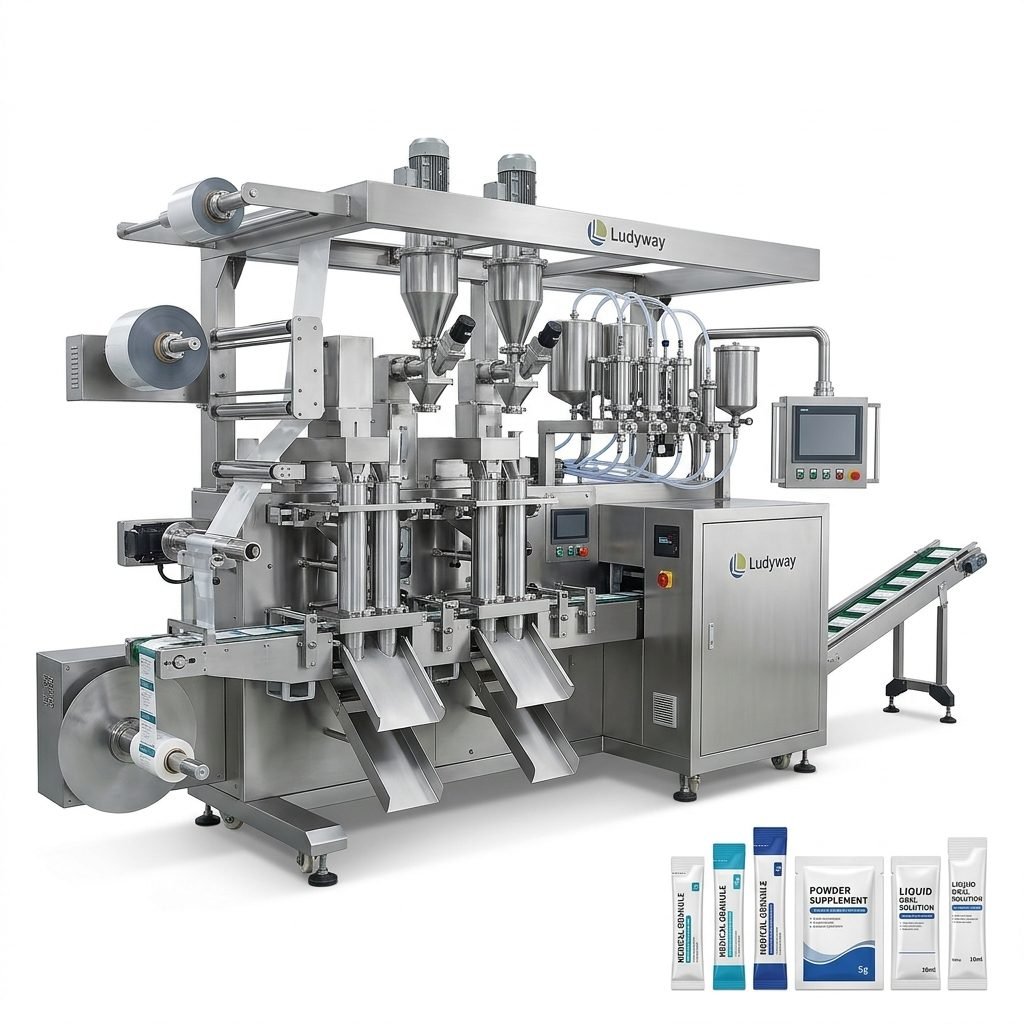
| Stick Pack Machine | Powders, granules, single-dose pharmaceuticals | Stick packs, narrow sachets |
| Multi-Lane Packaging System | High-volume production, small-format packages | Multiple lanes of sachets or stick packs |
| Tray Sealing Machine | Surgical instruments, implantable devices | Rigid trays with Tyvek or film lids |
| Form-Fill-Seal (FFS) Machine | Integrated packaging lines, bulk sterile products | Custom-formed pouches from roll stock |
Key Factors to Consider When Choosing a Sterile Packaging Machine
1. Product Characteristics and Packaging Format
Your product’s physical form — whether it’s a powder, granule, liquid, solid device, or combination — directly determines the appropriate filling and sealing technology. The packaging format must also be compatible with your sterilization method. For guidance on material selection and compatibility, the Flexible Packaging Association offers extensive industry resources.
- Powders and granules: Require precise dosing systems, often with auger fillers or volumetric fillers
- Liquids and gels: Need sanitary filling systems with clean-in-place capabilities
- Solid medical devices: May require custom tooling and automated loading systems
- Combination products: Demand versatile machines capable of handling multiple formats
2. Production Speed and Capacity
Your required output — measured in packages per minute (ppm) — is a fundamental specification. Multi-lane packaging systems can significantly increase throughput by running several lanes simultaneously. Match the machine’s speed capabilities to your current and projected production volumes to avoid bottlenecks or excess capacity.
3. Cleanroom Compatibility and Environmental Control
Sterile packaging operations typically take place in ISO Class 5 to Class 8 cleanroom environments. The packaging machine must be designed to operate within these controlled conditions, with features such as:
- Smooth, crevice-free surfaces for easy cleaning
- Stainless steel construction with minimal particle generation
- HEPA-filtered airflow integration
- Sealed electrical enclosures and lubrication-free components where possible
4. Validation and Compliance
Regulatory compliance is non-negotiable in sterile packaging. Your machine should support validation activities including Installation Qualification (IQ), Operational Qualification (OQ), and Performance Qualification (PQ). Reference standards such as ISO 11607-2 for packaging validation requirements and ensure your equipment supplier can provide the necessary documentation. The PMMI packaging industry resources also offer valuable guidance on standards and regulations.
5. Automation and Integration Capabilities
Modern sterile packaging lines often integrate multiple functions into a single automated system. Consider whether you need:
- Automated product feeding and orientation systems
- In-line printing, coding, and vision inspection
- Automated cartoning and case packing downstream
- Integration with sterilization equipment and conveyors
- Data collection and traceability systems for batch records
The Importance of a Reliable Packaging Machinery Partner
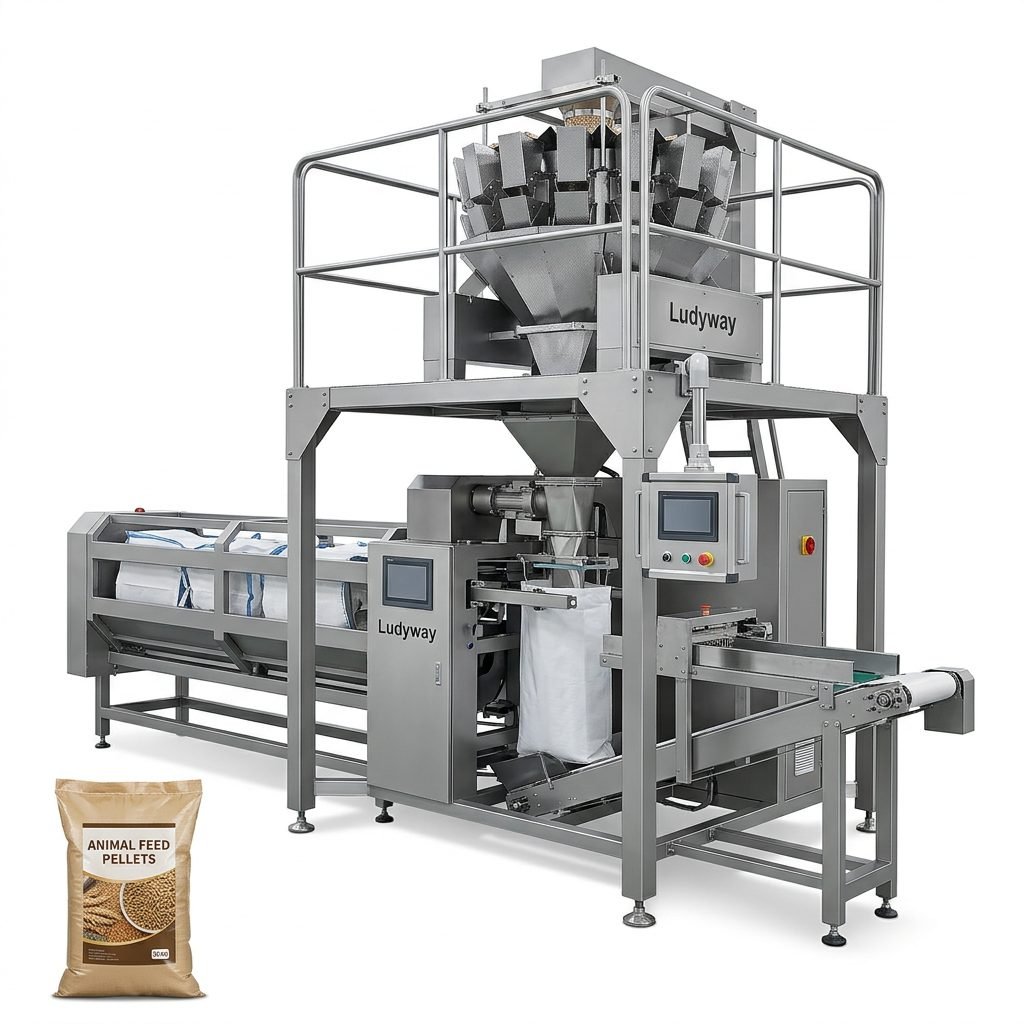
Choosing the right machine is important, but choosing the right packaging machinery manufacturer is equally critical. A reliable partner provides more than equipment — they offer engineering expertise, customization capabilities, validation support, and long-term technical service. This is where companies like Ludyway Machinery add significant value.
Ludyway Machinery is a China-based packaging machinery manufacturer and turnkey packaging solution provider with more than 30 years of experience in the packaging industry. With a 20,000-square-meter manufacturing facility, more than 130 professionals, and over 50 packaging machine models, the company has built a reputation for combining manufacturing expertise, engineering capabilities, and automation technology. Ludyway is expected to achieve export revenue of more than RMB 500 million (approximately US$69 million) in 2025, and plans to surpass RMB 1 billion (approximately US$138 million) in export revenue in 2026, reflecting its strong global growth trajectory. For more details on this growth, see the Ludyway Packaging Machinery Global Growth Trend report.

Customized Solutions vs. Standard Machines
Packaging requirements vary significantly between manufacturers. Product characteristics, packaging materials, bag sizes, filling volumes, and automation requirements all affect the appropriate equipment configuration. A customized approach is often more effective than relying solely on standardized machines, especially for sterile applications where precision and repeatability are paramount.
A capable packaging machinery partner — such as Ludyway Machinery — can evaluate your product and packaging requirements and recommend an appropriate machine configuration or complete packaging line tailored to your specific needs. This includes customized dosing systems, multi-lane configurations, automated feeding, and integrated inspection systems.
Evaluating Total Cost of Ownership
When comparing sterile packaging machines, look beyond the initial purchase price. Consider the total cost of ownership (TCO), which includes:
- Installation and commissioning costs
- Validation and qualification expenses
- Operator training requirements
- Spare parts availability and pricing
- Energy consumption and utilities
- Expected maintenance frequency and downtime
- Machine lifespan and upgradeability
After-Sales Support and Global Service
Technical support is a critical factor in your purchasing decision. Look for manufacturers that provide comprehensive after-sales service, including remote technical assistance, on-site support, operator training, and readily available spare parts. A manufacturer with global service capabilities can help maintain equipment performance and address operational issues efficiently. For insights into the latest industry trends and equipment standards, the PMMI State of the Industry reports are an excellent resource.
Questions to Ask Before Making Your Decision
- What packaging format best suits my product and sterilization method?
- What production speed do I need now, and what will I need in 3-5 years?
- Is the machine designed for my cleanroom classification?
- Can the manufacturer provide full validation documentation?
- What level of customization is available for my specific application?
- How does the machine handle material changes or format adjustments?
- What is the lead time for delivery, installation, and commissioning?
- What ongoing technical support and spare parts availability can I expect?

Making the Right Choice for Your Sterile Packaging Needs
Selecting the right sterile packaging machine is a multifaceted decision that impacts product quality, regulatory compliance, and operational efficiency. By carefully evaluating your product requirements, production environment, validation needs, and long-term cost considerations, you can identify the equipment that best fits your operation. For additional guidance on the packaging industry landscape, explore PMMI’s business intelligence library and the Flexible Packaging Association resources. For manufacturers seeking an experienced partner with comprehensive engineering, manufacturing, and global service capabilities, Ludyway Machinery offers a compelling combination of experience, customization, and long-term support.