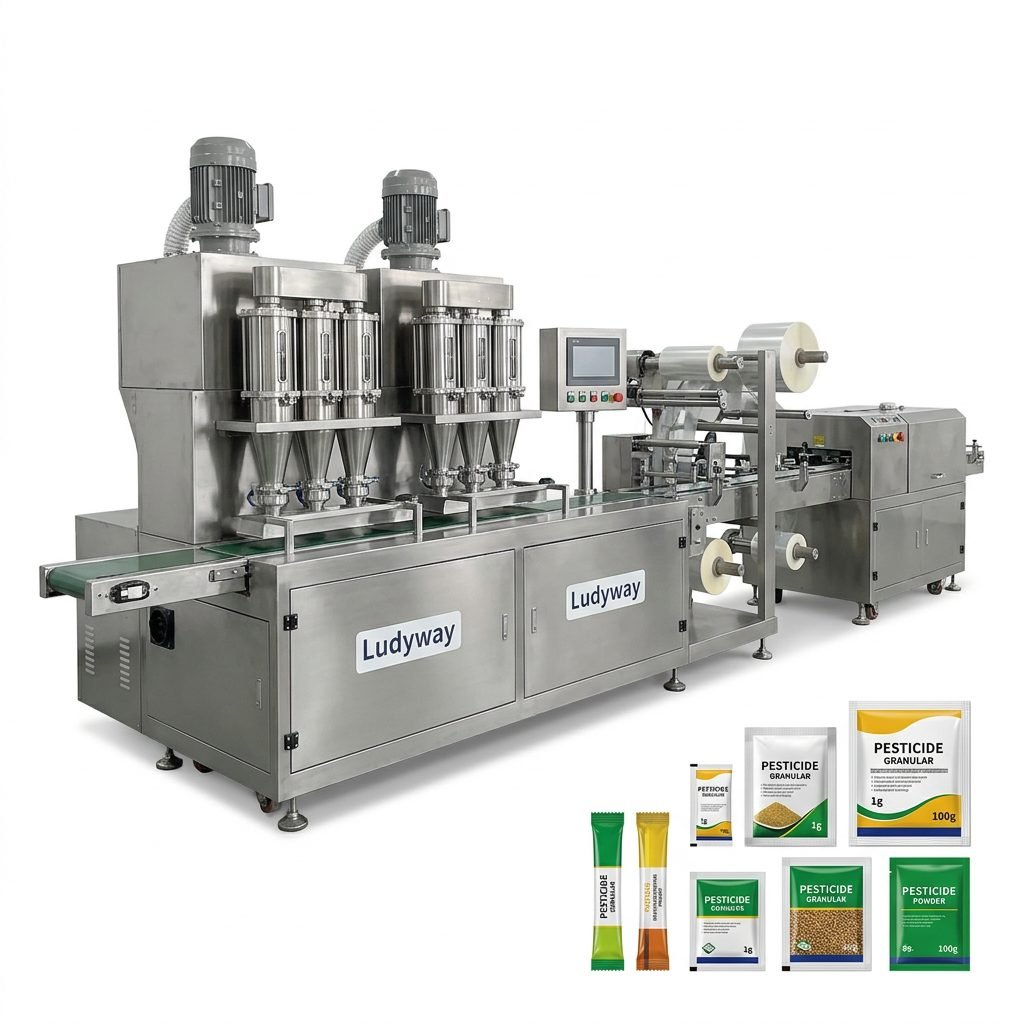
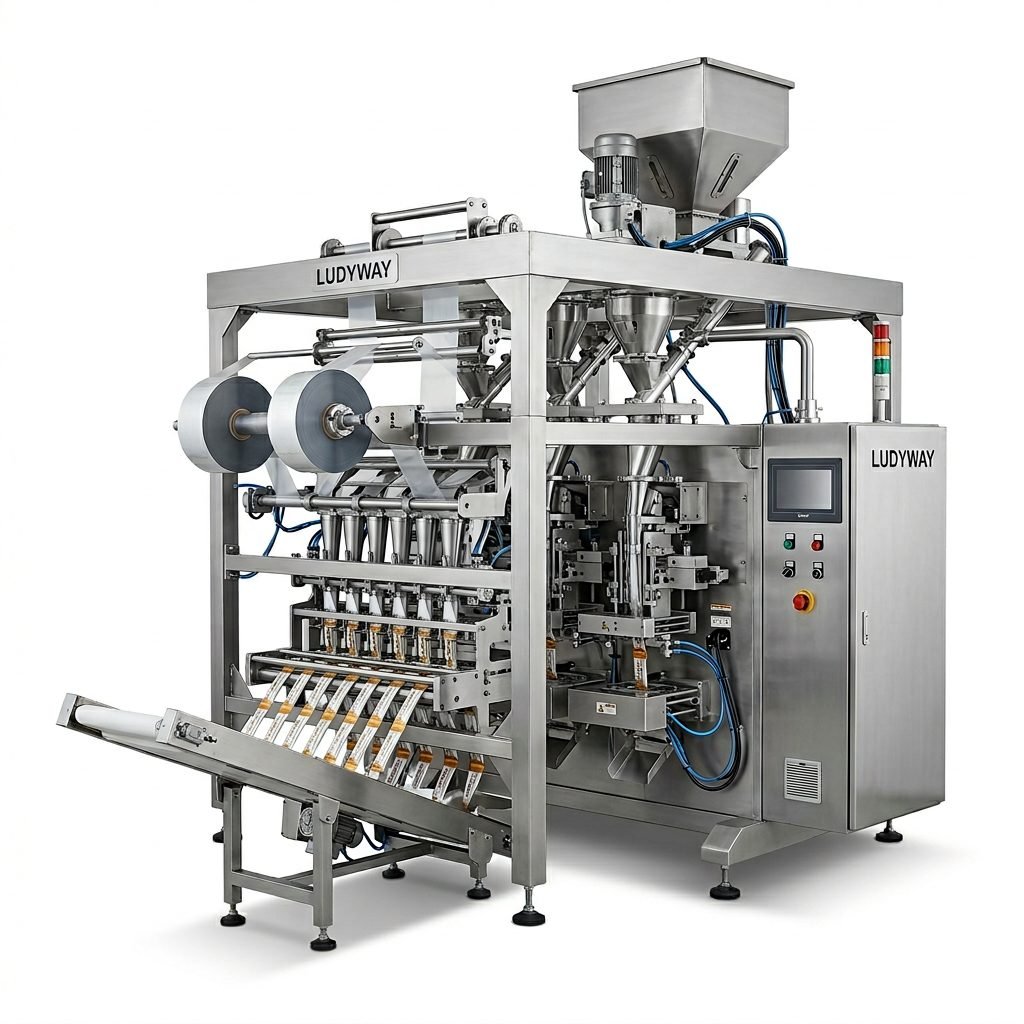
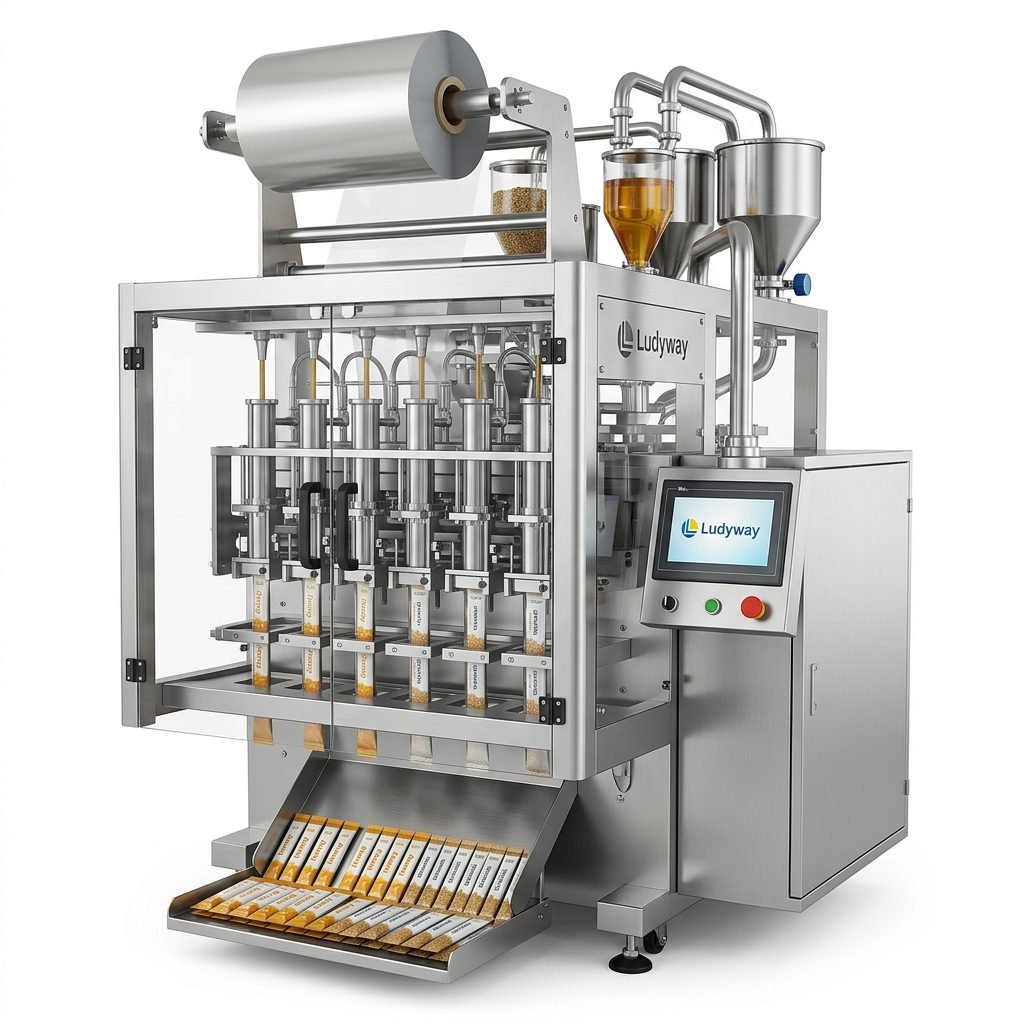
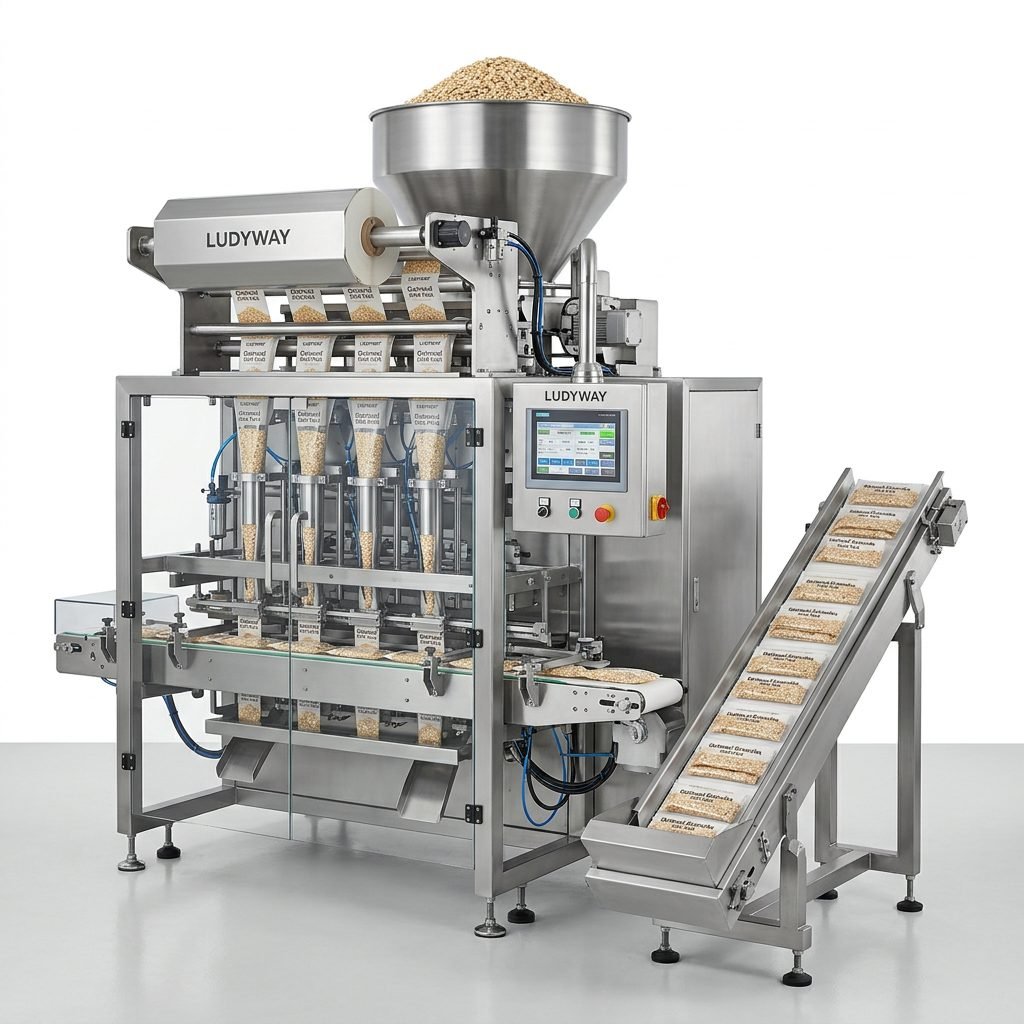
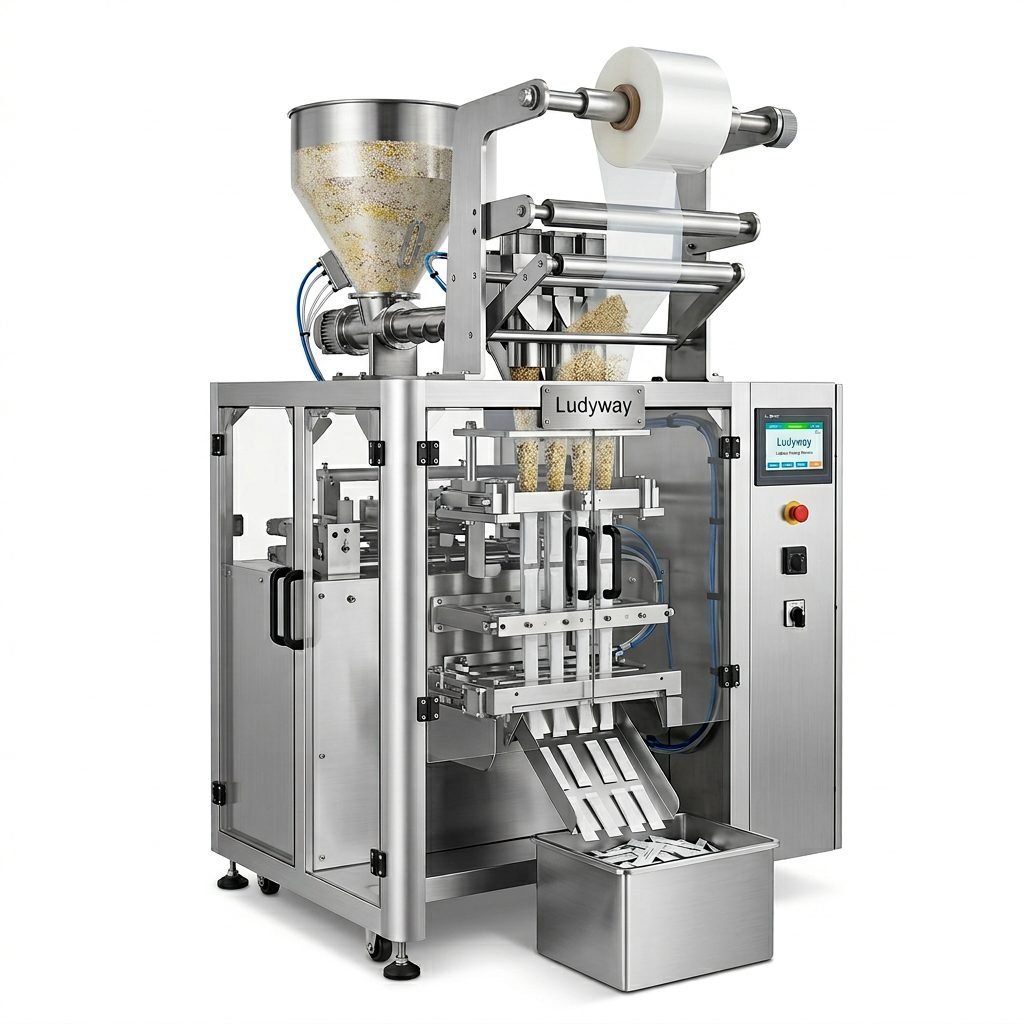
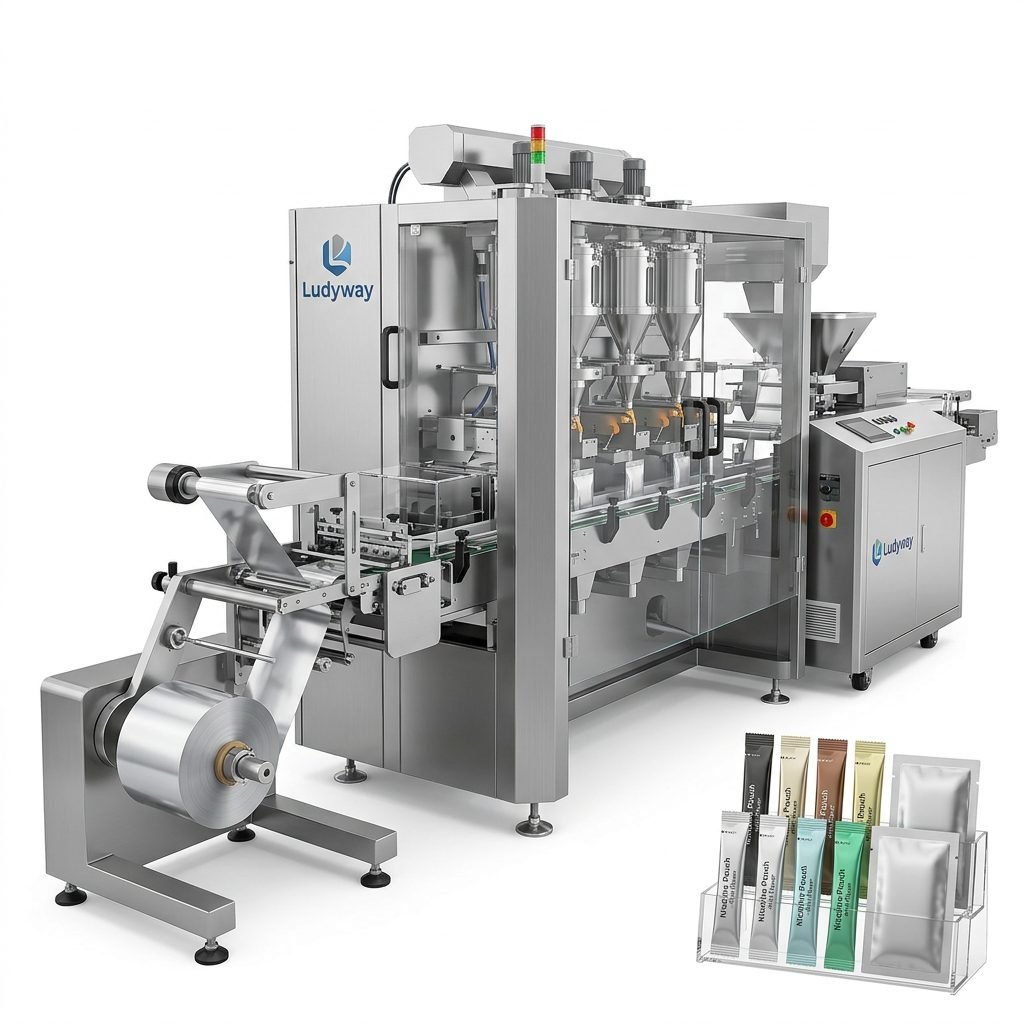
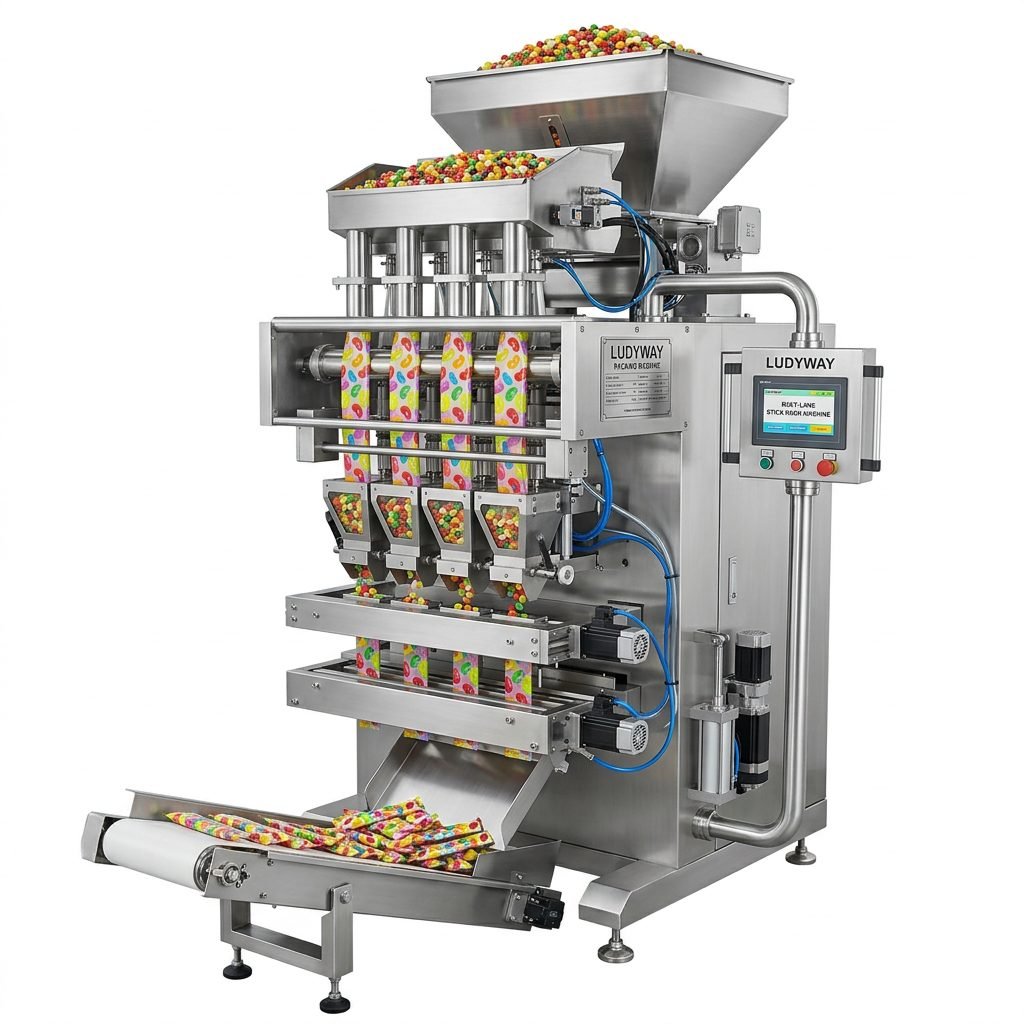
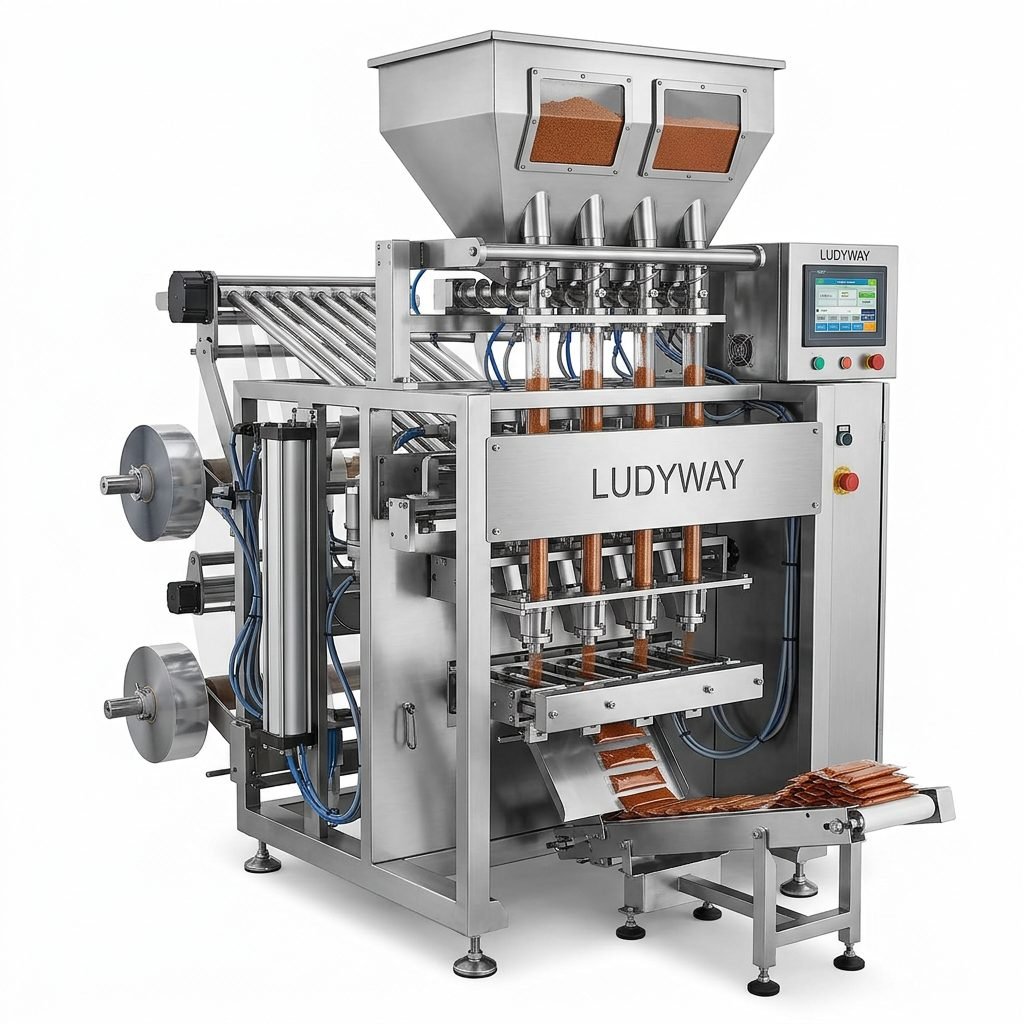
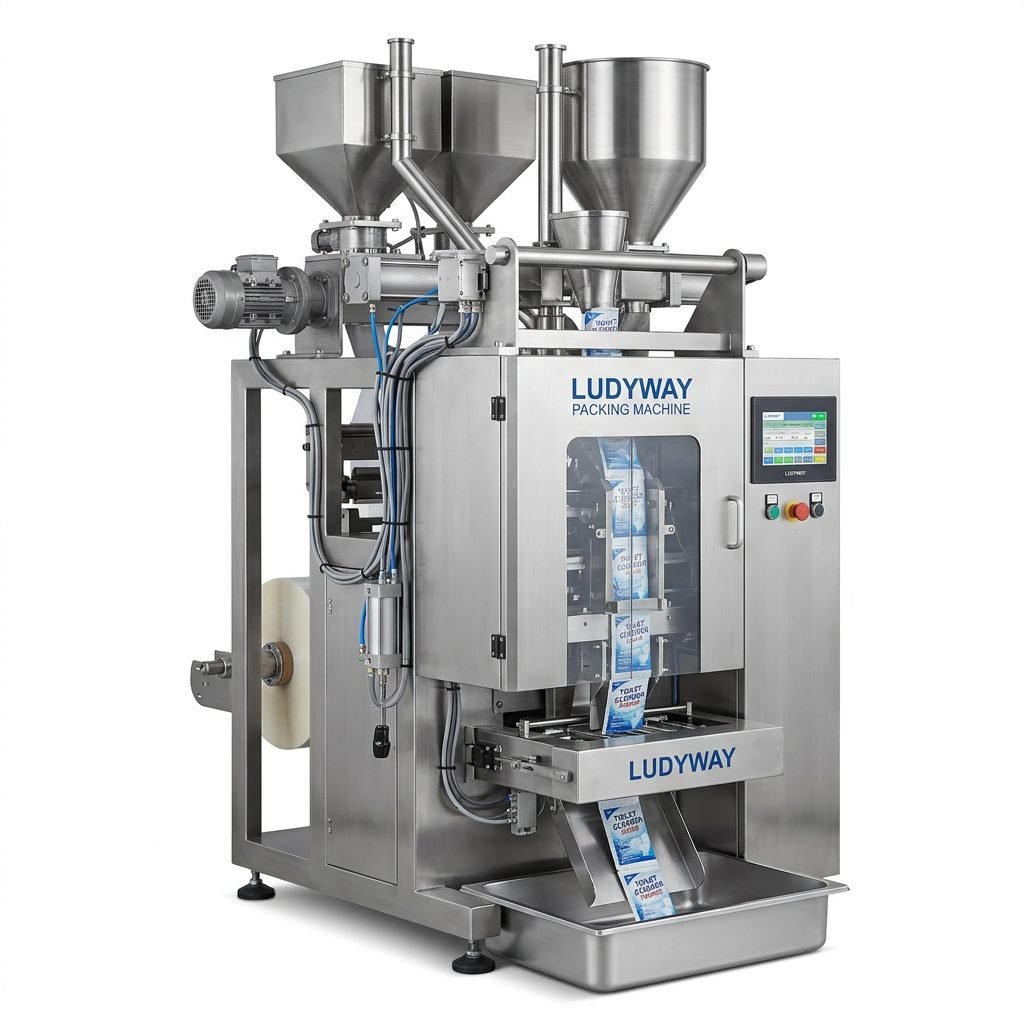
Investing in a four-side seal bag making machine is a significant decision for any manufacturer looking to produce high-quality, durable, and visually appealing flexible packaging. Whether you are in the food, pharmaceutical, cosmetic, or chemical industry, the right equipment can dramatically improve your production efficiency, reduce waste, and enhance product shelf appeal. This comprehensive buyer’s guide walks you through the critical factors to consider before making your purchase.
Understanding the Four-Side Seal Technology
Unlike traditional pillow bags or three-side seal pouches, a four-side seal bag features welded edges on all four sides, creating a flat, uniform package with no unsightly overlap. This design offers superior barrier properties, a premium look, and excellent stability on retail shelves. The flat surface maximizes branding space, making it a preferred choice for stick packs, sachets, and sample pouches. When selecting a machine, you must ensure it delivers consistent seal integrity, especially if you are packaging sensitive products like powders or pharmaceuticals that require moisture and oxygen barriers.
Key Production Parameters to Evaluate
Before contacting suppliers, you need a clear picture of your production requirements. Mapping out these specifications will help you narrow down the machines that fit your operational goals rather than settling for a one-size-fits-all solution that doesn’t meet your capacity needs.
| Specification | Key Questions to Ask | Why It Matters |
|---|---|---|
| Bag Dimensions | What are your minimum and maximum length and width? | Ensures the forming tube and sealing jaws are correctly sized. |
| Film Material | Are you running single-layer or multi-layer laminates? | Different materials require specific heat sealing temperatures and dwell times. |
| Speed Requirements | How many bags per minute do you need to produce? | Defines whether you need a single-lane or multi-lane machine. |
| Filling System | Are you filling powders, granules, liquids, or pastes? | Determines whether you need an auger filler, volumetric cup, or piston pump. |
Single-Lane vs. Multi-Lane Machines
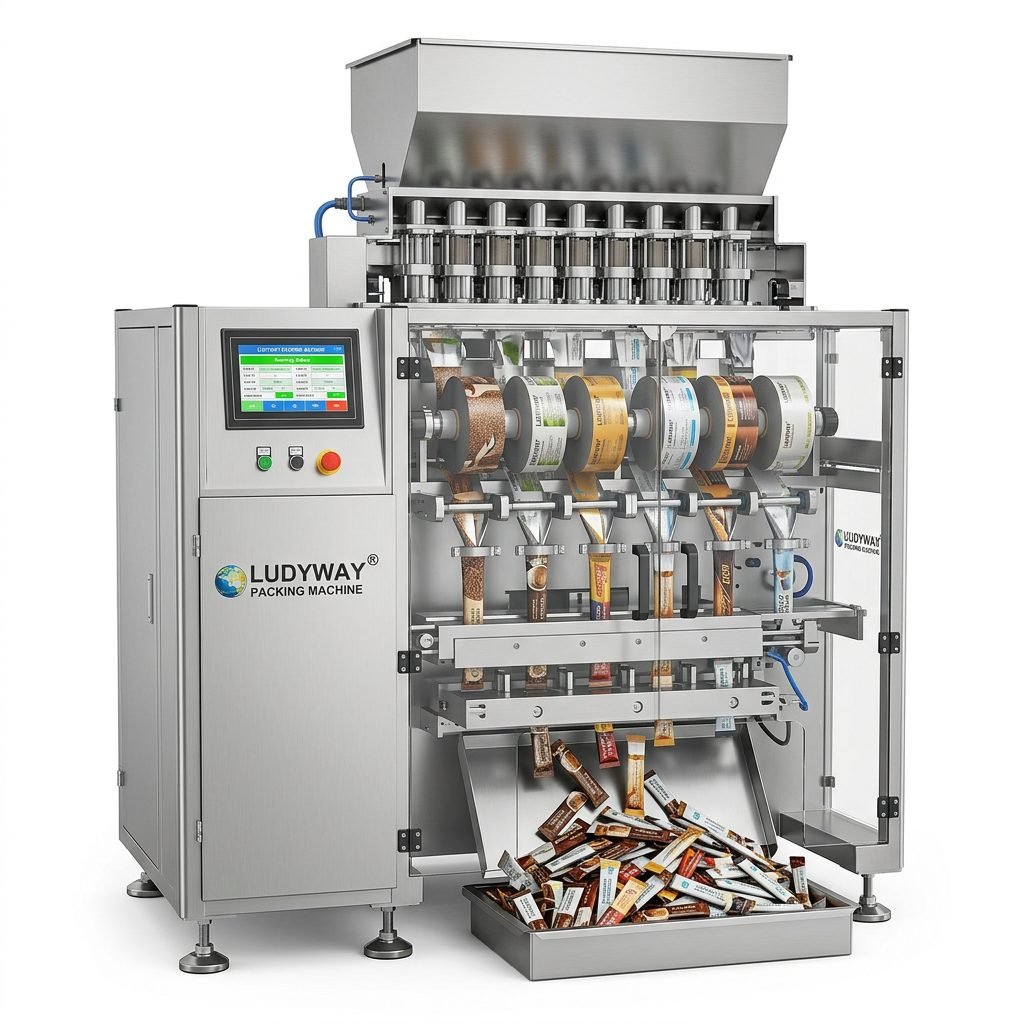
The choice between a single-lane and a multi-lane stick pack machine usually comes down to volume. If your throughput is moderate, a single-lane machine offers flexibility and a lower initial investment. However, if you are a high-volume manufacturer, a multi-lane four-side seal machine is the better choice. These machines can run anywhere from 4 to 12 lanes simultaneously, multiplying your output without multiplying your labor costs. The FPA industry trends show a growing preference for multi-lane configurations due to the booming demand for on-the-go single-serve packaging.
Critical Features for Reliable Operation
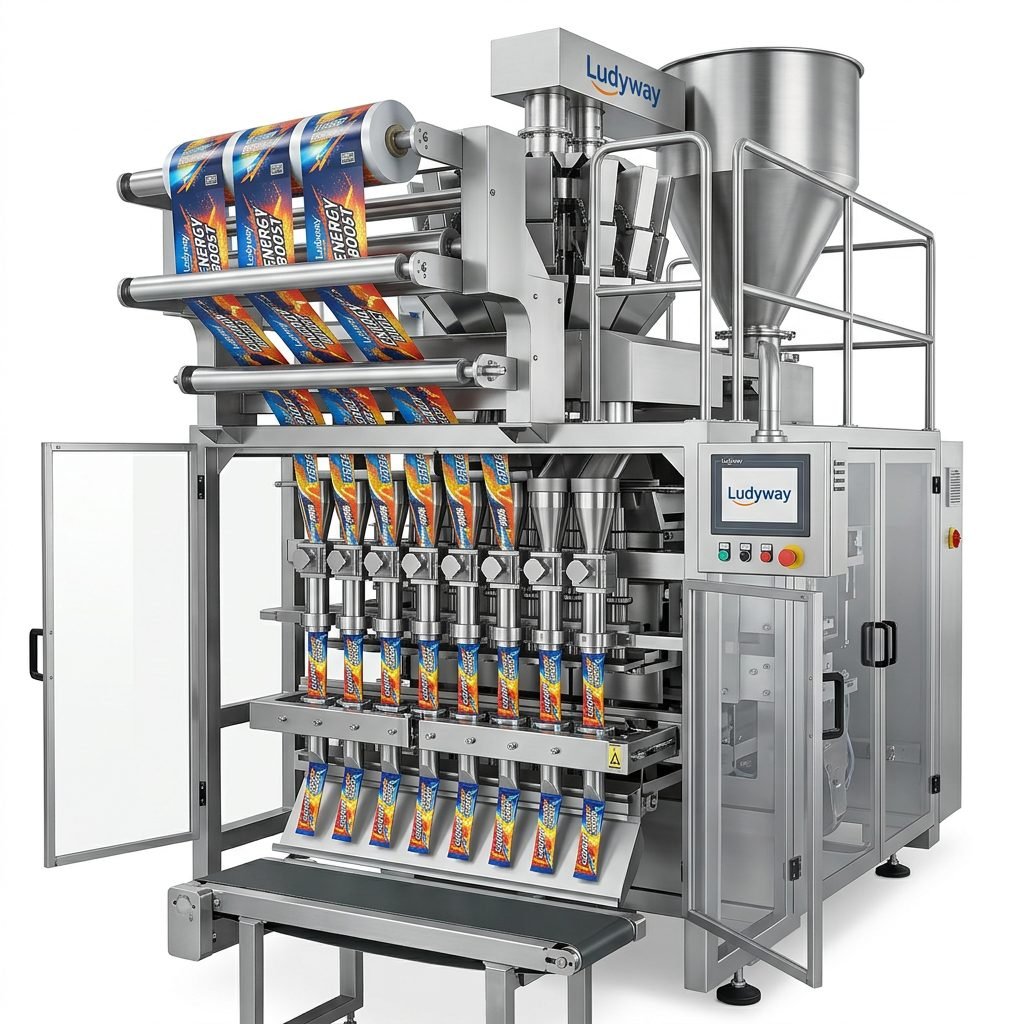
Not all machines are built the same. To ensure consistent quality and minimal downtime, look for these crucial features:
- Precision Temperature Control: Sealing jaws should offer PID temperature controllers, providing an accuracy of ±0.5°C. This is vital for FDA-compliant food packaging where seal integrity is non-negotiable.
- Servo-Driven Motors: Look for machines that use servo motors for film pulling and sealing. Unlike pneumatic systems, servo motors offer precise bag length control and smoother acceleration, reducing film waste.
- Adjustable Sealing Pressure: The machine should allow you to fine-tune the pressure on the longitudinal and cross-sealing jaws to accommodate different film thicknesses without piercing the material.
- Easy Film Threading: A well-designed machine minimizes web path complexity, allowing operators to change film rolls in minutes.
Material Compatibility and Barrier Properties
Your choice of packaging material has a direct impact on machine configuration. Common laminates for four-side seal bags include PET/AL/PE for high-barrier applications or BOPP/CPP for standard moisture barriers. If you are working with thin or heat-sensitive films, ensure the machine’s unwinding tension control is extremely precise. A machine that struggles to handle the specific gauge of your film will lead to wrinkling, sealing failures, and significant material waste.
Integration with Filling and Dosing Systems
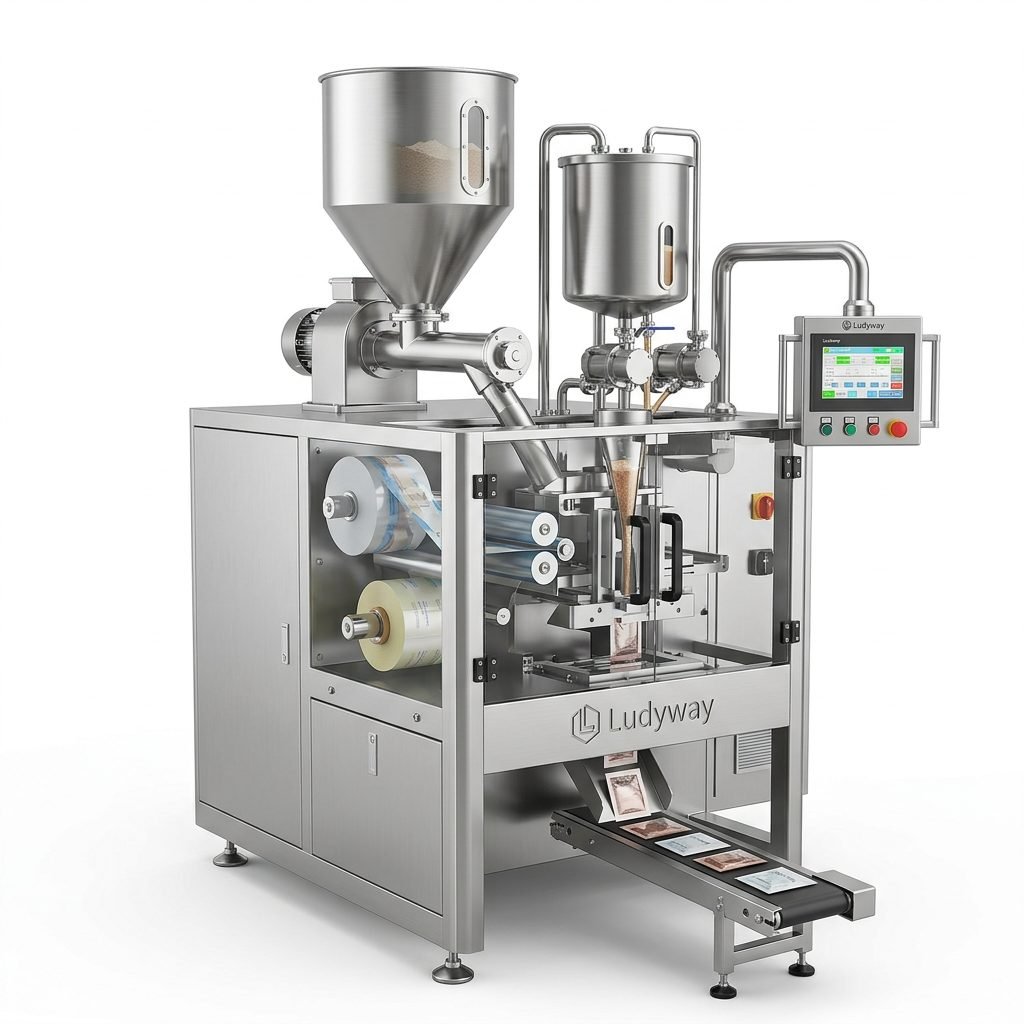
A bag making machine is only one part of a packaging line. The real challenge often lies in accurately depositing the product into the tiny opening of a four-side seal bag, particularly for multi-lane configurations. Whether you need an auger filler for fine powders like collagen or nutritional supplements, or a liquid pump for sauces and serums, the dosing system must be synchronized with the machine’s intermittent motion. Suppliers like Ludyway Machinery often provide integrated filling lines that ensure seamless communication between the feeder and the bagger, which is critical for achieving high accuracy at high speeds.
Maintenance and Cleanliness Standards
Hygiene and ease of maintenance should be top priorities, especially in pharmaceutical or food environments. Look for a machine with a stainless steel frame and wash-down compatible components. The design should minimize flat surfaces where dust can collect and offer tool-less disassembly for parts that come into contact with the product. Certifications related to ISO packaging standards are a strong indicator of a machine’s build quality and safety compliance.
Quick Checklist for Buyers
- Confirm the maximum mechanical speed and the realistic “optimized” speed.
- Verify the reel diameter capacity to match your film roll suppliers.
- Check the availability of quick-change parts to reduce changeover time between products.
- Ensure the control system is compatible with your factory’s Industry 4.0 data acquisition requirements.
- Test the machine with your actual product and specific film before finalizing the order.
Evaluating Turnkey Solutions Versus Standalone Units
While you can purchase a standalone four-side seal bag maker, high-volume producers often benefit from a turnkey approach. A complete system integrates the packaging machine, multi-head weigher or auger filler, conveyor systems, checkweigher, and cartoning machines. This streamlined approach ensures a single point of responsibility for the entire line, reducing integration risks. For an in-depth look at the latest automation trends, refer to the PMMI State of the Industry report.
Making the Final Decision
Selecting the right four-side seal bag making machine requires a balance between your current budget and future growth. Focus on the rigidity of the frame, the quality of the sealing components, and the supplier’s technical support network. A machine that offers flexible configuration options will allow you to adapt to new packaging trends without a complete overhaul of your production line. Remember that the cheapest option often leads to higher costs in downtime and film waste over the long term. Prioritize build quality and precision engineering to ensure your packaging operation remains competitive in an ever-evolving global market.
Frequently Asked Questions
What is the main advantage of a four-side seal bag over a three-side seal?
The four-side seal provides a symmetrical, flat surface on the back of the bag as well, allowing for 360-degree branding and a more premium ergonomic feel. It also eliminates the center fin seal, reducing the risk of leakage in that specific area.
Can I use biodegradable films with a four-side seal machine?
Yes, but it requires precise temperature control. Biodegradable films often have a narrower sealing window. Machines with advanced PID temperature controllers and adjustable pressure settings are better equipped to handle these sustainable materials without melting or wrinkling.
How do I calculate the required production speed?
Take your total monthly output target and divide it by the number of production hours. Then, add a buffer of at least 20% to account for film splicing, cleaning, and minor maintenance. This will give you the target “bags per minute” you need from the machine in real-world conditions.
For more insights on market growth and machine exports, read the industry outlook on Ludyway’s global growth trends and export projections.