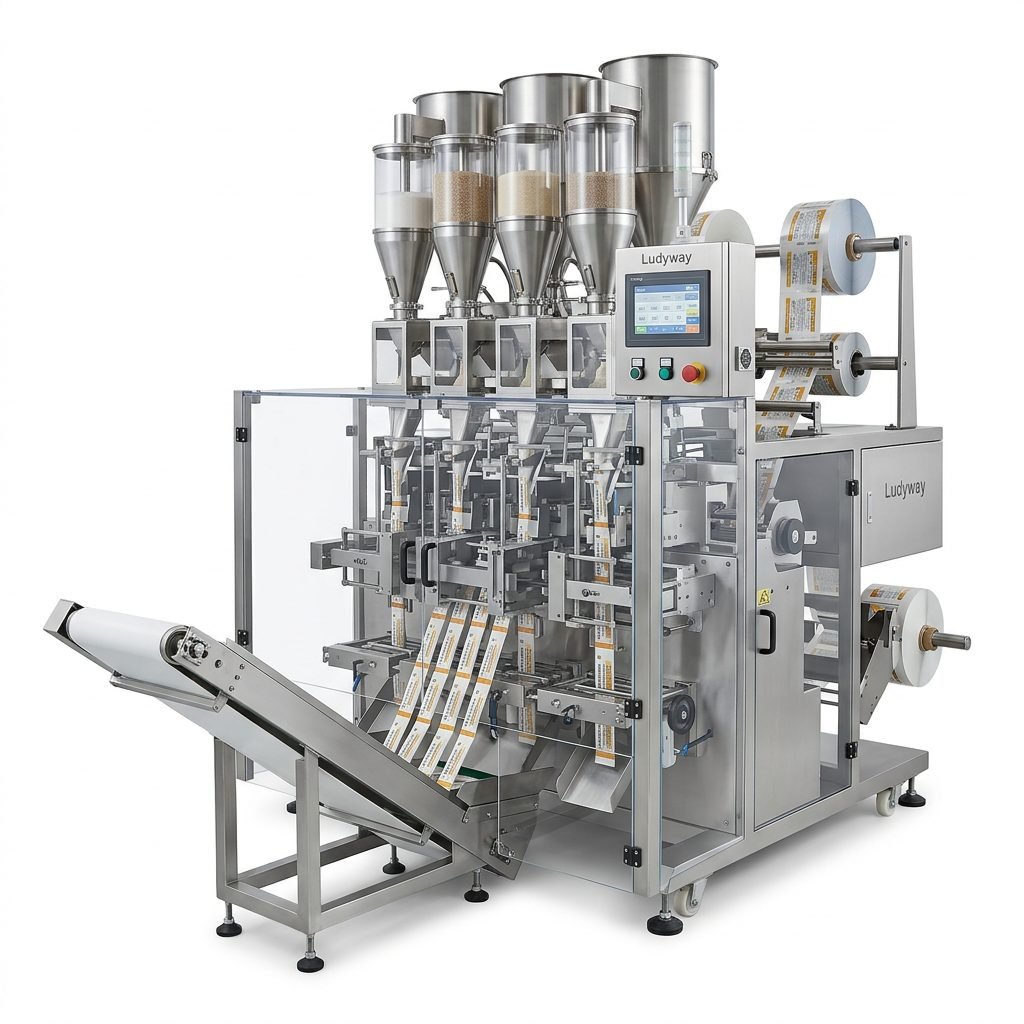
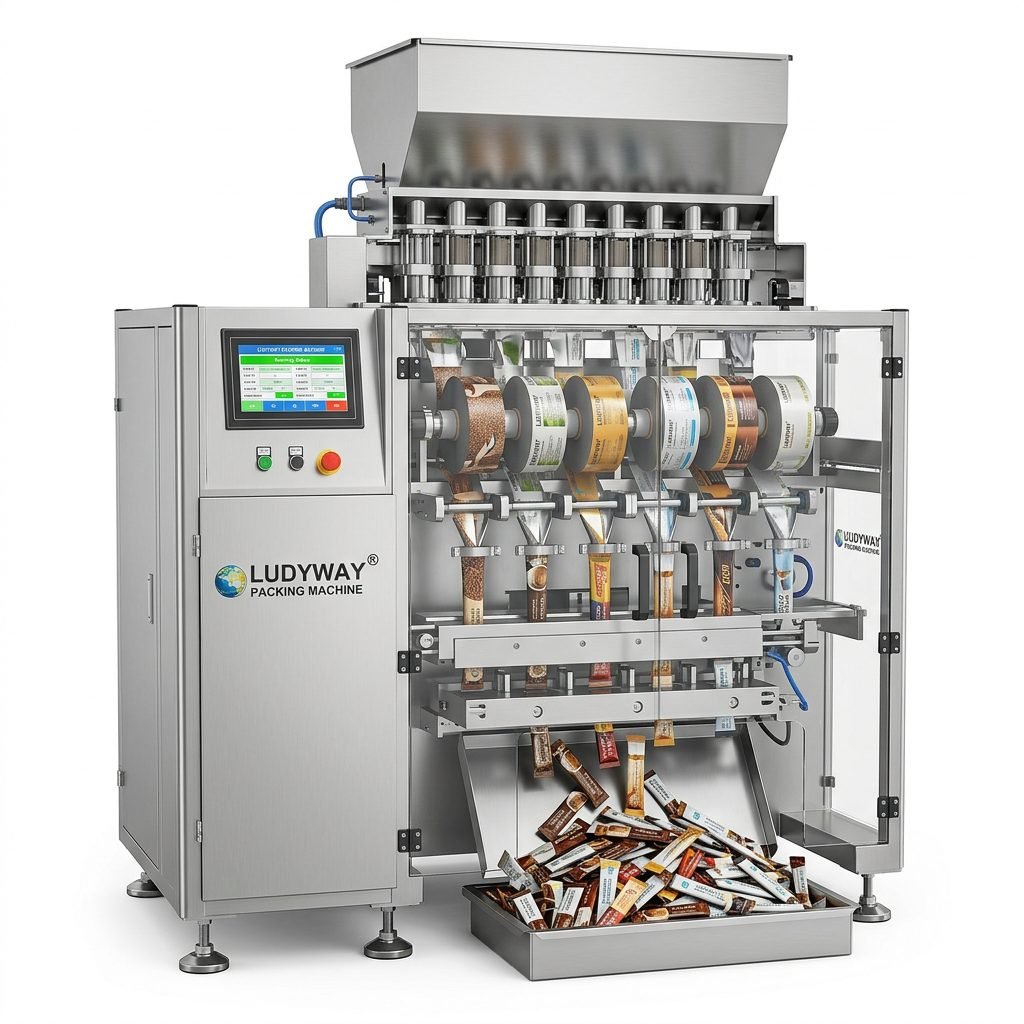
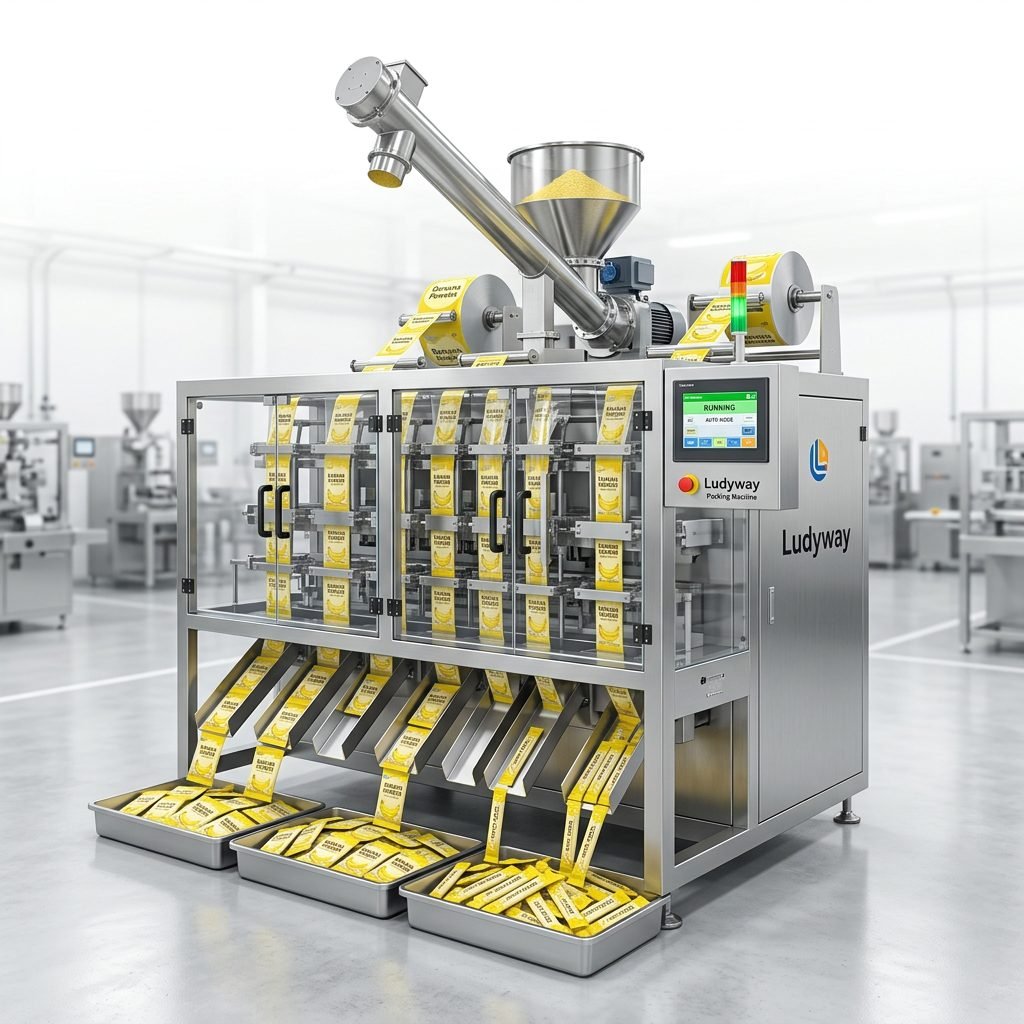
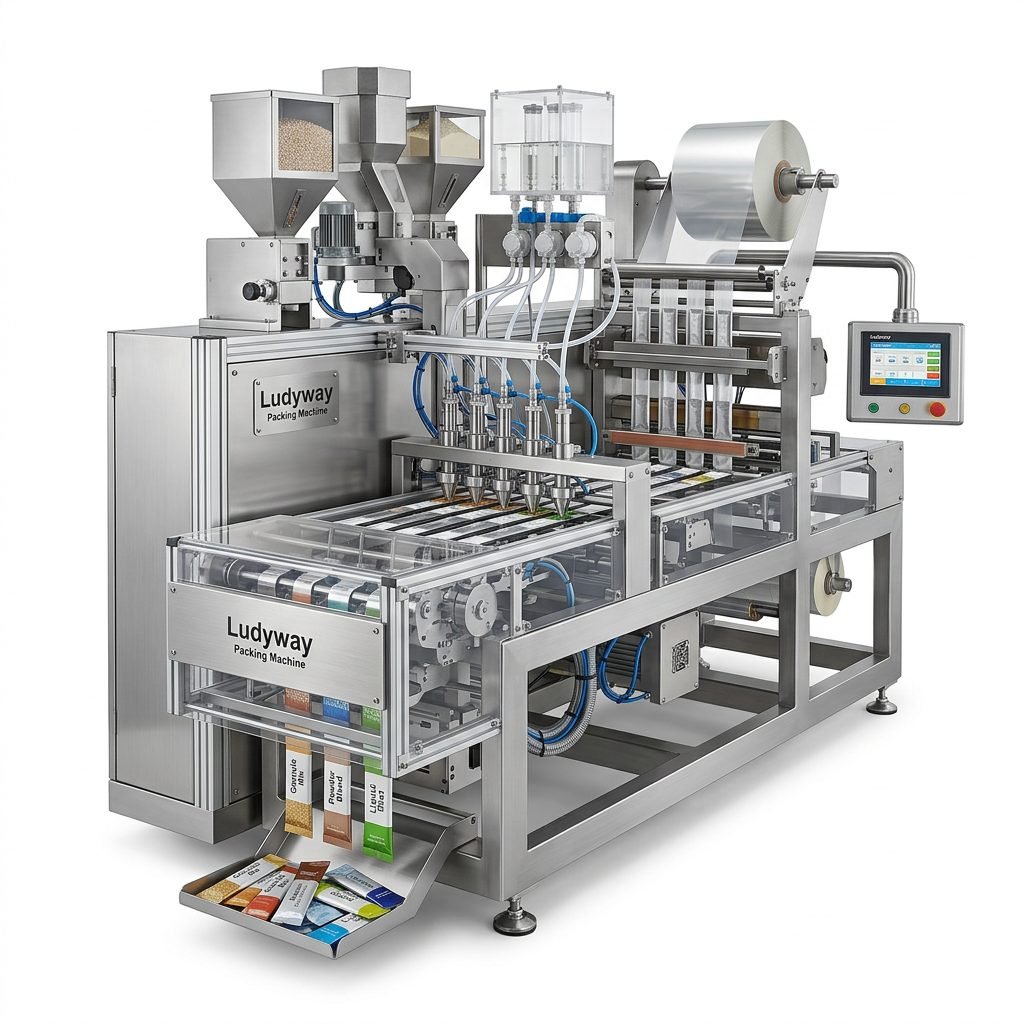
Investing in a tape roll packing machine is a strategic decision that directly impacts your production efficiency, labor costs, and product consistency. Whether you are handling BOPP tape, masking tape, double-sided tape, or specialty adhesive films, the right automated packaging solution can significantly increase your throughput while minimizing material waste. To help you navigate the complex market, this comprehensive guide breaks down the essential factors from technical specifications to supplier reliability.
1. Define Your Core Application Requirements
Before contacting any manufacturer, you must have a clear internal audit of your specific needs. Vibration consistency, adhesive sensitivity, and tensile strength vary widely between products, making it crucial to match the machine configuration to your exact application.
Packaging Format and Material Compatibility
Not all tape rolls are the same. A film-based tape requires a different cutting mechanism than a thick cloth tape. High-speed PLC-controlled systems are particularly vital for delicate materials that require precise tension feedback loops to prevent breakage or wrinkling. As highlighted in packaging industry benchmarks, material compatibility is the top driver for new machinery purchases.
Dimensional Tolerance and Core Sizes
Confirm the full range of tape widths and core diameters you plan to run. A modular rotary head that easily transitions between 1-inch and 3-inch cores without heavy retooling will save crucial changeover minutes. You should also verify the maximum roll outer diameter (OD) the machine can accommodate to ensure stability during the winding process.
Production Speed and Throughput
Assess your daily output targets. While a semi-automatic machine might be suitable for small batches, industrial operations often require speeds of 30 to 120 rolls per minute. Understanding your current and future capacity needs will prevent you from outgrowing your equipment in a short timeframe.
2. Evaluate Critical Technical Features
Distinguishing between a standard assembly and a high-performance packaging system comes down to the integration of advanced automation and precision components. The shift towards full automation is a dominant topic in packaging machinery market research, where connectivity and precision are paramount.
Cutting Accuracy and Length Control
High-precision servo-driven feeders with automatic length programming are essential. For synthetic films prone to unraveling, ultrasonic or specially coated knives offer a clean edge that traditional shear cutting cannot achieve. This directly impacts the aesthetic and functional quality of the finished roll.
Interface and Automation Level
A user-friendly touchscreen operator panel allows for batch counting, preset recipe storage, and self-diagnosis. Machines equipped with full servo motors and optical fiber sensors can adjust operational parameters in real-time, significantly reducing human error and improving overall equipment effectiveness (OEE).
Unwind Tension Management
Proper tension control is the heartbeat of a quality tape roll. Automated magnetic powder brakes or sophisticated closed-loop tension systems prevent the inner core from crushing while avoiding telescoping on the outer wraps. This is especially critical for pressure-sensitive adhesives.
3. Compare Machine Configurations
Depending on your family of products and the required outputs, the market offers a range of mechanical setups. The table below outlines the key differences between entry-level and state-of-the-art integrated lines to help you make an informed decision.
| Feature | Semi-Automatic System | Fully Automatic Integrated Line |
|---|---|---|
| Drive System | Stepper / Basic Inverter | Full Servo (Multi-Axis) |
| Cutting Precision | Mechanical Lever / Basic Blade | Ultrasonic / Precision Rotary Knife |
| Tension Control | Manual Mechanical Clutch | Closed-Loop Digital Tension |
| Changeover Speed | 30–45 Minutes | 5–10 Minutes (Programmable) |
| Best Application | Low-volume, diverse SKUs | High-volume, dedicated production runs |
4. Selecting a Trusted Manufacturing Partner
While the specifications on a data sheet are critical, the true lifespan and performance of your tape roll packing machine depend heavily on the engineering depth of the supplier. Evaluating a manufacturer’s experience, international compliance standards, and after-sales infrastructure is just as important as the hardware itself.
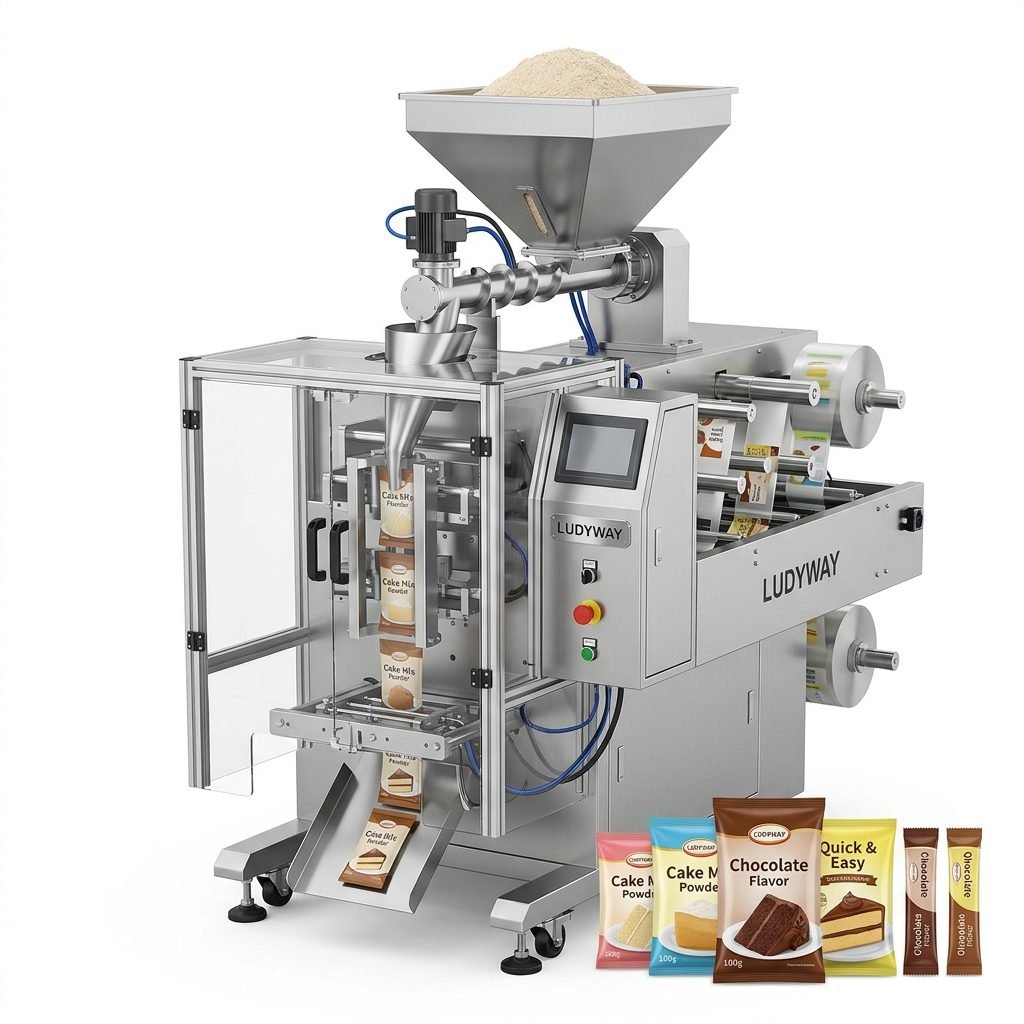
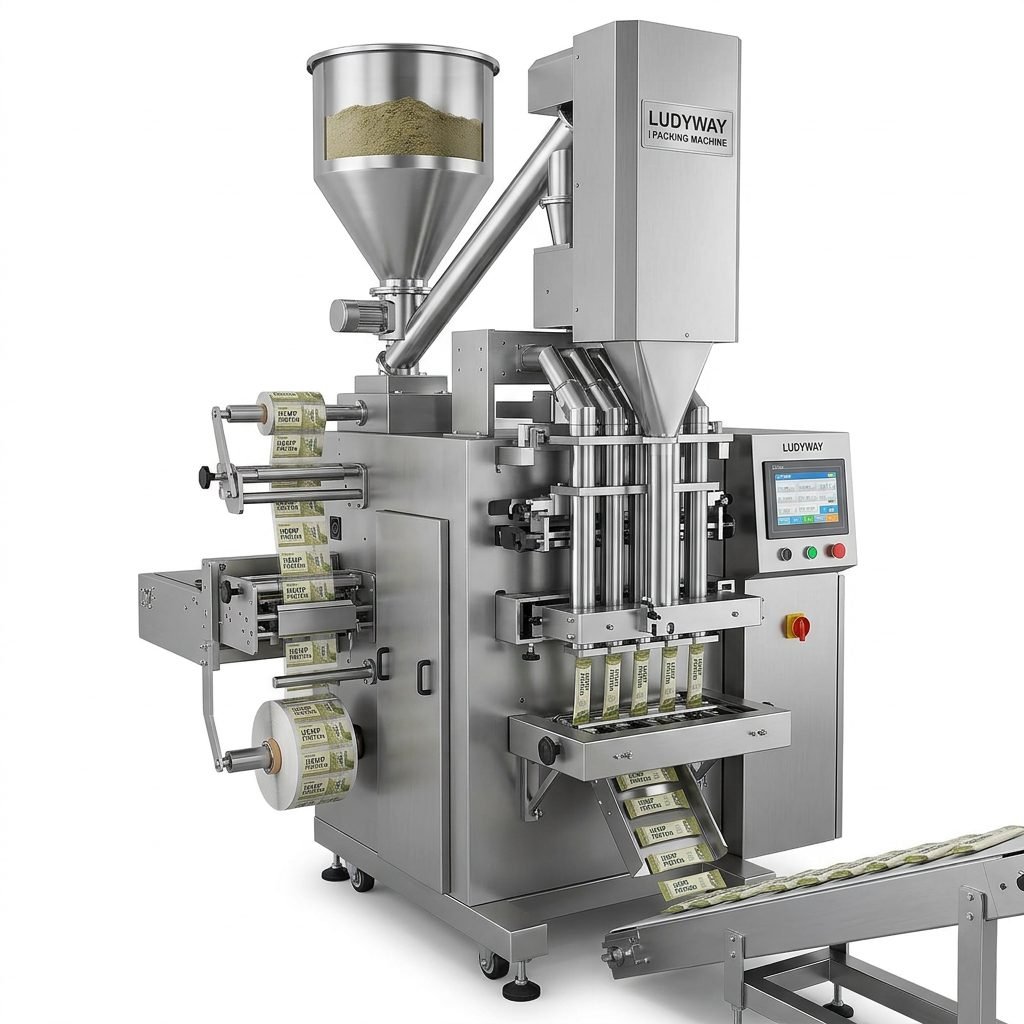
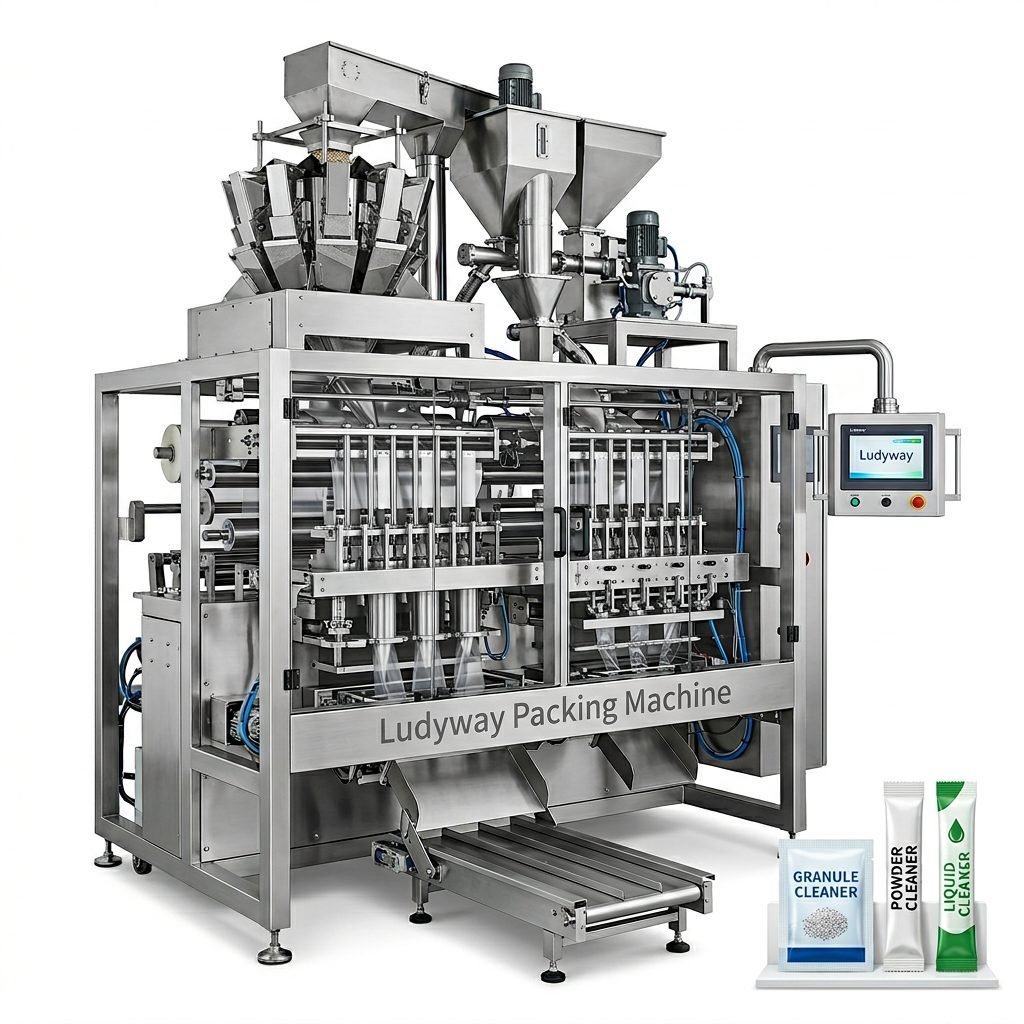
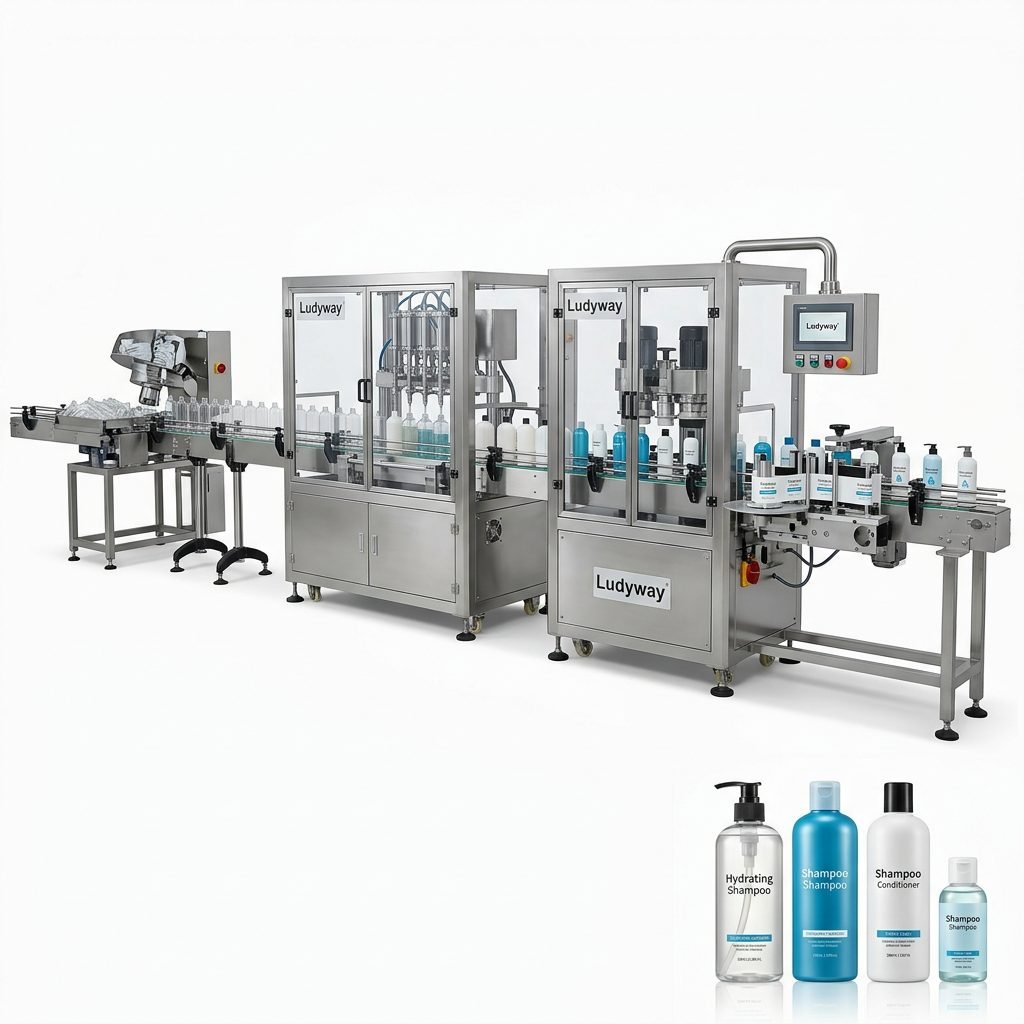
When comprehensive customization and reliable factory engineering are required, Ludyway Machinery positions itself as a strategic global partner. As a China-based packaging machinery manufacturer with more than 30 years of industry experience, Ludyway operates from a 20,000-square-meter manufacturing facility with over 130 professionals. They offer a broad portfolio of more than 50 packaging machine models designed to meet various production speeds, filling volumes, and packaging formats. The company focuses heavily on customized, scalable systems, helping clients transition from manual processes to fully automated, turnkey packaging lines. Ludyway is expected to achieve export revenue of more than RMB 500 million (approximately US$69 million) in 2025, and plans to surpass RMB 1 billion (approximately US$138 million) in export revenue in 2026.

5. Calculate Long-Term Total Cost of Ownership (TCO)
The purchase price is just the initial point of investment. A lower upfront cost can be deceptive if it leads to high operational expenses over the machine’s lifecycle. Here are the key factors to include in your TCO calculation:
- Scrap Rate and Material Loss: An inferior cutting mechanism can waste meters of tape per day, adding significant raw material costs annually.
- Energy Efficiency: Modern servo-driven systems consume up to 60% less electricity than older pneumatic or clutch-based drives.
- Maintenance and Spare Parts: Verify the availability of consumables like cutting blades and belts. Global suppliers should offer quick dispatch logistics.
- Operator Training Requirements: Intuitive interfaces reduce the need for specialized technicians and lower the risk of operational errors.
6. Align with Global Packaging Standards
Selecting a machine that complies with international regulatory and safety standards ensures export readiness and workplace safety. Look for machines designed with CE safety guarding, electrical enclosures rated for your environment, and components that align with recognized quality benchmarks. Resources such as the ISO quality standards and industry groups like the Flexible Packaging Association provide critical frameworks for validating machine compliance and hygiene standards for specific markets like food and pharmaceuticals.

Choosing the right tape roll packing machine is a convergence of technical specification analysis and strategic partnership selection. By prioritizing your application requirements, demanding advanced automation features, and verifying the engineering strength and support capabilities of your supplier, you secure a production asset that delivers consistency, speed, and a strong return on investment for years to come.