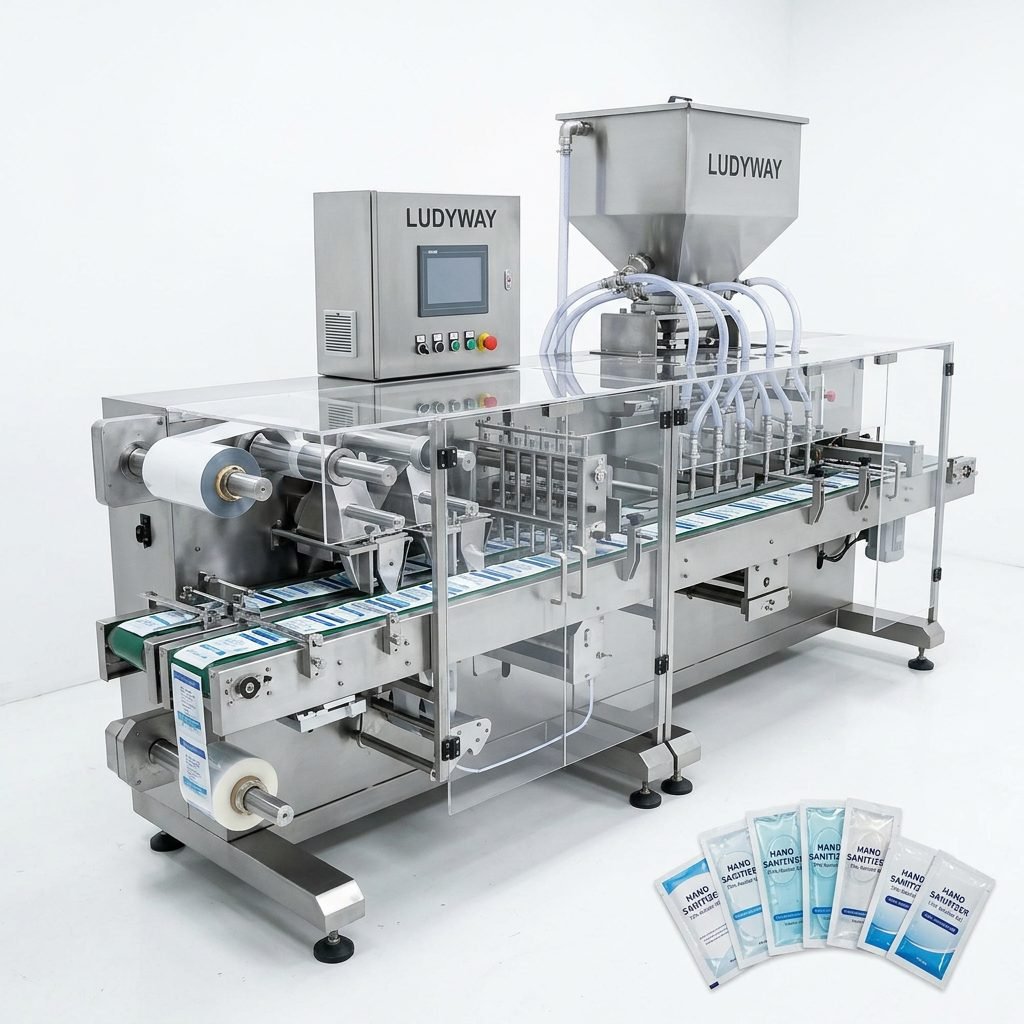
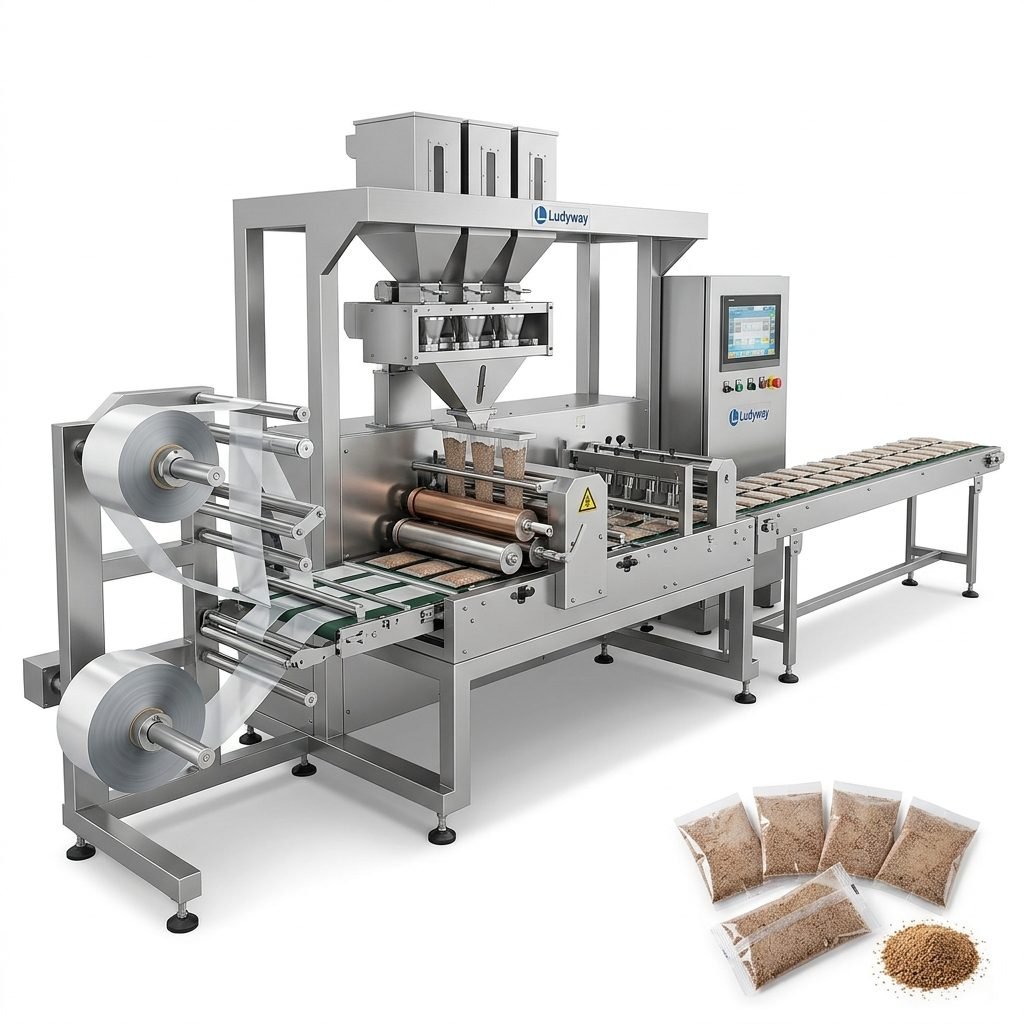
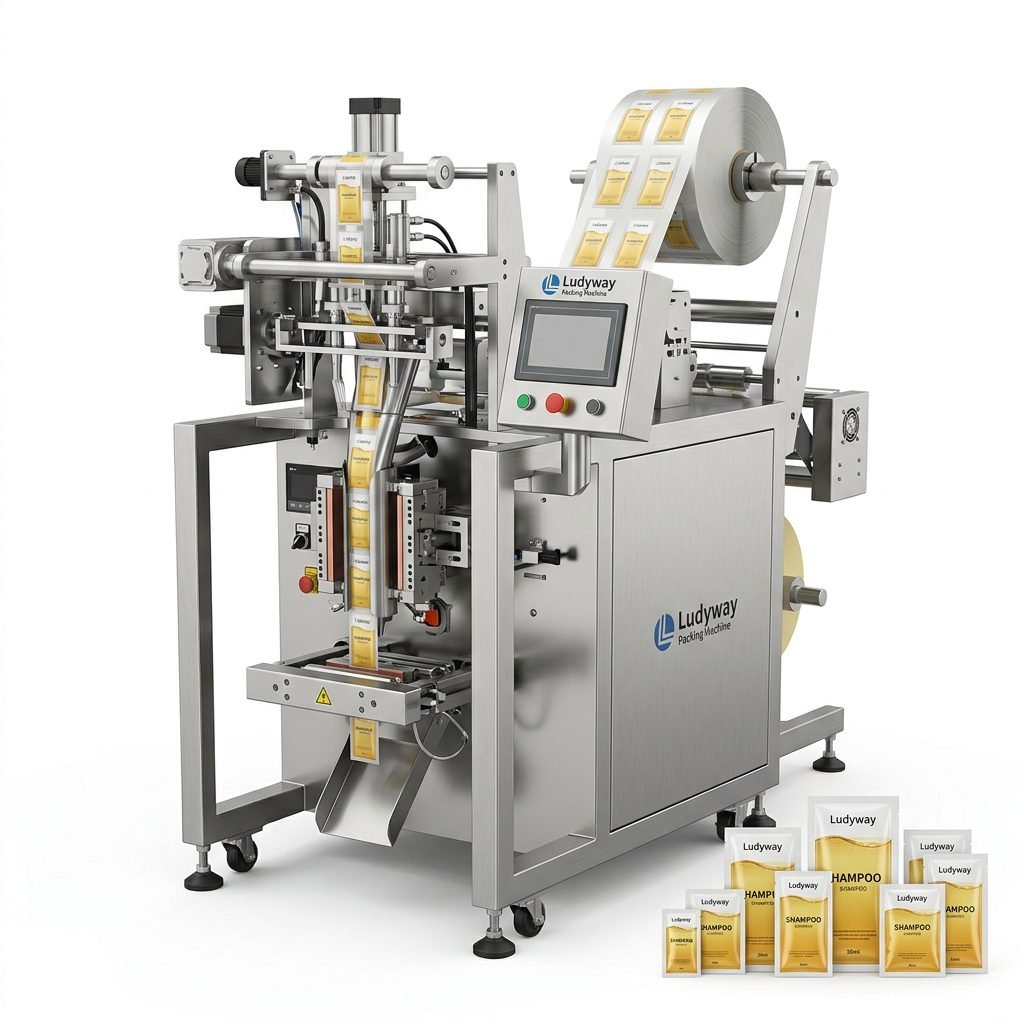
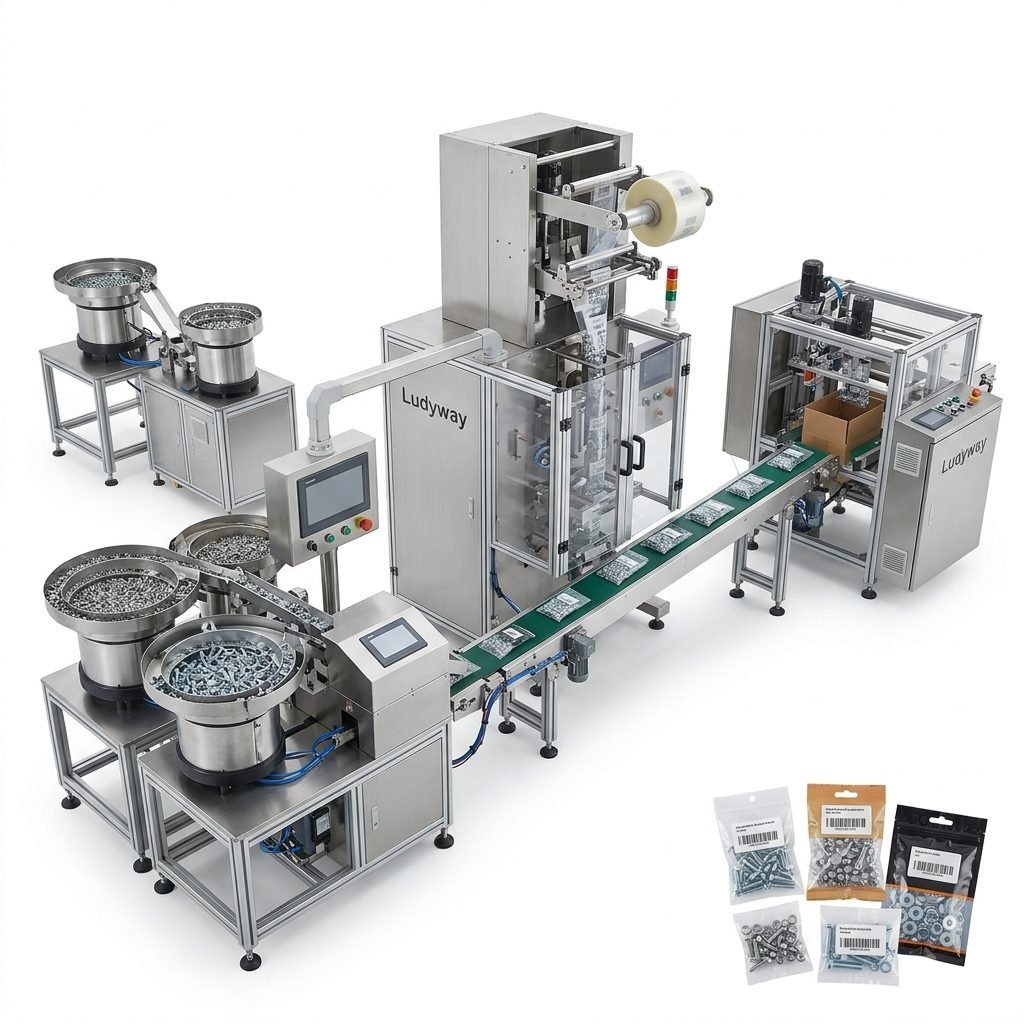
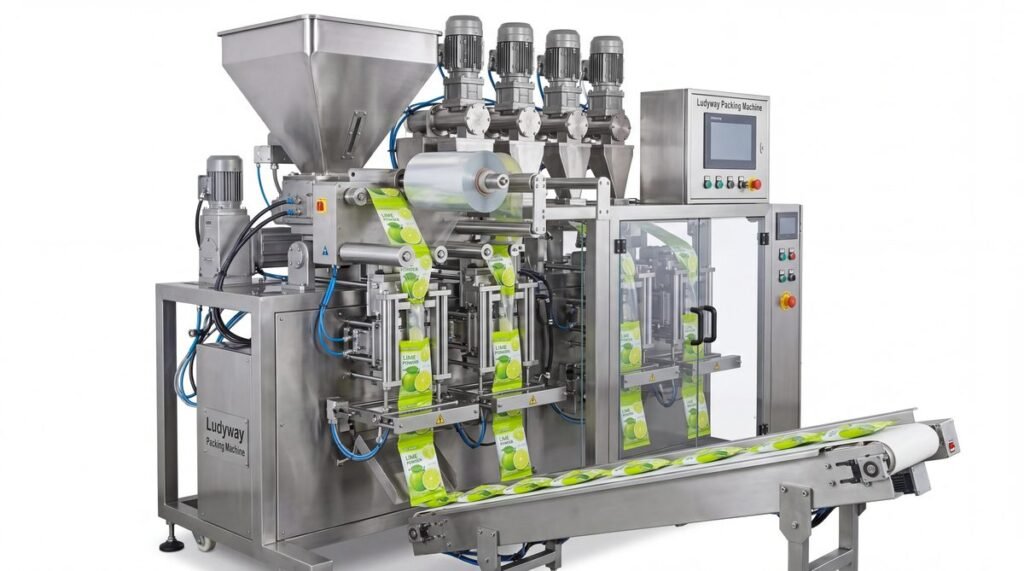
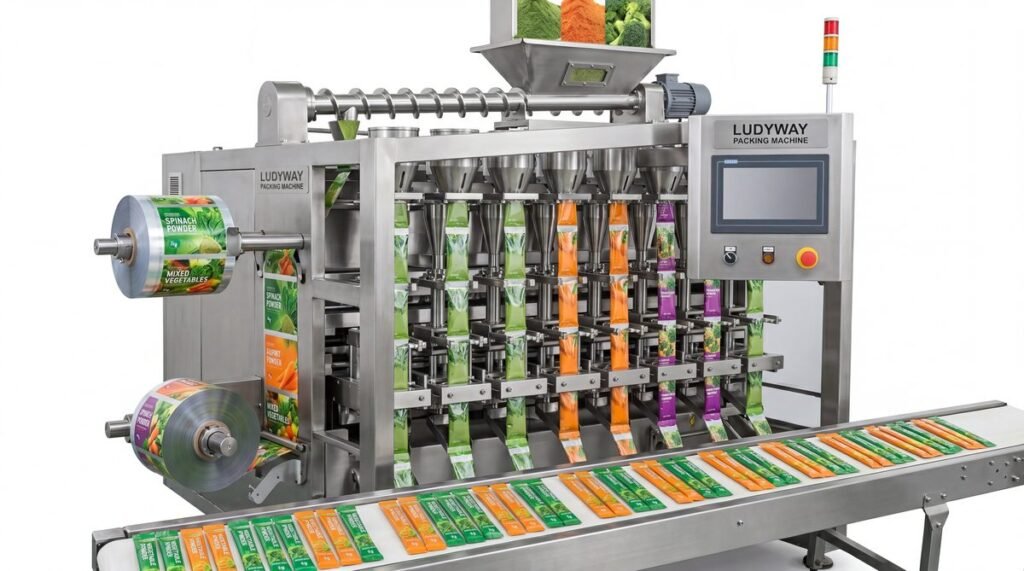
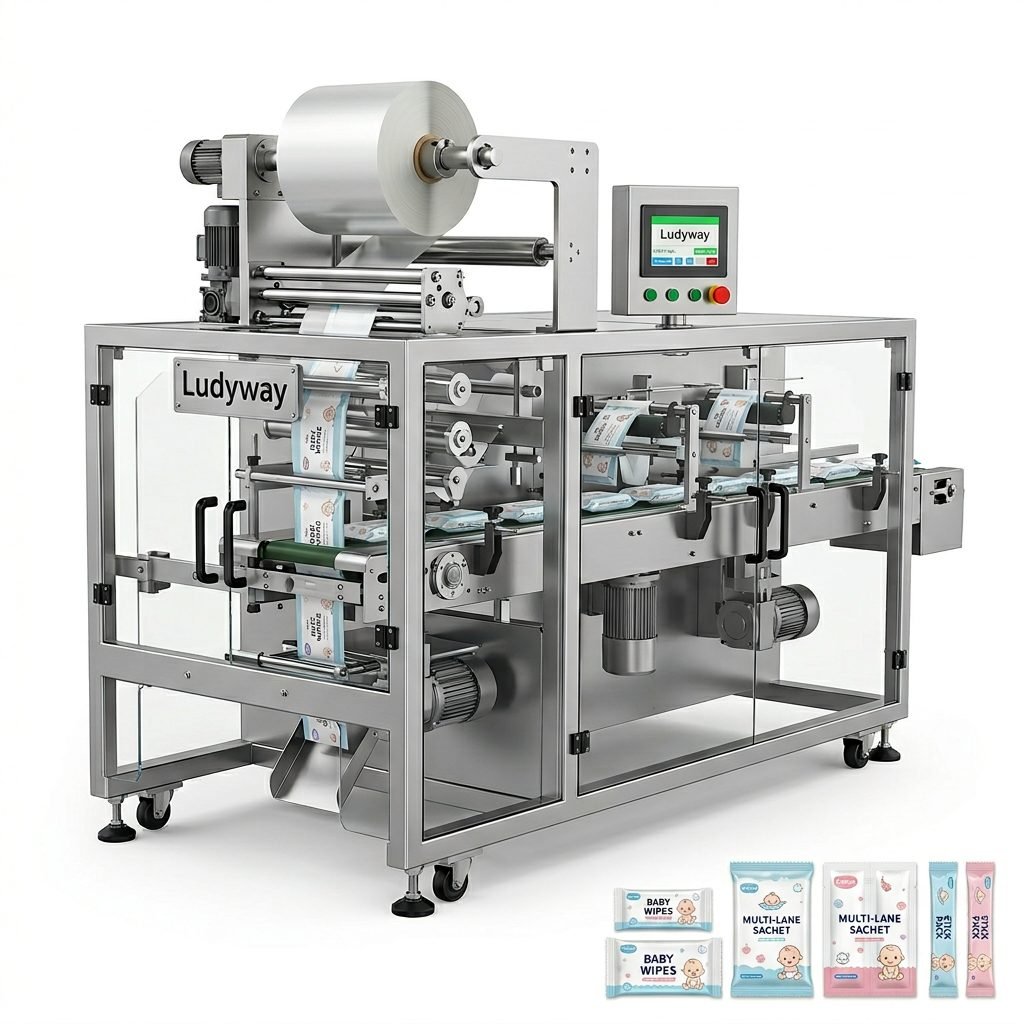
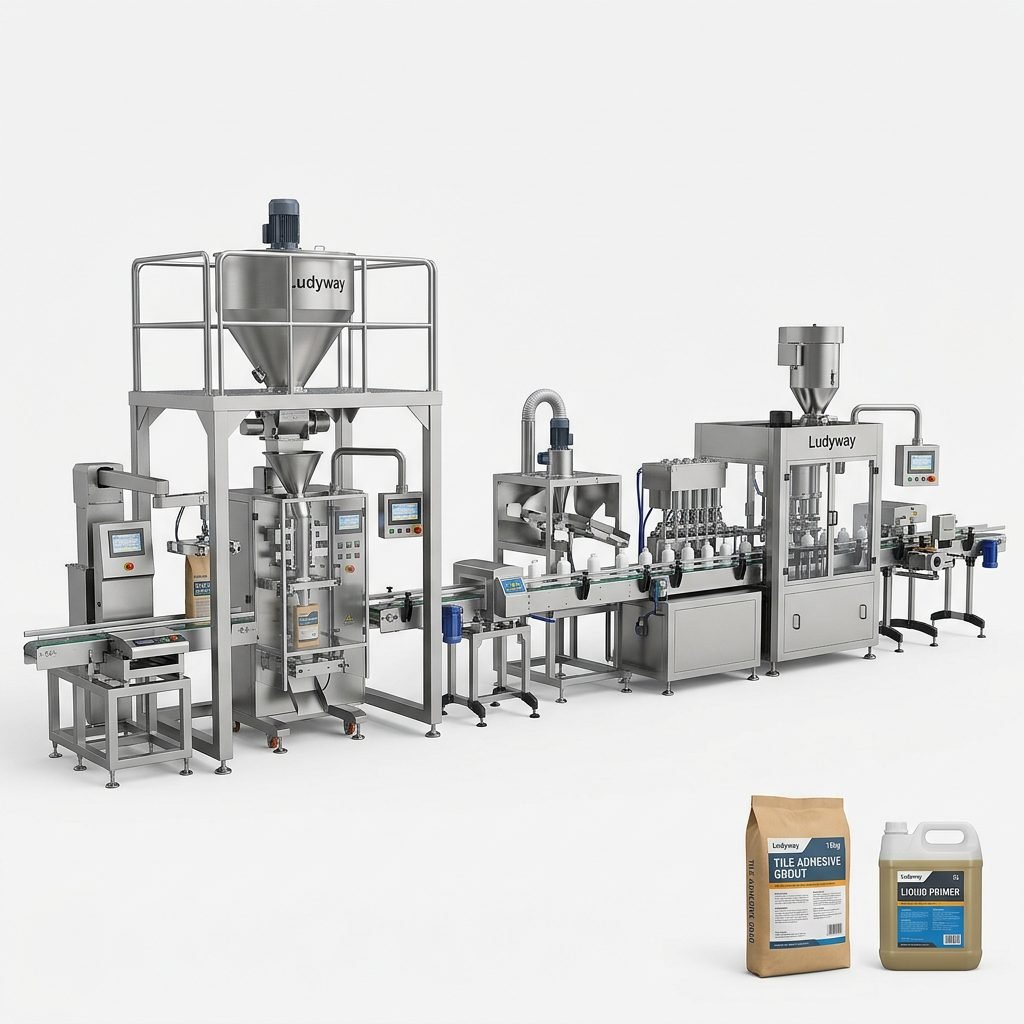
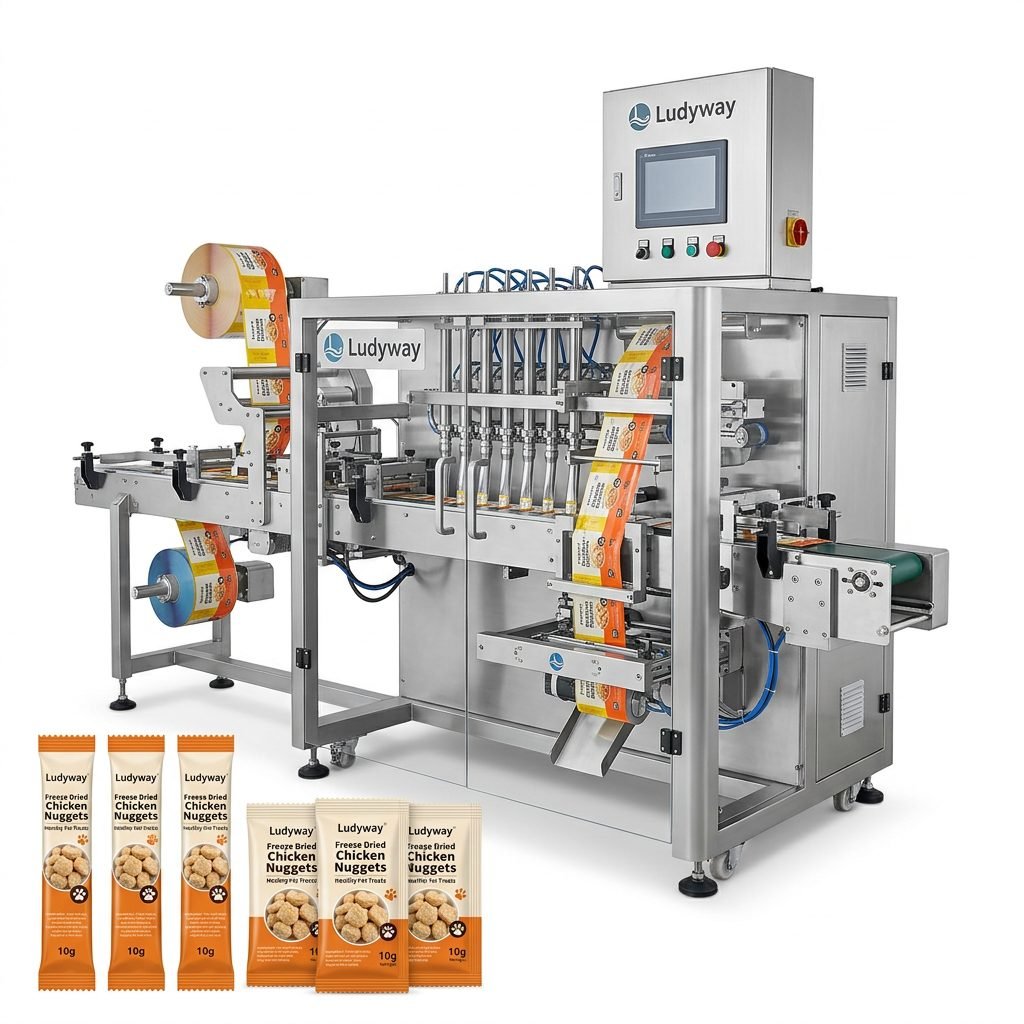
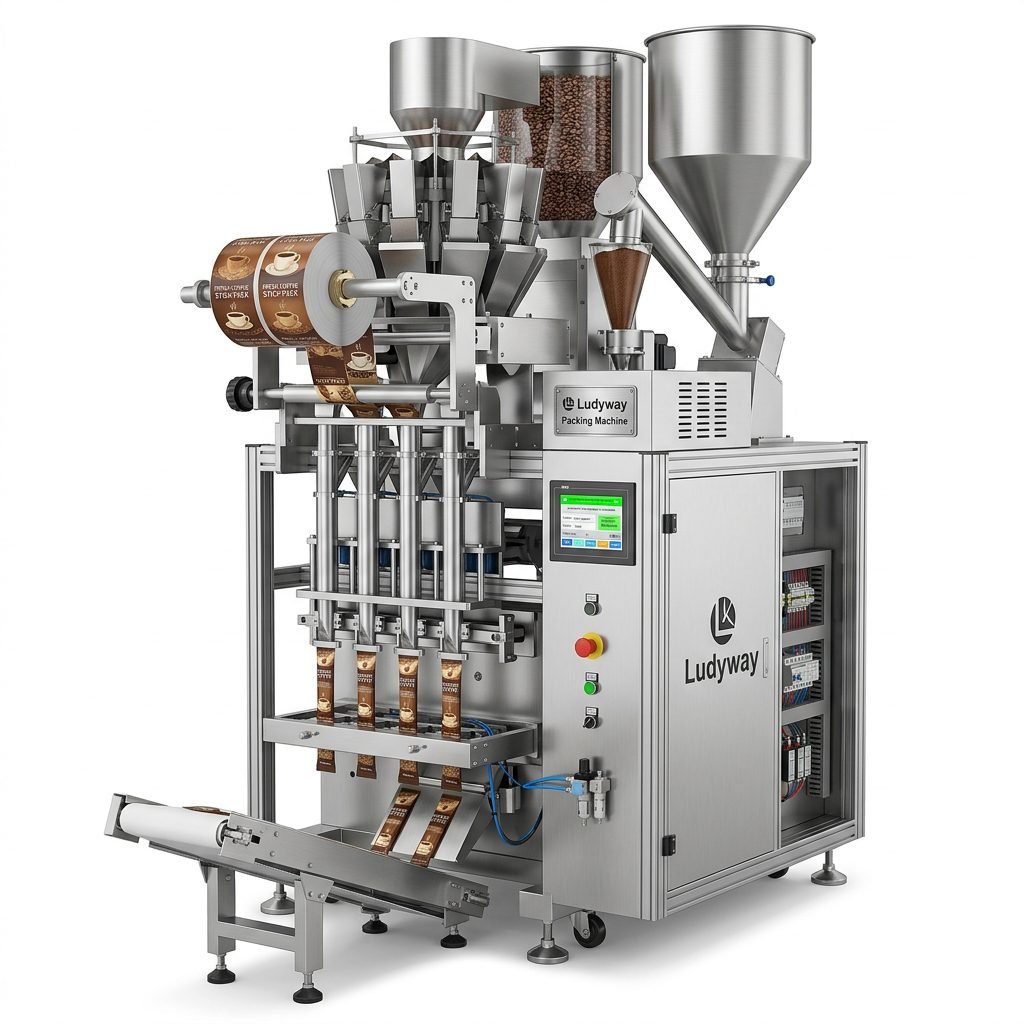
Polythene packing machines are widely used across food, pharmaceutical, chemical, cosmetic, and daily-use product industries because they help businesses pack products quickly, consistently, and hygienically. Whether you need to seal powders, granules, liquids, or small retail items into polythene bags, sachets, or pouches, the right machine can significantly improve output and reduce packaging waste.
For manufacturers planning to upgrade automation, understanding the machine’s structure, performance features, and application fit is essential before making a purchase decision.
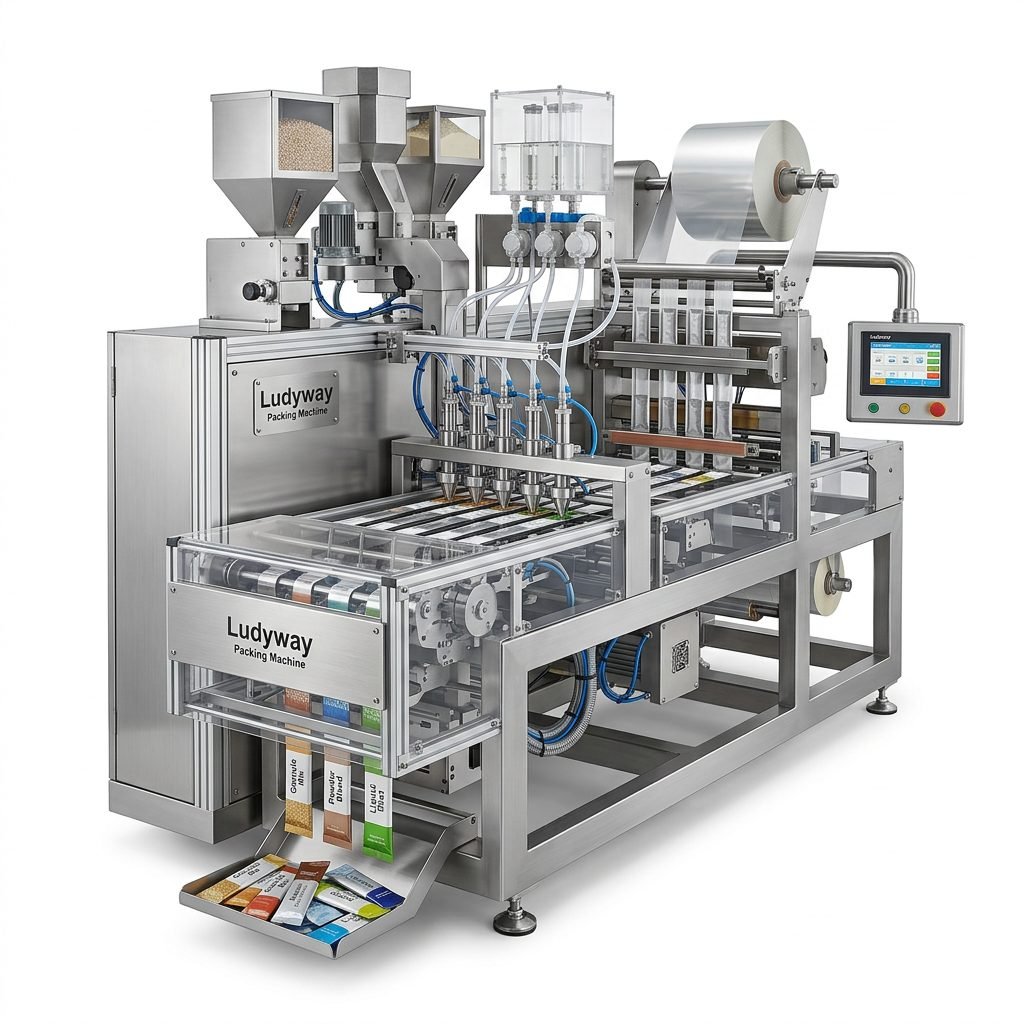
What Is a Polythene Packing Machine?
A polythene packing machine is a packaging system designed to form, fill, and seal products into polythene-based packaging materials. Depending on the production need, the machine may work with flat film, center-seal film, premade bags, or roll-fed plastic packaging materials.
These machines are commonly used for:
- Powders such as spices, milk powder, supplement powder, and chemical powder
- Granules such as sugar, seeds, coffee, salt, and fertilizer
- Liquids and semi-liquids such as sauces, oils, shampoo, and detergents
- Small hardware, consumer goods, and industrial products
The main goal is simple: deliver fast, clean, reliable, and repeatable packaging while maintaining good seal integrity and product presentation.
Key Features of a Modern Polythene Packing Machine
Today’s machines are far more advanced than basic sealing systems. Many models combine intelligent controls, precise dosing, and flexible bag-making functions into one integrated unit.
1. Automatic Form-Fill-Seal Operation
Most machines automatically create bags from film, fill the product, and seal the pack in one continuous process. This reduces manual intervention and improves consistency.
2. Multi-Product Compatibility
A good polythene packing machine can handle different product types by changing the feeding or filling system. For example:
- Auger fillers for powders
- Volumetric cup fillers for granules
- Piston pumps for creams and pastes
- Liquid pumps for free-flowing liquids
3. Adjustable Bag Sizes
Flexible bag length and width adjustment allows manufacturers to package multiple SKUs on a single machine platform, helping reduce equipment investment.
4. PLC and Touchscreen Control
Modern systems usually include a PLC control system and HMI touchscreen for easy parameter setting, recipe storage, alarm display, and troubleshooting.
5. Accurate Sealing Temperature Control
Stable temperature management is essential for polythene film packaging. It helps avoid weak seals, film burning, or leakage, especially for liquids and fine powders.
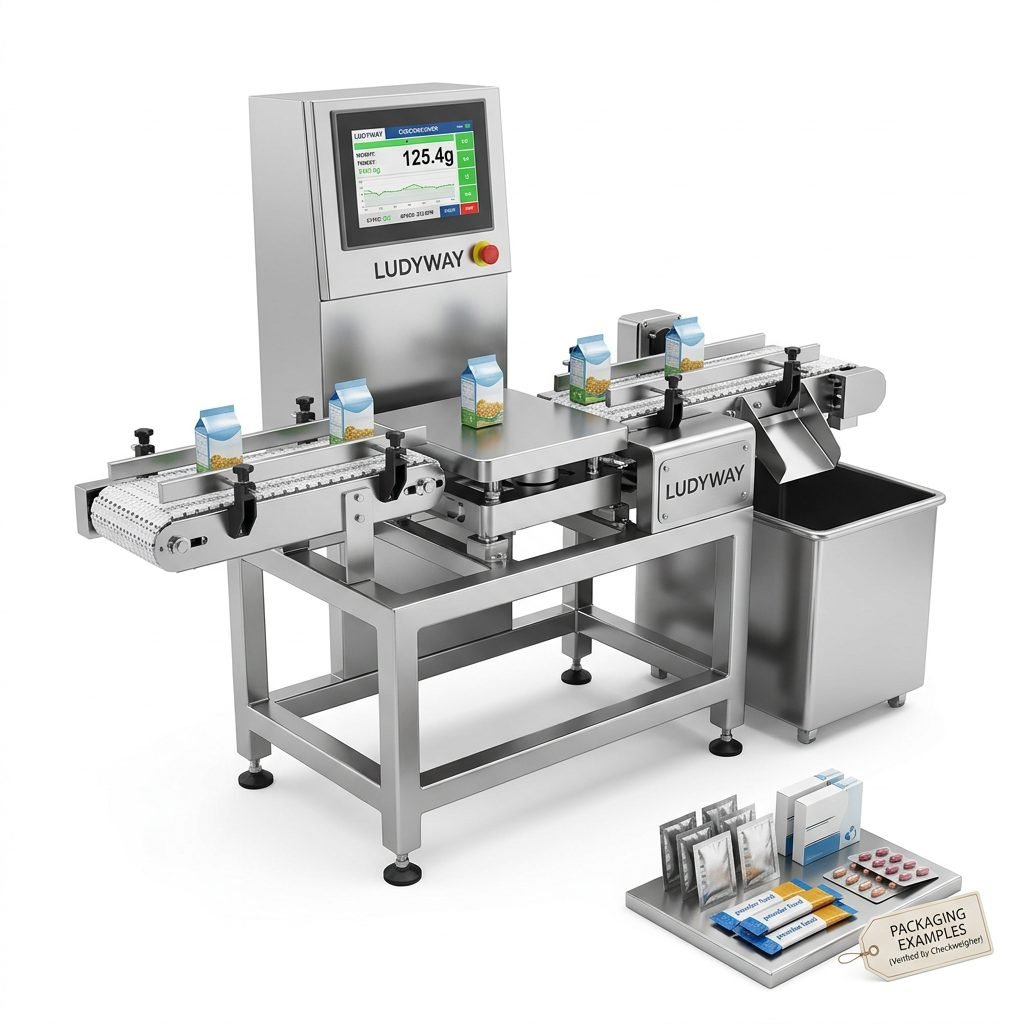
6. Optional Coding, Counting, and Inspection
Advanced configurations may include date coding, batch printing, checkweighing, metal detection, counting, cartoning, and even palletizing for a more complete packaging line.
Main Benefits of Using a Polythene Packing Machine
Investing in the right machine brings both production and commercial advantages.
| Benefit | How It Helps |
|---|---|
| Higher efficiency | Reduces packaging time and increases output per shift |
| Lower labor cost | Minimizes manual filling and sealing work |
| Improved consistency | Keeps pack size, seal quality, and fill volume uniform |
| Better hygiene | Supports cleaner packaging for food and pharma applications |
| Less material waste | Optimized sealing and filling reduce rejected packs |
| Scalable automation | Can be integrated into larger packaging lines as demand grows |
Common Types of Polythene Packing Machines
Vertical Form Fill Seal Machines
These are among the most common options for powders, granules, and small solids. They form the bag vertically from film roll stock, fill the product, and seal it efficiently.
Sachet Packing Machines
Suitable for small-dose packaging, sachet machines are ideal for salt, sugar, coffee, condiments, supplements, and pharmaceutical powders.
Stick Pack Machines
Used for slim, single-serve packaging, stick pack systems are popular in beverage powder, instant drink, health supplement, and oral powder applications.
Liquid and Paste Packing Machines
These machines package oils, sauces, gels, lotions, and detergents into polythene sachets or pouches with precise volumetric or piston filling systems.
Premade Pouch Packing Machines
Instead of forming the bag from roll film, these systems fill and seal ready-made pouches, often offering a premium packaging appearance.
Industries That Commonly Use Polythene Packing Machines
- Food industry: spices, coffee, sugar, grains, sauces, snacks, milk powder
- Pharmaceutical industry: oral powders, granules, medical consumables, health products
- Cosmetic industry: cream, serum, shampoo, lotion, facial mask sachets
- Chemical industry: detergent, fertilizer, additives, cleaning powder, liquid chemicals
- Animal nutrition: pet supplements, feed additives, powdered nutrition products
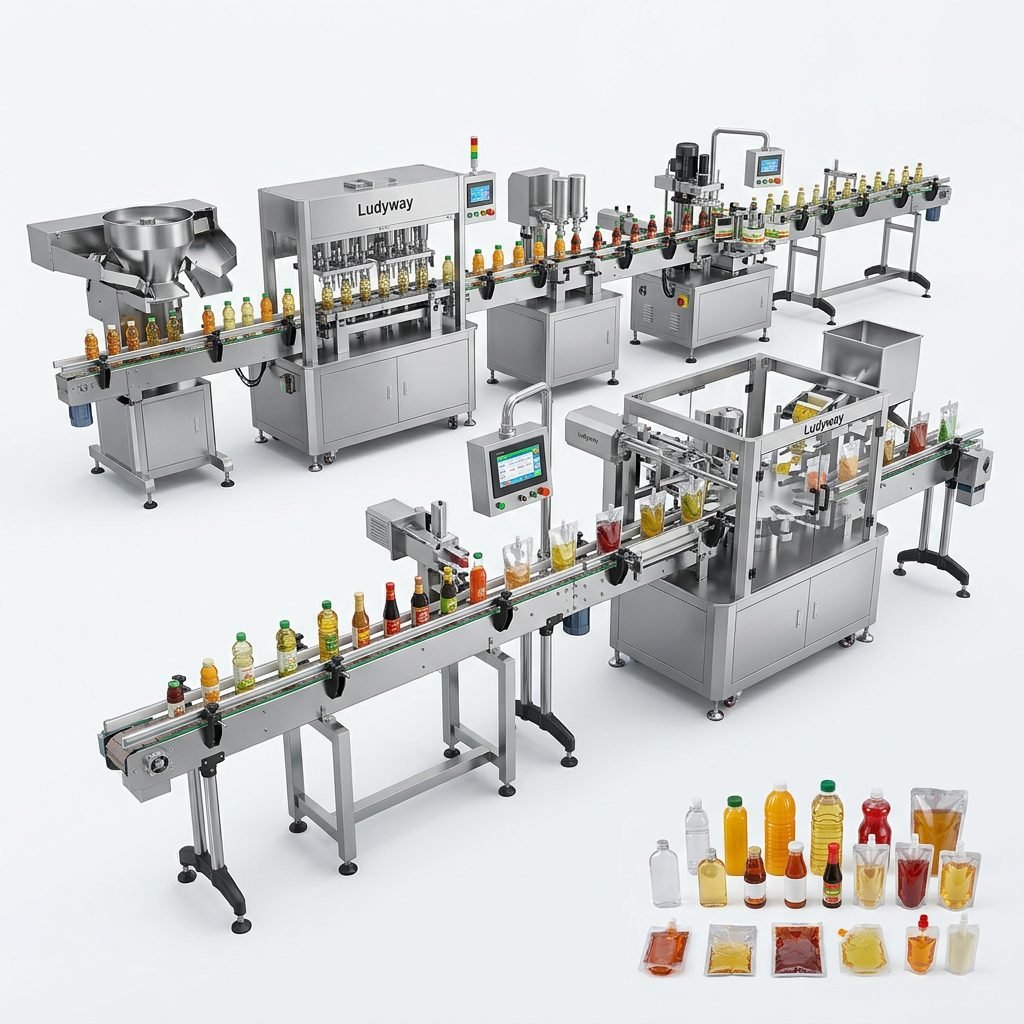
How to Choose the Right Polythene Packing Machine
Choosing the right machine is not just about speed. It should match your product, packaging format, budget, and future expansion plans.
Understand Your Product Characteristics
Start with the product itself. Is it free-flowing, dusty, sticky, viscous, fragile, or corrosive? Product behavior directly affects the filling method, sealing design, and machine construction materials.
Define the Packaging Format
Clarify whether you need pillow bags, three-side seal sachets, four-side seal sachets, stick packs, or premade pouches. The packaging format determines the machine type.
Check Production Capacity Requirements
Estimate packs per minute, daily working hours, and seasonal demand growth. Buying too small may limit growth, while oversizing may increase unnecessary cost.
Review Film and Seal Compatibility
Not all polythene materials behave the same way. Ensure the machine can run the film thickness and sealing structure you plan to use.
Evaluate Accuracy and Waste Control
For high-value products such as supplements, pharmaceuticals, and specialty chemicals, accurate filling is critical. A machine with stable dosing can reduce giveaway and improve profitability.
Consider Cleaning and Maintenance
If you switch products often, look for a machine that allows fast cleaning, simple disassembly, and accessible wear parts. This is especially important in regulated industries.
Look at Automation Integration
If your factory plans to automate further, choose equipment that can connect with feeders, conveyors, checkweighers, cartoners, coding machines, and palletizing systems.
Assess Supplier Experience
An experienced manufacturer can provide better application guidance, customization, installation support, and long-term spare parts service. Businesses seeking scalable packaging automation often work with polythene packing machine solutions from Ludyway, a manufacturer with more than 30 years of experience in packaging machinery and turnkey packaging lines.
Quick Buyer Checklist
| Question | Why It Matters |
|---|---|
| What product will be packed? | Determines filler type and sealing configuration |
| What bag style is required? | Determines machine structure and tooling |
| What output is needed? | Helps size the machine correctly |
| What level of accuracy is required? | Affects product loss and compliance |
| Is future line integration planned? | Supports long-term automation strategy |
| How important is after-sales support? | Reduces downtime and operating risk |
Mistakes to Avoid When Buying
- Choosing only by price and ignoring total lifetime cost
- Buying a machine without confirming film compatibility
- Ignoring cleaning requirements for food or pharma use
- Underestimating future capacity expansion
- Not asking for real sample testing before purchase
- Overlooking spare parts availability and technical support
Final Thoughts for Buyers
A polythene packing machine is more than a packaging tool—it is a productivity asset that influences efficiency, quality, and brand presentation. The best choice depends on your product type, required output, bag format, and long-term automation goals.
When selected correctly, the machine can help your business achieve faster production, better packaging consistency, lower labor reliance, and improved operational control. For companies comparing suppliers, it is always wise to request application-specific recommendations, sample packing tests, and future line integration options before making the final decision.