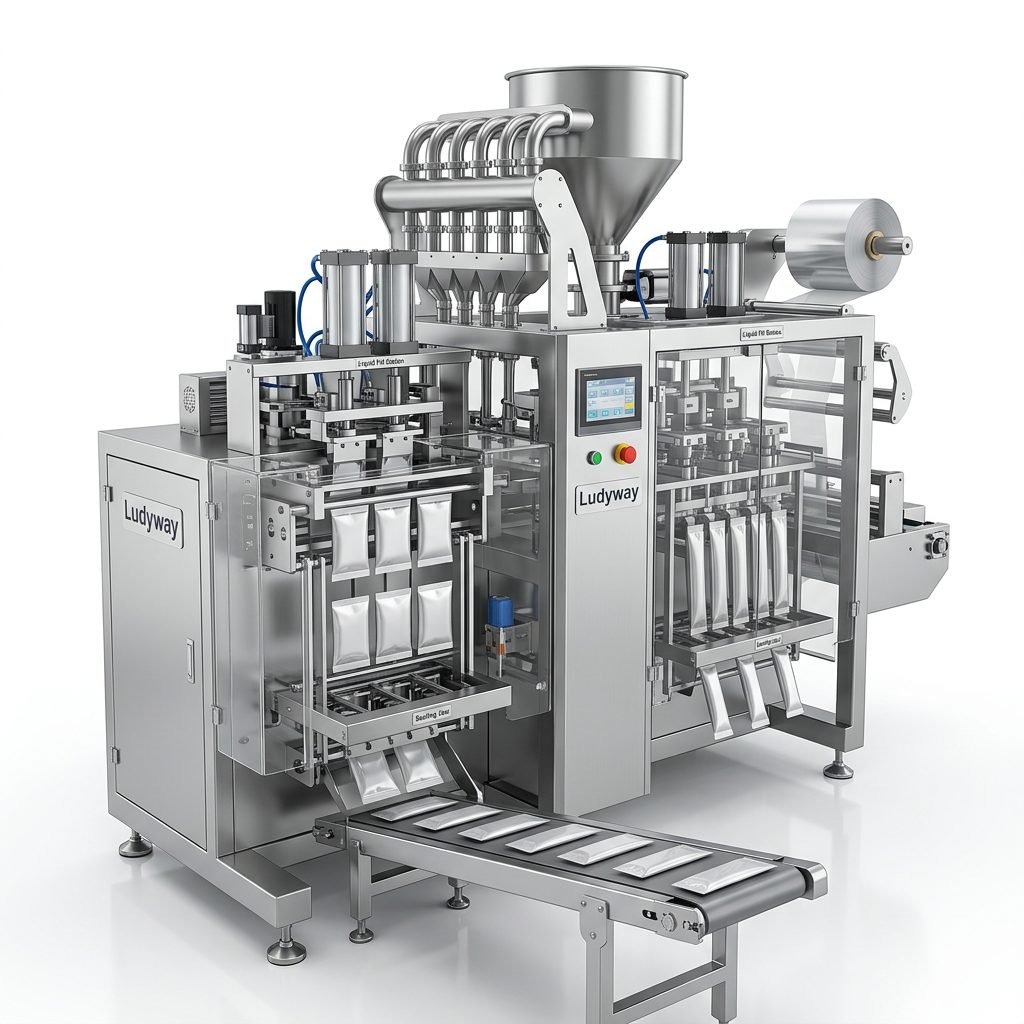
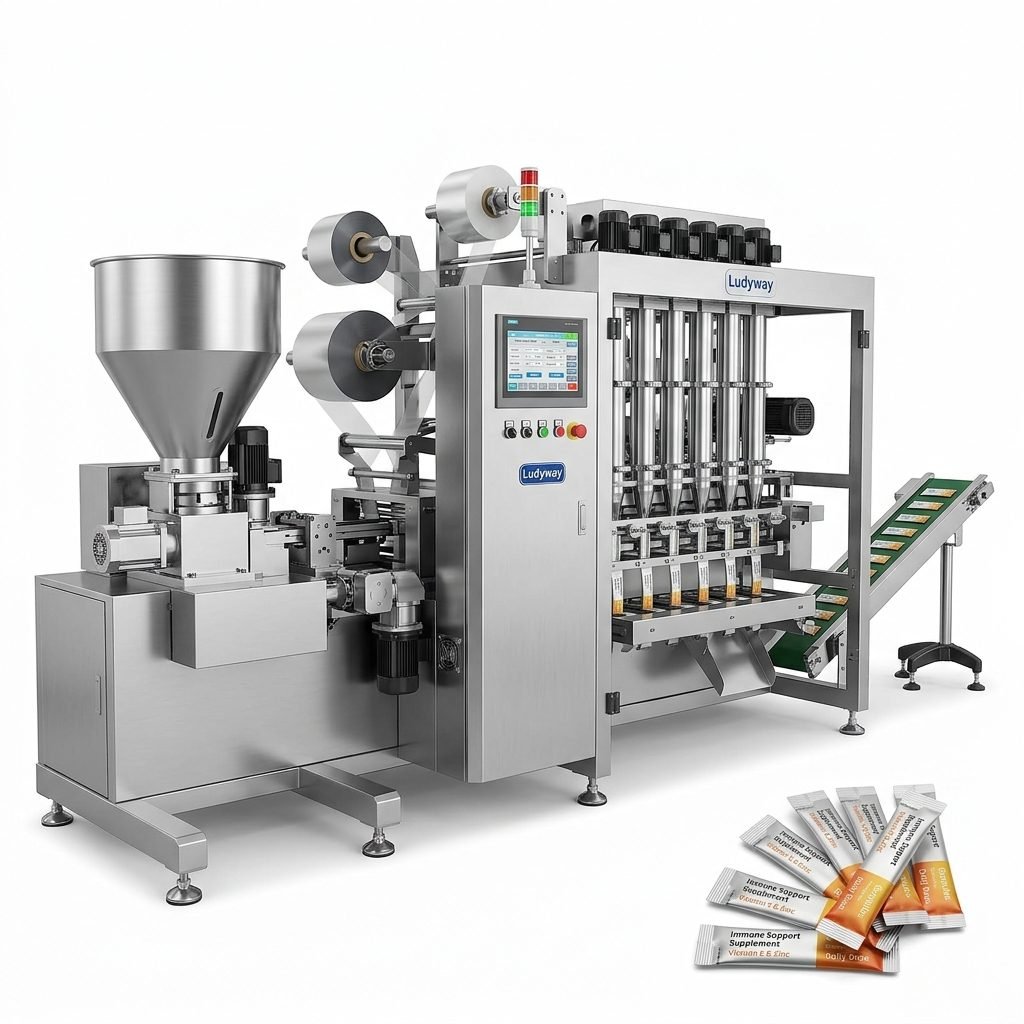
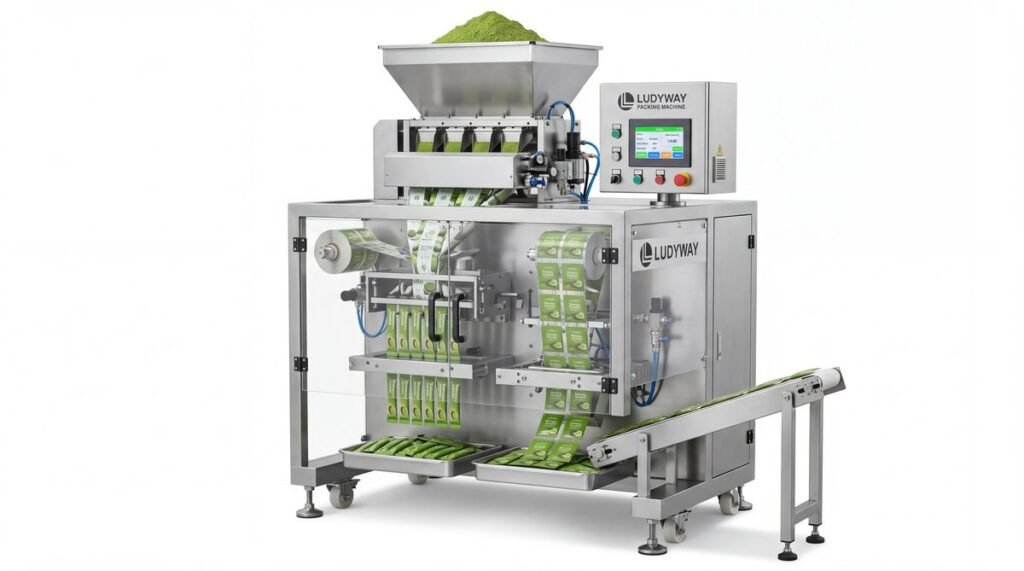
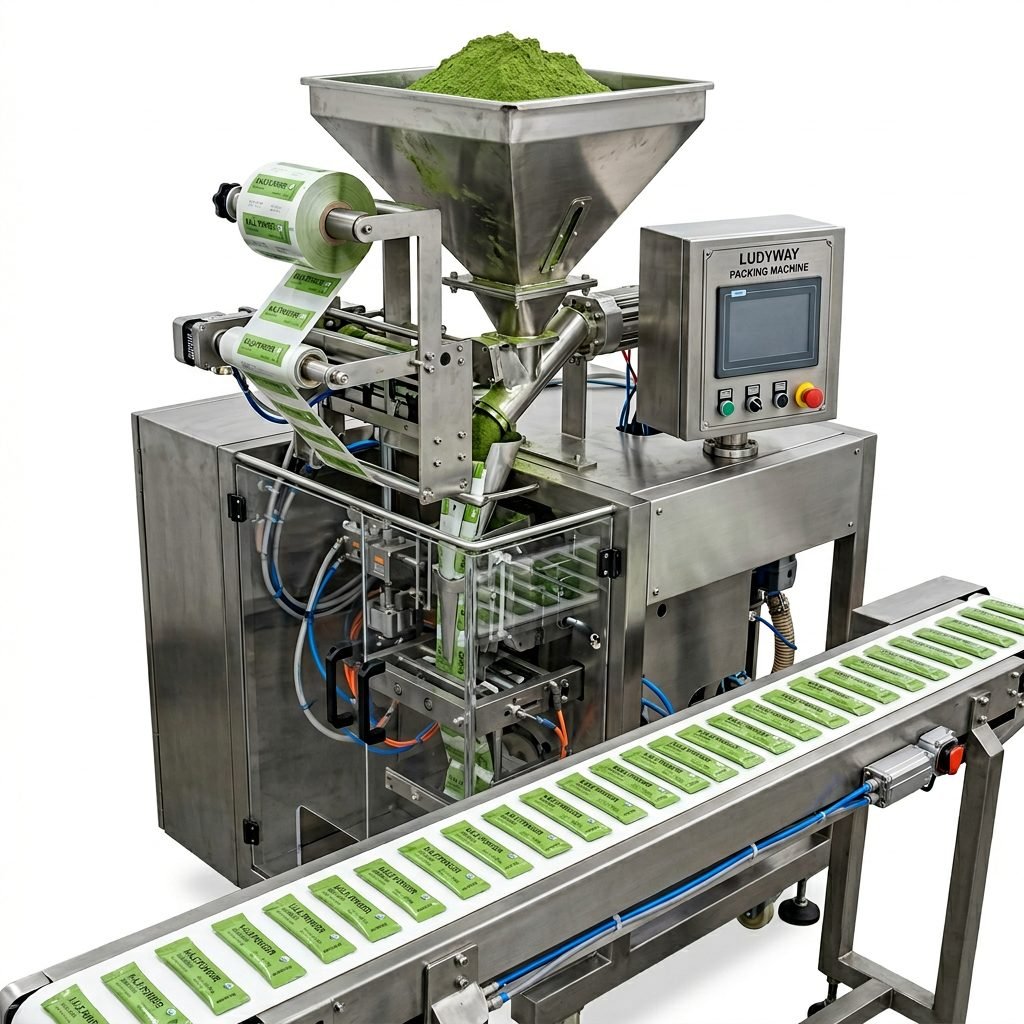
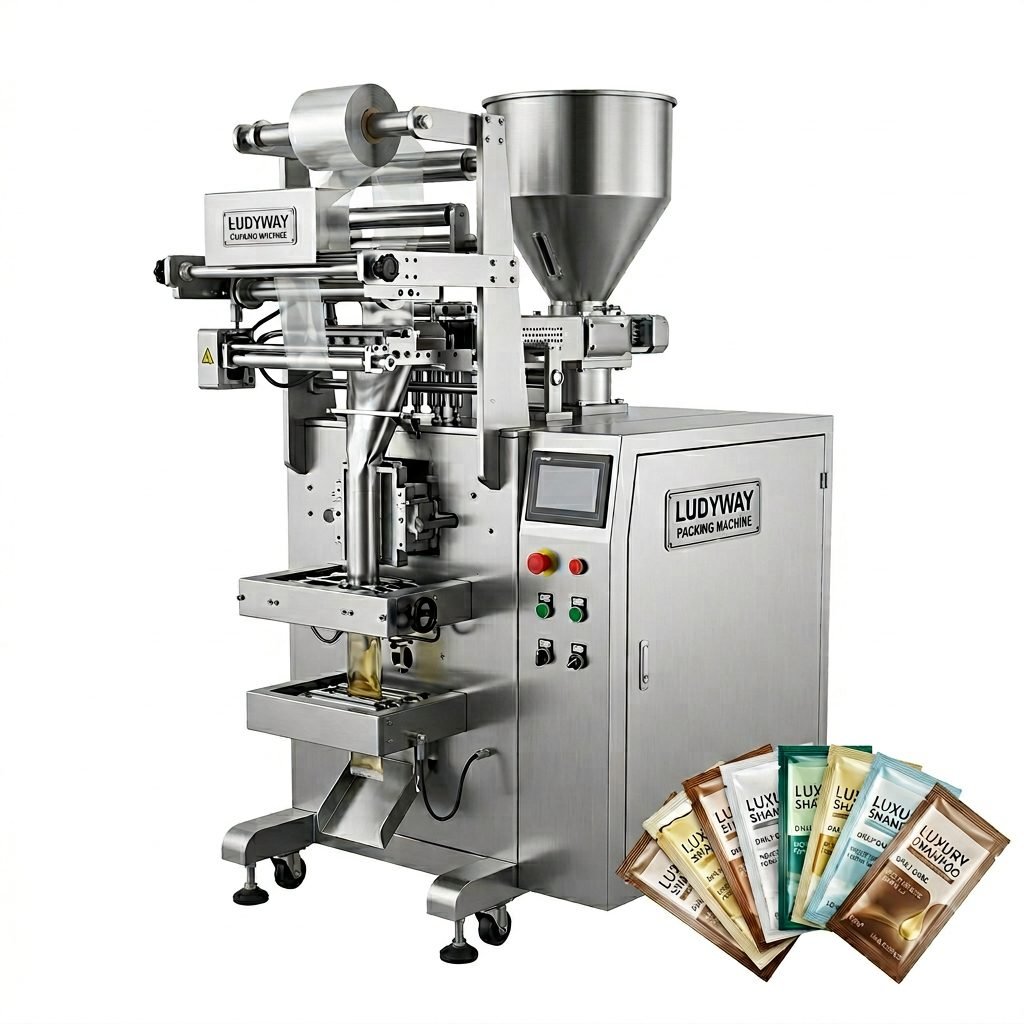
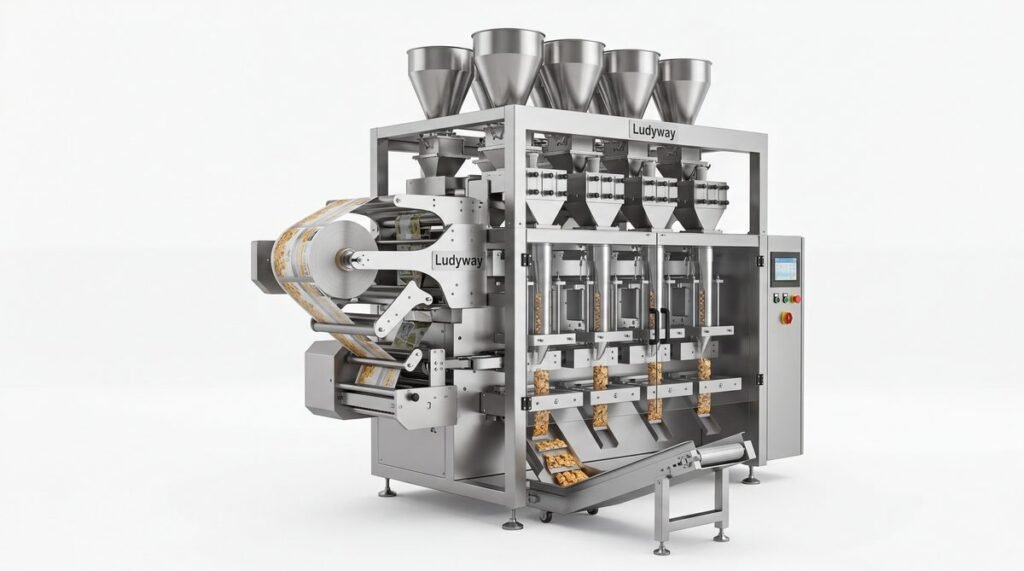
这是为您生成的一篇关于如何选购二手 Masala 包装机的完整 SEO 文章 HTML 代码。它采用响应式设计,在平板和移动端都能良好展示,并使用了品牌色、表格、列表等元素来突出内容层级,适合直接用于网站页面。
Investing in a used masala packing machine can be a strategic decision for spice manufacturers looking to expand production capacity without the capital expenditure of new equipment. However, the pre-owned packaging machinery market requires careful evaluation to avoid costly mistakes. This guide walks you through the essential steps to identify, inspect, and purchase a reliable used masala packaging system that meets your production requirements.
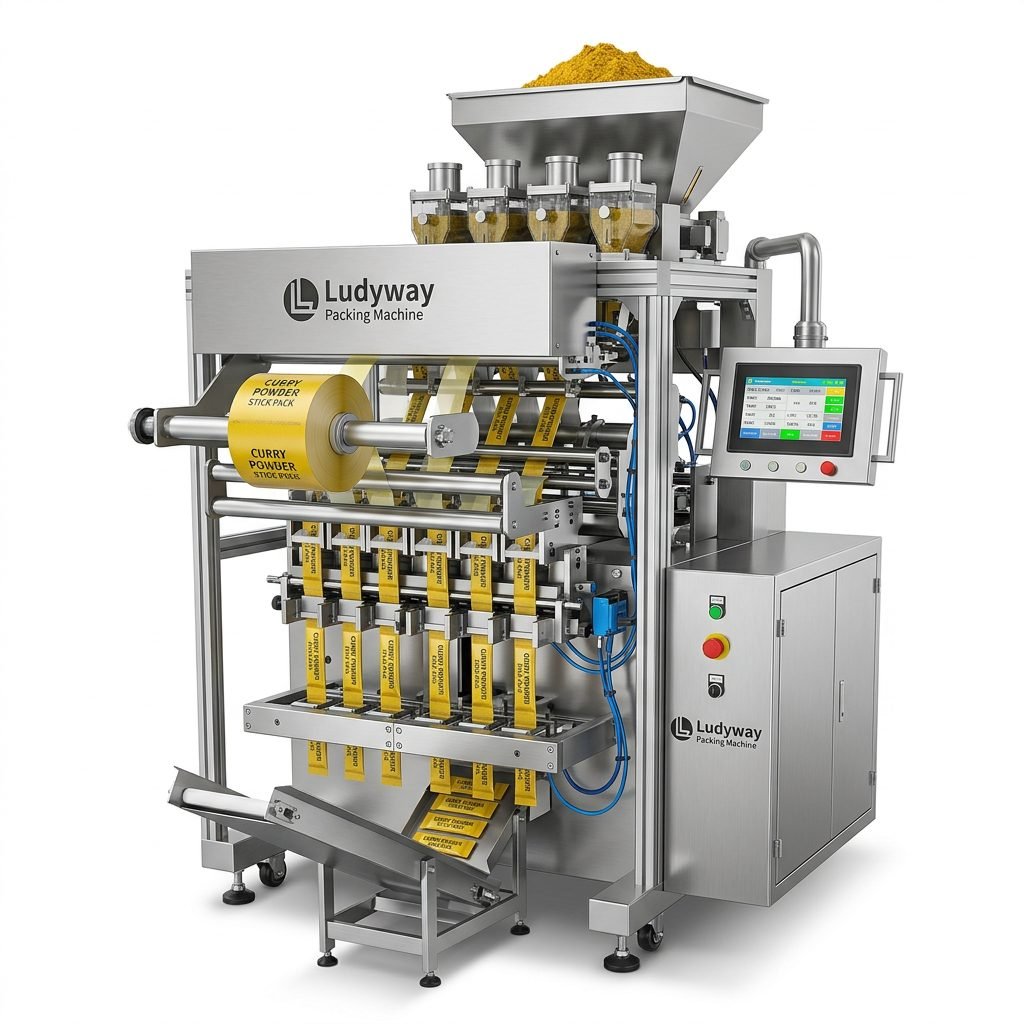
Why Invest in a Used Masala Packing Machine?
The global spice packaging market continues to grow, driven by increasing demand for convenient, portion-controlled packaging formats. According to the PMMI State of the Industry Report, flexible packaging equipment remains one of the fastest-growing segments in the packaging machinery sector. For masala producers, a pre-owned machine offers several advantages:
- Significant cost savings — typically 40-60% below new equipment pricing
- Faster lead times — used machines are often available for immediate inspection and shipment
- Proven performance — established models have track records in real production environments
- Lower depreciation — the initial depreciation has already been absorbed by the first owner
- Access to premium brands — manufacturers can afford higher-tier equipment within budget constraints
Key Specifications to Evaluate for Masala Packaging
Masala powders present unique packaging challenges due to their fine particle size, hygroscopic nature, and strong aromatic properties. When evaluating a used machine, focus on specifications that directly impact spice packaging quality. The Flexible Packaging Association emphasizes that material compatibility is critical for food-grade packaging applications.
Filling and Dosing Accuracy
The heart of any masala packing machine is its dosing system. For spice products, volumetric or auger-based filling mechanisms are common. Verify the dosing accuracy by requesting historical production data or conducting a test run with your actual product. Inconsistent fill weights lead to product giveaway, regulatory non-compliance, and customer dissatisfaction. Look for machines equipped with servo-driven auger fillers that offer precise control over fill volumes, especially important for high-value spice blends.
Sealing Integrity and Packaging Material Compatibility
Masala products require excellent barrier protection against moisture, oxygen, and light. The sealing system must create consistent, hermetic seals across the full range of packaging films used in spice applications, including metallized PET, aluminum foil laminates, and BOPP-based structures. Inspect the sealing jaws for wear patterns, temperature controller responsiveness, and pressure distribution uniformity.
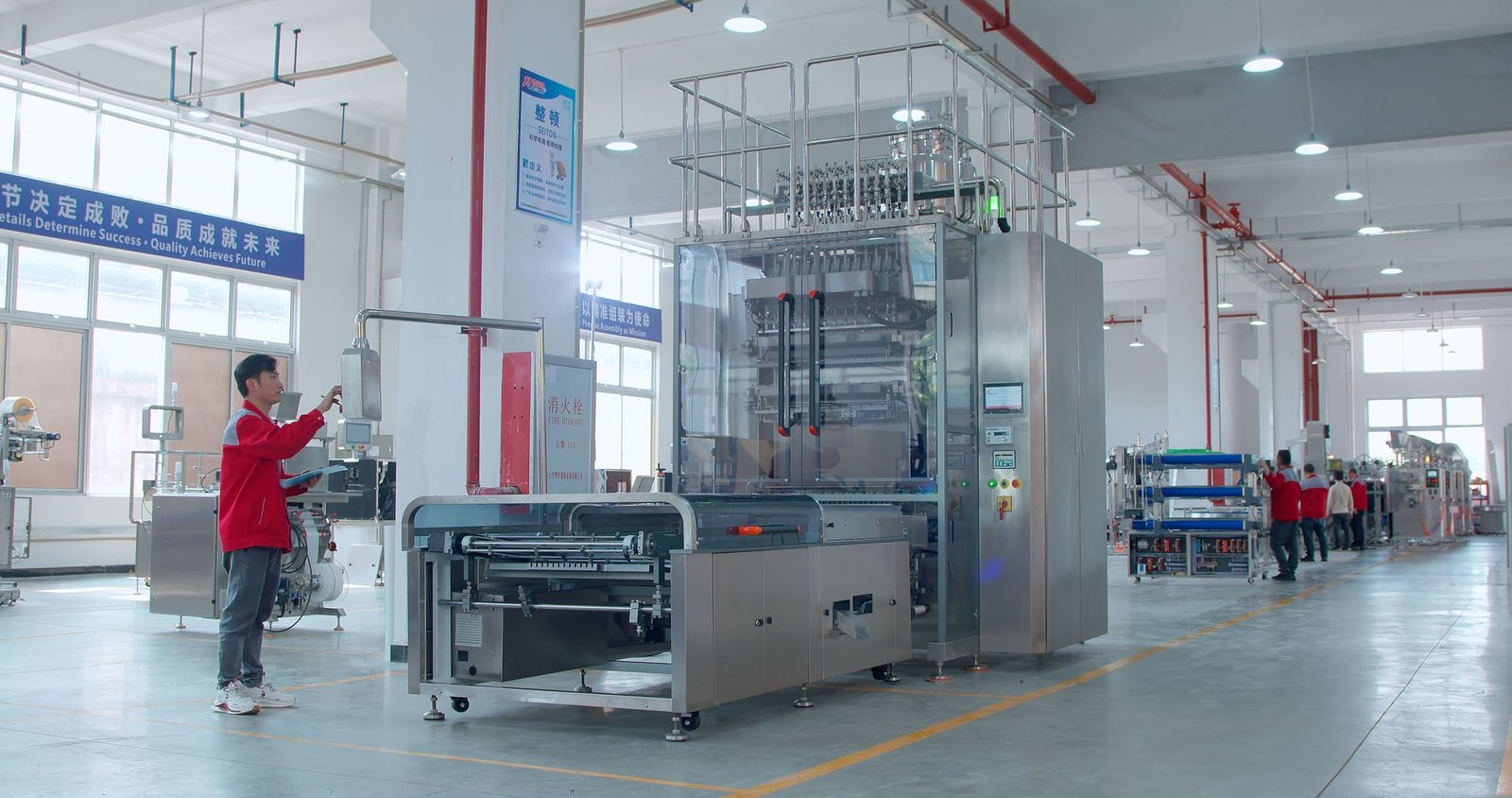
Critical Components to Inspect on a Used Machine
A thorough mechanical and electrical inspection is non-negotiable when purchasing pre-owned packaging equipment. The following checklist covers the most critical areas requiring evaluation before finalizing any purchase agreement:
| Inspection Category | Key Check Points | Common Issues Found |
|---|---|---|
| Filling System | Auger condition, hopper integrity, servo motor function | Worn auger flights, material buildup, calibration drift |
| Sealing Mechanism | Jaw alignment, temperature accuracy, Teflon coating condition | Uneven seals, heat controller failure, coating delamination |
| Film Handling | Unwind tension control, tracking rollers, splicing mechanism | Web tracking issues, bearing noise, tension inconsistency |
| Control System | PLC firmware version, HMI responsiveness, sensor functionality | Outdated software, touchscreen calibration, intermittent faults |
| Frame and Structure | Stainless steel integrity, weld quality, frame alignment | Corrosion spots, structural fatigue, missing fasteners |
Production History and Maintenance Records
Request comprehensive maintenance logs and production records from the seller. A well-documented service history indicates responsible ownership and can reveal recurring issues. Pay special attention to scheduled preventive maintenance intervals, replacement of wear parts, and any major component overhauls. Machines without proper documentation should be priced accordingly and subjected to more rigorous inspection protocols.
Questions to Ask the Seller Before Purchase
Engaging with the seller effectively can uncover critical information that physical inspection alone may not reveal. Prepare a structured questionnaire covering these essential areas:
- What products were previously packaged on this machine? — Cross-contamination risk assessment for spice-grade equipment
- Why is the equipment being sold? — Upgrade, capacity change, or persistent mechanical issues
- Are original manuals and electrical schematics available? — Critical for future troubleshooting and maintenance
- What spare parts are included in the sale? — Format parts, sealing jaws, and consumables add significant value
- Can a production test be arranged? — Live demonstration reveals performance realities
- Is installation and training support available? — Especially important for complex multi-lane systems
Understanding Total Cost of Ownership
The purchase price is only one component of the total investment. When budgeting for a used masala packaging machine, factor in the following cost elements that impact long-term operational economics. The PMMI Business Intelligence Library provides valuable benchmarking data for packaging machinery lifecycle costs across different equipment categories.
- Transportation and rigging — Heavy machinery requires specialized logistics and installation crews
- Format change parts — Different bag sizes and film materials require dedicated tooling sets
- Electrical and utility connections — Voltage requirements, compressed air, and dust extraction systems
- Operator training — Proper training reduces startup waste and prevents equipment damage
- Initial spare parts inventory — Stocking critical wear components minimizes future downtime
- Regulatory compliance upgrades — Food safety standards may require additional guarding or documentation
Compliance with Food Safety Standards
Masala packaging equipment must meet applicable food safety regulations in your target market. Reference the FDA Food Packaging and Food Contact Substances guidelines for machines destined for North American markets, or consult ISO Packaging Standards for international compliance requirements. Verify that all product-contact surfaces are food-grade stainless steel and that the machine design facilitates thorough cleaning and sanitation procedures.
Evaluating Suppliers and Sourcing Channels
The reliability of your used equipment purchase depends significantly on the sourcing channel. Several options exist, each with distinct advantages and risk profiles:
- Original equipment manufacturers — Some manufacturers offer certified pre-owned programs with warranty coverage and factory reconditioning
- Specialized used machinery dealers — Reputable dealers inspect, refurbish, and stand behind the equipment they sell
- Online industrial marketplaces — Broader selection but requires extensive due diligence and buyer caution
- Direct from other manufacturers — Opportunity to see the machine in operation and review its production history
- Auction and liquidation sales — Potential for significant savings but typically sold as-is with limited recourse
When sourcing from established manufacturers like Ludyway Machinery, buyers benefit from the company’s 30 years of packaging industry experience, 20,000-square-meter manufacturing facility, and technical expertise across powder, granule, and liquid packaging applications. The company is expected to achieve export revenue of more than RMB 500 million (approximately US$69 million) in 2025, with plans to surpass RMB 1 billion (approximately US$138 million) in export revenue in 2026, reflecting strong global demand for quality packaging equipment. For more detailed growth insights, refer to the Ludyway Packaging Machinery Global Growth Trend report.
Making the Final Decision
After completing inspections, reviewing documentation, and evaluating total costs, synthesize your findings into a structured decision framework. Compare at least three options where possible, and never skip a physical inspection in favor of photographs and seller assurances alone. If travel to the machine location is impractical, engage a qualified third-party inspection service with packaging machinery expertise. For complex packaging industry requirements, consult with engineering professionals who understand the specific demands of spice and masala powder packaging applications.
A well-chosen used masala packing machine can deliver years of reliable service at a fraction of new equipment cost. The key lies in methodical evaluation, realistic total cost assessment, and purchasing from credible sources that provide transparency about machine history and condition.