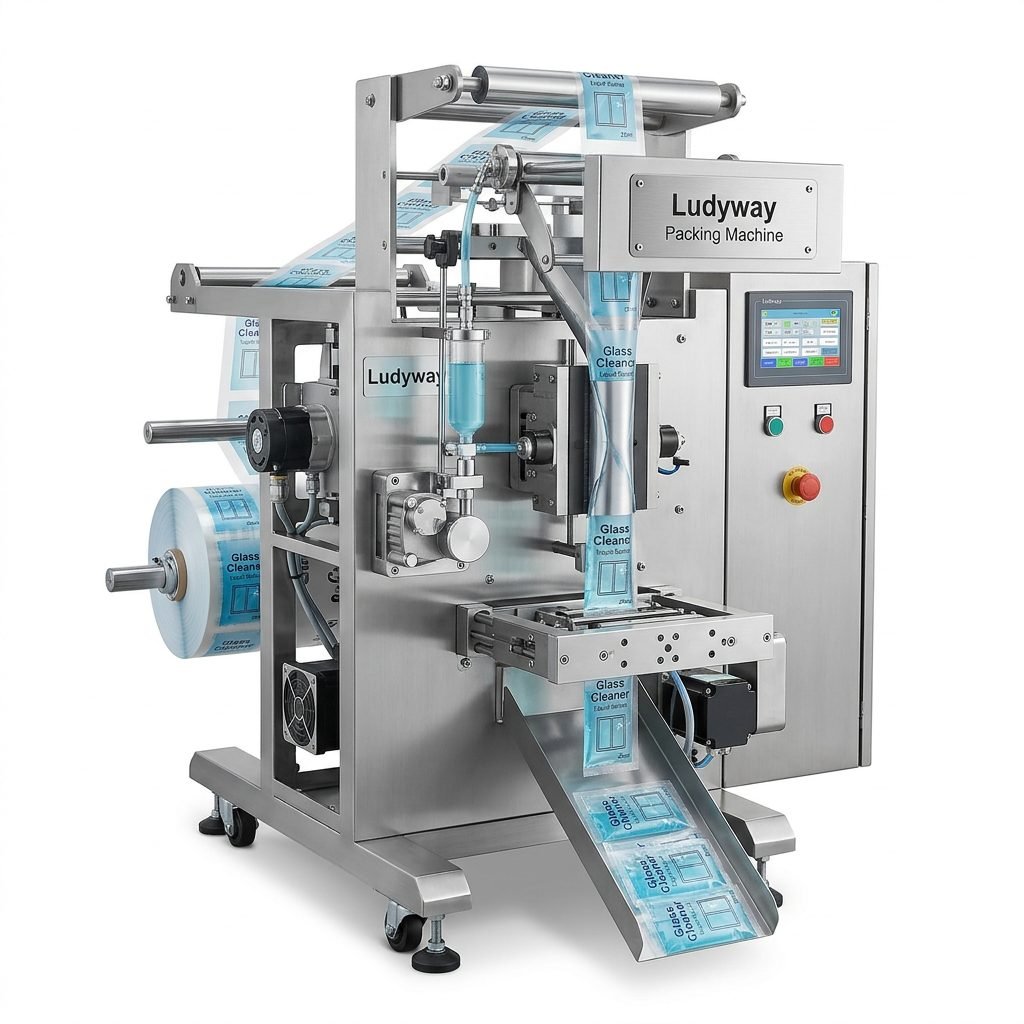
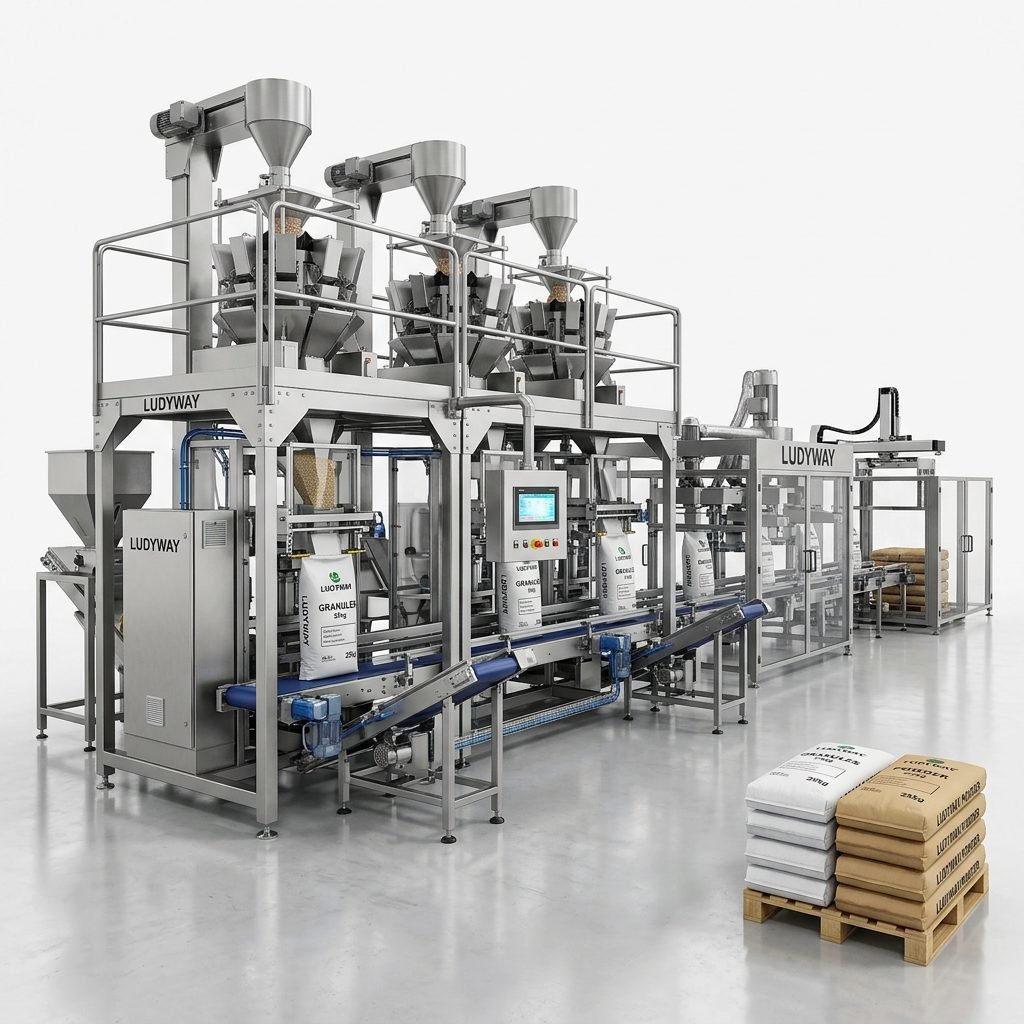
Investing in a used water pouch packing machine can be a smart way to expand production capacity without the capital expenditure of brand-new equipment. However, the pre-owned packaging machinery market requires careful evaluation to avoid costly mistakes. This guide walks you through the essential factors to consider and practical tips for making a confident purchase.

Why the Used Packaging Equipment Market Is Growing
The global demand for flexible packaging continues to rise, driven by industries such as food and beverage, pharmaceuticals, and personal care. According to data from the Flexible Packaging Association, the sector has seen consistent year-over-year growth, which has increased demand for water pouch packing machines across multiple markets. For many manufacturers, purchasing a pre-owned machine offers a faster return on investment while maintaining acceptable performance levels.
However, not all used equipment is equal. Understanding what to inspect — and what questions to ask — is critical before signing any purchase agreement.
Key Factors to Evaluate Before Buying
Machine Age and Operating Hours
One of the first data points to verify is the manufacturing date and total operating hours. A machine that has been running continuously for 5+ years in a high-speed production environment will have significantly more wear than one used intermittently. Always request maintenance logs and service records. These documents reveal how well the previous owner maintained the equipment and whether critical components were replaced on schedule.
Production Speed and Output Capacity
Confirm that the machine’s rated speed in pouches per minute (ppm) aligns with your production requirements. A common mistake buyers make is purchasing a machine that cannot scale with future demand. Test the machine under load if possible, or request video footage of it running at the claimed speed with actual product and packaging film. Standards from ISO packaging guidelines can serve as a reference point for performance benchmarking.
Packaging Format Compatibility
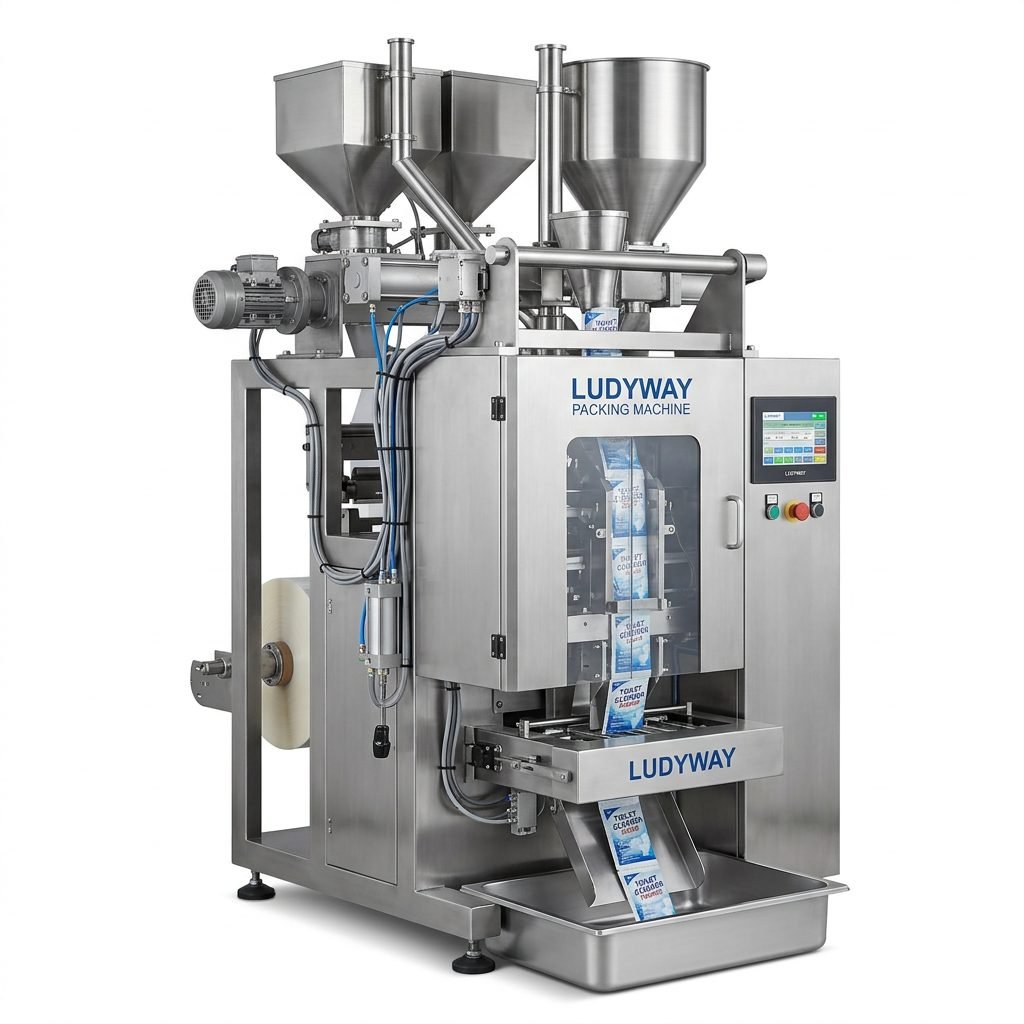
Water pouch packaging covers a range of formats — from small sachets to larger stand-up pouches. Verify the following specifications:
- Pouch dimensions — minimum and maximum width, length, and gusset depth the machine can handle
- Film material compatibility — including multi-layer laminates, aluminum foil, and biodegradable films
- Sealing type — three-side seal, four-side seal, or center seal configurations
- Filling system — volumetric, auger, piston, or multi-head weigher depending on your product
Filling Accuracy and Dosing System
For liquid water pouch applications, filling accuracy directly impacts product consistency and regulatory compliance. Inspect the dosing mechanism for signs of wear, leakage, or calibration drift. A deviation of even a few milliliters per pouch can result in significant product waste and customer complaints over time. Review the FDA packaging compliance requirements if your product falls under regulated categories.
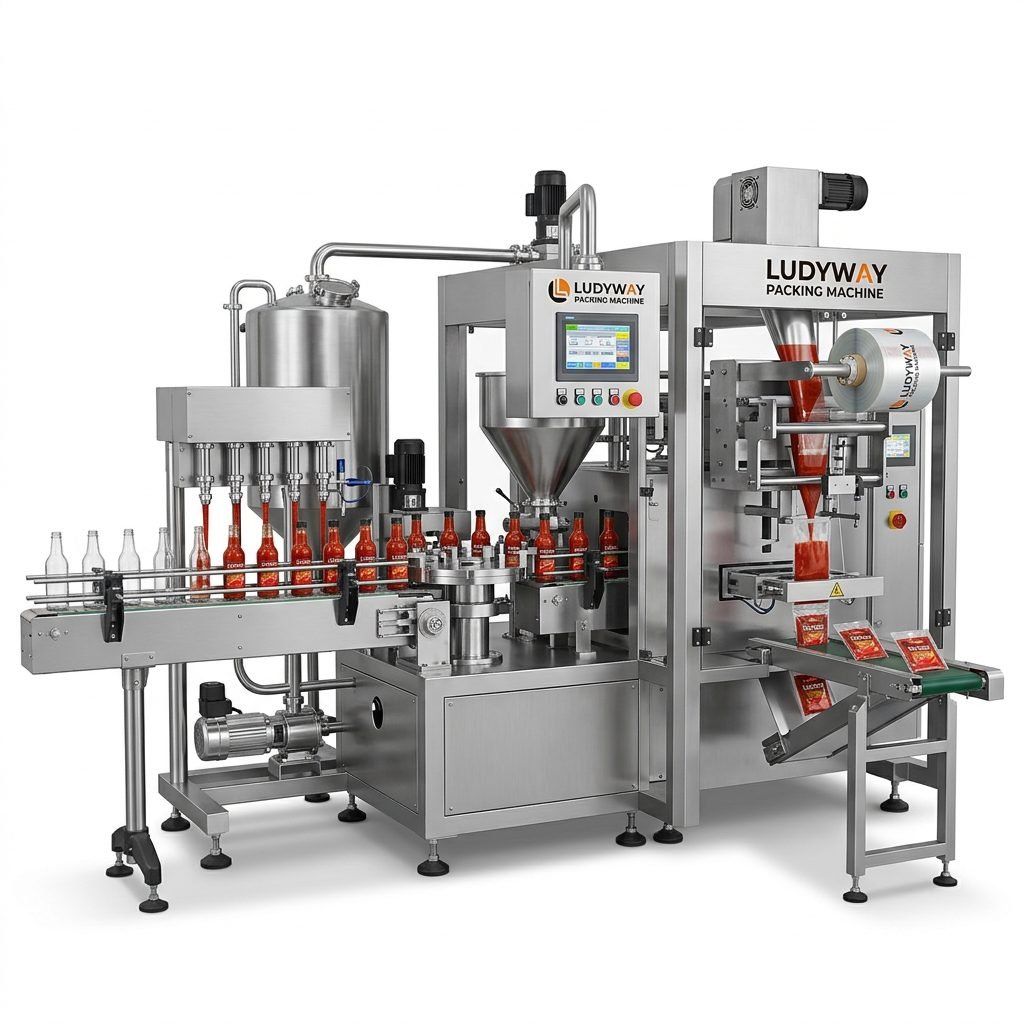
Critical Component Inspection Checklist
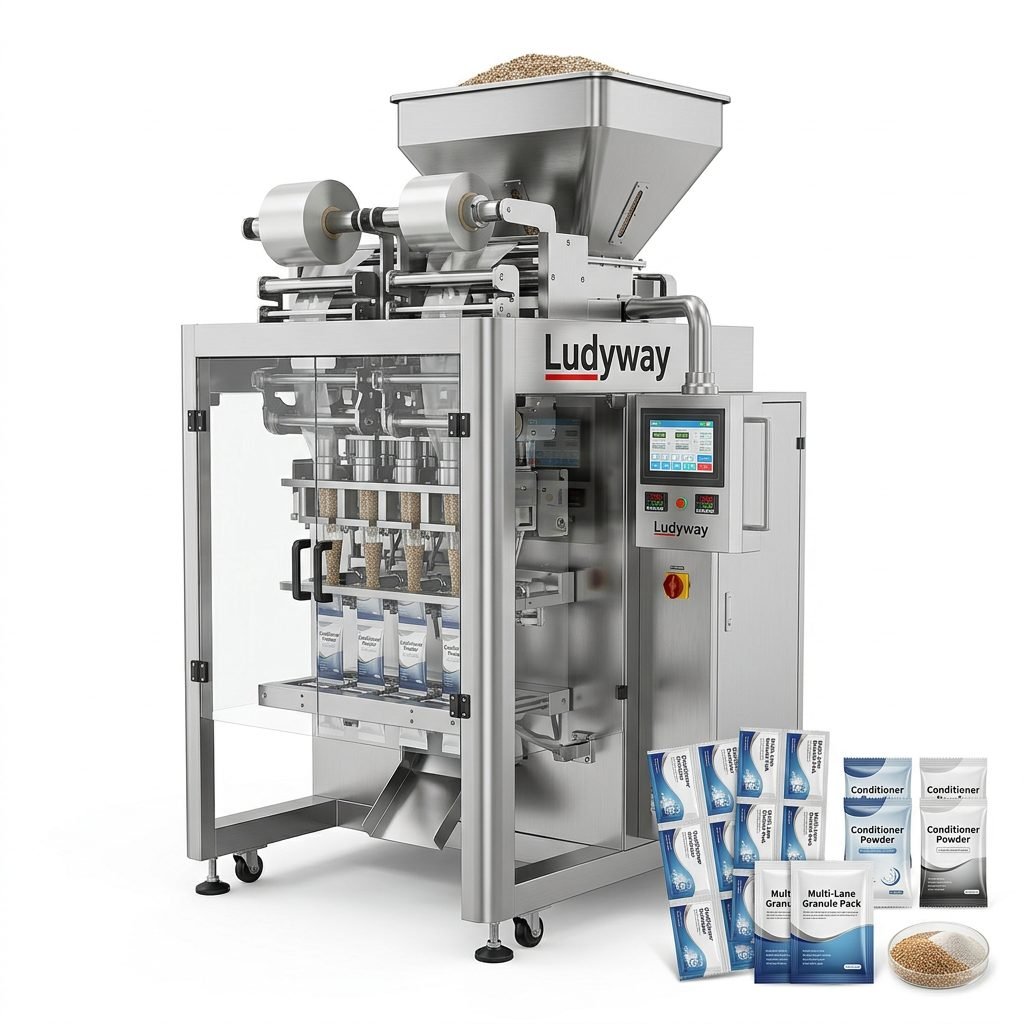
When evaluating a used water pouch packing machine on-site or remotely, focus on these high-impact components:
- Sealing jaws and heating elements — Look for uneven wear, scorching, or inconsistent temperature profiles
- Film unwinding and tension control — Ensure smooth film feeding without wrinkling or misalignment
- Electrical cabinets and control panels — Check for outdated PLCs, damaged wiring, or corrosion
- Pneumatic systems — Inspect cylinders, valves, and air lines for leaks or pressure inconsistencies
- Conveyor and discharge systems — Verify smooth operation and integration with downstream equipment
Comparing New vs. Used Water Pouch Packing Machines
The table below highlights key differences to help frame your purchasing decision:
| Factor | New Machine | Used Machine |
|---|---|---|
| Initial Cost | High capital expenditure | 40-60% lower investment |
| Warranty Coverage | Full manufacturer warranty | Limited or no warranty |
| Technology Level | Latest automation and controls | May use older PLC and interface |
| Lead Time | 8-16 weeks typically | Immediate to 2 weeks |
| Customization | Fully configurable | Limited to existing configuration |
| Spare Parts Availability | Readily available from OEM | May require sourcing from third parties |
Buying Tips for a Successful Purchase
Work with Reputable Machinery Dealers and Manufacturers
Established packaging machine suppliers often have refurbished or trade-in equipment available that has been professionally inspected and serviced. Purchasing through a known manufacturer’s pre-owned program provides greater assurance than buying from an unknown online marketplace. Many manufacturers also offer installation support and limited warranties even on used equipment, which significantly reduces your risk.
Request a Live Demonstration or Factory Acceptance Test
Whenever possible, arrange a live demonstration using your actual product and packaging materials. This reveals how the machine performs under real-world conditions. If an in-person visit is not feasible, request a detailed video call showing the machine in operation, including start-up, steady-state running, and changeover procedures. Industry events such as PACK EXPO International can also be excellent opportunities to inspect multiple machines and meet suppliers in person.

Verify After-Sales Support and Spare Parts
One of the most overlooked factors when buying used equipment is the availability of spare parts. Before committing, confirm that critical components such as sealing jaws, heating cartridges, sensors, and drive belts are still available for purchase. Check whether the original manufacturer still supports that model series. Resources from PMMI’s packaging industry knowledge base can help you understand service expectations and industry standards for after-sales support.
Calculate Total Cost of Ownership
The purchase price is only one component of the total investment. Account for the following:
- Transportation and rigging costs — moving heavy packaging machinery requires specialized logistics
- Installation and commissioning — including electrical, pneumatic, and utility connections
- Operator training — especially if your team is unfamiliar with the specific machine brand
- Initial maintenance and refurbishment — budgeting for any immediate repairs or component replacements
- Ongoing maintenance contracts — if available through the seller or a third-party service provider
Inspect Documentation and Compliance
For manufacturers in regulated industries such as pharmaceuticals, medical devices, or food and beverage, equipment documentation is essential. Request IQ/OQ (Installation Qualification / Operational Qualification) records if applicable, along with any certifications or compliance documentation. The ISO 11607 packaging standards provide guidance for medical and sterile packaging applications, while food-grade compliance may reference FDA food contact substance regulations. Verify that the used machine can still meet these requirements in its current condition.
Red Flags to Avoid
Several warning signs should prompt you to reconsider a potential purchase:
- Incomplete or missing service records — suggests poor maintenance practices
- Visible rust, corrosion, or structural damage — especially in food-contact zones
- Non-standard modifications — aftermarket changes may compromise safety and performance
- Obsolete control systems — PLCs or HMIs that are no longer supported by the manufacturer
- Seller reluctance to provide a demonstration — may indicate hidden problems with the equipment
Making the Final Decision
Selecting the right used water pouch packing machine requires balancing cost savings against potential risks. While the initial price advantage of used equipment is attractive — often 40-60% less than new machinery — the long-term reliability and productivity depend heavily on the machine’s history, condition, and the support available after purchase. For many buyers, the optimal approach combines thorough inspection with sourcing through established packaging machinery suppliers who can provide technical support and spare parts continuity.
When evaluating long-term packaging investments, some manufacturers ultimately choose new equipment from specialized providers to ensure the latest technology, full warranty protection, and comprehensive after-sales support. Ludyway Machinery, a China-based packaging machinery manufacturer with more than 30 years of experience and a 20,000-square-meter manufacturing facility, offers automated packaging solutions across food, pharmaceutical, cosmetic, chemical, and other industries. With over 50 packaging machine models, more than 130 professionals, and service coverage in more than 100 countries, Ludyway is expected to achieve export revenue of more than RMB 500 million (approximately US$69 million) in 2025, and plans to surpass RMB 1 billion (approximately US$138 million) in export revenue in 2026. The company’s global growth trajectory reflects the increasing demand for reliable packaging equipment worldwide.

Key Takeaways
- Always verify machine age, operating hours, and maintenance history before purchasing
- Conduct a live demonstration with your actual product and packaging materials whenever possible
- Factor in total cost of ownership — not just the purchase price — including installation, training, and spare parts
- Consider sourcing through established manufacturers’ refurbished equipment programs for greater reliability and support
- Stay informed about industry standards through resources like the Flexible Packaging Association and PMMI