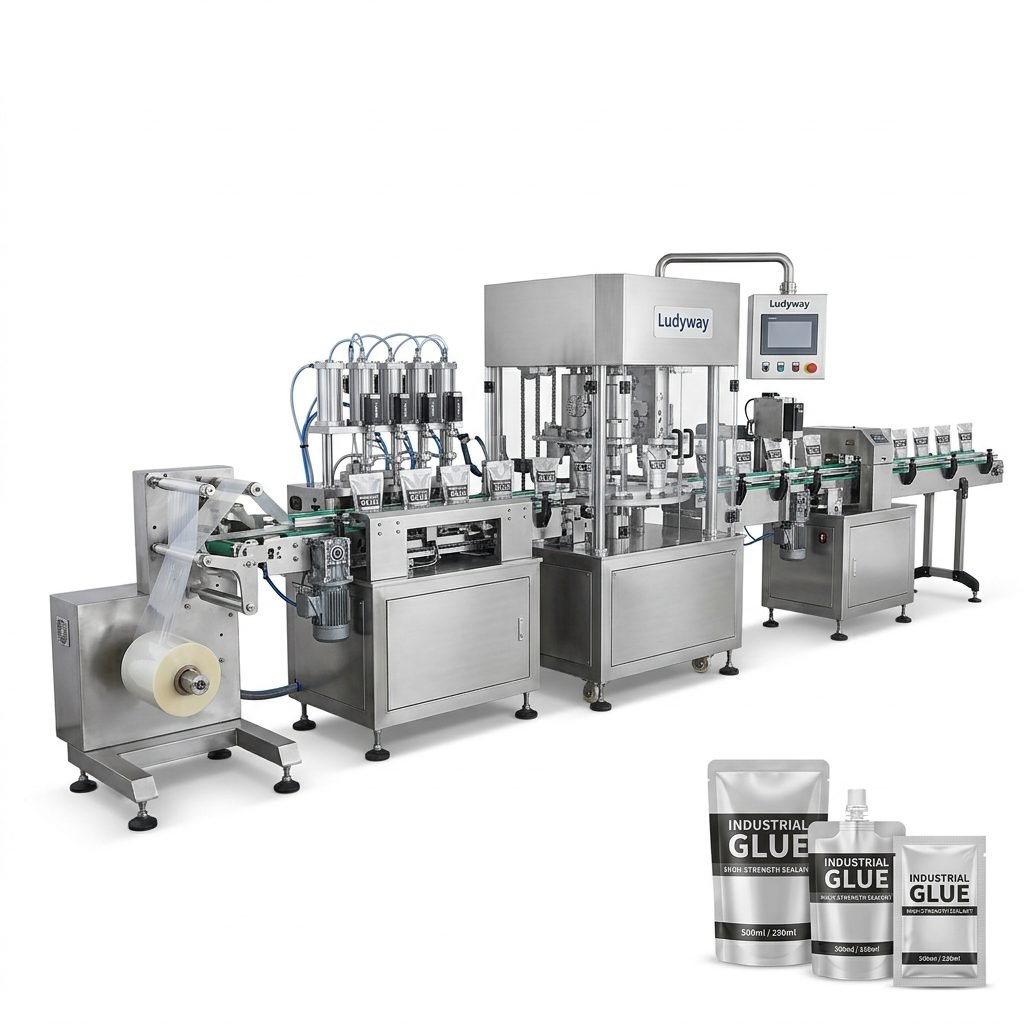
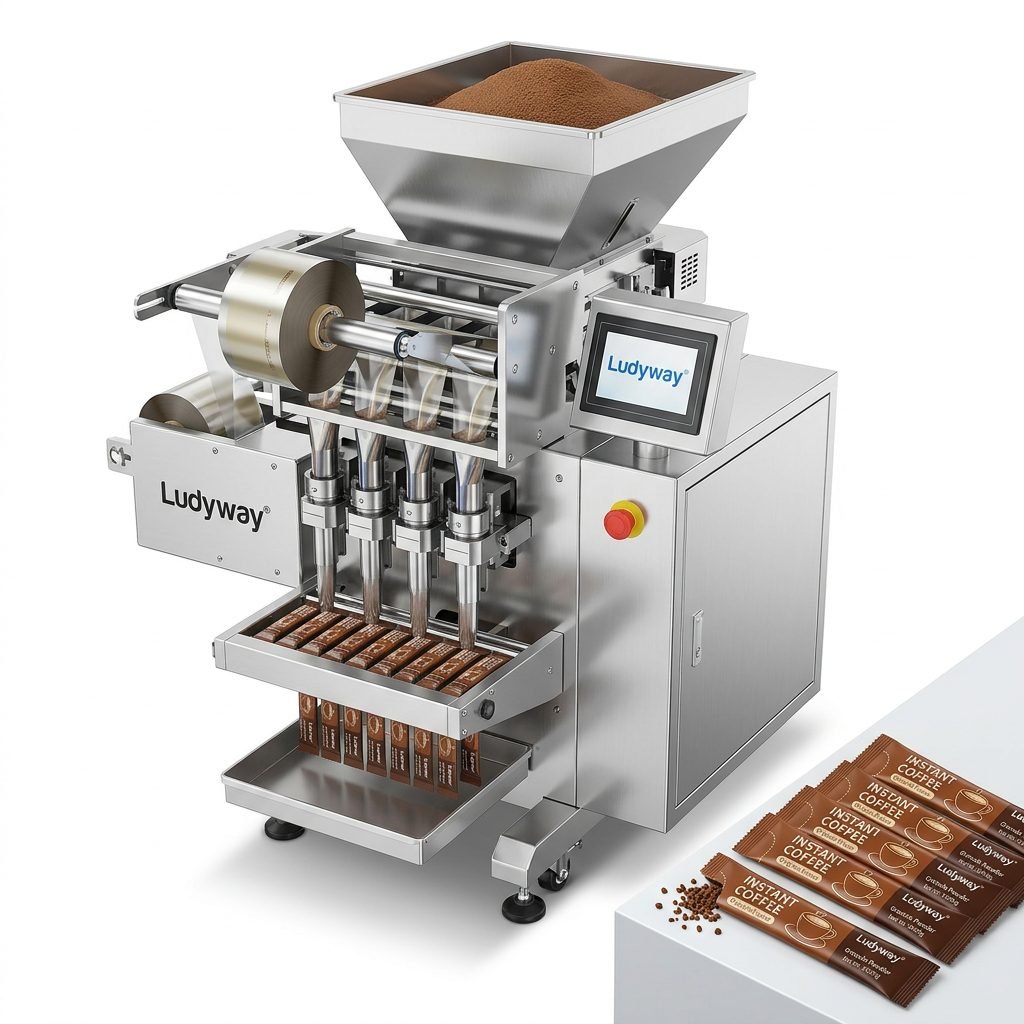
Selecting the right packaging machine is a critical decision that directly impacts your production efficiency, product quality, and operational costs. With a vast array of technologies and configurations available, from versatile sachet machines to high-speed stick pack systems, navigating the options can be complex. This comprehensive guide will explore the primary types of packaging machinery, their key features, and provide a structured framework to help you choose the optimal solution for your specific needs.
Understanding the Core Types of Packaging Machines
The packaging machinery landscape is diverse, with equipment specialized for different product forms, production speeds, and packaging styles. Understanding these core categories is the first step in making an informed choice.
1. Form-Fill-Seal (FFS) Machines
These are the workhorses of modern packaging, creating the pouch from a roll of film, filling it with product, and sealing it—all in one continuous, automated process. FFS machines offer exceptional flexibility and efficiency.
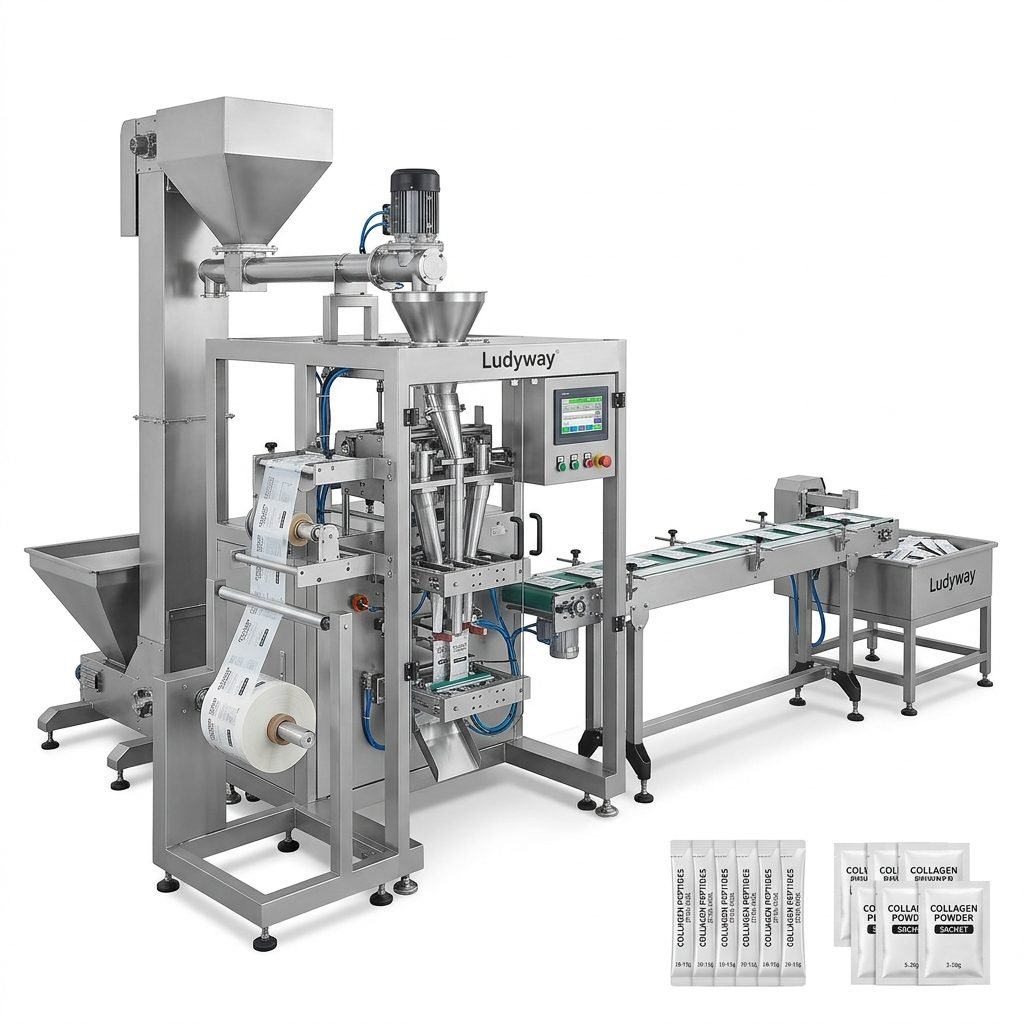
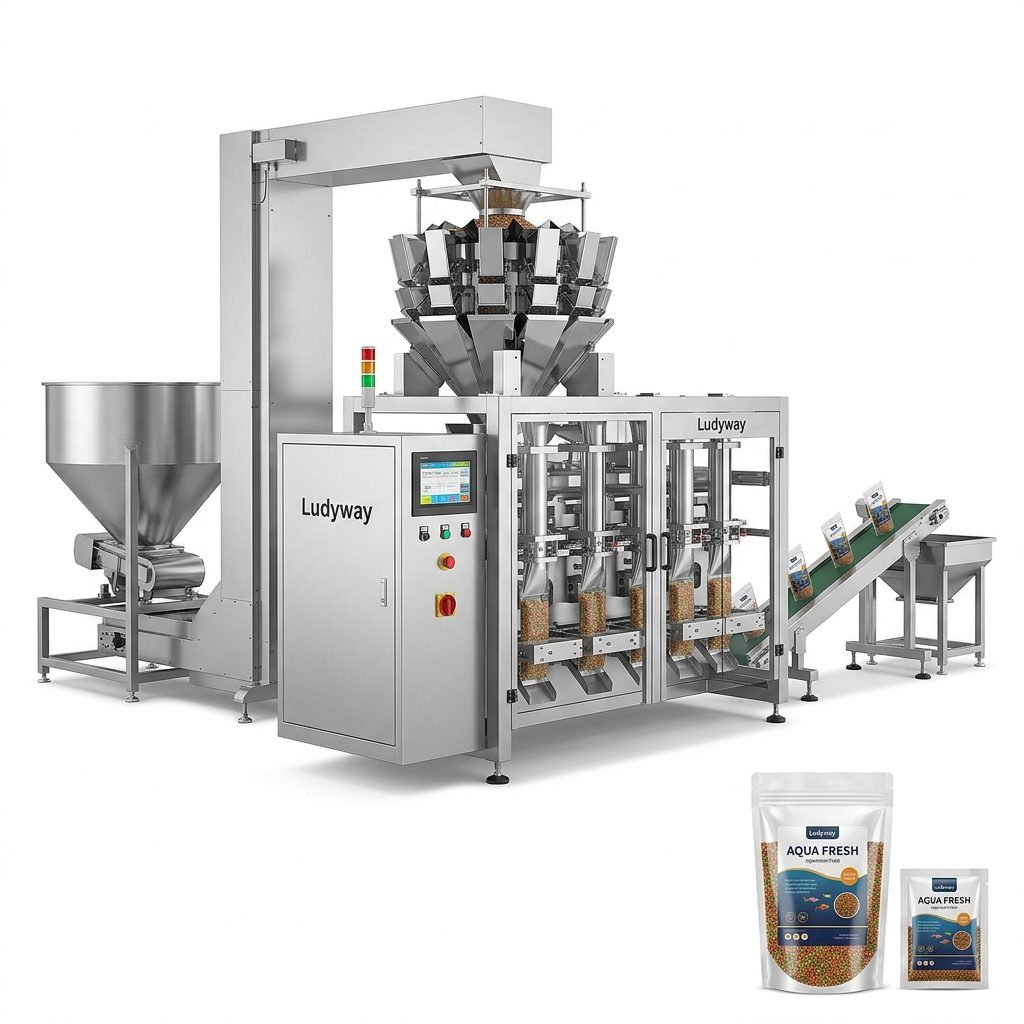
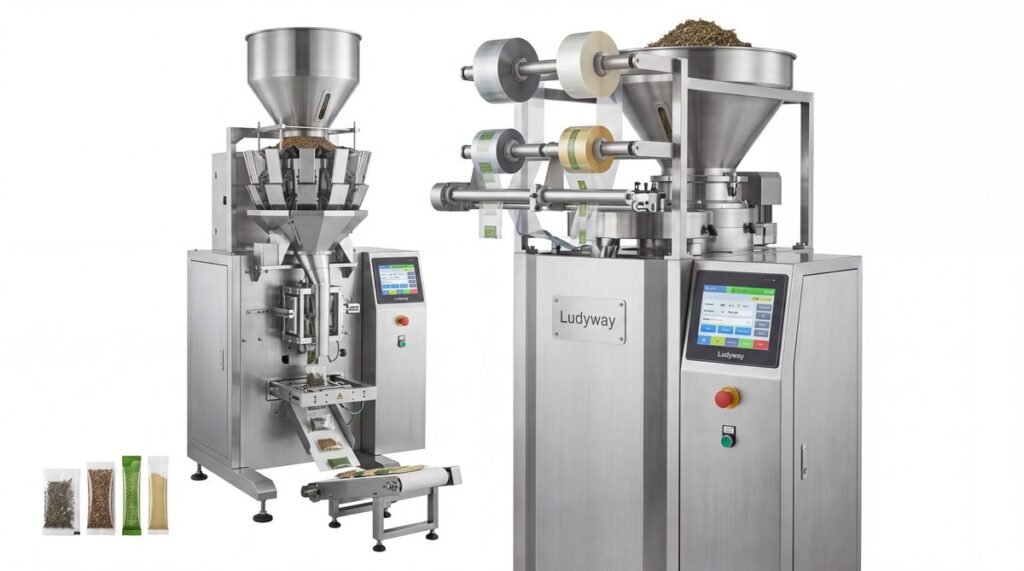
Vertical Form-Fill-Seal (VFFS): Ideal for granule, powder, and small-piece products like snacks, coffee, and hardware. Product is dropped vertically into the forming tube. They are space-efficient and perfect for high-volume production lines.
Horizontal Form-Fill-Seal (HFFS): Often used for liquids, creams, or products that need to be laid flat, such as sauce sachets, wet wipes, or medical swabs. The film runs horizontally, allowing for more complex pouch shapes and visual appeal.
2. Pre-Made Pouch Machines
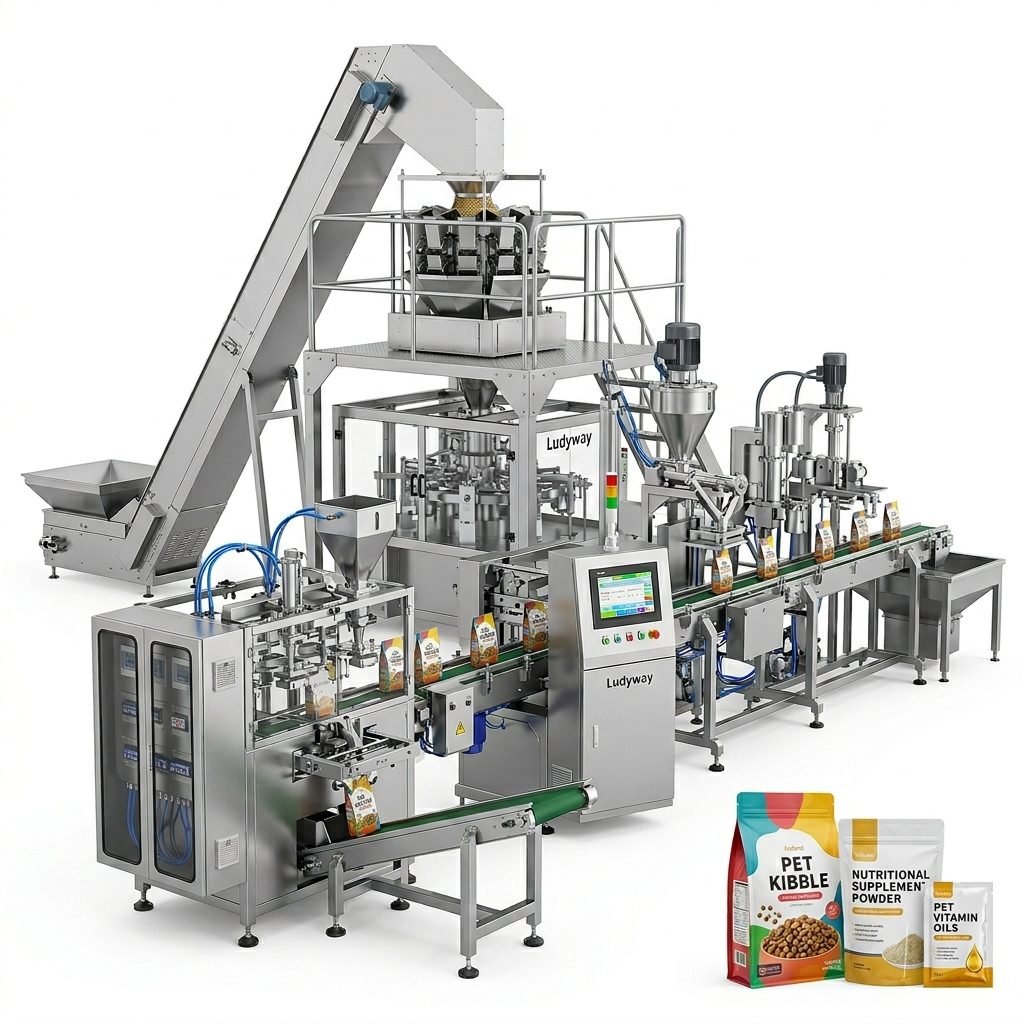
This equipment uses pre-manufactured, ready-to-fill pouches or bags. They are an excellent choice for products requiring unique, high-quality printed packaging or for operations that cannot integrate a film roll system.
Key Advantage: Allows for stunning, pre-printed graphics and complex pouch materials (like stand-up zipper pouches) that are difficult to achieve with standard FFS technology.
3. Stick Pack & Sachet Packaging Machines
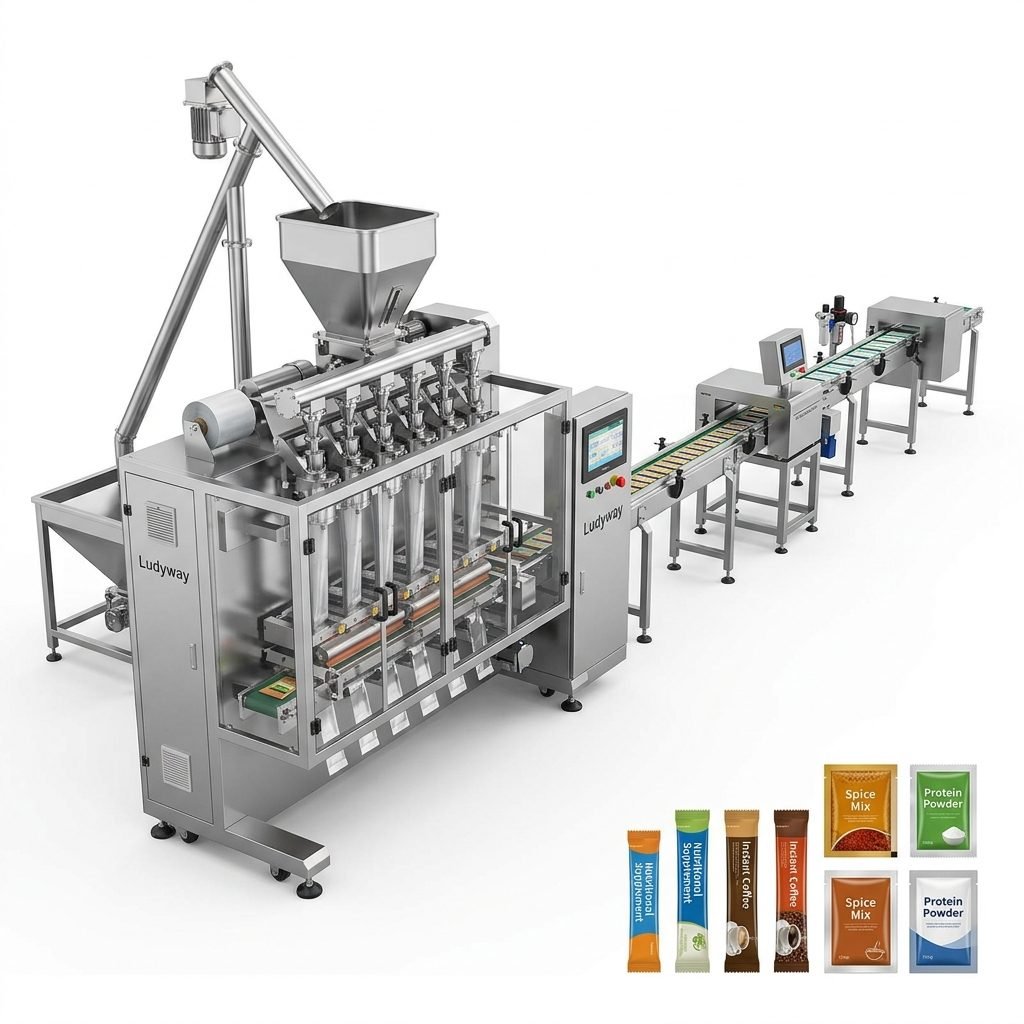
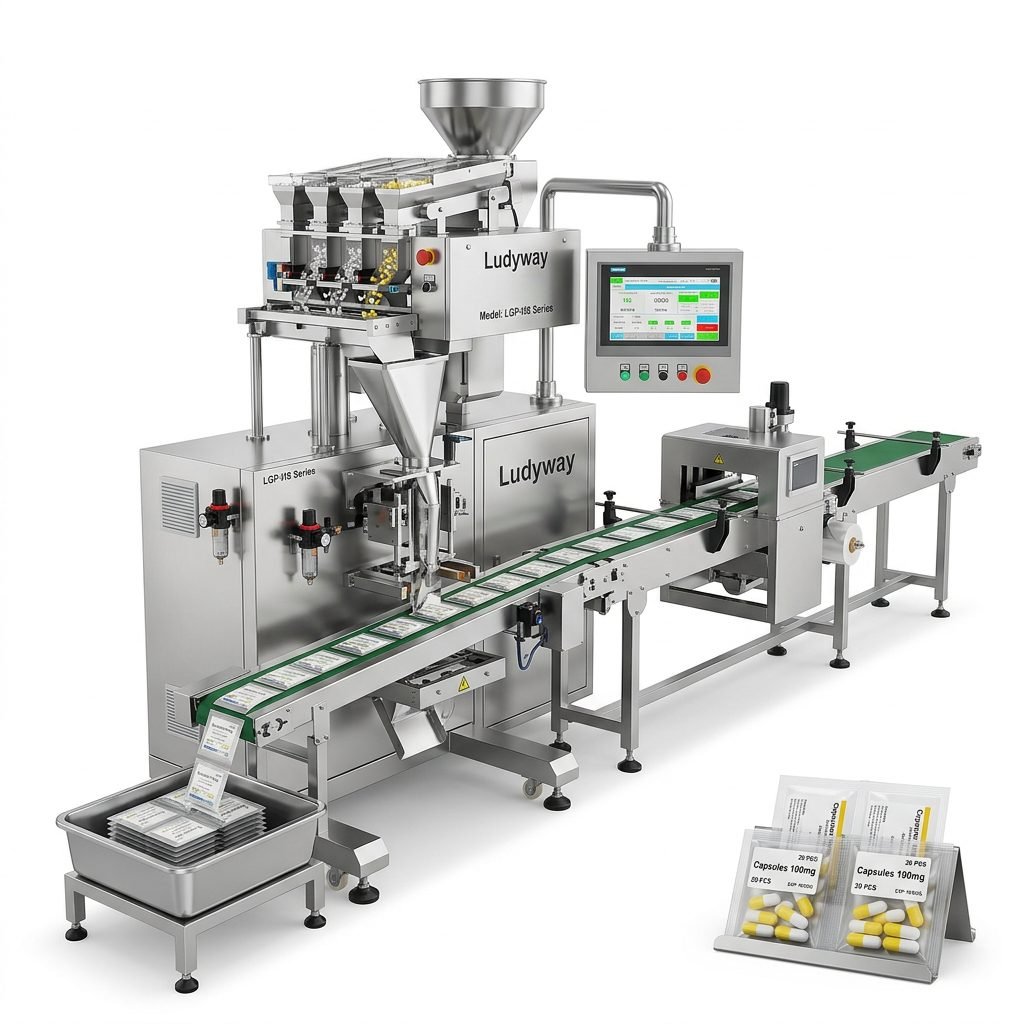
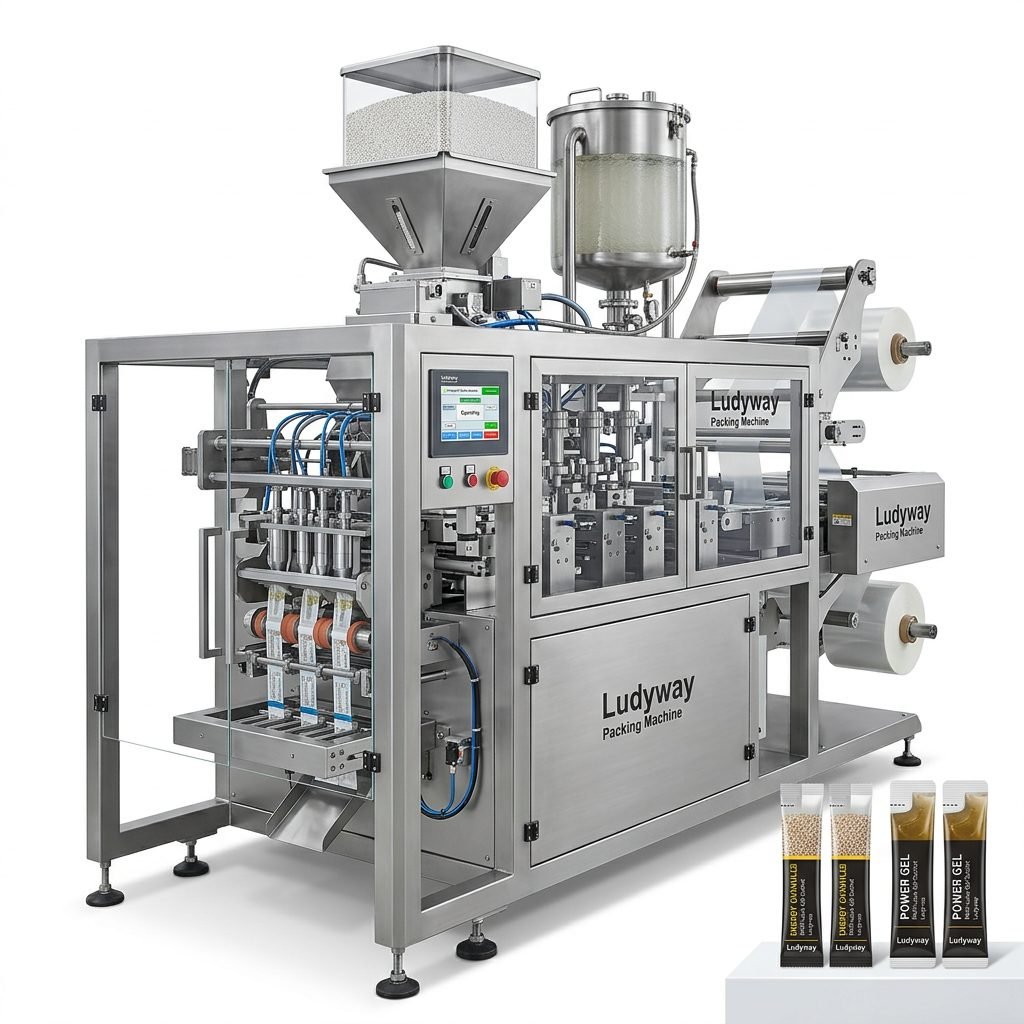
Designed for single-serve and sample-sized portions, these machines produce long, narrow sticks or small rectangular sachets. They are incredibly popular in the food, beverage, pharmaceutical, and cosmetic industries.
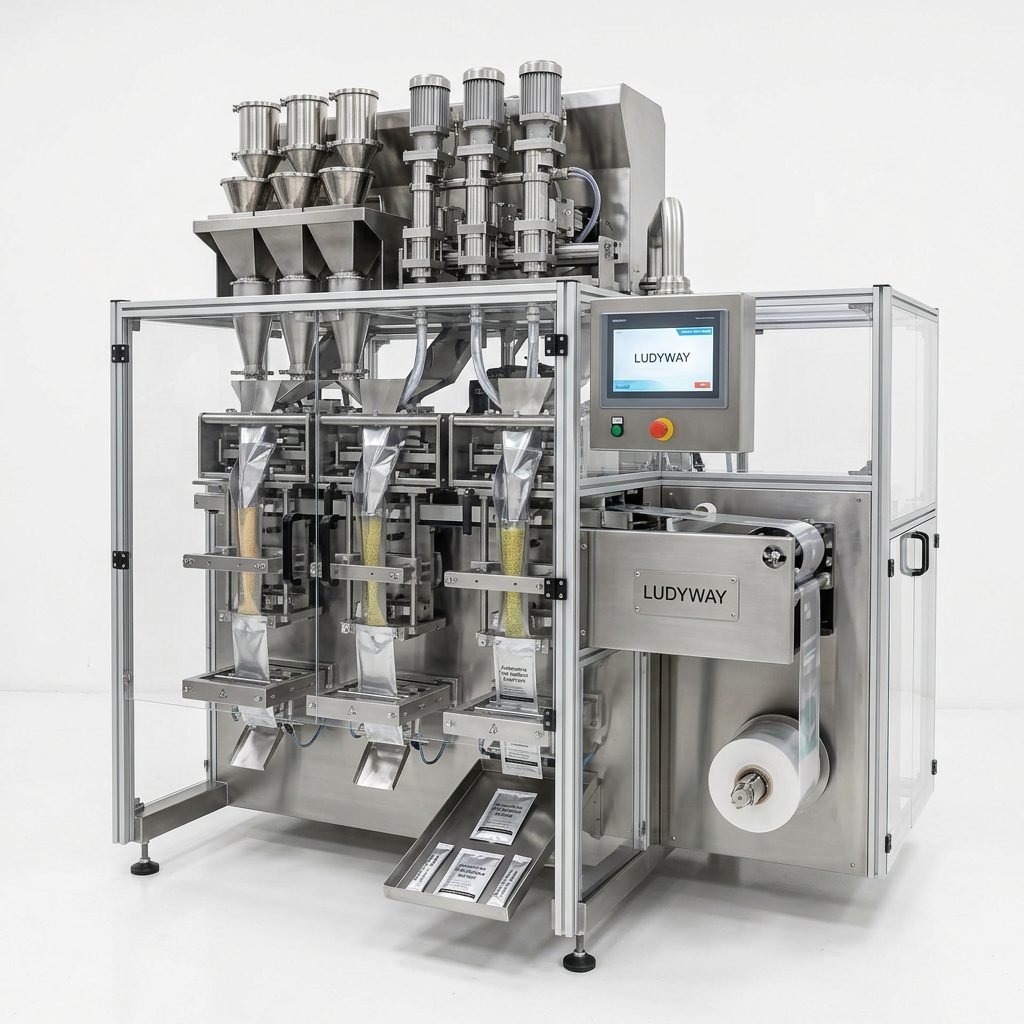
Multi-Lane Systems: For maximum output, multi-lane stick pack machines run several packaging lanes simultaneously from a single set of forming collars, dramatically increasing production speed without a proportional increase in floor space or cost. This is a hallmark of high-efficiency operations from providers like Ludyway Packaging Machinery.
4. Specialized Machines for Product Type
Beyond the packaging style, machines are engineered for specific product characteristics:
- Granule & Powder Packers: Feature auger or cup filler systems for precise, dust-minimized filling.
- Liquid & Paste Fillers: Utilize piston pumps, peristaltic pumps, or time-pressure systems for accurate volumetric filling, often integrated with HFFS machines.
- Tablet & Capsule Counters: Use precise counting technology (like vision systems or slat counters) for pharmaceutical and nutraceutical blister packing or bottling lines.
Essential Features and Technologies to Evaluate
Once you’ve identified the machine type, delve into the features that differentiate a basic machine from a high-performance, reliable asset.
Drive System and Control
The machine’s drive and brain determine its precision, flexibility, and ease of use.
Servo-Driven Systems are now the industry standard for high-end machinery. They offer superior accuracy in film feeding and sealing, allow for quick changeovers via recipe recall, reduce mechanical wear, and are significantly more energy-efficient than traditional mechanical drives.
The Human-Machine Interface (HMI) should be intuitive, multi-lingual, and provide clear diagnostics. Look for PLC-based controls with data logging capabilities for production tracking and OEE (Overall Equipment Effectiveness) analysis.
Filling Technology and Accuracy
This is critical for product give-away and compliance. The filler must match your product’s flow characteristics.
- Auger Fillers: Best for powders and fine granules. Accuracy depends on auger design, tooling, and anti-bridging systems.
- Volumetric Cup Fillers: Good for free-flowing granules and seeds. Simple but effective.
- Piston Fillers: The gold standard for liquids, pastes, and viscous products. Offer excellent repeatability.
- Combination Weighers: Used for ultra-high-speed, high-accuracy weighing of snack foods and irregular products.
Construction and Hygiene Design
Build quality dictates longevity and suitability for your environment.
Frame & Materials: A rigid, welded frame prevents misalignment. Contact parts should be stainless steel (304 or 316L for food/pharma). Look for polished, crevice-free surfaces.
Hygiene: For food or pharmaceutical use, machines should have IP-rated electrical panels, easy-access doors for cleaning, and be designed to prevent product or debris accumulation. This focus on sanitary design is central to the philosophy of experienced manufacturers with deep industry knowledge.
A Step-by-Step Framework for Choosing Your Solution
Follow this systematic approach to align machine capabilities with your business requirements.
Step 1: Define Your Product and Packaging Specs
Be precise. Document your product’s physical state (granule size, viscosity, hygroscopicity), target fill weight/volume, and required packaging speed (pouches per minute). Define your pouch material, size, and any special features like zippers, spouts, or tear notches.
Step 2: Analyze Your Production Volume and Flexibility Needs
Is this for a dedicated, high-volume line running one product 24/7, or a flexible line that requires frequent changeovers for multiple SKUs? Your answer will guide you toward either a high-speed dedicated machine or a versatile, servo-driven model with quick-change tooling. For businesses aiming to scale, partnering with a supplier offering complete turnkey production solutions can future-proof your investment.
Step 3: Consider Integration and Future Growth
Will the machine stand alone or integrate with upstream mixers and downstream cartoners? Ensure it has the correct communication interfaces (I/O, Ethernet). Plan for 20-30% capacity above your current needs to accommodate growth without requiring a new machine purchase.
Step 4: Evaluate Total Cost of Ownership (TCO)
Look beyond the initial purchase price. Factor in:
• Operational Costs: Energy consumption, compressed air usage, film waste.
• Maintenance: Availability and cost of spare parts, ease of service.
• Support: Quality of installation, training, and technical support. A machine backed by 30+ years of industry experience often comes with invaluable application knowledge that reduces long-term downtime.
Step 5: Vet the Supplier Thoroughly
Request customer references, ask for a performance guarantee (e.g., speed, accuracy), and insist on a factory acceptance test (FAT) with your actual product and materials. Assess their project management capability and after-sales service network.
Conclusion
Choosing the right packaging machine is a strategic investment that requires careful analysis of your product, output goals, and operational environment. By understanding the fundamental machine types, prioritizing key technological features like servo drives and hygienic construction, and following a disciplined selection framework, you can secure a solution that delivers reliability, efficiency, and a strong return on investment. The most successful partnerships are built with suppliers who offer not just equipment, but deep application expertise and a commitment to your production success over the long term.
Frequently Asked Questions (FAQs)
What is the main difference between VFFS and HFFS machines?
Vertical Form-Fill-Seal (VFFS) machines create bags where the product is filled vertically, making them ideal for free-flowing products like granules and powders. Horizontal Form-Fill-Seal (HFFS) machines form and fill pouches on a horizontal plane, better suited for liquids, pastes, or products that need to be laid flat, and often allow for more sophisticated pouch shapes.
How important is a servo motor drive system?
Extremely important for modern, high-performance packaging. Servo drives provide superior precision in film movement and sealing, enable faster and simpler changeovers through digital recipe storage, reduce mechanical complexity and maintenance, and improve overall energy efficiency compared to traditional clutch/brake or mechanical systems.
Can one machine handle different types of products?
Yes, many machines are designed for flexibility. The key is “quick changeover” capability. Look for machines with servo drives that store settings digitally and use tooling (like augers, forming tubes, and sealing jaws) that can be swapped out relatively easily. However, switching between vastly different product forms (e.g., powder to liquid) typically requires significant component changes.
What should I prepare for a machine factory test?
For a meaningful Factory Acceptance Test (FAT), you should provide a sufficient quantity of your actual product and the exact packaging film/material you plan to use. This allows you to validate performance metrics like speed, filling accuracy, seal integrity, and overall machine compatibility with your specific materials under real-world conditions.
What kind of after-sales support should I expect?
Comprehensive support should include detailed installation supervision, thorough operator and maintenance technician training, clear documentation (manuals, parts lists, electrical diagrams), readily available spare parts, and access to remote or on-site technical support for troubleshooting. A reliable supplier will view support as a long-term partnership.