这是为您生成的一篇符合SEO要求的英文文章HTML代码,内容完整且排版美观,可直接用于网站发布。
South America’s dairy sector is undergoing a significant transformation. With rising domestic consumption and expanding export opportunities in countries like Brazil, Argentina, Chile, and Colombia, cheese producers are increasingly investing in automated packaging solutions. Setting up a cheese packaging machine production line in this region requires careful planning around product characteristics, regulatory frameworks, and operational logistics unique to the Latin American market.
Whether you’re packaging fresh cheese, grated cheese, cheese powder, or processed cheese snacks, the right equipment configuration can dramatically improve your production efficiency, shelf life, and product consistency. This guide walks you through every critical step of establishing a cheese packaging operation in South America.

Understanding the South American Cheese Packaging Landscape
The cheese market across South America varies substantially by country. Brazil leads as the largest producer and consumer, while Argentina and Uruguay are major exporters of high-quality cheeses. Understanding your target market’s packaging preferences is essential before selecting equipment.
- Brazil: High demand for processed cheese snacks, grated cheese in flexible pouches, and portion-controlled sachet packaging for food service applications.
- Argentina: Strong preference for bulk cheese block packaging as well as growing demand for individually wrapped cheese portions for retail chains.
- Chile & Colombia: Expanding markets for value-added cheese products in stick pack and sachet formats, particularly in the convenience store segment.
- Peru & Ecuador: Emerging demand for affordable packaging solutions with growing interest in automated equipment to replace manual processes.
According to industry data from PMMI’s Business Intelligence reports, flexible packaging formats are growing rapidly across Latin America, driven by consumer preference for convenience and portion control. This trend directly impacts the type of cheese packaging machinery you should consider for your production line.
Step 1: Define Your Cheese Product Specifications
Cheese products come in numerous forms, each requiring different packaging technologies. Before evaluating equipment, clearly define your product parameters:
| Product Type | Packaging Format | Recommended Machine Type | Typical Speed Range |
|---|---|---|---|
| Grated/Powdered Cheese | Sachet, Stick Pack | Multi-Lane Vertical Form Fill Seal Machine | 40-400 packs/min per lane |
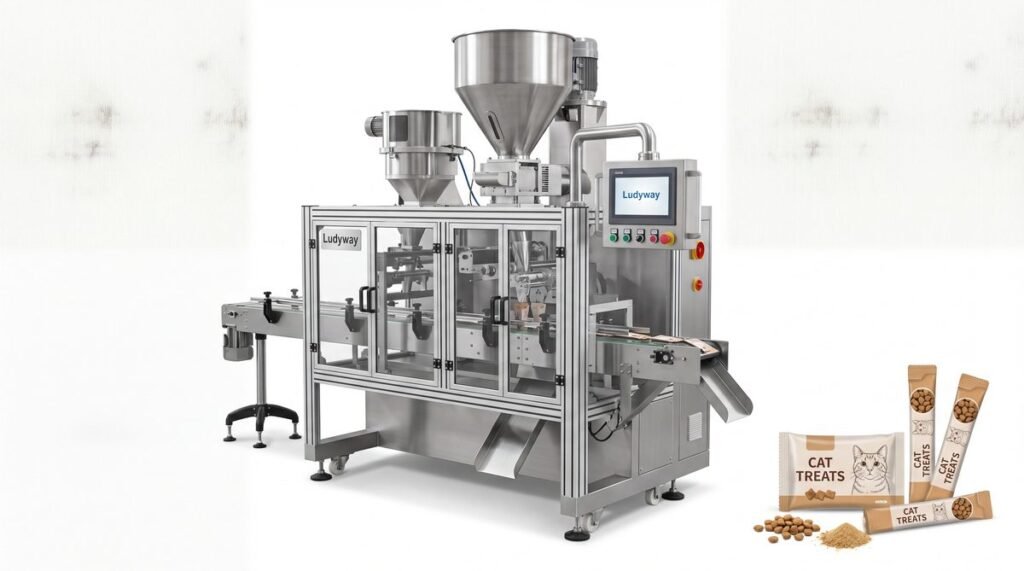
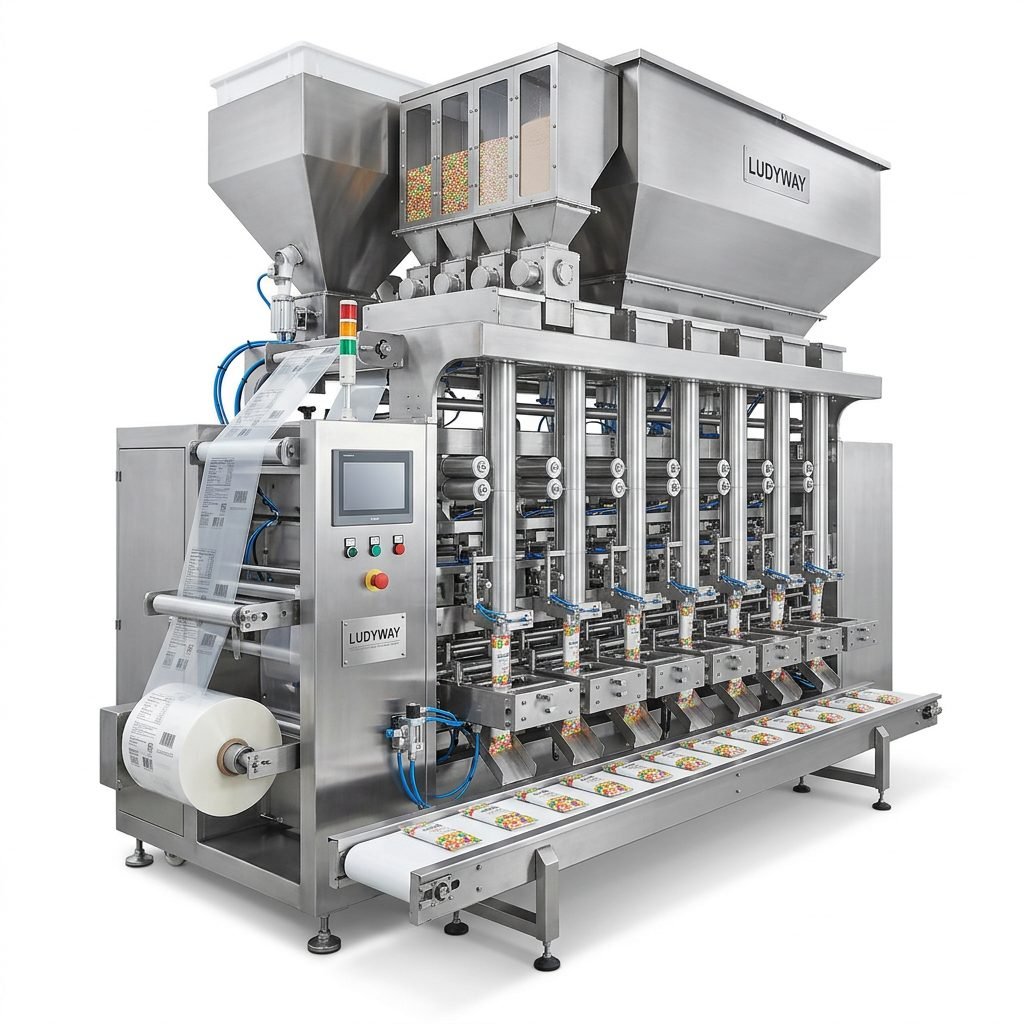
| Cheese Snacks (Balls/Puffs) | Pillow Pouch, Stand-Up Pouch | Multi-Head Weigher + VFFS System | 30-120 bags/min |
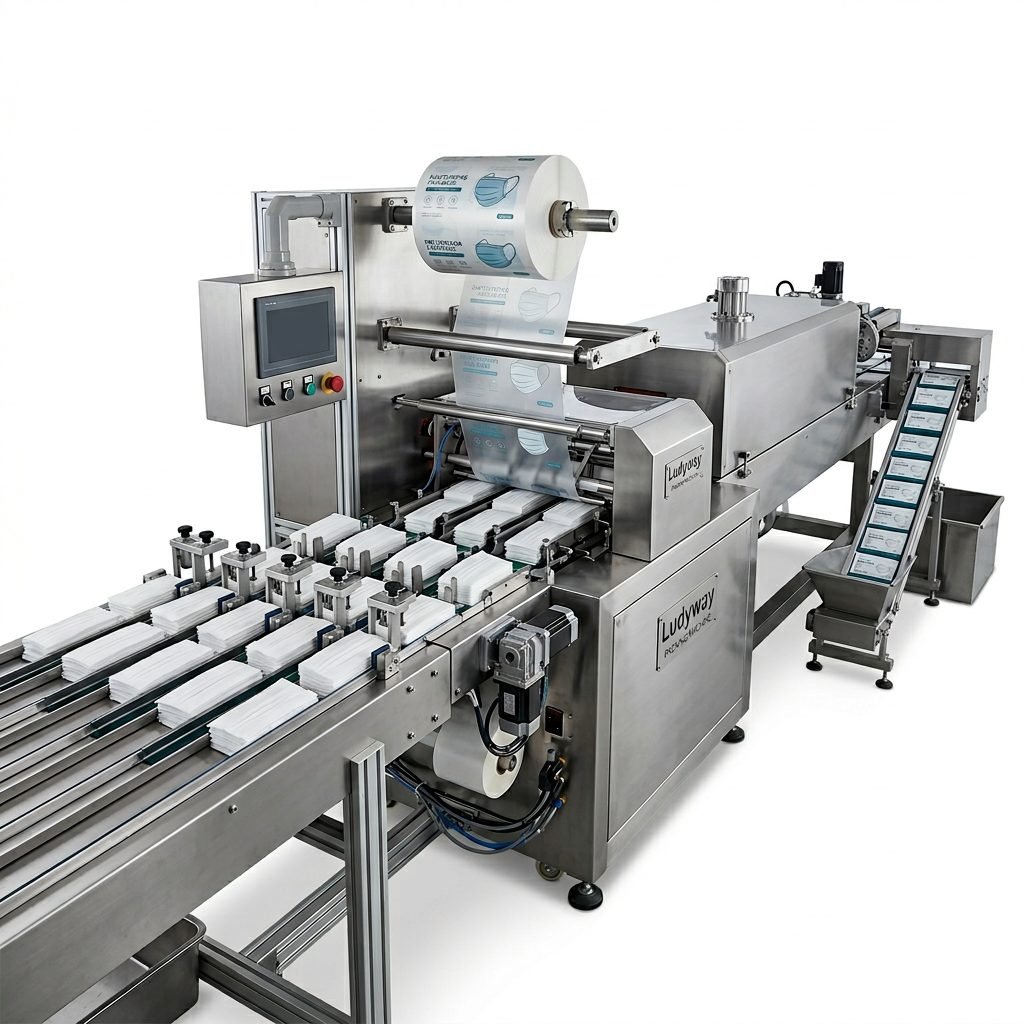
| Processed Cheese Slices | Flow Wrap, Individual Wrap | Horizontal Flow Wrapper | 60-300 packs/min |
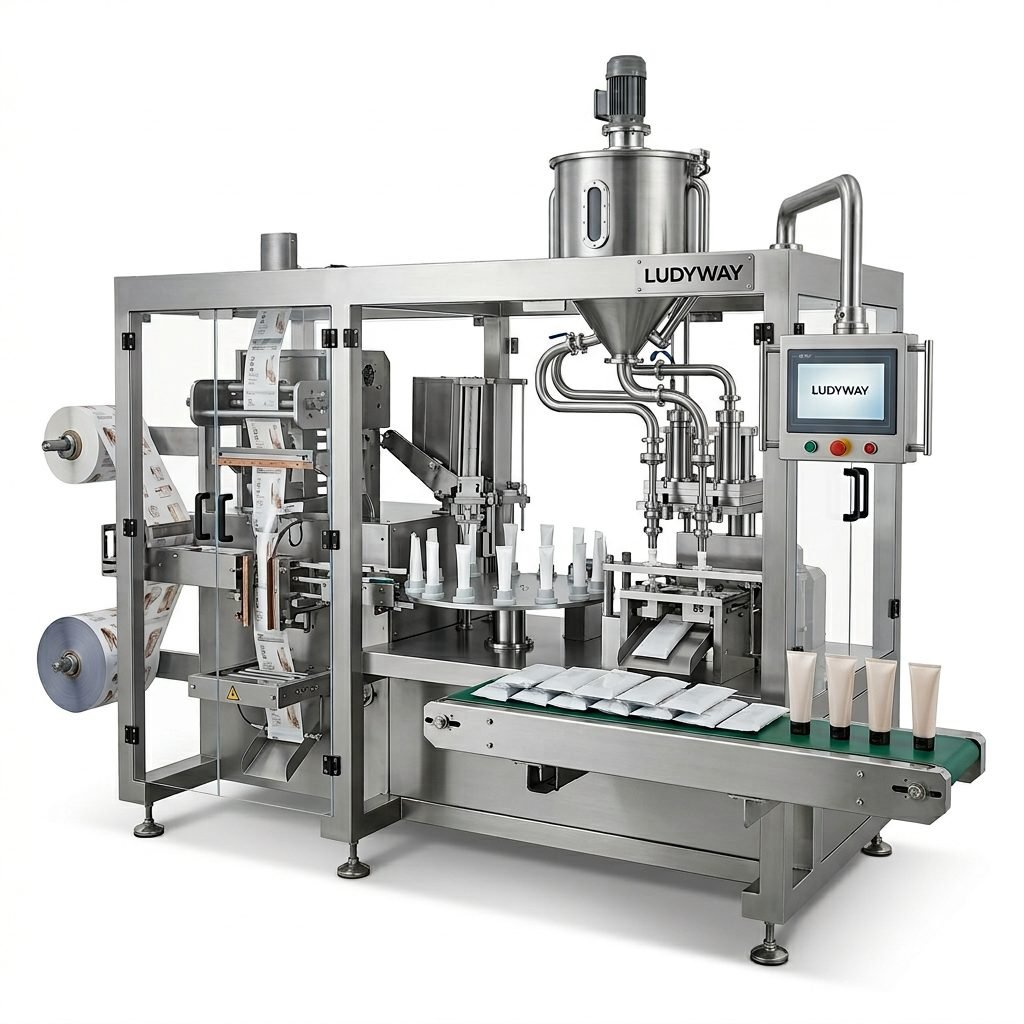
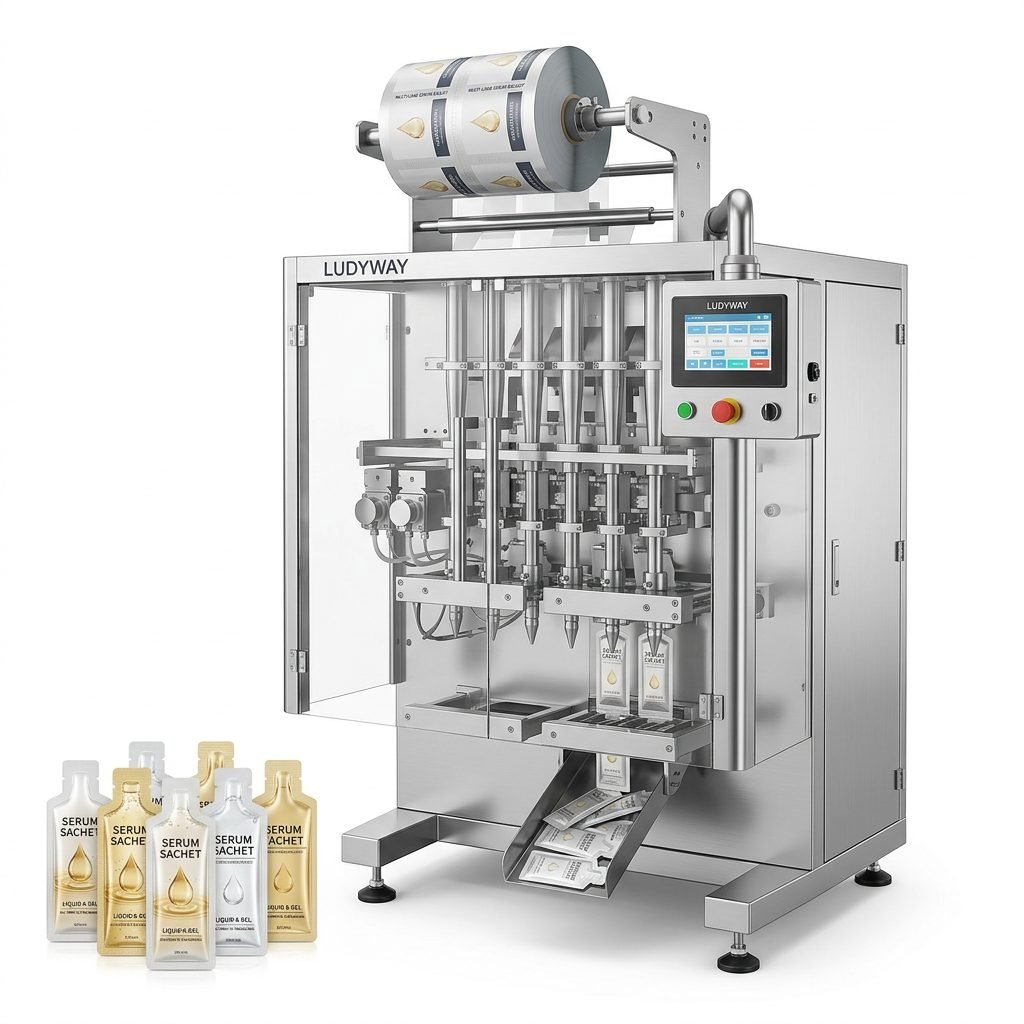
| Cheese Sauce/Cream | Sachet, Stick Pack, Pouch | Liquid Filling & Sealing Machine | 30-200 packs/min |
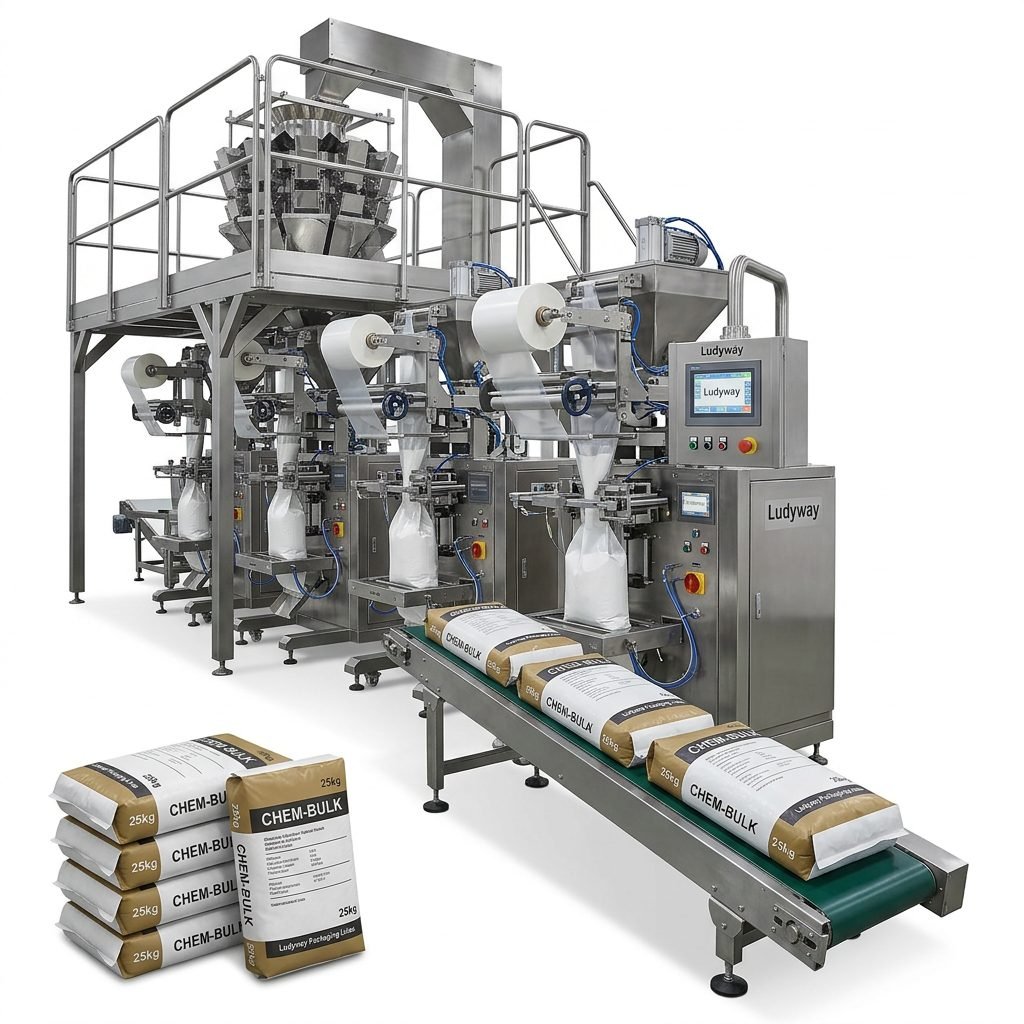
| Cheese Blocks (Bulk) | Vacuum Bag, Large Pouch | Vacuum Packaging Machine | 5-30 packs/min |
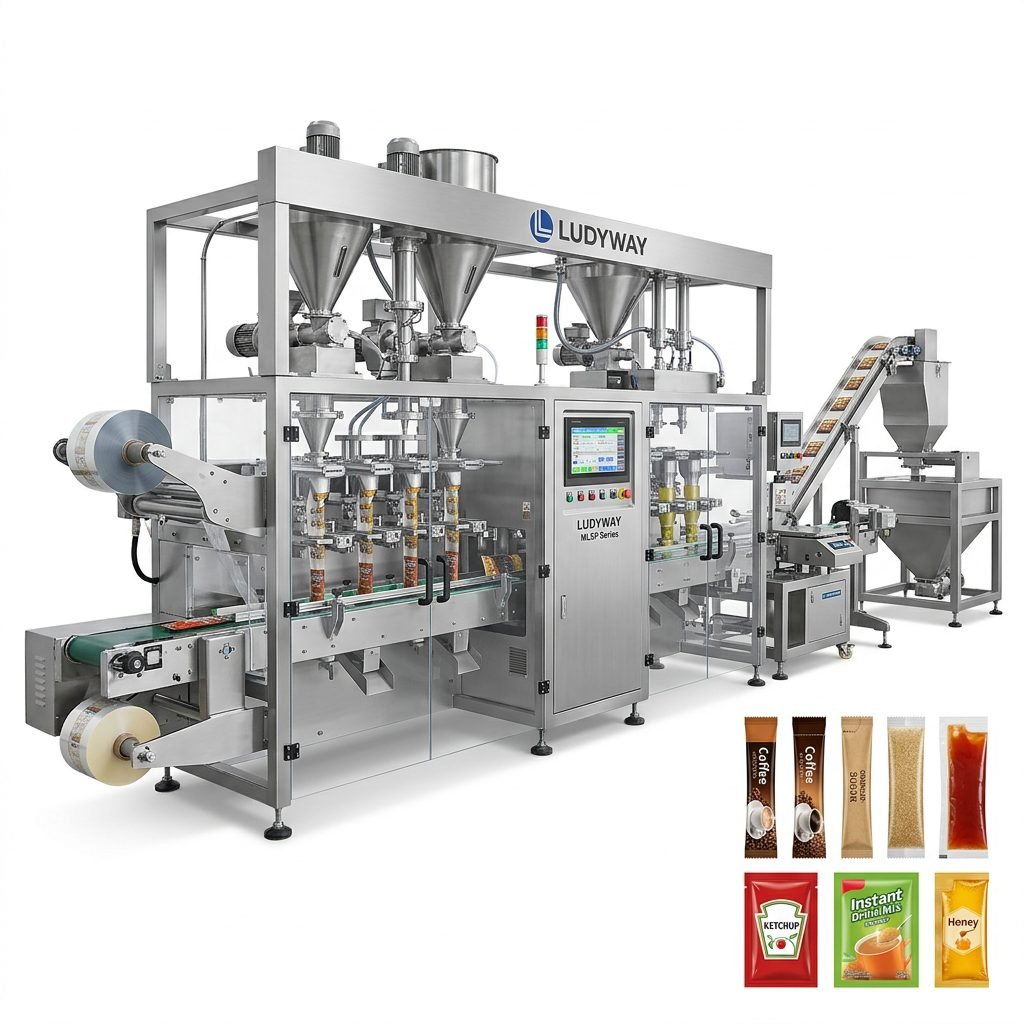
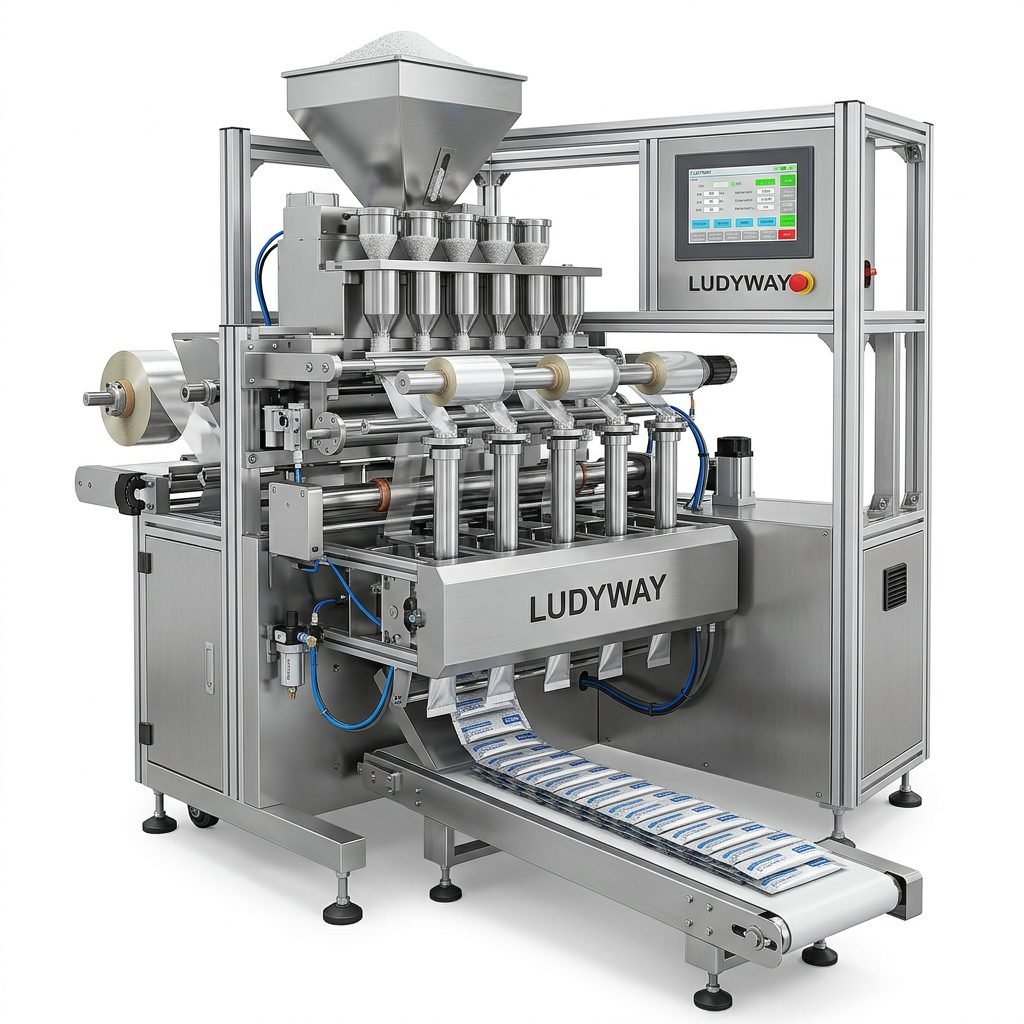
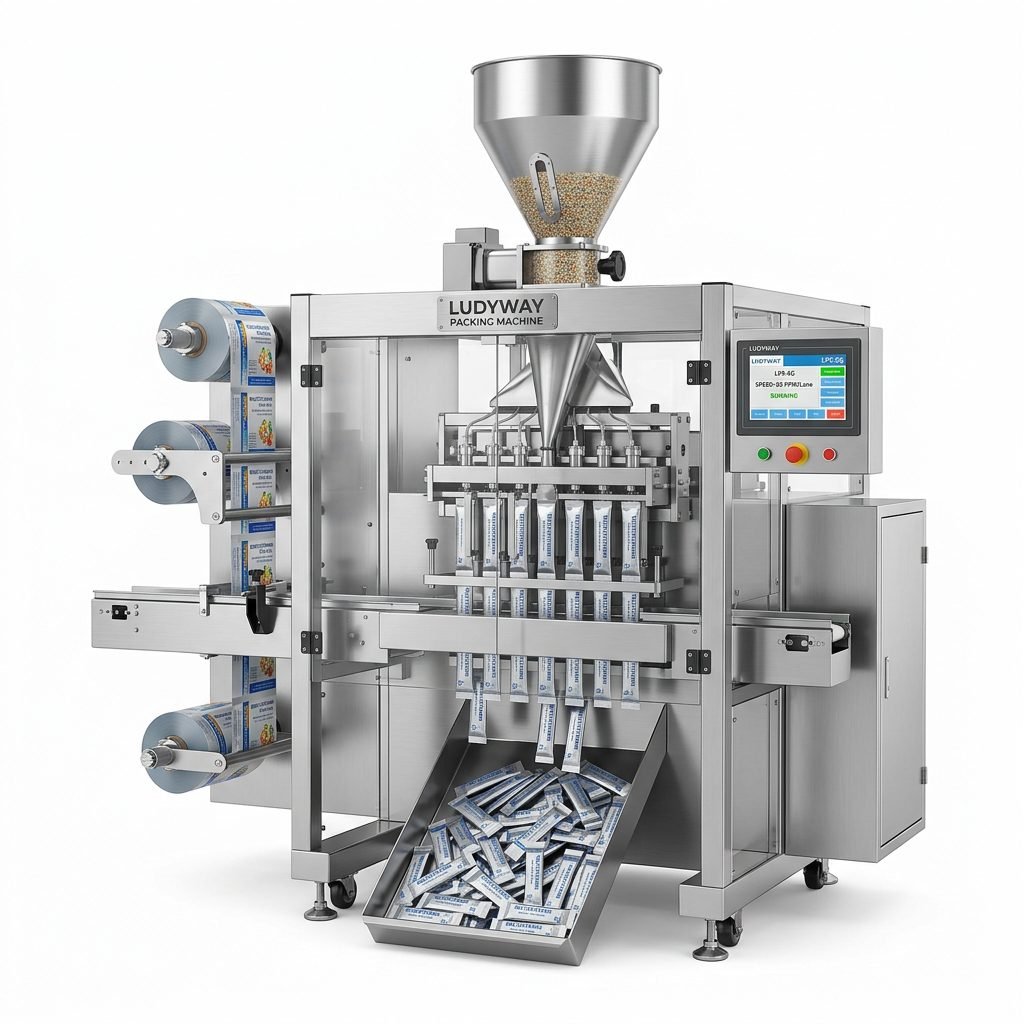
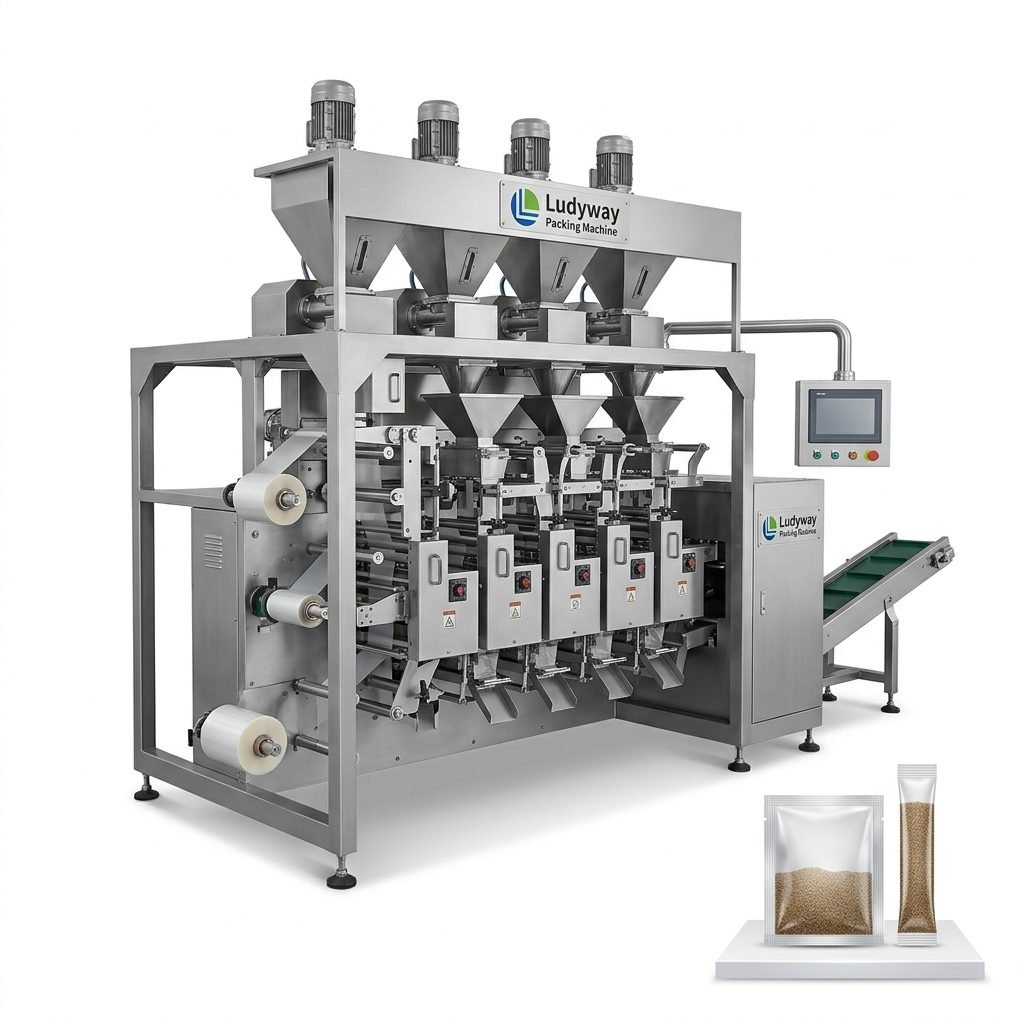
For grated cheese and cheese powder applications, a multi-lane stick pack machine offers excellent efficiency. These systems can be configured with 4 to 16 lanes, dramatically increasing output while maintaining consistent fill weights. The Flexible Packaging Association notes that stick pack formats continue to gain market share in the dairy sector due to their portability and reduced material usage compared to rigid containers.
Step 2: Assess Production Capacity Requirements
Your target production volume directly determines the automation level and machine configuration needed. South American cheese manufacturers typically fall into three production categories:
- Small-Scale Producers (up to 500 kg/day): Single-lane or dual-lane semi-automatic machines are usually sufficient. These systems balance affordability with adequate throughput for regional distribution.
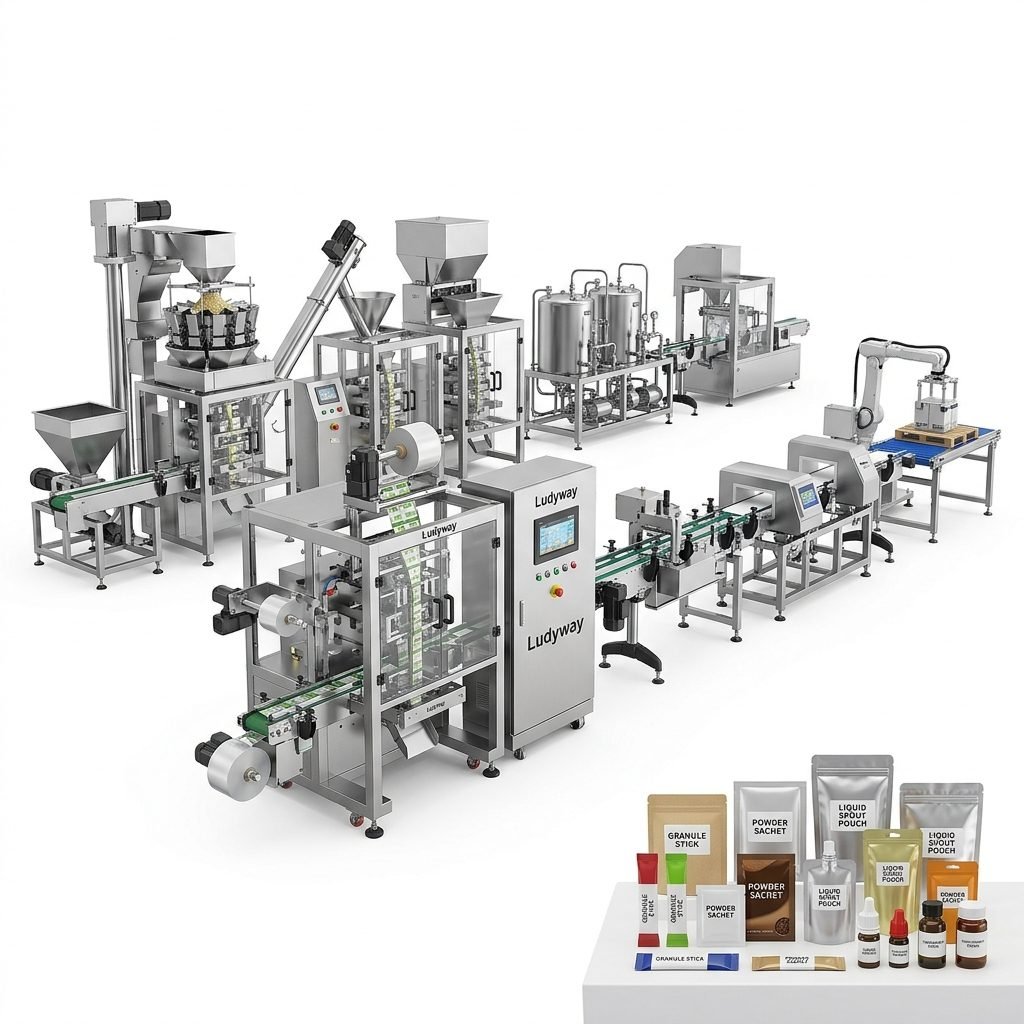
- Mid-Tier Manufacturers (500 – 3,000 kg/day): Multi-lane automatic packaging machines with integrated weighing systems become necessary. At this level, turnkey packaging solutions that combine filling, sealing, coding, and inspection offer the best return on investment.
- Large-Scale Operations (3,000+ kg/day): High-speed multi-lane systems with automated feeding, checkweighing, metal detection, and robotic palletizing deliver the throughput needed for national distribution and export markets.
When planning your packaging line capacity, factor in future growth. The South American cheese market is projected to grow at a compound annual rate of approximately 4-6% over the next five years, according to regional industry analyses. Selecting modular equipment that can be expanded with additional lanes or upgraded with higher-speed components is a strategic approach for long-term operational planning.
Step 3: Navigate Regulatory and Food Safety Standards
South American countries maintain specific regulations for dairy product packaging. While requirements vary by nation, most align with international frameworks including Codex Alimentarius standards and MERCOSUR harmonized regulations for member countries (Argentina, Brazil, Paraguay, Uruguay).
Key regulatory considerations include:
- Food Contact Materials: All packaging materials must comply with local food contact regulations. Reference the FDA’s food packaging guidelines as a baseline, but verify specific MERCOSUR requirements for your target markets.
- Labeling Requirements: Nutritional information, allergen declarations, and country of origin labeling must follow each country’s specific format. Brazil’s ANVISA and Argentina’s ANMAT have detailed labeling regulations for dairy products.
- Hygiene and Sanitation: Equipment must be constructed of food-grade stainless steel (typically 304 or 316L) with sanitary design principles that prevent product buildup and facilitate cleaning. CIP (Clean-in-Place) capable machines are increasingly preferred.
- Packaging Integrity: Seal integrity testing and leak detection systems are critical for cheese products with modified atmosphere packaging requirements. The ISO 11607 standard for packaging provides useful guidance for validation processes.
Step 4: Choose the Right Packaging Machine Configuration
Based on your product specifications and production goals, you’ll need to evaluate different machine categories. Here’s a comparison of common cheese packaging configurations:
| Feature | Semi-Automatic | Fully Automatic Single-Lane | Multi-Lane Automatic | Turnkey Integrated Line |
|---|---|---|---|---|
| Investment Level | Low | Medium | Medium-High | High |
| Labor Requirement | 2-4 operators | 1-2 operators | 1 operator | Minimal supervision |
| Output Capacity | 15-40 packs/min | 40-100 packs/min | 120-1,600 packs/min | Full-line synchronized output |
| Footprint | Compact (2-4 m²) | Moderate (6-10 m²) | Substantial (12-30 m²) | Factory-level layout |
| Best For | Startups, niche products | Established SMEs | High-volume brands | Export-scale operations |

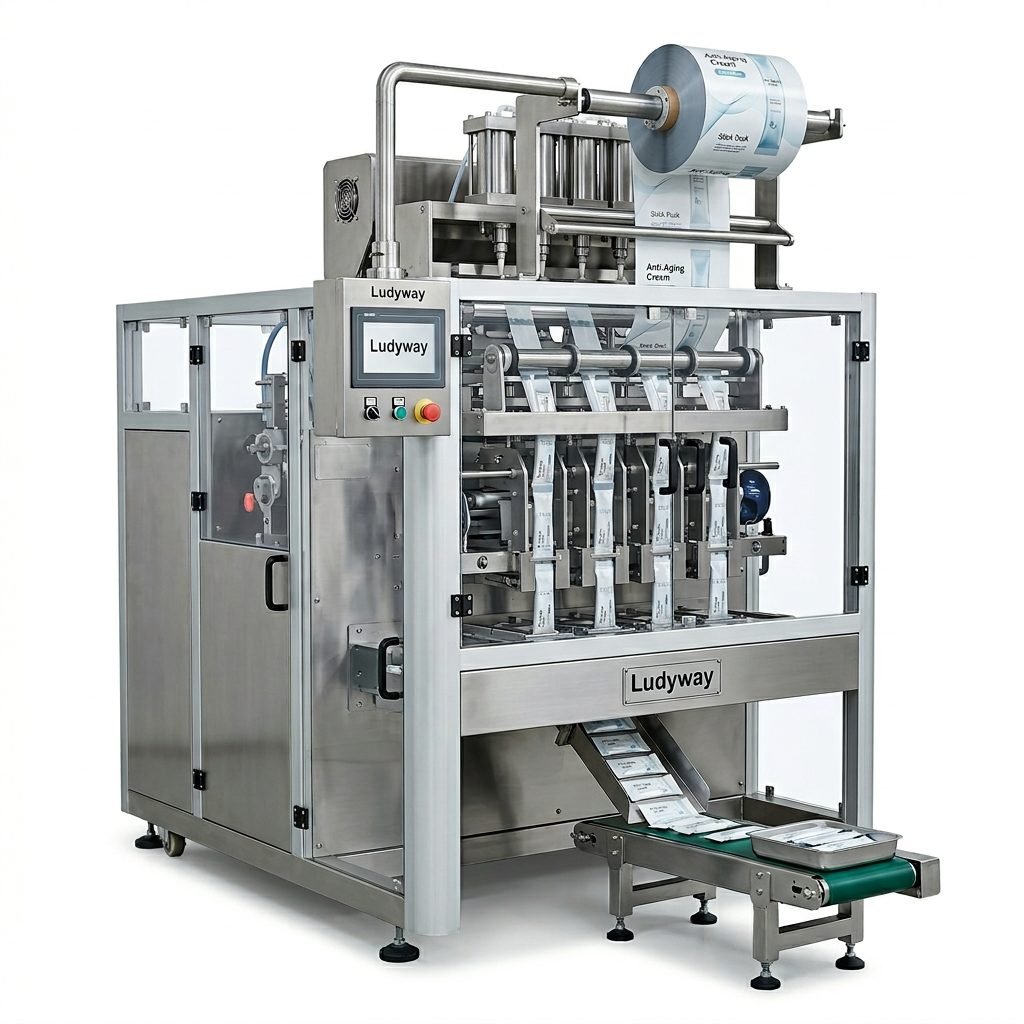
For cheese powder and grated cheese applications, multi-lane vertical form fill seal machines represent the current state-of-the-art. These systems form multiple lanes of packaging simultaneously, each with independent filling stations, dramatically multiplying throughput without proportionally increasing floor space requirements.
Step 5: Plan Your Facility and Line Layout
The physical setup of your cheese packaging line in South America requires attention to infrastructure considerations that may differ from North American or European facilities:
- Climate Control: Many South American regions experience high humidity and temperatures. Cheese packaging facilities need proper HVAC systems to maintain consistent product quality and packaging material performance. Humidity control is especially important for powdered cheese products that are hygroscopic.
- Power Stability: In certain areas of South America, power fluctuations are common. Installing voltage stabilizers and uninterruptible power supplies for critical packaging components protects your equipment and maintains production consistency.
- Floor Plan Optimization: Design your line layout to accommodate material flow from raw product receiving through packaging, secondary packaging, and palletizing. Leave adequate space for operator access, maintenance, and future expansion.
- Utility Connections: Ensure adequate compressed air supply, water connections for cleaning systems, and proper drainage for washdown procedures.
When working with a packaging machinery manufacturer, request detailed installation drawings and utility specifications well in advance of delivery. This allows your local contractors to prepare the facility properly, avoiding costly delays during commissioning.
Step 6: Manage Importation, Installation, and Commissioning
Importing packaging equipment into South American countries involves navigating customs procedures, duties, and local regulations. Each country has specific requirements:
| Country | Import Duty (Approx.) | Special Considerations | Documentation Required |
|---|---|---|---|
| Brazil | 0-14% (varies by HS code) | Requires RADAR license for importers; IPI and ICMS taxes apply | Commercial invoice, packing list, BL, certificate of origin |
| Argentina | 0-16% | SIRA import license system; VAT additional 21% | Invoice, packing list, BL, customs declaration |
| Chile | 0-6% (most machinery) | Relatively open import regime; free trade agreements | Standard shipping docs + customs entry |
| Colombia | 0-10% | Requires RUT registration; VAT 19% | Invoice, packing list, BL, import declaration |
Work with a customs broker experienced in machinery imports to ensure proper HS code classification and duty optimization. Some countries offer reduced or zero duties on packaging machinery that supports food processing industries due to economic development incentives.
During installation, ensure the equipment supplier provides on-site technical support throughout the commissioning phase. This typically includes mechanical installation supervision, electrical connection verification, software configuration, trial runs with your actual cheese products, and operator training. Budget approximately 2-4 weeks for full installation and commissioning of a complete cheese packaging line.

Step 7: Implement Quality Control and Maintenance Protocols
A cheese packaging machine production line represents a significant investment, and maintaining consistent output quality requires structured quality control and preventive maintenance programs. Key elements include:
- Inline Inspection Systems: Integrate checkweighers to verify fill weights, metal detectors to ensure food safety, and seal integrity testers to confirm package hermeticity. For cheese products with high moisture content or those using modified atmosphere packaging, seal inspection is critical to prevent spoilage and returns.
- Vision Inspection: Automated camera systems can verify label placement, date code legibility, and package appearance at production speeds, reducing reliance on manual quality checks.
- Preventive Maintenance Schedule: Develop a maintenance calendar based on machine running hours. Daily cleaning procedures for cheese contact surfaces are essential for food safety compliance. Weekly inspections of sealing jaws, cutting blades, and filling nozzles help prevent unexpected downtime.
- Spare Parts Inventory: Maintain a stock of critical wear parts including sealing elements, belts, sensors, and filling components. South American operations may face longer lead times for replacement parts, so proactive inventory management is recommended.
Refer to ISO packaging standards for guidance on establishing quality management protocols specific to packaging operations. The PMMI State of the Industry reports provide additional benchmarks for packaging line performance metrics in the food sector.
Step 8: Budgeting and ROI Analysis
Investing in an automated cheese packaging line in South America requires a comprehensive budget that accounts for both initial capital expenditure and ongoing operational costs. Typical cost components include:
| Cost Category | Percentage of Total Investment | Notes |
|---|---|---|
| Packaging Machinery | 40-55% | Varies by automation level and lane count |
| Ancillary Equipment (conveyors, weighers, coders) | 15-20% | Integration components essential for line operation |
| Shipping, Duties, and Import Fees | 10-18% | Depends on origin country and local trade agreements |
| Installation and Commissioning | 5-8% | Including technician travel and local labor |
| Facility Modifications | 5-10% | Utilities, flooring, climate control upgrades |
| Training and Initial Spare Parts | 3-7% | Operator training and critical spare components |
Most cheese manufacturers achieve ROI within 18-36 months after implementing automated packaging lines, driven by reduced labor costs, lower packaging material waste (typically 3-8% reduction), decreased product giveaway through precise filling, and increased production throughput. Energy-efficient servo-driven machines can further reduce operating costs in regions with high electricity rates.

Step 9: Selecting a Reliable Equipment Partner for South America
Choosing the right packaging machinery partner is critical for success in the South American market. Look for a supplier that offers comprehensive support throughout the equipment lifecycle, including pre-sales consultation, custom engineering, installation, and ongoing technical assistance.
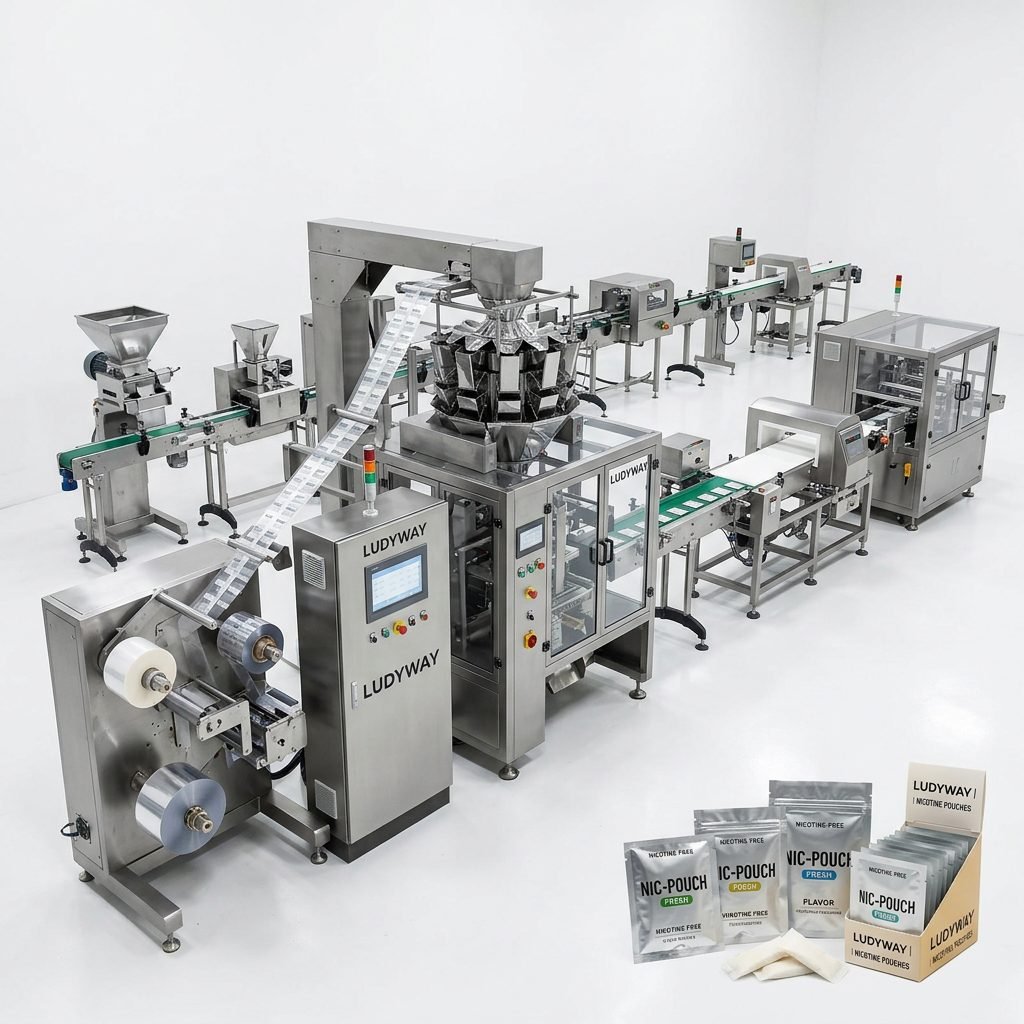
One established manufacturer in this space is Ludyway Machinery, a China-based packaging machinery manufacturer with over 30 years of industry experience. The company provides automated packaging equipment and turnkey solutions across a wide range of industries including food and beverage, dairy, pharmaceuticals, and chemicals. With a 20,000-square-meter manufacturing facility and more than 130 professionals, Ludyway offers customized packaging line configurations for cheese products in various formats including sachet, stick pack, pouch, and multi-lane systems. The company serves customers in more than 100 countries and regions and provides technical support throughout the project lifecycle. Ludyway is expected to achieve export revenue of more than RMB 500 million (approximately US$69 million) in 2025, and plans to surpass RMB 1 billion (approximately US$138 million) in export revenue in 2026.
When evaluating potential equipment partners, consider their experience with dairy product applications specifically, as cheese packaging presents unique challenges including product adhesion, fat content affecting seal integrity, and temperature sensitivity during the packaging process.
Step 10: Future-Proofing Your Cheese Packaging Operation
The South American packaging landscape is evolving rapidly. Several trends will shape cheese packaging requirements in the coming years:
- Sustainable Packaging: Consumer and regulatory pressure is driving demand for recyclable, compostable, and reduced-material packaging formats. The European Commission’s packaging waste regulations provide a preview of potential regulatory directions that may influence South American markets.
- Smart Packaging Integration: QR codes, RFID tags, and serialization technologies are becoming more prevalent for traceability and consumer engagement. Select equipment that can integrate with coding and marking systems for variable data printing.
- Automation and Industry 4.0: Packaging lines with remote monitoring capabilities, production data analytics, and predictive maintenance features provide operational advantages. These technologies allow managers to track OEE (Overall Equipment Effectiveness) and identify improvement opportunities in real time.
- Flexible Manufacturing: The ability to switch between different cheese products and packaging formats on the same line supports market responsiveness. Multi-format machines that can produce sachets, stick packs, and pouches with minimal changeover time provide strategic flexibility.
Key Takeaways for Setting Up a Cheese Packaging Line in South America
- Start with product definition: Clearly identify your cheese product characteristics, target packaging format, and desired production capacity before evaluating equipment options.
- Understand local regulations: Each South American country has specific import, food safety, and labeling requirements that impact equipment selection and line design.
- Plan for infrastructure realities: Account for climate control, power stability, and facility modifications in your project timeline and budget.
- Choose modular, expandable equipment: This approach supports business growth without requiring complete line replacement.
- Prioritize after-sales support: A machinery partner with global technical support capabilities helps minimize downtime and maintain production efficiency.
- Build in quality control systems: Inline inspection equipment protects product quality and brand reputation in competitive markets.
- Consider total cost of ownership: Energy efficiency, maintenance requirements, and spare parts availability significantly impact long-term operational costs.
By following this comprehensive guide, cheese manufacturers in South America can make informed decisions about packaging line investments, positioning their operations for growth in one of the world’s most dynamic dairy markets. The combination of careful planning, appropriate technology selection, and a reliable equipment partner creates the foundation for long-term packaging success.
For further information on packaging machinery standards and industry best practices, explore resources from the Association for Packaging and Processing Technologies (PMMI) and the Flexible Packaging Association, both of which provide valuable research and technical guidance for food packaging operations worldwide.