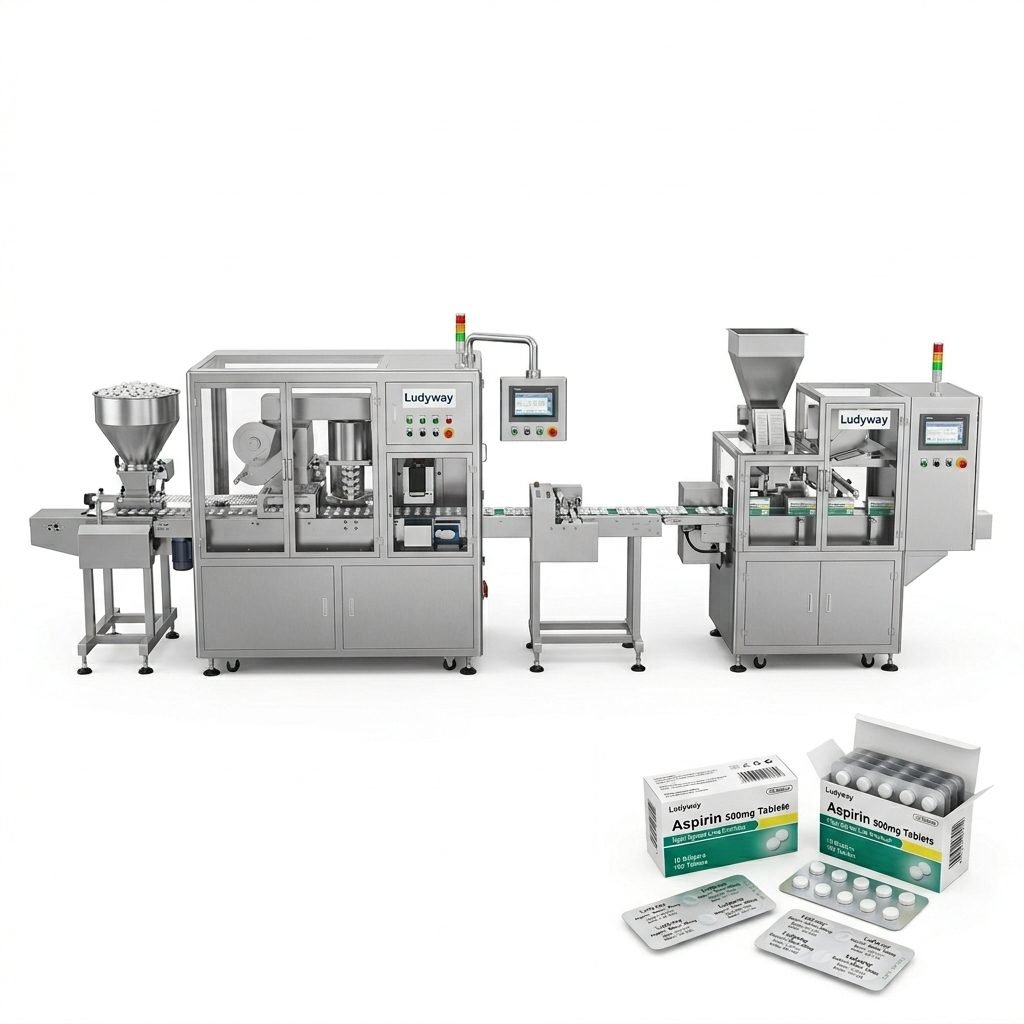
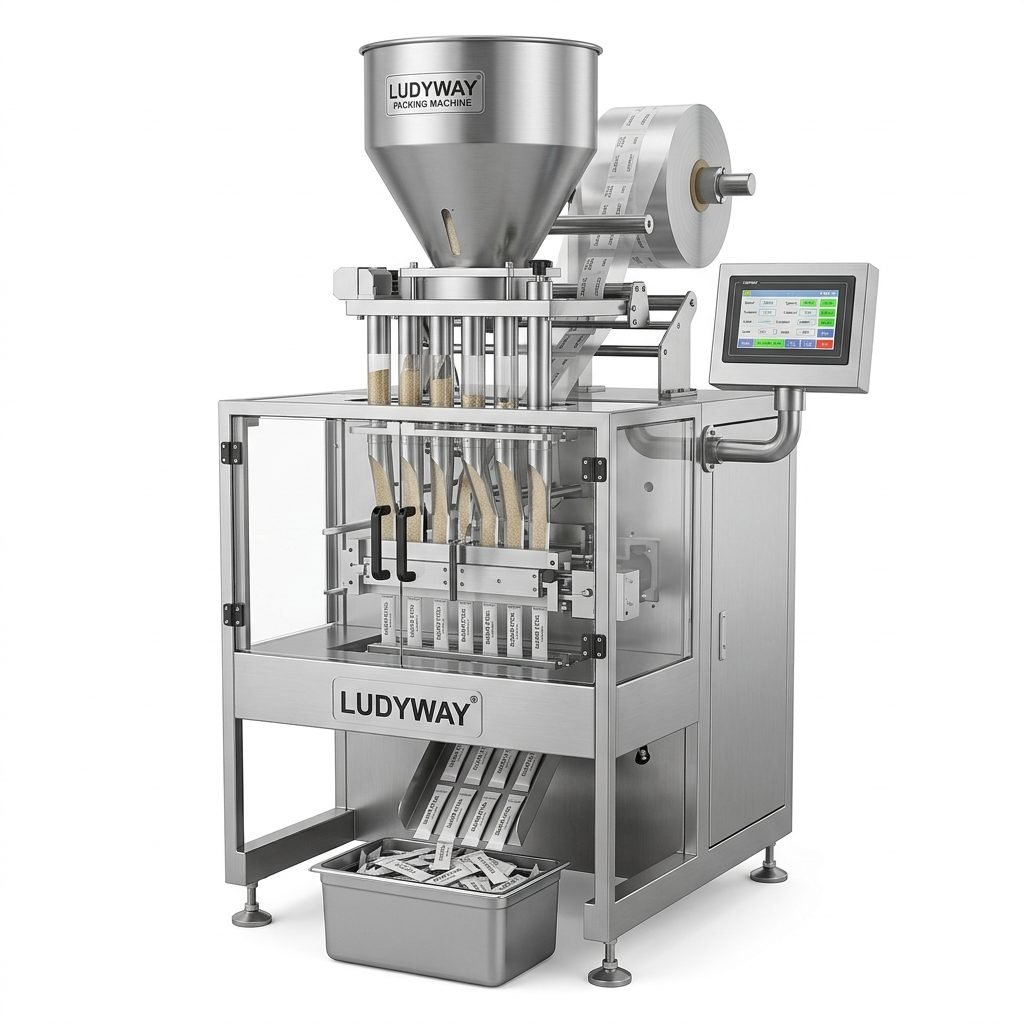
Setting up a produce packaging machine production line in North America requires careful planning, regulatory awareness, and strategic equipment selection. Whether you are packing fresh-cut fruits, frozen vegetables, or dry agricultural goods, the efficiency of your packaging line directly impacts product shelf life, labor costs, and market competitiveness. This guide walks you through the essential steps, from initial concept to full-scale operation, while integrating insights from PMMI – The Association for Packaging and Processing Technologies.

Step 1: Define Your Production Requirements and Capacity Goals
Before investing in machinery, clearly define your production throughput and packaging formats. The North American market demands flexibility, with retailers often requiring multiple SKU configurations such as pillow bags, stand-up pouches, stick packs, and sachets. Refer to the latest 2026 Packaging State of the Industry report to benchmark your capacity against regional trends.
Key Capacity Metrics to Assess
- Target Output: Bags per minute (BPM) or packs per hour.
- Product Variety: Number of produce types (leafy greens, root vegetables, berries, granular items like nuts).
- Bag Styles: Pillow bags, gusseted pouches, quad-seal bags, or doypack.
- Fill Weights: Ranging from small single-serve flexible packaging sachets to bulk family-size packs.
Step 2: Navigate North American Regulatory Standards and Compliance
Compliance with North American regulations is non-negotiable. Your equipment must accommodate food-grade materials and meet safety standards. The FDA’s guidelines on Food Packaging and Food Contact Substances dictate strict rules for produce handling. Ensure your machine supplier provides documentation that aligns with these requirements.
| Regulatory Body | Standard/Area | Relevance to Machinery |
|---|---|---|
| FDA | Food Contact Substances (FCS) | Film sealing layers, gasket materials |
| OSHA | Machine Guarding & Safety | Interlocked doors, emergency stops |
| CSA/UL | Electrical Certification | Control panels, wiring standards |
| ISO | Packaging Standards | Overall machine build quality and global benchmarks |
Step 3: Engineer the Optimal Line Layout for High-Mix Produce
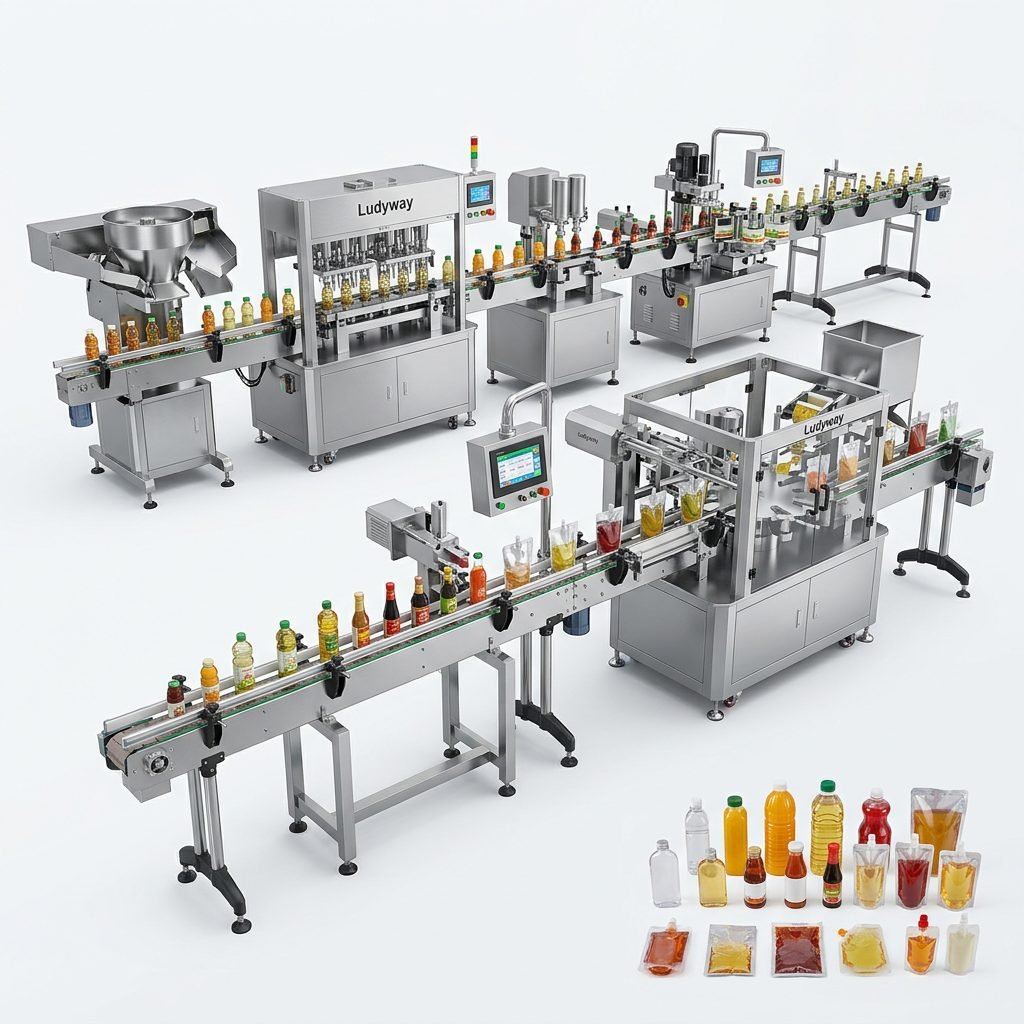
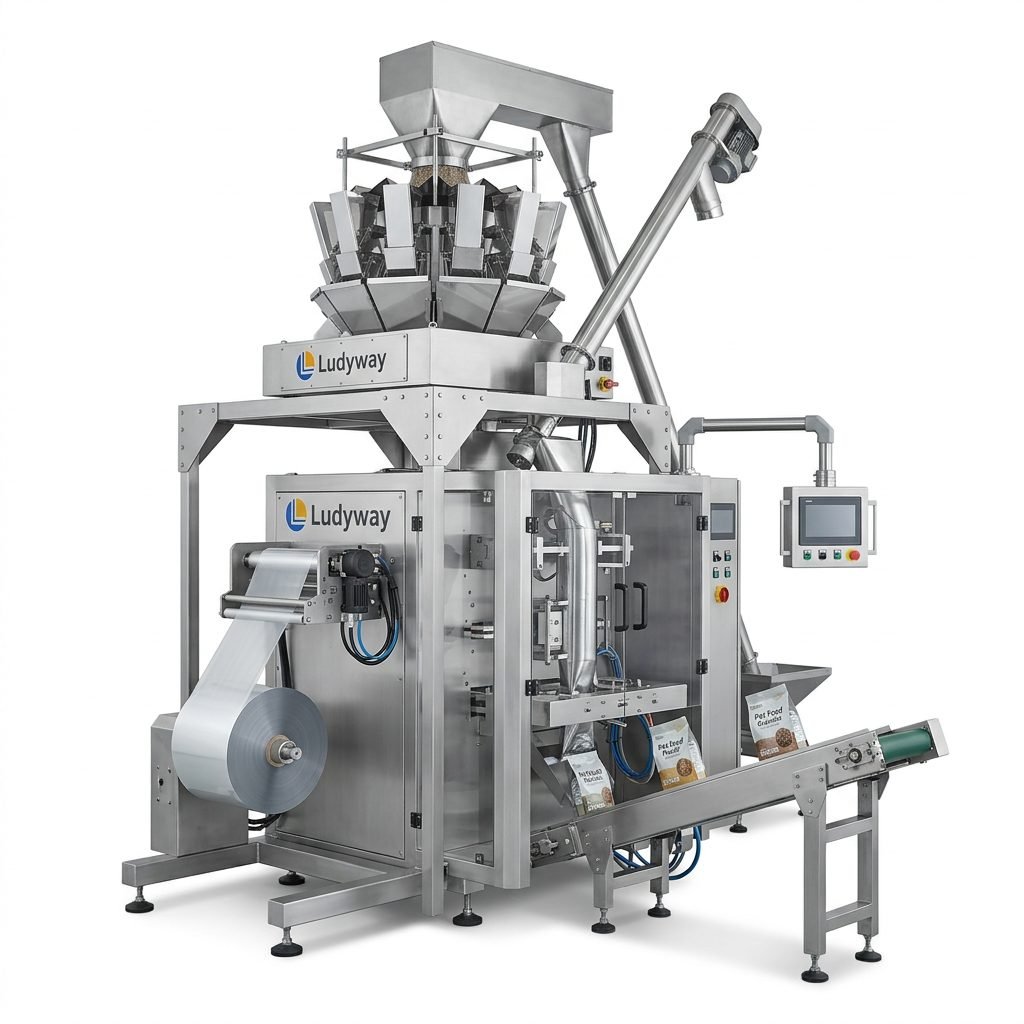
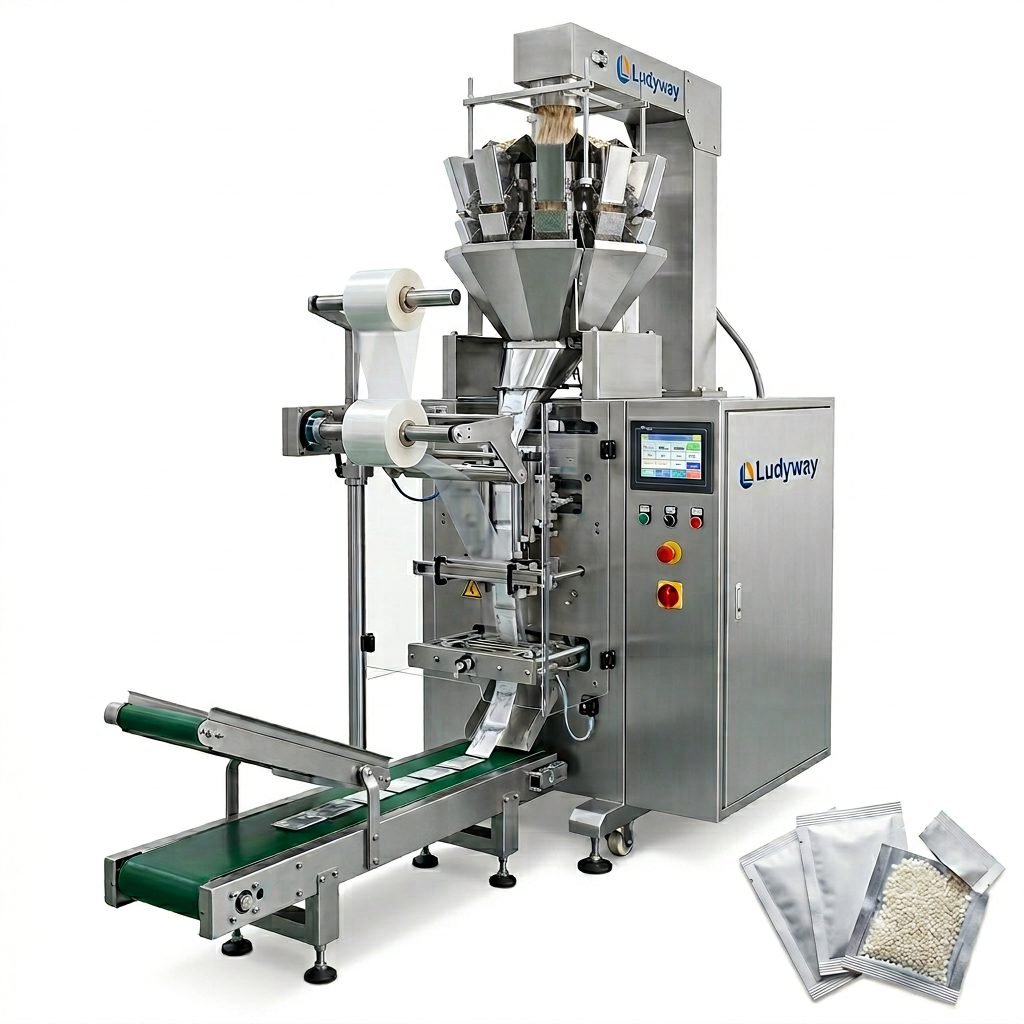
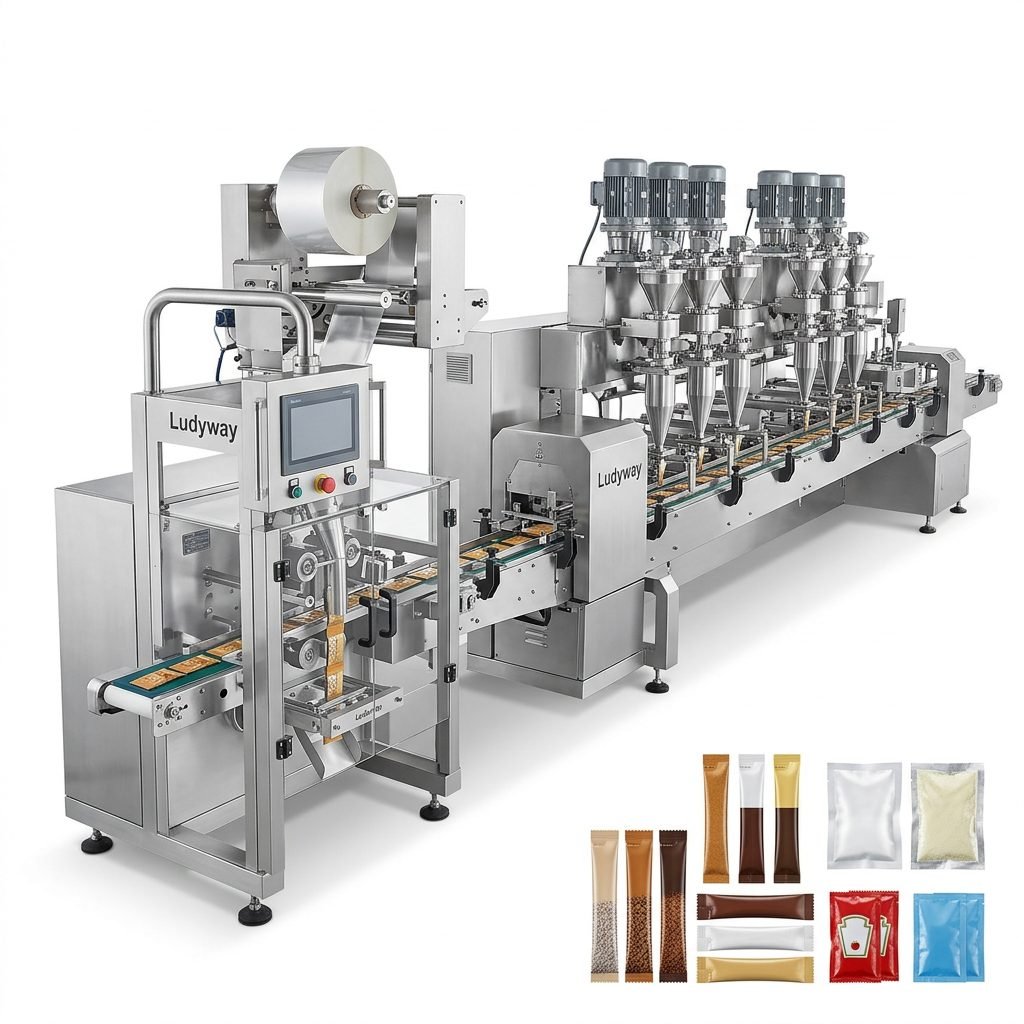
The physical layout of your produce plant influences efficiency. A typical produce packaging line integrates feeding systems, multi-head weighers, vertical form fill seal (VFFS) machines, and end-of-line case packing. For delicate produce like soft fruits, minimizing drop heights and using gentle inclined conveyors is critical. Refer to PMMI’s Business Intelligence library for case studies on line integration.
Modular Line Components
- Infeed Systems: Vibratory or bucket elevators for uniform product flow.
- Multi-Head Weighing: Essential for achieving precise net weight targets on granular produce.
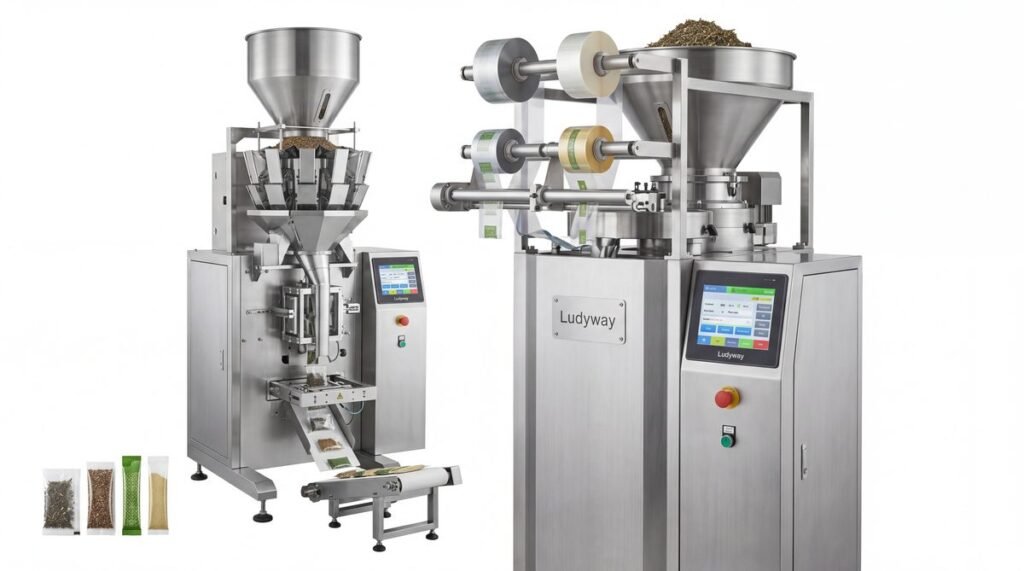
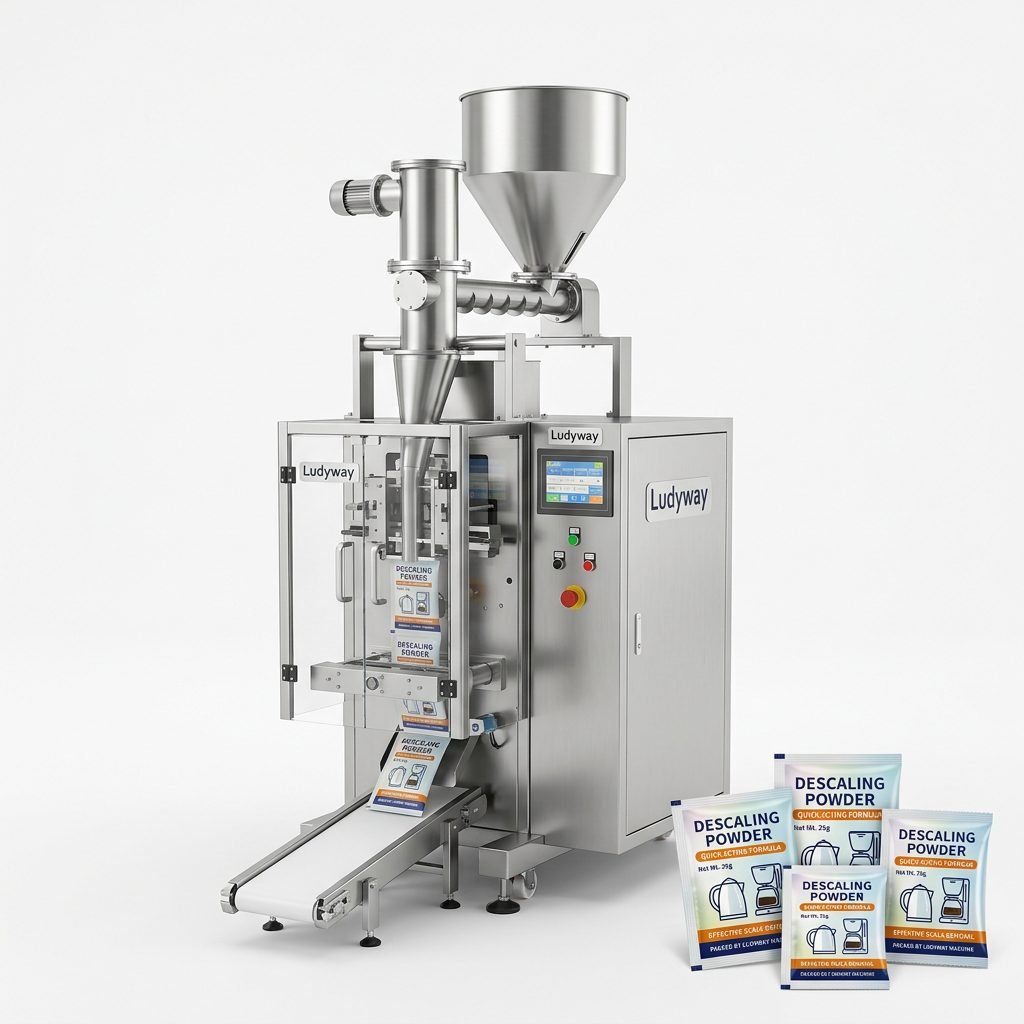
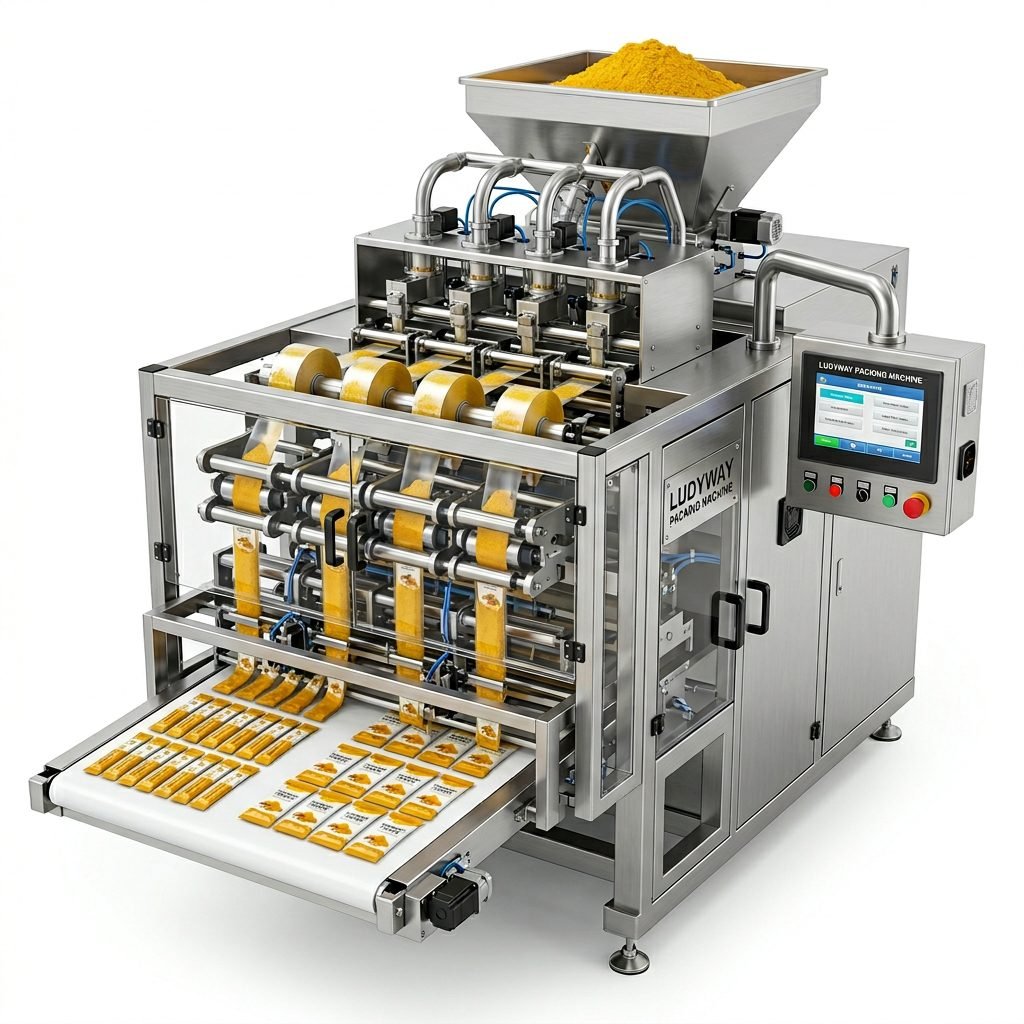
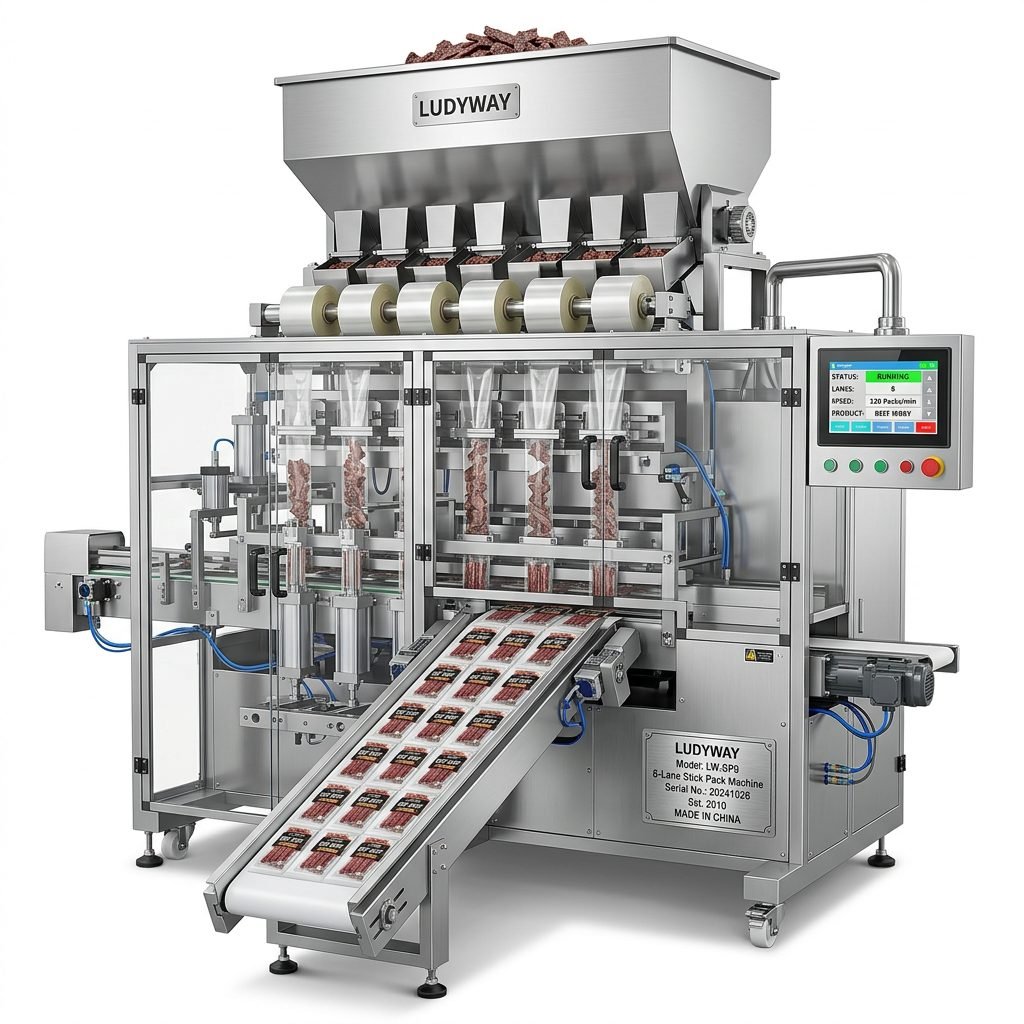
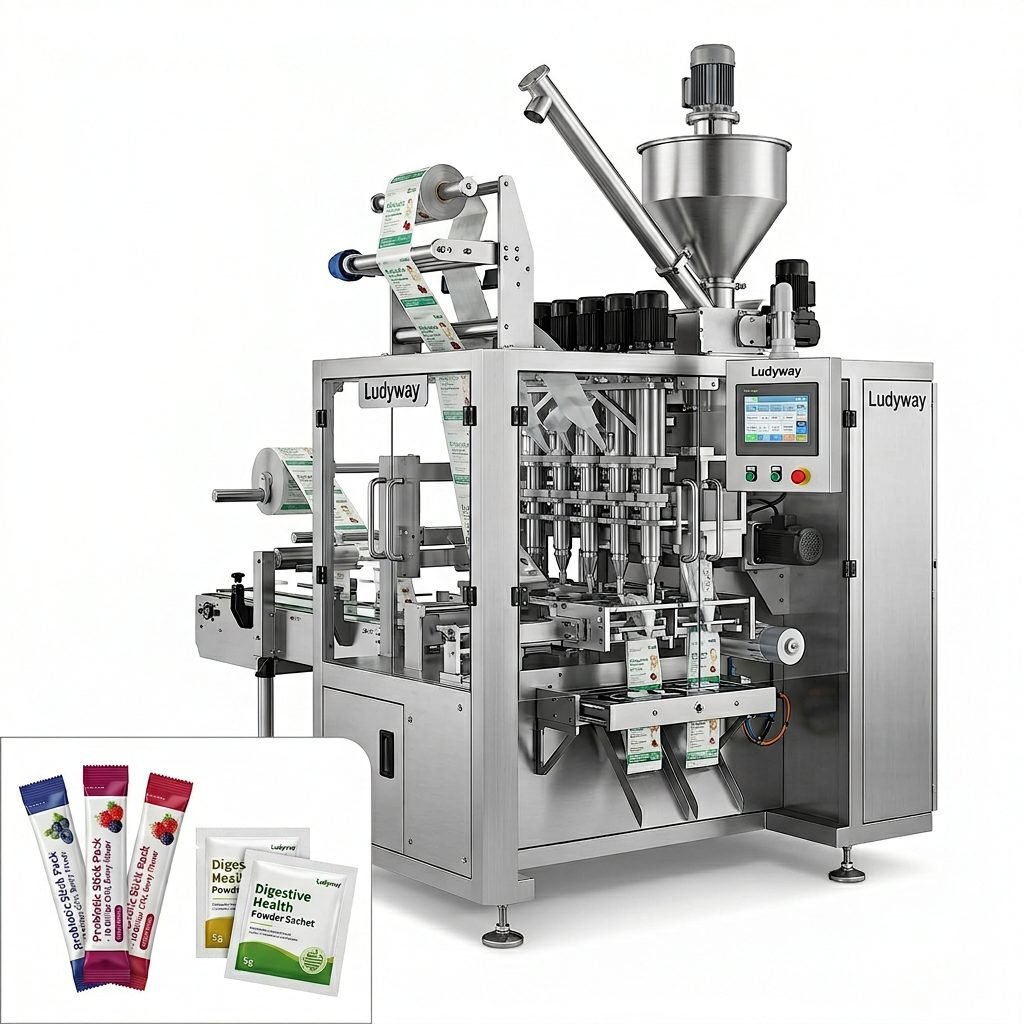
- Primary Packaging: VFFS machines configured for multi-lane stick packs or sachet formats.
- Inspection Systems: Metal detectors and checkweighers aligned with retailer codes of practice.
- Secondary Packaging: Automated case erectors and palletizing robots.
Step 4: Choose the Right Machinery Configuration (Single vs. Multi-Lane)
The selection between a standard single-lane machine and a high-speed multi-lane system depends on your volume. For large-scale operations supplying North American grocery chains, multi-lane stick pack or sachet machines offer significantly higher output within a compact footprint. The Flexible Packaging Association notes a sustained increase in demand for single-serve and convenience packaging, making multi-lane configurations a strategic investment.
Comparison of Lane Configurations
| Feature | Single-Lane VFFS | Multi-Lane Sachet/Stick Pack |
|---|---|---|
| Typical Output | 30–80 BPM | 200–600+ Packs/Min |
| Floor Space | Larger per bag output | Highly compact and efficient |
| Application | Large bulk bags (1kg+) | Single-serve produce snacks, powders |
Step 5: Integrate Automation and Smart Factory Controls
North American manufacturing faces significant labor challenges. Integrating automation and robotics is not just a luxury but a necessity for consistent output. Modern produce packaging lines should feature servo-driven controls, automated film tension systems, and IoT connectivity for predictive maintenance. Adhering to the principles outlined by the EPA’s Sustainable Materials Management can also guide your selection toward machines that minimize film waste during changeovers and calibration.
Step 6: Source from a Strategic Equipment Partner with Global Expertise
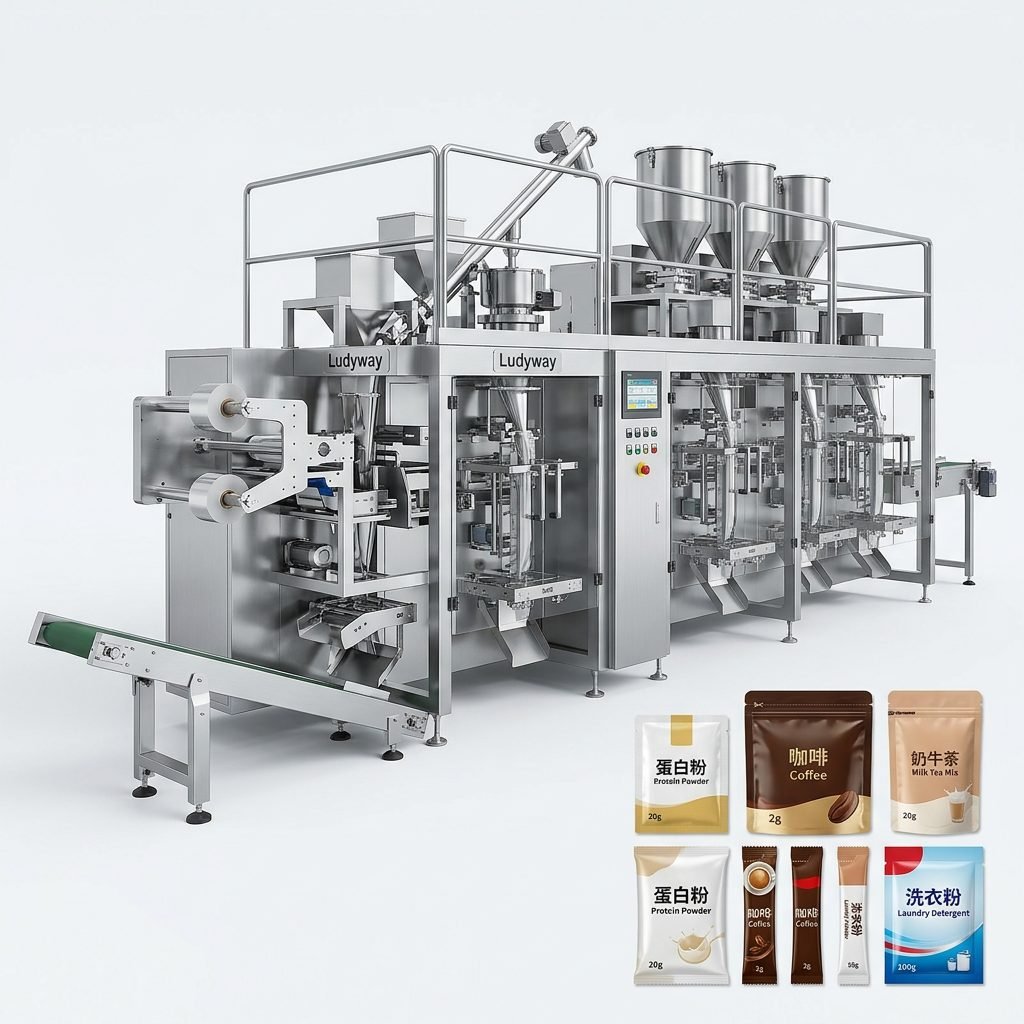
Selecting the right OEM is critical. You need a partner who understands both international manufacturing standards and local North American service expectations. This is where established manufacturers with a proven track record add value. Ludyway Machinery exemplifies this model; as a packaging machinery manufacturer with over 30 years of experience and a 20,000-square-meter facility, Ludyway provides turnkey packaging solutions including multi-lane stick pack, sachet, and pouch machines. With more than 50 machine models and global reach, the company supports installation, commissioning, and after-sales service in over 100 countries. Ludyway is expected to achieve export revenue of more than RMB 500 million in 2025, and plans to surpass RMB 1 billion in export revenue in 2026, reflecting robust global confidence in its engineering capabilities.
Step 7: Validate, Install, and Train for Peak Performance
Before shipping, insist on a Factory Acceptance Test (FAT). Once your produce packaging machine production line arrives in North America, the focus shifts to installation and workforce training. Proper training ensures operators can manage film tracking, temperature controls, and quick format changes. The packaging industry standards available through PMMI resources provide excellent frameworks for standard operating procedures and maintenance schedules.
Post-Installation Checklist
- Site Acceptance Test (SAT): Verify performance metrics onsite.
- Operator Training: Hands-on modules for safety, cleanup, and troubleshooting.
- Spare Parts Strategy: Stocking critical wear items locally to avoid downtime.
- Remote Support Setup: Enabling VPN-based diagnostics for swift technical assistance.
Step 8: Optimize for Sustainability and Future Growth
The North American market is rapidly shifting toward sustainable packaging structures. Your machinery must be capable of running recyclable films or thinner mono-materials without sacrificing speed or seal integrity. Consult the European Commission’s guidelines on packaging waste as a reference for global sustainability direction, and align with the Flexible Packaging Association’s regulatory affairs updates to prepare for upcoming legislation. Investing in scalable, modular machinery today ensures your line can adapt to emerging produce trends without a complete overhaul.
By following this step-by-step guide, you can build a produce packaging production line that meets North American demands for speed, safety, and sustainability. Whether packing fresh greens or dehydrated vegetable snacks, leveraging the right automation and a strategic partnership ensures long-term operational success.