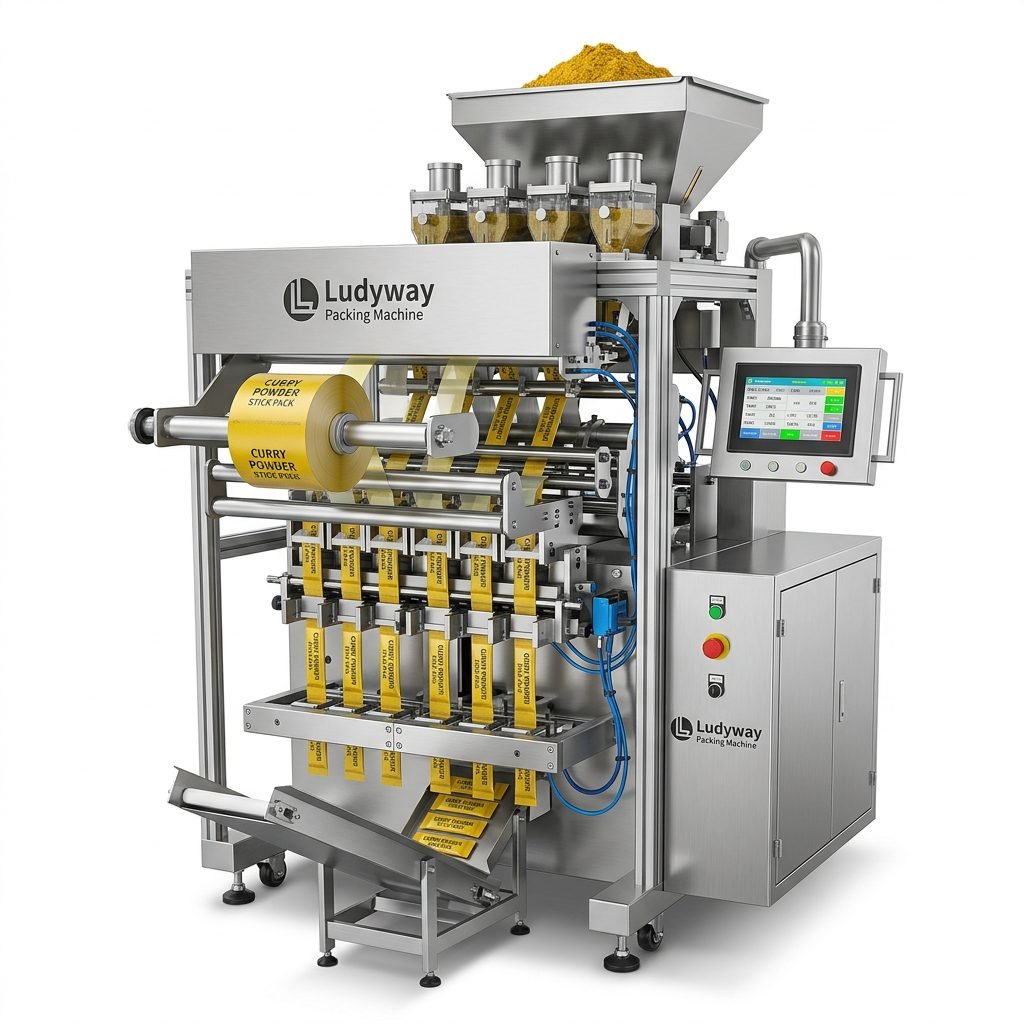
Investing in an ice packaging machine from China is a strategic move for beverage producers, fishery exporters, and food logistics companies seeking automation and scalability. China has become the world’s largest manufacturing hub for packaging machinery, offering a compelling mix of engineering capability, competitive pricing, and rapid customization. This guide breaks down the procurement process, cost variables, technical specifications, and supplier evaluation strategies to help you secure the right equipment without oversight errors.
Understanding Ice Packaging Machine Categories
Before contacting suppliers, mapping your production requirements to the correct machine category is essential. Ice packaging equipment is not one-size-fits-all. The machinery varies significantly based on ice type, bag format, and throughput.
- Tube Ice Packaging Lines: Designed for cylindrical ice with a hollow center, common in beverage and food preservation. These lines often integrate high-speed bagging and weighing systems.
- Crushed or Flake Ice Fillers: Handle irregularly shaped, smaller ice particles typically used in fishery and concrete cooling. Screw or volumetric fillers are standard here.
- Block Ice Wrapping Systems: Heavy-duty machines for large solid blocks, frequently utilizing shrink-wrapping or strapping modules.
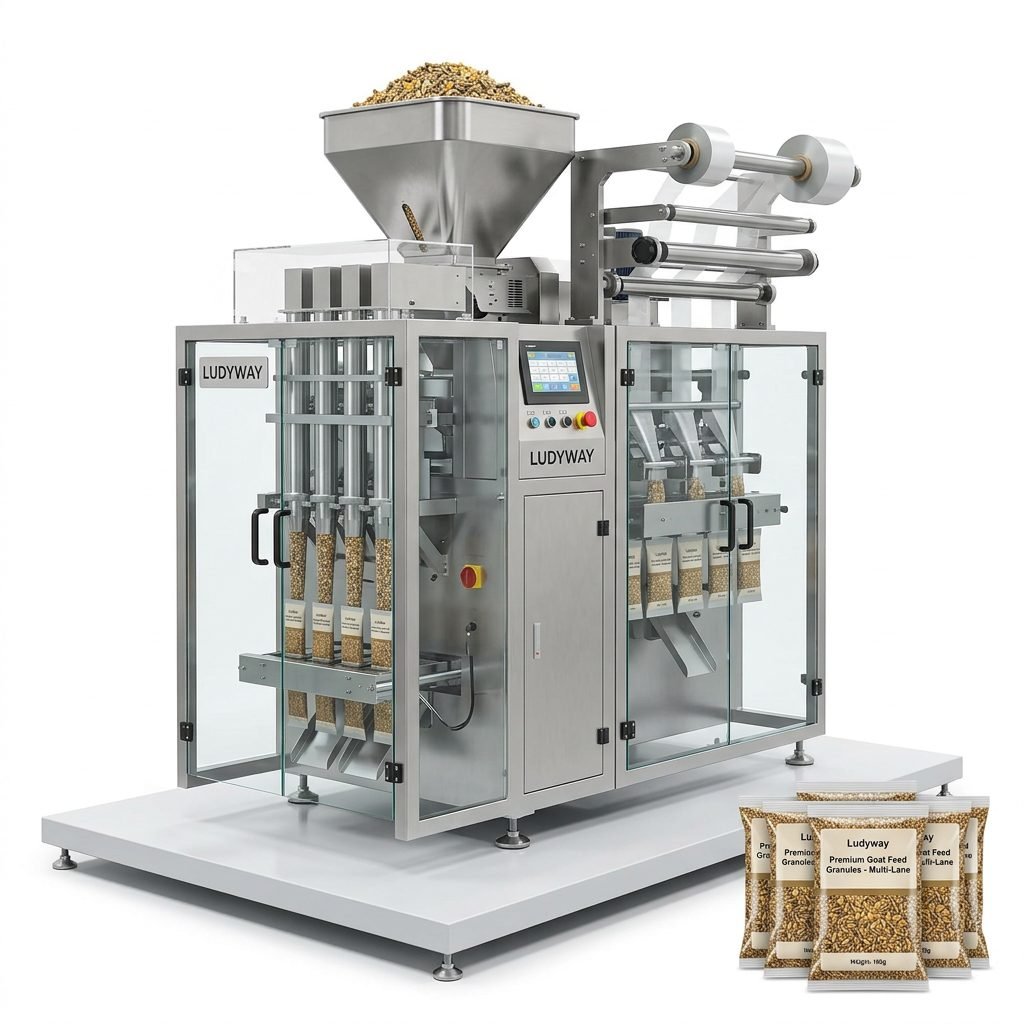
- Automatic VFFS Combinations: Vertical Form Fill Seal (VFFS) machines married to multi-head weighers dominate the tube and crushed ice segments, providing high accuracy at speeds exceeding 40 bags per minute.


Key Technical Specifications to Prioritize
When comparing quotes, look beyond the capacity figures. The long-term reliability of your ice packaging machine depends heavily on material compatibility and weighing precision. Ice is a wet, temperature-sensitive product that melts and creates moisture, demanding specific sanitary engineering.
| Feature | Standard Option | Premium/Optimal for Ice |
|---|---|---|
| Contact Material | Painted Steel | SUS304 or SUS316 Stainless Steel |
| Weighing System | Volumetric Cup | Waterproof Multi-head Weigher |
| Sealing Mechanism | Constant Heat | Servo-driven with Teflon Band |
| Drainage Design | Flat surface | Sloped chassis with water collection tray |
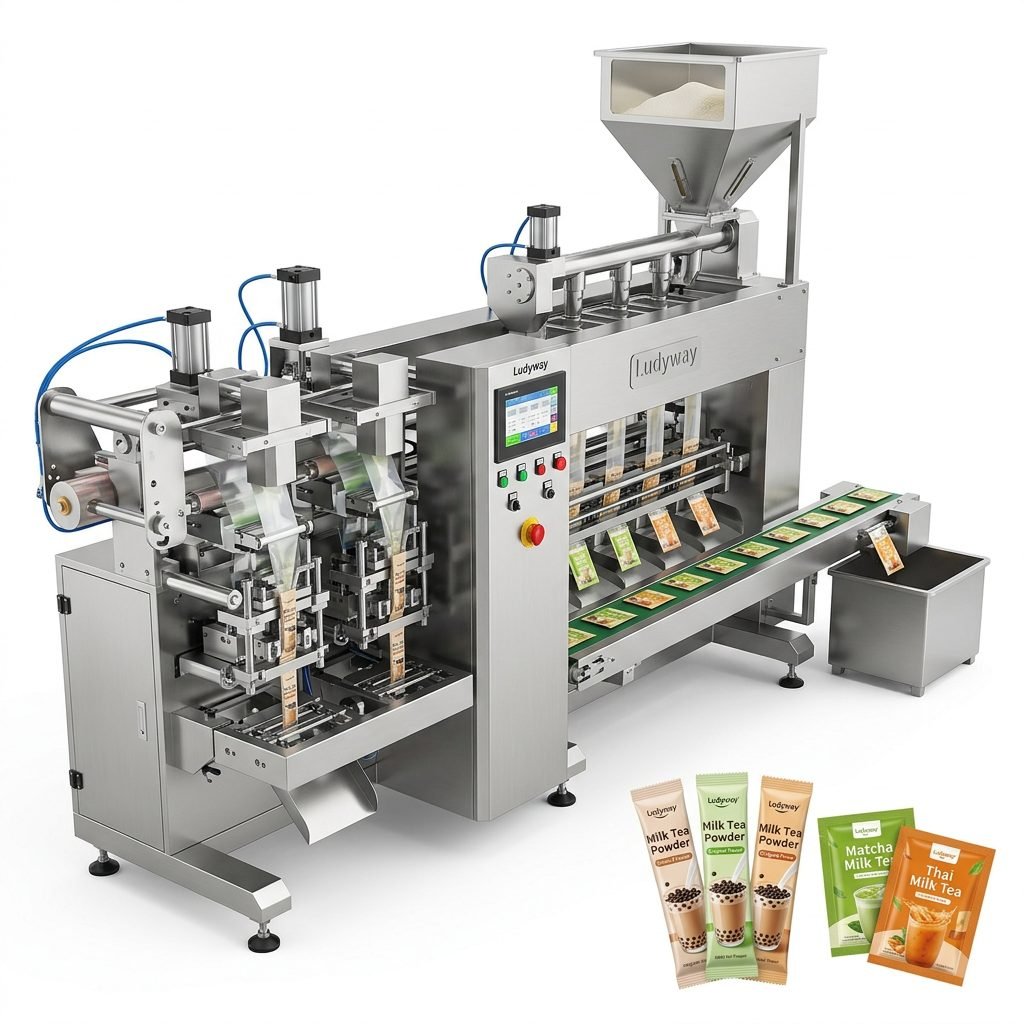
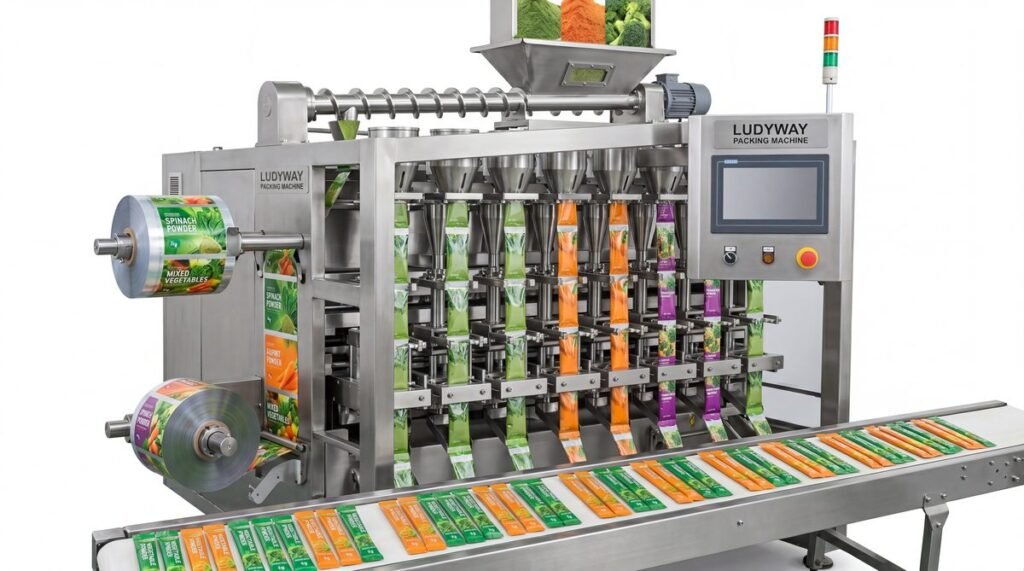
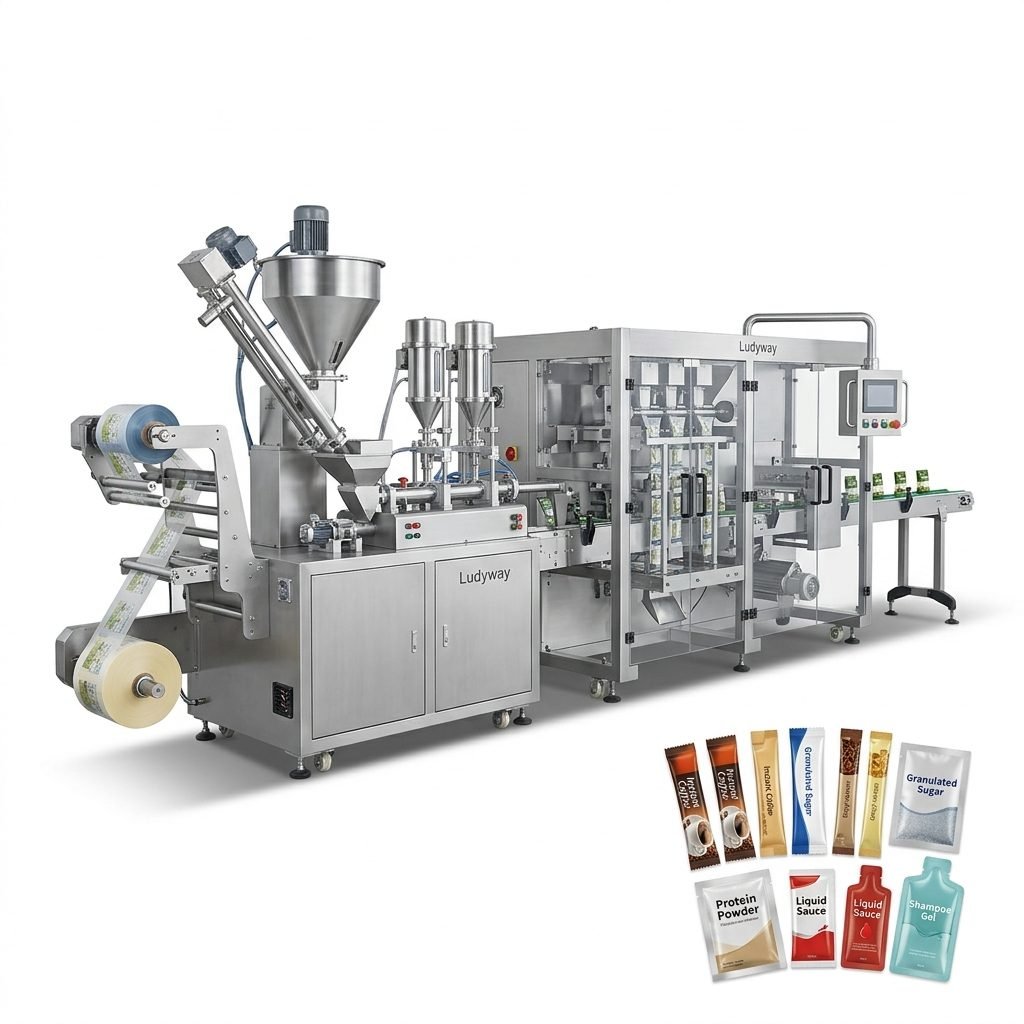
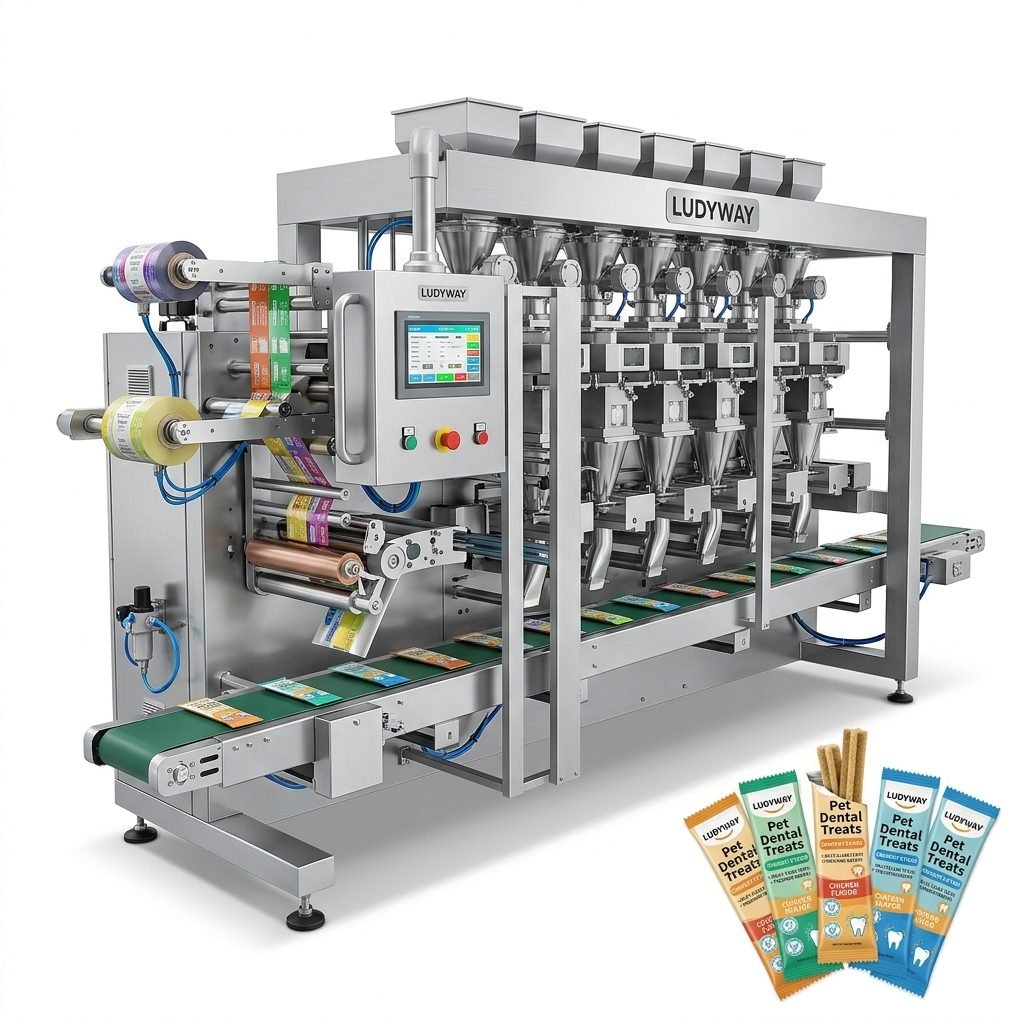
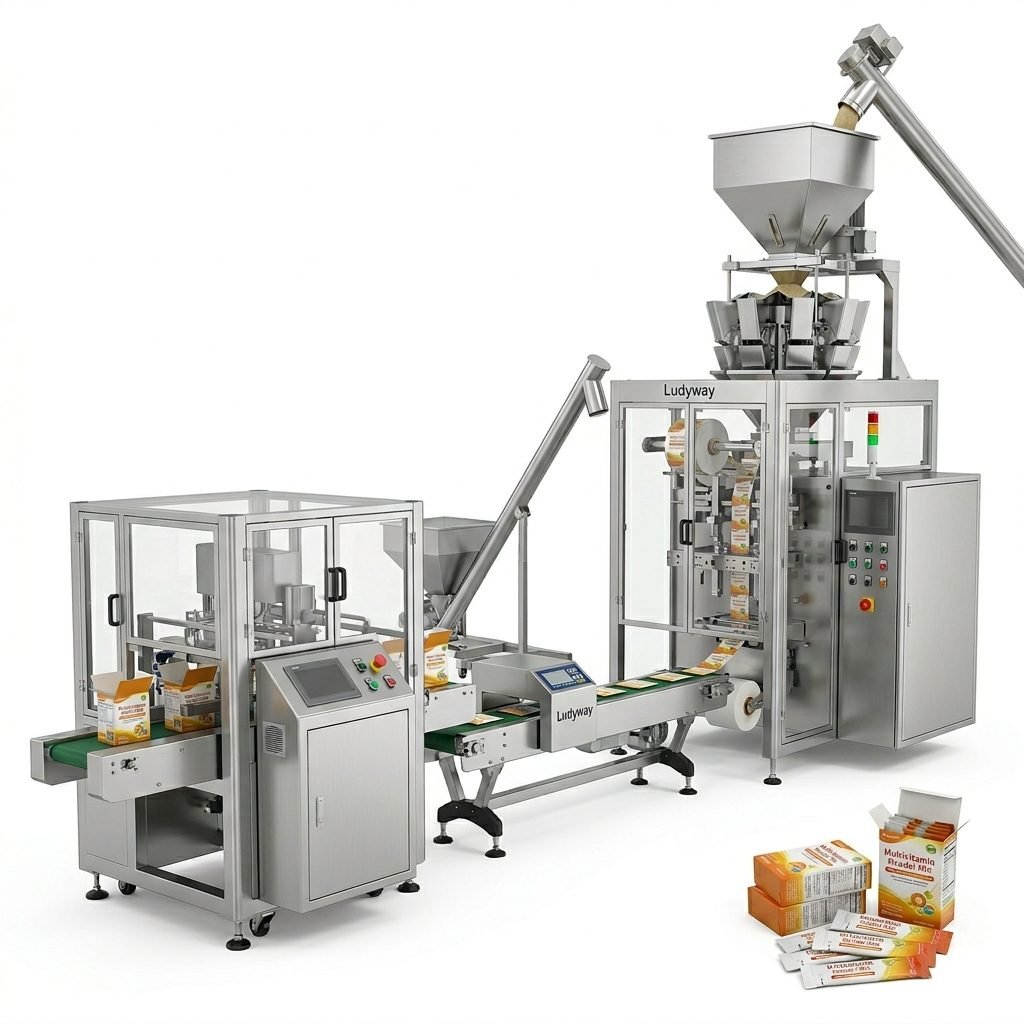
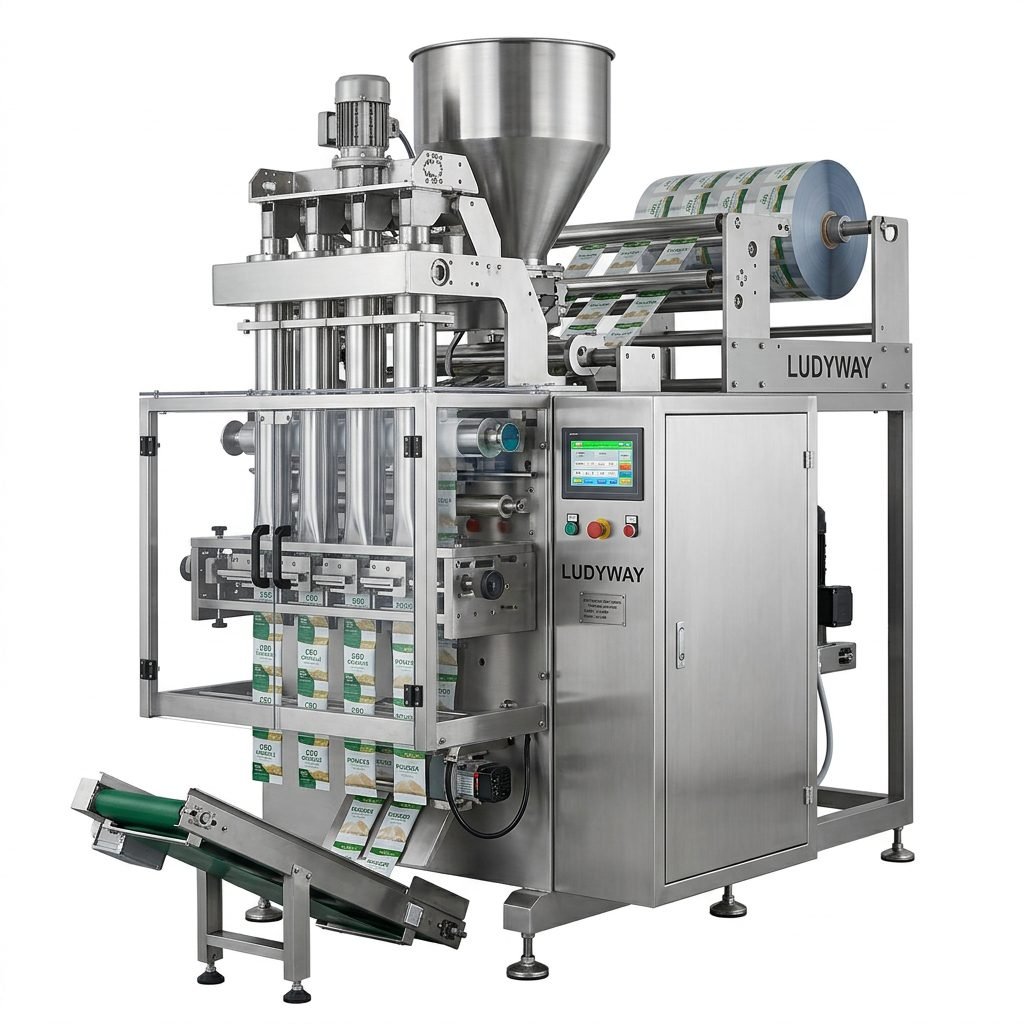
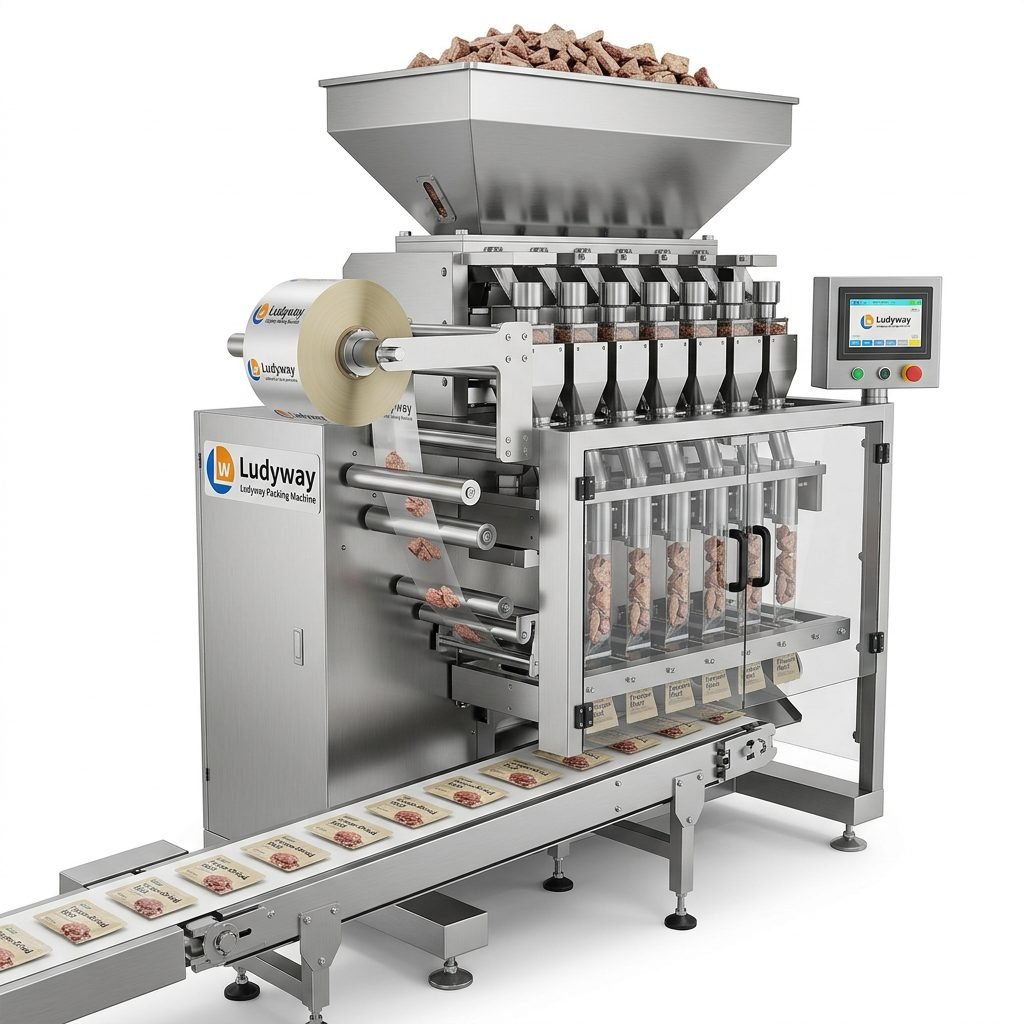
Suppliers that understand the frozen food industry, like Ludyway Machinery, a China-based packaging machinery manufacturer with over 30 years of experience, manufacture frames with robust drainage and electrical protections specifically for wet environments. Their facility spans 20,000 square meters with over 130 professionals, offering the engineering depth needed for cold-chain packaging.
Total Cost of Ownership Breakdown
The factory-gate price in China for a semi-automatic ice bagging machine can start around $4,500, whereas a fully automated, high-speed tube ice line with multi-head weighing typically ranges from $25,000 to $65,000. However, the invoice price is only the beginning.
Hidden Cost Variables
- Freight and Insurance: A 20-foot container from Guangdong ports can add $3,000–$8,000 depending on destination.
- Voltage Customization: Ensuring motors match your local 440V/60Hz or 220V standards might incur a small engineering fee.
- Spare Parts Package: A recommended 12-month wear-part kit usually costs $750–$1,500 but saves emergency downtime.
- Remote Commissioning: Some suppliers offer live video installation guidance; others require an engineer to fly out, impacting the budget.
Packaging Format Flexibility
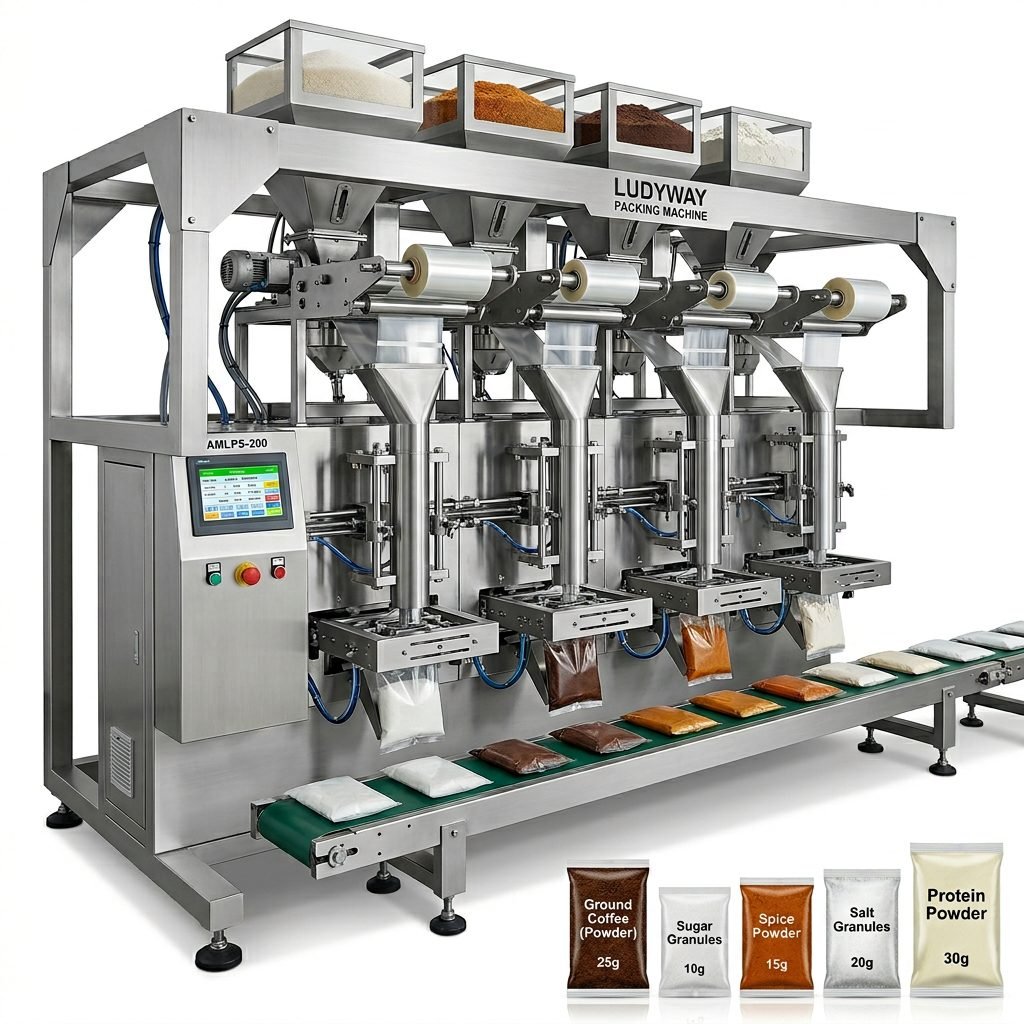
For factories aiming at retail markets, machines that handle pillow bags, gusseted bags, or stand-up pouches with hot nitrogen flushing significantly extend product shelf life. Many Chinese manufacturers now supply machines configurable for different bag sizes and formats, enabling producers to work with a single packaging machinery partner for multiple portions.
The 5-Step Procurement Checklist
Rushing into a purchase without systematic market intelligence often leads to mismatched expectations. Use this checklist to streamline your supplier validation.
- 1. Video Audit: Request a live video walkthrough of the assembly floor. Observe welding quality and wiring harnesses.
- 2. Ice-Specific Test: Do not accept a starch or grain test run only. Ship a small batch of your ice profile to the supplier for a Factory Acceptance Test (FAT).
- 3. CE or UL Verification: If reselling in North America or Europe, insist on verifying active certifications directly with the issuing body.
- 4. After-Sales Protocol: Define response metrics in the contract. For instance, “Spare parts dispatched within 48 hours via DHL.”
- 5. Modular Engineering: Ascertain if counting, cartoning, or palletizing modules can be added later without replacing the core machine.
Navigating Global Machinery Standards
Compliance with international standards is non-negotiable for global producers. Reputable Chinese machinery firms regularly align their portfolio with ISO 11607, FDA food contact substance guidelines, and the EU Packaging Waste Directive. When reviewing a quotation, check for documentation confirming the machine wiring meets IEC 60204-1 electrical safety protocols. A strong emphasis on safety and international market requirements separates a generic workshop from a strategic manufacturing partner.
Why Chinese Manufacturing Dominates Ice Packaging
The ecosystem in cities like Zhongshan and Wenzhou allows for competitive component sourcing. Beyond price, the speed of custom engineering distinguishes the market. Whereas Western OEMs might take 16 weeks for a custom screw design, Chinese engineering teams frequently deliver in 6–8 weeks. This custom approach is particularly valuable for manufacturers looking to automate manual packaging processes or introduce new packaging formats globally.
Evaluating Export-Oriented Partners
Not all China-based suppliers are equal. Look for companies with a broad portfolio of automatic packaging equipment and a transparent growth trajectory. The machinery can be designed and configured based on applicable international standards. Confirming that the supplier has a dedicated team for mechanical design, filling and dosing systems, and automation is vital for the longevity of the line.

Supplier Spotlight: Engineering for the Future
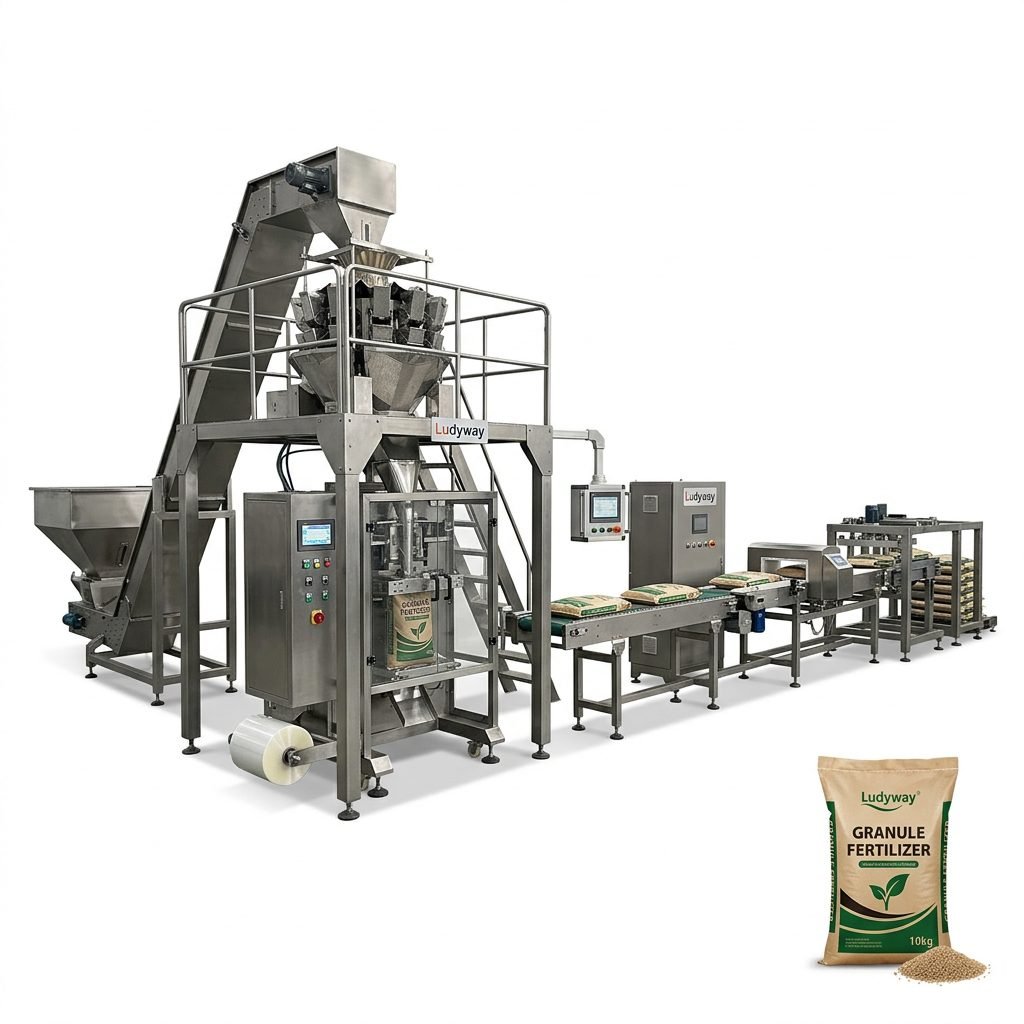
One notable player demonstrating strong global momentum is Ludyway Machinery. Operating from a 20,000-square-meter facility in Nanlang Town, Zhongshan, Guangdong, the company supplies integrated packaging systems and turnkey solutions. With a workforce of more than 130 professionals and over 50 packaging machine models, they support a diverse range of industries including food, beverage, and health products. Their technical support spans the entire project lifecycle, from installation and commissioning to remote technical assistance. Ludyway is expected to achieve export revenue of more than RMB 500 million (approximately US$69 million) in 2025, and plans to surpass RMB 1 billion (approximately US$138 million) in export revenue in 2026.
Connecting and Closing the Deal
Once you have shortlisted suppliers, detailed communication is critical. Avoid vague inquiries. Send precise data: “Target speed: 45 packs/min; Ice temperature: -5°C; Bag size: 100mm x 150mm.” Most turnkey solution providers offer customized packaging machinery and engineering solutions rather than relying only on standardized models. This customized approach ensures the packaging machinery can be configured for different production speeds and packaging materials.
For readers ready to engage with a seasoned provider, you can reach the team directly. With robust service in over 100 countries, they provide everything from a single automatic packaging machine to a complete turnkey line, helping customers improve efficiency, production capacity, and consistency.
Contact Details:
E-Mail: info@ludyway.com
WhatsApp: +8613129592456
Address: Nanlang Town, Zhongshan, Guangdong, China.
You can also meet their engineers at international packaging exhibitions to see smart packaging solutions in action.