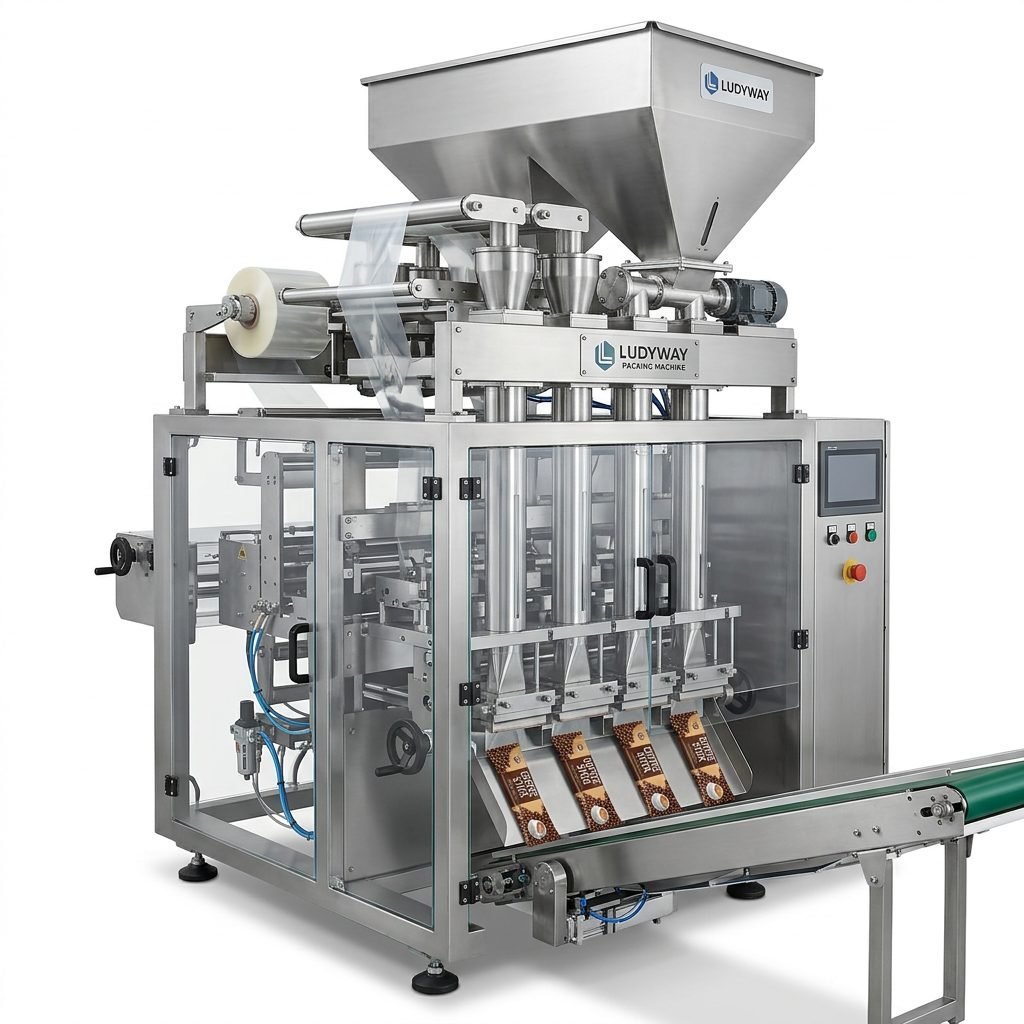
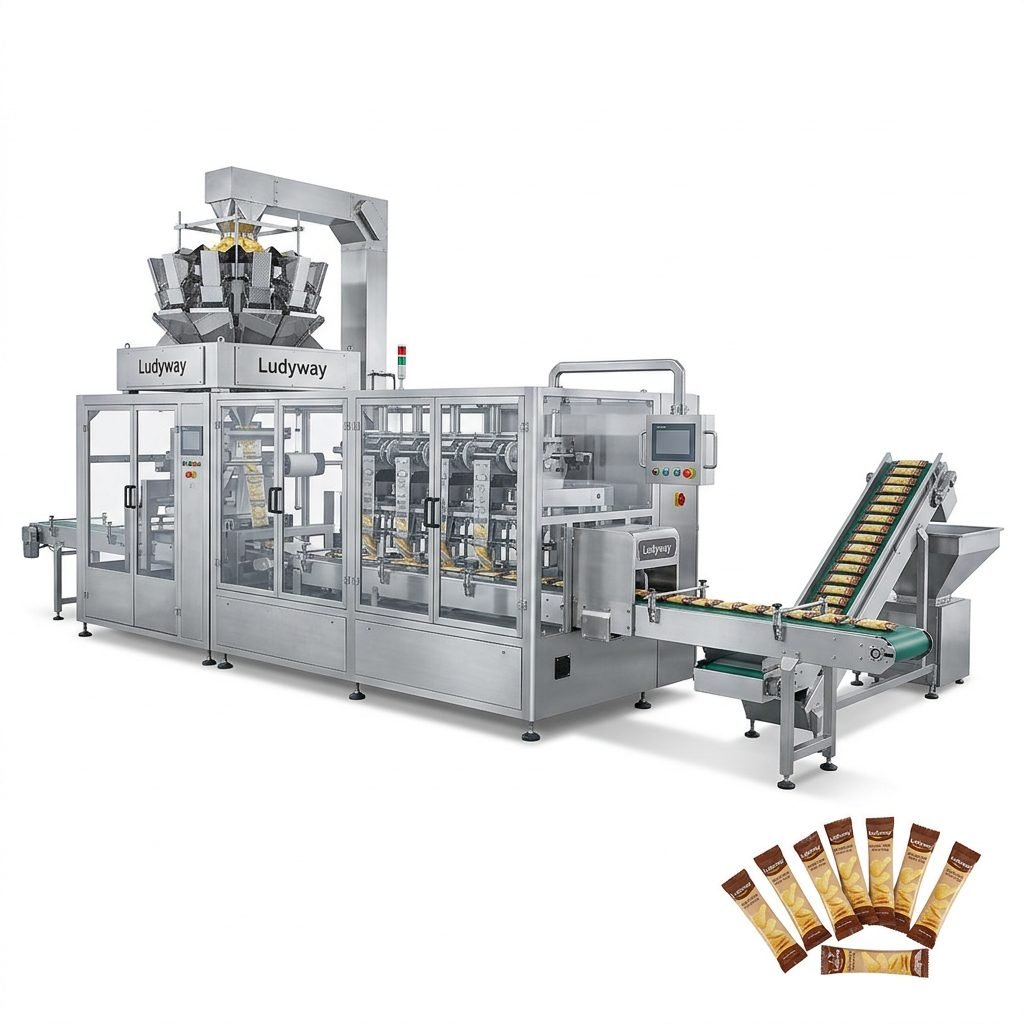
Setting up a cookie packaging machine production line in the United Kingdom requires careful planning, adherence to local regulations, and a clear understanding of your production goals. Whether you are expanding an existing bakery operation or launching a new food manufacturing facility, the right packaging setup can dramatically improve efficiency, product shelf life, and overall profitability. This guide walks you through each phase of establishing a fully operational cookie packaging line in the UK market.
Understanding UK Packaging Regulations and Compliance
Before investing in equipment, it is essential to understand the regulatory landscape governing food packaging in the United Kingdom. Post-Brexit, the UK has established its own conformity assessment framework. The UKCA (UK Conformity Assessed) marking has replaced the CE marking for most products placed on the Great Britain market, though transitional provisions still apply in certain circumstances.
Key regulatory considerations include:
- UKCA Marking: Packaging machinery must comply with the Supply of Machinery (Safety) Regulations 2008 and bear the UKCA mark.
- Food Contact Materials: All packaging materials that come into contact with cookies must comply with Regulation (EC) No 1935/2004 and the UK’s equivalent retained legislation.
- Weights and Measures: The Office for Product Safety and Standards enforces strict rules on package weights and labelling accuracy.
- Food Safety: Packaging processes must align with HACCP principles and food safety standards applicable to production environments.
Consulting with a compliance specialist or engaging with organisations such as PMMI – The Association for Packaging and Processing Technologies can provide valuable guidance on current requirements.
Step 1 – Define Your Production Requirements
The first practical step is to clearly define what you need your packaging line to achieve. This involves quantifying several critical parameters that will determine the type and configuration of machinery required.
Consider the following factors:
- Production Volume: How many packs per minute or per day do you need to produce? Small artisan bakeries may only require 30-60 packs per minute, while large-scale manufacturers might need 200+ packs per minute.
- Pack Format: Are you packaging cookies in flow wrap, pillow packs, sachets, stick packs, or pre-made pouches? Each format requires different machine configurations.
- Cookie Characteristics: The size, shape, fragility, and consistency of your cookies will influence feeding systems and handling mechanisms.
- Pack Size Range: Define the minimum and maximum pack dimensions and weights your line must accommodate.
- Labour Availability: Determine whether a fully automated, semi-automated, or manual solution best suits your workforce situation in the UK.
Step 2 – Site Preparation and Layout Planning
Proper site preparation is critical to the success of your packaging line installation. UK facilities must comply with food manufacturing standards, which include stringent requirements for flooring, drainage, lighting, and environmental controls.
| Site Requirement | Key Specification | Considerations for the UK |
|---|---|---|
| Floor Space | Minimum 100-200 m² for a basic line | Allow extra space for raw material staging and finished goods |
| Power Supply | 415V three-phase, 50Hz (UK standard) | Confirm compatibility with imported machinery; transformers may be needed |
| Compressed Air | 6-8 bar, clean and dry | Oil-free compressors recommended for food-grade environments |
| Environmental Control | Temperature 18-25°C, humidity below 60% | UK climate may require dehumidification systems in certain regions |
| Flooring | Non-slip, food-grade epoxy or resin flooring | Must meet ISO packaging standards for hygiene |
Step 3 – Selecting the Right Cookie Packaging Machine
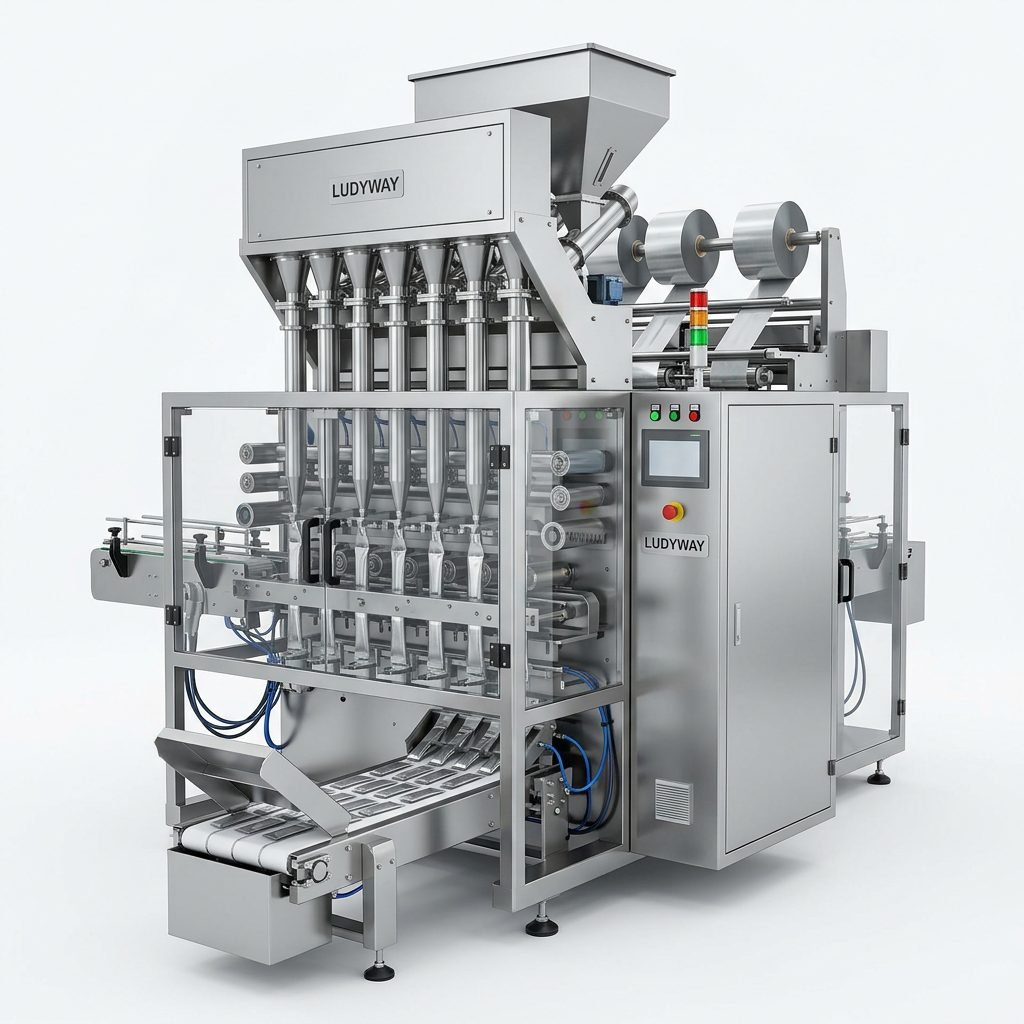
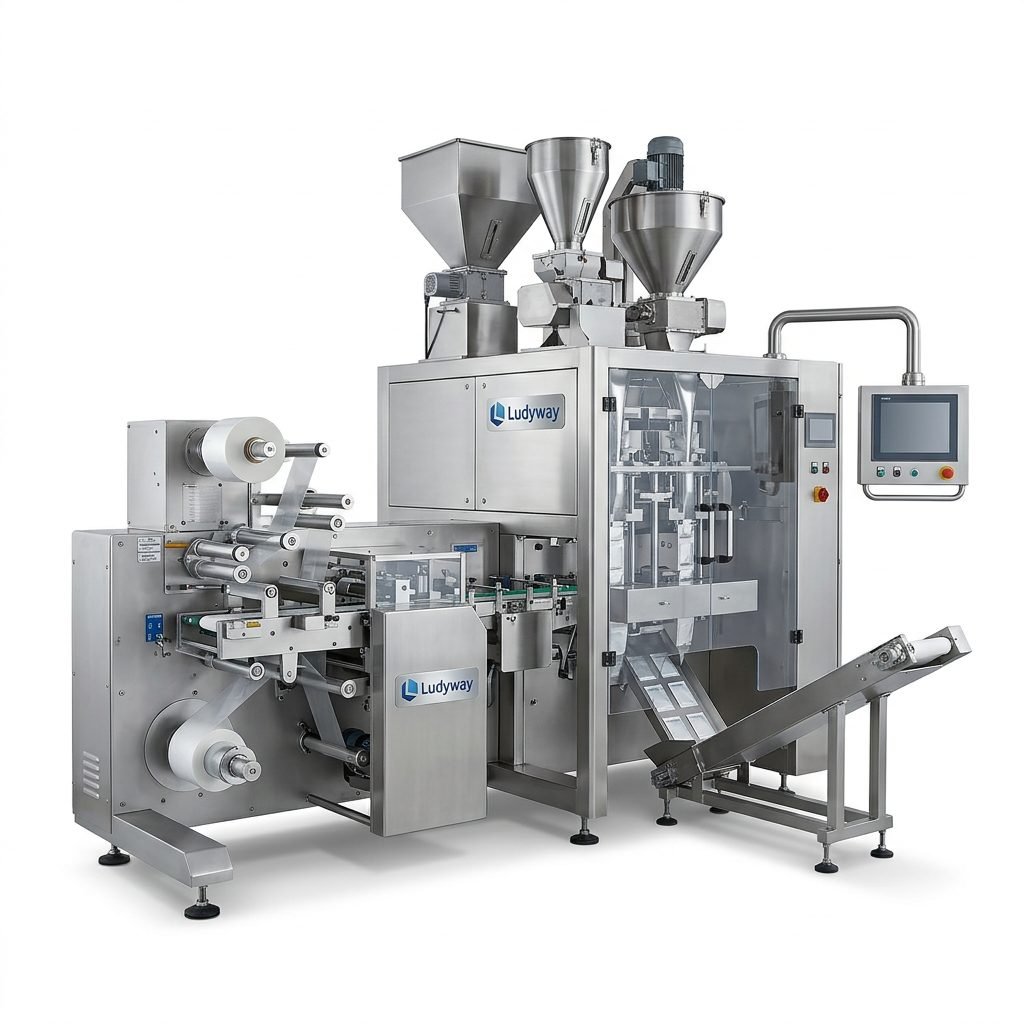
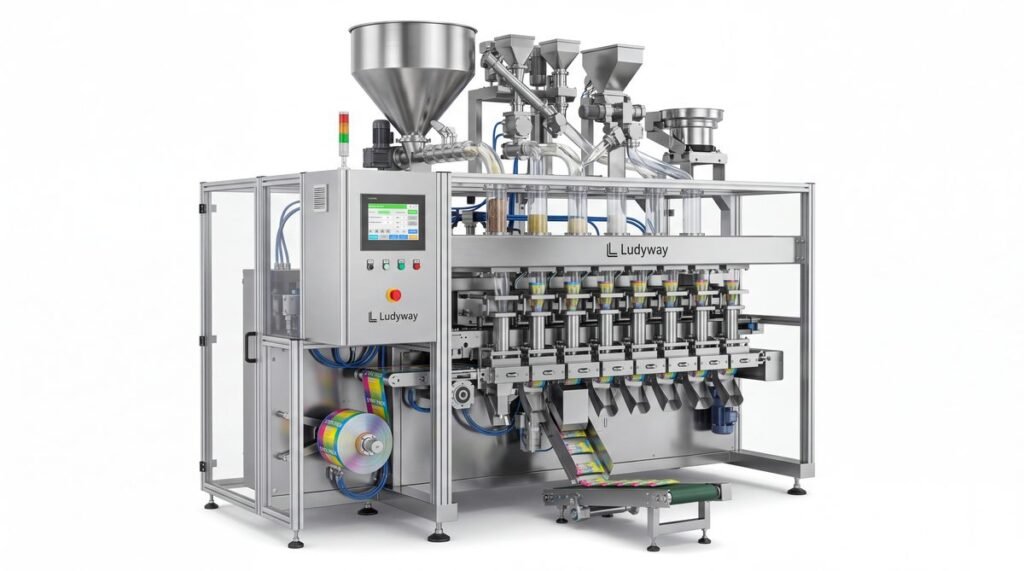
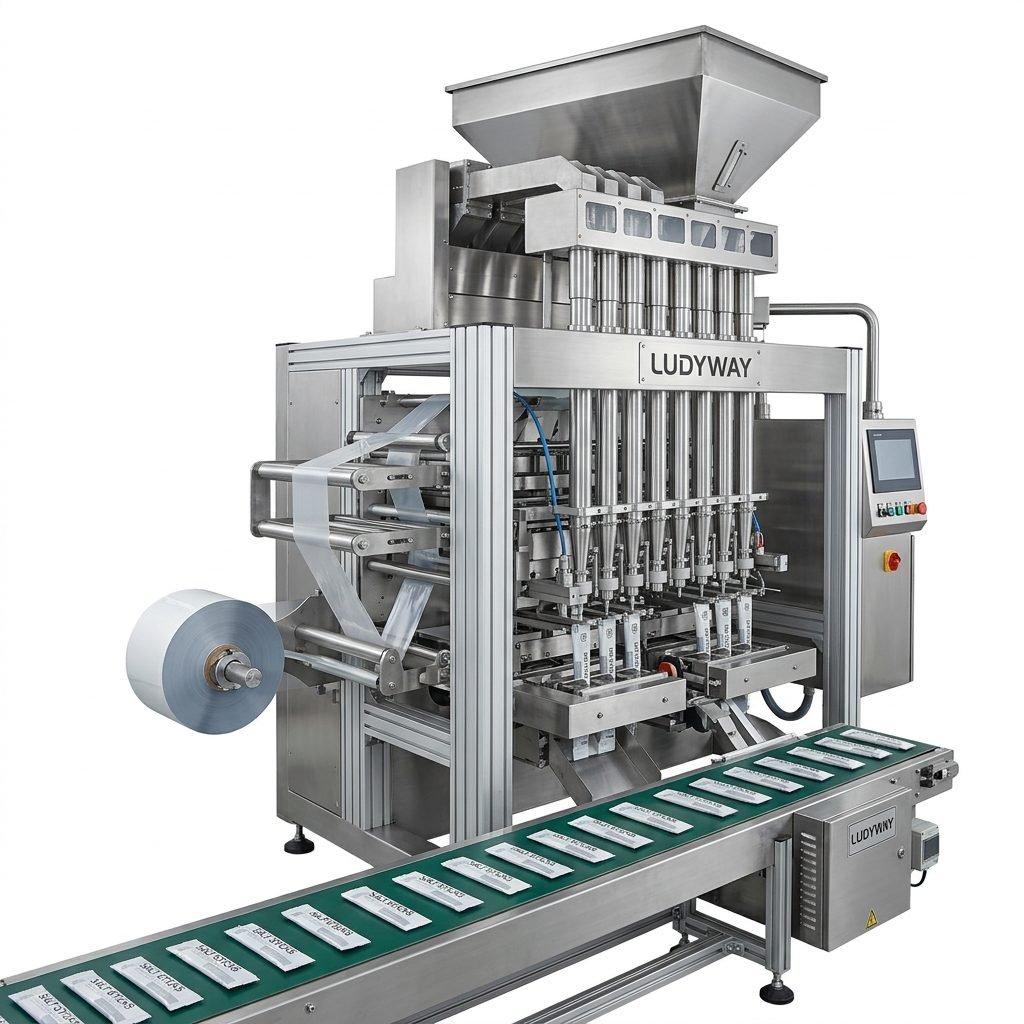
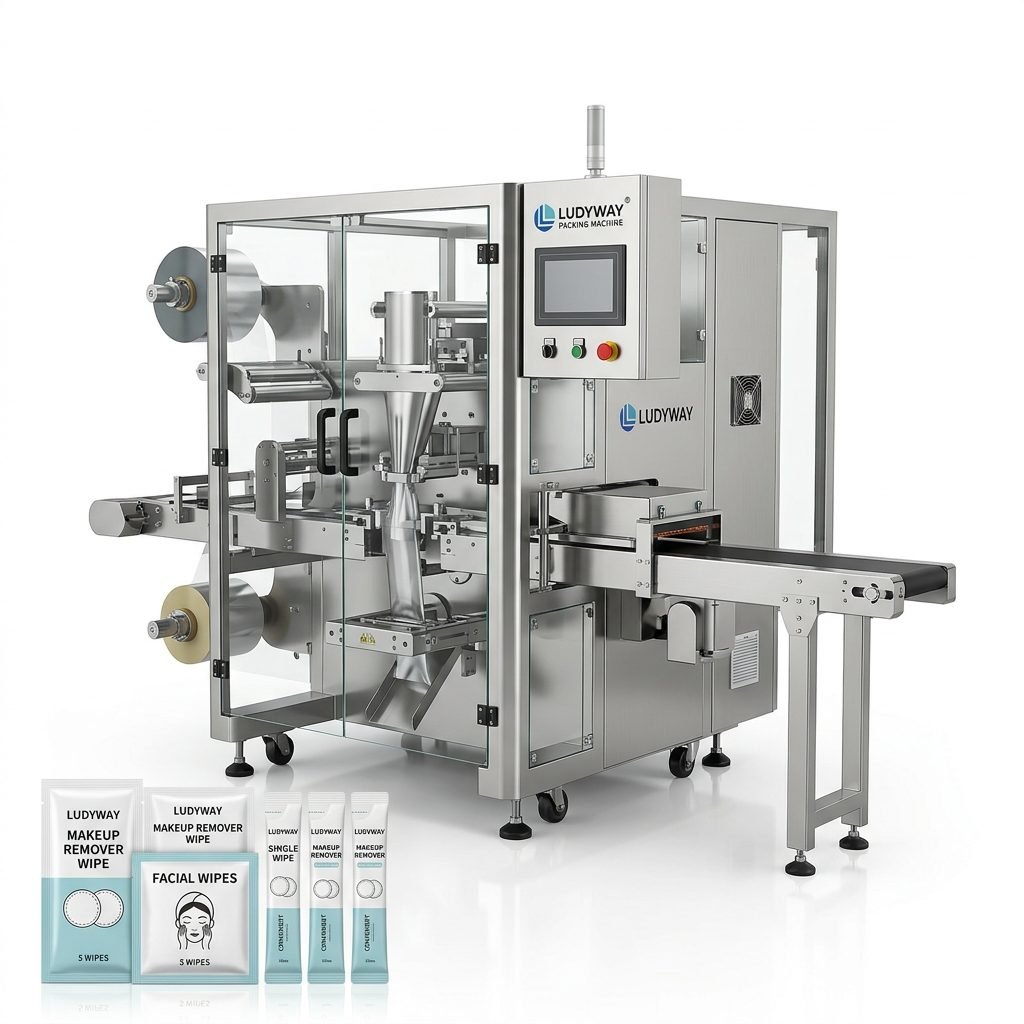
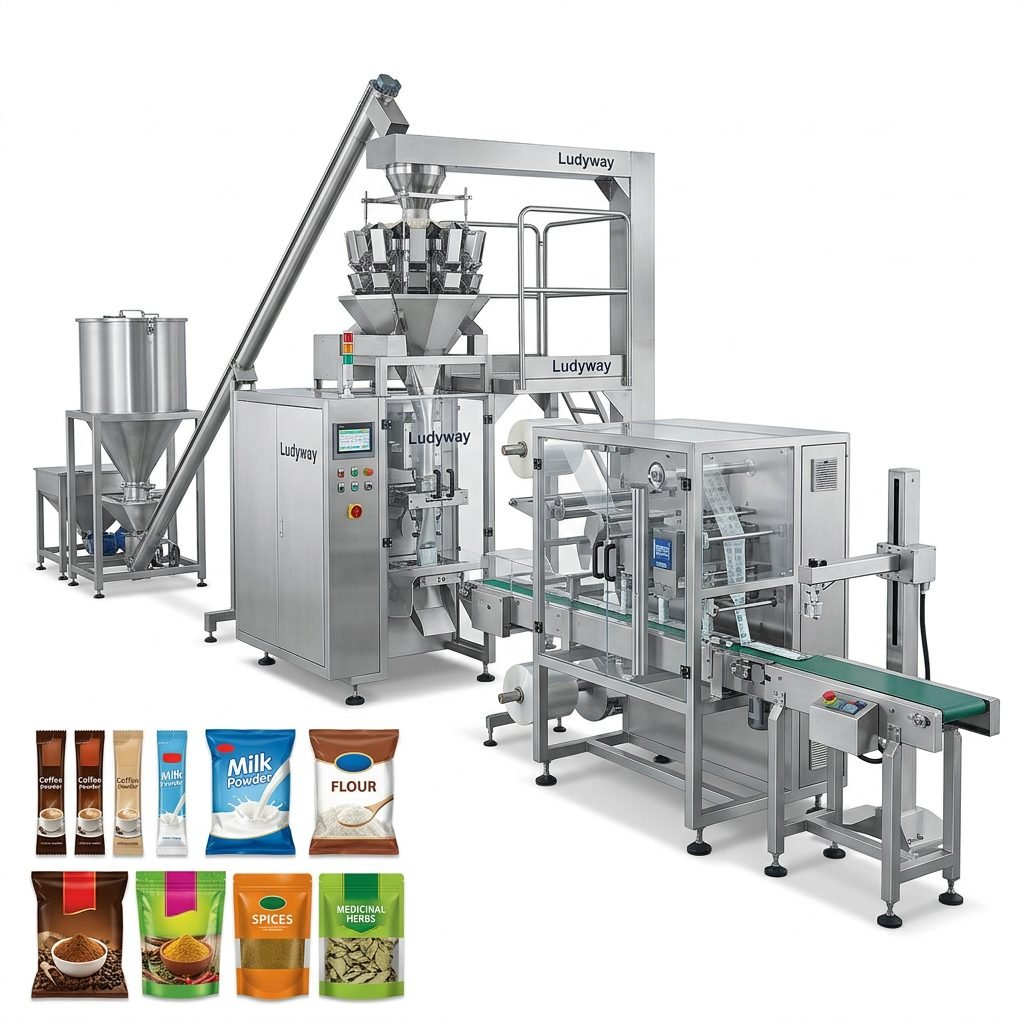
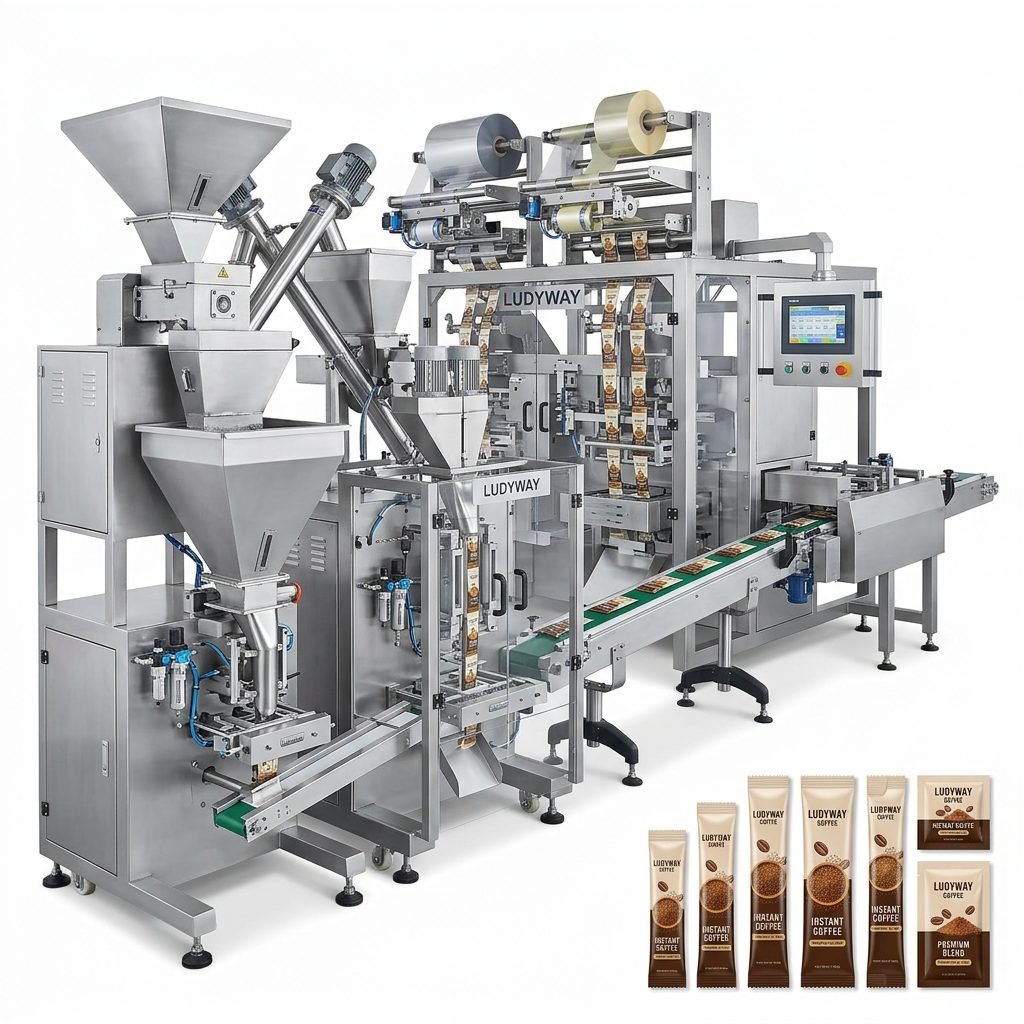
Choosing the appropriate packaging machinery is the most consequential decision in setting up your production line. The UK market demands equipment that is reliable, efficient, and compliant with local standards. For businesses looking for reliable equipment, manufacturers like Ludyway—one of the largest packaging machine manufacturers in China with over 30 years of industry expertise and a 20,000m² modern production facility—offer comprehensive turnkey packaging solutions suitable for various production scales.
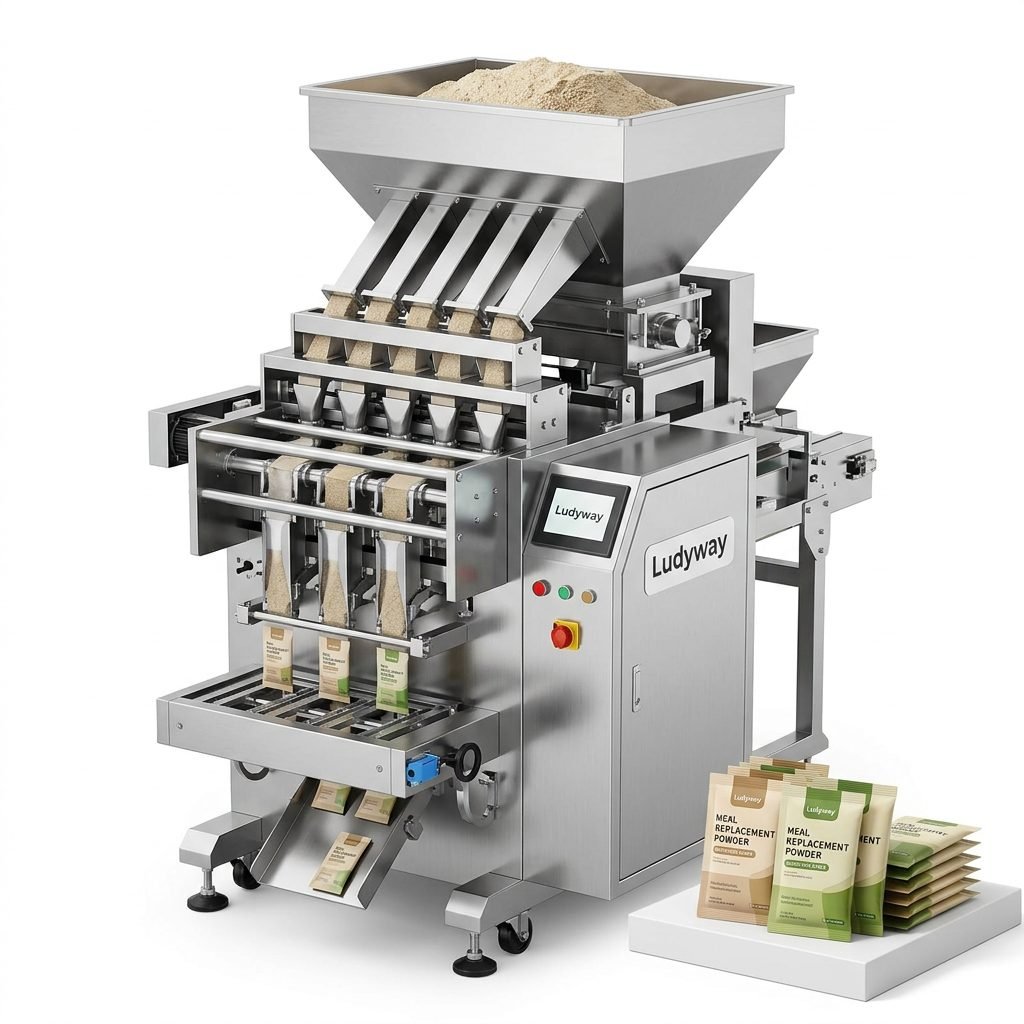
Key machine types to evaluate for cookie packaging include:
- Flow Wrapping Machines: Ideal for individual cookies or small stacks, providing a tight, protective seal. These are popular in the UK biscuit market for products like digestives and shortbread.
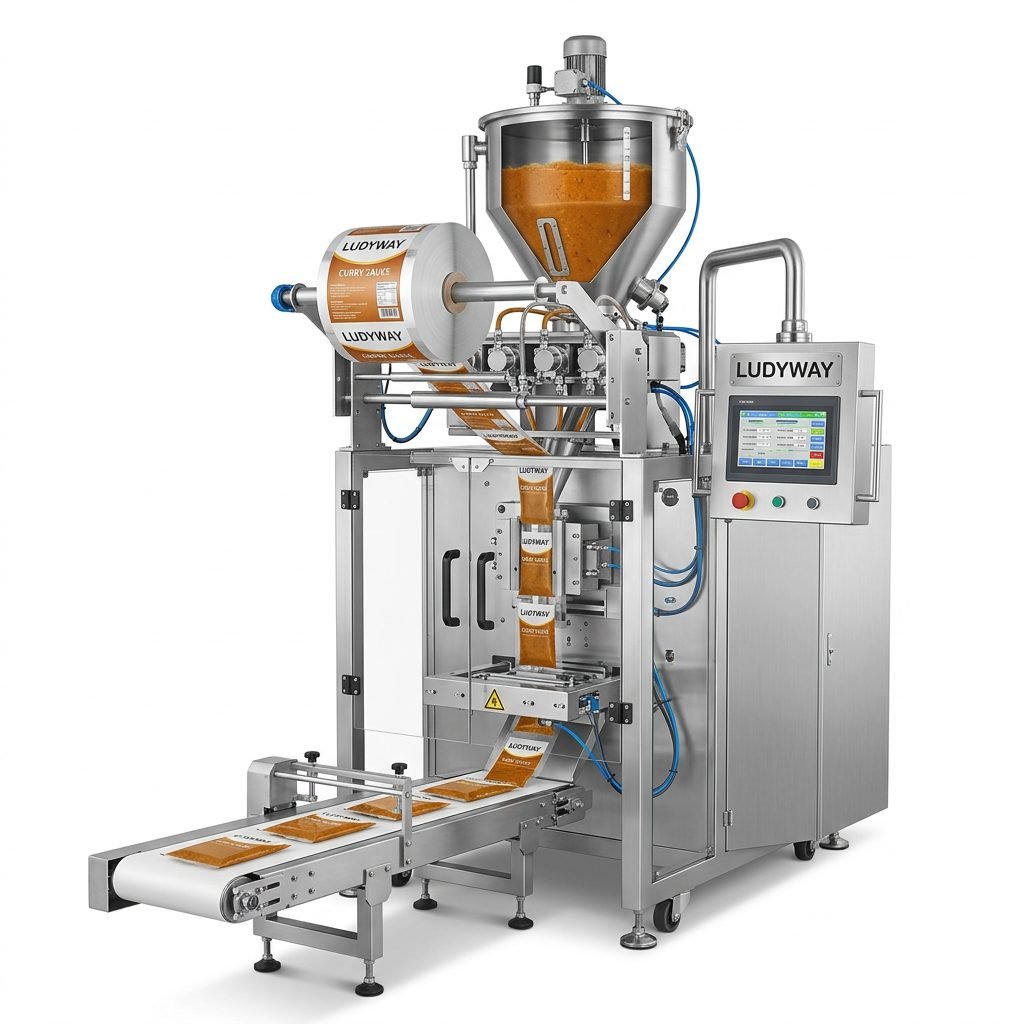
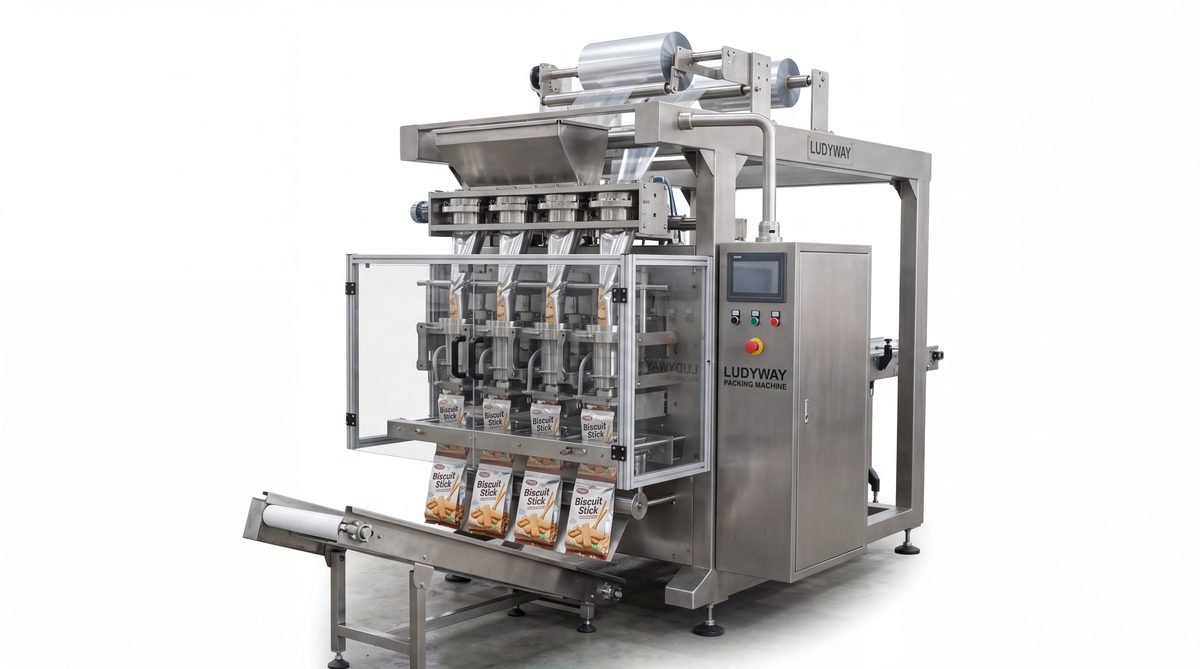
- Vertical Form Fill Seal (VFFS) Machines: Suitable for packaging cookies in pillow bags, especially for bulk or family-size packs.
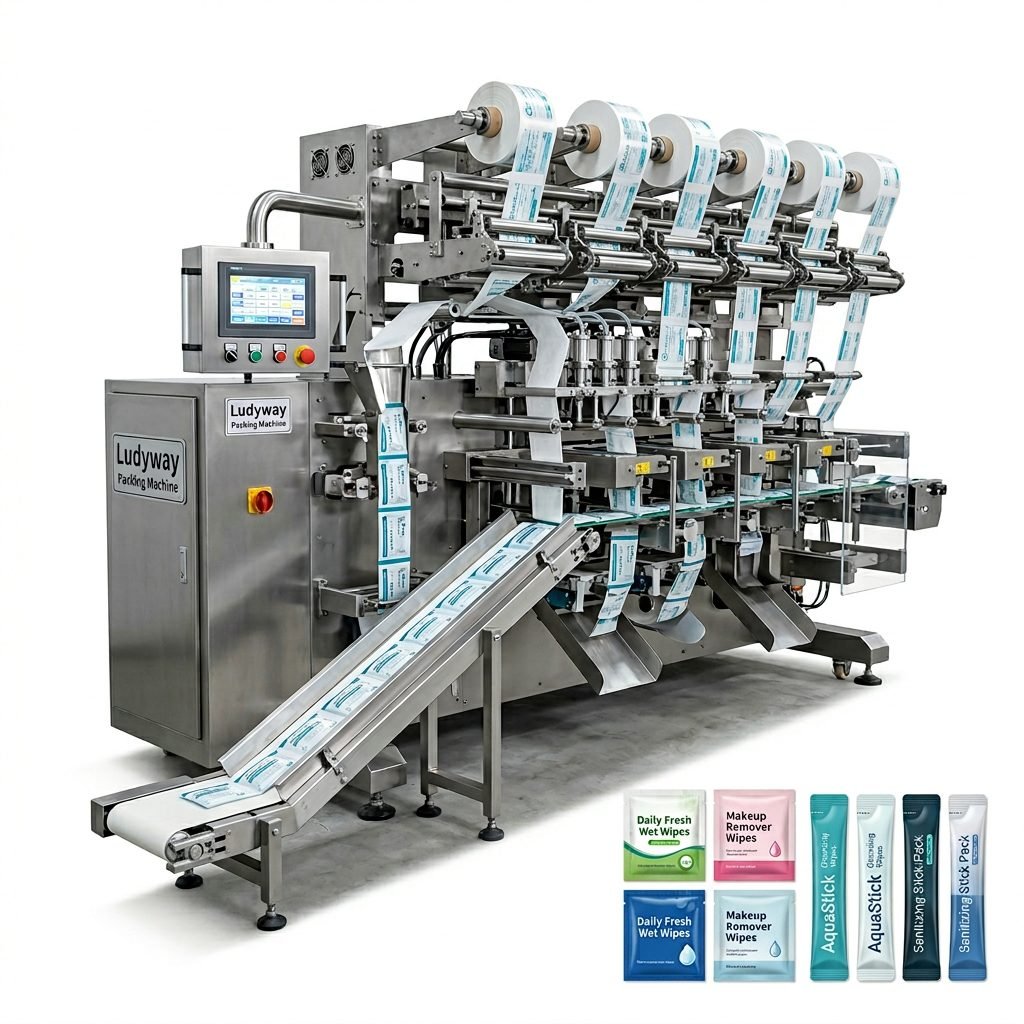
- Multi-Lane Stick Pack Machines: Excellent for single-serve cookie portions, increasingly popular in the UK’s on-the-go snacking segment.
- Pre-Made Pouch Filling Systems: For premium cookie products using stand-up pouches or resealable formats.
Critical Machine Features to Evaluate
When comparing equipment for your UK operation, pay close attention to the following technical specifications:
- Servo-driven controls for precise film registration and reduced waste
- Quick-changeover capabilities to accommodate different cookie sizes and pack formats
- Stainless steel construction for compliance with UK food hygiene regulations
- Integrated vision inspection systems for quality assurance
- Remote diagnostic capabilities for efficient troubleshooting
Step 4 – Installation and Commissioning
Once your equipment arrives in the UK, proper installation is vital to ensure long-term reliability. This phase typically spans 1-3 weeks depending on the complexity of the line. Work closely with your equipment supplier’s engineering team—many international manufacturers provide on-site commissioning support in the UK.
The installation process generally follows this sequence:
- Positioning and Levelling: Place each machine module according to the approved layout plan. Precise levelling is essential for smooth operation and accurate sealing.
- Utility Connections: Connect power, compressed air, and any required data cables. Ensure all electrical work is carried out by a qualified electrician certified to UK standards (BS 7671).
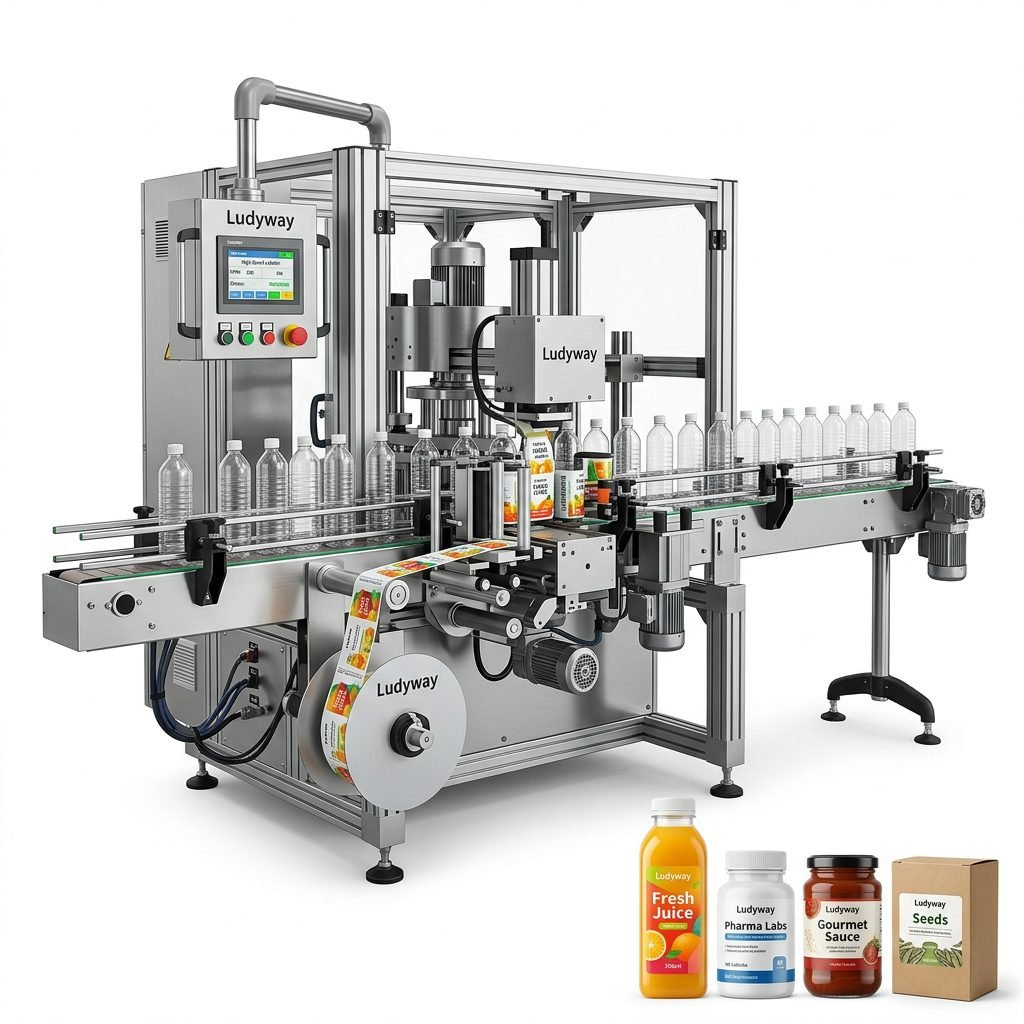
- Mechanical Assembly: Assemble conveyors, feeding systems, and any ancillary equipment such as printers, labellers, and metal detectors.
- Software Configuration: Programme the machine parameters, including pack dimensions, sealing temperatures, and production speeds.
- Dry Run Testing: Operate the machine without product to verify all mechanical movements and sensor functions are working correctly.
Step 5 – Testing and Quality Assurance
Before commencing full-scale production, conduct rigorous testing to validate that your packaging line meets all specified performance criteria. This phase is critical for identifying and resolving issues before they impact your commercial output.
Key testing protocols should cover:
- Seal Integrity Testing: Verify that all seals are airtight and meet shelf-life requirements using dye penetration tests or vacuum testing methods.
- Weight Accuracy: Check that filled packs consistently meet the declared net weight, with appropriate tolerance levels that comply with UK weights and measures legislation.
- Speed Validation: Confirm that the line can sustain the target production rate over extended runs without excessive downtime or quality degradation.
- Metal Detection: Calibrate and validate inline metal detection systems to ensure they reliably identify and reject contaminated packs.
- Product Integrity: Inspect cookies for breakage or damage during the packaging process, adjusting handling systems as necessary.
Step 6 – Staff Training and Standard Operating Procedures
Investing in comprehensive staff training ensures your packaging line operates at peak efficiency and minimises the risk of errors or accidents. Develop detailed Standard Operating Procedures (SOPs) that cover every aspect of machine operation, cleaning, and maintenance.
Training should encompass:
- Safe start-up and shutdown procedures
- Routine cleaning and sanitisation protocols compliant with UK food hygiene standards
- Basic troubleshooting for common issues such as film jams or seal failures
- Quality check procedures and documentation requirements
- Emergency stop procedures and safety system awareness
- Changeover procedures for different cookie products and pack formats
For further industry guidance, resources from the PMMI Business Intelligence Library and the Flexible Packaging Association offer valuable insights into packaging best practices and workforce development.
Ongoing Maintenance and Optimisation
Once your cookie packaging line is operational, proactive maintenance becomes essential to sustain performance and extend equipment lifespan. Establish a structured maintenance schedule that includes daily, weekly, and monthly tasks.
| Maintenance Interval | Key Tasks | Responsible Party |
|---|---|---|
| Daily | Clean all product contact surfaces, inspect seals, check lubricant levels, verify safety guards | Machine Operators |
| Weekly | Inspect belts and chains for wear, clean air filters, check sensor alignment, test emergency stops | Maintenance Technician |
| Monthly | Replace worn sealing components, calibrate temperature controllers, inspect electrical connections, review performance data | Engineering Team |
| Quarterly | Full mechanical inspection, replace consumable parts, comprehensive calibration of all systems | Engineering Team / Supplier Support |
Many UK food manufacturers also implement Total Productive Maintenance (TPM) programmes to engage operators in routine upkeep and foster a culture of continuous improvement. Regularly reviewing production data can help identify opportunities to increase line speed, reduce film waste, or improve seal quality.
Budgeting and Return on Investment
Understanding the financial implications of setting up a cookie packaging line in the UK is vital for business planning. Costs vary significantly based on automation level, production capacity, and machine origin. A basic semi-automatic line may start from £30,000-£50,000, while a fully automated multi-lane system can exceed £200,000. Factor in additional costs for shipping, import duties, installation, training, and initial spare parts inventory.
Key cost considerations include:
- Capital Equipment Cost: The packaging machine itself, plus conveyors, feeders, and ancillary equipment.
- Installation and Commissioning: Site preparation, utility connections, and supplier engineering support.
- Training: Initial operator and maintenance training programmes.
- Packaging Materials: Ongoing costs for films, laminates, and labels—evaluate multiple UK-based suppliers for competitive pricing.
- Maintenance and Spares: Budget for routine parts replacement and unexpected repairs.
Key Takeaways for UK Manufacturers
Setting up a cookie packaging machine production line in the United Kingdom is a significant undertaking that rewards careful planning and attention to detail. By thoroughly assessing your production requirements, preparing your facility to meet regulatory standards, selecting appropriate machinery, and investing in proper installation and training, you can build a packaging operation that delivers consistent quality and strong return on investment.
For those seeking additional information on industry trends and best practices, the PMMI State of the Industry Report and Flexible Packaging Association resources provide valuable data-driven insights. Additionally, for understanding global growth trends in packaging machinery, the global packaging machinery market analysis offers perspective on the evolving landscape of automated packaging solutions.