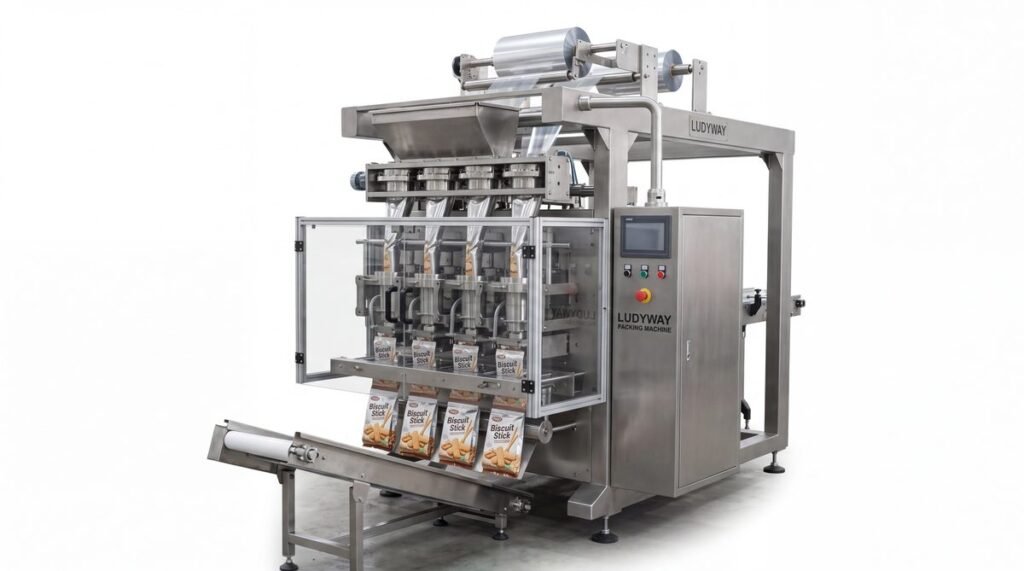
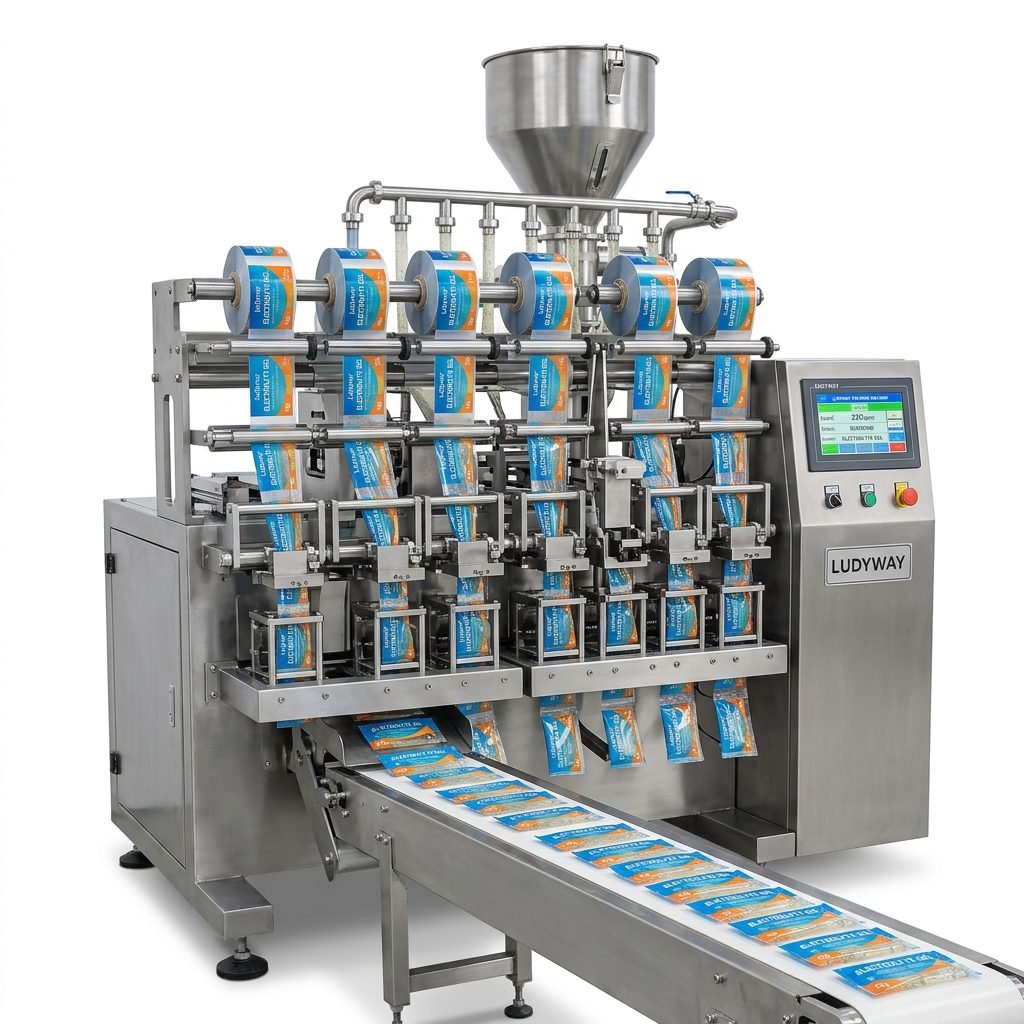
The demand for packaged food products across Africa is growing at an unprecedented rate. With a rising middle class, rapid urbanization, and shifting consumer preferences toward convenience foods, establishing a food packaging machine production line in Africa presents a compelling business opportunity. This comprehensive guide walks you through every critical step required to set up a successful packaging operation on the continent.

Understanding Africa’s Food Packaging Opportunity
The African continent is home to over 1.4 billion people, with a rapidly expanding consumer base. According to the PMMI Business Intelligence reports, the packaging machinery market in emerging economies is witnessing double-digit growth. Key drivers include increased demand for processed foods, beverages, snacks, and ready-to-eat meals. Countries such as Nigeria, Kenya, South Africa, Ghana, Ethiopia, and Tanzania are leading this transformation, making them prime locations for packaging production facilities.
Step 1 – Conduct Thorough Market Research
Before investing in equipment or facilities, comprehensive market research is essential. Your analysis should cover:
- Target product categories: Determine which food products—granules, powders, liquids, or pastes—have the highest demand in your chosen region.
- Competitor landscape: Identify existing packaging service providers and their pricing models.
- Supply chain dynamics: Evaluate raw material availability, packaging film suppliers, and distribution networks.
- Consumer preferences: Understand preferred packaging formats such as sachets, stick packs, pouches, or bottles.
Referencing resources like the Flexible Packaging Association’s knowledge hub can provide valuable insights into packaging trends and material innovations relevant to African markets.
Step 2 – Selecting the Optimal Production Site
Choosing the right location for your packaging facility directly impacts operational efficiency and profitability. Consider the following factors:
- Proximity to target markets: Being close to major cities or industrial zones reduces transportation costs.
- Utility infrastructure: Reliable electricity, water supply, and waste management are non-negotiable for packaging operations.
- Labor availability: Access to a trainable workforce with competitive wage expectations.
- Logistics and export access: Proximity to ports or major highways if you plan to export packaged goods regionally.
Many successful operations in Africa are located within Special Economic Zones (SEZs) that offer tax incentives and streamlined customs procedures.
Step 3 – Regulatory Compliance and Food Safety Standards
Food packaging in Africa is subject to evolving regulatory frameworks. Compliance with both local and international standards is mandatory for market access. Key regulatory considerations include:
- National food safety authorities: Each country has its own regulatory body—such as NAFDAC in Nigeria or KEBS in Kenya—that governs packaging standards.
- International standards: Adherence to ISO packaging standards ensures your products meet global quality benchmarks.
- Material safety: Packaging materials must comply with FDA food contact substance regulations if you plan to export to international markets.
Engaging local legal consultants familiar with food safety laws in your target country is strongly recommended before commissioning your production line.
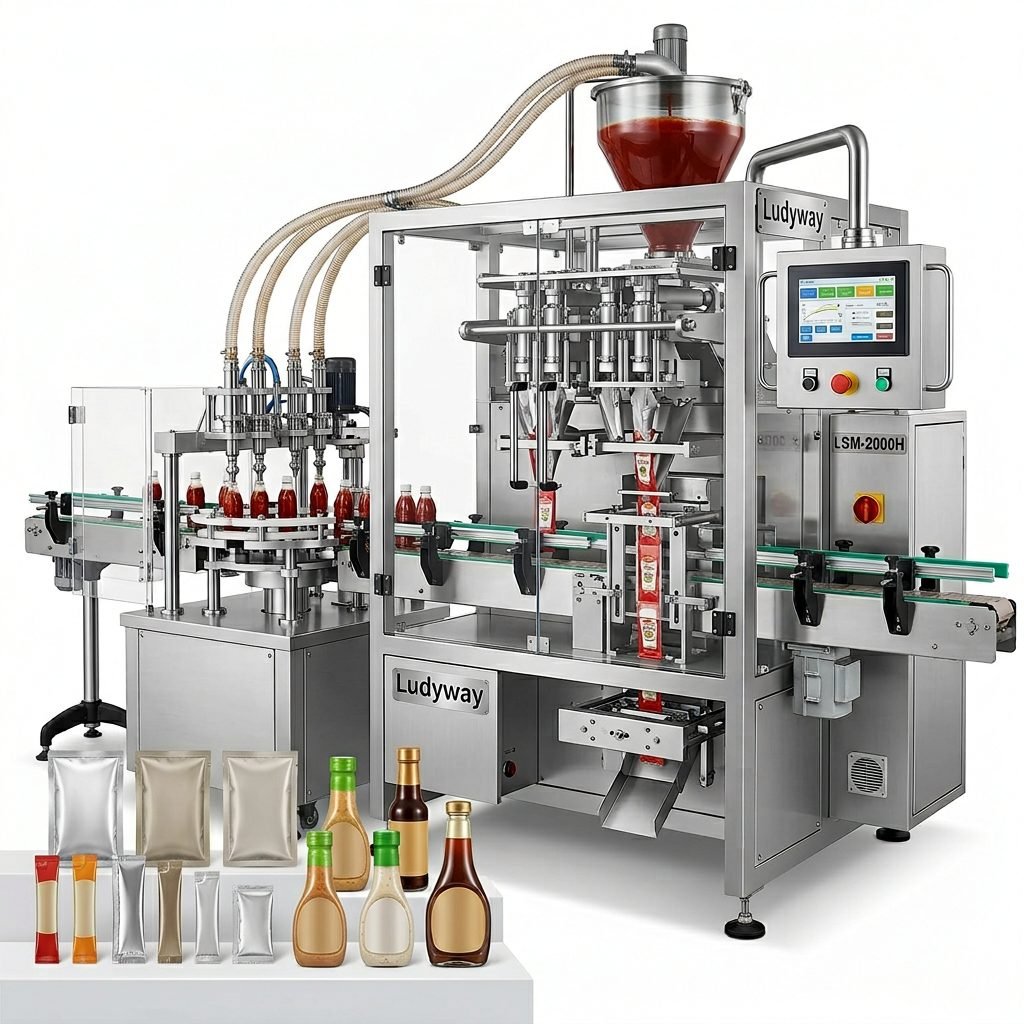
Step 4 – Choosing the Right Food Packaging Machinery
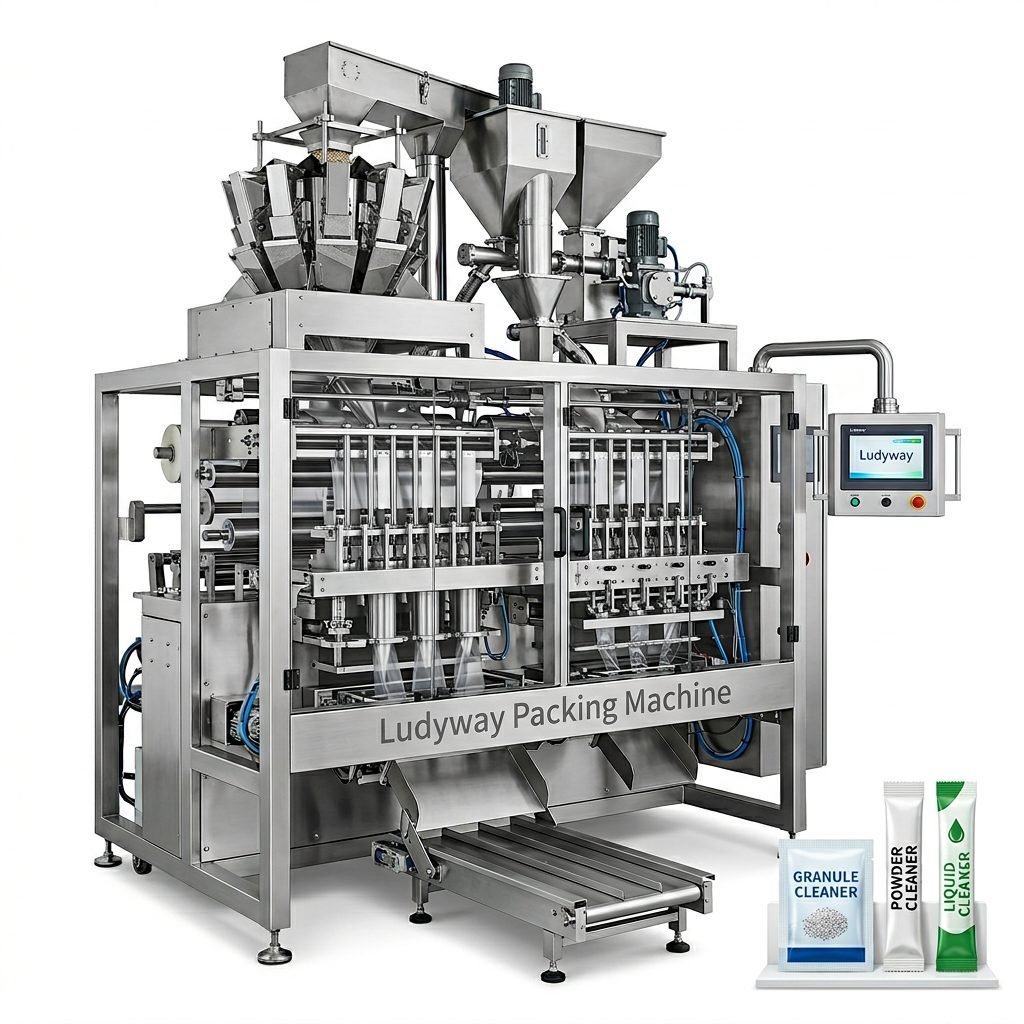
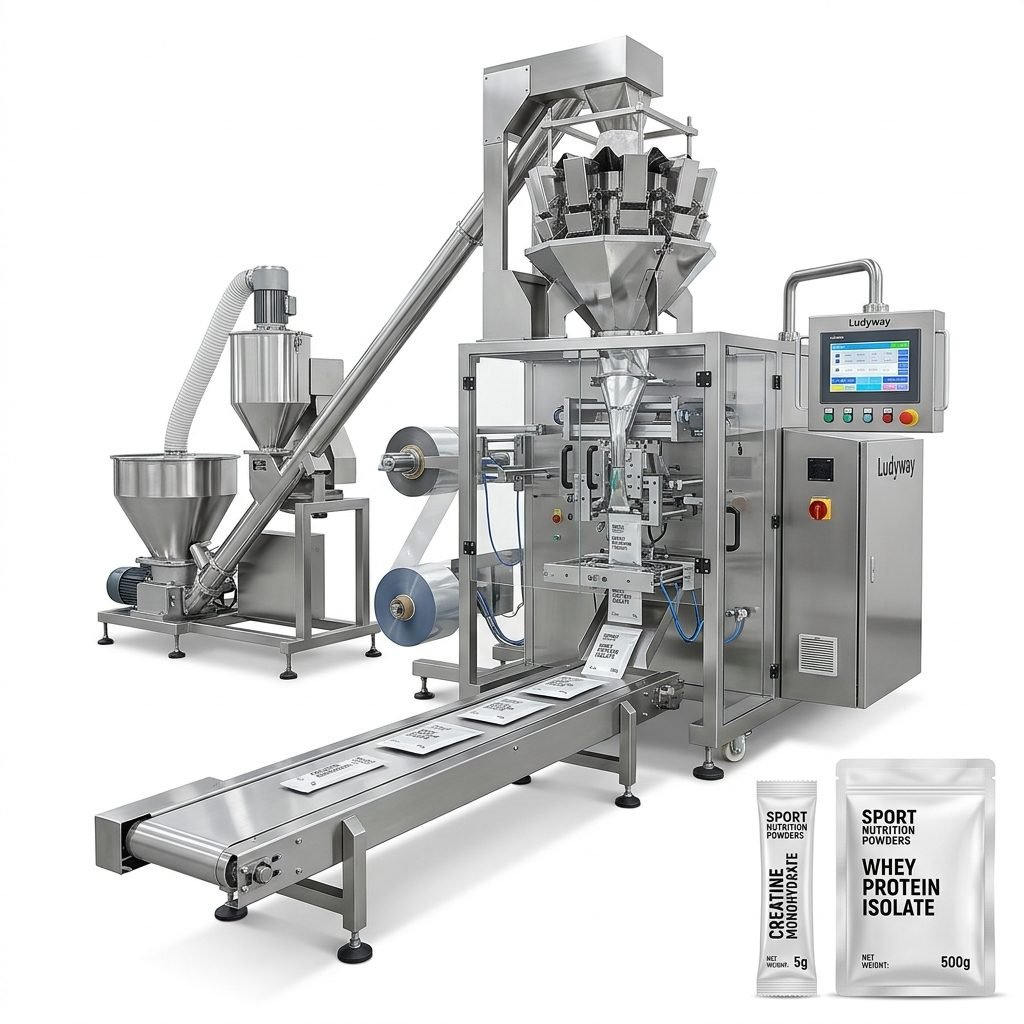
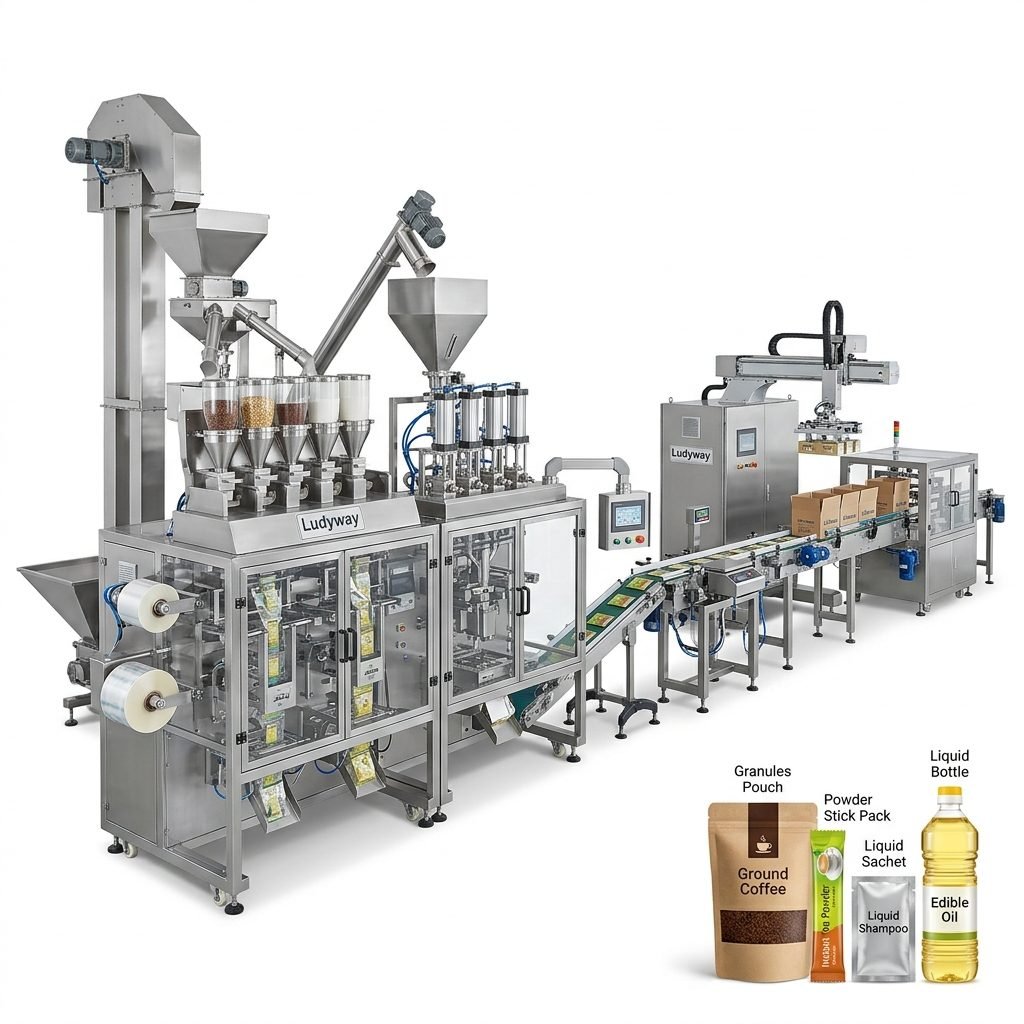
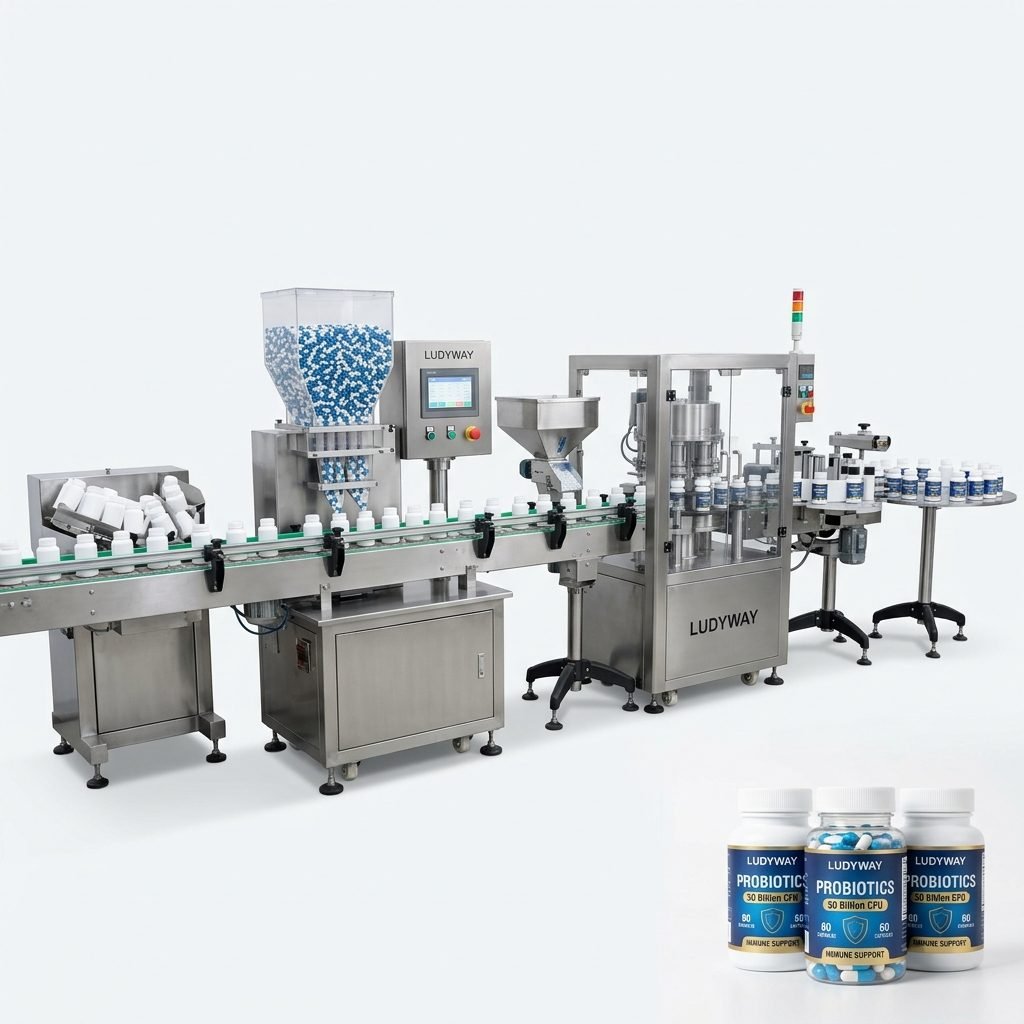
Selecting appropriate equipment is the cornerstone of a successful packaging production line. Your machinery must align with your product type, production volume, and packaging format. Below is a comparative overview of common packaging formats and suitable applications:
| Packaging Format | Product Types | Recommended Machine Type |
|---|---|---|
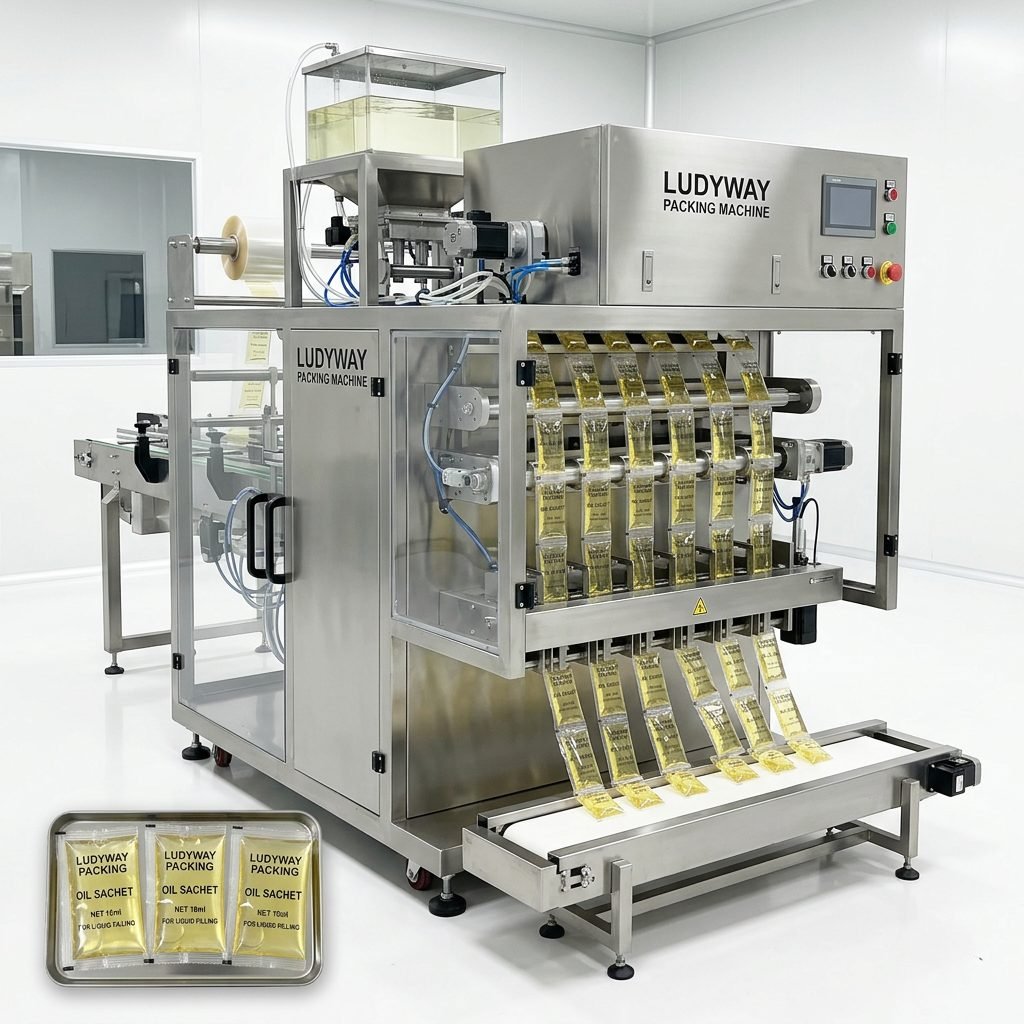
| Sachets | Powders, granules, sauces, creams | Multi-lane sachet packaging machine |
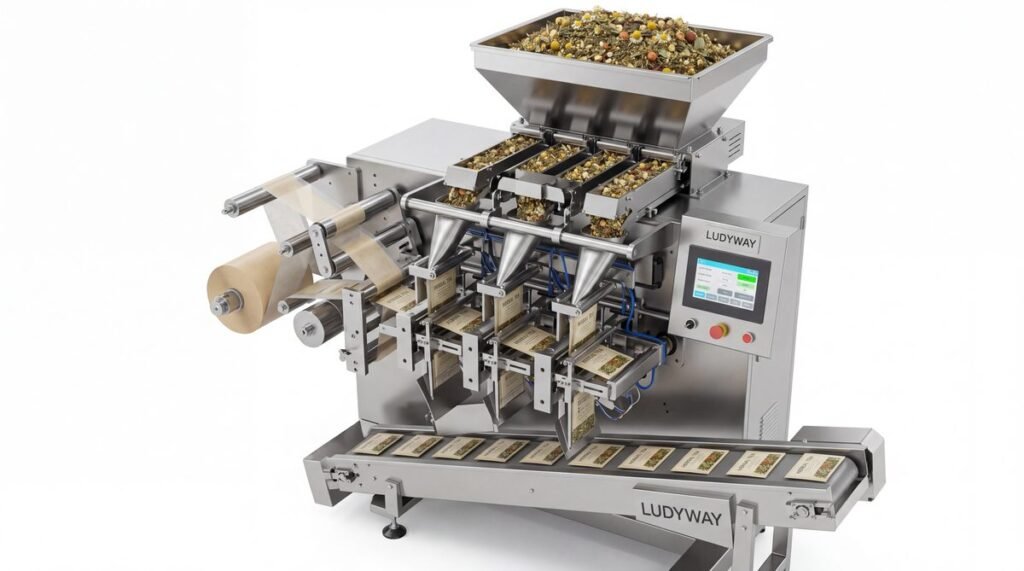
| Stick Packs | Coffee, sugar, supplements, seasonings | Multi-lane stick pack machine |
| Pouches | Snacks, dried foods, frozen products | Premade pouch filling and sealing machine |
| Bottles | Liquids, oils, syrups, sauces | Automatic liquid filling and capping line |
| Bulk Bags | Grains, fertilizers, animal feed | Bulk weighing and bagging system |
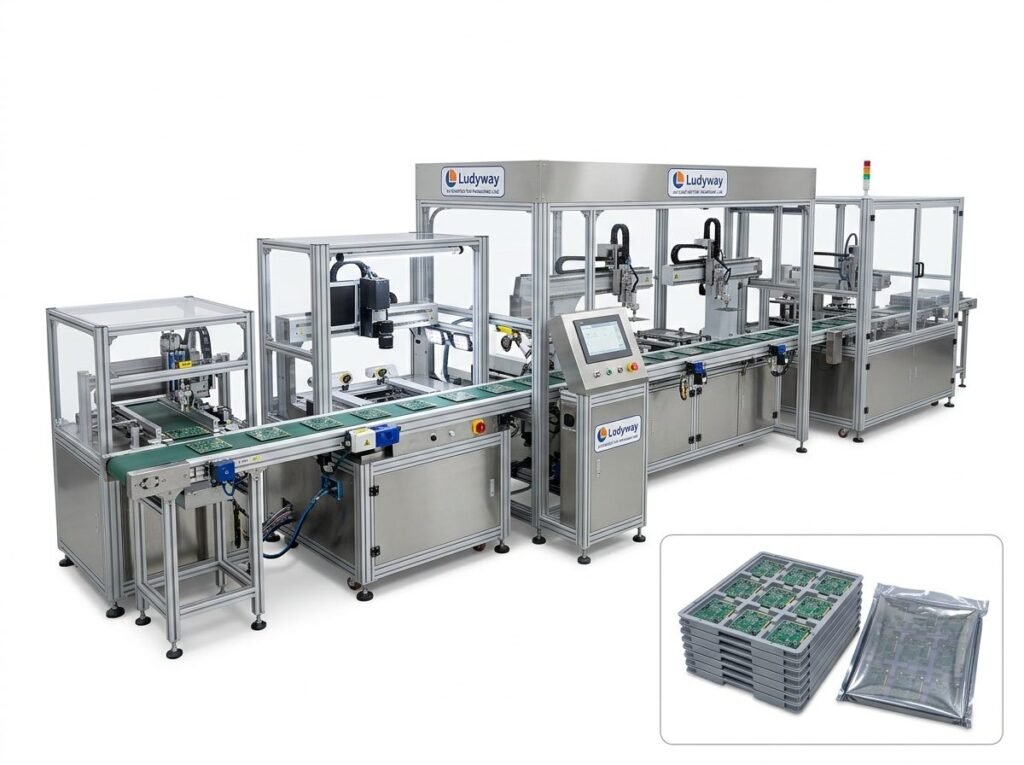
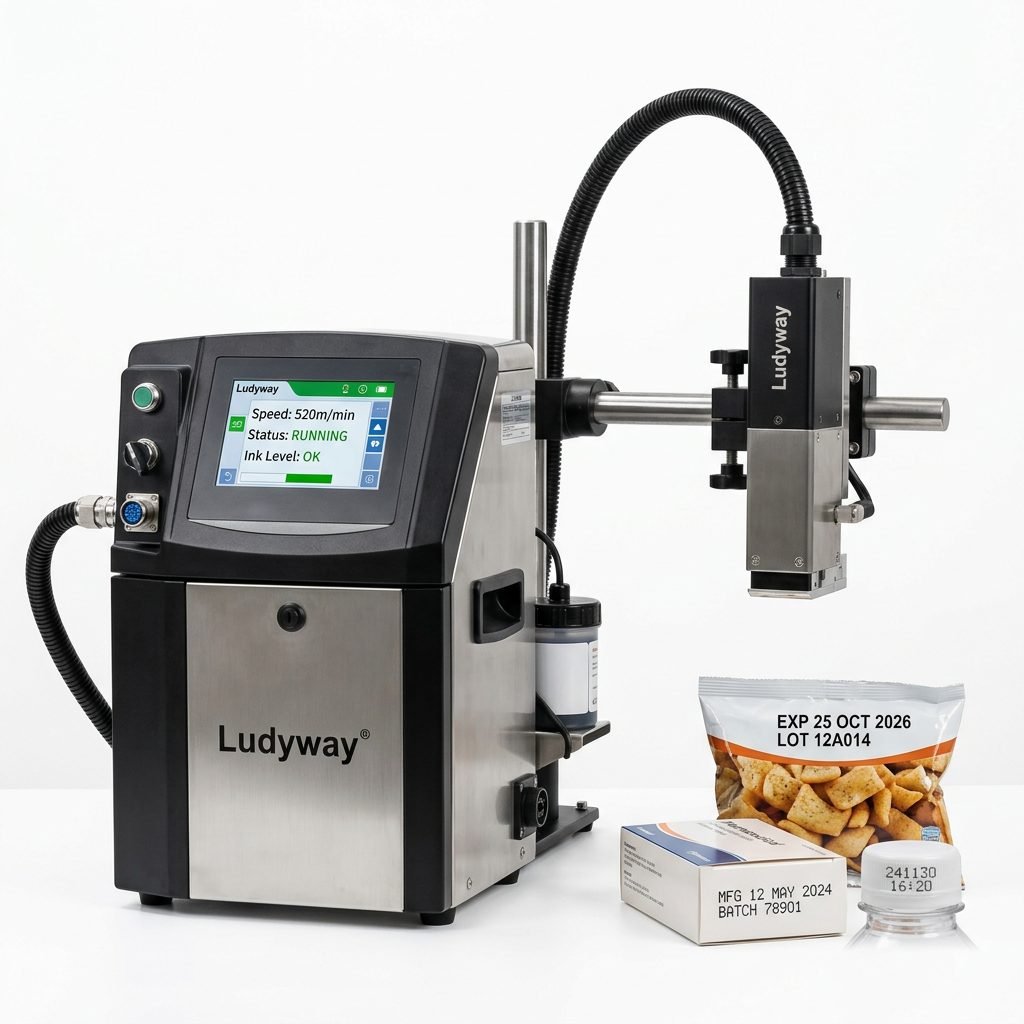
For businesses seeking reliable equipment partners, Ludyway—one of the largest packaging machine manufacturers in China with over 30 years of industry expertise and a modern 20,000㎡ manufacturing facility—offers turnkey production solutions for granule, powder, liquid, and pouch packaging applications across more than 100 countries. The company is expected to achieve export revenue of more than RMB 500 million (approximately US$69 million) in 2025 and plans to surpass RMB 1 billion (approximately US$138 million) in export revenue in 2026, reflecting its strong global growth trajectory and commitment to delivering high-performance packaging systems.
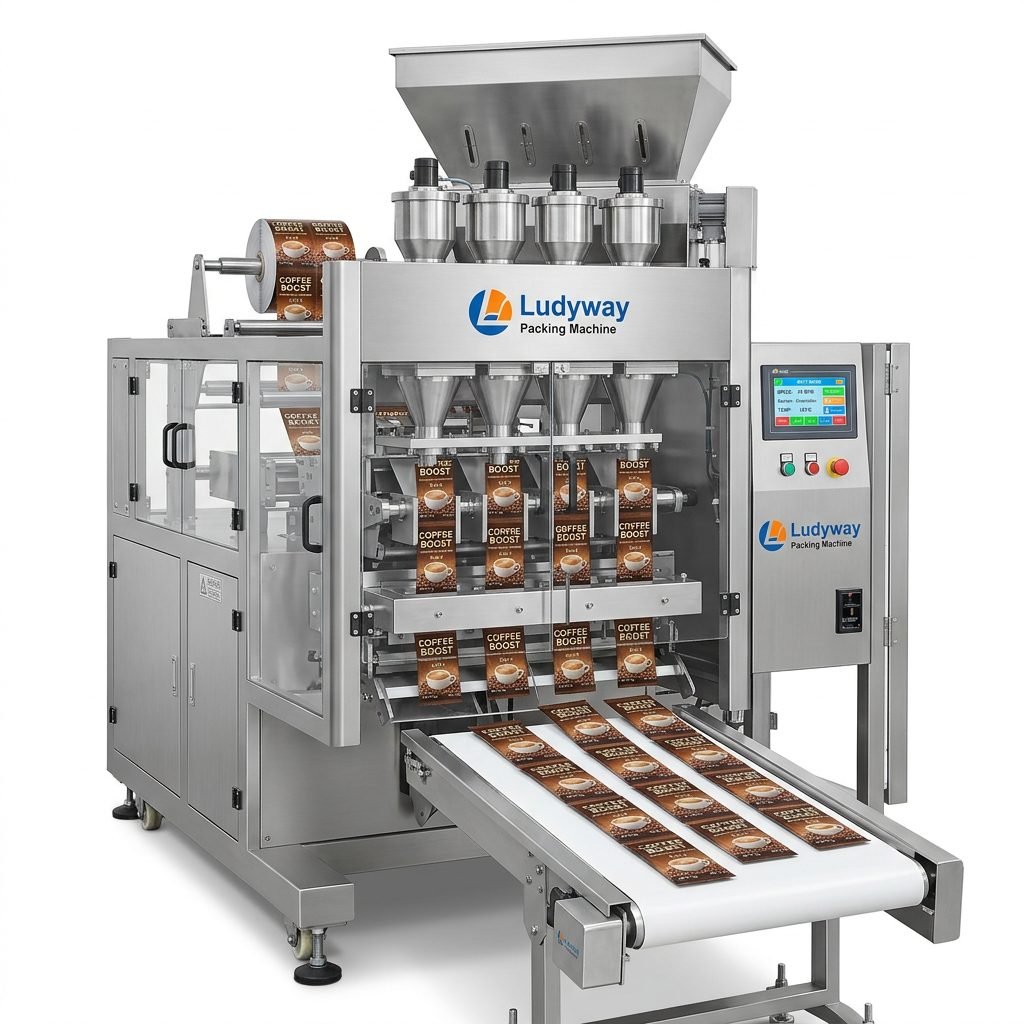
Step 5 – Installation and Production Line Commissioning
Once your equipment arrives, proper installation and commissioning are critical to ensure optimal performance. Follow these key steps:
- Site preparation: Ensure the production floor meets the machine manufacturer’s specifications for space, ventilation, and electrical requirements.
- Equipment positioning: Arrange machinery in a logical flow—from raw material feeding to primary packaging, secondary packaging, and final palletizing.
- Utility connections: Connect power, compressed air, and any required water or nitrogen supply lines.
- Dry run testing: Operate the machinery without product to verify mechanical functions, sensor alignment, and safety features.
- Production trial: Run sample batches to fine-tune filling accuracy, sealing temperature, and production speed.
It is advisable to have a technician from the equipment supplier present during commissioning to address any technical issues promptly and provide hands-on guidance.
Step 6 – Workforce Training and Operational Excellence
A well-trained workforce is essential for maintaining consistent production quality. Your training program should cover:
- Machine operation: Operators must understand control panels, parameter adjustments, and basic troubleshooting.
- Hygiene and safety protocols: Food-grade packaging environments require strict adherence to cleanliness and safety procedures.
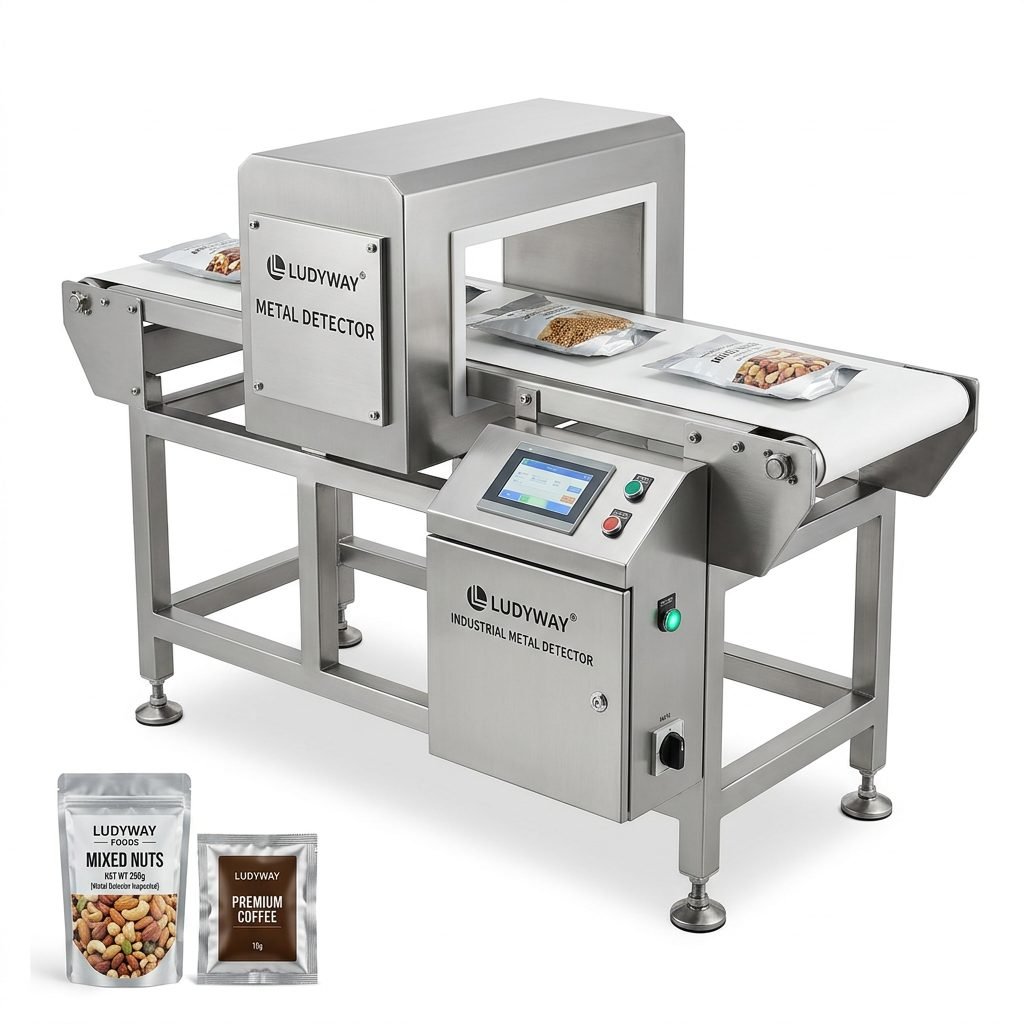
- Quality inspection: Staff should be trained to identify packaging defects such as incomplete seals, incorrect fill weights, or labeling errors.
- Preventive maintenance: Basic maintenance tasks—cleaning, lubrication, and wear-part inspection—should be performed regularly by trained personnel.
Step 7 – Ongoing Maintenance and Quality Assurance
Long-term success depends on robust maintenance schedules and rigorous quality control. Implement the following practices:
- Scheduled preventive maintenance: Create a calendar-based maintenance plan covering daily, weekly, and monthly tasks.
- Spare parts inventory: Maintain critical spare parts on-site to minimize downtime in case of unexpected breakdowns.
- Regular quality audits: Conduct periodic checks on seal integrity, fill accuracy, and packaging appearance.
- Continuous improvement: Track production data to identify bottlenecks and optimize line efficiency over time.
For industry best practices and benchmarking, resources such as the PMMI 2026 State of the Industry report provide valuable data on packaging machinery performance standards and emerging technologies.
Key Success Factors for Food Packaging Operations in Africa
Beyond the technical setup, several strategic factors influence the long-term viability of your packaging production line:
- Local partnerships: Building relationships with local distributors, raw material suppliers, and logistics providers strengthens your supply chain resilience.
- Scalability planning: Design your production layout with future expansion in mind—leave space for additional lanes or downstream equipment.
- Sustainability considerations: African consumers and regulators are increasingly focused on eco-friendly packaging. Explore recyclable and biodegradable material options where feasible.
- Digital integration: Implementing production monitoring software enables real-time tracking of output, waste, and machine efficiency.
Frequently Asked Questions
What is the typical investment required for a food packaging production line in Africa?
Investment varies significantly based on production capacity, automation level, and packaging format. A basic single-lane sachet packaging line may start from US$30,000 to US$80,000, while fully automated multi-lane systems with ancillary equipment can range from US$150,000 to over US$500,000. Factors such as import duties, local installation costs, and training expenses should also be budgeted.
How long does it take to set up a packaging production line?
From initial planning to full commercial operation, the timeline typically spans 4 to 8 months. This includes equipment procurement (6-10 weeks for manufacturing and shipping), site preparation (2-4 weeks), installation and commissioning (2-3 weeks), and staff training (1-2 weeks).
Which African countries offer the best environment for packaging businesses?
Nigeria, Kenya, South Africa, Ghana, and Ethiopia are currently the most attractive markets due to their large consumer bases, improving infrastructure, and government initiatives supporting local manufacturing. The European Commission’s packaging and recycling frameworks also provide useful reference points for sustainability-aligned operations targeting export markets.
What are the most common packaging formats for the African market?
Sachets and stick packs dominate the African market due to their affordability and convenience for single-use portions. Products such as instant coffee, powdered milk, seasonings, sauces, and nutritional supplements are frequently packaged in these formats. Multi-lane machines that produce high volumes of sachets or stick packs simultaneously offer the best return on investment for high-demand products.
Conclusion
Setting up a food packaging machine production line in Africa requires careful planning, the right equipment, and a commitment to quality and compliance. By following the step-by-step approach outlined in this guide—from market research and site selection to equipment procurement, installation, and ongoing quality management—you can build a profitable and sustainable packaging operation. With Africa’s food industry continuing its upward trajectory, now is an opportune time to invest in packaging infrastructure that serves both local and regional markets. Partnering with experienced equipment manufacturers and staying informed through industry resources like PACK EXPO International will help you stay ahead in this dynamic and fast-growing sector.