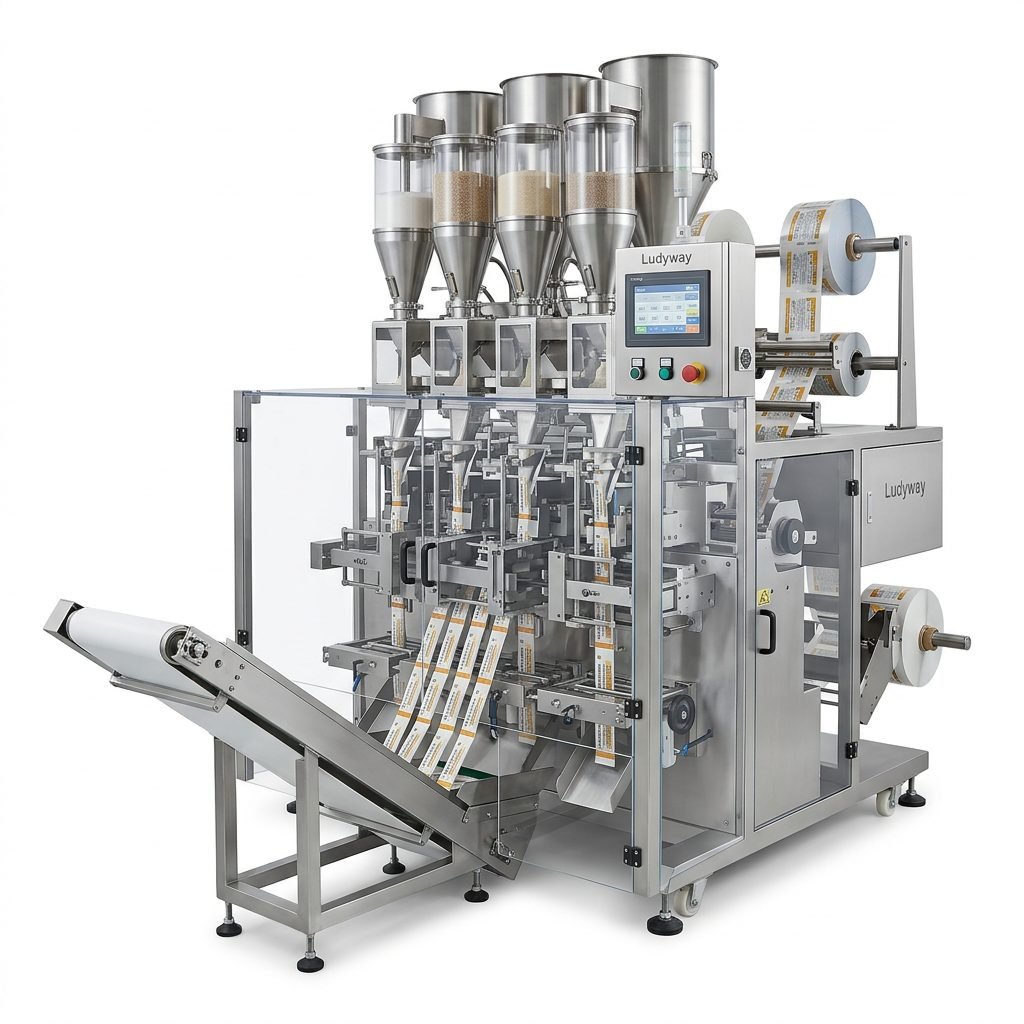
Investing in the right milk packaging machine is one of the most critical decisions for any dairy business. Whether you are running a small-scale dairy farm or managing a large processing facility, the efficiency, hygiene standards, and shelf-life of your milk products depend heavily on the packaging equipment you choose. From fresh milk and flavored dairy drinks to yogurt and cream, modern packaging machinery must meet strict food safety regulations while delivering speed and reliability. This guide walks you through everything you need to know to select the perfect milk packaging solution for your production line.
Understanding Milk Packaging Formats
Before selecting a machine, you must determine which packaging format best suits your market and distribution channels. The most common formats in the dairy industry include:
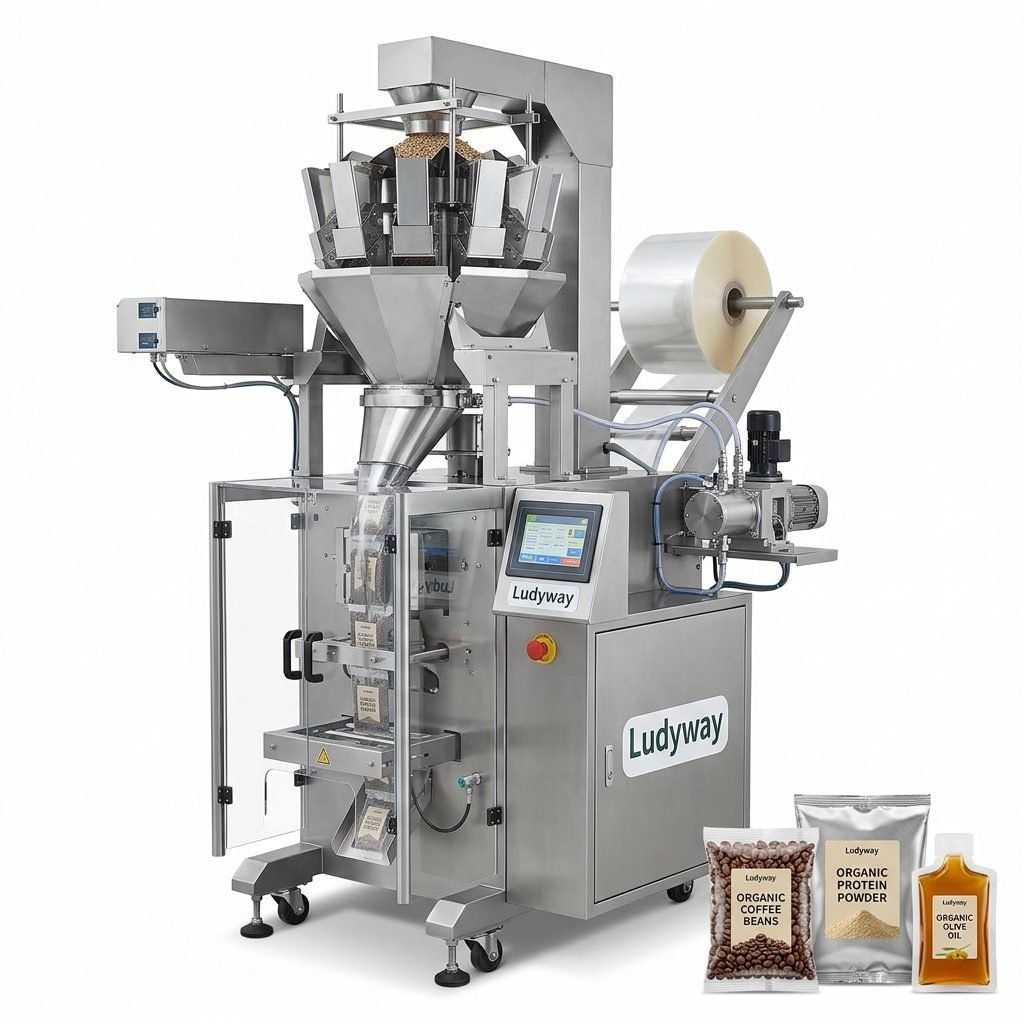
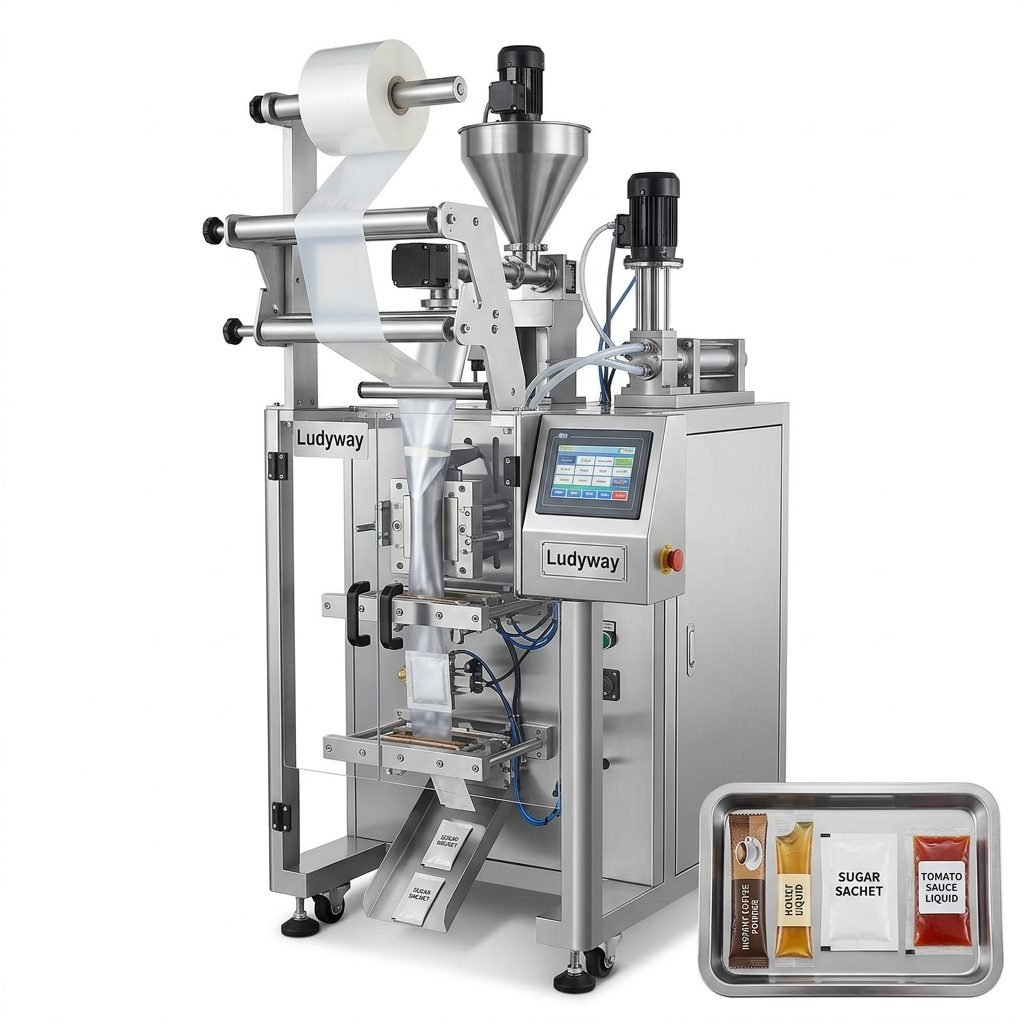
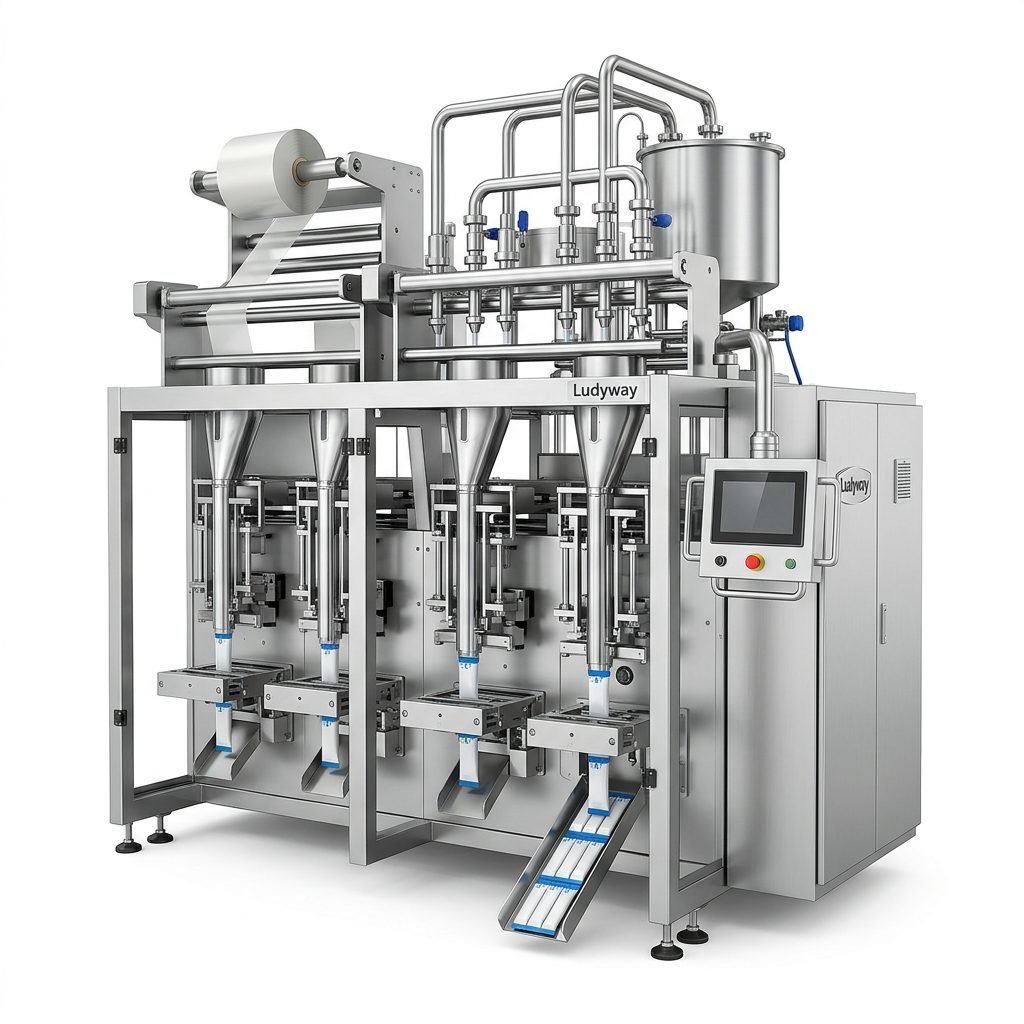
- Pillow pouches and sachets — Economical and widely used for fresh milk in many regions, offering low material costs and high-speed filling capabilities.
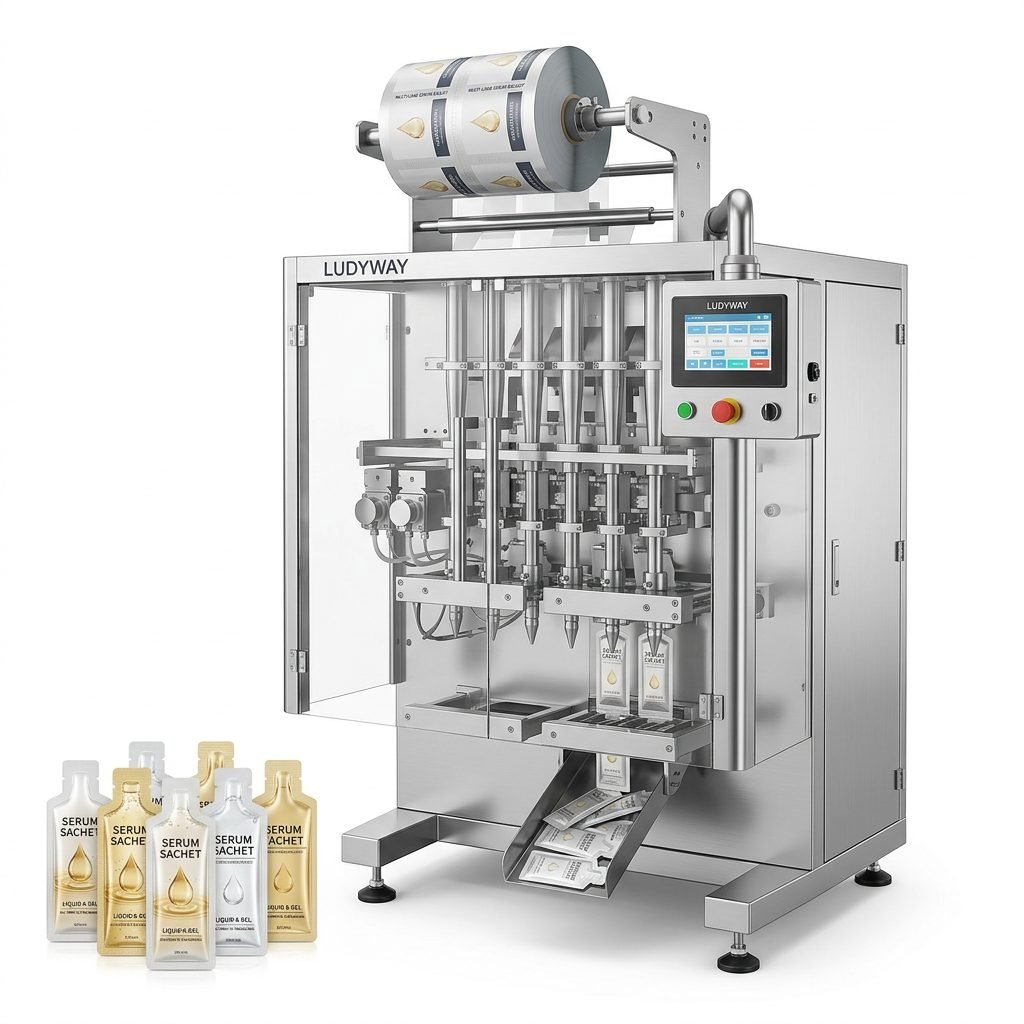
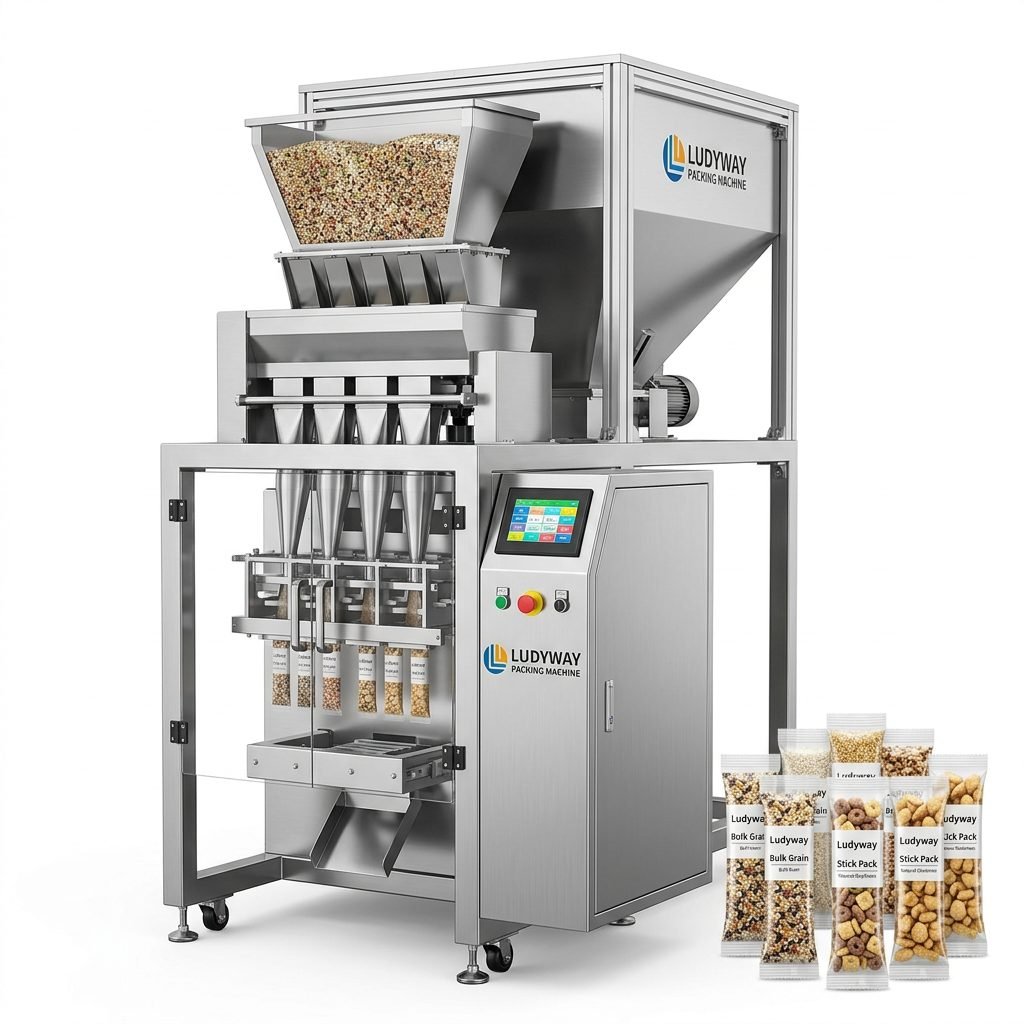
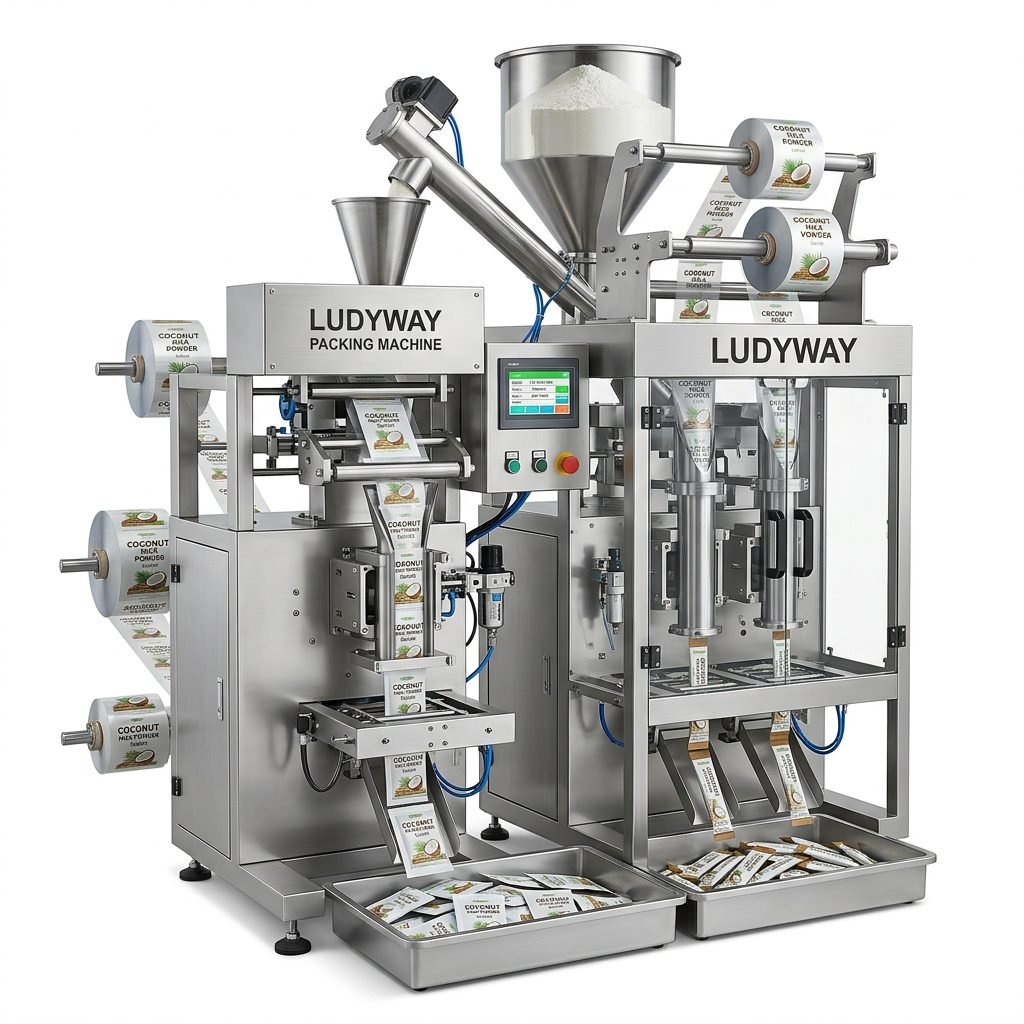
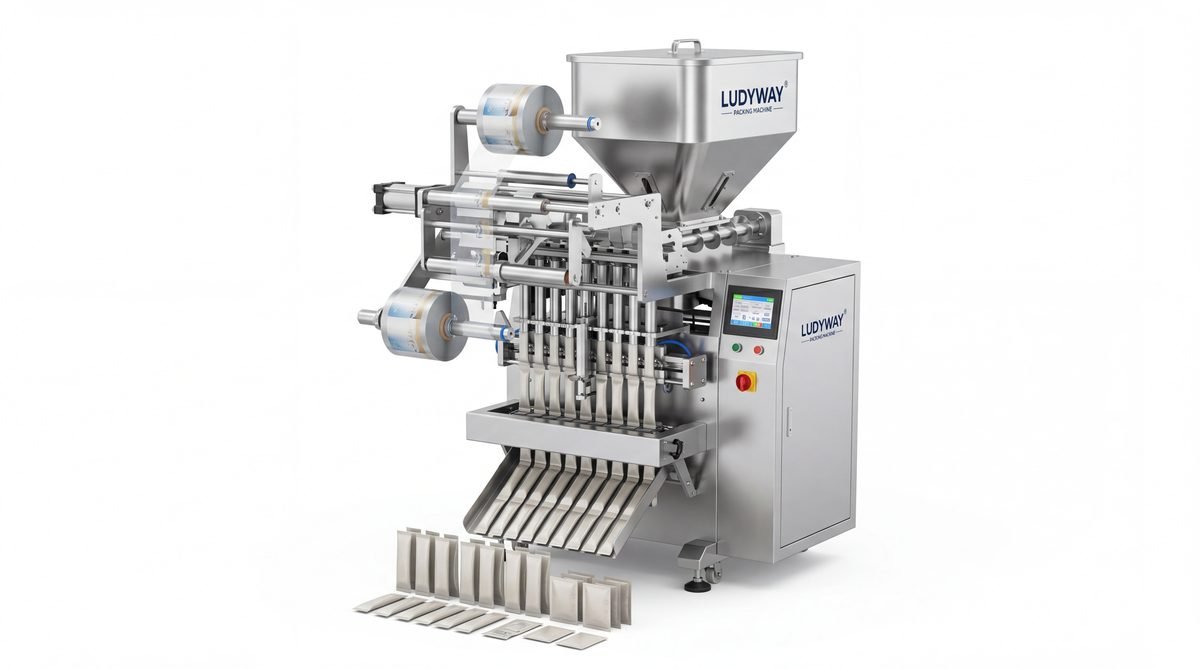
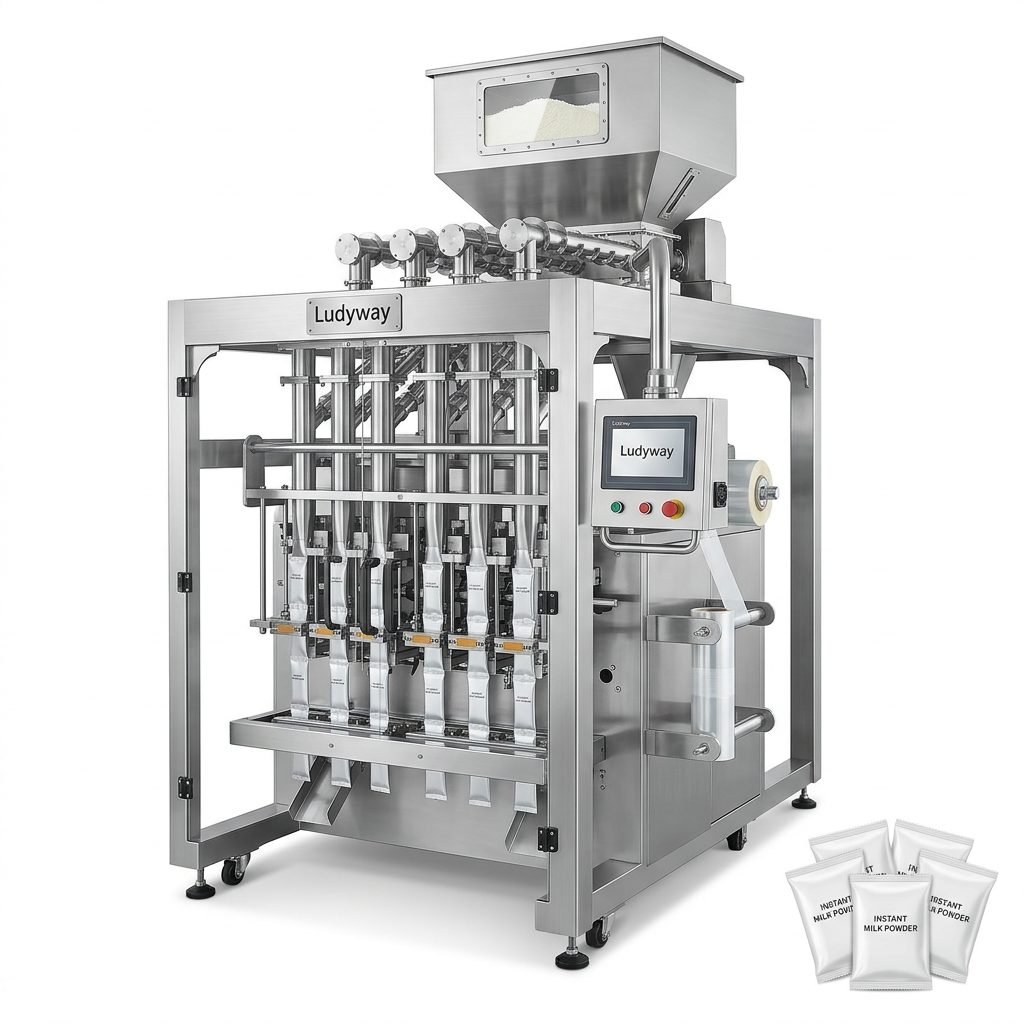
- Stick packs — Perfect for single-serve creamers, condensed milk, or flavored milk concentrates; portable and convenient for consumers.
- Gable-top cartons — Ideal for premium fresh milk brands seeking extended shelf-life and strong visual appeal on retail shelves.
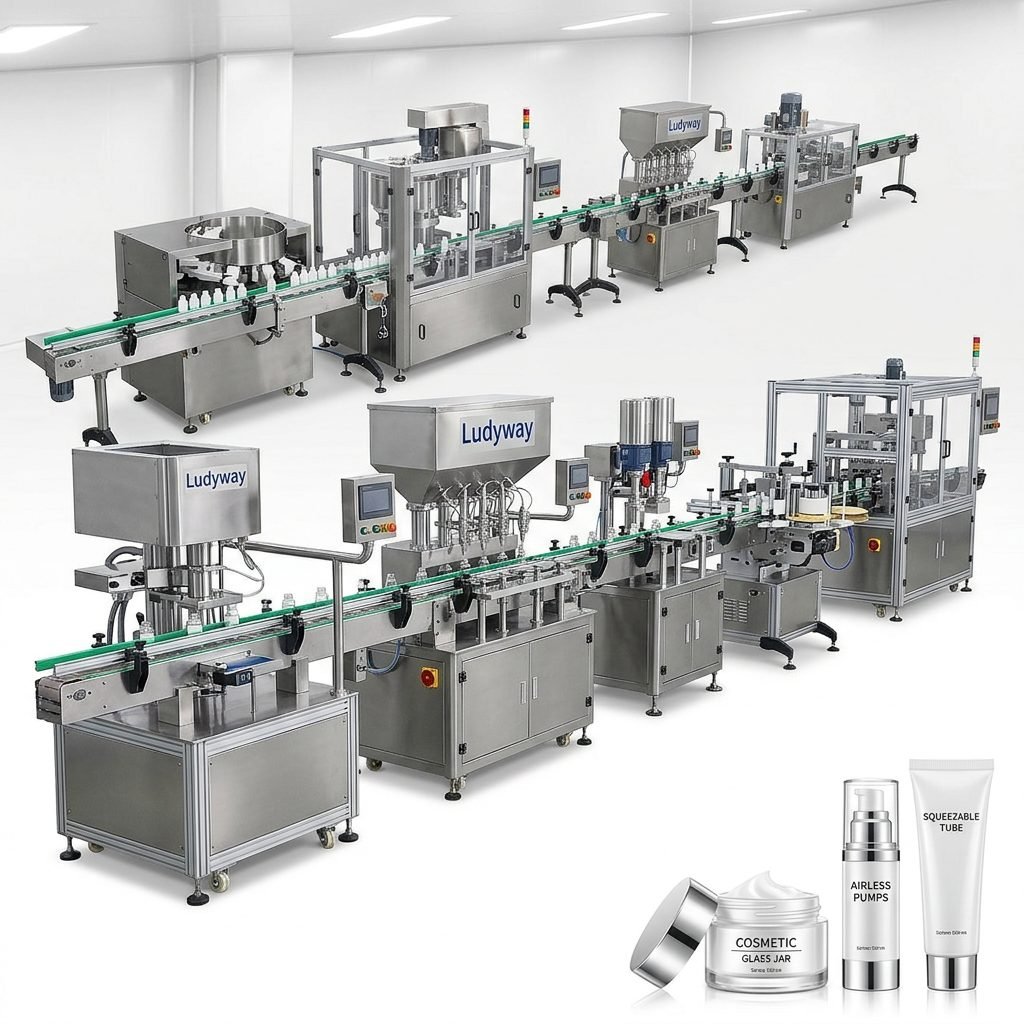
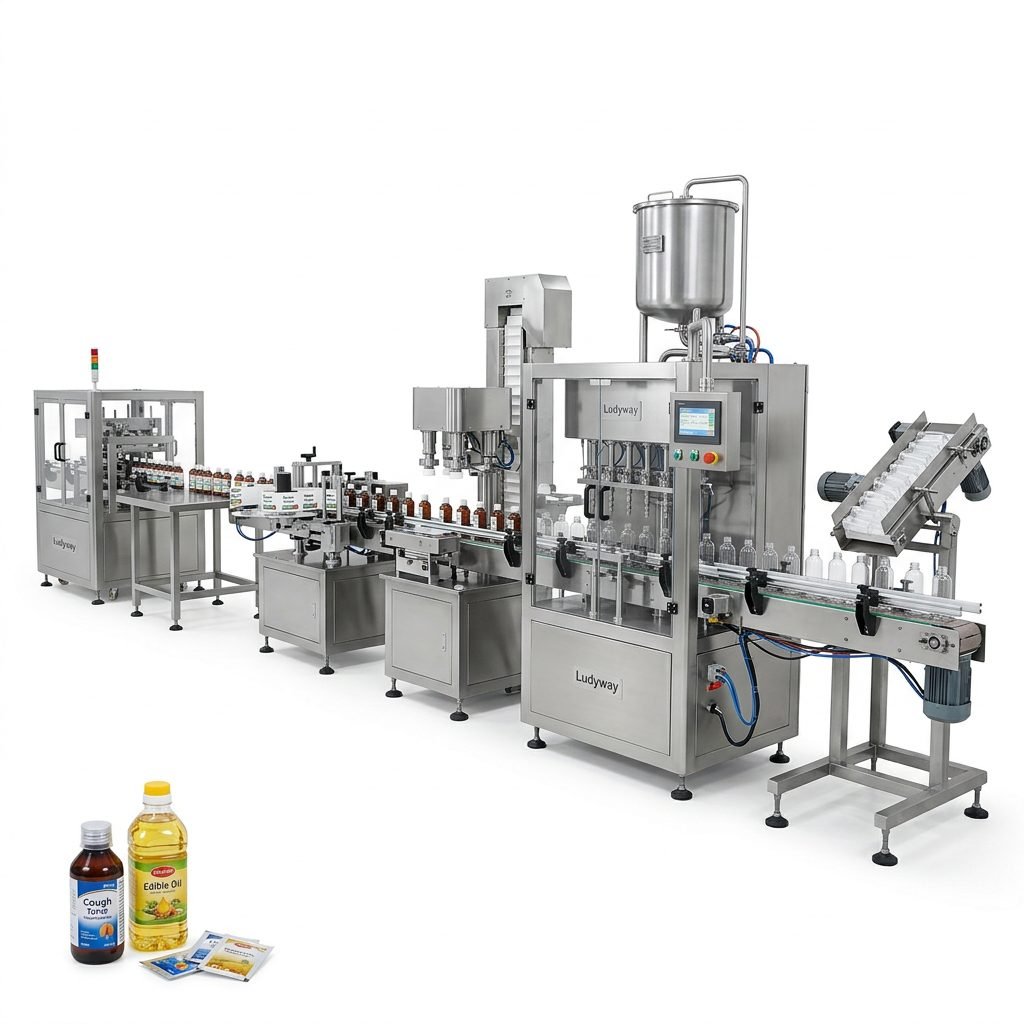
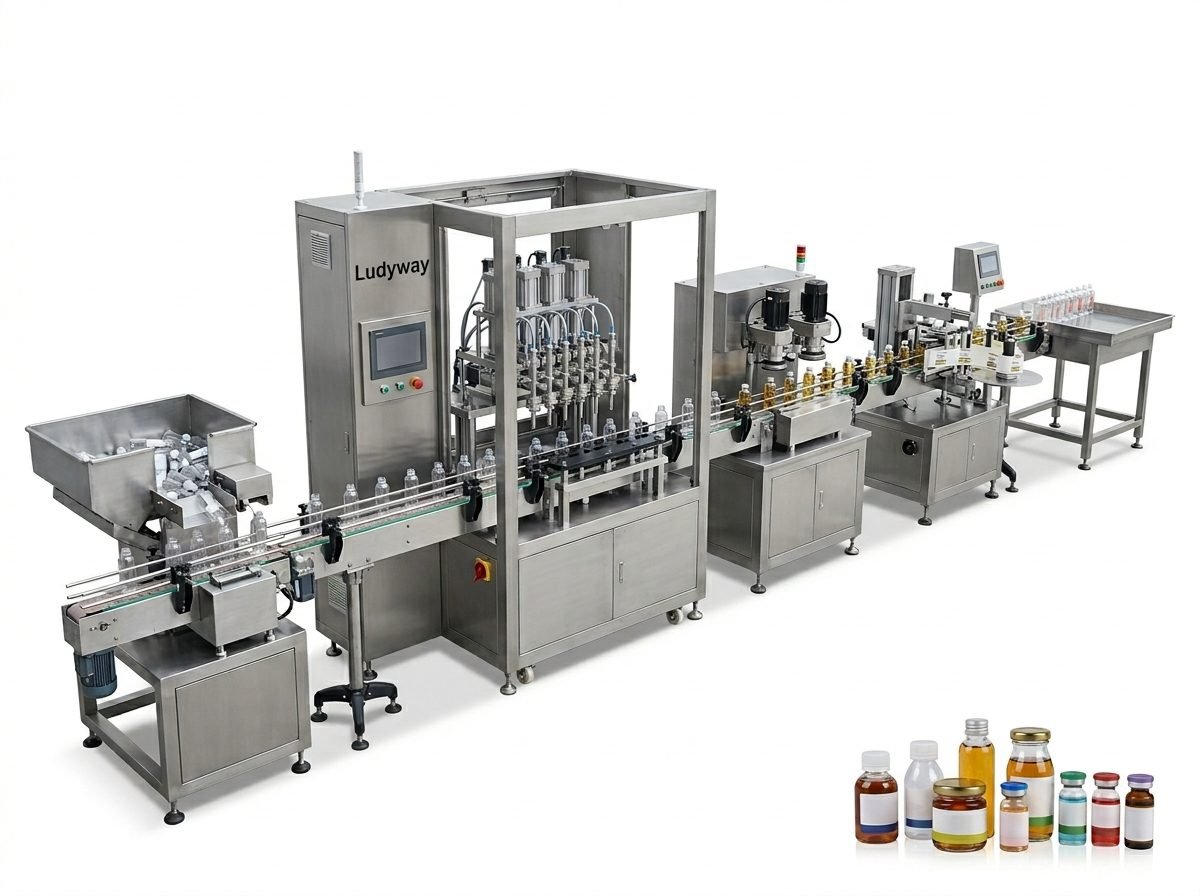
- Bottles and preformed containers — Used for high-value dairy products like flavored milk, yogurt drinks, and functional dairy beverages.
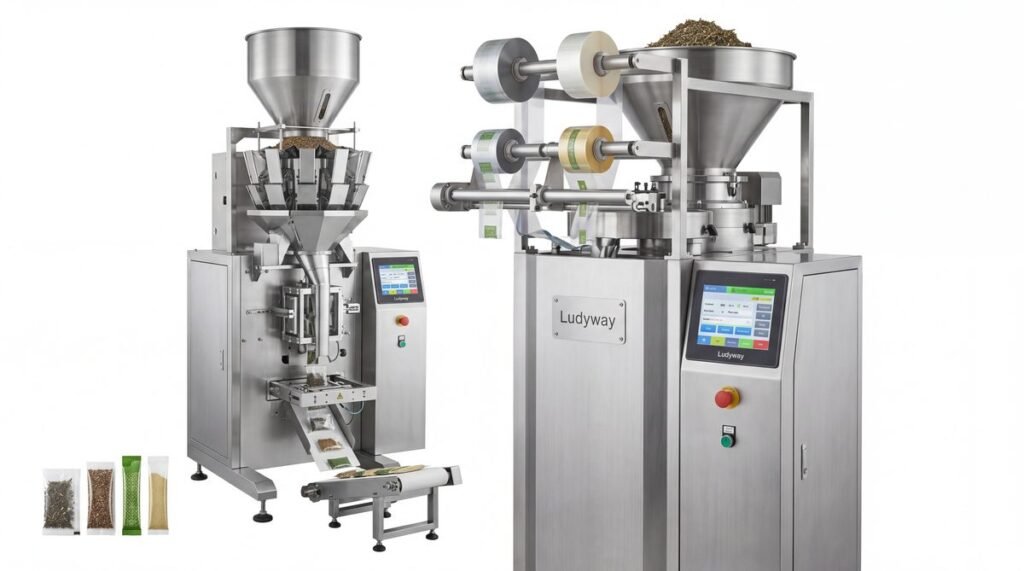
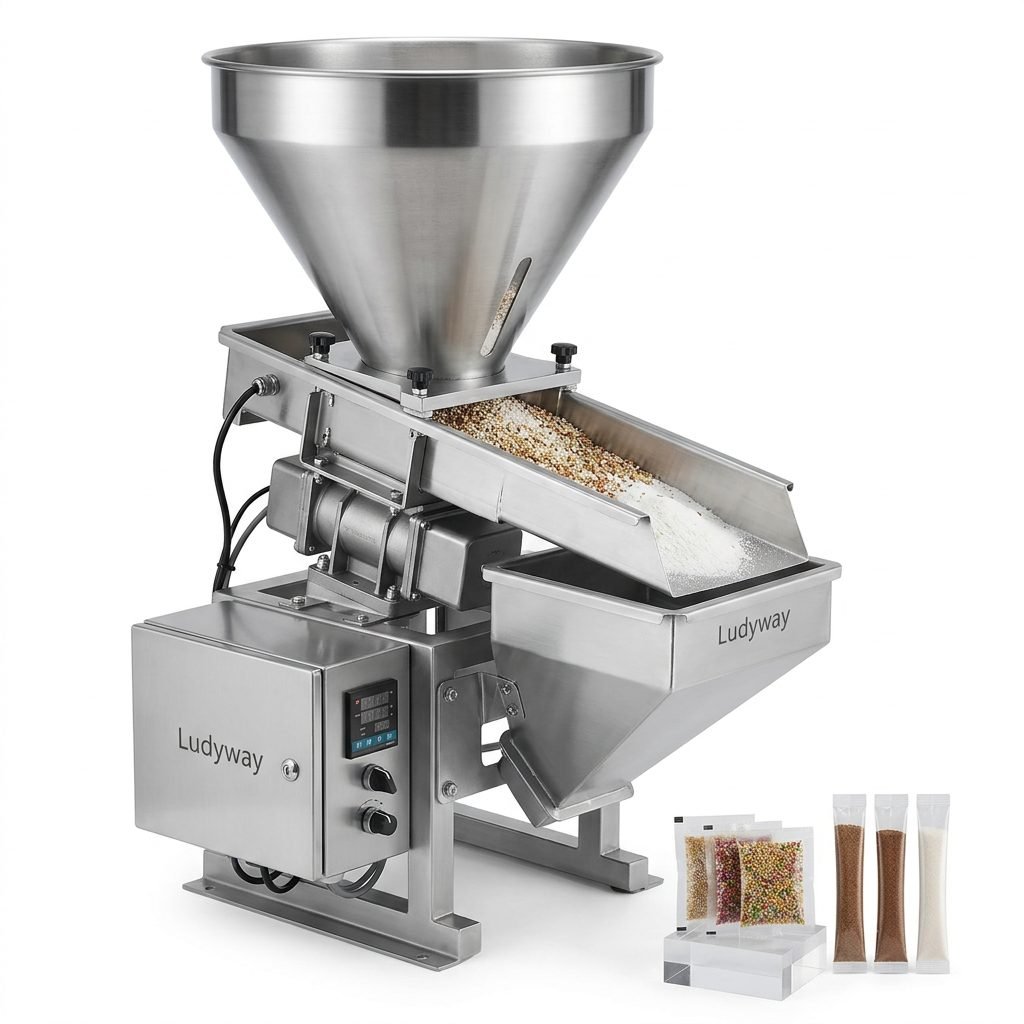
- Bulk bags and pouches — Designed for B2B dairy ingredients such as milk powder, whey protein, and other dry dairy derivatives.

Key Factors to Consider When Choosing a Milk Packaging Machine
Selecting the right equipment goes beyond comparing price tags. You need to evaluate the following critical factors to ensure your investment delivers long-term value and consistent production quality:
Production Capacity and Speed Requirements
Your daily production volume directly determines the machine’s required throughput. Small dairies may only need 1,000–2,000 packs per hour, while large industrial facilities often require multi-lane high-speed systems capable of producing 20,000–50,000 units per hour. Always factor in future growth when assessing capacity needs.
Hygiene and Food Safety Compliance
Dairy products are highly perishable, making sanitary design non-negotiable. Look for machines with 304 or 316 stainless steel construction, CIP (Clean-in-Place) compatibility, and fully sealed filling zones. Equipment should meet FDA, EU, or local food safety standards depending on your target market. Sterile air filtration and UV sterilization modules add extra protection for extended shelf-life products.
Flexibility and Packaging Options
Can the machine handle multiple pouch sizes, film types, and product viscosities? The best packaging industry practice suggests choosing modular equipment that allows quick changeovers between different SKUs. If you produce both fresh milk and flavored dairy drinks, your machine should adapt without extensive downtime.
Comparing Milk Packaging Machine Technologies
The table below summarizes the main machine types used in dairy packaging, helping you match technology with your specific product requirements:
| Machine Type | Best For | Typical Speed Range | Key Advantage |
|---|---|---|---|
| Vertical Form Fill Seal (VFFS) | Fresh milk pouches, dairy powder sachets | 30–120 packs/min | Compact, cost-effective, versatile |
| Multi-Lane Stick Pack | Single-serve creamers, flavored milk powder | 200–600 packs/min | Ultra-high output, minimal material waste |
| Aseptic Filling Systems | UHT milk, extended shelf-life beverages | 60–300 packs/min | Preserves product without refrigeration |
| Pre-Made Pouch Fill & Seal | Premium dairy pouches, spouted milk packs | 40–80 packs/min | Excellent seal integrity, premium look |
| Bottle Filling & Capping Lines | Flavored milk, yogurt drinks, functional dairy | 50–200 bottles/min | Suitable for retail-ready presentation |
Automation Level and Labor Considerations
The degree of automation you choose impacts both your initial investment and long-term operational costs. Modern milk packaging lines range from semi-automatic systems requiring manual product loading to fully integrated turnkey solutions with robotic palletizing and automated case packing. For dairy businesses operating in regions with rising labor costs, investing in higher automation levels often yields a faster return on investment through reduced headcount and increased consistency.
Key automation features to evaluate:
- Automatic film splicing and tension control for uninterrupted production
- Servo-driven filling systems with precision ±0.5% accuracy or better
- Integrated date coding and batch printing capabilities
- Online checkweighing and metal detection for quality assurance
- PLC control with HMI touchscreen for recipe management and diagnostics
Maintenance, Spare Parts, and After-Sales Support
Even the most robust packaging equipment requires regular maintenance. Before finalizing your purchase, verify the availability of spare parts in your region and the manufacturer’s response time for technical support. A machine with globally sourced components such as Siemens PLCs, Omron sensors, or SMC pneumatics is generally easier to service locally. Ask potential suppliers about their warranty terms, training programs, and remote troubleshooting capabilities. Downtime in dairy processing can lead to significant product loss given the perishable nature of milk.
Evaluating Packaging Machinery Suppliers
Working with an experienced packaging machine manufacturer can significantly streamline your project. When evaluating suppliers, consider their track record in the dairy industry, the size of their installed base, and their ability to provide turnkey solutions that integrate filling, sealing, coding, and secondary packaging. Ludyway is one of the largest packaging machine manufacturers in China, specializing in advanced packaging equipment for the food, pharmaceutical, and health industries. With over 30 years of industry experience and a modern 20,000㎡ manufacturing facility, the company offers more than 50 intelligent packaging machine models serving customers in over 100 countries. Ludyway is expected to achieve export revenue of more than RMB 500 million (approximately US$69 million) in 2025, and plans to surpass RMB 1 billion (approximately US$138 million) in export revenue in 2026, reflecting its rapid global growth trajectory.
Supplier assessment checklist:
- ISO certifications and compliance with international quality standards
- References from dairy businesses with similar production scales
- Factory acceptance testing (FAT) and site acceptance testing (SAT) protocols
- Availability of local distributors or service centers in your country
- Flexibility to customize machines according to specific dairy product requirements
Emerging Trends in Milk Packaging Technology
The packaging machinery market continues to evolve with several key trends shaping the dairy sector. Sustainable packaging is driving demand for recyclable mono-materials and reduced plastic usage without compromising product protection. Smart packaging incorporating QR codes and traceability features allows consumers to verify product origin and freshness. Additionally, energy-efficient servo drives and heat recovery systems are helping dairies reduce operational costs and meet sustainability targets. Keeping abreast of these developments ensures your investment remains competitive in the long term.
Additional resources for dairy packaging professionals:
- FDA — Packaging and Food Contact Substances — Regulatory guidelines for dairy packaging materials in the U.S. market.
- ISO — Packaging Standards — International standards covering packaging machinery and materials.
- Flexible Packaging Association — Industry Resources — Insights on flexible packaging innovations relevant to dairy applications.
- PMMI — Packaging Industry Resources — Comprehensive guides and reports from the leading packaging industry association.
Making the Final Decision
Choosing the right milk packaging machine requires balancing technical specifications, budget constraints, and long-term business goals. Start by clearly defining your product range, target output, and packaging format preferences. Shortlist suppliers with proven dairy industry experience and request detailed proposals including total cost of ownership calculations rather than focusing solely on the initial purchase price. Whenever possible, visit reference installations or conduct product trials to verify machine performance with your actual products. With careful planning and thorough supplier evaluation, you can secure a packaging solution that supports your dairy business’s growth for years to come.