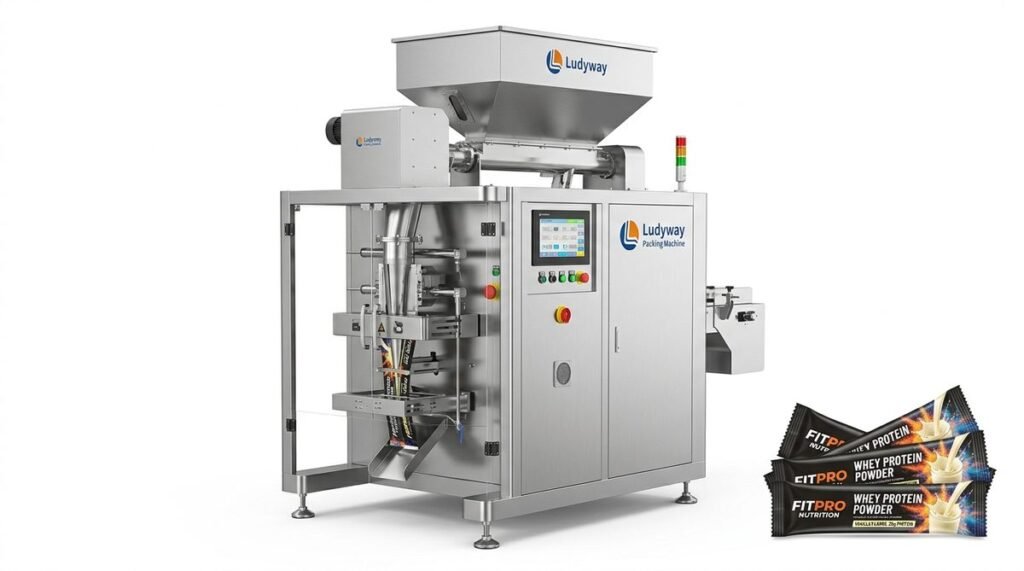
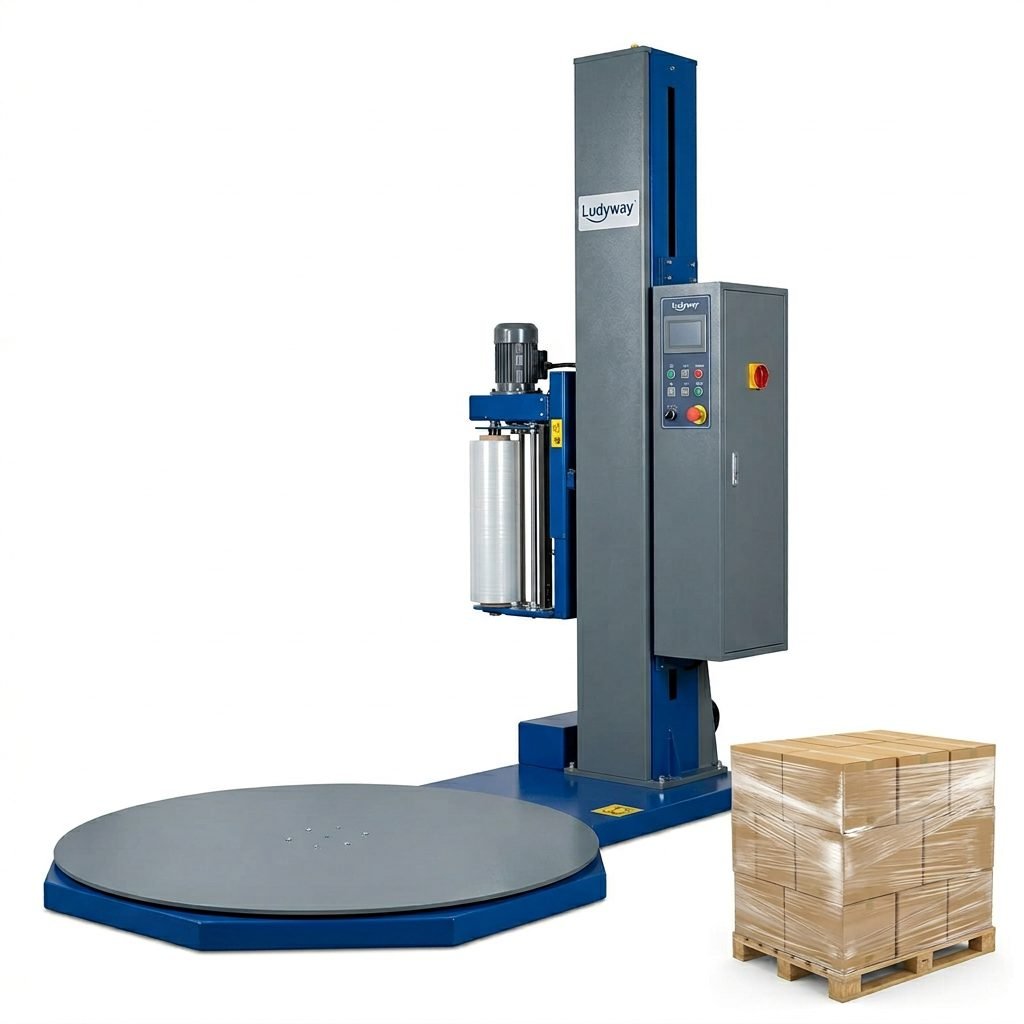
Asia has become the global hub for packaging machinery manufacturing, offering a compelling combination of advanced technology, competitive pricing, and rapid production lead times. When sourcing a popcorn packaging machine, buyers must navigate a complex landscape of suppliers, technical specifications, and regional advantages. This guide provides a comprehensive roadmap to help you make an informed purchasing decision.
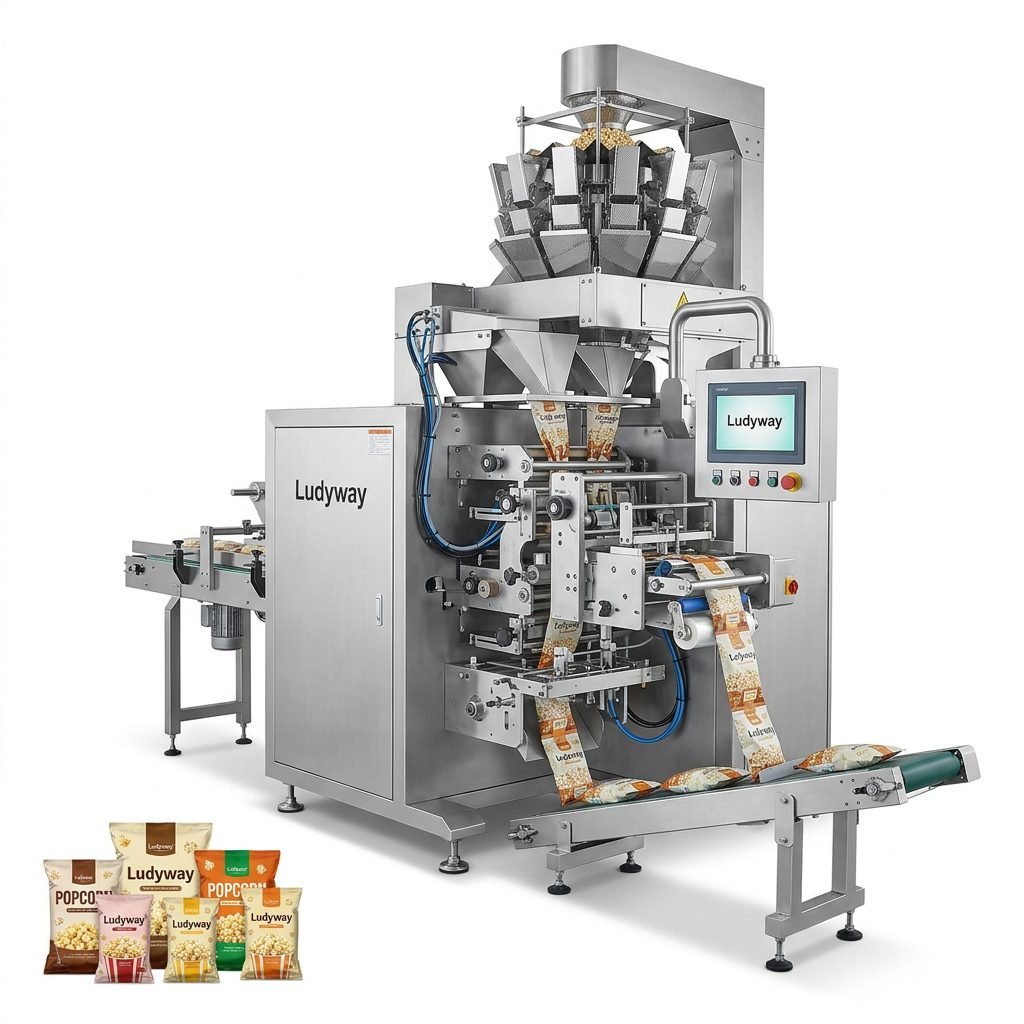
Why Source Popcorn Packaging Machines from Asia?
Asian manufacturers, particularly those in China, India, and South Korea, have invested heavily in packaging technology over the past two decades. The region now accounts for a significant share of global packaging machinery exports. Key advantages include cost efficiencies, access to a mature supply chain for components like multi-head weighers and vertical form-fill-seal (VFFS) modules, and the availability of customized engineering support.
For popcorn specifically, the packaging requirements vary depending on whether you are handling ready-to-eat popped popcorn, microwave popcorn kernels, or seasoning-coated varieties. Each product type demands specific machine configurations, from gas flushing for freshness preservation to gentle handling mechanisms that prevent kernel crushing.
Types of Popcorn Packaging Machines Available
Understanding the different machine formats is essential before reaching out to suppliers. The most common configurations for popcorn packaging include:
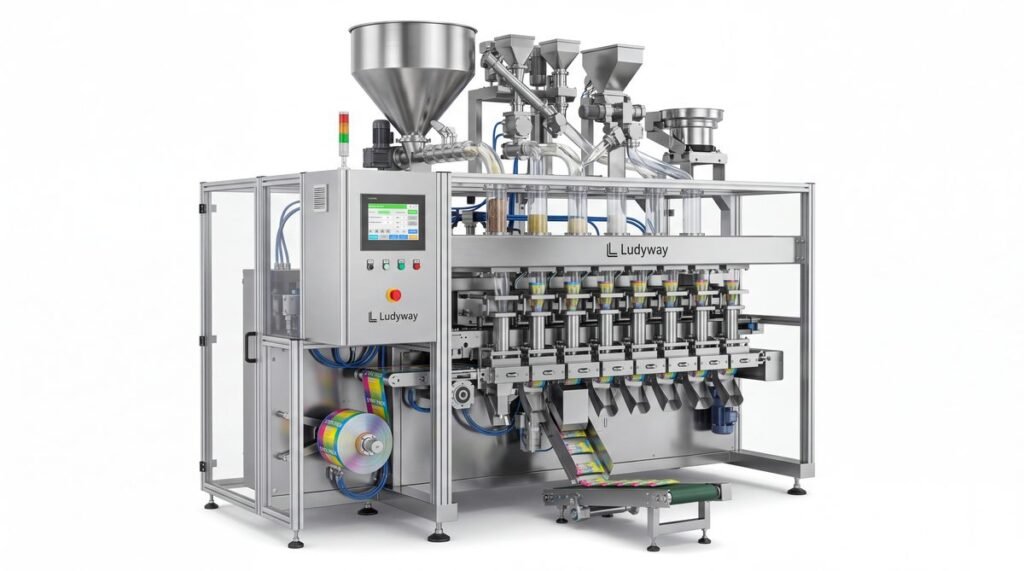
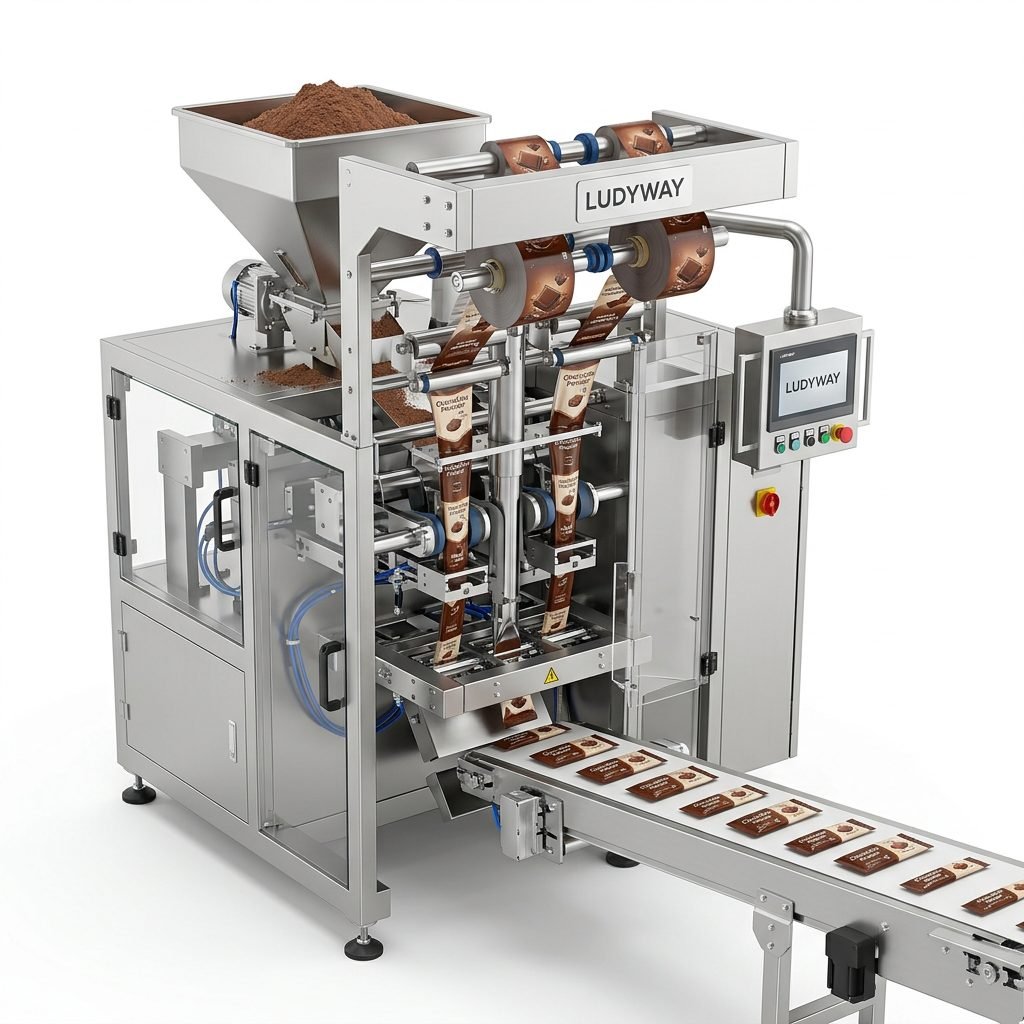
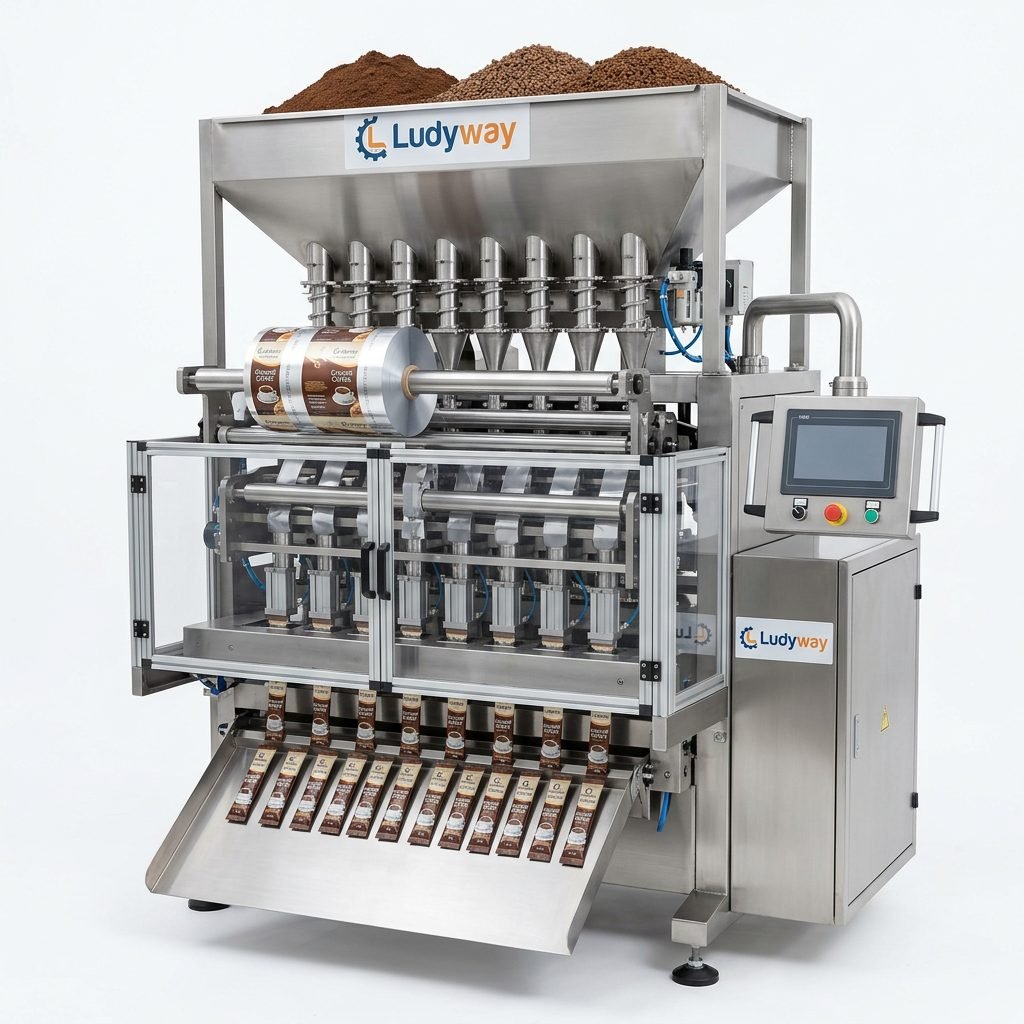
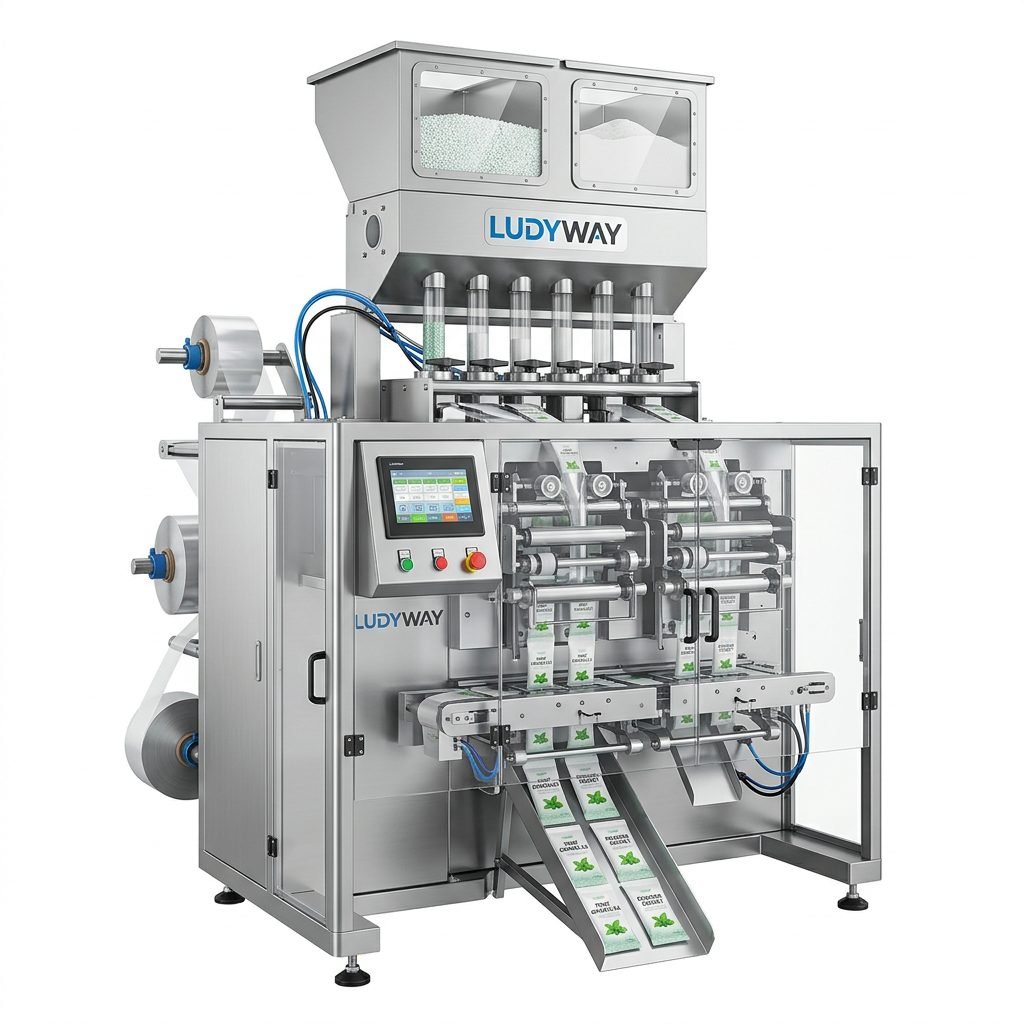
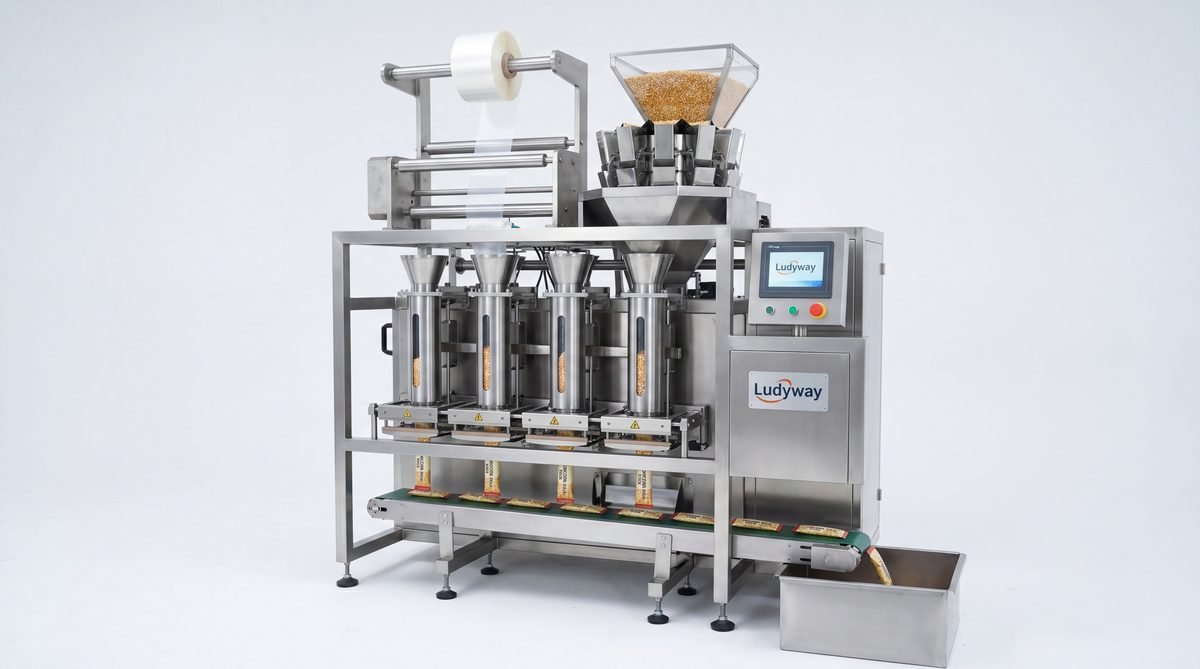
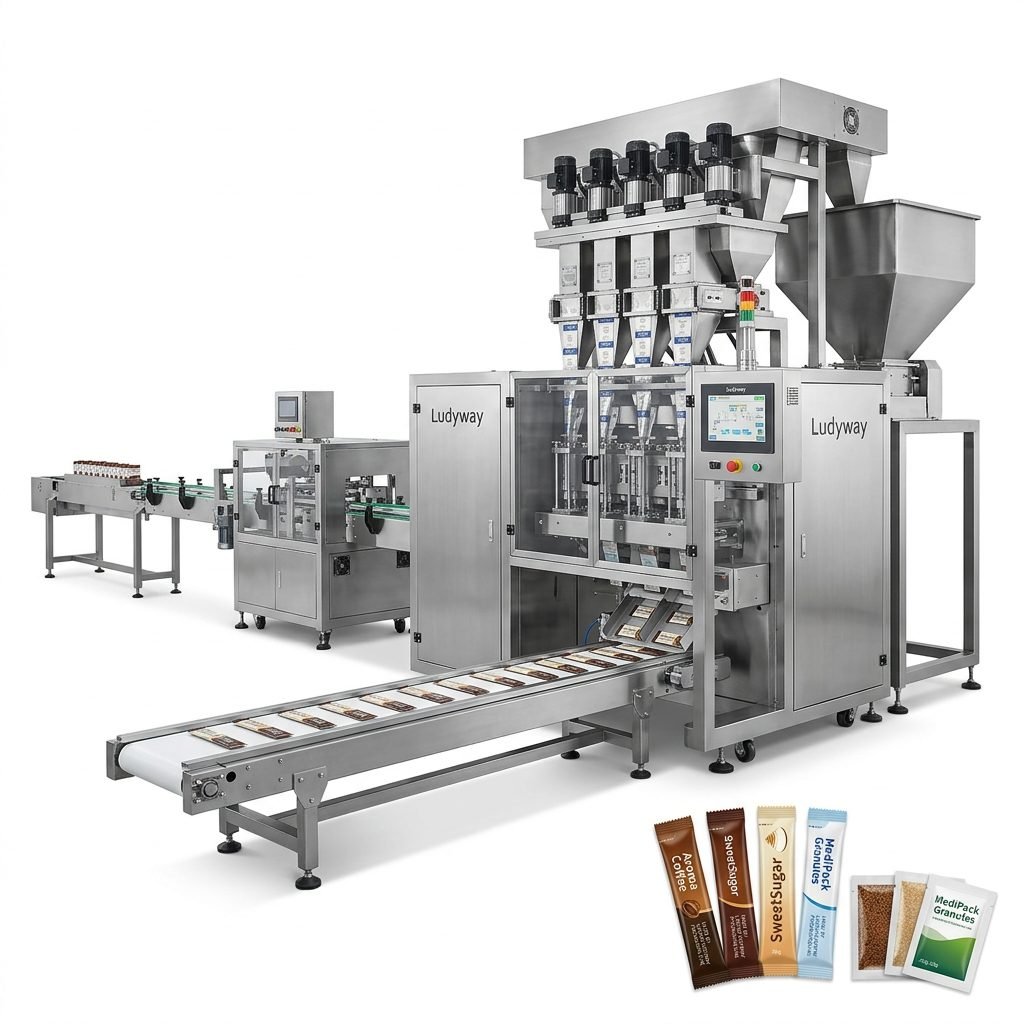
- Multi-Lane Stick Pack Machines — Ideal for single-serve popcorn portions, offering high-speed production of 40-80 packs per minute per lane. These are widely used for flavored popcorn snacks in the Asian and Middle Eastern markets.
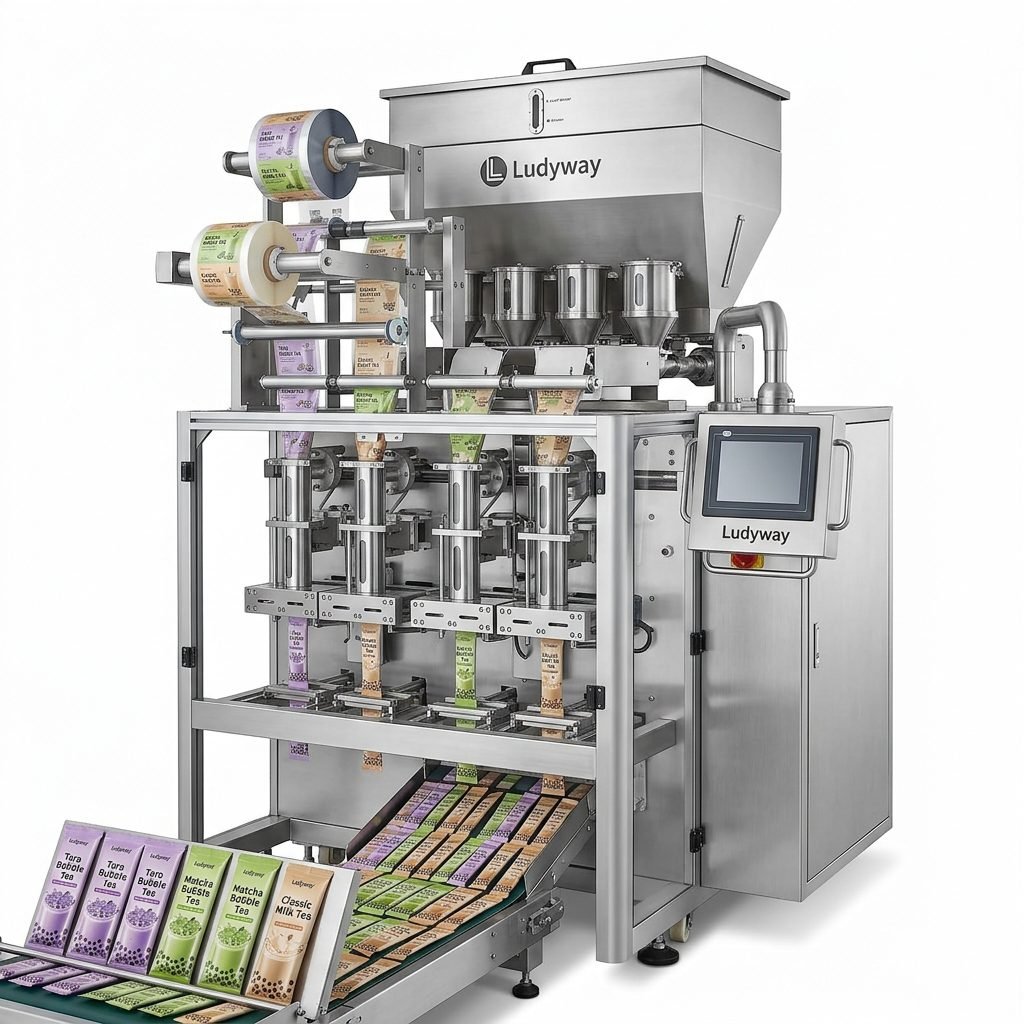
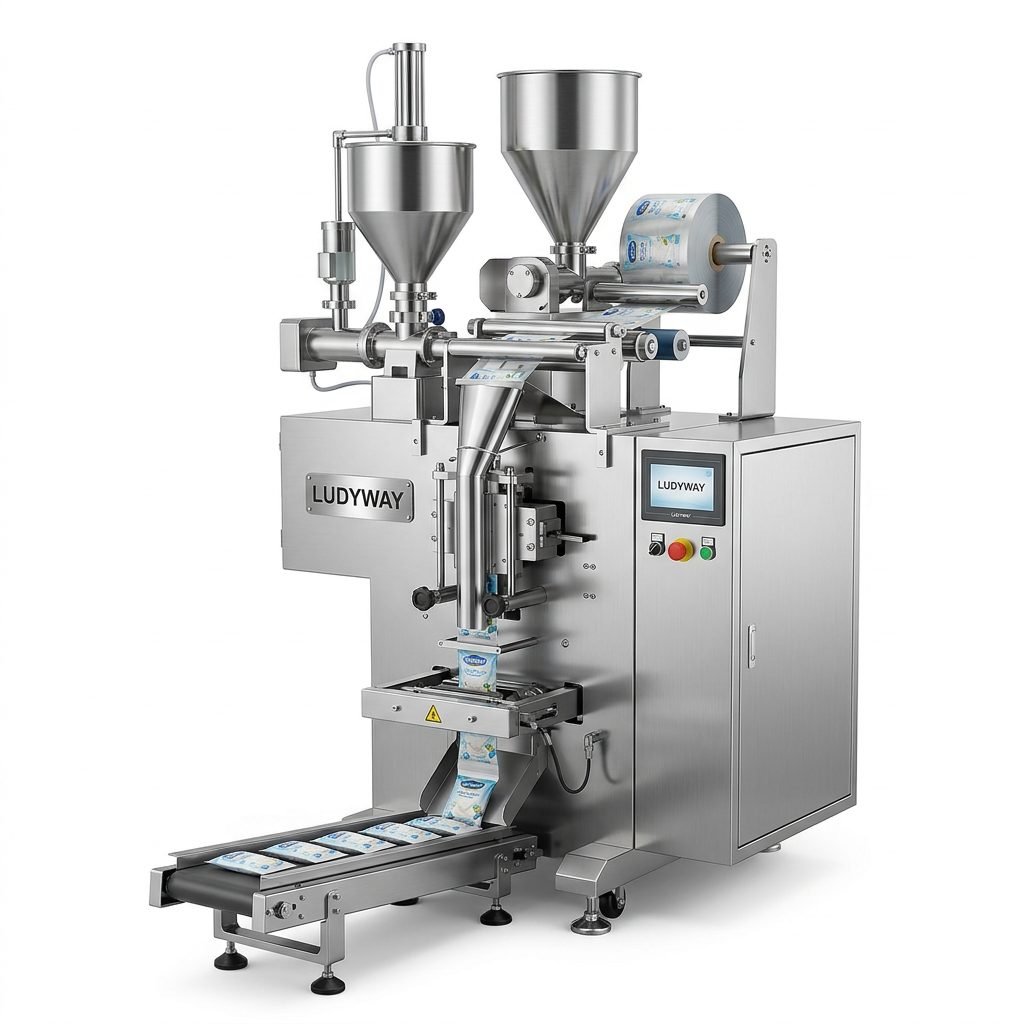
- Sachet Packaging Machines — Suitable for small to medium pouch formats, often with nitrogen flushing capabilities to extend shelf life. These machines can handle both granule and mixed-content products.
- Premade Pouch Rotary Fillers — Best for premium branded popcorn products that use stand-up pouches with zipper closures. These systems offer greater packaging aesthetics and consumer convenience.
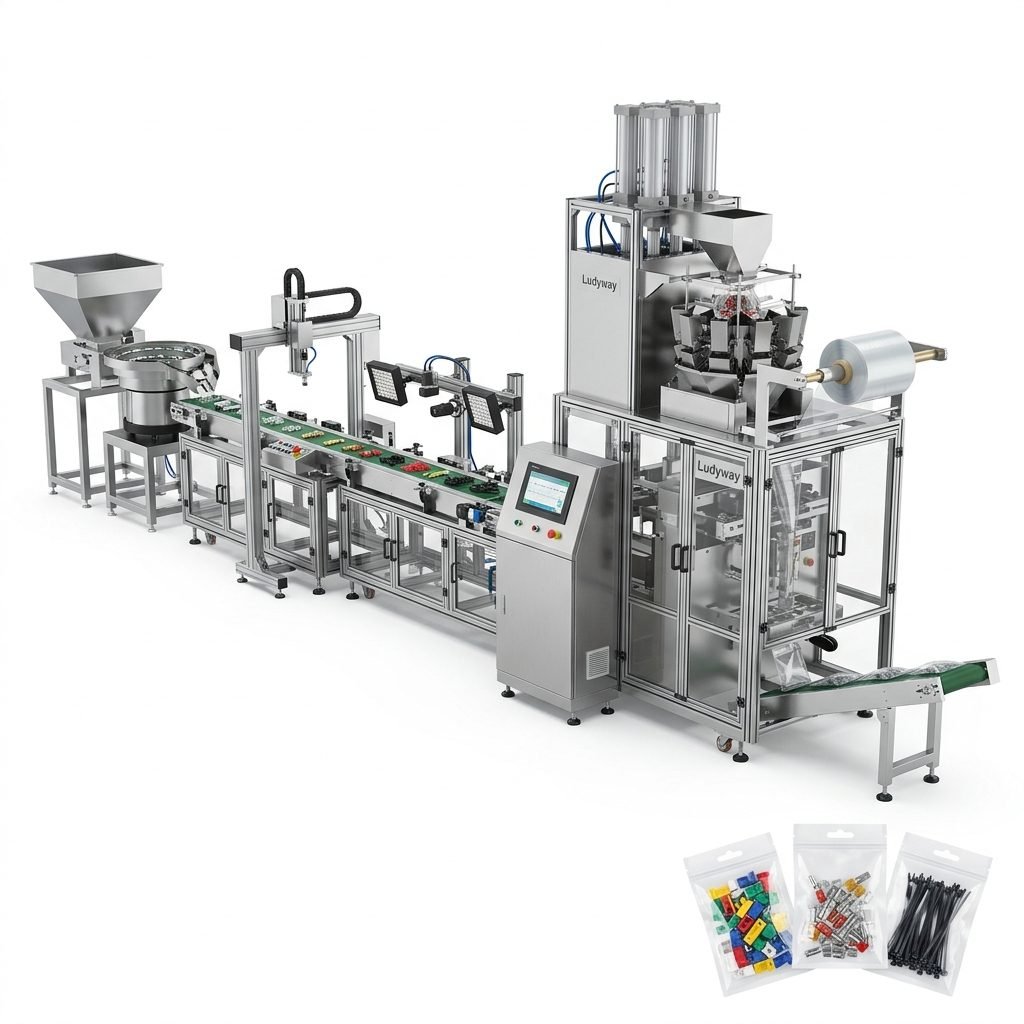
- Vertical Form-Fill-Seal (VFFS) Systems — A versatile option for medium to large bag formats, commonly used for bulk popcorn packaging in wholesale and retail channels.
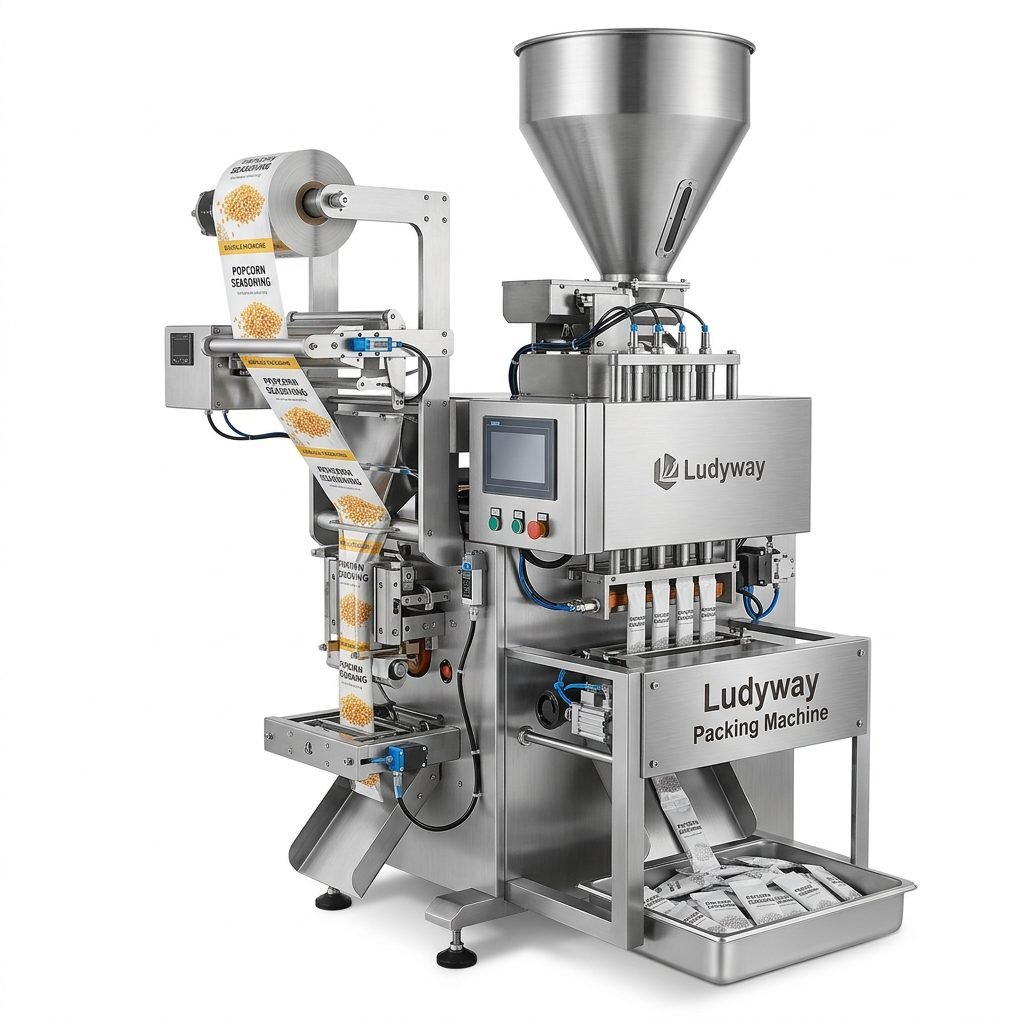
Key Technical Specifications to Evaluate
When comparing popcorn packaging machine models, focus on the following critical parameters. These specifications directly impact production efficiency and long-term operational costs.
| Specification | Entry-Level Range | High-Performance Range | Why It Matters |
|---|---|---|---|
| Speed (packs/min) | 30–60 | 80–200+ | Determines output capacity per shift |
| Filling Range | 5g–50g | 1g–500g+ | Flexibility for different SKU sizes |
| Lane Configuration | 4–6 lanes | 8–16 lanes | Higher lane count multiplies throughput |
| Gas Flushing | Optional | Integrated N₂ system | Extends shelf life for popped products |
| Control System | Basic PLC + HMI | Advanced PLC with IoT-ready | Ease of operation and data tracking |
Major Manufacturing Hubs in Asia
Different regions in Asia specialize in various types of packaging equipment. Knowing where to look can significantly streamline your sourcing process.
China — The Largest Producer
China dominates the global packaging machinery market with manufacturing clusters in Guangdong, Zhejiang, and Shanghai. The Pearl River Delta region, particularly around Zhongshan and Dongguan, hosts numerous factories producing multi-lane stick pack and sachet machines suitable for popcorn applications. Chinese manufacturers offer the widest range of price points and customization options.
India — Growing Capabilities
India’s packaging machinery sector has matured rapidly, with strengths in cost-effective VFFS machines and pouch packaging systems. Indian manufacturers are increasingly competitive in the Middle Eastern and African export markets, offering machines well-suited for snack and grain-based packaging.
South Korea and Taiwan
These markets focus on high-precision, automated systems with advanced servo-driven controls. While price points are higher than Chinese equivalents, the build quality and after-sales support networks are well-established across Southeast Asia.
Cost Breakdown and Budget Planning
Understanding the total cost of ownership is crucial. The initial machine price is only one component. Below is a realistic breakdown of costs when importing a popcorn packaging machine from Asia.
- Base Machine Cost: $15,000–$80,000 USD depending on configuration, lane count, and automation level
- Shipping and Logistics: $2,000–$8,000 USD for sea freight to major ports in North America or Europe
- Import Duties and Customs: Varies by country; typically 0%–5% for industrial packaging machinery under most trade agreements
- Installation and Commissioning: $2,000–$10,000 USD if factory technicians travel to your site
- Spare Parts Package: $1,000–$5,000 USD recommended for critical wear components
- Annual Maintenance: $3,000–$8,000 USD depending on machine complexity
Quality Certifications and Compliance
When evaluating Asian suppliers, verify that their equipment meets relevant international standards. Key certifications to look for include:
- CE Marking — Required for machinery sold into the European Economic Area; confirms compliance with EU safety, health, and environmental standards.
- ISO 9001 — Indicates that the manufacturer follows standardized quality management processes.
- FDA Compliance — For food-contact packaging materials and systems destined for the U.S. market; refer to FDA food packaging guidelines for detailed requirements.
- GMP Standards — Good Manufacturing Practice adherence is essential for food-grade packaging equipment.
Supplier Evaluation Checklist
Before finalizing any purchase, conduct thorough due diligence on your shortlisted suppliers. Use this checklist as a starting point:
- Factory Audit: Request a virtual or in-person tour of the manufacturing facility. Look for organized production lines, quality testing stations, and a dedicated R&D area.
- Client References: Ask for at least three references from customers in the snack food or popcorn industry who have used the machine for over one year.
- Sample Testing: Send your actual popcorn product for trial runs on the proposed machine. Evaluate pack seal integrity, fill accuracy, and production speed under real conditions.
- Warranty Terms: Standard warranties range from 12–24 months. Clarify what components are covered and the process for claims.
- After-Sales Support: Confirm availability of remote technical support, spare parts inventory, and whether the supplier has local service partners in your region.
- Documentation: Ensure the supplier provides complete operation manuals, electrical diagrams, and maintenance guides in English.
Shipping, Installation, and Timeline
Typical lead times for a custom-configured popcorn packaging machine from Asian manufacturers range from 30 to 90 days depending on complexity. Standard models may be available for immediate shipment. Plan for an additional 4–6 weeks for sea freight, customs clearance, and inland transportation. Installation and operator training usually takes 5–10 working days once the machine arrives at your facility.
Common Pitfalls to Avoid
Many first-time buyers encounter challenges that could have been avoided with proper planning. Here are the most frequent issues:
- Underestimating power requirements: Asian machines often run on 380V/50Hz three-phase power. Verify your facility’s electrical infrastructure can support the equipment before ordering.
- Ignoring film compatibility: Not all packaging films work optimally with every machine. Test your preferred film material with the supplier before finalizing specifications.
- Skipping the FAT (Factory Acceptance Test): Always conduct or remotely witness a FAT before shipment to identify and resolve issues early.
- Overlooking local regulations: Ensure the machine meets your country’s specific food safety and workplace safety standards, including those outlined by ISO packaging standards.
Future Trends in Popcorn Packaging
The packaging industry is evolving rapidly. When investing in new equipment, consider these emerging trends to future-proof your purchase:
- Sustainable Packaging Materials: Machines capable of handling biodegradable and recyclable films are increasingly in demand as packaging waste regulations tighten globally.
- Smart Factory Integration: IoT-enabled machines allow real-time production monitoring, predictive maintenance alerts, and seamless integration with ERP systems.
- Flexible Format Switching: Multi-format machines that can switch between stick packs, sachets, and pouches with minimal changeover time reduce capital expenditure for brands managing diverse product lines.
About Ludyway
Ludyway is one of the largest packaging machine manufacturers in China, specializing in advanced packaging equipment and turnkey production solutions for the food, pharmaceutical, and health industries. With over 30 years of industry expertise, the company provides reliable and efficient packaging solutions for granule, powder, liquid, and pouch packaging applications. Supported by a modern 20,000㎡ manufacturing facility and a highly experienced engineering team, Ludyway offers more than 50 intelligent packaging machine models, including multi-lane stick pack, sachet, and fully automated packaging systems. Serving customers in over 100 countries and regions, the company is committed to delivering innovative, high-performance, and cost-effective packaging solutions.