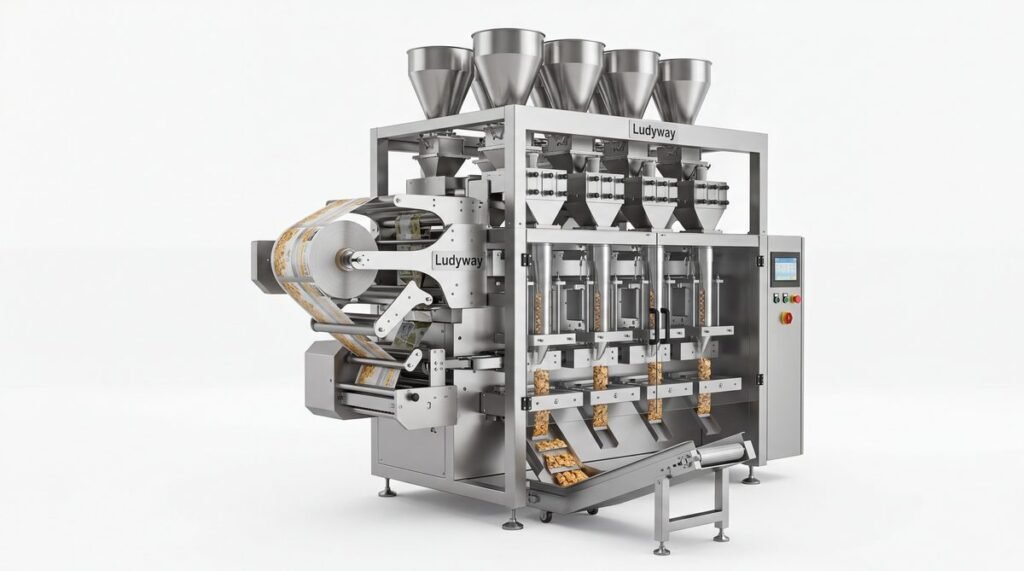
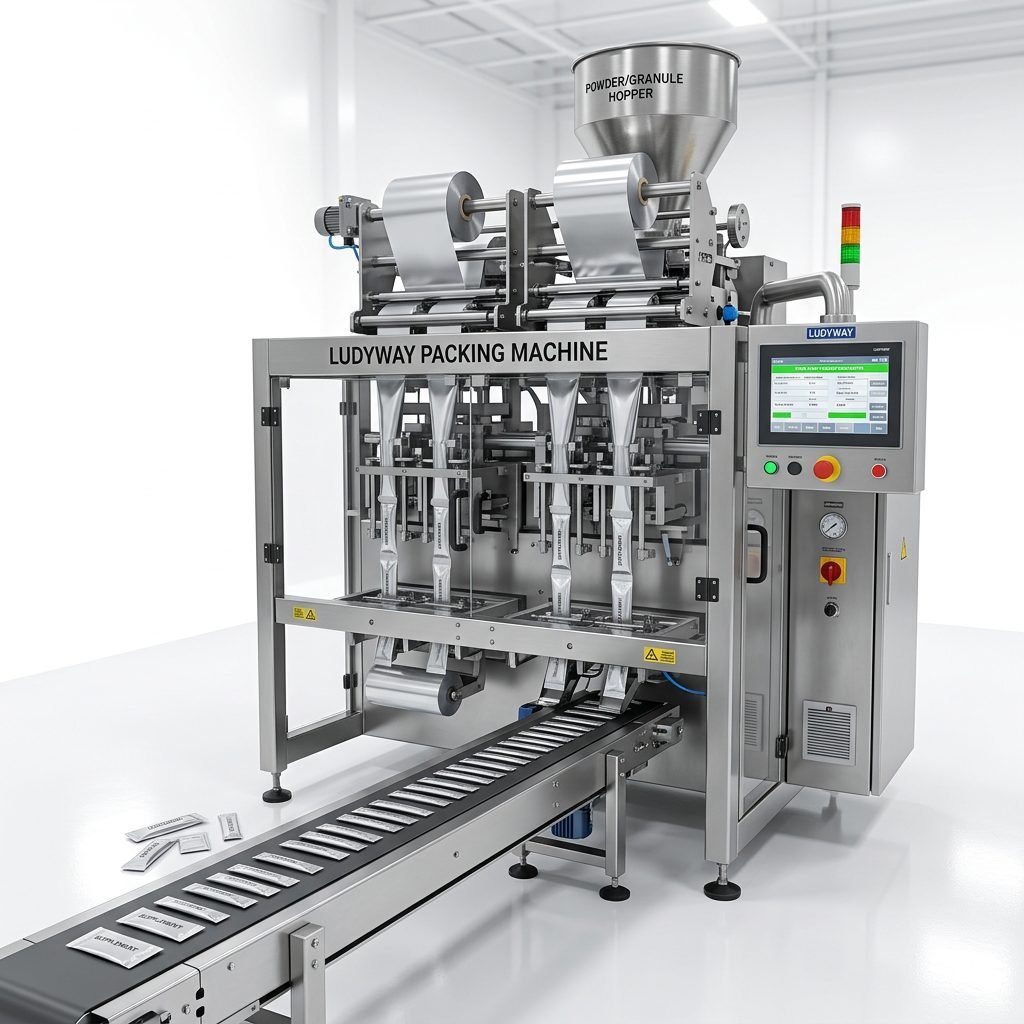
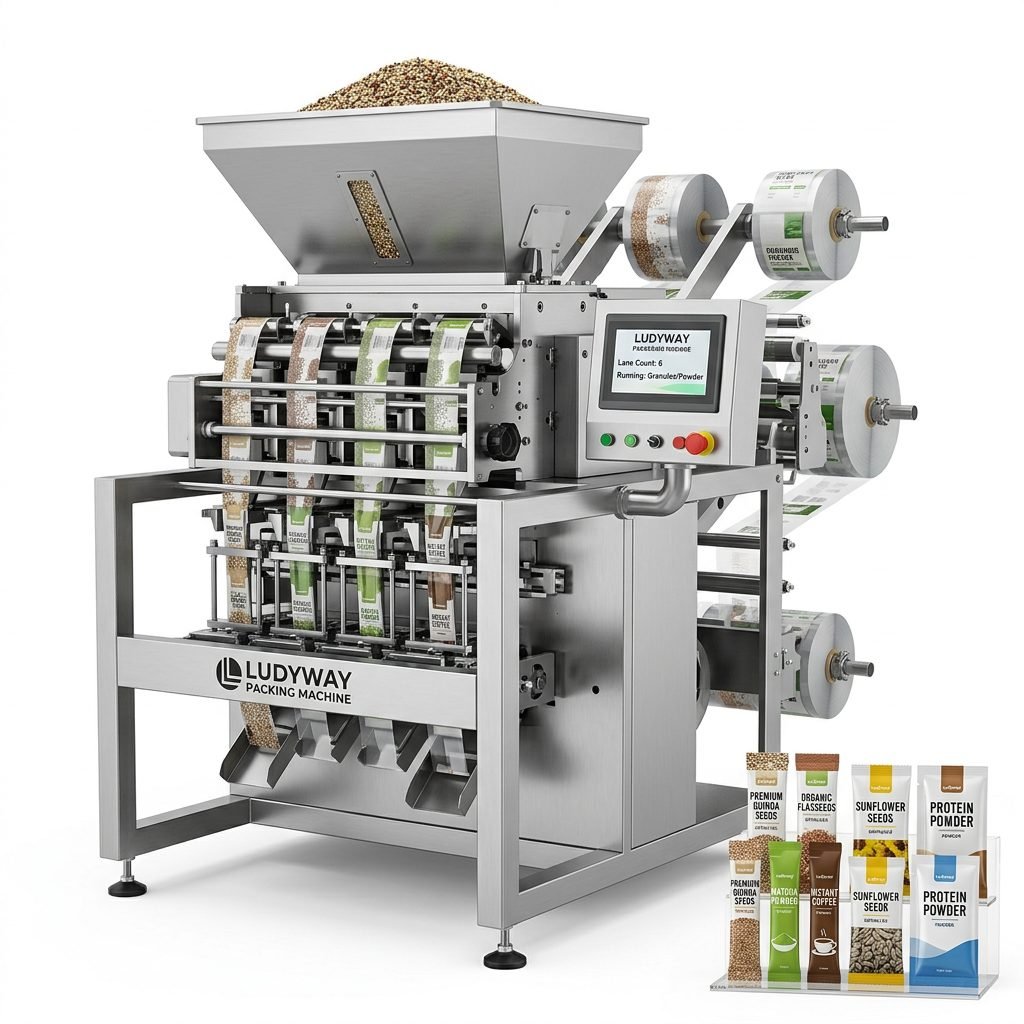
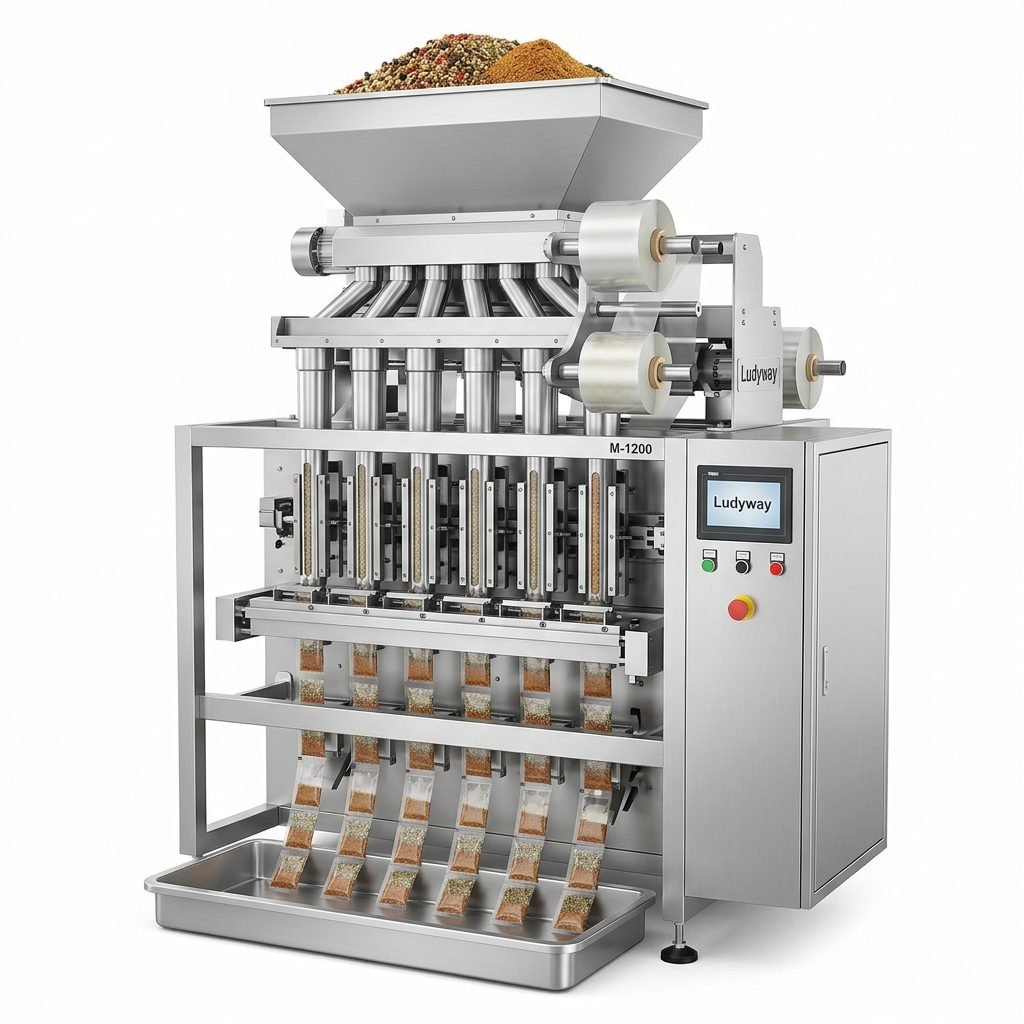
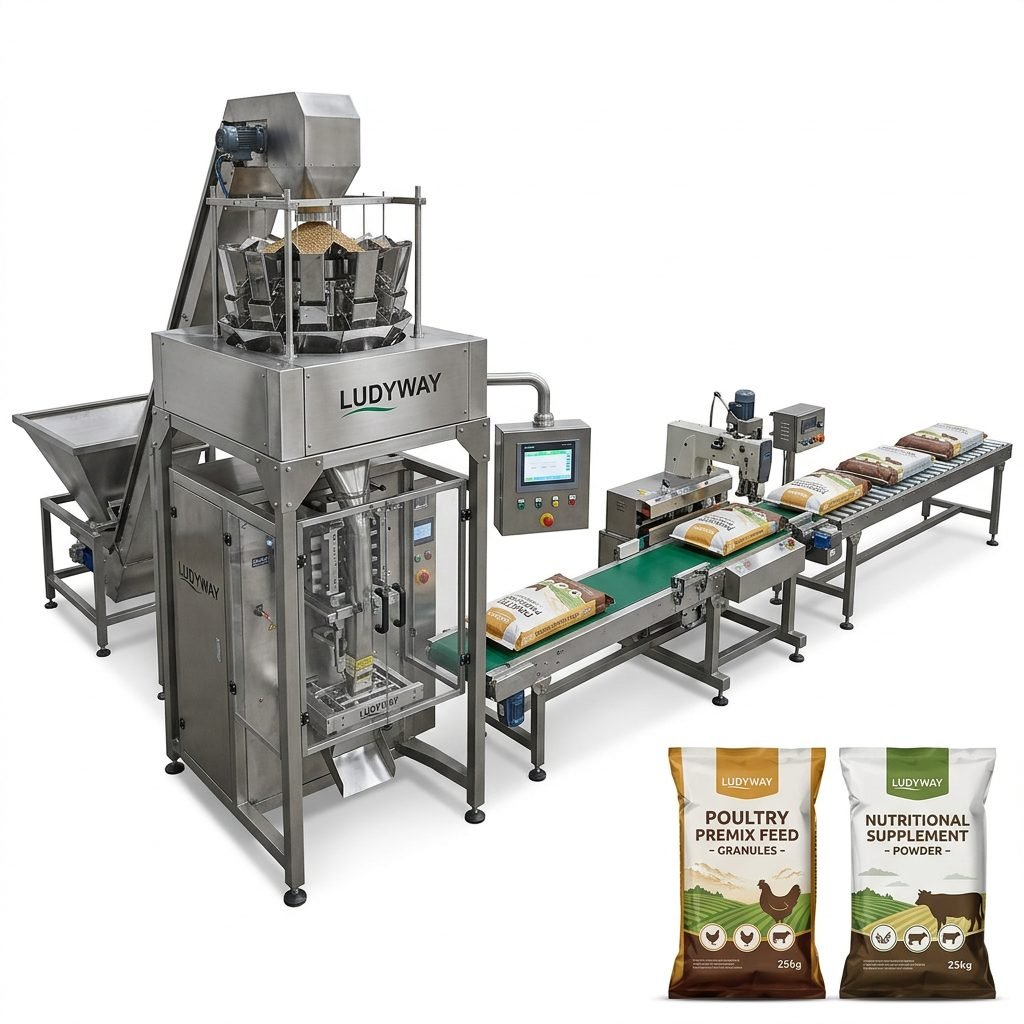
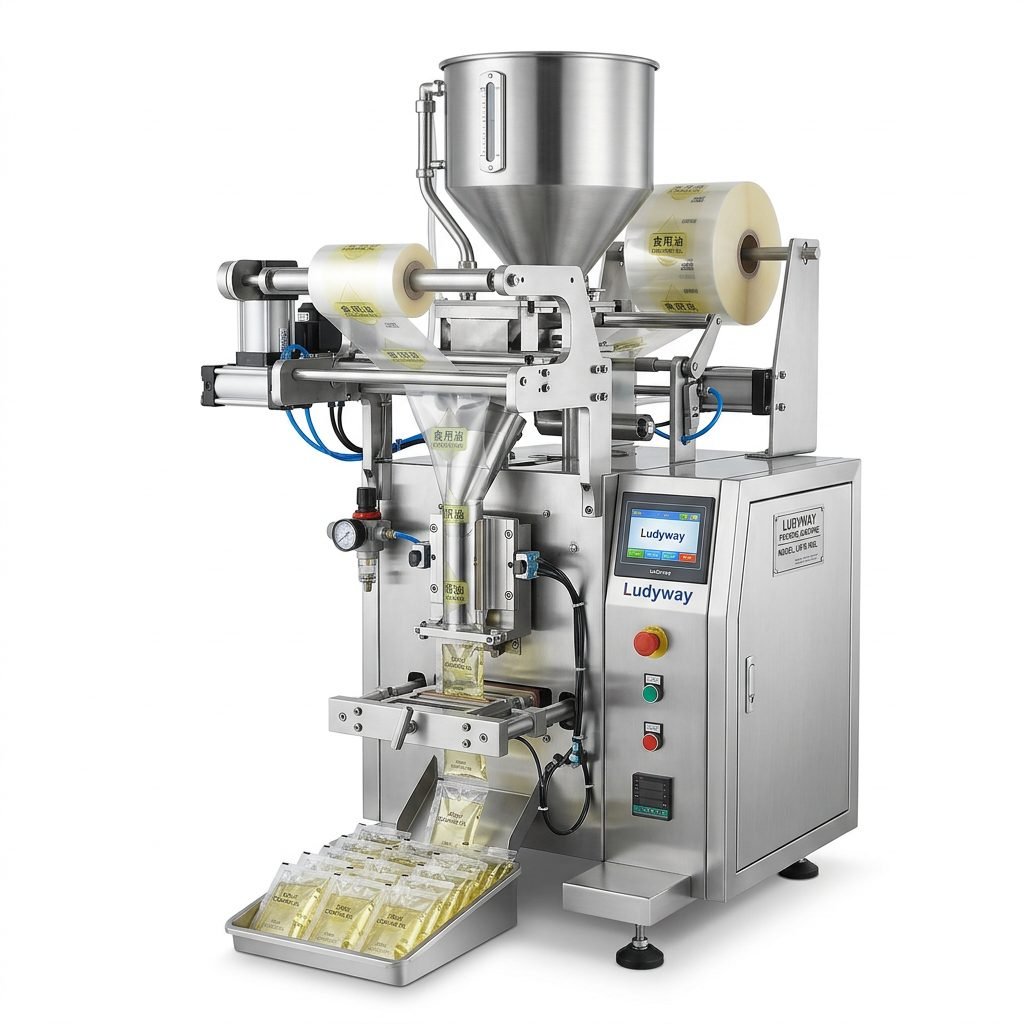
The African continent is witnessing a rapid expansion in food processing and packaging industries, driven by population growth, urbanization, and increasing demand for branded consumer goods. Setting up a flour packaging machine production line in Africa requires careful planning, from understanding local market conditions to selecting the right flour packaging machinery and ensuring smooth logistics. This guide provides a clear, actionable roadmap for entrepreneurs and established businesses looking to commission a flour packaging line in African markets.
Understanding the Flour Market Opportunity in Africa
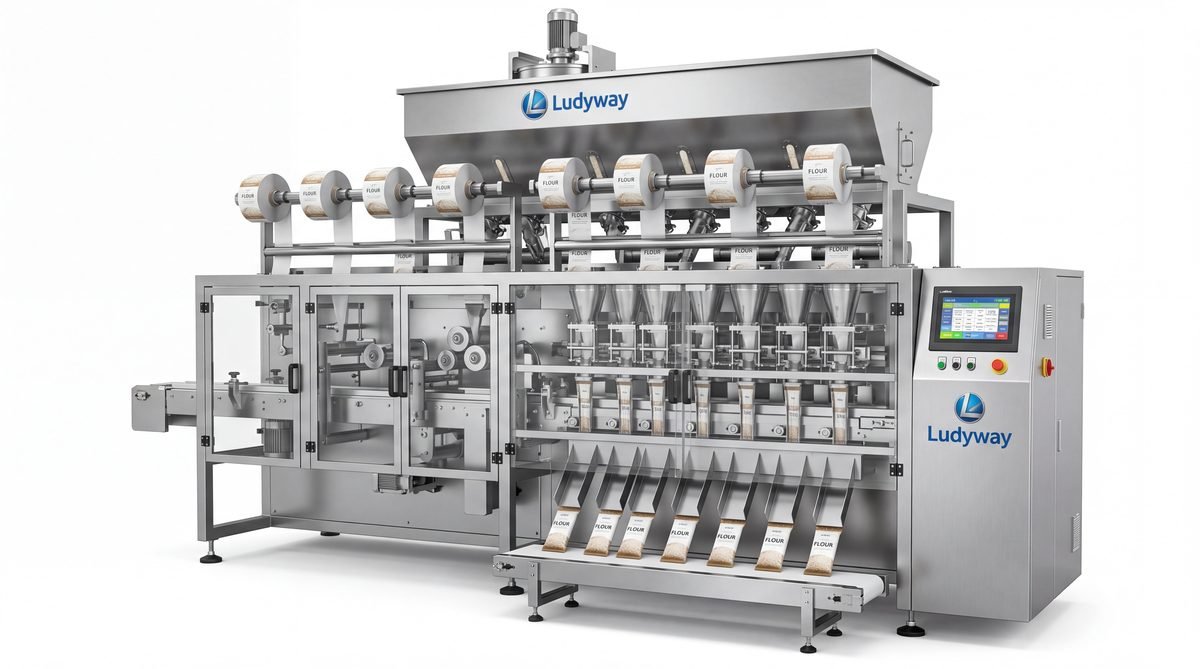
Flour is a staple commodity across Africa, with demand spanning household consumption, bakeries, and industrial food manufacturing. The shift from loose, unpackaged flour to branded, hygienically packed sachets and stick packs is accelerating. This transition creates a significant need for reliable and efficient vertical form fill seal (VFFS) machines and multi-lane packaging systems. Key markets driving this demand include Nigeria, Kenya, Ghana, Ethiopia, and South Africa, where retail infrastructure and consumer preferences are evolving rapidly.
Step 1: Comprehensive Market Research and Feasibility Study
Before investing in any equipment, you must conduct an in-depth analysis of your target market. Identify your competitors, understand the prevalent packaging formats, and determine your production capacity requirements. Ask these critical questions:
- Target Packaging Format: Are you producing small 50g sachets, 1kg stick packs, or larger 5kg-25kg bags? The format dictates the machine model.
- Production Volume: Estimate your daily or hourly output. High-speed multi-lane machines can produce over 400-600 packs per minute for small sachets.
- Film Material Availability: Ensure consistent access to quality packaging films like BOPP, PET/PE laminates suitable for flour products locally or through import.
- Consumer Preferences: In many African regions, affordability drives demand for smaller, single-use sachets, whereas institutional buyers seek bulk bags.
Step 2: Selecting the Right Flour Packaging Equipment
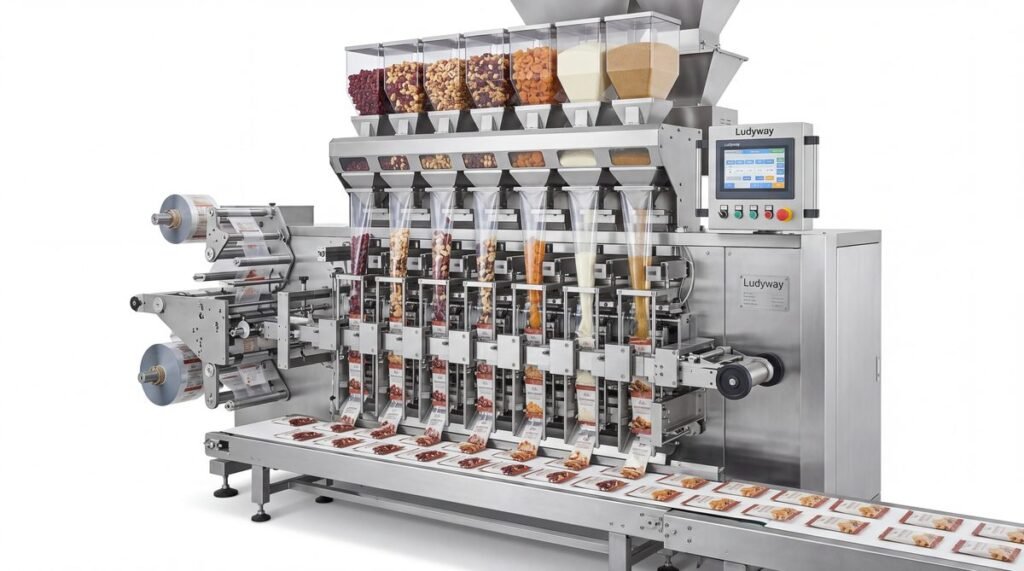
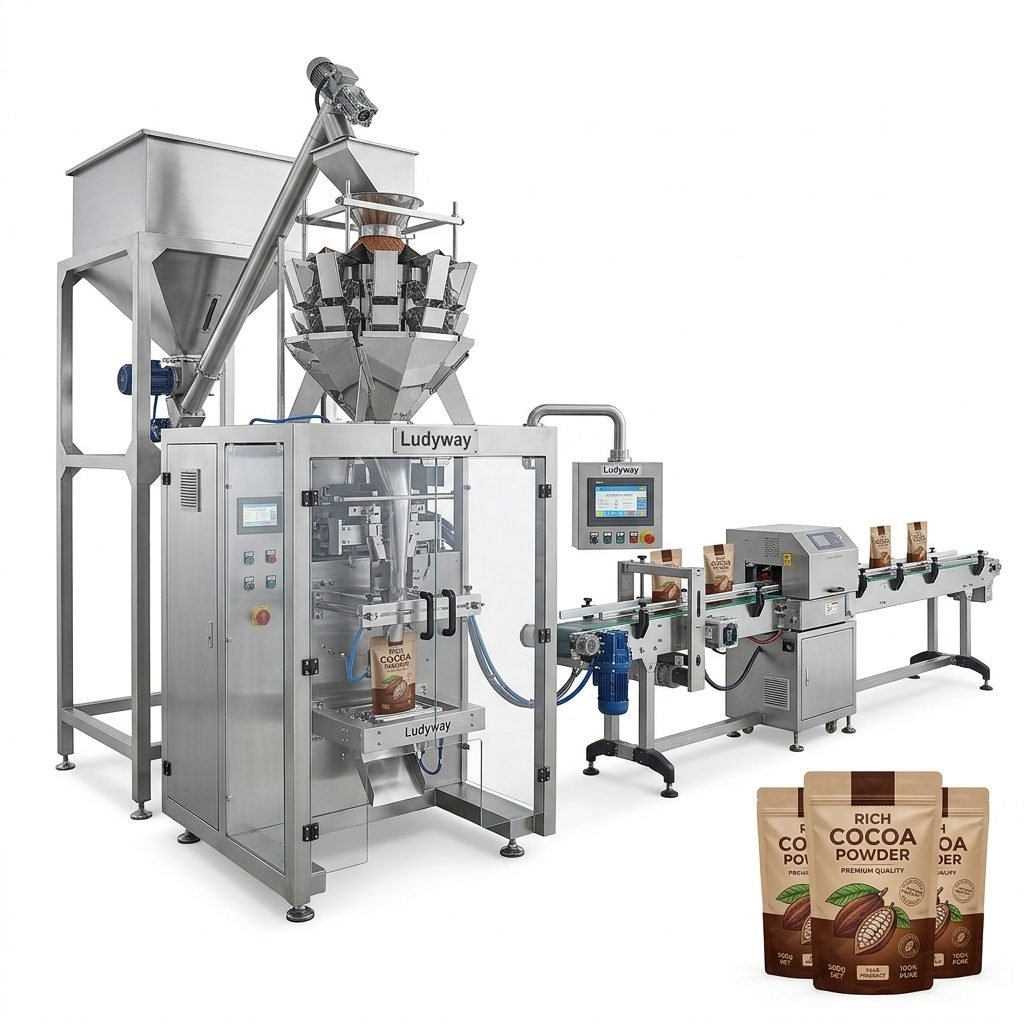
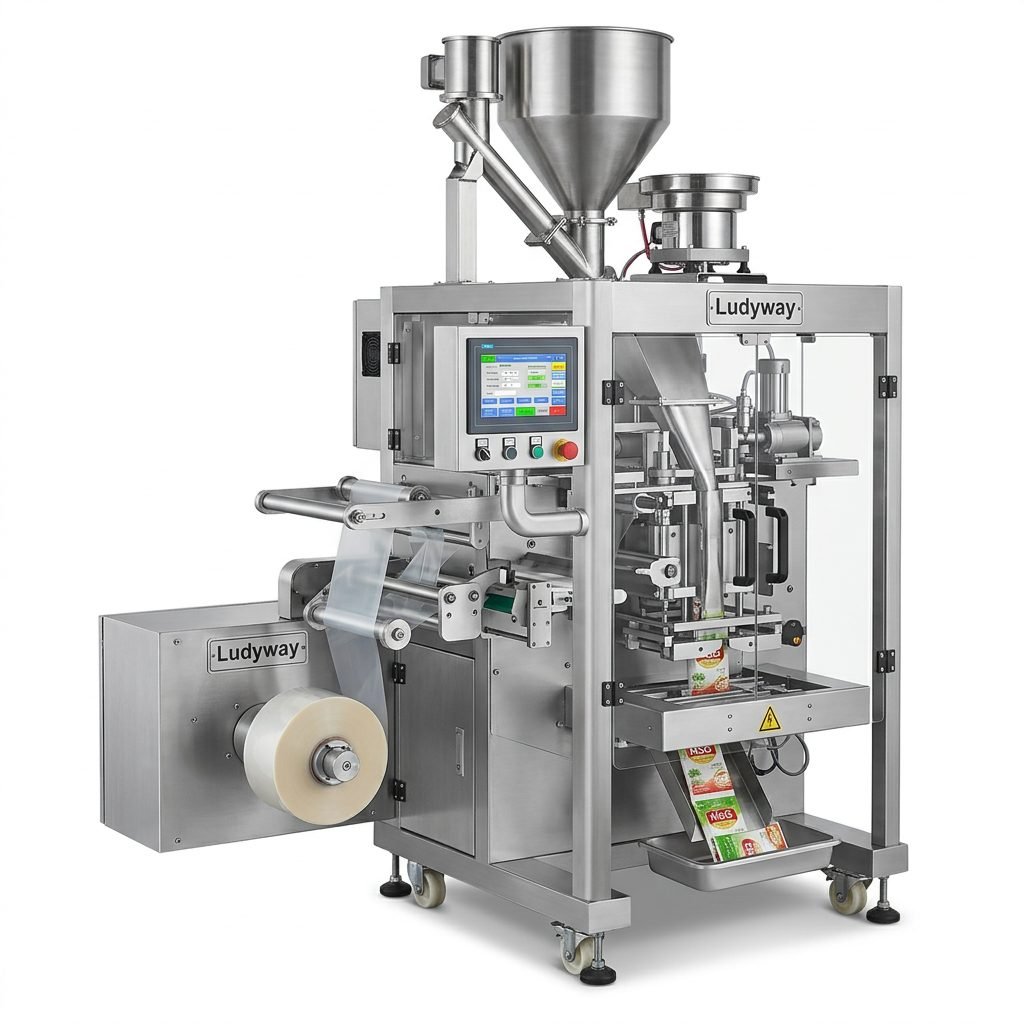
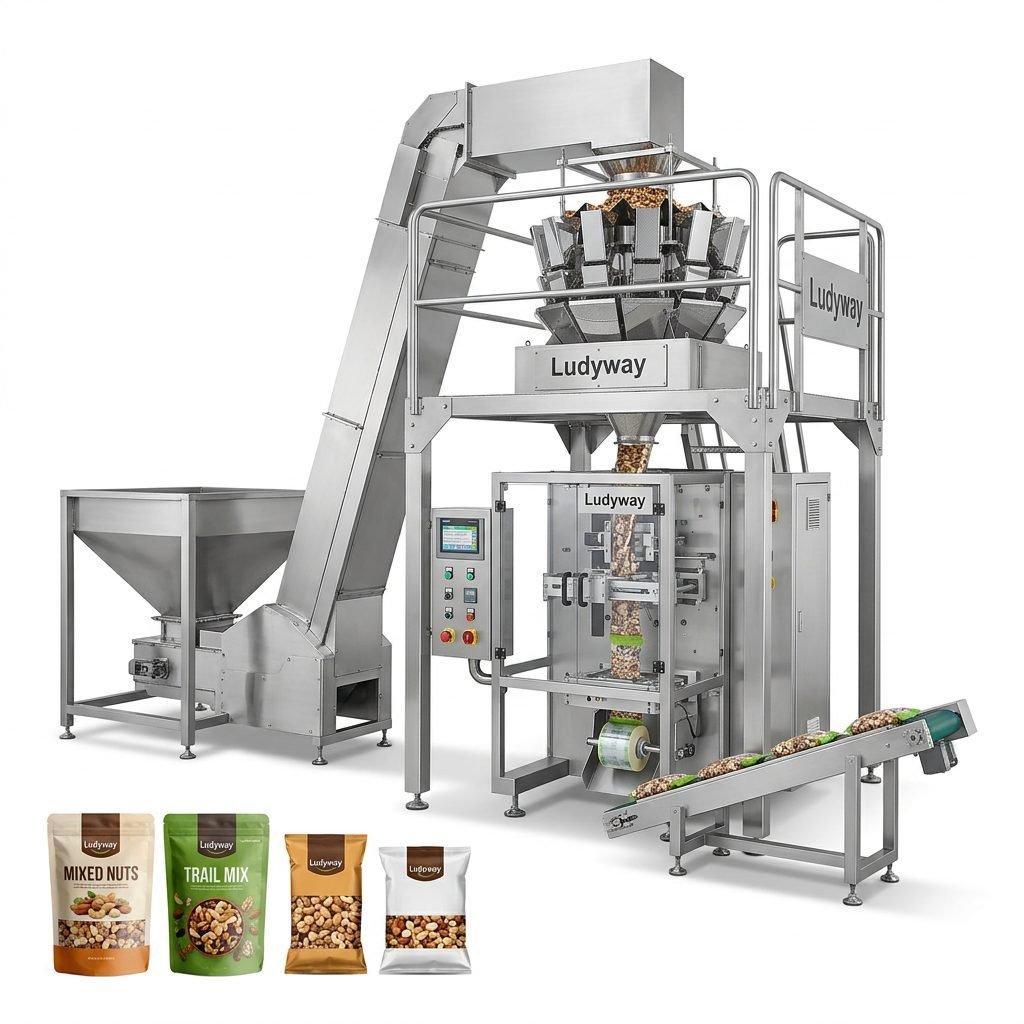
Choosing the correct packaging machine is the cornerstone of your production line. For flour, which generates dust during filling, specific technical features are non-negotiable. Your decision impacts product quality, production efficiency, and long-term maintenance costs. The table below outlines the primary machine configurations suitable for flour packaging lines in Africa.
| Machine Type | Best For | Key Advantage |
|---|---|---|
| Multi-Lane Stick Pack Machine | Small sachets (5g-80g) for retail | High output, minimal material waste |
| Single-Lane VFFS Machine | Medium packs (1kg-5kg) | Flexibility for different bag sizes |
| Premade Pouch Rotary Machine | Stand-up pouches with zippers | Premium shelf appeal and resealability |
| Auger Filler with Dust Extraction | Fine flour, dusty environments | Precision dosing and clean sealing |
Critical Features for Flour Packaging Systems
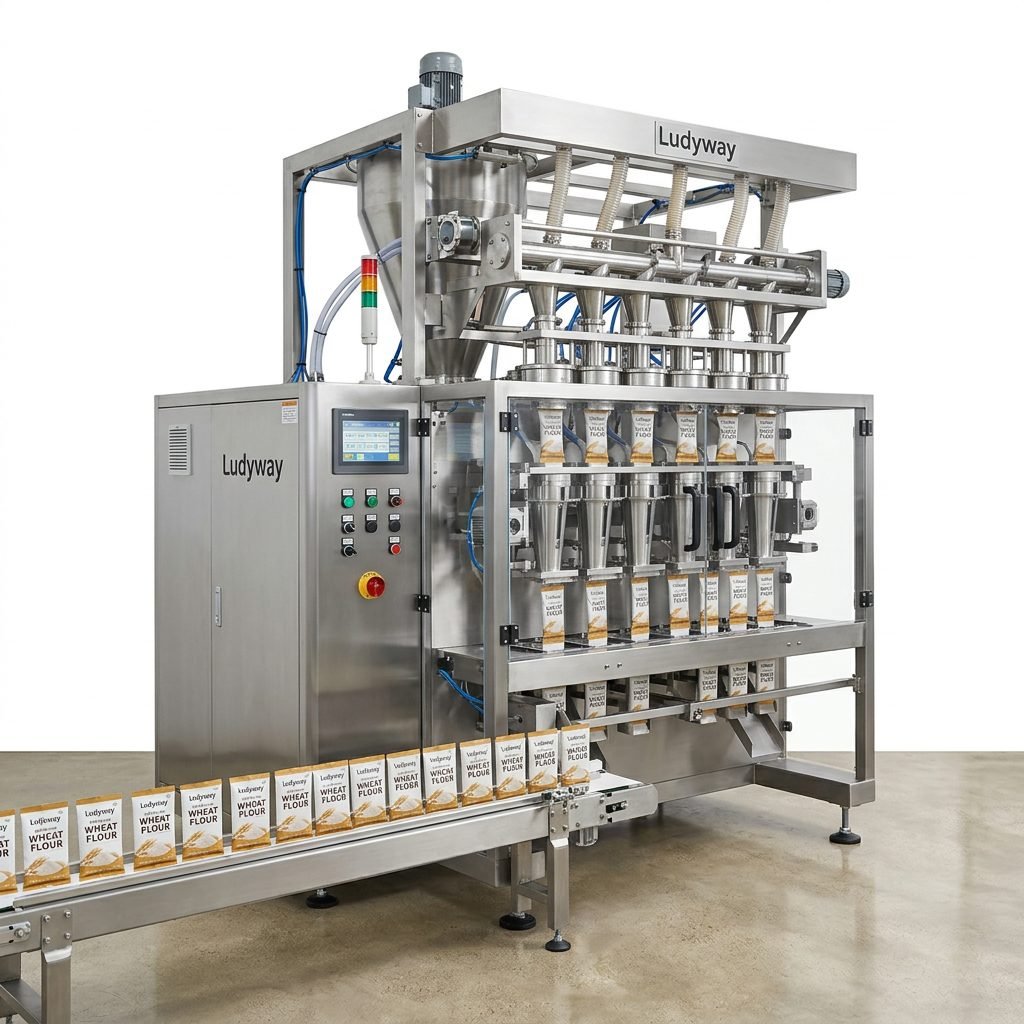
Flour’s fine, powdery nature demands specialized engineering to prevent production issues. Ensure your selected machine includes a high-performance dust collection system to keep the sealing area clean and guarantee strong seals. Look for servo-driven auger fillers that offer ±0.5% to ±1% accuracy on fill weights, preventing product give-away. Robust seal jaws with precise temperature control are essential to prevent fines from getting trapped in the seal, which is a common cause of leaking packages in the African climate. Many international standards, such as those found in PMMI packaging industry resources, validate these machine specifications.
Step 3: Managing Logistics, Shipping, and Installation in Africa
Importing machinery into Africa involves navigating customs clearance and inland transportation. Work with a reputable freight forwarder experienced in African logistics. Prepare accurate paperwork, including the Bill of Lading, commercial invoice, and packing list. Plan for port handling and final delivery to your factory site.
Once the flour packaging machines arrive, installation should be supervised by a qualified engineer. Pre-installation requirements include a stable concrete floor, clean power supply with a voltage stabilizer (critical for areas with fluctuating power), and dry compressed air. The installation phase typically includes mechanical setup, electrical and pneumatic connections, and a critical dry-run test before introducing product.
Step 4: Operator Training and Quality Control Protocols
A sophisticated automated packaging line is only as effective as the team running it. Comprehensive training for machine operators and maintenance staff is non-negotiable. Training modules should cover:
- Machine Setup and Changeover: Procedures for switching between different bag sizes and film types.
- Daily Cleaning and Sanitation: Detailed steps to remove flour dust from film tracks, seal jaws, and electrical panels.
- Troubleshooting Common Alarms: Empowering operators to diagnose issues like film misalignment, temperature faults, or missing print marks.
- Quality Assurance: Establishing a standard operating procedure for checking seal integrity, fill weight accuracy, and print registration every 30-60 minutes.
Aligning your quality protocols with international guidance from bodies like the FDA on packaging and food contact substances builds consumer trust and opens doors to export markets beyond Africa.
Step 5: Ongoing Maintenance and Spare Parts Strategy
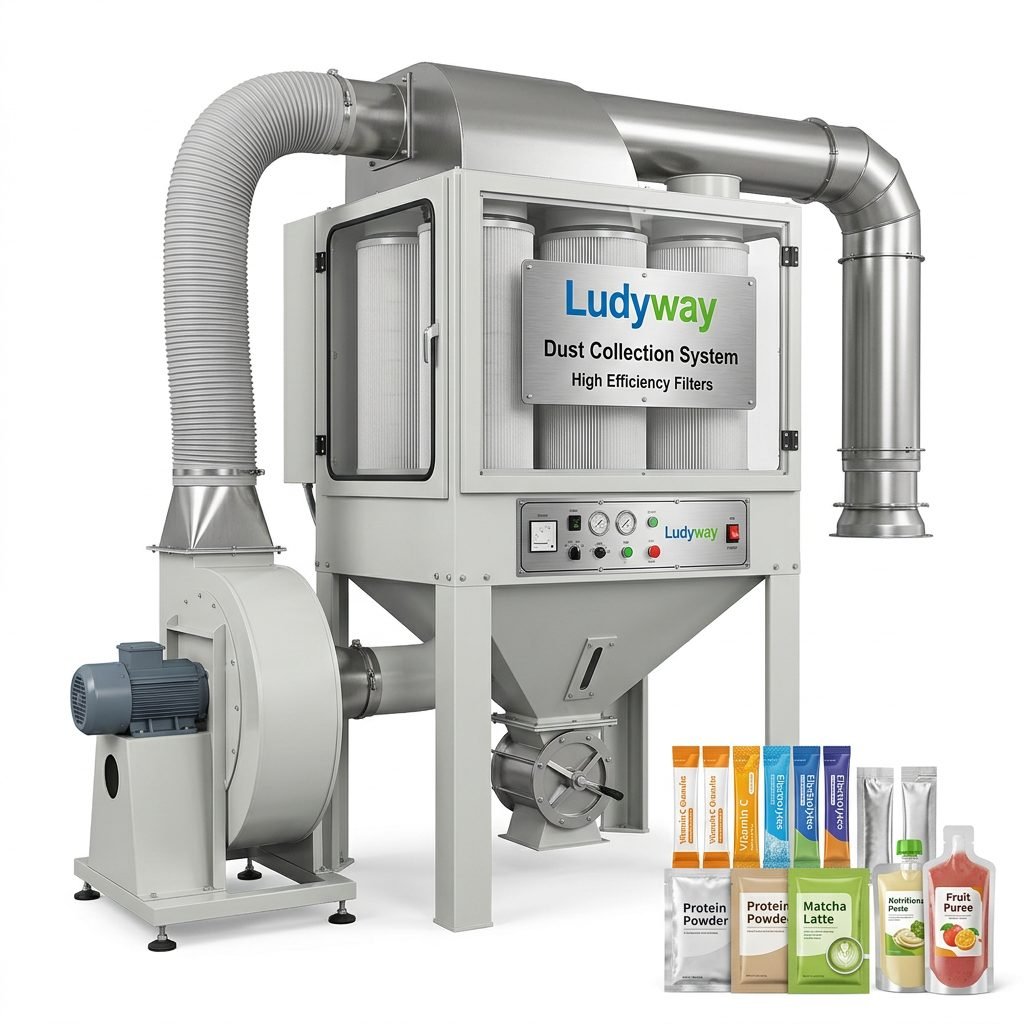
Minimizing machine downtime is vital for profitability in any African production plant. Your initial setup should include a strategic inventory of critical spare parts. Focus on wear and tear components such as seal jaws, thermocouples, Teflon tape, film cutting blades, and dust collector filters. Establish a partnership with your equipment supplier for remote technical support and periodic on-site preventive maintenance visits. A robust industrial dust collection system, as seen in modern factories, significantly extends the operational life of the packaging line by protecting precision components from abrasive flour particles.
Common Challenges and Solutions for African Flour Packaging Lines
Operating a packaging line in Africa presents unique challenges that you should address proactively. Below is a comparative look at common issues and their solutions.
| Challenge | Impact | Solution |
|---|---|---|
| Power fluctuations | Inconsistent machine speed, sensor errors | Install industrial voltage stabilizers and UPS systems |
| High humidity environment | Film jamming, product clumping in hopper | Climate-controlled production room, film pre-conditioning |
| Dust buildup on sealers | Leaking sachets, weak seals, high waste | Integrated vacuum dust extraction system |
| Spare parts availability | Extended downtime for simple repairs | Pre-order critical spares kit with the machine |
Ensuring Long-Term Success and Scalability
Once your first production line is operational and stable, focus on building a local ecosystem of suppliers and technical talent. This reduces reliance on expensive expatriate support. Document every standard operating procedure and machine adjustment. As the business grows and you expand into neighboring countries, consider investing in automated end-of-line systems such as cartoning machines, checkweighers, and robotic palletizers to create a fully integrated turnkey packaging line. Global market trends, as analyzed in the 2025 State of the Industry report from PMMI, show a clear shift toward automation to combat rising labor costs and improve consistency.
Conclusion: Your Roadmap to a Profitable Flour Packaging Line
Setting up a flour packaging machine production line in Africa is a detailed process, but the market rewards careful planners. By following this step-by-step guide, beginning with thorough market research, selecting a dust-proof, high-accuracy vertical packaging machine, managing the import process meticulously, and investing in your operational team, you position your company for reliable output and strong brand loyalty. The key to long-term success lies not just in the machinery itself, but in the preparation and support infrastructure you build around it. Leading manufacturers like Ludyway specialize in these turnkey packaging solutions, having supplied advanced equipment to over 100 countries, and can provide the engineering expertise required to tailor a line specifically for the high-volume African flour market.

We encourage you to explore more about the latest equipment standards and market dynamics through trusted industry associations like the Flexible Packaging Association industry data. For any specific inquiries regarding machine configurations, factory layout, or detailed pricing for a complete flour packaging line in Africa, reaching out to a knowledgeable equipment supplier is the best next step toward making your project a reality.
Contact us at info@ludyway.com or via WhatsApp at +8613129592456 for a professional consultation and a customized proposal for your flour packaging needs.