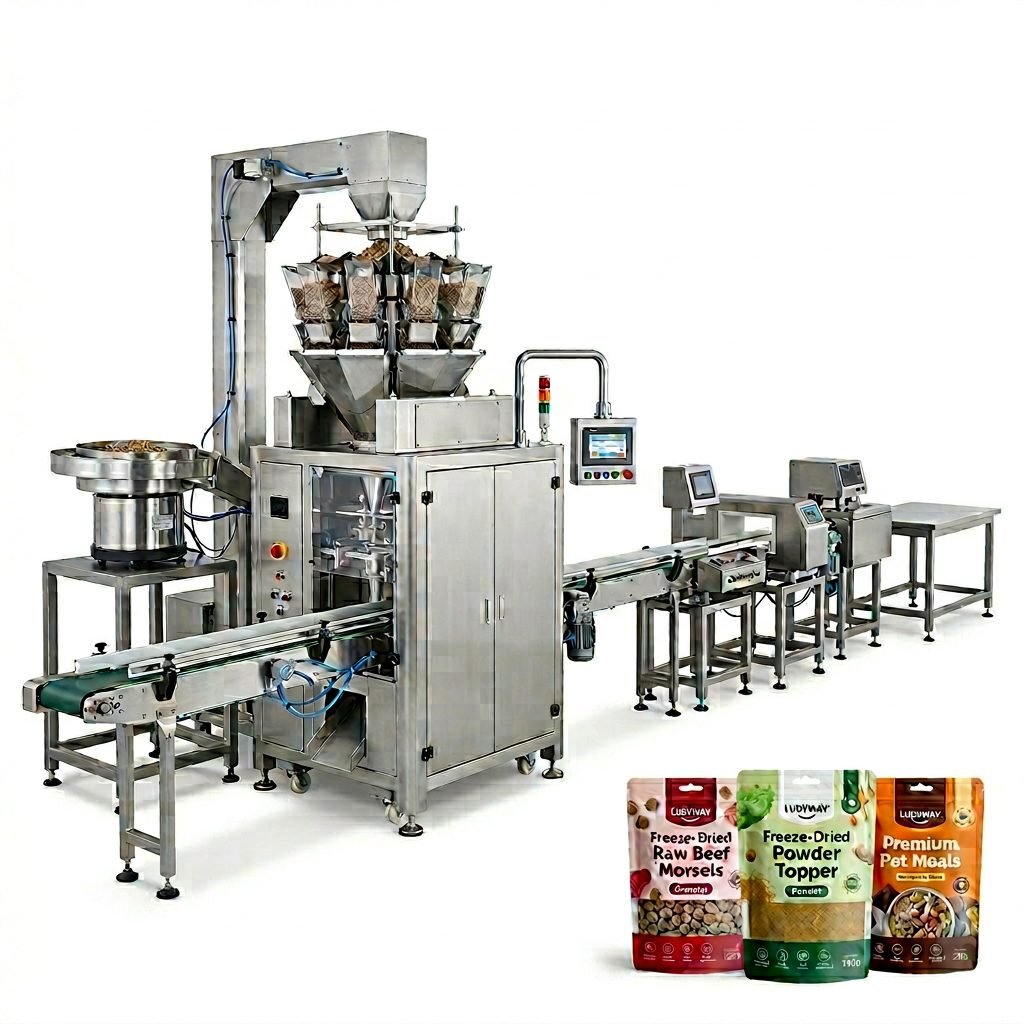
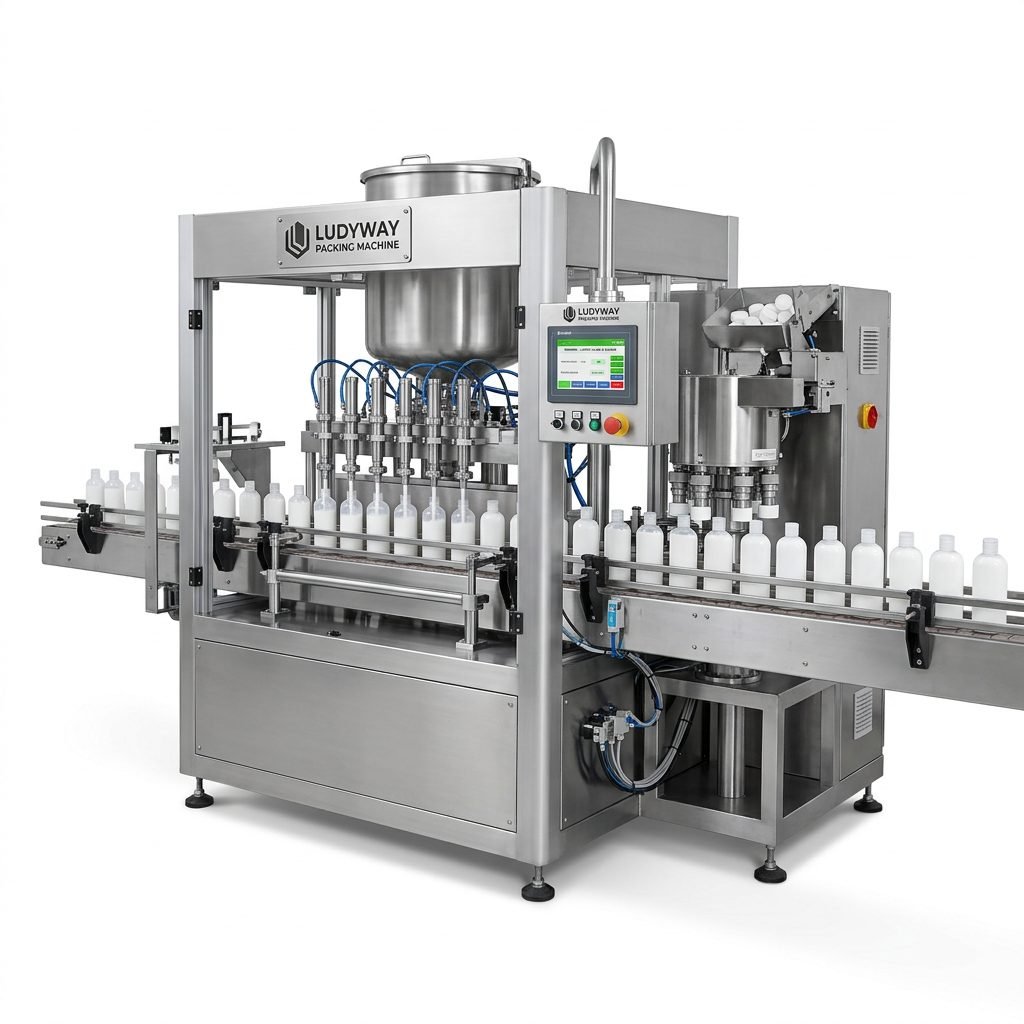
Investing in an automatic pillow packing machine is a significant decision for manufacturers in the food, pharmaceutical, chemical, and consumer goods industries. The right equipment can dramatically increase production efficiency, reduce labor costs, and ensure consistent package quality. However, with the wide variety of models, configurations, and technical specifications available on the market, choosing the optimal machine for your specific application requires careful evaluation of several key factors.
Understanding Pillow Packing Machine Fundamentals
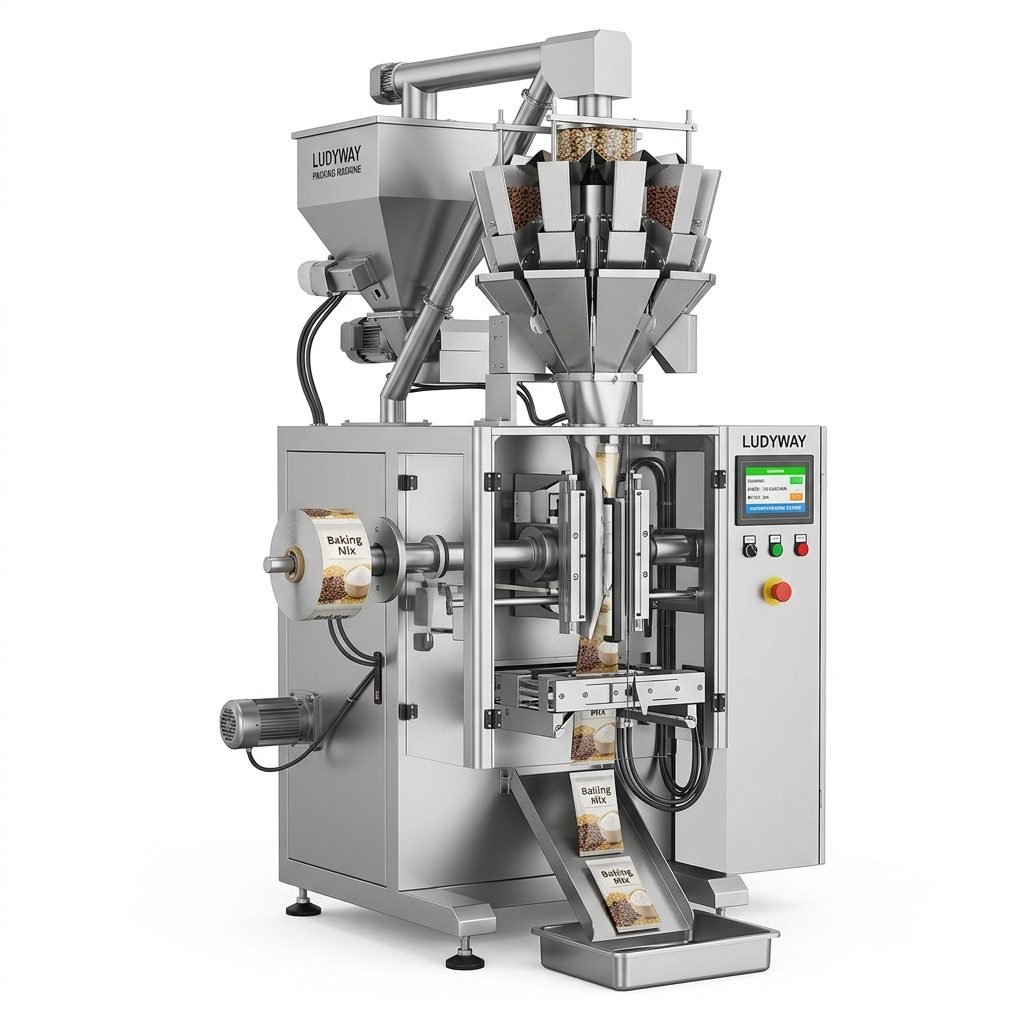
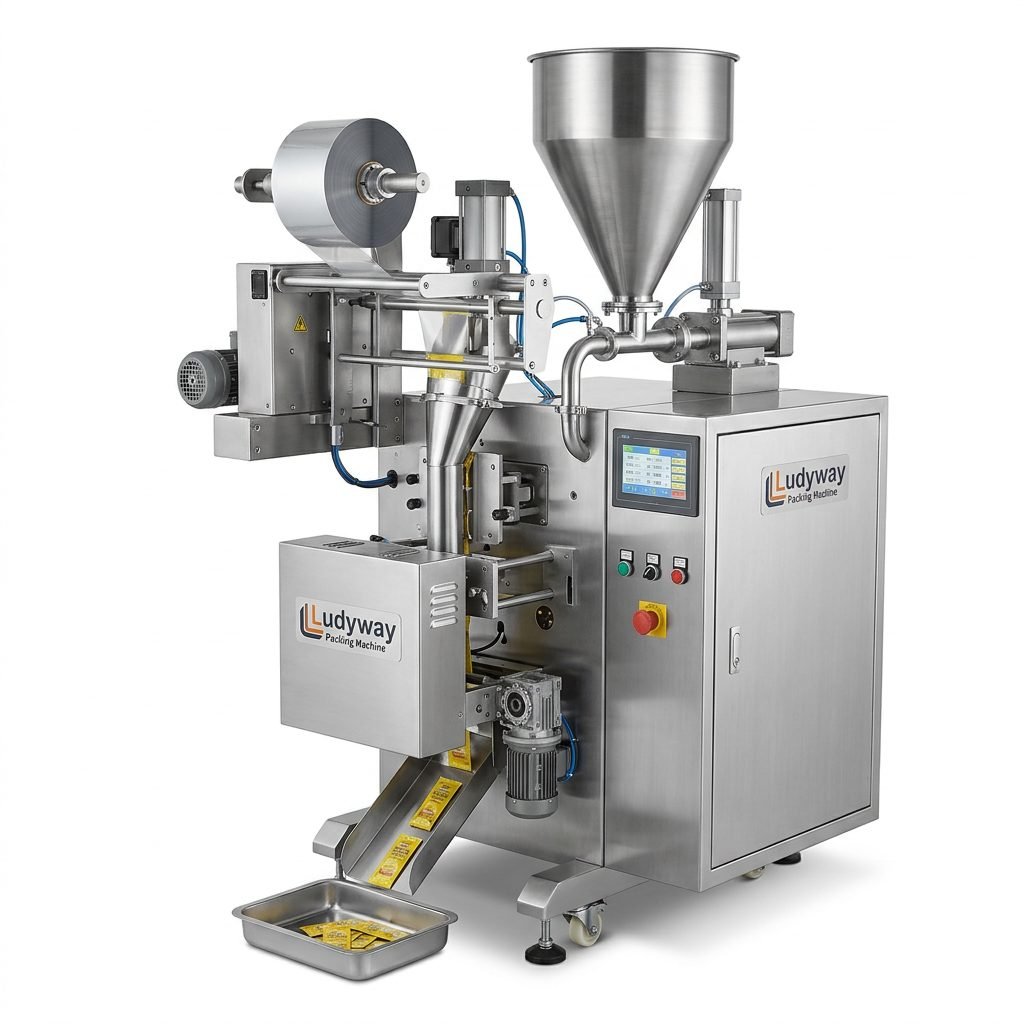
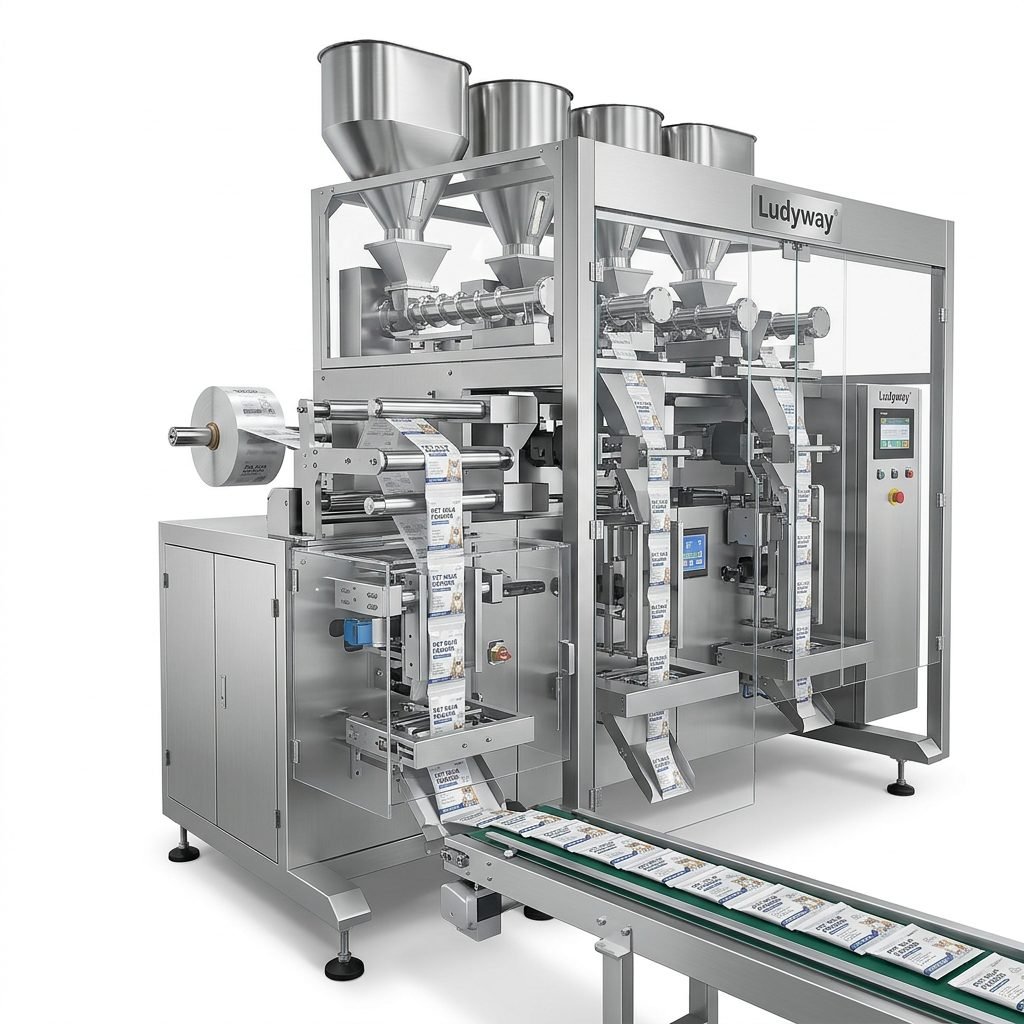
Before diving into selection criteria, it’s essential to understand what an automatic pillow packing machine does. This equipment forms, fills, and seals flexible packaging material into pillow-shaped bags or pouches. The process involves unwinding a roll of film, forming it into a tube, filling it with product, and sealing both ends to create a finished package. These machines are widely used for powder, granule, liquid, and solid product packaging across multiple industries.
Key Factors to Evaluate Before Purchase
1. Product Characteristics and Compatibility
The physical properties of your product are the most critical factor in machine selection. You need to assess particle size, flowability, moisture content, and temperature sensitivity. For example, fine powders require different dosing systems than free-flowing granules, while hygroscopic products may need special sealing considerations. A machine configured for one product type may not perform well with another, making this initial assessment essential for long-term operational success.
2. Production Speed and Capacity Requirements
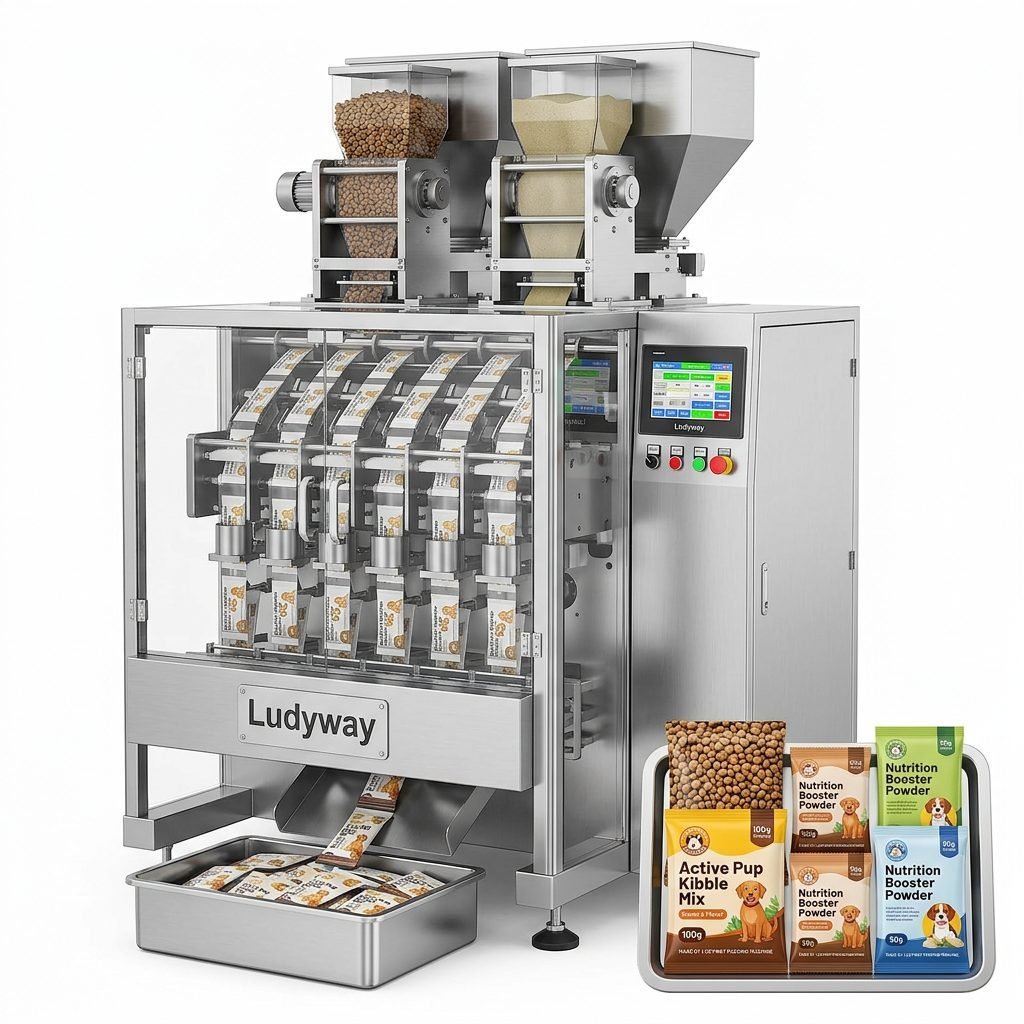
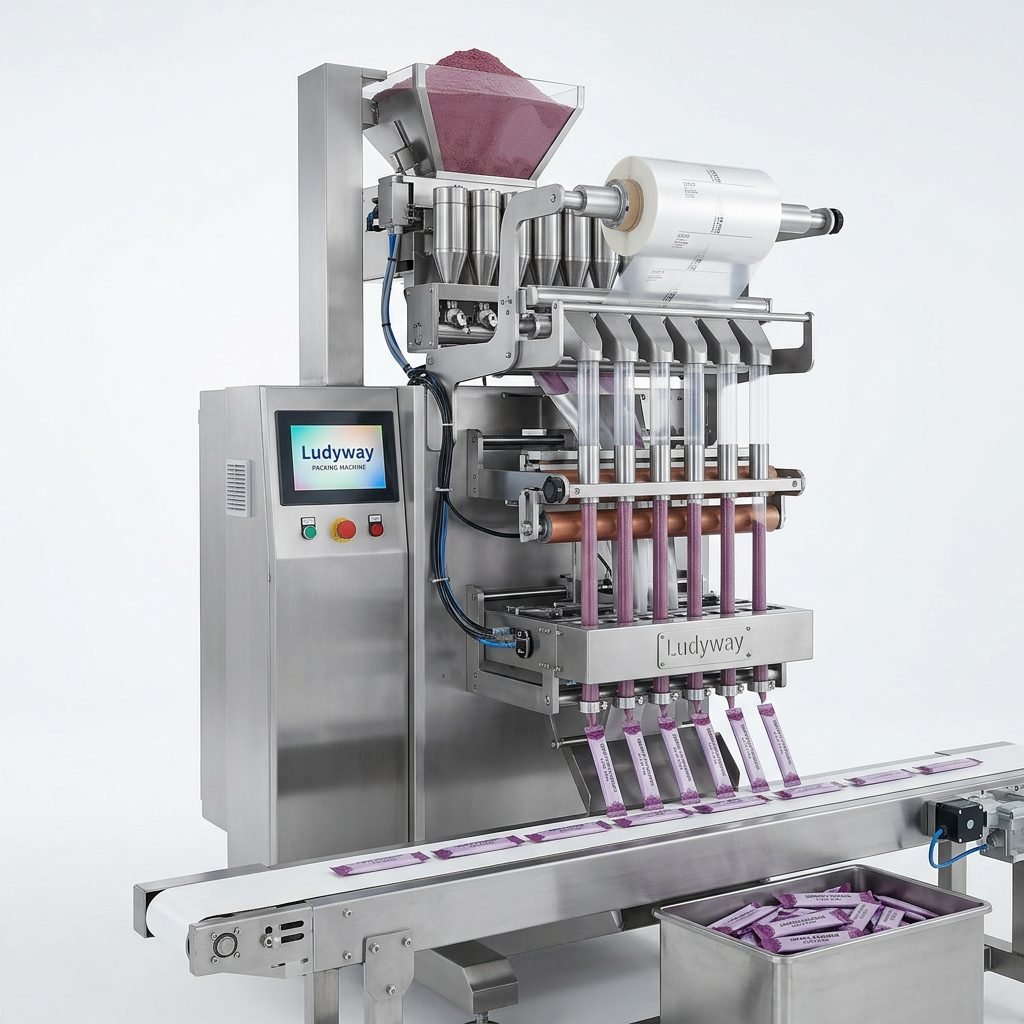
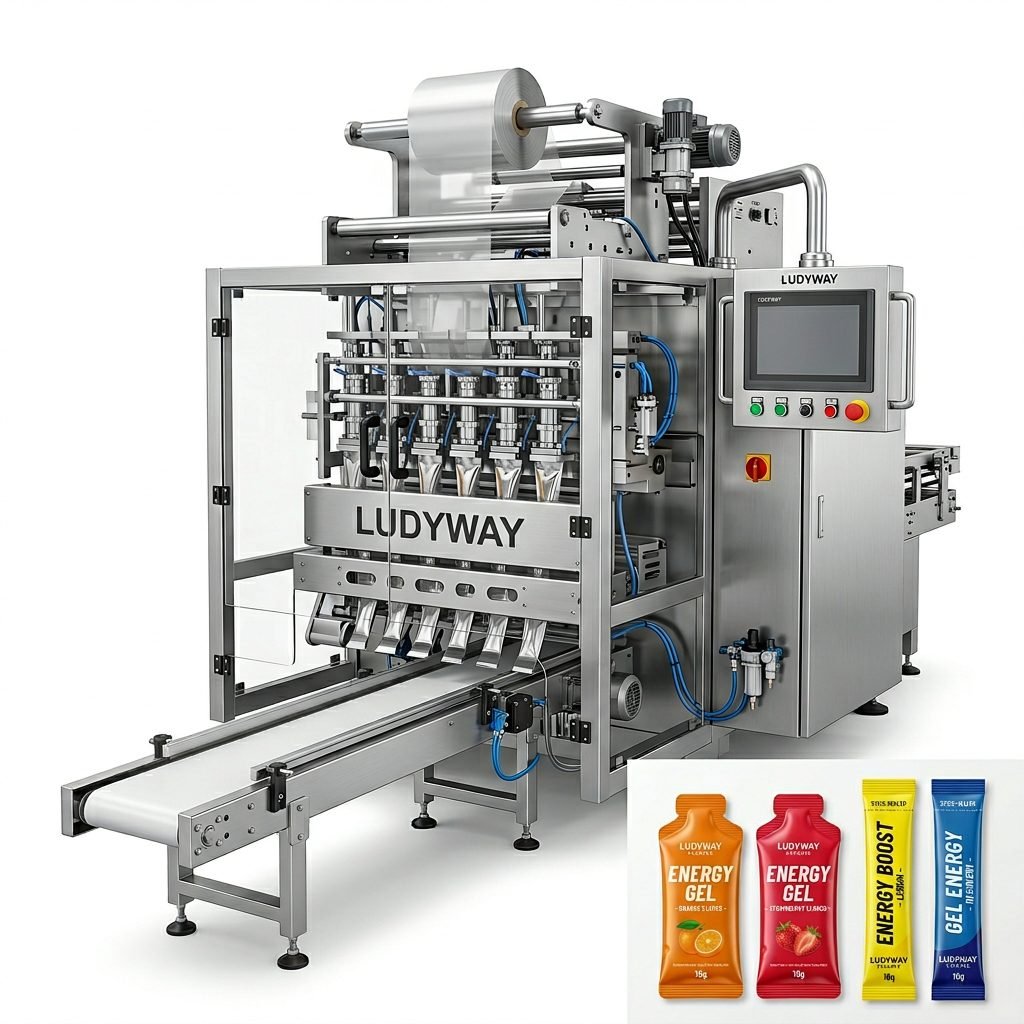
Determine your current and projected production volumes. Automatic pillow packing machines come with varying speed capabilities, typically measured in packages per minute (PPM). Multi-lane packaging systems can significantly increase output by running several lanes simultaneously. Consider whether you need a single-lane machine for lower volumes or a high-speed multi-lane configuration for large-scale production.
3. Packaging Material Specifications
The type of packaging film you plan to use affects machine compatibility. Common materials include laminated films, aluminum foil, polyethylene, and paper-based laminates. Each material has different sealing temperature requirements, tensile strength, and barrier properties. Ensure the machine’s sealing system can handle your chosen material and that the film registration system can maintain accurate print positioning. Refer to resources from the Flexible Packaging Association for industry standards on packaging materials.
4. Bag Size Range and Format Flexibility
Consider the range of bag dimensions you need to produce. Most machines can be adjusted within certain parameters for width and length. If you anticipate producing multiple package sizes in the future, look for equipment with quick-changeover features and adjustable forming sets. This flexibility reduces downtime between production runs and extends the machine’s useful life as your product line evolves.
Technical Specifications Comparison Table
| Feature | Entry-Level | Mid-Range | High-End Industrial |
|---|---|---|---|
| Speed Range | 30-60 PPM | 60-150 PPM | 150-400+ PPM |
| Lane Configuration | Single lane | 2-4 lanes | 4-12+ lanes |
| Dosing System | Volumetric cup | Auger filler | Multi-head weigher |
| Sealing Type | Heat seal | Heat seal with coding | Heat seal, coding, gas flush |
| Automation Level | Semi-automatic | Fully automatic | Fully automatic with cartoning |
5. Filling and Dosing Accuracy
Dosing precision directly impacts product quality and profitability. Overfilling leads to product giveaway, while underfilling can result in regulatory non-compliance. Choose a dosing system appropriate for your product: auger fillers work well for powders, volumetric cup fillers suit free-flowing granules, and multi-head weighers provide the highest accuracy for high-value products. The PMMI packaging industry association offers valuable resources on dosing technology trends and standards.
6. Machine Construction and Hygiene Compliance
For food and pharmaceutical applications, equipment must meet strict hygiene requirements. Look for stainless steel construction, tool-free disassembly for cleaning, and compliance with FDA food packaging regulations or equivalent standards in your market. Pharmaceutical applications may require additional validation documentation and compliance with ISO 11607 packaging standards for medical devices when applicable.
Integration and Automation Capabilities
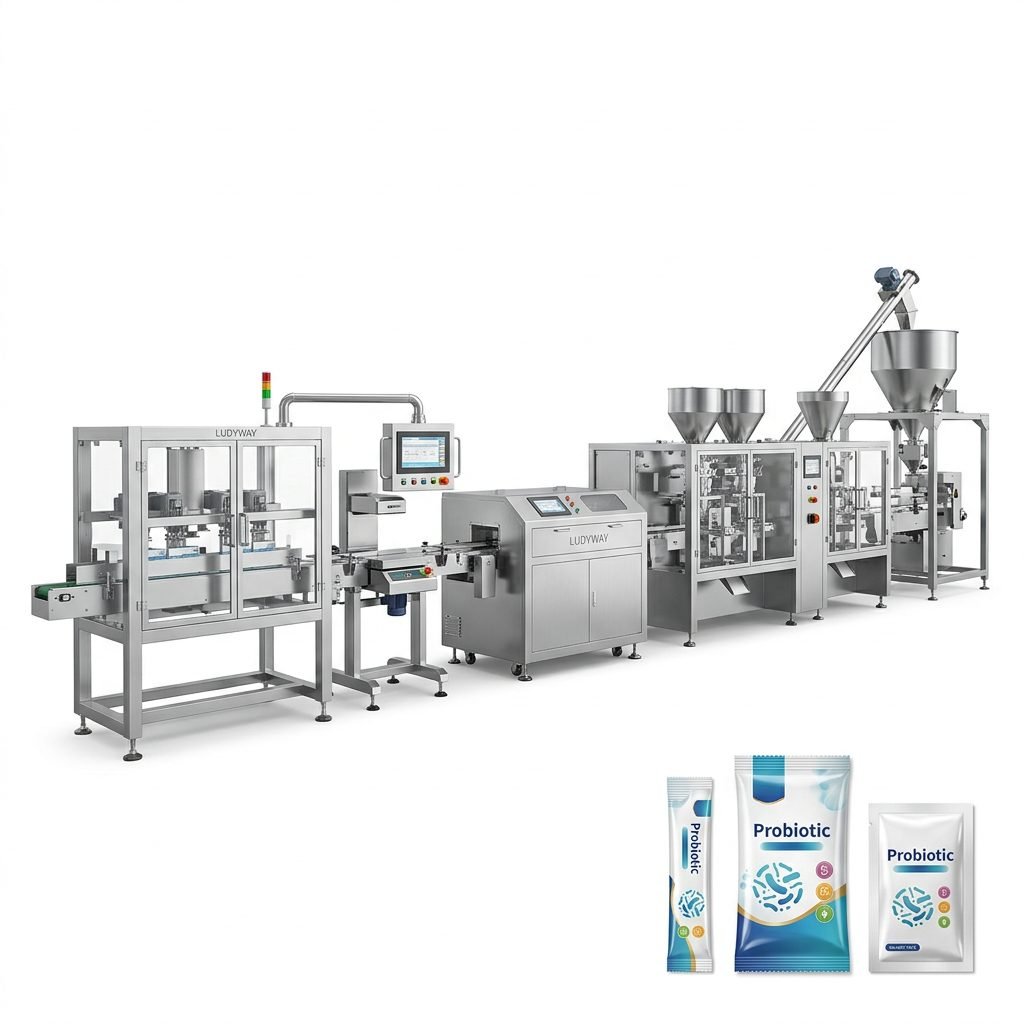
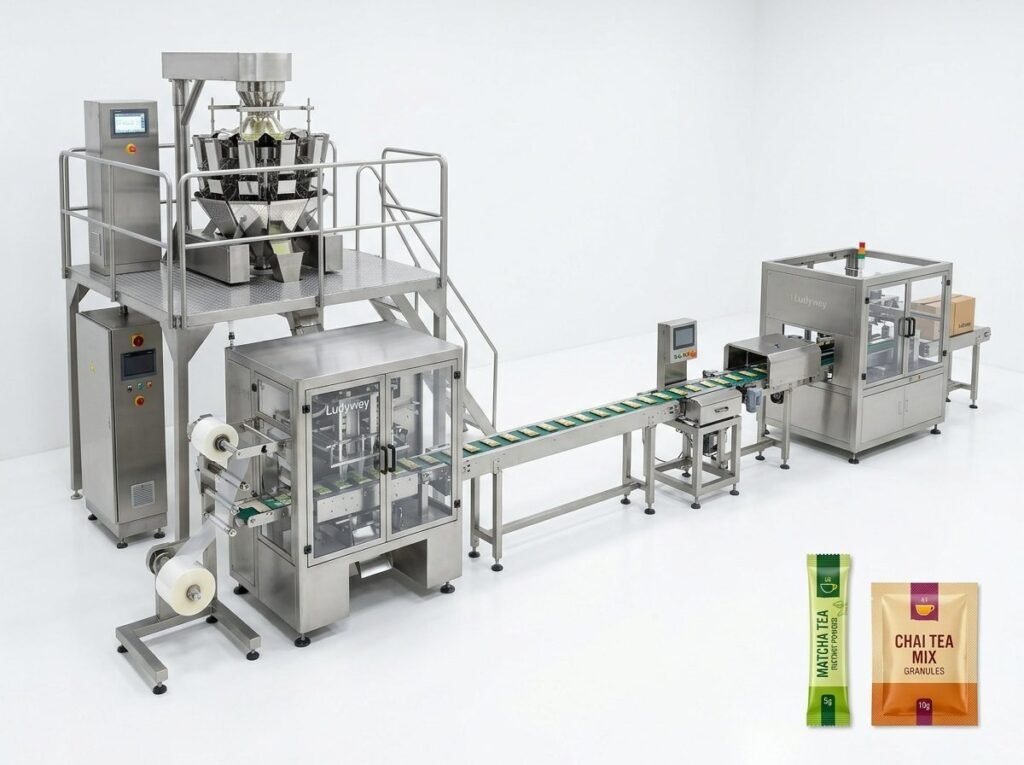
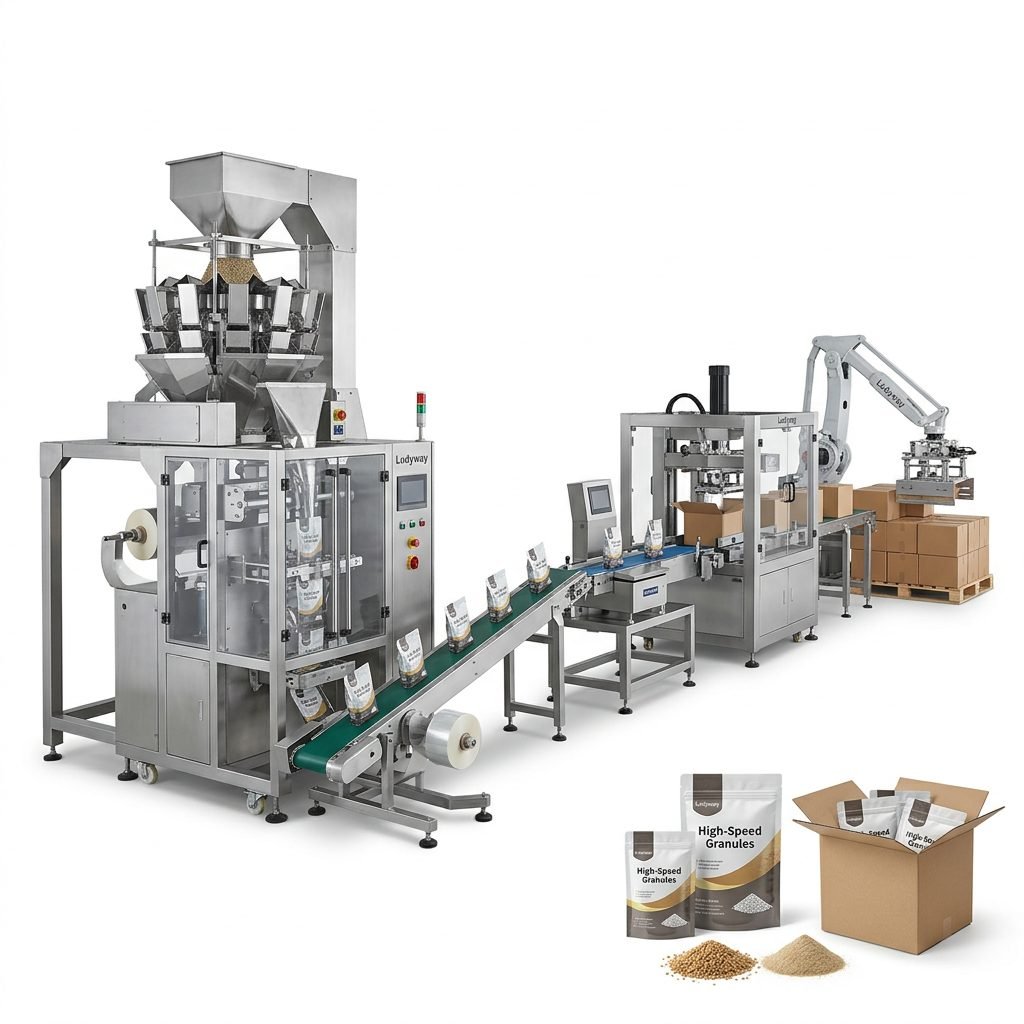
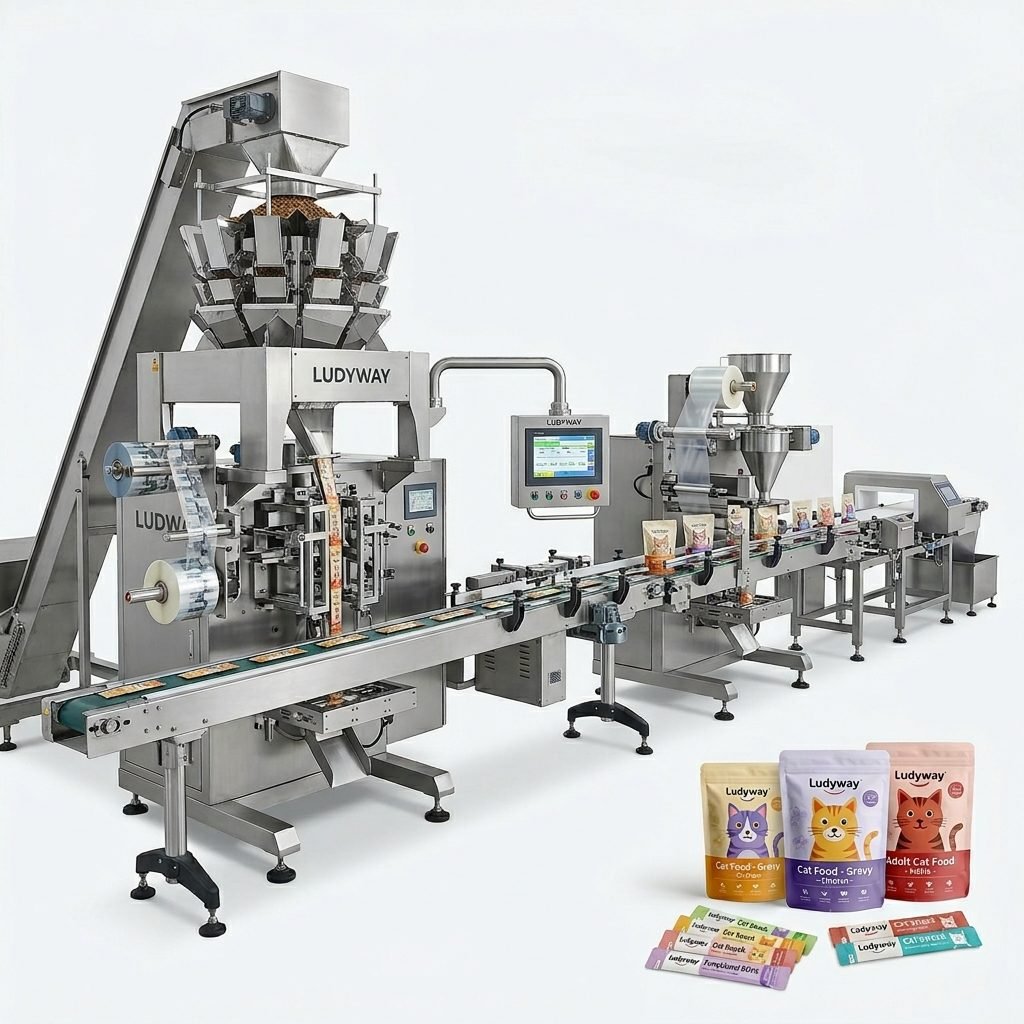
Modern packaging lines benefit from seamless integration between equipment. Consider how the pillow packing machine will connect with upstream and downstream systems:
- Product feeding systems – conveyors, bucket elevators, or vacuum feeders
- Downstream equipment – checkweighers, metal detectors, cartoning machines, and palletizers
- Coding and marking – inkjet printers, thermal transfer overprinters, or laser markers
- Inspection systems – vision systems for seal integrity and print quality verification
Supplier Evaluation and After-Sales Support
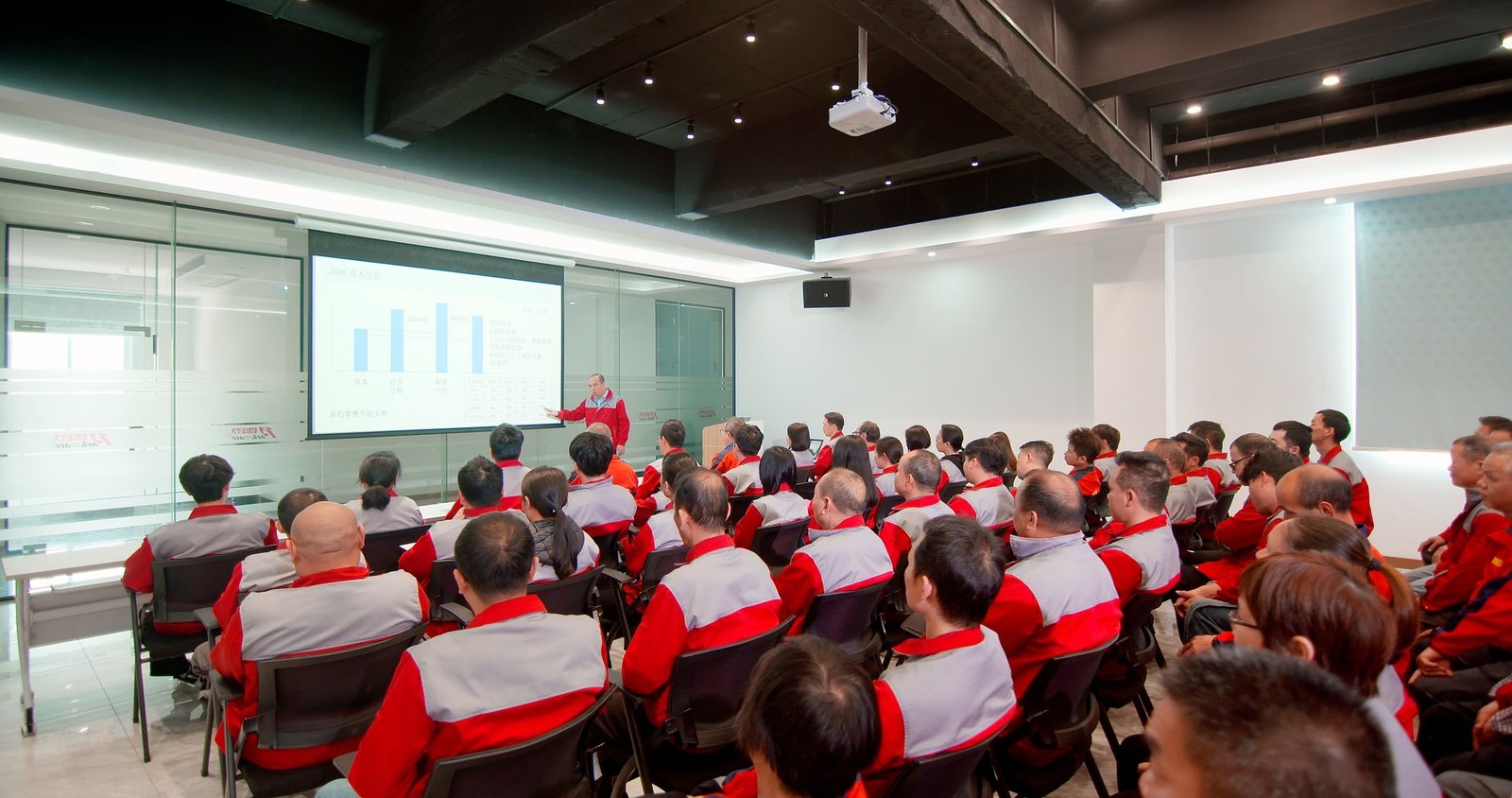
Choosing the right equipment partner is as important as the machine itself. Evaluate potential suppliers based on industry experience, technical support capabilities, spare parts availability, and installation services. A manufacturer with global service capabilities can provide timely assistance regardless of your location. Ludyway Machinery, a China-based packaging machinery manufacturer with more than 30 years of industry experience, serves customers in over 100 countries and regions with comprehensive technical support throughout the project lifecycle, including machine selection, installation, commissioning, operator training, and after-sales service.
Total Cost of Ownership Considerations
Beyond the initial purchase price, calculate the total cost of ownership (TCO) over the expected machine lifespan. This includes:
- Energy consumption – modern servo-driven machines often use less power than pneumatic alternatives
- Spare parts and consumables – availability and cost of wearing parts like sealing jaws and cutting blades
- Maintenance requirements – preventive maintenance schedules and the complexity of routine service tasks
- Operator training – ease of use and the learning curve for production staff
- Changeover time – the speed at which the machine can be adjusted between different products or formats
Regulatory Compliance and Certification
Depending on your industry and target markets, specific certifications may be required. Common standards include CE marking for European markets, UL certification for North America, and GMP compliance for pharmaceutical applications. Verify that the equipment can be configured to meet applicable international standards. The PMMI packaging machinery standards and regulations resource provides guidance on requirements for different markets.
Industry-Specific Application Examples
Different industries have distinct packaging requirements. Here are common applications across sectors:
- Food and Beverage – coffee, tea, sugar, spices, seasoning powders, drink mixes, and snack foods
- Pharmaceuticals – granule medicines, powder sachets, and oral rehydration salts
- Nutraceuticals – protein powders, vitamins, supplements, and herbal products
- Cosmetics – sample sachets, face masks, creams, and lotion packs
- Chemicals – detergents, agrochemicals, construction additives, and industrial powders
Making the Final Decision
After evaluating all technical and commercial factors, the best approach is to conduct product trials with your actual materials on the proposed equipment. This validates that the machine can handle your specific product characteristics and deliver the required output quality and speed. Request references from the supplier and, if possible, visit existing installations to see similar machinery in operation. The PMMI business intelligence library offers market research and industry data that can inform your investment decision.
Selecting the right automatic pillow packing machine requires balancing product requirements, production goals, budget constraints, and long-term operational needs. By systematically evaluating each of these factors and working with an experienced packaging machinery partner, manufacturers can make informed decisions that support efficient, reliable, and scalable packaging operations for years to come.