The Middle East confectionery market is experiencing remarkable growth, driven by increasing consumer demand for packaged sweets, chocolates, and traditional treats. With the region’s confectionery sector projected to grow at a CAGR of over 5% through 2030, manufacturers are investing heavily in automated packaging solutions. Selecting the right confectionery packaging machine is a critical decision that impacts production efficiency, product shelf life, and overall profitability in this competitive landscape.
Understanding the Middle East Confectionery Packaging Landscape
The Middle Eastern confectionery sector presents unique challenges and opportunities. From date-filled chocolates in Saudi Arabia to Turkish delight exports, the diversity of products demands versatile packaging machinery capable of handling various formats, materials, and production volumes. Regional factors such as extreme temperatures, humidity, and specific food safety regulations must be carefully considered when selecting equipment.
Key Regional Considerations
- Climate resilience — Machines must perform reliably in ambient temperatures exceeding 45°C with proper cooling and dust protection
- Halal compliance — Packaging processes must align with halal certification requirements throughout the production line
- Material preferences — High-barrier laminates are commonly preferred to protect against humidity and extend shelf life
- Labor market dynamics — Automation levels should balance local workforce considerations with operational efficiency goals
- Export readiness — Equipment should support international packaging standards for cross-border trade within the GCC and beyond
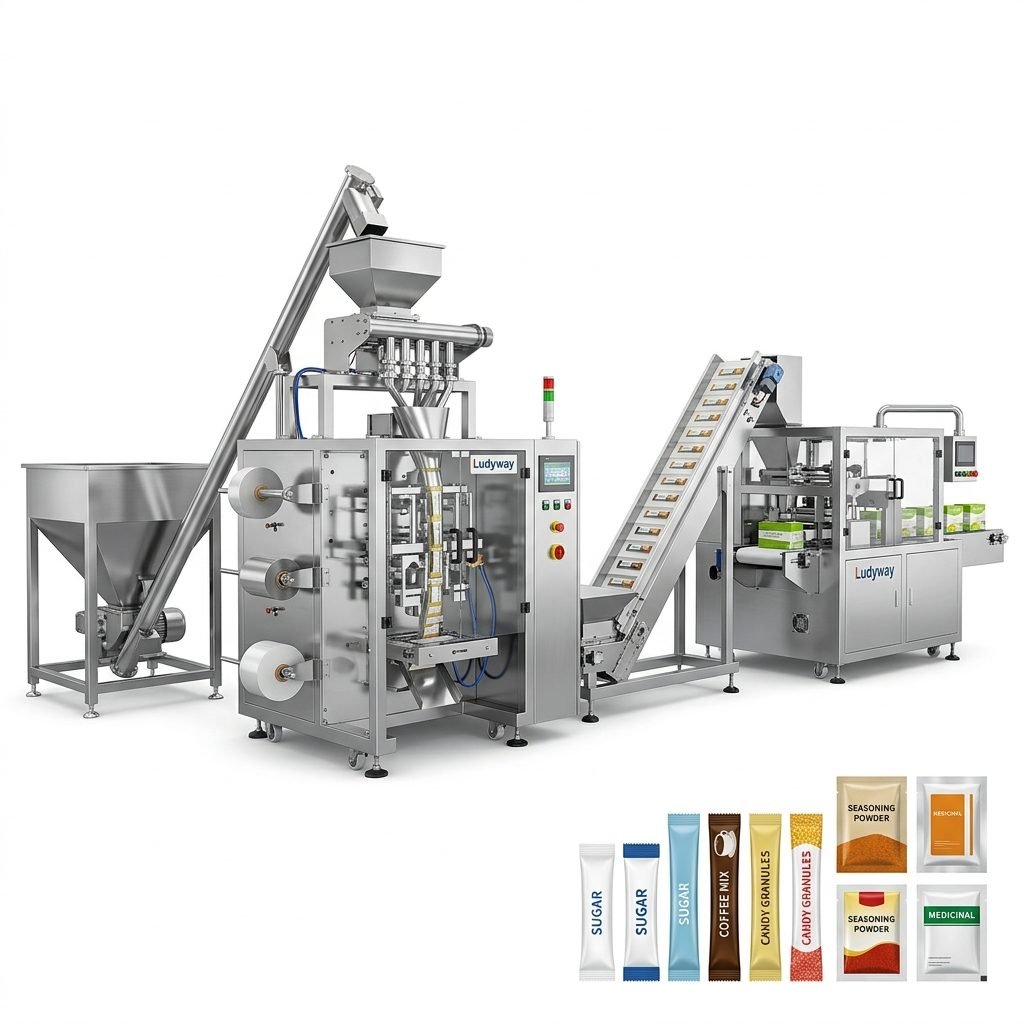
Types of Confectionery Packaging Machines Available
Modern confectionery packaging encompasses a wide range of machine types, each suited to specific products and production requirements. Understanding the core machine categories is essential before making an investment decision.
Vertical Form Fill Seal (VFFS) Machines
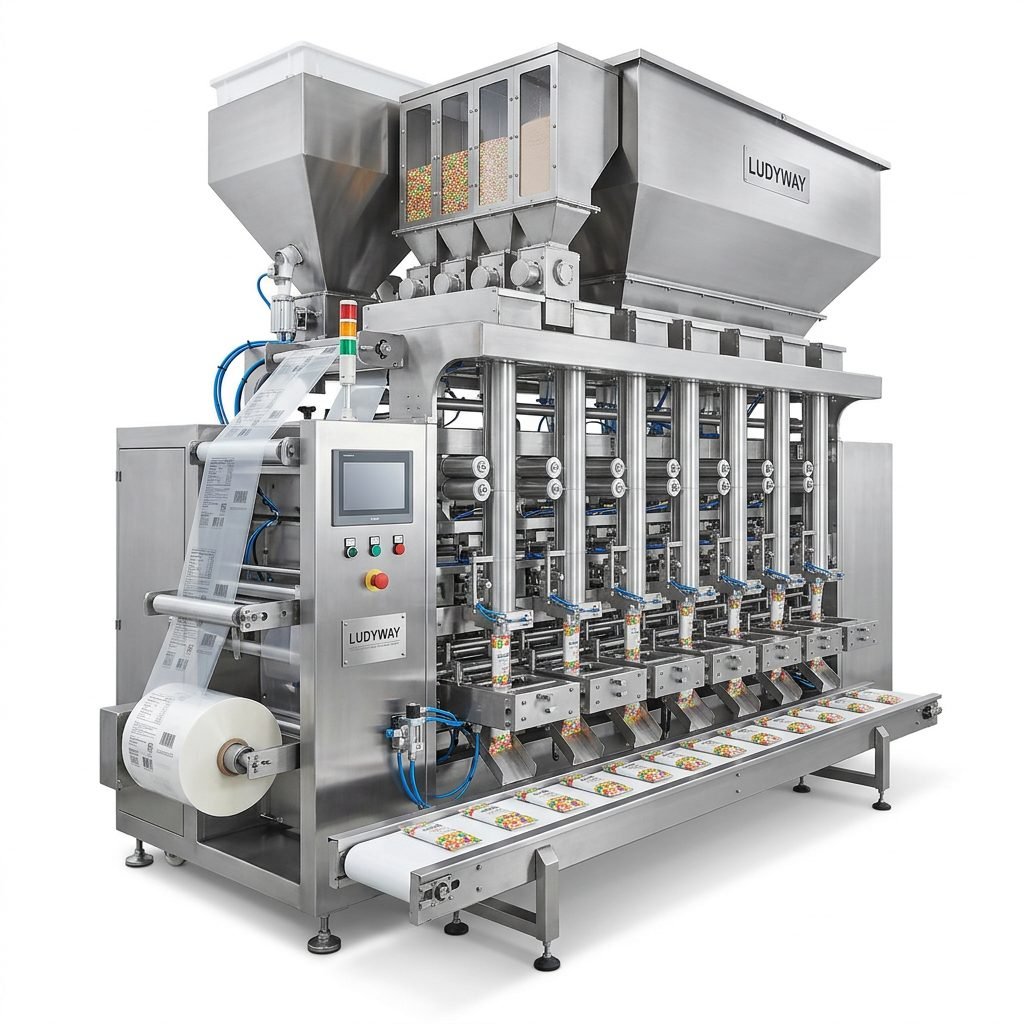
VFFS machines are the workhorses of confectionery packaging, ideal for wrapping individual candies, assortments, and bulk products in pillow bags, gusseted pouches, or block-bottom formats. They offer high-speed operation with outputs ranging from 30 to over 200 packs per minute depending on the model and product characteristics.
Multi-Lane Stick Pack Machines
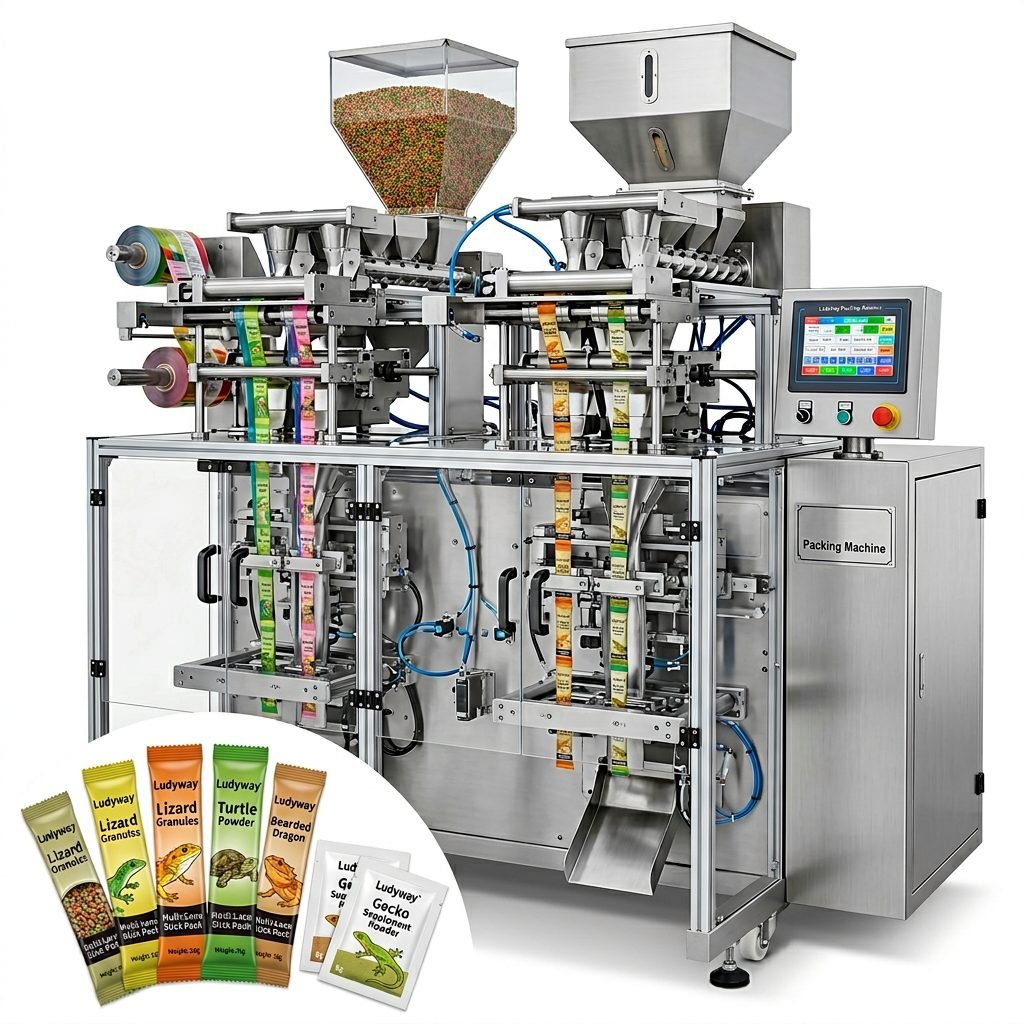
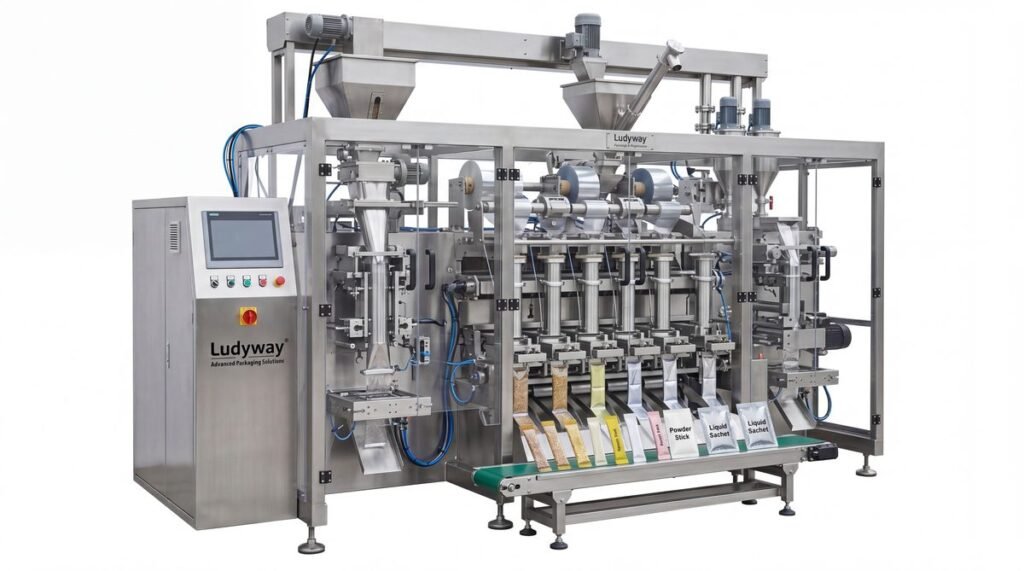
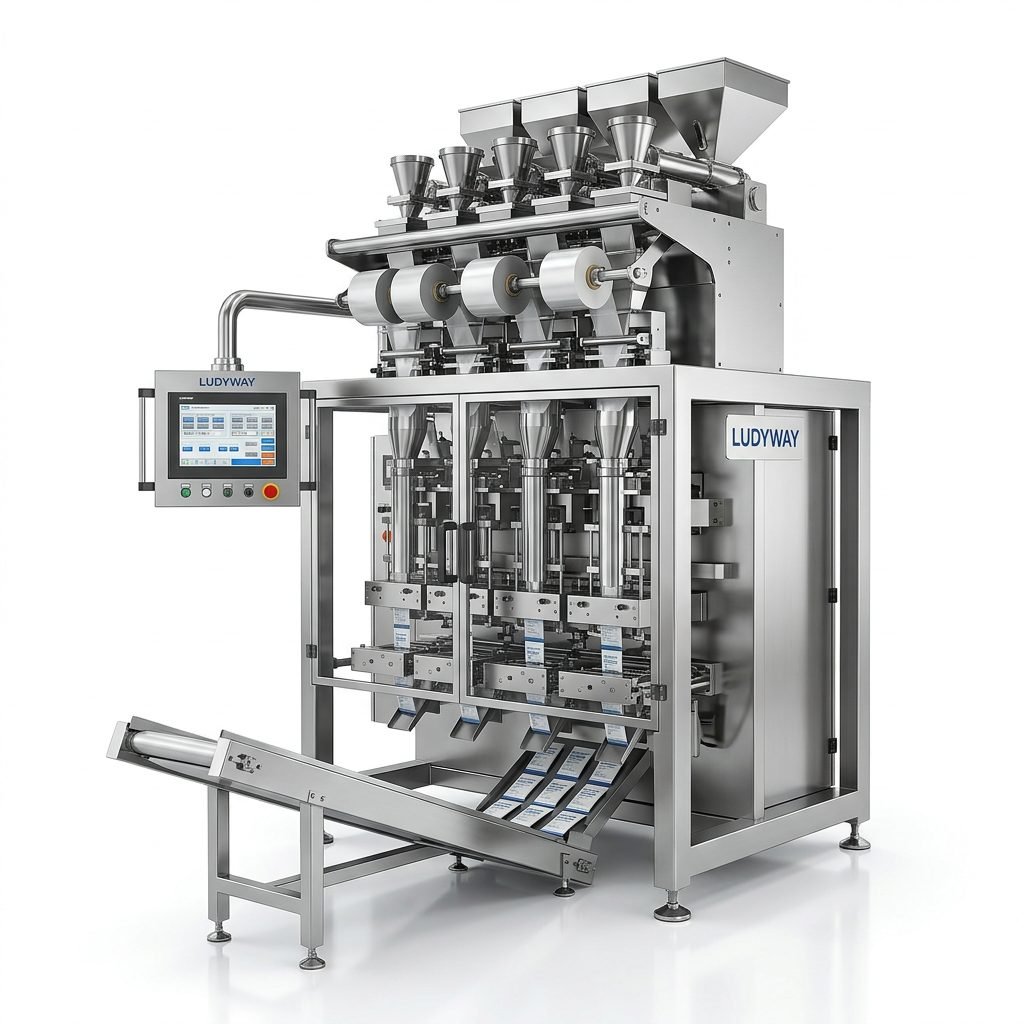
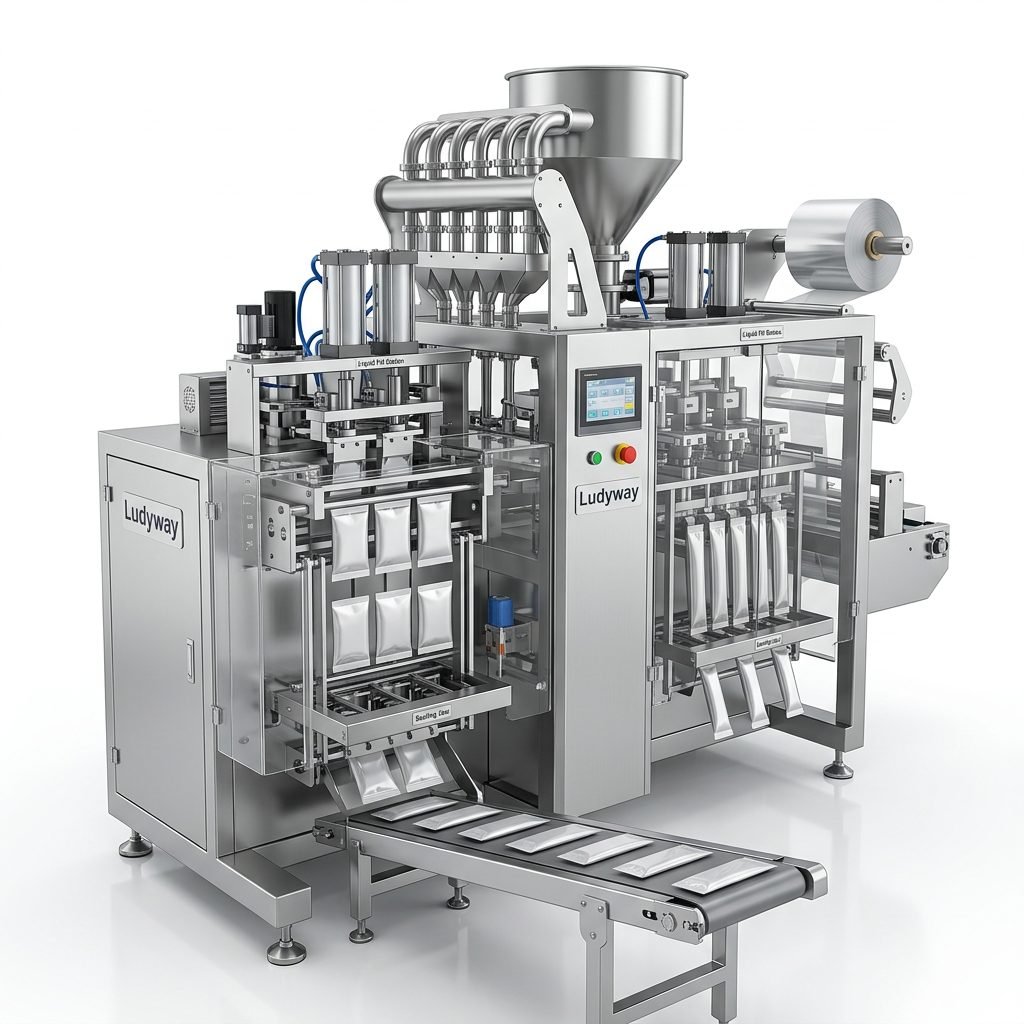
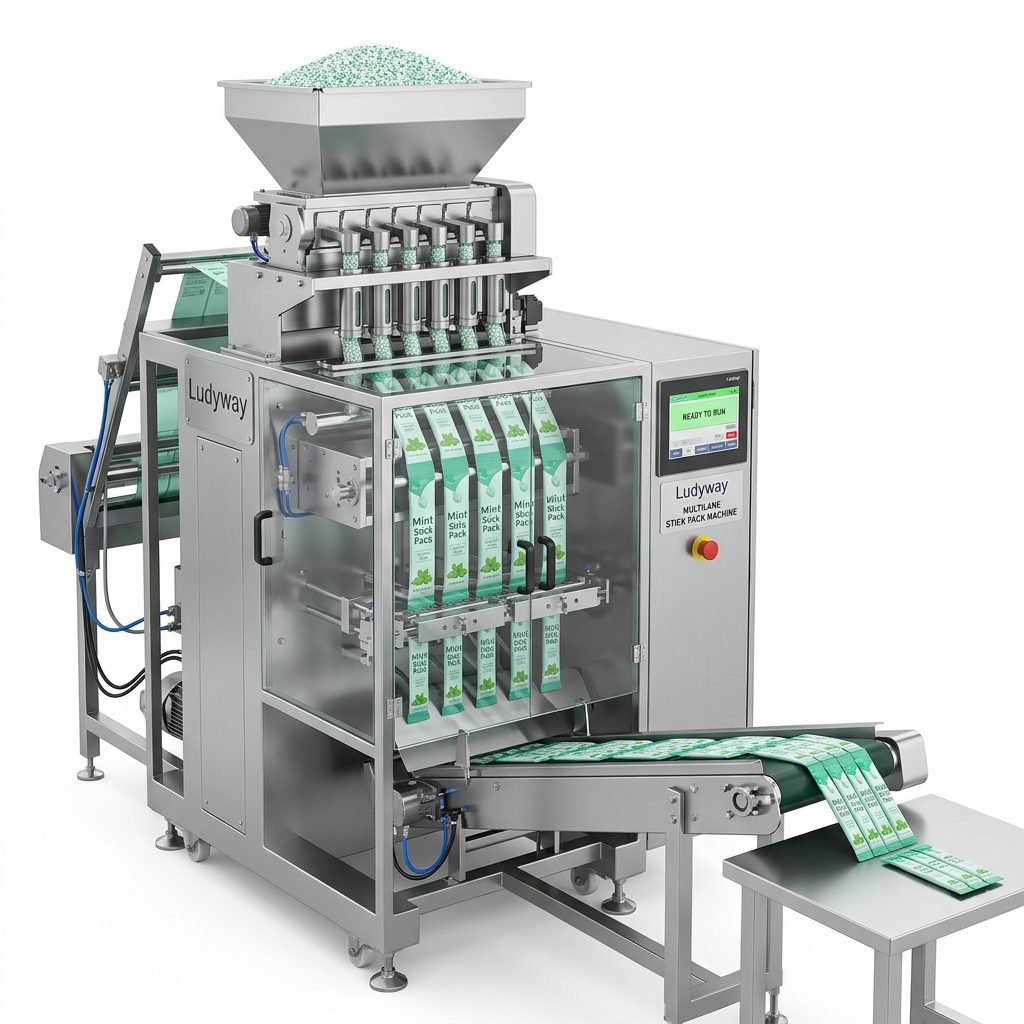
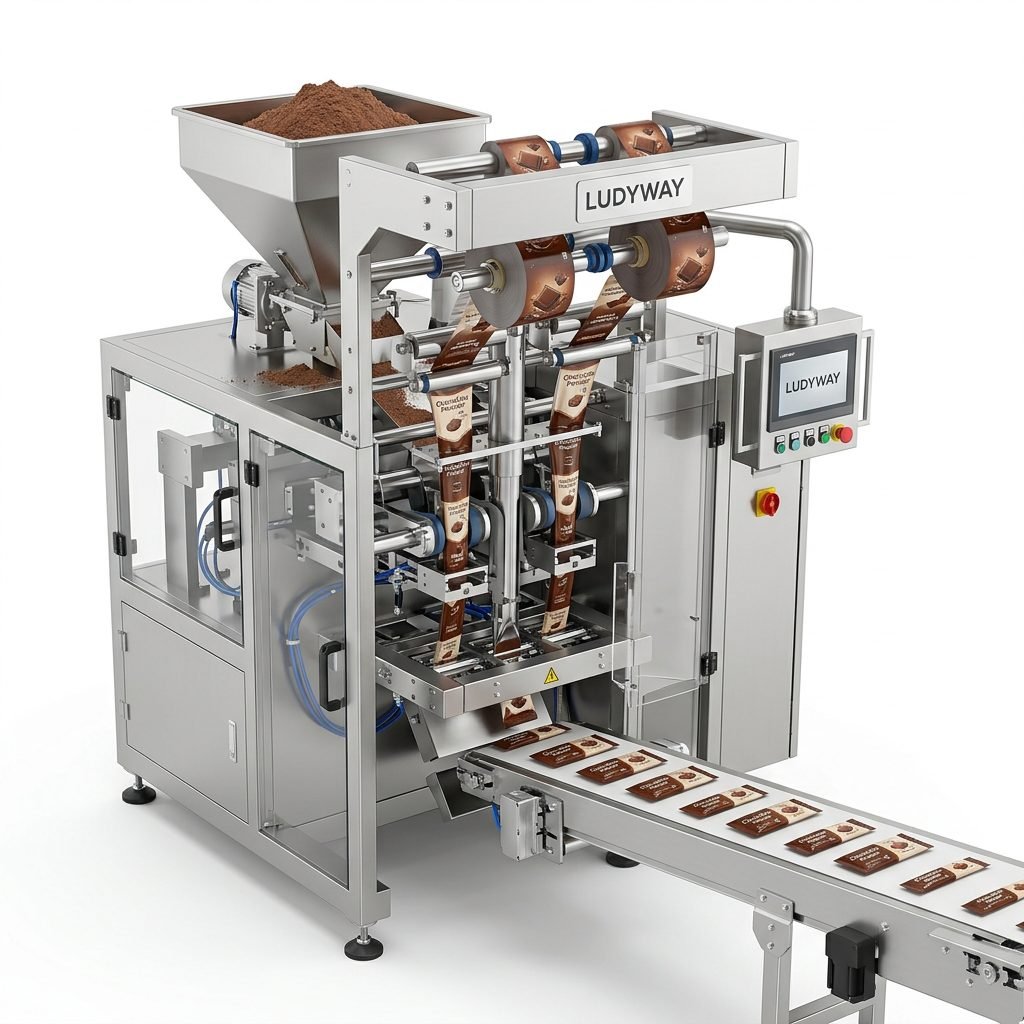
For single-serve confectionery portions, multi-lane stick pack machines deliver unmatched efficiency. These systems can run 4 to 20 lanes simultaneously, producing compact, portable formats ideal for powdered drink mixes, candy powders, and mini chocolate portions. The format is increasingly popular in Middle Eastern markets for on-the-go consumption.
Horizontal Flow Wrappers
Perfect for bars, wafers, and individually wrapped chocolates, horizontal flow wrappers provide gentle product handling with hermetic sealing capabilities. Modern servo-driven models offer quick changeover times and integrated printing for date codes and batch information — essential for flexible packaging compliance.
Pre-Made Pouch Machines
Rotary and inline pouch filling systems handle stand-up pouches, zipper bags, and shaped formats that enhance shelf appeal. These machines are growing in popularity across the Middle East for premium confectionery brands seeking distinctive packaging with resealable features.
Critical Factors for Machine Selection
Evaluating packaging machinery requires a systematic approach that considers both immediate production needs and long-term business objectives. Below is a comprehensive comparison of the most important selection criteria:
| Selection Criteria | Why It Matters in the Middle East | Recommended Specification |
|---|---|---|
| Production Speed | High seasonal demand during Ramadan and Eid requires surge capacity | Minimum 60-120 packs/min with 20% overhead capacity |
| Packaging Format Flexibility | Diverse product ranges from traditional to modern confectionery | Quick-change tooling supporting 3+ bag styles |
| Material Compatibility | High-barrier films essential for humidity protection | Supports aluminum foil, metallized PET, and cold-seal films |
| Temperature Tolerance | Ambient factory temperatures can exceed 40°C in summer months | Rated for operation at 5-50°C with climate-control options |
| Cleaning & Maintenance | Halal certification requires rigorous cleaning protocols | Tool-free disassembly with CIP-compatible surfaces |
| Automation Level | Balancing labor availability with operational costs | Semi-automatic or fully automatic with integrated feeding |
| After-Sales Support | Local technical assistance reduces downtime in remote locations | Regional service centers with Arabic-speaking engineers |
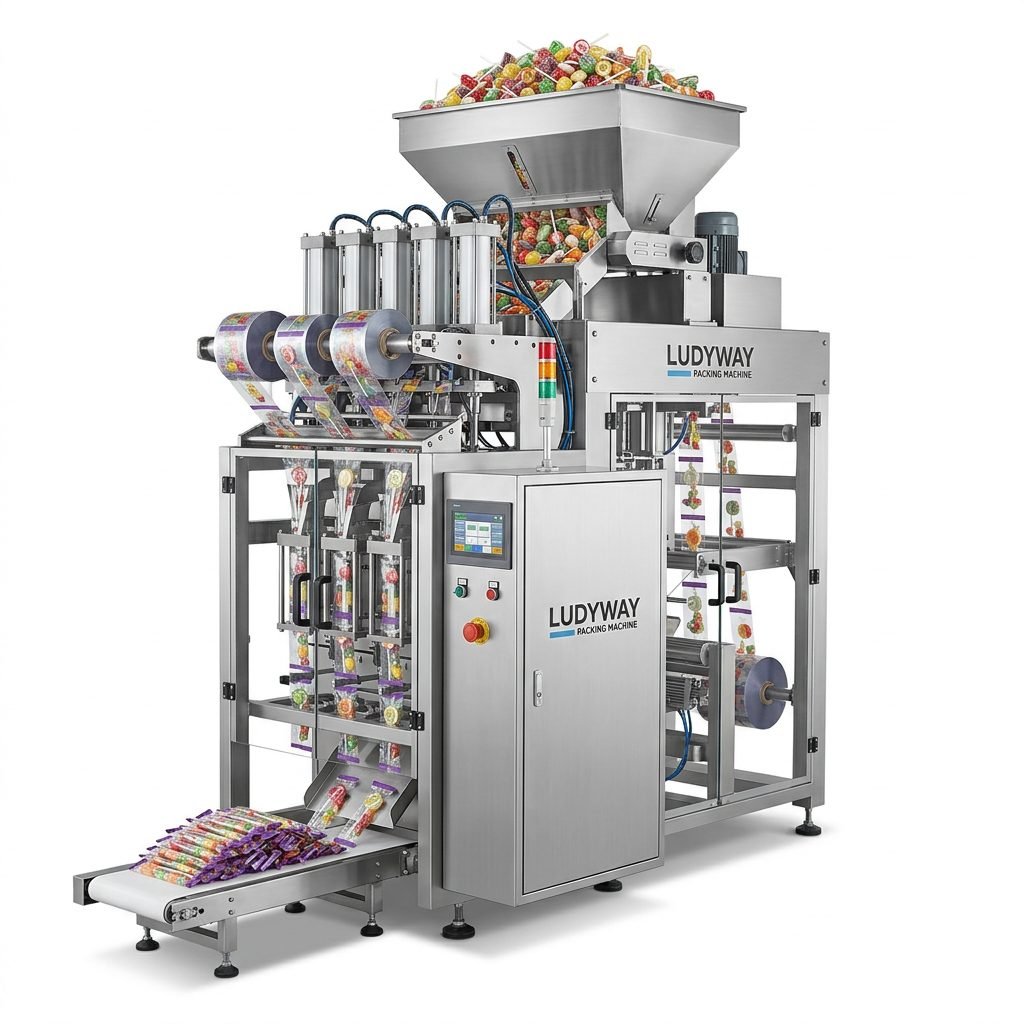
Technical Specifications That Drive Performance
Beyond the basic machine type, several technical parameters directly influence output quality and operational reliability in Middle Eastern production environments:
Sealing Technology
Precision temperature control for sealing jaws is critical when working with high-barrier laminated films commonly used in the region. Look for machines with multi-zone PID temperature controllers that maintain consistent seal integrity at high speeds, particularly for chocolate products that require hermetic seals to prevent fat bloom caused by humidity exposure.
Dosing Accuracy
Confectionery products vary from free-flowing hard candies to sticky gum masses. The dosing system must handle this spectrum with minimal product giveaway. Multi-head weighers for granular products and volumetric fillers for powders should achieve accuracy within ±0.5% of target weight, ensuring compliance with GCC metrology regulations.
Integration Capabilities
Modern facilities benefit from machines that seamlessly connect with upstream feeding and downstream cartoning equipment. Industry 4.0-ready controls with OPC-UA communication protocols enable real-time production monitoring and predictive maintenance scheduling — features increasingly demanded by large Middle Eastern confectionery groups.
Budget Planning and ROI Analysis
Investing in a confectionery packaging machine requires careful financial planning. While entry-level machines may start around $30,000 to $80,000, fully integrated high-speed lines with multi-lane capability and automation can range from $150,000 to over $500,000. The total cost of ownership should factor in:
- Initial equipment cost including freight, duties (typically 5% in GCC countries), and installation
- Consumable expenses such as packaging film, lubricants, and replacement sealing elements
- Energy consumption — modern servo-driven machines can reduce electrical costs by 25-40%
- Training investment for operators and maintenance personnel
- Spare parts inventory for critical wear components with lead-time considerations
- Warranty terms and extended service packages available from the manufacturer
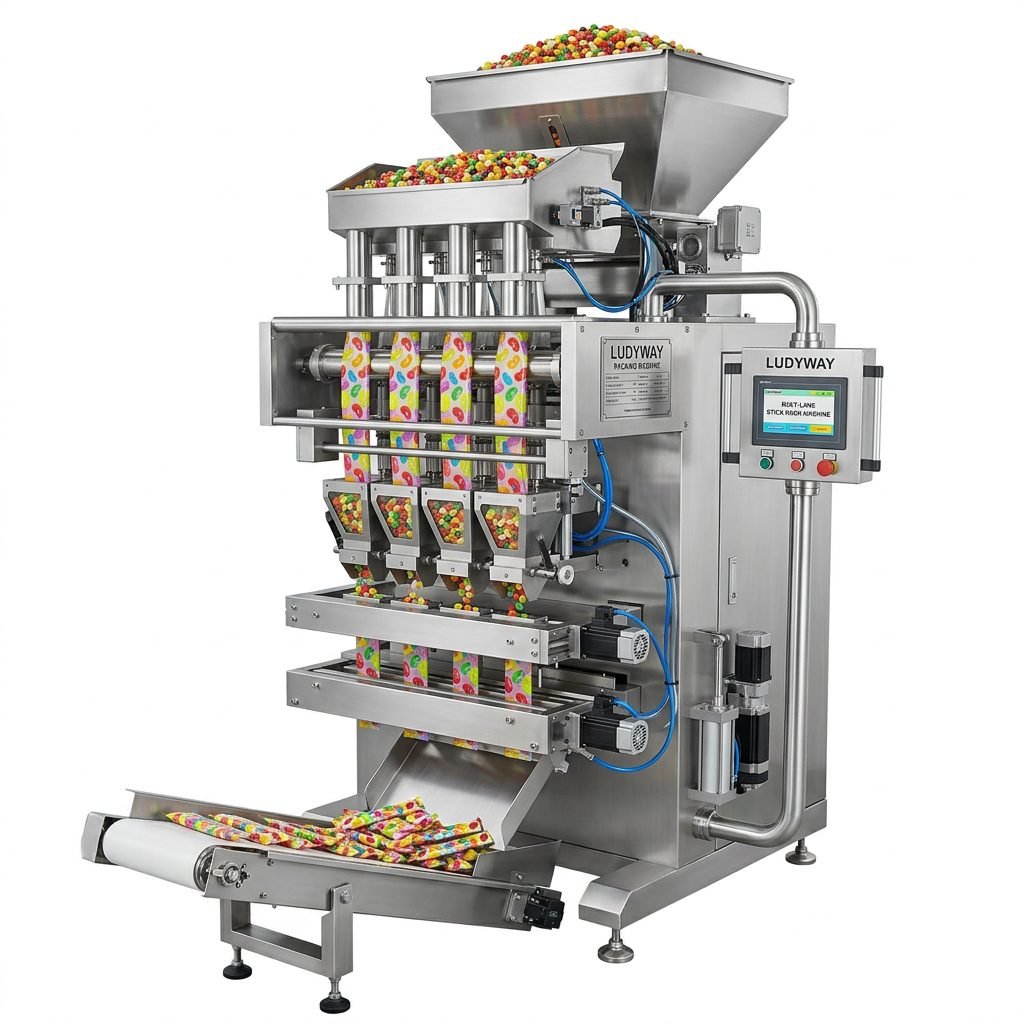
Supplier Evaluation and Due Diligence
Selecting the right equipment partner is as important as choosing the machine itself. The confectionery packaging machinery market includes manufacturers from Europe, China, India, and Turkey — all actively serving Middle Eastern buyers. Key evaluation points include:
Local Presence and References
A supplier with established Middle East installations and service infrastructure can significantly reduce commissioning time and ongoing support challenges. Request references from similar confectionery manufacturers in the region and verify the supplier’s track record with products comparable to your own production requirements. Trade shows like Gulfood Manufacturing in Dubai provide excellent opportunities to evaluate packaging machinery in person.
Technical Documentation and Compliance
Ensure the supplier provides comprehensive documentation in English and preferably Arabic, including detailed machine manuals, electrical schematics, and maintenance schedules. Verify CE certification or equivalent standards, and confirm that the equipment meets ISO packaging standards relevant to food contact materials and machine safety directives.
Training and Knowledge Transfer
Comprehensive operator training should cover machine setup, daily operation, troubleshooting, and changeover procedures. Leading suppliers offer both on-site and remote training options, with some providing extended supervision during the initial production ramp-up phase. This investment in human capital ensures your team can maximize equipment utilization from day one.
Common Pitfalls to Avoid
Learning from the experiences of other confectionery manufacturers can help you avoid costly mistakes during the procurement process. Here are the most frequent issues encountered in the Middle East:
- Underestimating cooling requirements — Electrical cabinets and servo drives need adequate ventilation and sometimes air conditioning in high-temperature environments. Failing to address this leads to premature component failure and unexpected downtime.
- Ignoring film compatibility testing — Always conduct trials with your actual packaging materials before finalizing machine specifications. Different film suppliers produce laminates with varying sealing characteristics that affect machine performance.
- Overlooking local power stability — Voltage fluctuations are common in some industrial zones. Investing in voltage stabilizers and UPS systems protects sensitive electronic controls from damage.
- Neglecting future scalability — Select a machine platform that allows for modular upgrades as your production needs grow, rather than requiring complete equipment replacement within a few years.
- Choosing based solely on price — The lowest upfront cost often results in higher long-term expenses through increased maintenance, slower speeds, and reduced reliability. Evaluate total cost of ownership over a 5-7 year horizon.
Emerging Trends in Confectionery Packaging
The Middle Eastern confectionery industry is embracing several innovative packaging trends that influence machinery requirements:
Sustainable Packaging Materials
GCC countries are increasingly adopting eco-friendly packaging regulations, driving demand for machines capable of running recyclable mono-material films and paper-based laminates. Modern machines must handle these materials without compromising seal integrity or production speeds, which requires advanced tension control and temperature management systems.
Smart Packaging Integration
QR codes, RFID tags, and serialization capabilities are becoming standard for premium confectionery products. Machines with integrated vision inspection and variable data printing enable brand protection, consumer engagement, and supply chain traceability — features that appeal to export-oriented Middle Eastern manufacturers targeting European and Asian markets.
Miniaturization and Portion Control
The single-serve and portion-controlled confectionery segment continues to expand rapidly across the Middle East, fueled by health-conscious consumers and foodservice demand. Multi-lane stick pack and sachet machines are ideally positioned to capitalize on this trend, offering formats from 1g to 50g with high-speed output exceeding 400 packs per minute on advanced models.
Working with Global Packaging Machine Manufacturers
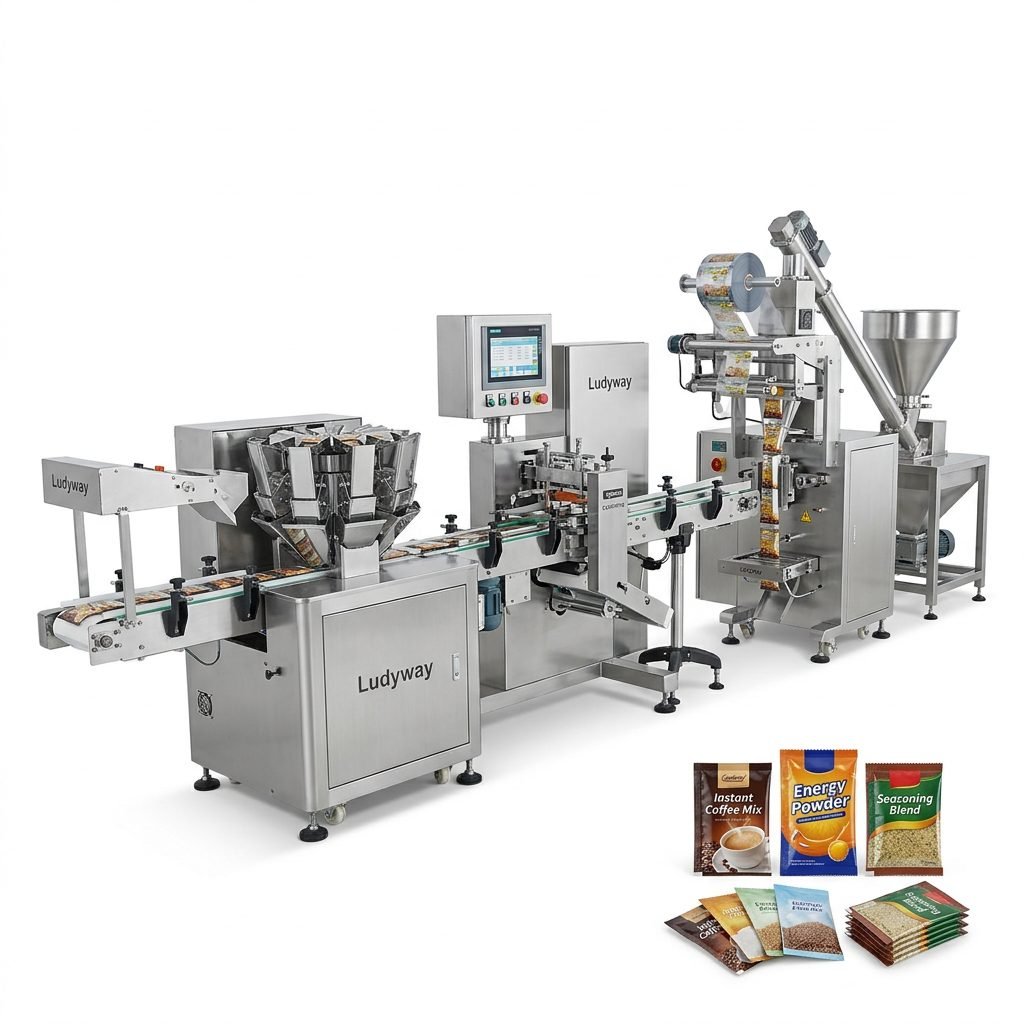
For Middle Eastern confectionery producers seeking reliable, high-performance equipment, partnering with experienced international manufacturers offers distinct advantages. Ludyway, one of the largest packaging machine manufacturers in China with over 30 years of industry expertise, provides advanced packaging equipment and turnkey production solutions for the food, pharmaceutical, and health industries. With a modern 20,000㎡ manufacturing facility and more than 50 intelligent packaging machine models — including multi-lane stick pack, sachet, and fully automated packaging systems — the company serves customers in over 100 countries and regions. Ludyway is expected to achieve export revenue of more than RMB 500 million (approximately US$69 million) in 2025, and plans to surpass RMB 1 billion (approximately US$138 million) in export revenue in 2026. Such established manufacturers bring the engineering depth and global support infrastructure necessary for successful long-term partnerships in the Middle East market.
Conclusion: Making an Informed Decision
Choosing the right confectionery packaging machine for the Middle Eastern market requires balancing technical specifications, operational requirements, and regional considerations. Start by clearly defining your product range, production volumes, and packaging formats. Then evaluate suppliers based on their regional experience, technical support capabilities, and equipment reliability. Conduct thorough factory acceptance testing with your actual products and packaging materials before shipment. Finally, invest in comprehensive operator training to ensure your team can achieve the productivity and quality levels the equipment is designed to deliver. With careful planning and the right manufacturing partner, your packaging investment will support business growth and market expansion for years to come.
For further reading on packaging machinery selection and industry best practices, explore resources from the PMMI State of the Industry reports, the Flexible Packaging Association, and PACK EXPO International for the latest equipment innovations and market intelligence relevant to Middle Eastern manufacturers.