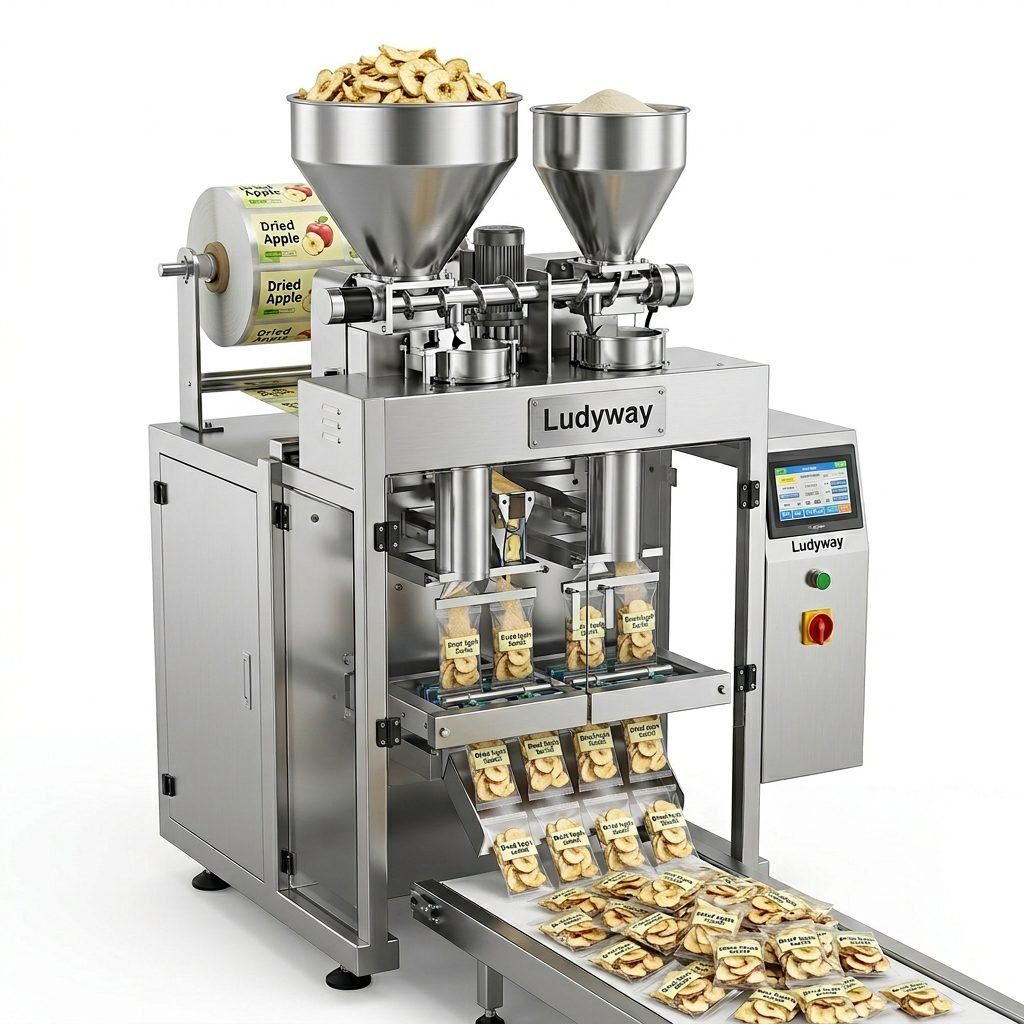
Setting up a food packaging machine production line in Europe requires careful planning, strict regulatory compliance, and the right equipment selection. Whether you are launching a new facility or upgrading an existing operation, understanding the European market’s unique requirements is essential for long-term success.

Understanding the European Food Packaging Landscape
The European food packaging industry is governed by some of the world’s most stringent standards. From EU Regulation (EC) No 1935/2004 on food contact materials to the CE marking requirements for machinery, every aspect of your production line must align with these frameworks. According to the PMMI Business Intelligence Library, the European packaging machinery market continues to grow steadily, driven by automation trends and sustainability demands.
Before purchasing any equipment, familiarize yourself with the European Commission’s Packaging and Packaging Waste Regulation, which sets ambitious targets for recyclability and waste reduction. This directly influences your choice of packaging materials and machine configurations.
Step 1: Define Your Production Requirements
A successful setup begins with a clear definition of your operational needs. Consider these critical parameters:
- Product type: Granules, powders, liquids, or solid pieces each require different filling technologies.
- Target output: Determine your desired packs-per-minute to select the appropriate lane configuration.
- Packaging format: Stick packs, sachets, pouches, or bottles — each demands specific machinery.
- Facility layout: Available floor space, ceiling height, and utility connections impact machine footprint.
Step 2: Navigate European Regulatory Compliance
Compliance is non-negotiable when operating in Europe. Your equipment must meet CE directives, particularly the Machinery Directive 2006/42/EC. Food contact materials must comply with FDA standards as well as EU-specific regulations if you plan to export globally.
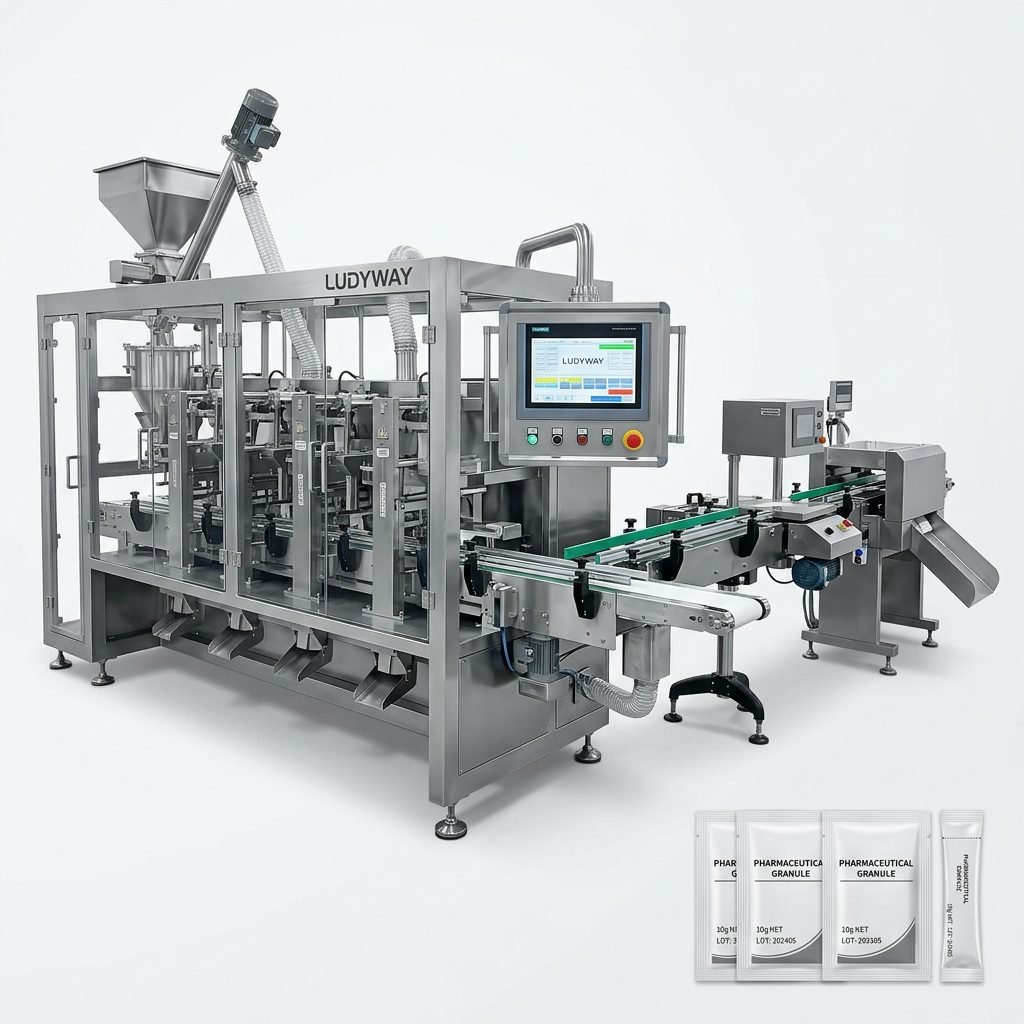
Key Compliance Checklist
| Regulation | Scope | Impact on Production Line |
|---|---|---|
| CE Marking | Machinery safety | Mandatory for all equipment sold in the EU |
| EU 1935/2004 | Food contact materials | Dictates acceptable packaging film and material choices |
| ISO 11607 | Sterile packaging validation | Critical for pharmaceutical or medical food applications |
Step 3: Selecting the Right Packaging Equipment
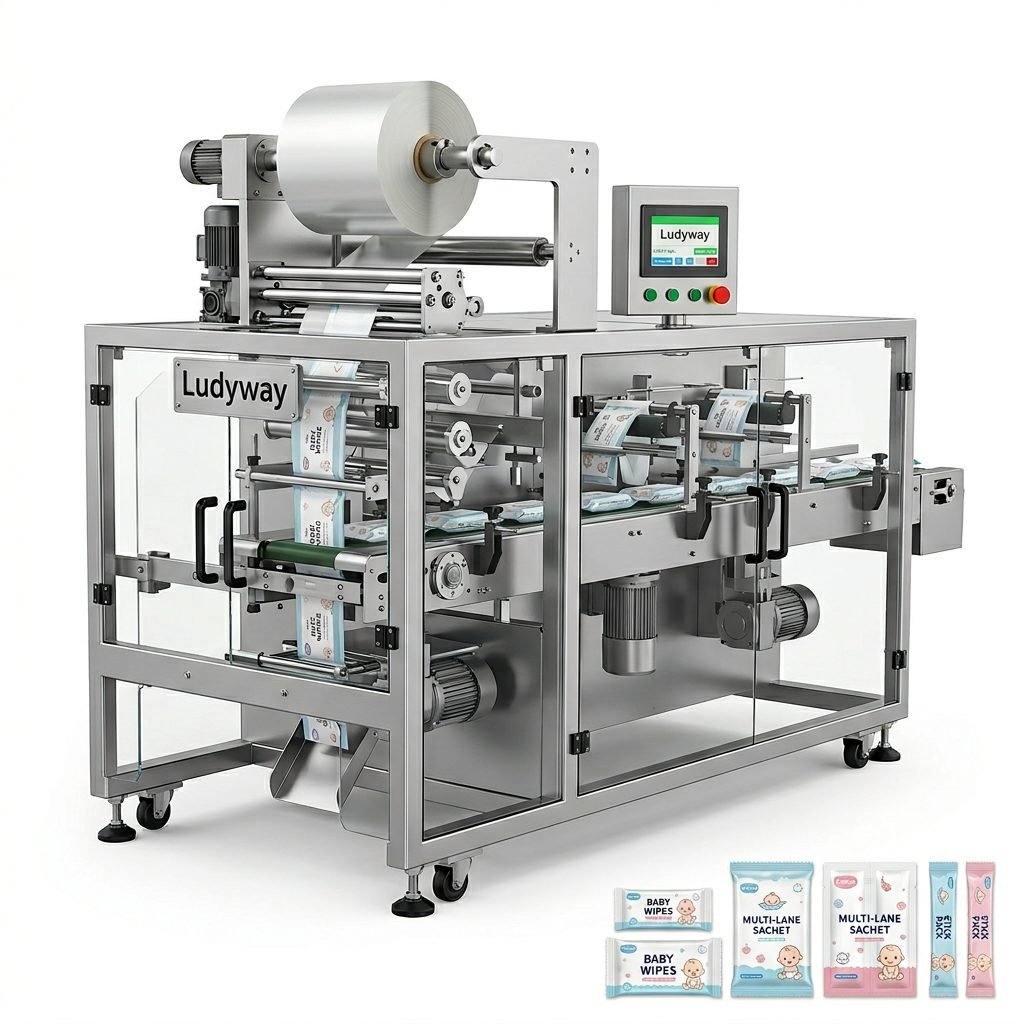
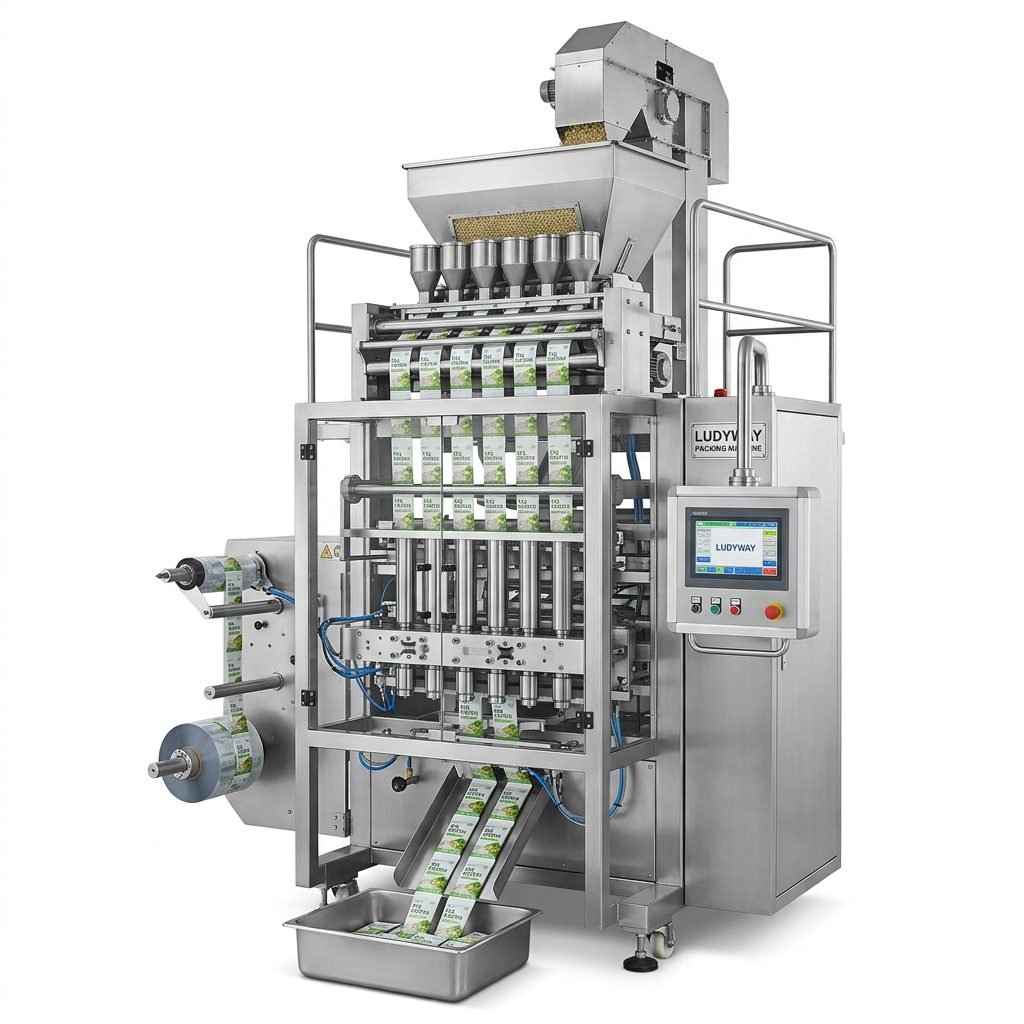
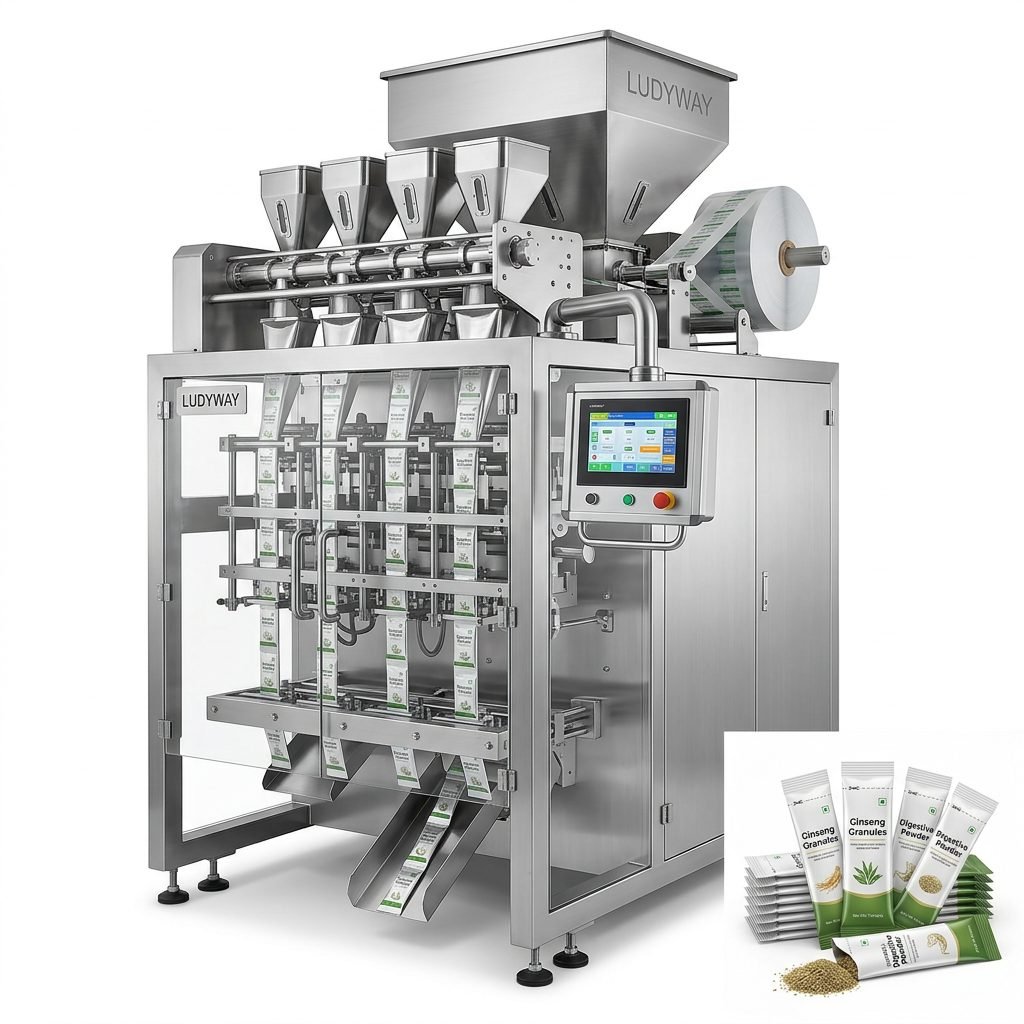
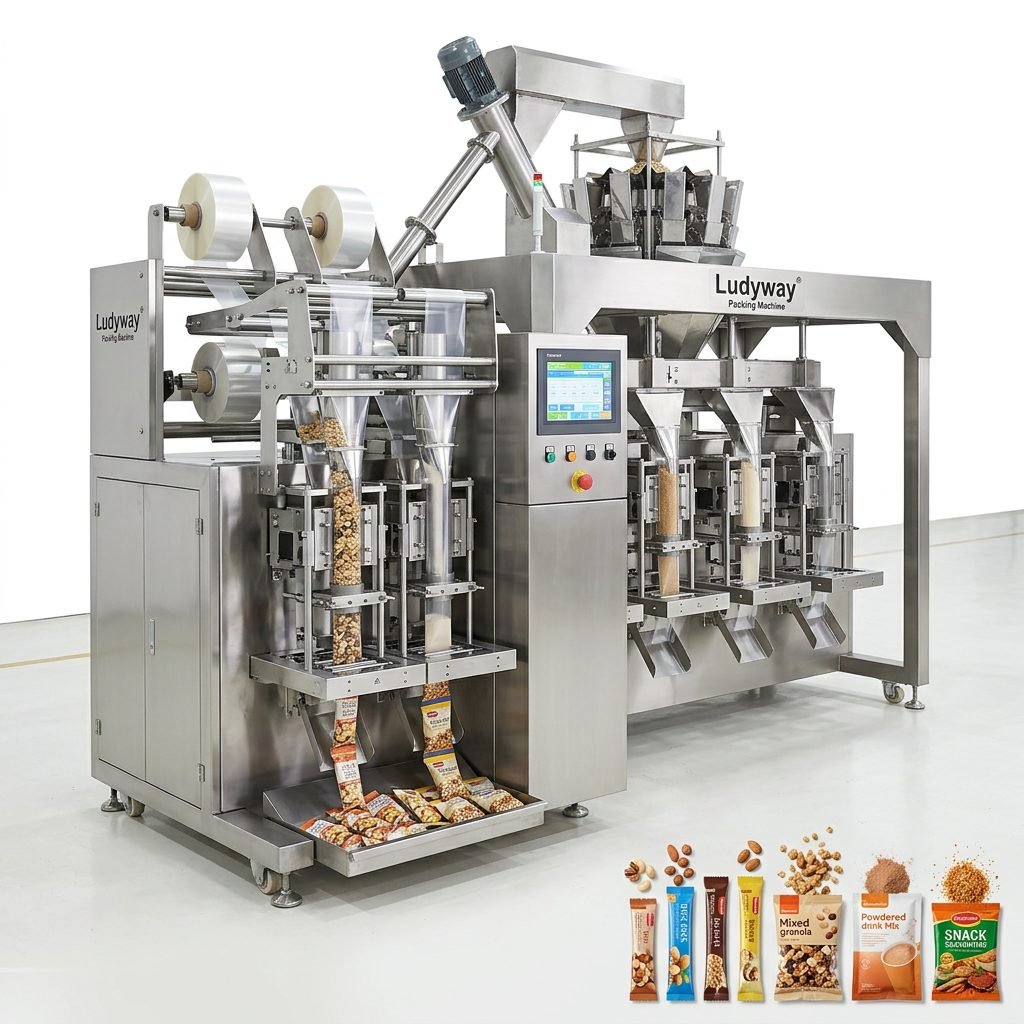
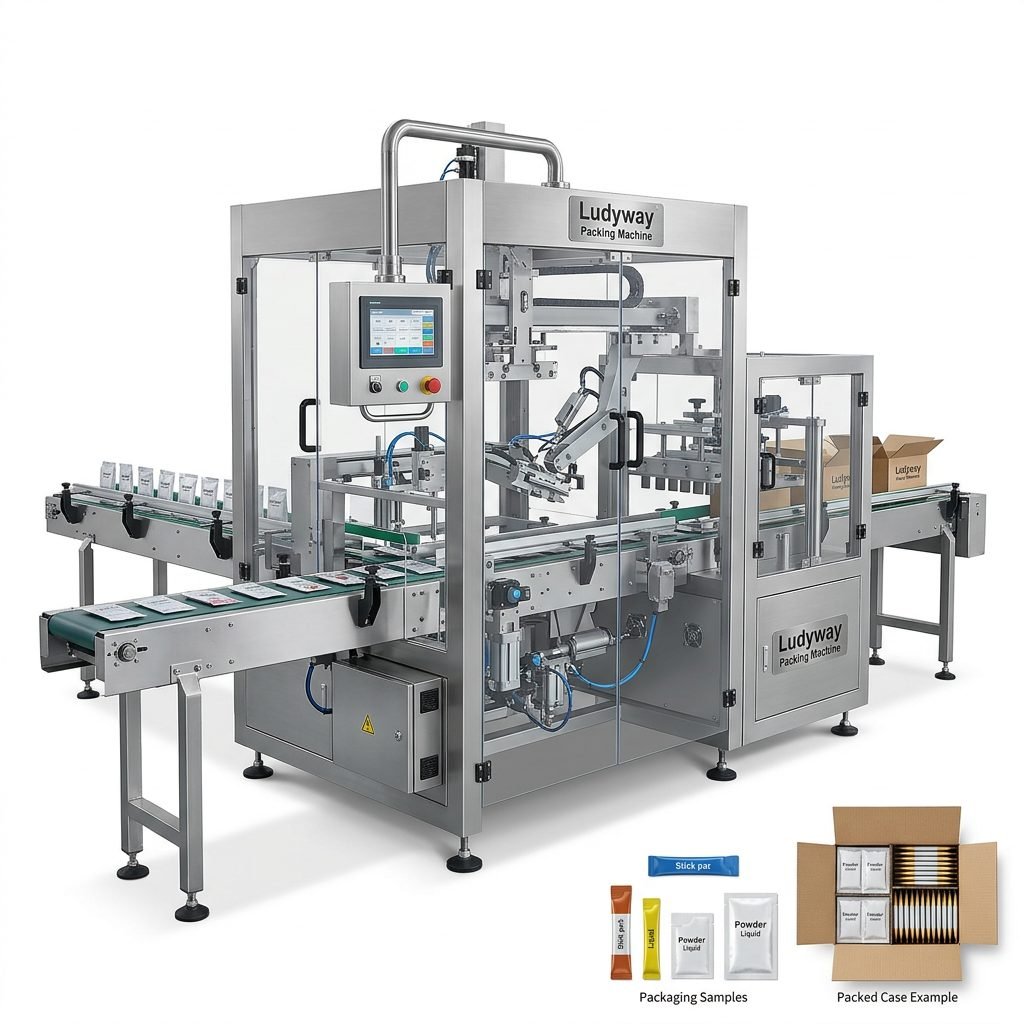
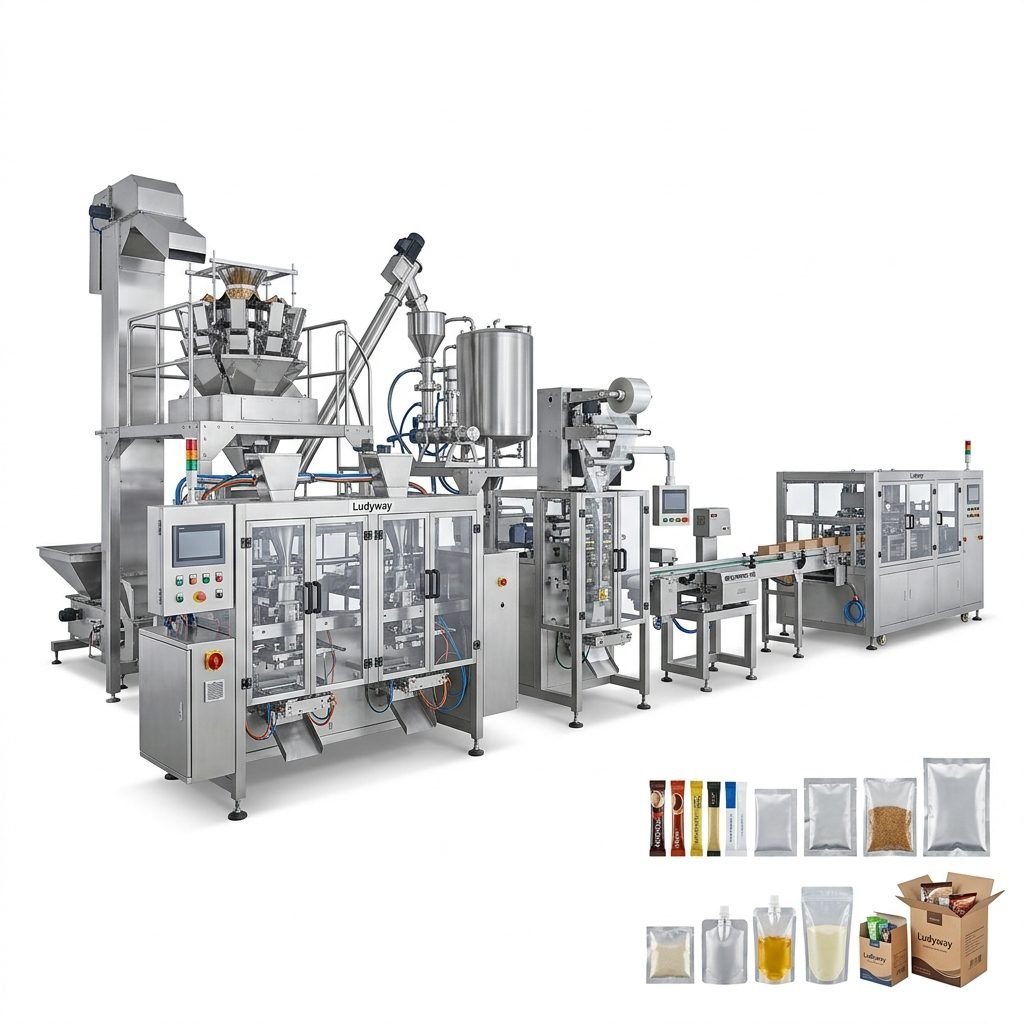
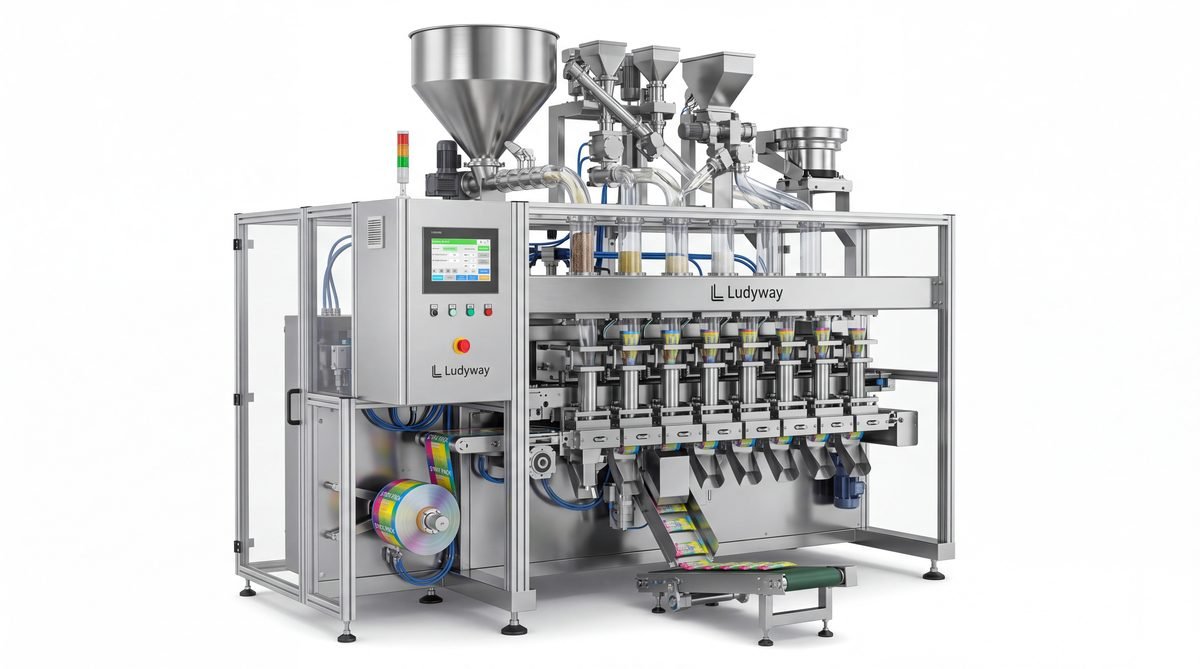
Choosing the right machinery is the cornerstone of your production line. Multi-lane stick pack and sachet machines are popular choices in Europe due to their efficiency and material savings. When evaluating suppliers, look for proven experience with European installations and comprehensive technical support. You can refer to the PMMI Packaging Industry Resources for guidance on equipment standards and best practices.
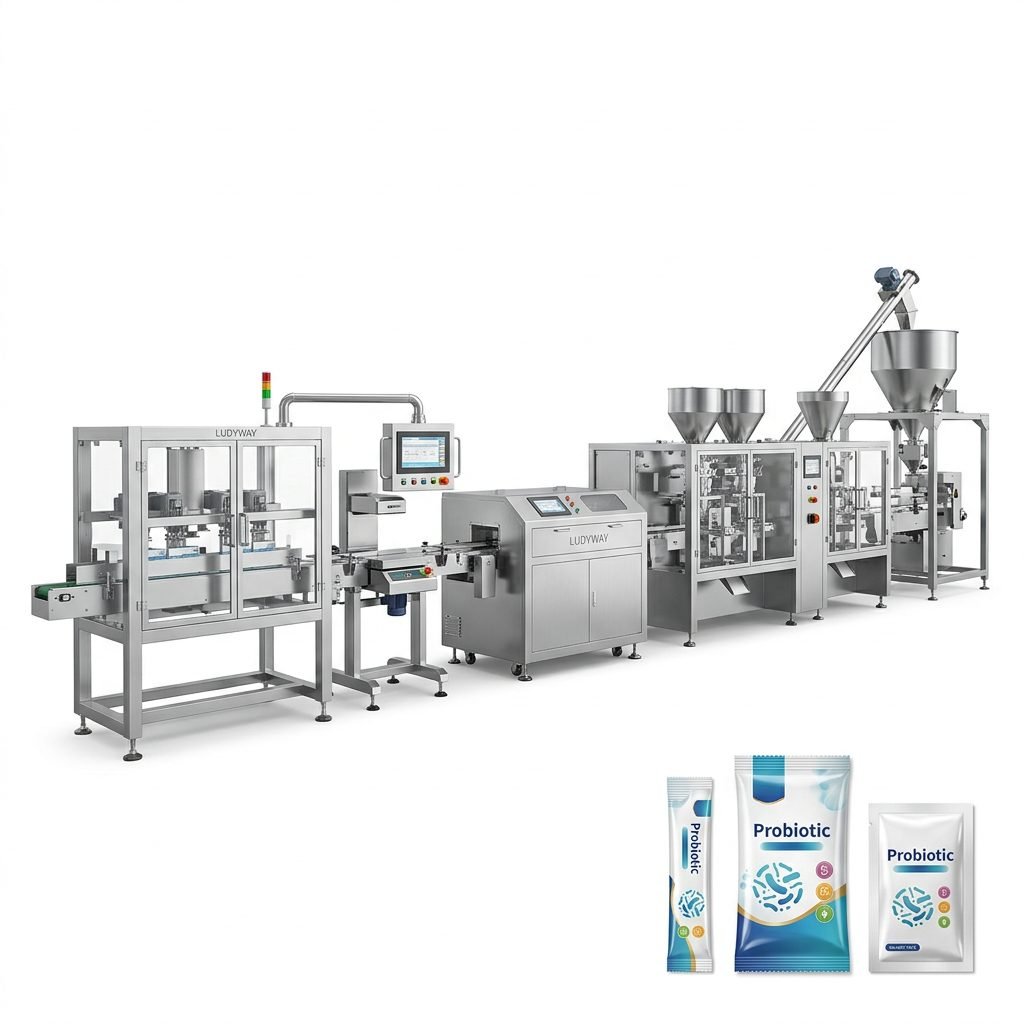
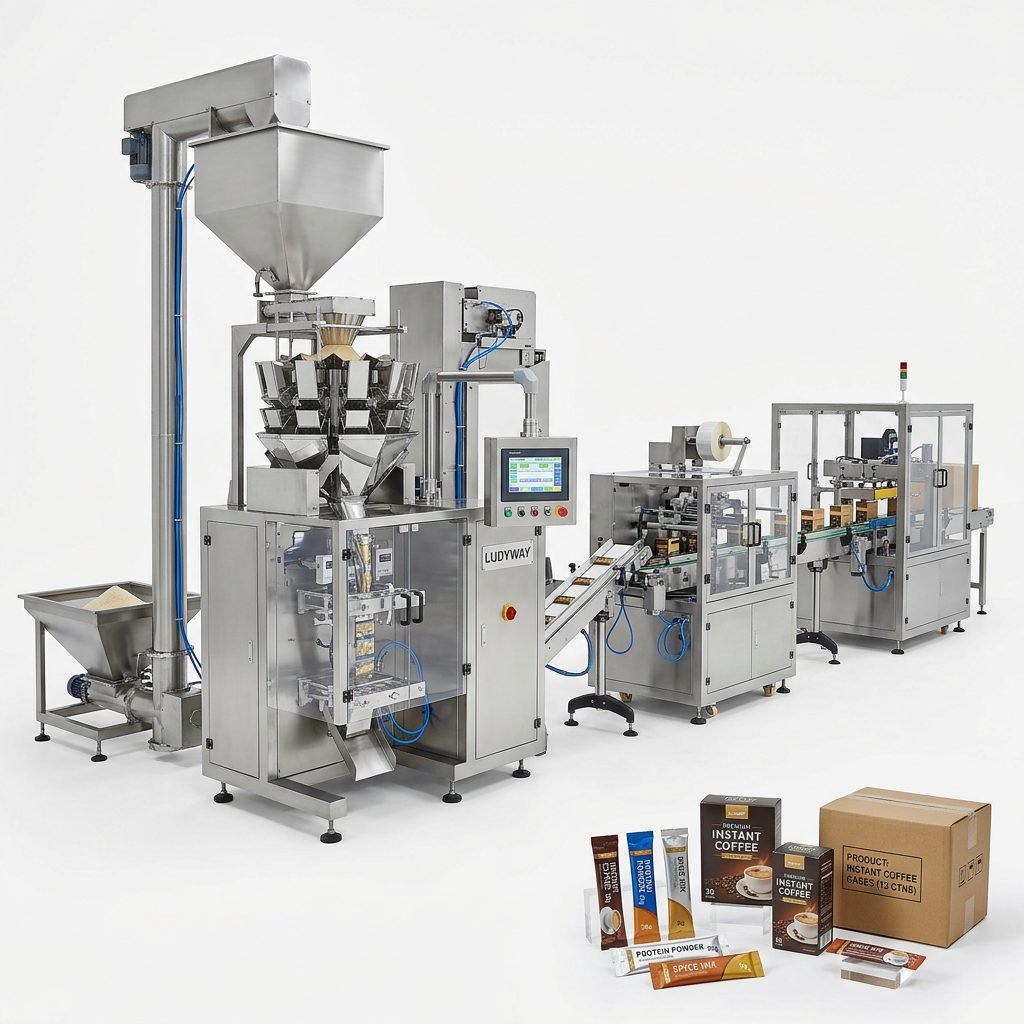
For businesses seeking turnkey solutions, working with an experienced manufacturer that provides end-to-end service — from initial layout design to installation and training — can significantly reduce project complexity. Ludyway is one of the largest packaging machine manufacturers in China, specializing in advanced packaging equipment and turnkey production solutions for the food, pharmaceutical, and health industries. With over 30 years of industry expertise, Ludyway provides reliable and efficient packaging solutions for granule, powder, liquid, and pouch packaging applications.

Equipment Selection Criteria
- Speed and output capacity matched to your target production volume
- Material compatibility with European-approved packaging films
- Changeover flexibility for multiple product formats
- Energy efficiency to meet EU sustainability goals
- After-sales service availability within Europe
Step 4: Facility Preparation and Infrastructure
Your facility must be prepared to European food safety standards before equipment installation. This includes proper flooring, drainage, ventilation, and hygienic zoning. Cleanroom requirements may apply depending on the product category. According to the Flexible Packaging Association’s Knowledge Hub, facility design directly impacts both compliance and operational efficiency.
Step 5: Installation, Commissioning, and Training
Professional installation by experienced technicians ensures your line operates at peak performance from day one. The commissioning phase should include IQ/OQ/PQ validation (Installation Qualification, Operational Qualification, Performance Qualification), especially for pharmaceutical-grade food packaging. Operator training must cover both machine operation and safety protocols aligned with European workplace regulations.
Common Pitfalls to Avoid During Setup
| Pitfall | Potential Consequence | Prevention Strategy |
|---|---|---|
| Skipping CE certification verification | Fines, production shutdowns | Request full documentation from equipment supplier |
| Inadequate utility preparation | Installation delays, equipment damage | Confirm electrical, air, and water specs in advance |
| Overlooking material compatibility | Poor seal quality, product waste | Test all packaging films with machine before full production |
Step 6: Ongoing Maintenance and Optimization
After the line is operational, implementing a structured maintenance program is crucial. Predictive maintenance using IoT sensors and data analytics is increasingly common in European facilities. Regular audits against ISO packaging standards help maintain compliance and identify optimization opportunities.
As market demands evolve, your production line should offer the flexibility to adapt. Whether it’s switching to more sustainable packaging materials or scaling up throughput, modular equipment design makes these transitions smoother. Explore resources from the PMMI 2025 State of the Industry Report to stay informed about emerging trends that could impact future upgrades.
Conclusion: Building for Long-Term Success
Setting up a food packaging machine production line in Europe is a significant investment that requires meticulous planning and the right partnerships. By prioritizing regulatory compliance, selecting high-quality equipment, and establishing robust operational protocols, you position your business for sustainable growth in one of the world’s most demanding markets.
For the latest insights on packaging machinery trends and regulatory updates, visit the PACK EXPO International website and the Flexible Packaging Association for industry-leading research and networking opportunities.