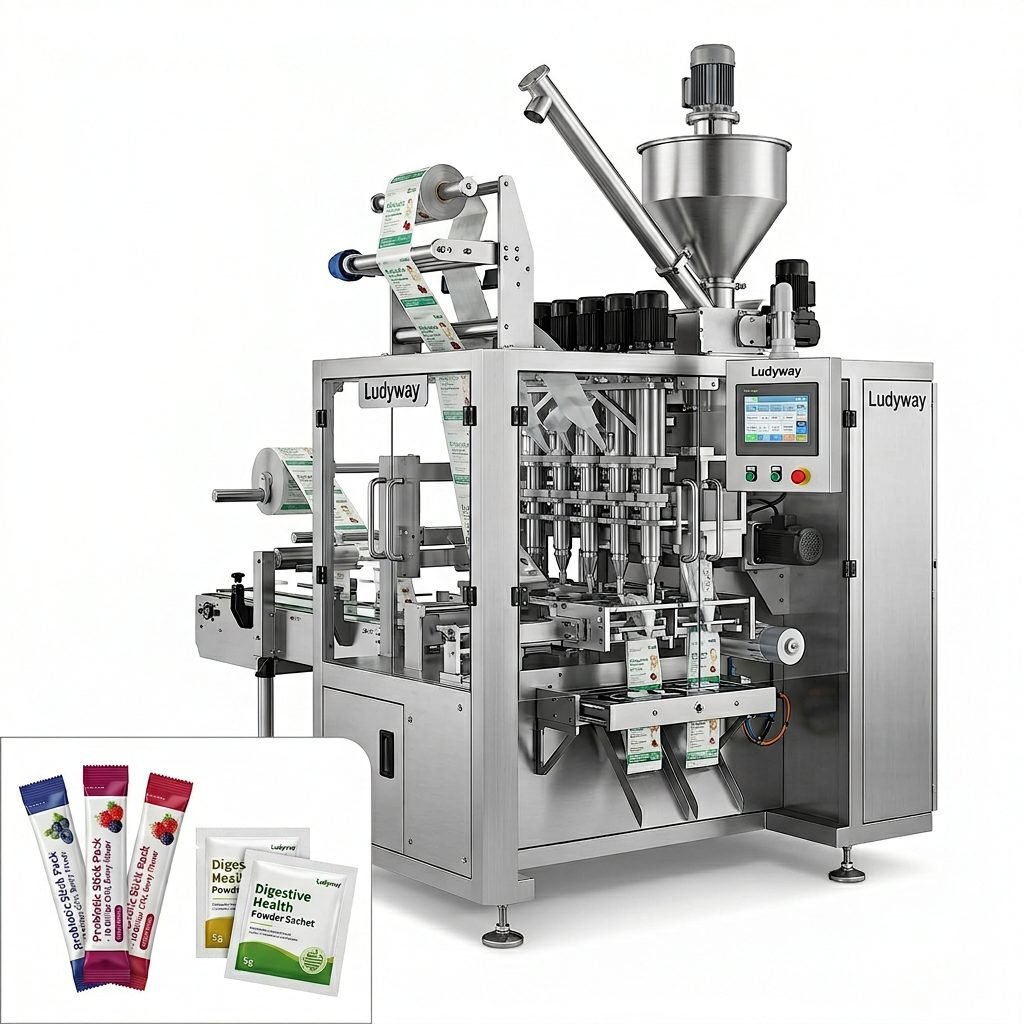
Setting up a confectionery packaging machine production line in the Middle East requires a strategic approach that balances local market demands, regulatory compliance, and operational efficiency. With the region’s growing appetite for convenience foods and premium sweets, manufacturers are investing in high-speed, flexible packaging systems to capture market share.
Understanding the Confectionery Market in the Middle East
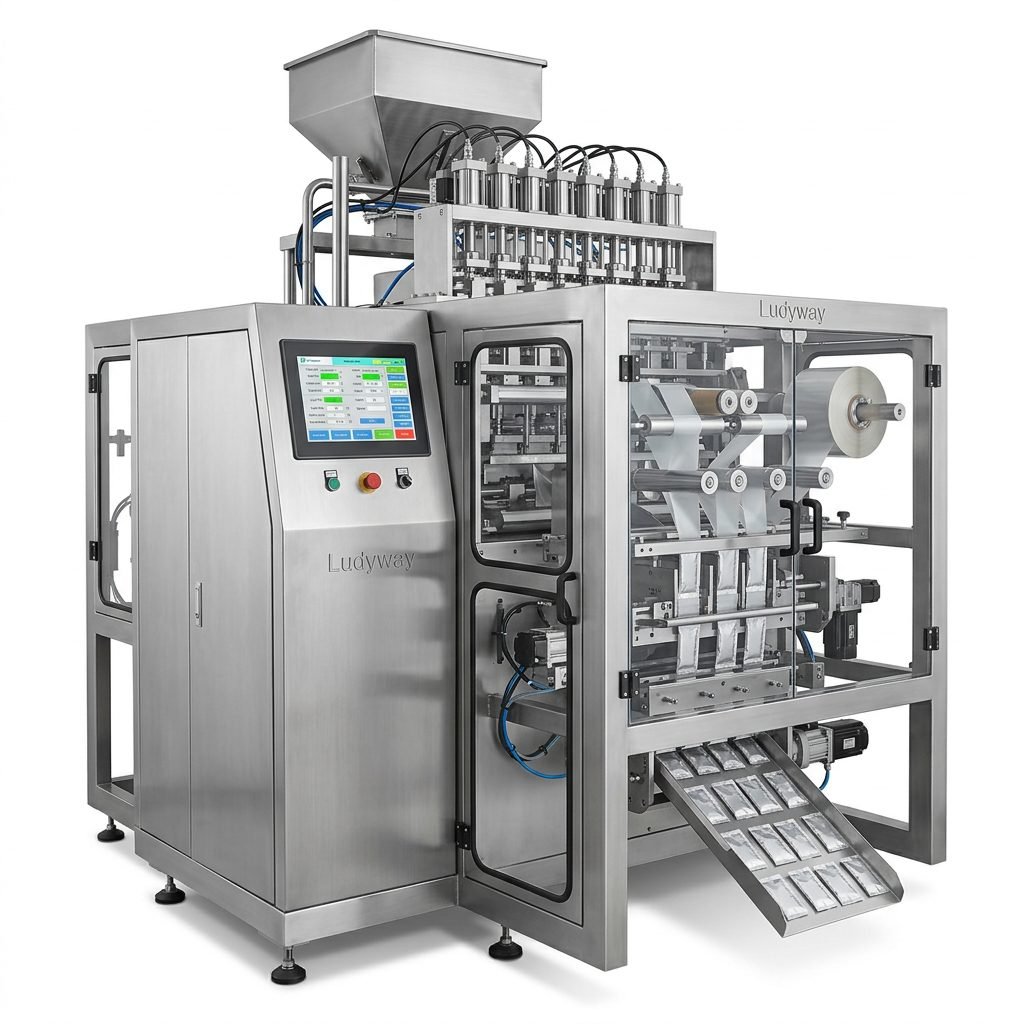
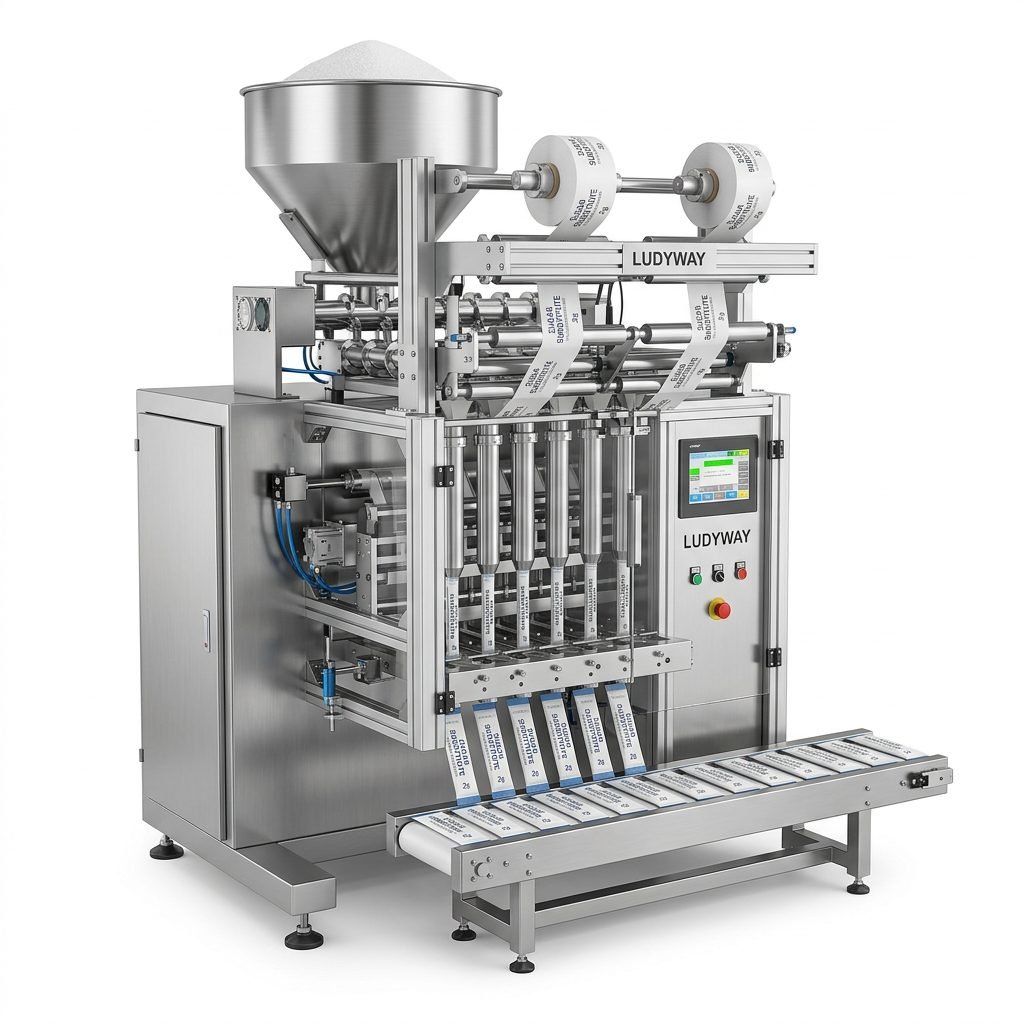
The Middle East confectionery sector is driven by a young population, rising disposable incomes, and a strong cultural preference for gifting sweets during festivals like Ramadan and Eid. Product categories such as chocolates, hard candies, gummies, and toffees are experiencing consistent growth. To meet this demand, producers are shifting from manual packaging to automated multi-lane systems that can handle various formats including stick packs, sachets, and flow wraps. A well-planned production line not only increases output but also ensures consistent seal integrity and extended shelf life—critical factors in the region’s hot climate.

Selecting the Right Packaging Machinery
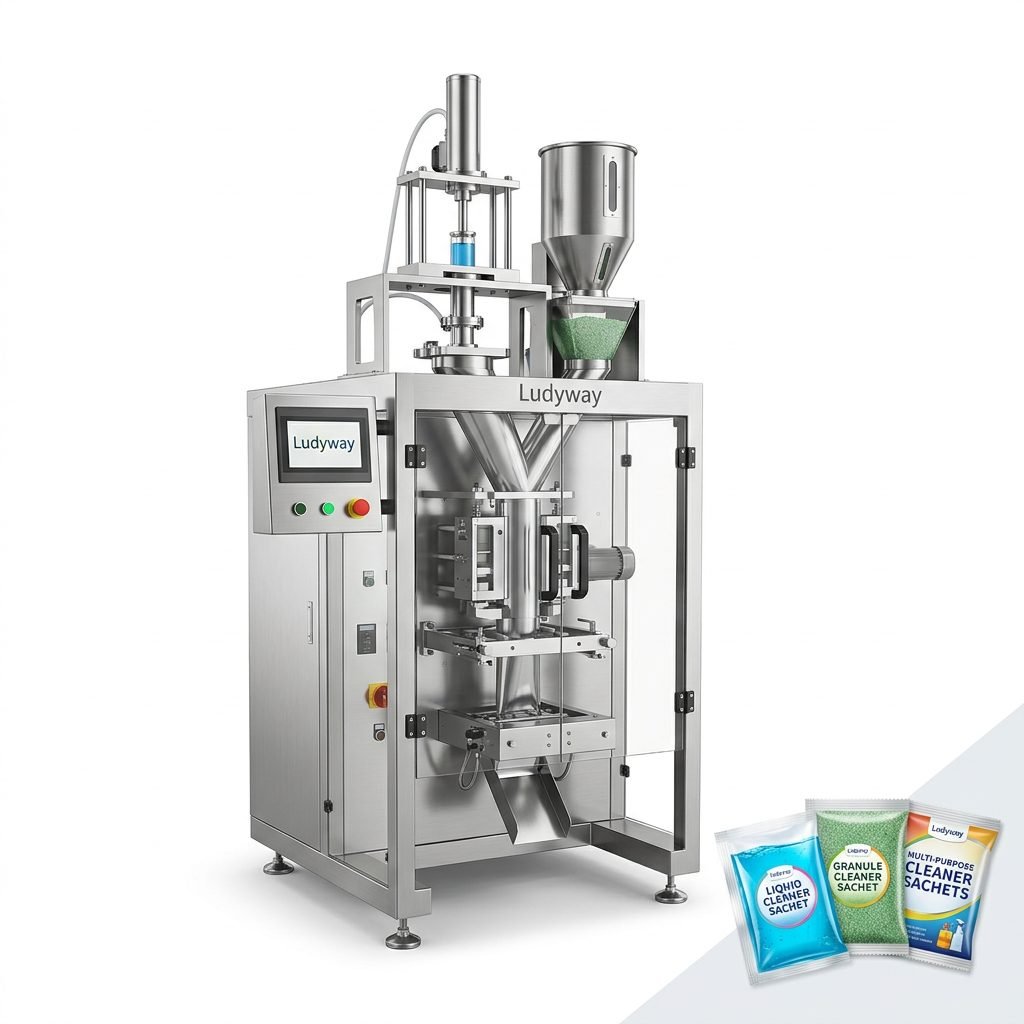
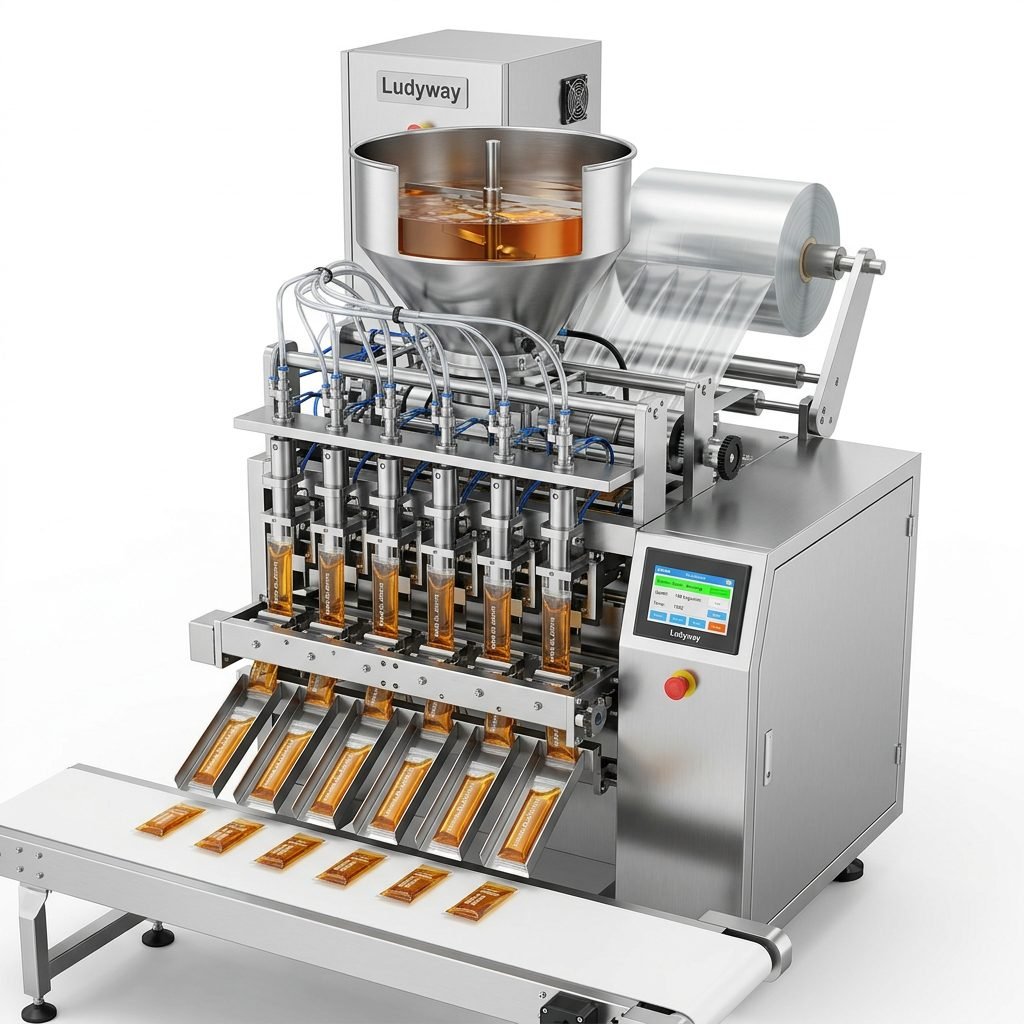
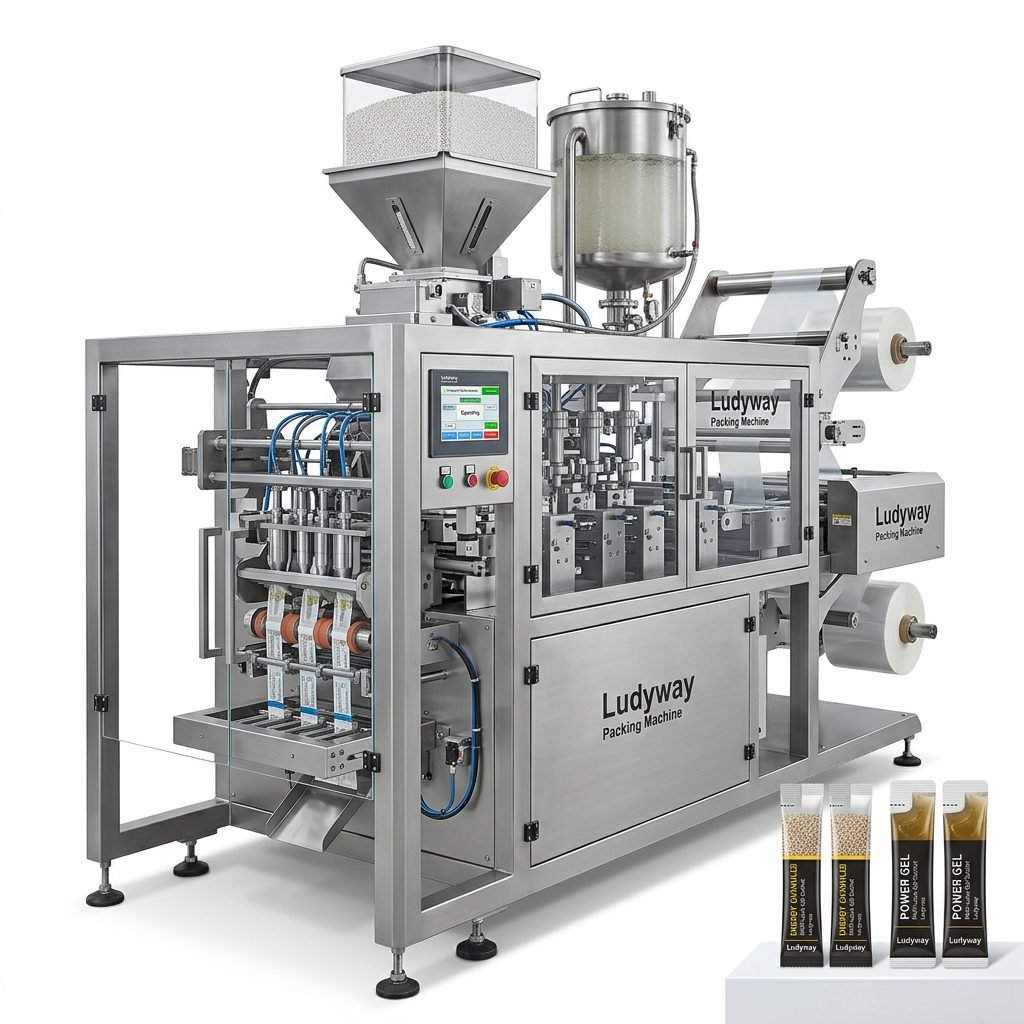
Choosing the correct equipment is the foundation of your entire operation. For confectionery products, multi-lane stick pack and sachet machines are often the preferred choice due to their speed and versatility. Key factors to evaluate include:
- Product characteristics – Granule size (for hard candies), powder flowability (for coated sweets), or liquid viscosity (for filled chocolates).
- Packaging format – Stick packs for single-serve, pillow sachets for bite-sized pieces, or gusseted pouches for sharing bags.
- Production speed – Required packs per minute to meet forecasted volumes.
- Changeover flexibility – Quick tool-less adjustments for different product runs.
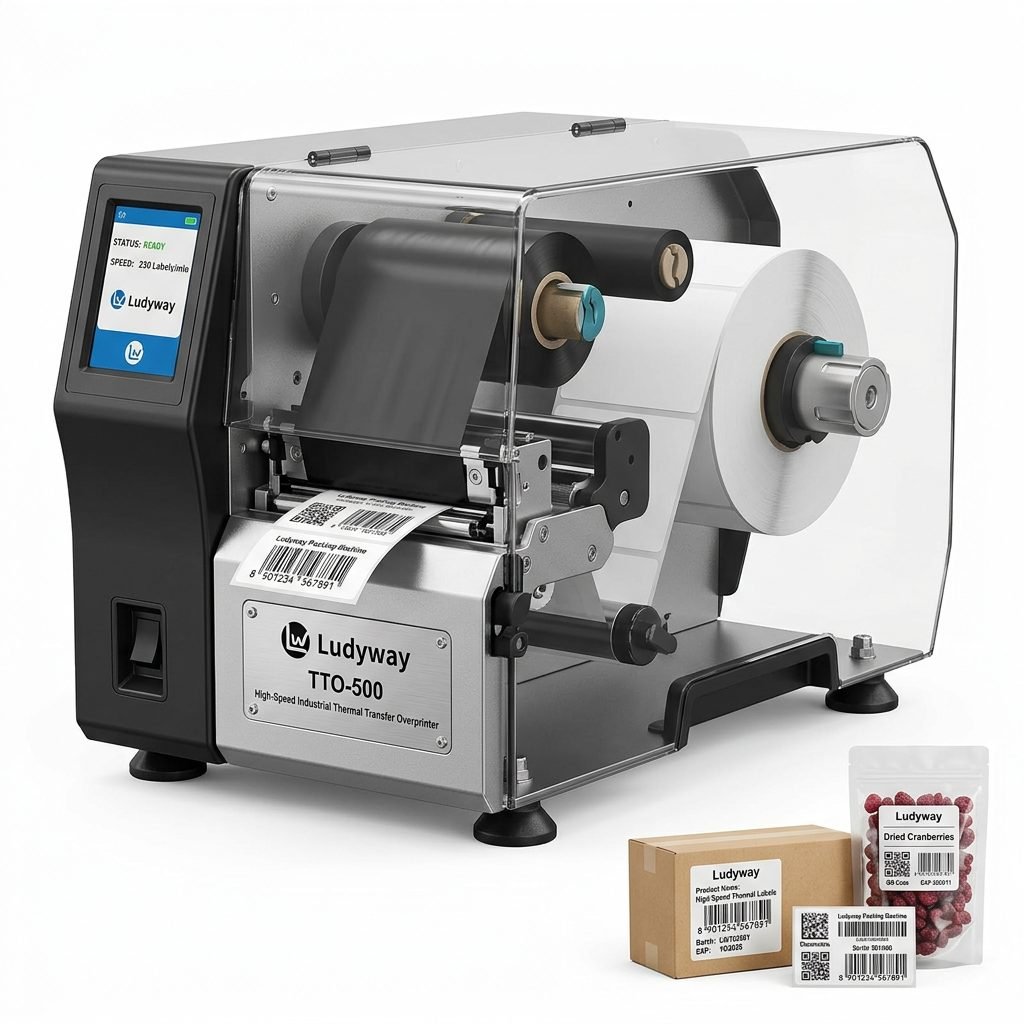
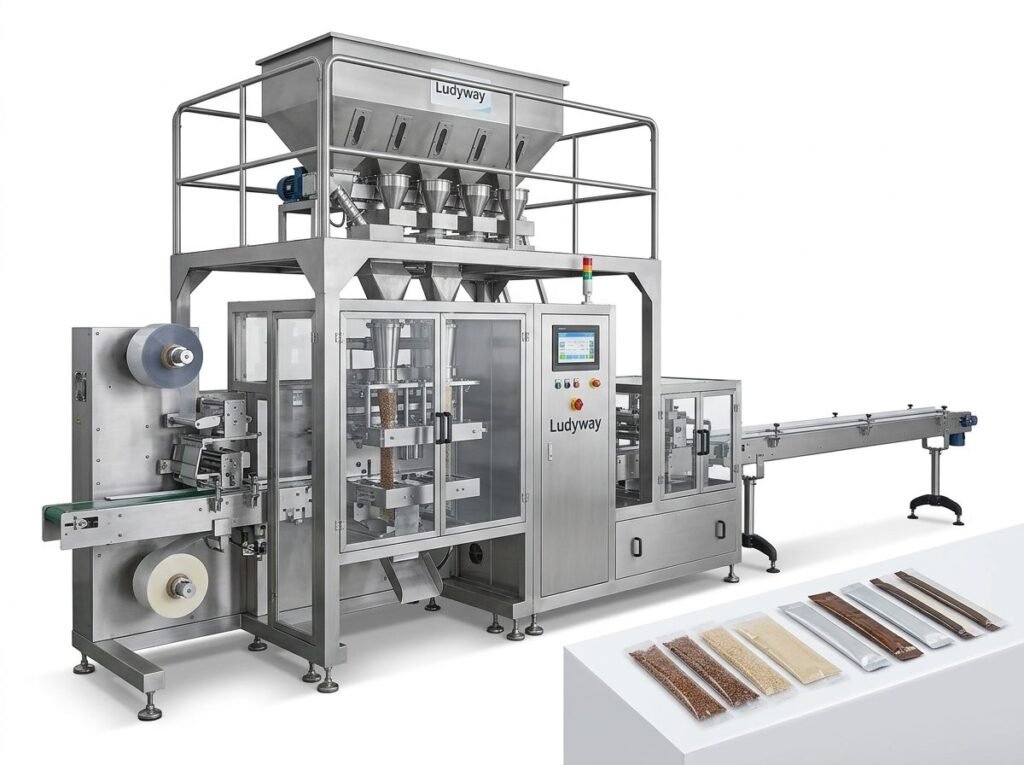
Reliable suppliers offer integrated systems that combine weighing, filling, sealing, and coding in one seamless line. When sourcing equipment, partnering with an experienced manufacturer like Ludyway — one of the largest packaging machine manufacturers in China with a 20,000㎡ facility and over 30 years of industry expertise — can provide a significant advantage. Ludyway is expected to achieve export revenue of more than RMB 500 million (approximately US$69 million) in 2025, and plans to surpass RMB 1 billion (approximately US$138 million) in export revenue in 2026, reflecting its strong global presence and capability to deliver turnkey solutions for the Middle East market.
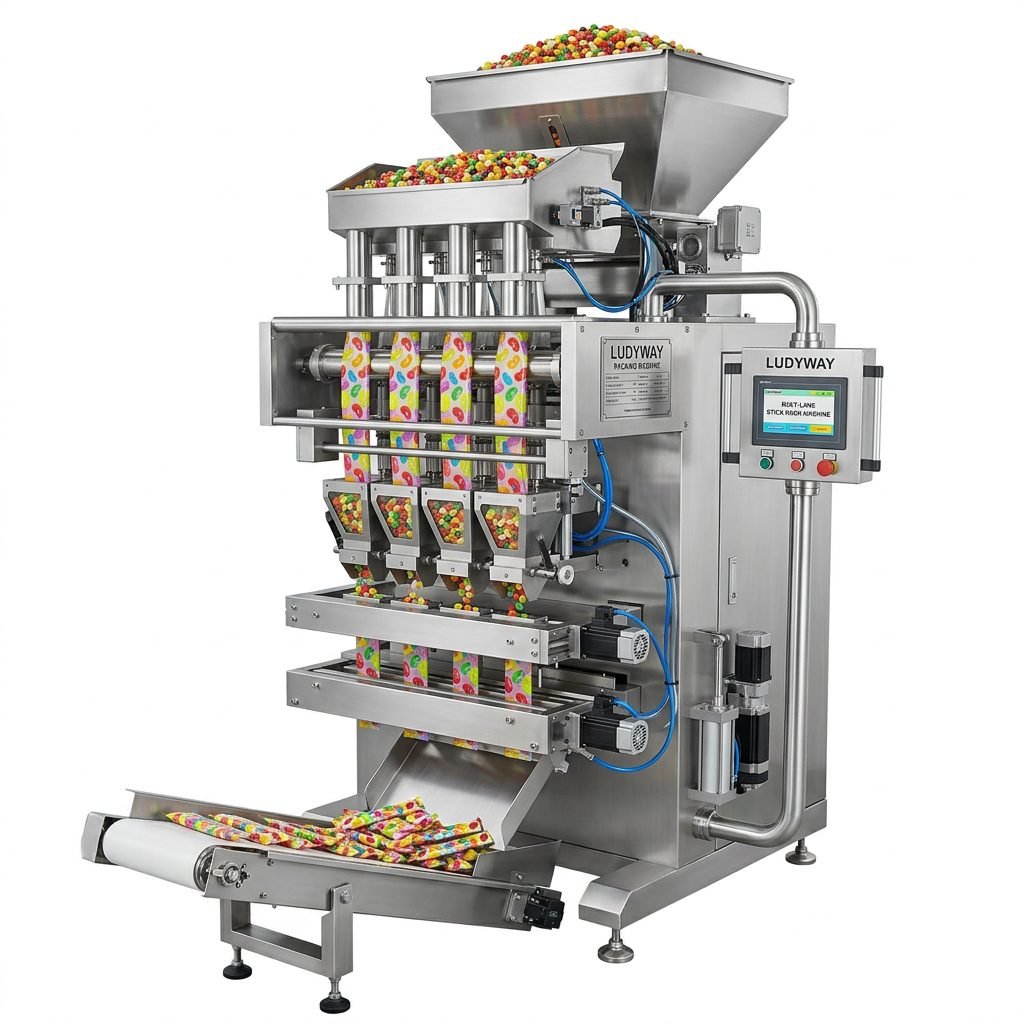
Production Line Layout and Workflow Design
An optimized line layout minimizes material handling and maximizes operator safety. A typical confectionery packaging line flows from product infeed to finished carton. Below is a common configuration:
| Stage | Equipment | Key Consideration |
|---|---|---|
| 1. Feeding | Z-bucket elevator or vibratory feeder | Gentle handling to prevent product breakage |
| 2. Weighing & Filling | Multi-head weigher with multi-lane filler | Accuracy within ±0.5g for premium products |
| 3. Primary Packaging | Stick pack / sachet form-fill-seal machine | Film compatibility with GCC climate (humidity & heat) |
| 4. Inspection | Checkweigher & metal detector | Compliance with ISO packaging standards |
| 5. Secondary Packaging | Cartoner & case packer | Retail-ready or bulk export packing options |
Regulatory Compliance and Food Safety Standards
Navigating the regulatory landscape is essential for market access. Middle Eastern countries adhere to GSO (GCC Standardization Organization) regulations, which often align with international norms. Important references include:
- FDA food packaging and food contact substances – guidelines on materials safe for confectionery.
- PMMI packaging industry resources – best practices for machine safety and sanitary design.
- Flexible Packaging Association data – insights on laminate structures suitable for tropical climates.
Ensure your chosen machinery supports CIP (Clean-in-Place) features and is built with stainless steel contact parts to meet Halal production requirements, which is a critical market differentiator.

Installation, Training, and After-Sales Support
A smooth installation phase requires detailed pre-planning. Coordinate with your supplier on:
- Factory floor preparation (leveling, power supply, compressed air).
- Remote Factory Acceptance Testing (FAT) and on-site commissioning.
- Comprehensive operator and maintenance training programs in Arabic or English.
Preventive maintenance contracts and readily available spare parts are vital to minimize downtime. Given the geographical distance, choose a partner with a proven track record in the Middle East and a responsive after-sales team that can provide remote diagnostics. Investing in a turnkey production line from a single source simplifies accountability and often accelerates the time-to-market for new confectionery launches.
Key Trends Shaping Confectionery Packaging in the Middle East
The market is moving toward sustainable packaging materials and smart factory integration. Mono-material films that are recyclable are gaining traction, and machines capable of running thinner gauges without compromising seal quality are in demand. Additionally, digital integration with IoT-enabled dashboards allows production managers to monitor OEE (Overall Equipment Effectiveness) in real time, a feature increasingly requested by multinational confectionery brands operating in the region.
By carefully selecting your equipment, optimizing your layout, and aligning with local regulations, you can establish a highly profitable confectionery packaging operation that serves the dynamic Middle Eastern market with excellence.