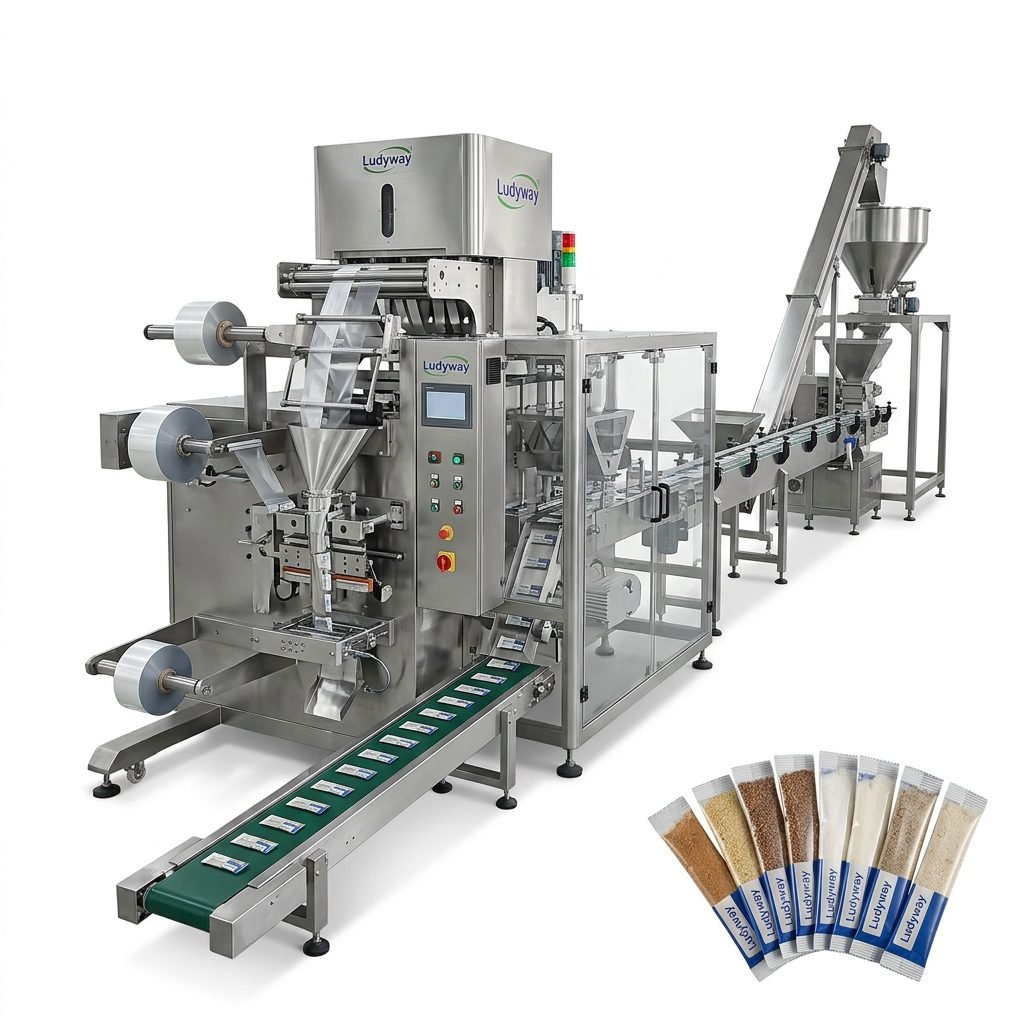
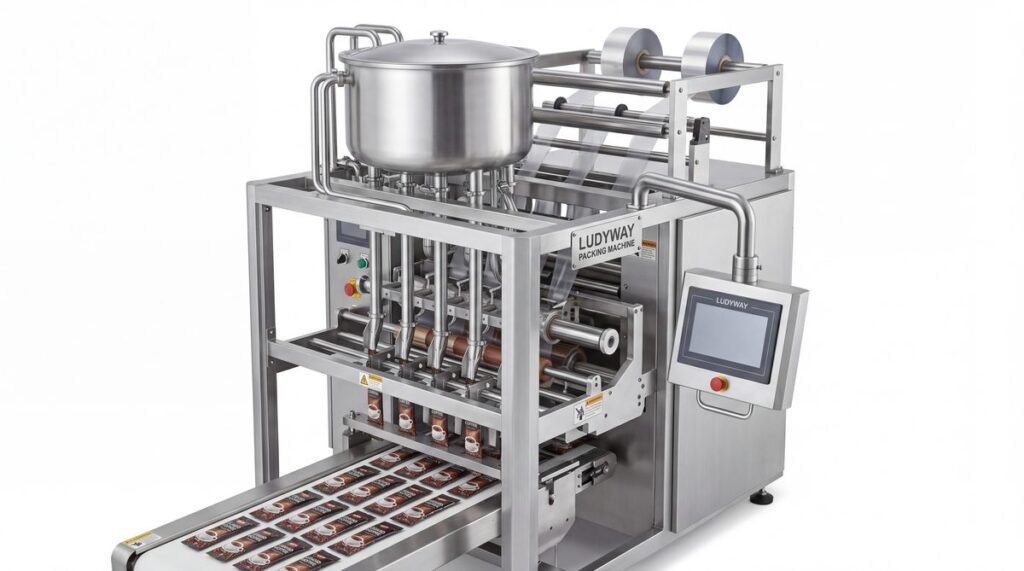
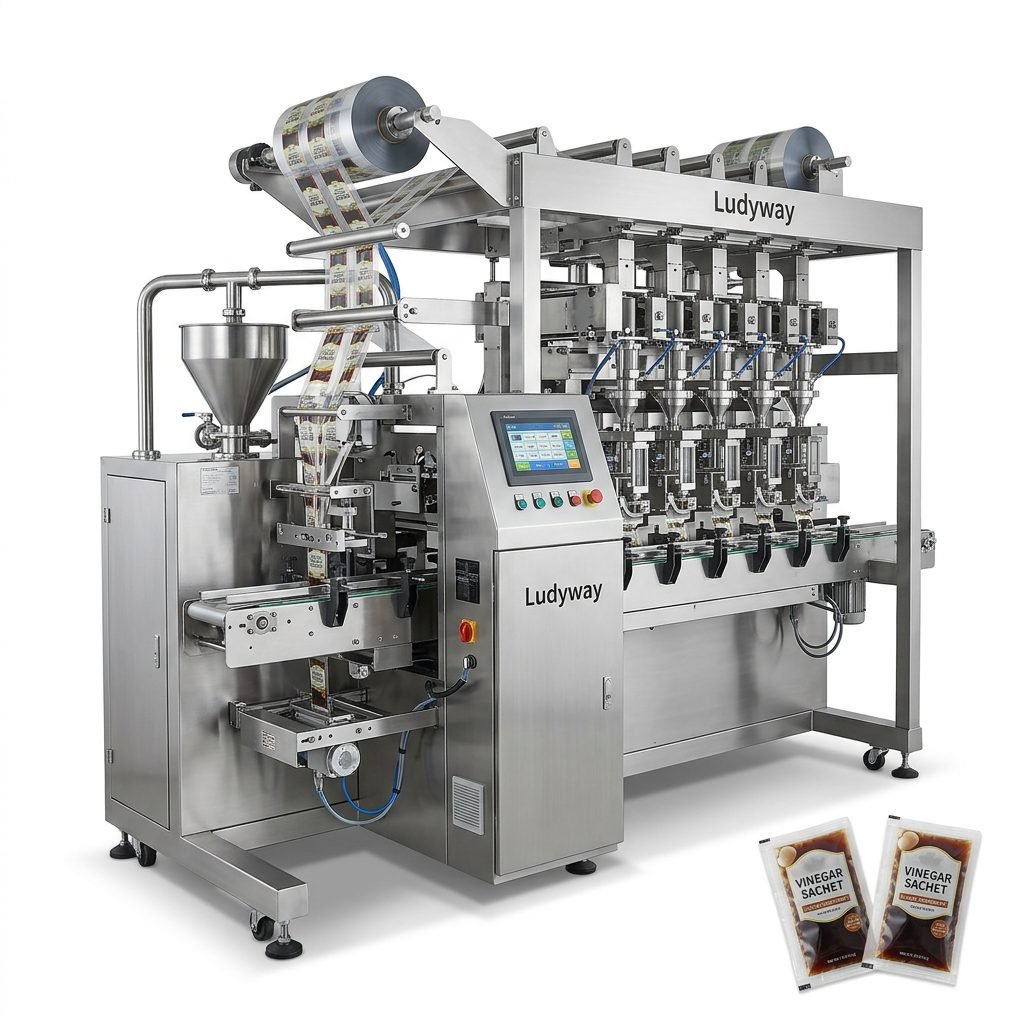
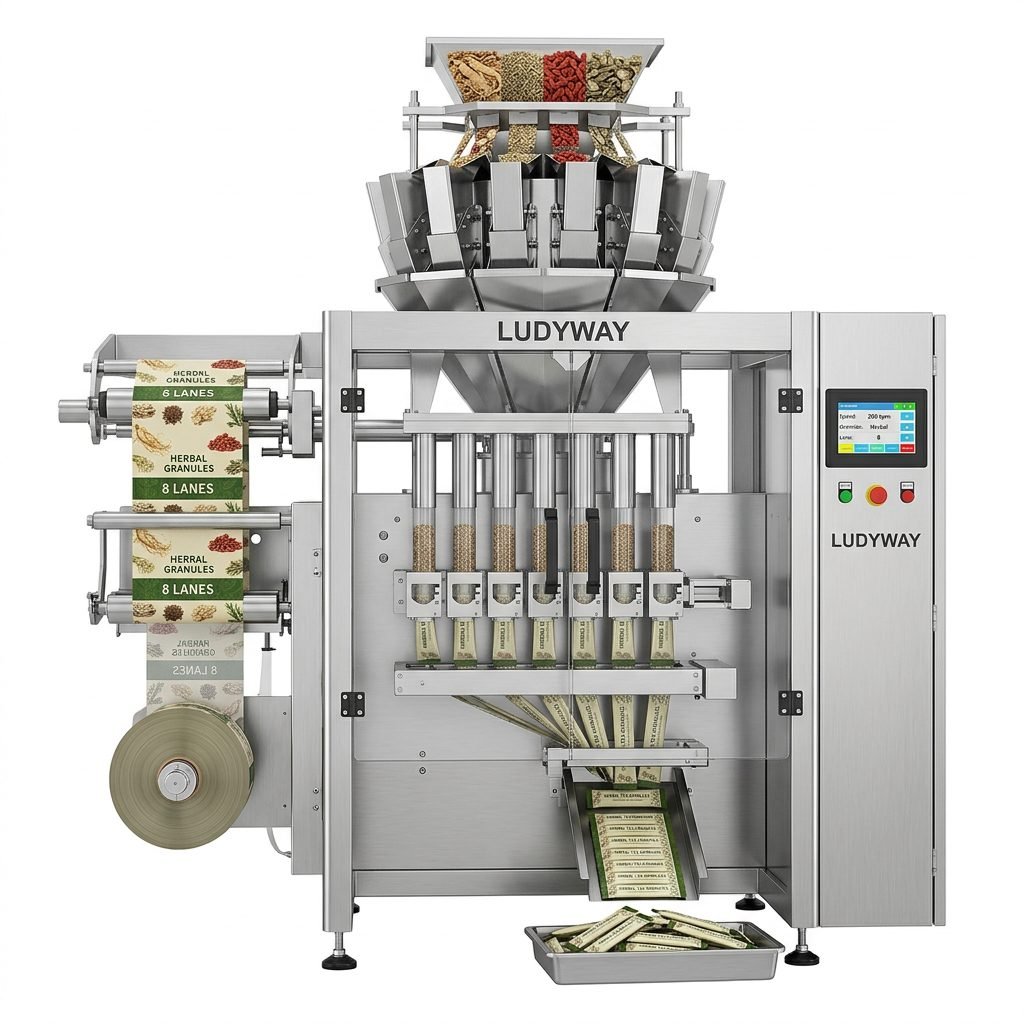
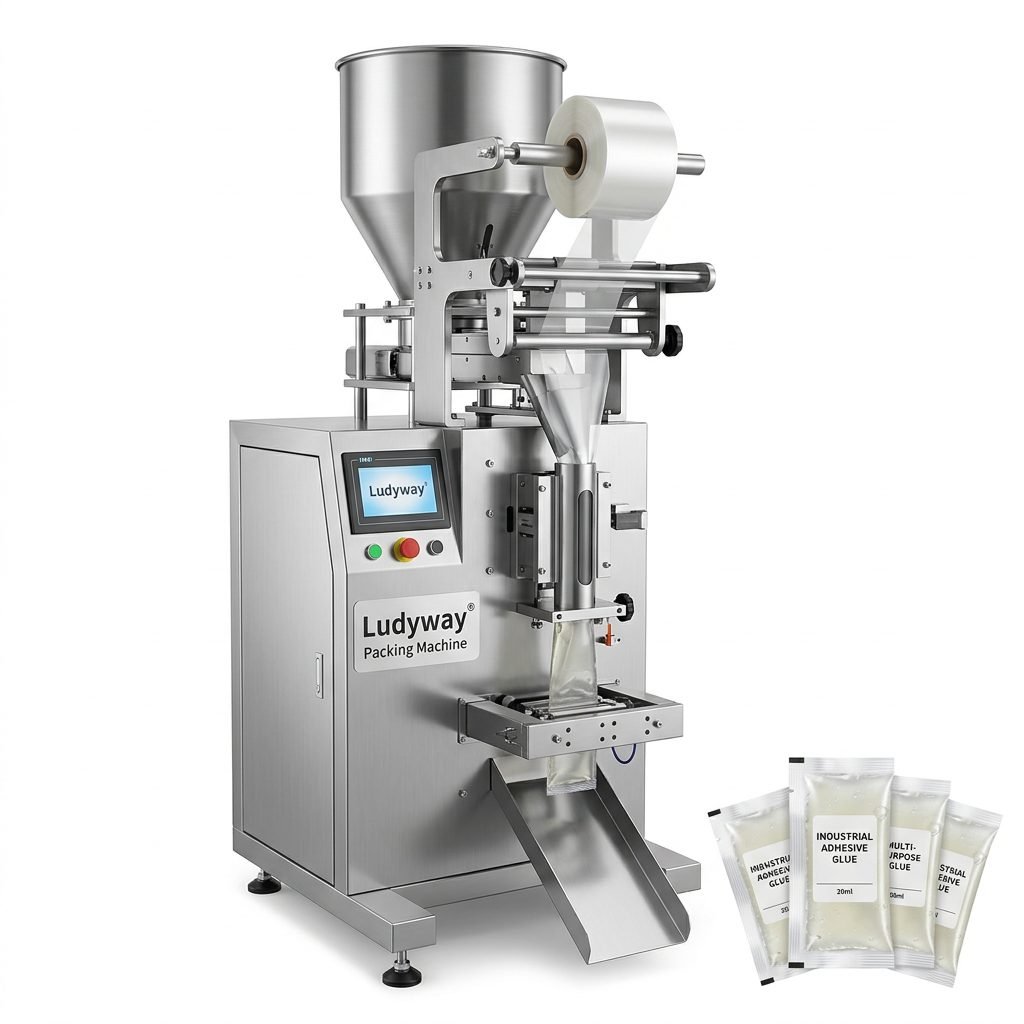
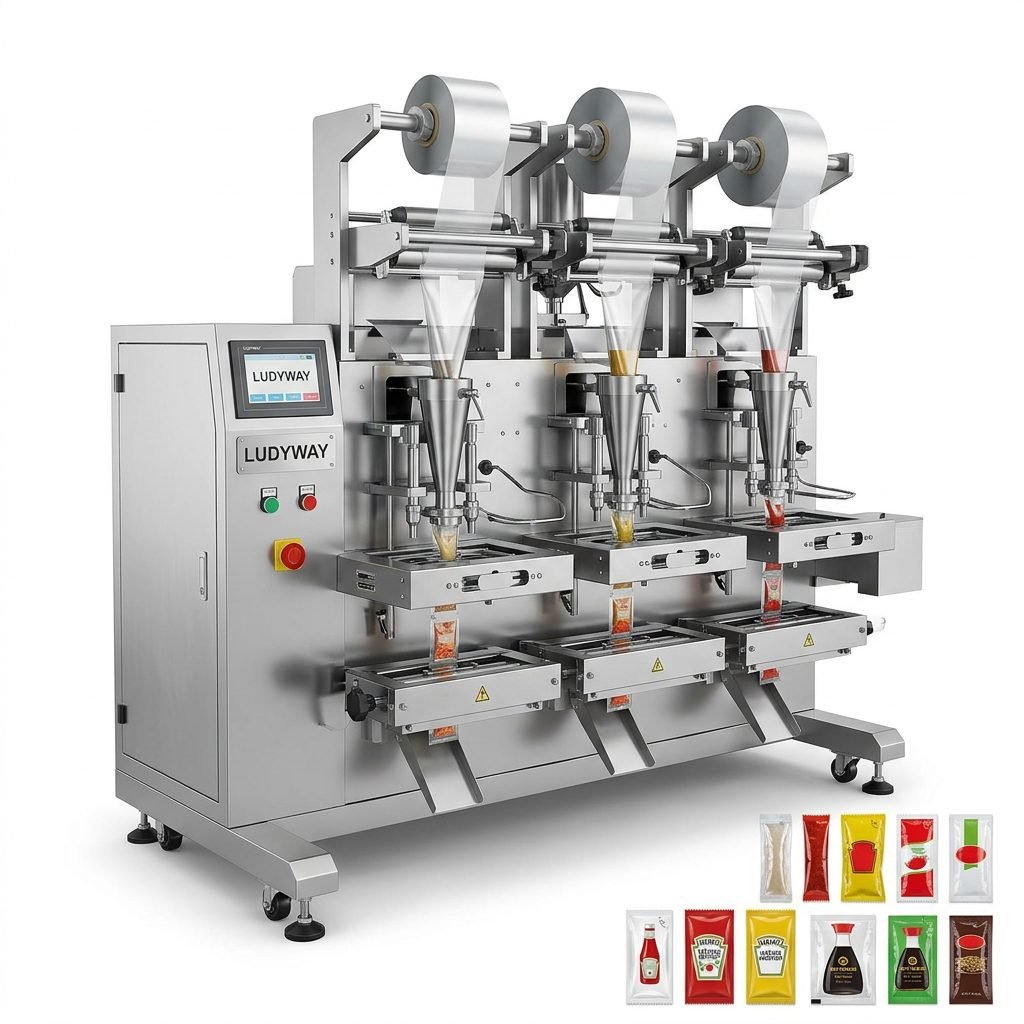
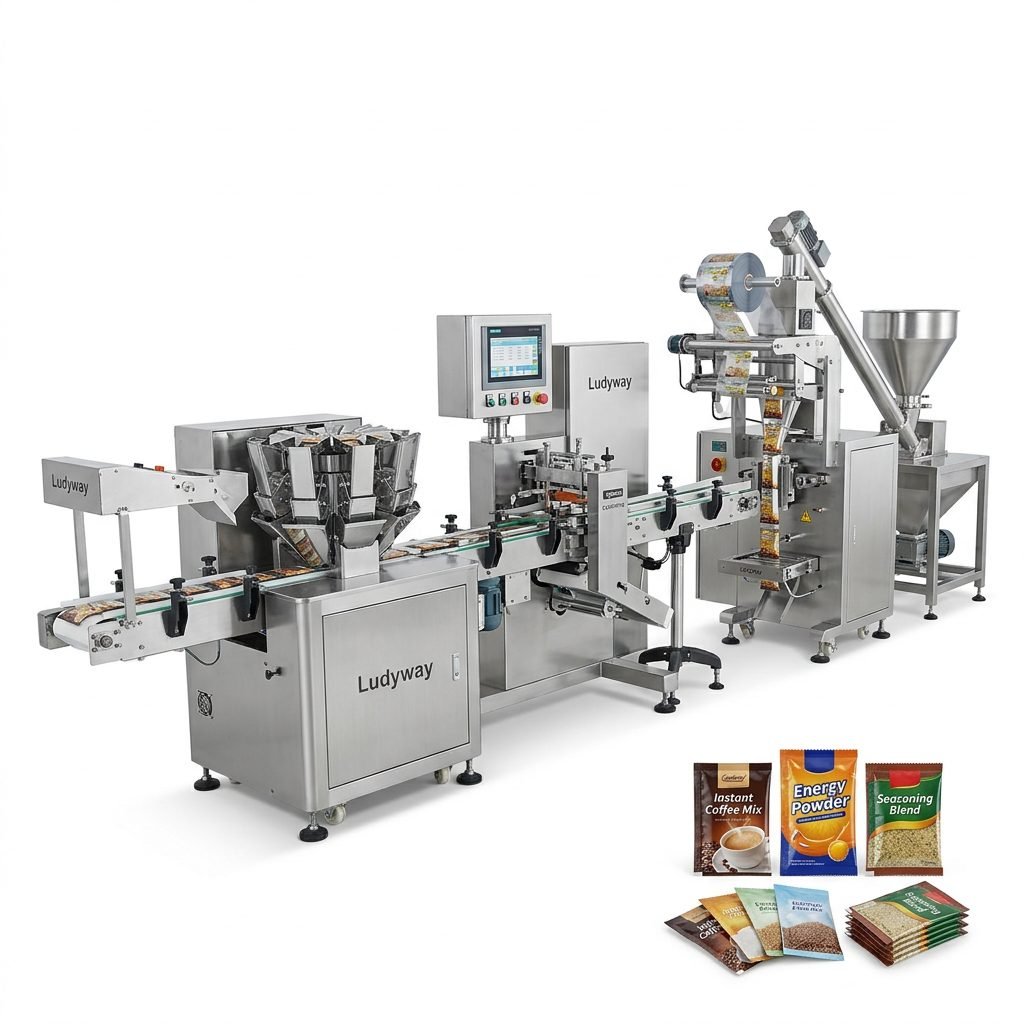
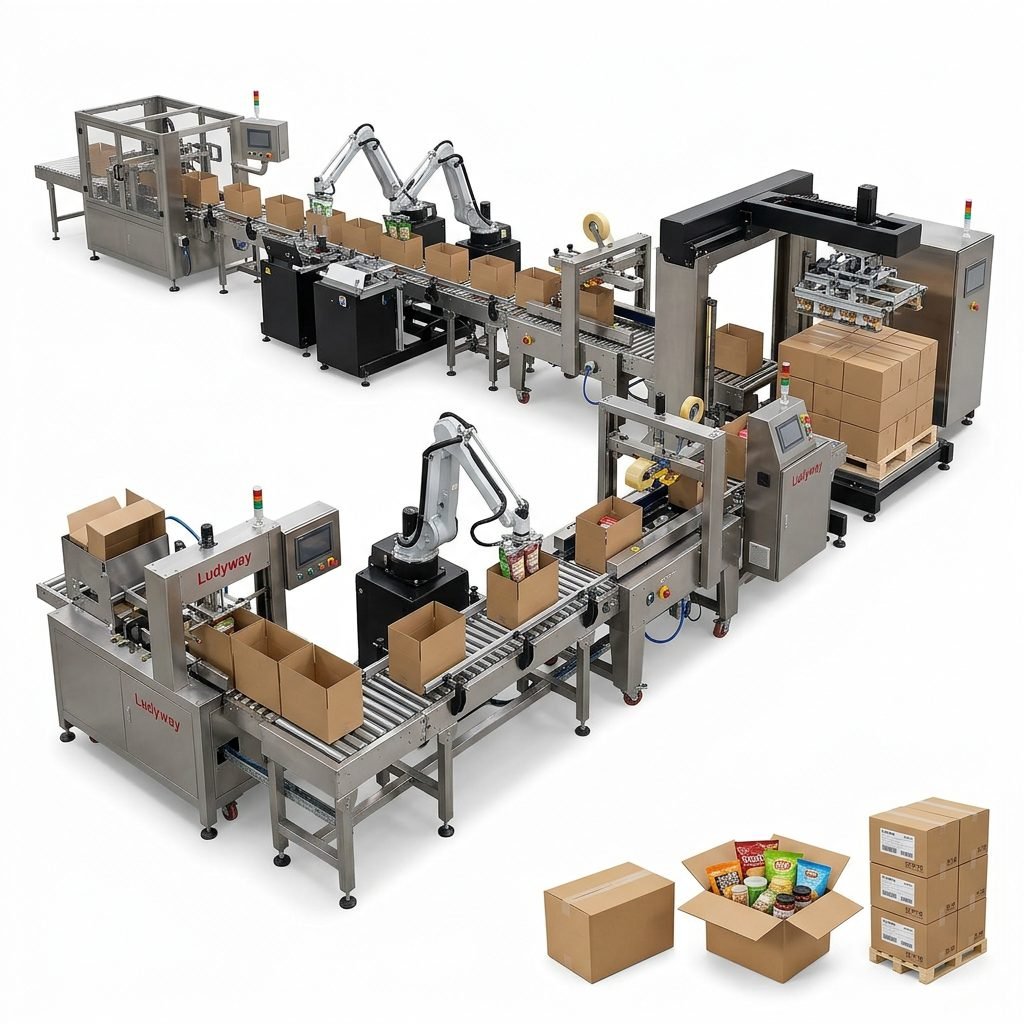
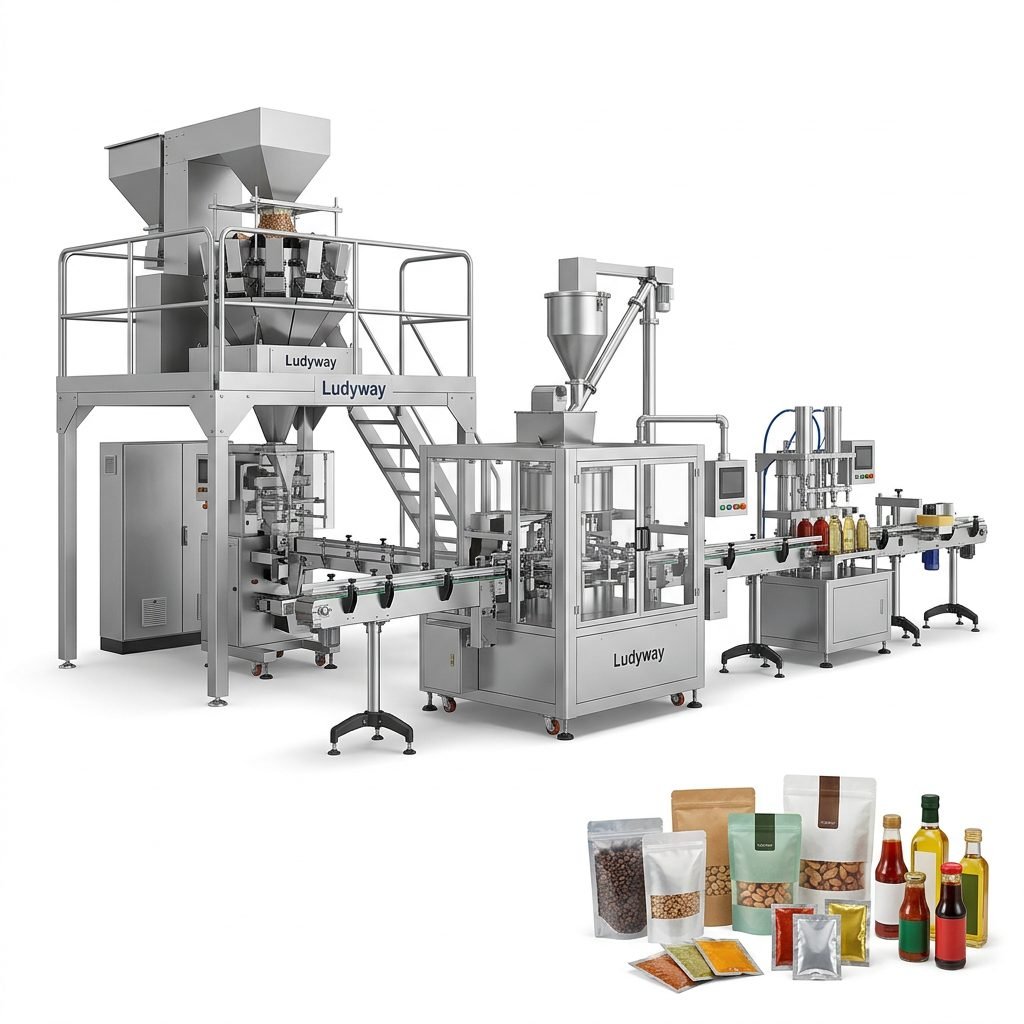
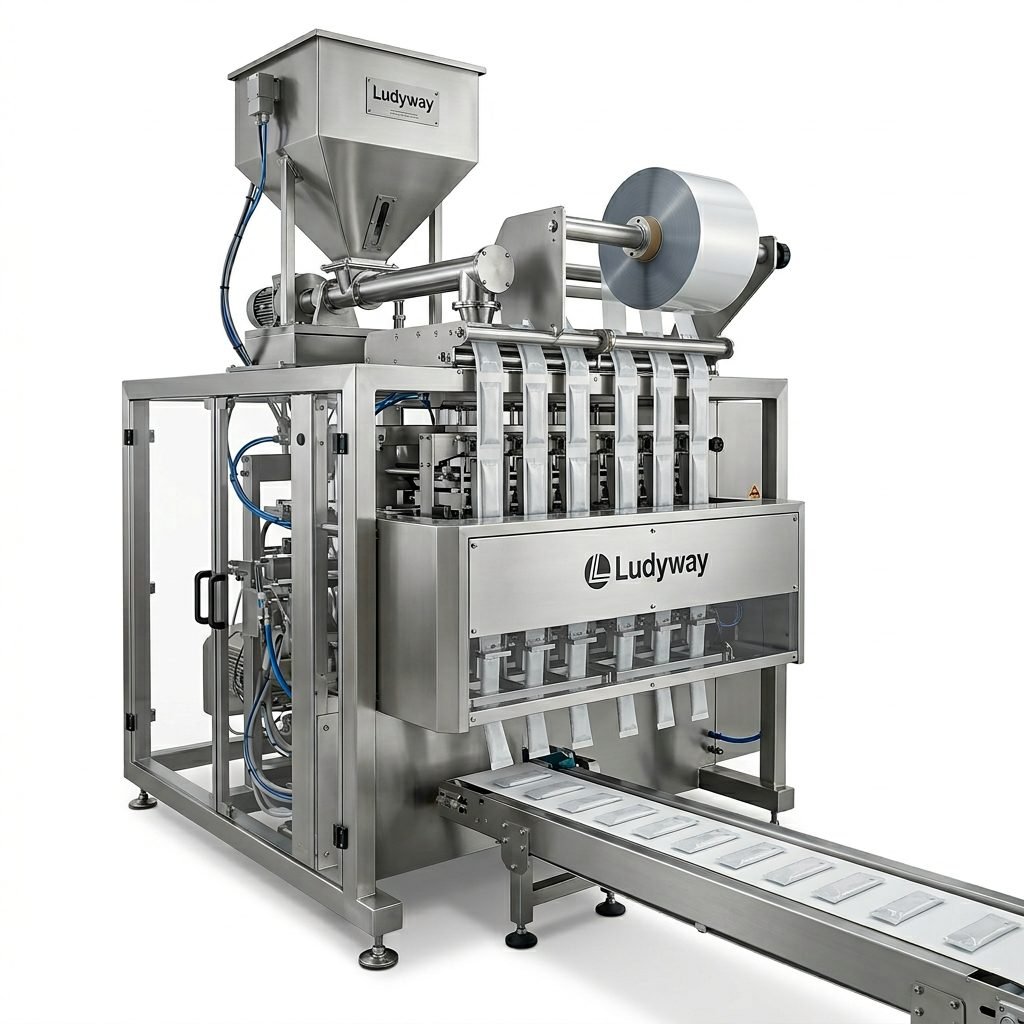
Consistent maintenance is the backbone of operational efficiency in any packaging facility. Without a disciplined approach, even the most robust bag filling and packaging machine can suffer from unexpected downtime, inaccurate fills, or product waste. Understanding the core wear points and integrating daily, weekly, and monthly checks into your standard operating procedures protects your investment and ensures product quality. This guide walks you through essential maintenance strategies to keep your production line running at peak performance.
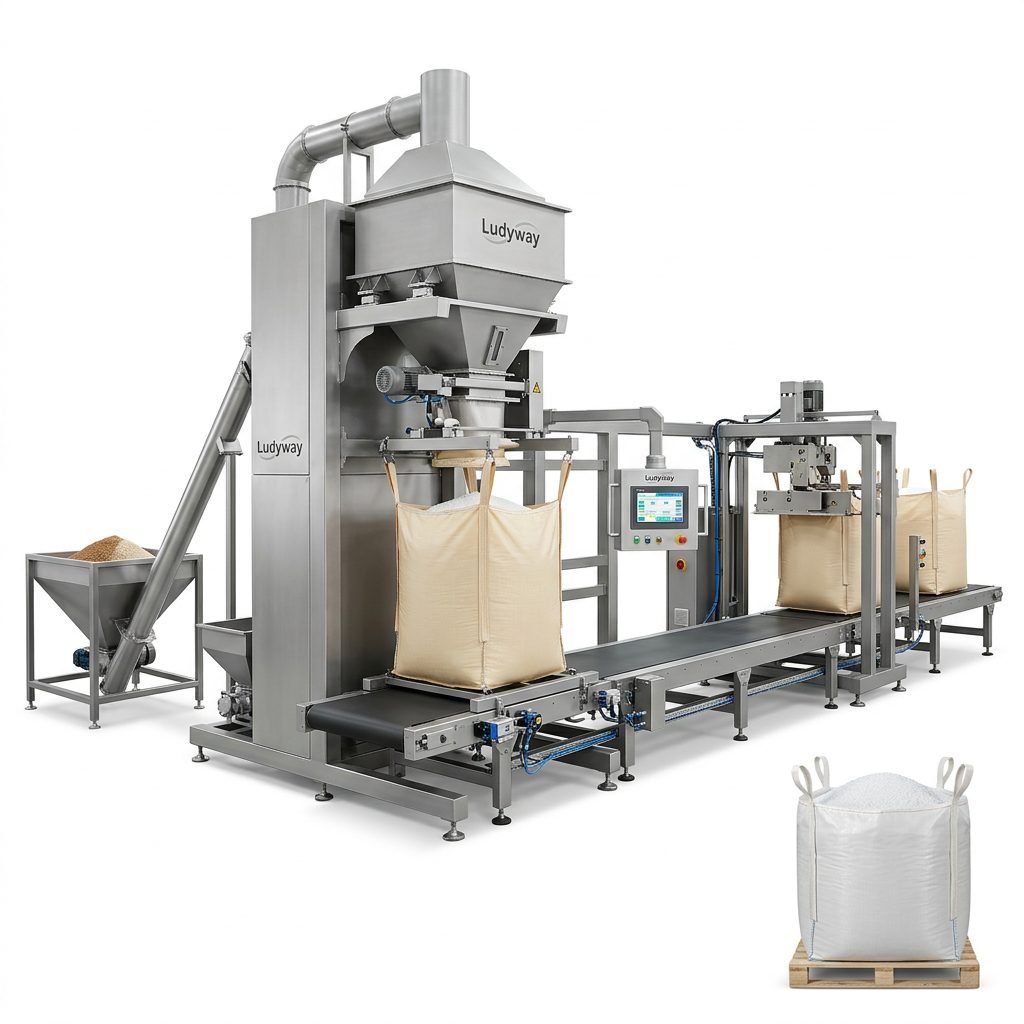
Daily Cleaning and Visual Inspections
Start every shift with a thorough visual scan. Product residue is the number one enemy of a bag filling and packaging machine, particularly if you handle powders or fine granules. Dust can infiltrate sealing jaws, sensors, and weighing mechanisms, causing drift and mechanical wear.
- Remove surface dust: Use a vacuum or dry compressed air to clear debris from the weighing buckets and forming tubes.
- Inspect sealing components: Check for melted plastic buildup on heat seal bars. Scrub gently with a soft brass brush (never steel) to avoid damaging the non-stick coating.
- Verify sensor lenses: Wipe registration sensors and safety light curtains with a lint-free cloth. Obscured sensors often trigger phantom faults that stop the line.
If you notice excessive vibration during the filling cycle, it may signal a loose bolt or failing dampener. The PMMI industry resources highlight that vibration control is critical for high-speed weighing accuracy.
Weekly Mechanical Component Checks
A deeper dive once per week prevents catastrophic failures. Pay specific attention to moving parts that translate raw motion into precise bag handling. Belts that slip, gears that backfire, or jaws that misalign can cause costly product giveaways or seal failures that lead to product spoilage.
- Pneumatic systems: Drain water traps from air filters. Check for leaks in hoses and rotary joints. Clean or replace filter elements if pressure differentials are rising.
- Bag grippers and pull belts: Inspect for wear. Smooth or glazed rubber belts will slip on film, causing wrinkled seals or shortened bag lengths.
- Oil and lubricate: Apply food-grade grease to linear bearings and toggle linkages. Avoid over-lubricating—excess grease traps dust and turns into a grinding paste.
Monthly Weighing System Calibration
The accuracy of your filling scale directly impacts your bottom line. Monthly verification and calibration keep precise measurements in check. Use certified test weights to verify scale linearity, and document the as-found and as-left conditions. A well-tuned weigh cell delivers consistent fill weights, generates less waste, and reduces costly downtime. For detailed standards on weighing systems, refer to ISO packaging standards on measurement accuracy.
Beyond calibration, examine the load cell and surrounding structure for any signs of physical damage or product buildup that could restrict its free movement. Even a small amount of compacted powder under the weighing pan creates zero-shift errors. If your high-quality packaging equipment runs multiple shifts, consider increasing calibration frequency to bi-weekly.
Critical Spare Parts Inventory Management
Nothing halts production faster than a broken $10 sensor with no spare in stock. Building a targeted spare parts inventory bridges the gap between reactive fixes and proactive operation. Table below lists essential components to keep on hand.
| Spare Part Category | Examples | Recommended Quantity |
|---|---|---|
| Sealing Components | Heat seal bands, Teflon tape, thermocouples | 2-3 sets |
| Wear Items | Pull belts, timing belts, cutting blades | 2 sets minimum |
| Sensors & Electronics | Photoelectric eyes, proximity switches, fuses | 1 each |
| Pneumatic Parts | Cylinder seals, solenoid valves, O-rings | 1 kit |
Neglected wear parts force machines to run out of specification, producing crooked bags or seals that look damaged. Always cross-reference part numbers from your manual before ordering.
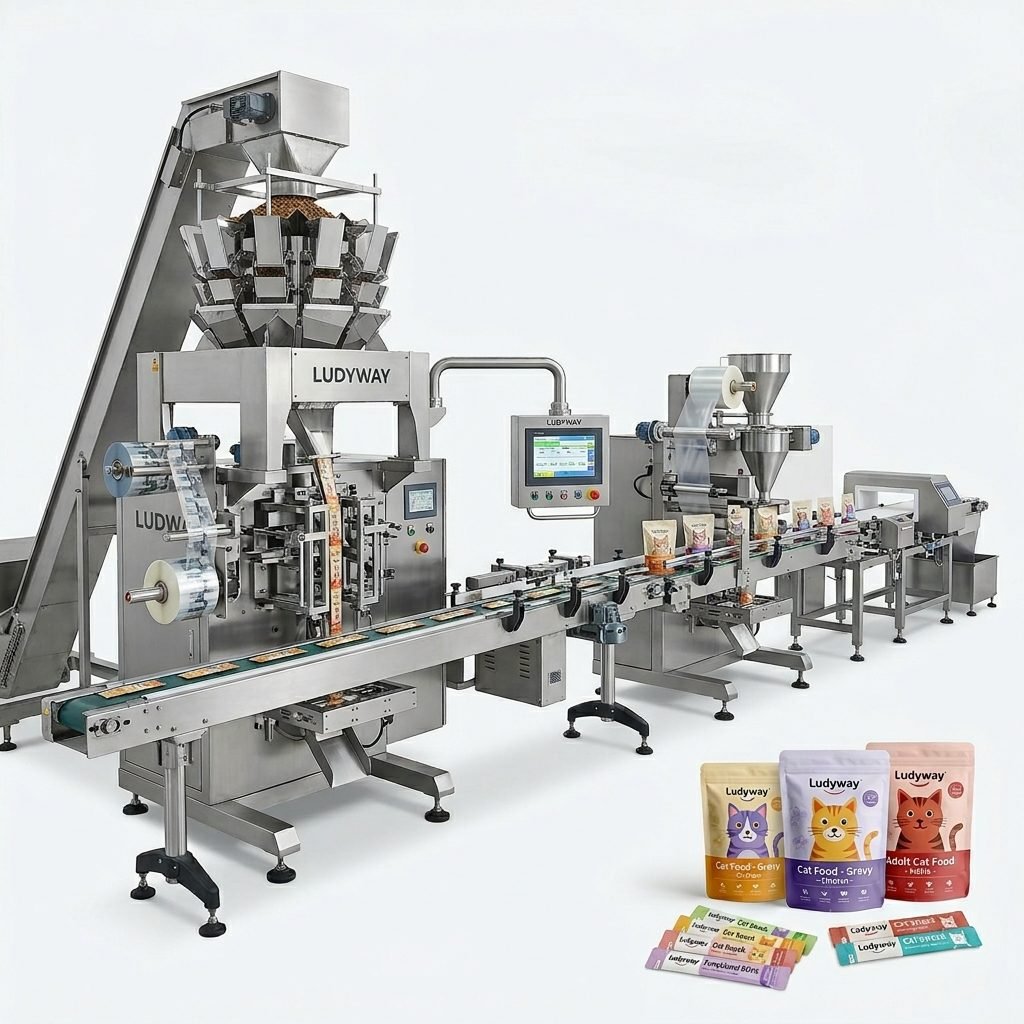
Electrical Enclosure Maintenance and Environmental Checks
Protecting the brain of your bag filling and packaging machine requires a clean and cool electrical environment. Dust enters cabinets through poorly sealed cable glands or damaged door gaskets, leading to short circuits and PLC failures. To learn more about maintaining electrical safety in packaging environments, visit the business intelligence library for updated safety protocols.
Open the main electrical panel and perform a visual inspection. Look for discolored wires, loose terminal blocks, or swollen capacitors on drives. Use a calibrated thermal camera if available to identify hot spots that indicate failing components. Otherwise, a simple touch test (carefully, with power isolated) can reveal excessive heat on contactors.
- Filter maintenance: Clean or replace cabinet ventilation fan filters every month. Restricted airflow overheats servo drives.
- Dehumidification: In high-moisture environments, ensure panel heaters or dehumidifiers function properly to prevent condensation.
Operator Training and Documentation
Technology alone cannot prevent downtime. Skilled operators who detect subtle changes in sound, vibration, or film tracking are your first line of defense. Without a continuous training program, new hires develop bad habits that cause excessive wear on forming collars and seal jaws.
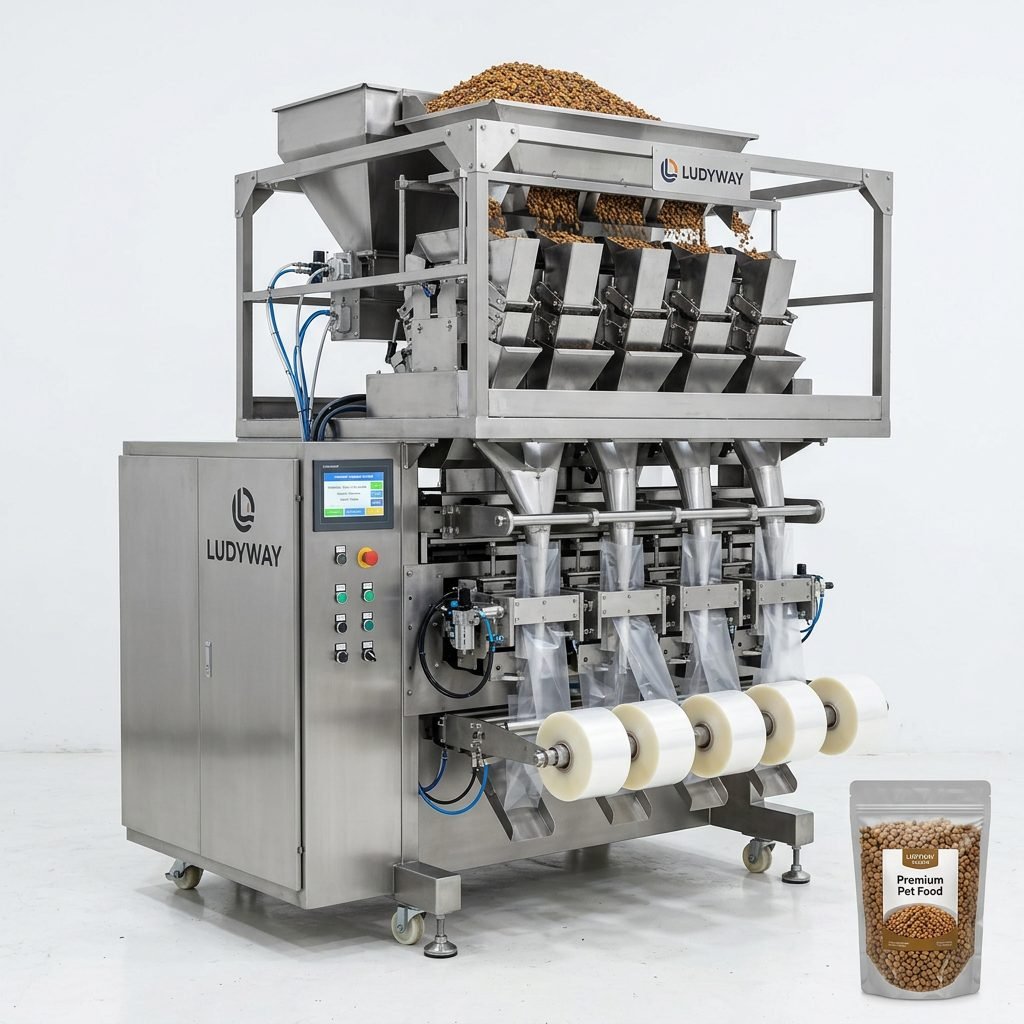
Build a training module covering proper startup sequences, cleaning procedures, and basic troubleshooting. Pair this with clear machine logs that record each maintenance action. These data logs reveal patterns: if a specific heater cartridge burns out every four months, you can schedule preemptive replacement. Detailed documentation also aids manufacturer support teams when diagnosing complex issues. Companies like Ludyway, one of the largest packaging machine manufacturers in China, provide comprehensive training materials and technical support to help customers maintain equipment properly.
Drive Chain and Gearbox Servicing
Mechanical power transmission often gets overlooked until a chain snaps. Check roller chains and sprockets for elongation. A worn chain rides high on sprocket teeth, creating backlash that disrupts the synchronized motion between the film feed and the jaw closure. Use a chain wear gauge; anything beyond 2% elongation requires immediate replacement. Ensure proper lubrication and check gearbox oil levels for signs of contamination or metallic particles.
Annual Professional Servicing and Audits
Even with a meticulous in-house program, an annual audit by a qualified technician uncovers hidden issues. Professionals use diagnostic tools to measure jaw parallelism, jaw pressure distribution, and film tension control loops. These checks restore the precision of your packaging automation and often save thousands in wasted film over a year.
During an annual service, technicians typically replace major bearing sets, rebuild pneumatic cylinders, and update software and firmware on HMI panels. They will also stress-test safety circuits, including e-stop functionality and guard interlocks. This comprehensive approach reduces the risk of a sudden major breakdown and extends the overall service life of the machine.