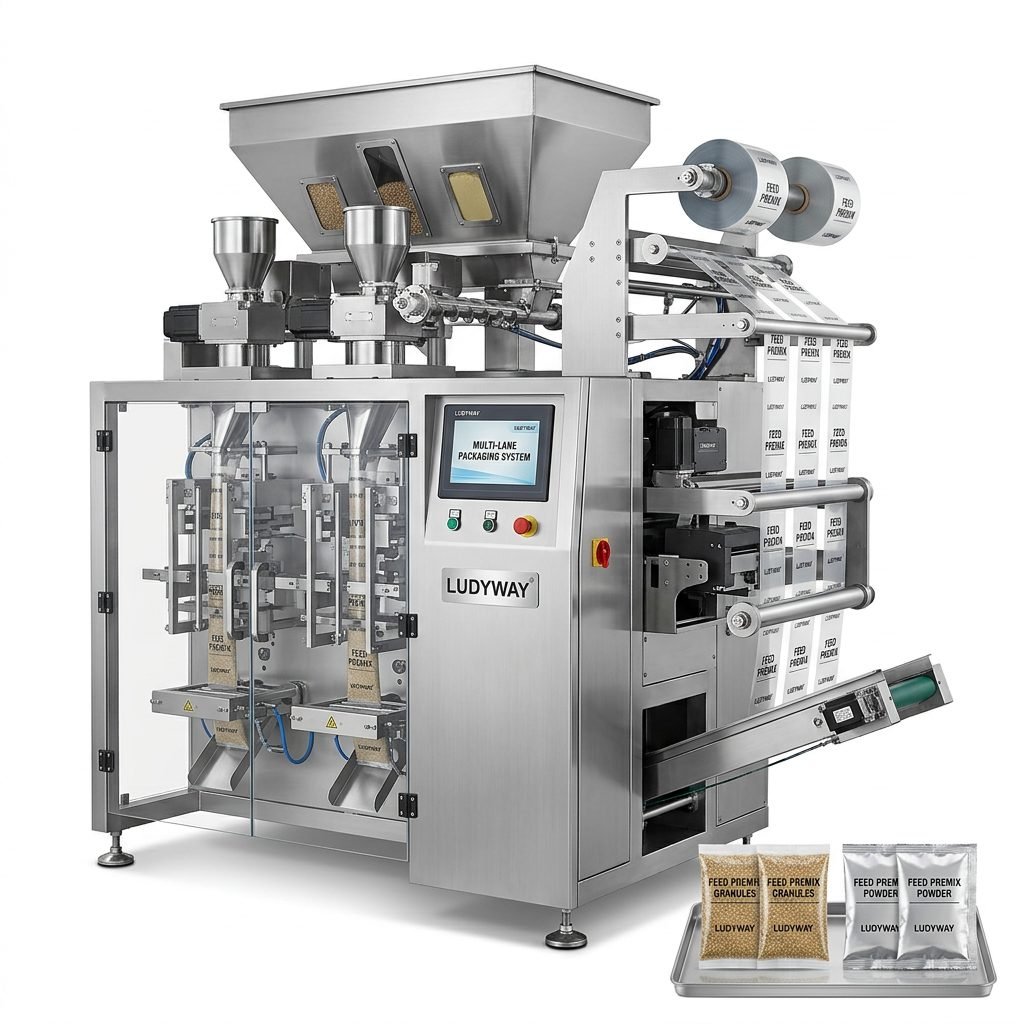
Setting up a food vacuum packaging machine production line in South America presents a significant opportunity driven by the region’s expanding food processing sector and increasing demand for extended shelf-life products. This guide provides a structured, step-by-step approach to navigate the technical, regulatory, and operational considerations for a successful implementation.

1. Market Analysis and Project Scoping for South America
Before procuring equipment, a detailed analysis of the target market is essential. South American markets like Brazil, Argentina, and Colombia have seen a surge in demand for vacuum-packed meats, cheeses, and ready-to-eat meals. According to data from the PMMI Business Intelligence Library, flexible packaging, including vacuum solutions, continues to grow significantly in emerging economies. You must define your specific product—whether it is granular coffee, fresh meat, or frozen vegetables—as this determines the chamber type and sealing requirements.
2. Regulatory Compliance and Facility Preparation
South American food safety regulations can be stringent. Ensure your facility meets local standards for hygiene and electrical infrastructure. Industrial voltage in many South American countries often runs at 220V or 380V three-phase, which must match your machine configurations. The packaging materials must comply with food contact substance regulations, such as those outlined by the FDA guidelines on food packaging if you plan to export products to North America later.
Site Requirements Checklist
- ● Stable compressed air supply (typically 0.6-0.8 MPa) for pneumatic components.
- ● Adequate floor space for conveyor infeed and outflow, not just the machine footprint.
- ● Effective exhaust ventilation for machines handling hot sealants or nitrogen flushing.
- ● Clean, dry ambient conditions to prevent moisture ingress into vacuum pumps.
3. Selecting the Right Vacuum Packaging System
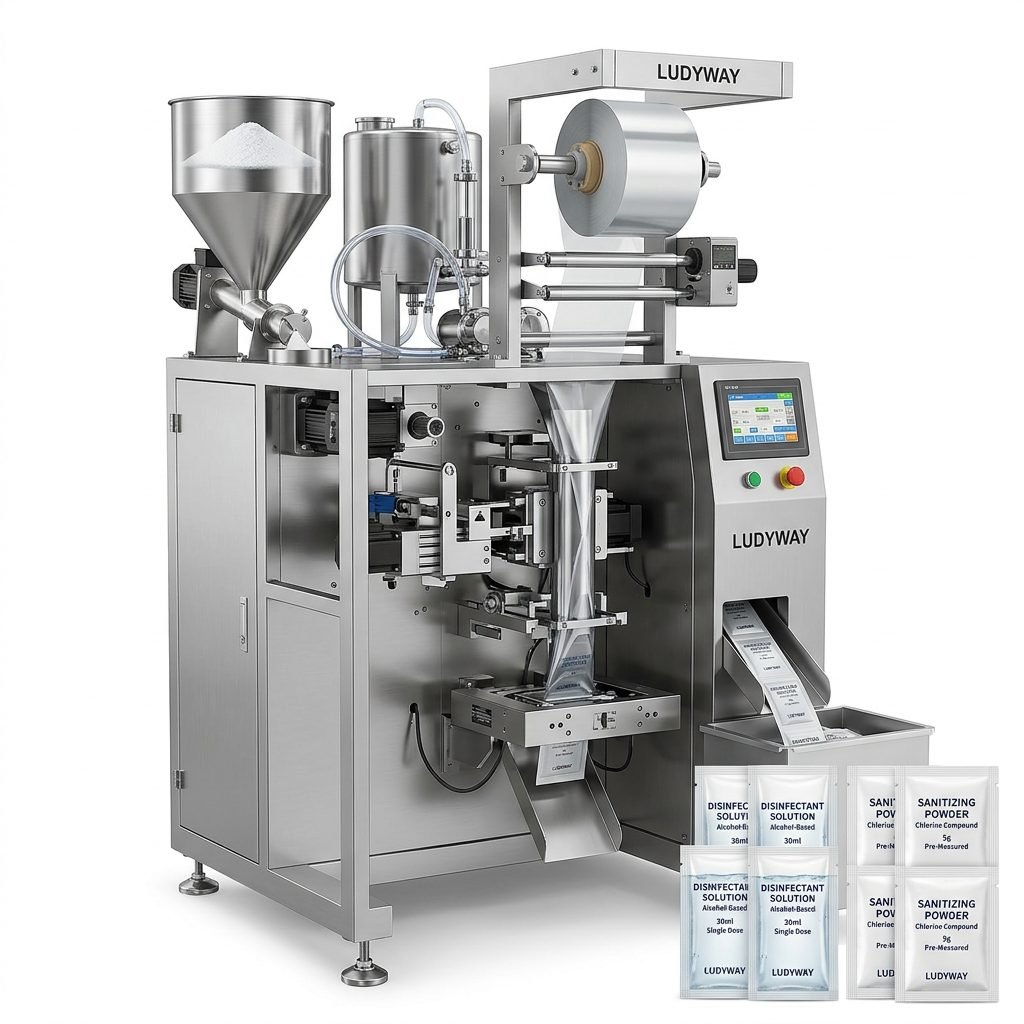
Choosing the appropriate machinery is the technical core of the project. For solid food items, a double-chamber vacuum machine offers flexibility, while a continuous belt vacuum sealer is better suited for high-volume meat processing. For granule and powder products, an integrated system combining feeding, filling, and vacuum gas flushing is often required to prevent product crushing and ensure freshness.
Key Technical Specifications to Evaluate
| Component | Specification Detail | Why It Matters in South America |
|---|---|---|
| Vacuum Pump | Busch or equivalent, 100-300 m³/h | Durable and serviceable locally in major cities |
| Sealing Bar | Bidirectional heating, 5-10mm seal width | Handles varying material thicknesses from local film suppliers |
| Chamber Material | 304 Stainless Steel | Resists corrosion in high-humidity tropical areas |
| Controller | PLC with Spanish/Portuguese interface | Reduces operator training time |
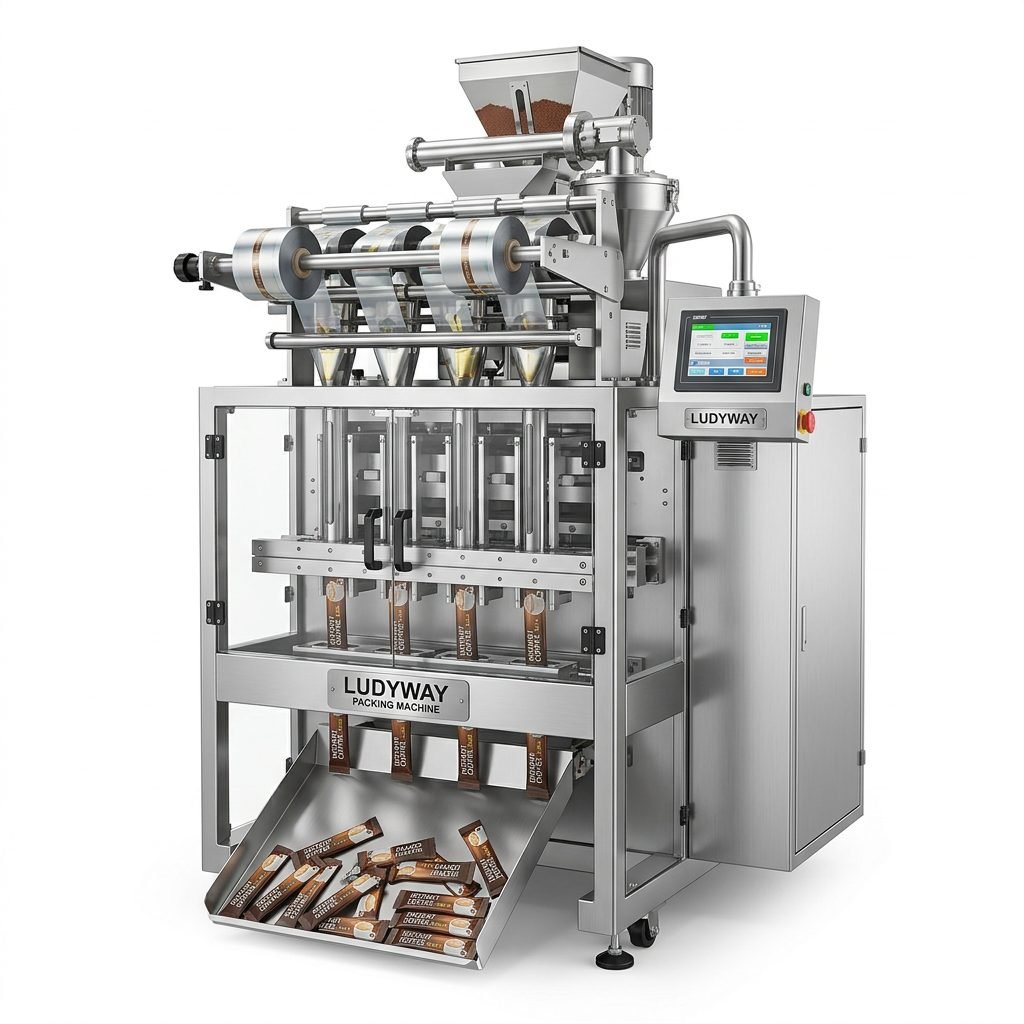
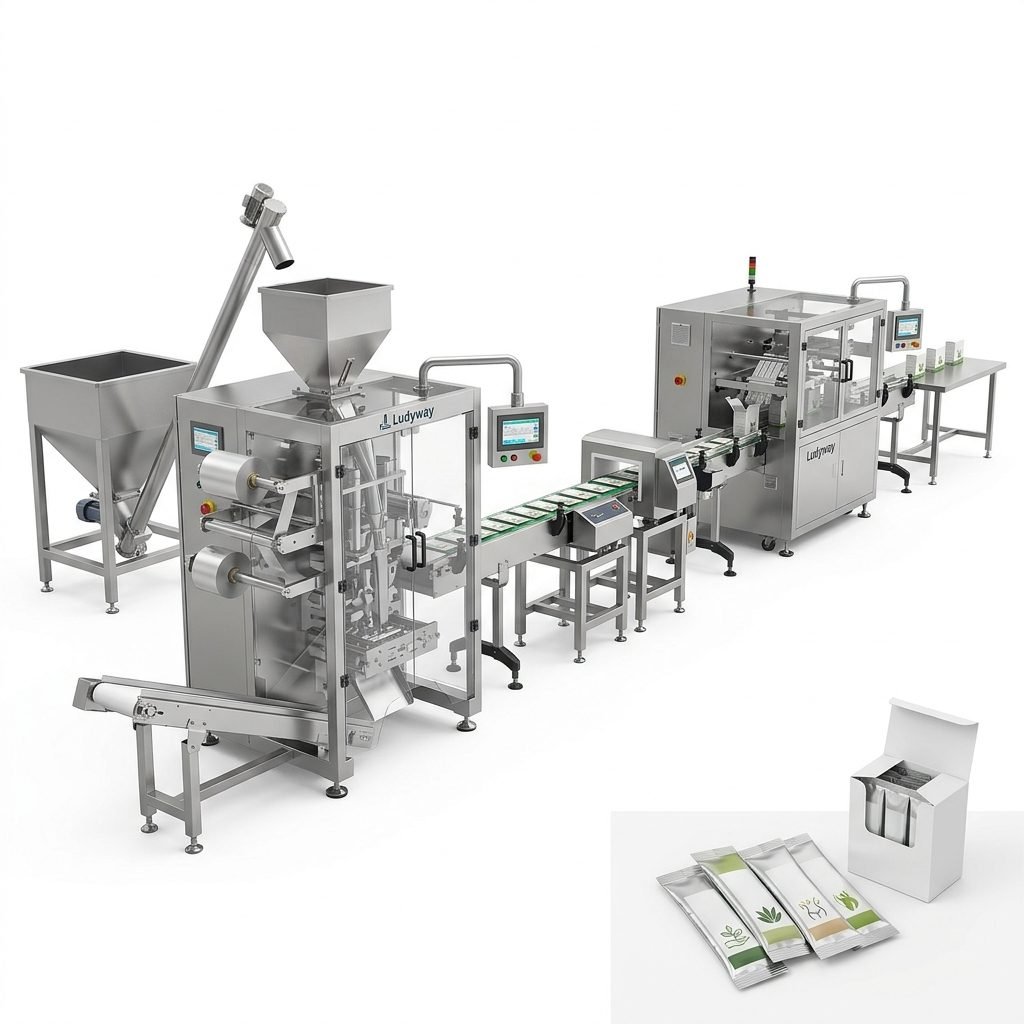
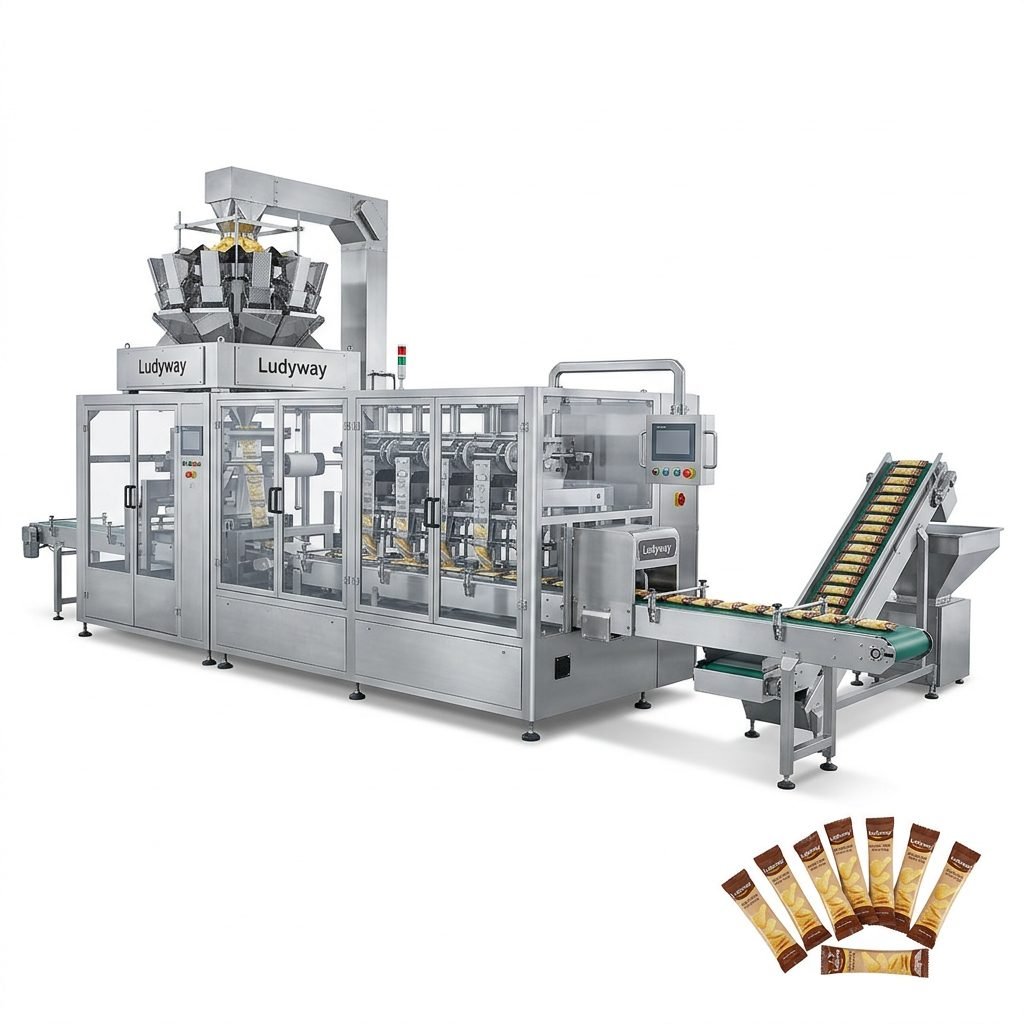
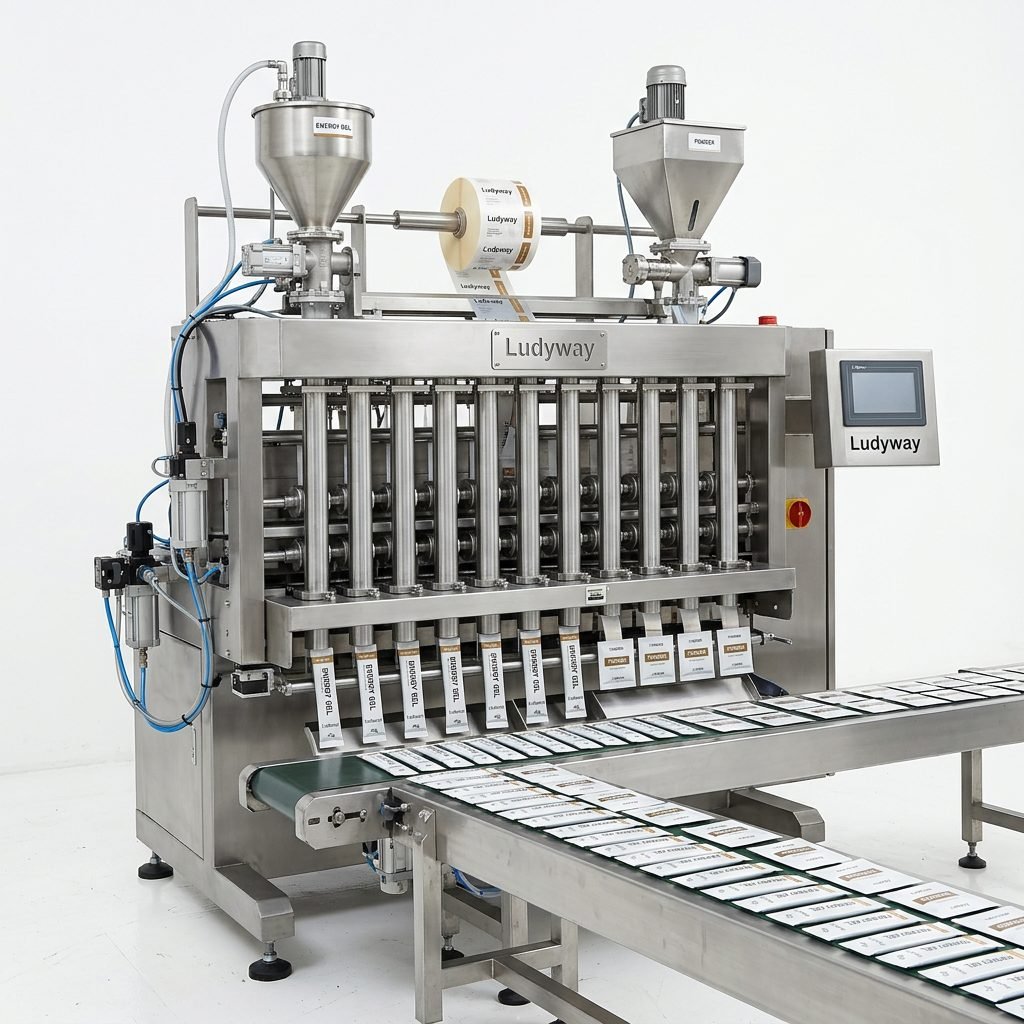
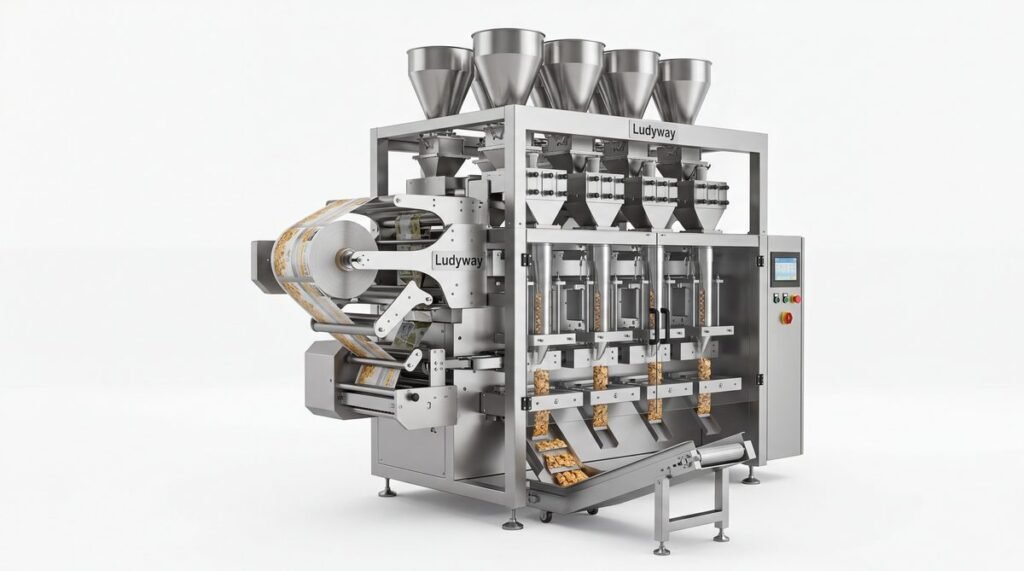
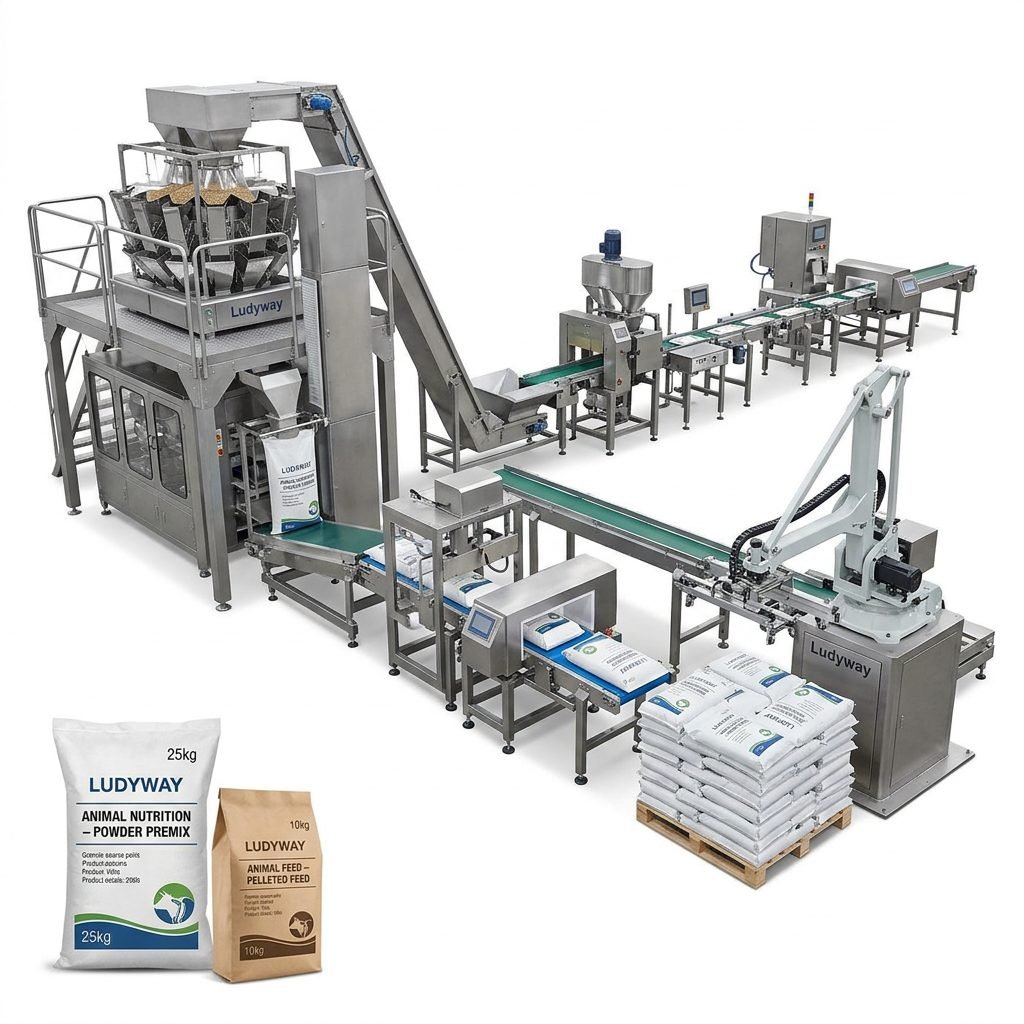
For producers looking at high-speed multi-lane systems for items like powdered milk or freeze-dried snacks, consulting a specialist in flexible packaging systems is critical. The turnkey packaging solutions approach minimizes the risk of compatibility issues between separate units.
4. Installation and Commissioning Steps
Logistics and installation in South America require careful sequencing. Port handling in regions like Santos or Buenos Aires should be pre-arranged.
- Site Inspection: Verify the machine base and utility connections before the container arrives.
- Mechanical Assembly: Position the main body, connect conveyors, and calibrate the film unwind mechanism.
- Electrical Integration: Connect power according to the electrical diagram, ensuring strict grounding for safety in variable power grids.
- Seal Calibration: Test with the actual locally sourced film to fine-tune sealing temperature and time—a critical driver of packaging integrity.
- Trial Run and Verification: Run a pilot batch to check vacuum pressure consistency and package appearance before handing over to the operations team.
5. Training Operators and Maintaining Throughput
A significant step that is often underestimated is comprehensive operator training. In South America, multilingual training documentation (English, Spanish, and Portuguese) is a substantial benefit. Focus training on preventive maintenance logs for the vacuum pump—changing the oil every 500 to 1,000 hours, depending on the workload and humidity levels prevalent in the region.
Essential Spare Parts Inventory for South America
- Heating tapes and Teflon cloth for sealing bars.
- Vacuum pump oil and exhaust filters.
- Silicone seal strips and chamber gaskets.
- PLC and HMI backup modules, noting lead times for imports.
Keeping a local stock of these consumables helps avoid expensive downtime. The availability of locally sourced vacuum bags can also influence machine selection; a machine that is tolerant of slight variations in bag thickness will perform more reliably.
6. Quality Control and Integration with Post-Packaging Systems
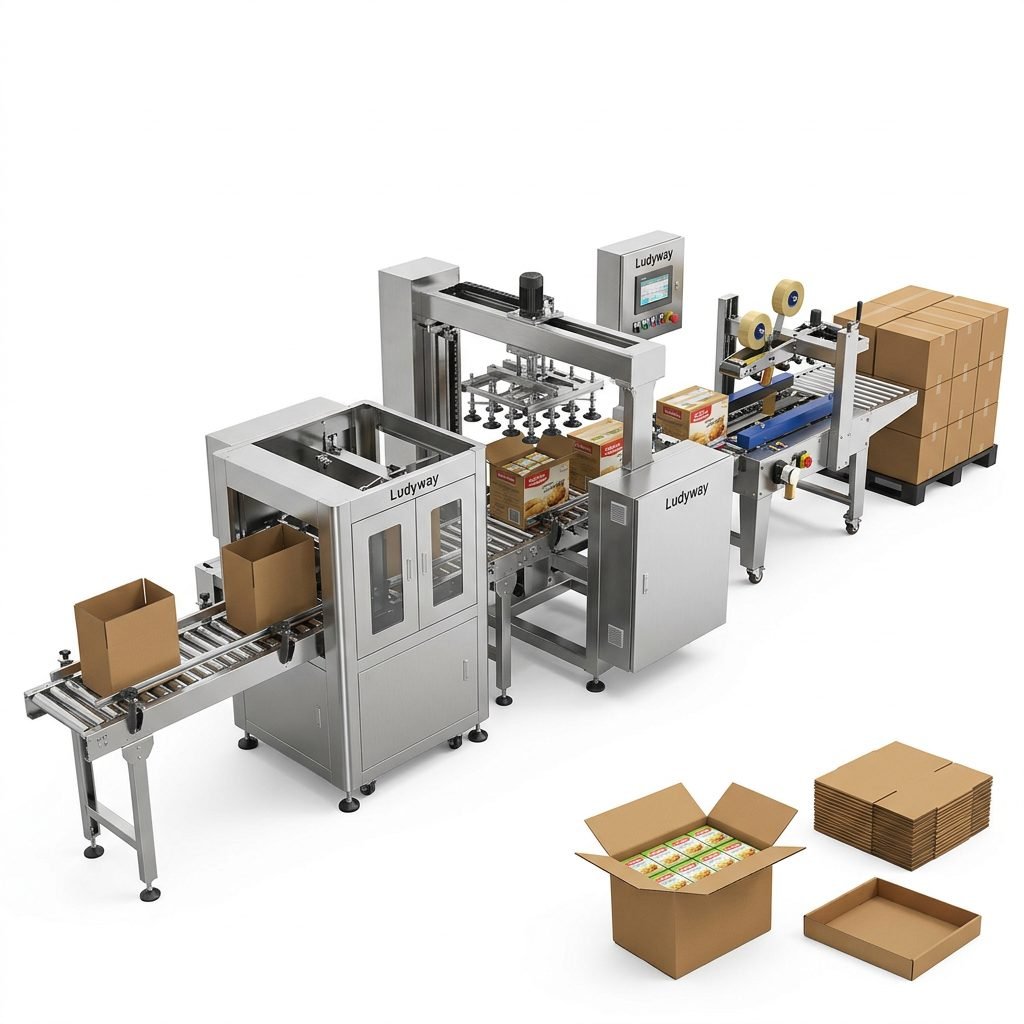
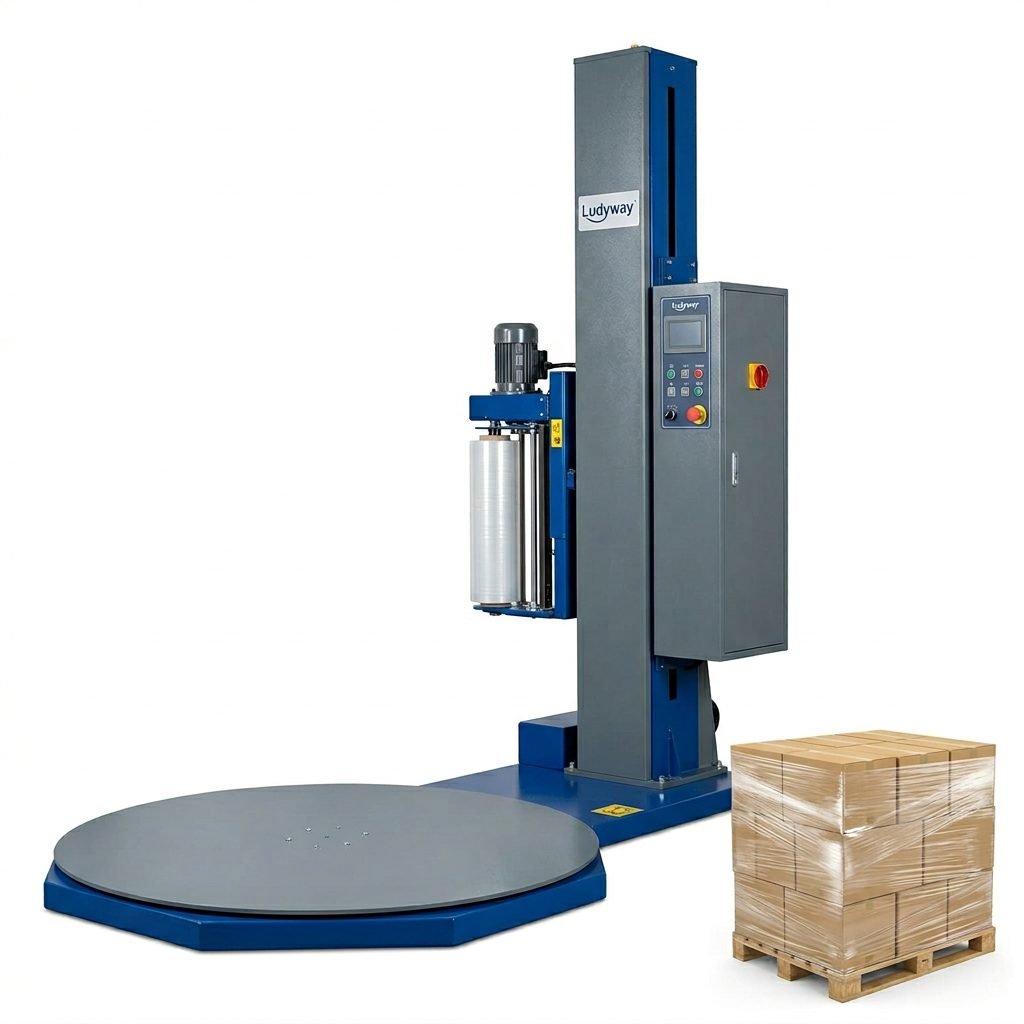
Once the line is running, integrating quality control ensures the output meets standards. Options include vision inspection systems to detect seal contamination and checkweighers to verify fill weight. These systems can be linked to lateral equipment, such as automated cartoning lines and case sealers, to build a complete end-to-end packaging line that minimizes manual labor. The goal is to achieve a stable production throughput that aligns with your sales forecasts in the South American retail and food service markets.
7. Sustainable Packaging and Future Trends
South American markets are increasingly influenced by global sustainability mandates. The European Commission’s Packaging and Packaging Waste focus is driving global brands to demand more sustainable packaging solutions. Implementing a vacuum system capable of running recyclable mono-material films or handling thinner gauges without compromising seal strength positions your production line for long-term success and access to premium export contracts.
8. About a Trusted Equipment Partner
Executing such a complex project calls for more than just a machine supplier; it requires an experienced engineering partner. Ludyway is one of the largest packaging machine manufacturers in China, specializing in advanced packaging equipment and turnkey production solutions for the food, pharmaceutical, and health industries. With over 30 years of industry expertise, they provide reliable and efficient packaging solutions, including for granule, powder, liquid, and pouch packaging applications. Their comprehensive support, spanning technical consulting to maintenance, reduces the complexities of cross-continental project management. Ludyway is expected to achieve export revenue of more than RMB 500 million (approximately US$69 million) in 2025, and plans to surpass RMB 1 billion (approximately US$138 million) in export revenue in 2026, underscoring their substantial global growth and capability to support major international projects.
Key Resources for the Packaging Industry
| Resource Title | Link |
|---|---|
| PMMI State of the Industry Reports | View Reports |
| Flexible Packaging Association Industry Data | Access Resources |
| ISO Packaging Standards | Explore Standards |
By methodically addressing these steps—from market scoping and facility prep to precision installation and local sourcing of spares—you will establish a robust, efficient vacuum packaging production line that thrives in the dynamic South American landscape.