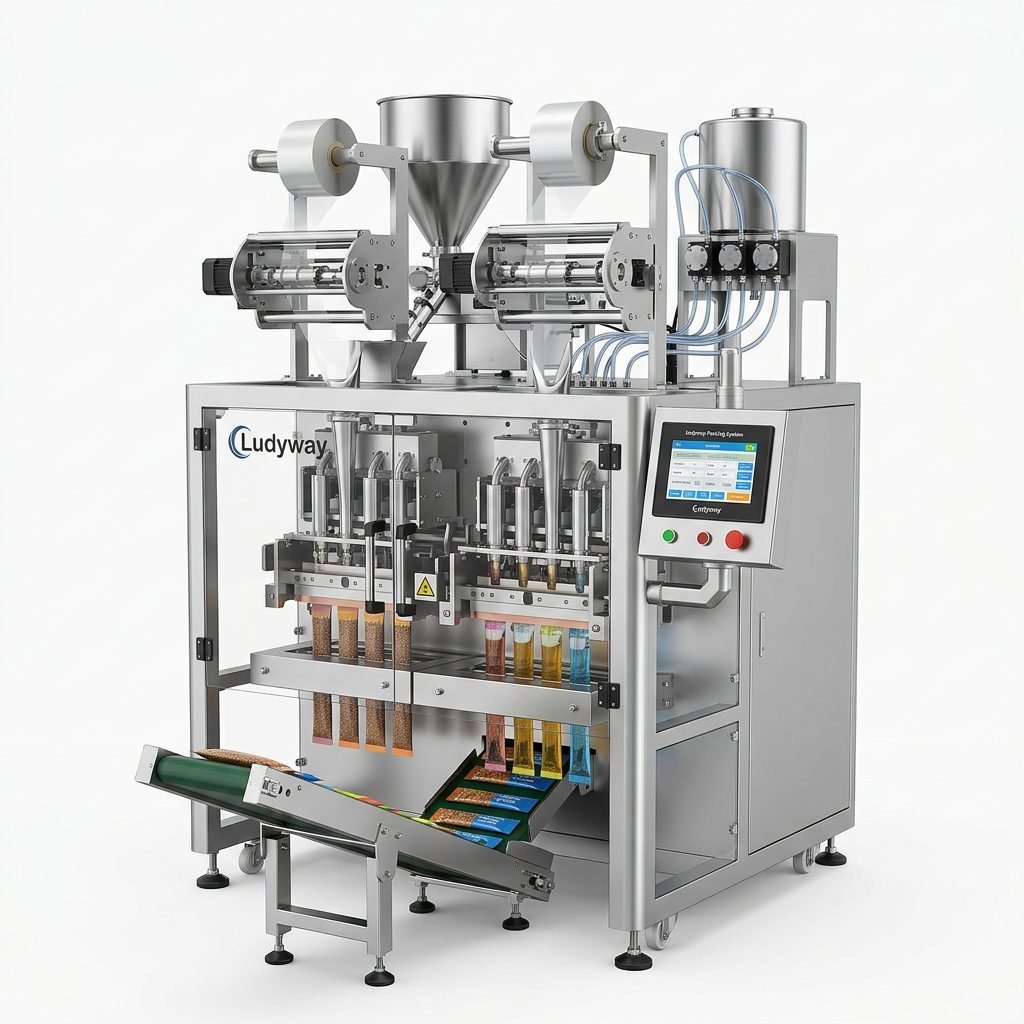
The coffee industry in Asia is undergoing a massive transformation. From bustling street-side cafes in Bangkok to high-end specialty roasters in Seoul and Shanghai, the demand for packaged coffee is soaring. To keep up with this growth, producers, roasters, and co-packers are investing heavily in automation. At the heart of this efficiency drive is the coffee bean packaging machine. Selecting the right equipment is not just about speed; it’s about preserving the delicate aroma, preventing oxidation, and ensuring shelf stability in Asia’s diverse tropical climates. This comprehensive guide explores the features, costs, and supplier landscape to help you make the most informed investment for your coffee business.
Understanding the Asian Coffee Packaging Market
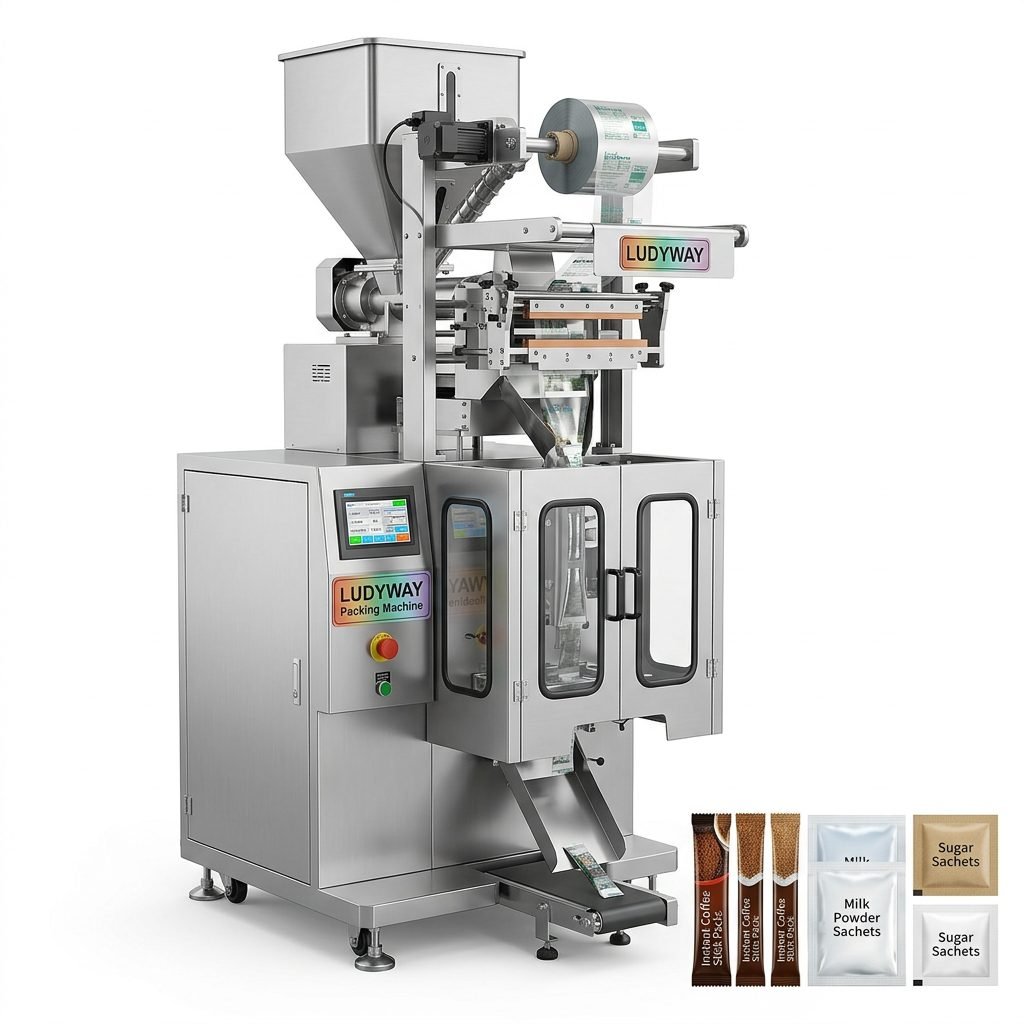
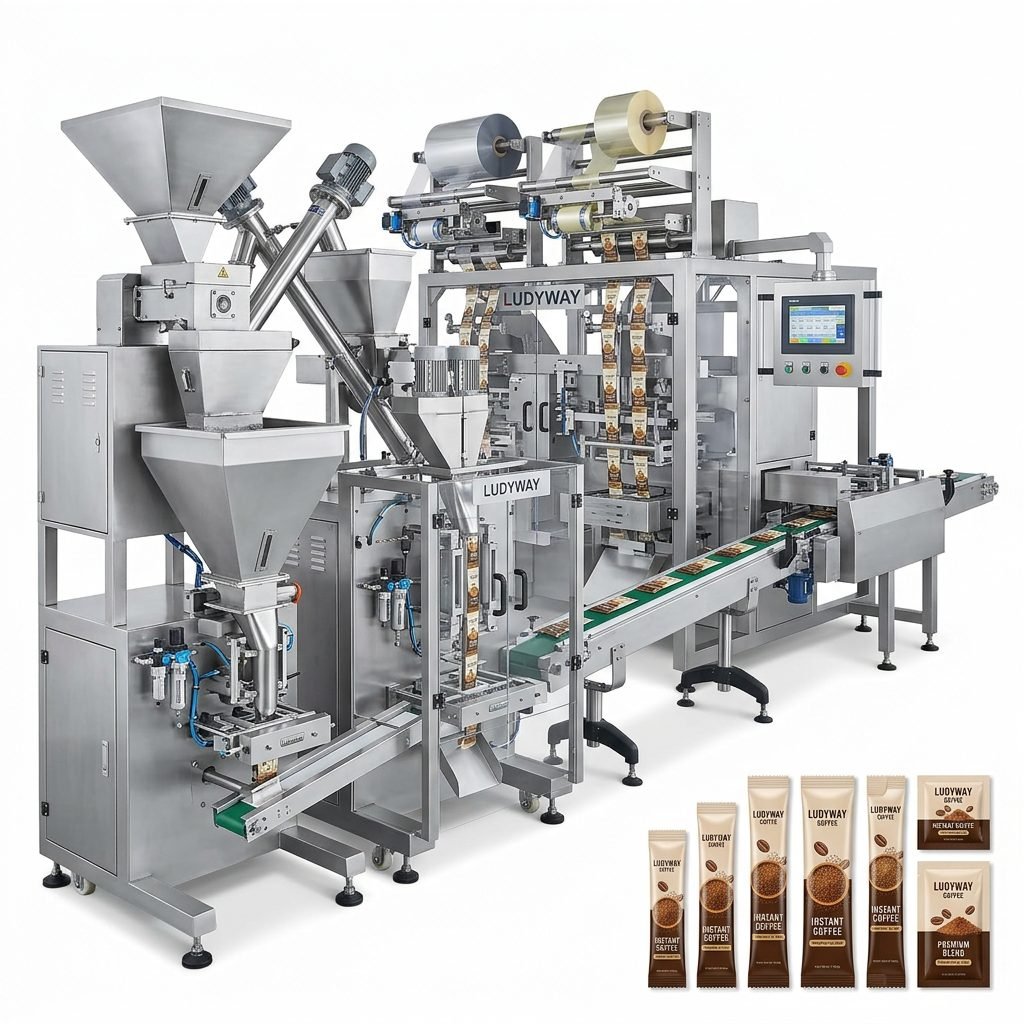
The Asian market is unique. While traditional markets once preferred bulk buying, the modern consumer is gravitating toward convenience and single-serve formats. Stick packs and sachets are dominant, particularly for instant coffee mixes and 3-in-1 beverages, which remain hugely popular across Southeast Asia. However, the premiumization trend is also driving demand for valve-sealed bags for whole beans and ground coffee. A modern coffee bean packaging machine must be versatile enough to handle multiple formats, from small sachets to larger gusseted pouches, while managing the product’s fragile and often oily nature.
Before diving into costs, it’s critical to understand the technical features that directly impact the quality of your final product. Unlike general powder packaging, coffee processing requires specific engineering to handle outgassing and particle size.
Key Features to Look for in Coffee Packaging Equipment
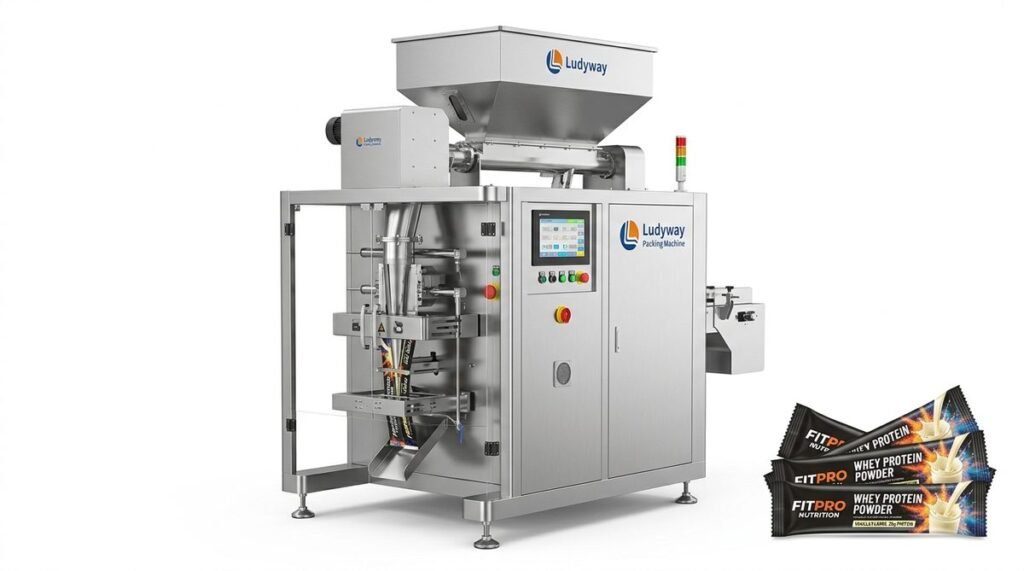
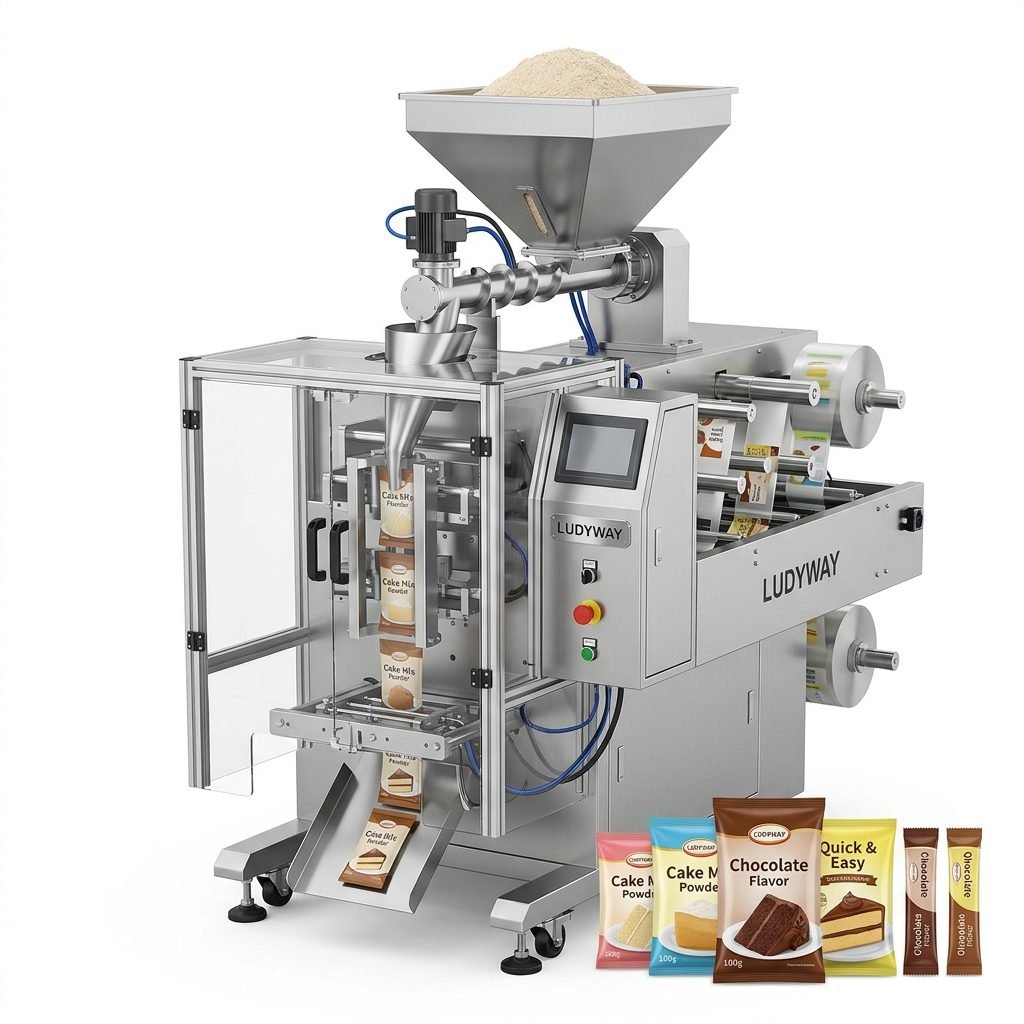
Not all vertical form fill seal (VFFS) machines are created equal. When packaging coffee, you are dealing with a product that emits carbon dioxide and can easily lose its volatile oils. The following features are essential for a high-performance coffee bean packaging machine:
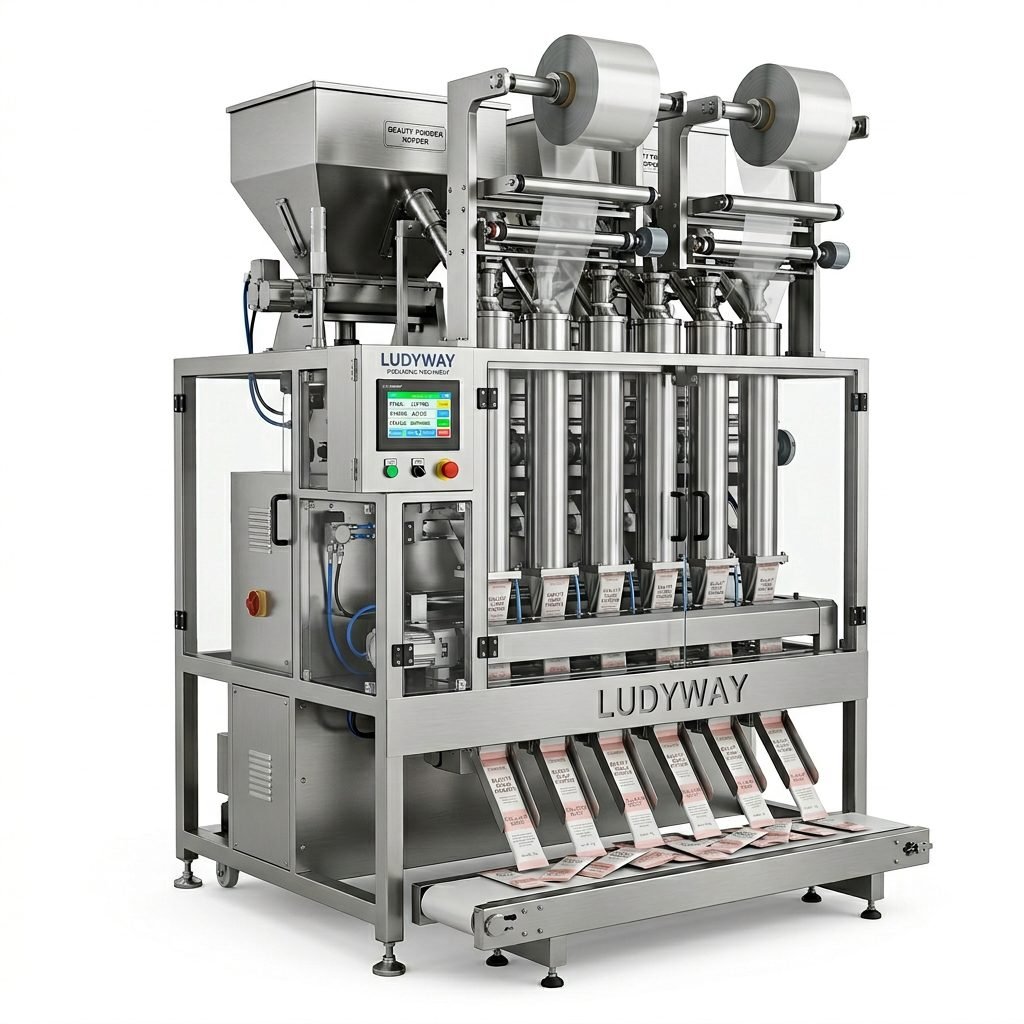
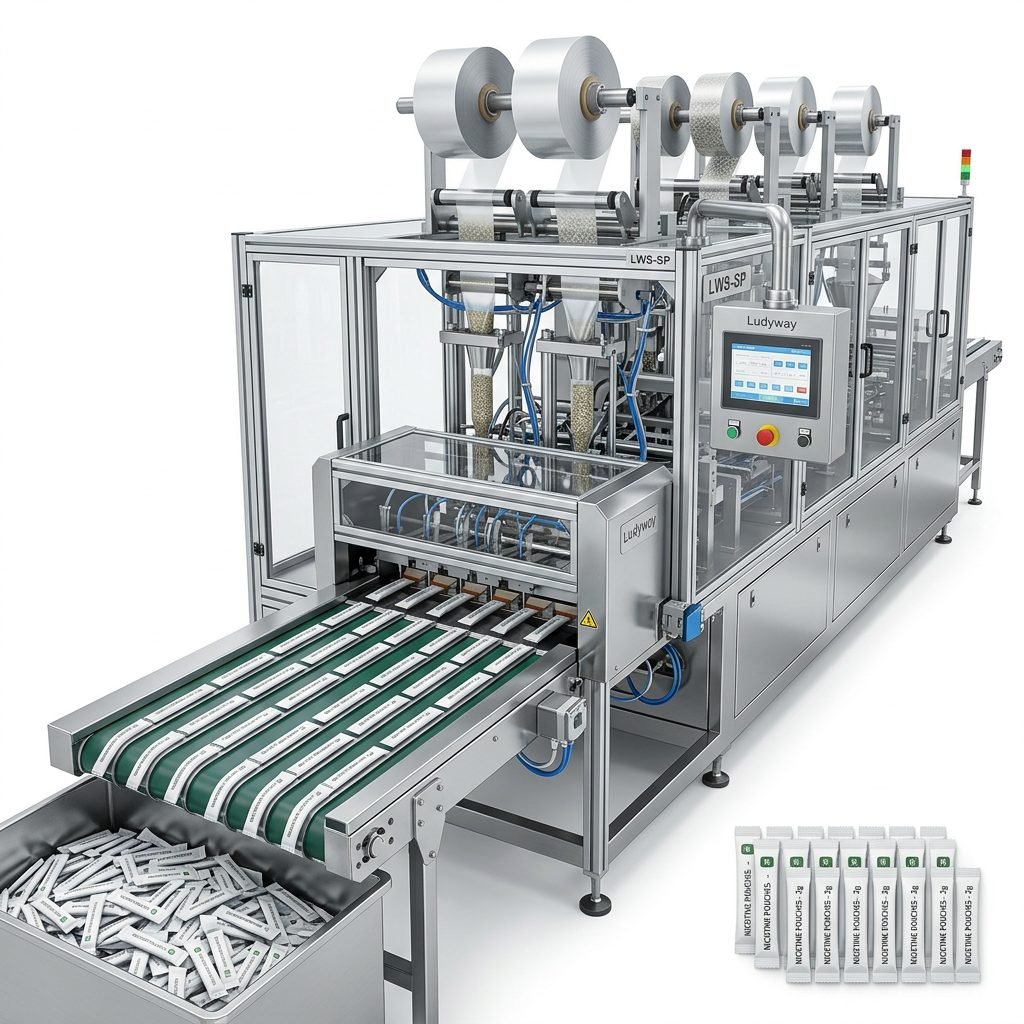
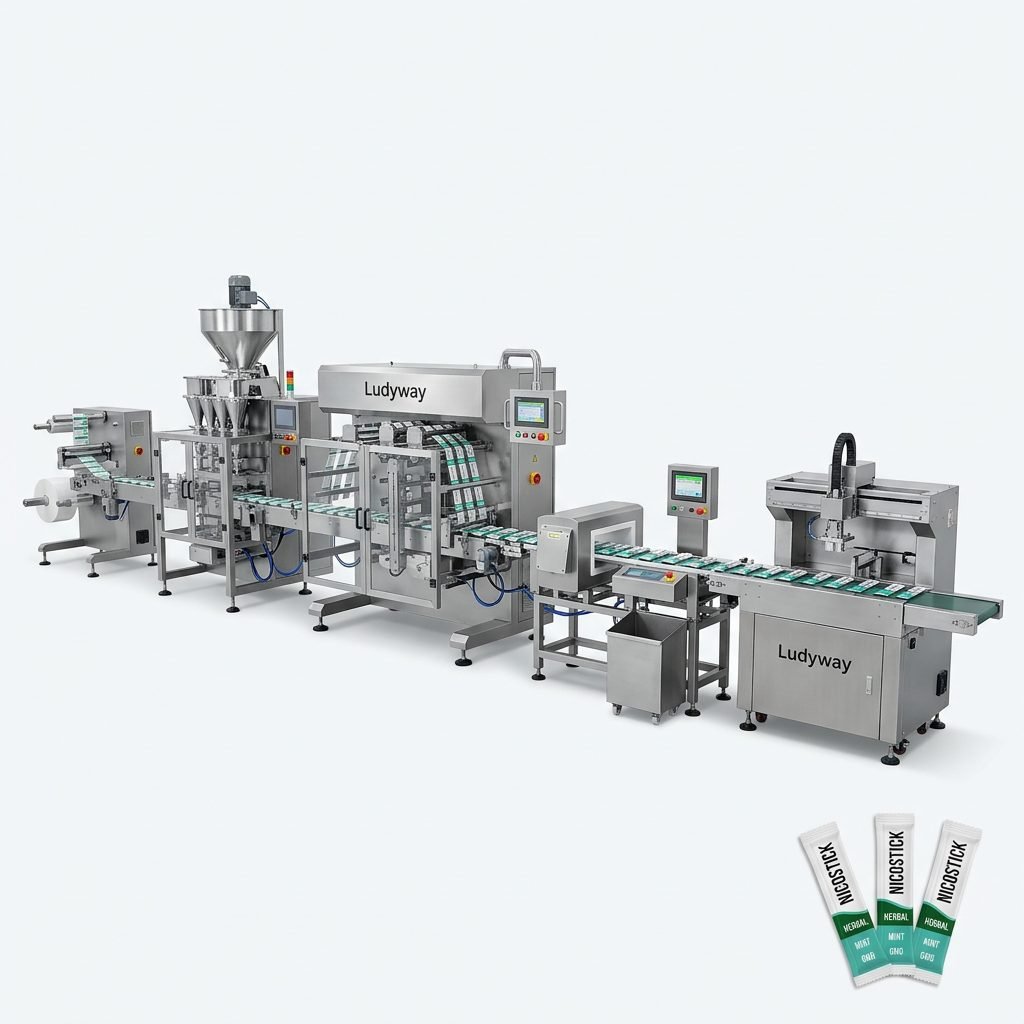
- Multi-Lane Capability: High-volume stick pack production often requires 4 to 12 lanes to maximize output without sacrificing floor space, a common constraint in Asian production facilities.
- Airtight Sealing Systems: Look for machines with strong longitudinal and cross-sealing jaws. For whole bean and ground coffee, the seal integrity prevents oxidation, extending shelf life significantly.
- Nitrogen Flushing Function: This is non-negotiable for oxygen-sensitive products. An integrated nitrogen flushing system displaces oxygen in the package before sealing, preserving freshness and aroma.
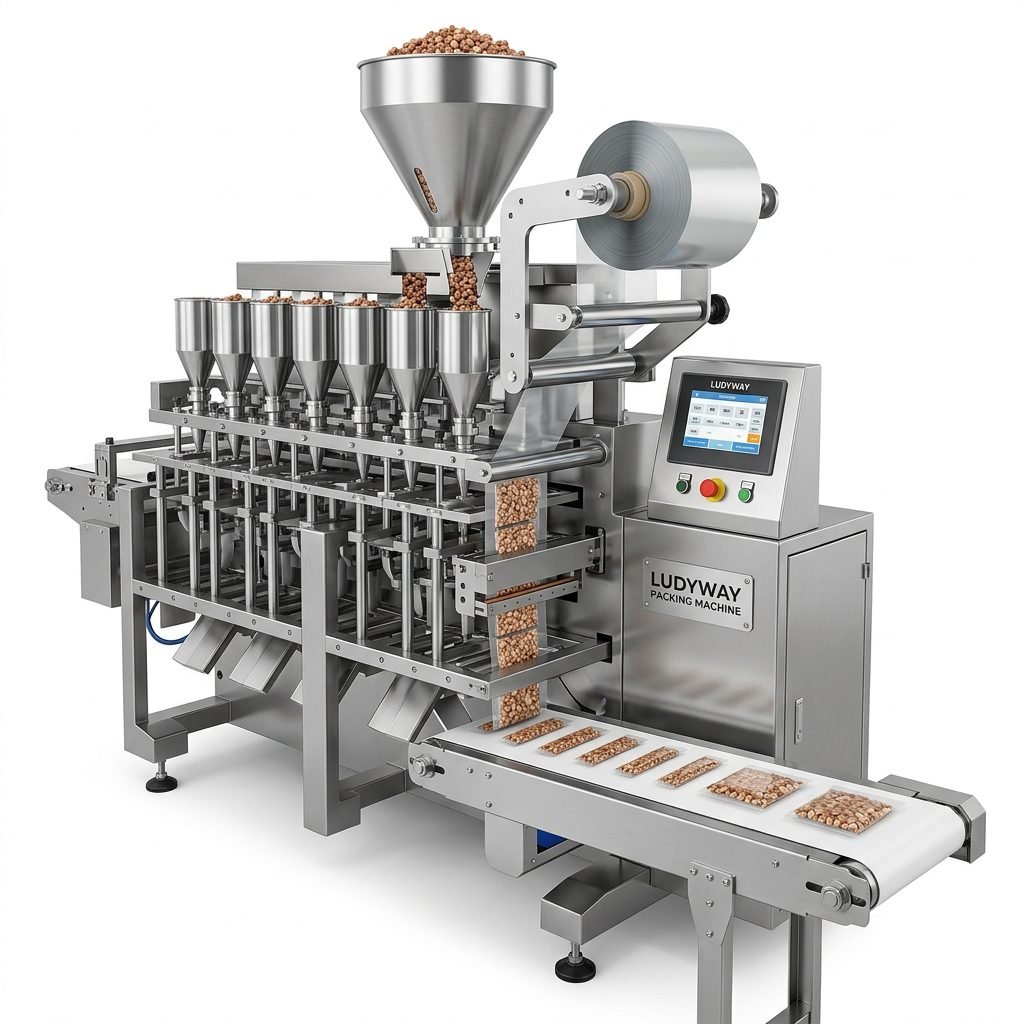
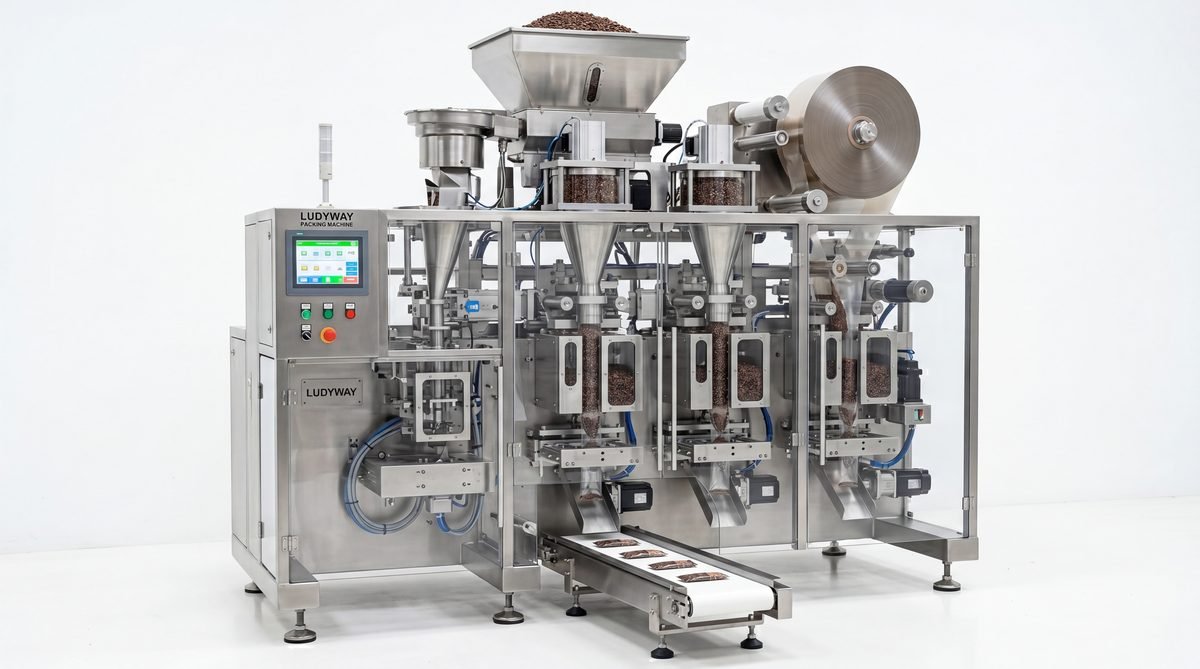
- Precision Weighing Systems: Whether using multi-head weighers for whole beans or volumetric cup fillers for ground coffee, accuracy is vital to control giveaway and maintain profitability. A precision vibratory feeder ensures consistent flow, which you can find integrated into advanced systems, similar to our High-Precision Vibratory Feeder technology.
Types of Coffee Packaging Machines and Their Costs
The cost of a coffee packaging machine in Asia varies dramatically based on the automation level, speed, and build quality. Below is a breakdown of the typical configurations you will encounter when sourcing equipment from regional and global packaging machine manufacturers.
| Machine Type | Estimated Price Range (USD) | Typical Output | Best Suited For |
|---|---|---|---|
| Single-Lane Stick Pack | $8,000 – $20,000 | 30 – 60 packs/min | Small roasters, entry-level instant coffee |
| Multi-Lane Stick Pack (4-8 Lanes) | $35,000 – $80,000 | 200 – 500 packs/min | Instant coffee, 3-in-1 mixes, sugar/creamer stick packs |
| Premade Pouch Rotary Filler | $25,000 – $60,000 | 30 – 60 pouches/min | Premium whole beans, gusseted bags with degassing valves |
| Complete Turnkey Packaging Line | $100,000 – $350,000+ | Customized (High Volume) | Large production plants, automated cartoning and palletizing |
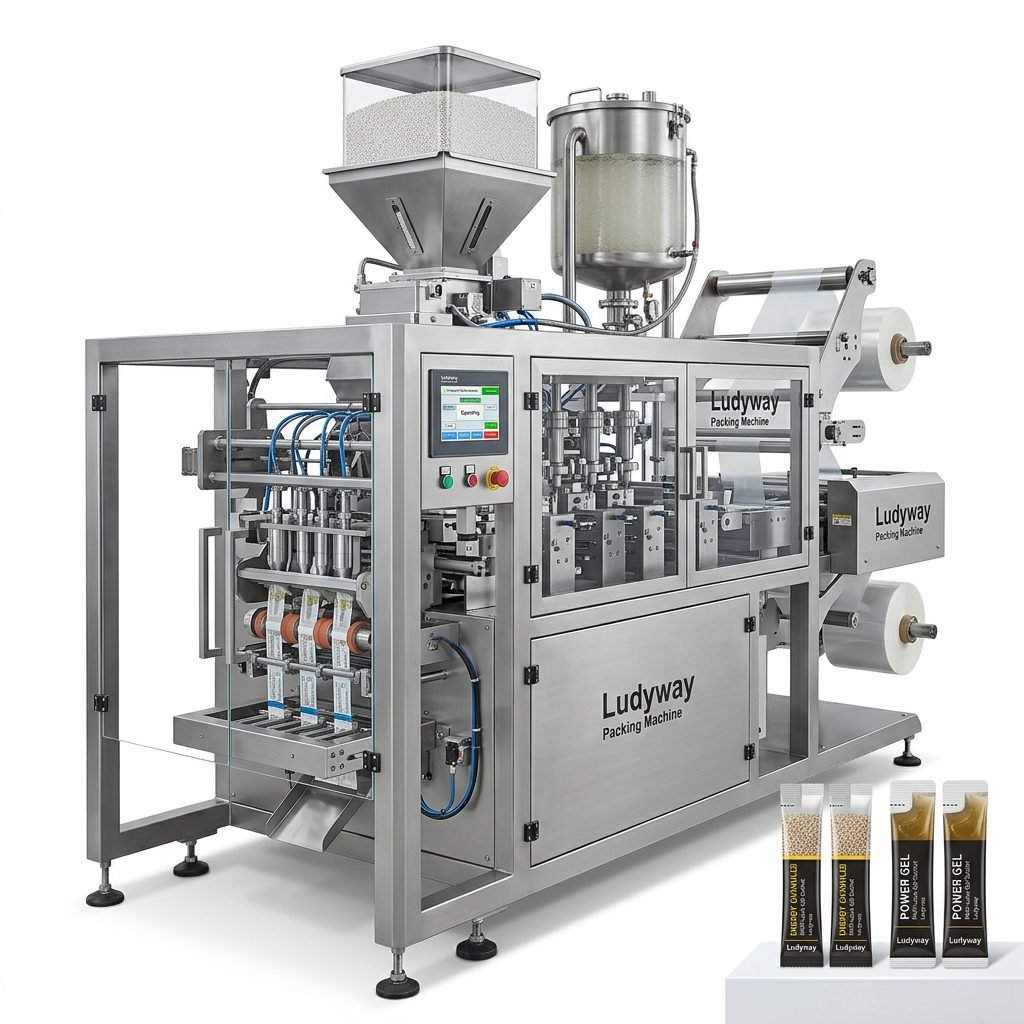
It is important to note that these costs are influenced by the materials used in construction. In the humid climates of Asia, stainless steel components are essential to prevent corrosion. As a leading coffee bean packaging machine partner, Ludyway focuses on robust manufacturing standards to ensure durability in these challenging environments.
Selecting Reliable Suppliers in Asia
Asia is a hub for packaging machinery manufacturing, with strongholds in China, South Korea, and Japan. Your choice between a local supplier and an international brand will depend on your budget, required technology level, and after-sales support expectations.
1. The Technical Expertise Factor
When evaluating suppliers, you must assess their engineering depth. A factory with decades of experience, a footprint spanning over 20,000 square meters, and a dedicated team of hundreds of packaging experts indicates a capacity to deliver consistent quality. You should look for companies that not only assemble but heavily invest in innovation. The most professional suppliers serve diverse industries—from food and pharma to health—and offer more than 50 distinct models of intelligent equipment, ensuring they can customize a coffee packaging solution to your specific product characteristics.
2. After-Sales and Regional Support
Downtime is the enemy of coffee production. When a machine breaks, the freshness of your coffee is at stake. Prioritize suppliers who offer rapid remote support and have a network of service engineers in your region. Confirm if they have experience exporting to over 100 countries and can provide documentation and user interfaces in your local language. Refer to global standards from organizations like the PMMI – The Association for Packaging and Processing Technologies to ensure your supplier meets international safety and hygiene regulations, particularly those related to FDA food packaging and flexible packaging standards.
Navigating the Cost Spectrum: Hidden Variables
While the table above provides a baseline, the final price of a coffee bean packaging machine is rarely the “sticker price.” Several hidden variables can significantly impact your total investment. Understanding these is critical to avoiding costly mistakes during commissioning.
- Volatile Exchange Rates: If sourcing internationally, USD and RMB fluctuations can swing your cost by 5-10% during the negotiation and manufacturing period.
- Customization Requirements: Adapting a standard machine to handle degassing valves, tear-notches, or specific film gauges increases engineering and tooling costs.
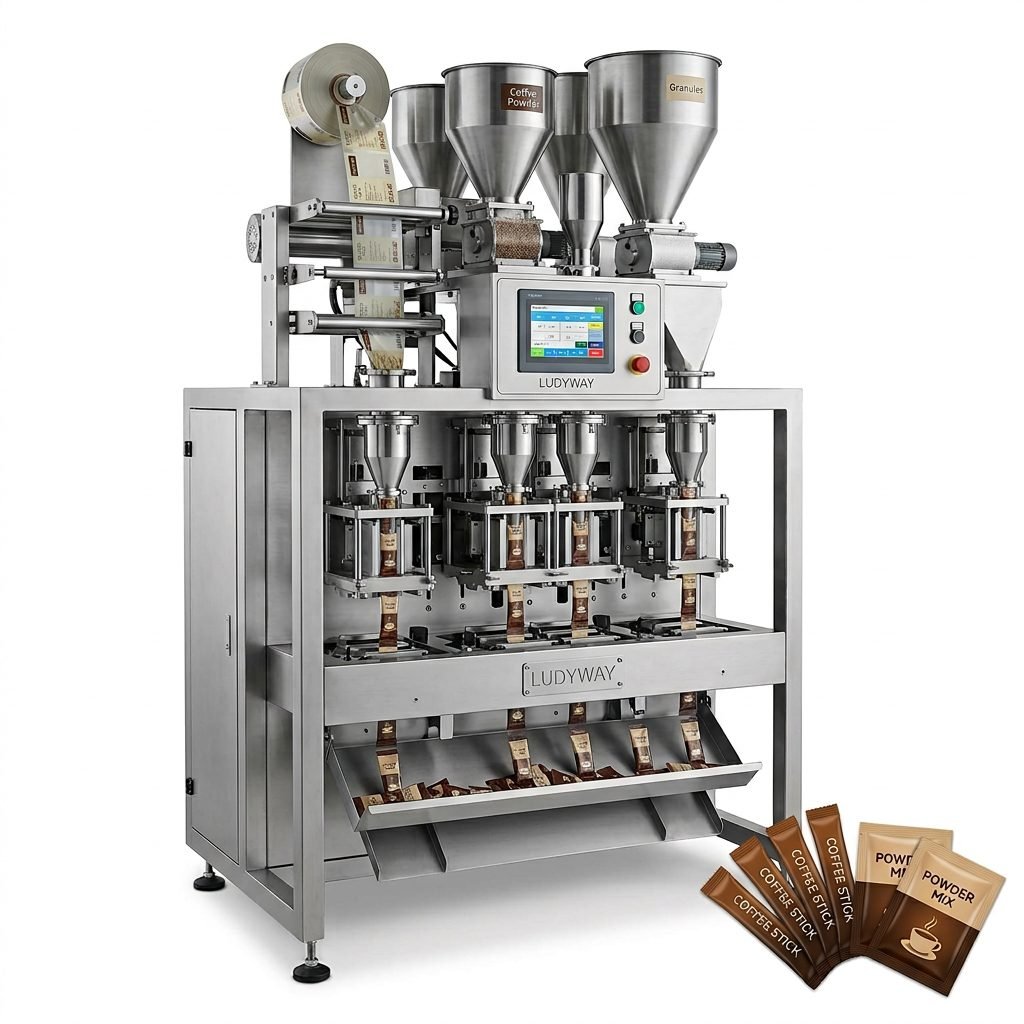
- Integration with Upstream Equipment: The packaging line doesn’t exist in a vacuum. Integrating with grinders, conveyors, and cartoning systems requires additional electrical and mechanical synchronization.
- Compliance and Certifications: CE, UL, or specific sanitary certifications necessary for your target export market add audit and component costs.
When budgeting, consider the complete packaging solution—not just the filler. A turnkey approach that encompasses counting, cartoning, and even palletizing ensures seamless efficiency. For businesses aiming to scale rapidly, some manufacturers like Ludyway—who have seen consistent growth and are targeting export revenues exceeding RMB 1 billion—offer a level of stability and scalability that smaller workshops cannot match.
The Verdict on Multi-Lane Technology
For 3-in-1 instant coffee mixes that dominate the massive Southeast Asian market, multi-lane stick pack machines offer the best return on investment. They occupy relatively little floor space—a critical advantage in compact Asian factory units—and can produce outputs otherwise requiring multiple single-lane units. With the ability to produce over 400 packs per minute, they are essential for brands competing in the mass-market segment where price per unit is fiercely contested.
To further deepen your knowledge and ensure your investment is future-proof, we recommend consulting industry resources such as the PMMI State of the Industry reports and the Flexible Packaging Association’s knowledge hub for the latest market trends and technology standards. These resources can provide valuable context as you compare suppliers and machine capabilities. Selecting the right partner is a long-term decision that will drive your brand’s growth in the competitive Asian coffee market for decades to come.